La Bohème – A night at the Scottish Opera

Years ago, when I was trying to learn guitar—classical and jazz—with an outstanding teacher on the West Coast of America, we started talking about the music we liked. Not just the usual pop and rock of the time—Van Halen, Foreigner, Earth, Wind & Fire, and all those disco acts—but what really spoke to us.

I told him I loved classical music, in particular Elizabethan, Baroque, Romantic. I mentioned composers like Tchaikovsky and Prokofiev. He said he liked almost everything. He had a degree in music and could play classical pieces on both piano and guitar. But there was one thing he admitted: he didn’t care much for opera—he just couldn’t understand it. Not just that they were in Italian, etc, but that what was the point (or something like that).

I could relate. Opera always seemed like endless shouting, as if everything were a Wagner production. It made no sense to me. Even in musicals, you’d have spoken parts alongside singing, which felt more natural. But that was beside the point. It existed and was not going to change.

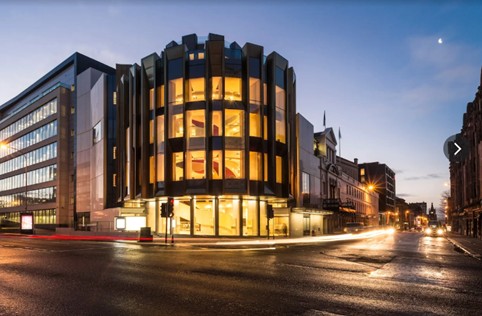
So when we decided to see La Bohème last month at the Theatre Royal in Glasgow, I treated it like an excursion—a field trip. I wasn’t expecting to enjoy it.

Boy was I completely wrong.

La Bohème composer Giacomo Puccini

Over the last decade or so, I’ve come to appreciate some of the old operas, especially Italian ones like Puccini’s. They feel written for enjoyment, for ordinary people, full of memorable tunes. And when I went to the performance, that’s exactly what I found.

I was fascinated by the audience also. Every type of person was there: Black, White, Asian, Chinese, disabled, old, young, students, middle class, working class. I’ve been to hundreds of concerts, but I’ve never seen such a mix. It felt almost like a cult type of thing. And in addition, the two main roles were played by Asian singers.

And although opera is hardly in the charts, a survey last year is also in tune to my feelings. According to the Laidlaw Opera Short Report – Google Docs;

The Laidlaw Opera Short Report from January 2024 conducted by Public First found that 42% of the UK public has never met an opera fan, but 41% would like to go to an opera at least once in their life. The report also highlighted that cost is the main barrier to opera attendance, with 49% of the public saying that the cost being lower would make it more likely for them to attend an opera.

And when you delve deeper, the report says it’s the young who seem to have more time for opera nowadays?! If you have time (I didn’t even know these type of reports existed!), please go in the link and read it; it’s fascinating.

Back to the performance of La Bohème, there were parts of the opera I understood well and parts I didn’t. But I definitely recognized a couple of melodies that I’d heard on Classic FM.

It was a wonderful experience—and something I plan to enjoy again in the future.

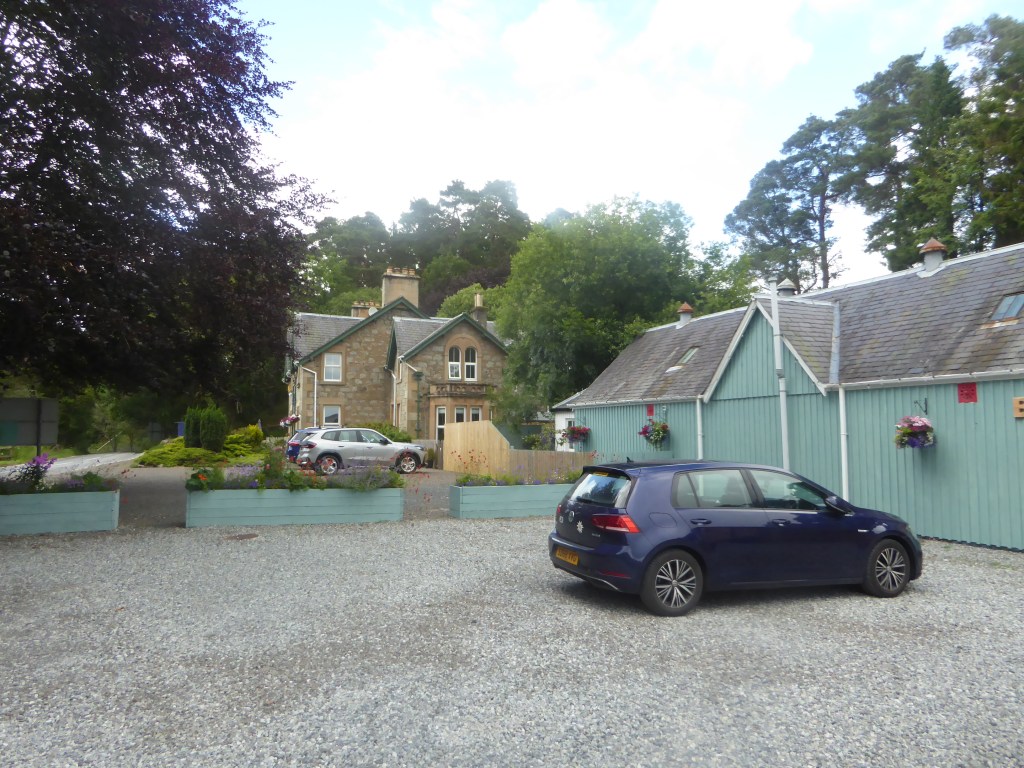
The Kilted Baker – Kirkmichael, Perthshire, Scotland – Another different type of thing in the Scottish Highlands

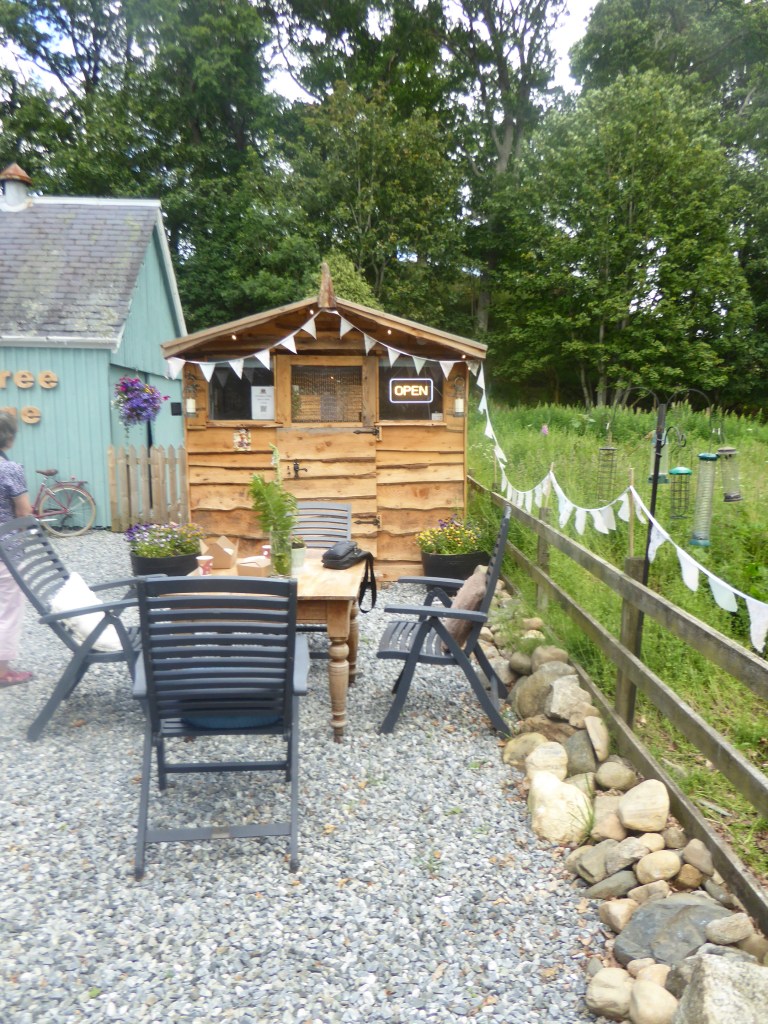
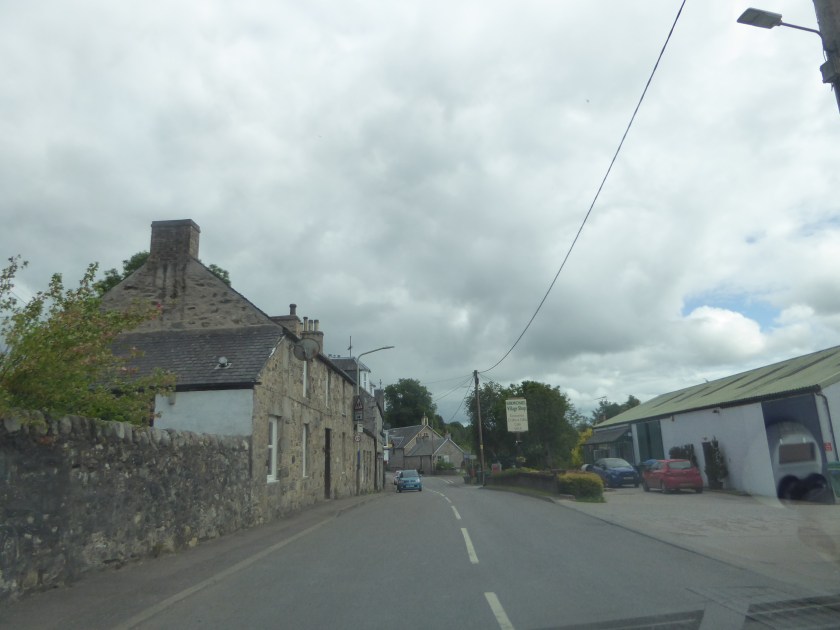
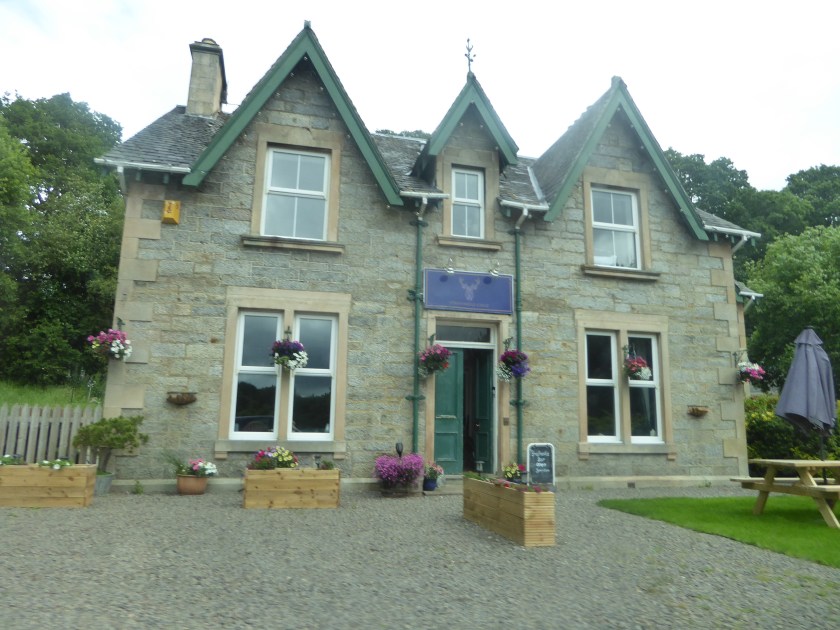
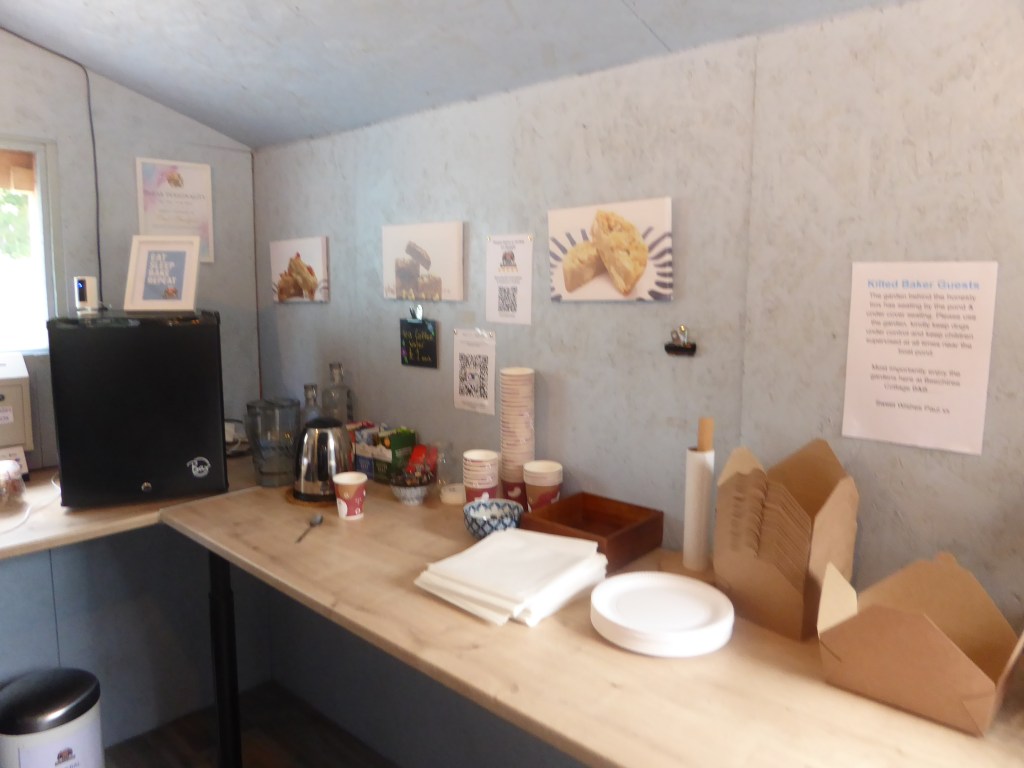
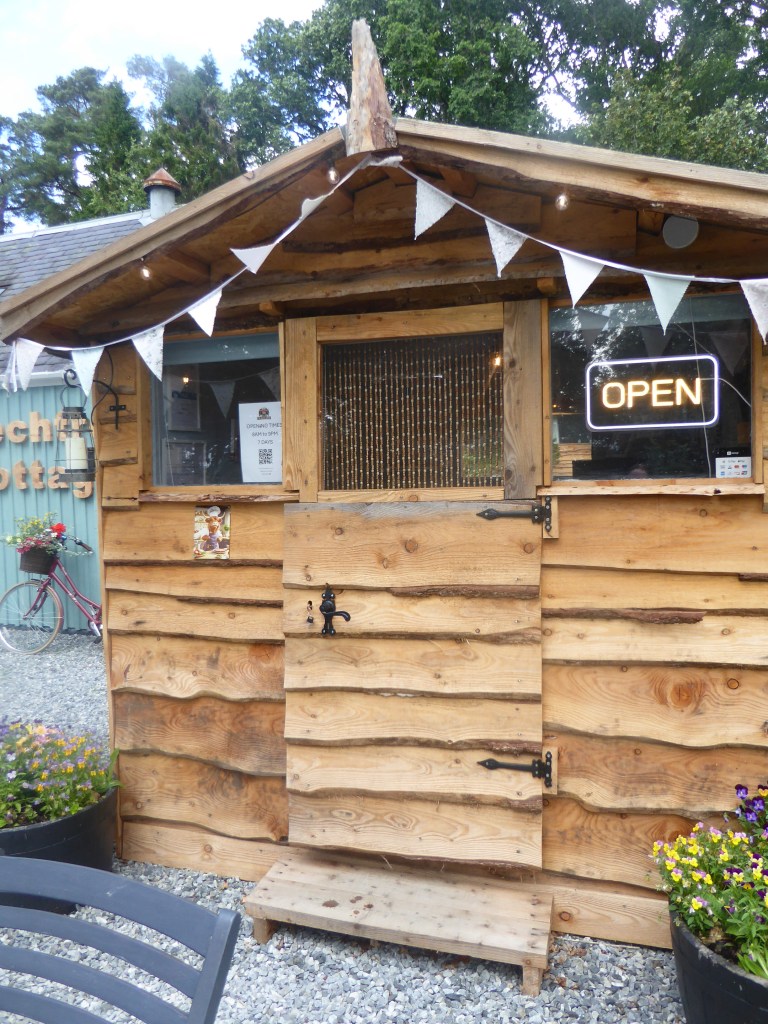
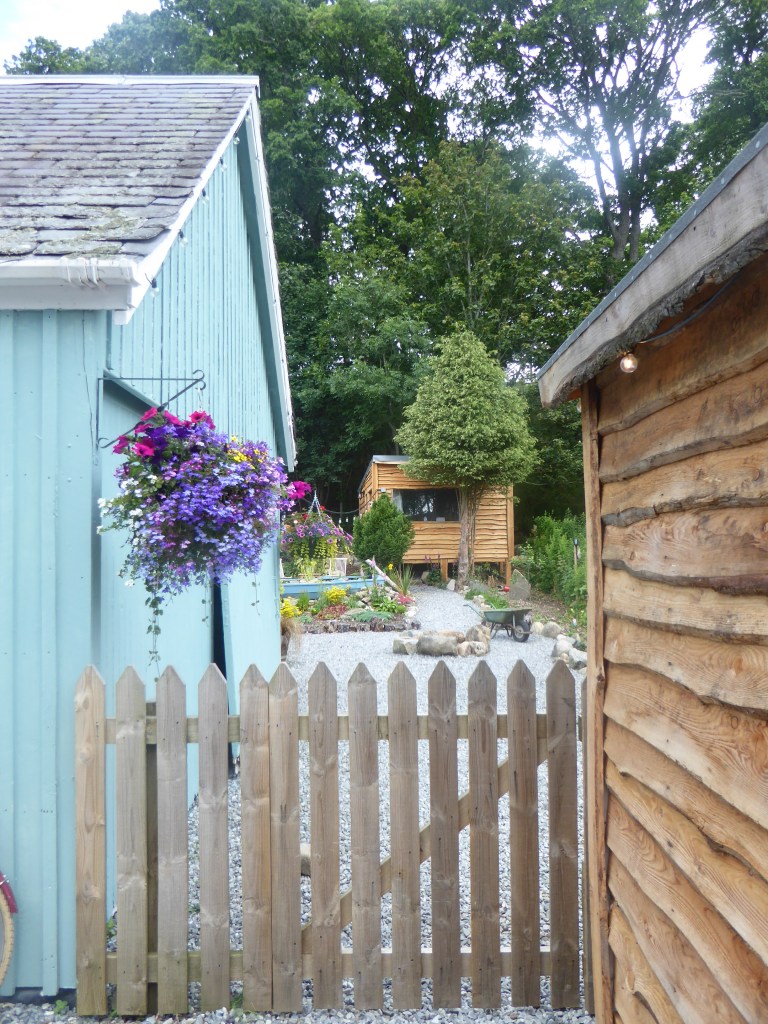
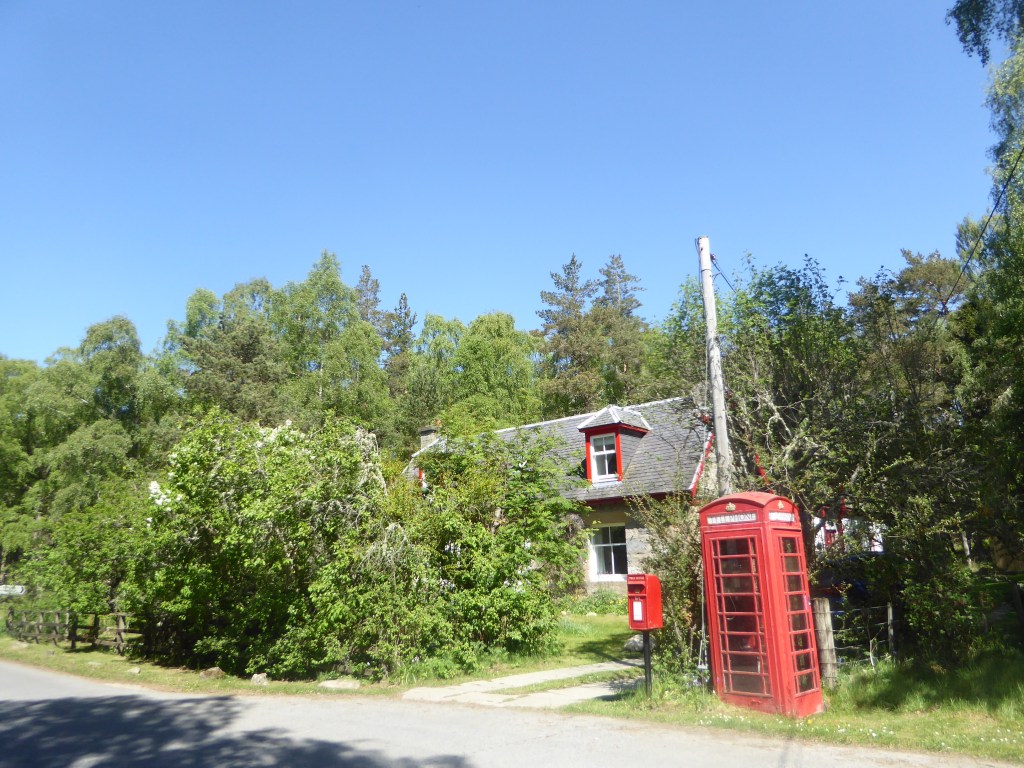
The Kilted Baker is nestled in the quaint village of Kirkmichael, and is a charming surprise I stumbled upon via a Facebook Reel. Yea, I actually watch those.

Over the past 15 years, I’ve visited this area quite often; such as starting the Cateran Trail from the carpark here! But still, this cozy home-grown spot was a nice discovery. Located about 15 miles from Blairgowrie to the southeast or the same from Pitlochry to the west, it offers a rustic, do-it-yourself vibe with a variety of cakes, cookies, tea and coffee.

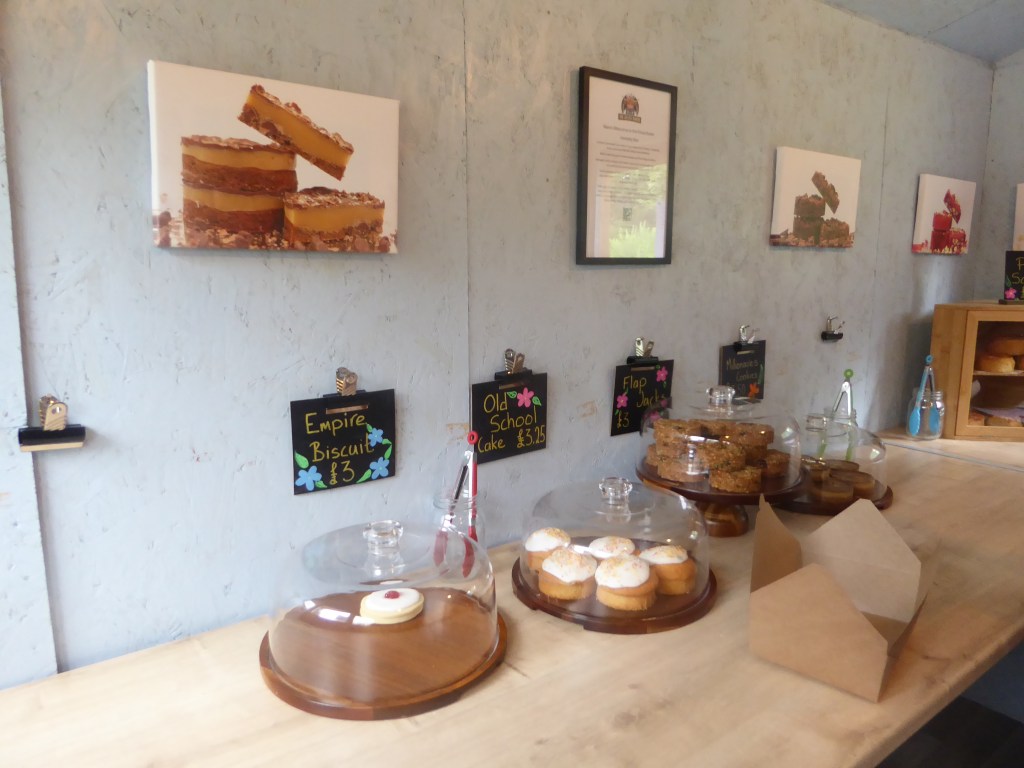
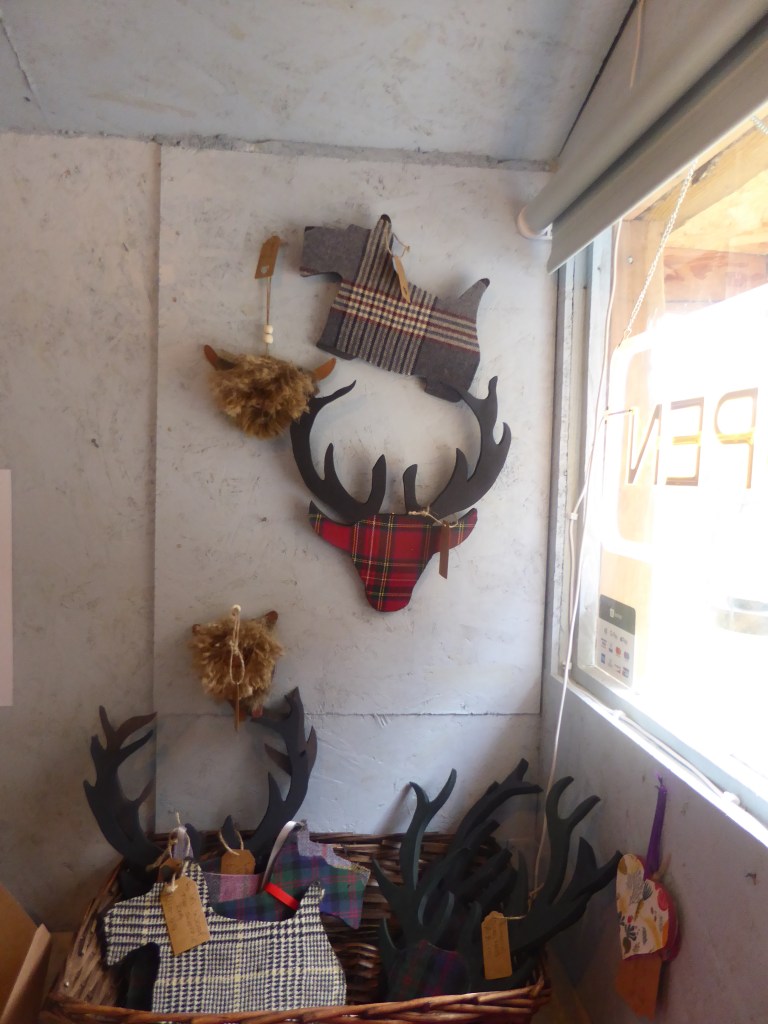
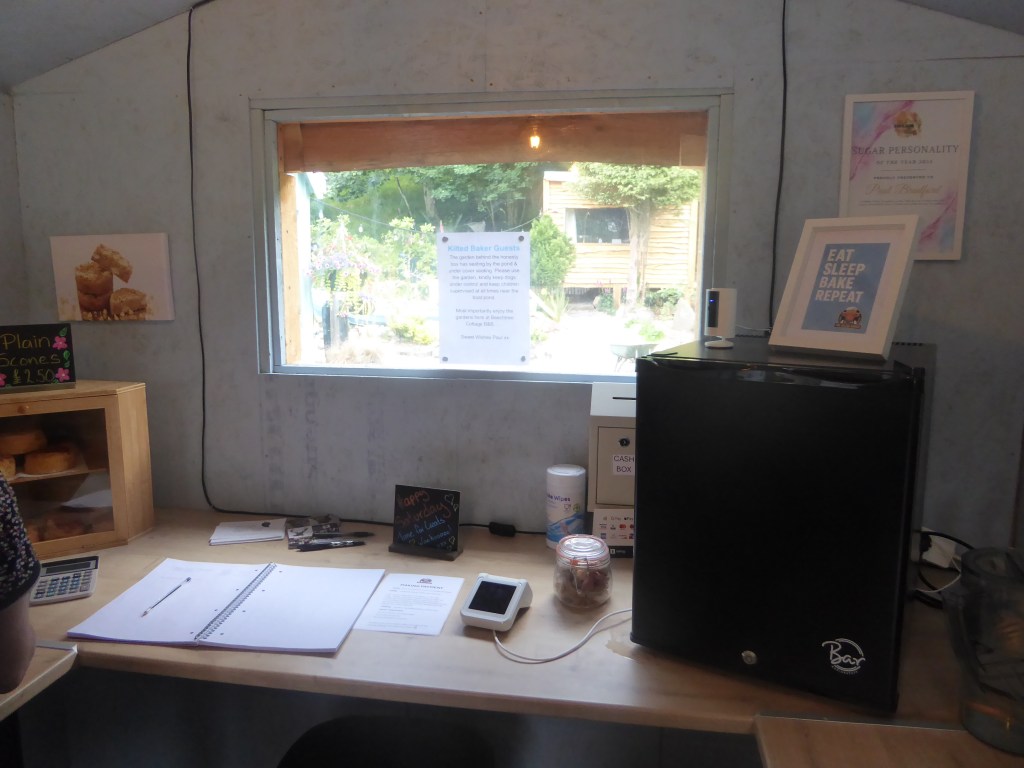
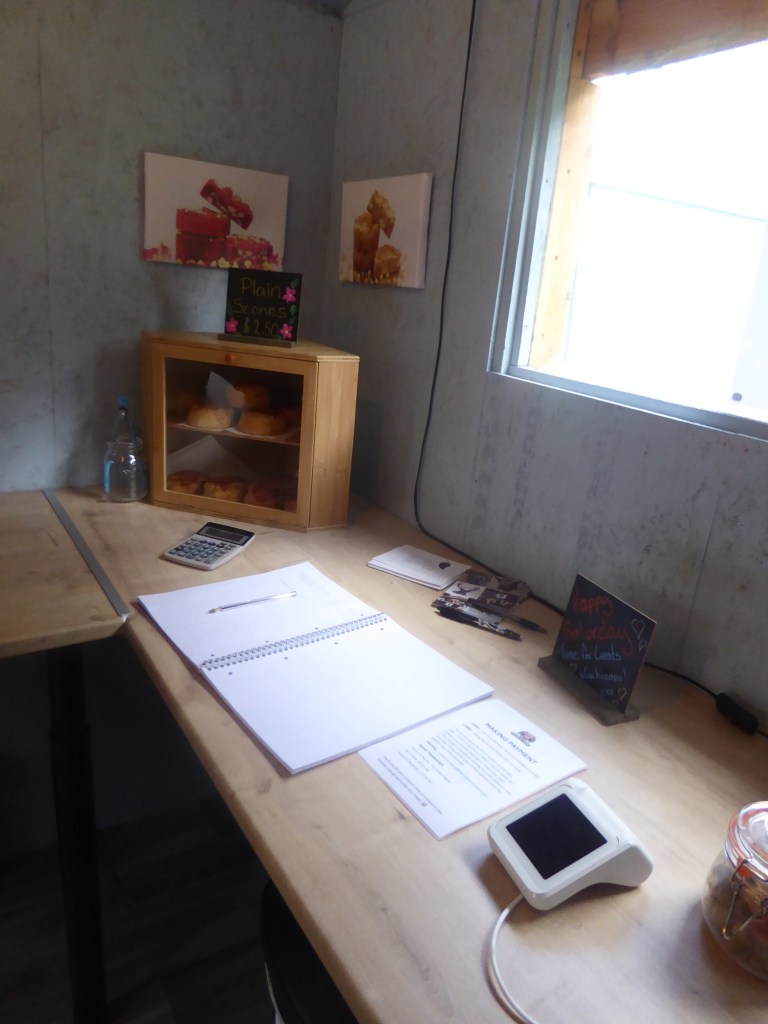
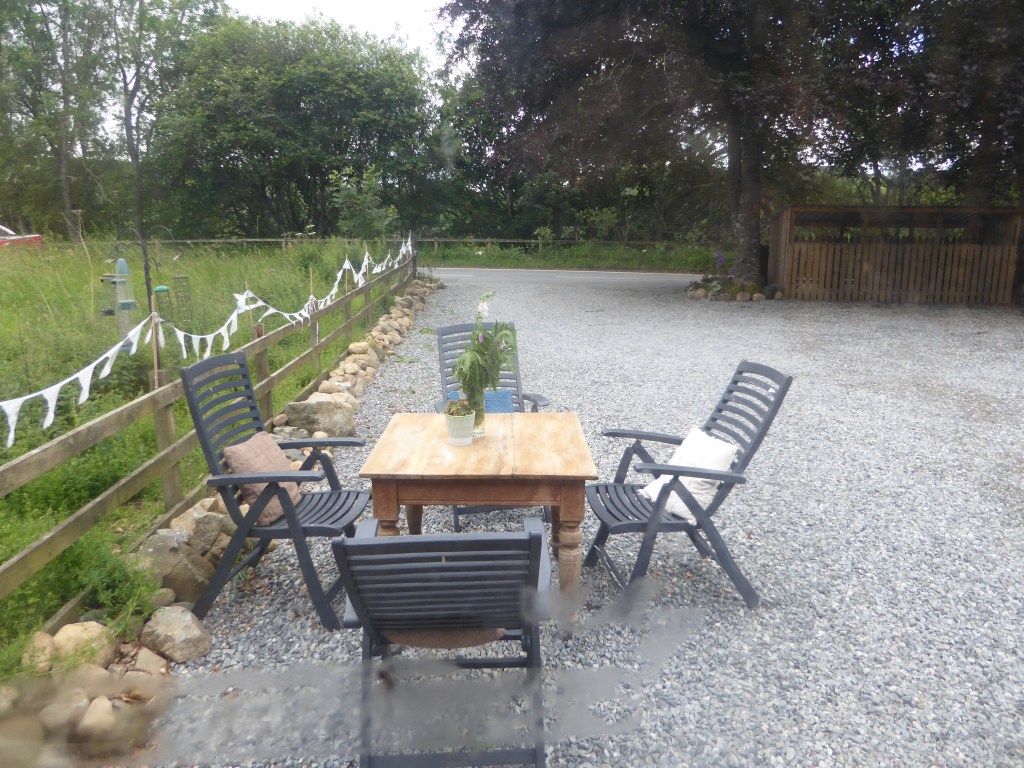
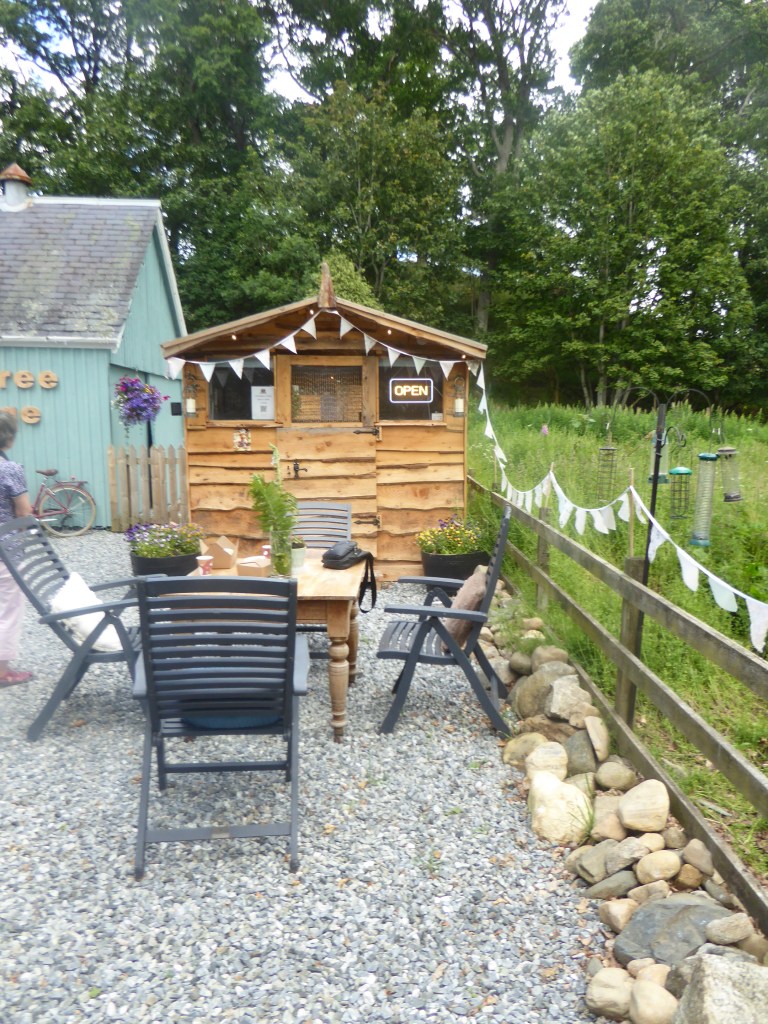
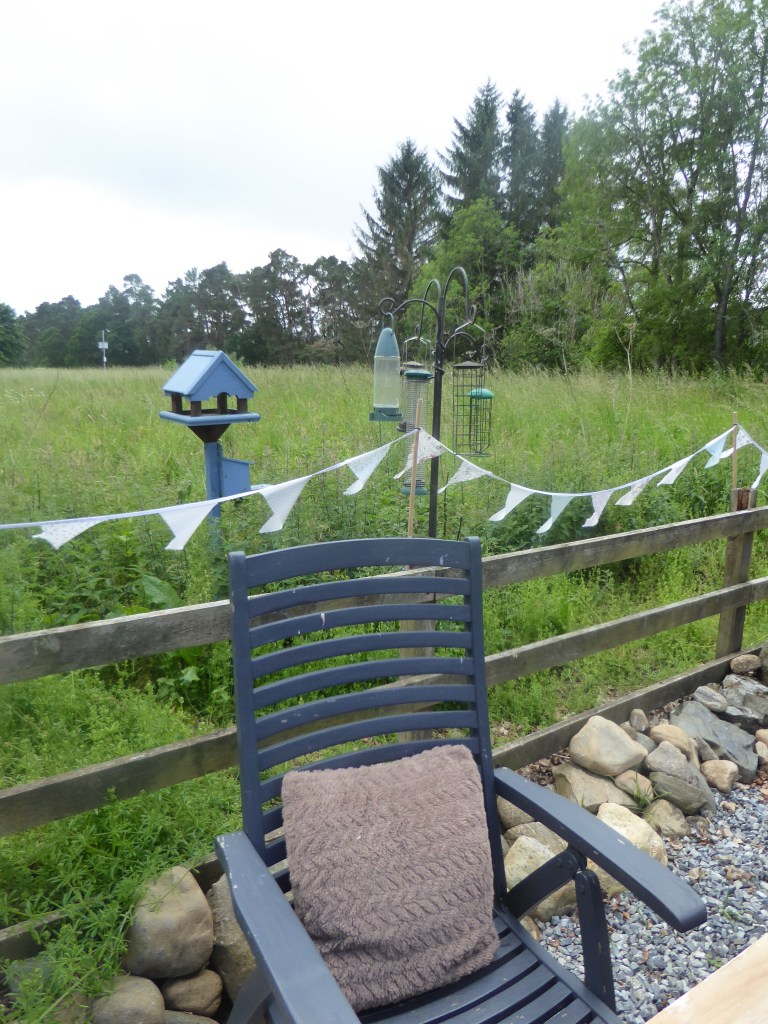
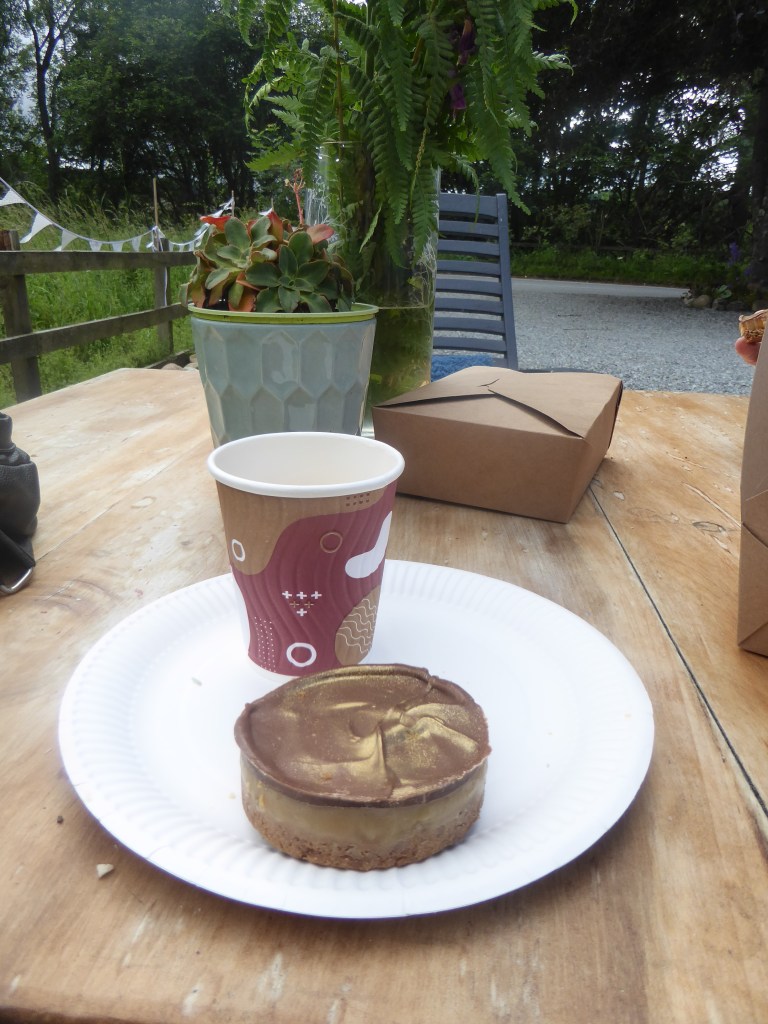
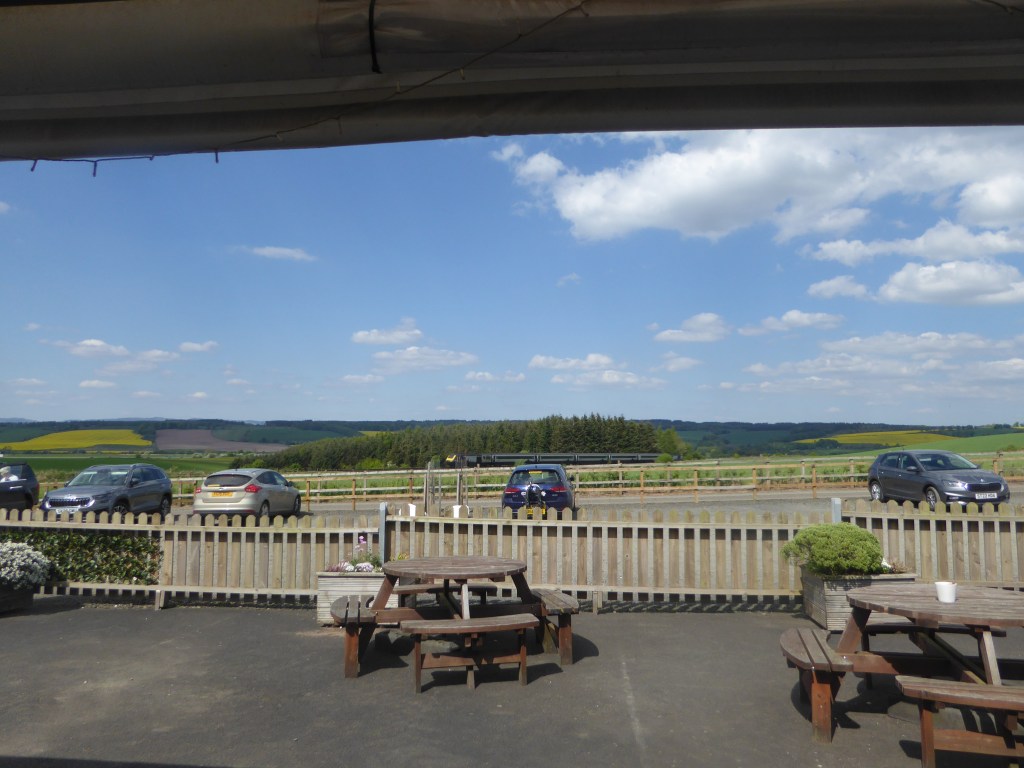
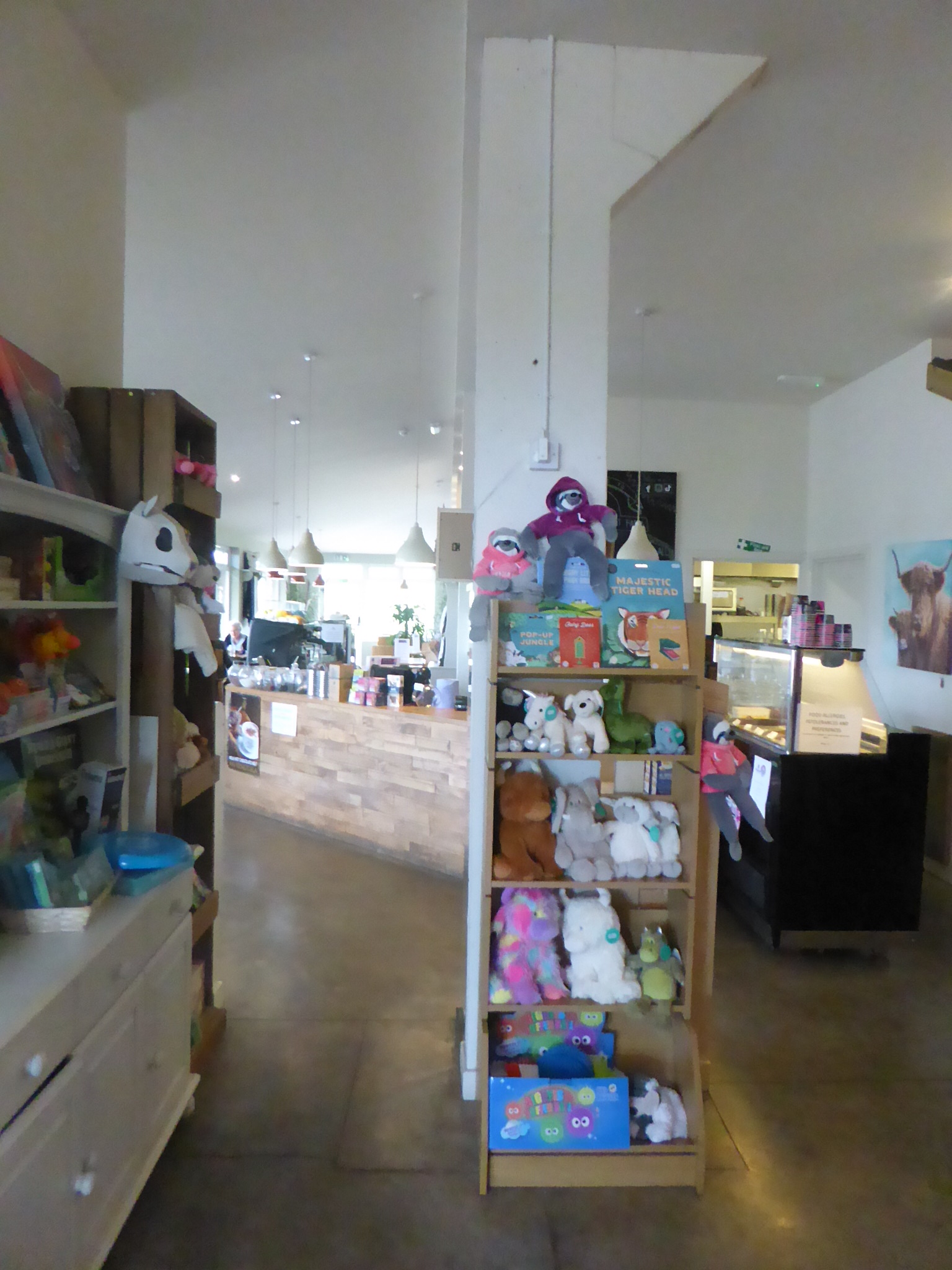
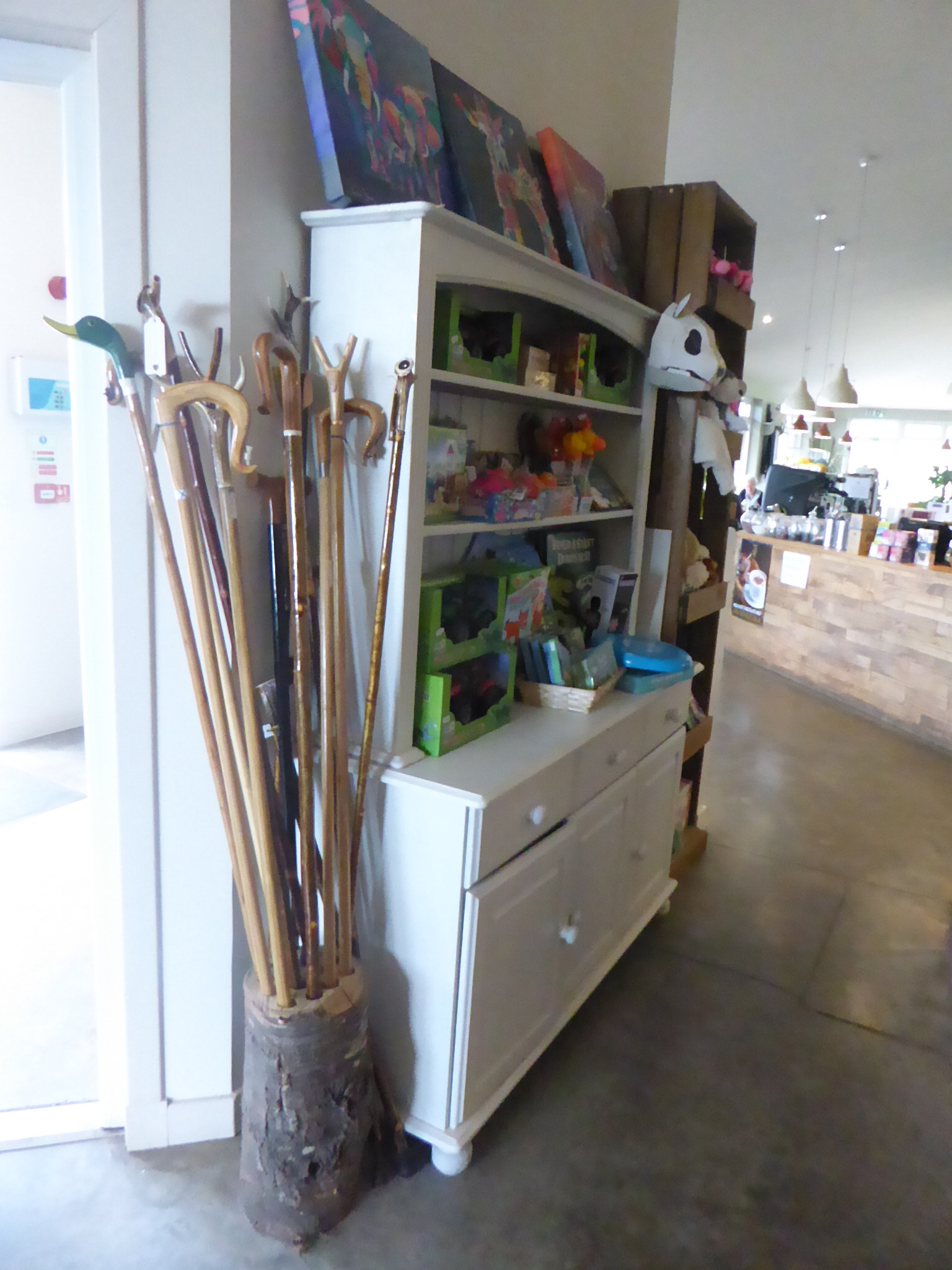
Payment is based on a modern honesty box system, accepting cash or card. The selection is impressive, featuring classics like Empire Biscuits and flapjacks, alongside cold drinks and Scottish-themed souvenirs like horns and kilted decorations! The setup is simple yet inviting, with a table and a few seats outside—perfect for sitting down before returning to where you came from.

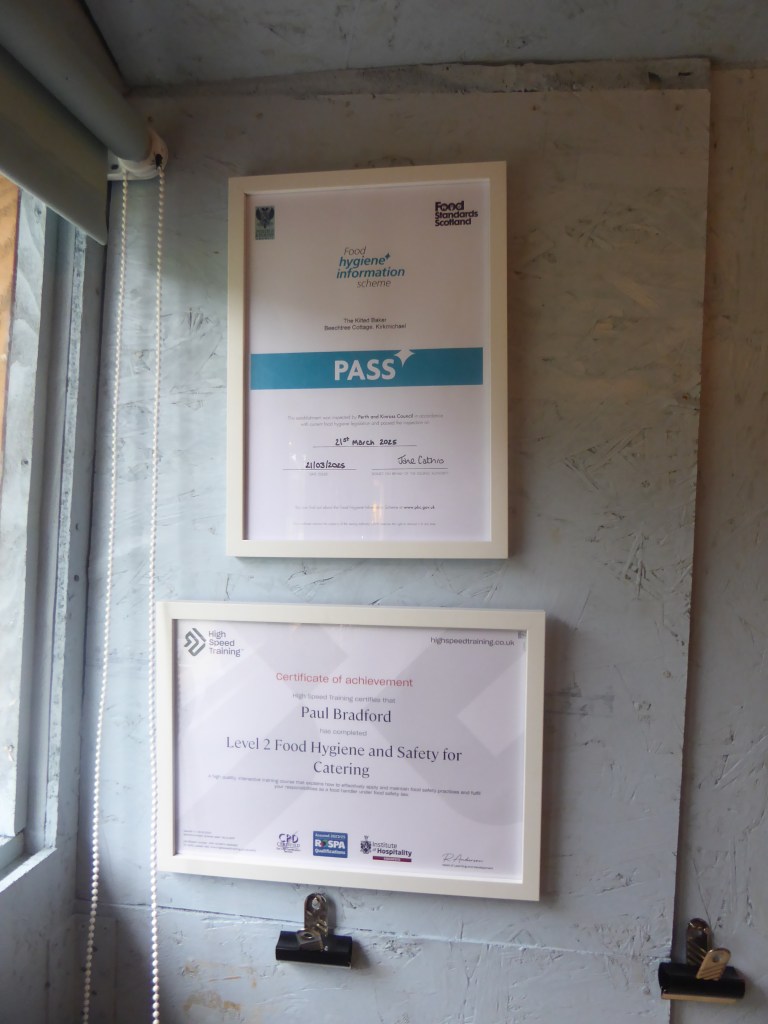
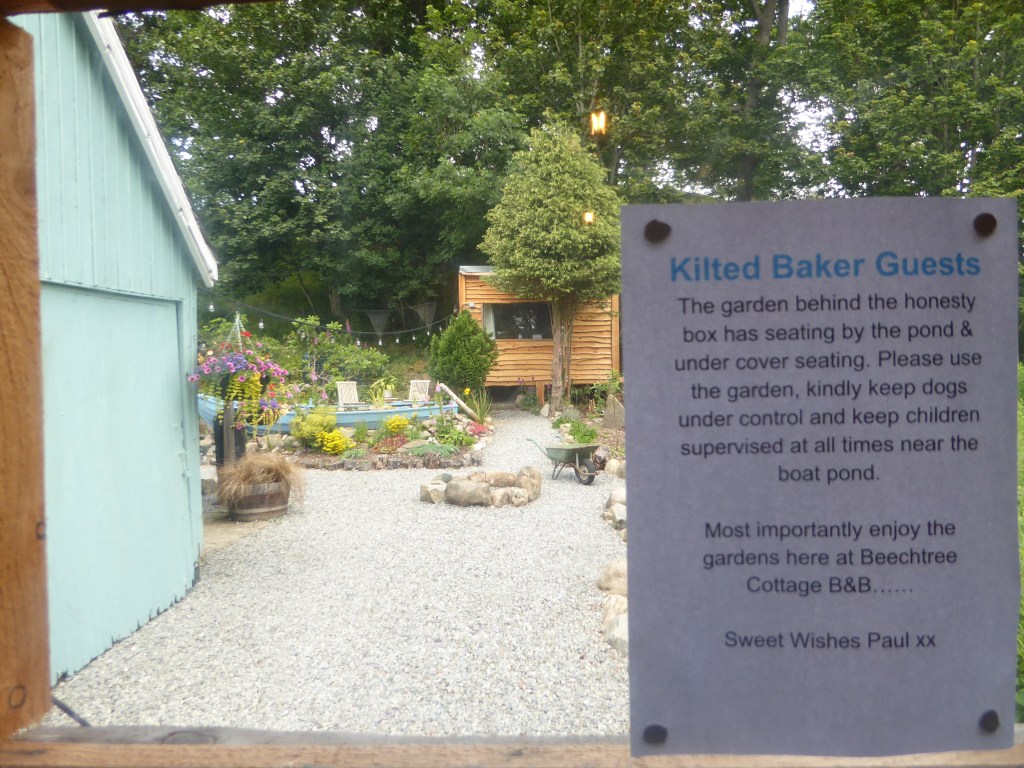
Next door is Beechtree Cottage, a familiar spot from years past, and the area offers easy access to the Glenshee Ski Centre if you take a left just past the bakery. You can also explore the adjacent gardens, where you might meet a friendly dog who escaped his paddock in search of cake during our day there. Run by a man named Paul Bradford, who holds level one and two food hygiene certificates and a recent approval from Scotland’s Food Standards Agency (March 2025), it feels authentic and welcoming.

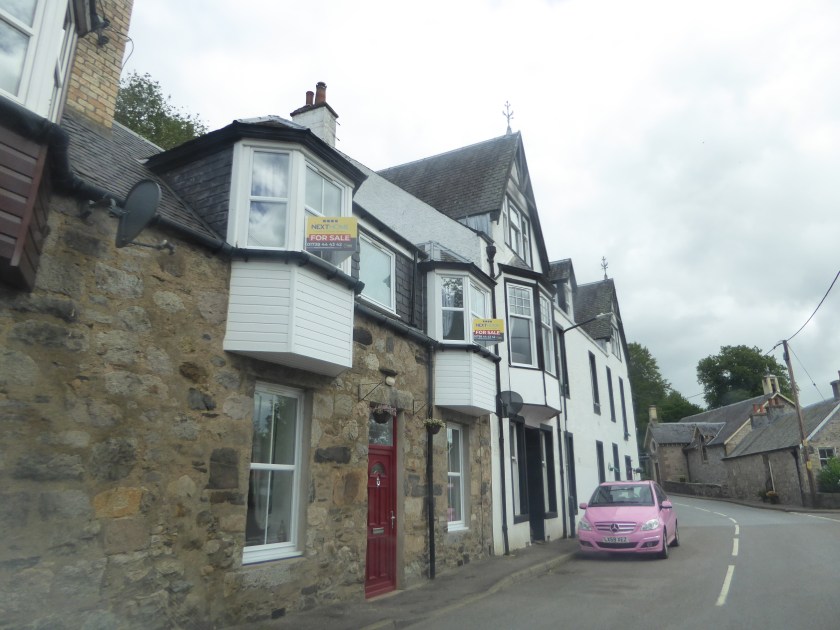
It’s one of the few remaining establishments in Kirkmichael, a village that feels like it’s fading due to the rise of Airbnbs and limited housing for locals; though I could be wrong. When I was here a few years ago, I was told by a local to look at the flats on the High Street here and guess how many were NOT Airbnbs; the answer was only one! I hope the situation is better now, and be sure to leave a review on Google, TripAdvisor, or Facebook—the owners will appreciate it.

CB

Epic 2-Day E-Bike Adventure: Cycling 120km from Pitlochry to Aviemore with a Camping Stop

Alternative AI Title – E-Bike Delight: 120km of Scottish Sights with a Tent by Night!

And you think that one was bad, look at these:

“Zoom to the Moon: E-Biking Pitlochry to Aviemore with a Camping Swoon”

“Cycle and Snuggle: A 120km E-Bike Journey with a Tent Tuggle”

“Wheeling Through Reeling: Pitlochry to Aviemore’s 2-Day E-Bike Feeling”

“E-Bike Blitz: 120km of Scottish Spritz with a Camping Twist”

As for the tour:
Another bike tour, but this time with e-bikes—what a game-changer! We covered roughly 110–120 kilometers over two days, riding from Pitlochry to a campsite just north of Dalwhinnie, where we pitched our tent, before continuing to the bustling village of Aviemore. I’ve never been a huge fan of Aviemore, to be honest, and we were mostly there to catch the train back to Pitlochry.

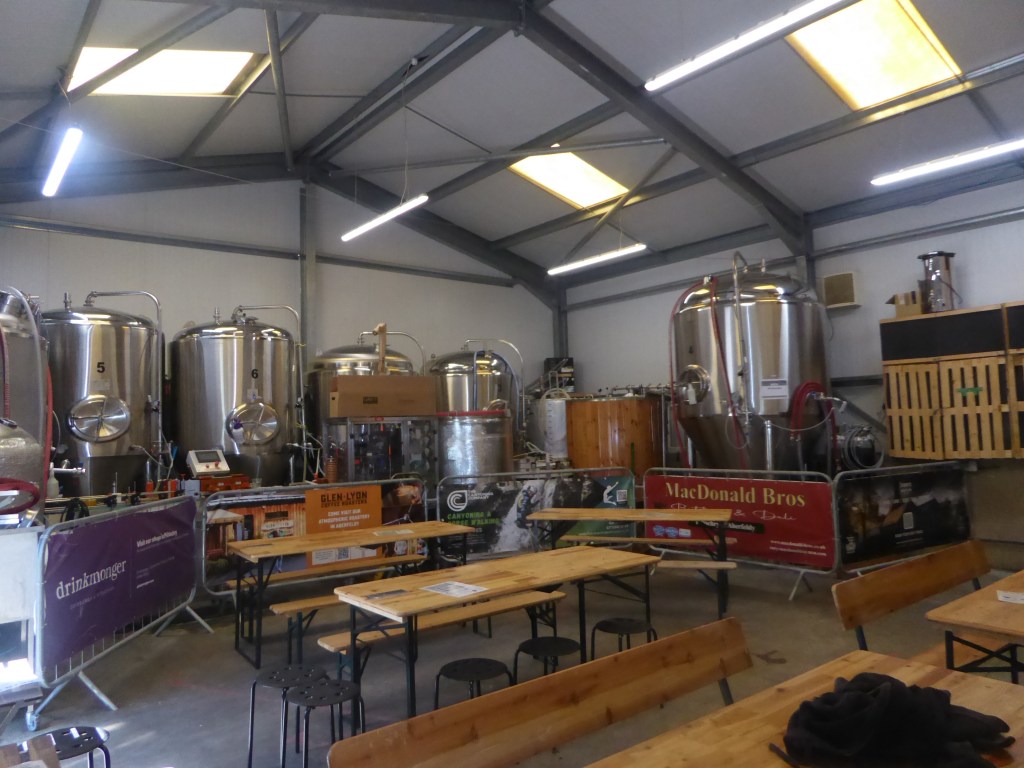
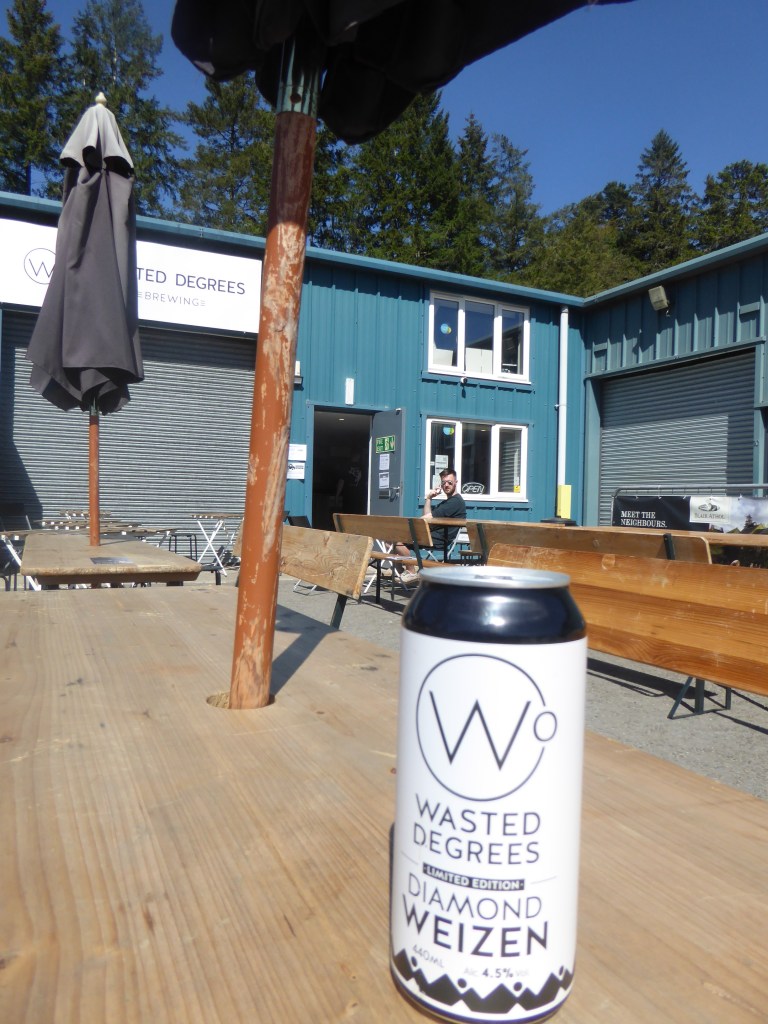
Wasted Degrees brewery, an hour north of Pitlochry

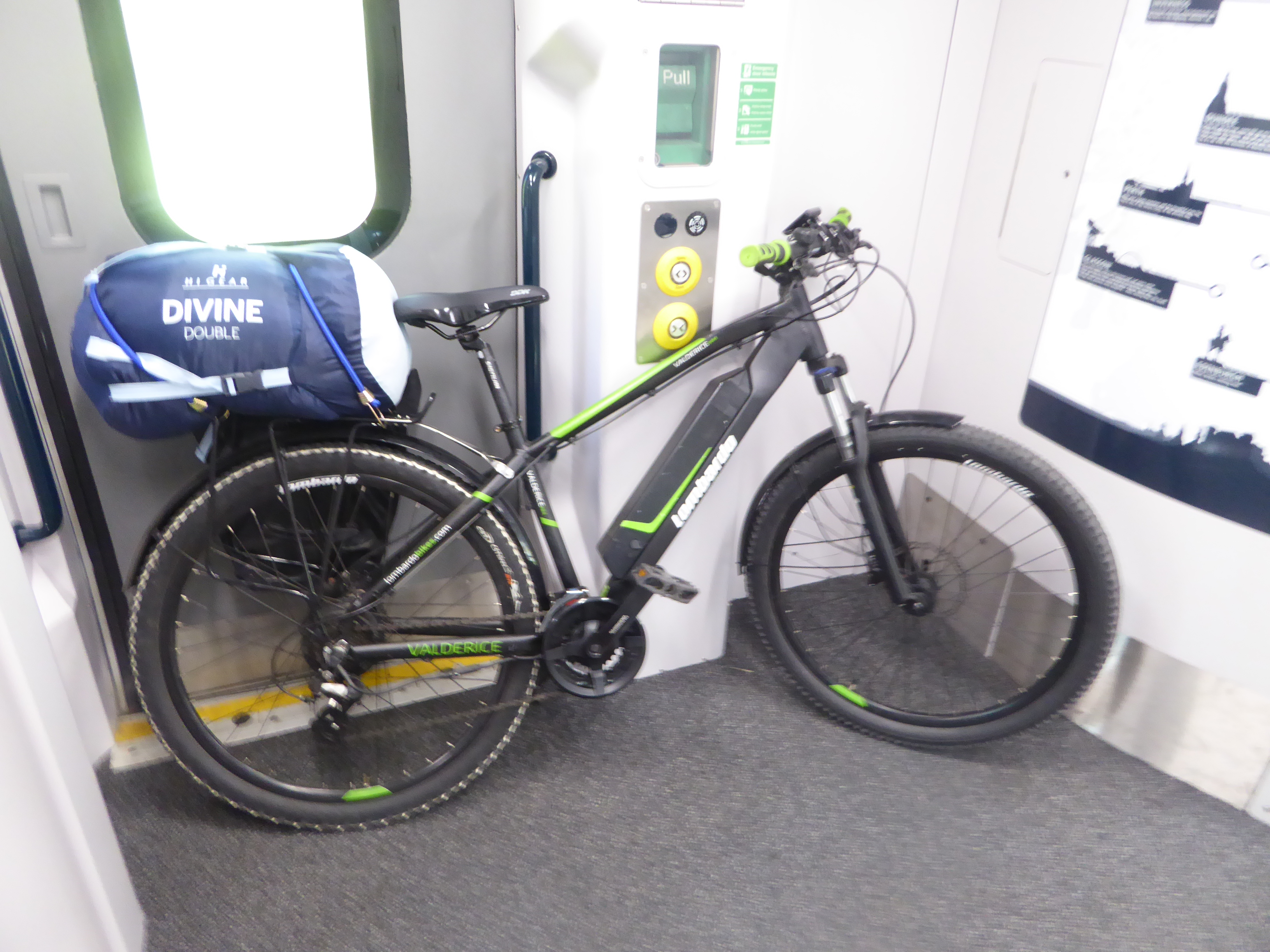
This was our first time using e-bikes, and I recently bought a secondhand one—hope that’s not an oxymoron! It needed a few repairs, and I quickly learned it doesn’t have a kickstand, which can be a hassle. I usually stick to power assist levels one or two out of five, occasionally three. The bike’s pretty heavy, and like most e-bike newbies, I thought I could overload it.

Spoiler: I did, and it’s damn heavy when you’re pushing it without power.

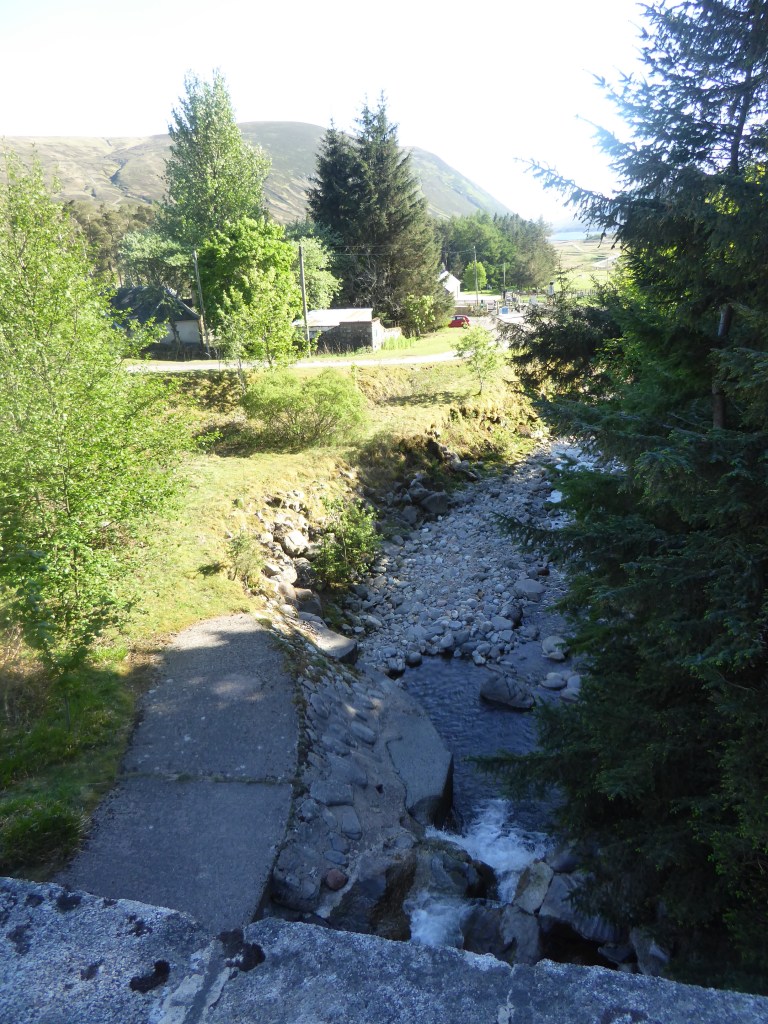
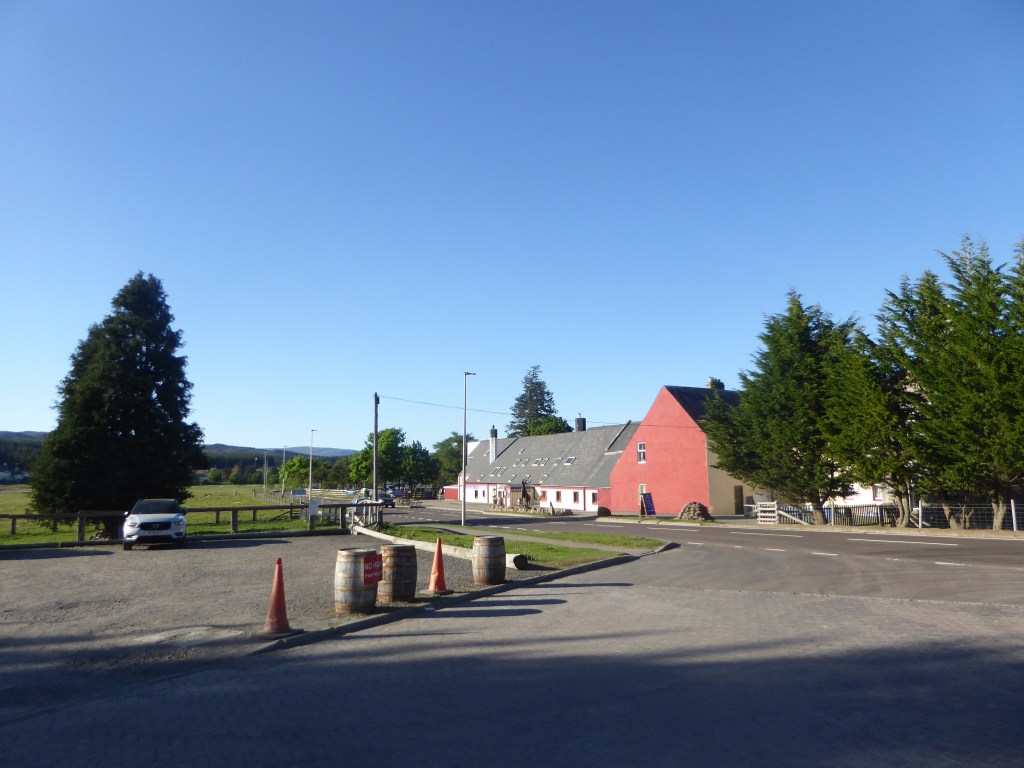
The village (closed) of Dalwhinnie

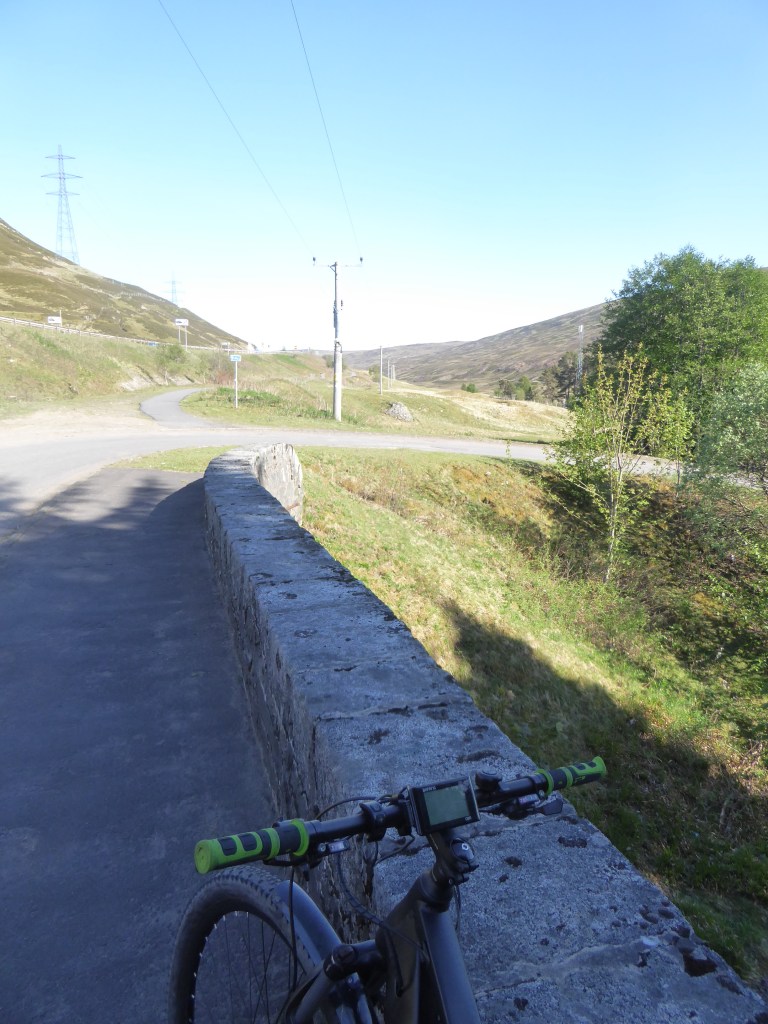
We rode about 75 kilometers on day one, sticking to Sustrans National Cycle Route 7, a long-distance path stretching from Sunderland, England, to Inverness, Scotland.

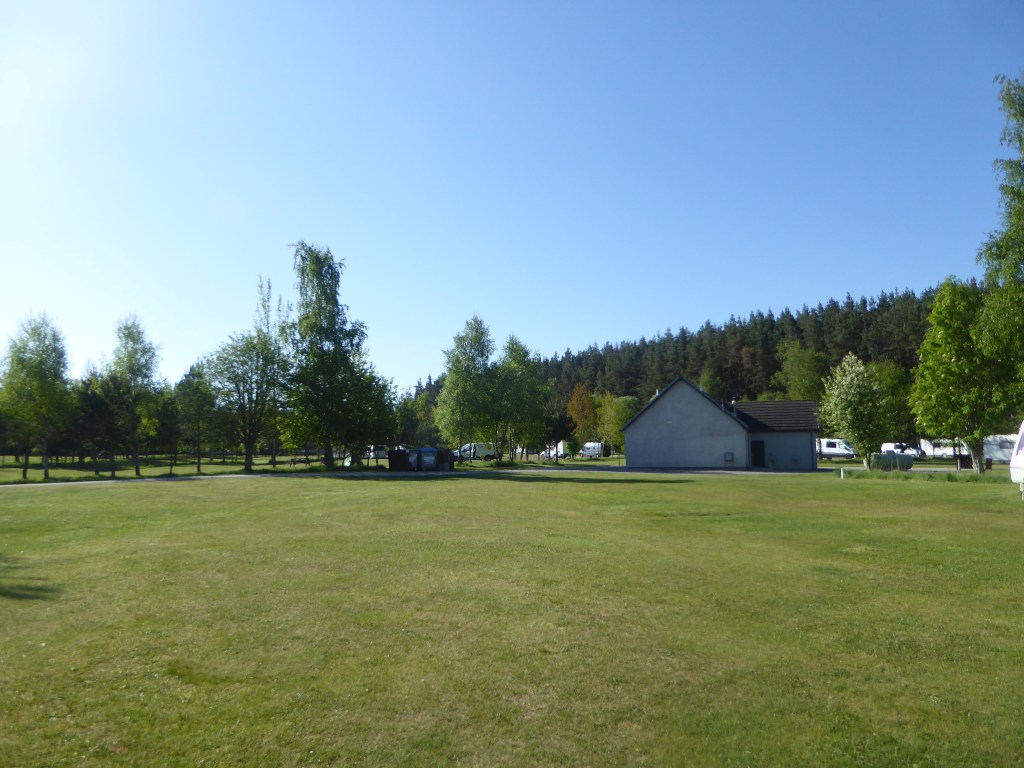
Invernahavon Caravan Park

We were on the upper half, north of Perth, where the route is well-marked but varies wildly. Sometimes you’re dodging traffic; other times, you’re blissfully alone. After Perth, there aren’t many cars or cyclists, which is great, but it makes planning crucial—especially for food.

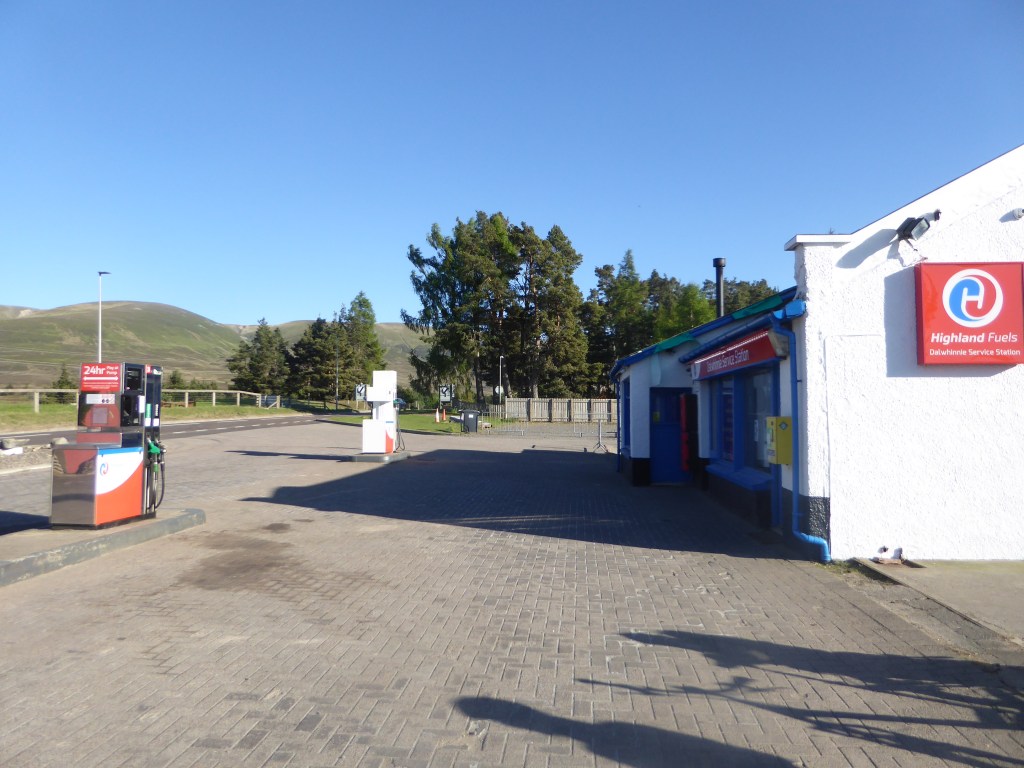
Case in point: we cycled into Dalwhinnie, a tiny village, around 6 p.m., starving. The one café? Closed. The hotel restaurant? Closed. The village shop and petrol station? Also closed. Lesson learned: plan your meals! Luckily, we had sandwiches to tide us over.

We made it to the campsite near Etteridge with 10 minutes to spare before it closed. About 15–20 minutes away, there’s the Ralia Café, a quirky old-school stop that’s part tourist point, part café. Their breakfast the next morning was fantastic, getting us ready for the final 40–50 kilometers to Aviemore.

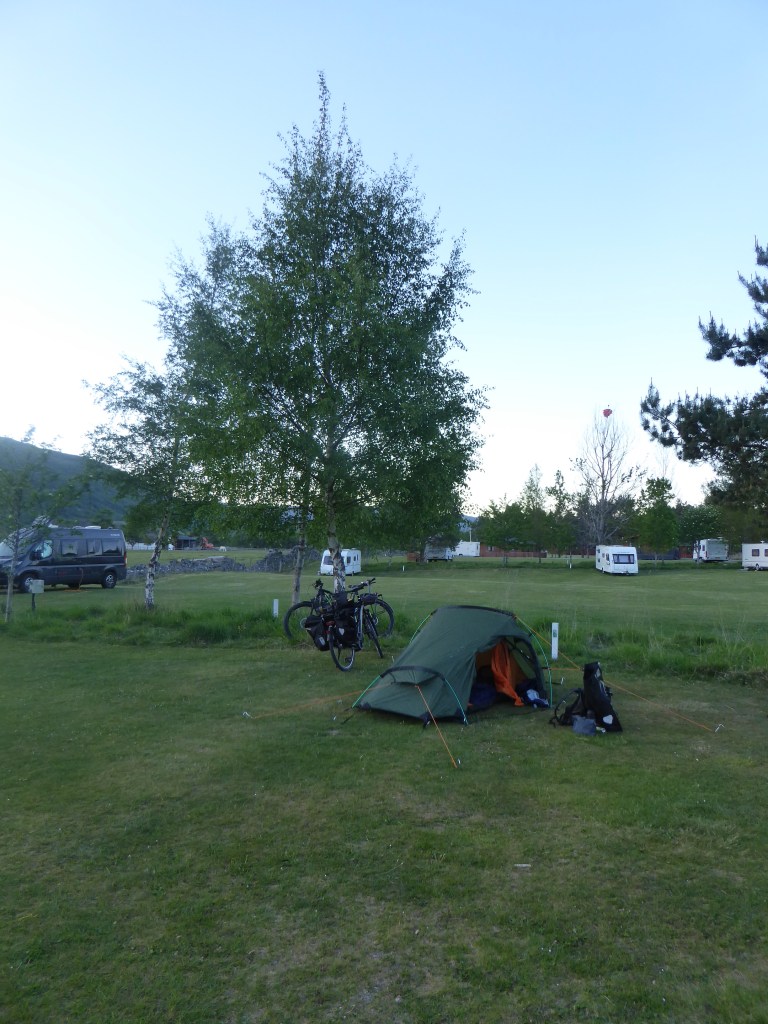
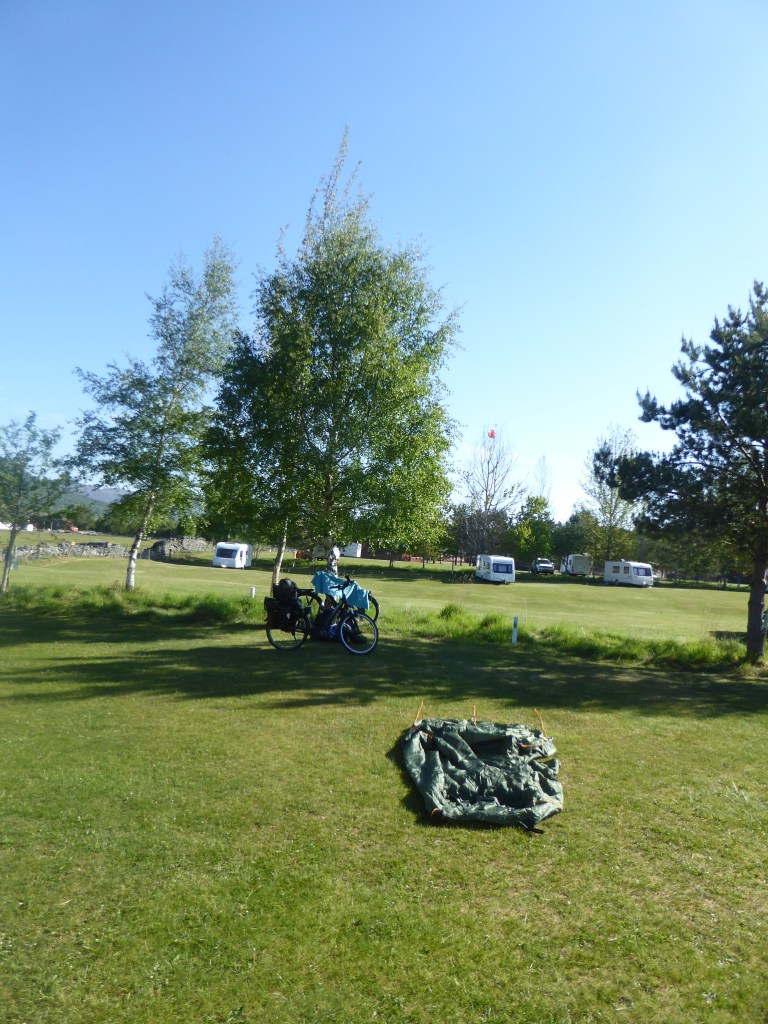
E-bikes make you think you can carry the world, but our loaded tents and gear got difficult’ish, especially in the last half hour when I was pedalling without power. Another hiccup: the campsite charged £33 for two people, including electricity, but the plugs were incompatible with standard household chargers. By some miracle, a fellow camper overheard us panicking and lent us an adapter. By morning, our bikes were fully charged, and the campsite’s showers? Absolutely superb.

Ralia Cafe

Day two’s 40–50 kilometers felt easier, especially with a full stomach from Ralia Café, about 5 kilometers north of the campsite. We passed through charming Newtonmore and Kingussie, where there are plenty of cafés and facilities if you need them.

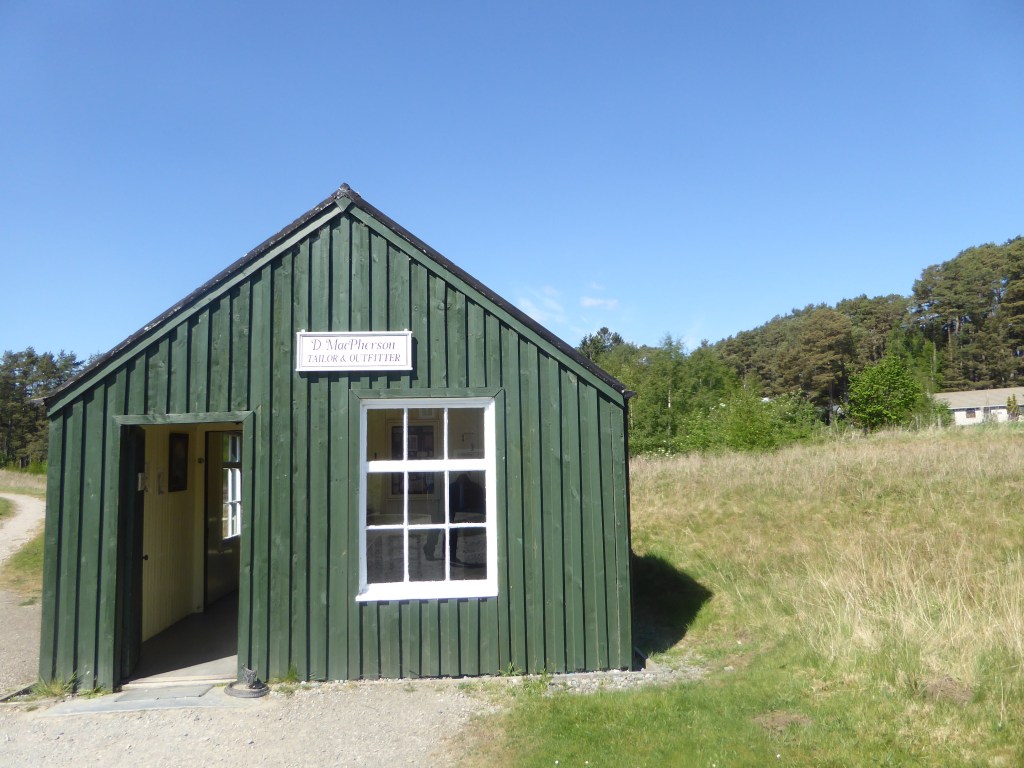
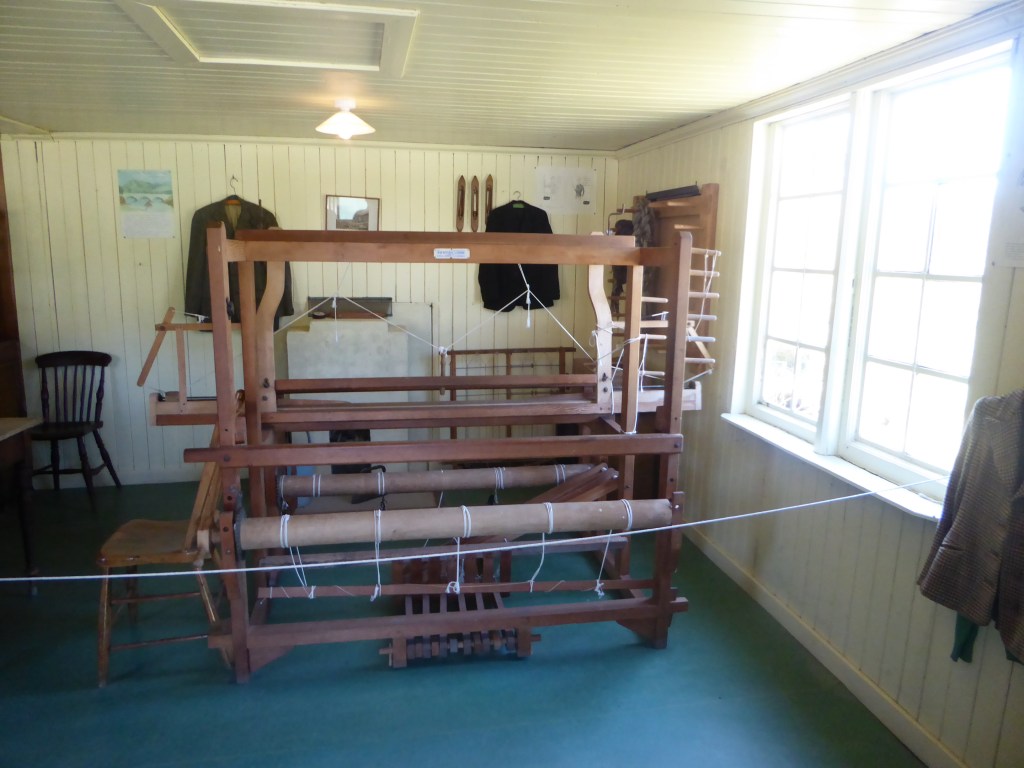
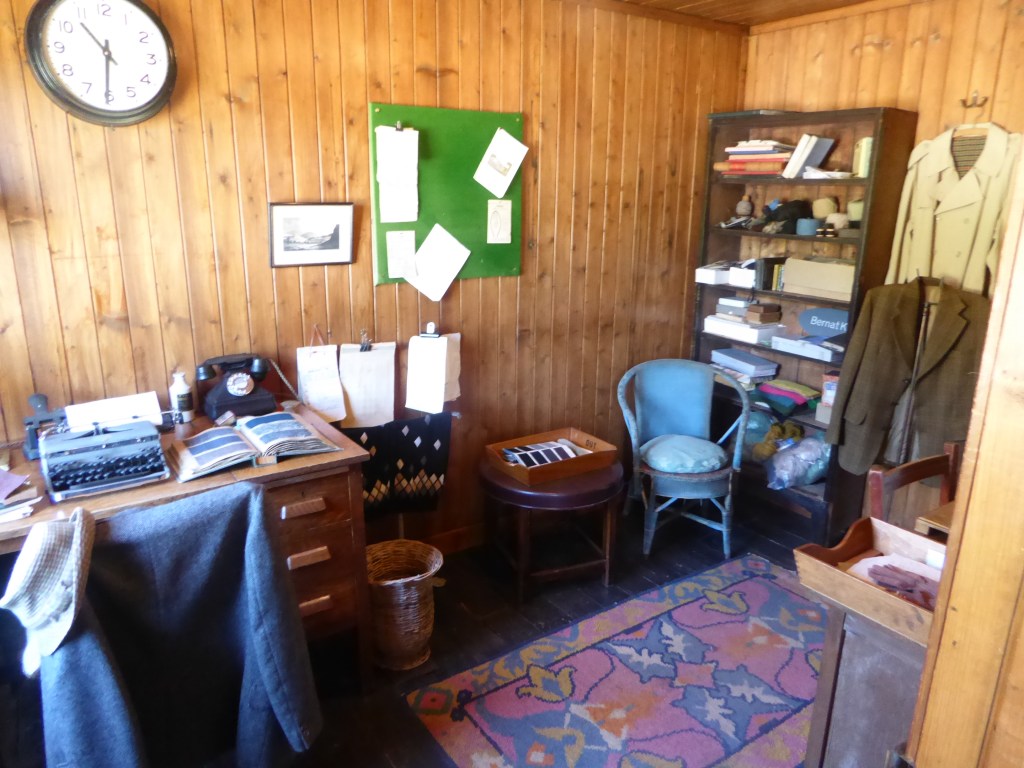
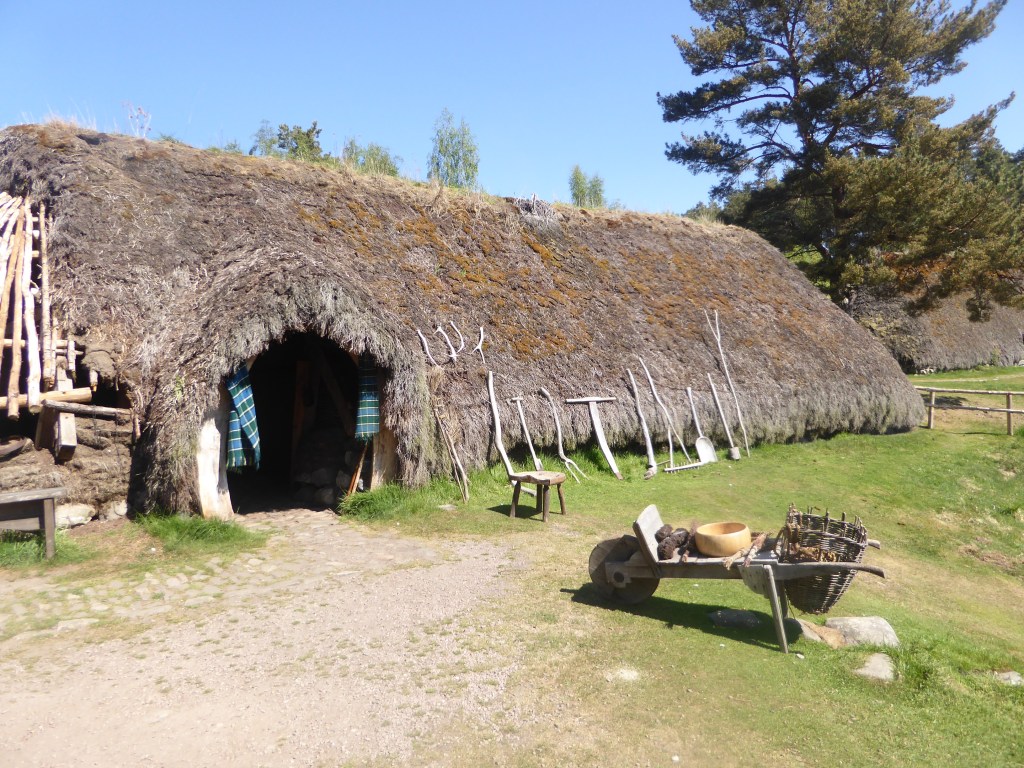
Highland Folk Museum (below) –

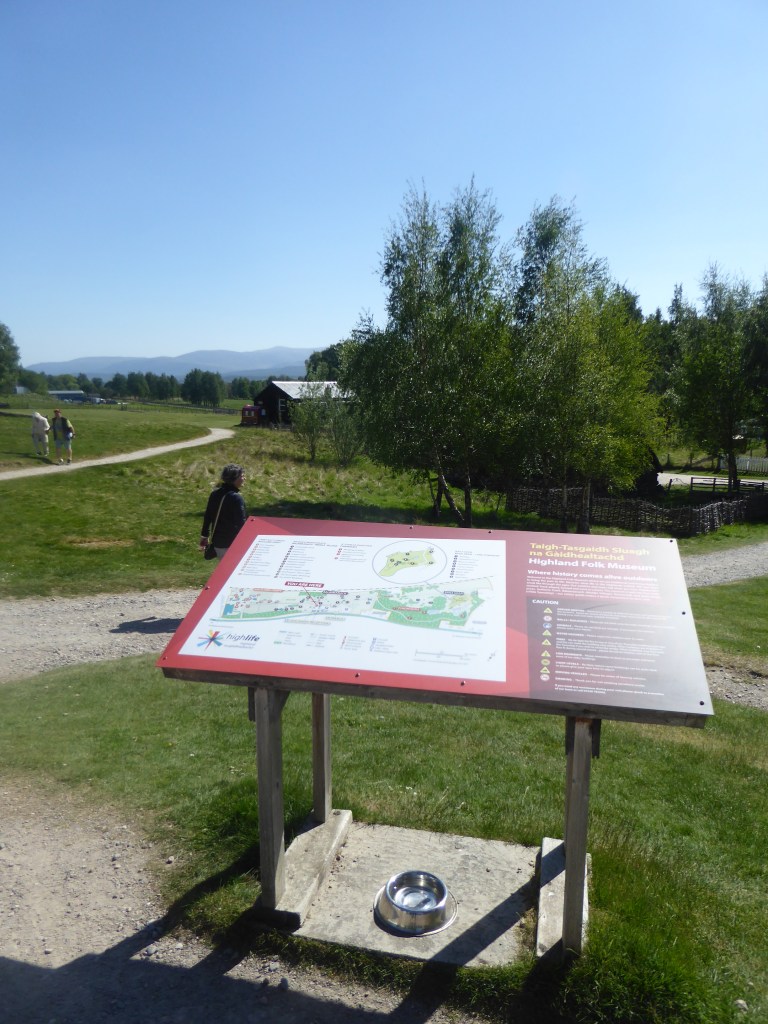
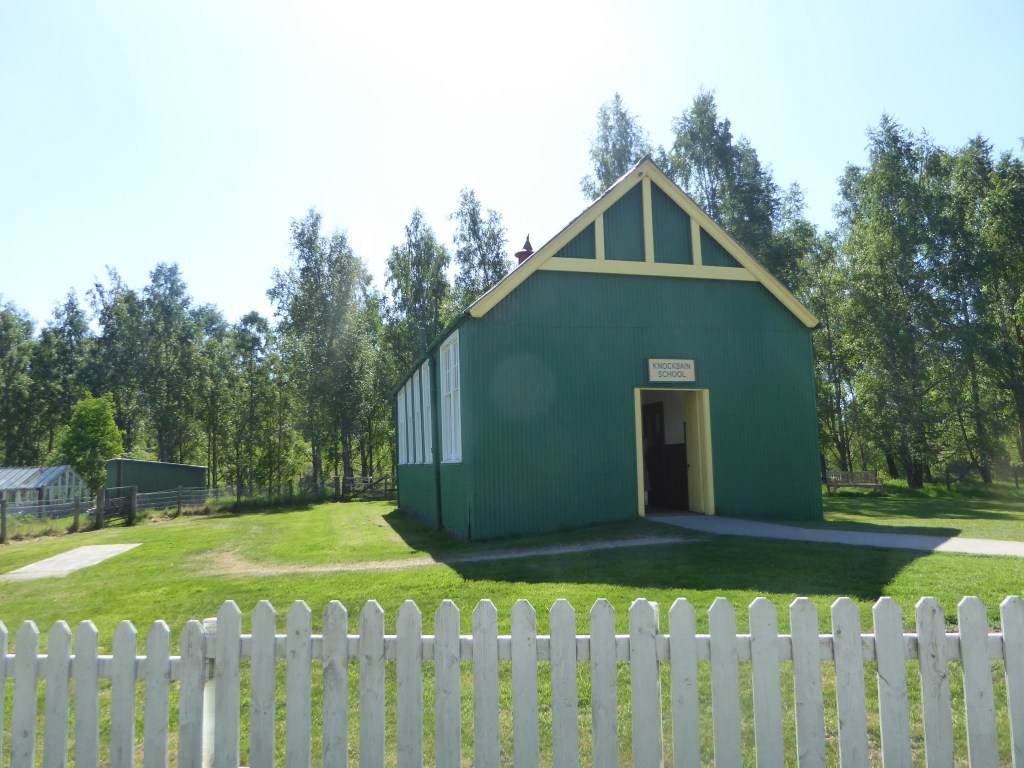
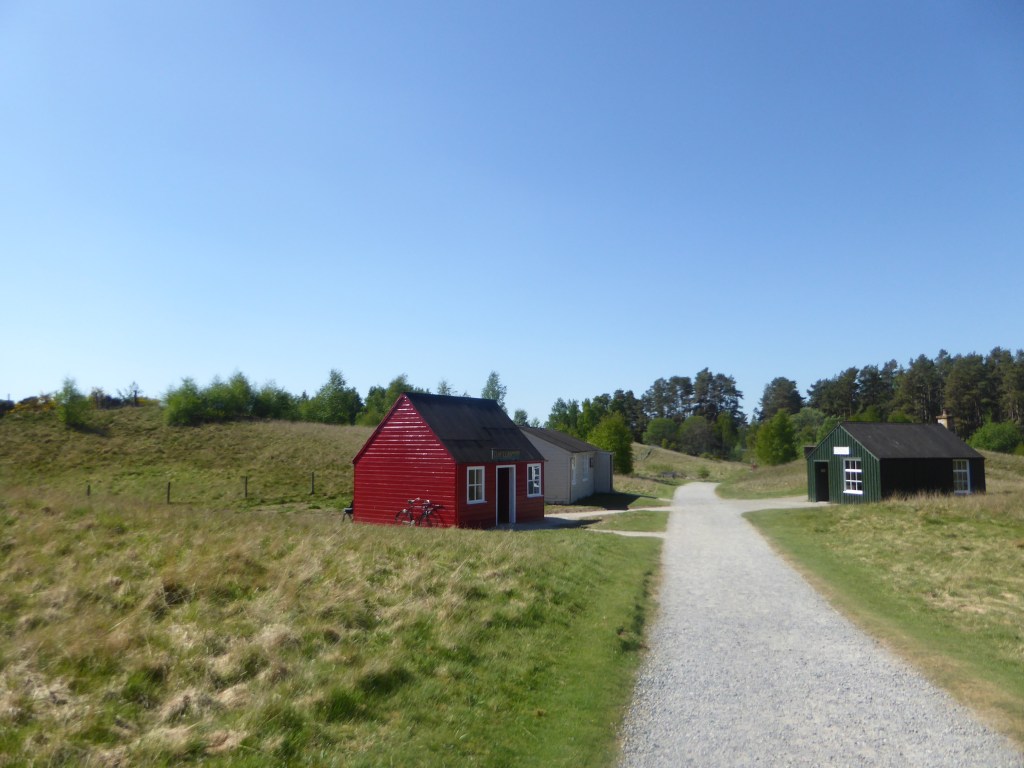
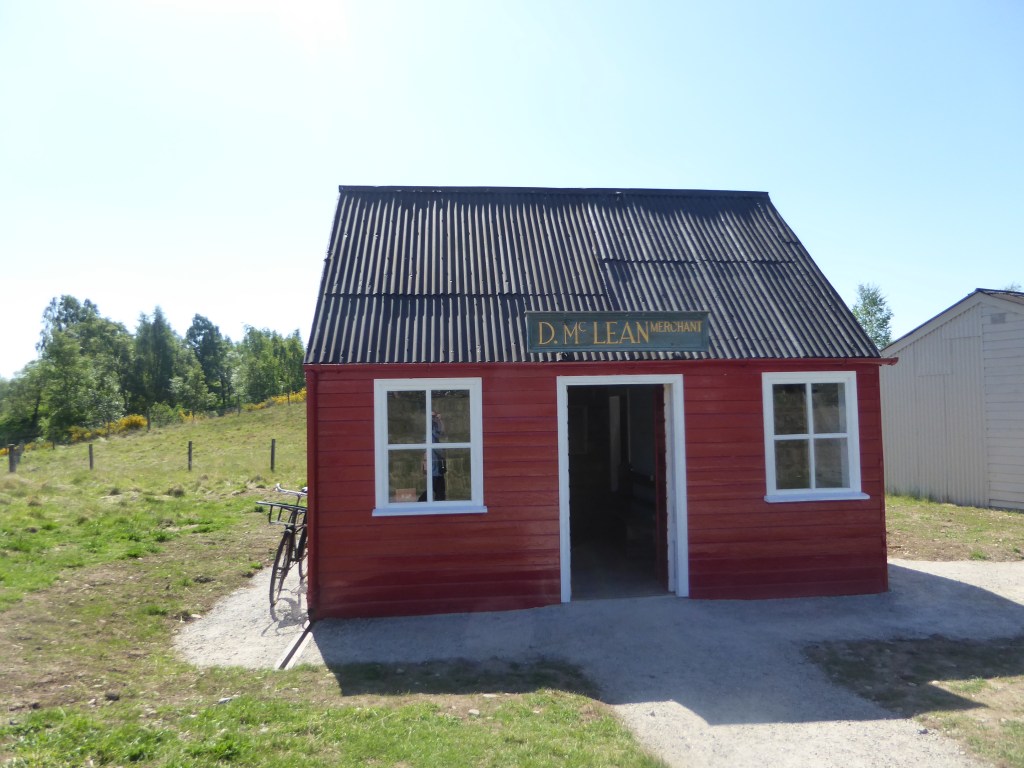
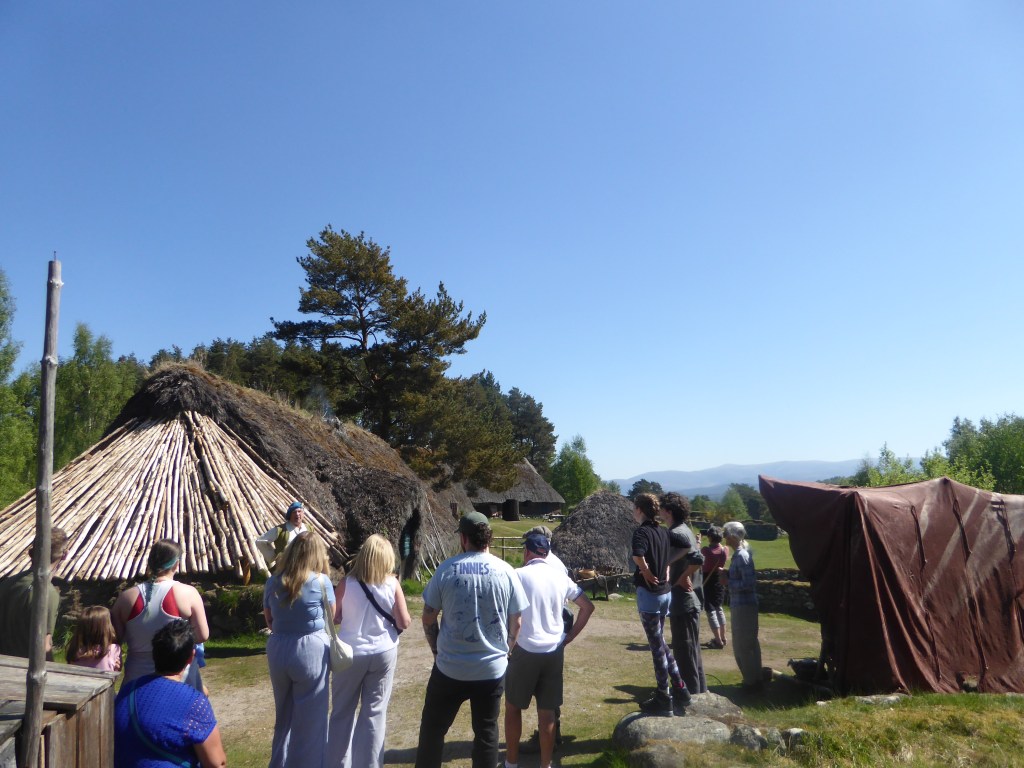
We also stopped at a heritage museum, which was a highlight. It showcased a Highland village from 300–400 years ago, with recreated buildings and some from a century ago that were used until about 50 years back. It was fascinating, free, and we happily donated £10 each.

Aviemore / Rothiemurchus

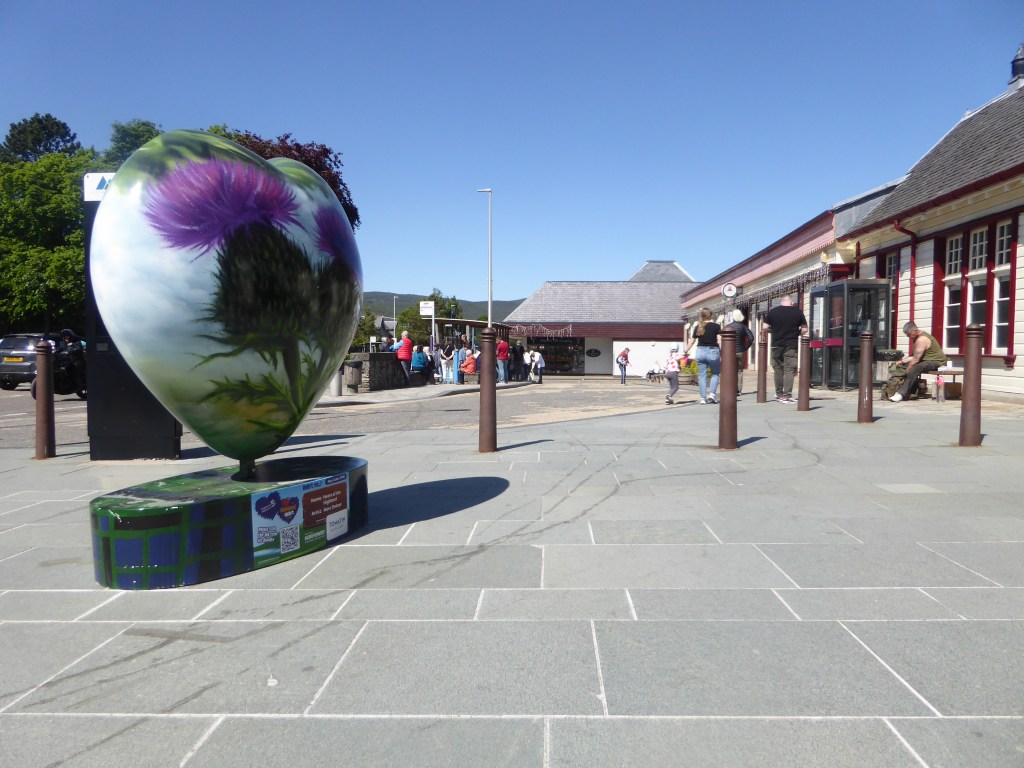
From there, it was about 20 kilometres to Aviemore, entering from the south via Rothiemurchus, a lively spot. With temperatures hitting 24–25°C, the town was buzzing. We caught the train back to Pitlochry, arriving late afternoon. But here’s point number three: ScotRail was a disaster.

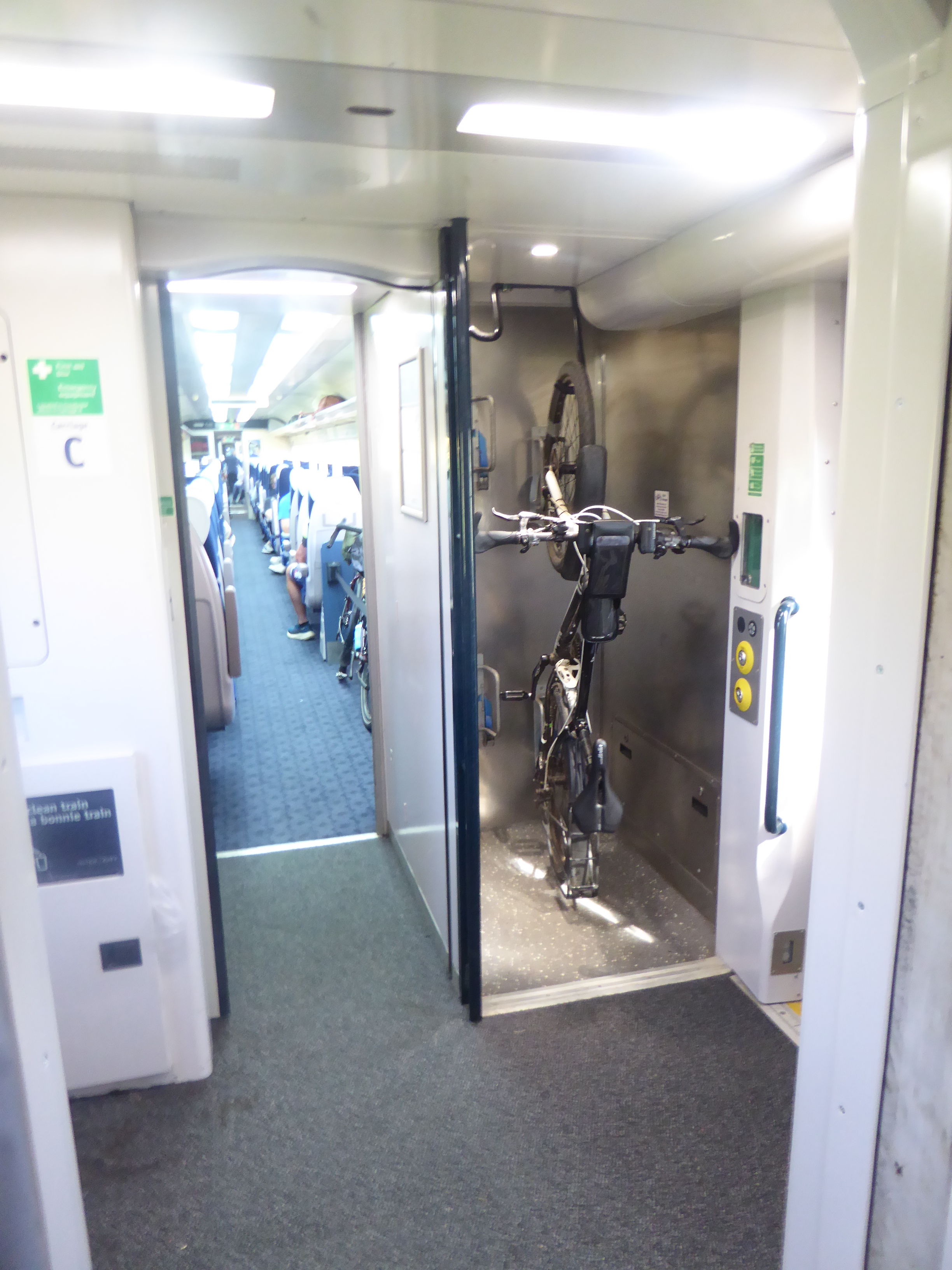
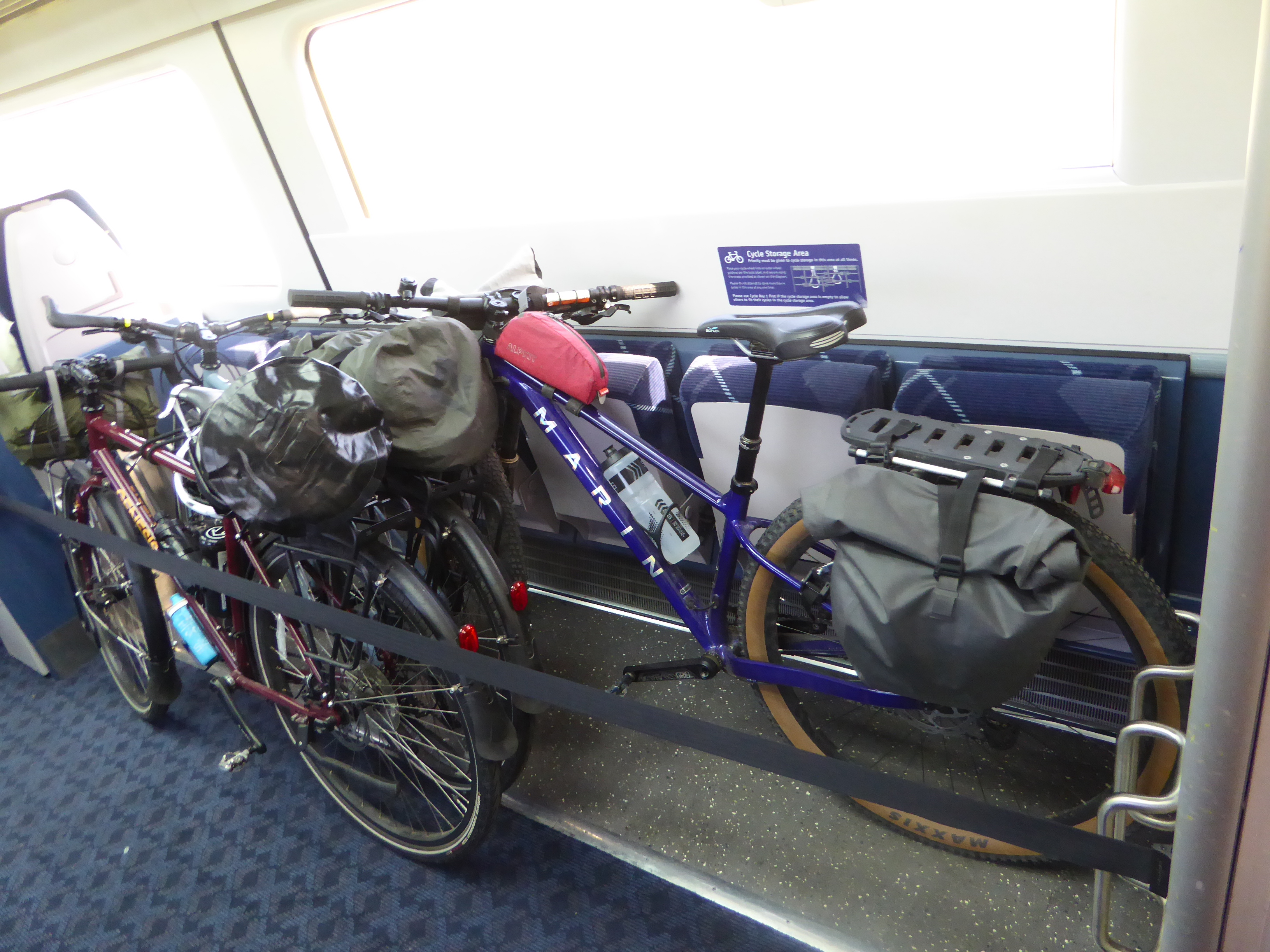
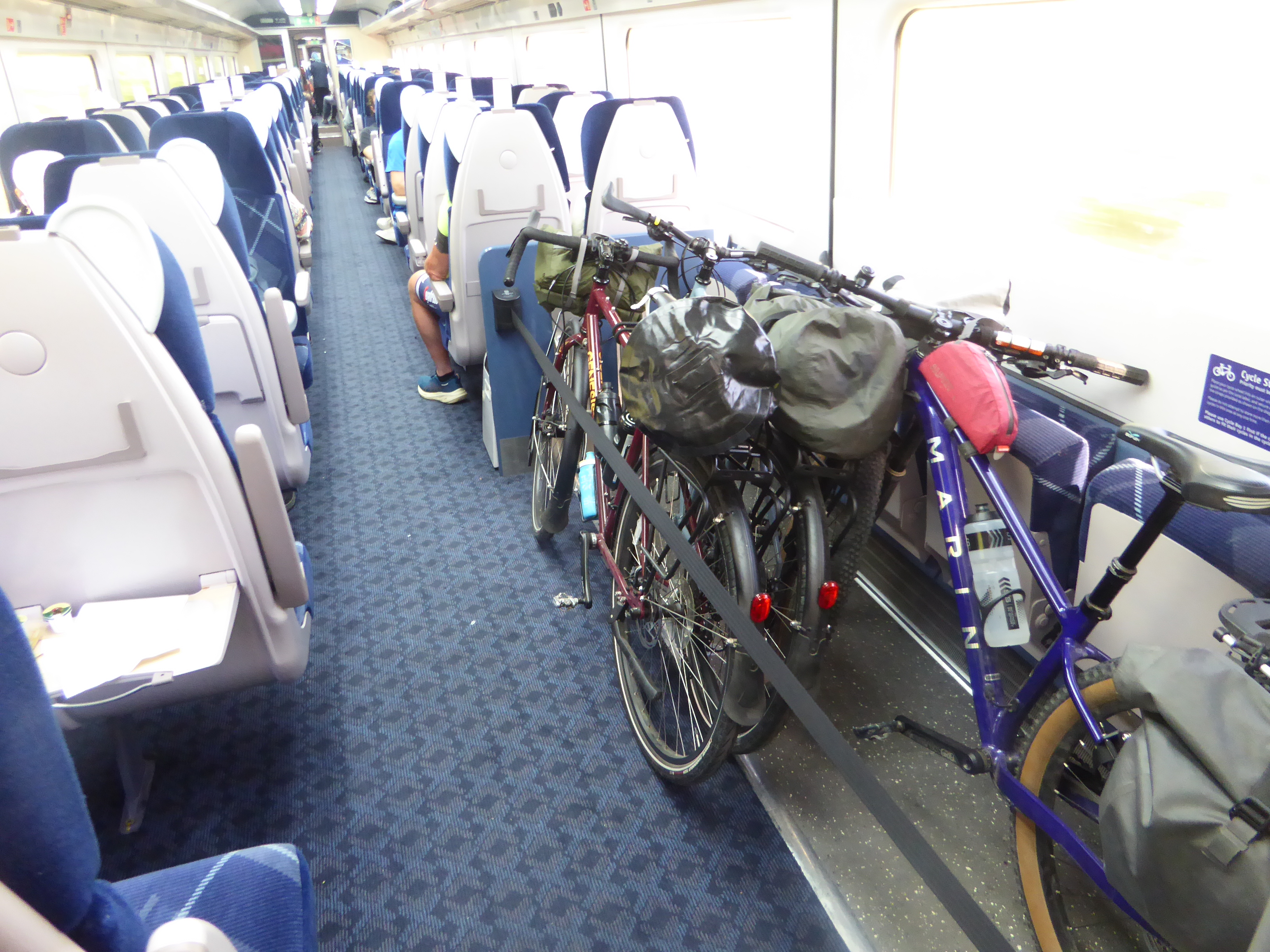
No room at the Inn (for bikes)

Despite booking bike spaces, there was no way to fit our bikes in the designated area. The conductor couldn’t care less, so we stood for the 55-minute ride back to Pitlochry, never reaching our seats.

Come on, ScotRail, you can do better.

CB

Valaria, West End, Glasgow – Another café, this time “French”; and other pet hates-

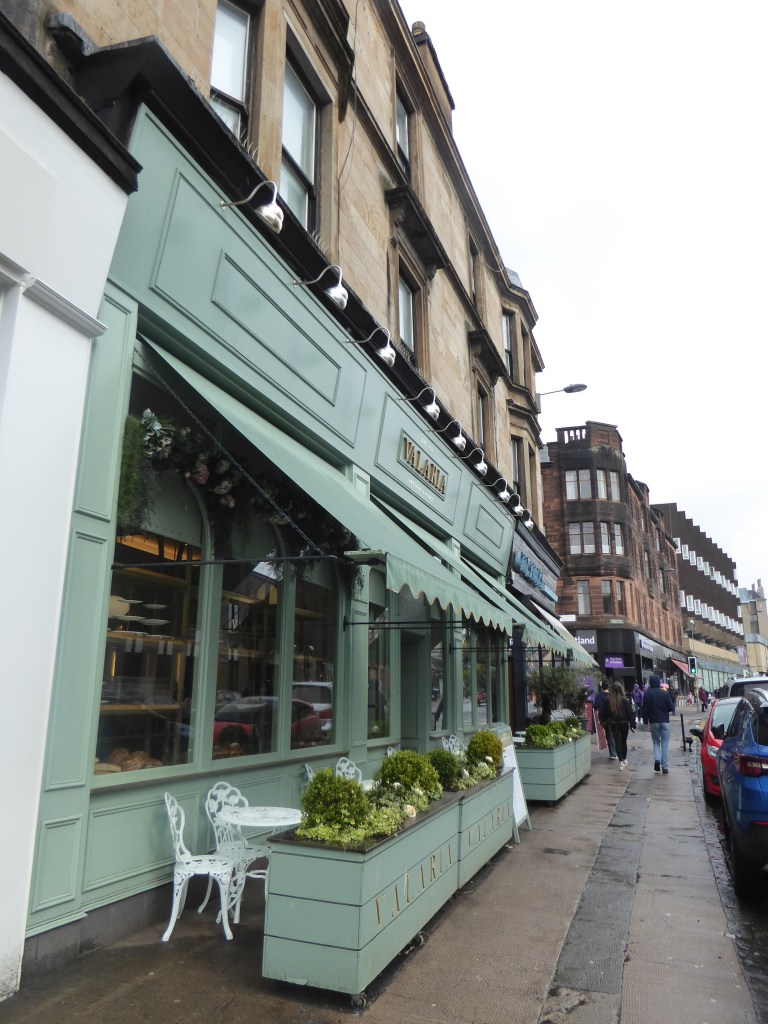
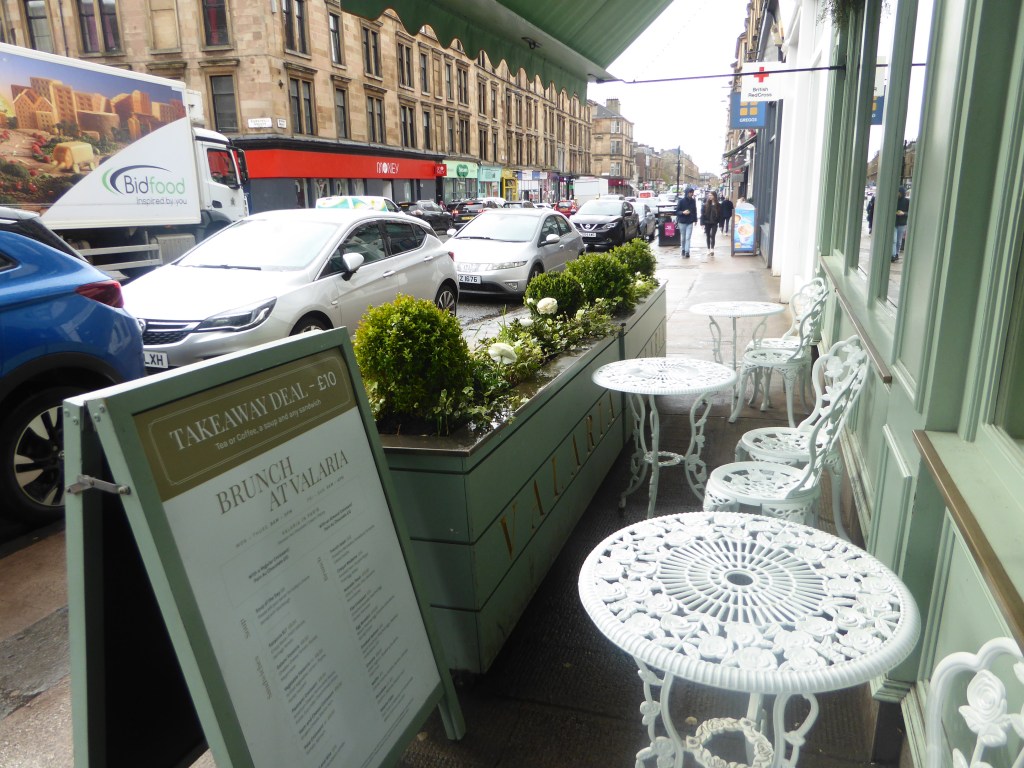
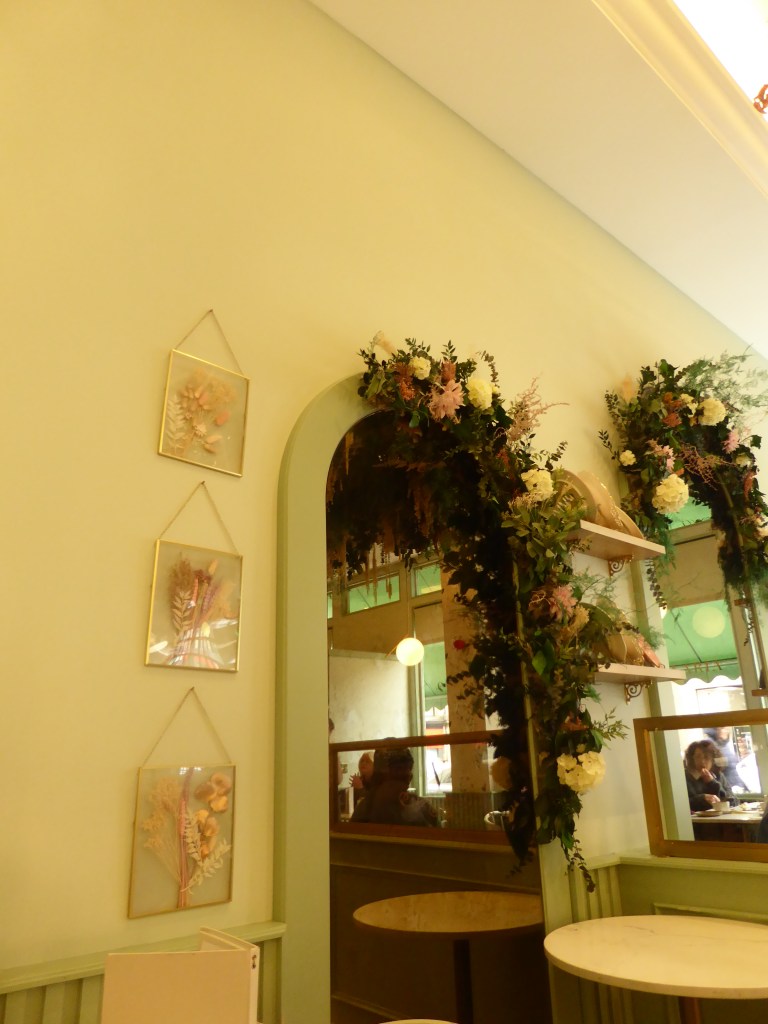
I wasn’t at first sure what it was called, but have settled on Valaria—or something like that. It’s one of those café-stroke-restaurant-stroke-coffee-and-cake places that’s been around for two, maybe three years, post-COVID. I’d never been, despite passing it weekly on my many sojourns to Waitrose. From the outside, it doesn’t look like much—small, unassuming, especially at night when the lights are on and the cleaning’s happening. Most cafés in Glasgow, even on bustling Byres Road, close by six or seven, eight at the latest.
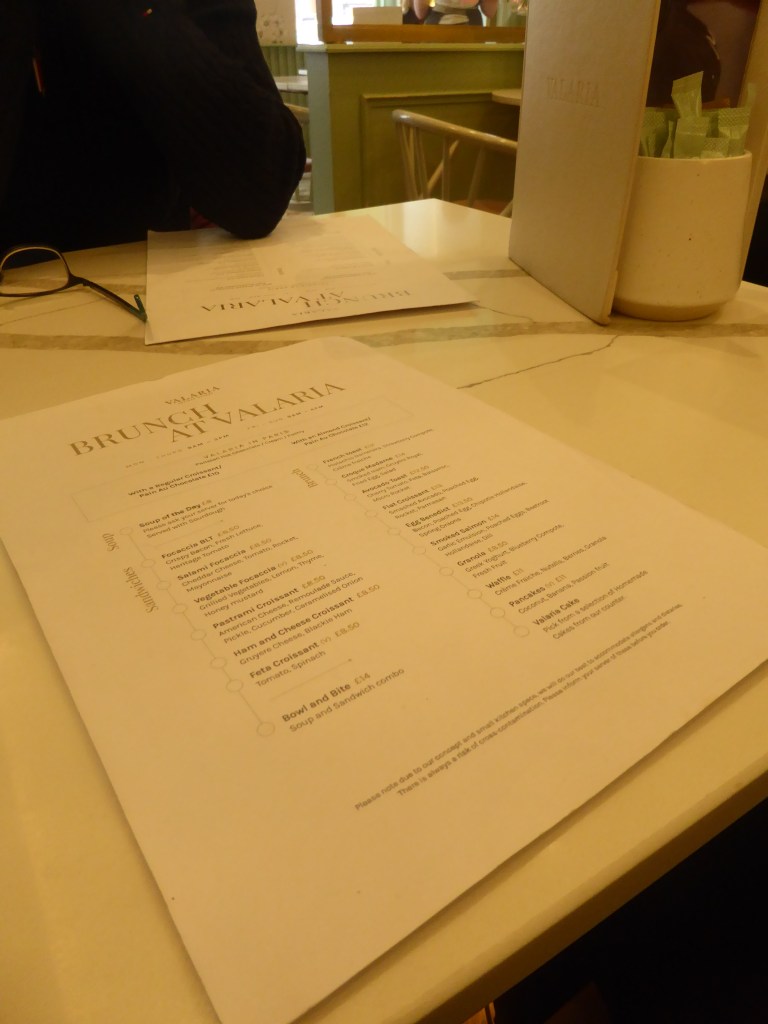
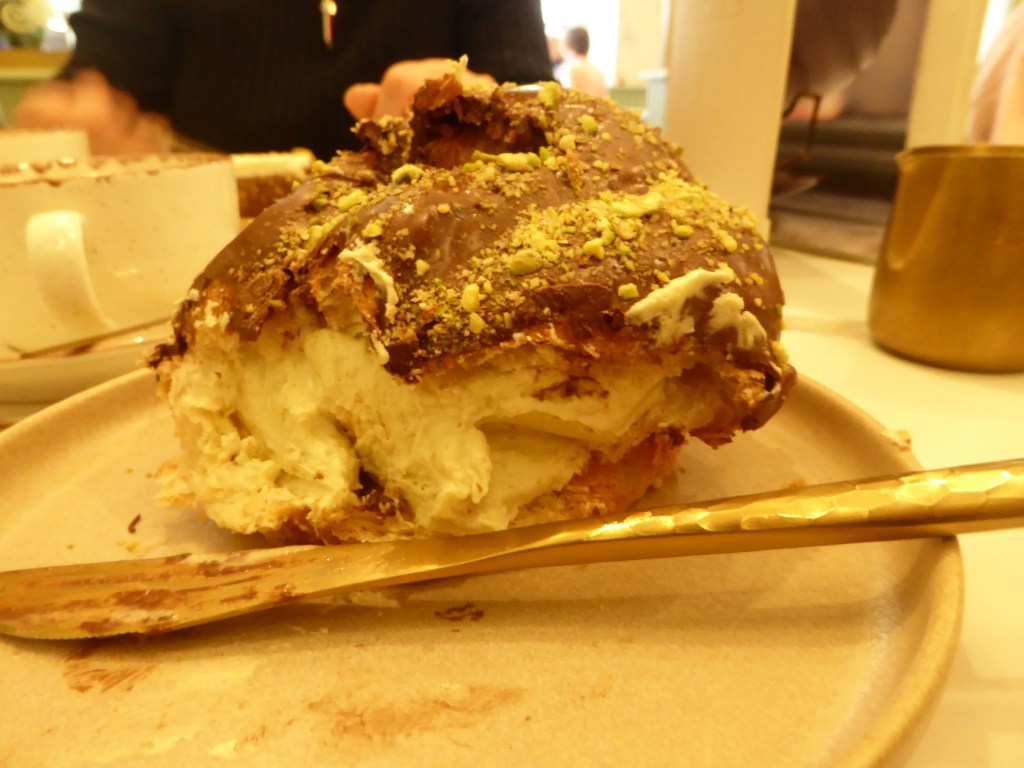
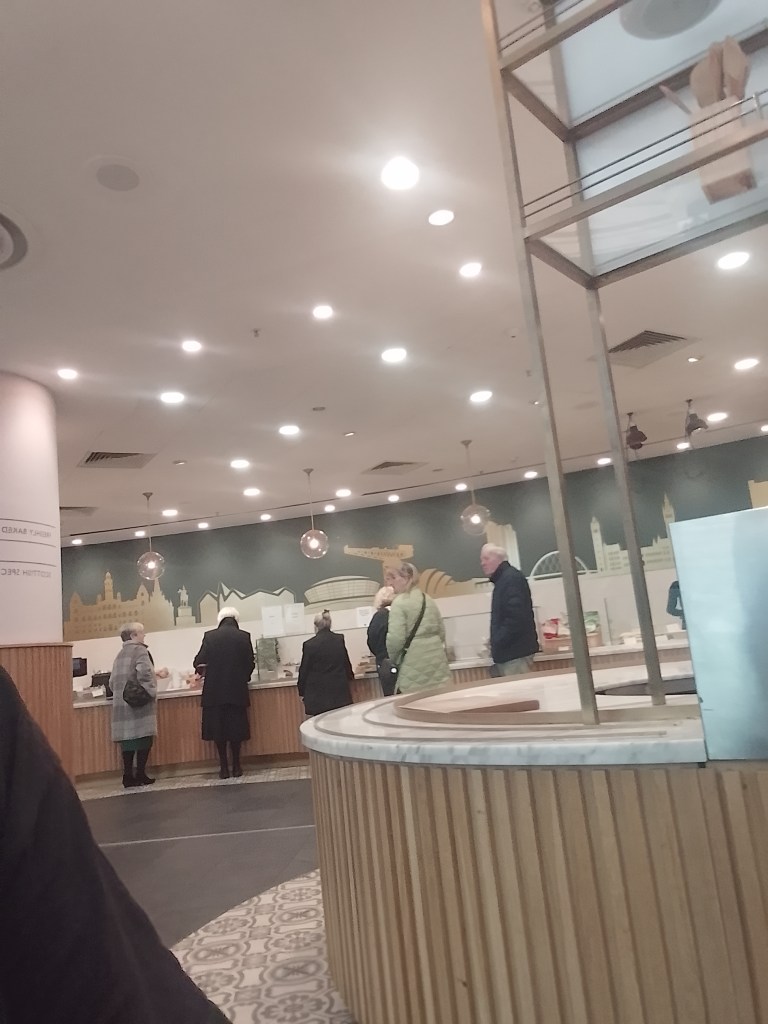
Inside, it’s standard setup: tables on the right and at the back, cashier on the left with a display case—call it a tray, a gallery, whatever—showing off a huge variety of savoury and sweet pastries. I was overwhelmed by the options. It took me a full five minutes to decide while my partner ordered. The waitress came over, assuming I was ready, and I had to laugh and admit I wasn’t. Thirty seconds later, I settled on a New York roll with pistachio.

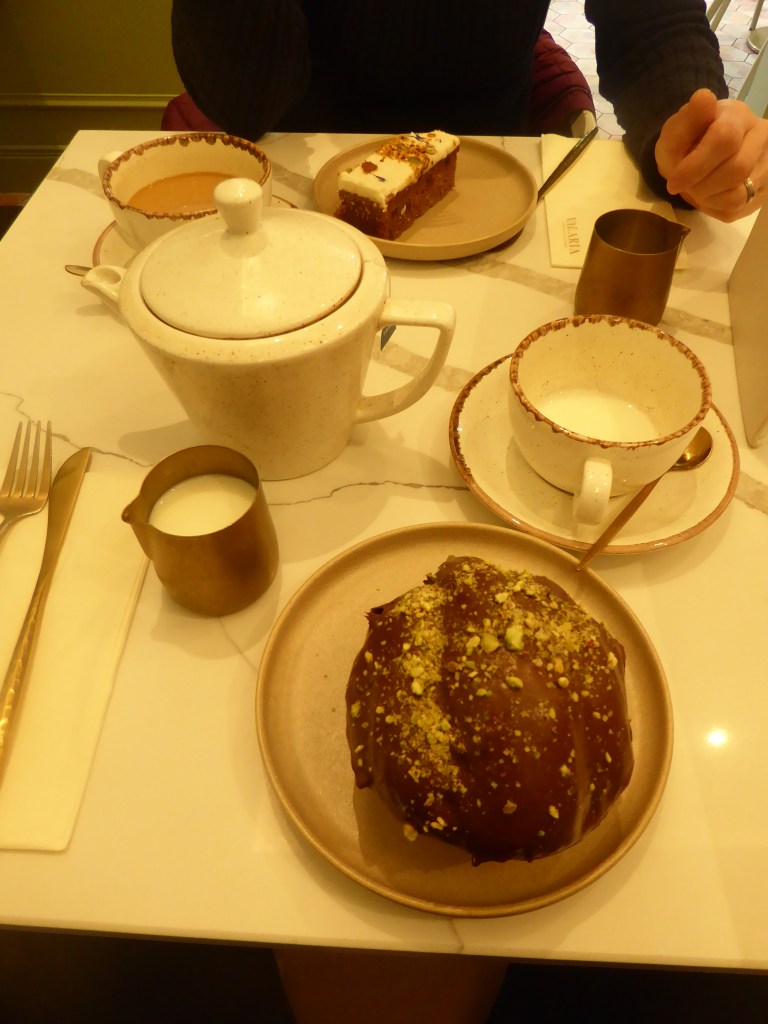
To my surprise, it was massive—much bigger and fuller than expected. Absolutely delicious. I think they specialize in French pastries, but this was next-level sensational, filled with rich pistachio cream. It was practically a meal. The photos don’t do it justice—it was grand.

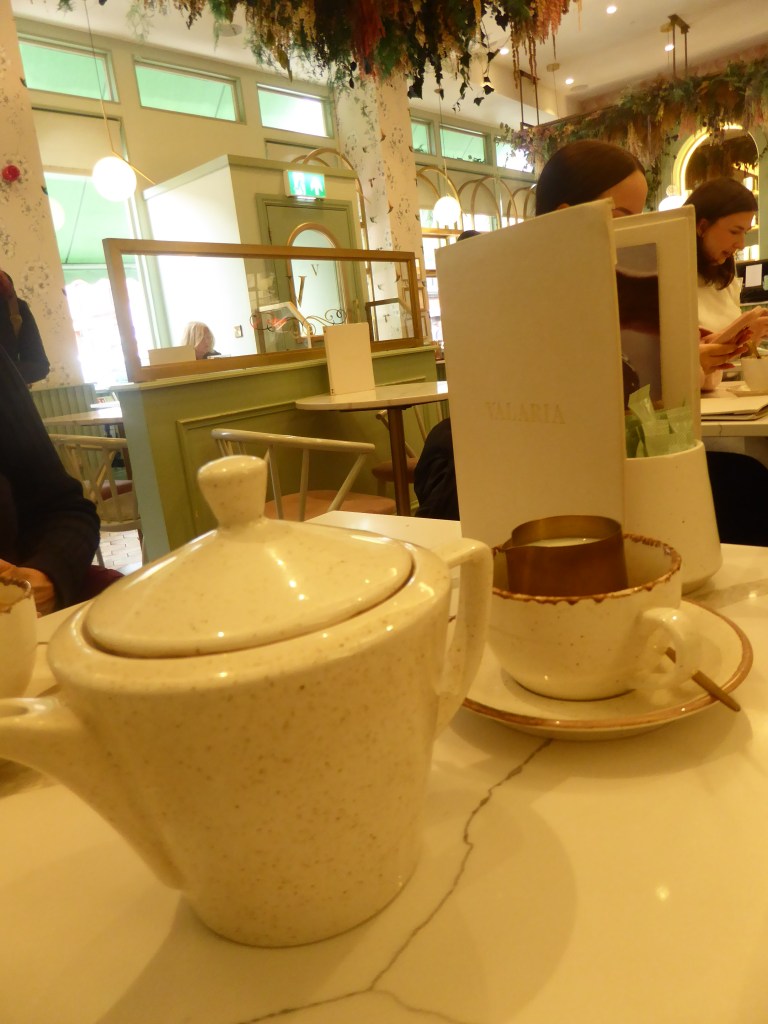
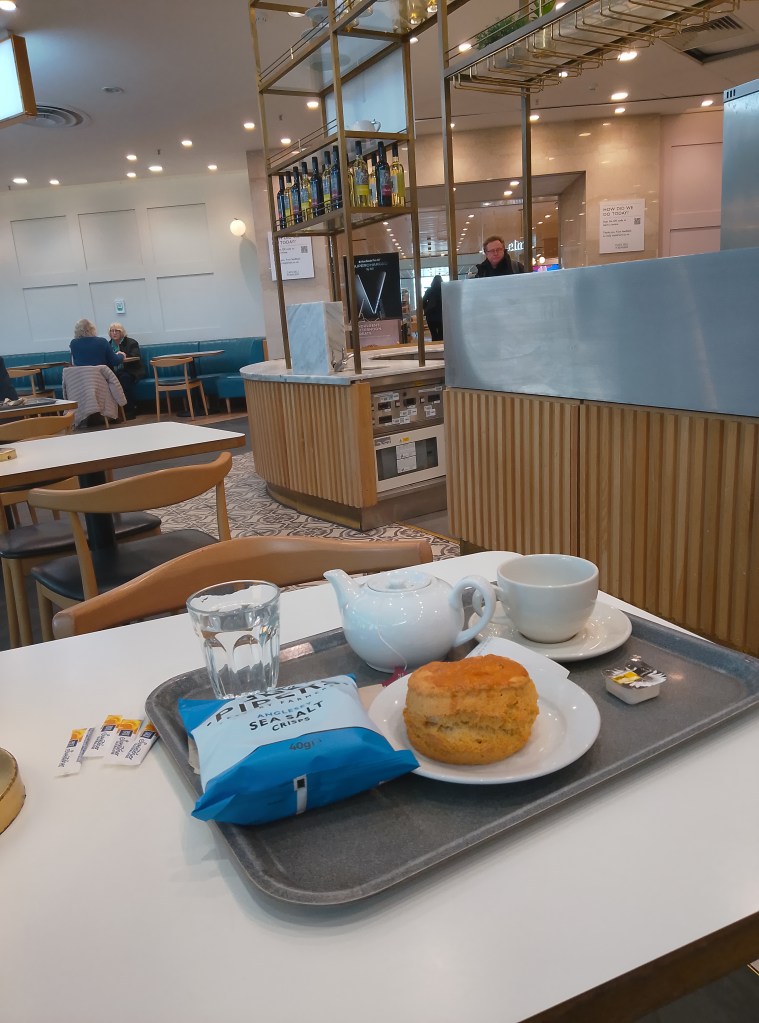
My partner got a vegan carrot cake, which sparked a thought: isn’t carrot cake always vegan? Probably, if it’s made with seed or olive oil. With butter, maybe not, but it’s at least vegetarian. Everything was top-notch, including the gigantic pot of tea we got four or five cups from (above).

Some Cafe Hates –

Now, a few pet peeves.

First, people who seat themselves despite clear signs to wait. The place was cramped, and naturally, a couple—both with ginger hair, one with a ponytail—plonked down right next to us in an already tight corner. I could’ve killed them, and naturally, it was MY fault that they didn’t have any space!

Second, why do some guys insist on wearing hats (particularly baseball hats!) indoors? We had a few sporting winter beanies and backward baseball caps, which drives me up the wall. The other half stated that they could be bald? They were too young for that.

Third, the seats and booths had crumbs everywhere! Why don’t cafés keep a mini-Hoover handy?

Overall, this place is a gem. My roll was basically brunch, and the bill, including tip, came in under £20. That’s a steal for the size, quantity, and superb quality compared to other spots.

CB

Broadslap Fruit Farm / Cafe – Perthshire & the present state of this Sector –

It’s interesting nowadays all the rage about farmhouses, farmhouse cafes, pick your own fruit places, etc. No doubt this has been a good win for the rural economy or even for the village economy. I have my favourite, I think I’ve said before, it’s the Tebay farm shop in the northwest England; that’s even had its own documentary shown on tv a few years ago.

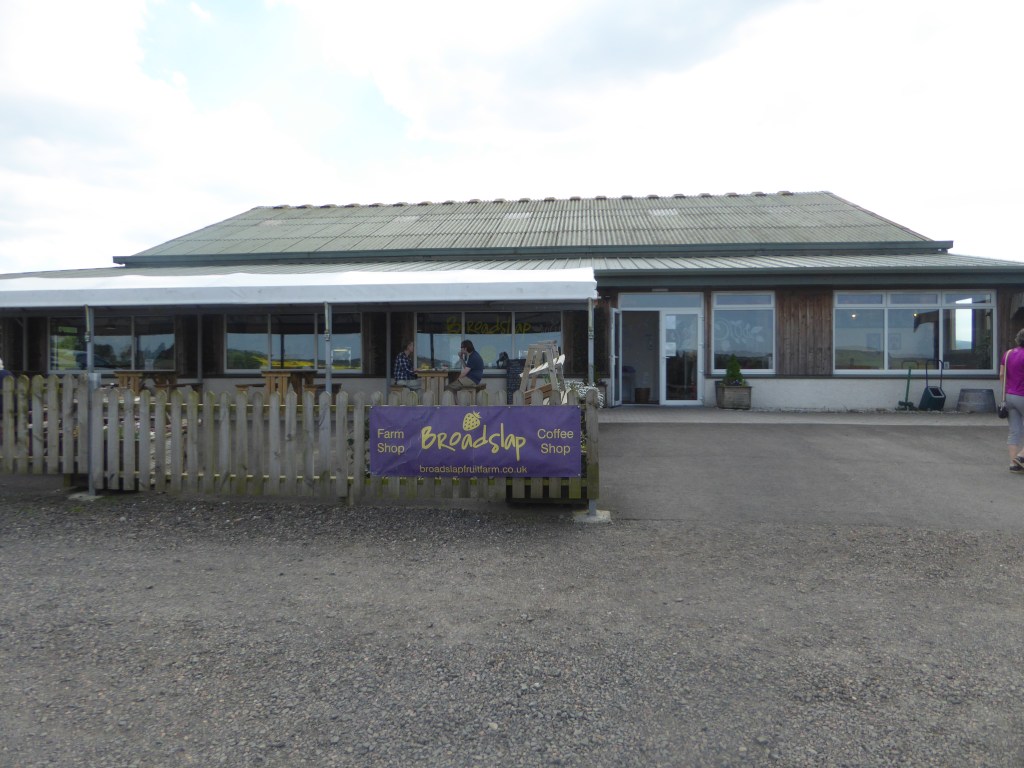
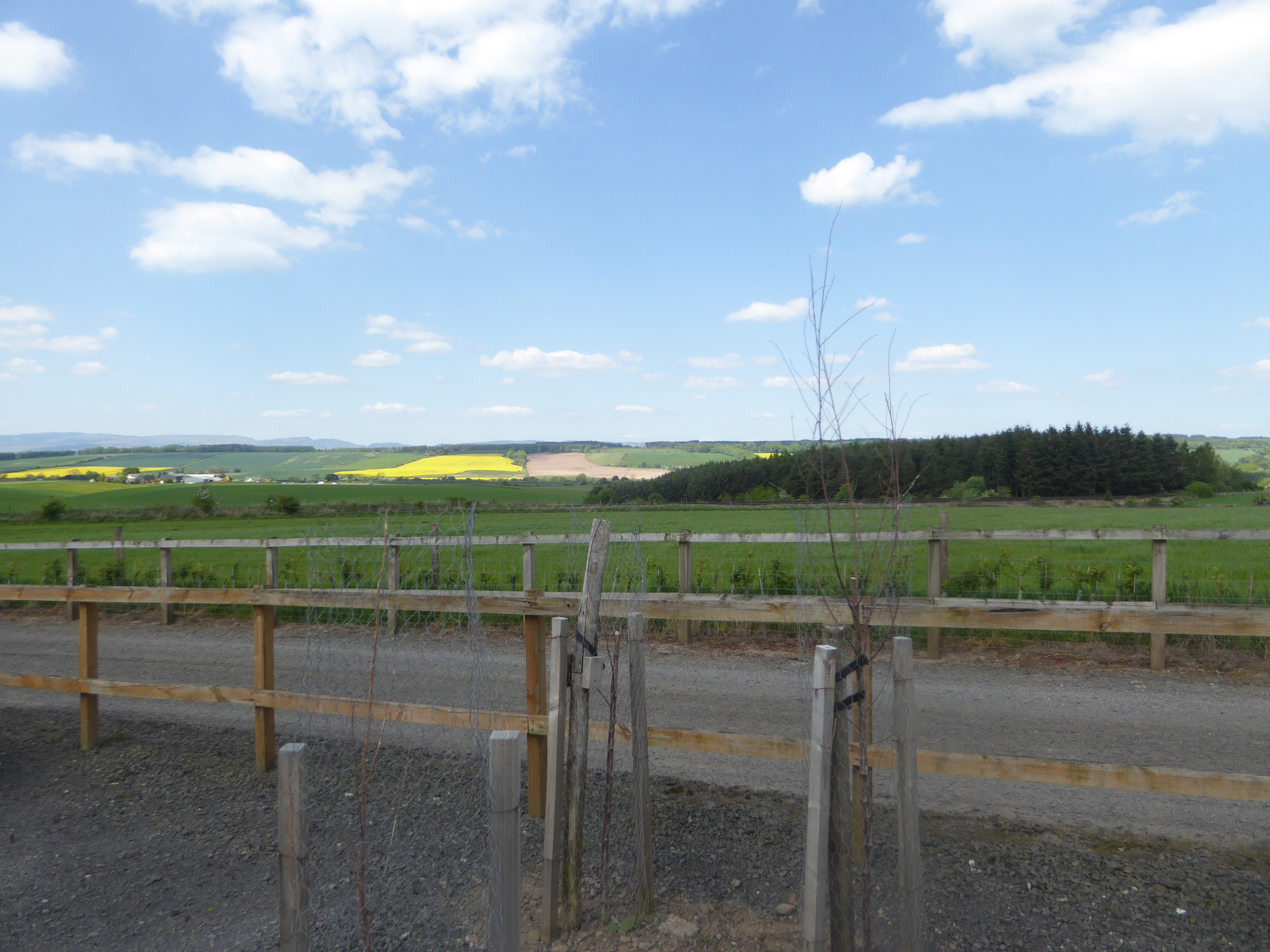
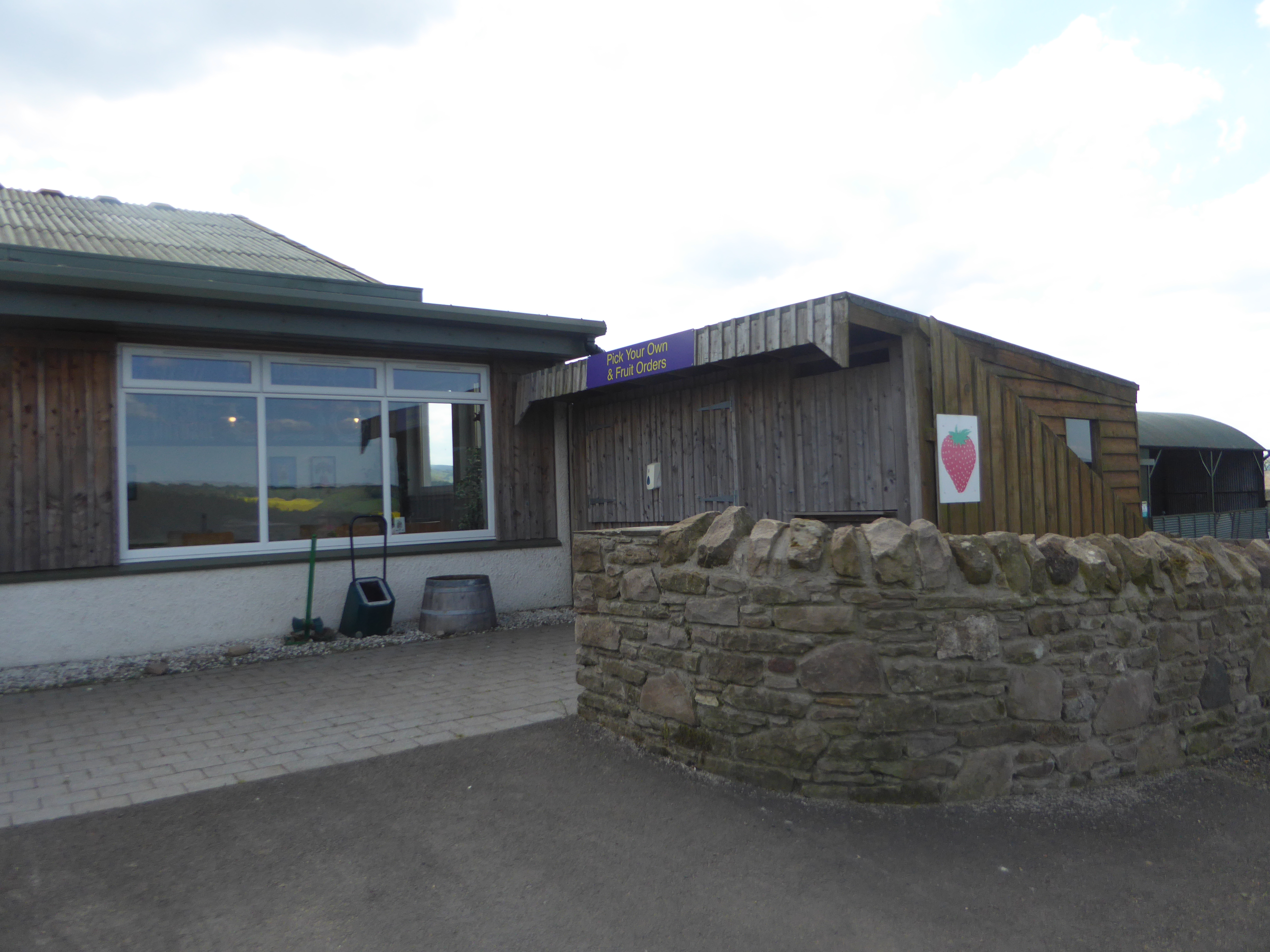
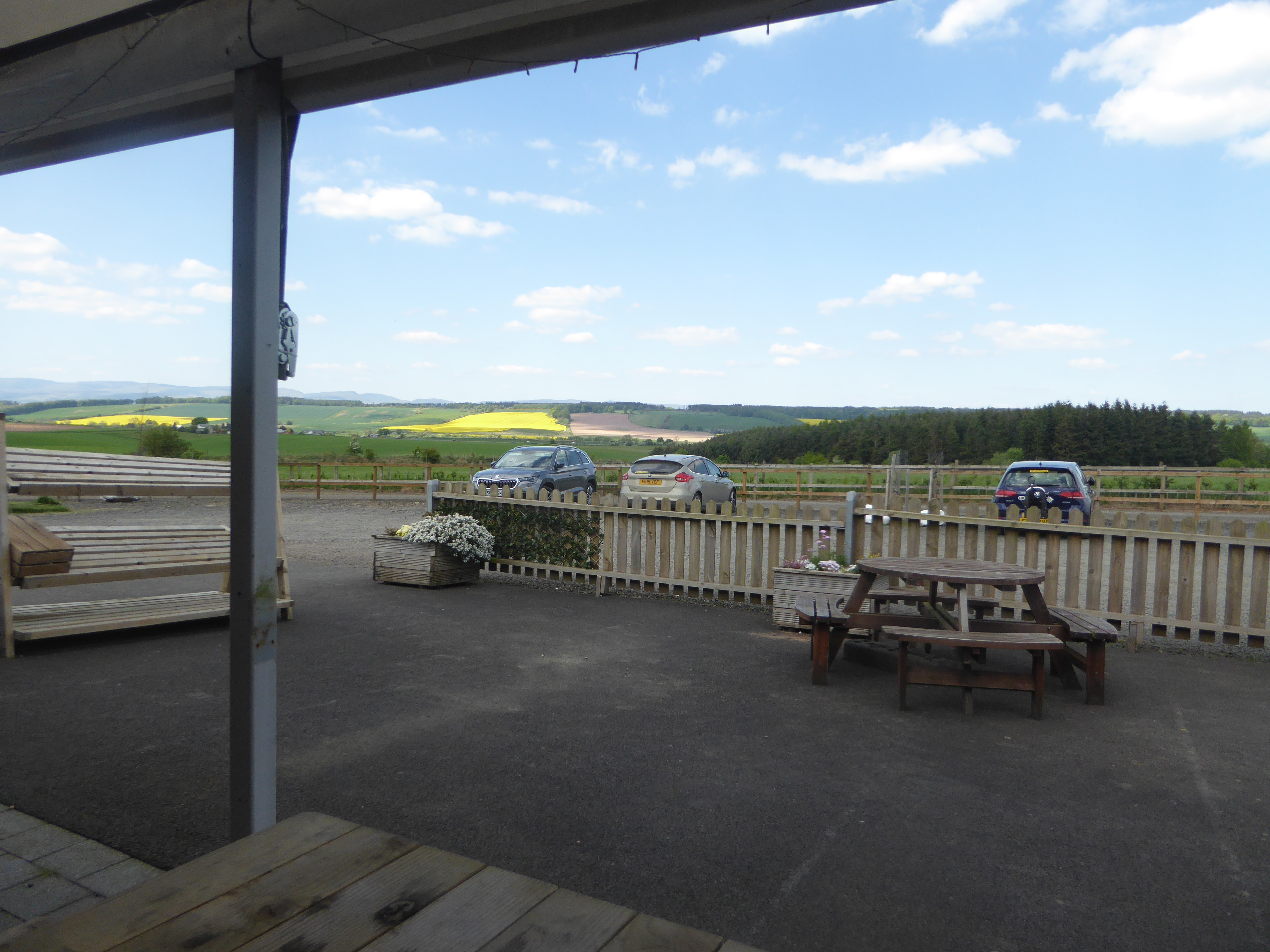
There’s also this one, Broadslap Farm, in Perthshire that I’ve been going to the past year. I think it’s been three or four times. It’s an interesting example as it’s possible to pick your own fruit, pick your own flowers, shop and even has a café; all rolled into one.

In March and April you can pick your own tulips and other flowers and then from June, can pick your own strawberries. Somebody told me that since it’s been quite warm in Scotland the last month, that it was now already possible to do so. For this farm, that was not correct. Perhaps the weather has been a bit colder in south Perthshire this year.

They say they’ll have to wait until early June before you’re allowed to pick your own strawberries this year. But alternatively, there’s still a very nice but small farm shop and café.

I decided to have a traditional ploughman’s lunch which was only 10 quid, so probably a few pounds cheaper than other places, with inflation raging at present.

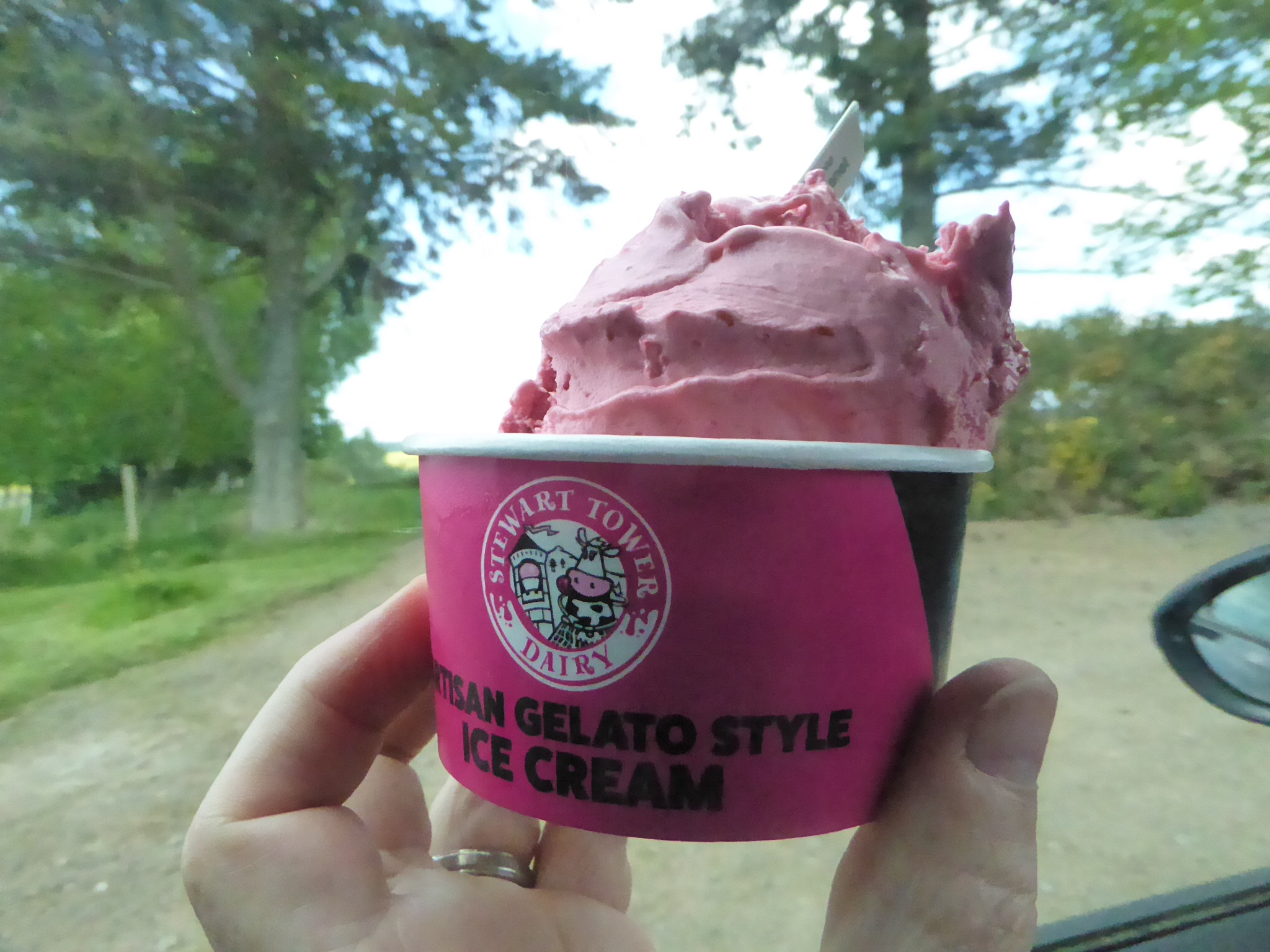
The other half had a very nice mushroom type of soup. I have to say that you have to look at the photos to realise just how big this meal was. I could not finish the salad. Though I found the space to have one of their handmade ice creams.

Over the past decade, there seems to be a growing trend—though not entirely new—of farm cafes, pick-your-own operations, and farm shops emerging to bolster rural economies. These ventures, often located in remote areas, add value and generate additional income for farmers and rural communities. For example, some of these establishments are just off major motorways, yet still a mile or two into the countryside, where it’s easy to get lost. It’s fascinating to explore how significantly this sector has expanded over the last five to ten years and the economic impact it has had.

These initiatives undoubtedly help sustain rural economies. However, operating in such isolated locations often requires a mobile workforce, as local labour may be scarce. Many of these businesses are likely better suited to family-run operations due to their remote settings, where access typically requires a car. Intrigued by this trend, I decided to investigate further, naturally with the assistance of AI.

The facts were (via Grok):

Key Statistics (UK, 2015–2025)

Diversification Trends: 37% of farmers optimistic about diversification profitability; 33% of farms made business changes by 2022, with 44% planning changes in 3–5 years.

Farm Shops: 1,581 farm retailers in 2022, with one-third opened since 2012; sector worth £1.4 billion, employing 2,300–2,400 in 302 FARMA shops (2013/14).

Cafes: UK cafes market at £6.6 billion in 2025, with farm cafes thriving in agritourism.

PYO Flowers: Growing floriculture sector driven by demand for local, sustainable produce; viable on small land areas.

Economic Contribution: Agriculture contributed £13.7 billion (0.56% GVA) in 2023; diversification like farm shops and cafes supports rural jobs (462,100 employed).

Sources:

Harper Adams/FRA Study (2022): Farm shop growth and £1.4 billion market value.

 www.thegrocer.co.uk

Farm Shop Evolution (The Write Taste): Details economic benefits and local sourcing.
www.thewritetaste.co.uk

GOV.UK Farm Business Income (2024): Diversification income trends.

www.gov.uk

Mintel UK Cut Flowers Report (2025): PYO flower market trends.

store.mintel.com

Country Life (2013): Farm shops’ local economic impact.

www.countrylife.co.uk

CB

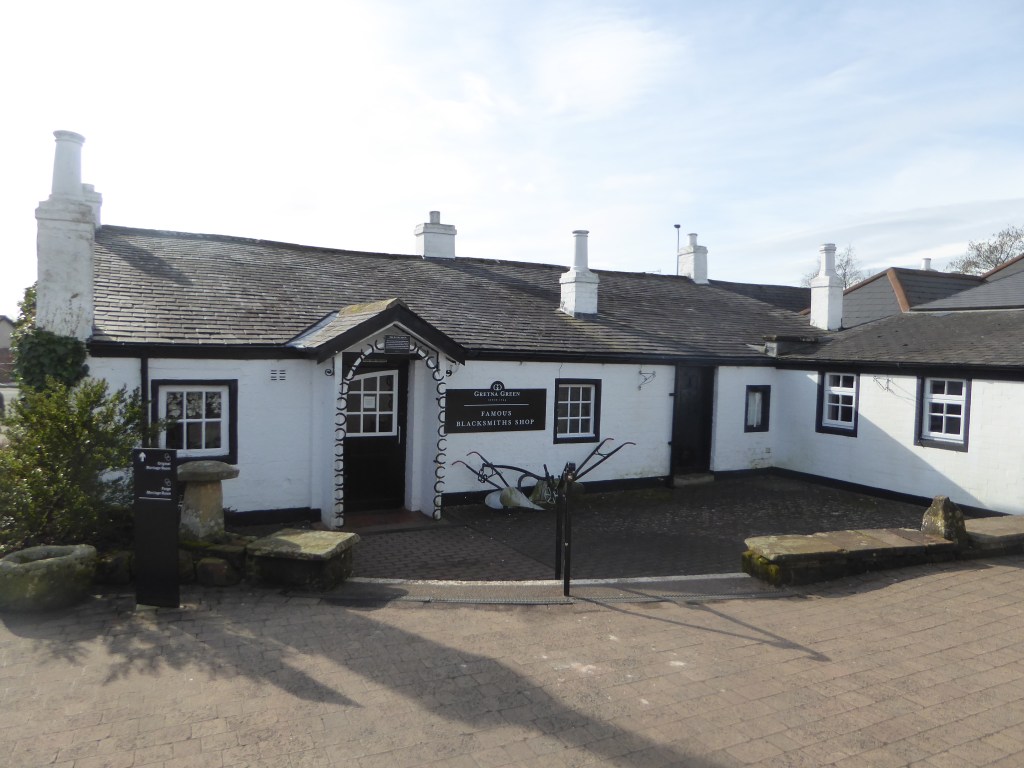
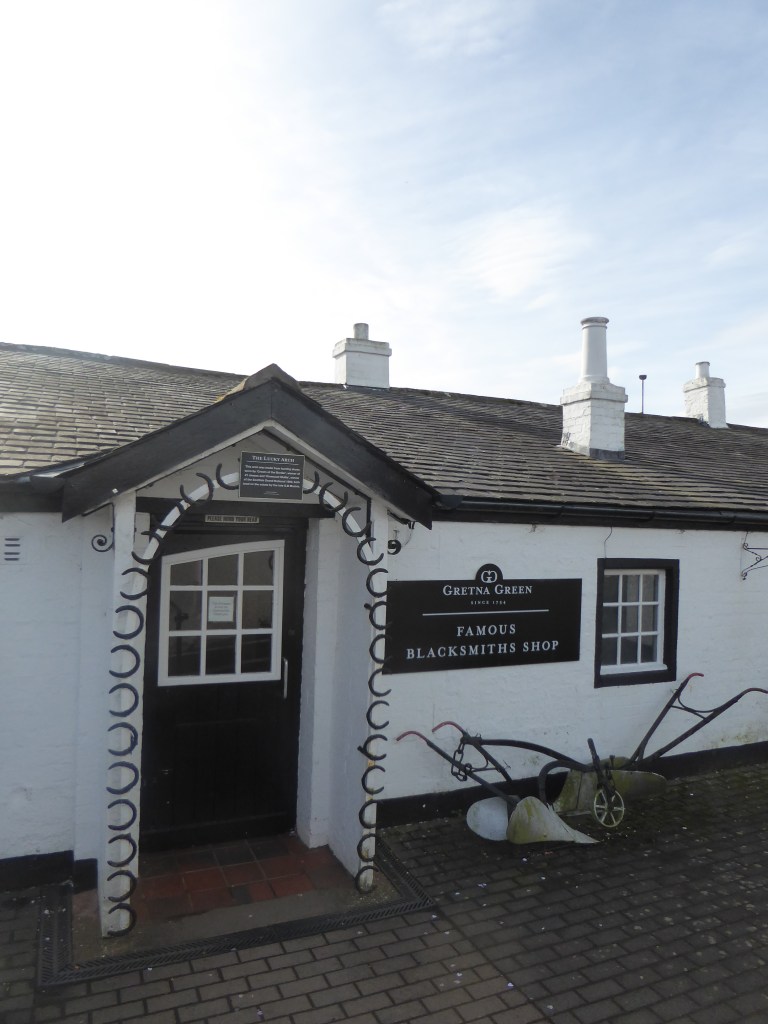
Gretna Green and its Blacksmith’s Experience – A surprise

We recently got back from a trip to Germany—more on that later, as I’ll also get into what we’ve been up to the last year. I’ve barely blogged over the past year, so there’s plenty to catch up on. This trip, we travelled from Manchester to Bavaria. It was surprisingly affordable, and we merely just drove down and stayed overnight at the airport, as we had an early, cheap flight to Germany the next morning. Next time though, we’ll take the train; as it goes directly into Manchester Airport.
On the way back from the Euro adventure, we decided to break up the four hour drive, and decided not to stop at the great Tebay Farm Shop —one of the best farm shop restaurants around the UK, if not the world—but to push a bit further past Carlisle just over the Scottish border. We’d been to this area before but never to Gretna itself.

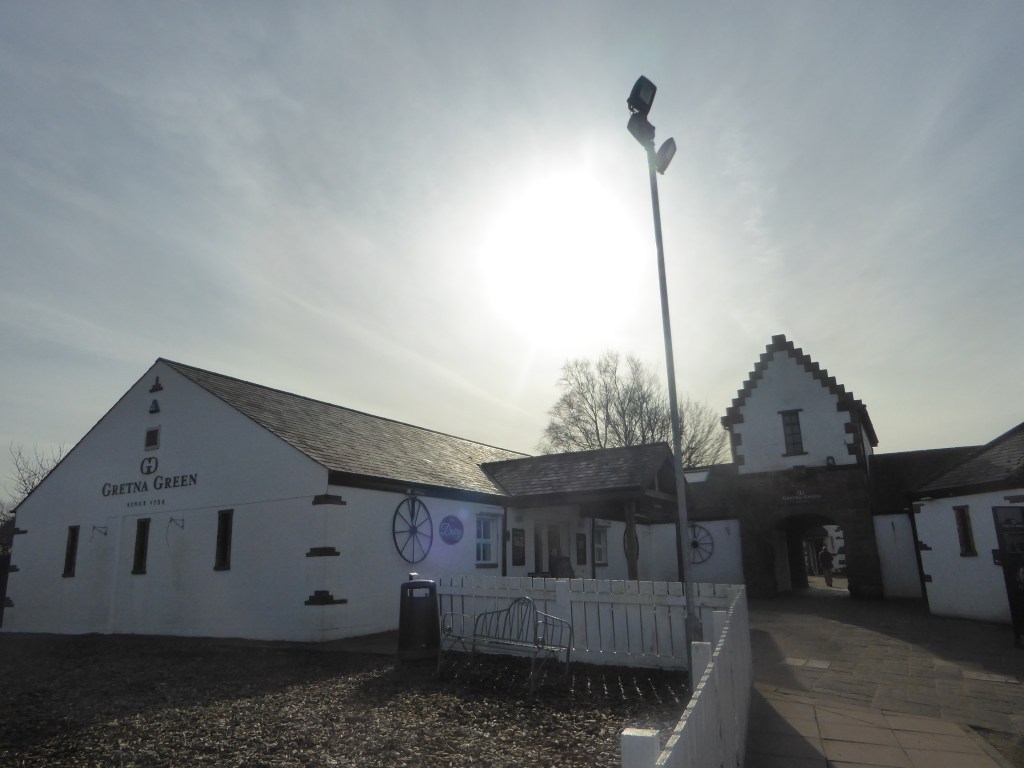
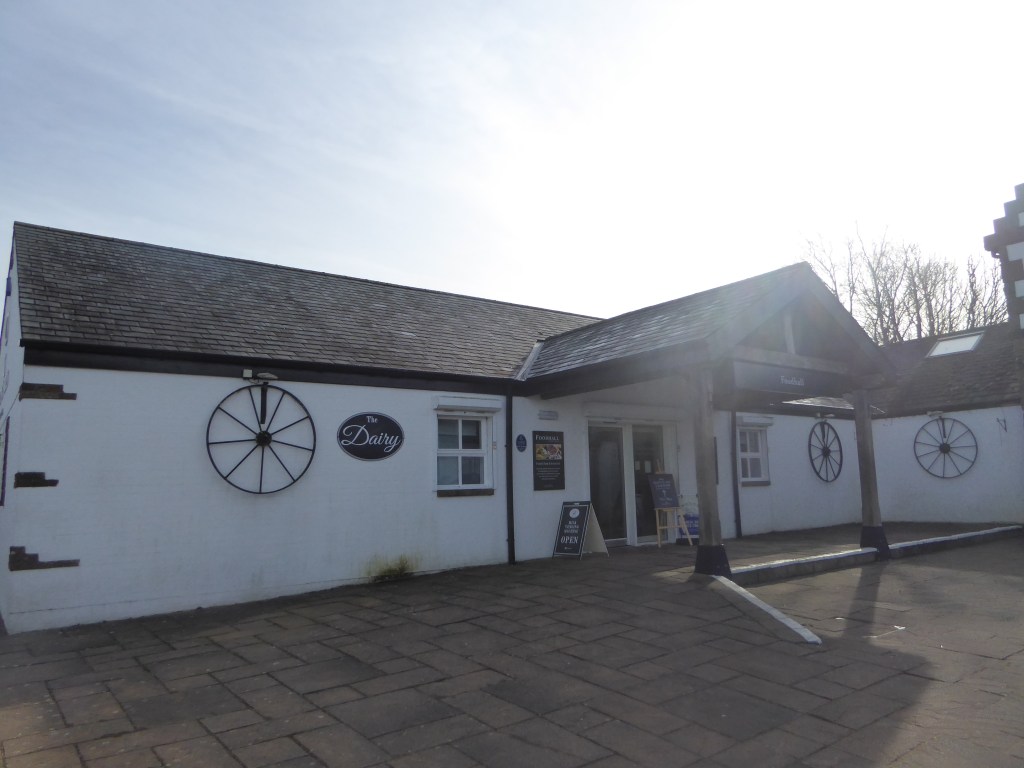
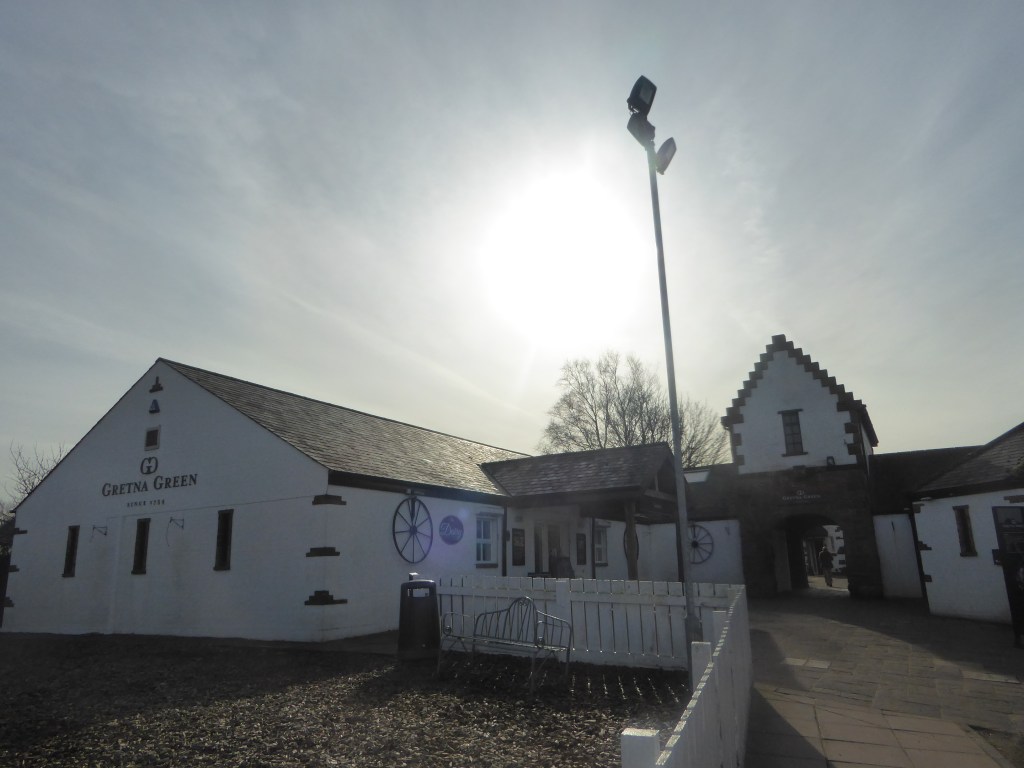
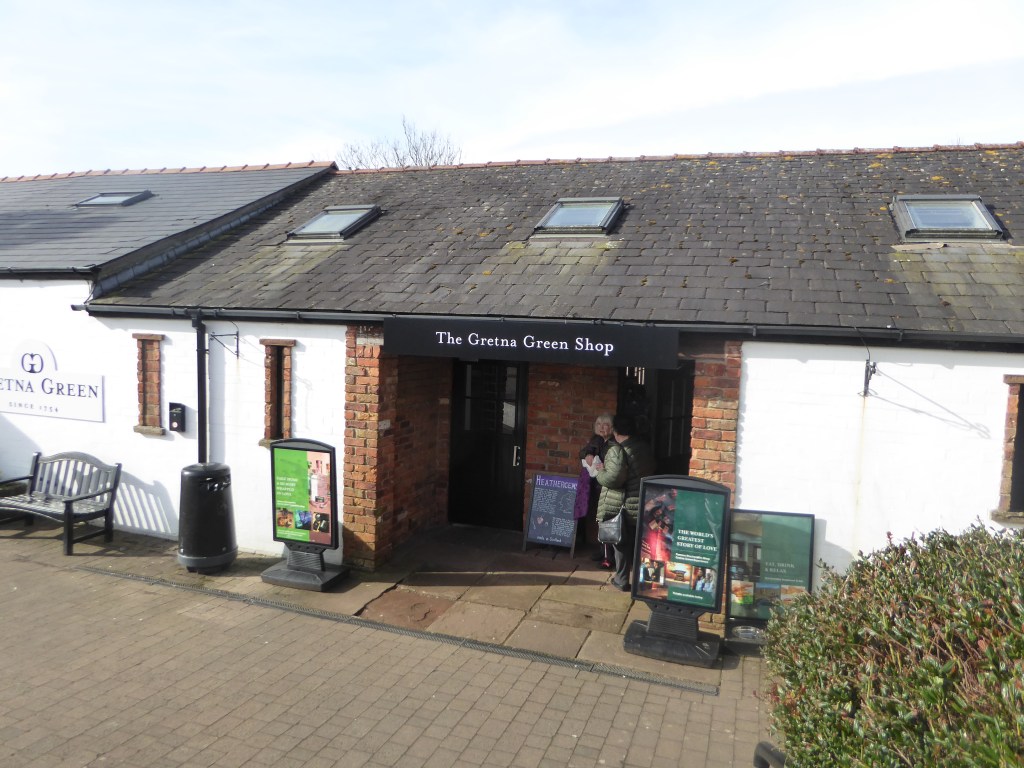
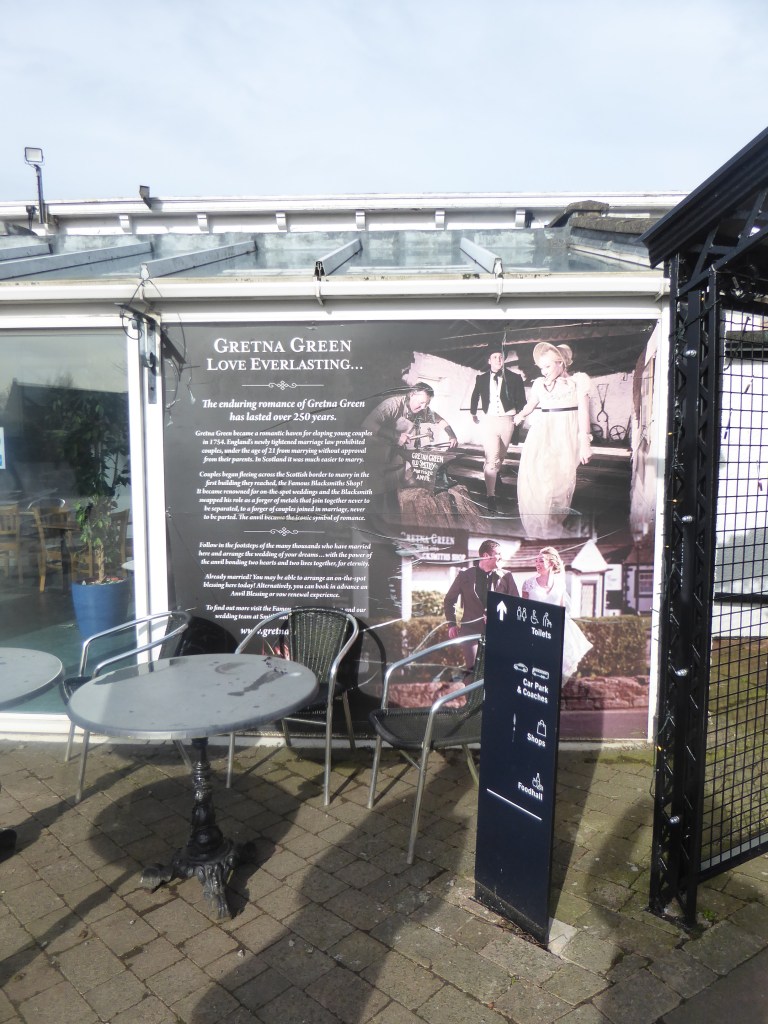
We spotted a sign promising a “Blacksmith Paradise” or something horrid like that and decided to check it out. Little did we know , that it’s still the famous spot where people—years ago, and even now—actually get married.

I’ve always heard of Gretna Green, especially when I lived in England—it was the first thing people mentioned. “Oh, you’ve got to stop at Gretna Green if you’re ever in Scotland,” they’d say. That was 30 odd years ago. Things have changed a lot since then, but it’s still a wonderful wee place— traditional and yet somehow modern.

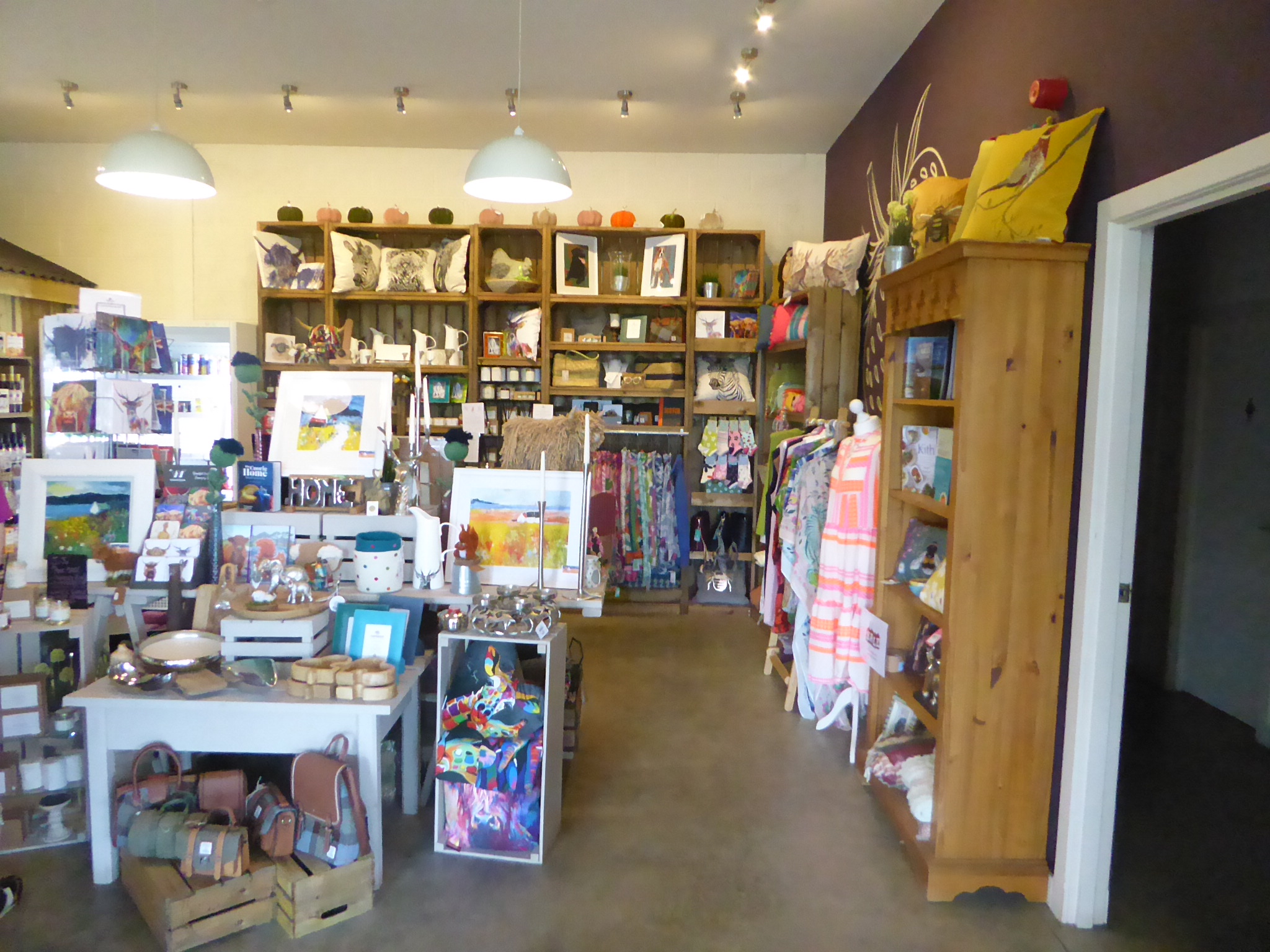
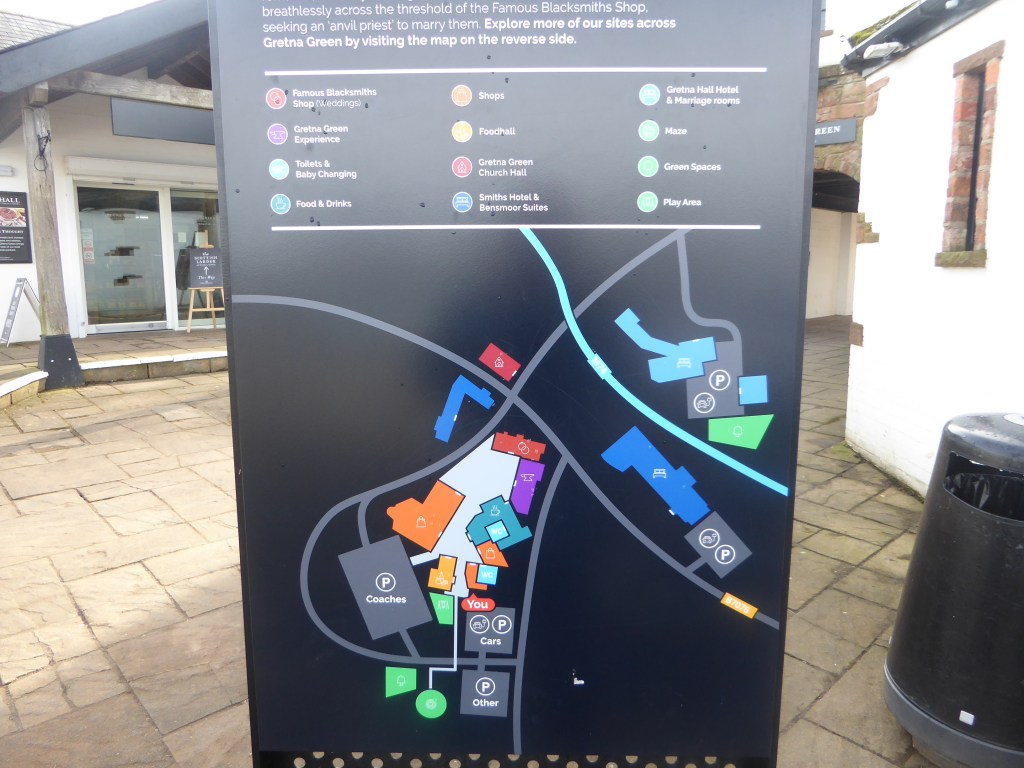
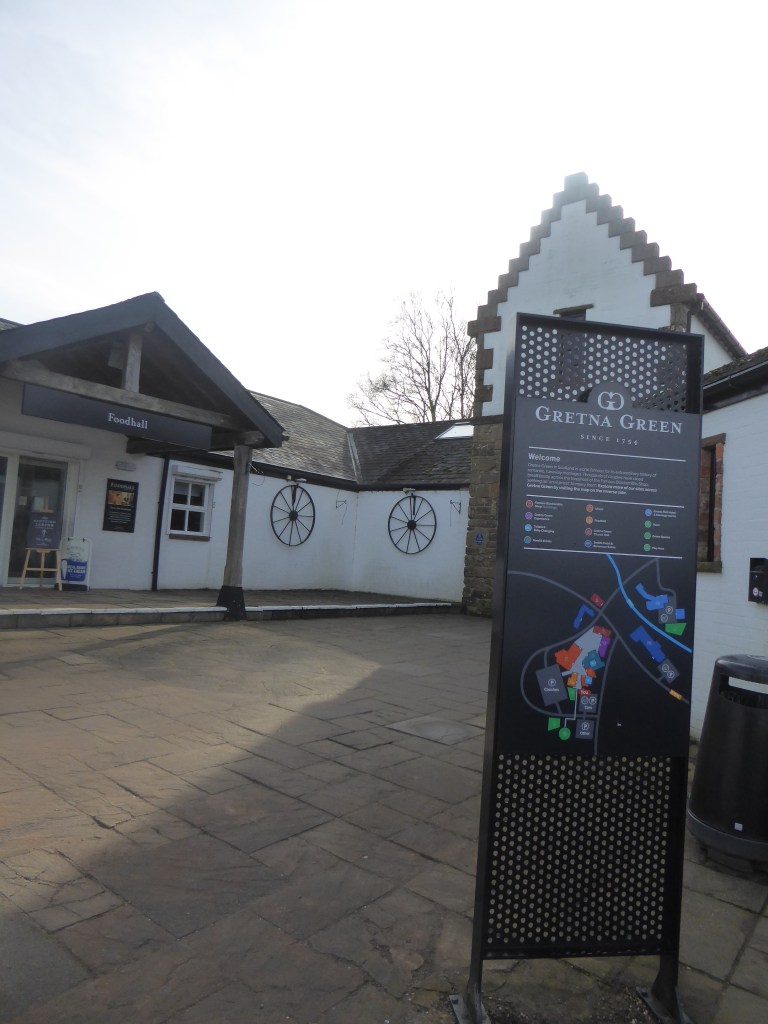
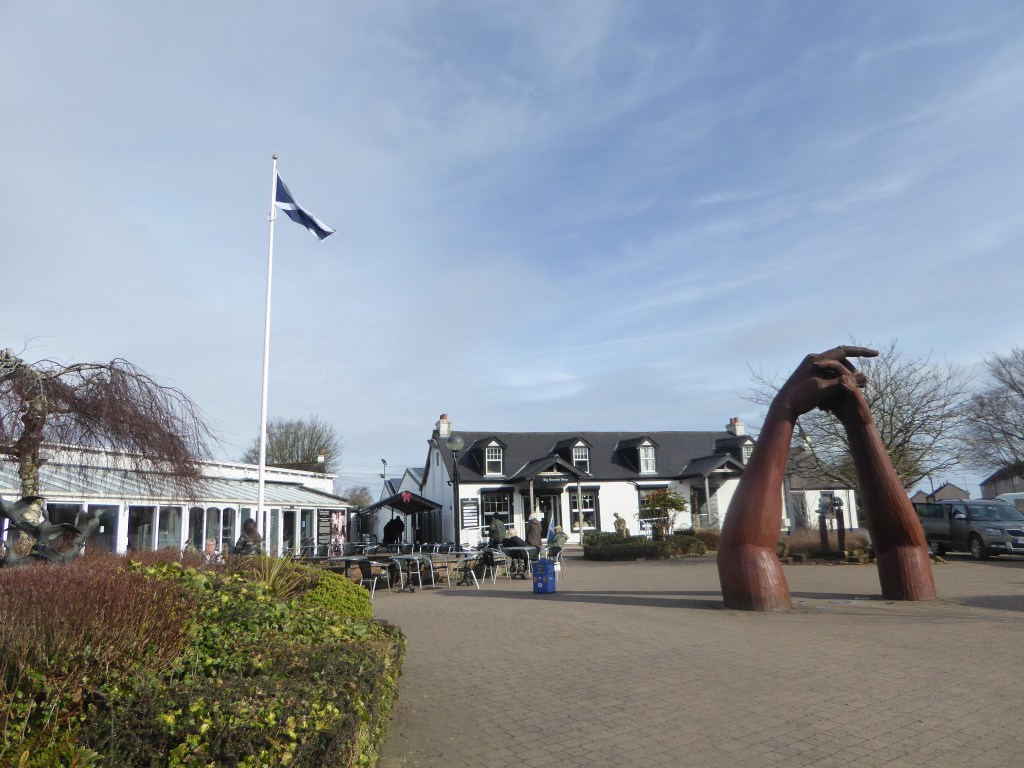
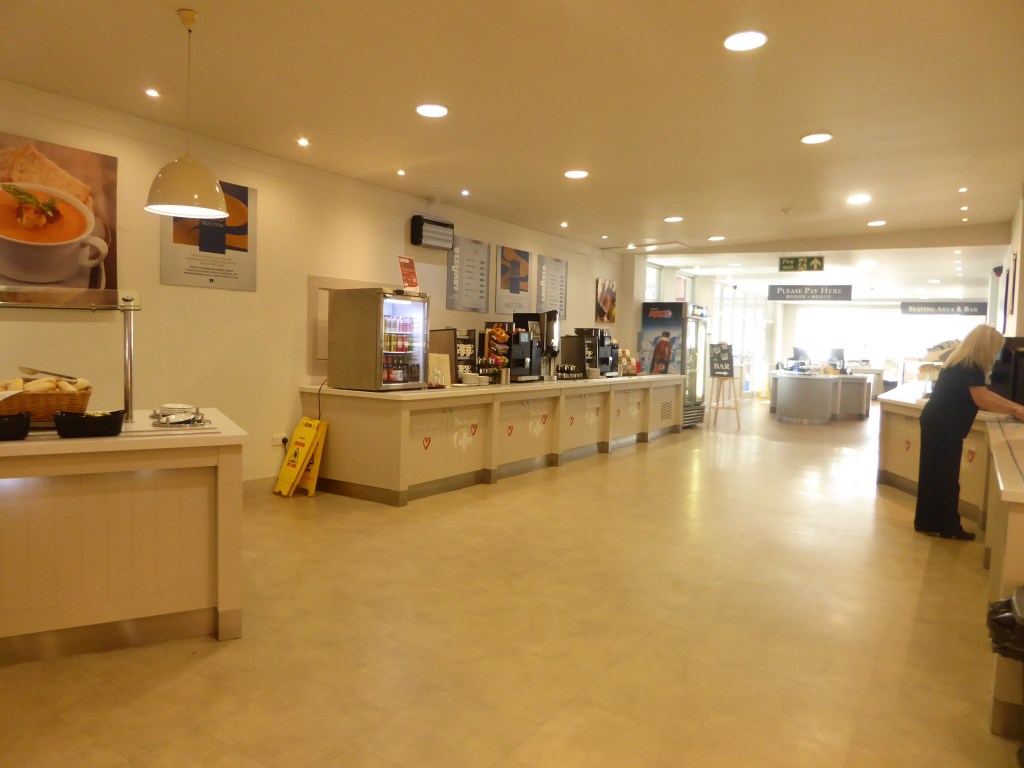
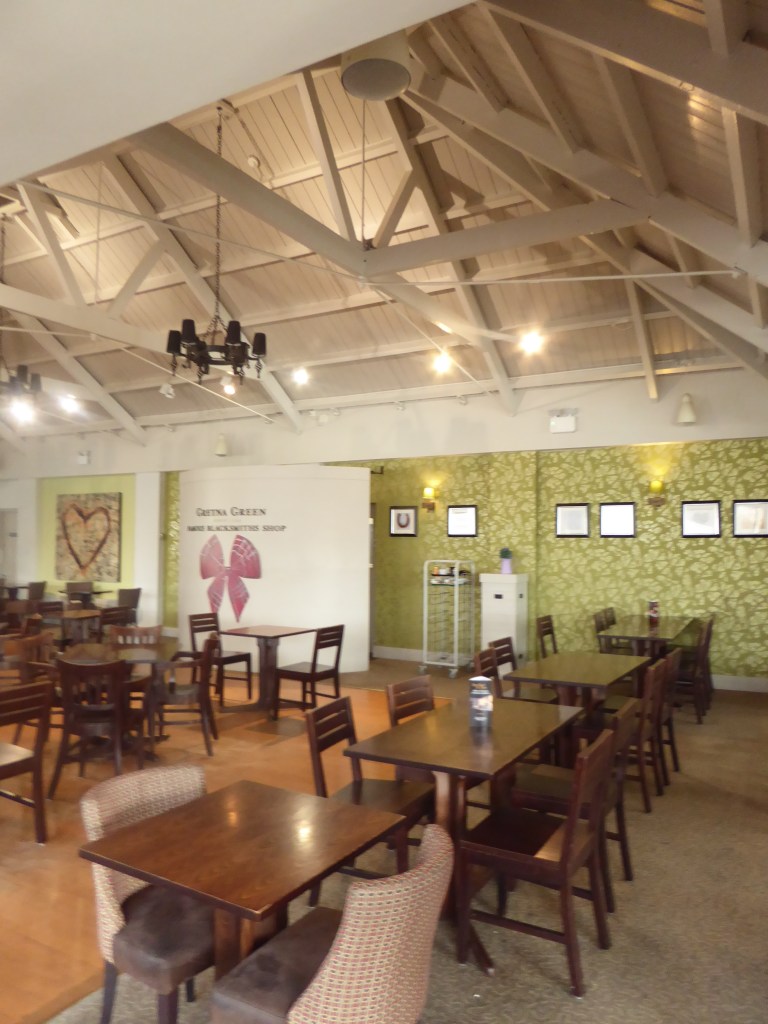
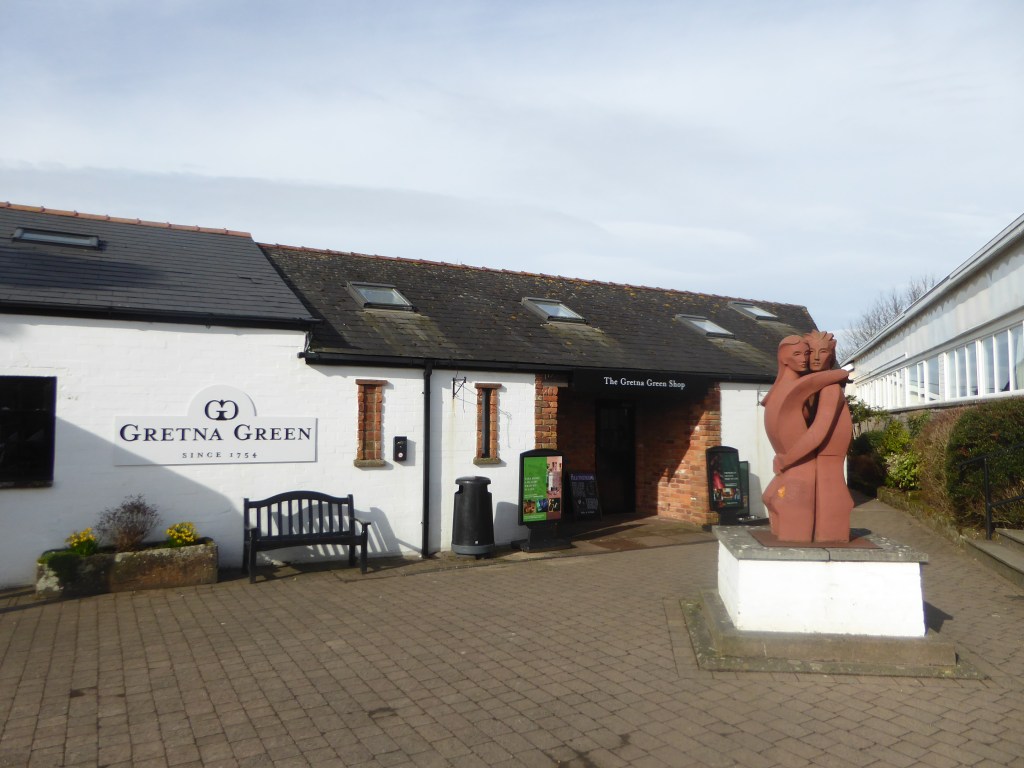
These days, they can host up to 20 weddings a day! It’s fascinating—you can be part of something that feels both timeless and contemporary. But it’s not just a wedding spot anymore. It’s almost a fun park now, with more to offer – cafe’s, blacksmith experience, weddings, park walks, and a well stocked out farm shop.

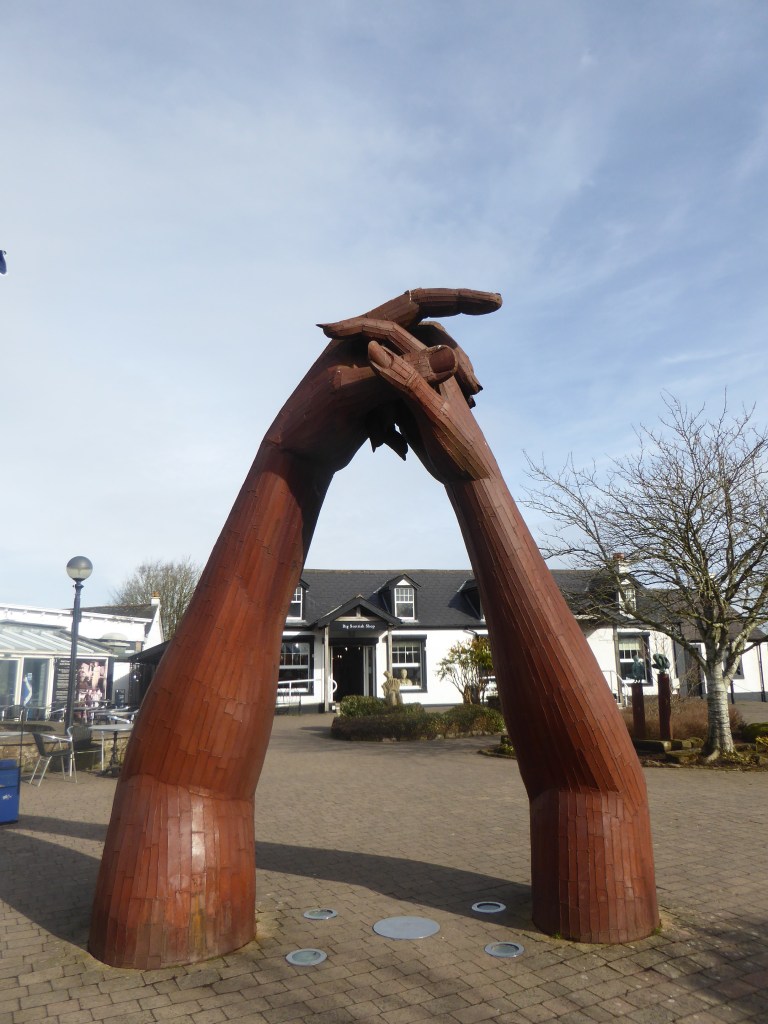
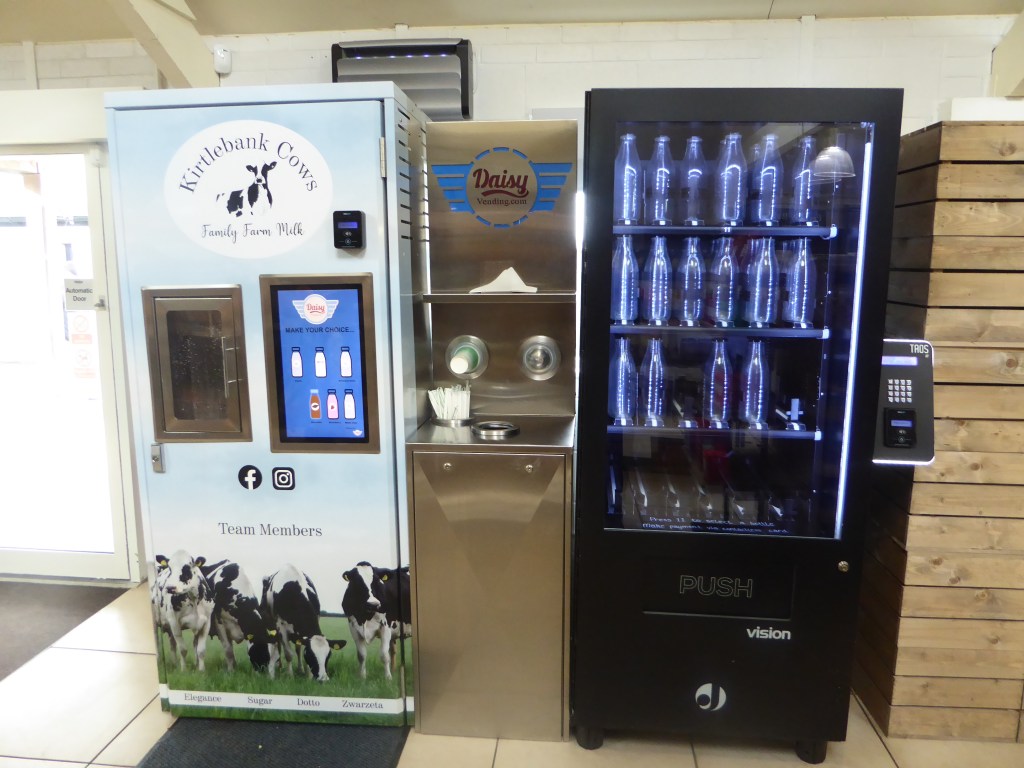
Sculpture / Milk Machine!

To top it off, as we left the store, there was an interesting milk machine, that is not doubt a big help for the local diary farmers. The price was reasonable, and you get farm fresh milk.

CB

Glasgow’s Cherry Blossom Magic: A Spring Spectacle in Scotland –

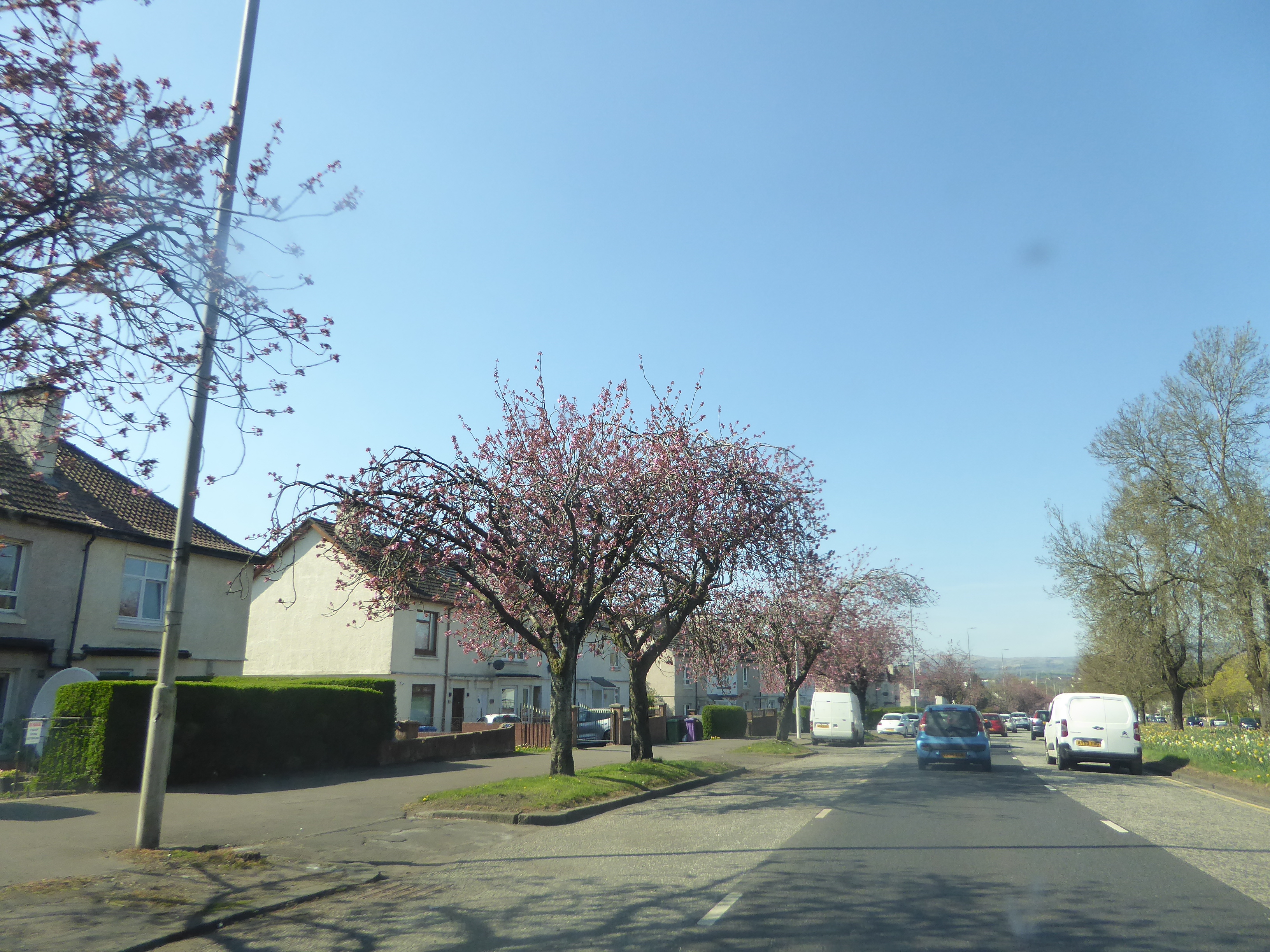
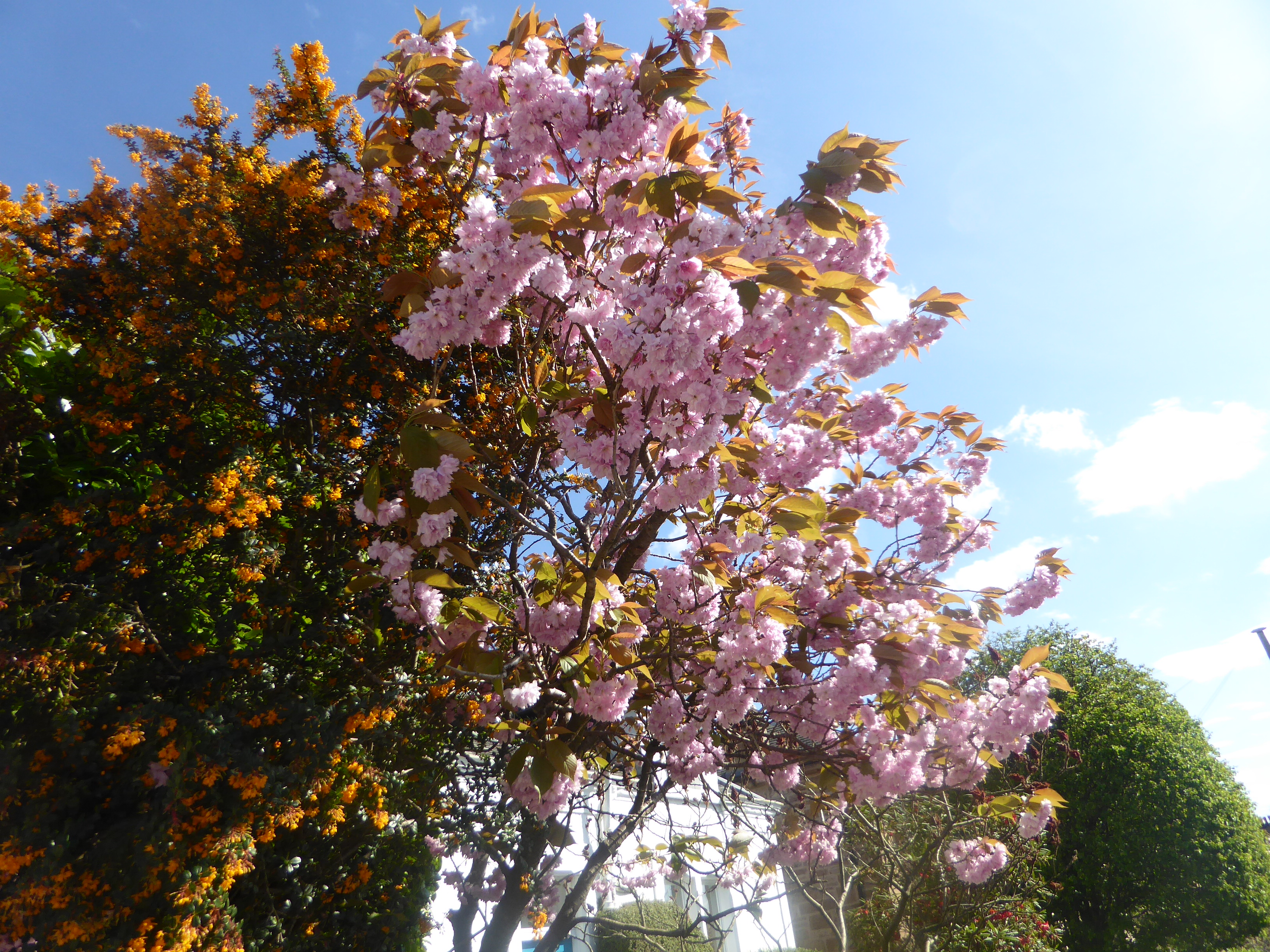
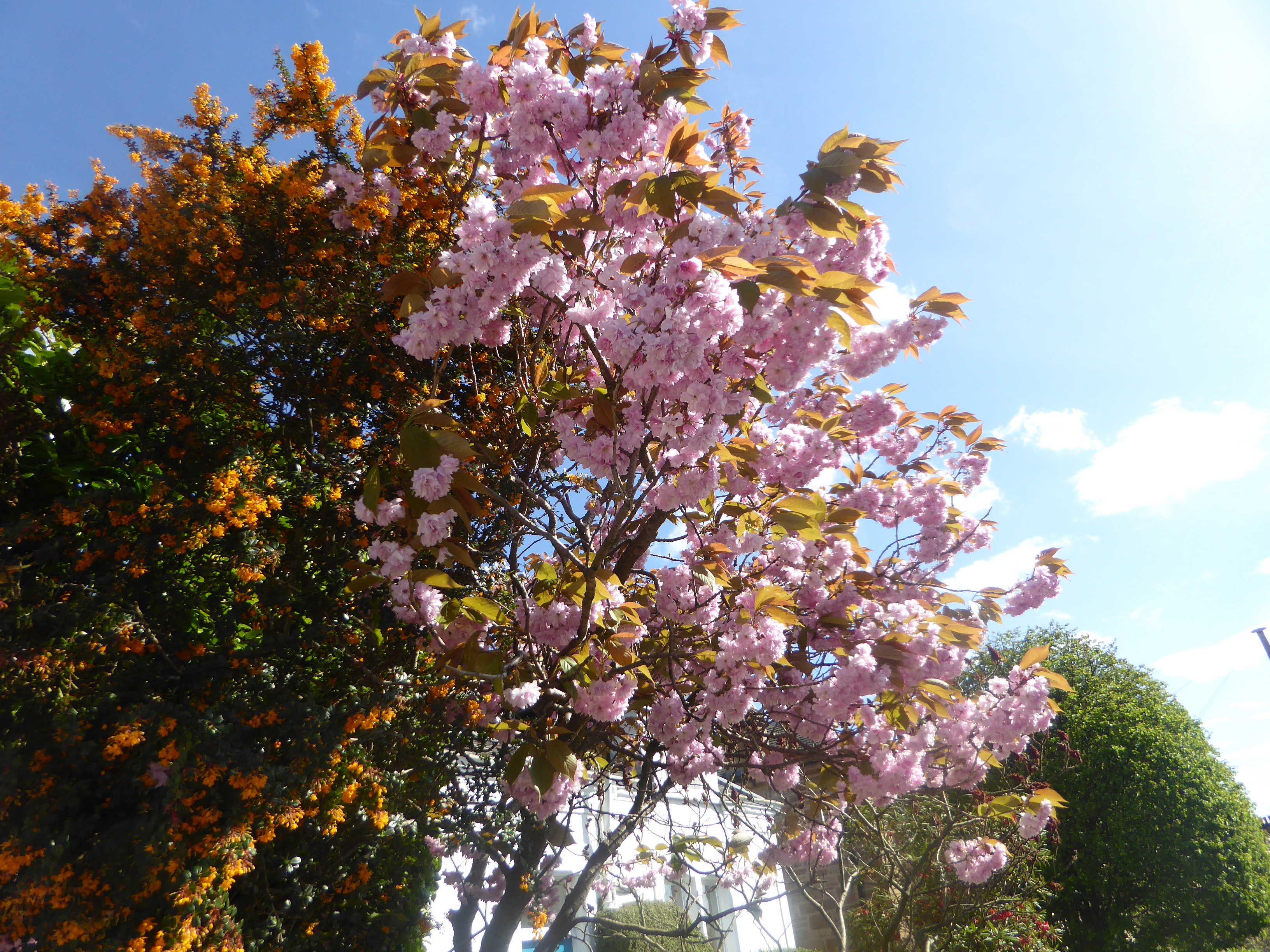
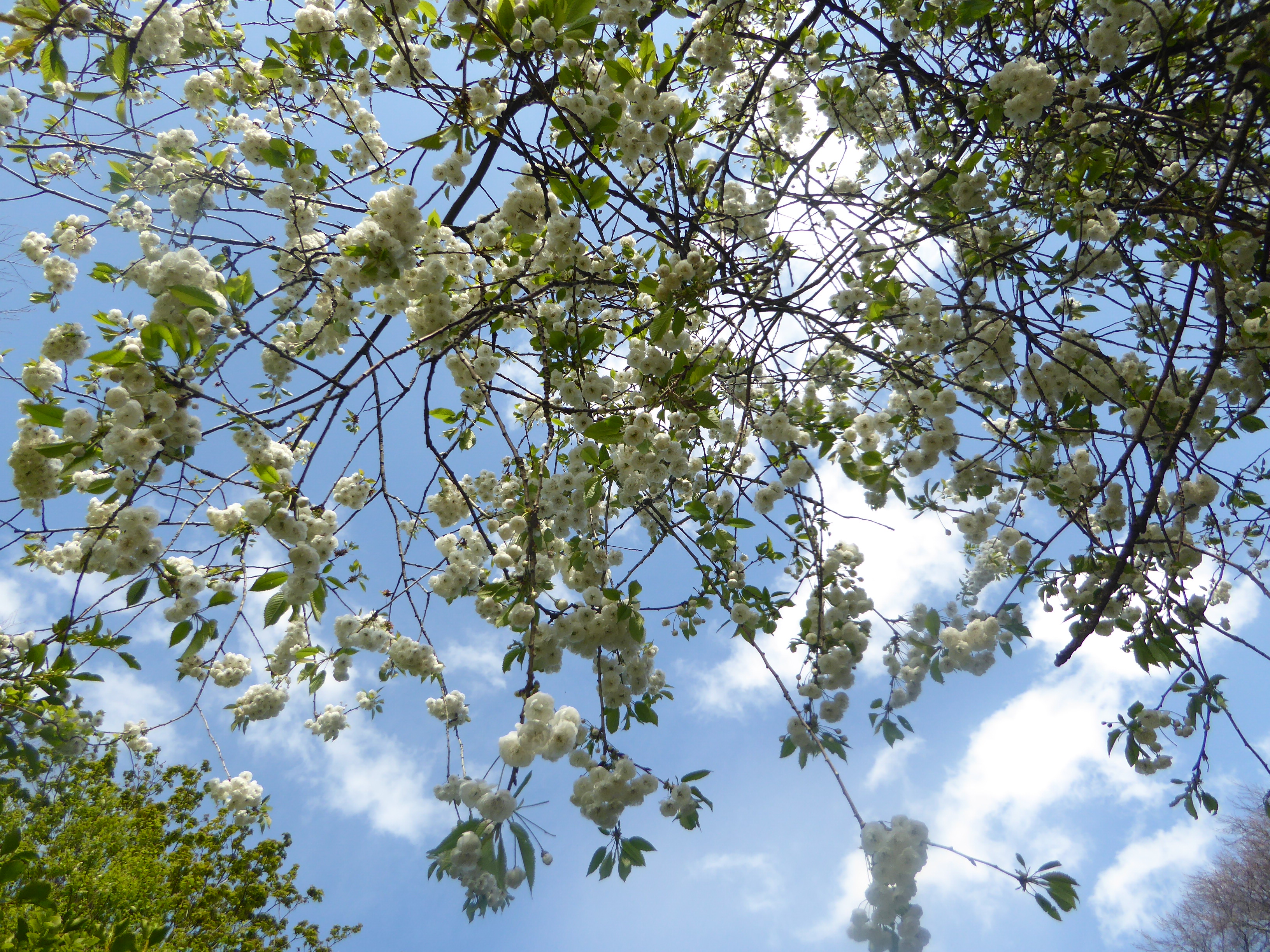
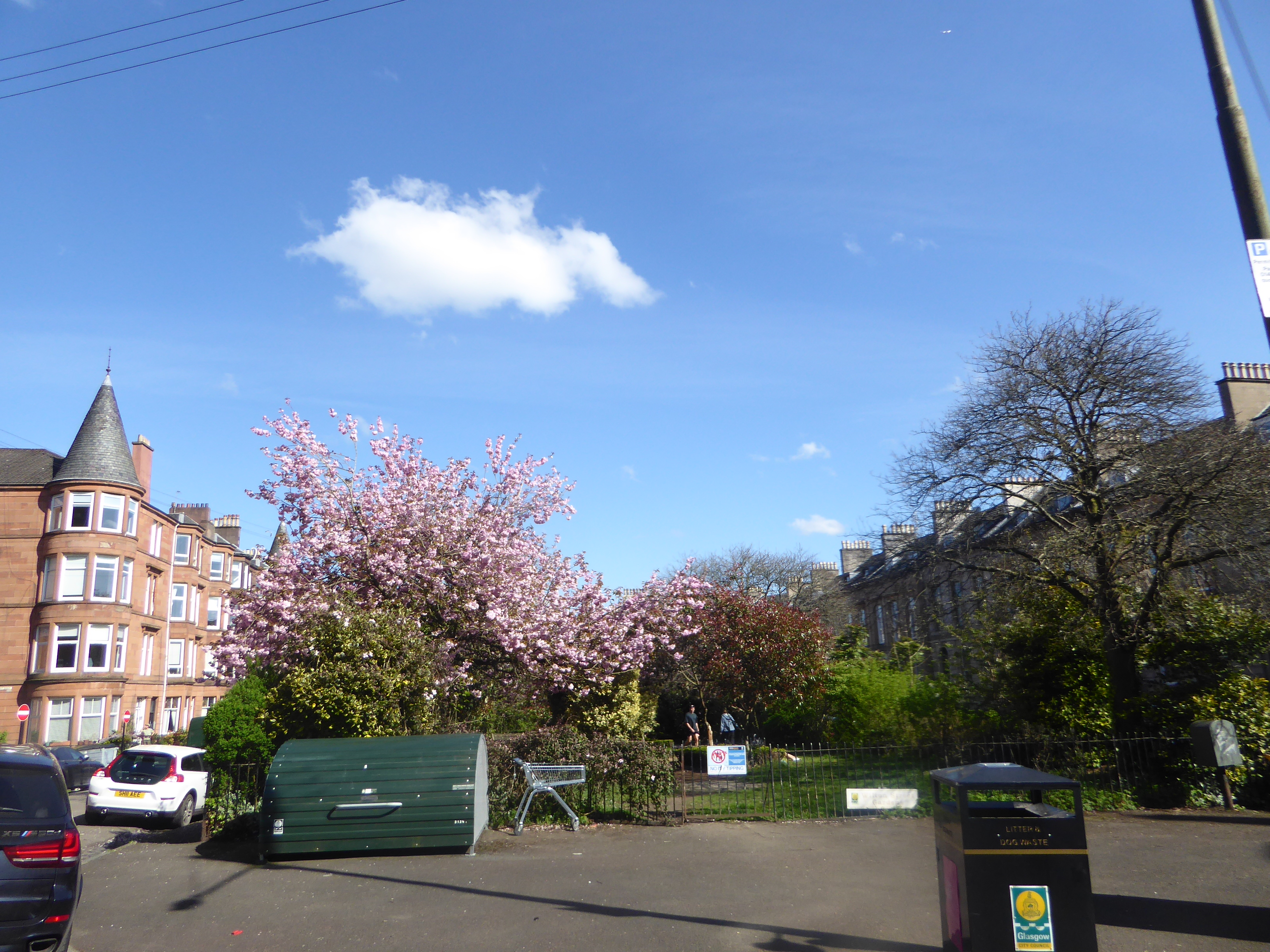
Interesting, all of a sudden I see nothing but cherry trees here in Glasgow in the west of Scotland. I know they’ve always been here, but I’ve always wondered why, and I’ve always wondered are they the cherry trees as in Japanese Cherry trees? Well apparently after doing a wee bit of research, many are. And from past recollections I know that they don’t bloom long, several weeks at the most.

Equally the past several weeks it hasn’t rained, and being quite bright, I took some shots and I decided to actually look into this; like who brought them here, how long have they been here, and just what exactly they are.

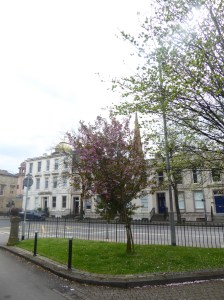
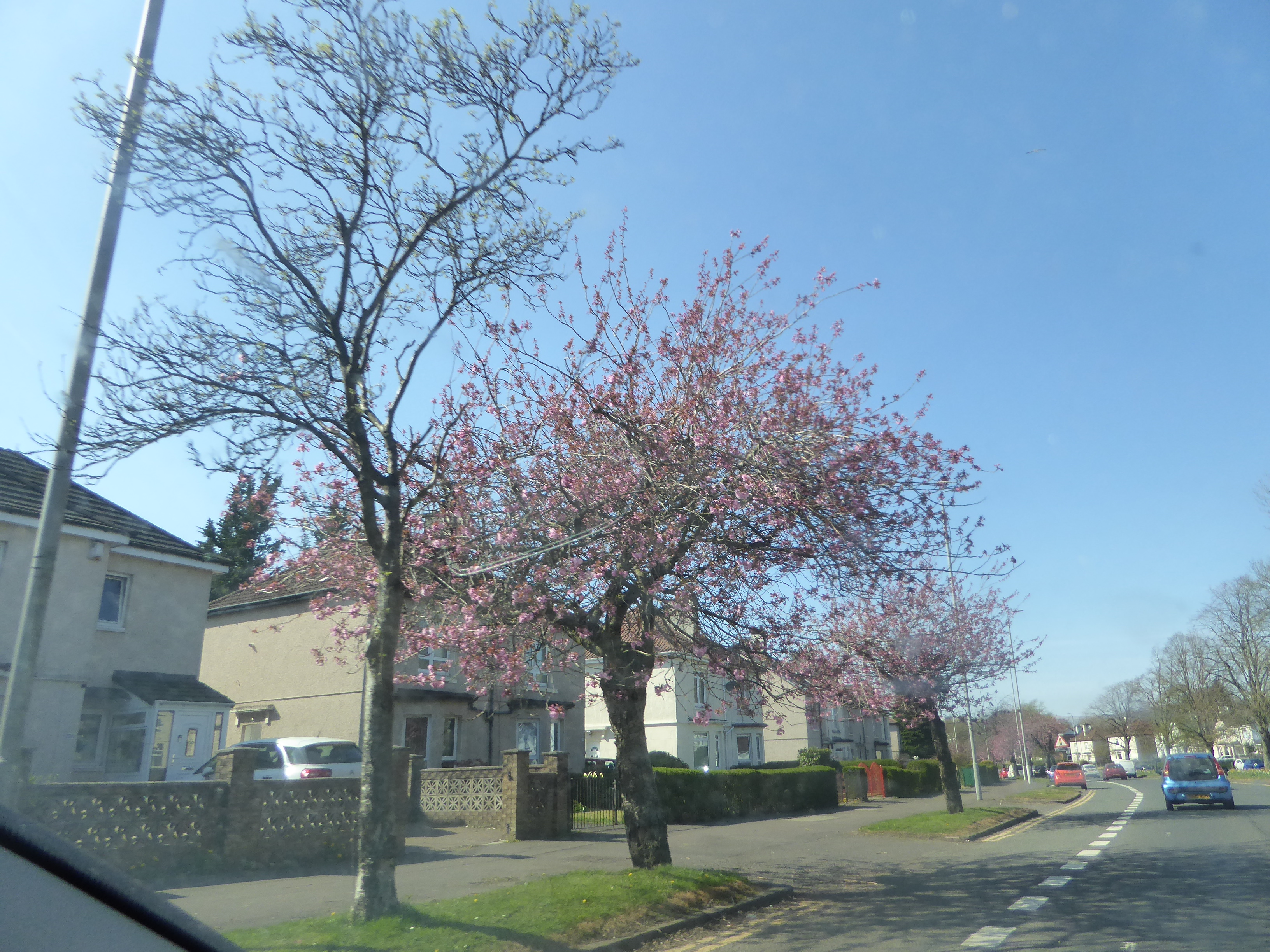
Along western Sauchiehall Street (below) –

A Glimpse into History
Glasgow’s cherry trees trace back to the Victorian era, when Japanese culture captivated Britain after Japan opened to the West in the 1850s. Glasgow’s wealthy embraced ornamental cherries as symbols of beauty and status. Parks like Glasgow Green (expanded in the 19th century) and Kelvingrove Park (opened 1852) showcased these trees to reflect a certain civic pride. Many current trees were planted in the 20th century, particularly post-WWII, during urban renewal efforts in areas like Great Western Road, that goes through the housing schemes there, on the way out of the city.

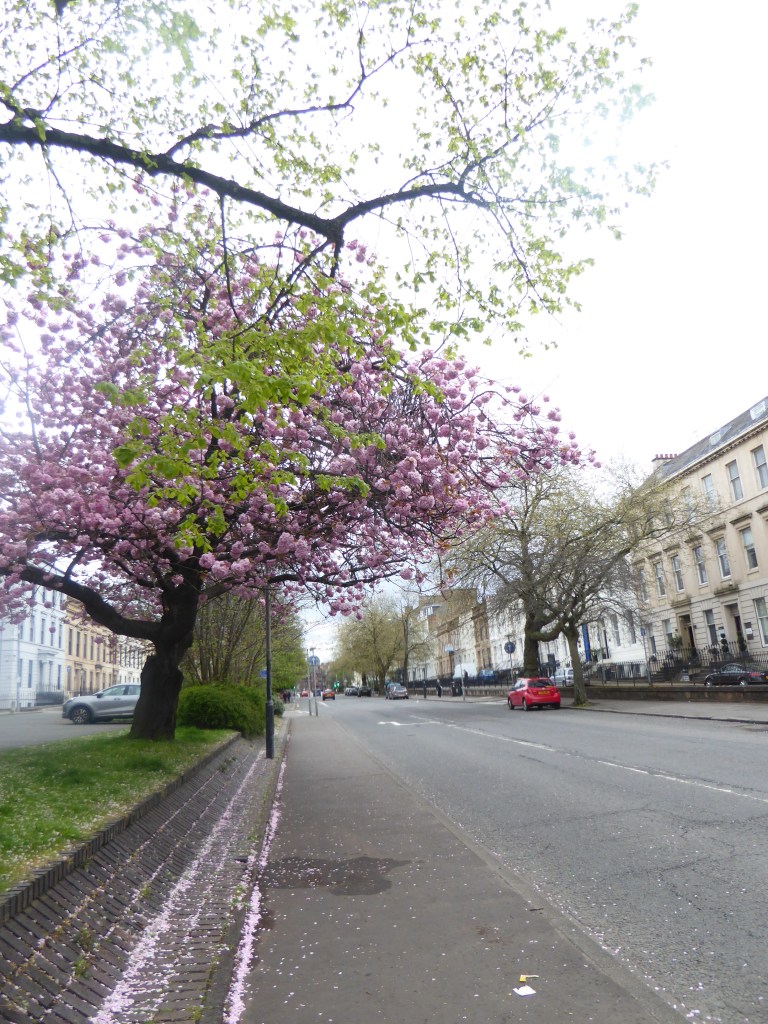
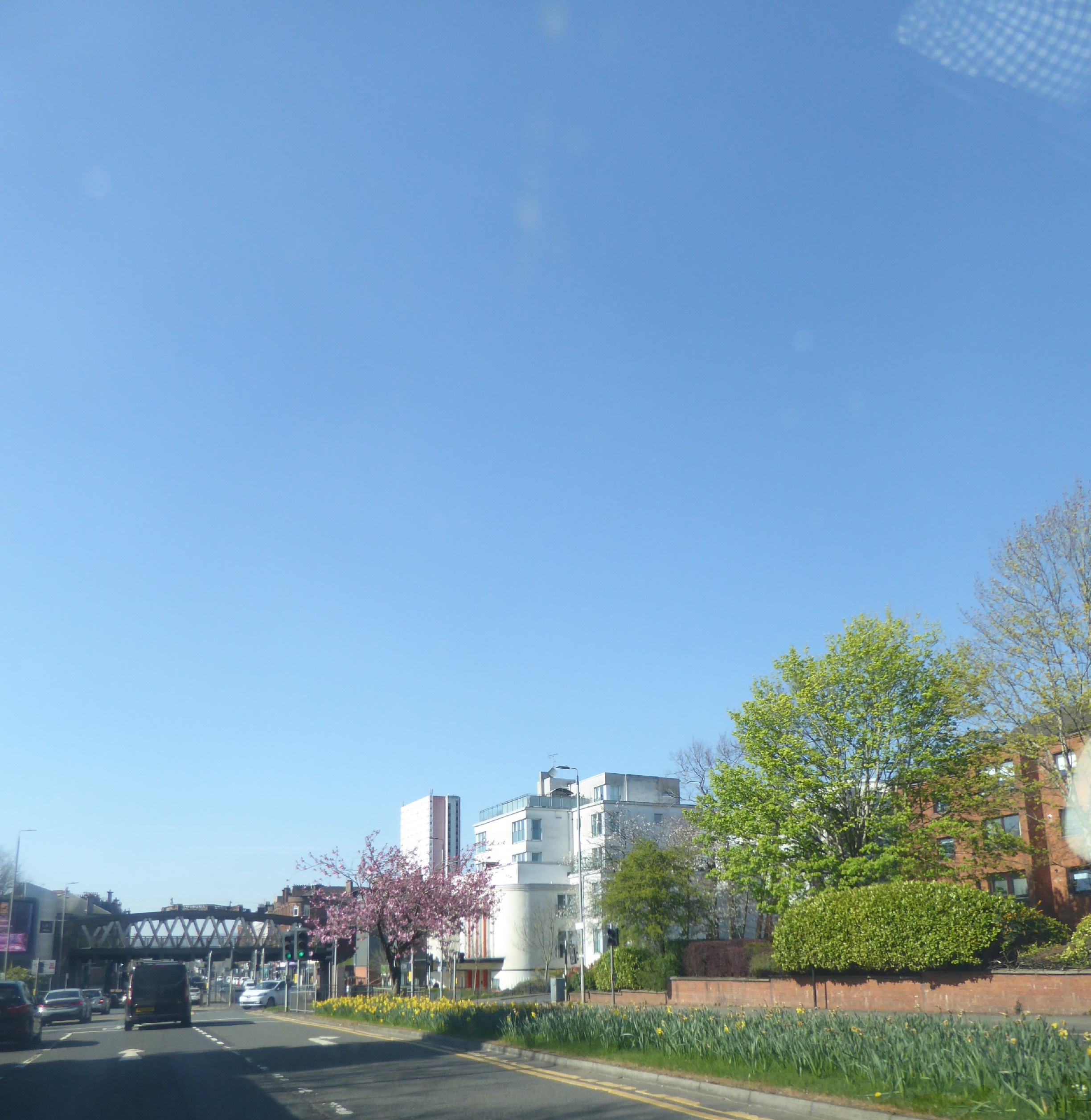
Great Western Road (below) –

Species and Japanese Roots
Glasgow’s trees, mostly from the Prunus genus, mirror Japan’s sakura. Common species include Prunus serrulata (with showy ‘Kanzan’ or ‘Shirofugen’ cultivars), Prunus x yedoensis (Yoshino cherry), and occasionally Prunus avium or Prunus subhirtella. These are botanically similar to Japan’s cherries, sporting pink or white single or double blooms. However, Glasgow’s cooler, wetter climate means later blooms (April vs. March) and smaller, scattered areas where the trees actually are.

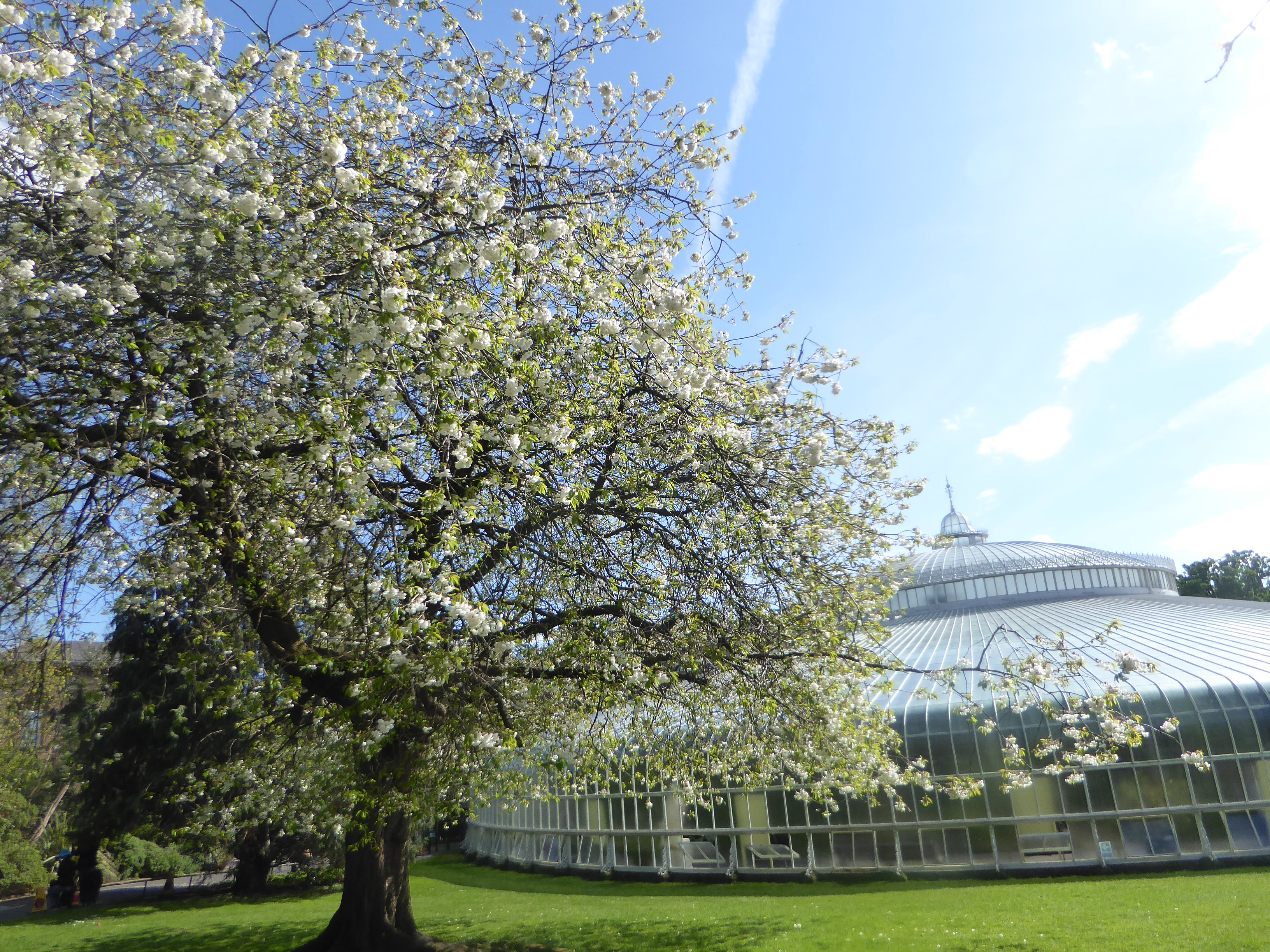
Botanical Gardens (below) –

Are the Cherries Edible?
Don’t be tempted to eat them! Most of Glasgow’s cherry trees are ornamental, bred for their stunning flowers, not fruit. Varieties like Prunus serrulata may produce small, bitter cherries—or none at all—that aren’t palatable. While some trees, like Prunus avium (wild cherry), can yield edible but tart cherries, urban trees are rarely maintained for food and may be treated with pesticides. For safety and taste, stick to the cherries from the shops. These trees are a feast for the eyes, not the stomach, especially in places like Glasgow Green or Kelvingrove Park.

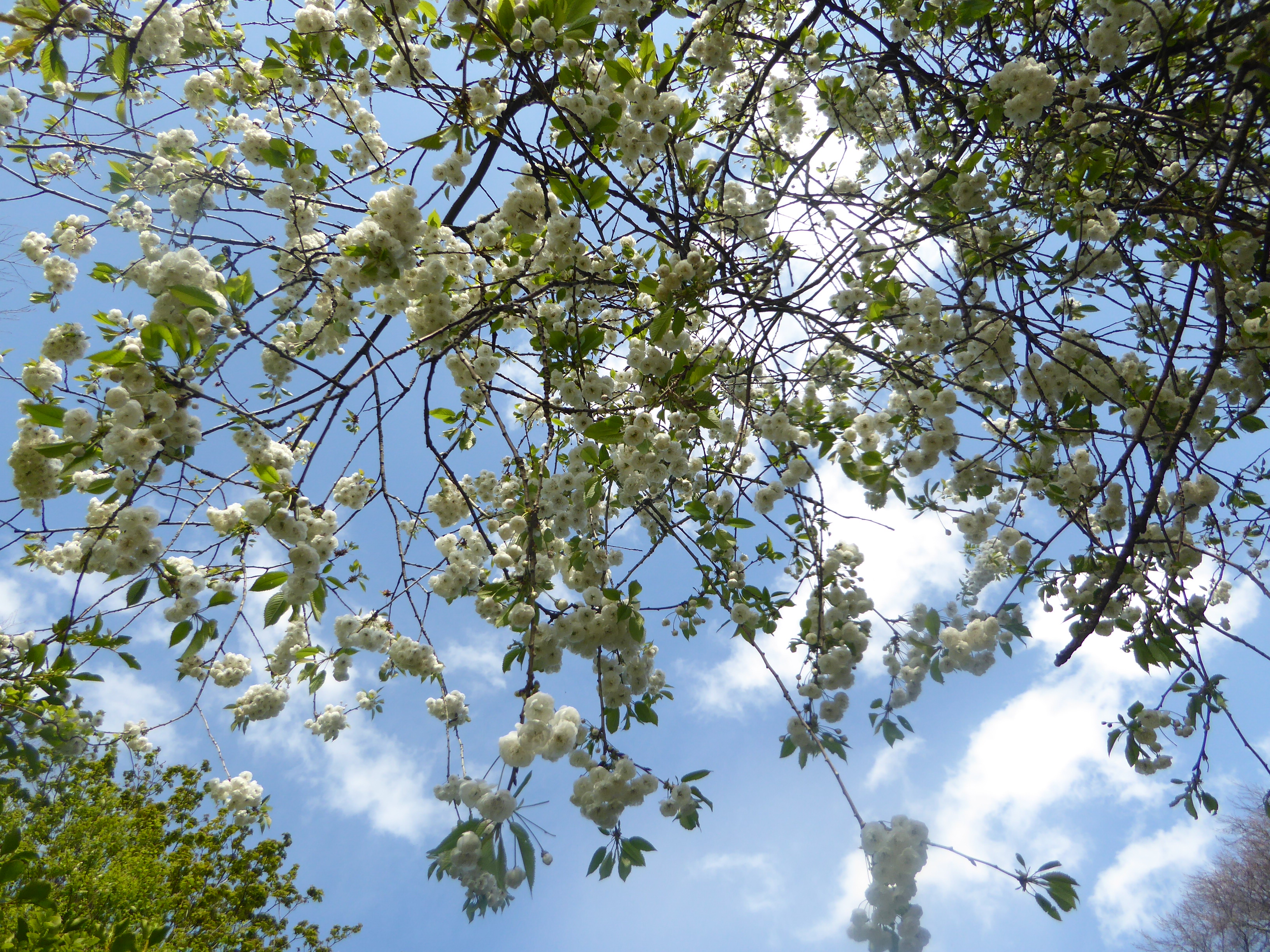
The West End (below) –

Make the Most of It
The cherry blossoms won’t be around for much longer, so if you’re that way inclined, grab your mobile, take some photos and explore Glasgow’s streets now.

CB

Perthshire Highlands and its many walks – Blair Atholl (Glen Tilt) / Revision of my last year (making up for my lack of Blogging) –

That’s right, I’ve not been blogging for quite a long time, but now am much freer to do so.

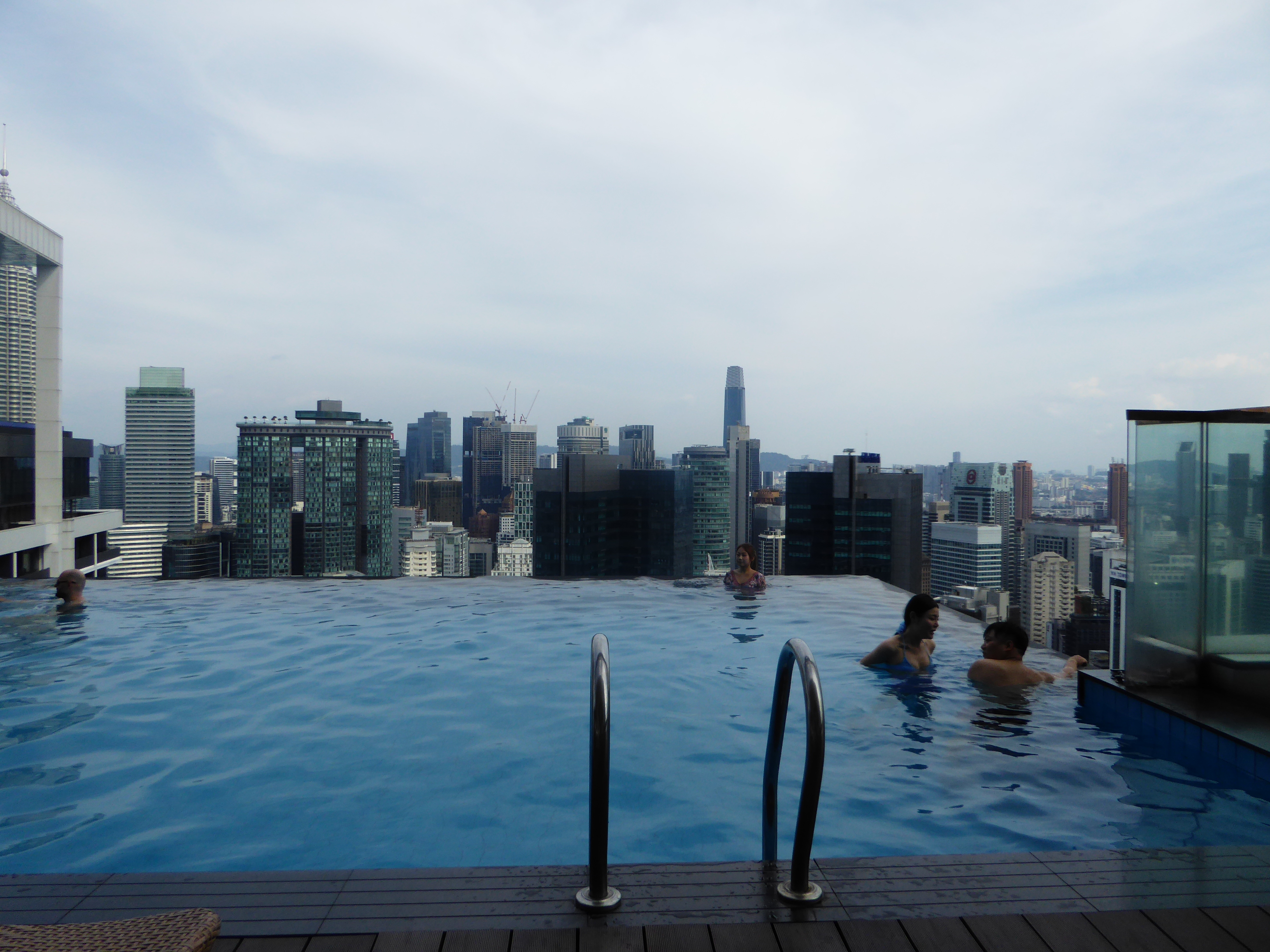
Above is where I was last year on a Far East trip. This shot is the pool in a hotel in Kuala Lumpur where I was staying. For such a view (with amenities) it was surprisingly inexpensive and I no doubt (as everyone should!) will return.
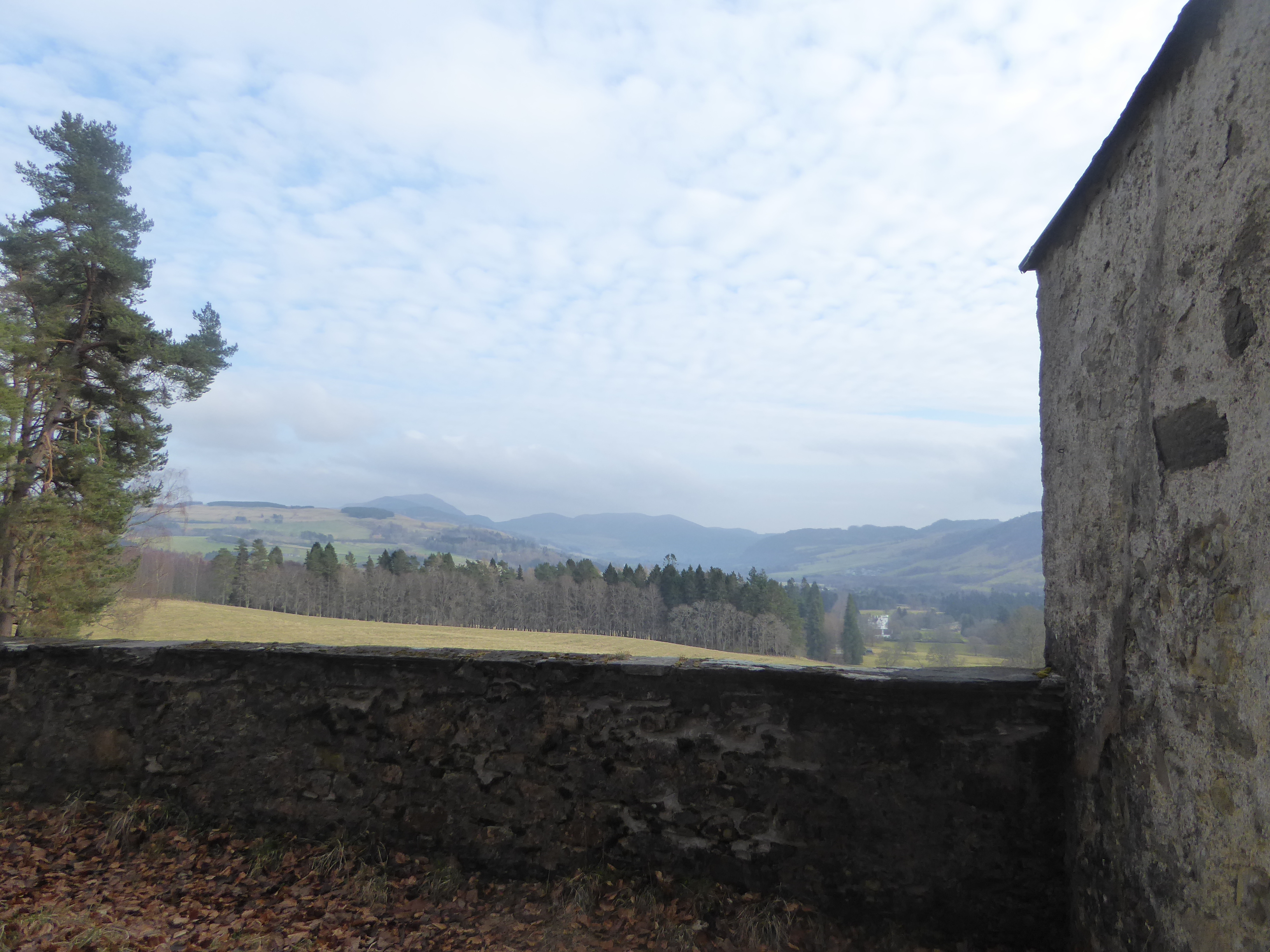
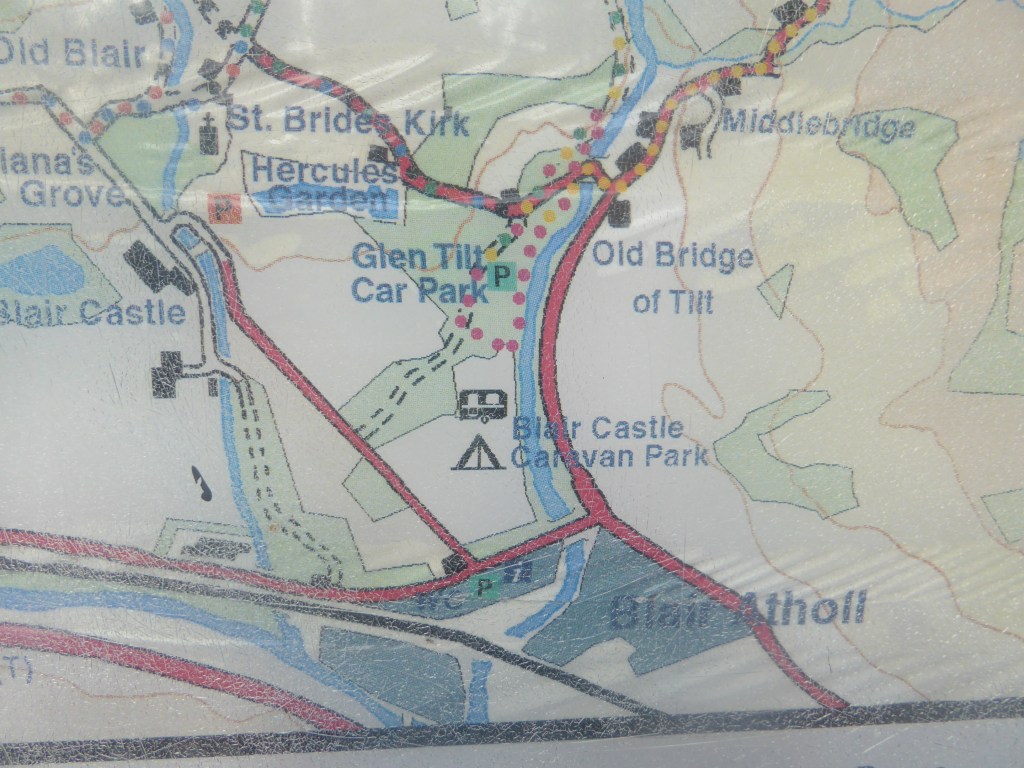
I’ve spent a lot of time in the Perthshire Highlands recently in Scotland, exploring areas north of Pitlochry, including Blair Atholl and Aviemore. Recently, we decided on another short walk—about an hour and a half to two hours—near Blair Atholl, specifically within the Blair Atholl estate, home to the castle and its reputed private army. It was a fascinating walk.
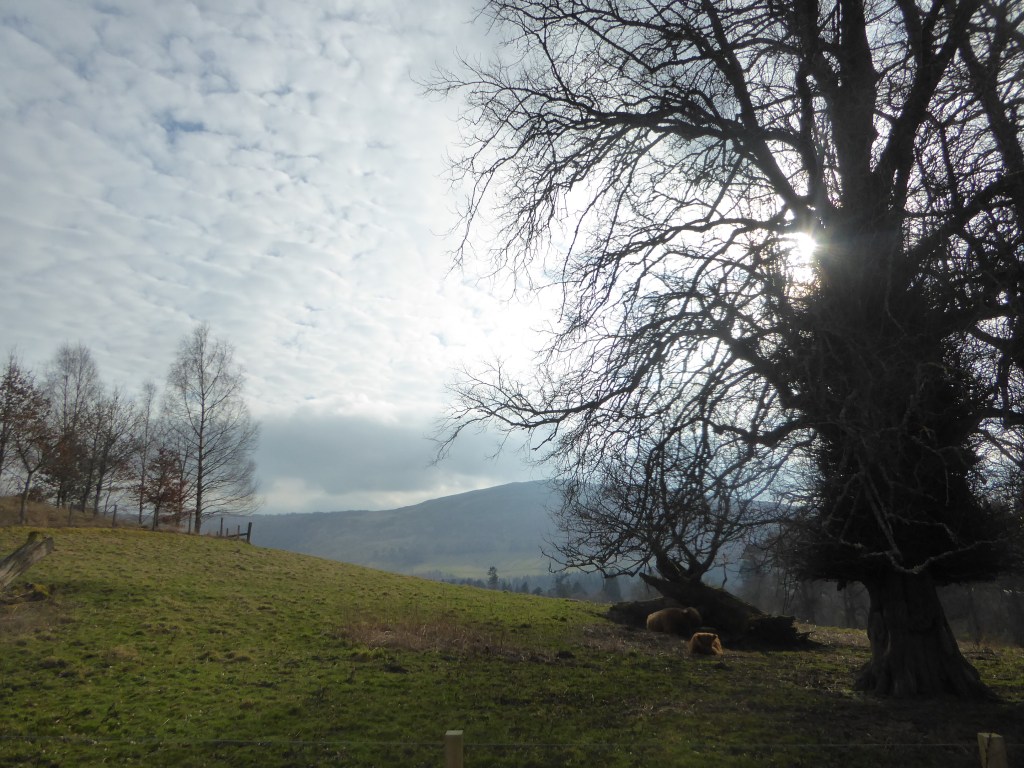
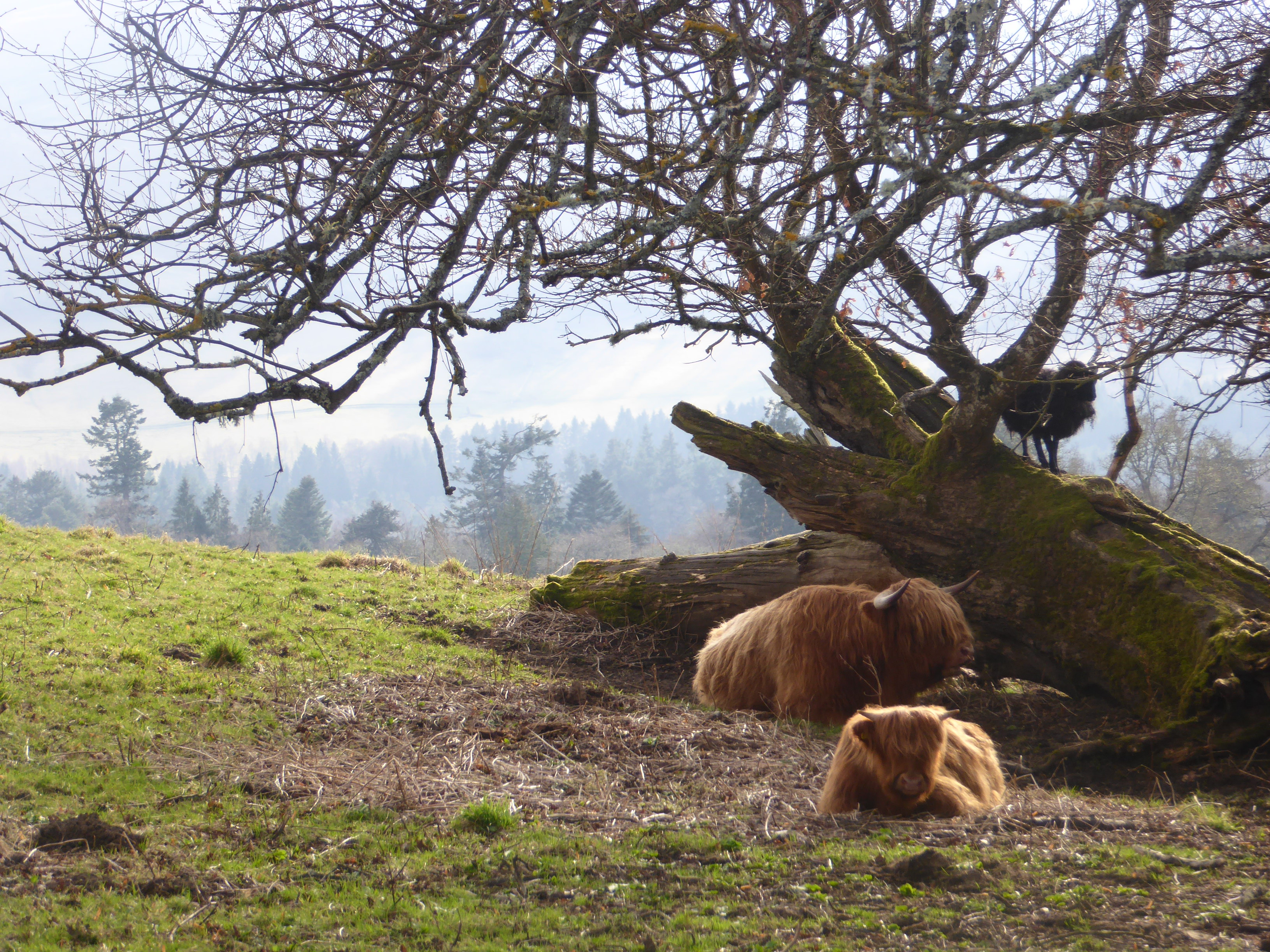
It’s easy to get lost in the charm of this landscape. Tiny hamlets, abandoned churches, deep gorges, and lush scenery unfold along the way, accompanied by the sight of goats, Highland cows, and migrating geese. The trail was well-marked, making for a smooth and enjoyable hike.

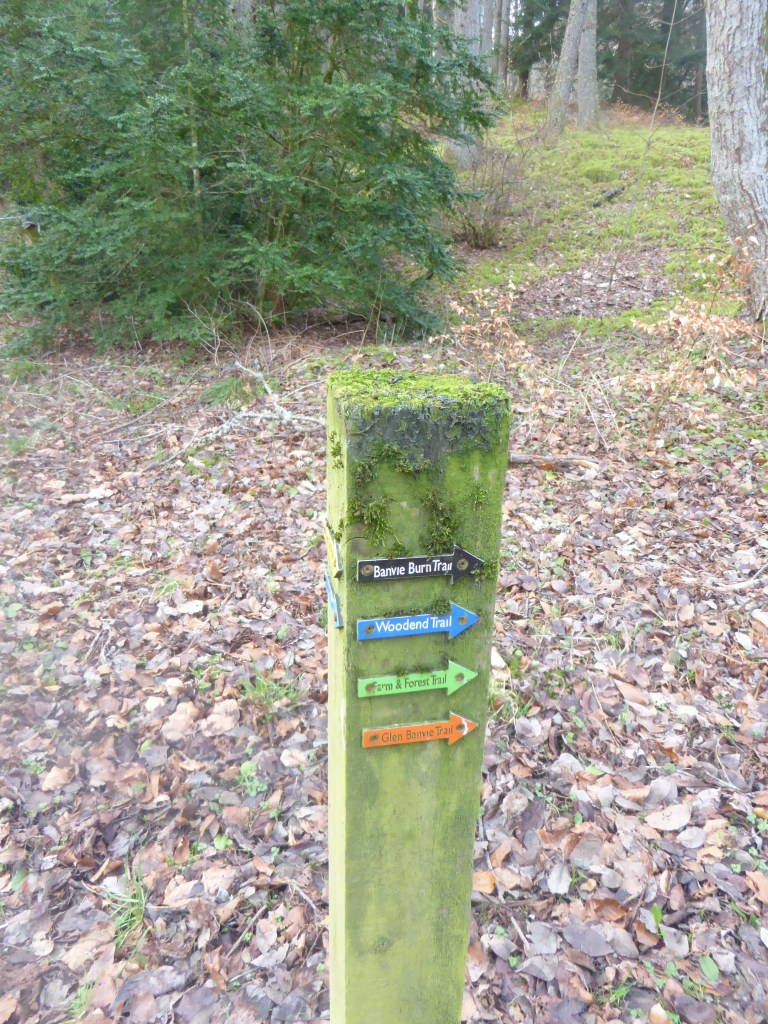
We followed the black trail, a steady 90-minute route of gentle ascents and descents, before heading to the House of Bruar for some indulgent—if entirely unnecessary—posh food.

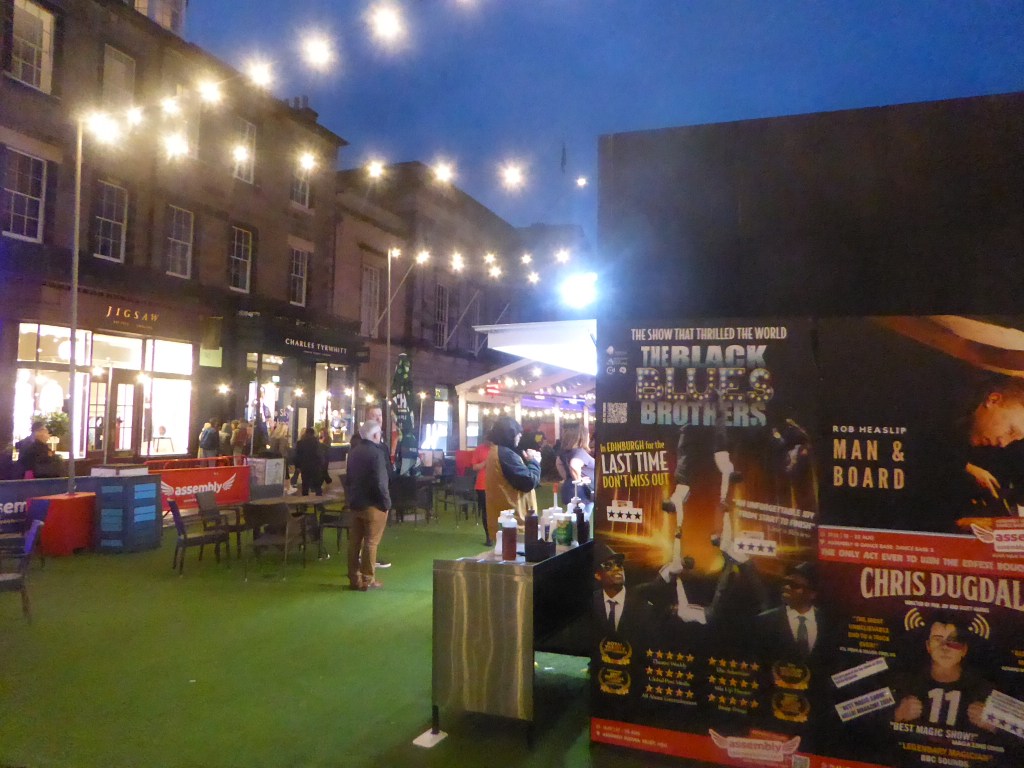
Edinburgh what a beautiful city – many different parts but for this trip I was in the West End– Part 1

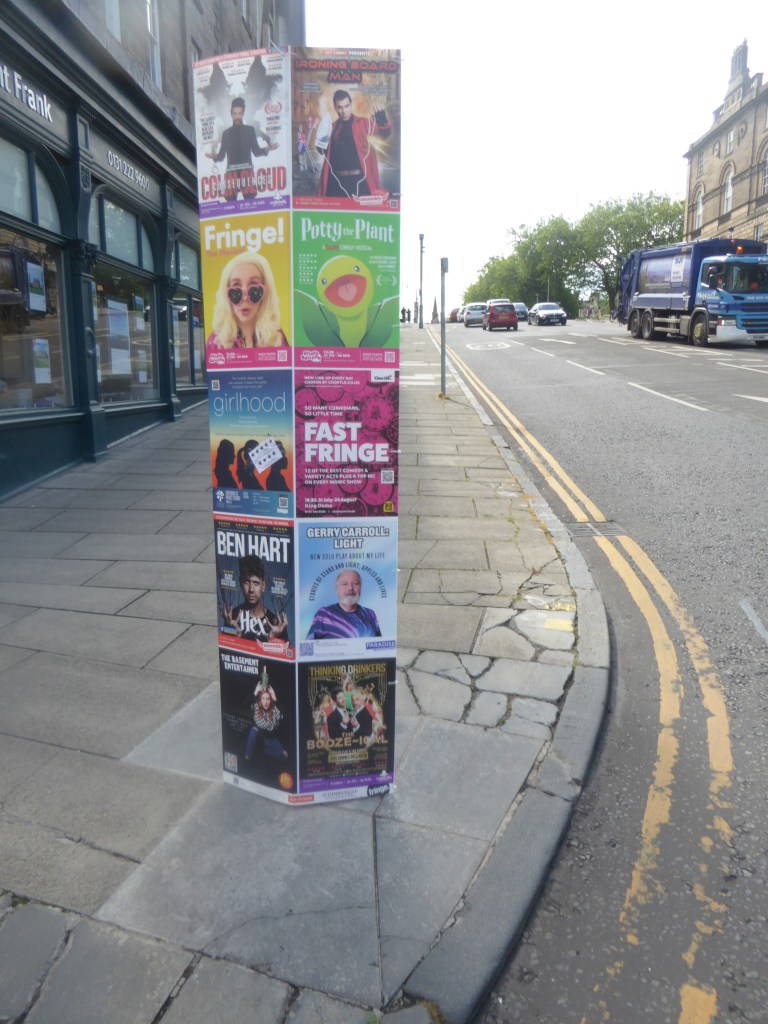
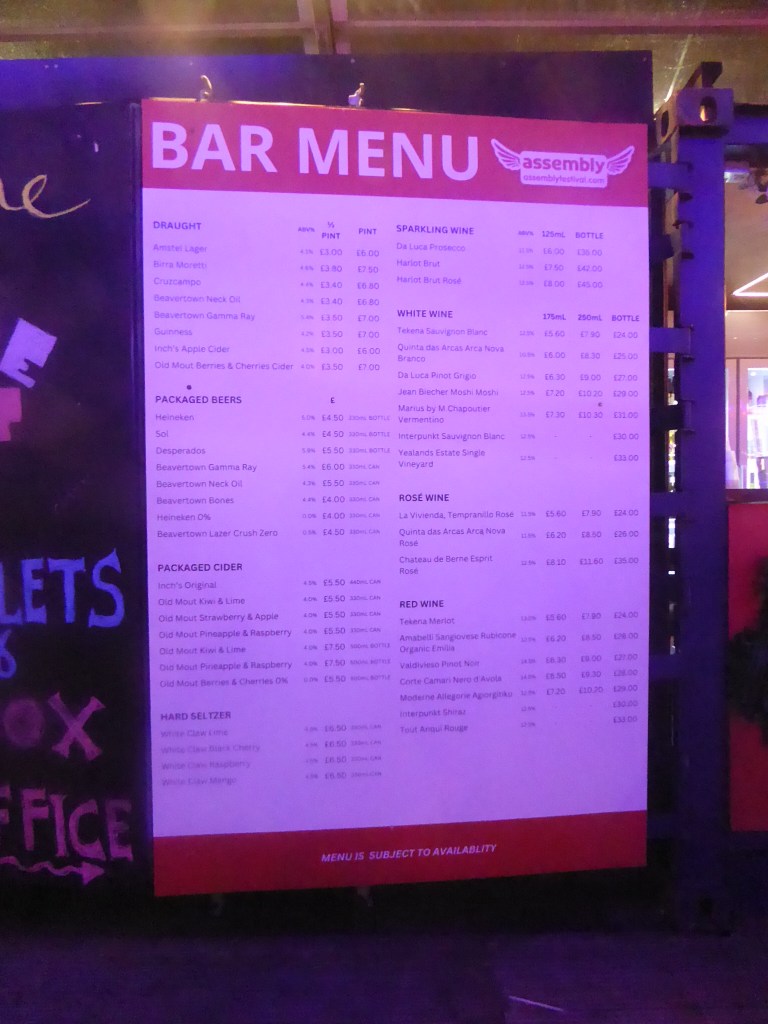
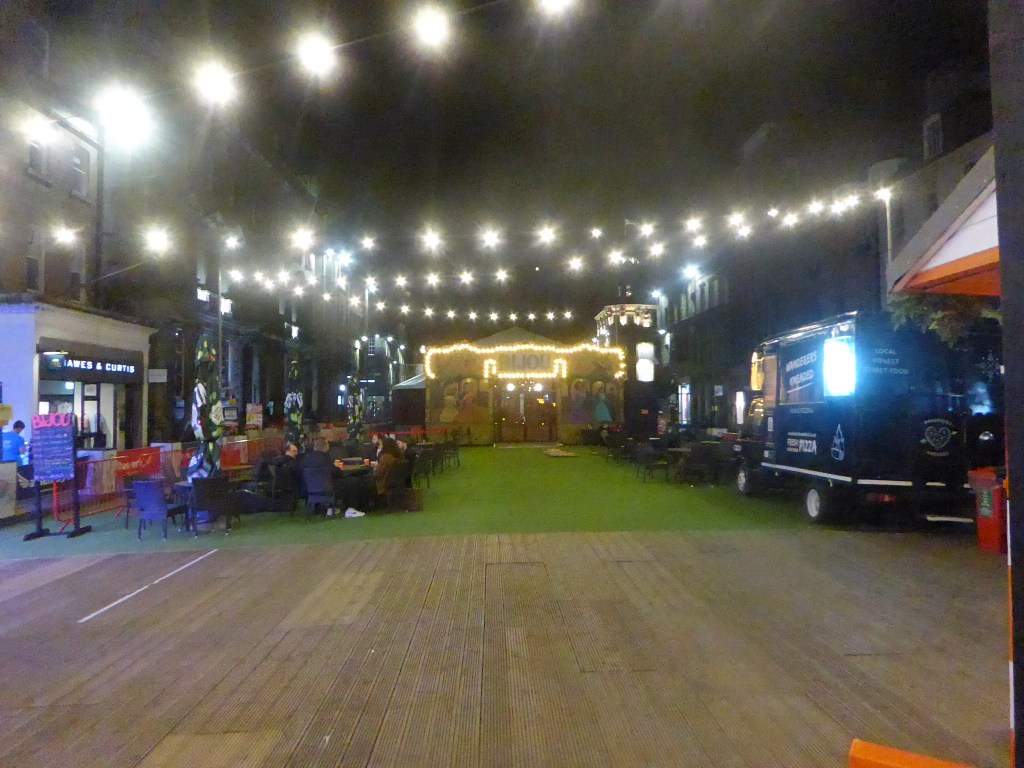
It’s interesting because I have been to Edinburgh countless times in my life, normally as a day trip, but this time my partner had to attend a conference, so I went along, especially since it coincided with the Edinburgh Festival, the largest arts festival in the world.

It’s different because normally when I go to the festival, I just visit for the day and then come back. However, this is the second time in two years that I chose to stay overnight. The previous time, the prices were simply outrageous—nearly £300 for one night at a tiny hotel room the size of a broom cupboard. It’s disgraceful and explains why certain people are no longer attending the festival.

At the same time, I can understand why some of the hotels wish to make as much as possible; and many people are more than willing to pay it. In addition, it’s not just me who thinks this must be a problem, but for the performers, it must be nearly impossible to find affordable accommodation for their one, two, or even three-week runs.

Naturally, we decided to stay as cheaply as possible, and for some reason, our Travelodge was located in the West End, just out of the more expensive parts of Edinburgh, yet it was still a spectacular area to visit.


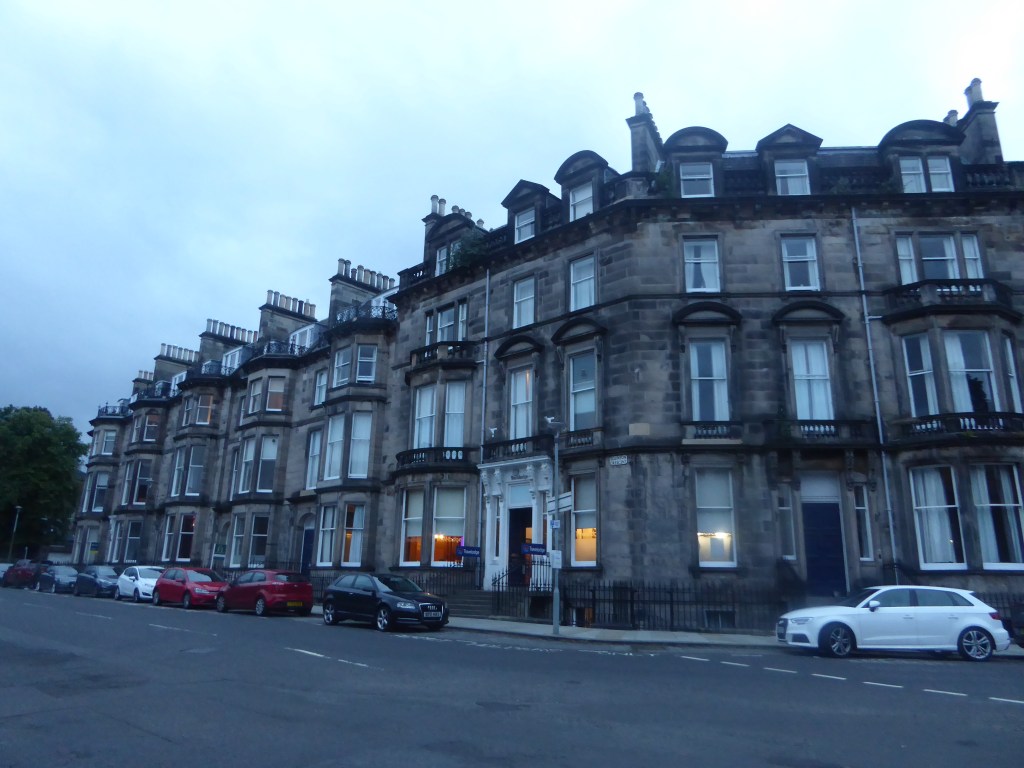
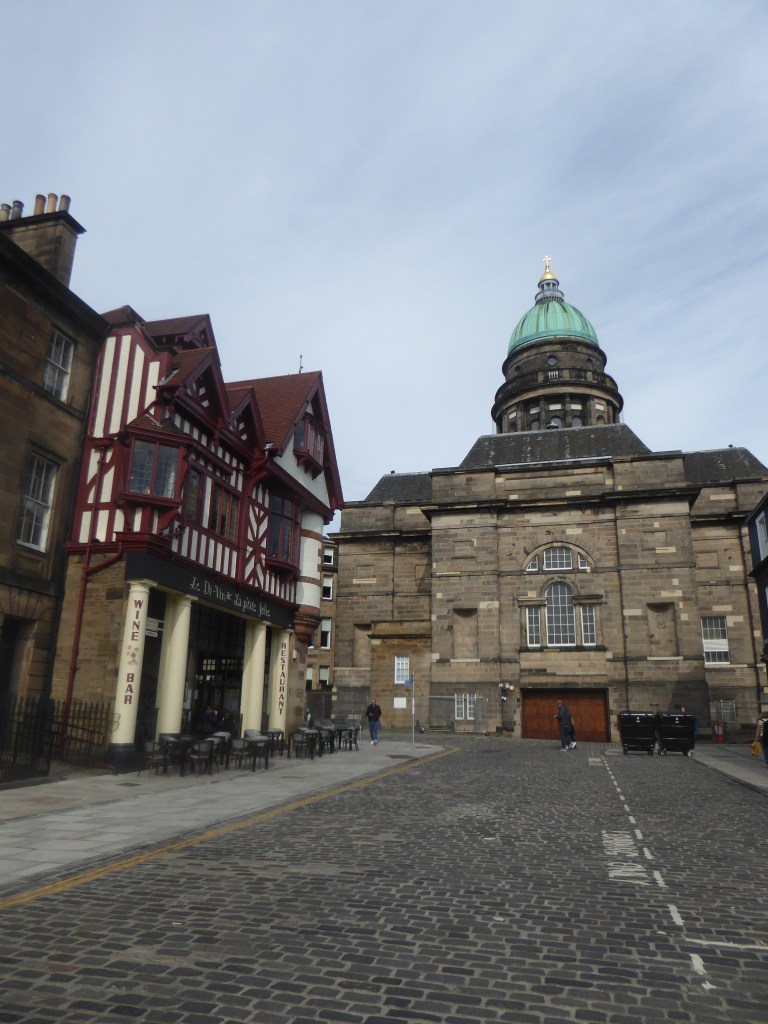
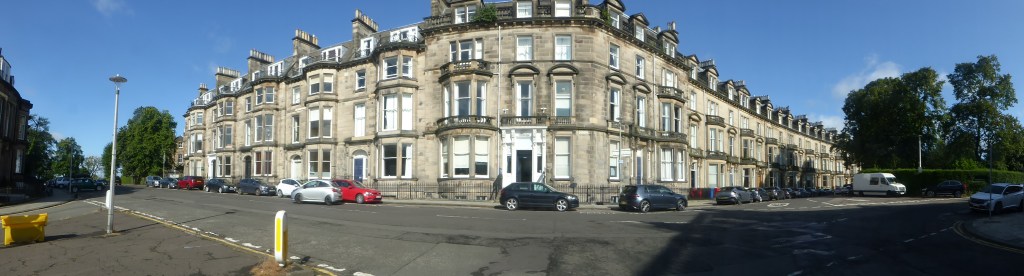
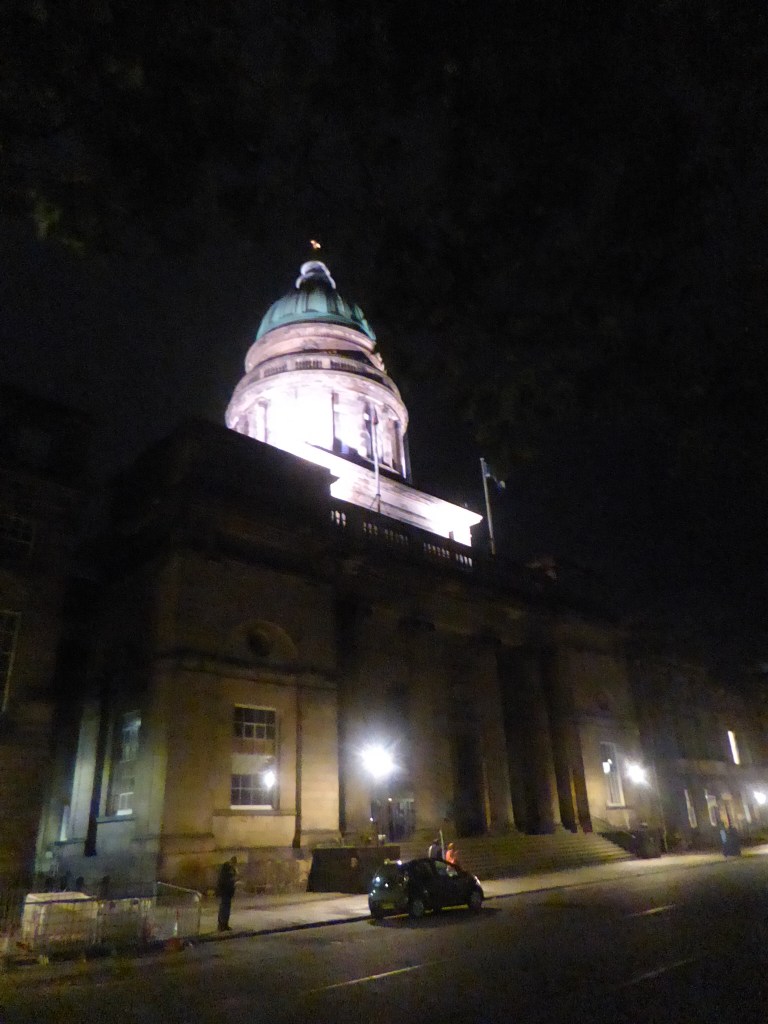
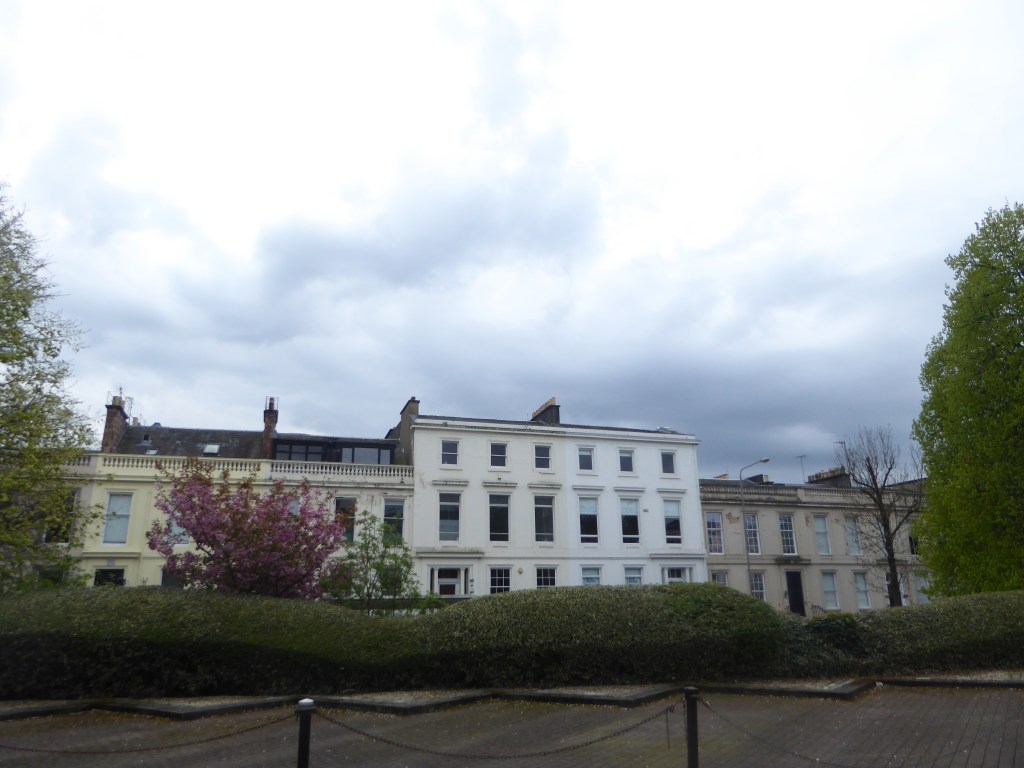
You only need to take a walk anywhere in Edinburgh, particularly in the town centre, to see the magnificent Victorian architecture. In this case, avoiding like the plaque anywhere near to the tourist areas. But even here in the West End of Edinburgh the buildings are spectacular.

The architecture is quite different from that of Glasgow, as it tends to be almost entirely white sandstone, as opposed to the red stone that we have in various parts of Glasgow, albeit, with plenty of white sandstone as well.

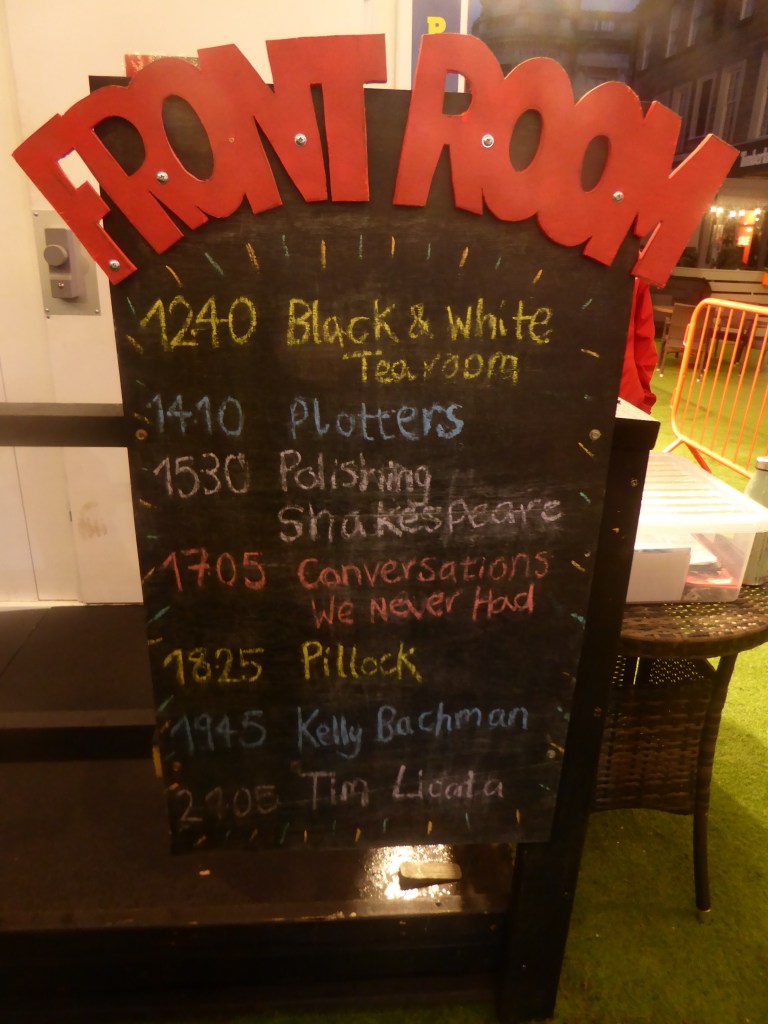
Naturally, on my first night there, we decided to go to the Edinburgh Festival, in this case to see a magician, Tim Licata. He was just fine, and of an Italian-American heritage. It also was not too crowded as well. Not sure why, though the show inside was close to a sell-out.

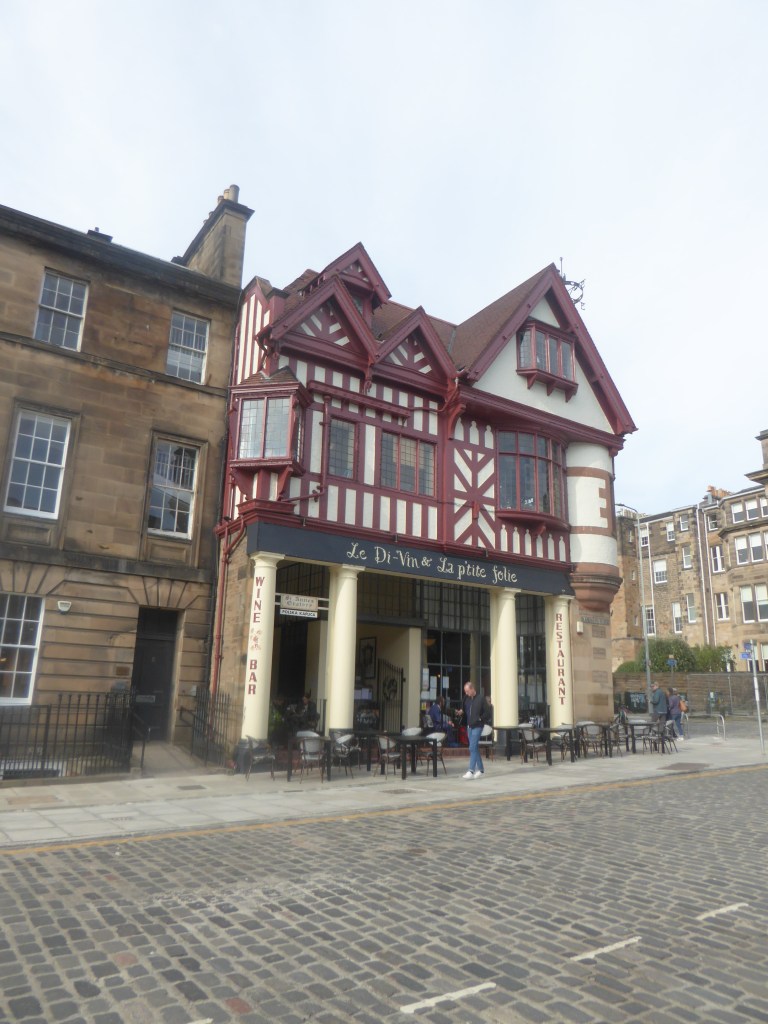
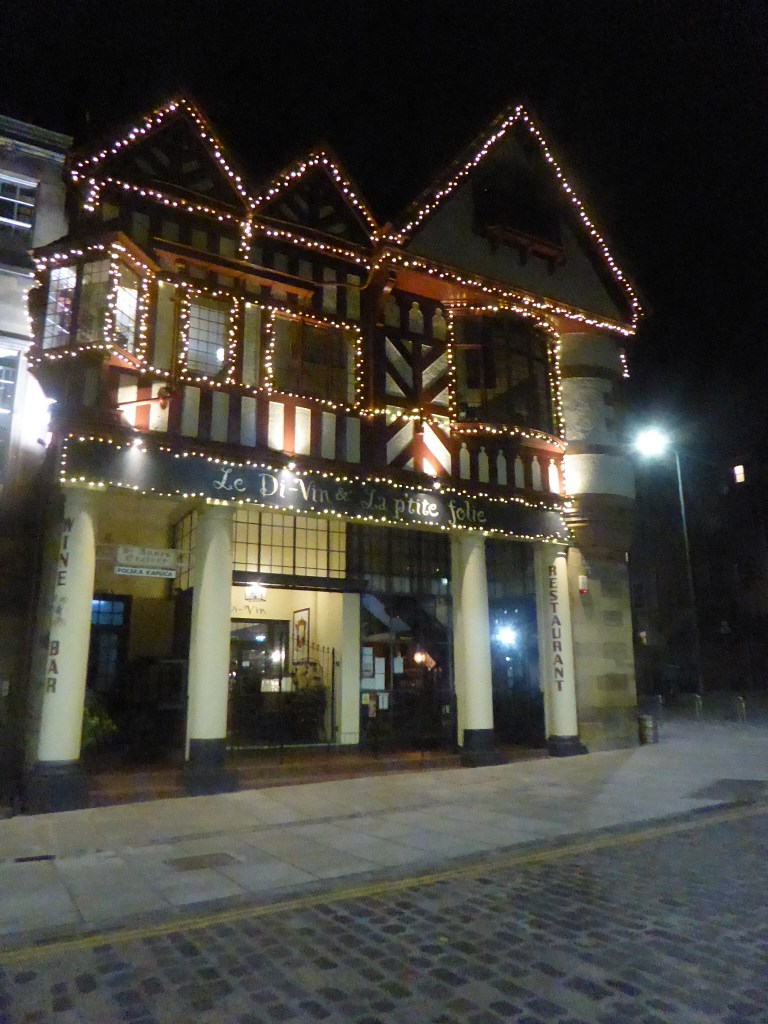
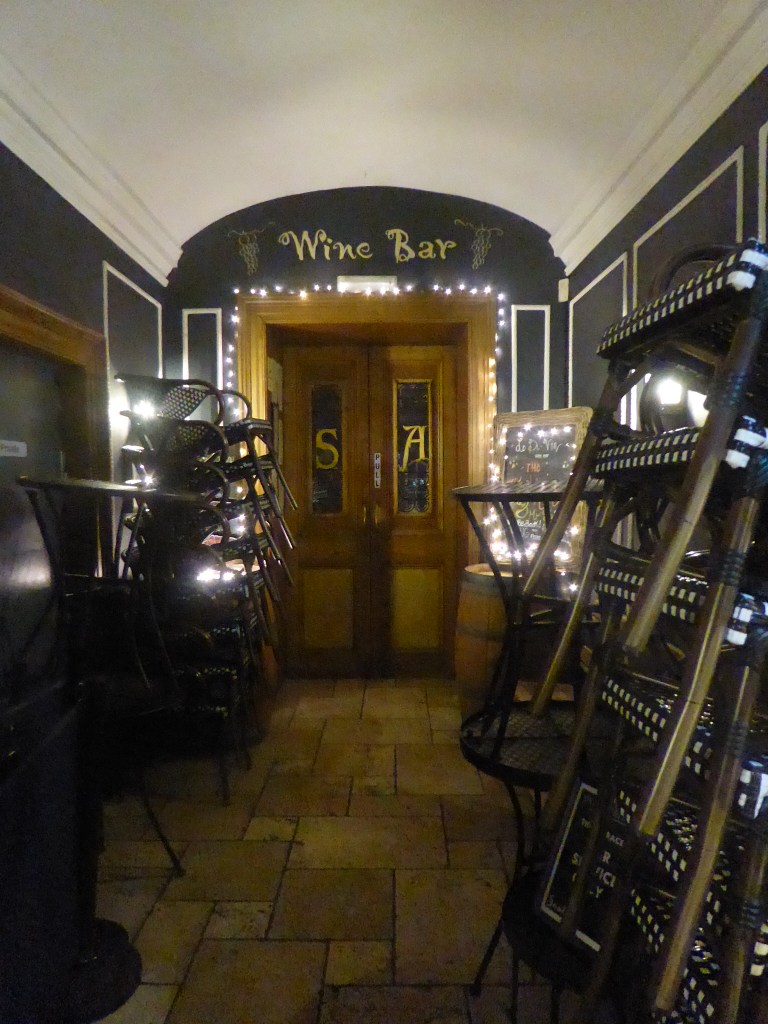
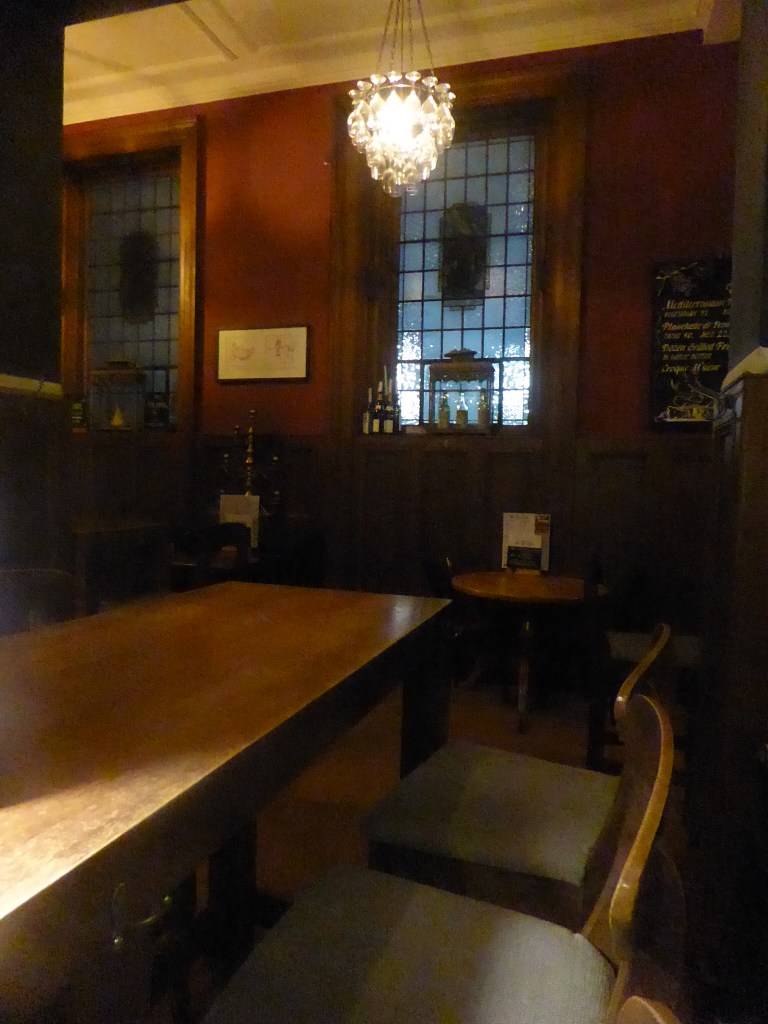
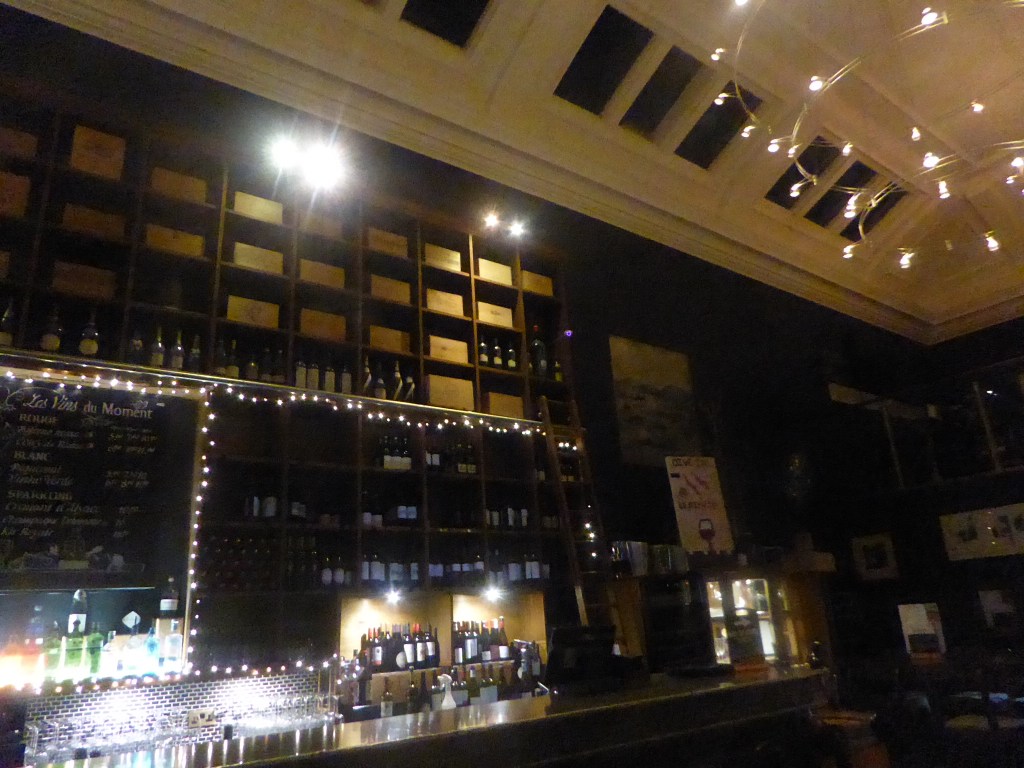
On the way back our walk we went through this area in the West End, that showed us a wee gem of a wine bar, Le Di-Van.

What a beauty! One could hardly believe being here, that I wasn’t on the continent or in France itself.

And it’s definitely one that I’ll be frequenting the next time I’m in Edinburgh.

CB

Doors Open Day Part 2: Exploring St. Bride’s Church: A Hidden Gem in Glasgow, Scotland

St Brides Episcopal Church, Glasgow, Scotland

The day before my visit to the Tenement House, I decided to wander around the West End of Glasgow. This tree-lined, leafy area is very middle-class, with many Chinese students near the university and various hospitals. It is probably the most desirable place to live in Glasgow, perhaps even in Scotland.

Doors Open Day is a celebration that occurs every September in Glasgow, showcasing many different buildings, with churches being one of the highlights.

Like many other churches in Glasgow, St. Bride’s Church is not only old but also grand and elegant. It appears to be well-maintained, showcasing the care taken by its community. According to my research, it is a member church of the Scottish Episcopal Church, which is part of the global Anglican Communion, with the Archbishop of Canterbury serving as its head.

The church exudes a warm and welcoming atmosphere, evident from the numerous bulletins, brochures, and various “churchy” materials I observed. These resources indicate that St. Bride’s is a hive of activity, hosting many services and a plethora of music concerts.

During my visit, I noticed a Bach or Baroque group rehearsing inside, presumably preparing for an upcoming concert either at the church or elsewhere in Glasgow.

With the added charm of delicious cakes, tea, and coffee, I left St. Bride’s Church with a positive impression.

I already have a “Church of the Month” category on my blog that I haven’t utilized enough. Perhaps I can make it a point to explore more of these hidden gems in the future.

CB