In Germany again – And their love of Automats –

Spend a Sunday in southern Germany and it can feel like time travel. In Bavaria and Baden-Württemberg, many shops are shut on Sundays; exceptions – bakeries, petrol stations, pubs, hotels, etc. And still to this day, Germans support this – https://tripjaunt.com/why-most-shops-in-germany-close-on-sundays/
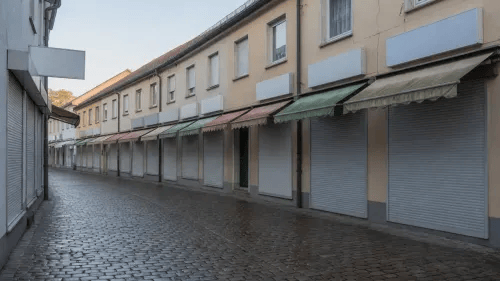
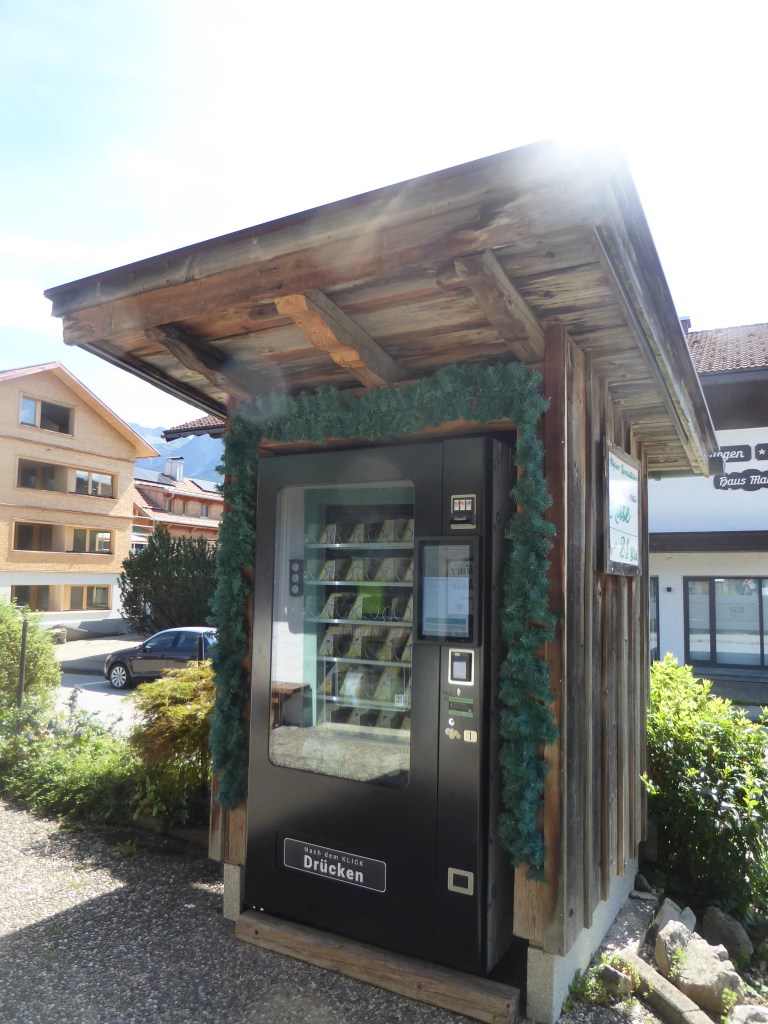
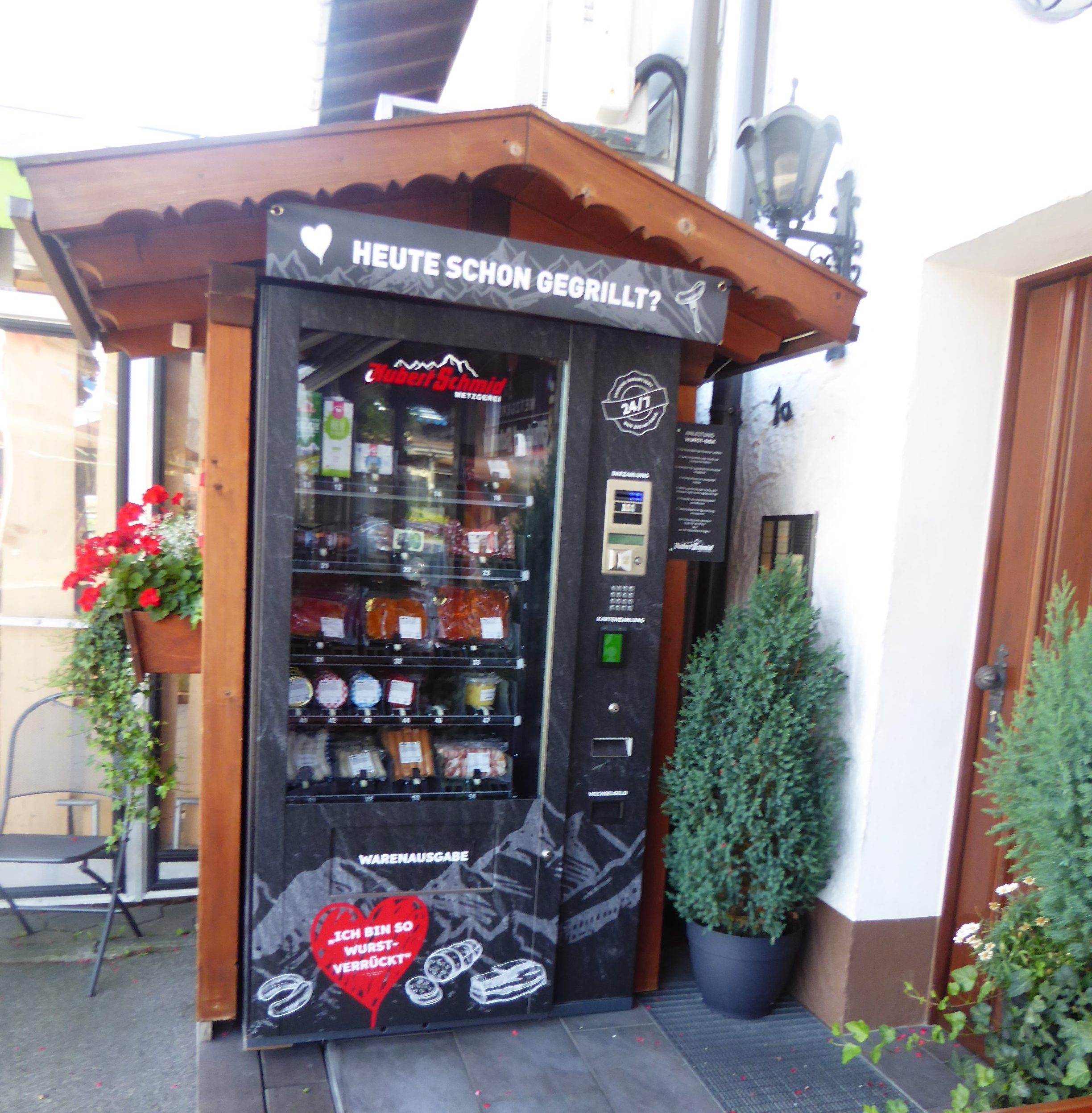
The streets go quieter. The week pauses. And yet the food does not disappear. What you find instead, more and more, are Automats: farm vending machines selling the basics. Not chocolate bars and crisps, but fresh milk from a Milchtankstelle, jars of marmalade, sausages, cheese, eggs, and cuts of meat. Simple things. Good things. The kind of food you actually cook with.

Some stand in villages and small towns. Others sit at the farms themselves. You drive out, park by a barn or a field, tap a card or drop money into an honesty box, and take home milk, cheese, and meat from the people who produced it. Many of the products are local, often grass-fed, pasture-raised, slow-aged. Behind the machine there is usually a farm, a family, and a story.
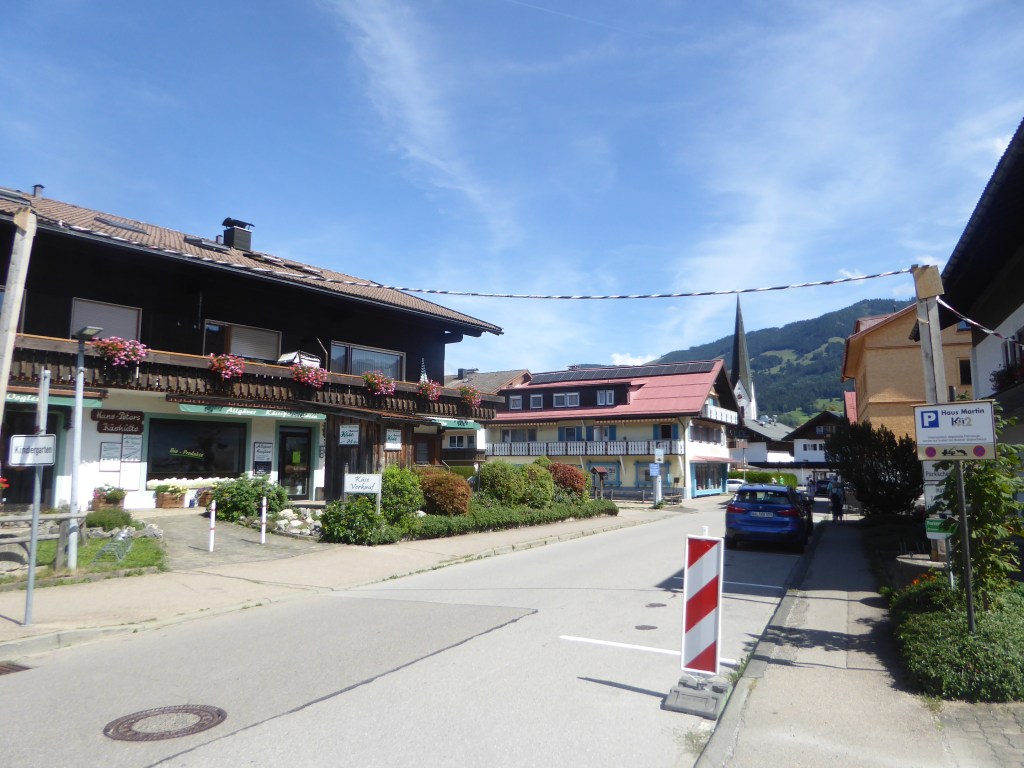
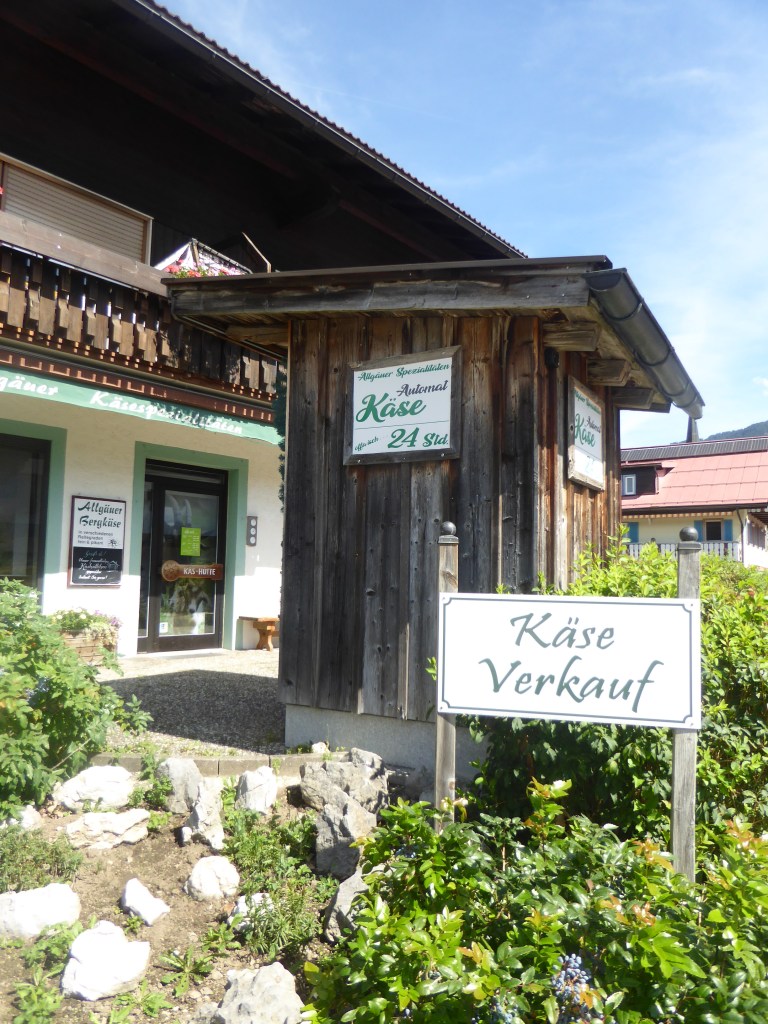
It looks old-fashioned. In a way it is. Sunday closing is still part of the culture here. What has changed is the workaround: a growing network of 24/7 machines that keep the region fed without turning the day into another shopping day.

That is why it works. It is convenient. It is often open around the clock. And it fits a southern German taste for the basics done well — local, bio-minded, a little greener, a little closer to the source. People seem willing to pay more when the quality is obvious and the origin is near.
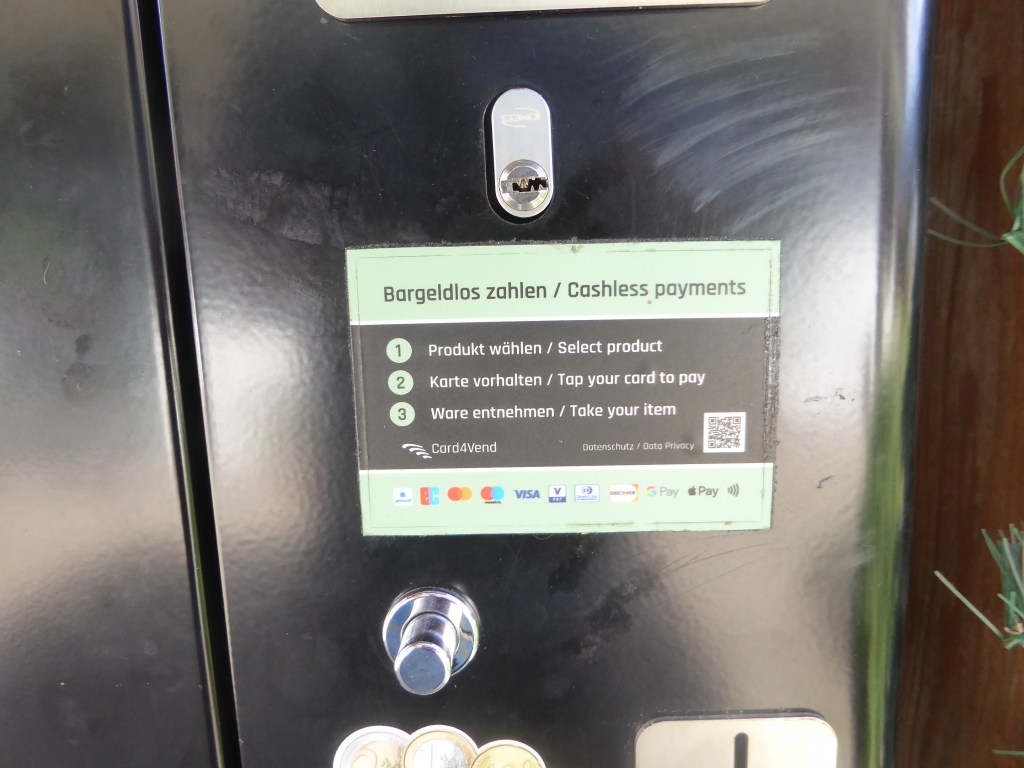
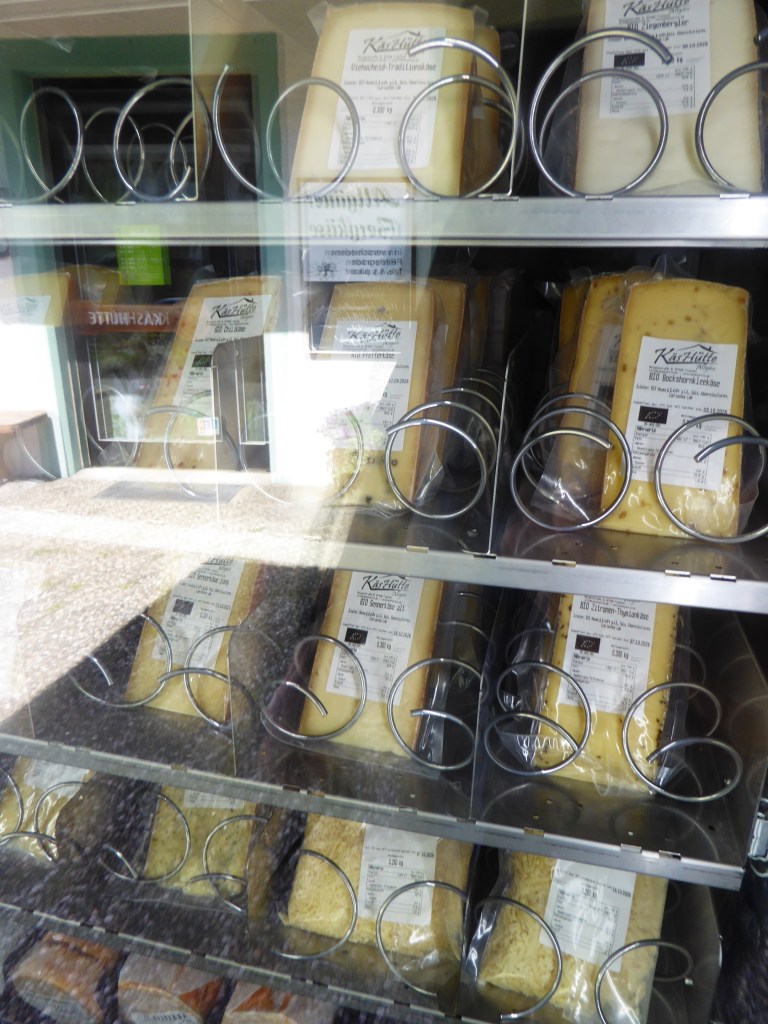
There is something quietly satisfying about it. You can build a Sunday roast from a farm gate: local milk, local cheese, local meat. Visit the machines in town if you only need the essentials. Make a small trip of it if the automat is out on the farm. It is an old-style of life, coming back through a modern slot. Not a supermarket pretending to be a farm. A farm, open on a Sunday, waiting for a visit.

Highly approved of!

CB

Glasgow’s Cherry Blossom Magic: A Spring Spectacle in Scotland –

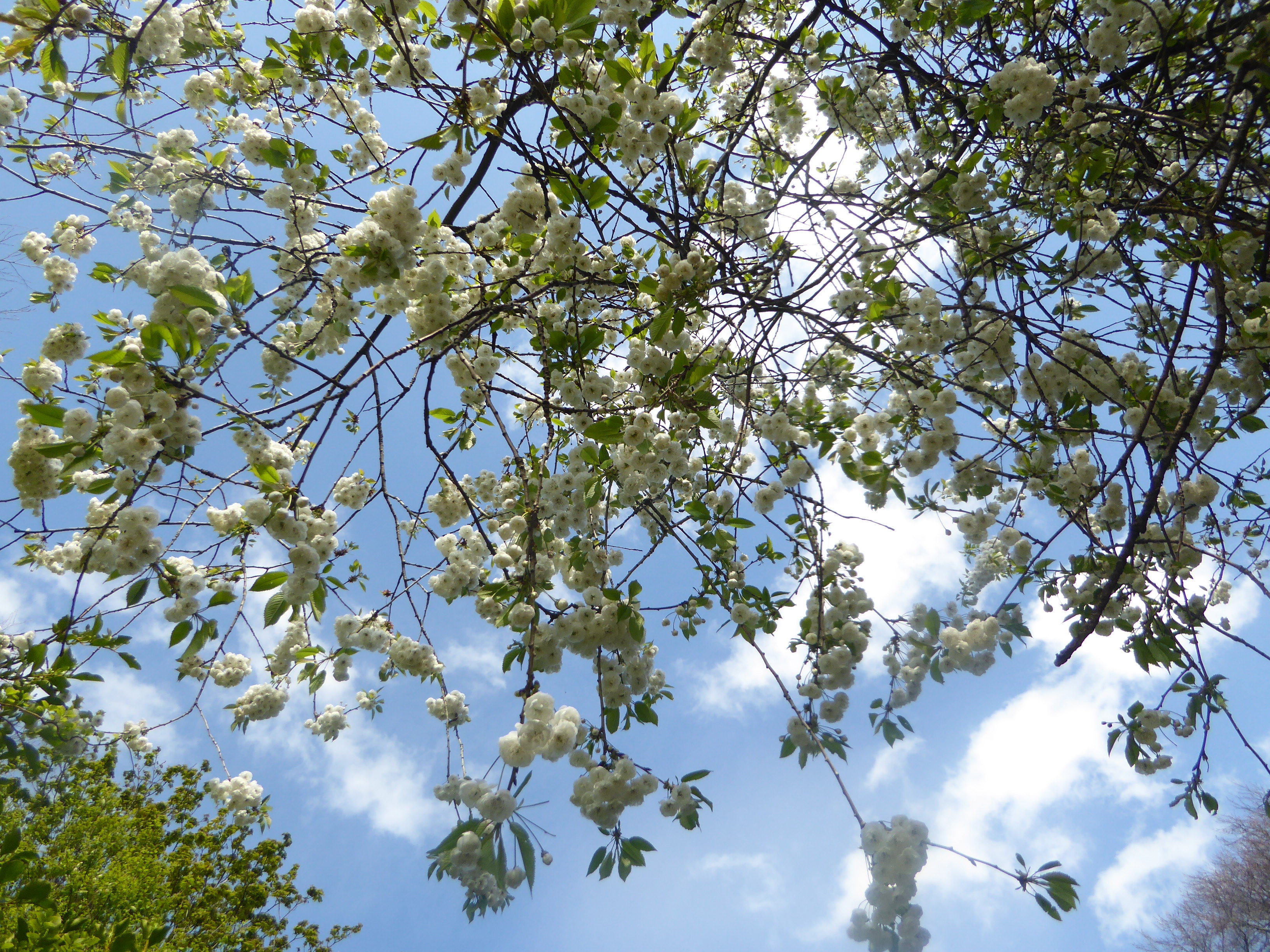
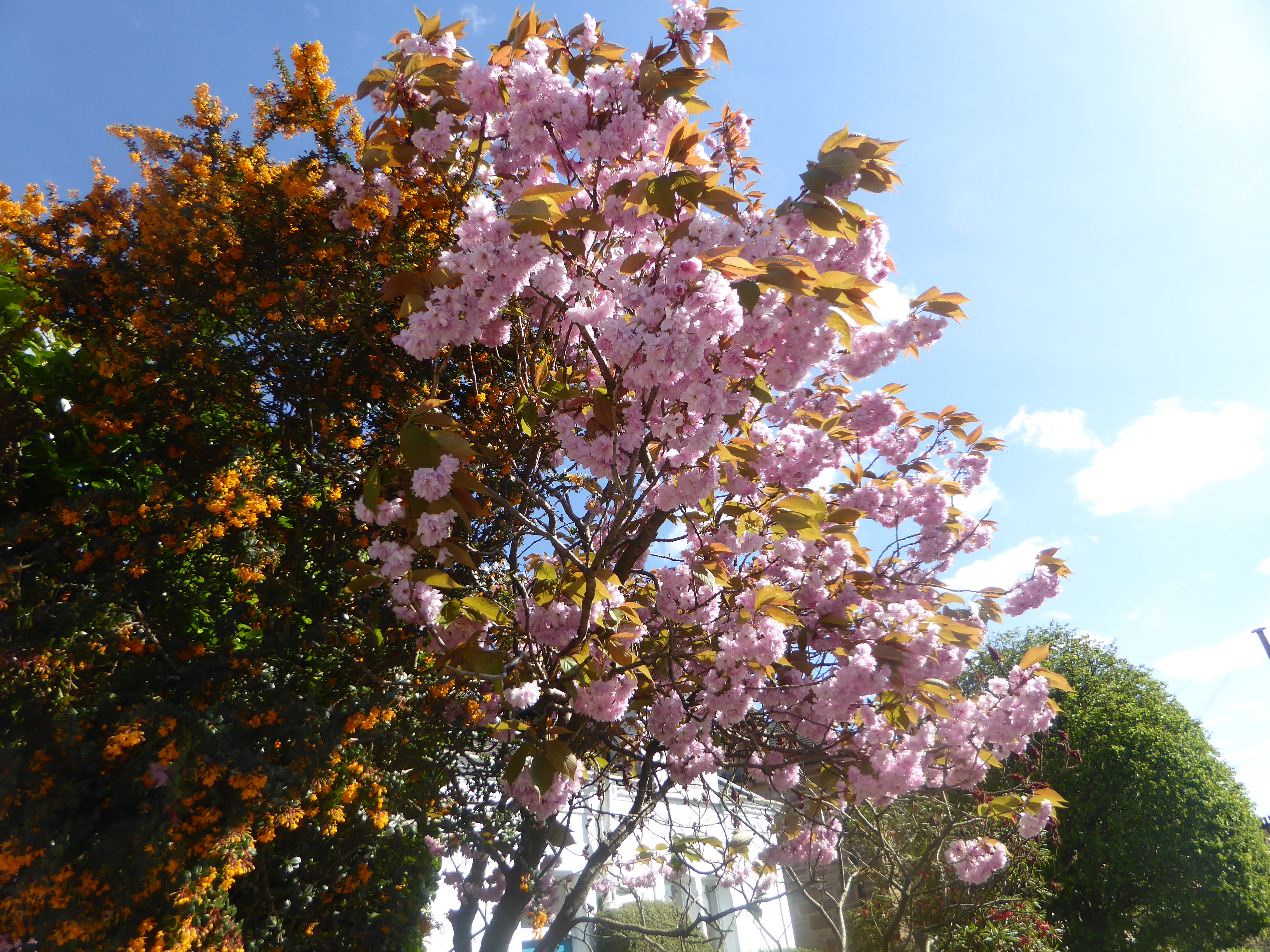
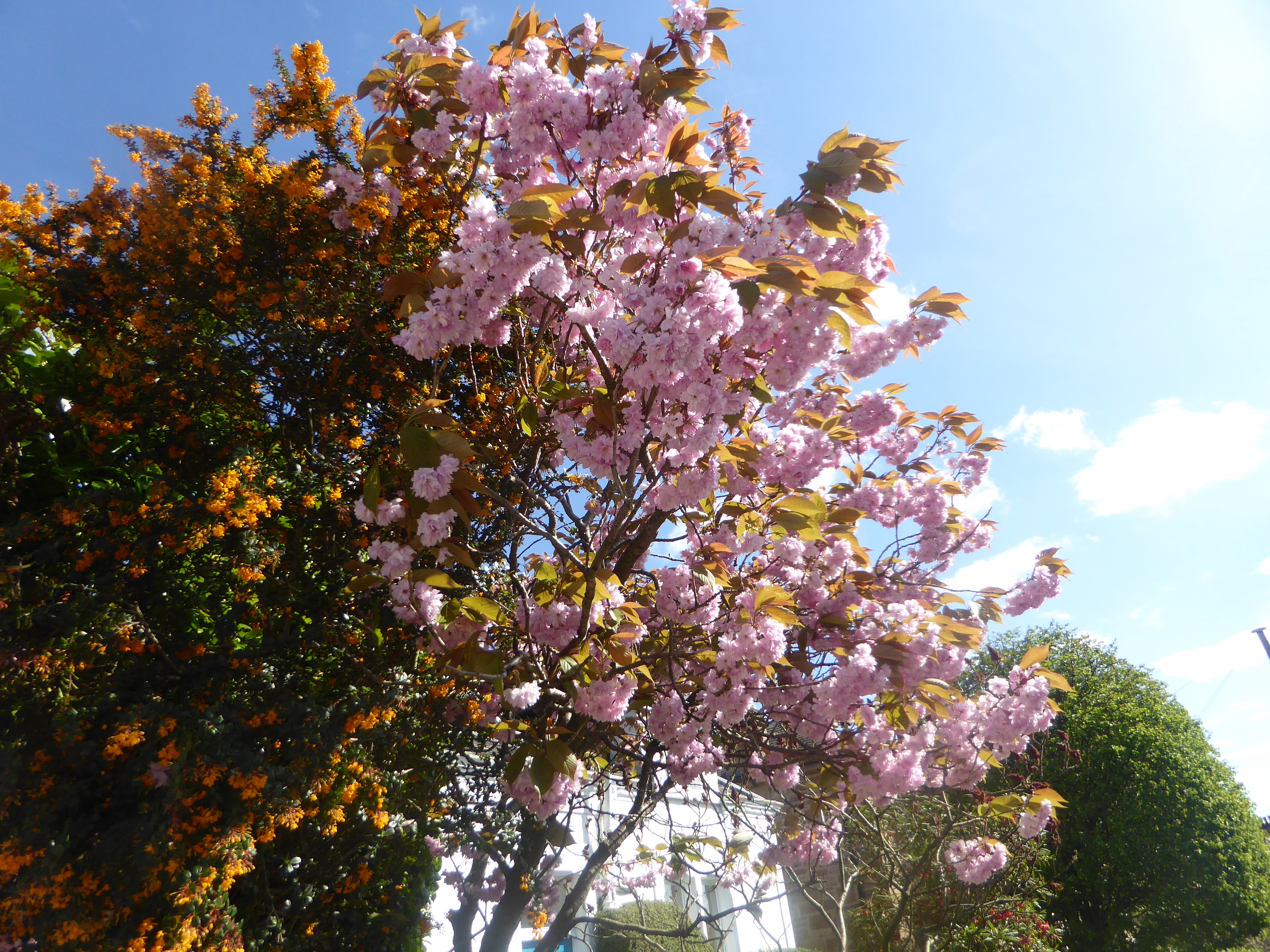
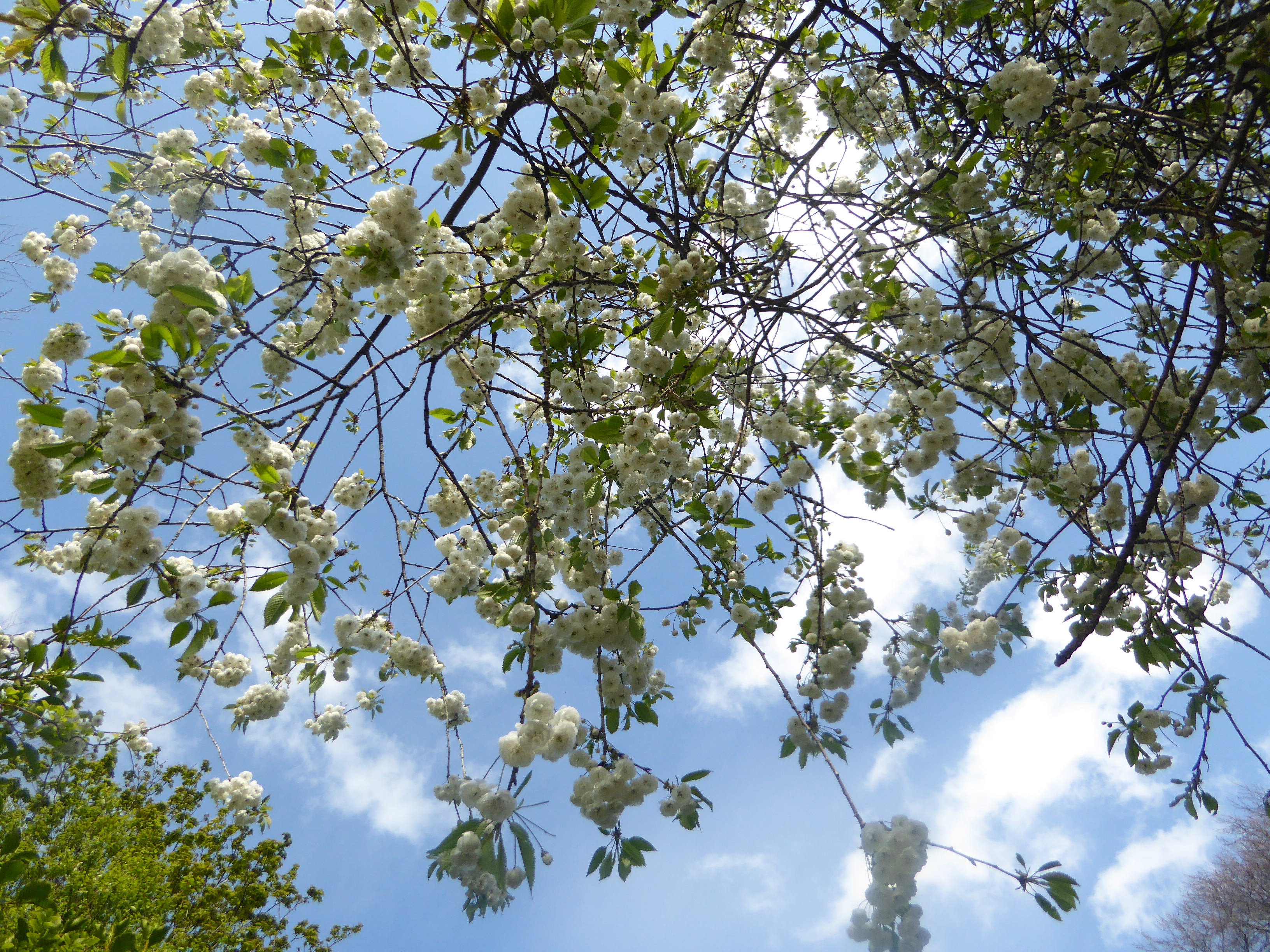
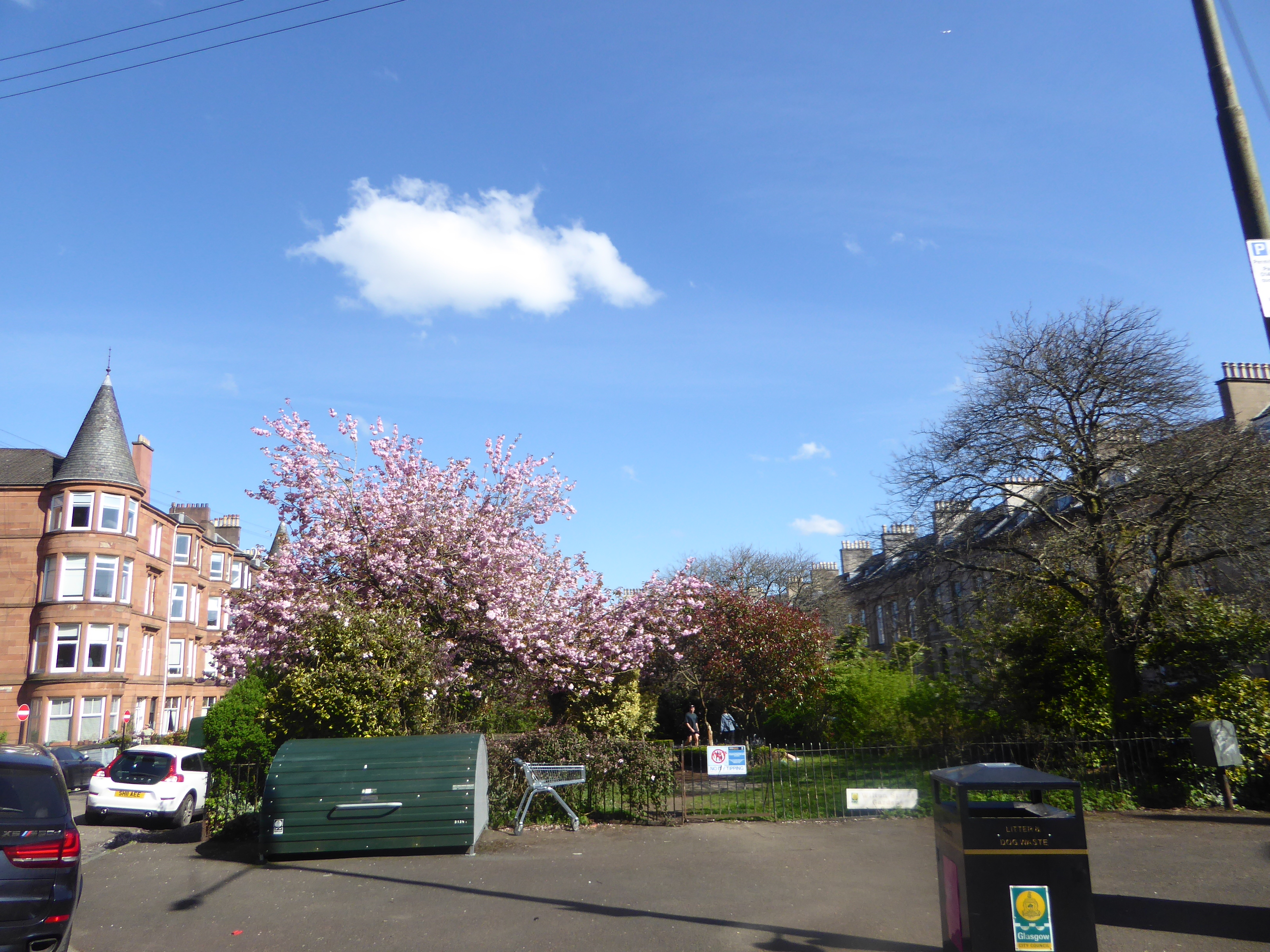
Interesting, all of a sudden I see nothing but cherry trees here in Glasgow in the west of Scotland. I know they’ve always been here, but I’ve always wondered why, and I’ve always wondered are they the cherry trees as in Japanese Cherry trees? Well apparently after doing a wee bit of research, many are. And from past recollections I know that they don’t bloom long, several weeks at the most.

Equally the past several weeks it hasn’t rained, and being quite bright, I took some shots and I decided to actually look into this; like who brought them here, how long have they been here, and just what exactly they are.

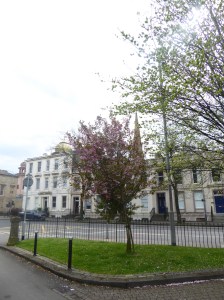
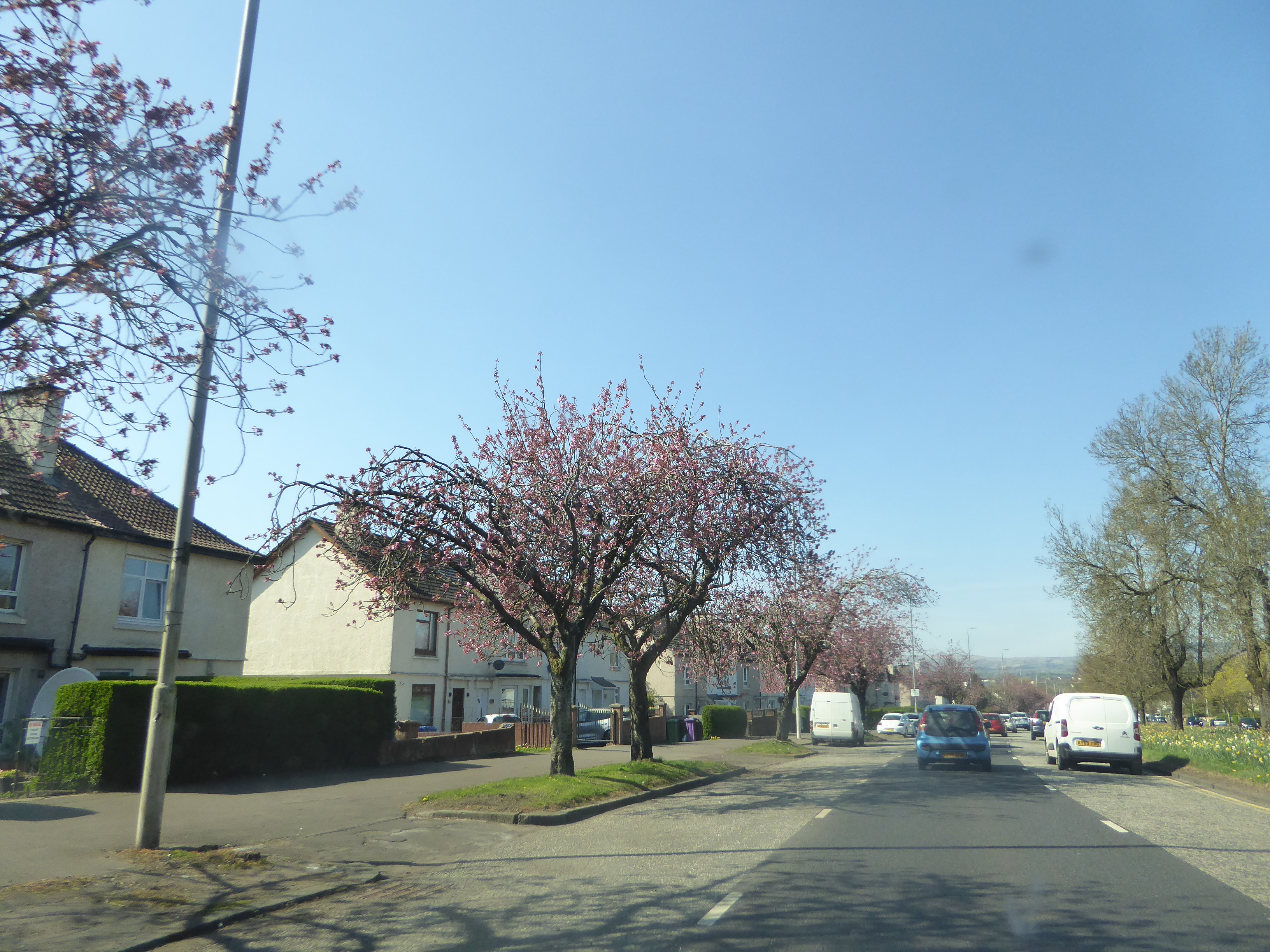
Along western Sauchiehall Street (below) –

A Glimpse into History
Glasgow’s cherry trees trace back to the Victorian era, when Japanese culture captivated Britain after Japan opened to the West in the 1850s. Glasgow’s wealthy embraced ornamental cherries as symbols of beauty and status. Parks like Glasgow Green (expanded in the 19th century) and Kelvingrove Park (opened 1852) showcased these trees to reflect a certain civic pride. Many current trees were planted in the 20th century, particularly post-WWII, during urban renewal efforts in areas like Great Western Road, that goes through the housing schemes there, on the way out of the city.

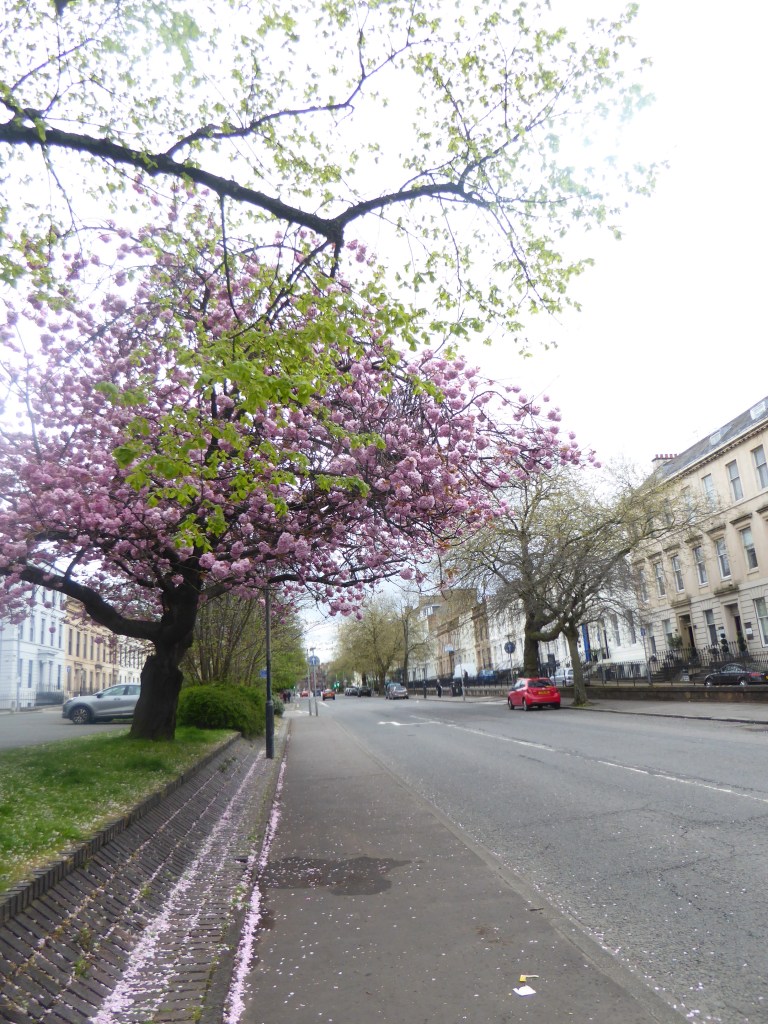
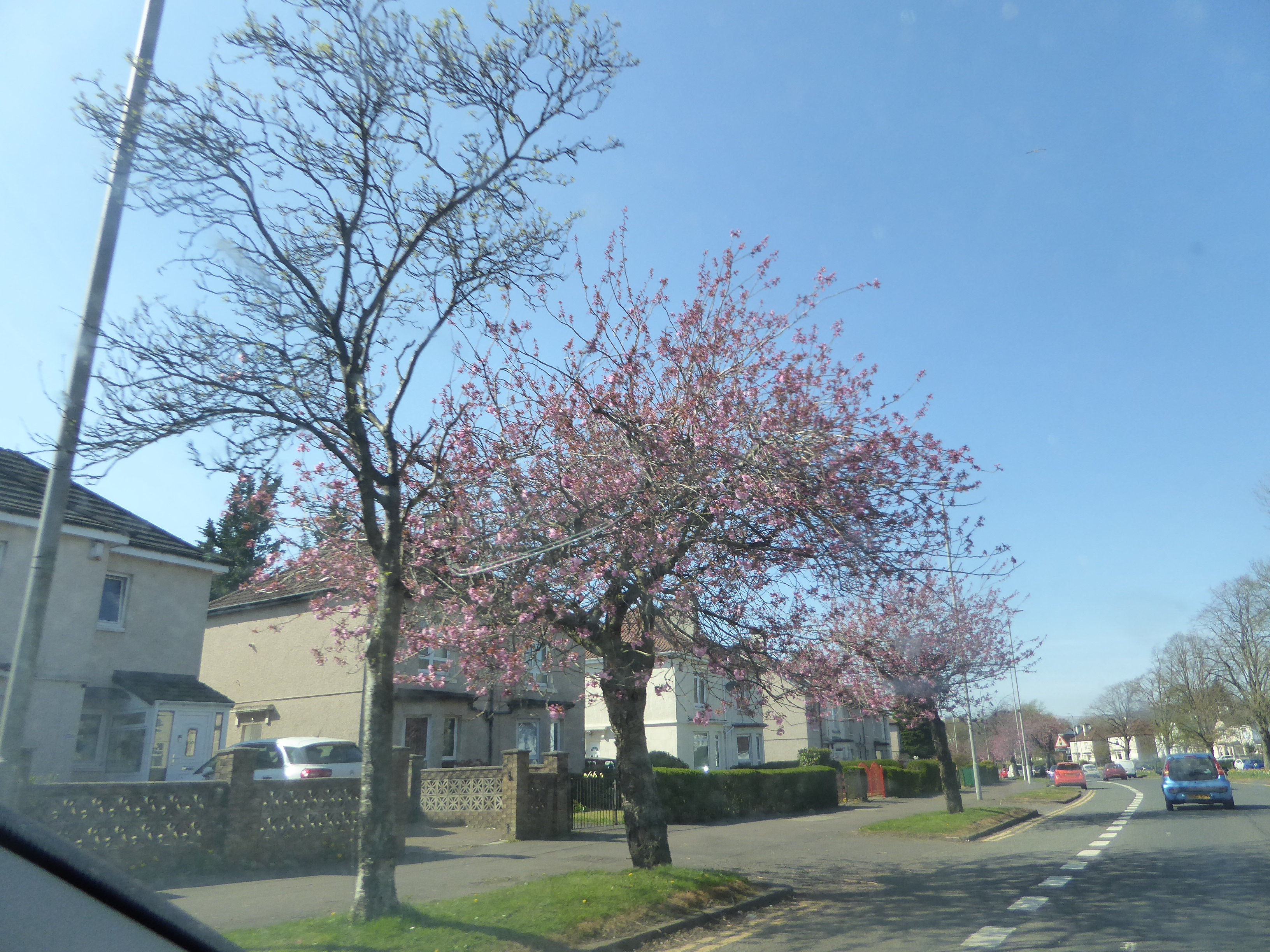
Great Western Road (below) –

Species and Japanese Roots
Glasgow’s trees, mostly from the Prunus genus, mirror Japan’s sakura. Common species include Prunus serrulata (with showy ‘Kanzan’ or ‘Shirofugen’ cultivars), Prunus x yedoensis (Yoshino cherry), and occasionally Prunus avium or Prunus subhirtella. These are botanically similar to Japan’s cherries, sporting pink or white single or double blooms. However, Glasgow’s cooler, wetter climate means later blooms (April vs. March) and smaller, scattered areas where the trees actually are.

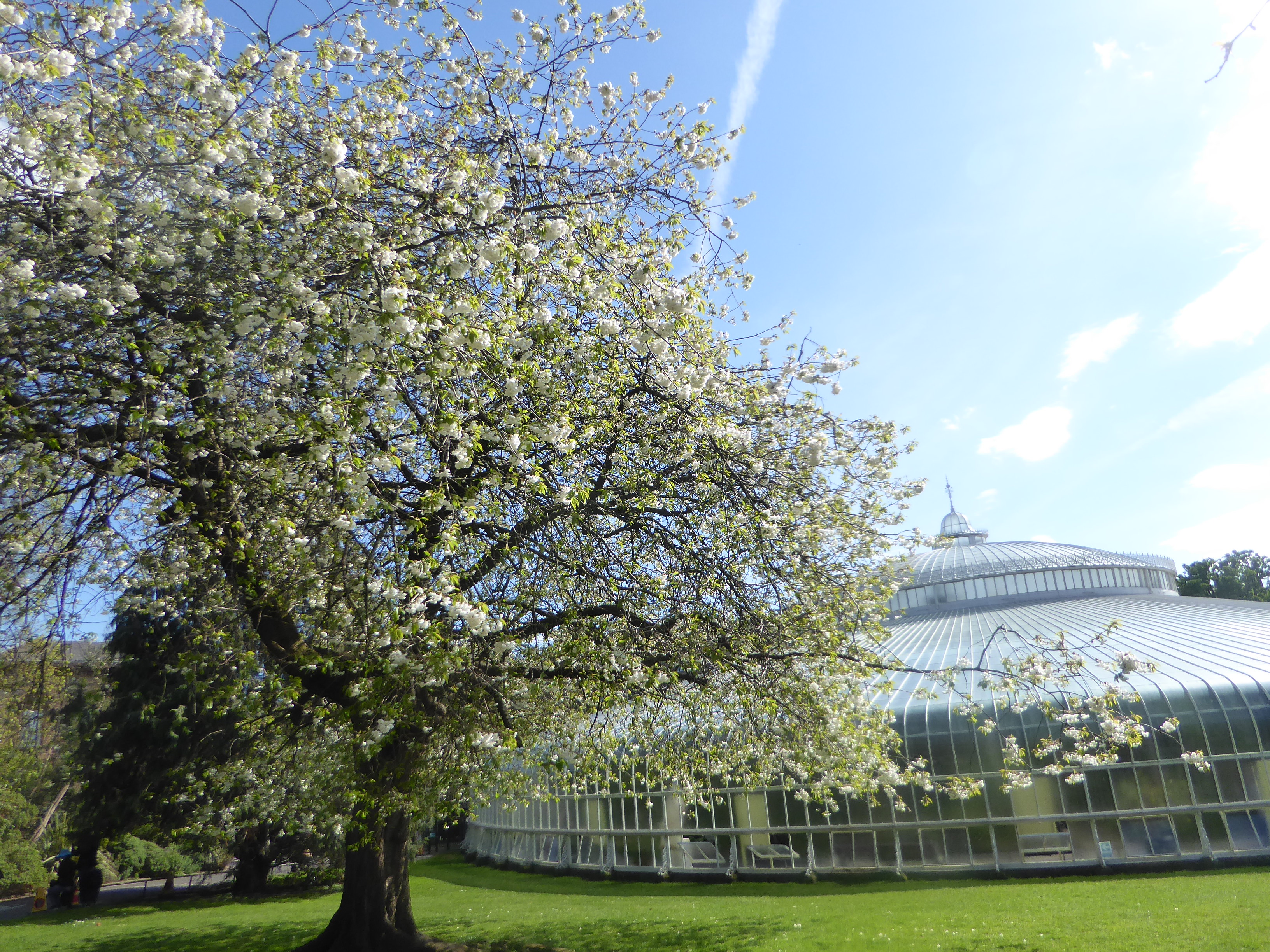
Botanical Gardens (below) –

Are the Cherries Edible?
Don’t be tempted to eat them! Most of Glasgow’s cherry trees are ornamental, bred for their stunning flowers, not fruit. Varieties like Prunus serrulata may produce small, bitter cherries—or none at all—that aren’t palatable. While some trees, like Prunus avium (wild cherry), can yield edible but tart cherries, urban trees are rarely maintained for food and may be treated with pesticides. For safety and taste, stick to the cherries from the shops. These trees are a feast for the eyes, not the stomach, especially in places like Glasgow Green or Kelvingrove Park.

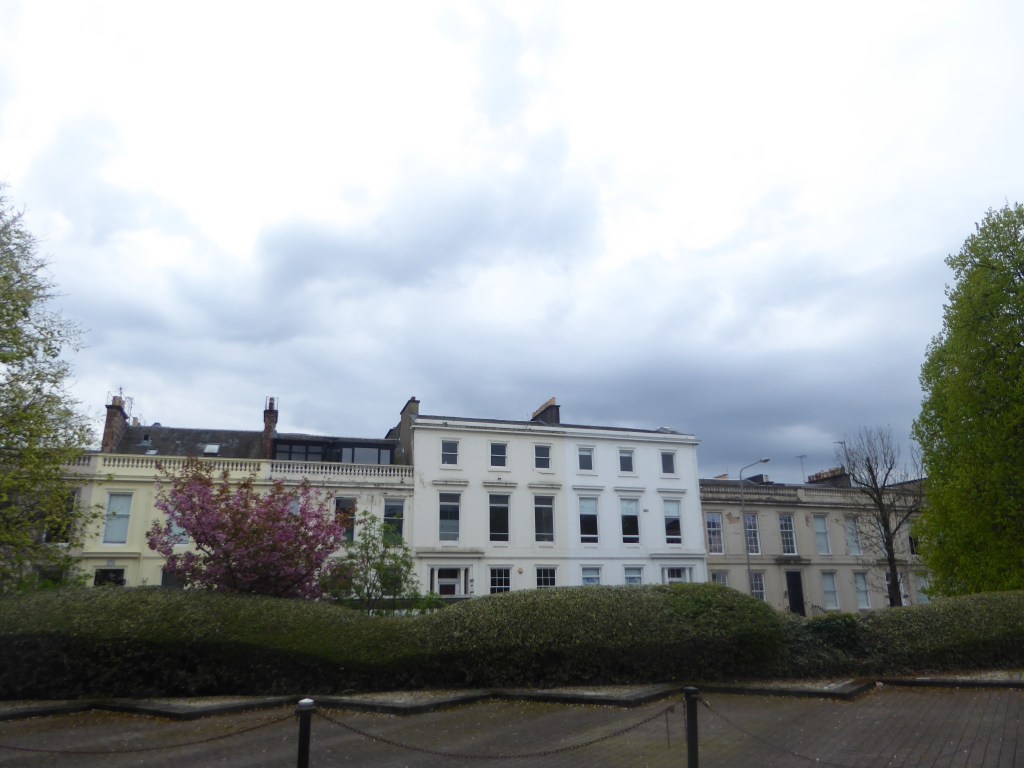
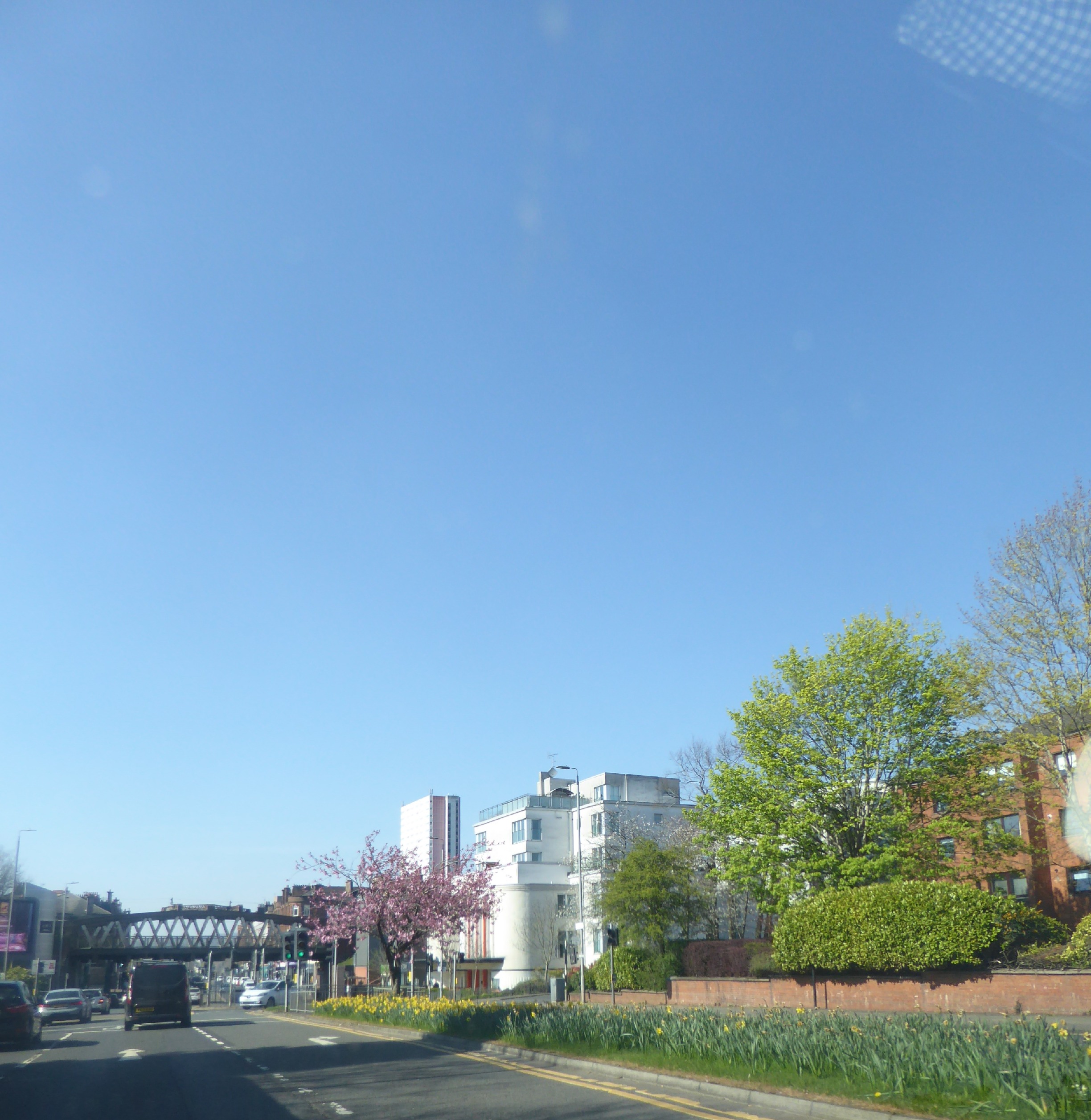
The West End (below) –

Make the Most of It
The cherry blossoms won’t be around for much longer, so if you’re that way inclined, grab your mobile, take some photos and explore Glasgow’s streets now.

CB