Glasgow Doors Open Day 2025- Inside St. Mary’s Masonic Lodge

A Hidden Gem on Glasgow’s Dumbarton Road –
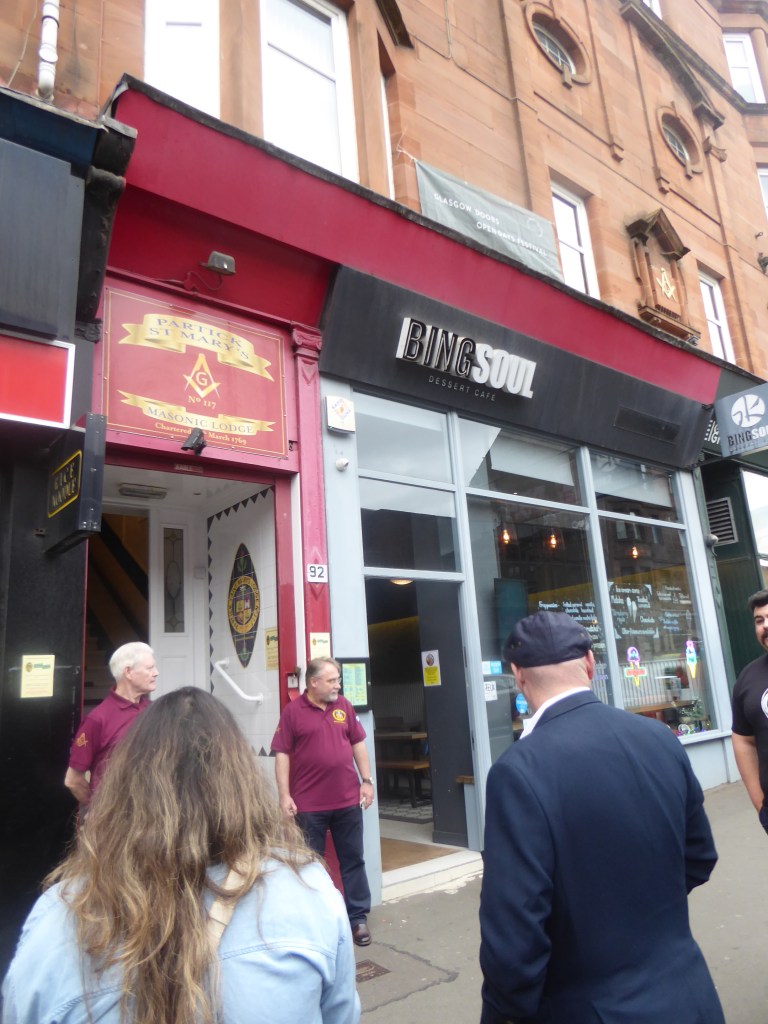
Interesting as always, Glasgow hosts a Doors Open Day every September. We’ve done so many things through this event over the years, so I thought—why not try something just around the corner from us? That’s how we ended up at St. Mary’s Masonic Lodge.

First thing that I thought, was that this was not an Orange Lodge that most people know. This is the Freemasons. I’ll admit, I brought all my usual bigotries with me … and wow, was I wrong.

I’ve never met people more open, more friendly, and more diverse in appearance and background. Everyone seemed genuinely interested in sharing and learning. It was incredibly hospitable.
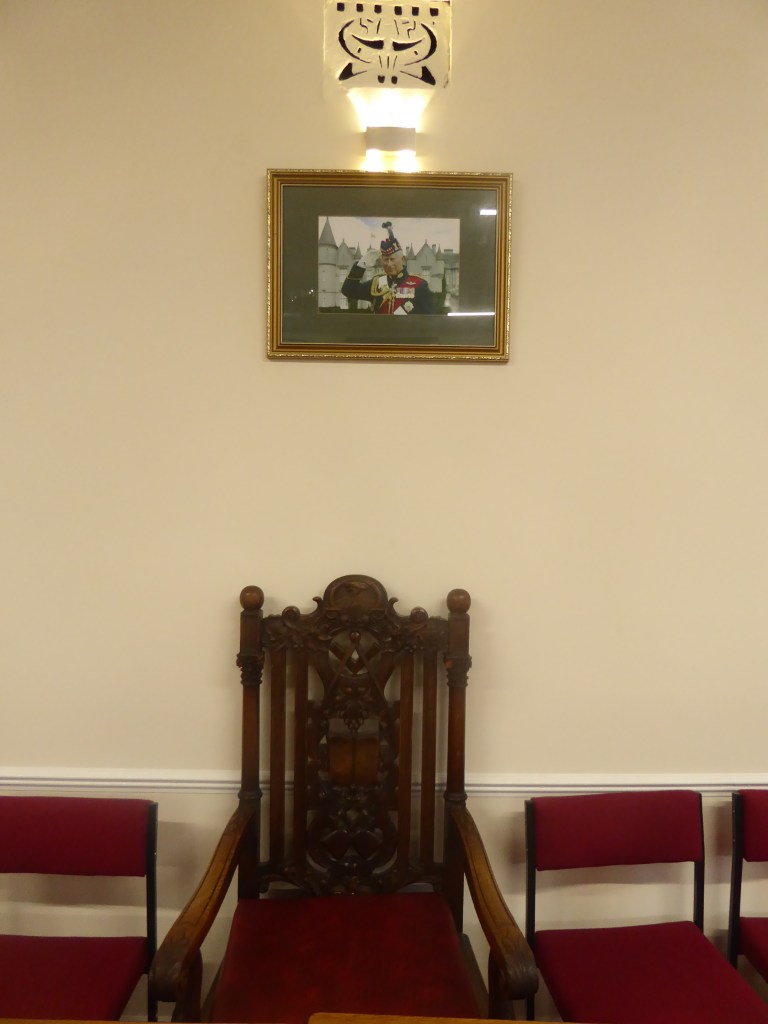
First of all, the name caught me: St. Mary’s. I always thought, “If they’re Protestant, why do they believe in saints?” But they’re not Protestant—they’re Freemasons.
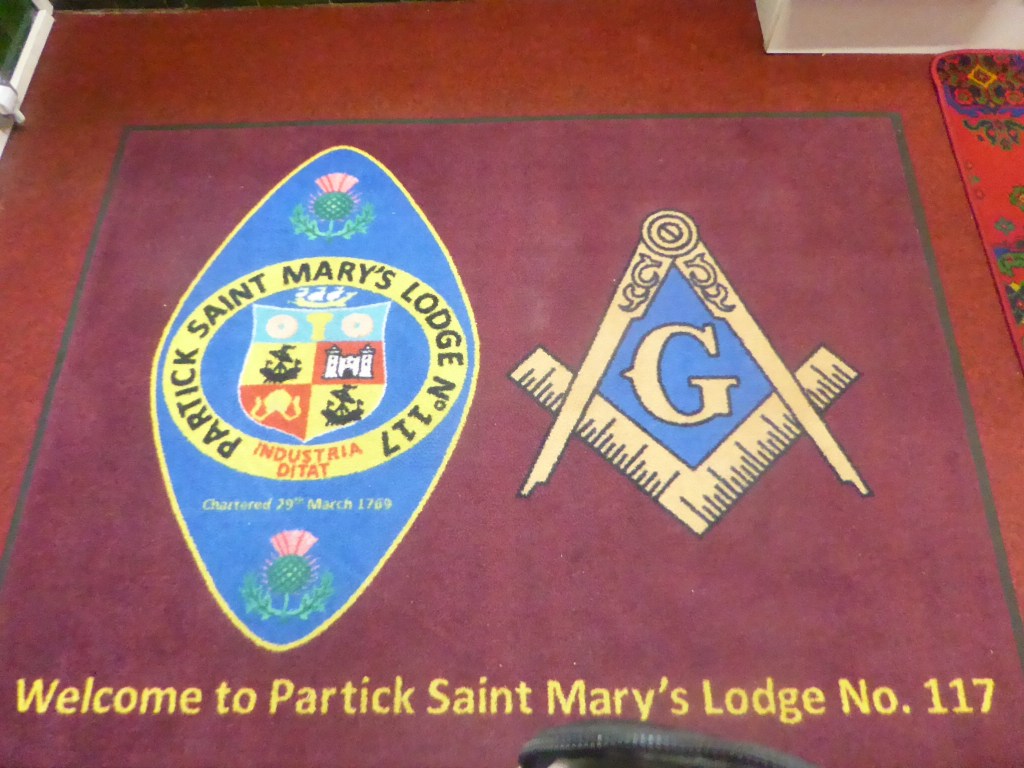
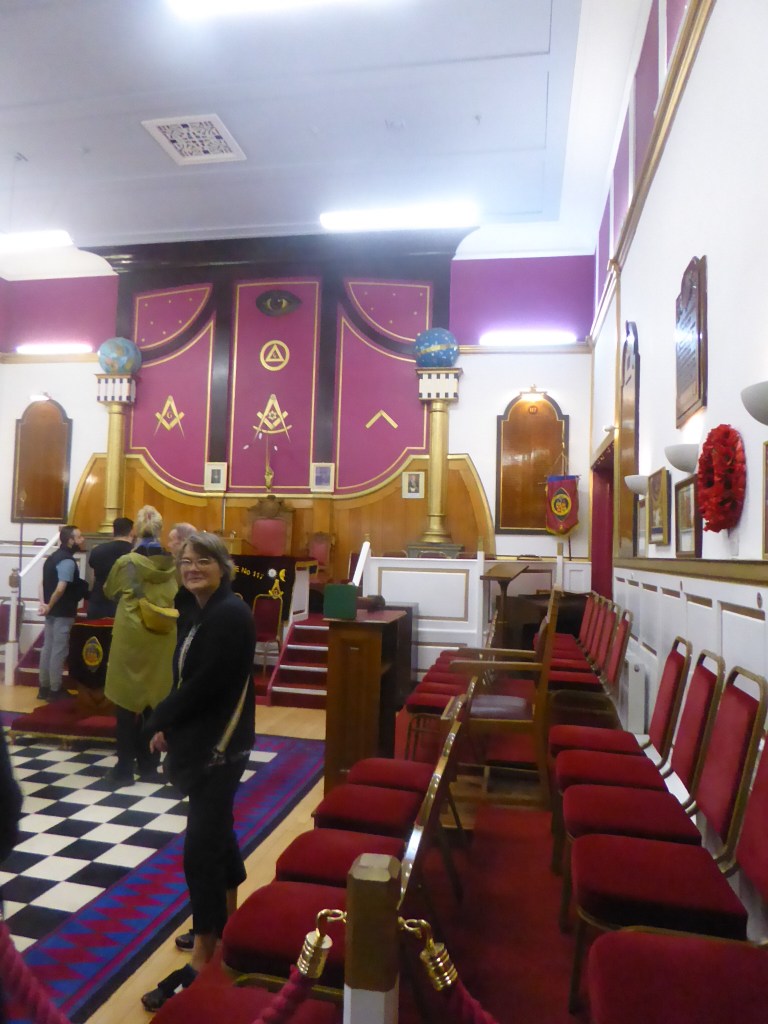
Second, our guide wasn’t even British. He was Spanish, I believe, and was wonderfully inclusive in how he explained the beauty—at least from his perspective—of the Lodge. He spoke about their charitable work, their visitors, and their humility. When someone asked what they actually contribute (financially) to, he said that wasn’t the point. The people who receive help know who the Masons are, and it’s not for anyone else to know.
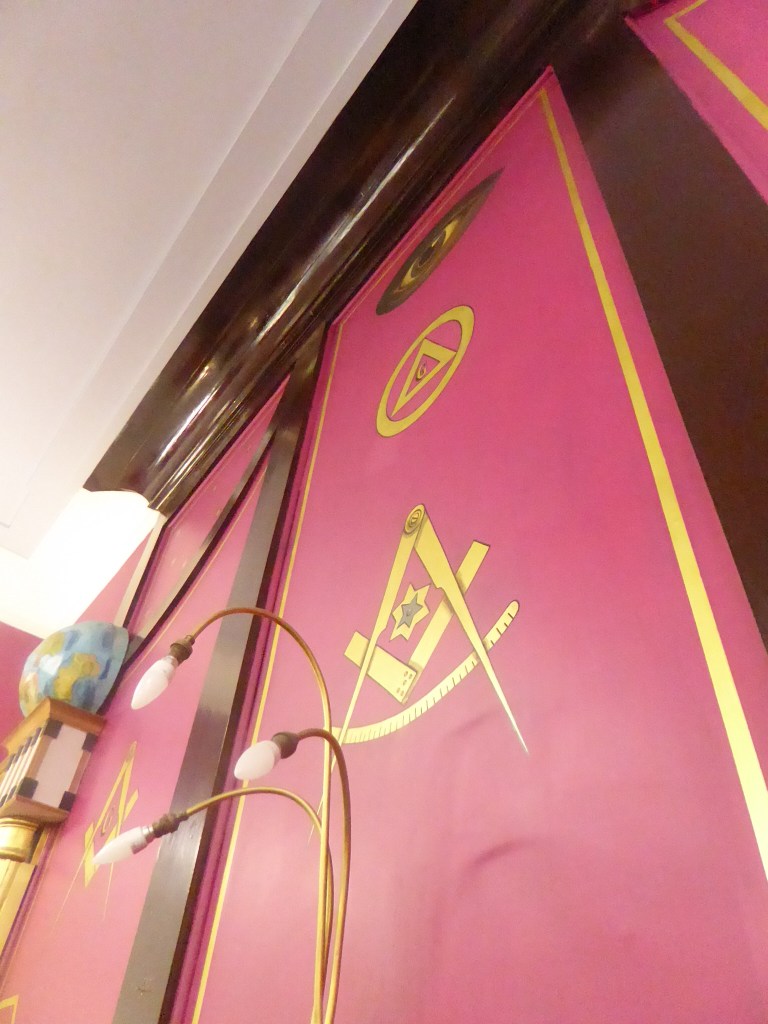
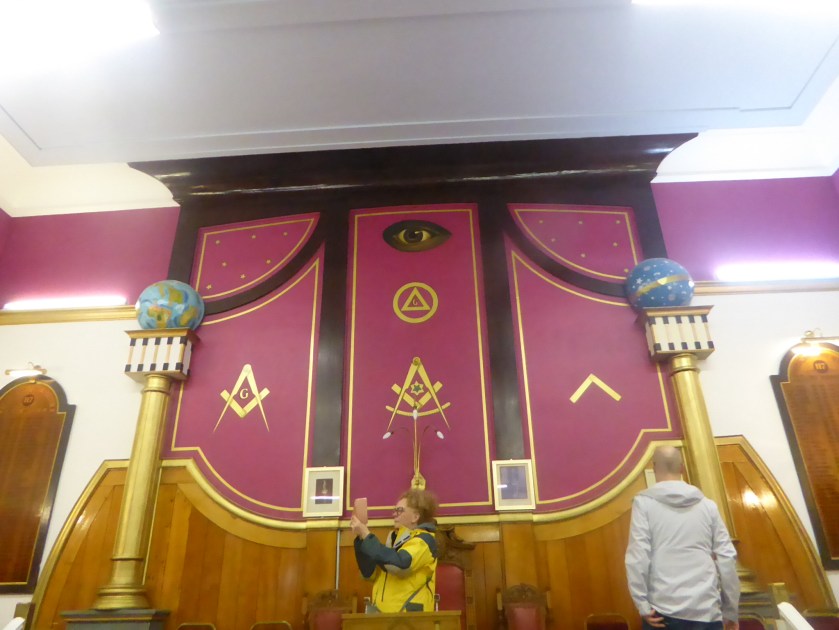
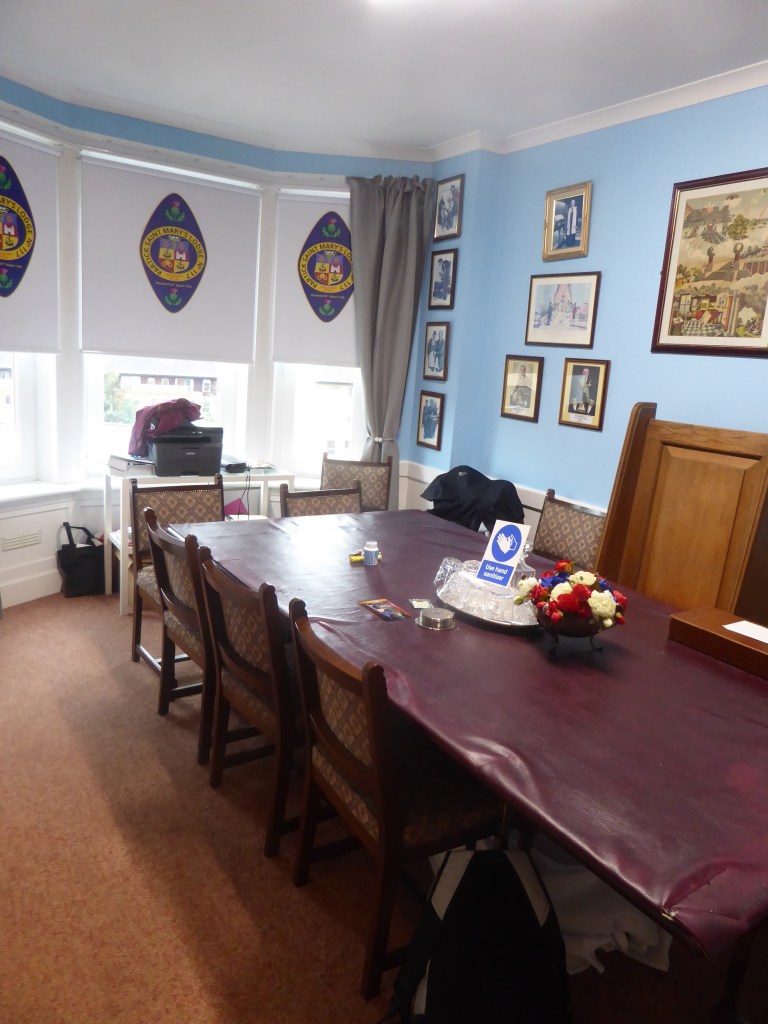
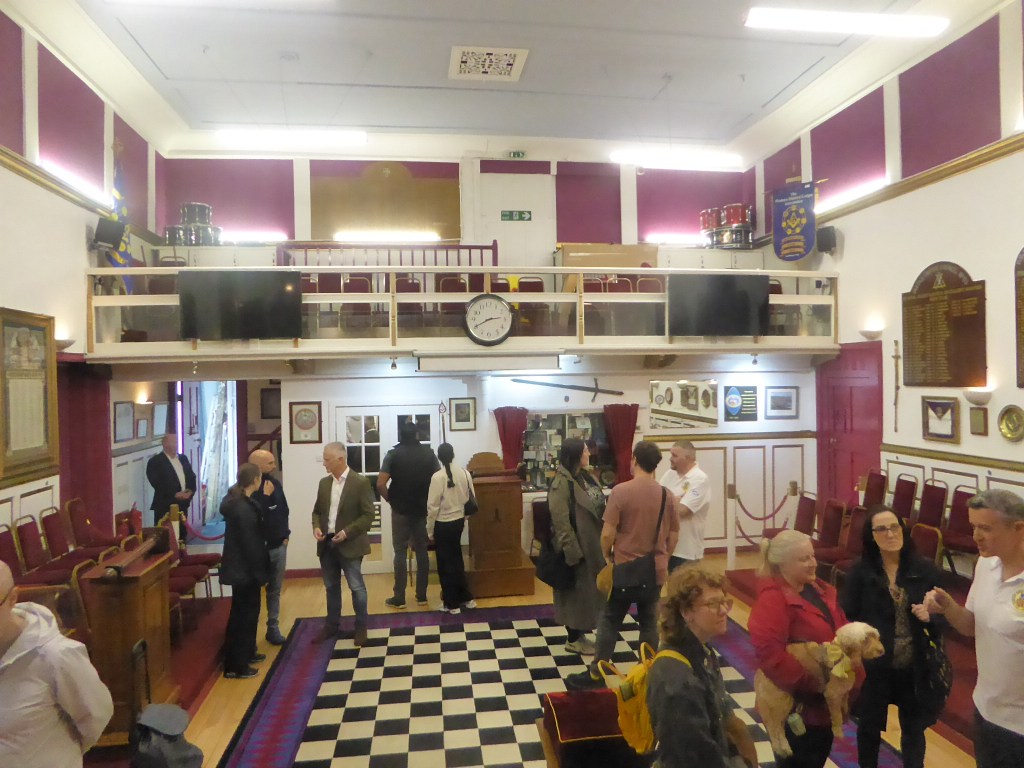
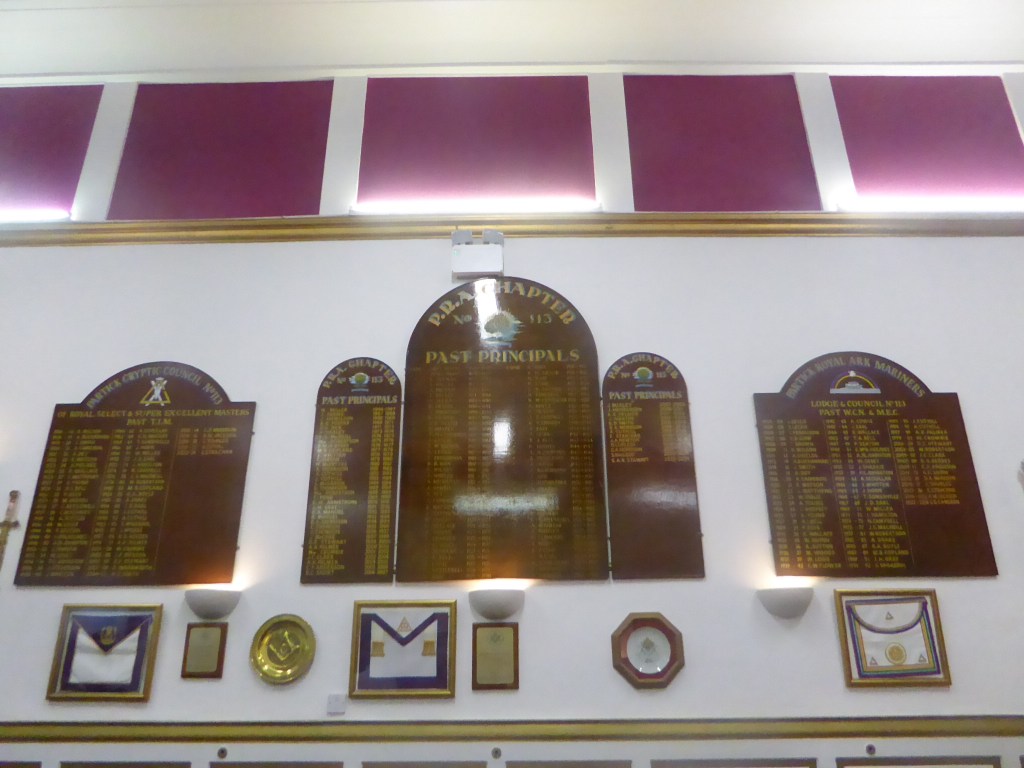
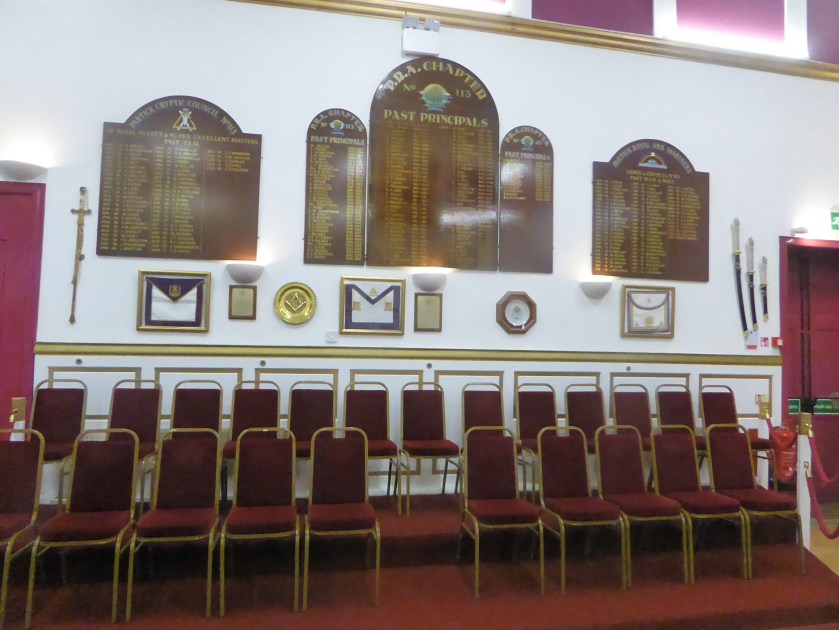
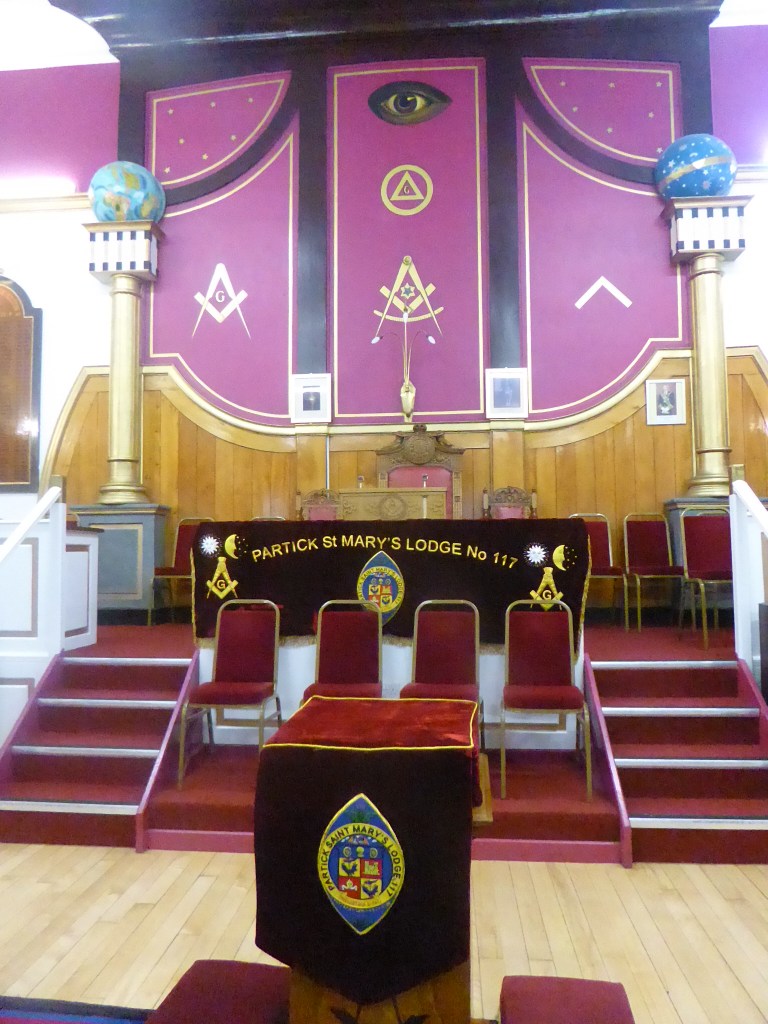
As the photos show, the main hall looks almost like a church—or even a synagogue. It was plainly decorated, and not overdone. Very tasteful, very open. The building spans three floors, and each space had its own character—never barren, never gaudy.
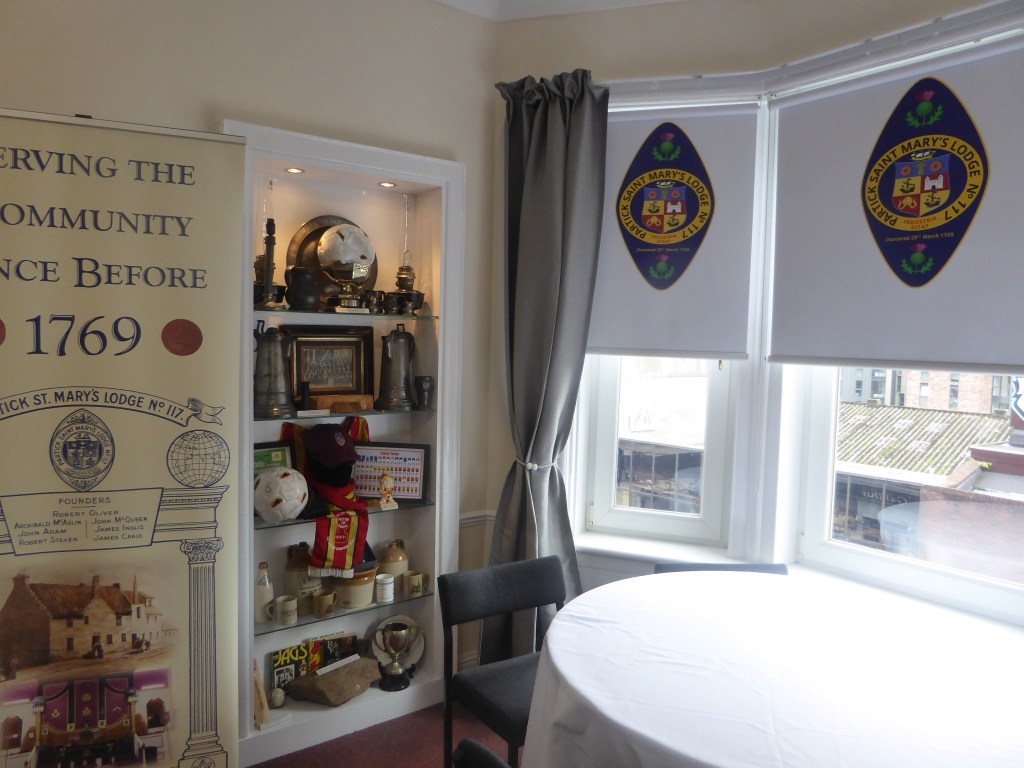
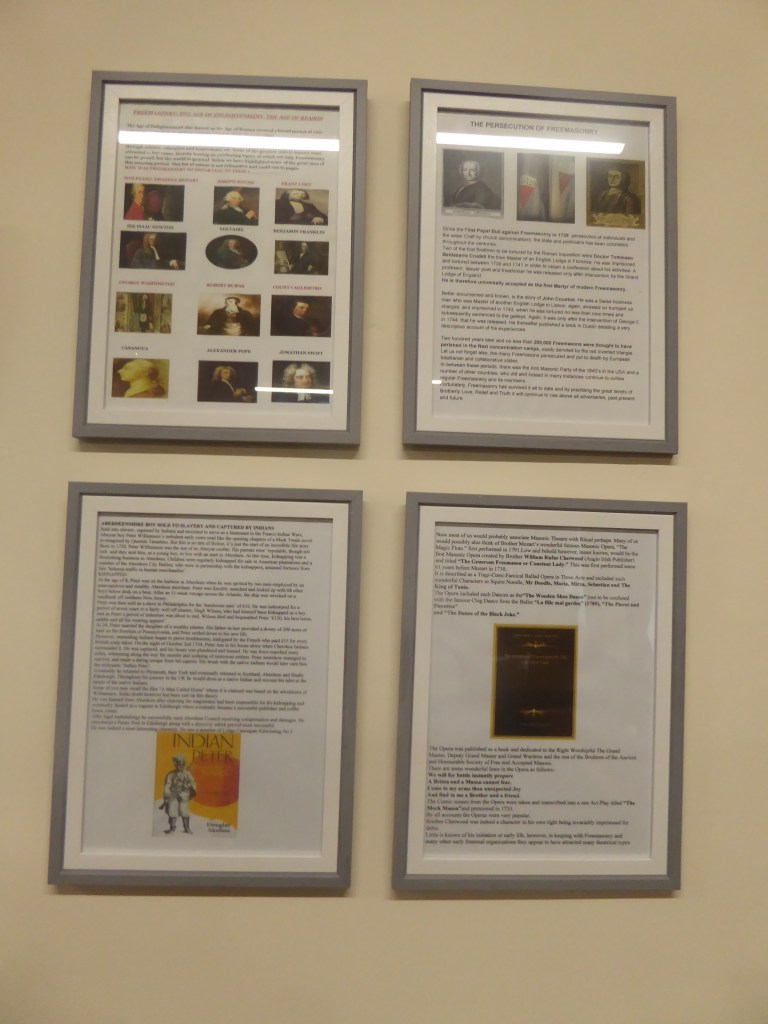
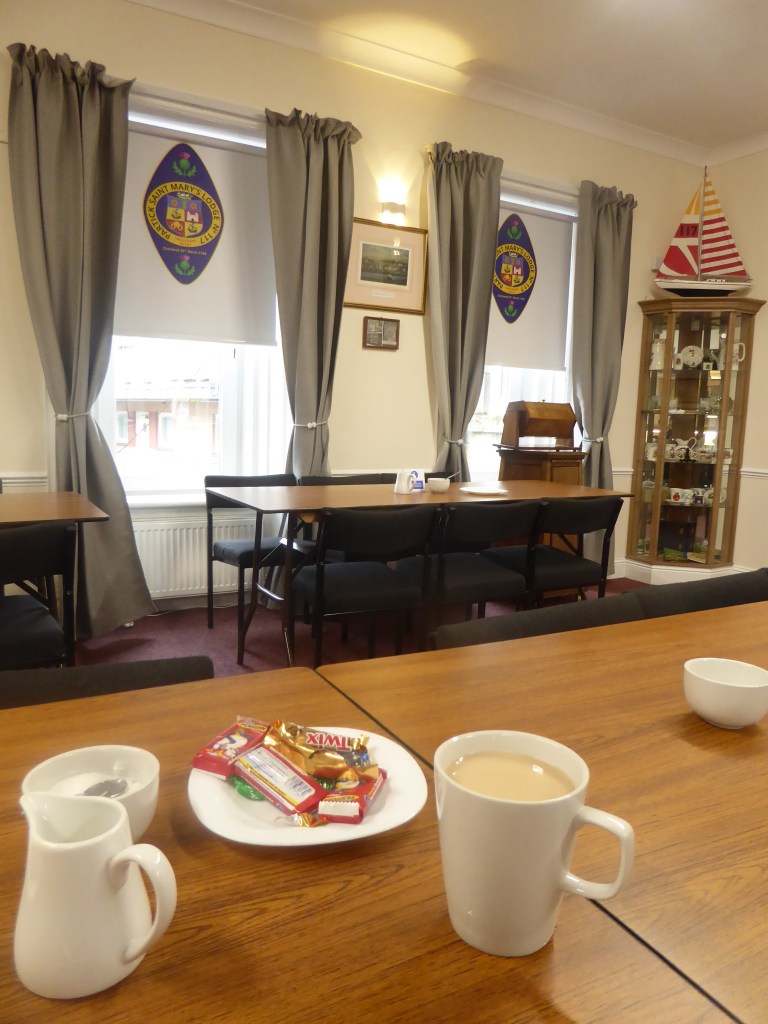
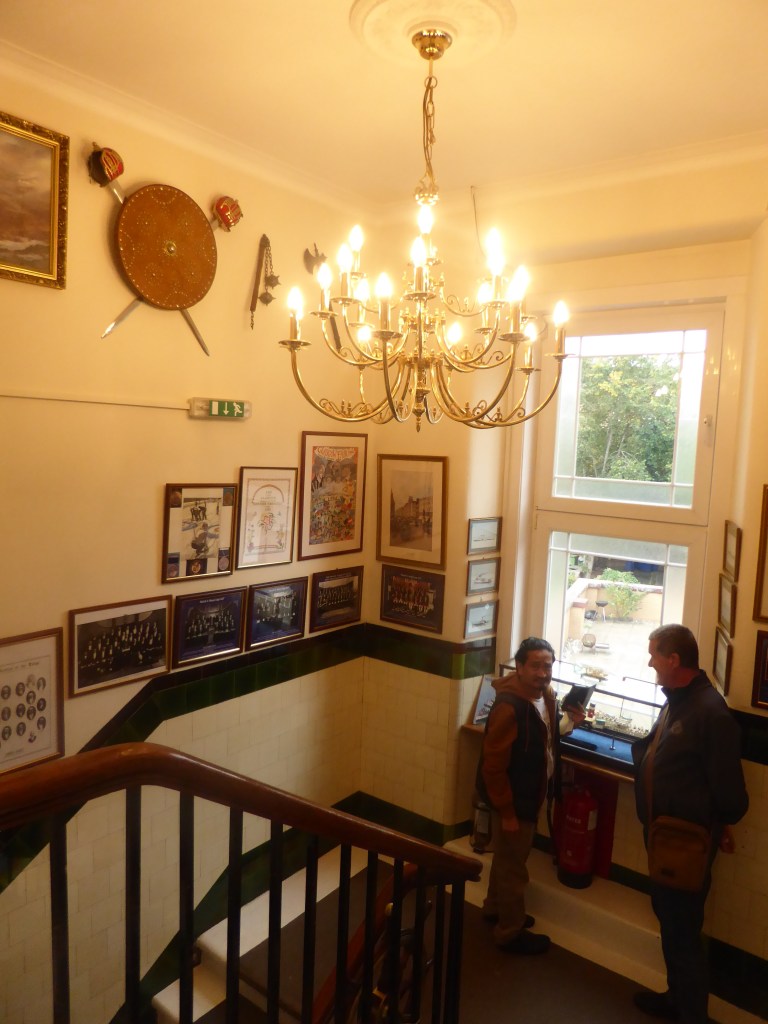
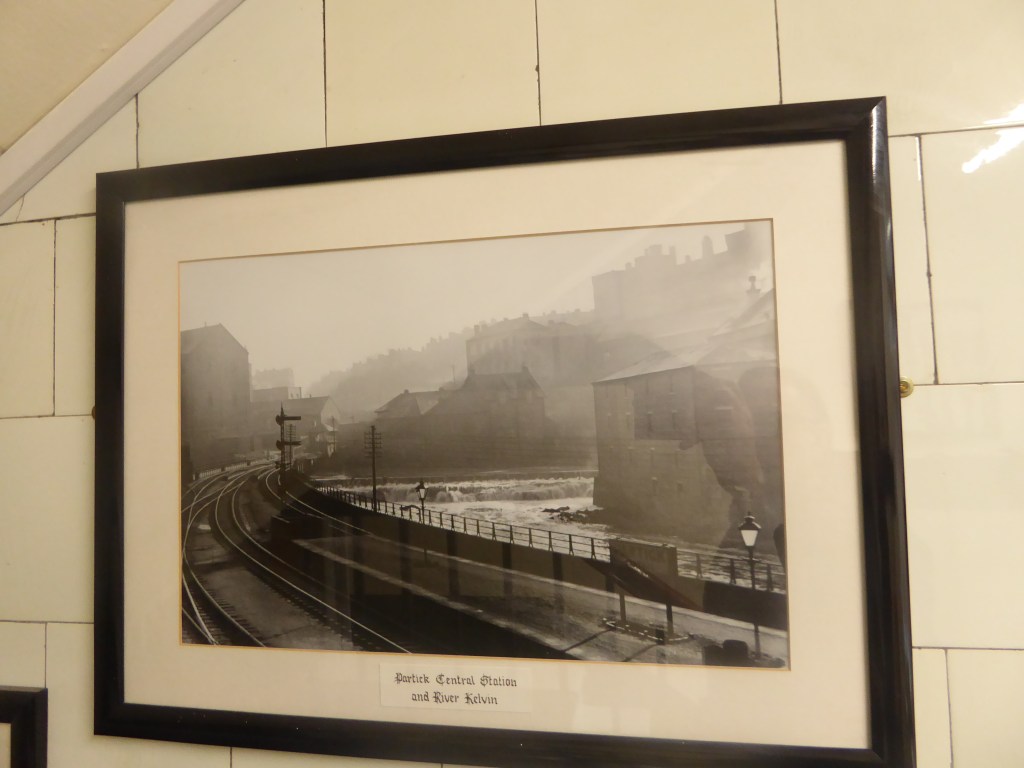
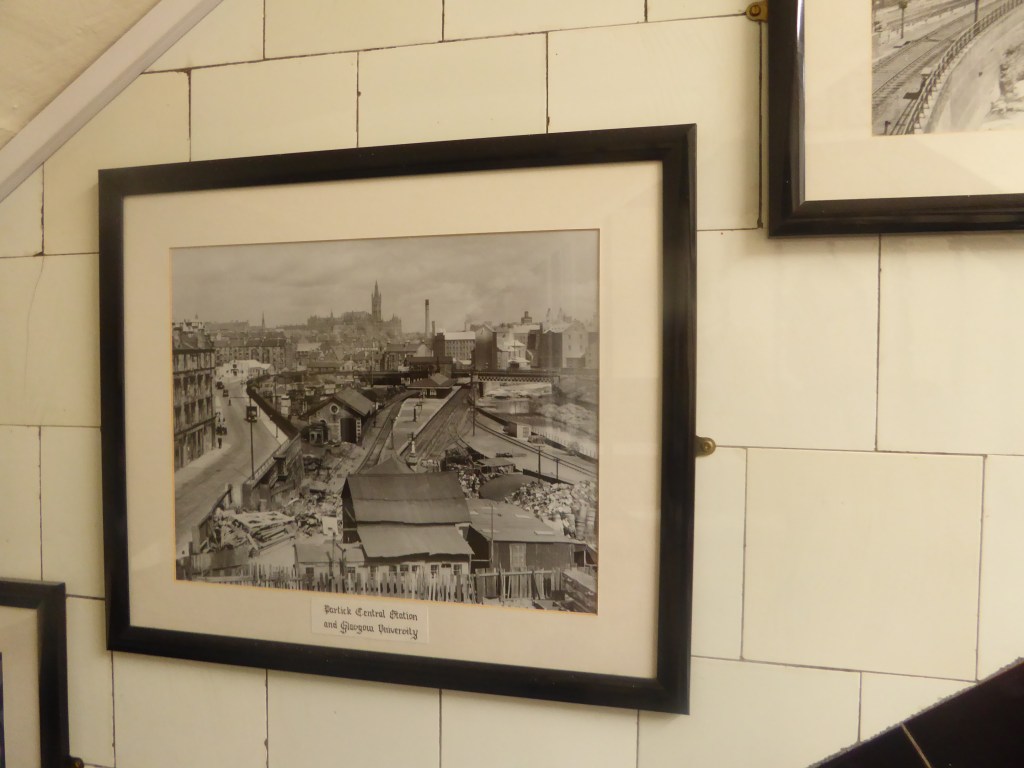
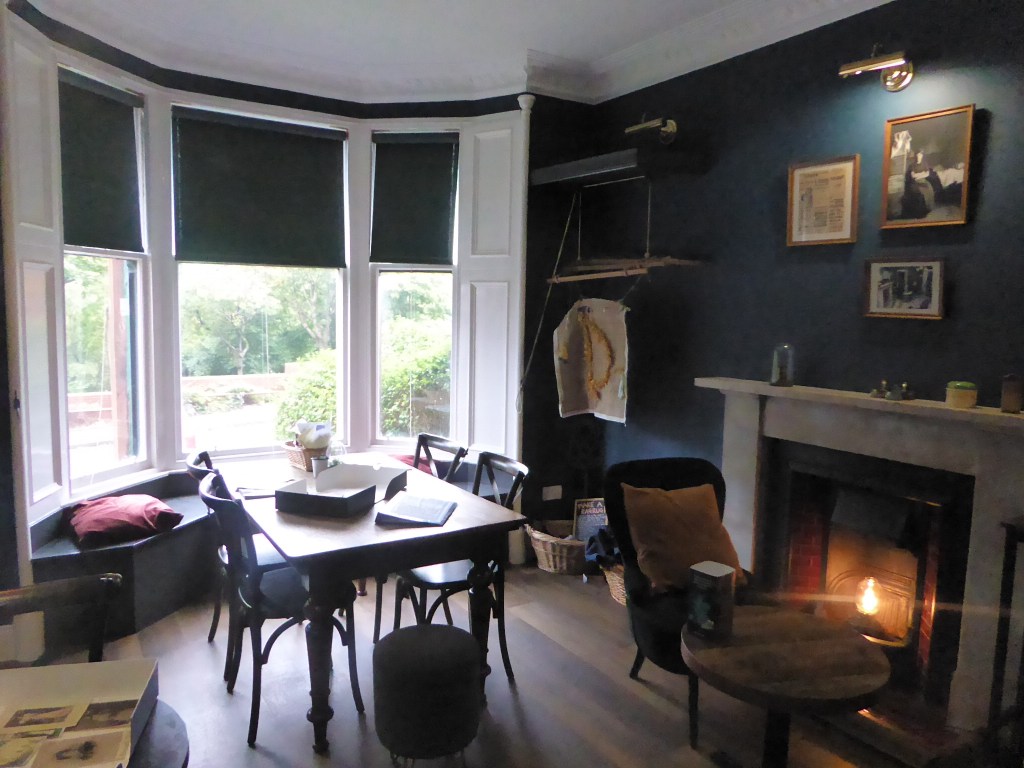
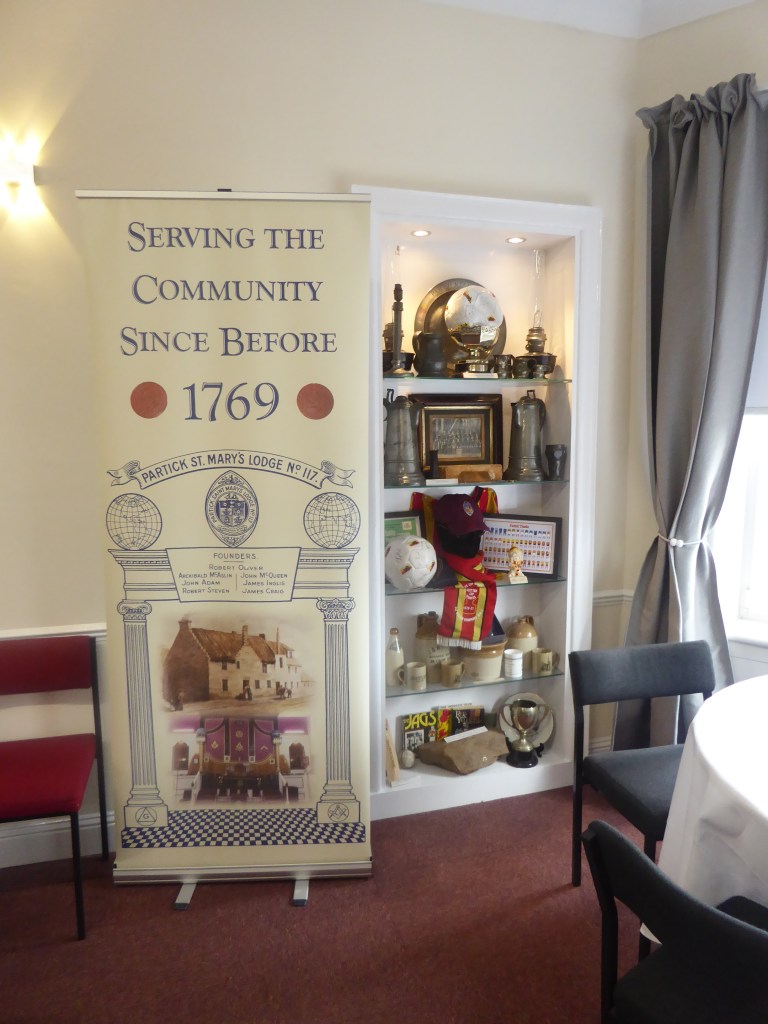
The top hall? That’s where they have a bar and a small tea room—well, “restaurant” might be pushing it. Still, there was free food for visitors, and the walls were lined with paintings and photographs of Glasgow past and present.
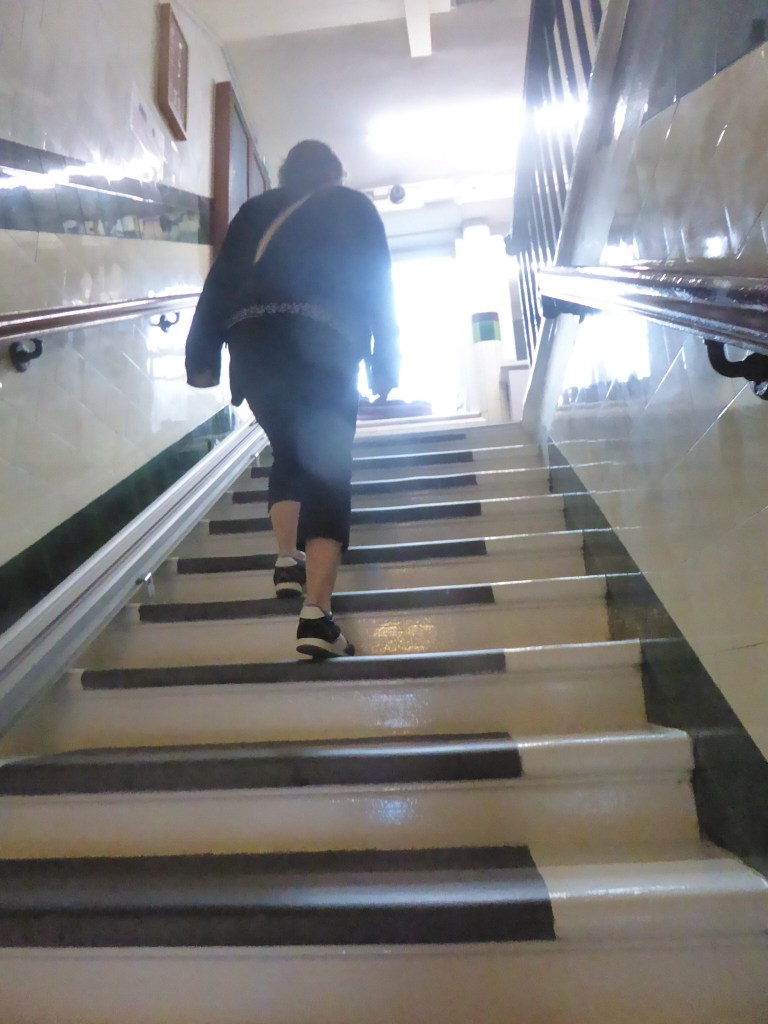
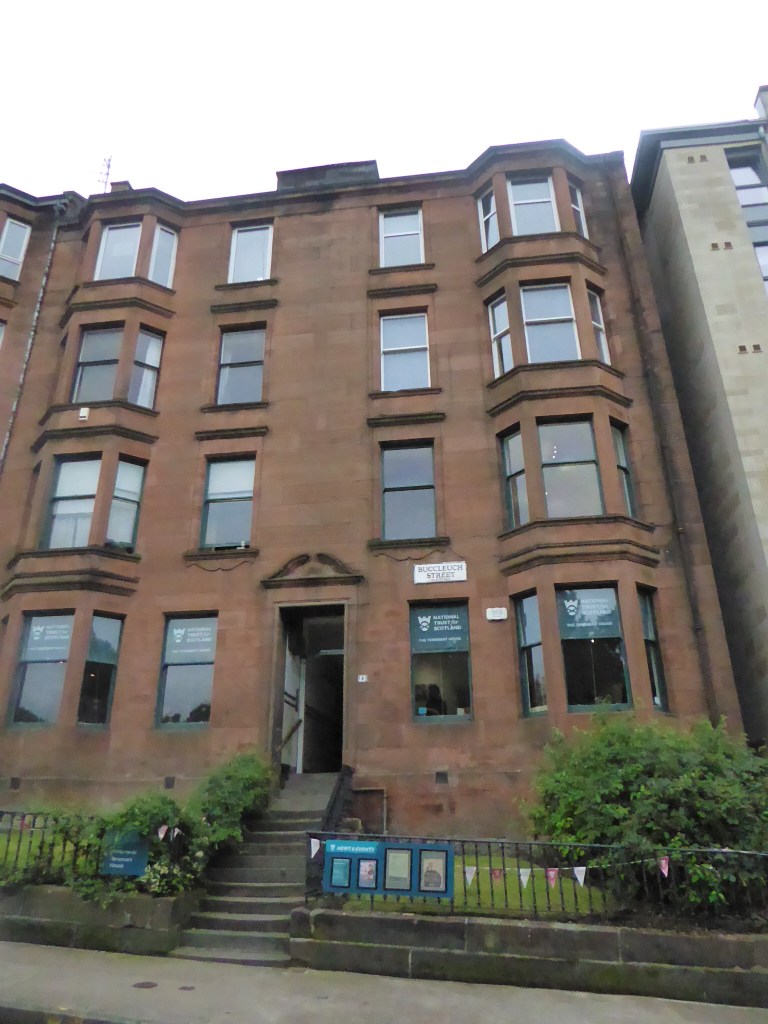
What struck me most was something I’d never noticed before, even after walking past this building countless times: the windows. They’re designed to blend into the tenement style while still standing out. The stairs—the “closes,” as we say in Glasgow—lead only to one thing: the Lodge itself.

I’m glad I finally saw it and is something I hope they continue to share with the public in the future.

CB
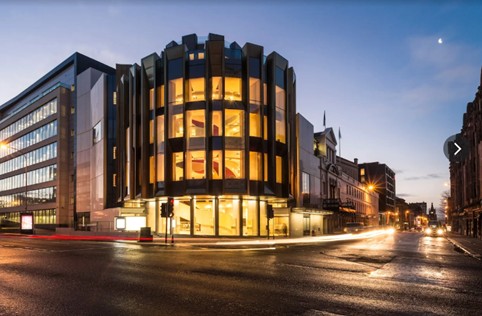
La Bohème – A night at the Scottish Opera

Years ago, when I was trying to learn guitar—classical and jazz—with an outstanding teacher on the West Coast of America, we started talking about the music we liked. Not just the usual pop and rock of the time—Van Halen, Foreigner, Earth, Wind & Fire, and all those disco acts—but what really spoke to us.

I told him I loved classical music, in particular Elizabethan, Baroque, Romantic. I mentioned composers like Tchaikovsky and Prokofiev. He said he liked almost everything. He had a degree in music and could play classical pieces on both piano and guitar. But there was one thing he admitted: he didn’t care much for opera—he just couldn’t understand it. Not just that they were in Italian, etc, but that what was the point (or something like that).

I could relate. Opera always seemed like endless shouting, as if everything were a Wagner production. It made no sense to me. Even in musicals, you’d have spoken parts alongside singing, which felt more natural. But that was beside the point. It existed and was not going to change.

So when we decided to see La Bohème last month at the Theatre Royal in Glasgow, I treated it like an excursion—a field trip. I wasn’t expecting to enjoy it.

Boy was I completely wrong.

La Bohème composer Giacomo Puccini

Over the last decade or so, I’ve come to appreciate some of the old operas, especially Italian ones like Puccini’s. They feel written for enjoyment, for ordinary people, full of memorable tunes. And when I went to the performance, that’s exactly what I found.

I was fascinated by the audience also. Every type of person was there: Black, White, Asian, Chinese, disabled, old, young, students, middle class, working class. I’ve been to hundreds of concerts, but I’ve never seen such a mix. It felt almost like a cult type of thing. And in addition, the two main roles were played by Asian singers.

And although opera is hardly in the charts, a survey last year is also in tune to my feelings. According to the Laidlaw Opera Short Report – Google Docs;

The Laidlaw Opera Short Report from January 2024 conducted by Public First found that 42% of the UK public has never met an opera fan, but 41% would like to go to an opera at least once in their life. The report also highlighted that cost is the main barrier to opera attendance, with 49% of the public saying that the cost being lower would make it more likely for them to attend an opera.

And when you delve deeper, the report says it’s the young who seem to have more time for opera nowadays?! If you have time (I didn’t even know these type of reports existed!), please go in the link and read it; it’s fascinating.

Back to the performance of La Bohème, there were parts of the opera I understood well and parts I didn’t. But I definitely recognized a couple of melodies that I’d heard on Classic FM.

It was a wonderful experience—and something I plan to enjoy again in the future.

June in Glasgow, Scotland – Eating out & general comments –

The Hidden Lane Tearoom

I’ve wondered a lot about just how people can go out nowadays, as the prices I feel are utterly outrageous; particularly since the end of the COVID days.

Boy, was I wrong, as it seems not only has this not stopped people going out to eat, but even for myself (below); I’m still out about 5-10 times a month!

I’m not bragging, though this also includes cafes; which being a tea drinker, certainly saves me money compared to the Lattemacchiatochino-oatmilk mob.

Our first stop was Cotton Rake, a charming specialty bakery known for its artisanal breads. This gem offers a range of loaves, from rustic sourdough to unique creations that balance quality and affordability. The bakery is a haven for dessert lovers, with a tempting selection of pastries and small bites. It’s often bustling, but the cozy atmosphere and delightful view make it worth the visit.

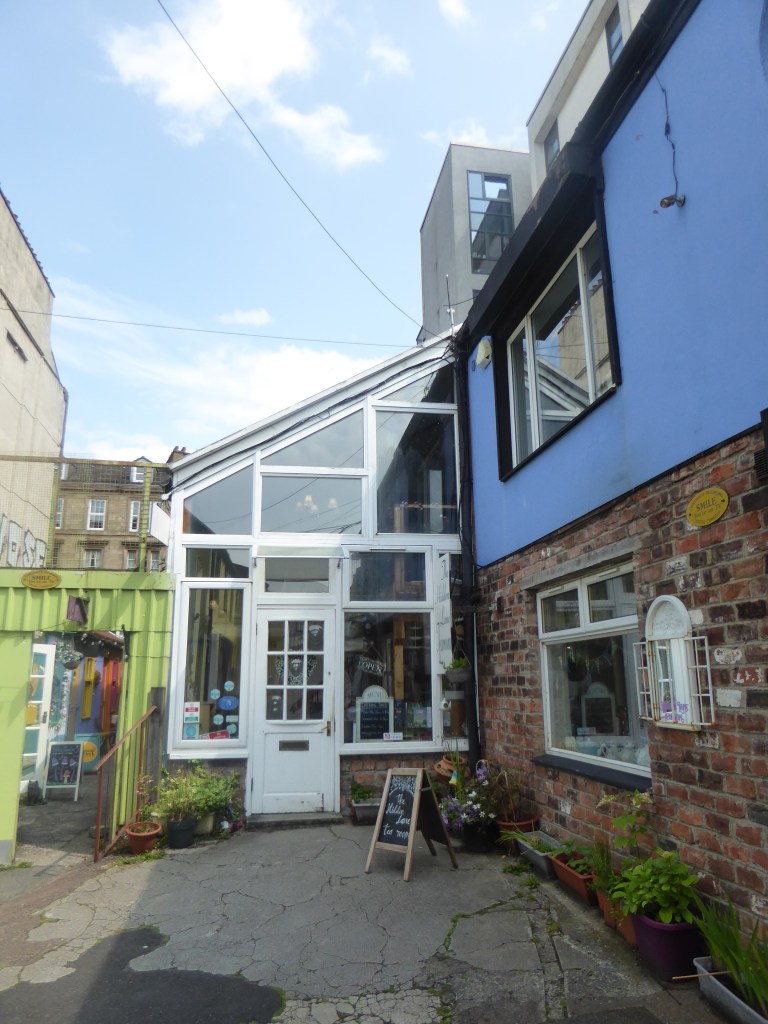
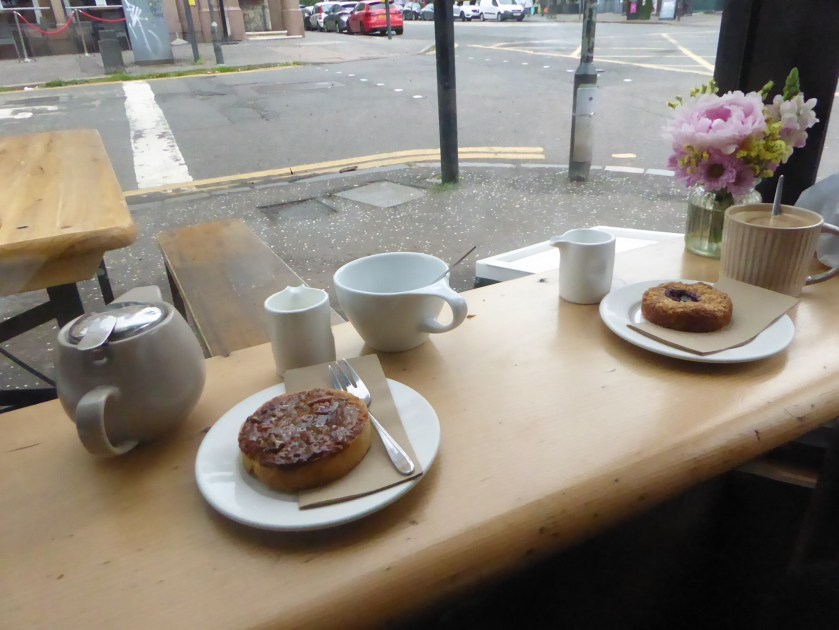
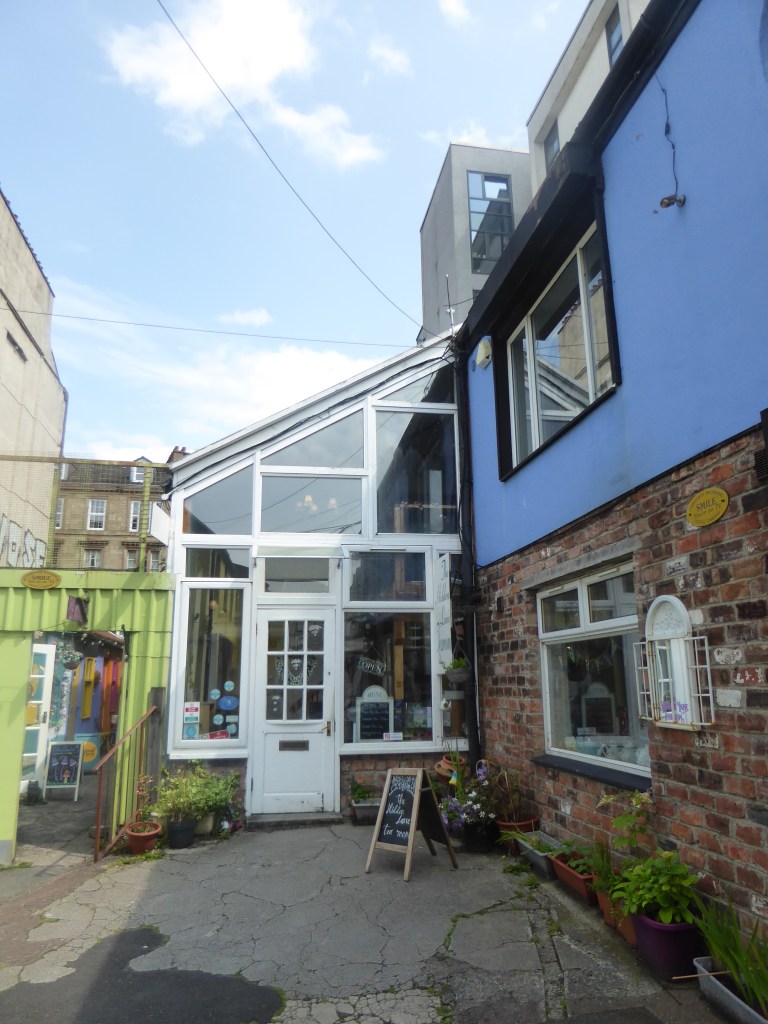
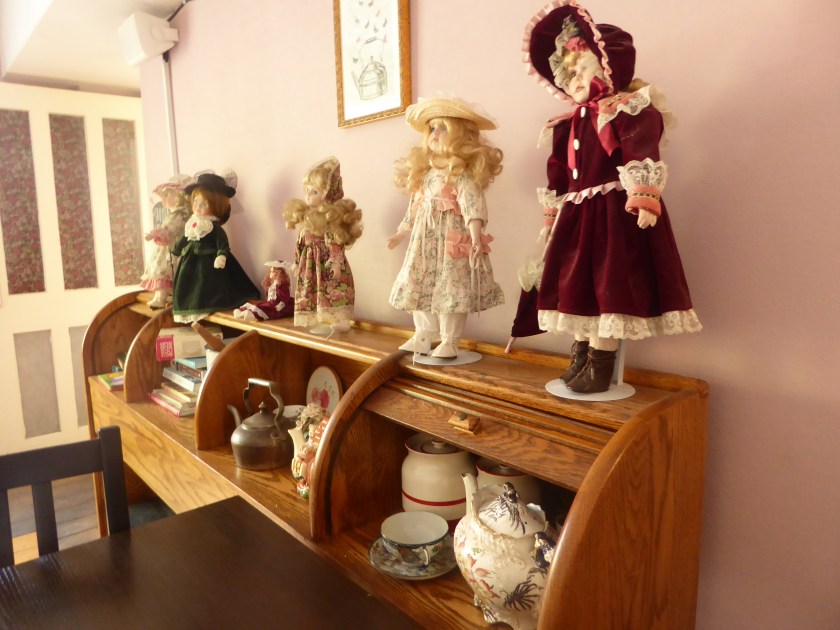
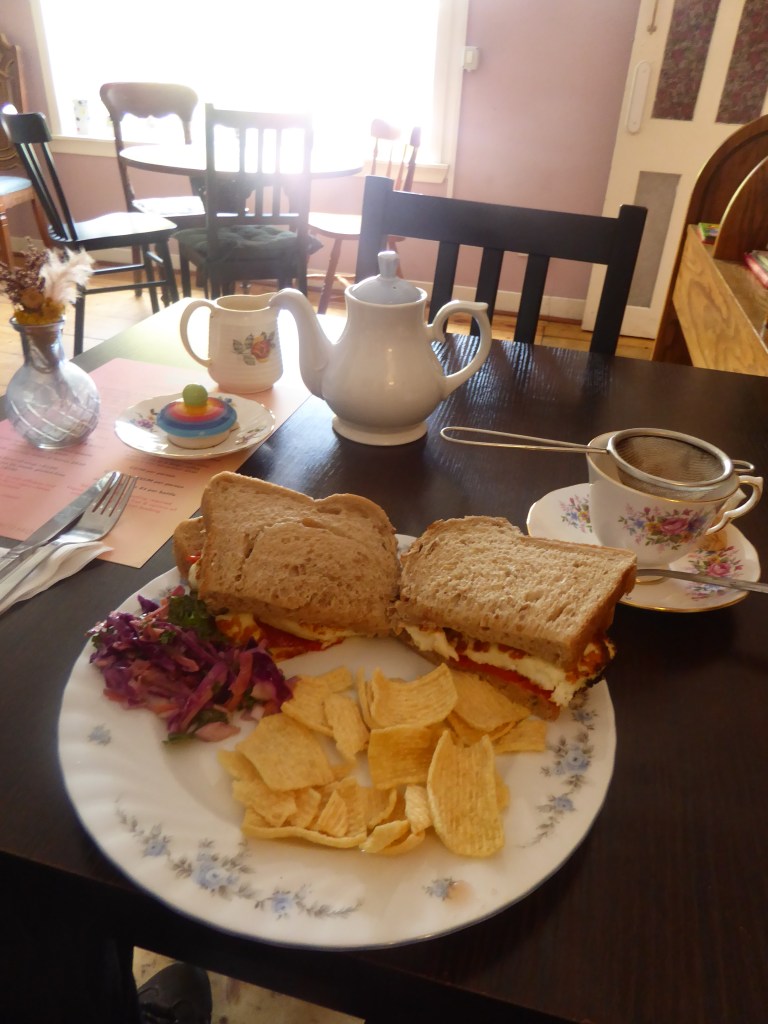
Next, we strolled down Dumbarton Road & Argyle Street, and came to a hidden treasure called the The Hidden Lane and its Hidden Lane Cafe, a quaint café tucked away in a quiet corner. With the option to sit indoors or at outdoor tables, it’s perfect for soaking in a relaxed, uncrowded vibe. The café is dog-friendly. It’s a lesser-known spot, managed (at least six months ago) by someone from Hong Kong (I thought), though I didn’t see them during this visit. The service was impeccable, making it a great place to escape the hustle and bustle – Nice collection of dolls at well!?

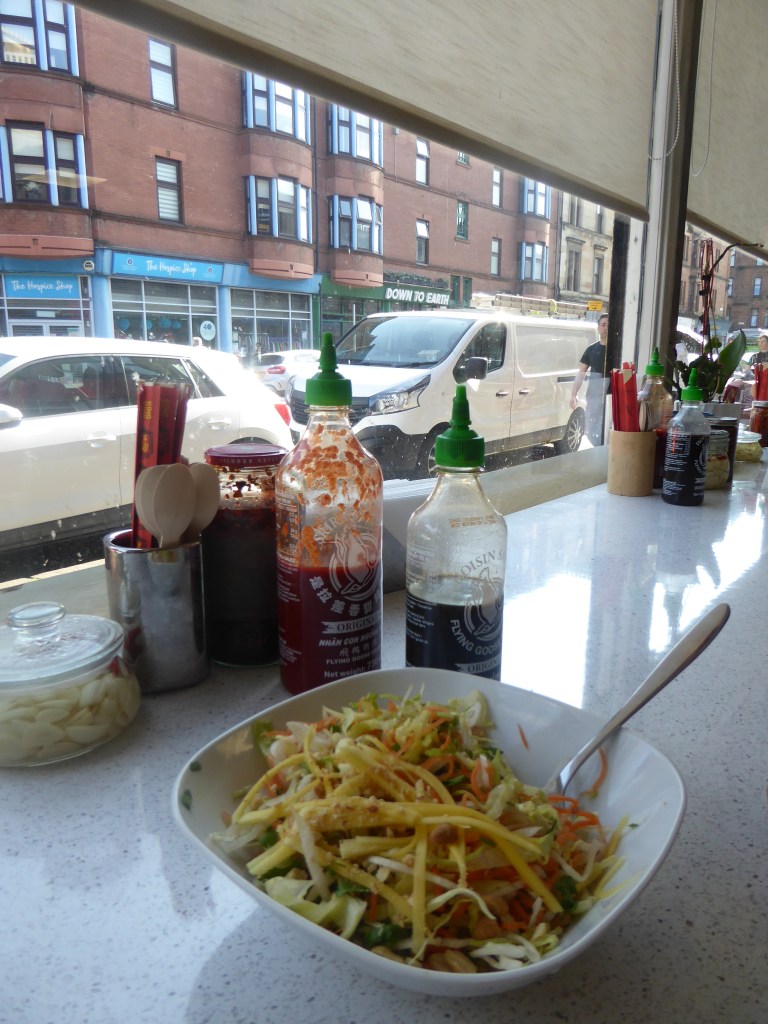
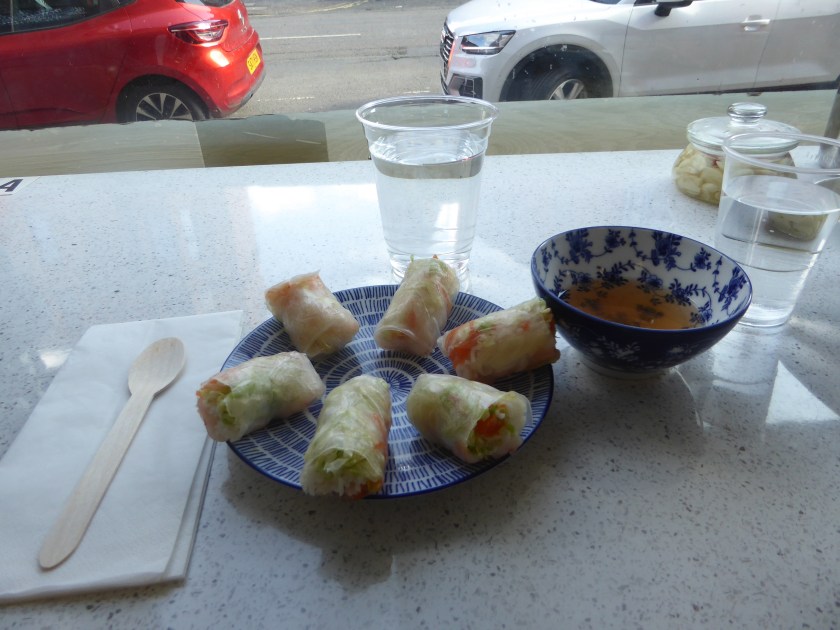
For a taste of something different, we visited Banh Mi & Tea, a Vietnamese diner with Chinese and French influences. This affordable café serves fresh, flavourful dishes, including French baguettes stuffed with Vietnamese fillings. Their French vanilla coffee creamer is a standout, complementing the bready food. For under £10, you can enjoy a roll, a meal, and a drink—a fantastic deal for such fresh, high-quality food.

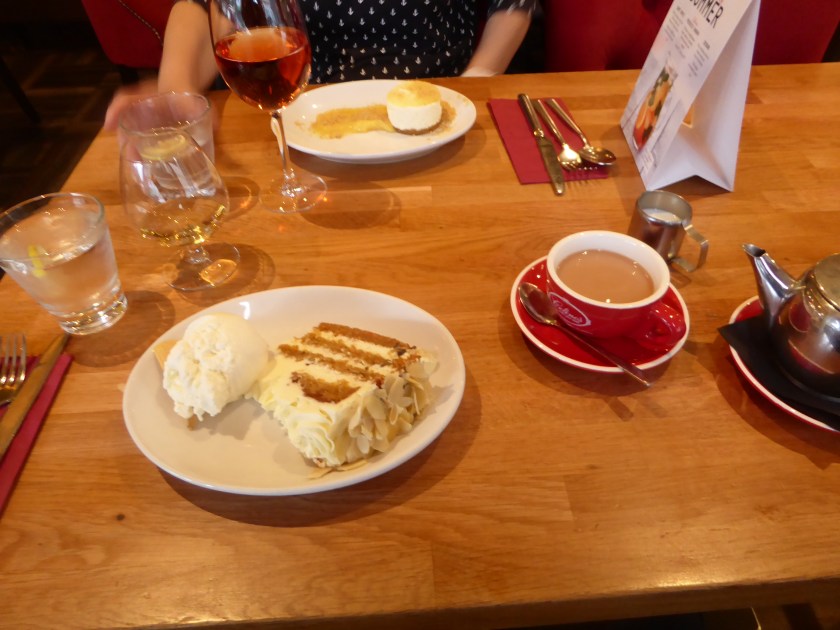
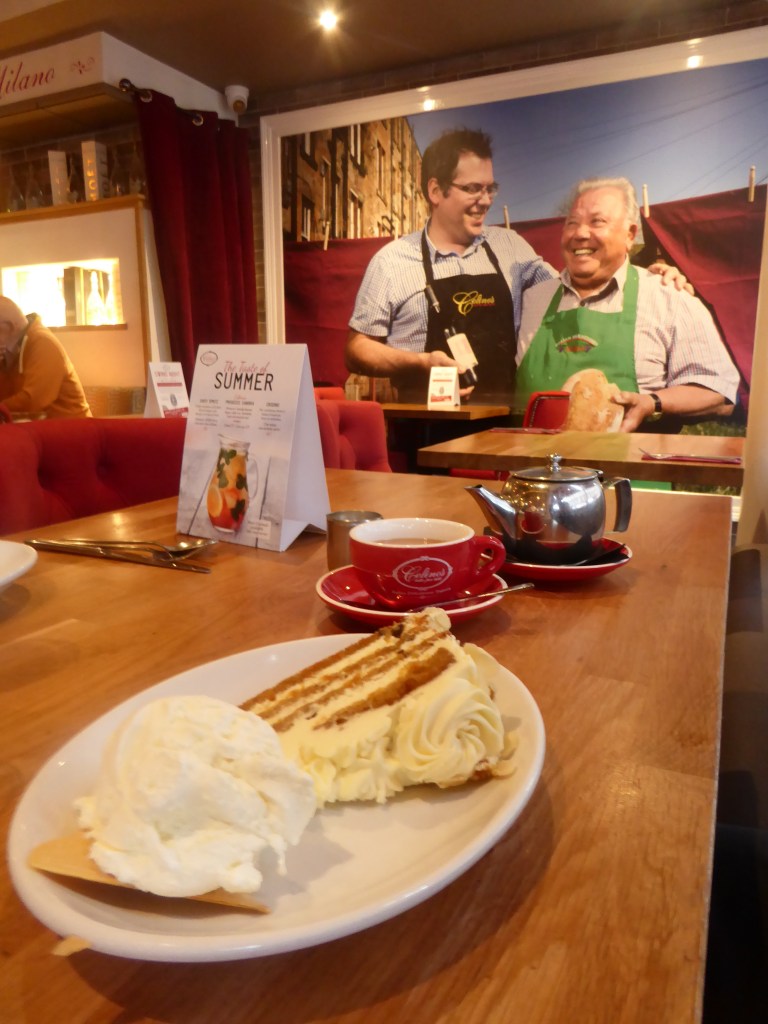
Another highlight was Celinos, a family-run Italian café and restaurant that’s become a local favourite. Over the years, they’ve elevated their menu (and décor inside), and it’s always packed. On this visit, we stopped by for a late drink and couldn’t resist their dessert wine, a Frangelico, which tasted like a heavenly, hazelnut port. Even though we only had desserts and drinks this time, the staff were accommodating, and the experience was as friendly as ever.

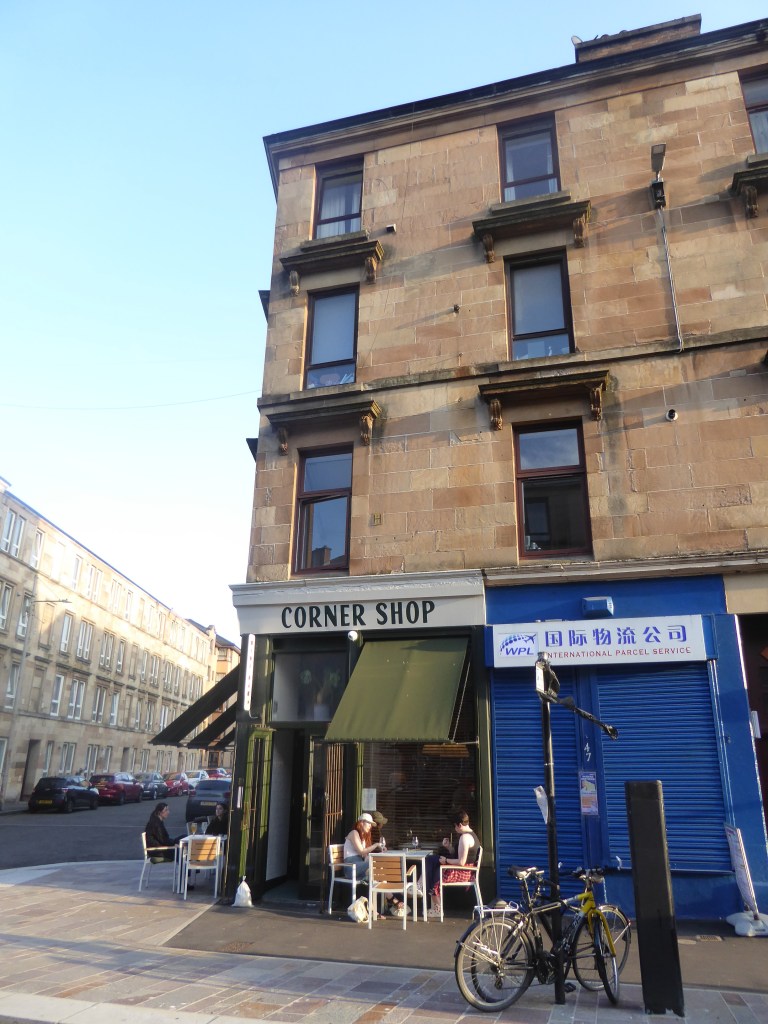
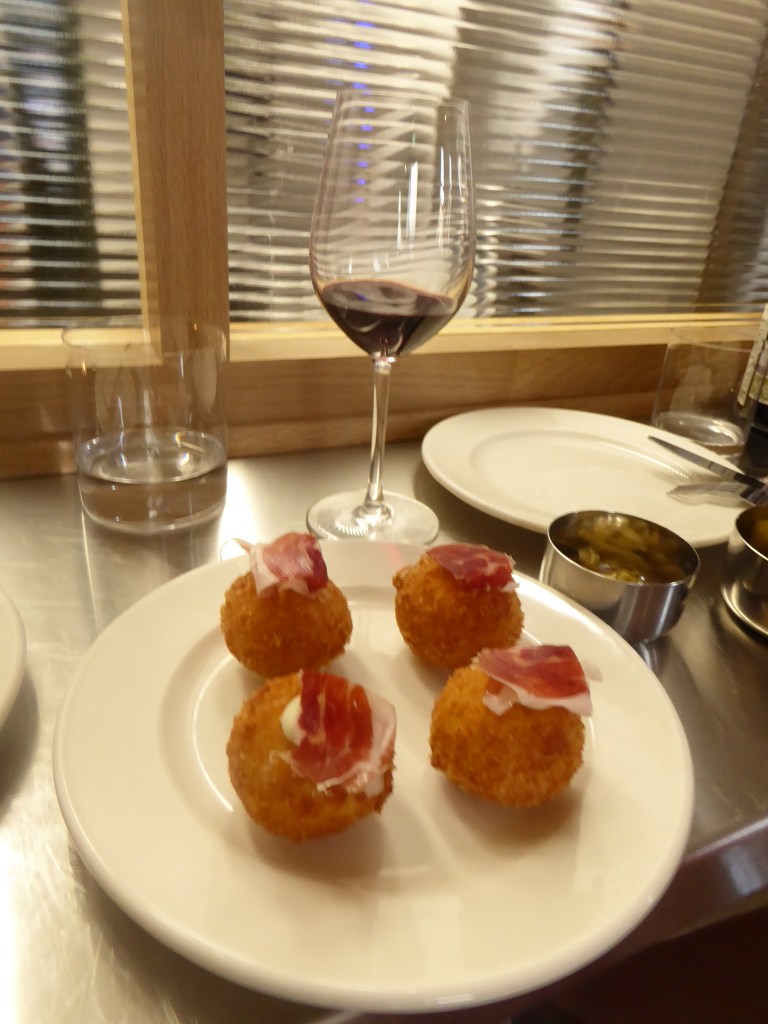
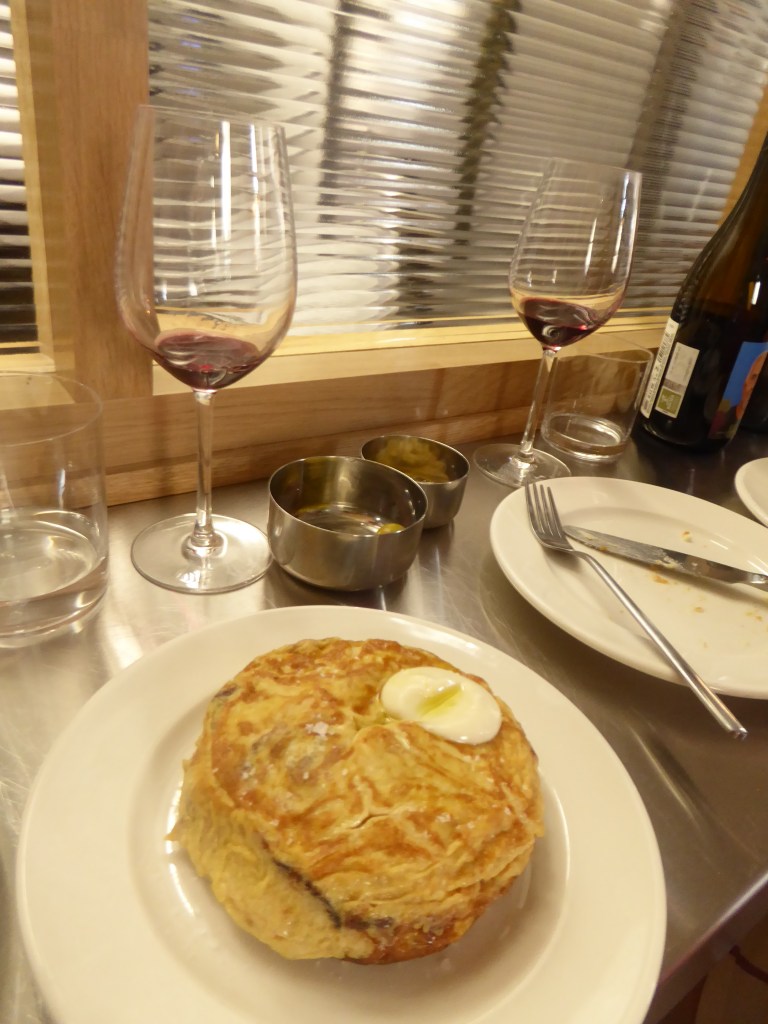
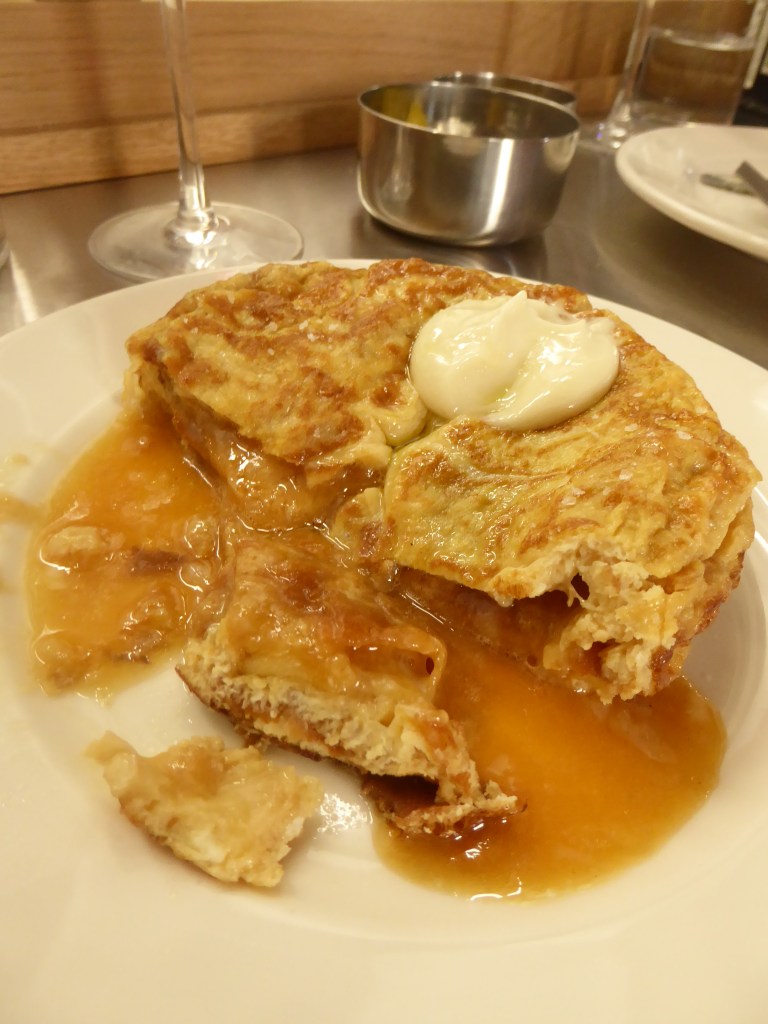
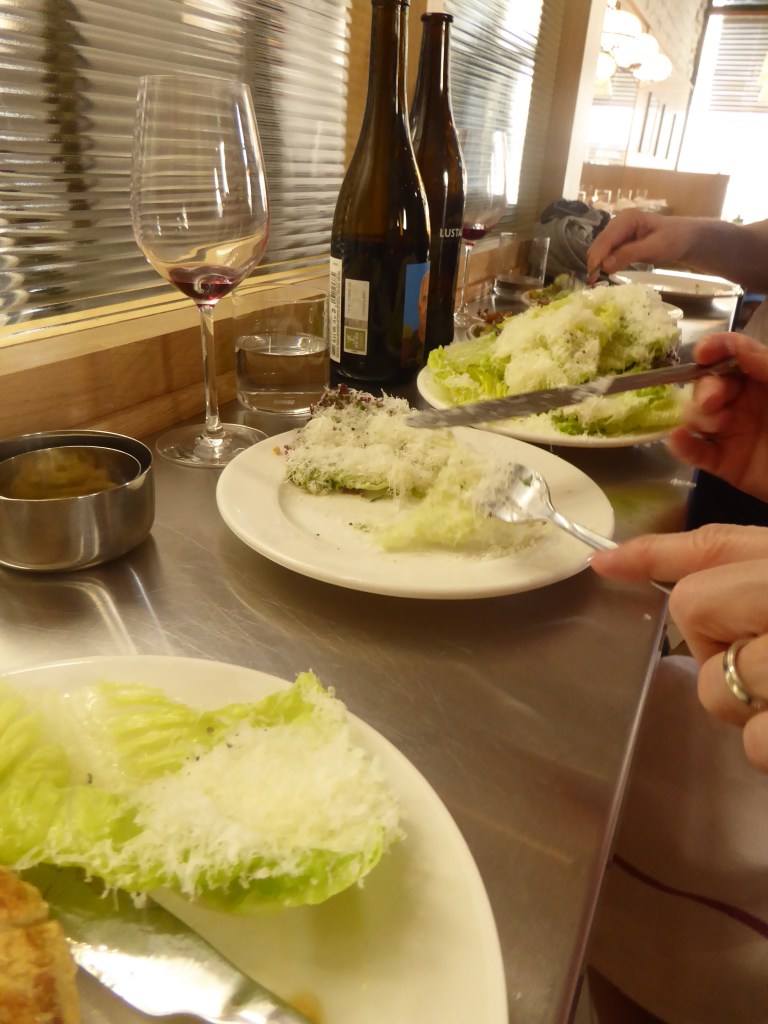
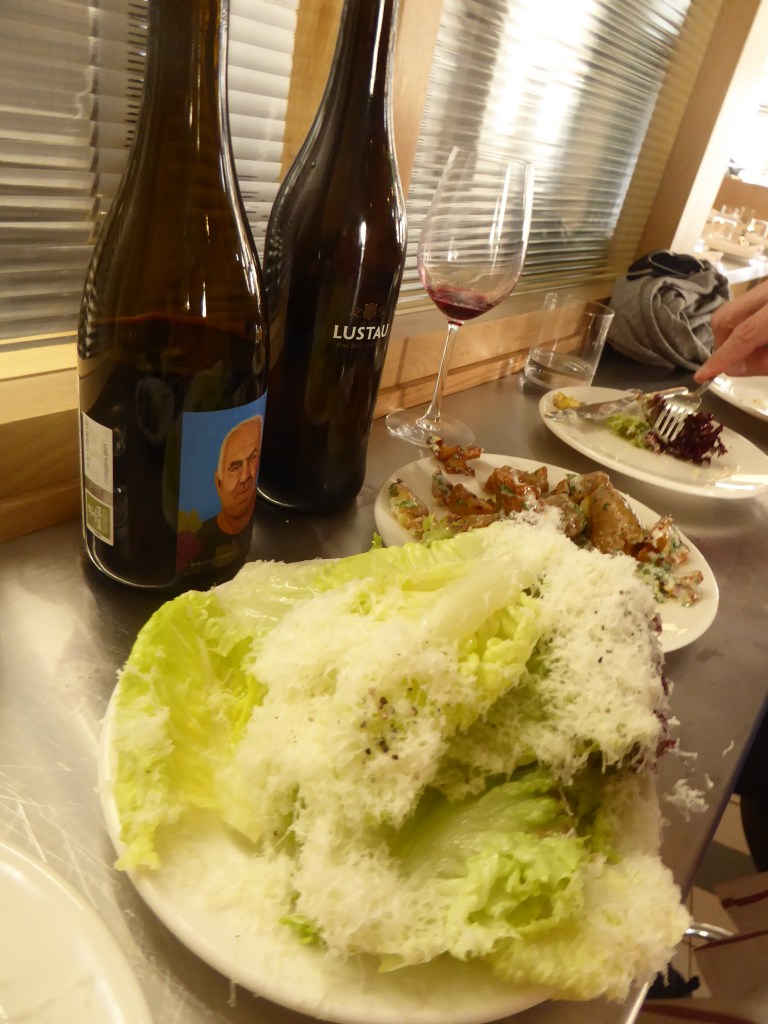
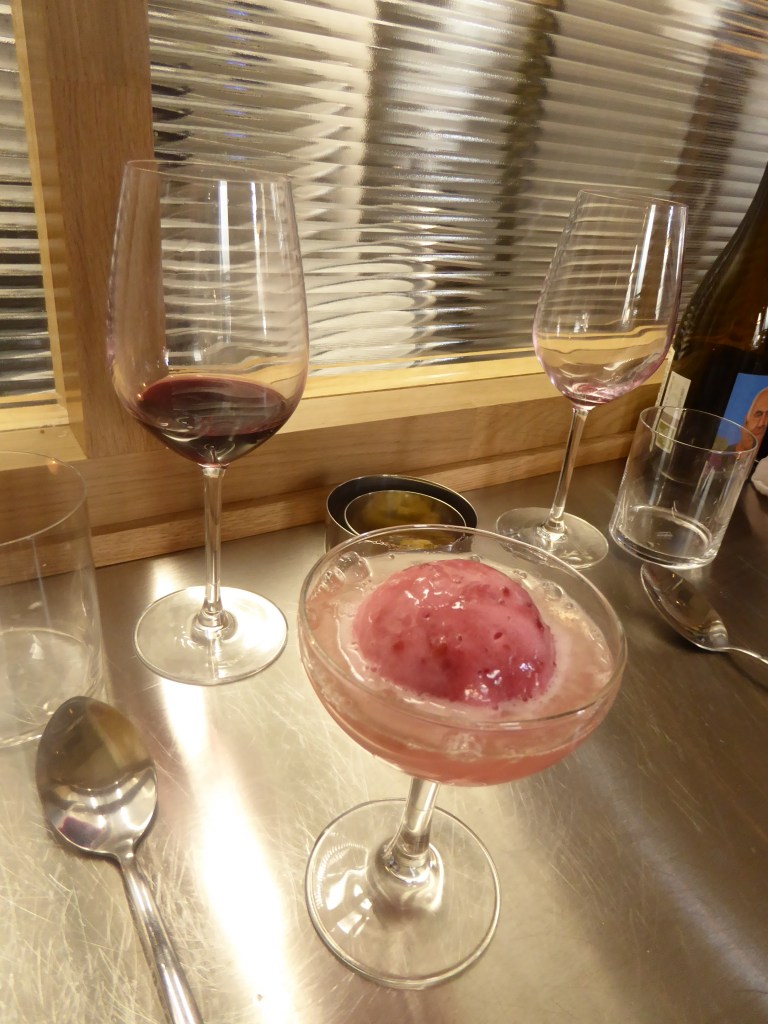
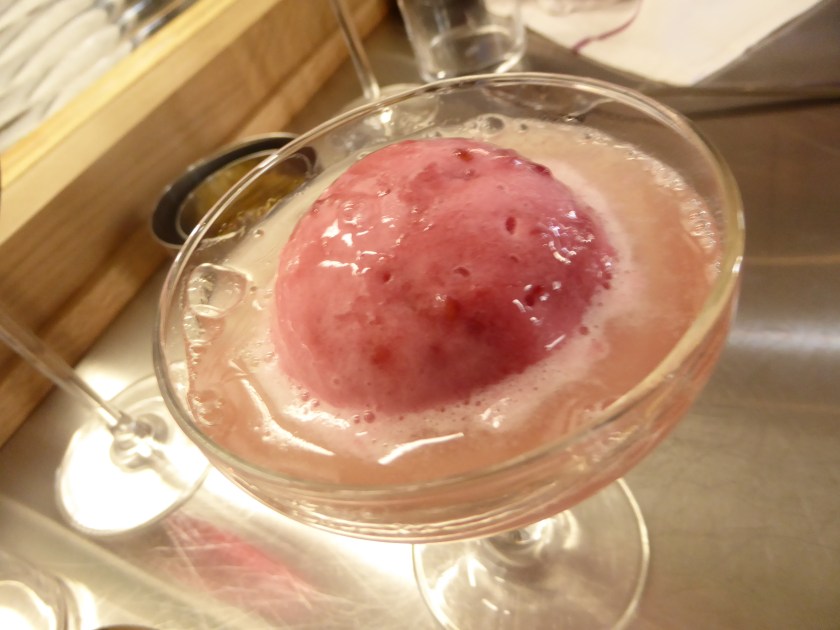
In the ever-evolving Yorkhill area of Glasgow, we explored Corner Shop, a new Spanish tapas and wine bar. This upscale yet approachable spot offers small plates with huge flavours and a carefully selected wine list featuring Spanish varieties amongst others. We loved the Prosecco and raspberry sherbet dessert, but the standout was their tortilla. Unlike the traditional version I learned to make during a recent cooking course in Mallorca, this tortilla was intentionally runny in the centre—a modern twist inspired by a renowned Madrid chef (possibly Garcia or Jimenez) over the last few years.

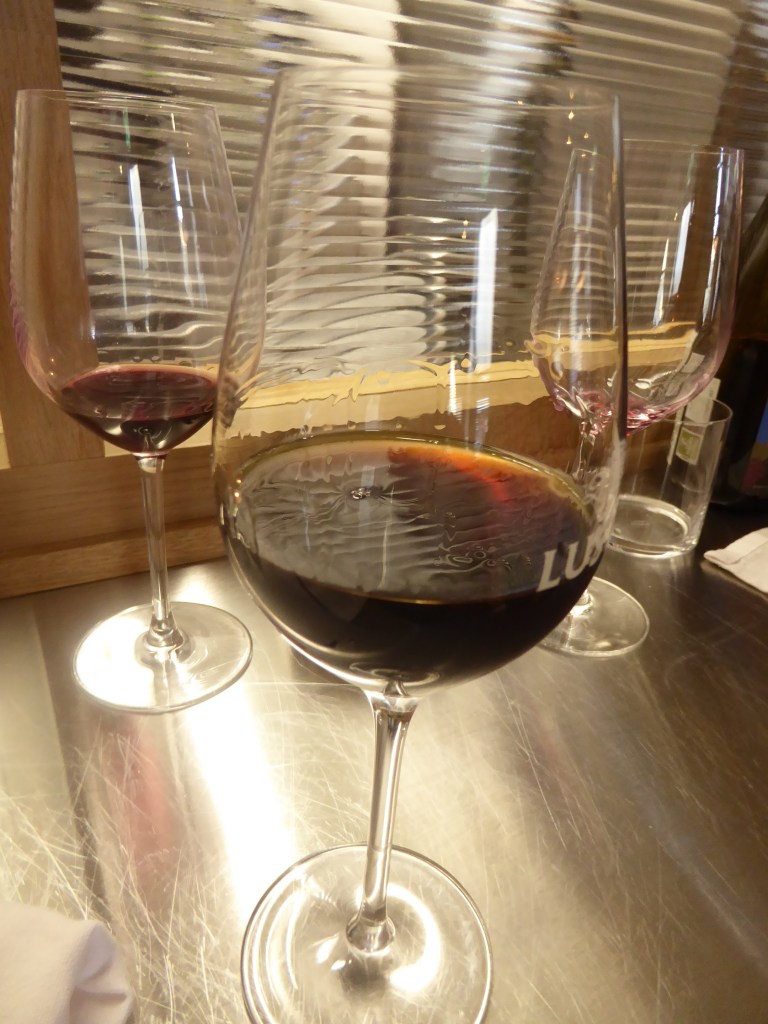
While it wasn’t my favourite, the dish was still delicious, and we capped the meal with a Pedro Ximénez sherry, a rich, velvety blend of burnt port and sherry – at least that’s what it tasted like to me; divine.

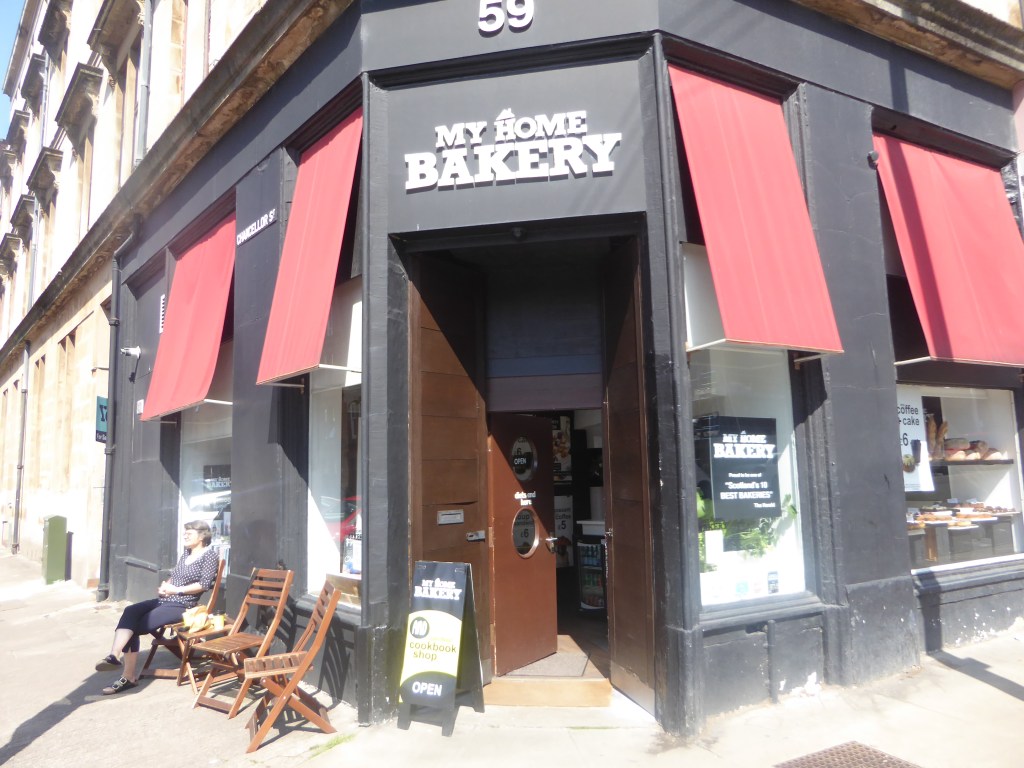
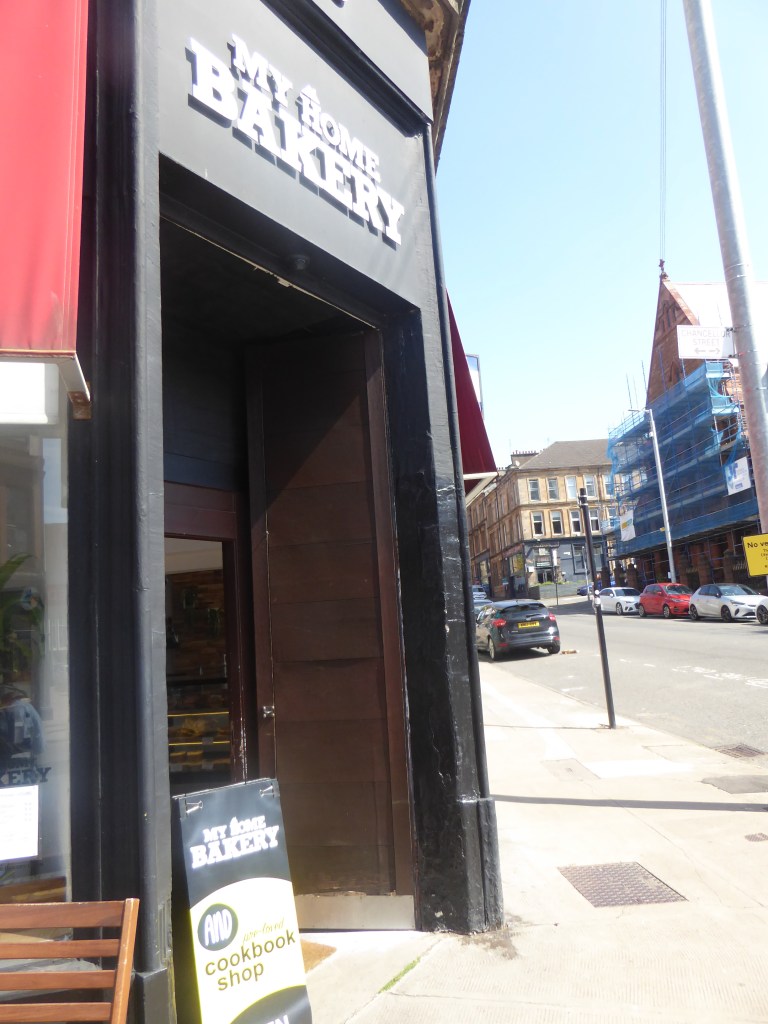
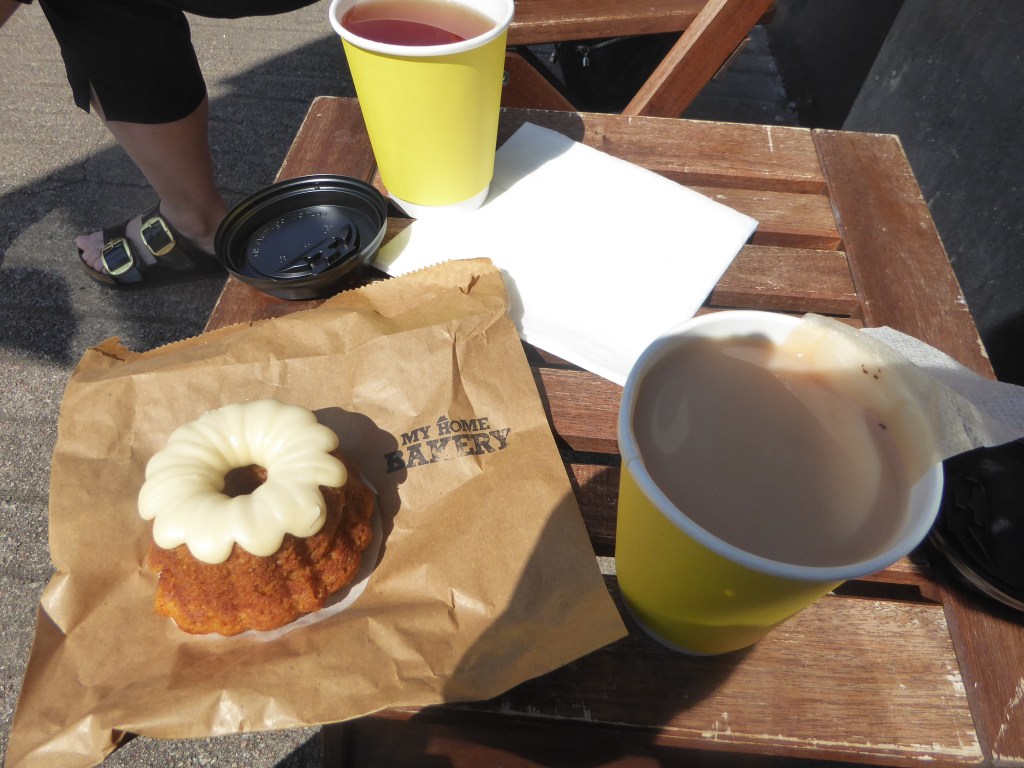
Finally, just around the corner from my home is My Bakery, a small but iconic spot that helped modernize the area’s bakeries a few years ago. This café and bakery no longer offers indoor seating but has a few outdoor tables perfect for people-watching. Adjacent to it is a bookshop run by the business, selling cookbooks for just £5. On this visit, we picked up Rick Stein’s French Adventure (2019), a nod to one of the best BBC cooking series I’ve ever watched. I’m already looking forward to revisiting the series for inspiration.

CB

Valaria, West End, Glasgow – Another café, this time “French”; and other pet hates-

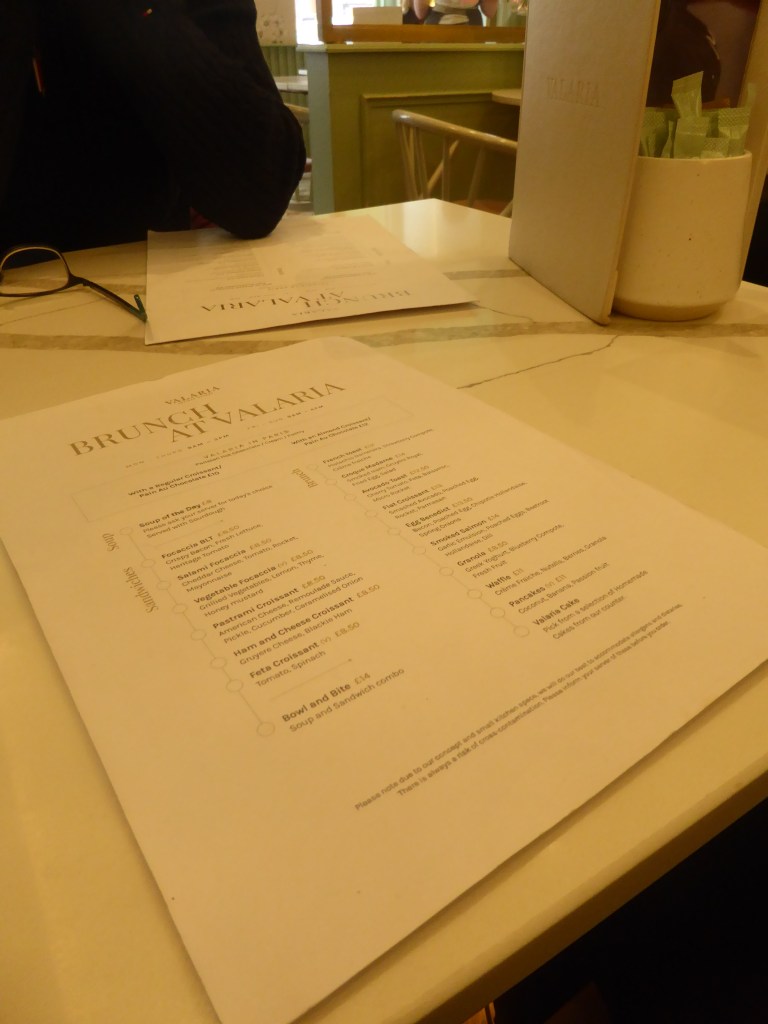
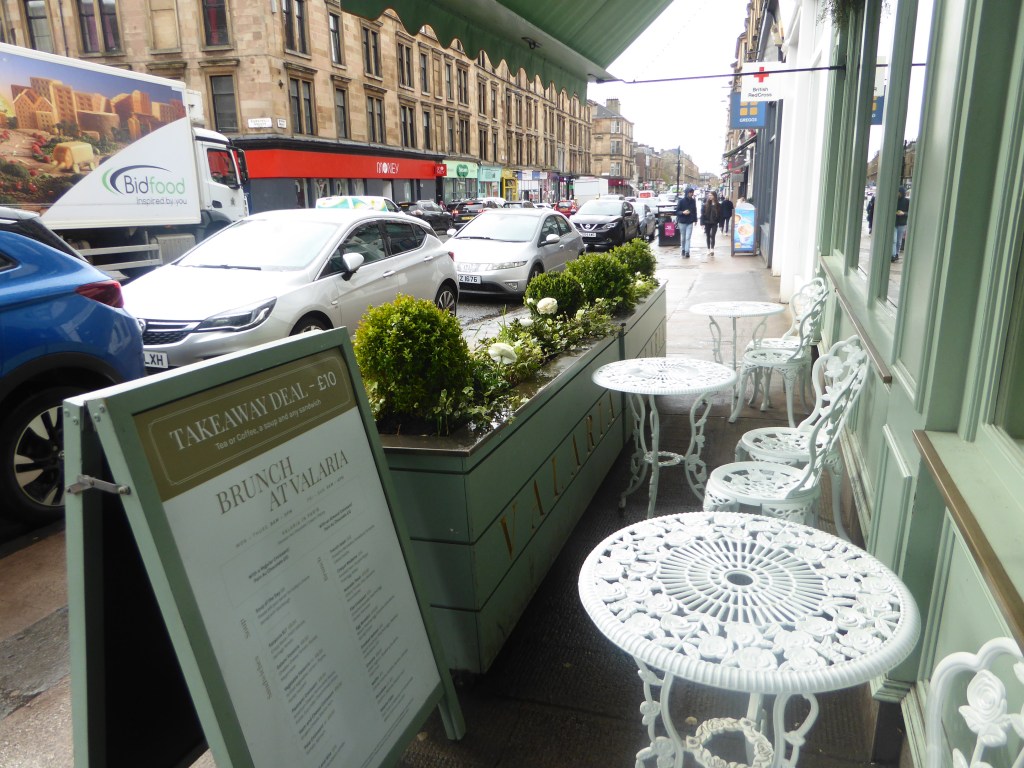
I wasn’t at first sure what it was called, but have settled on Valaria—or something like that. It’s one of those café-stroke-restaurant-stroke-coffee-and-cake places that’s been around for two, maybe three years, post-COVID. I’d never been, despite passing it weekly on my many sojourns to Waitrose. From the outside, it doesn’t look like much—small, unassuming, especially at night when the lights are on and the cleaning’s happening. Most cafés in Glasgow, even on bustling Byres Road, close by six or seven, eight at the latest.

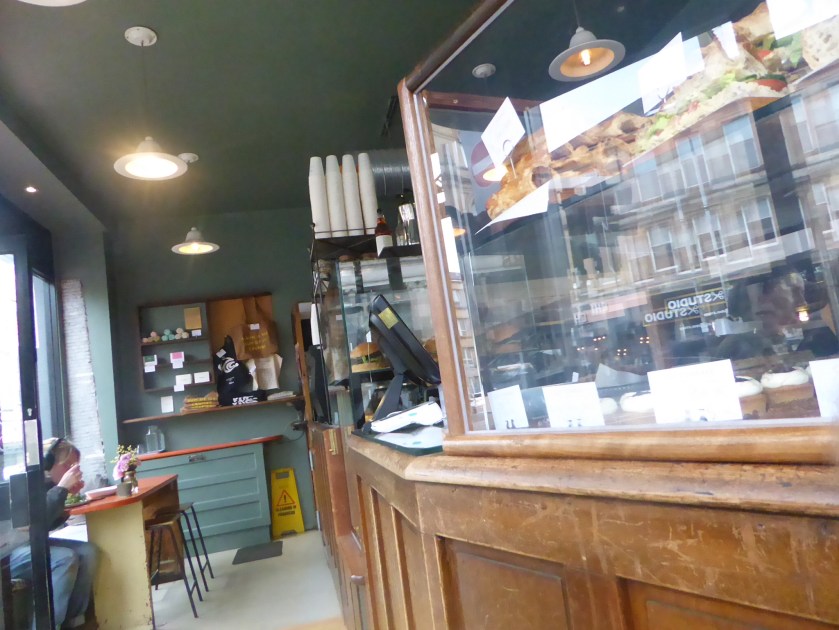
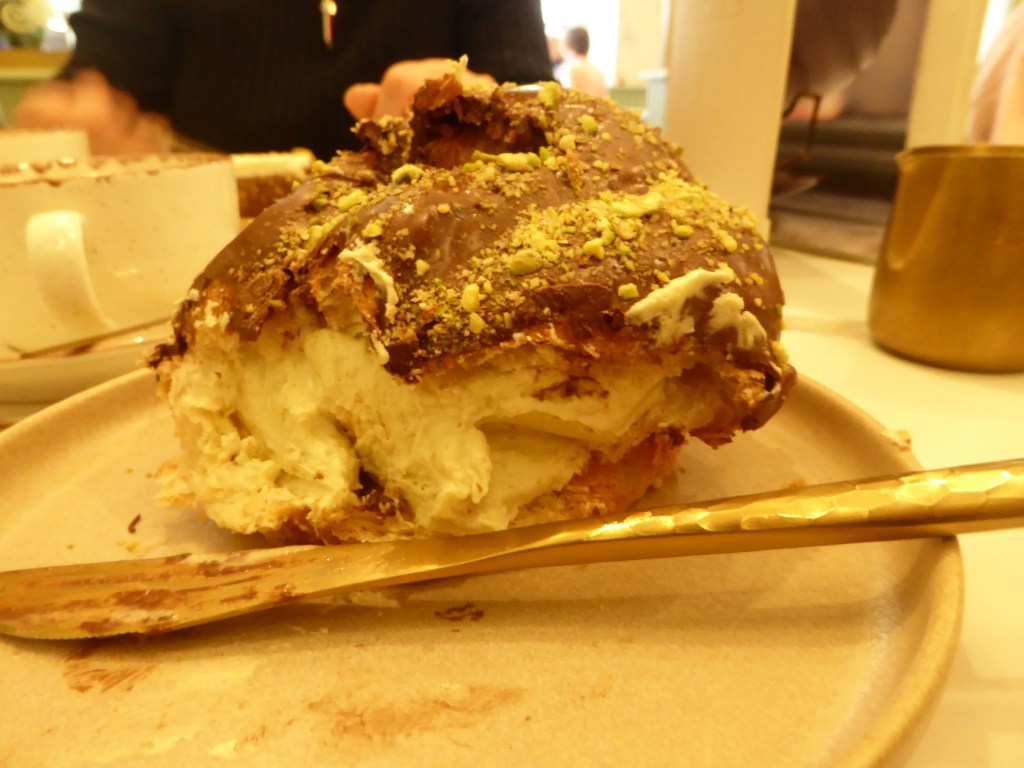
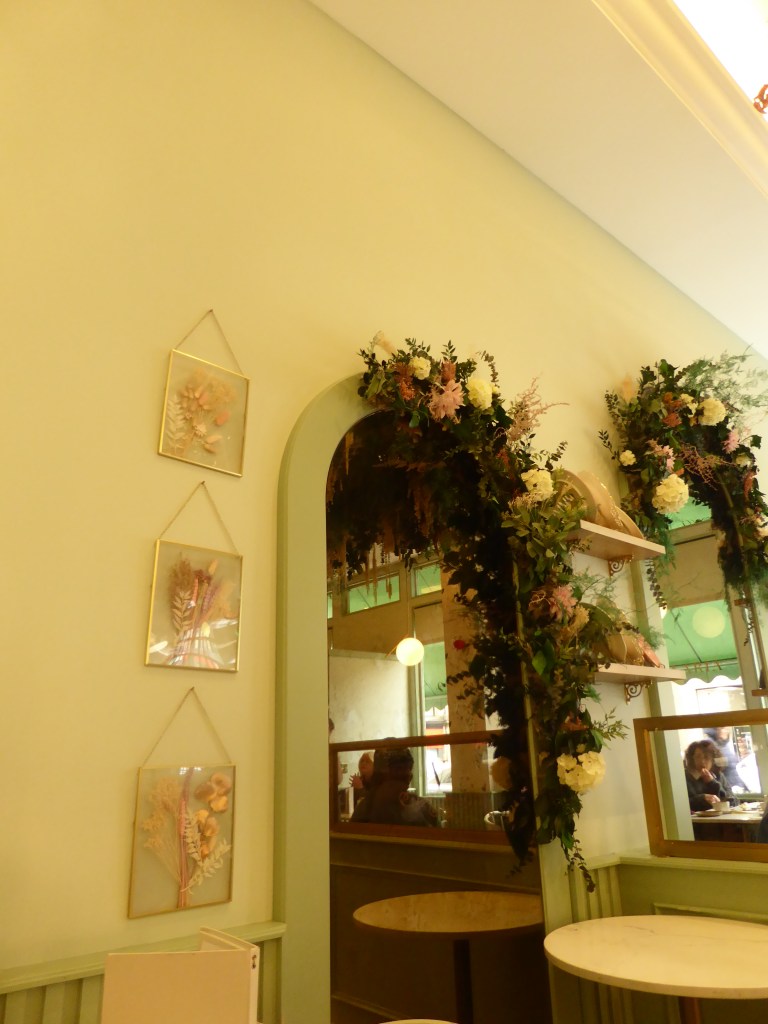
Inside, it’s standard setup: tables on the right and at the back, cashier on the left with a display case—call it a tray, a gallery, whatever—showing off a huge variety of savoury and sweet pastries. I was overwhelmed by the options. It took me a full five minutes to decide while my partner ordered. The waitress came over, assuming I was ready, and I had to laugh and admit I wasn’t. Thirty seconds later, I settled on a New York roll with pistachio.

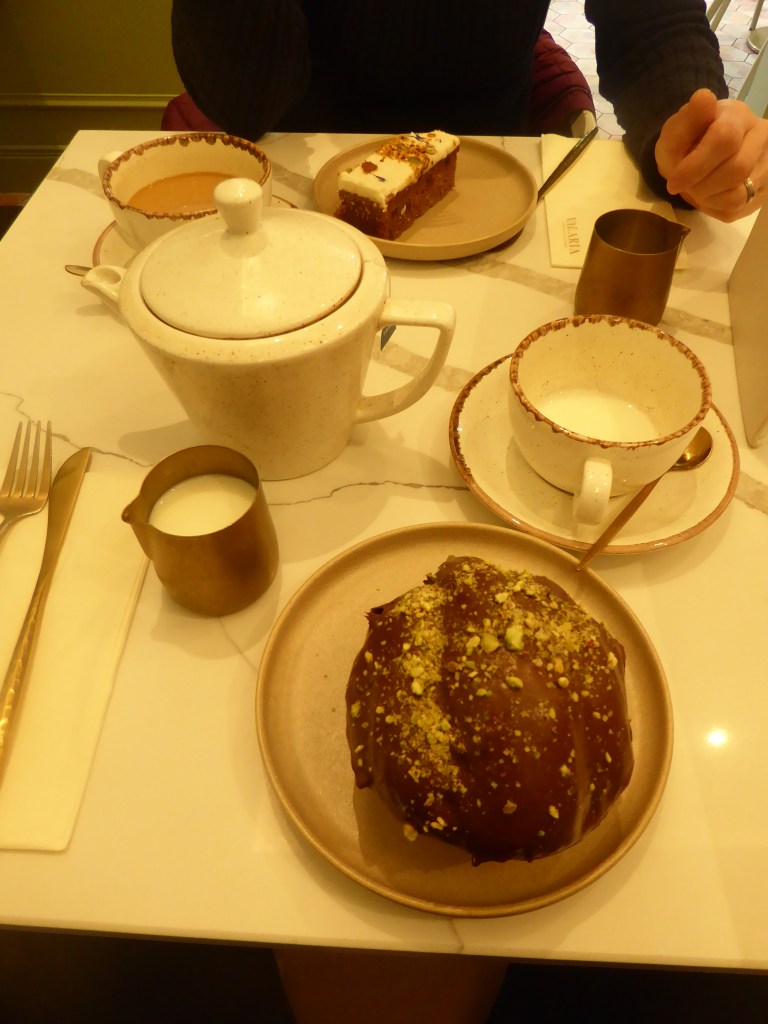
To my surprise, it was massive—much bigger and fuller than expected. Absolutely delicious. I think they specialize in French pastries, but this was next-level sensational, filled with rich pistachio cream. It was practically a meal. The photos don’t do it justice—it was grand.

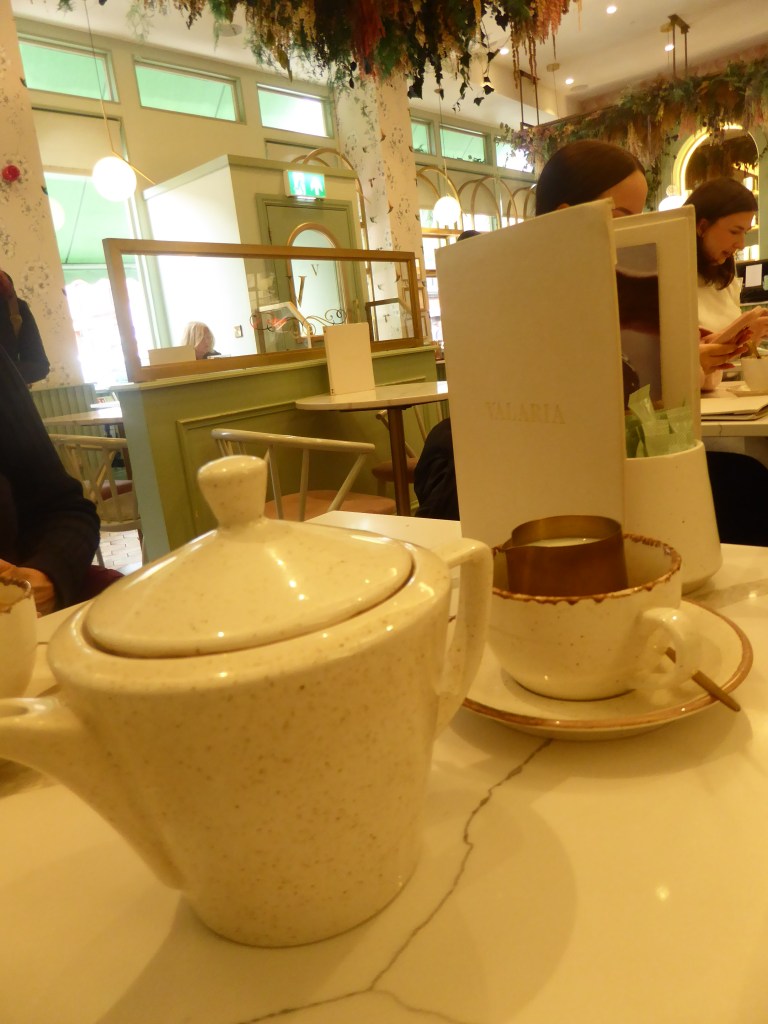
My partner got a vegan carrot cake, which sparked a thought: isn’t carrot cake always vegan? Probably, if it’s made with seed or olive oil. With butter, maybe not, but it’s at least vegetarian. Everything was top-notch, including the gigantic pot of tea we got four or five cups from (above).

Some Cafe Hates –

Now, a few pet peeves.

First, people who seat themselves despite clear signs to wait. The place was cramped, and naturally, a couple—both with ginger hair, one with a ponytail—plonked down right next to us in an already tight corner. I could’ve killed them, and naturally, it was MY fault that they didn’t have any space!

Second, why do some guys insist on wearing hats (particularly baseball hats!) indoors? We had a few sporting winter beanies and backward baseball caps, which drives me up the wall. The other half stated that they could be bald? They were too young for that.

Third, the seats and booths had crumbs everywhere! Why don’t cafés keep a mini-Hoover handy?

Overall, this place is a gem. My roll was basically brunch, and the bill, including tip, came in under £20. That’s a steal for the size, quantity, and superb quality compared to other spots.

CB

The Saltmarket in Glasgow; up and coming –

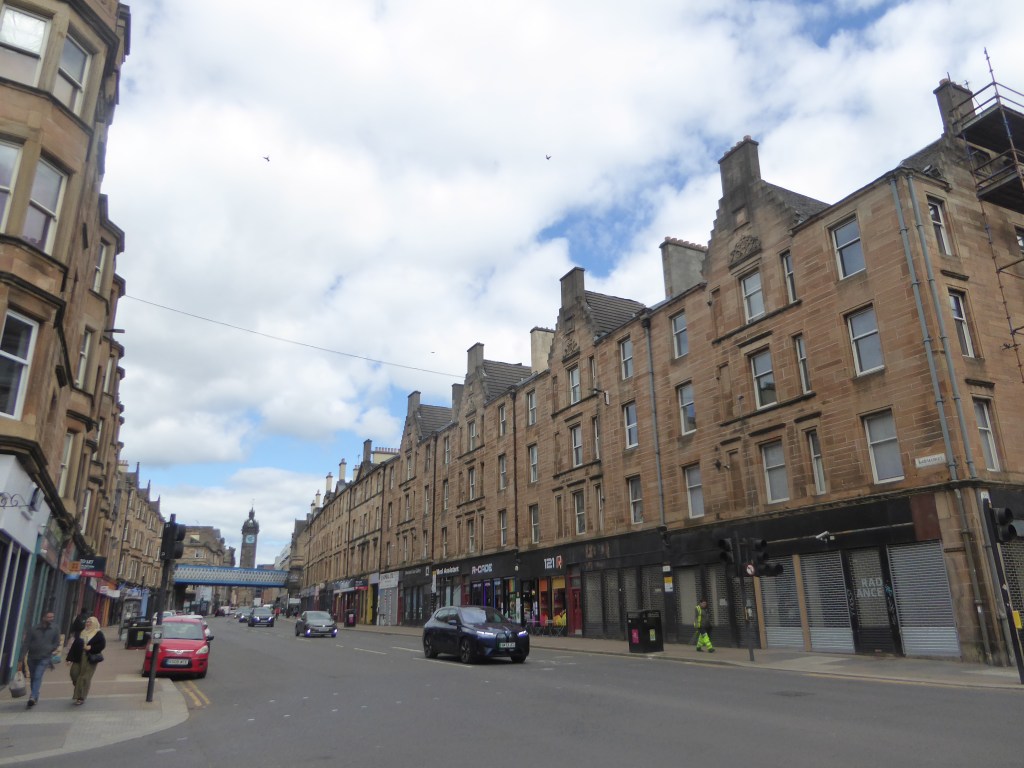
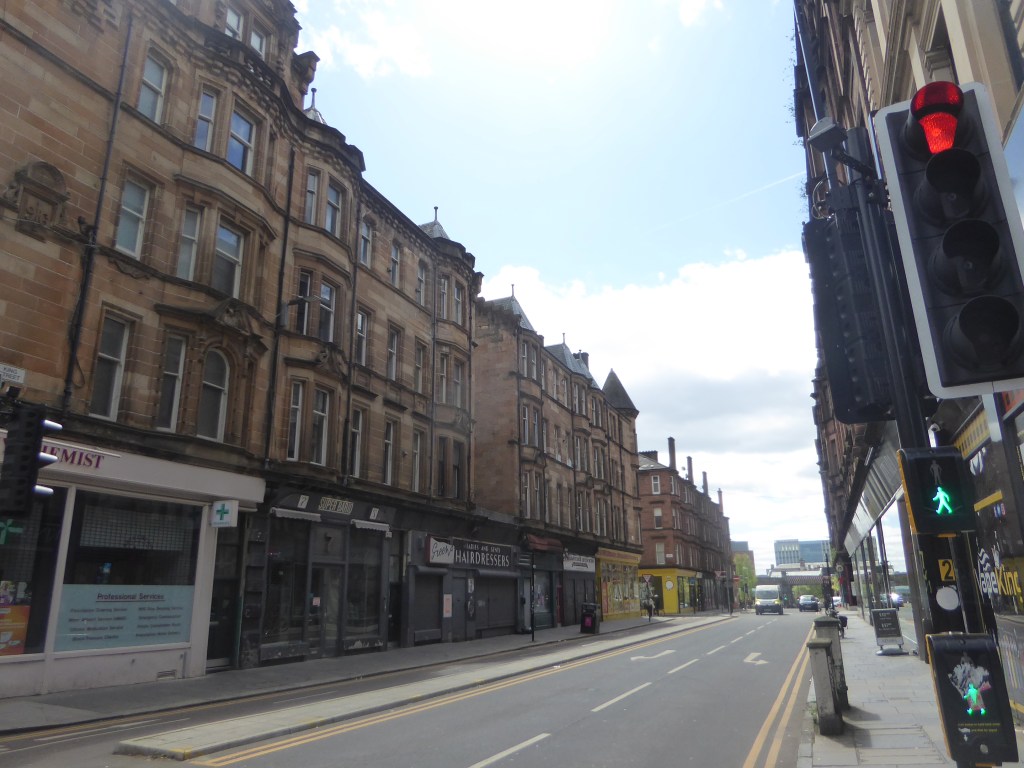
While this area is not really in the Merchant City of Glasgow, it no doubt could be called Merchant City South. In addition, I’ve seen a quite a few things about it recently in the local press (Glasgow Live, etc) and the many new food outlets that have opened here.

Aat the same time it’s just so close to Glasgow Green. What’s interesting, 20 or 30 years ago, I always thought there was so much potential here, but seemed to me to be a Glasgow from a very long time ago.

I’d often go jogging through here to go to Glasgow Green, whilst at Strathclyde University. Going there it was all downhill, coming back, all uphill. What was interesting is I’d always see some old fashioned window curtains in the windows of the tenement flats here. You could just tell the person who lived there was probably on the north side of eighty!

But now this has changed. It appears there are plenty of new flats, student flats, Chinese students and Airbnbs here.

We decided to go to one or two of the new places here.

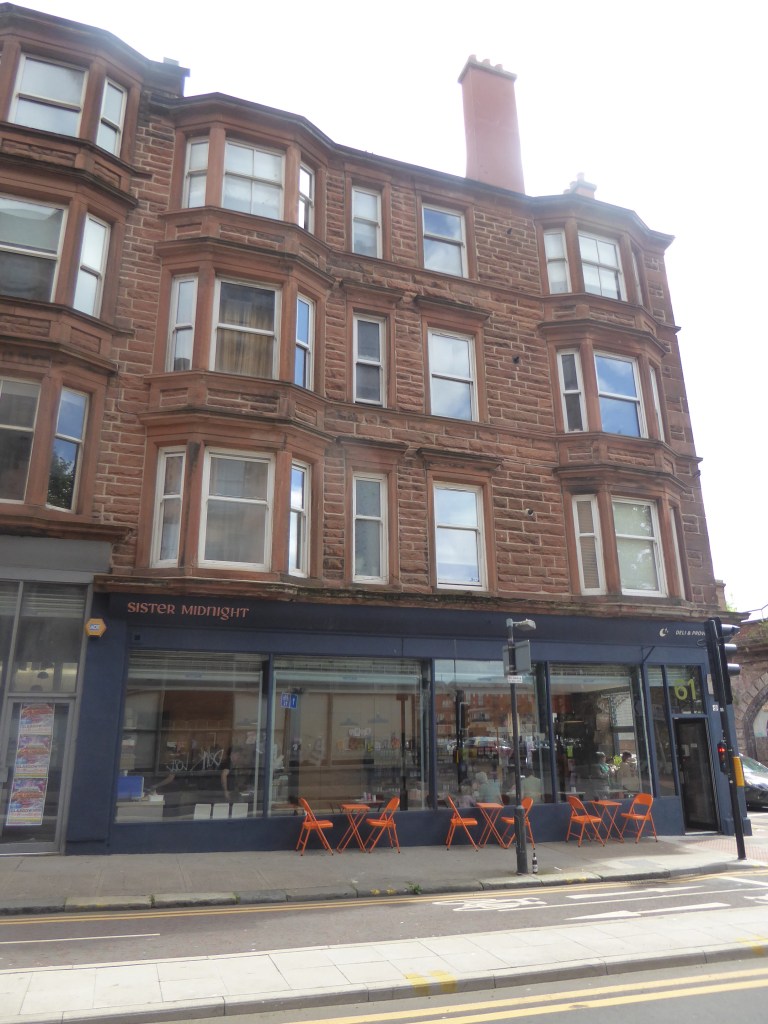
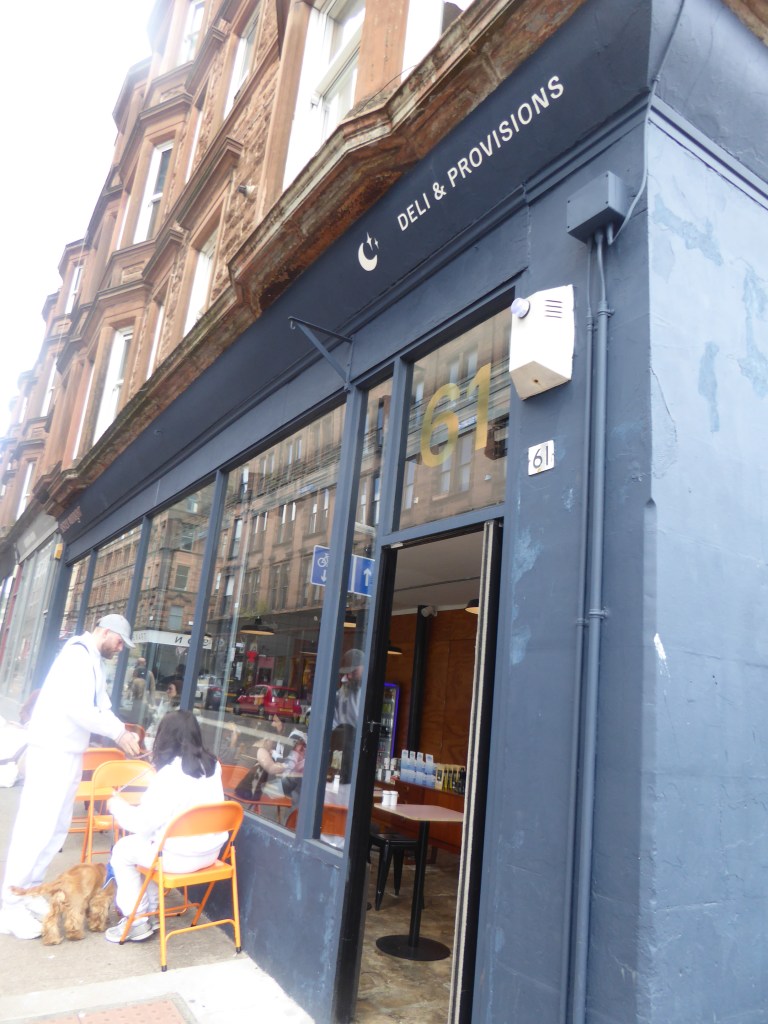
Sister Midnight – 61 King Street, Glasgow

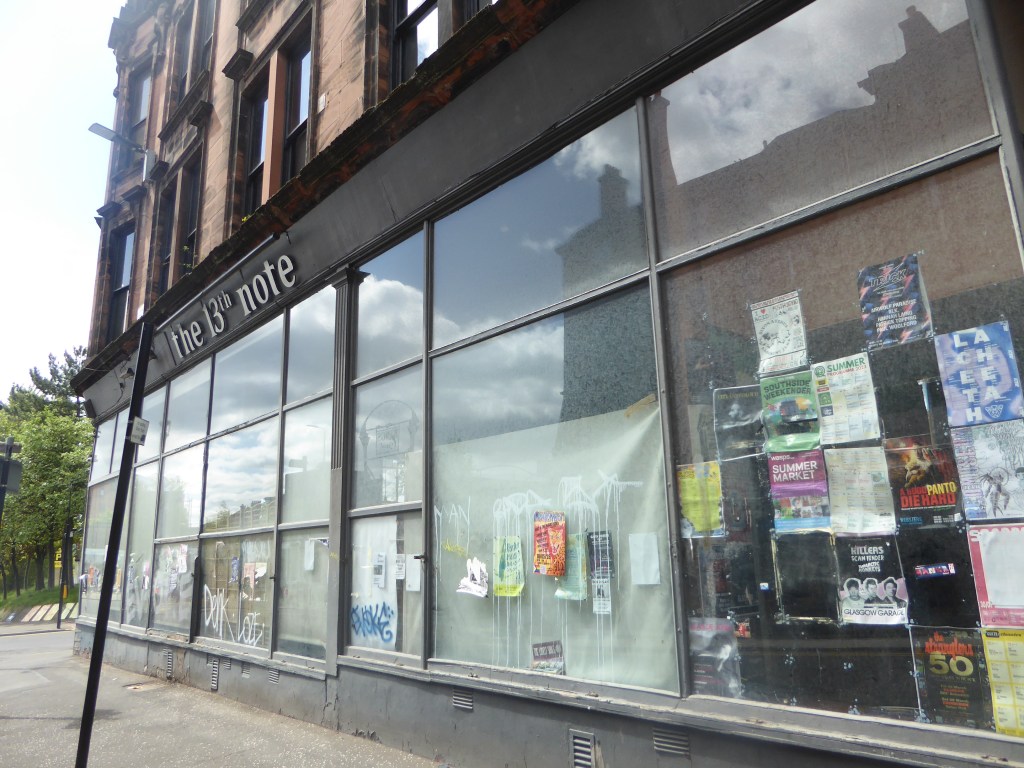
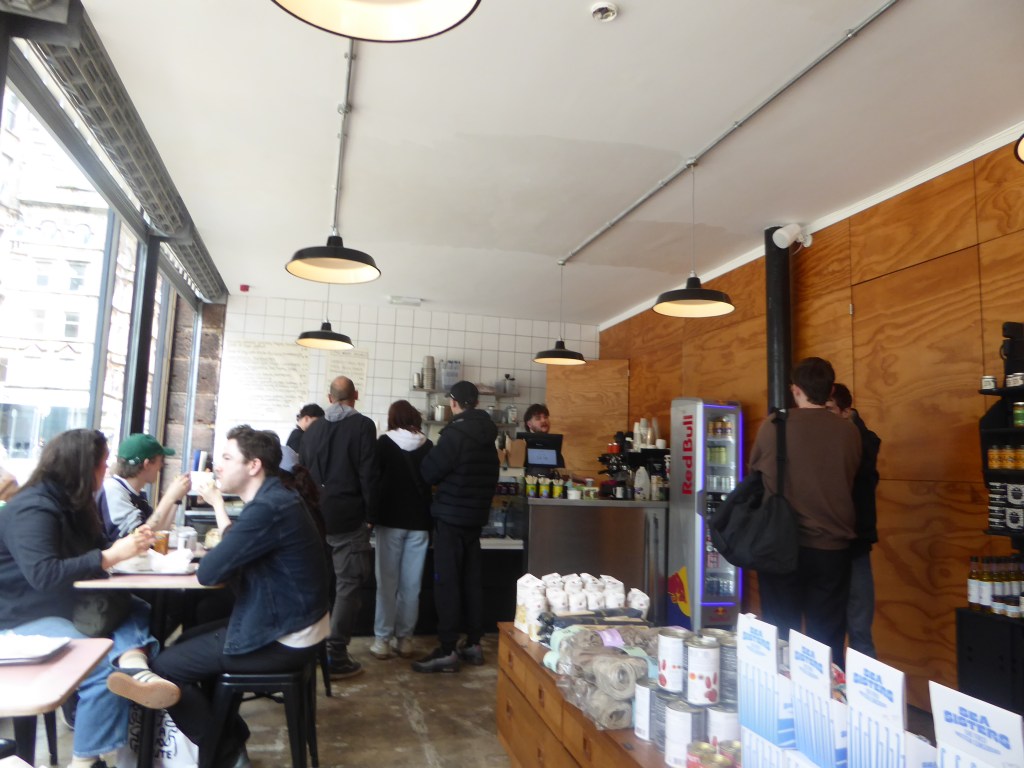
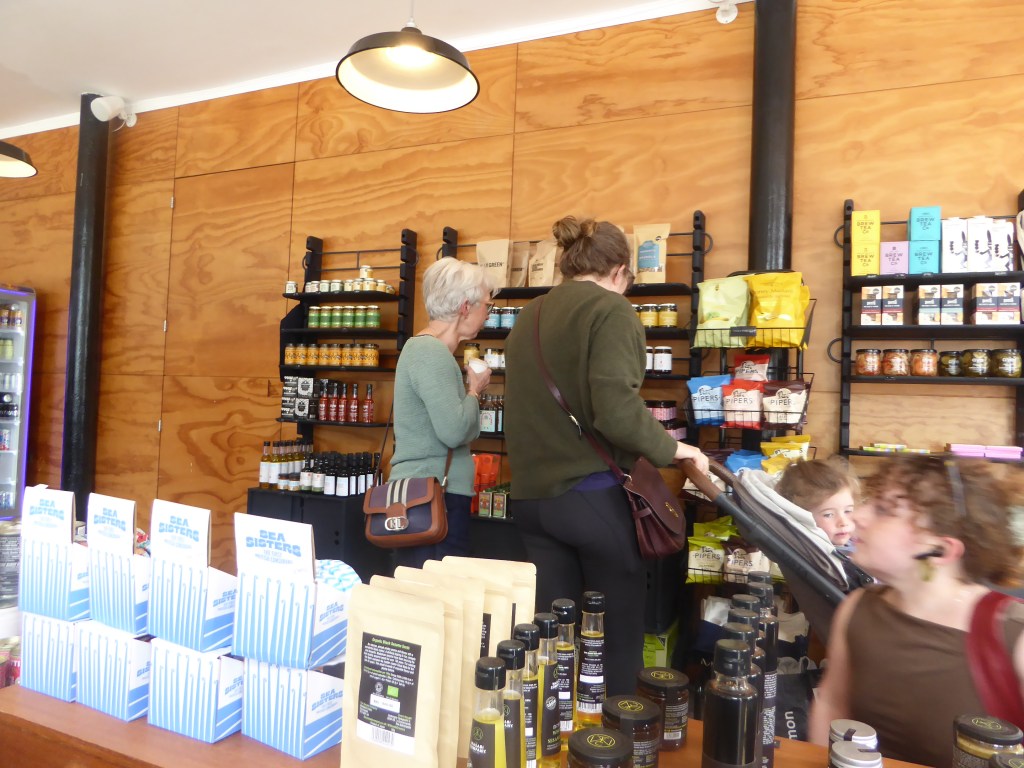
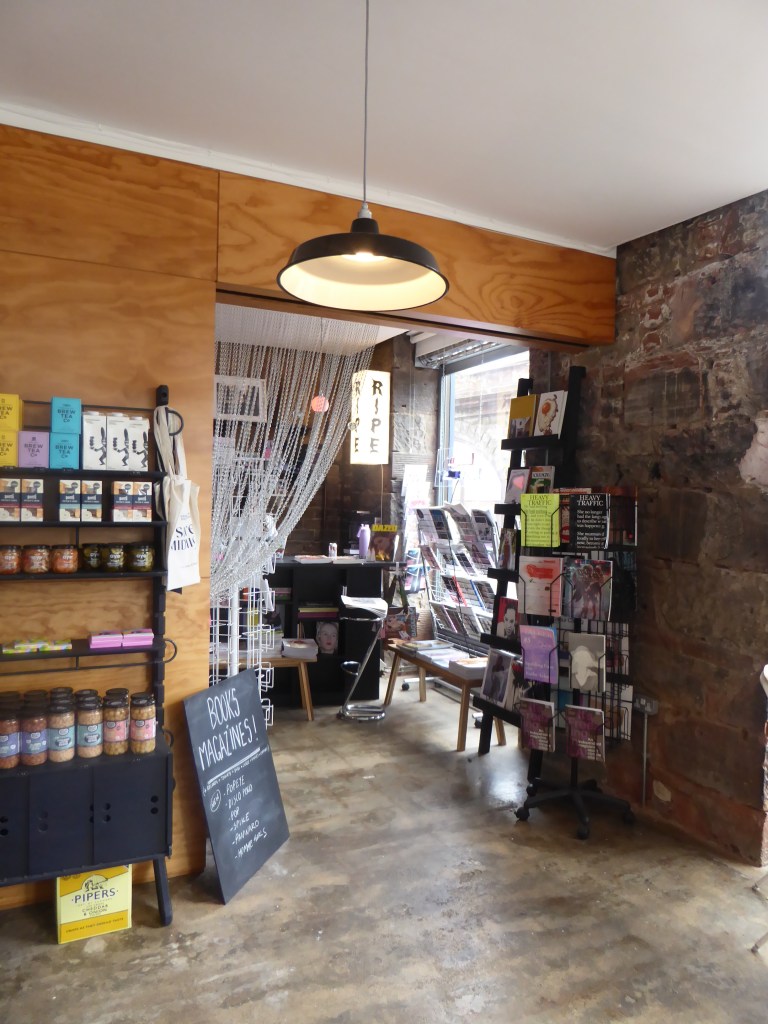
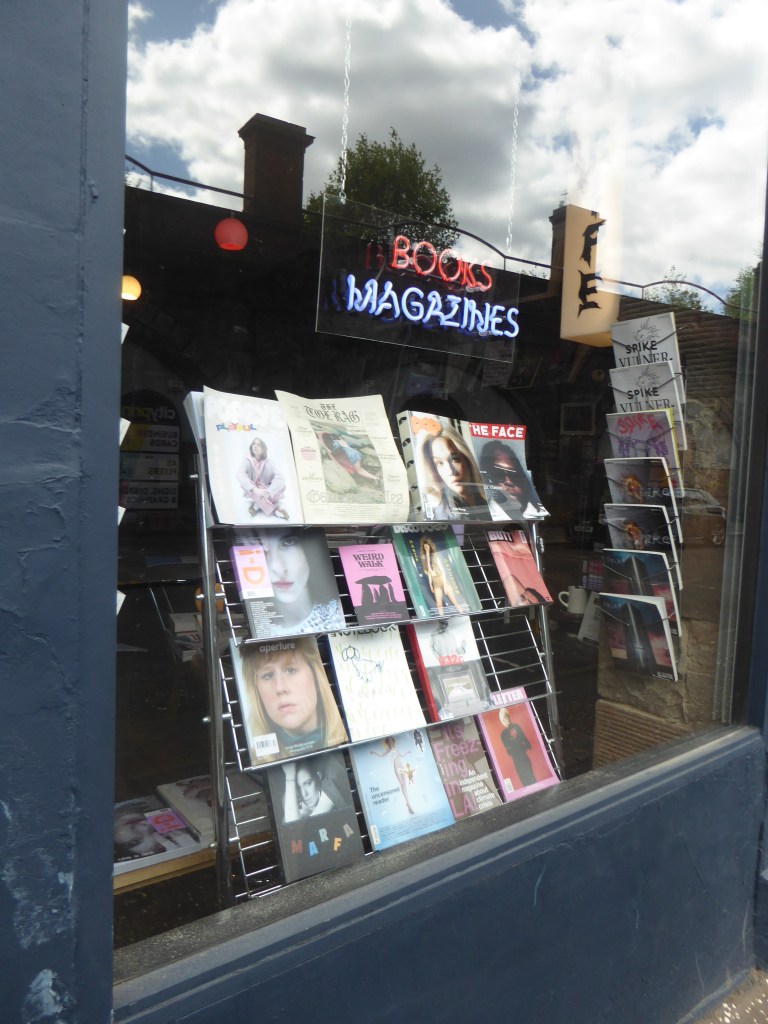
The first, Sister Midnight, was on a rather large corner, overlooking the late great 13th North Cafe. It’s another one of these cafe / Sandwich places, which also have a bookshop attached (Editor: “Deli and Provisions”!), and appears to be slightly aimed at the gay community.

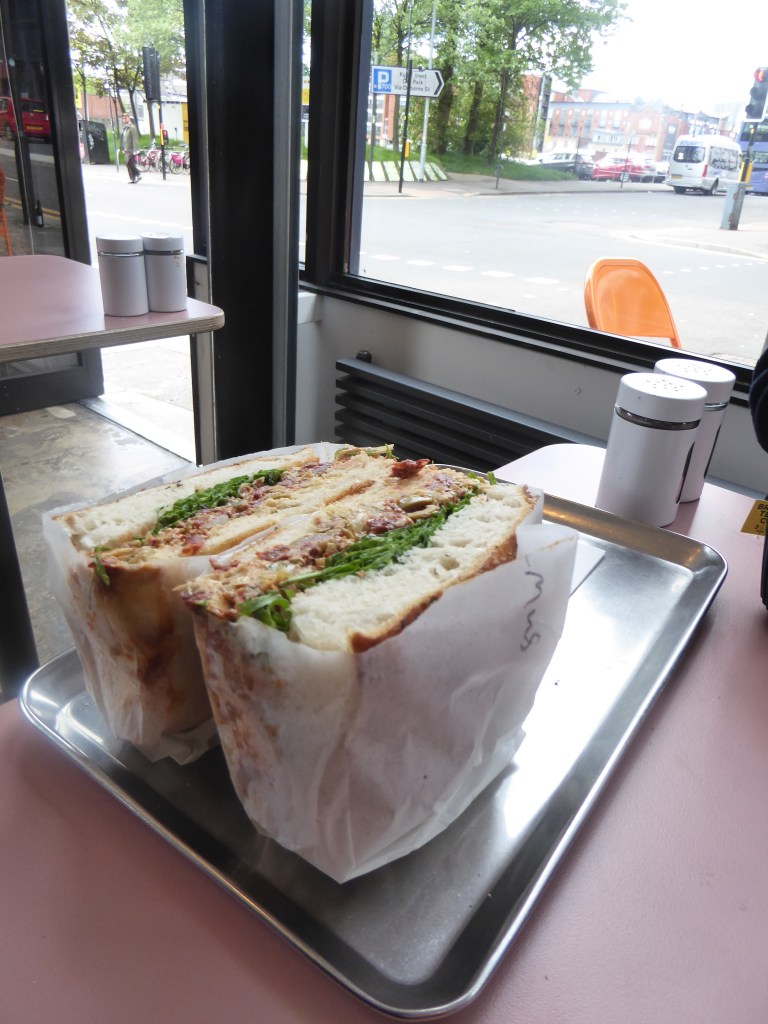
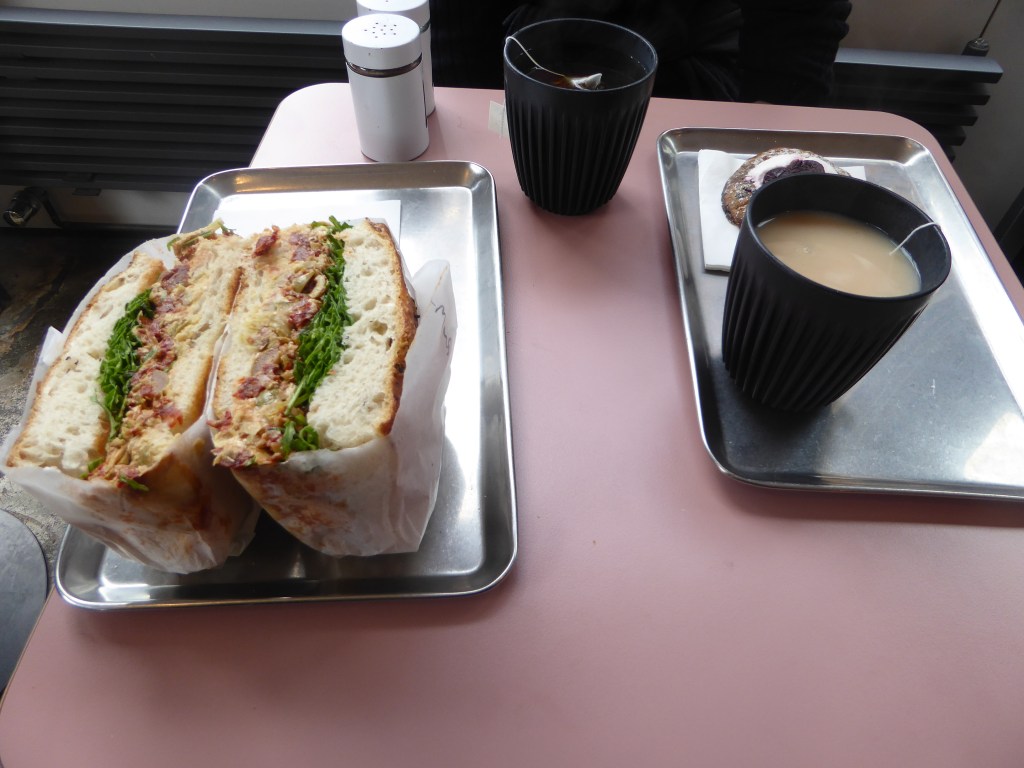
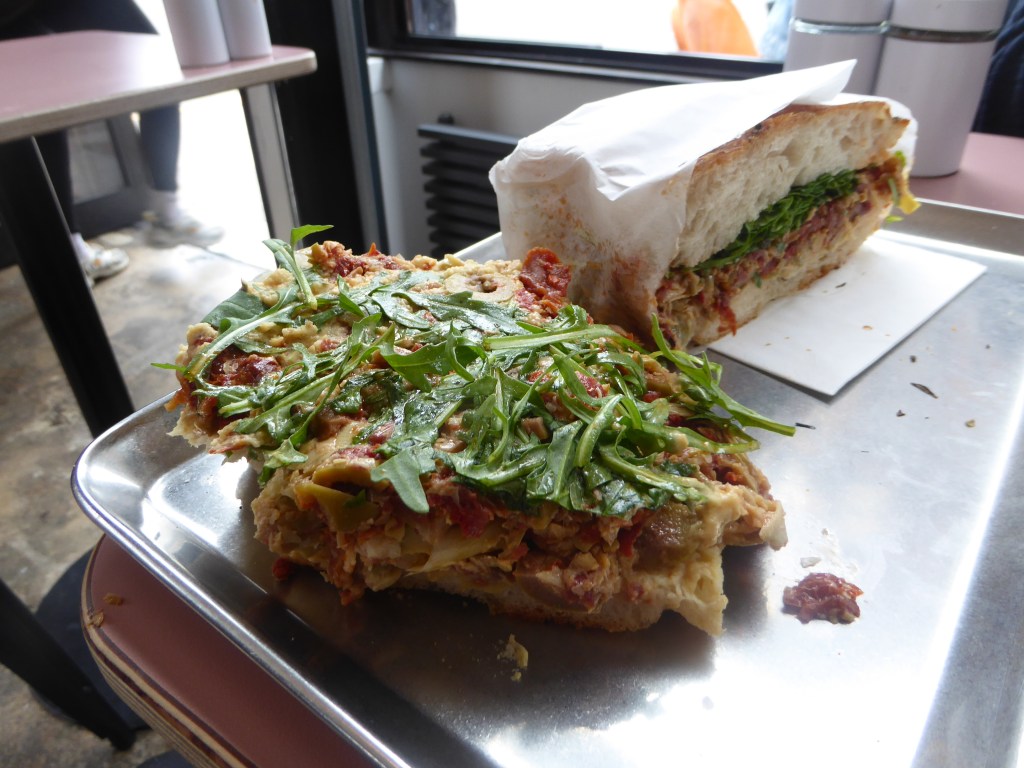
The sandwiches are gigantic. I had the the the hummus one which was basically like a hummus salad, inside a small loaf of Italian bread! It was absolutely delicious and completely filling.

Each side was the size of a small brick, so I only had half and had the other half when I arrived back at my bit. Combined with two hot drinks, a dessert for the other half, came to only £15. Incredible value & quality.

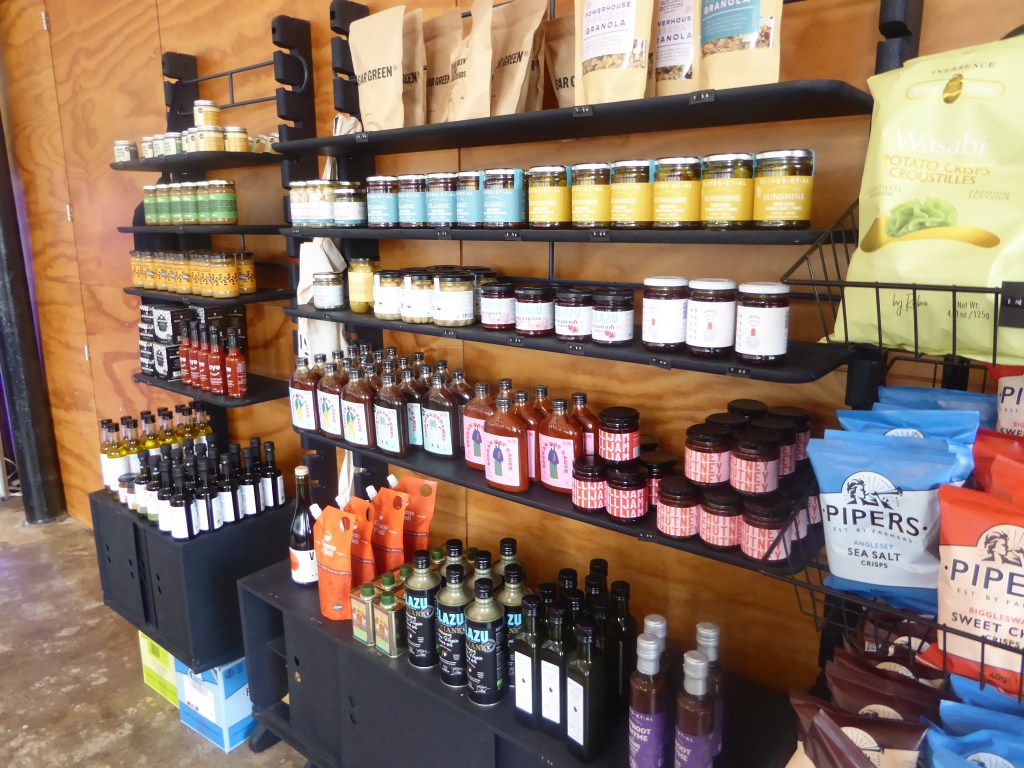
There’s also the de rigueur trendy type of condiments, chips, sauces, etc. on the shelves here. Things you can buy, all at a reasonable price considering that they’re quite high quality.

The clientele would seem to be the people in this area who are either residents, or are passing through to their work.

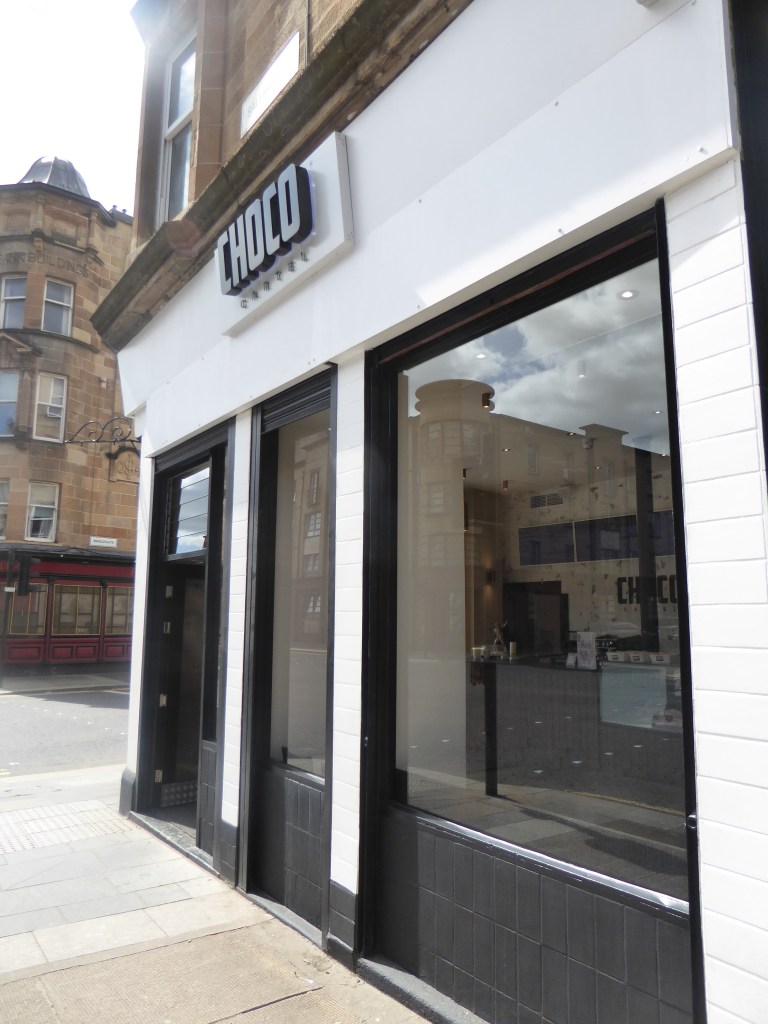
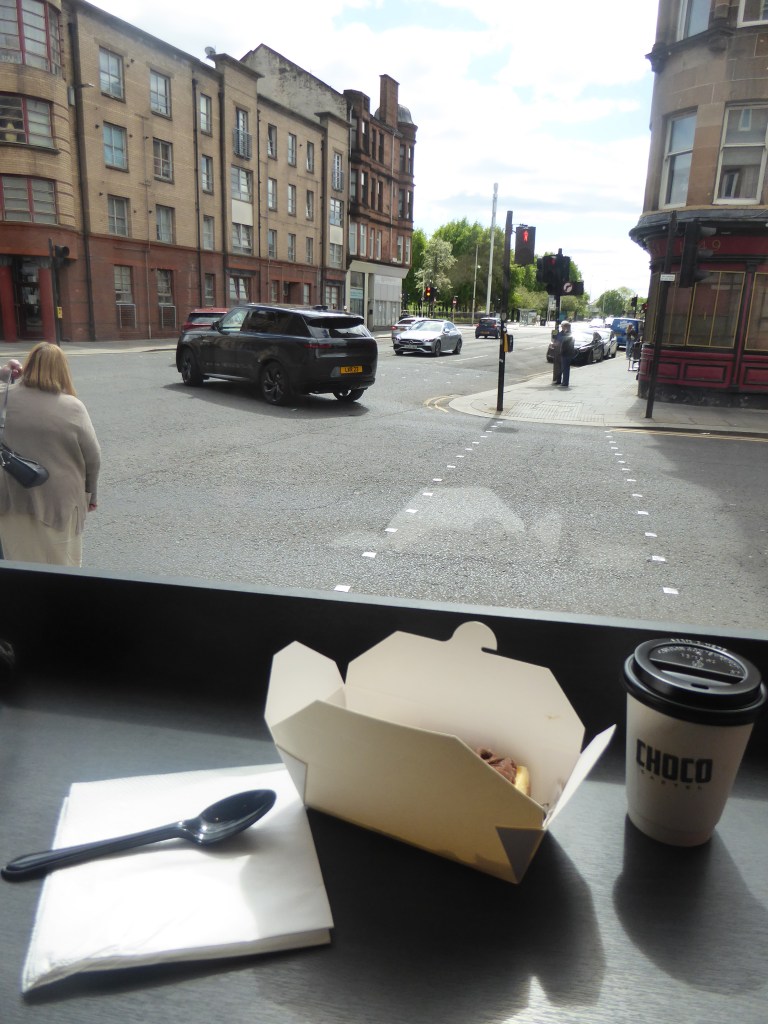
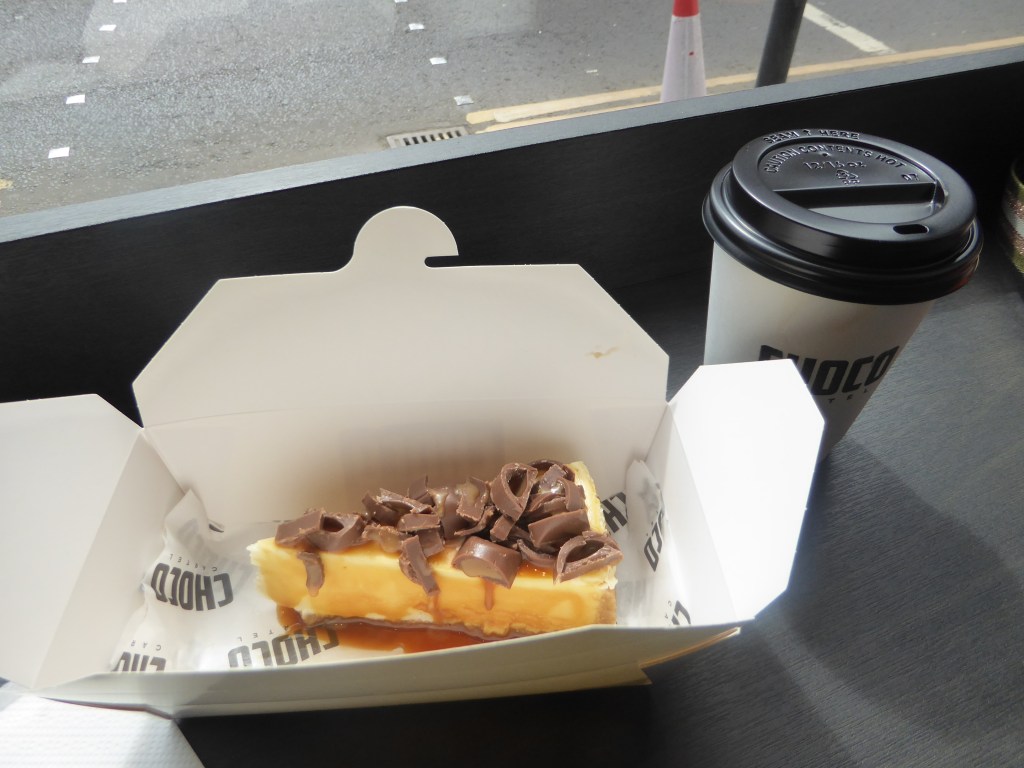
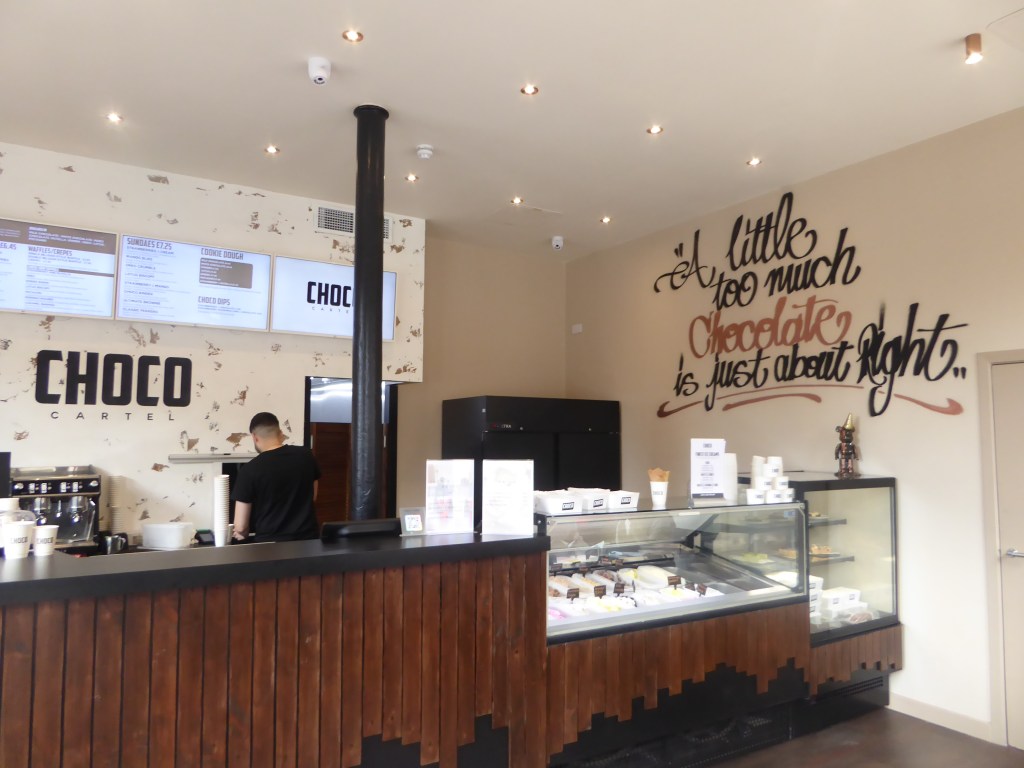
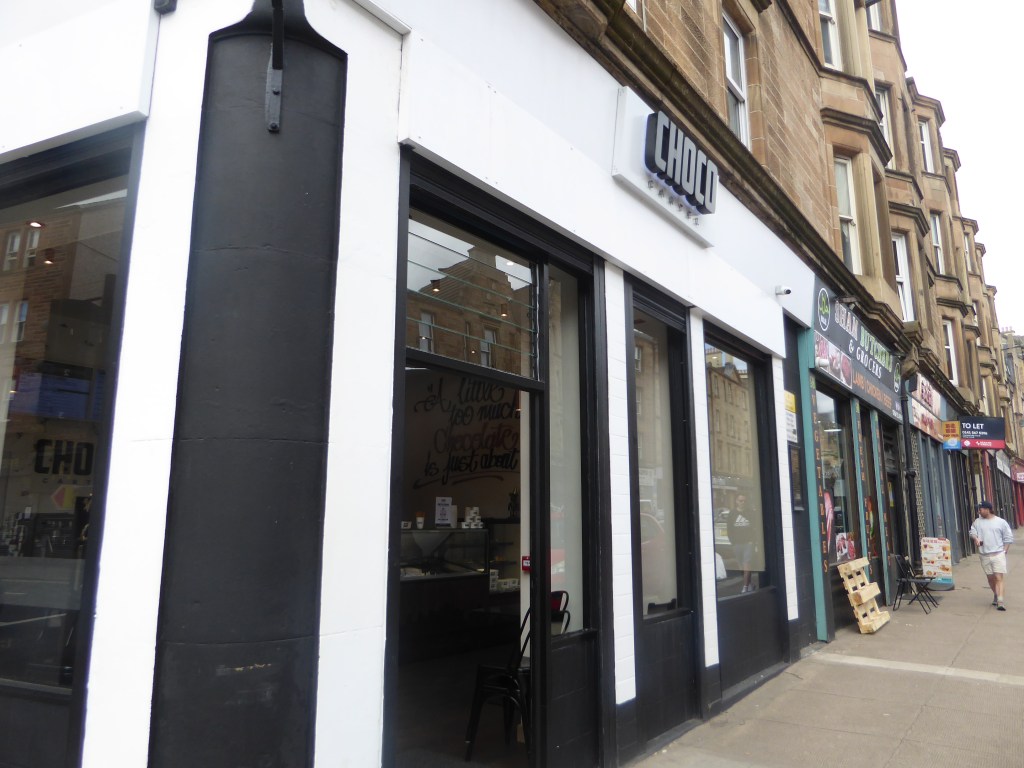
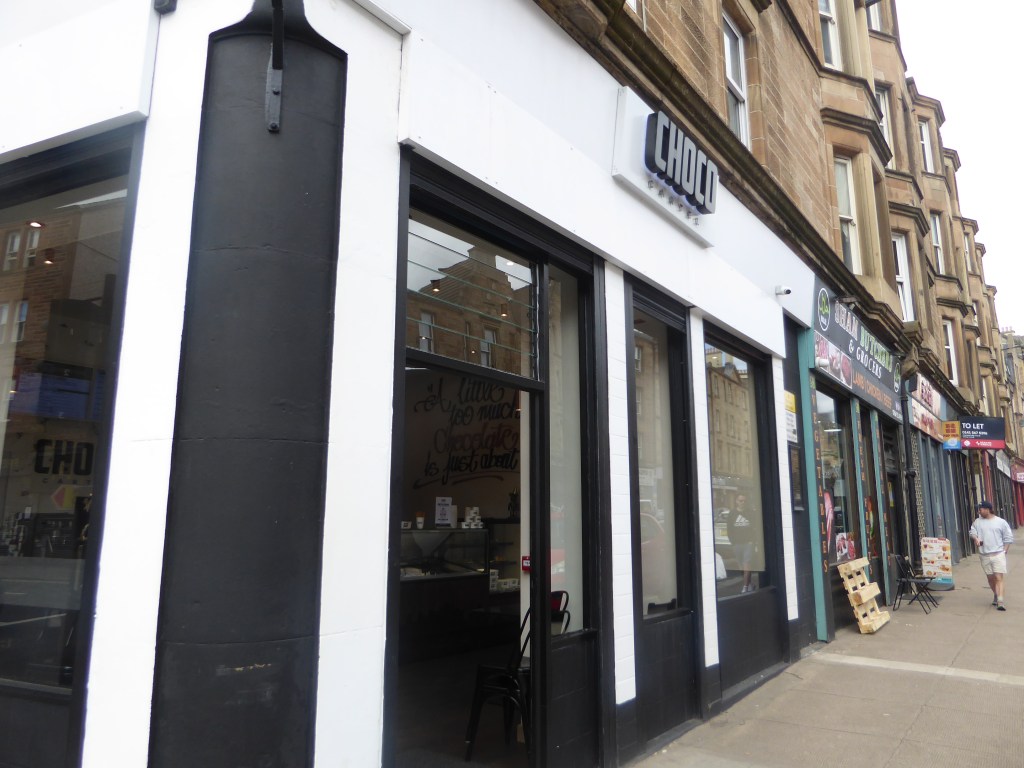
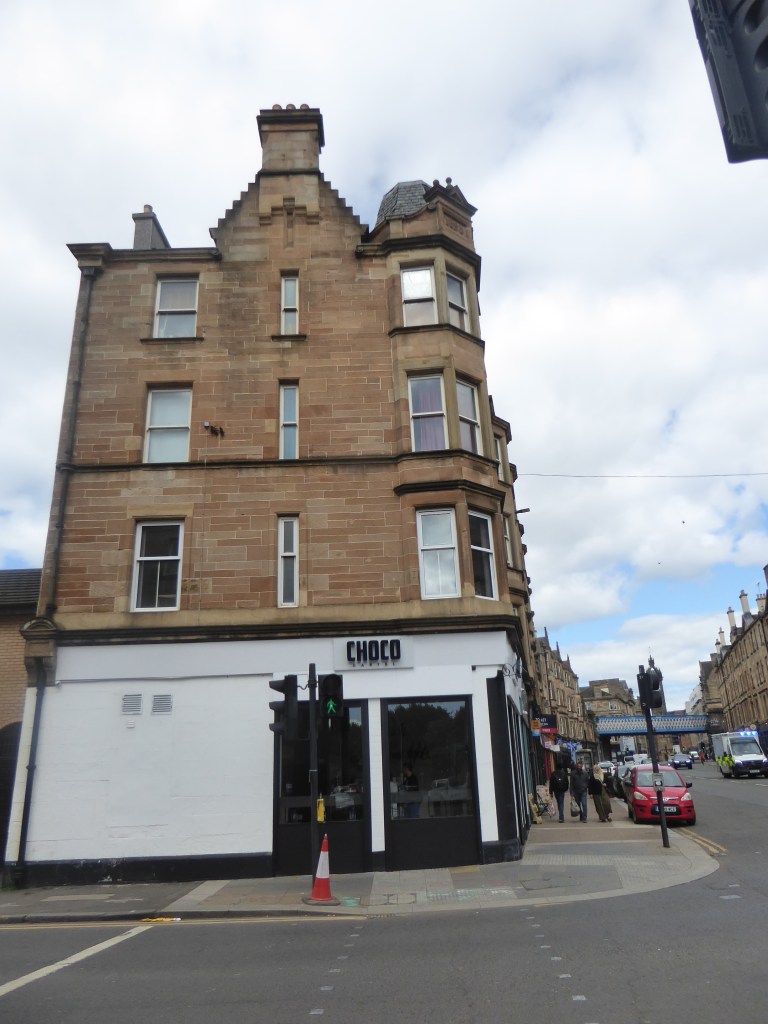
The second place, Choco Cartel, was something that I had remembered from a Glasgow Live article, and was yet another coffee place, but this time featured ice cream and desserts.

The dessert I had was some sort of cheesecake with a burnt caramel on it, that I haven’t tasted before. It was superb. Combine that with the two teas, it again was reasonably priced.

We could have also had ice cream, but chose to give it a miss, as I was still suffering from Sister Midnight!

They also do some sort of small paper box, where they can put the ice cream on top of a cake base. I think they call it something like cake fries on a cake base. It looked decadent and I know that I’ll try it at the very latest, when I compete in the half marathon later this year in Glasgow, that finishes nearby in Glasgow Green.

Both places need to be checked out to be believed.

CB

Glasgow’s Cherry Blossom Magic: A Spring Spectacle in Scotland –

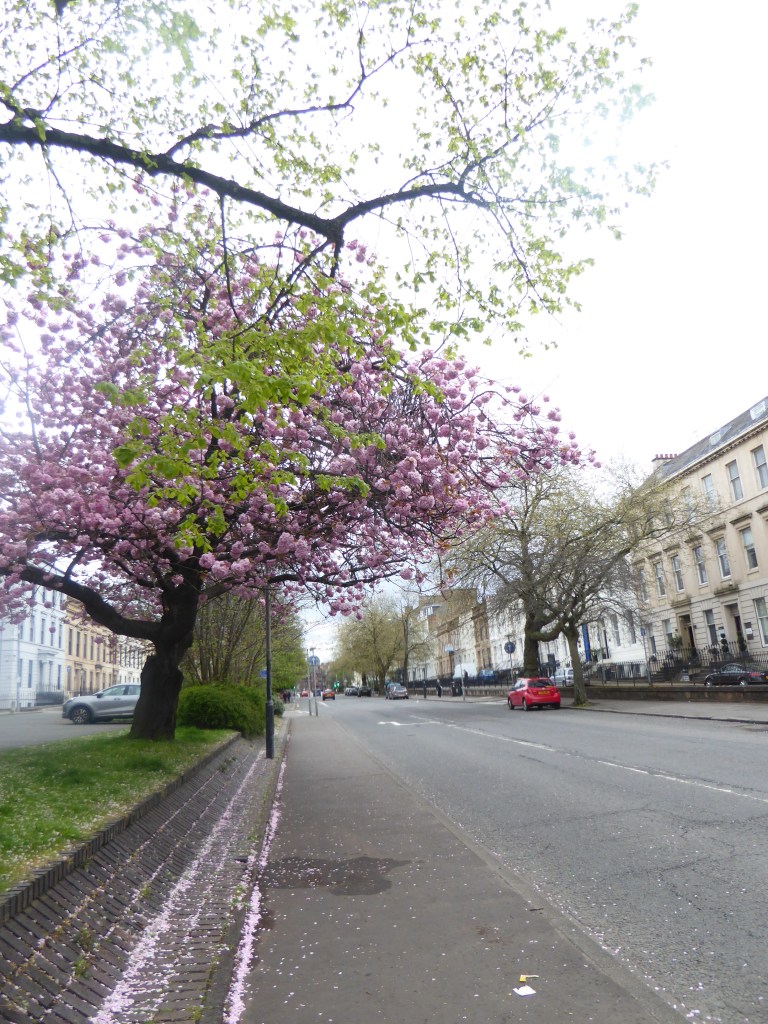
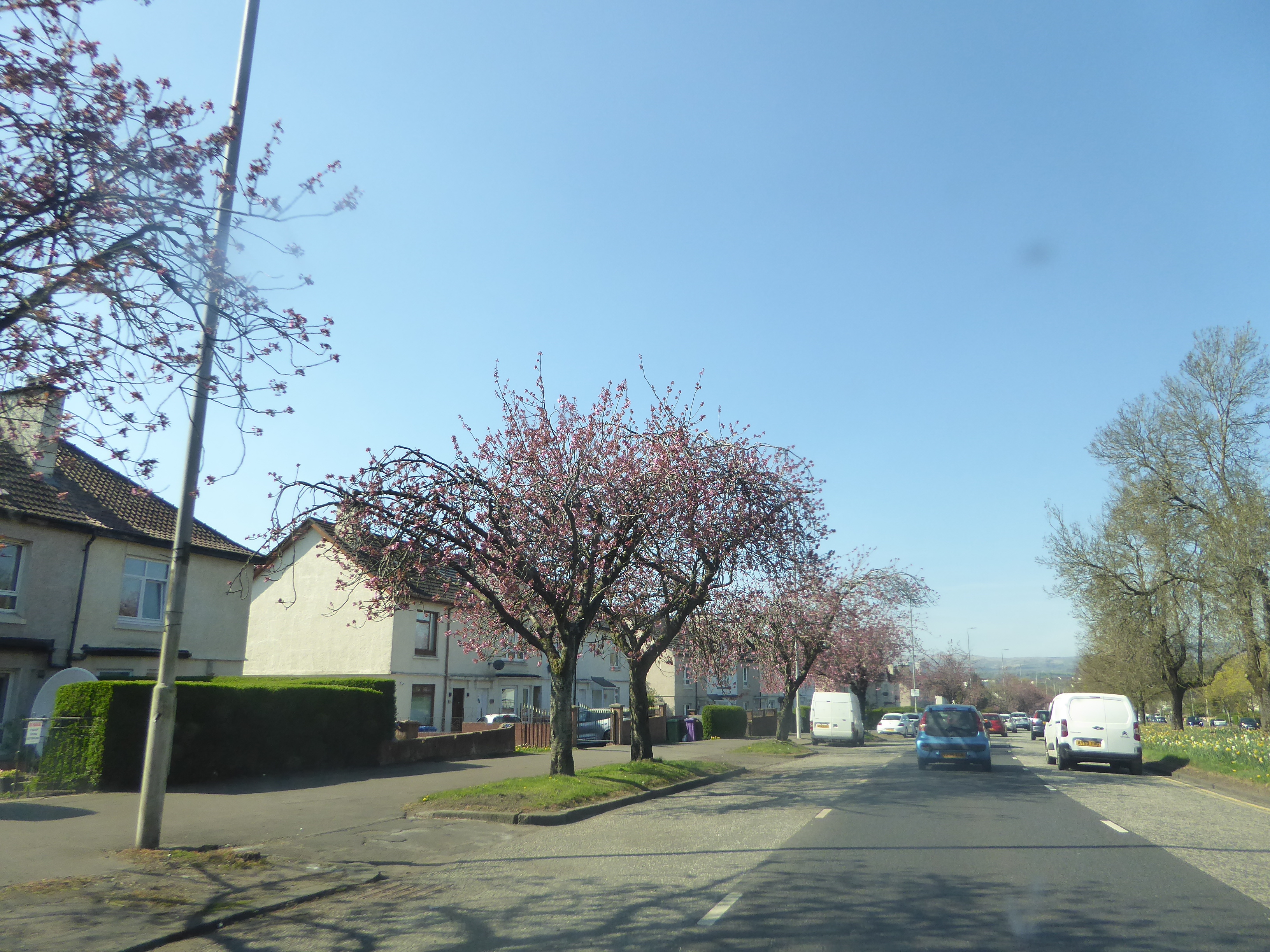
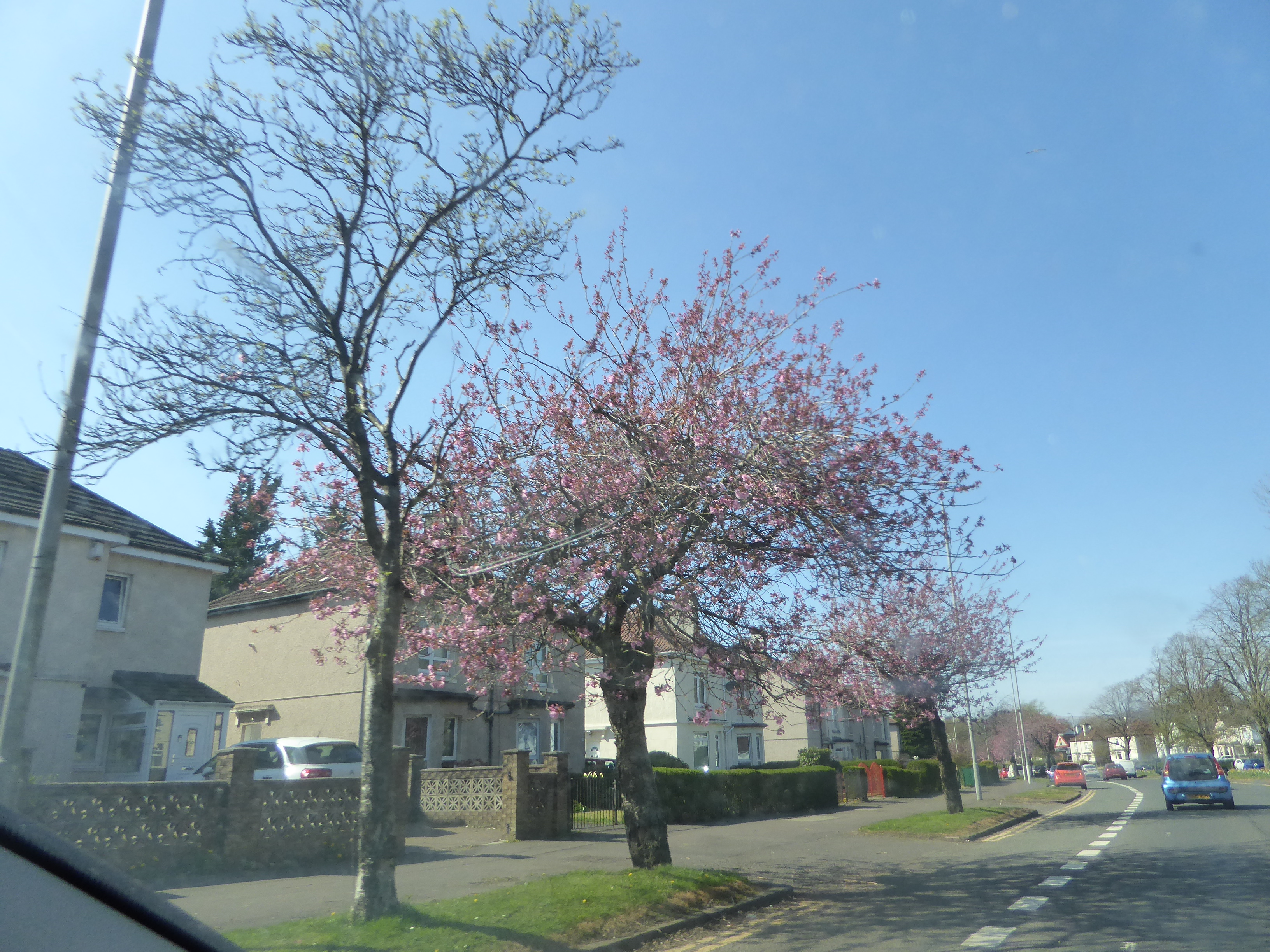
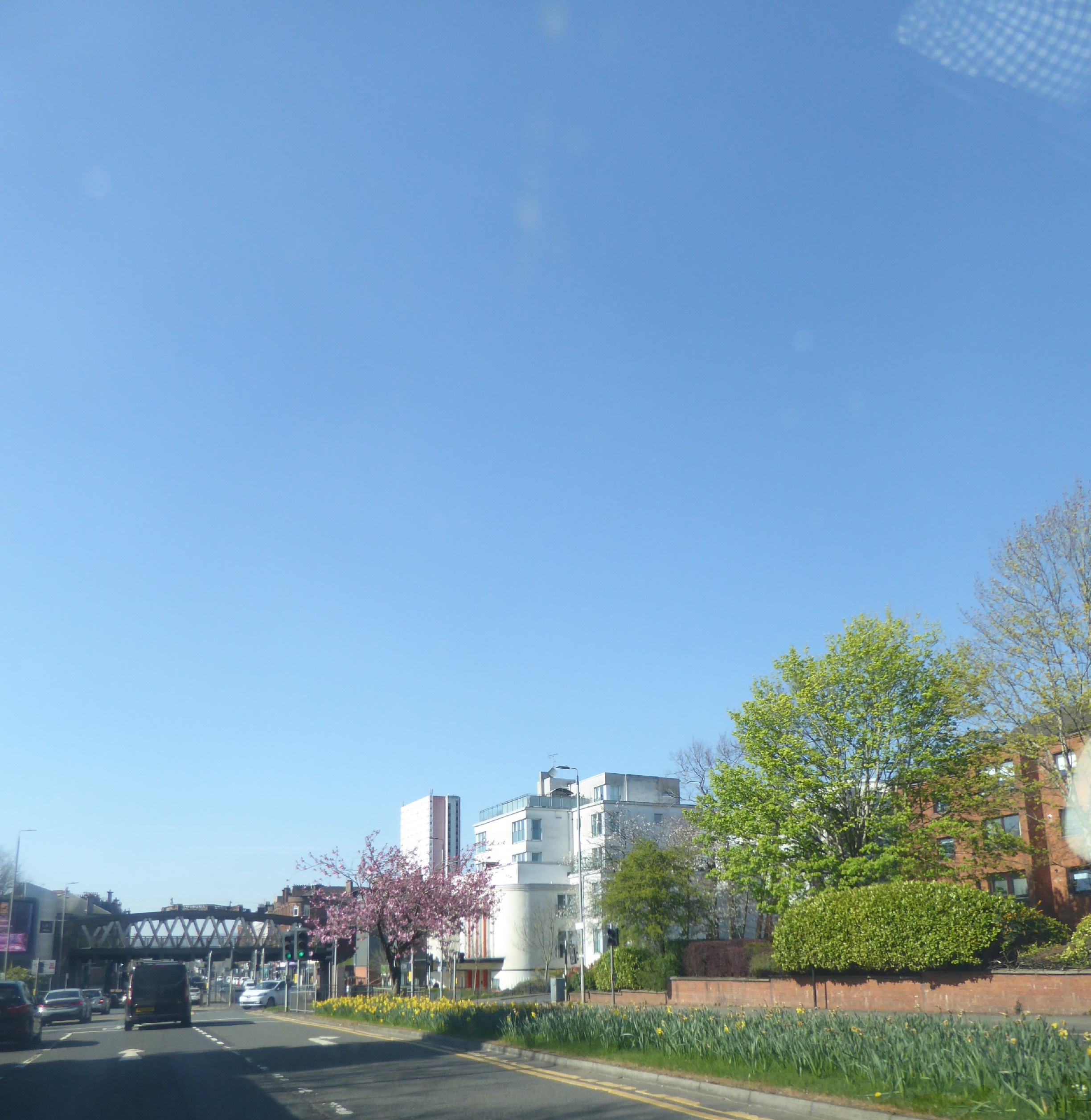
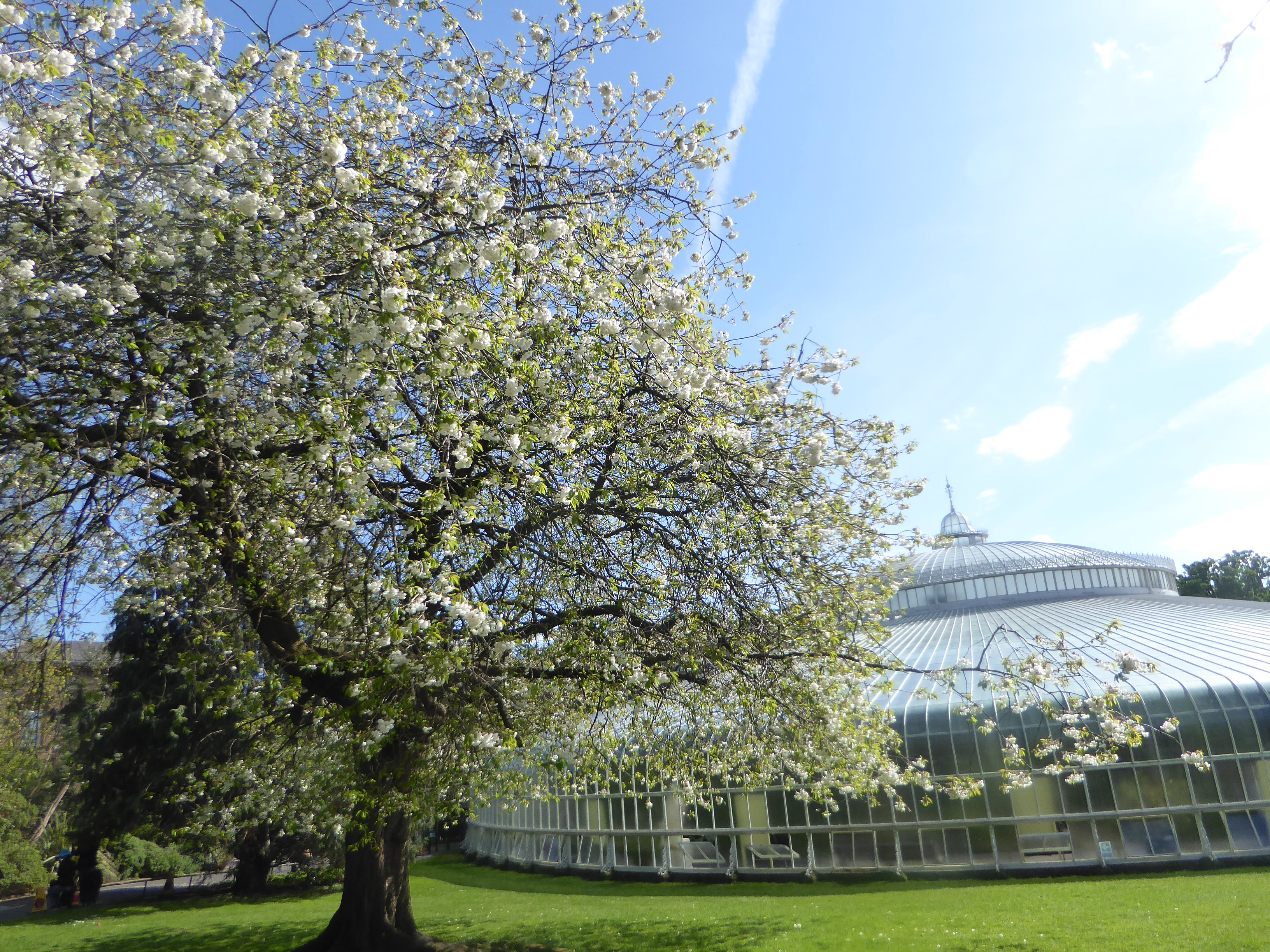
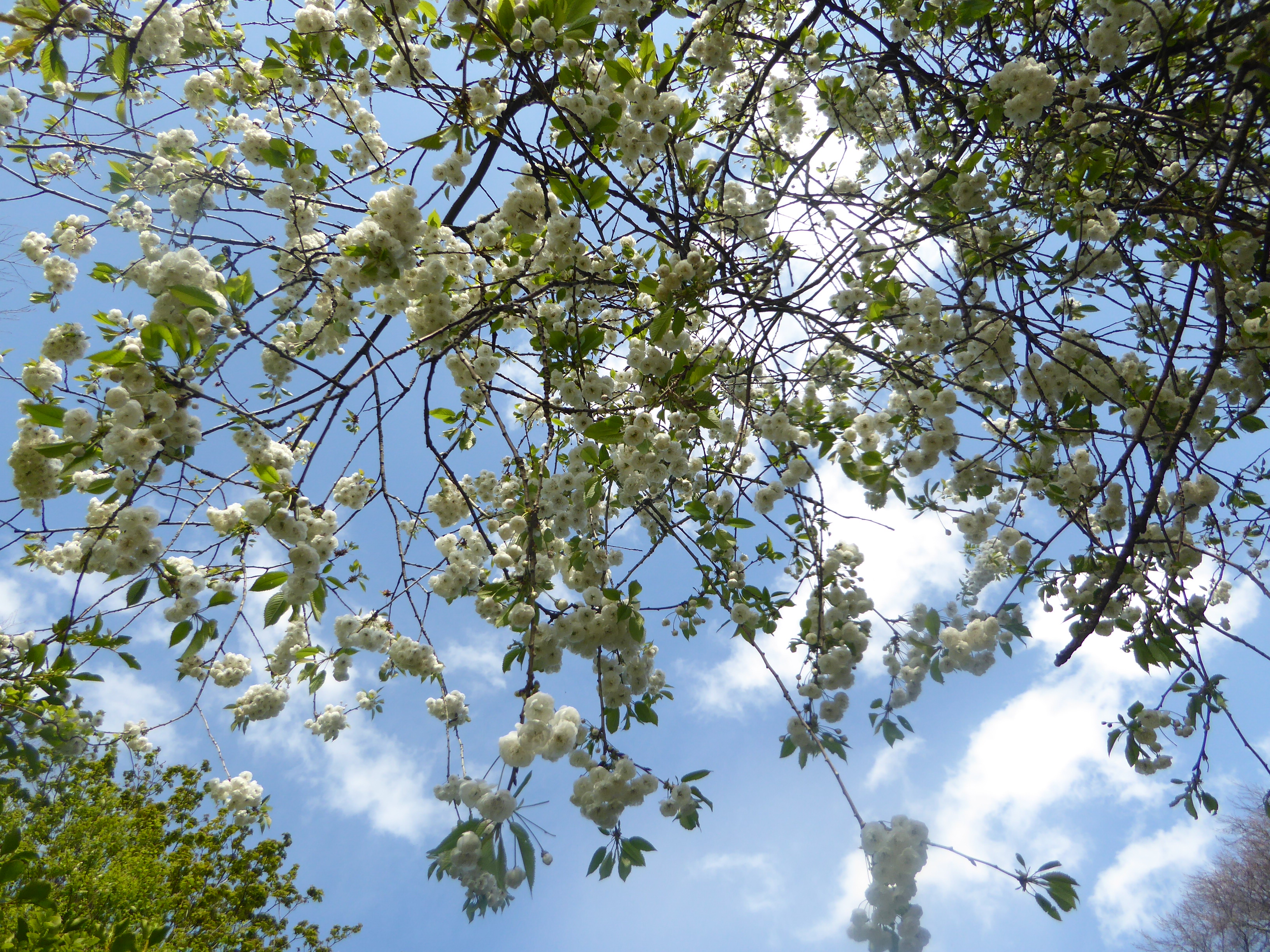
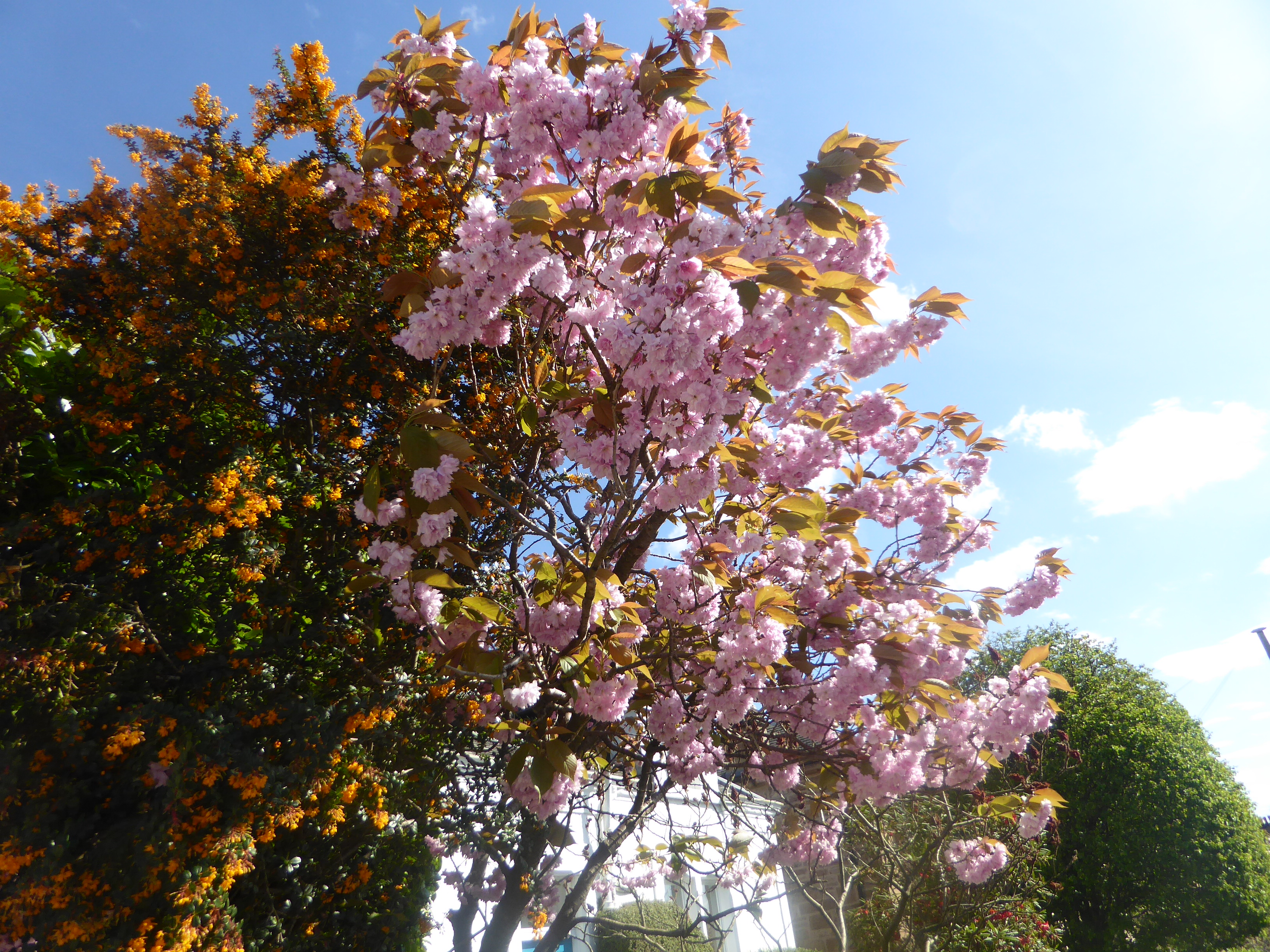
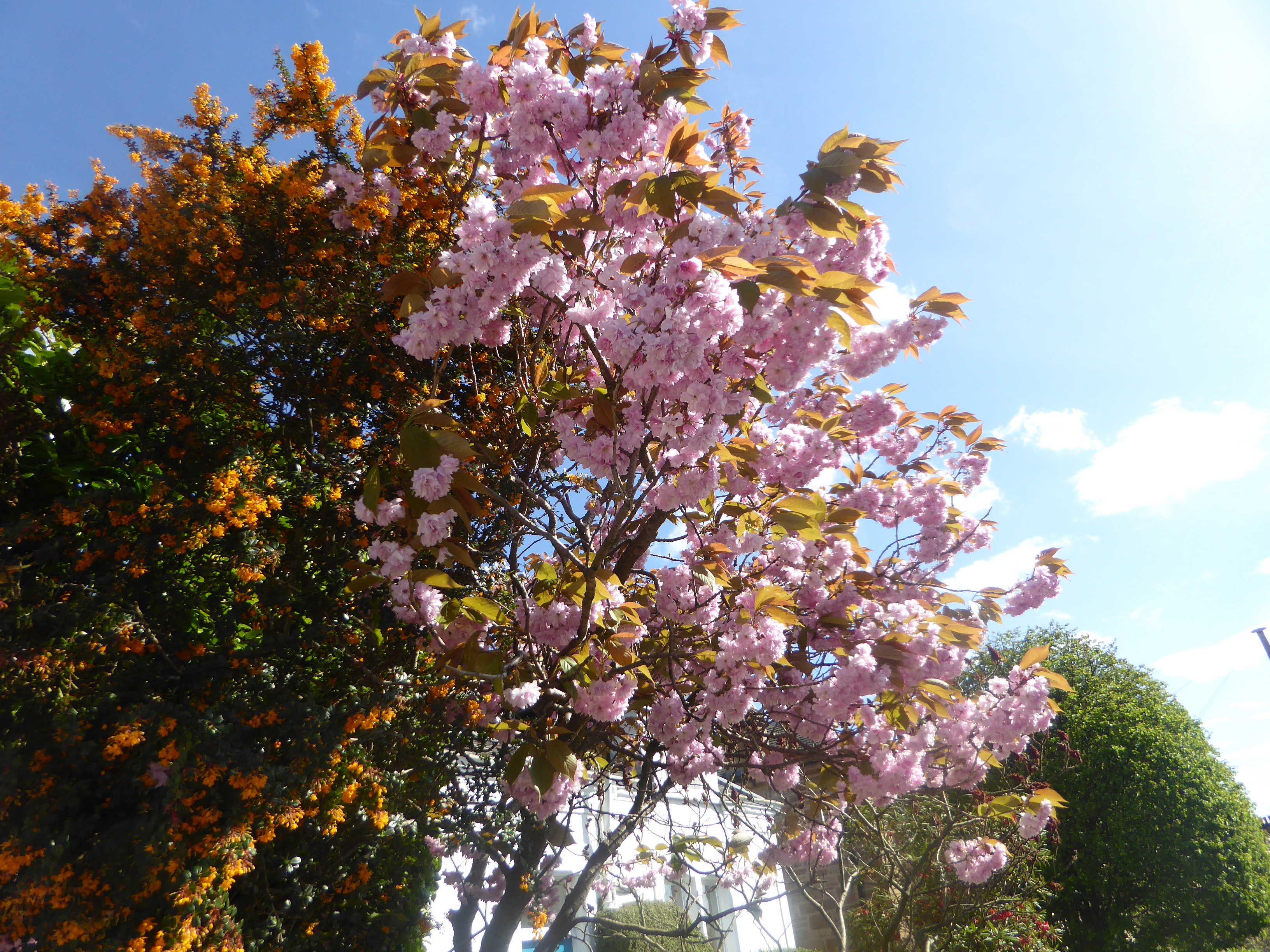
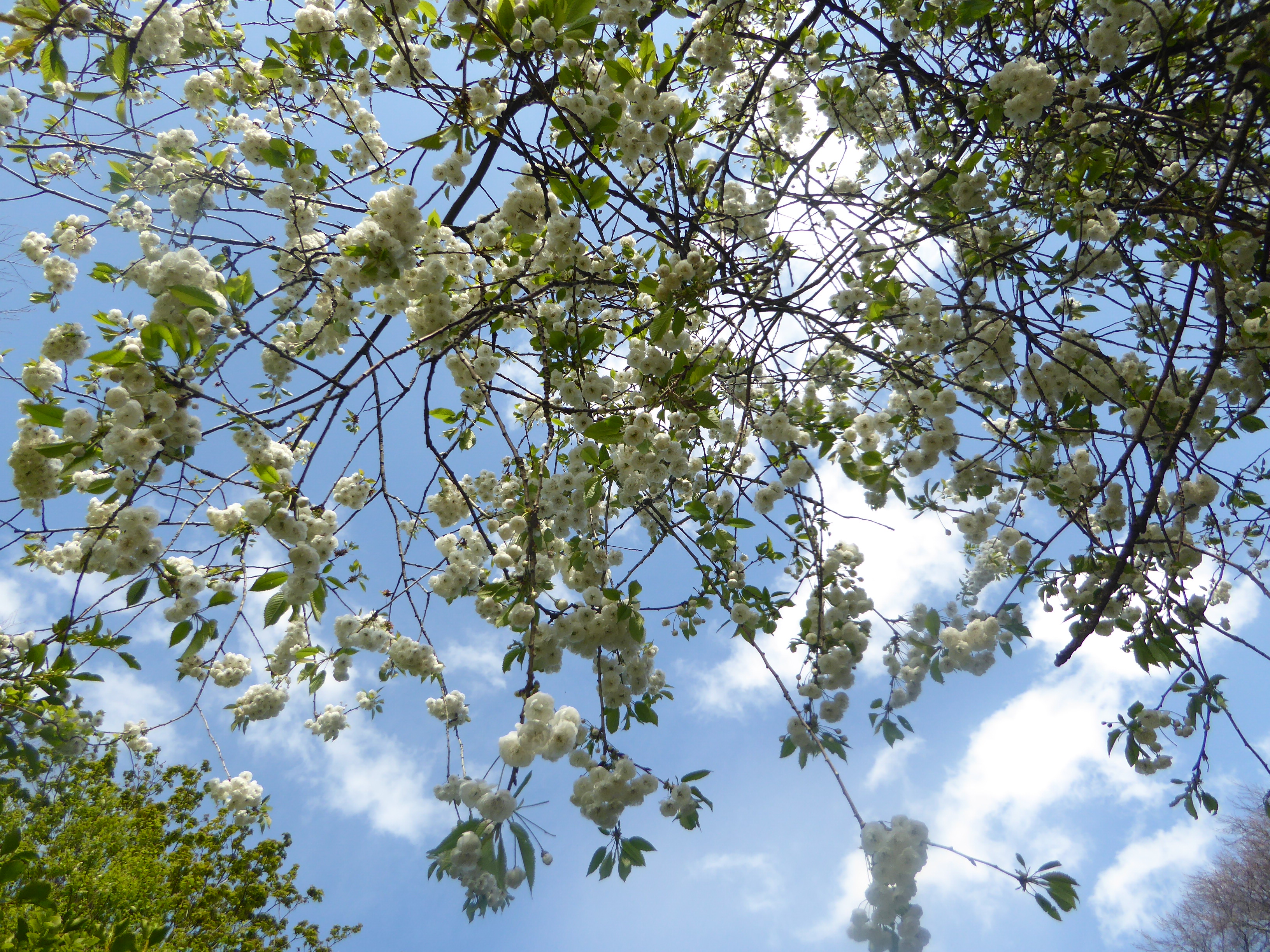
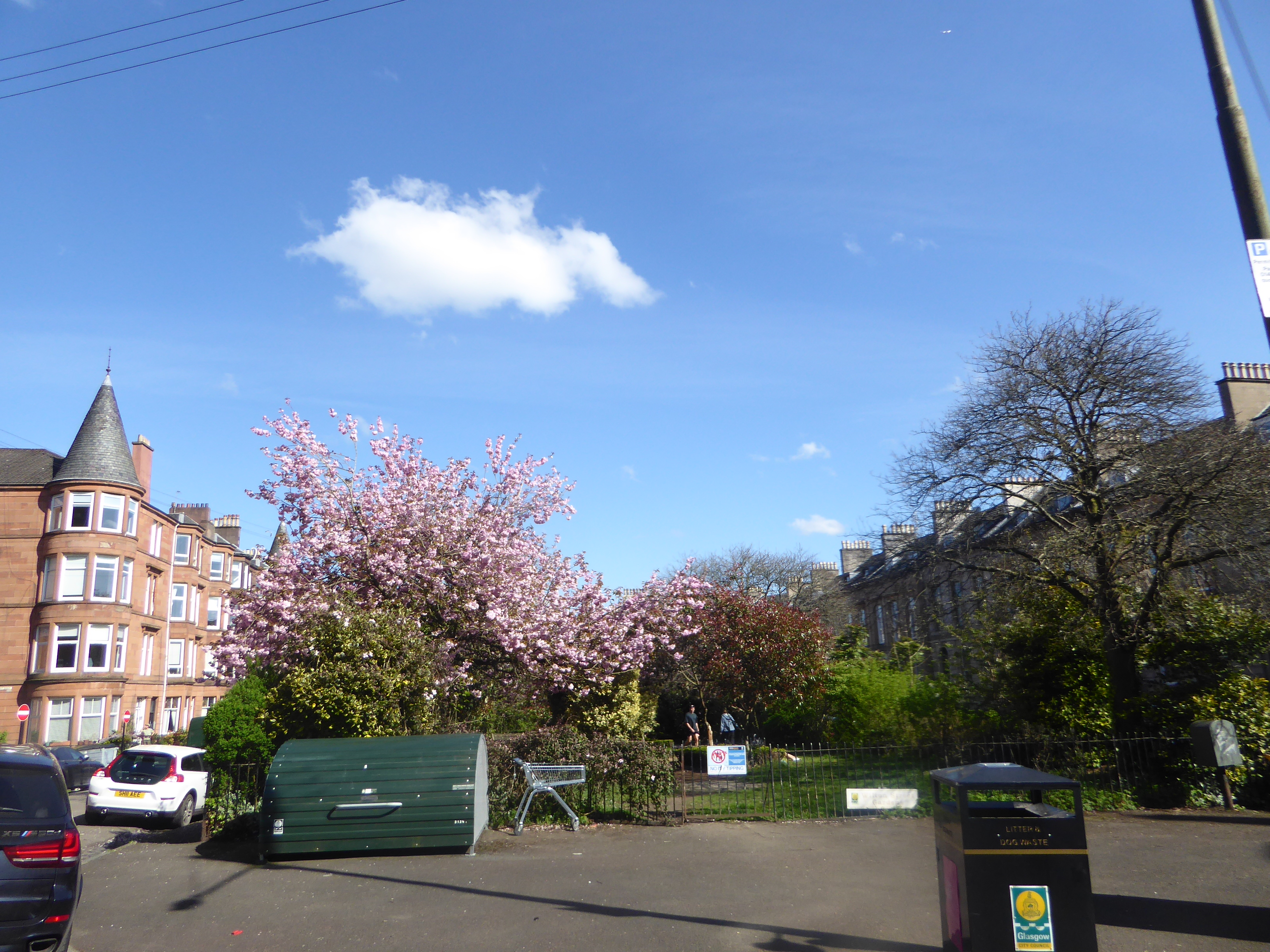
Interesting, all of a sudden I see nothing but cherry trees here in Glasgow in the west of Scotland. I know they’ve always been here, but I’ve always wondered why, and I’ve always wondered are they the cherry trees as in Japanese Cherry trees? Well apparently after doing a wee bit of research, many are. And from past recollections I know that they don’t bloom long, several weeks at the most.

Equally the past several weeks it hasn’t rained, and being quite bright, I took some shots and I decided to actually look into this; like who brought them here, how long have they been here, and just what exactly they are.

Along western Sauchiehall Street (below) –

A Glimpse into History
Glasgow’s cherry trees trace back to the Victorian era, when Japanese culture captivated Britain after Japan opened to the West in the 1850s. Glasgow’s wealthy embraced ornamental cherries as symbols of beauty and status. Parks like Glasgow Green (expanded in the 19th century) and Kelvingrove Park (opened 1852) showcased these trees to reflect a certain civic pride. Many current trees were planted in the 20th century, particularly post-WWII, during urban renewal efforts in areas like Great Western Road, that goes through the housing schemes there, on the way out of the city.

Great Western Road (below) –

Species and Japanese Roots
Glasgow’s trees, mostly from the Prunus genus, mirror Japan’s sakura. Common species include Prunus serrulata (with showy ‘Kanzan’ or ‘Shirofugen’ cultivars), Prunus x yedoensis (Yoshino cherry), and occasionally Prunus avium or Prunus subhirtella. These are botanically similar to Japan’s cherries, sporting pink or white single or double blooms. However, Glasgow’s cooler, wetter climate means later blooms (April vs. March) and smaller, scattered areas where the trees actually are.

Botanical Gardens (below) –

Are the Cherries Edible?
Don’t be tempted to eat them! Most of Glasgow’s cherry trees are ornamental, bred for their stunning flowers, not fruit. Varieties like Prunus serrulata may produce small, bitter cherries—or none at all—that aren’t palatable. While some trees, like Prunus avium (wild cherry), can yield edible but tart cherries, urban trees are rarely maintained for food and may be treated with pesticides. For safety and taste, stick to the cherries from the shops. These trees are a feast for the eyes, not the stomach, especially in places like Glasgow Green or Kelvingrove Park.

The West End (below) –

Make the Most of It
The cherry blossoms won’t be around for much longer, so if you’re that way inclined, grab your mobile, take some photos and explore Glasgow’s streets now.

CB

Cellinos: A Taste of Italy in Glasgow’s West End & the beloved red candle holders in Italian Restaurants –

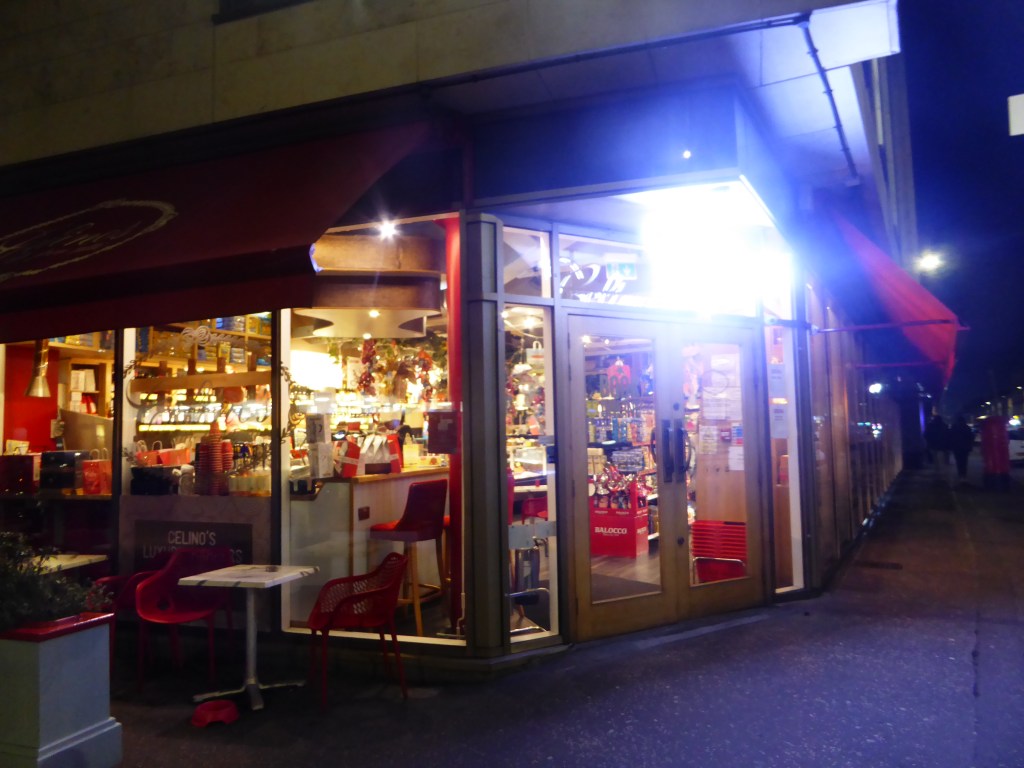
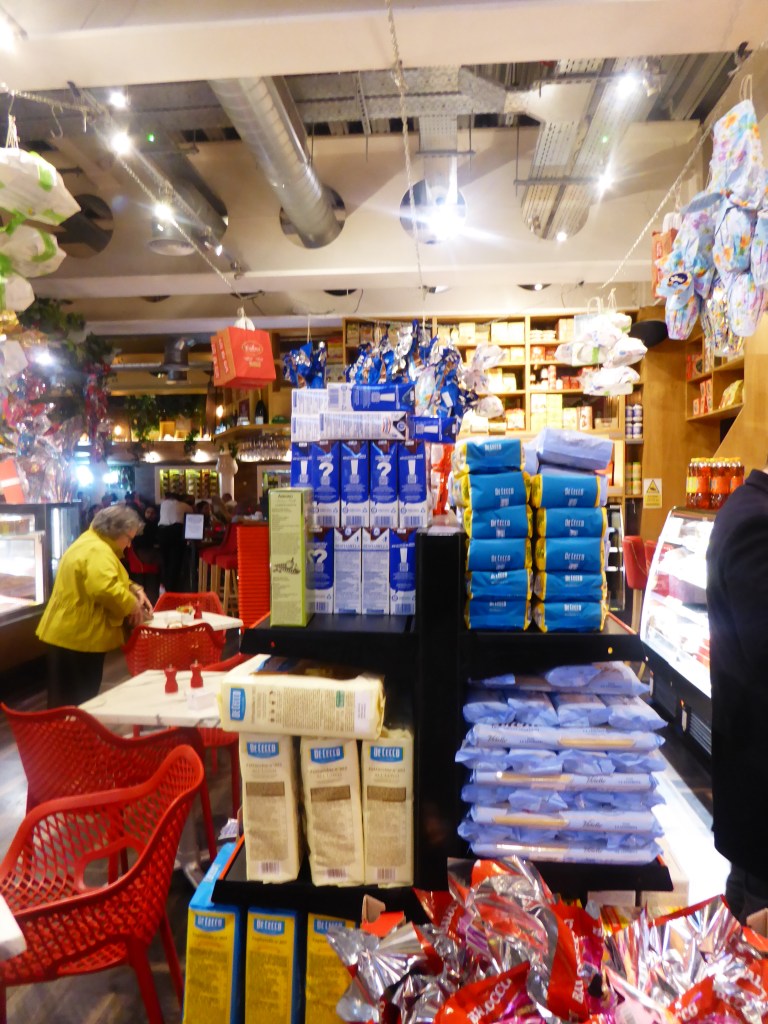
Celinos is one of those new Italian restaurants that manages to be both completely traditional and entirely modern at the same time. The space it occupies was once home to a Currys or Dixons for years, before being demolished and replaced with yet another block of student accommodation —something that seems to happen often in Glasgow. This one, however, is in the heart of the West End, costing at least 190 quid a week!

Every time I visit, it’s superb—nothing artificial, just pure “modern” authenticity, whatever “authentic” means these days. I don’t go often, maybe once or twice a year, but when I do, I always wonder why I don’t go more? In the past ten days, I’ve been here twice—once for a meal and another time just for coffee. The second time though, it was simply too crowded. No surprise, really—we went on a Saturday morning, and the place was absolutely mobbed.

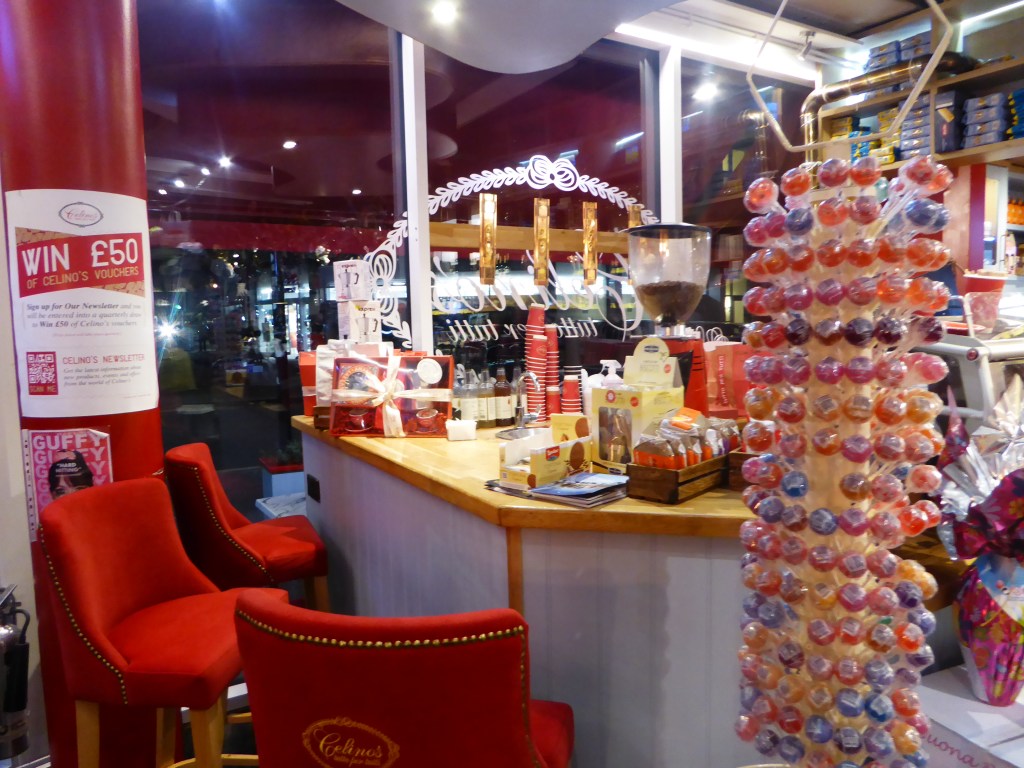
What stands out to me is the continuous improvement by the owners. Though it’s a new building, it still exudes that classic Italian restaurant charm—the kind with wine bottles lining the walls, a delicatessen counter, and the signature red candle holders on the tables, which I’ve always liked.

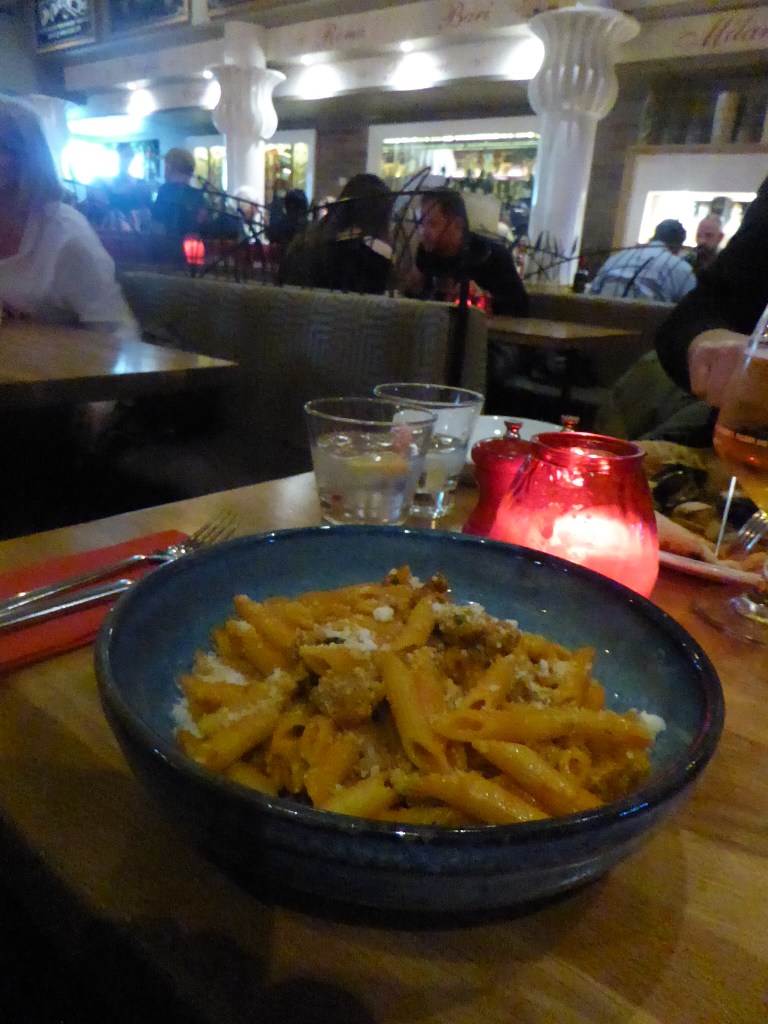
Red Candle Holders:
Speaking about these things (above / below), I searched Grok on X for some information. These have always fascinated me, but even AI could not really pin this tradition down:

Info-wise, there’s no single definitive source tracing their exact origin, but they’re often linked to brands like Sterno or Victory, which sold red glass candles with long burn times (up to 45 hours) for restaurant use—practical for keeping tables lit all night. If you’re picturing the ones from 1980s Italian spots, a Reddit thread from 2024 mentions a similar candle, sans geometric design, hinting at a simpler, classic style that’s tough to pin down today.

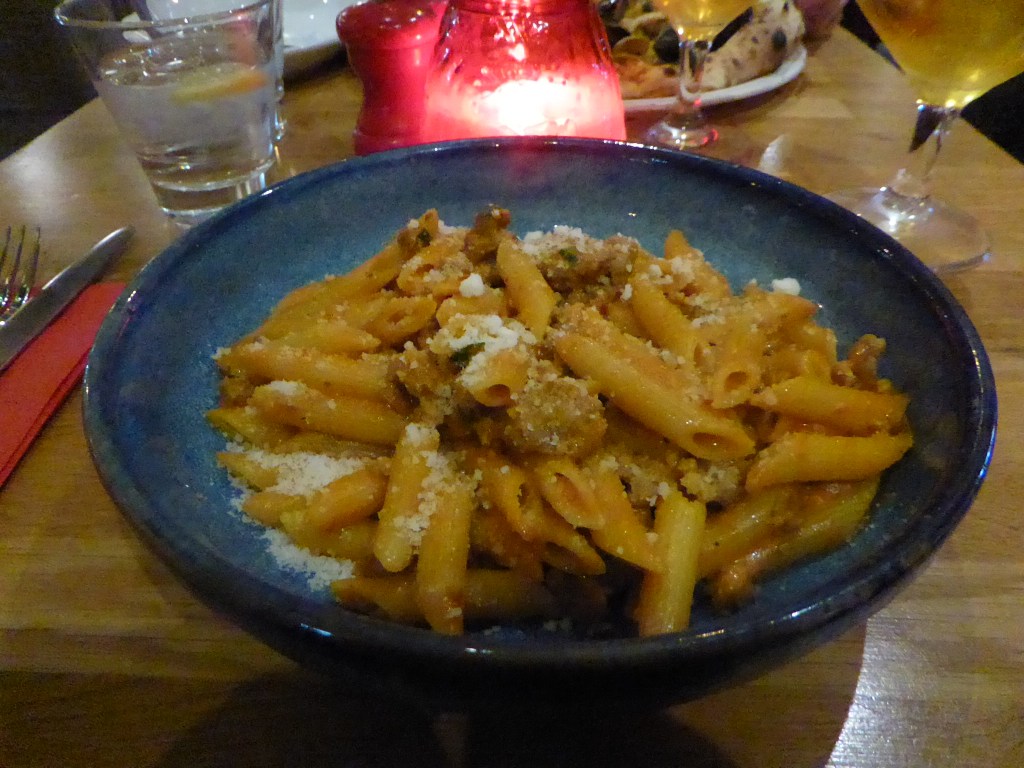
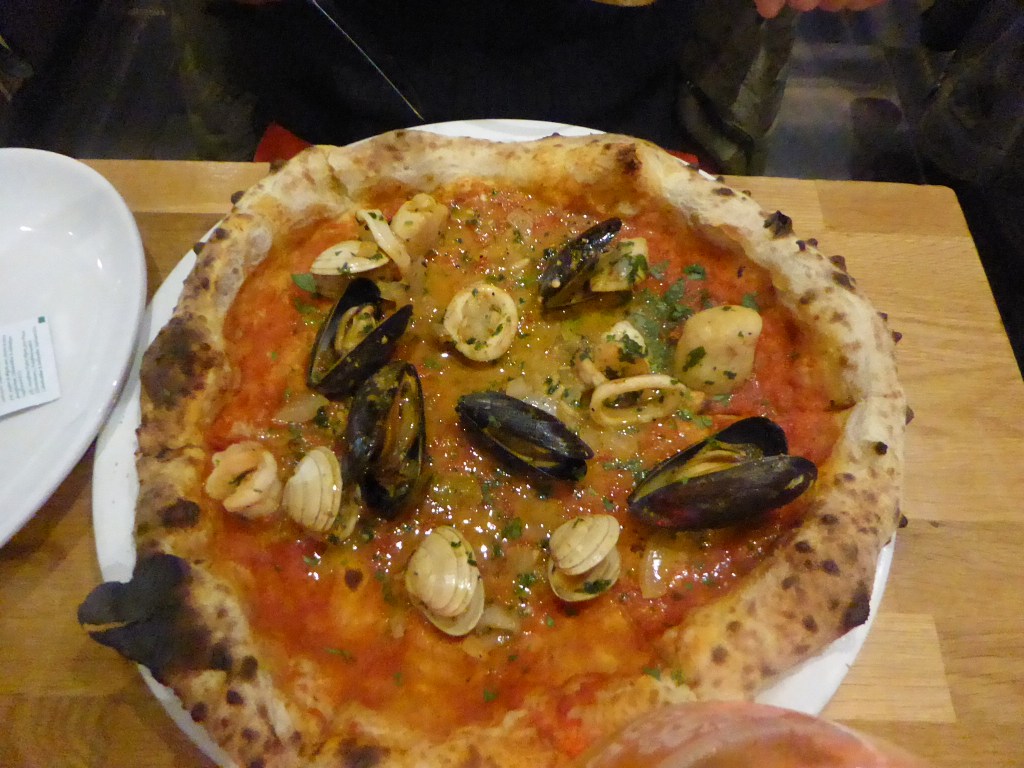
The service? Impeccable. The food? Excellent. I went for a pasta dish with spiced sausage—perfectly done. My partner-in-crime opted for a pizza topped with sausage, mushrooms, and mozzarella.

Despite the crowd, we had our own space. We weren’t in a booth but seated somewhere between the windows and the booths, and nothing felt rushed. There was no sense of being hurried along, as is often the case in many Glasgow restaurants.

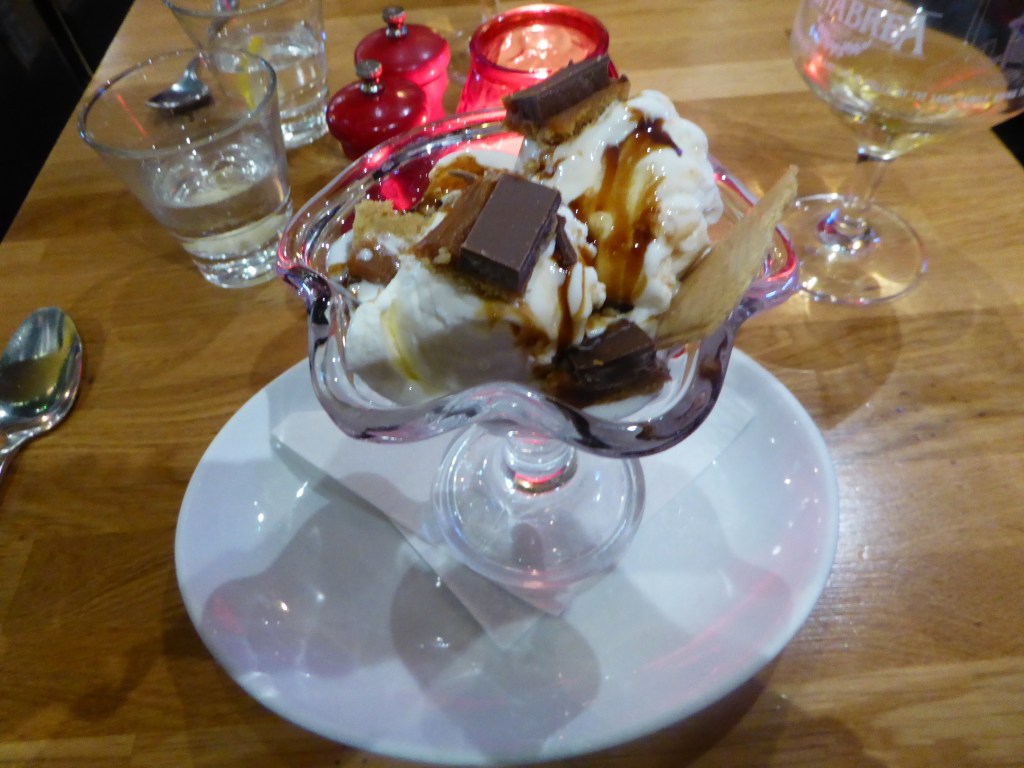
Even decided to have a dessert; something I normally (nowadays!) do not decide to do.

CB

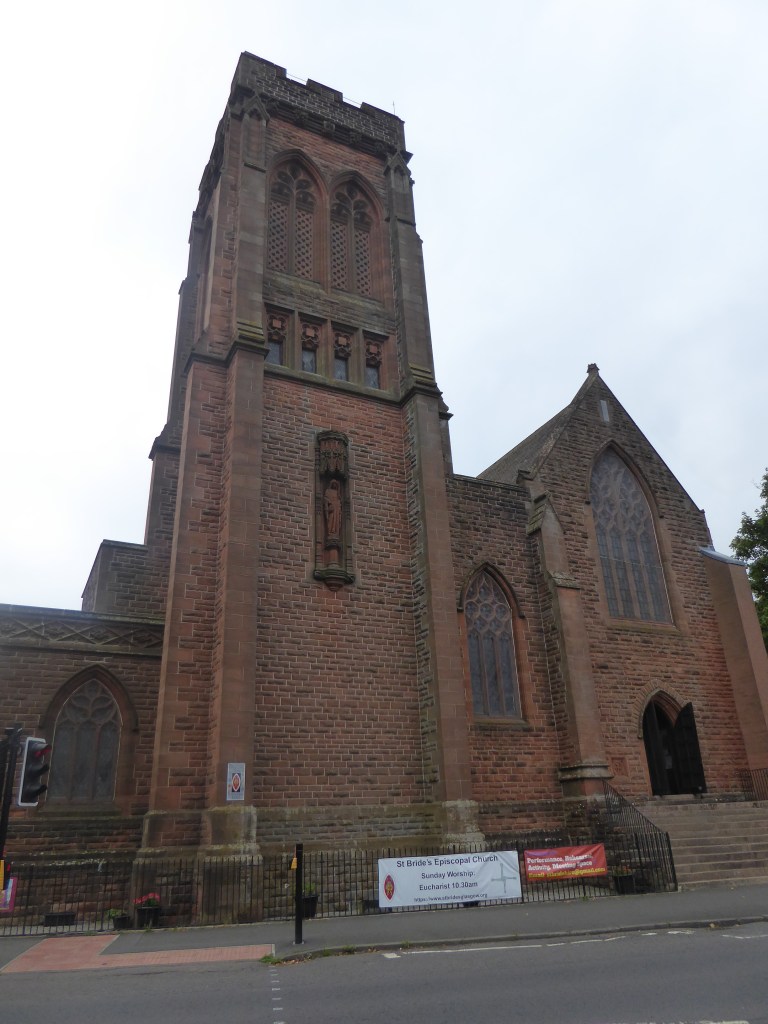
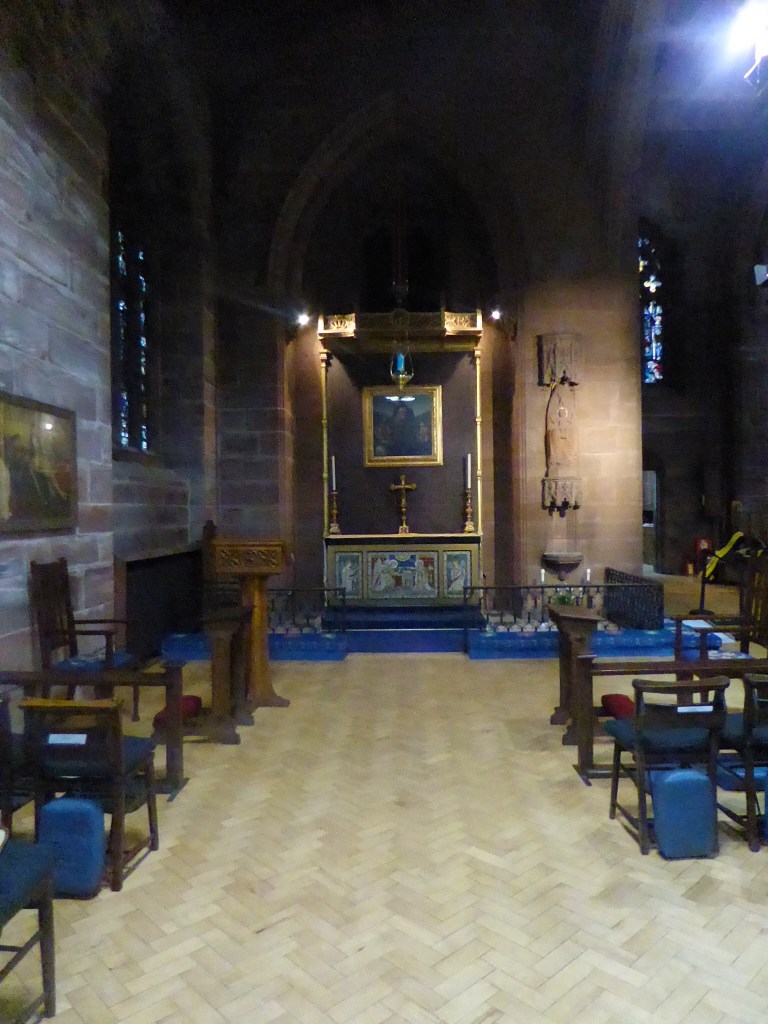
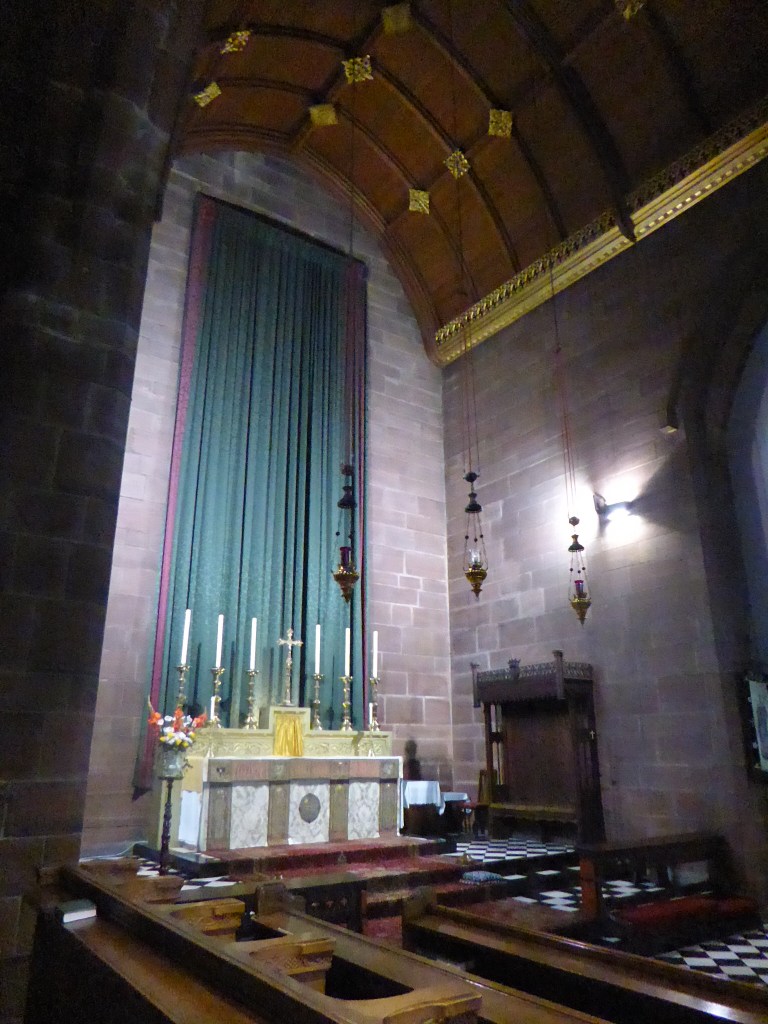
Doors Open Day Part 2: Exploring St. Bride’s Church: A Hidden Gem in Glasgow, Scotland

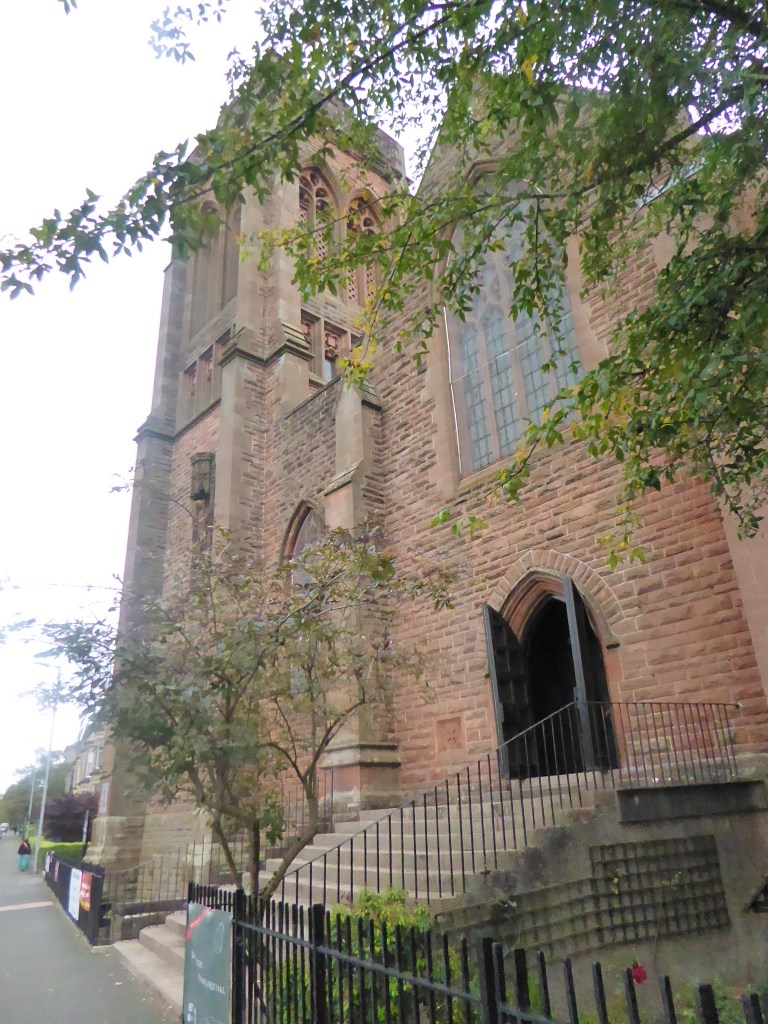
St Brides Episcopal Church, Glasgow, Scotland

The day before my visit to the Tenement House, I decided to wander around the West End of Glasgow. This tree-lined, leafy area is very middle-class, with many Chinese students near the university and various hospitals. It is probably the most desirable place to live in Glasgow, perhaps even in Scotland.

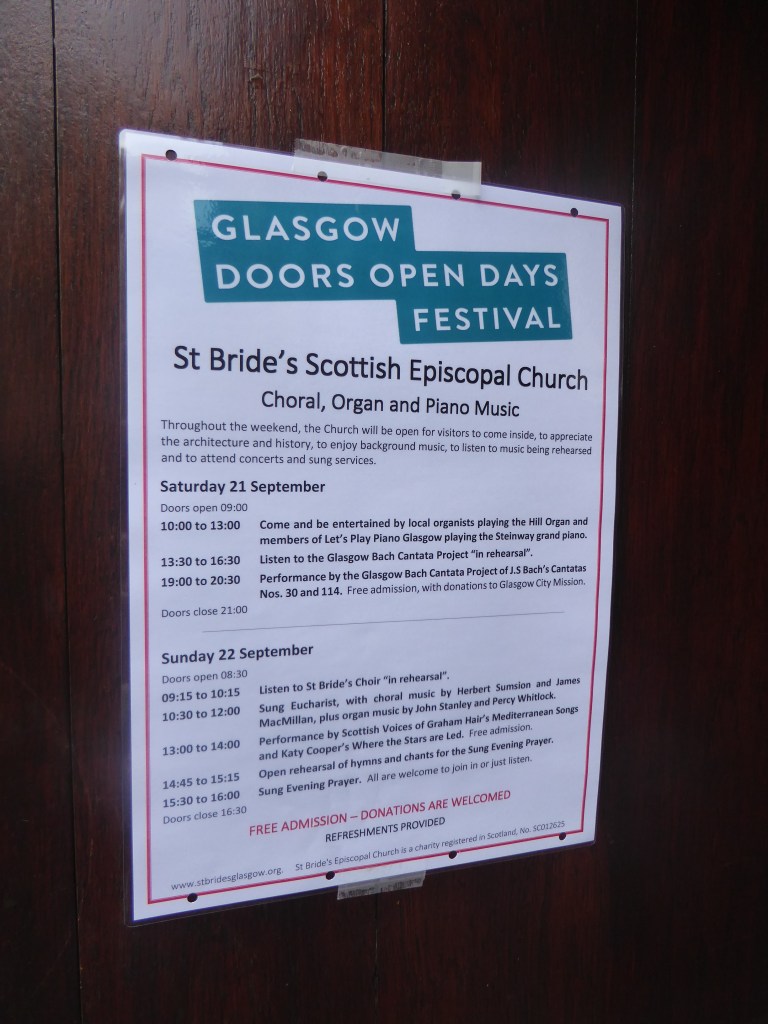
Doors Open Day is a celebration that occurs every September in Glasgow, showcasing many different buildings, with churches being one of the highlights.

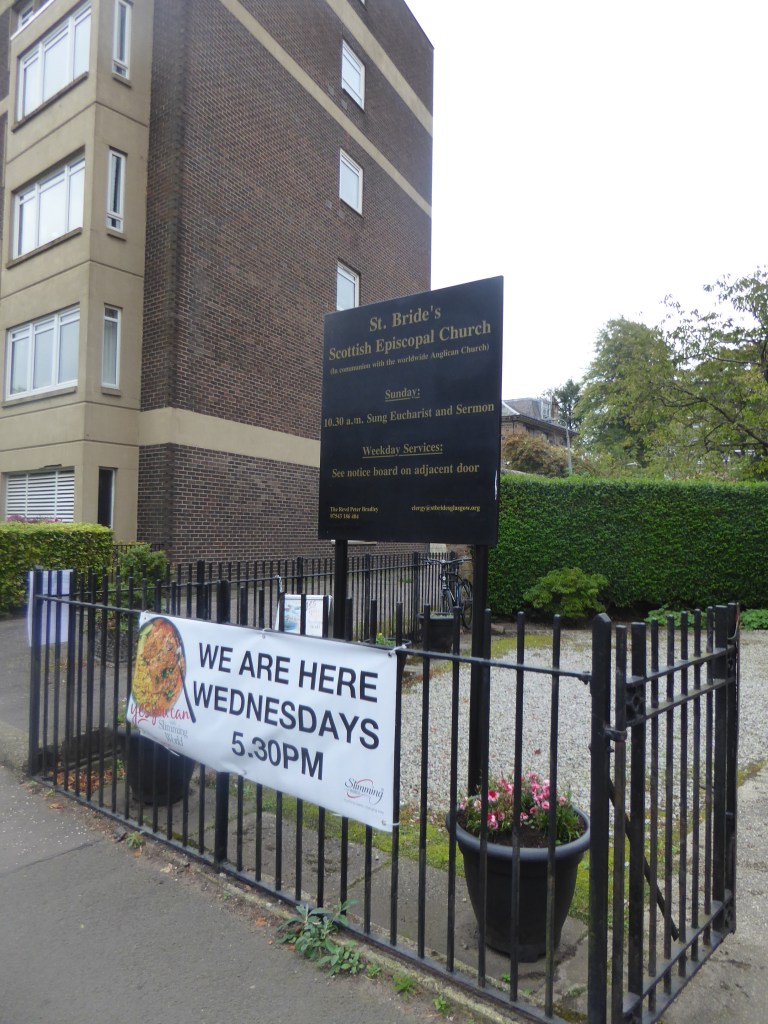
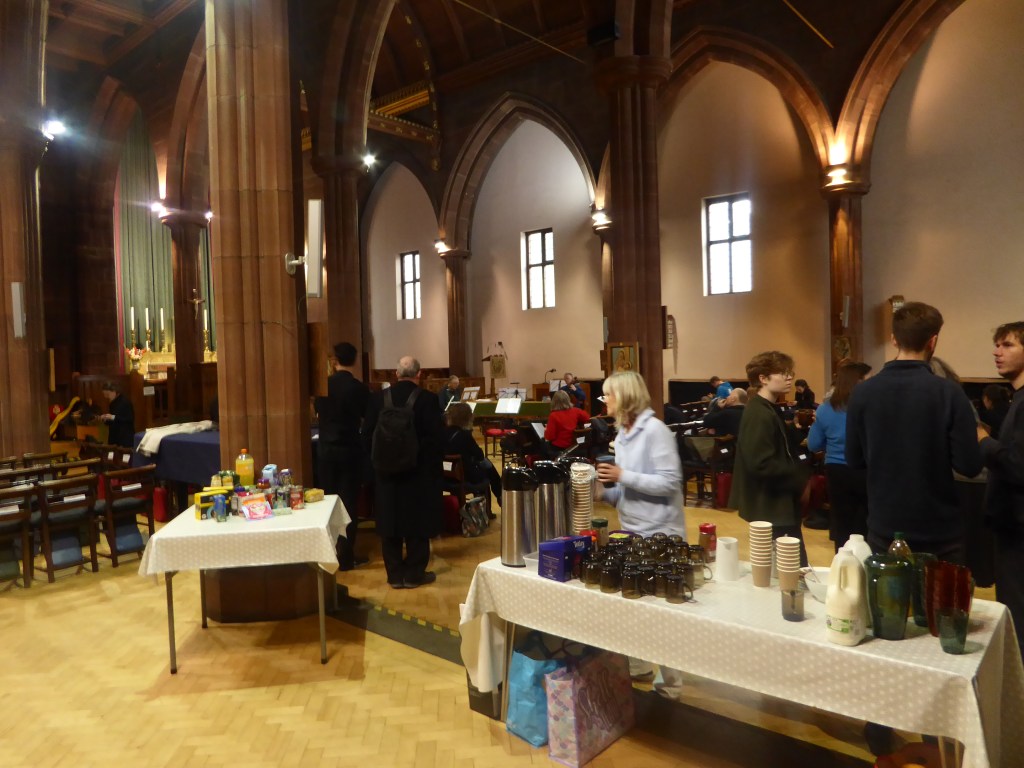
Like many other churches in Glasgow, St. Bride’s Church is not only old but also grand and elegant. It appears to be well-maintained, showcasing the care taken by its community. According to my research, it is a member church of the Scottish Episcopal Church, which is part of the global Anglican Communion, with the Archbishop of Canterbury serving as its head.

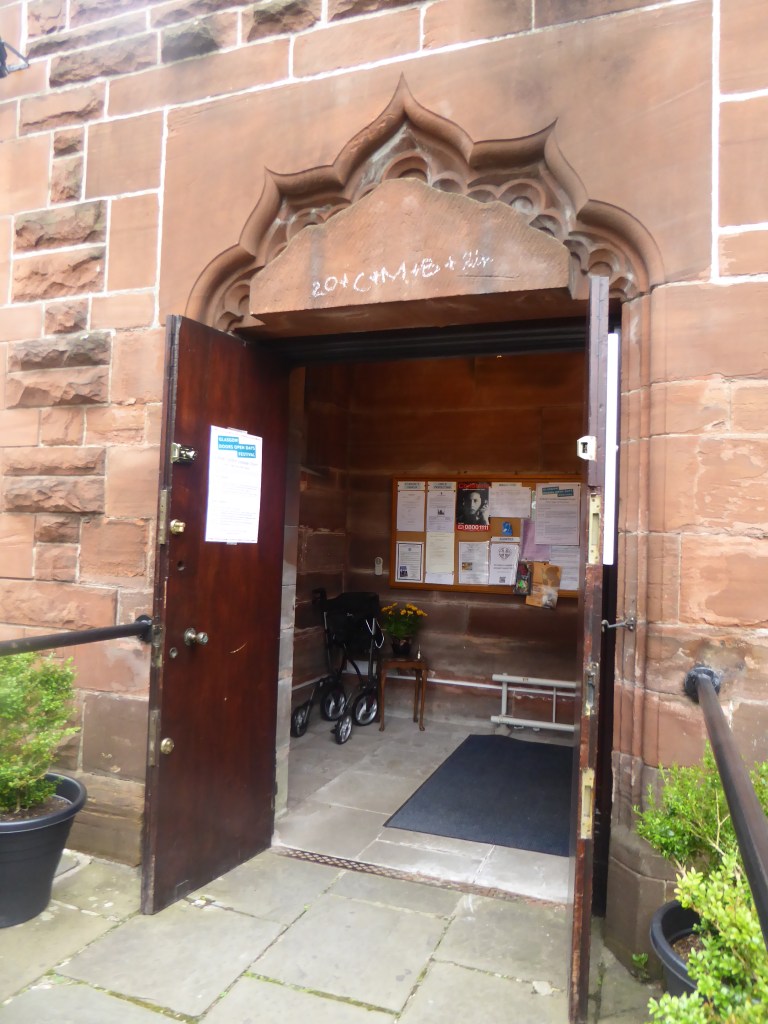
The church exudes a warm and welcoming atmosphere, evident from the numerous bulletins, brochures, and various “churchy” materials I observed. These resources indicate that St. Bride’s is a hive of activity, hosting many services and a plethora of music concerts.

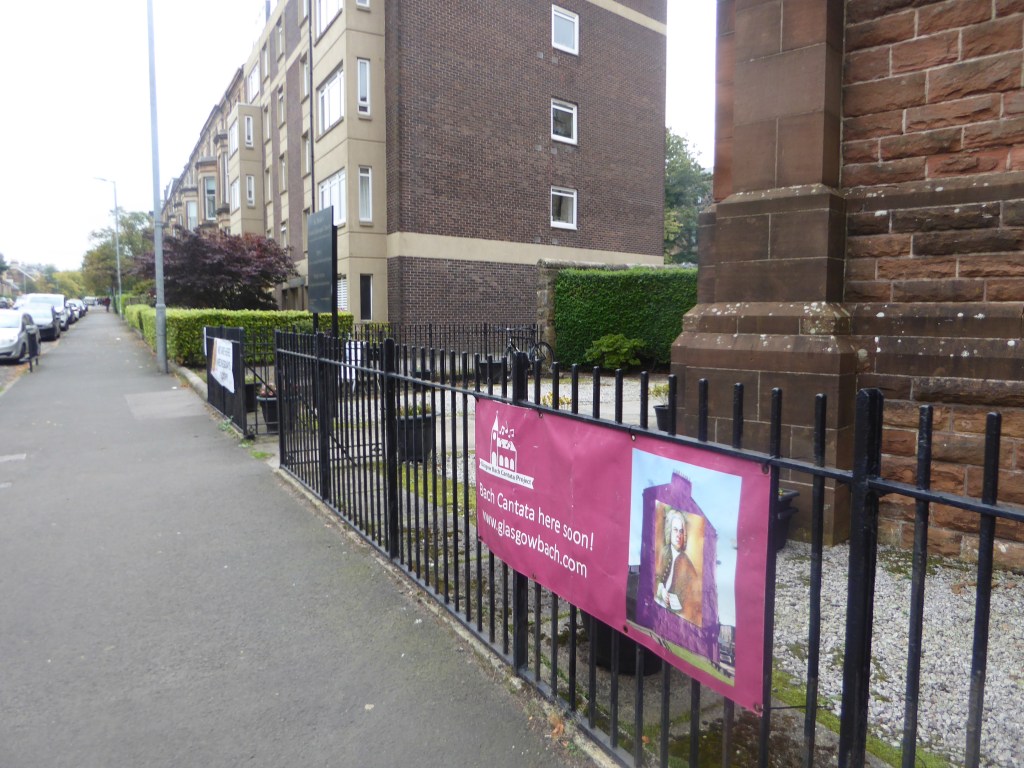
During my visit, I noticed a Bach or Baroque group rehearsing inside, presumably preparing for an upcoming concert either at the church or elsewhere in Glasgow.

With the added charm of delicious cakes, tea, and coffee, I left St. Bride’s Church with a positive impression.

I already have a “Church of the Month” category on my blog that I haven’t utilized enough. Perhaps I can make it a point to explore more of these hidden gems in the future.

CB
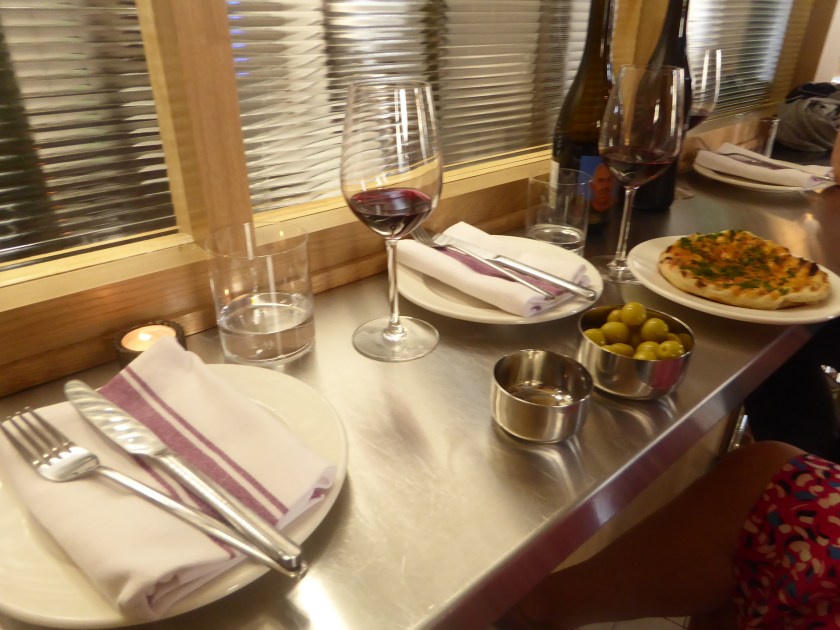
Glasgow’s Doors Open Day -Time Travelling by Exploring Glasgow’s Tenement House

It’s interesting because I’ve been in Glasgow for 30 years, but I’ve never actually visited this part of the National Trust for Scotland. At the same time, it seems that virtually every accommodation I’ve used in Glasgow has been a tenement—tenements in the West End, tenements in the East End, and tenements in the South Side. The only time I haven’t stayed in a tenement was in the city centre, specifically in the Pollokshields area of Glasgow, which is a very nice inner suburb.

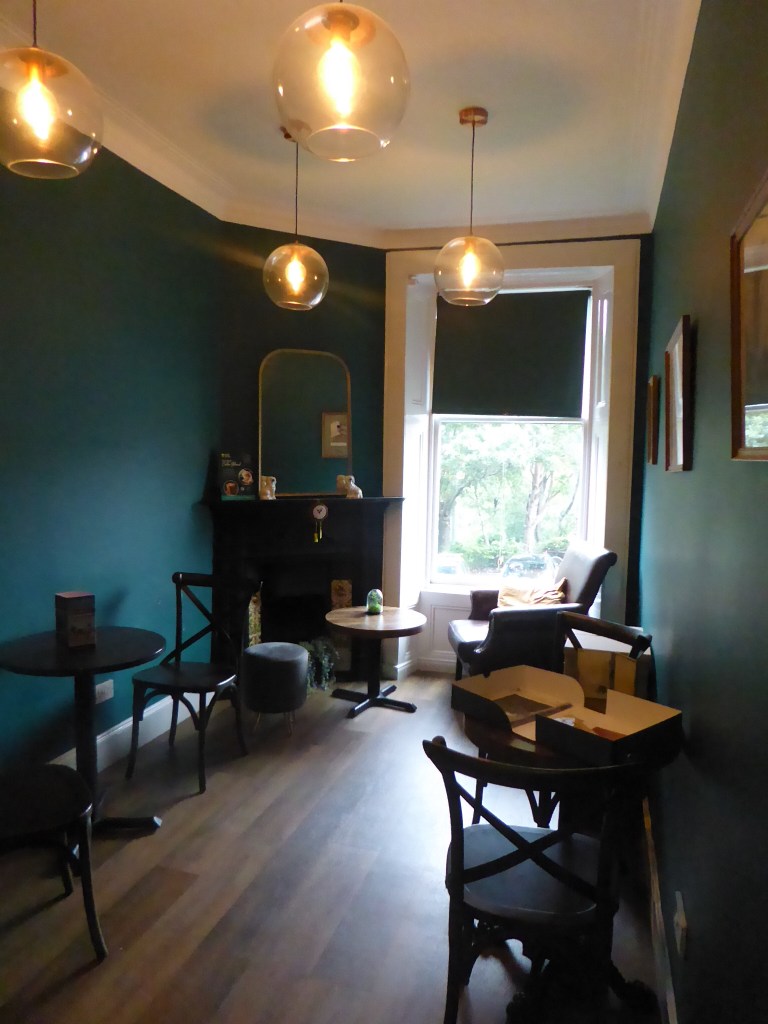
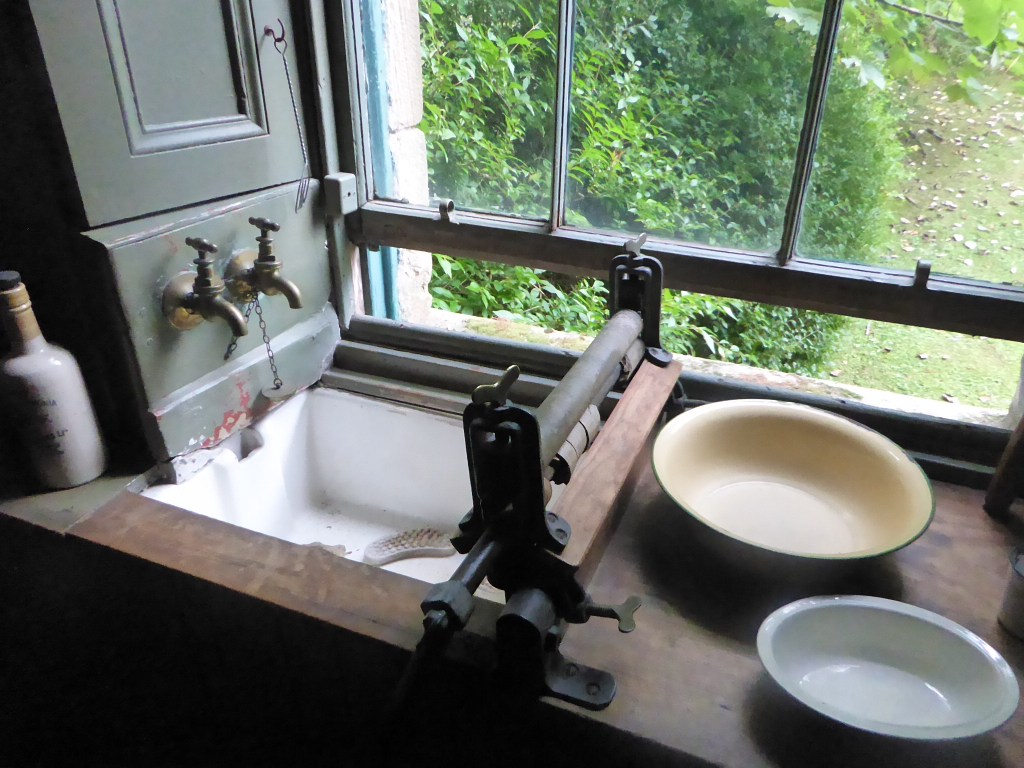
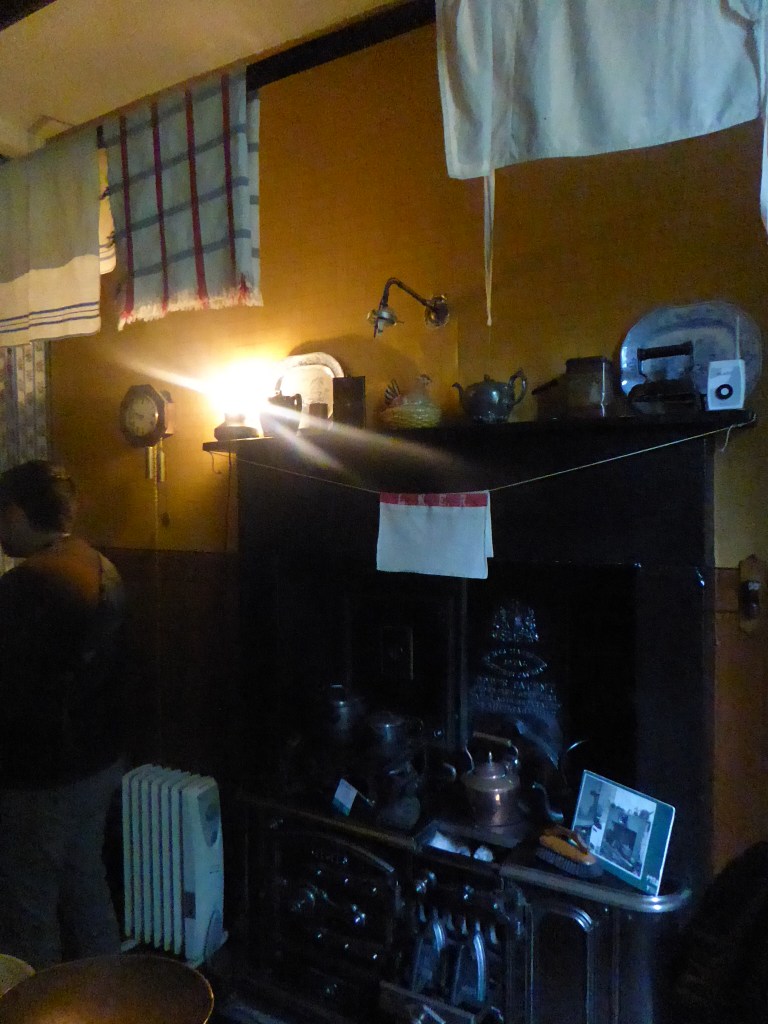
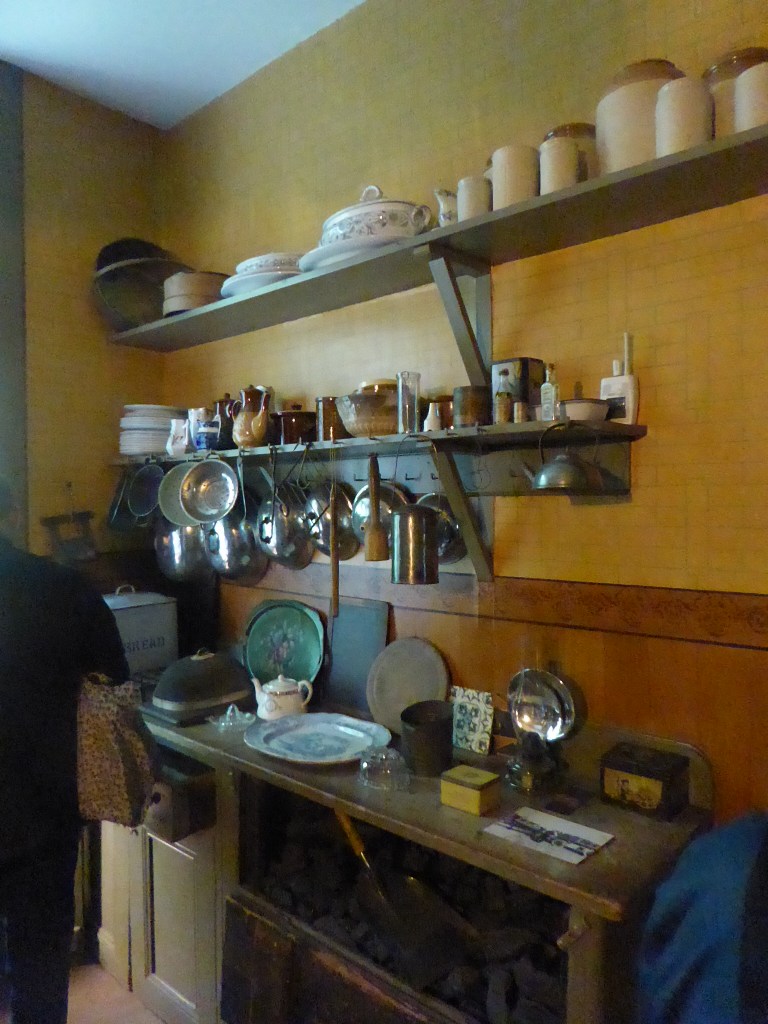
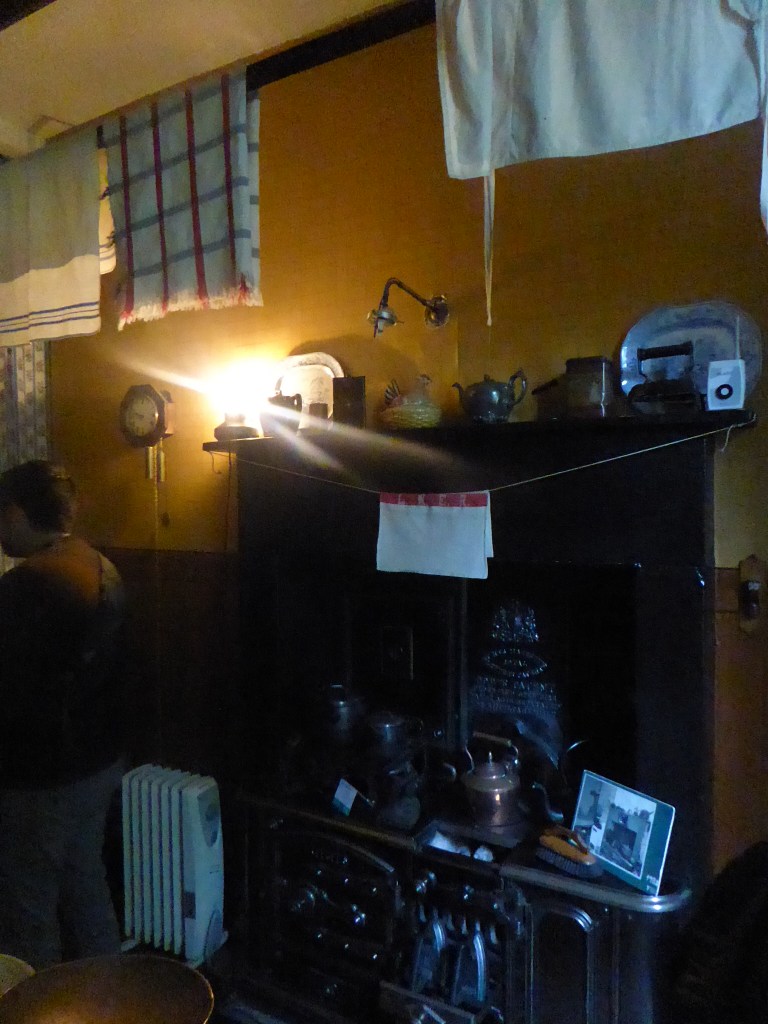
During the annual Doors Open Day in Glasgow, which took place a couple of weeks ago, I decided to visit the Tenement House located in the Garnethill section. It truly feels like a time capsule from 100 to 120 years ago.

The house was bequeathed to the city and later to the National Trust in the mid-1960s, after the owner neared the end of her life. I believe her daughter took over and rented some of it out. The National Trust acquired it in 1965.

It’s fascinating to have a conversation with someone and then, 100 years later, start that conversation again. Time stands still here.

The overall layout is identical to so many tenements here in Glasgow, from the bed recesses (now used as a kitchen table area or closet):

To the “pully,” which is rather horrifically referred to as a Victorian hanger by some:

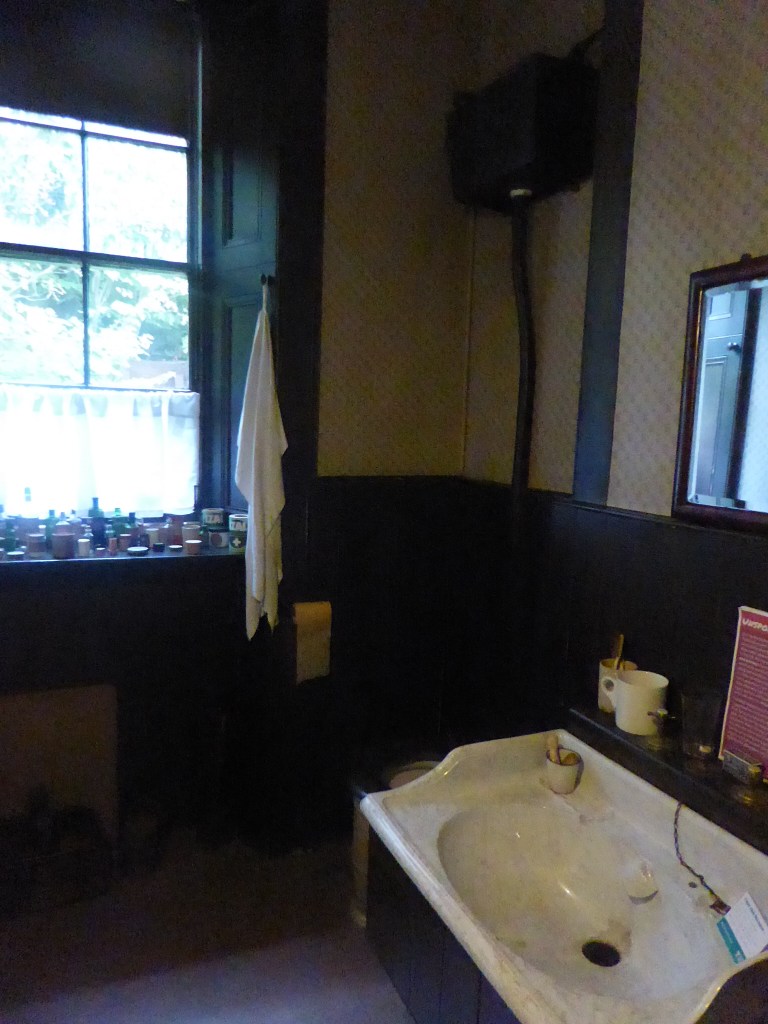
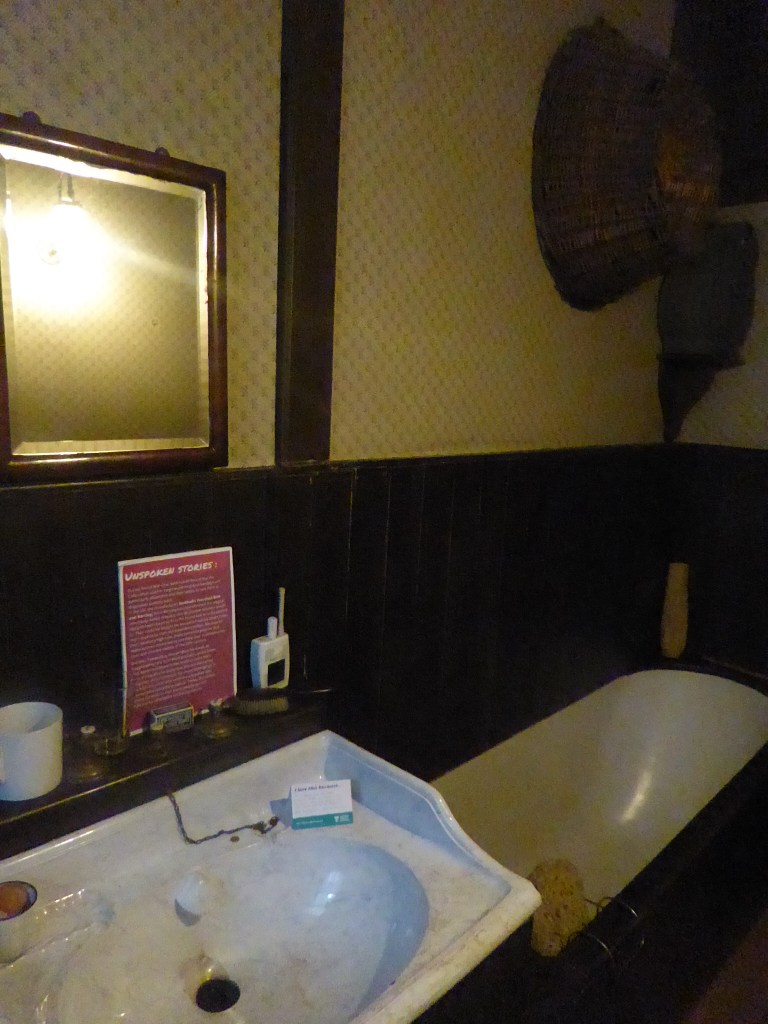
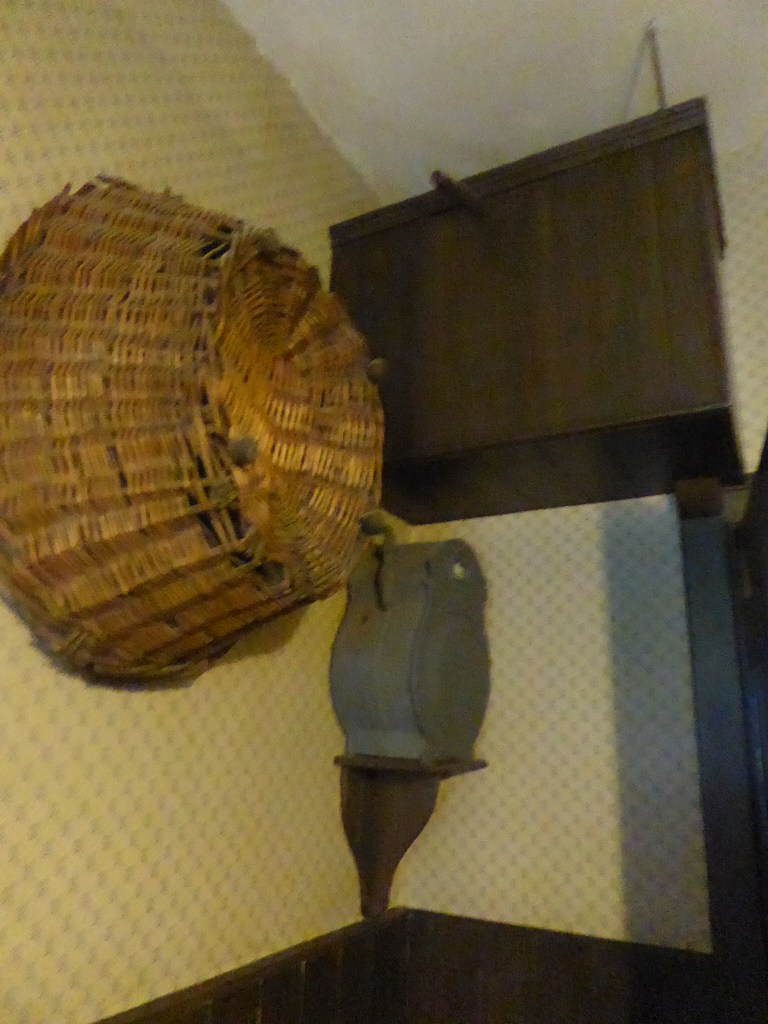
Additionally, it seems the lady who owned it was fairly well-off. While I was in the bathroom, three older Glaswegian women were describing what each feature in the room represented. They noticed a gas connection in the wall, which was connected to the gas port at the time, providing some of the heating and hot water. This suggests that the woman who owned the place was probably middle class.

Even in the bathroom, with a little paint and minor repairs, it would fit right in today.

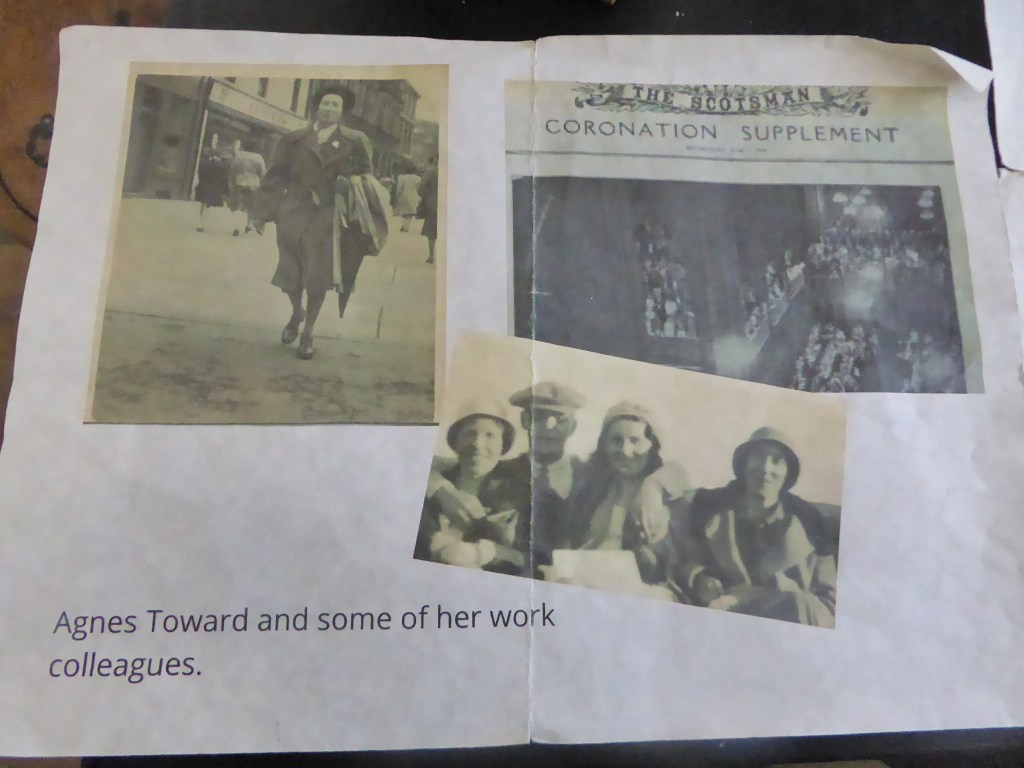
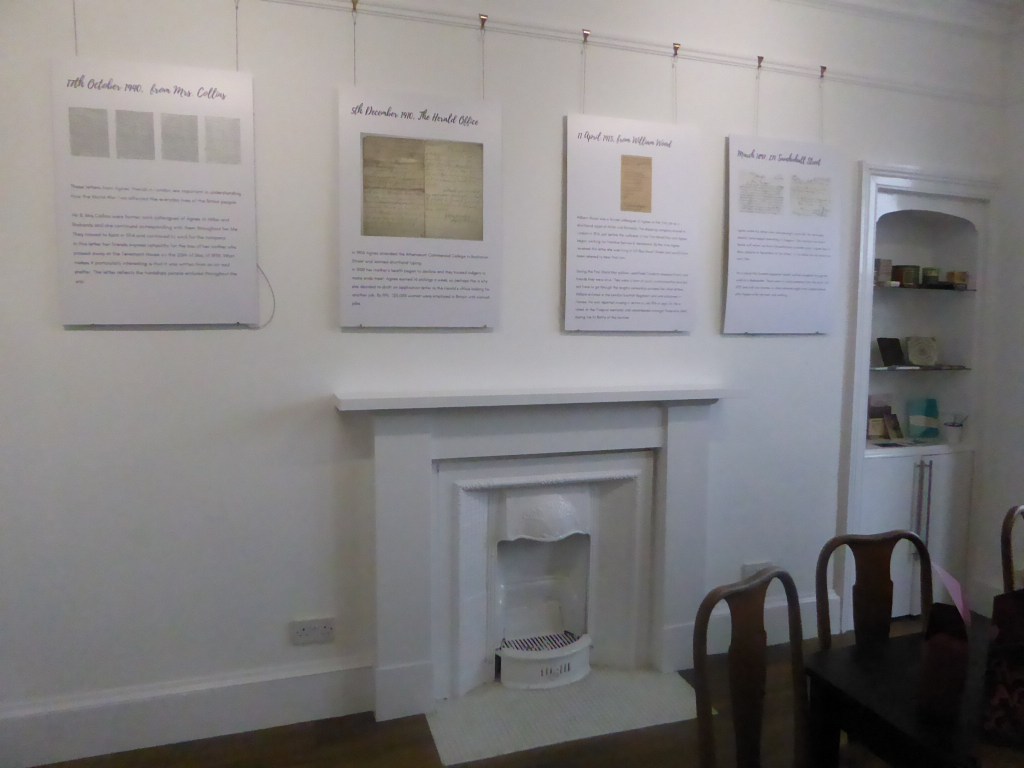
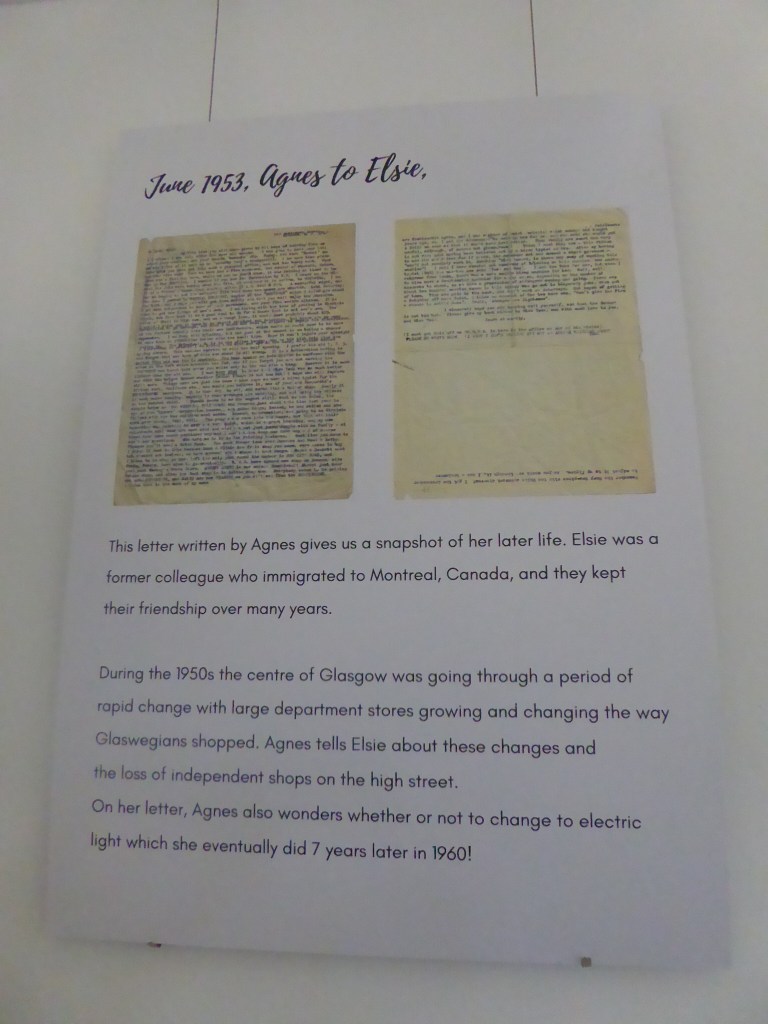
The most striking thing I saw was the letters and briefs that she had written and received throughout her life. It always strikes me that although we have everything from the internet to telephones and mass communication today, we’ve completely and utterly lost any form of communication via pen and paper. These letters were so much more eloquent and elegant than we use today; the words were utterly superior than what we could ever dream of crafting nowadays, even if we were to give up texting or emails.

CB
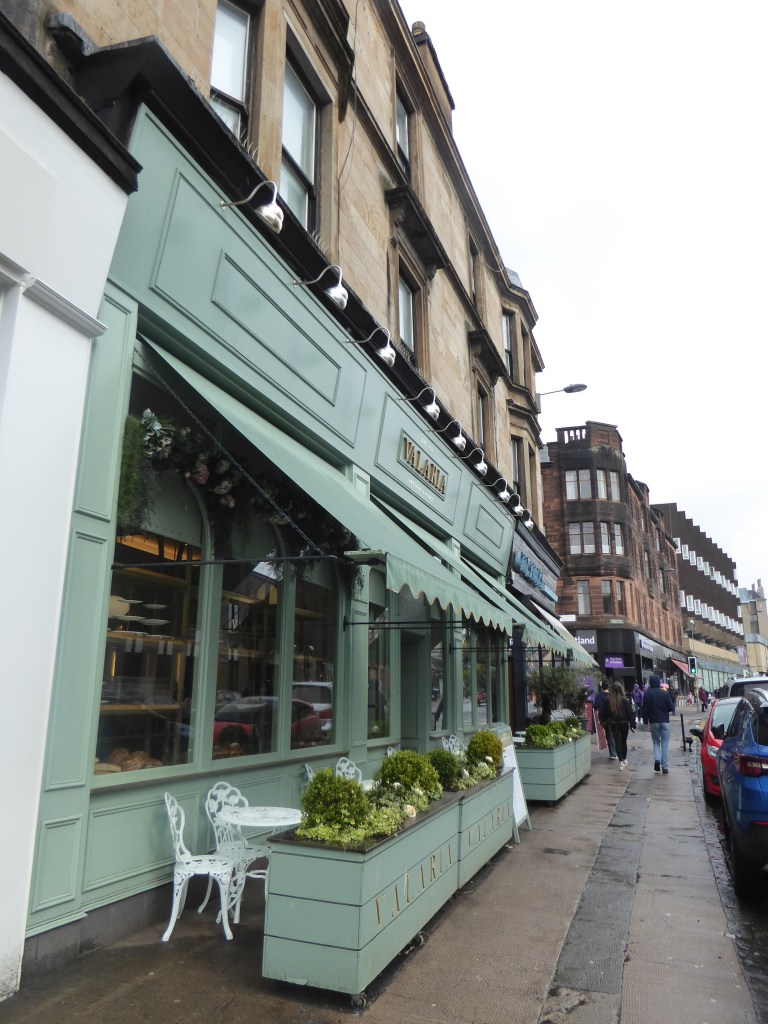
Glasgow, Scotland’s West End – Embracing Chinese Culture at Interestea Café, Scotland

What’s interesting about the UK and Scotland as a whole is that there seems to be an increasing number of Chinese students and residents nowadays, which can only be good for the restaurant trade. I live in the West End of Glasgow in Scotland, where there has been a significant influx of Chinese students, leading to a rise in the number of Chinese cafes, restaurants, and even supermarkets.

Also, if you look at the figures from the last few years, in 2021, around 150,000 people from Hong Kong were allowed to settle in the UK. In Glasgow, this likely represents many thousands that we’ve probably welcomed in the last few years.

The last few months in Glasgow, I’ve walked by a bike shop that surely had someone from Hong Kong working there, as he was older, and not a student. In addition, I was also at a small café that had been for sale for about a year. The new owner, Chinese, I believe also comes from Hong Kong, as his English was excellent, and I don’t believe too many Chinese students have this level of English, in addition to not having enough money to fork out for a used café’.

He was also quite astute, as when I mentioned to him that I had noticed this café’ had been on sale for the last few months, he enquired how I knew that piece of information. I told him that it was on a Glasgow website.

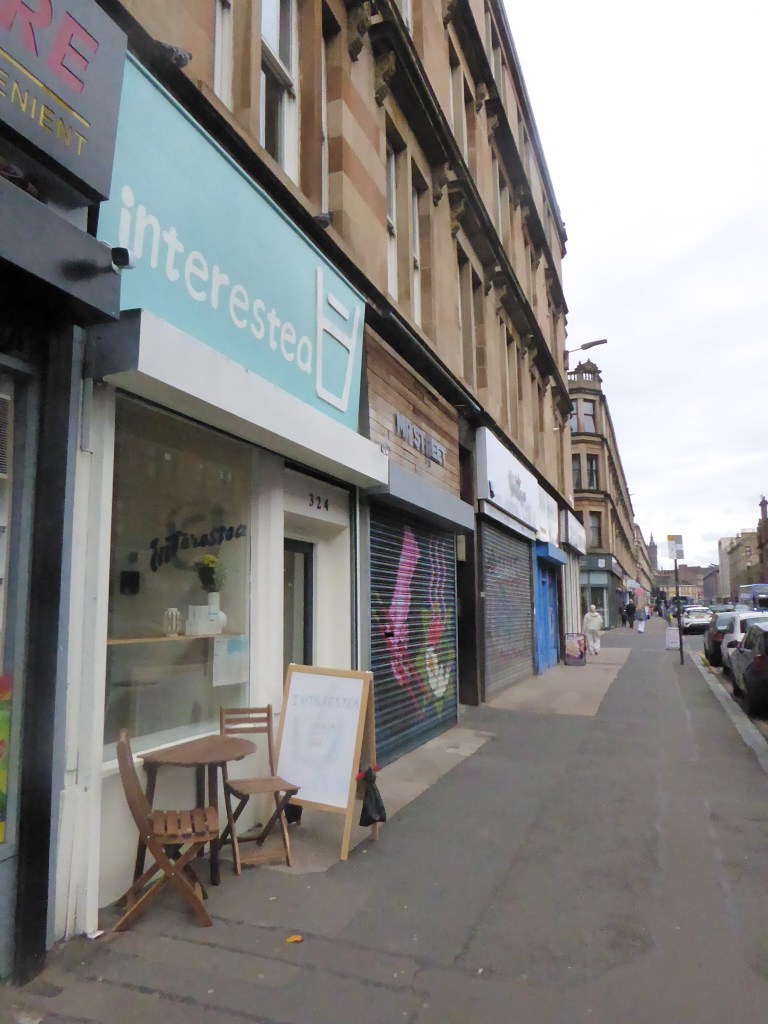
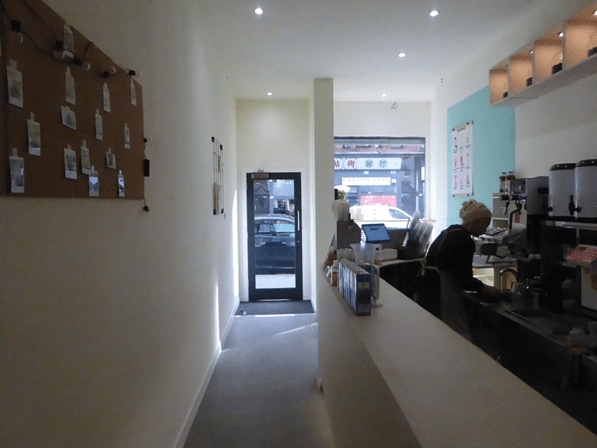
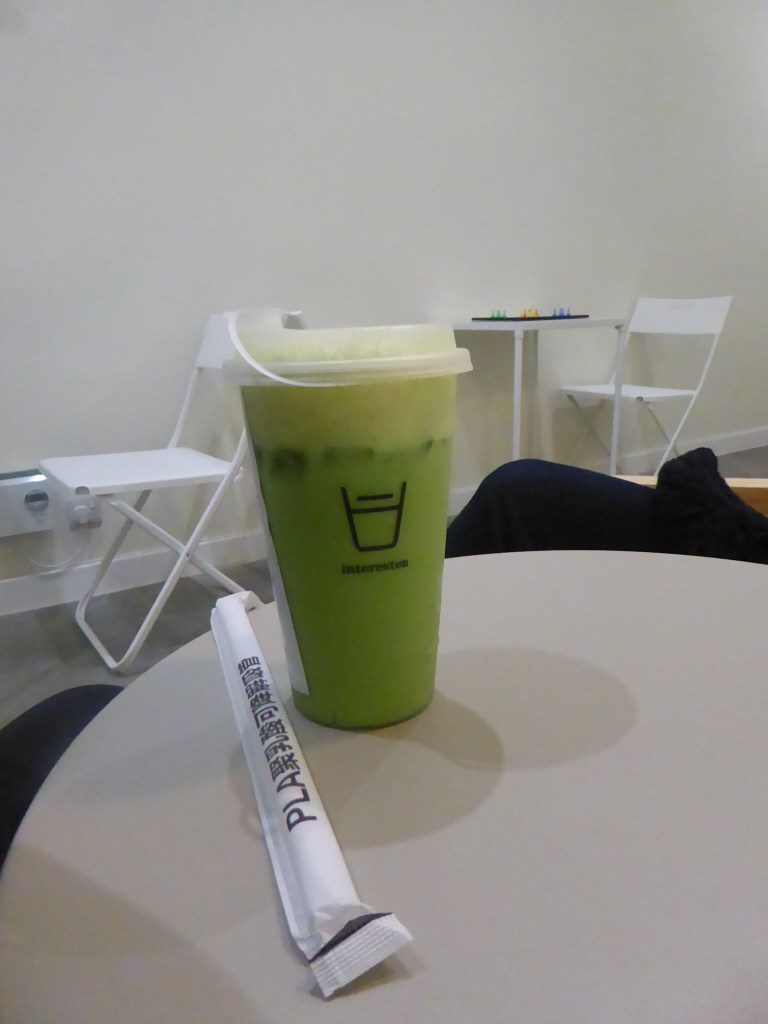
So, during a walk the other day, we passed by, yet another Chinese place, in this case also with a rather unfortunate name Interestea – a new bubble tea and coffee café that is minimal and sleek.

I just LOVE some of the names of Chinese restaurants in Glasgow!

This establishment is located further west in the West End of Glasgow. This trend is natural, as more & more Chinese students (and other nationalities) arrive, there simply isn’t enough accommodation near the University itself. As a result, they are moving further west, expanding into the Thornwood, and Victoria Park areas of the city.

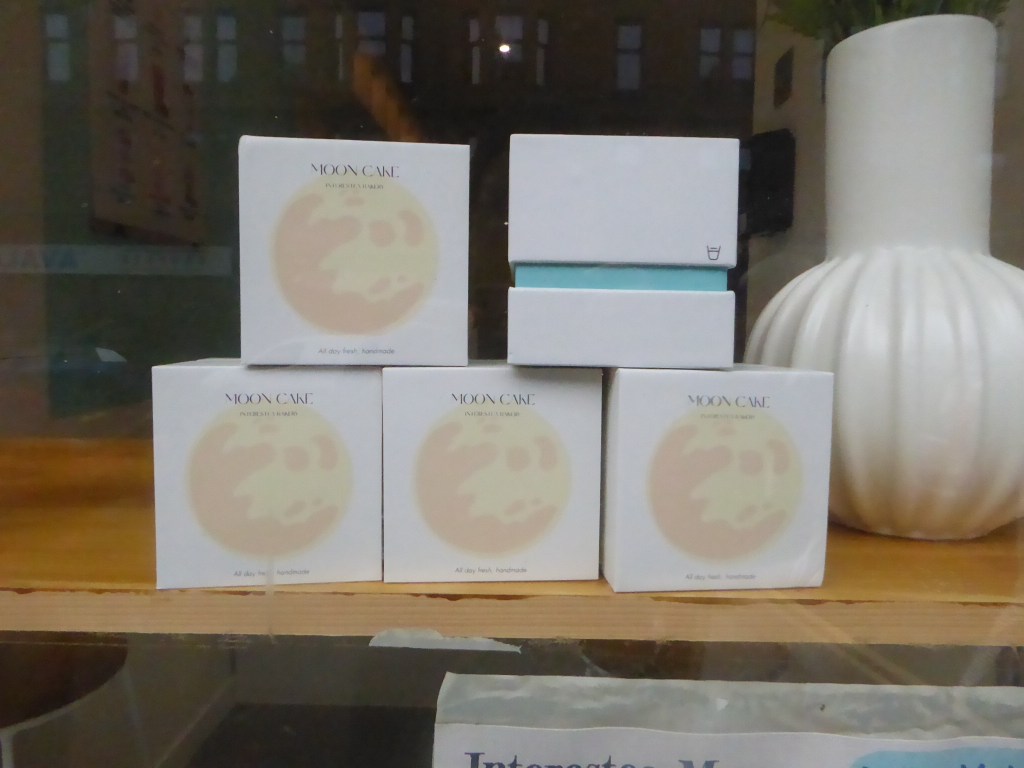
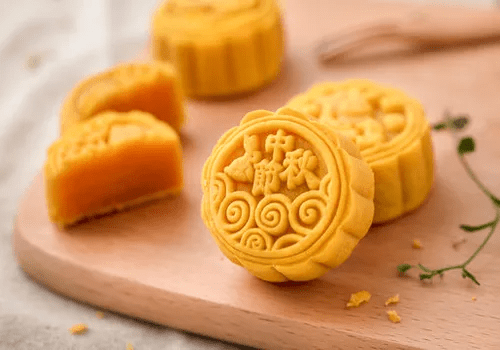
One thing I noticed, as I am currently trying to learn Chinese, whilst I also have Chinese clients online, was that there were some moon cakes displayed in the window.

Moon Cakes, or Autumn Festival cakes, are traditionally baked for the Mid-Autumn Festival that took place 2 weeks ago in China. Unfortunately, we didn’t get to try any here, but we did buy some last week from our Chinese supermarket in the West End. I haven’t tried them yet, but one client mentioned he didn’t like them because they were too greasy.

In addition, as I’m a dreadful amateur “cook”, I searched for and found an online recipe that called for a strange flour mixture of dough; consisting of alkaline water, along with some sort of golden syrup and eggs—it didn’t look very appetizing.

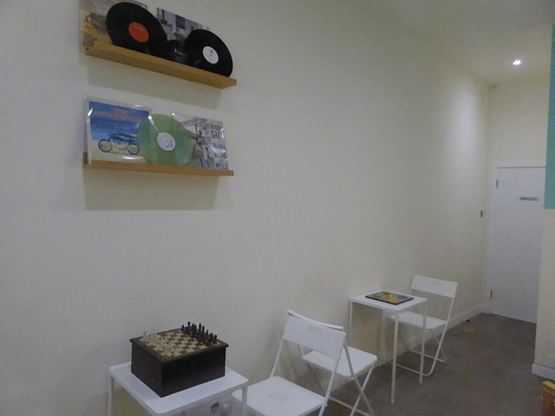
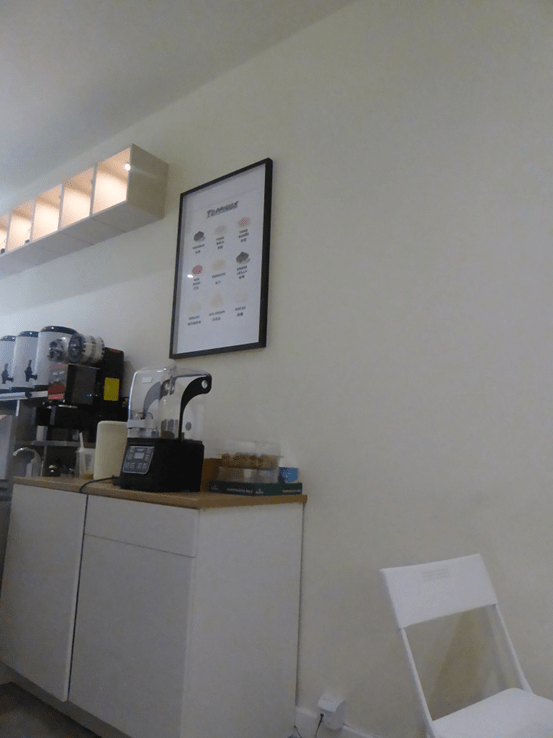
This café was new, clean and very minimal; and will no doubt contribute to the proliferation of Chinese establishments, whether cafes or restaurants, in the West End of Glasgow. It can only be a blessing.