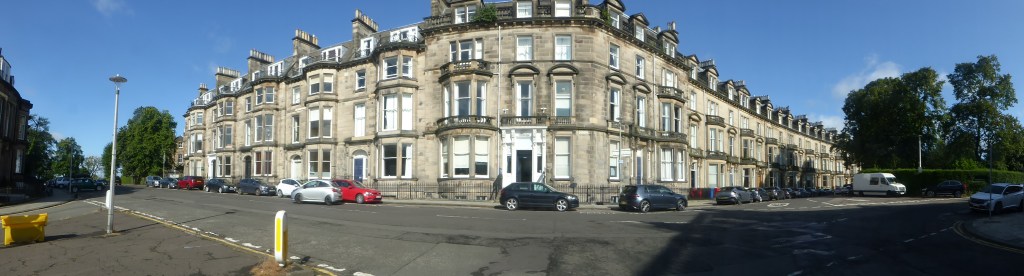
Edinburgh what a beautiful city – many different parts but for this trip I was in the West End– Part 1

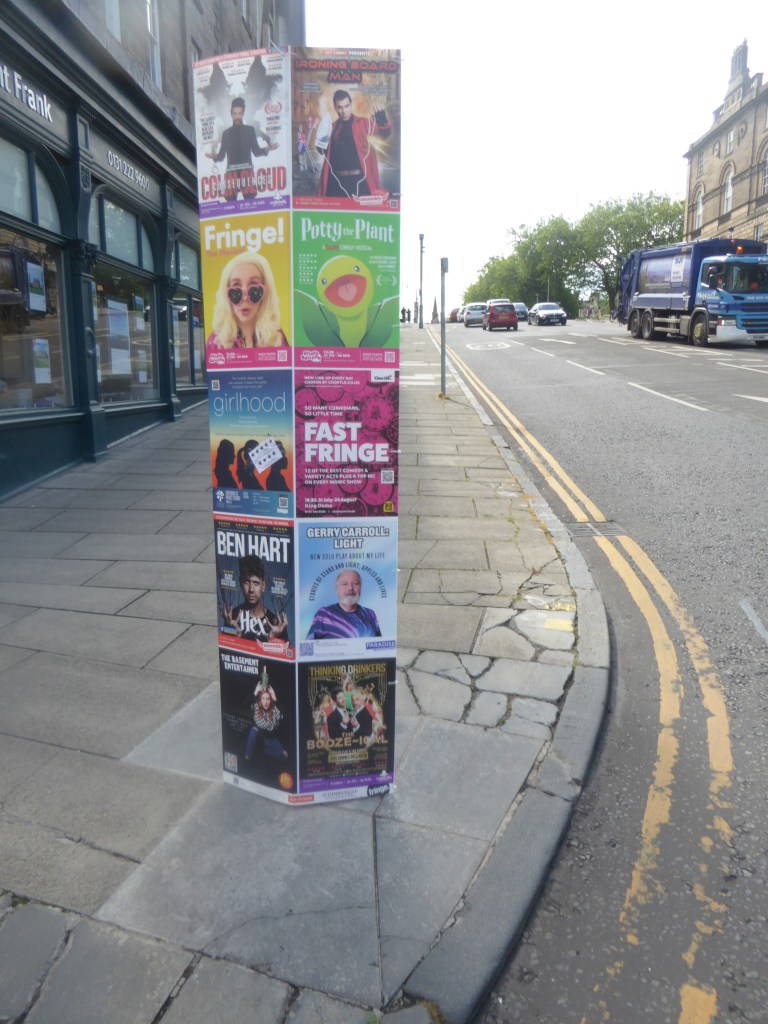
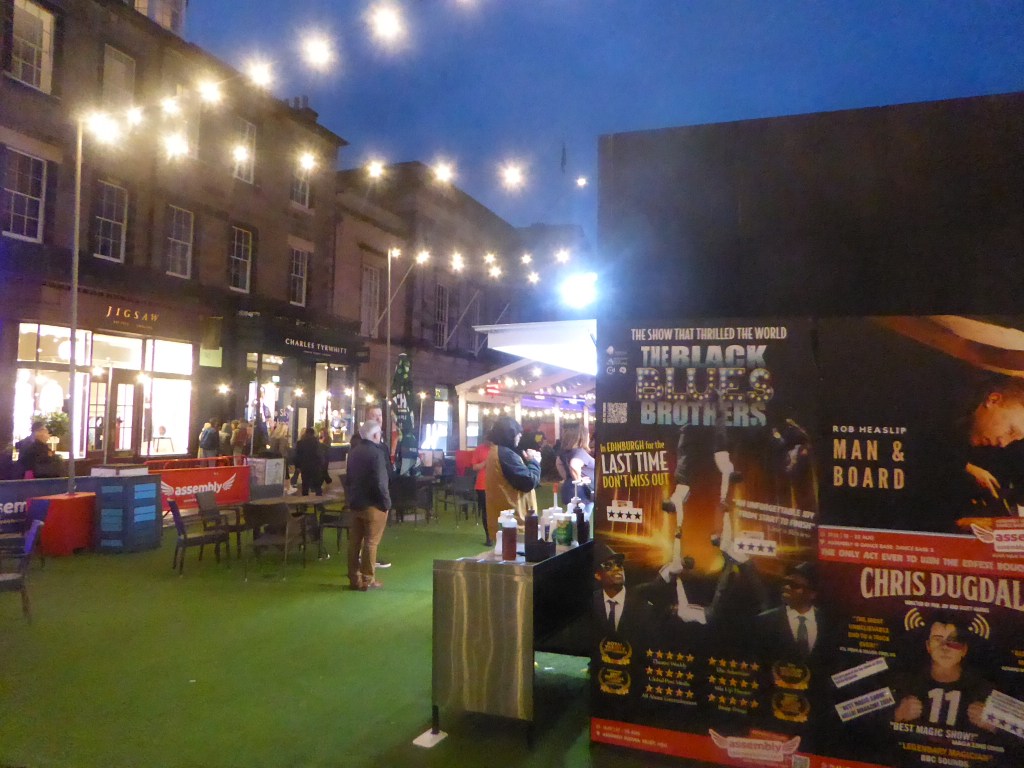
It’s interesting because I have been to Edinburgh countless times in my life, normally as a day trip, but this time my partner had to attend a conference, so I went along, especially since it coincided with the Edinburgh Festival, the largest arts festival in the world.

It’s different because normally when I go to the festival, I just visit for the day and then come back. However, this is the second time in two years that I chose to stay overnight. The previous time, the prices were simply outrageous—nearly £300 for one night at a tiny hotel room the size of a broom cupboard. It’s disgraceful and explains why certain people are no longer attending the festival.

At the same time, I can understand why some of the hotels wish to make as much as possible; and many people are more than willing to pay it. In addition, it’s not just me who thinks this must be a problem, but for the performers, it must be nearly impossible to find affordable accommodation for their one, two, or even three-week runs.

Naturally, we decided to stay as cheaply as possible, and for some reason, our Travelodge was located in the West End, just out of the more expensive parts of Edinburgh, yet it was still a spectacular area to visit.


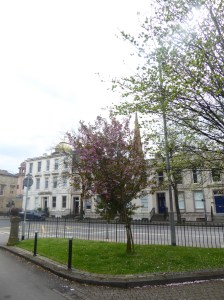
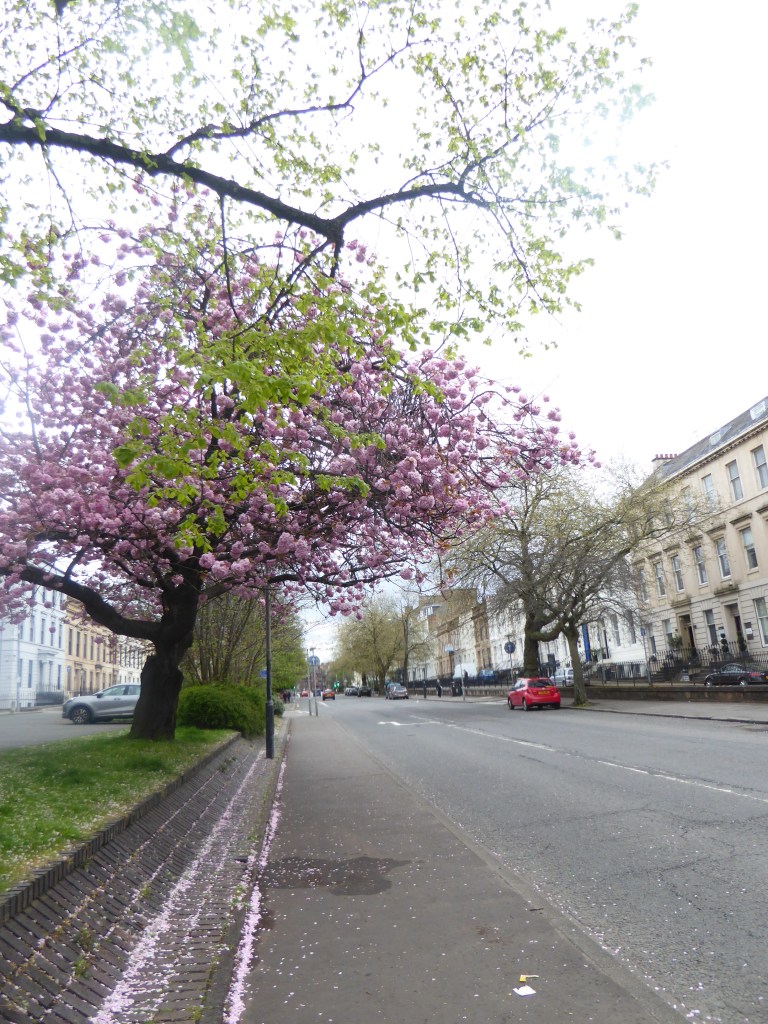
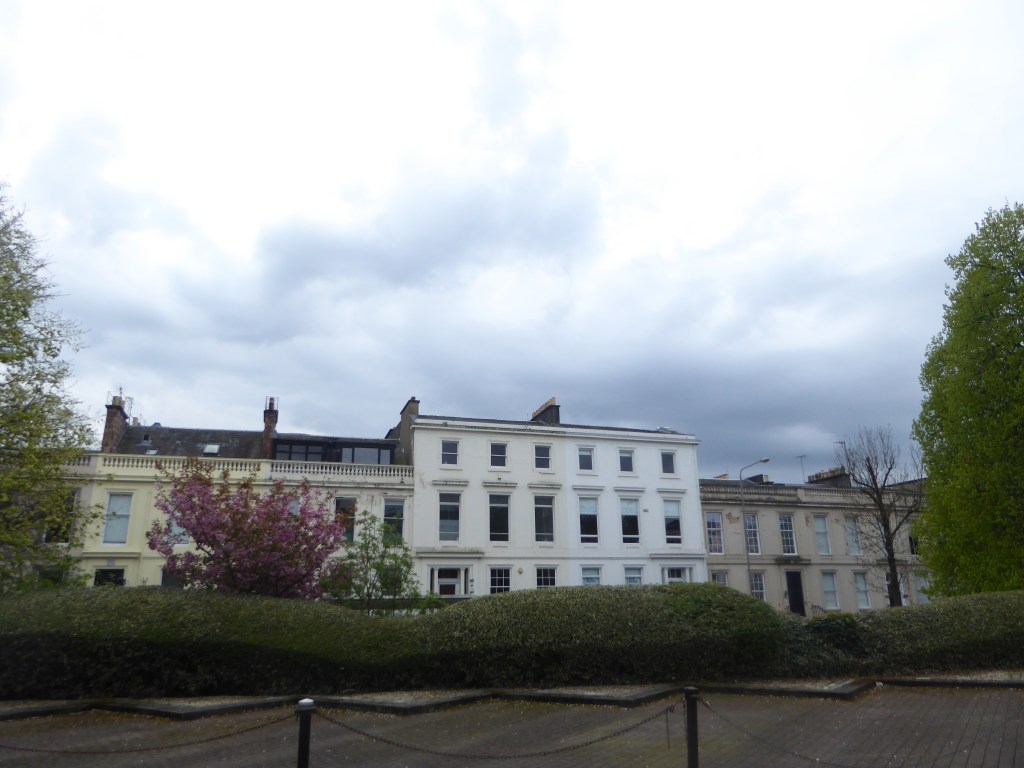
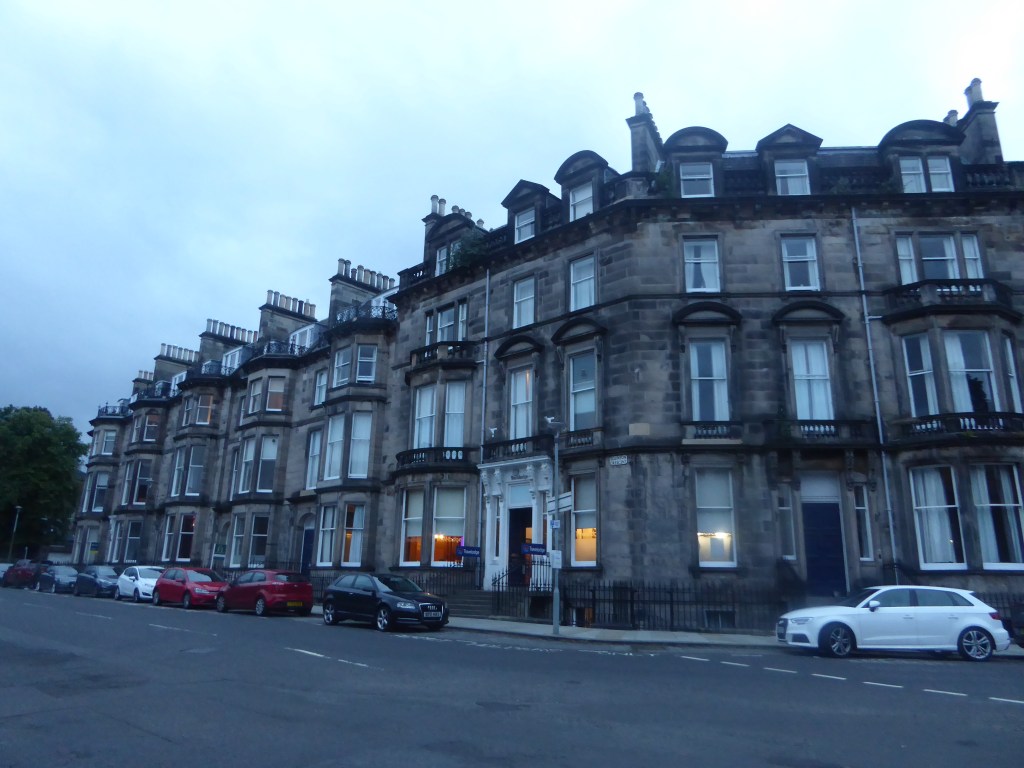
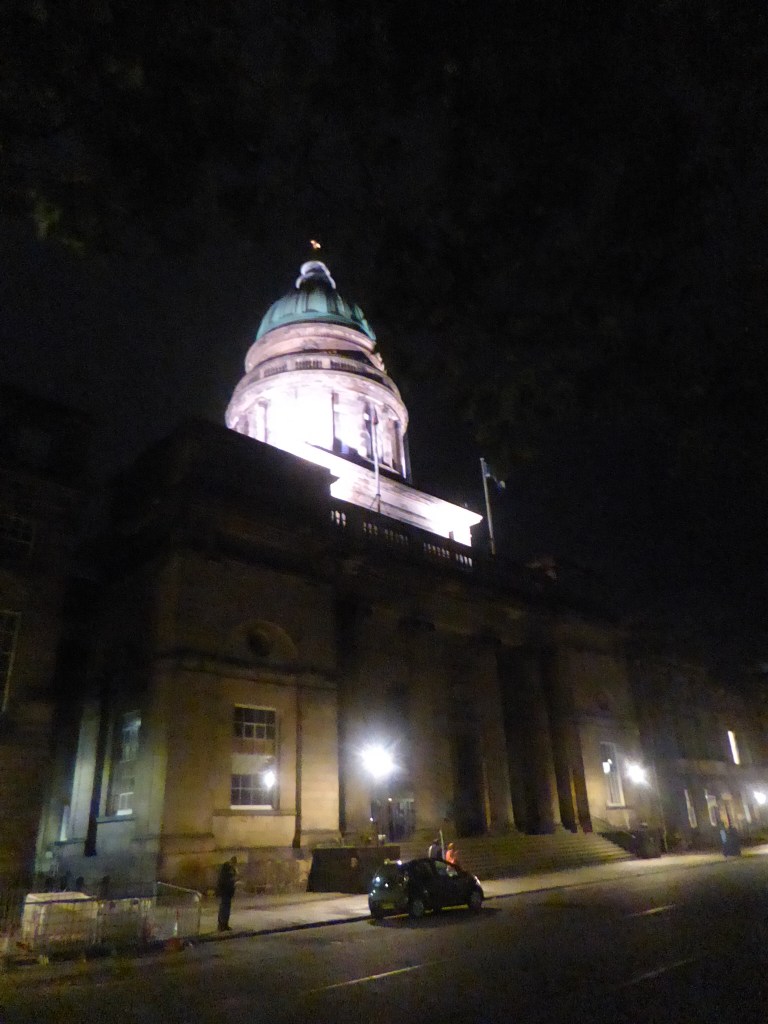
You only need to take a walk anywhere in Edinburgh, particularly in the town centre, to see the magnificent Victorian architecture. In this case, avoiding like the plaque anywhere near to the tourist areas. But even here in the West End of Edinburgh the buildings are spectacular.

The architecture is quite different from that of Glasgow, as it tends to be almost entirely white sandstone, as opposed to the red stone that we have in various parts of Glasgow, albeit, with plenty of white sandstone as well.

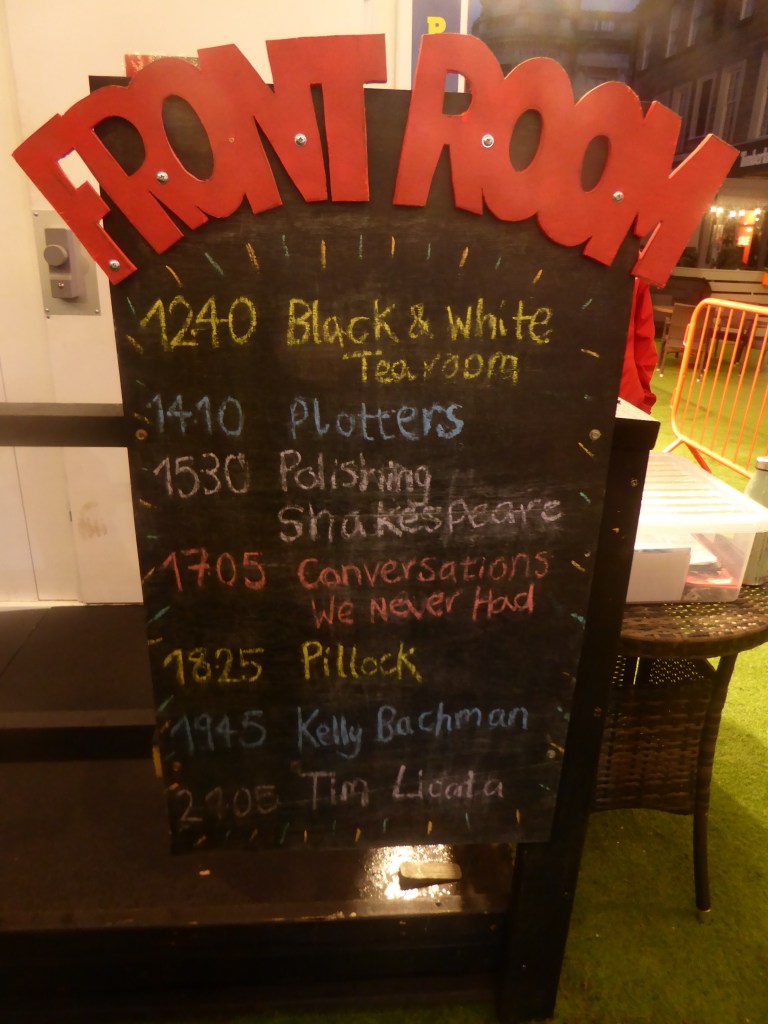
Naturally, on my first night there, we decided to go to the Edinburgh Festival, in this case to see a magician, Tim Licata. He was just fine, and of an Italian-American heritage. It also was not too crowded as well. Not sure why, though the show inside was close to a sell-out.

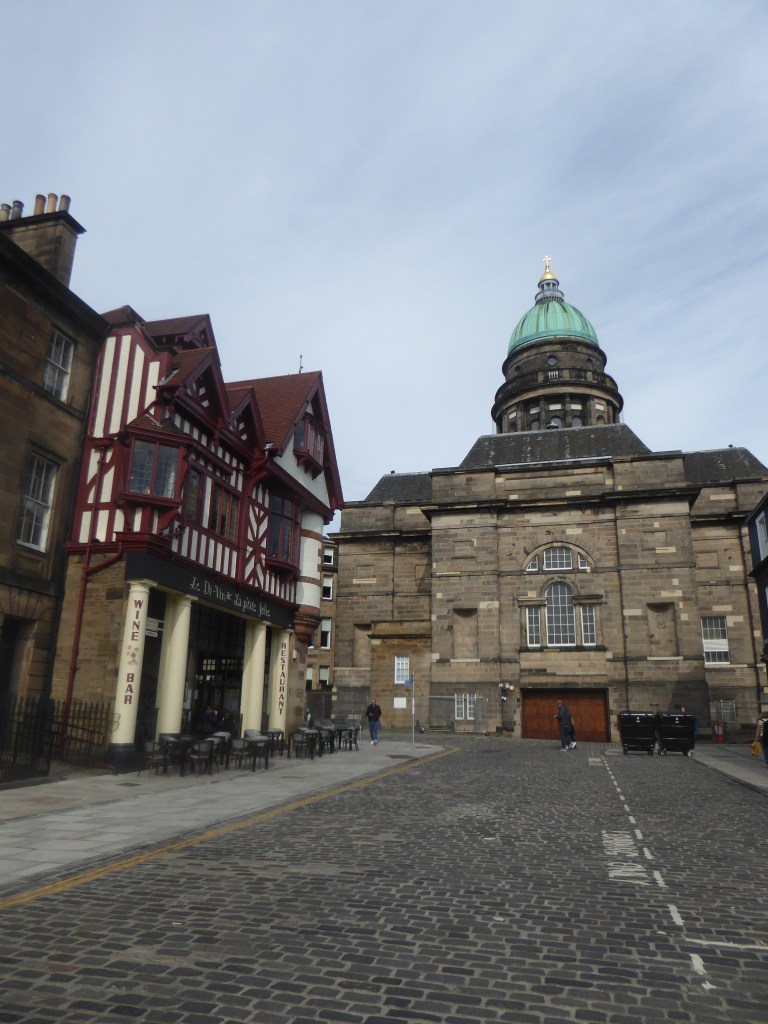
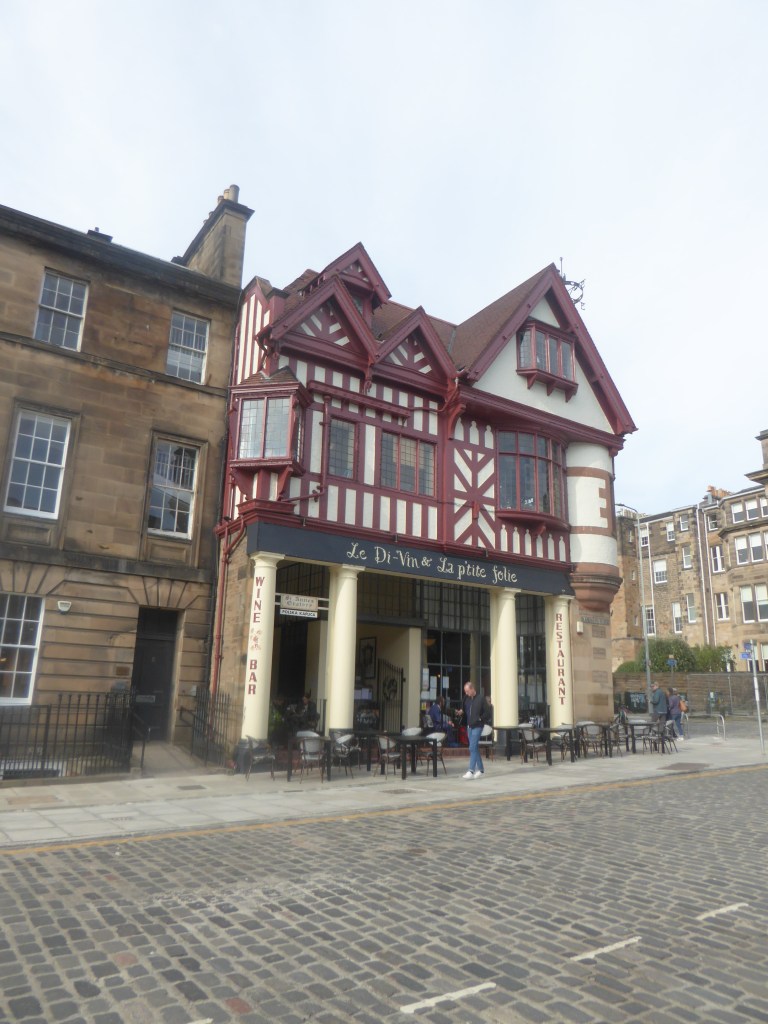
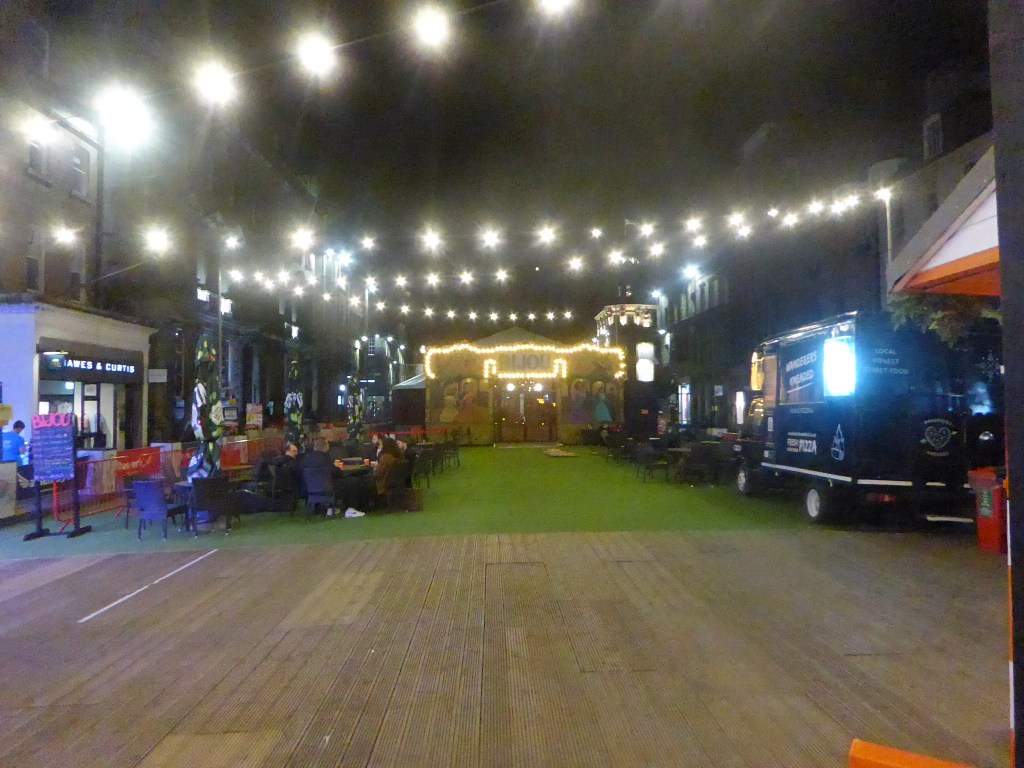
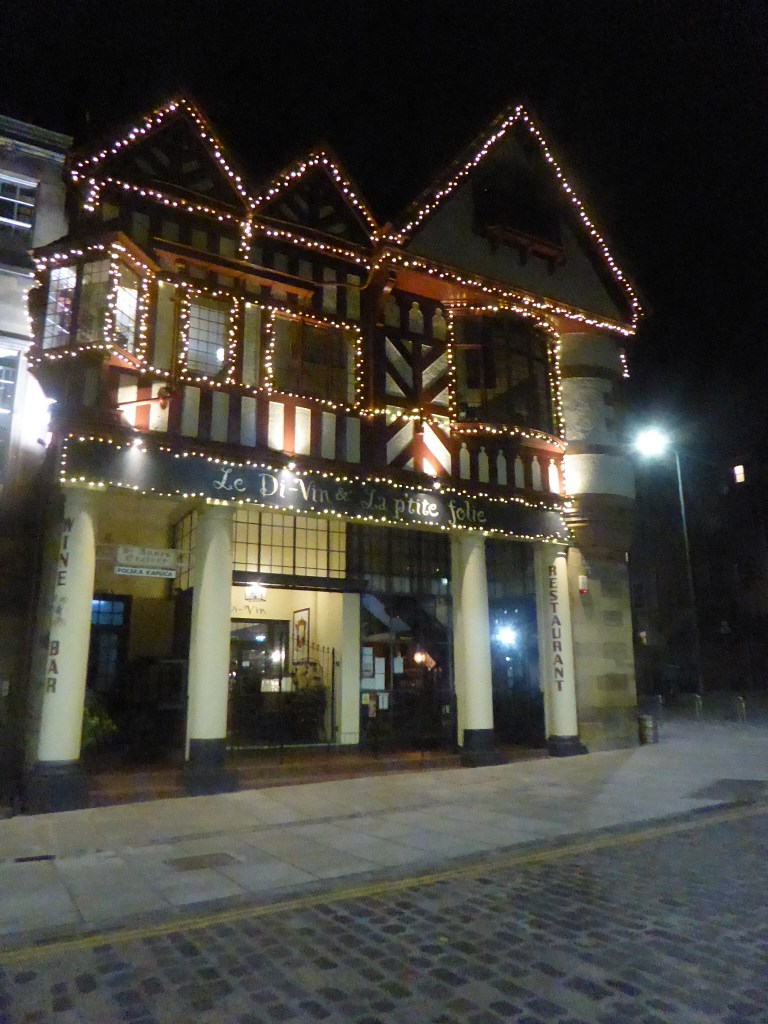
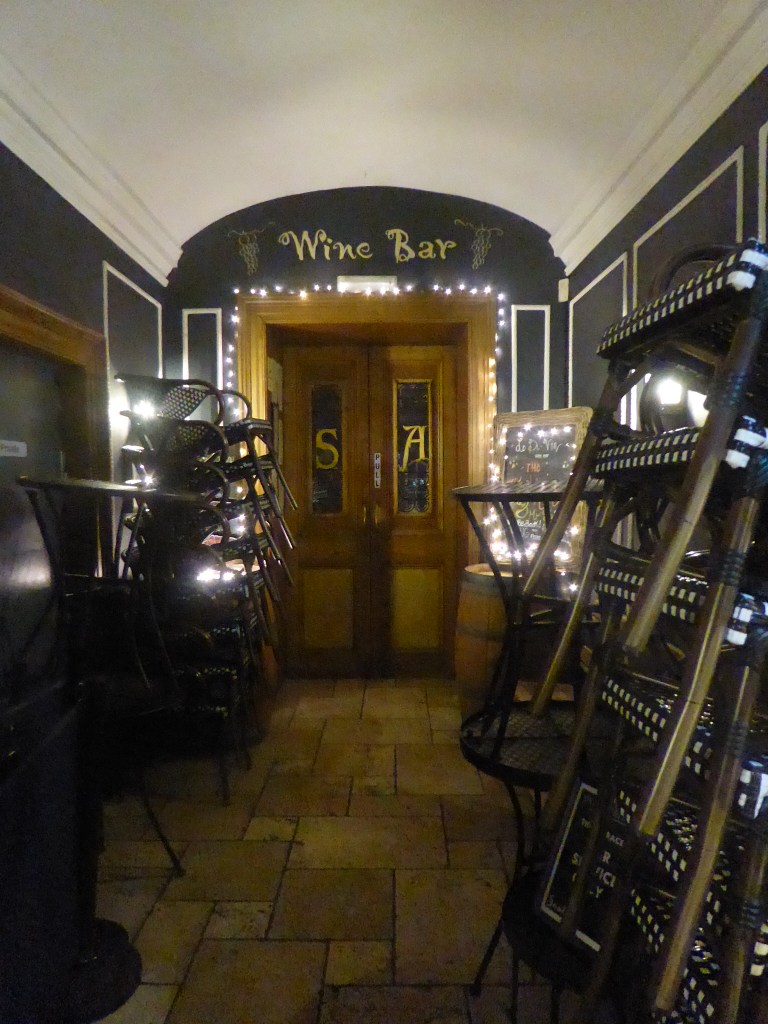
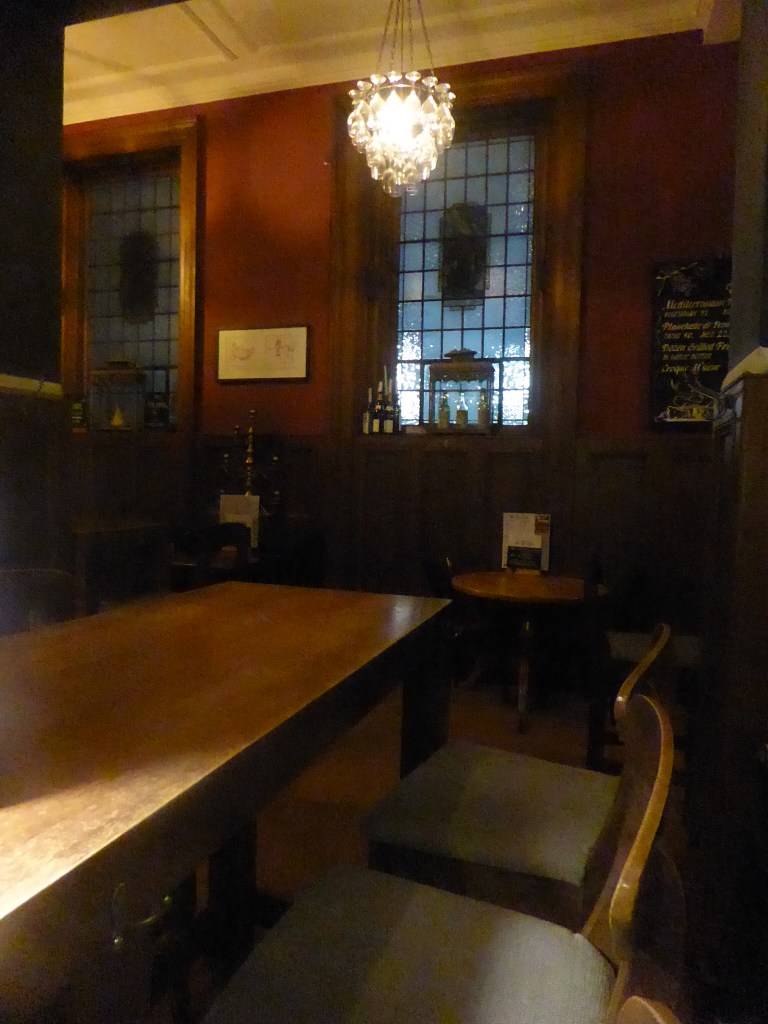
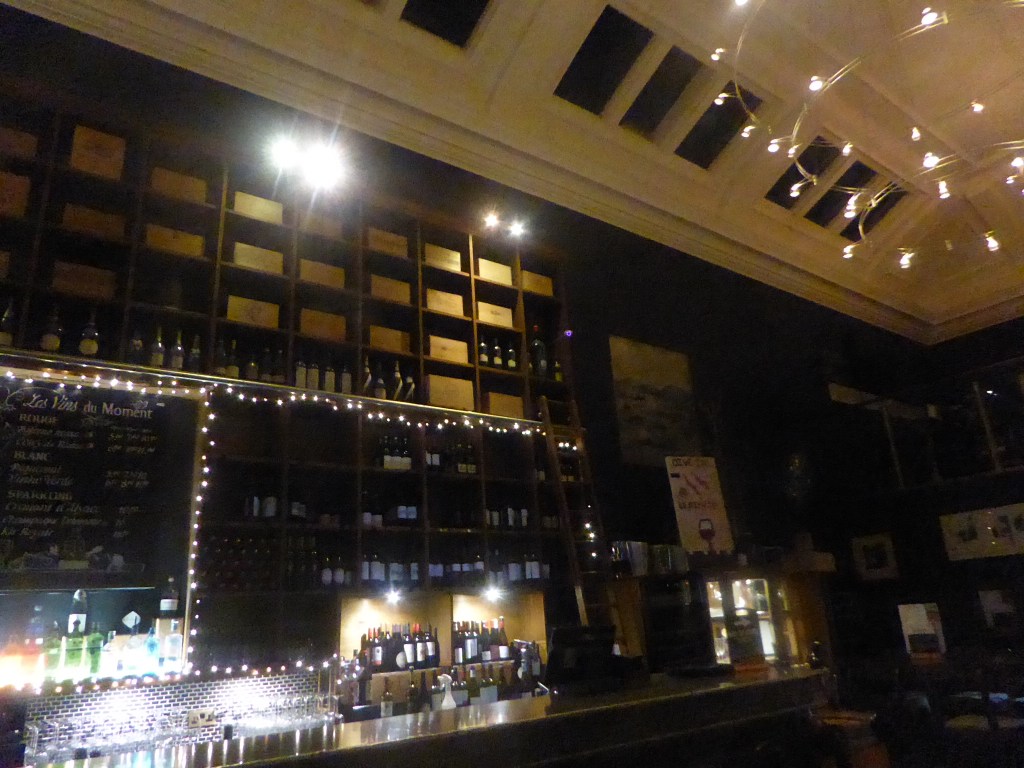
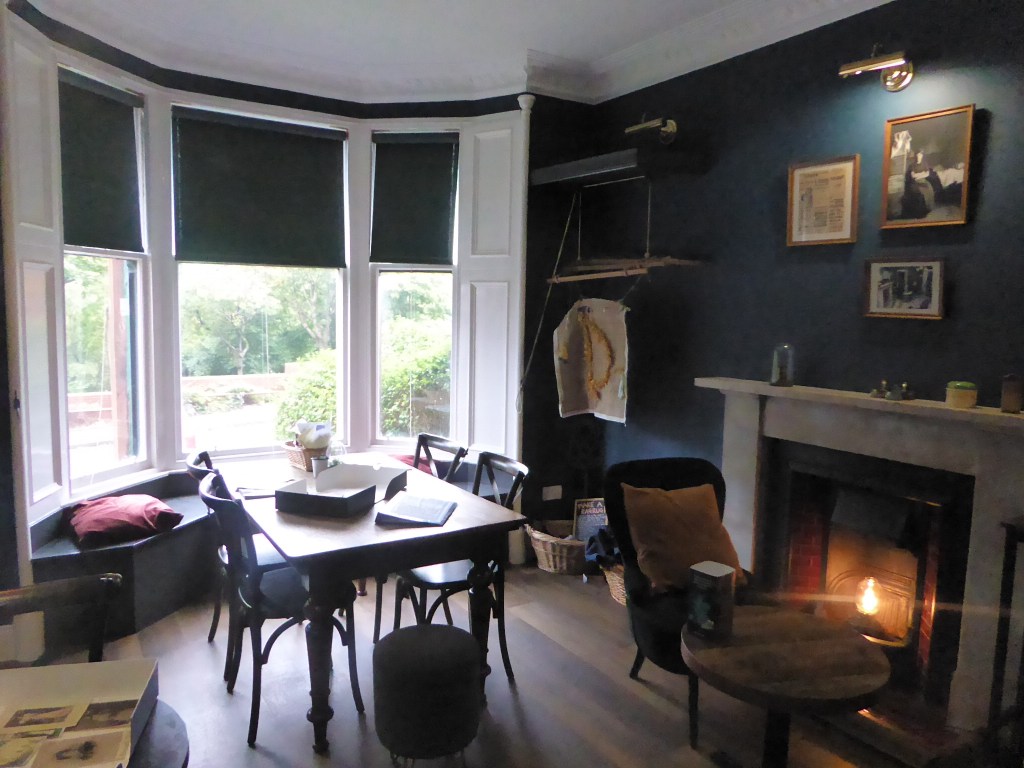
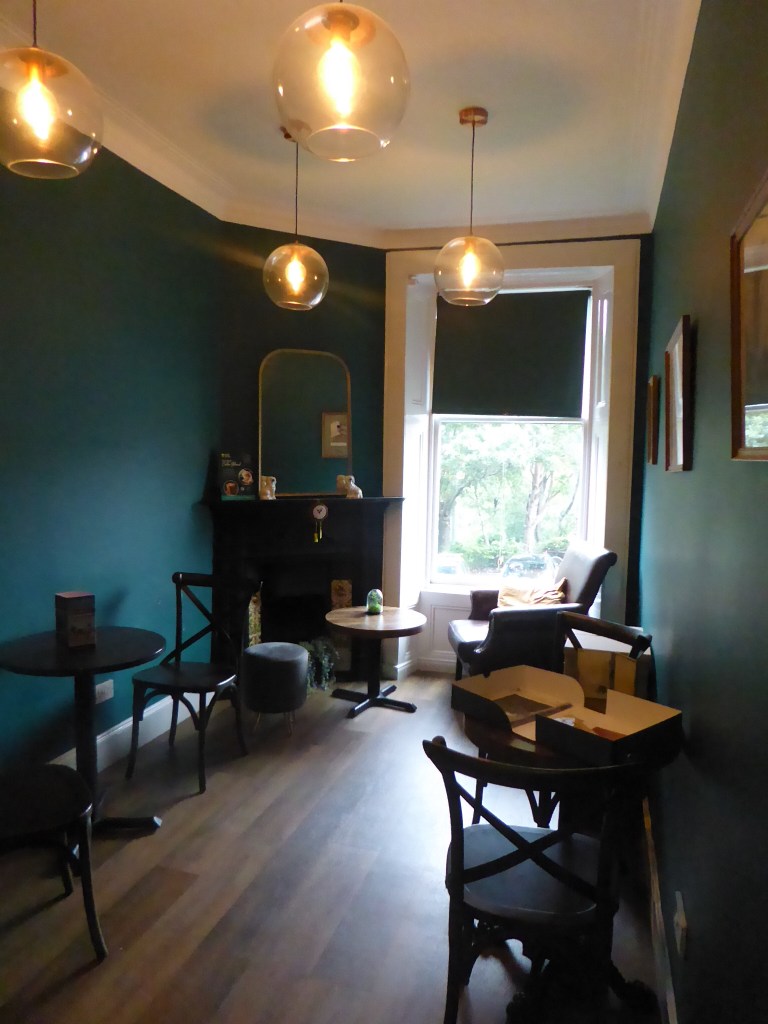
On the way back our walk we went through this area in the West End, that showed us a wee gem of a wine bar, Le Di-Van.

What a beauty! One could hardly believe being here, that I wasn’t on the continent or in France itself.

And it’s definitely one that I’ll be frequenting the next time I’m in Edinburgh.

CB
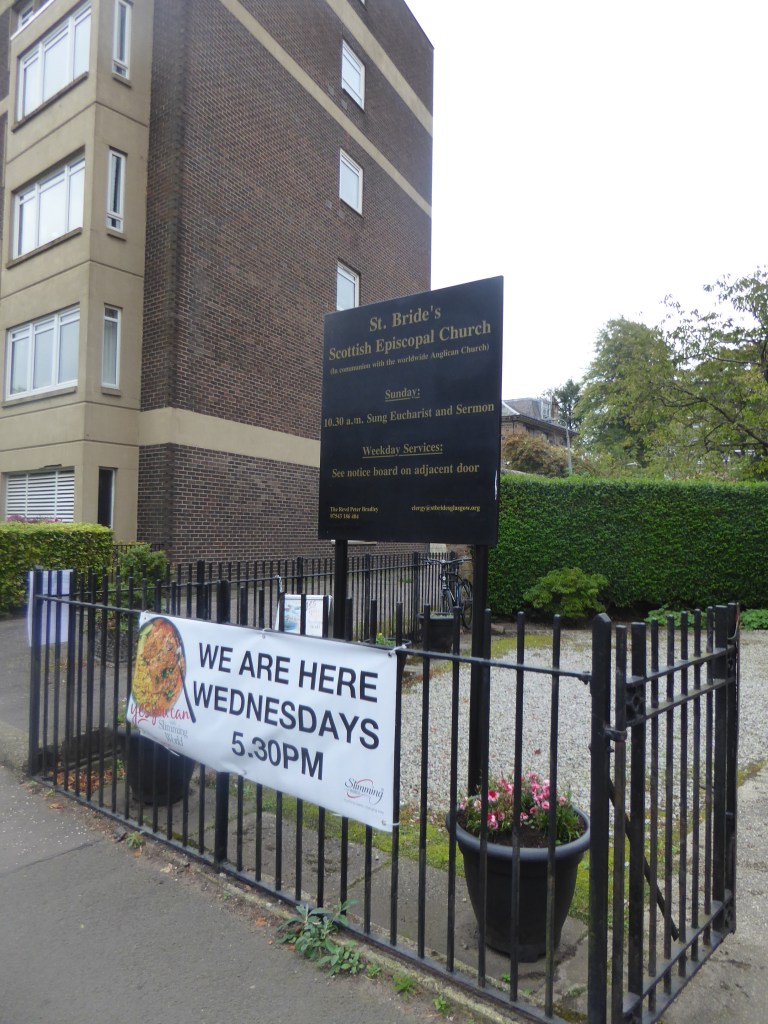
Doors Open Day Part 2: Exploring St. Bride’s Church: A Hidden Gem in Glasgow, Scotland

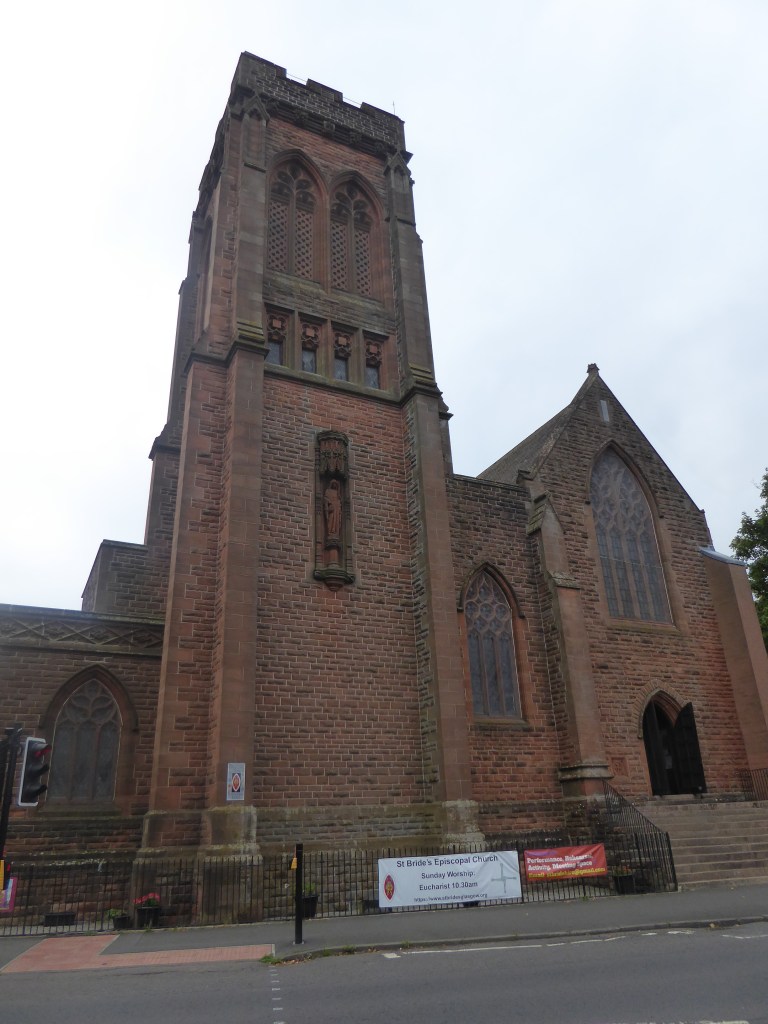
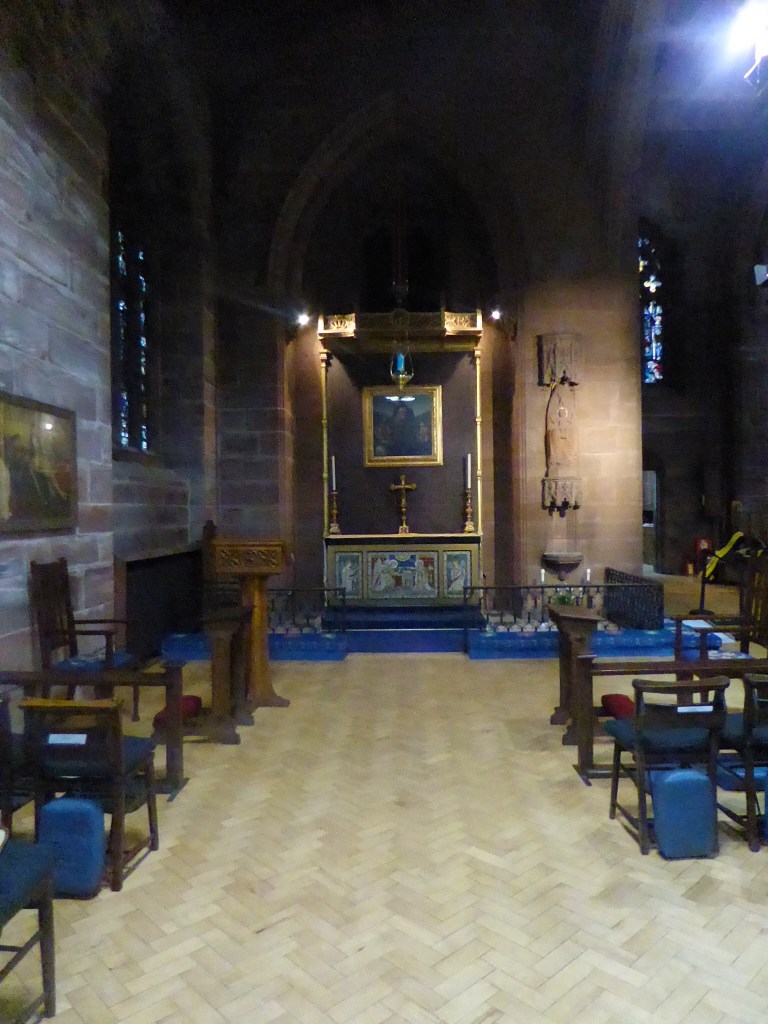
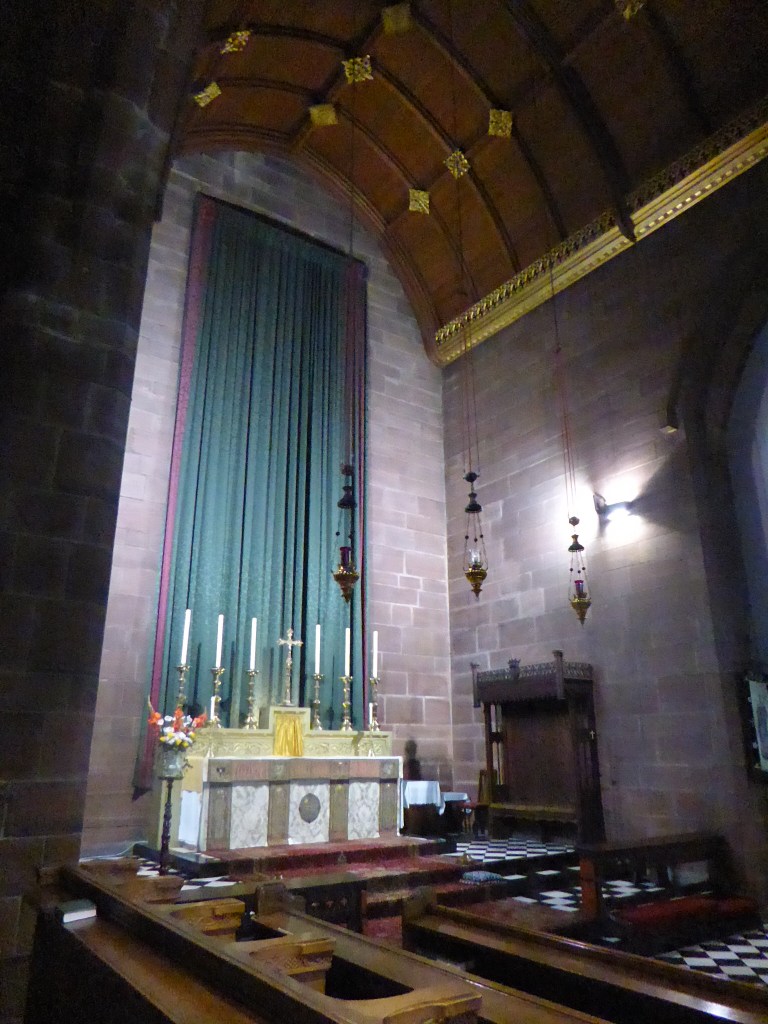
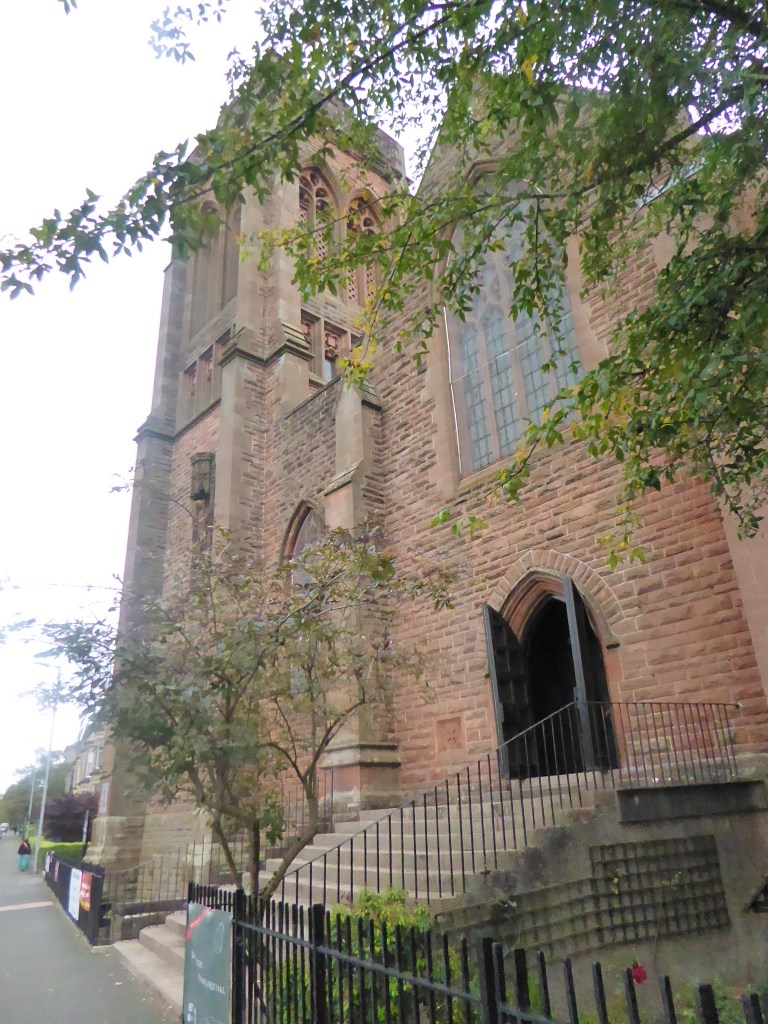
St Brides Episcopal Church, Glasgow, Scotland

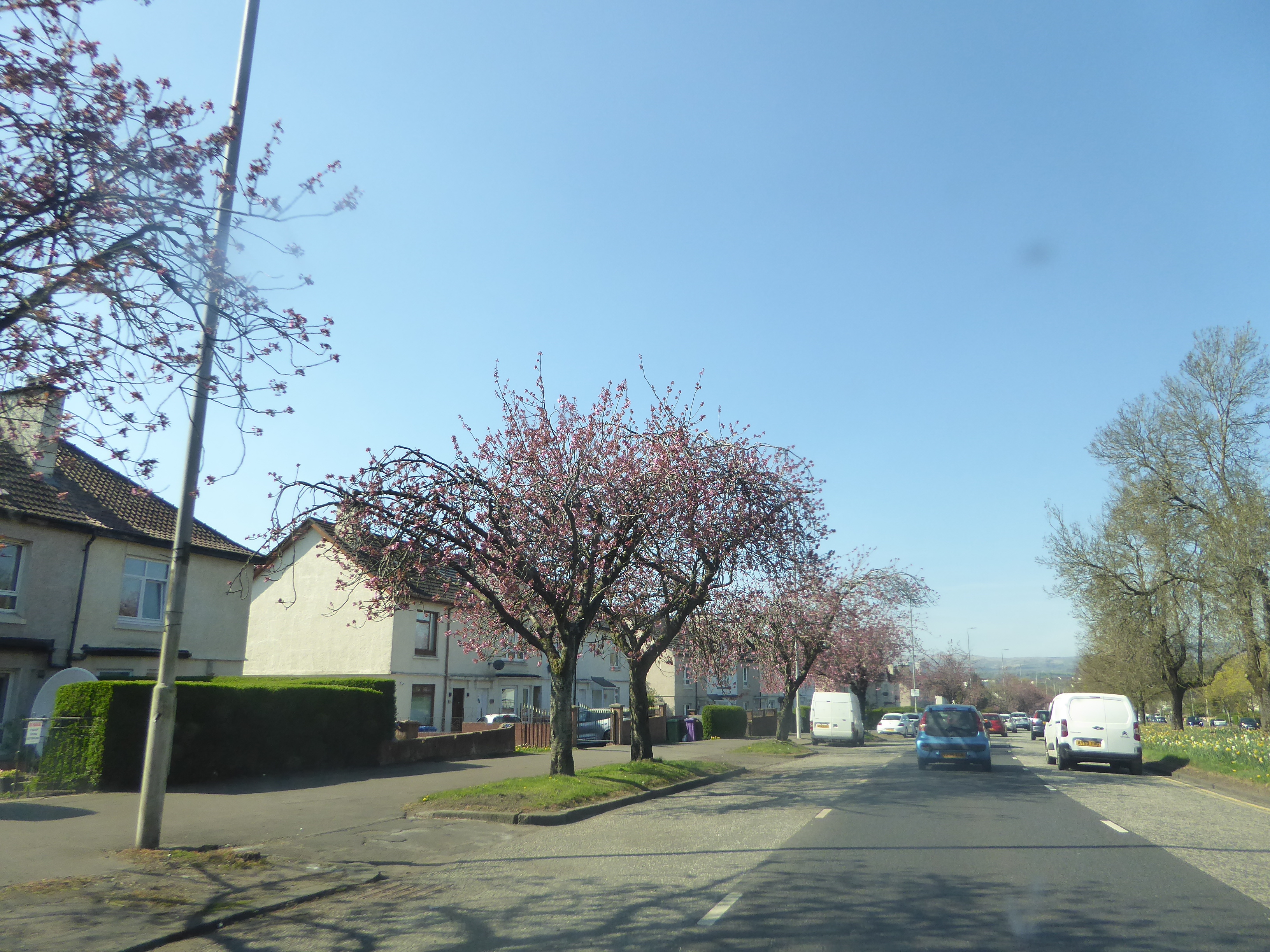
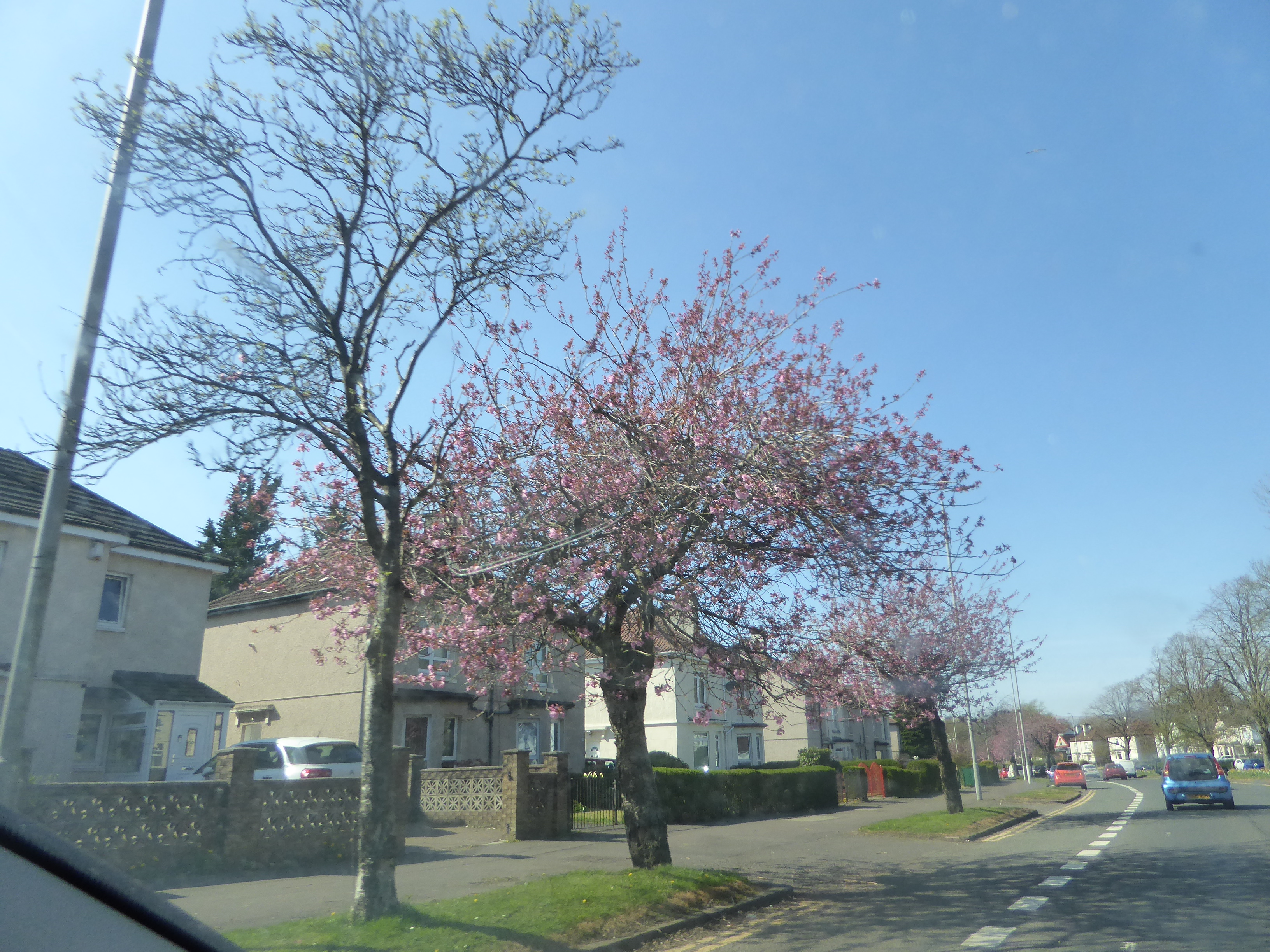
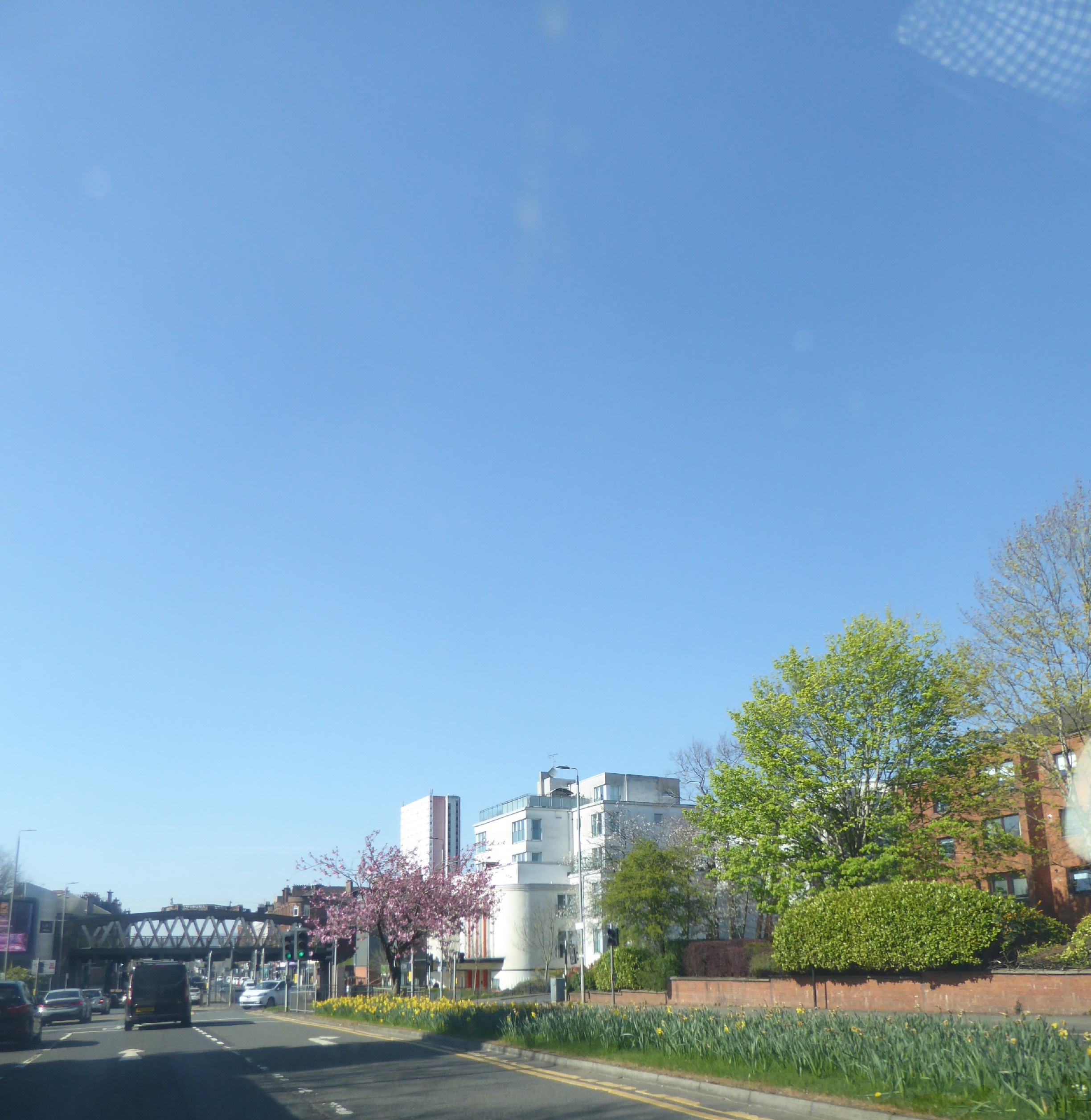
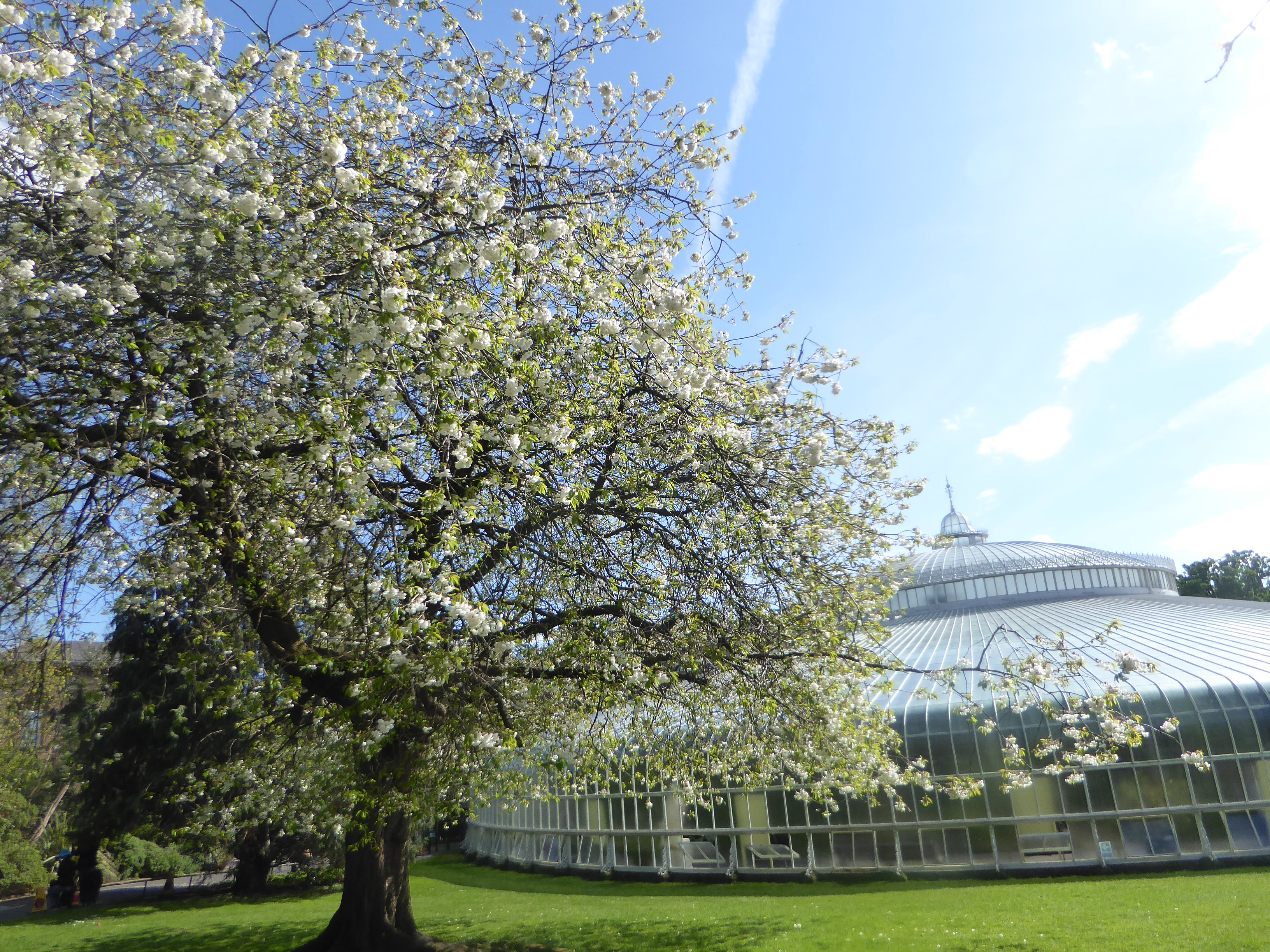
The day before my visit to the Tenement House, I decided to wander around the West End of Glasgow. This tree-lined, leafy area is very middle-class, with many Chinese students near the university and various hospitals. It is probably the most desirable place to live in Glasgow, perhaps even in Scotland.

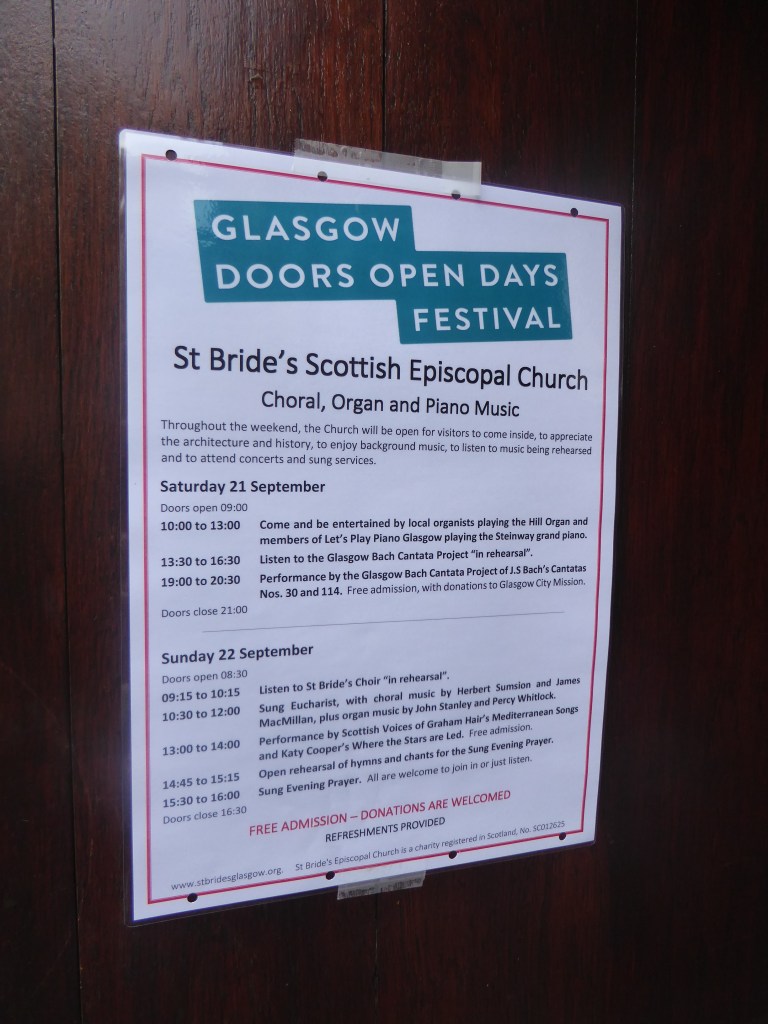
Doors Open Day is a celebration that occurs every September in Glasgow, showcasing many different buildings, with churches being one of the highlights.

Like many other churches in Glasgow, St. Bride’s Church is not only old but also grand and elegant. It appears to be well-maintained, showcasing the care taken by its community. According to my research, it is a member church of the Scottish Episcopal Church, which is part of the global Anglican Communion, with the Archbishop of Canterbury serving as its head.

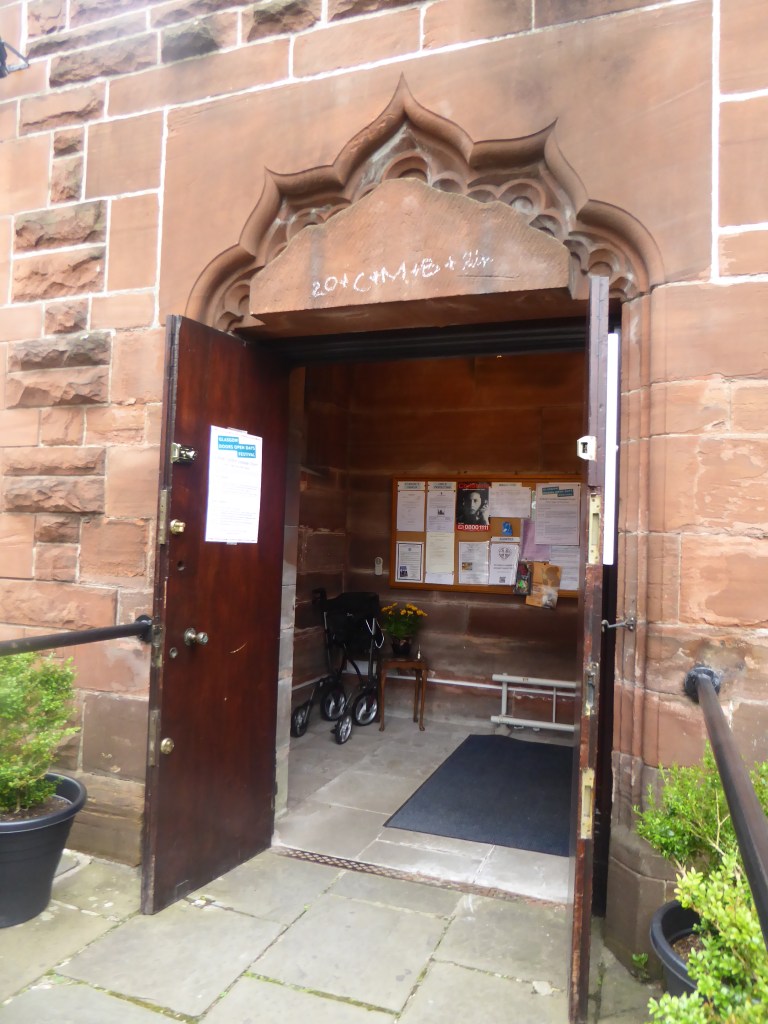
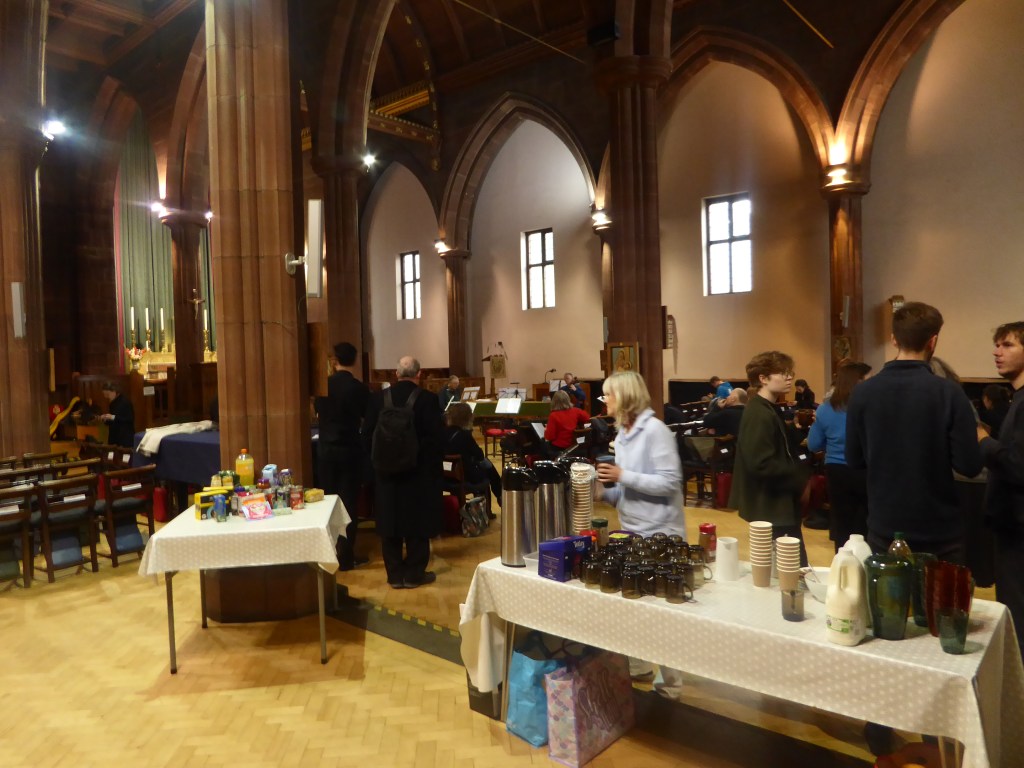
The church exudes a warm and welcoming atmosphere, evident from the numerous bulletins, brochures, and various “churchy” materials I observed. These resources indicate that St. Bride’s is a hive of activity, hosting many services and a plethora of music concerts.

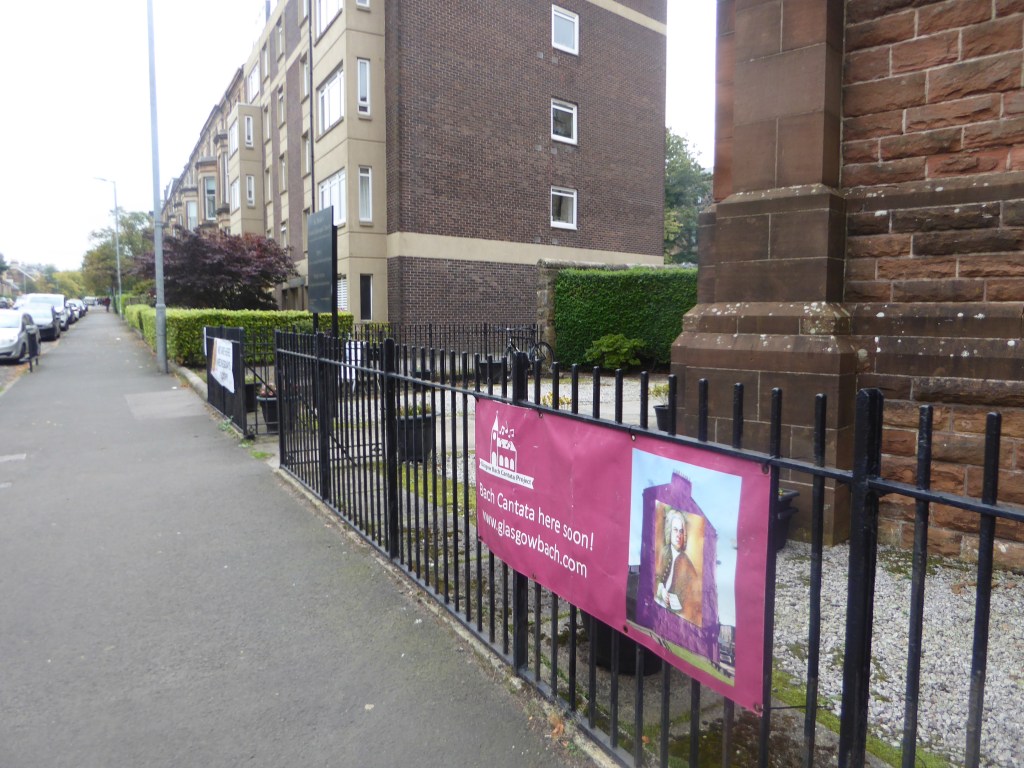
During my visit, I noticed a Bach or Baroque group rehearsing inside, presumably preparing for an upcoming concert either at the church or elsewhere in Glasgow.

With the added charm of delicious cakes, tea, and coffee, I left St. Bride’s Church with a positive impression.

I already have a “Church of the Month” category on my blog that I haven’t utilized enough. Perhaps I can make it a point to explore more of these hidden gems in the future.

CB
Glasgow’s Doors Open Day -Time Travelling by Exploring Glasgow’s Tenement House

It’s interesting because I’ve been in Glasgow for 30 years, but I’ve never actually visited this part of the National Trust for Scotland. At the same time, it seems that virtually every accommodation I’ve used in Glasgow has been a tenement—tenements in the West End, tenements in the East End, and tenements in the South Side. The only time I haven’t stayed in a tenement was in the city centre, specifically in the Pollokshields area of Glasgow, which is a very nice inner suburb.

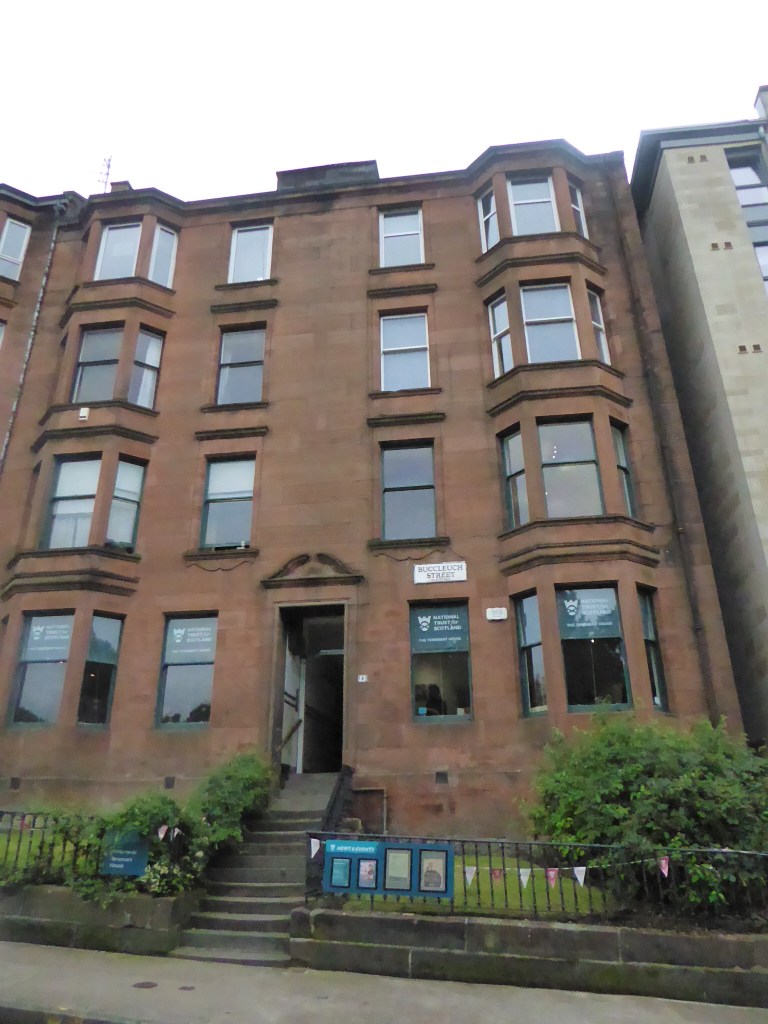
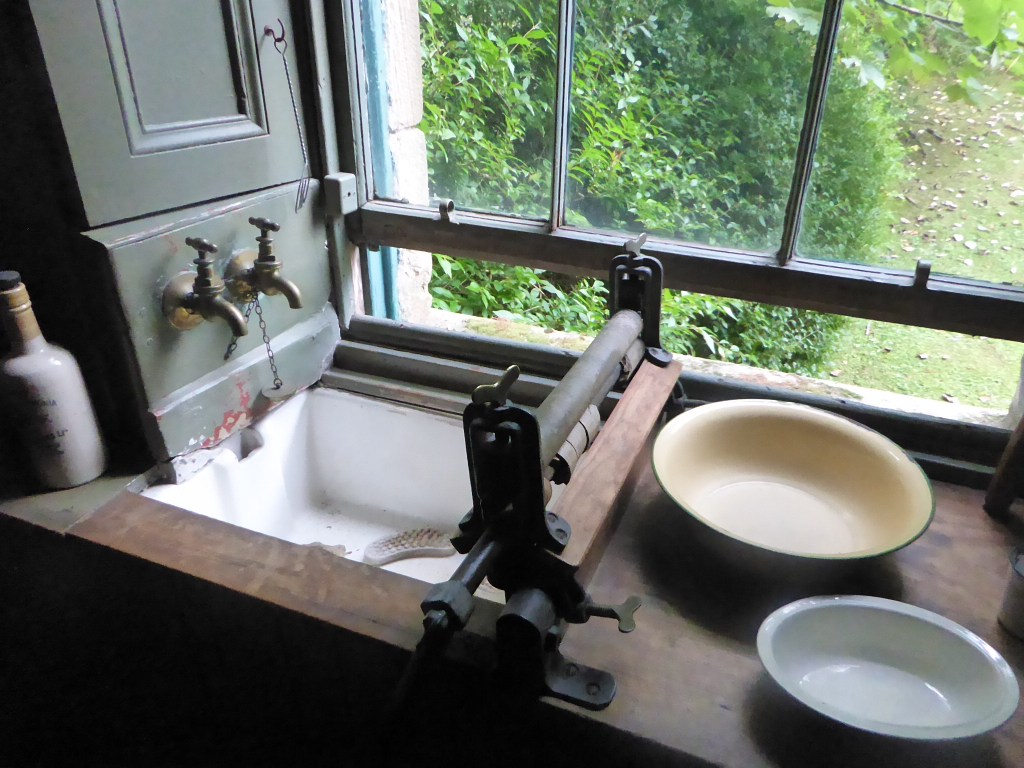
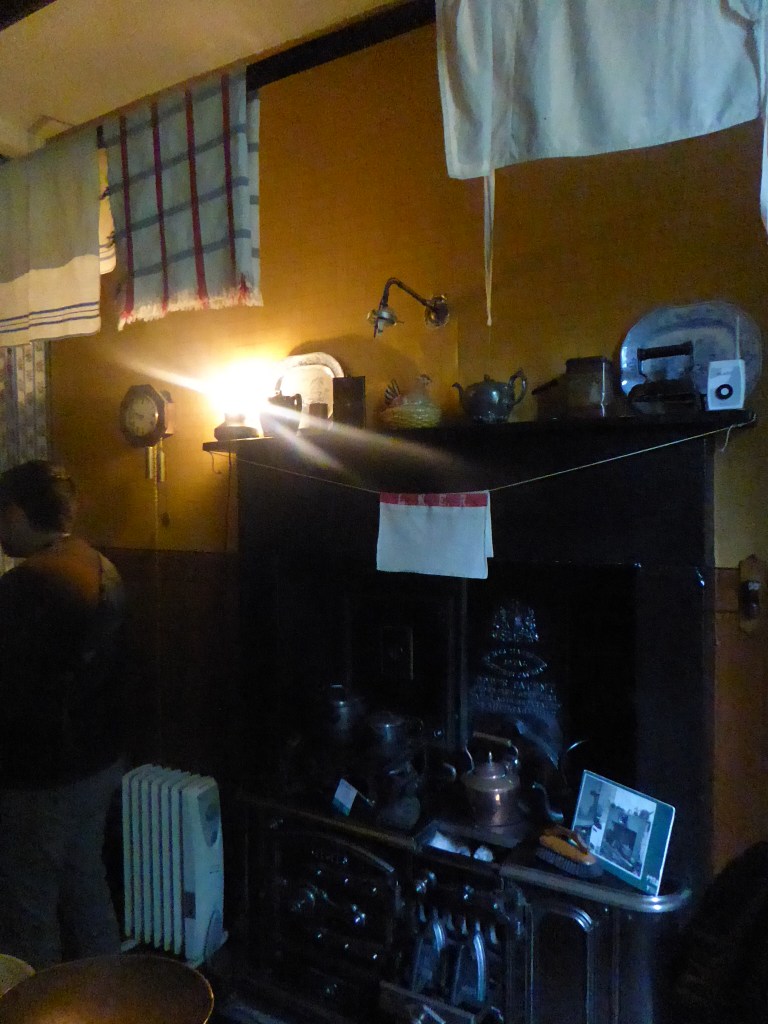
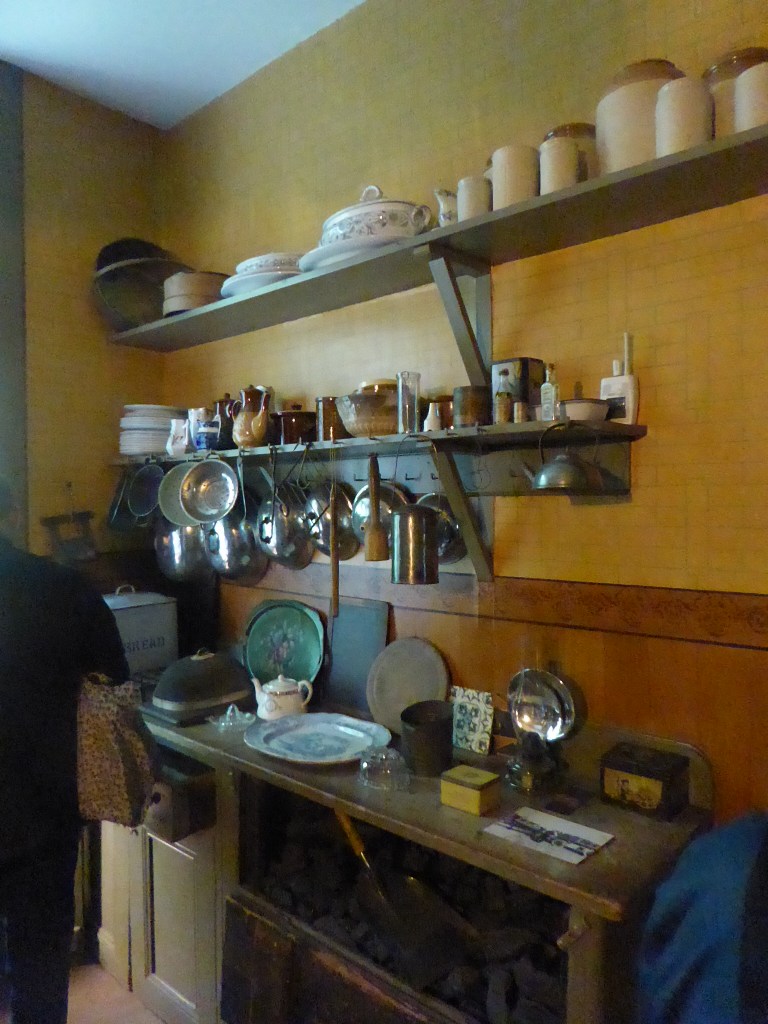
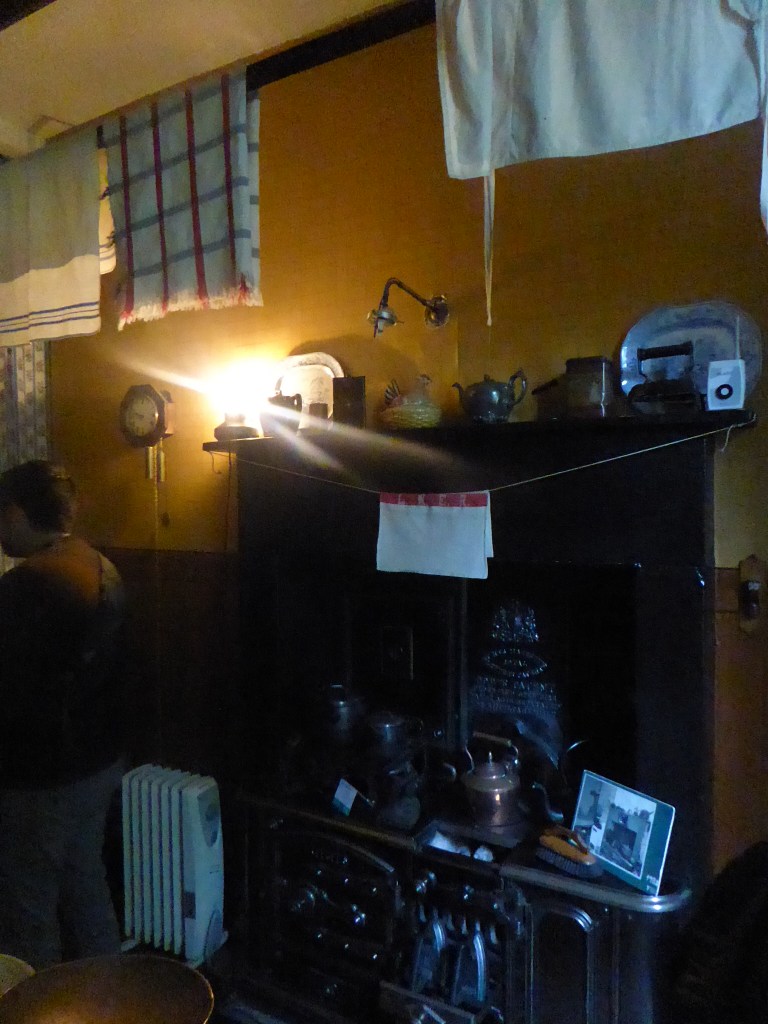
During the annual Doors Open Day in Glasgow, which took place a couple of weeks ago, I decided to visit the Tenement House located in the Garnethill section. It truly feels like a time capsule from 100 to 120 years ago.

The house was bequeathed to the city and later to the National Trust in the mid-1960s, after the owner neared the end of her life. I believe her daughter took over and rented some of it out. The National Trust acquired it in 1965.

It’s fascinating to have a conversation with someone and then, 100 years later, start that conversation again. Time stands still here.

The overall layout is identical to so many tenements here in Glasgow, from the bed recesses (now used as a kitchen table area or closet):

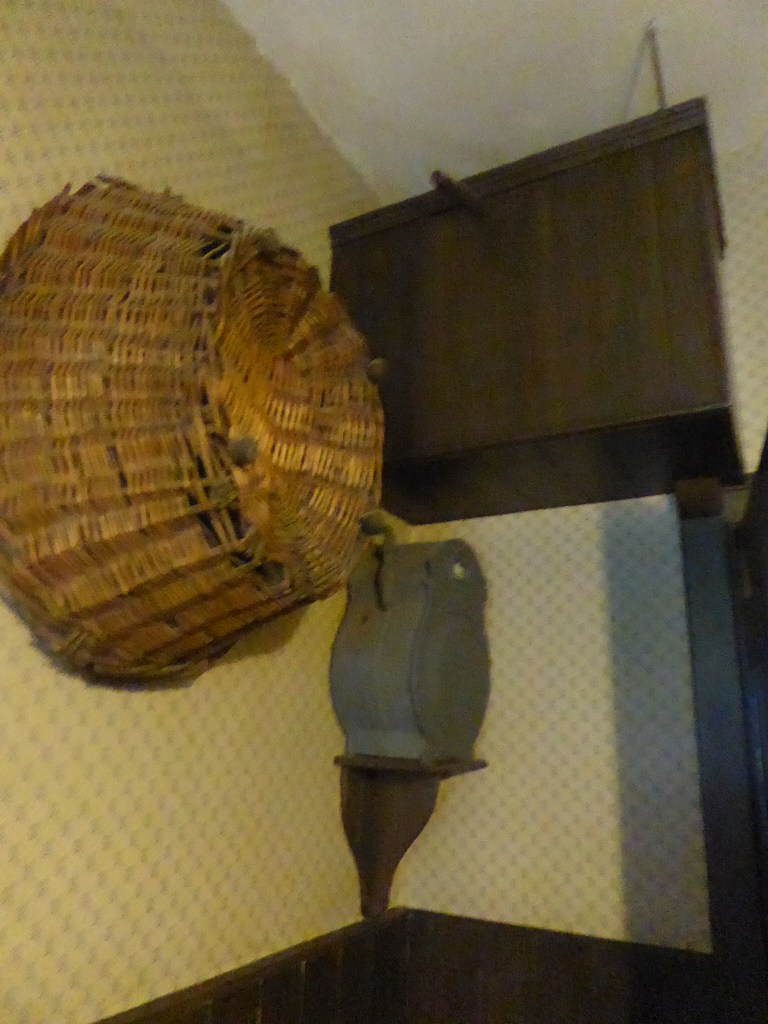
To the “pully,” which is rather horrifically referred to as a Victorian hanger by some:

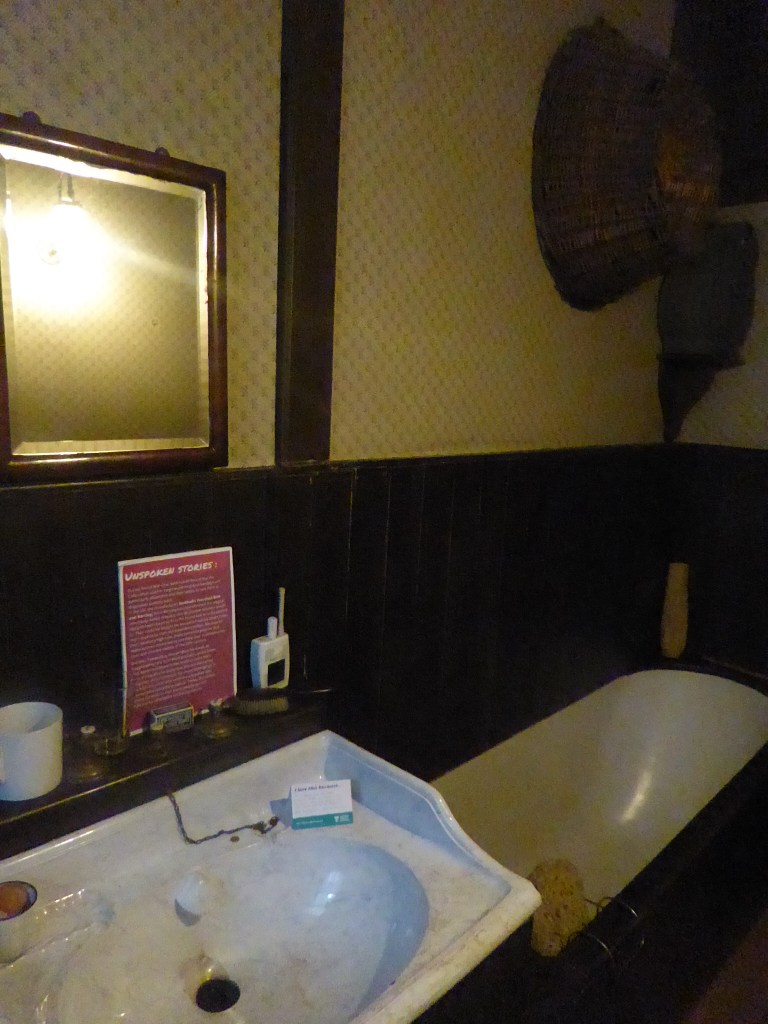
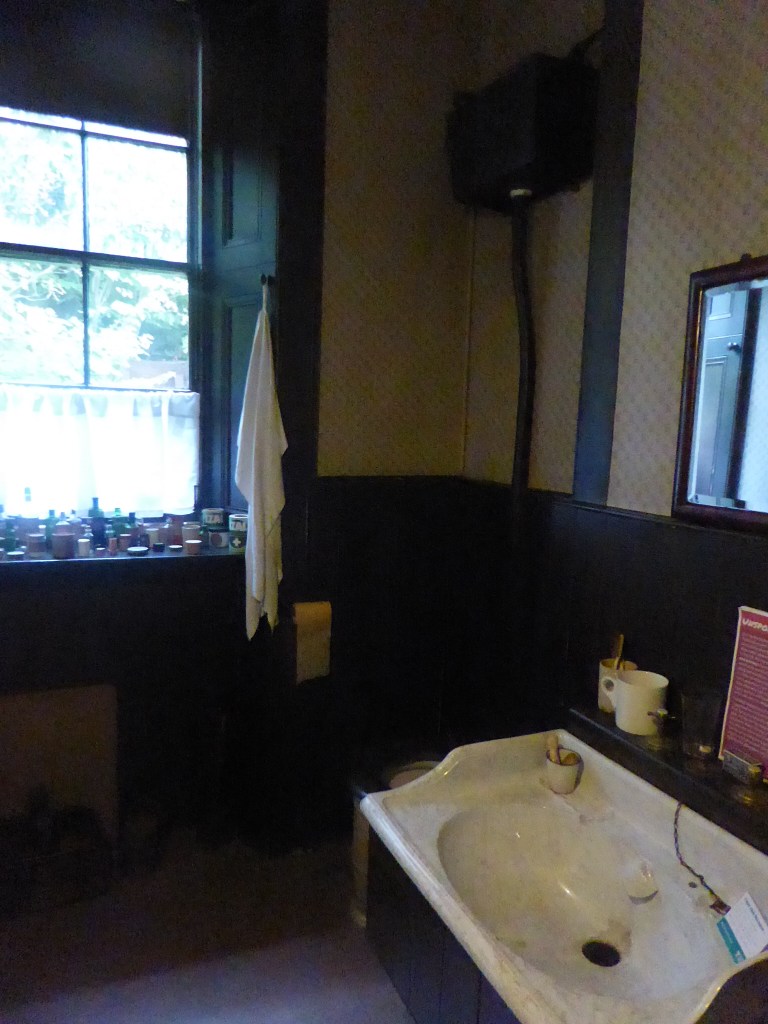
Additionally, it seems the lady who owned it was fairly well-off. While I was in the bathroom, three older Glaswegian women were describing what each feature in the room represented. They noticed a gas connection in the wall, which was connected to the gas port at the time, providing some of the heating and hot water. This suggests that the woman who owned the place was probably middle class.

Even in the bathroom, with a little paint and minor repairs, it would fit right in today.

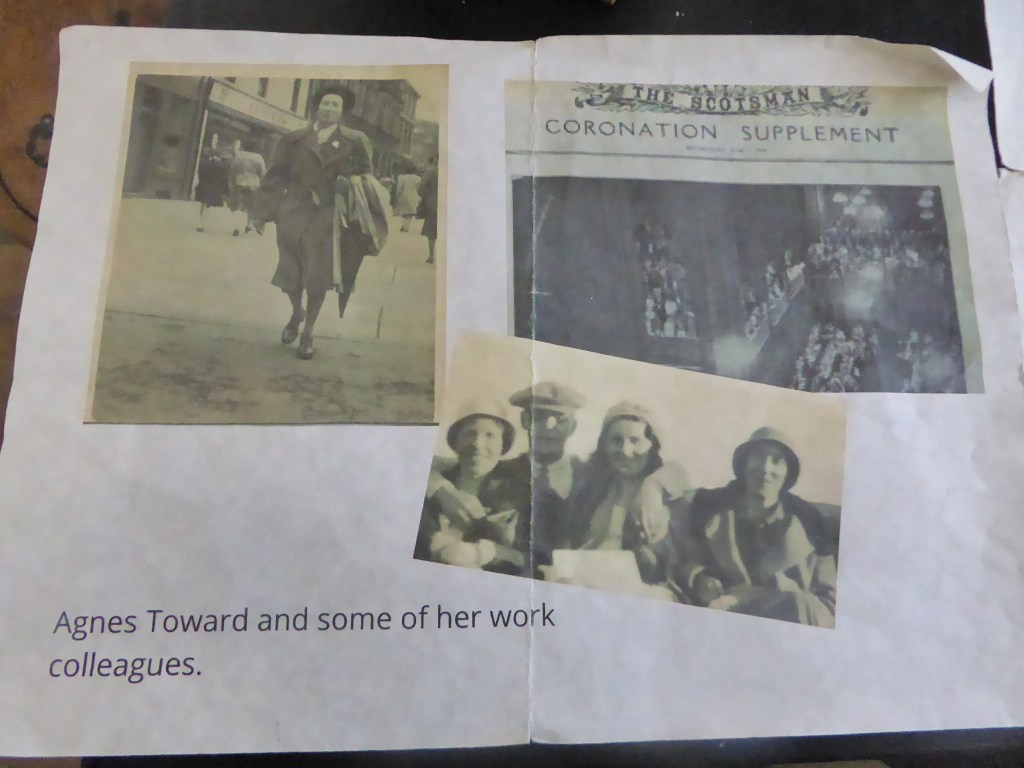
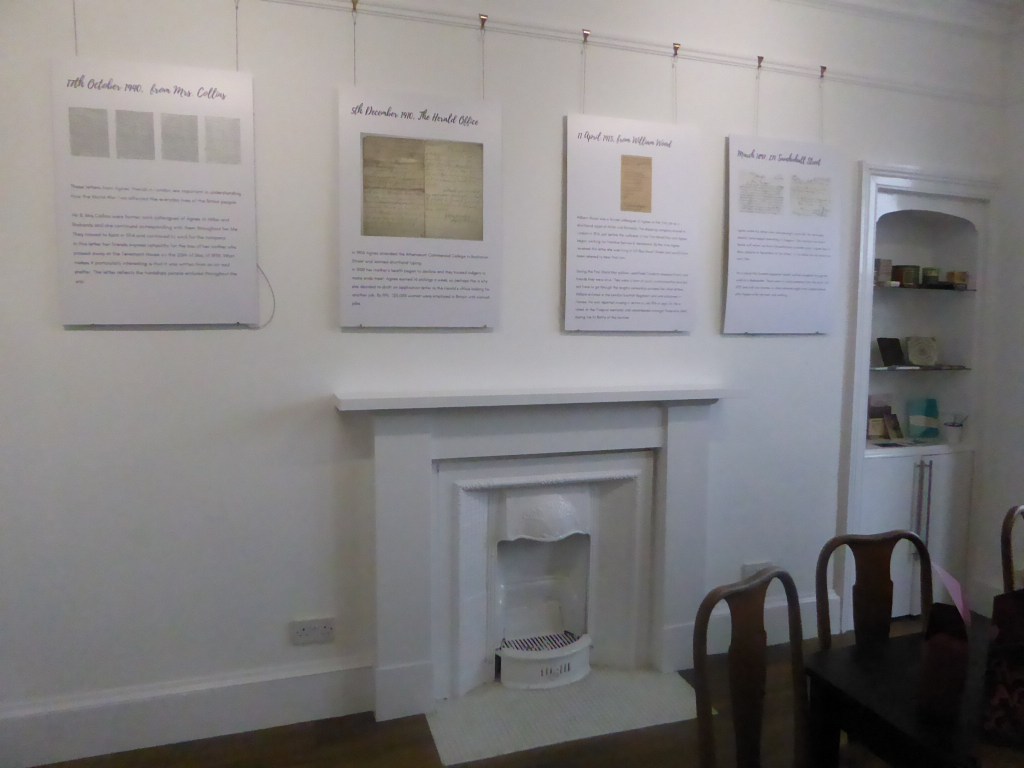
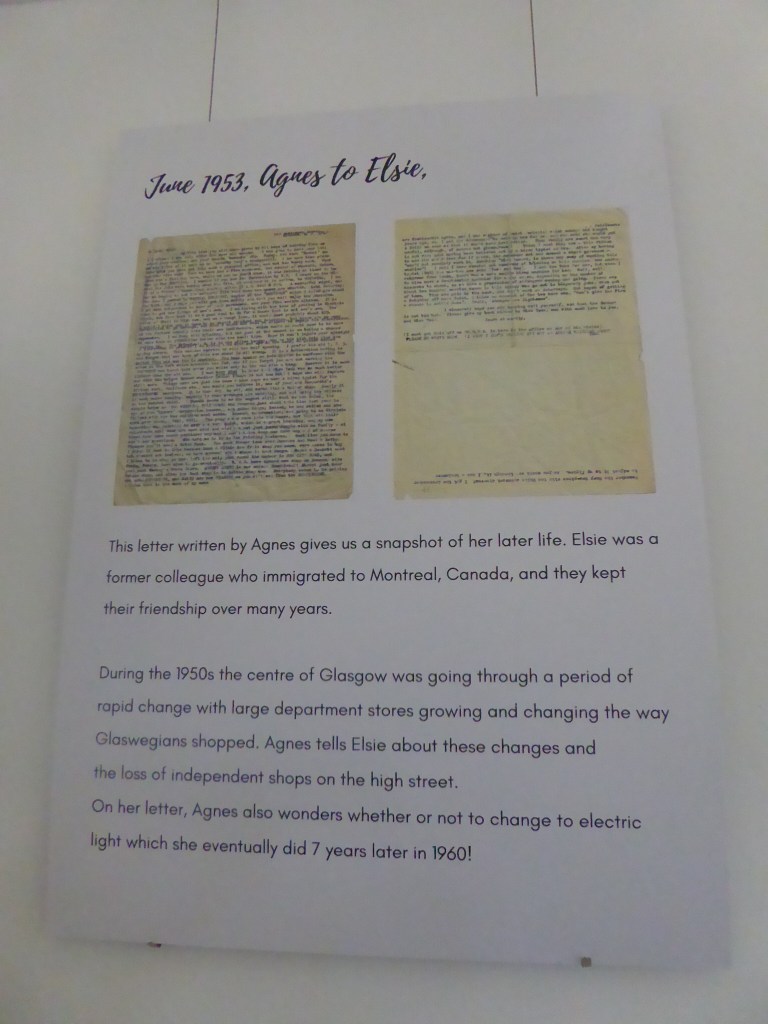
The most striking thing I saw was the letters and briefs that she had written and received throughout her life. It always strikes me that although we have everything from the internet to telephones and mass communication today, we’ve completely and utterly lost any form of communication via pen and paper. These letters were so much more eloquent and elegant than we use today; the words were utterly superior than what we could ever dream of crafting nowadays, even if we were to give up texting or emails.

CB