Summer 2025 – Part 1 – Going out in Glasgow, Scotland, England, Europe, etc . . .

📸 July – Food Adventures – West of Scotland and beyond Edition

Now that it is November; I’ve finally decided to look back at the various places I went out to in the summer, timely heh?


July was a month of Parkruns, long walks, and delicious discoveries. Here’s a roundup of the places I visited, from cosy cafés to scenic golf club eateries.


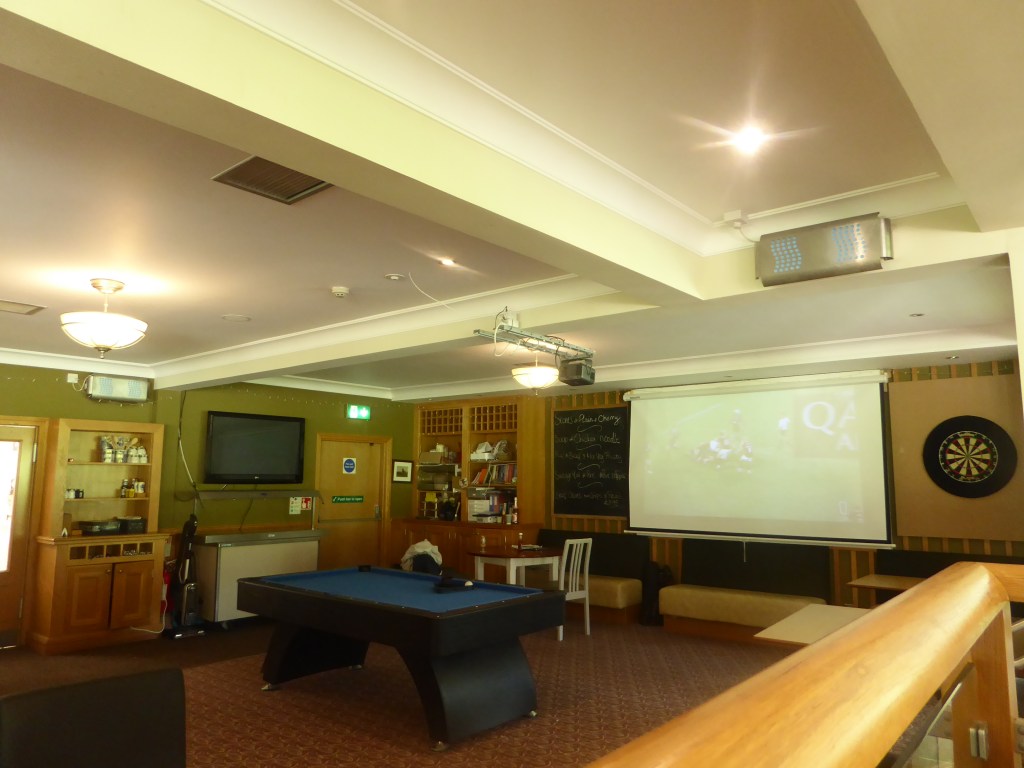
🍳 The Red Deer – Pitlochry, Scotland
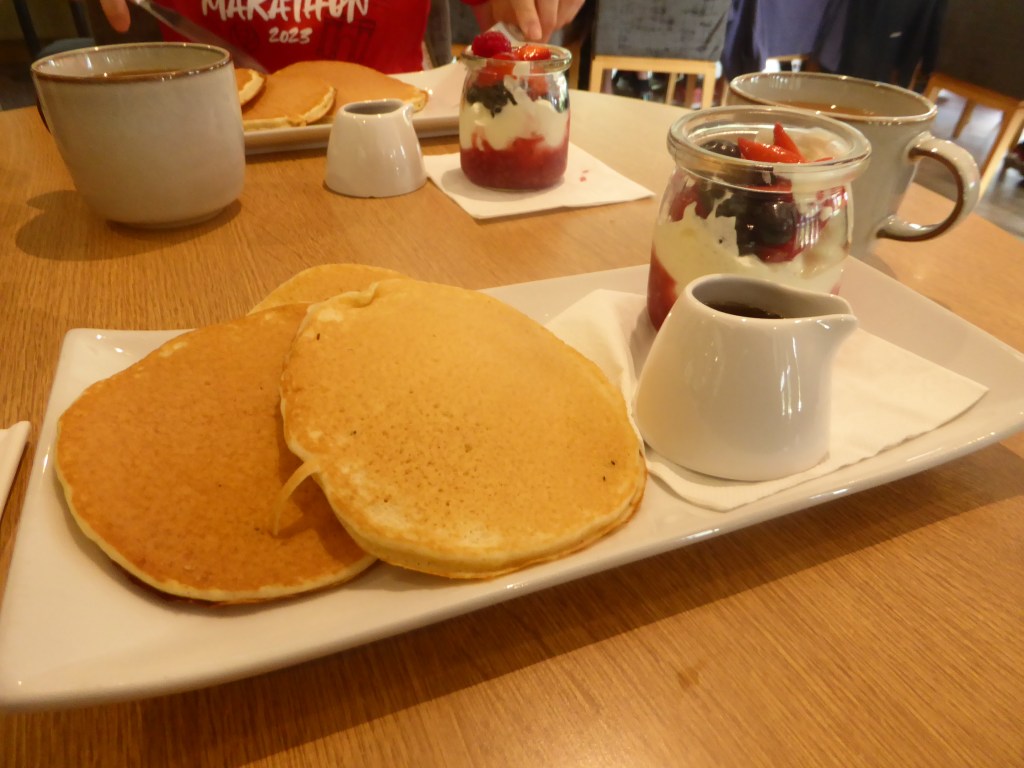
Located at the Pitlochry Golf Club, The Red Deer is a welcoming spot with a folky vibe and unbeatable prices. Whether it’s pancakes, French toast, or a classic egg roll, the food is basic and home baked, with the staff always friendly. The wraparound terrace offers stunning views of the fairways and Ben Vrackie.


🥪 Celinos – West End, Glasgow, Scotland
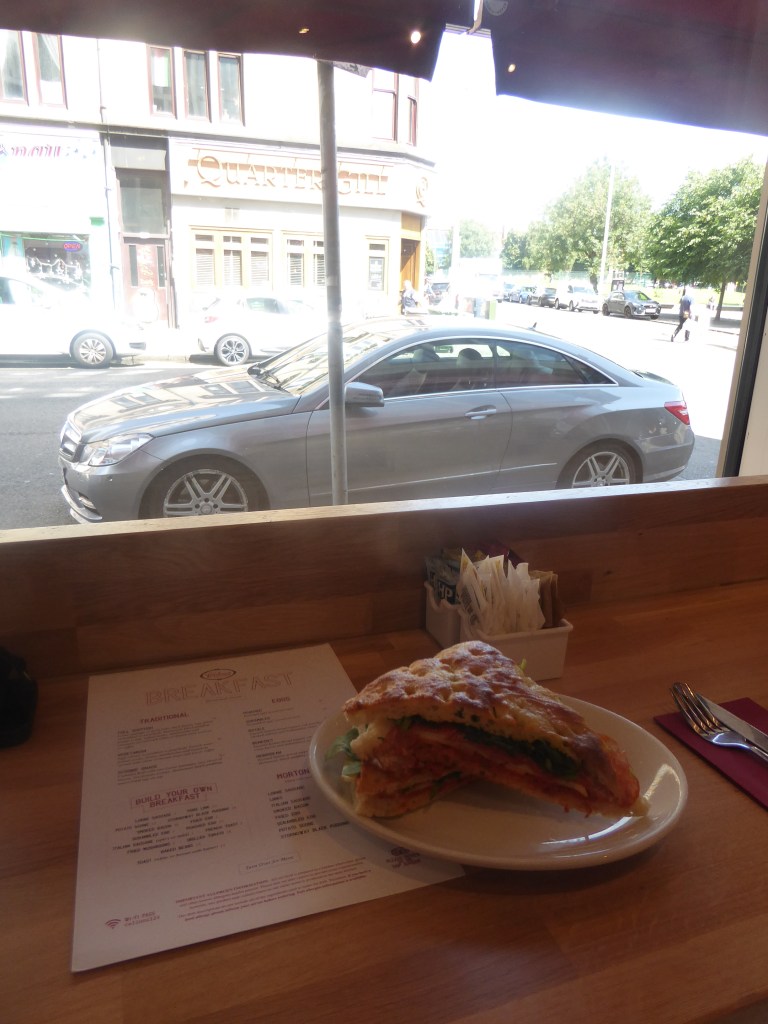
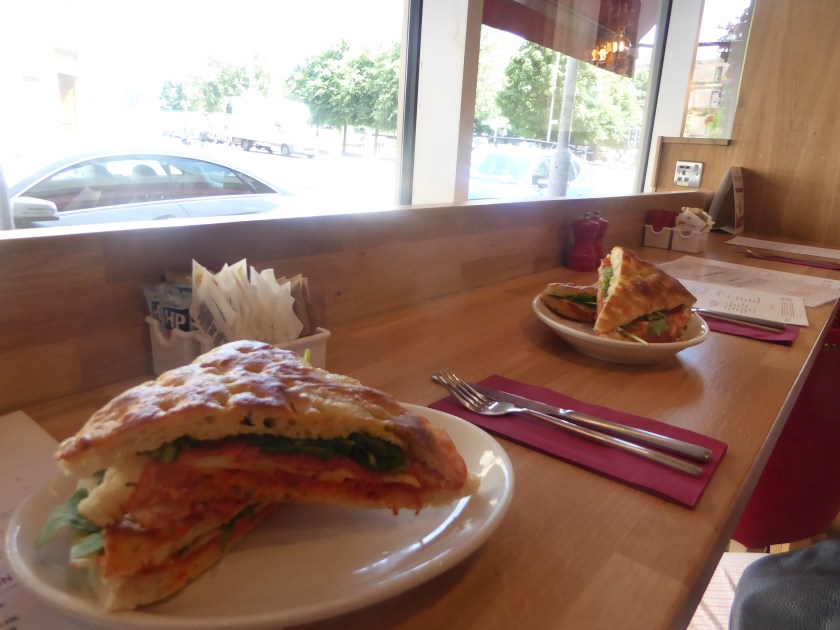
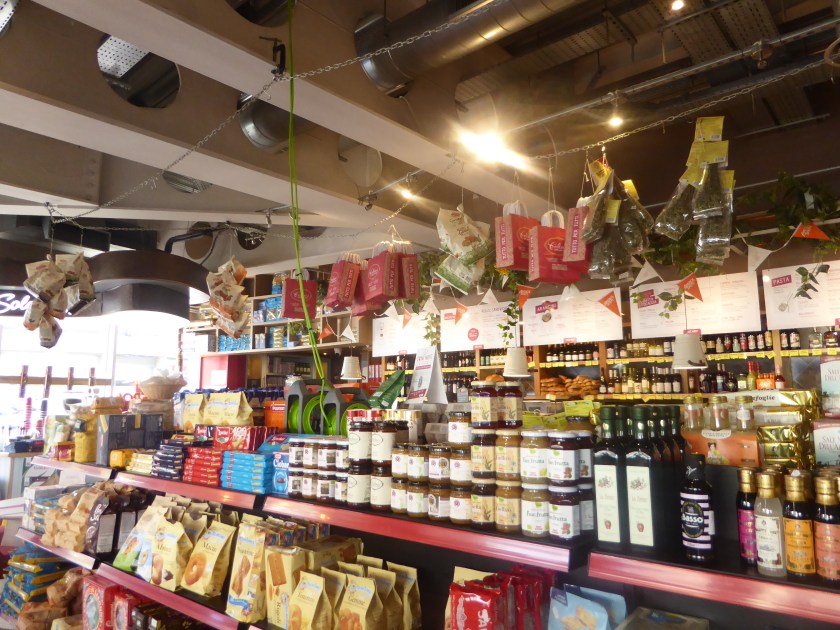
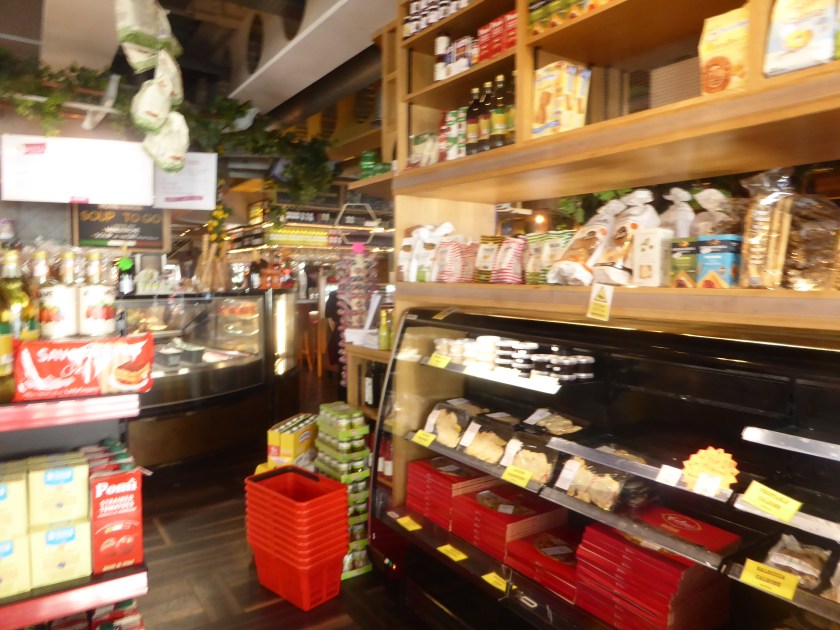
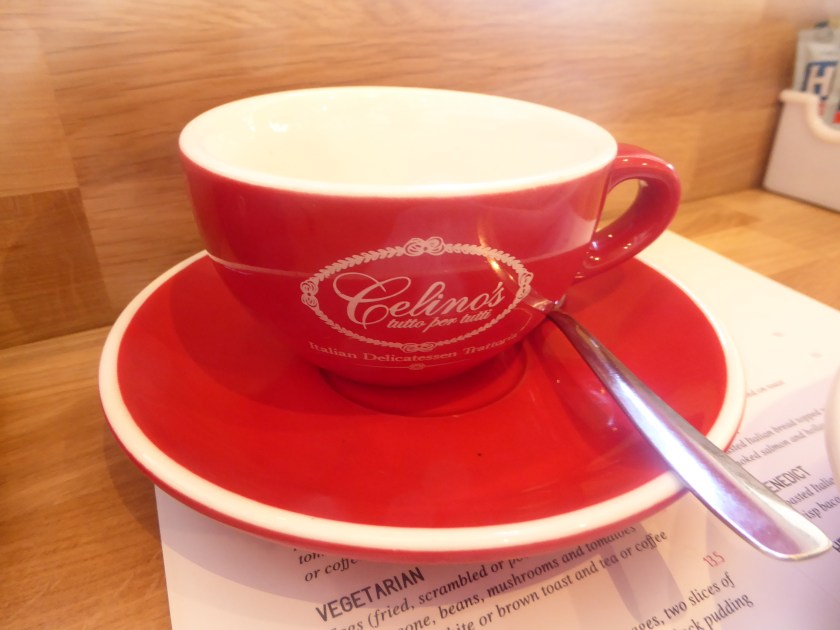
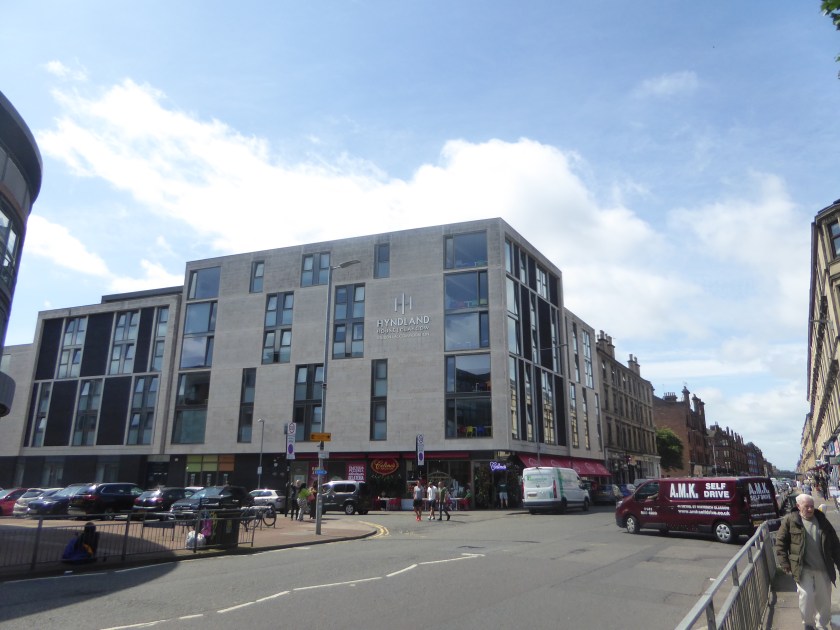
Celino’s delicatessen in the West End is a vibrant Italian spot with flowers hanging from the ceiling and shelves packed with deli treats; over the years it looks and gets better each time I go there. The sandwiches are fresh and flavourful, and the service is quick and cheerful. At this time of year, it has a “crowded” type of feel, with Christmas addons for food and presents.


🥞 Brunch Takeaway – West End, Glasgow, Scotland
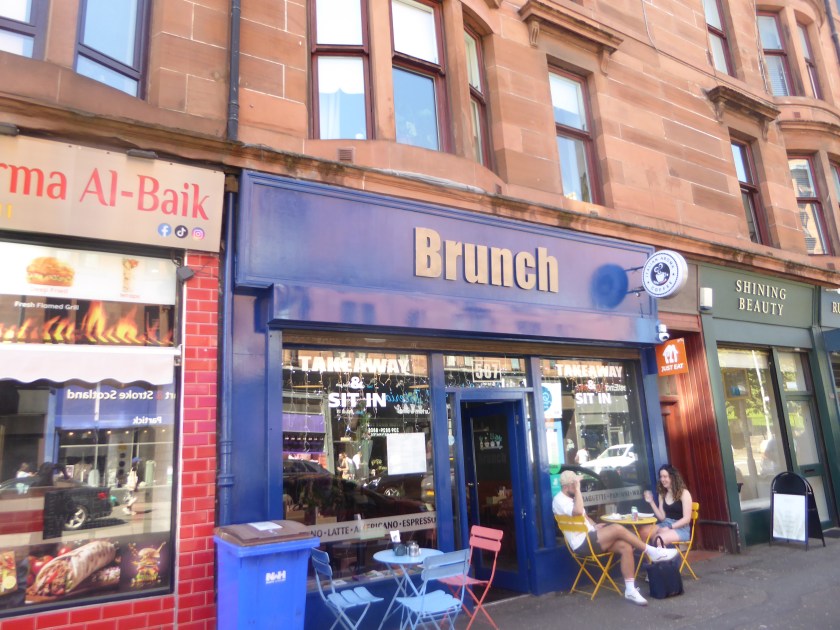
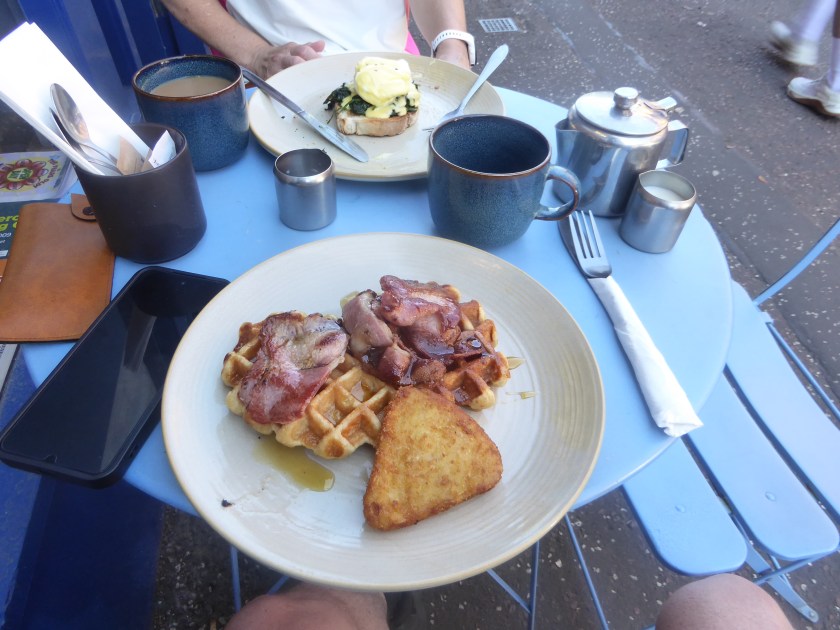
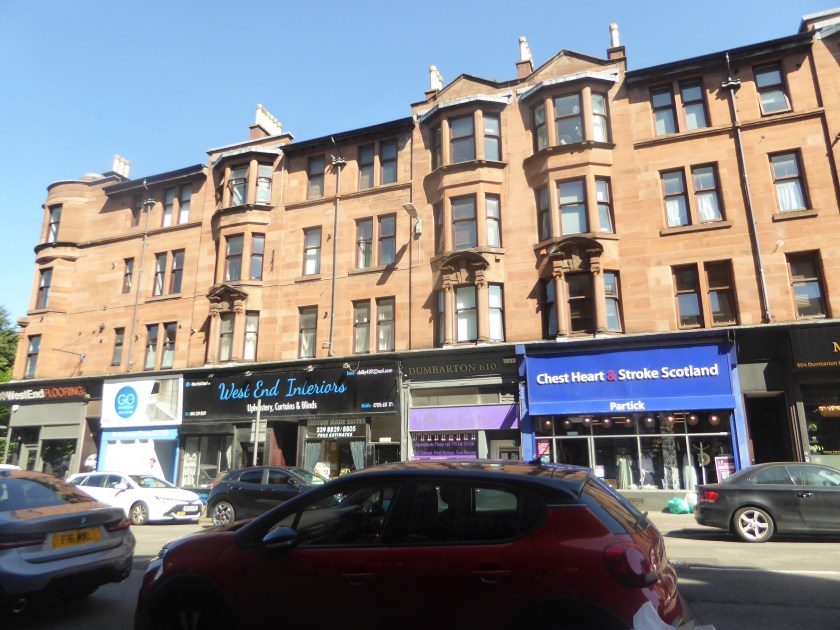
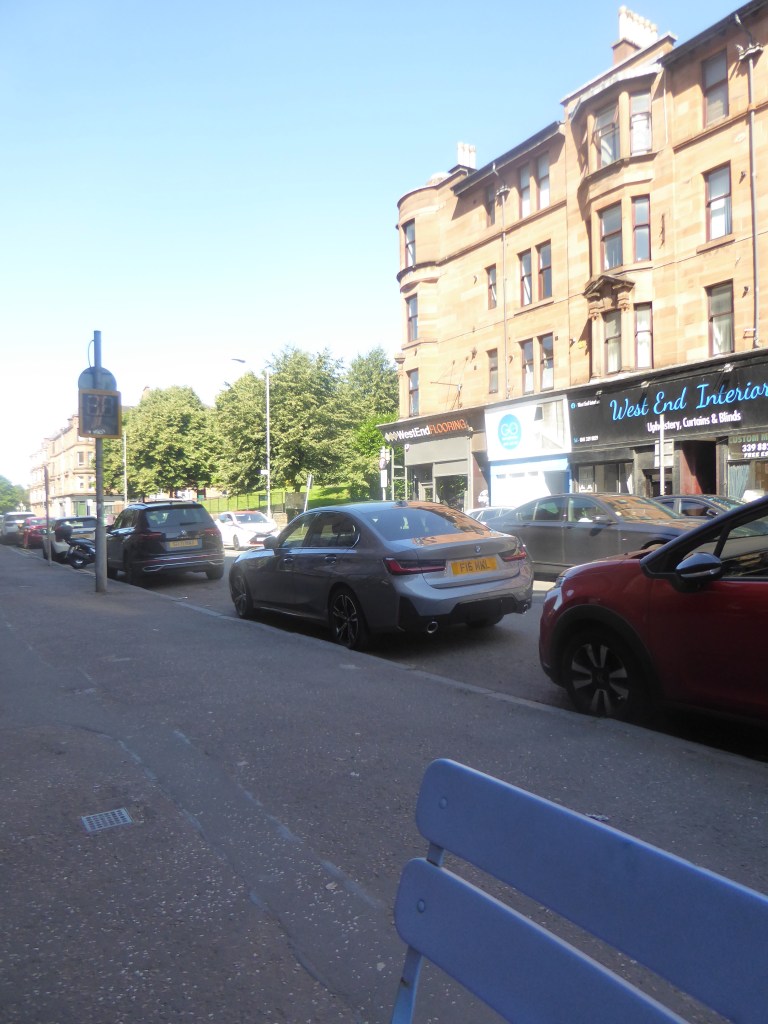
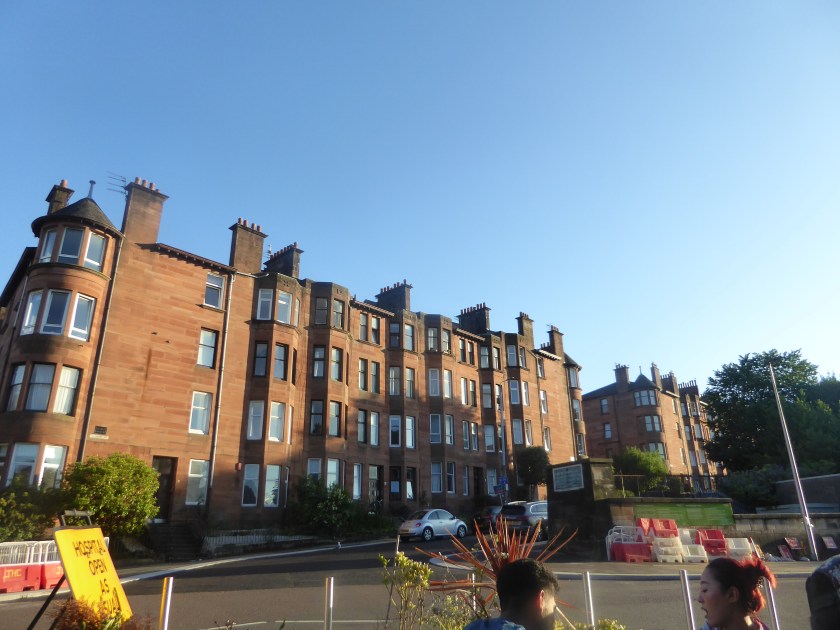
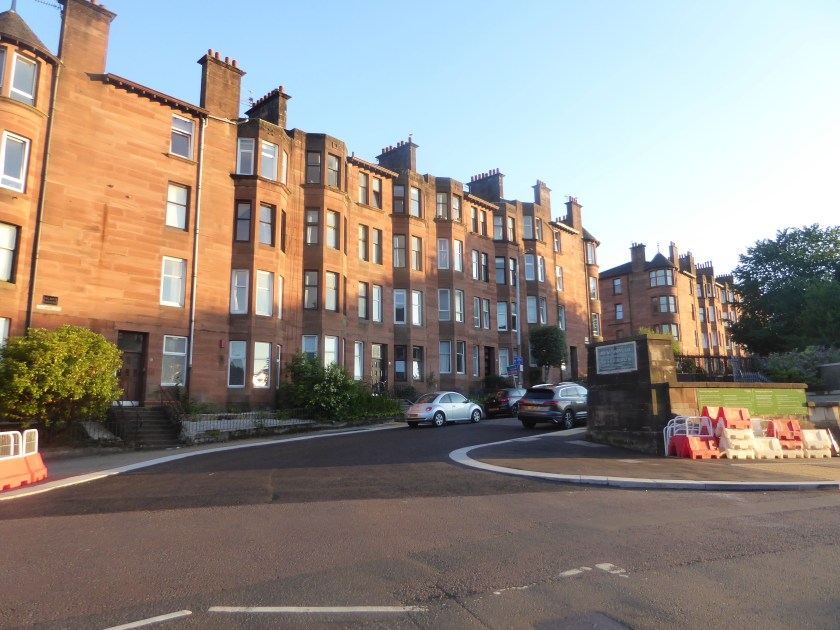
After the Victoria Park Parkrun, Brunch Takeaway is the perfect carb-loading destination. Pancakes, waffles, potato cakes, and maple syrup with ham—pure indulgence. The vibe is relaxed and the portions quite generous, we chose to sit outside and even in the shade and the traffic on Dumbarton Road, it was still very pleasant.


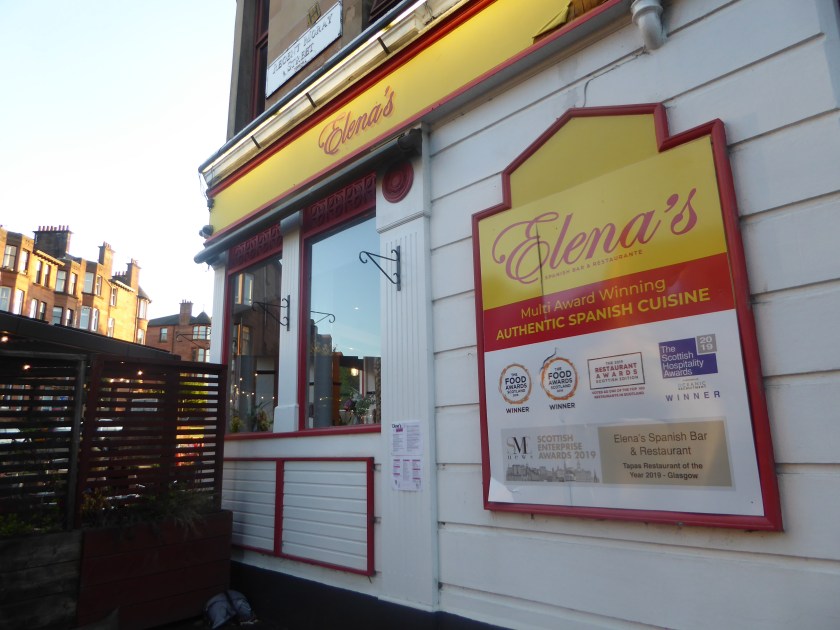
🍻 Elena’s Spanish Bar & Restaurant – Yorkhill, Glasgow, Scotland
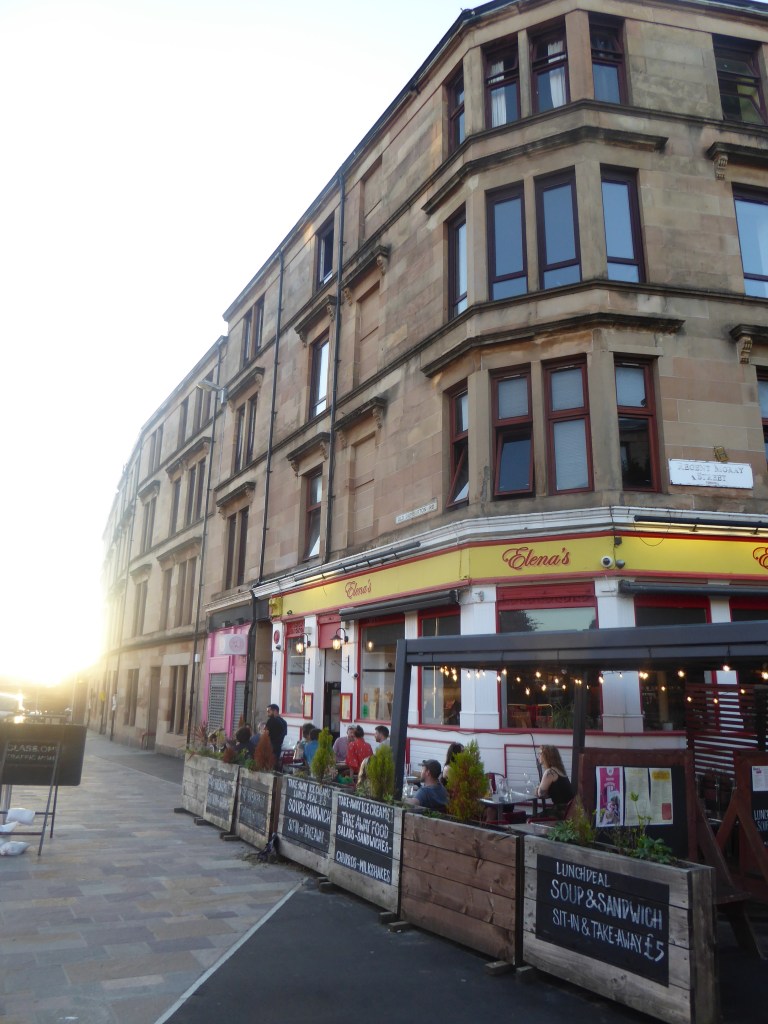
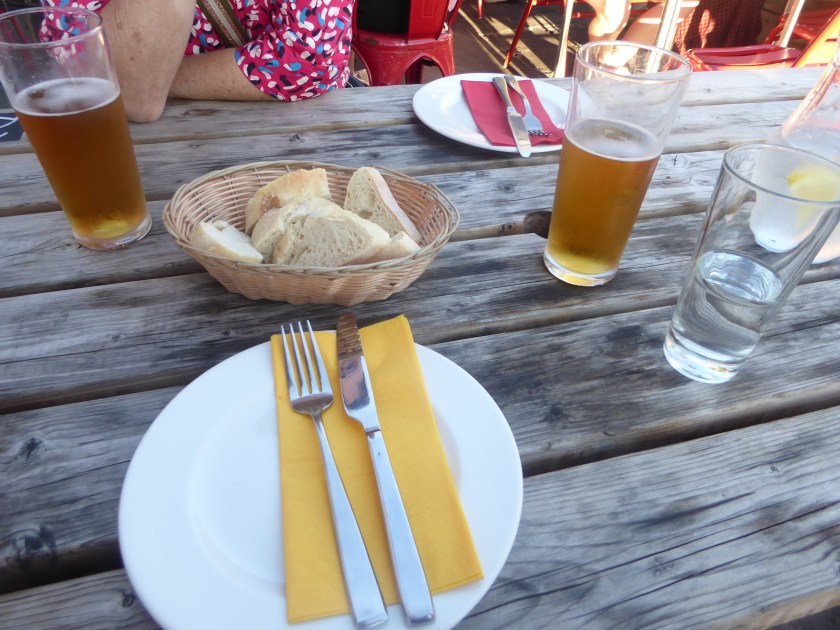
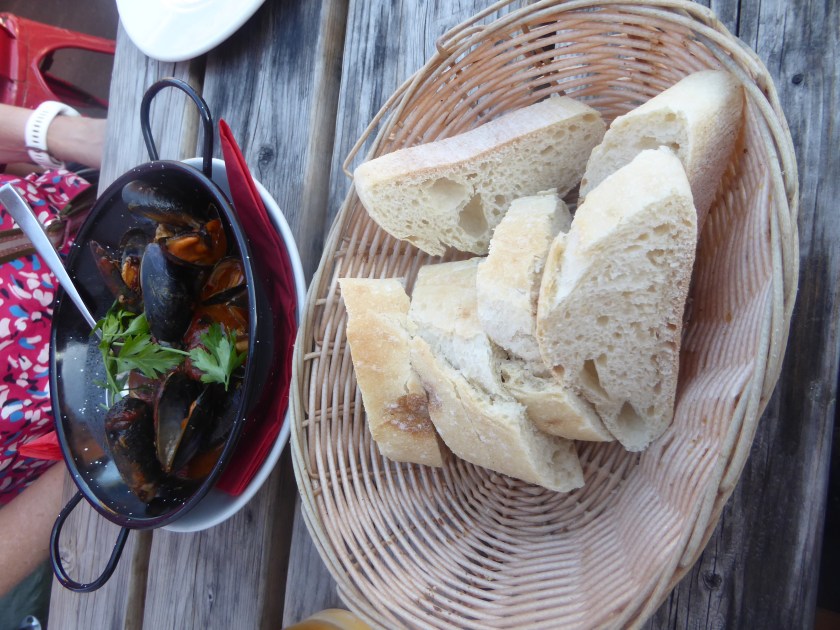
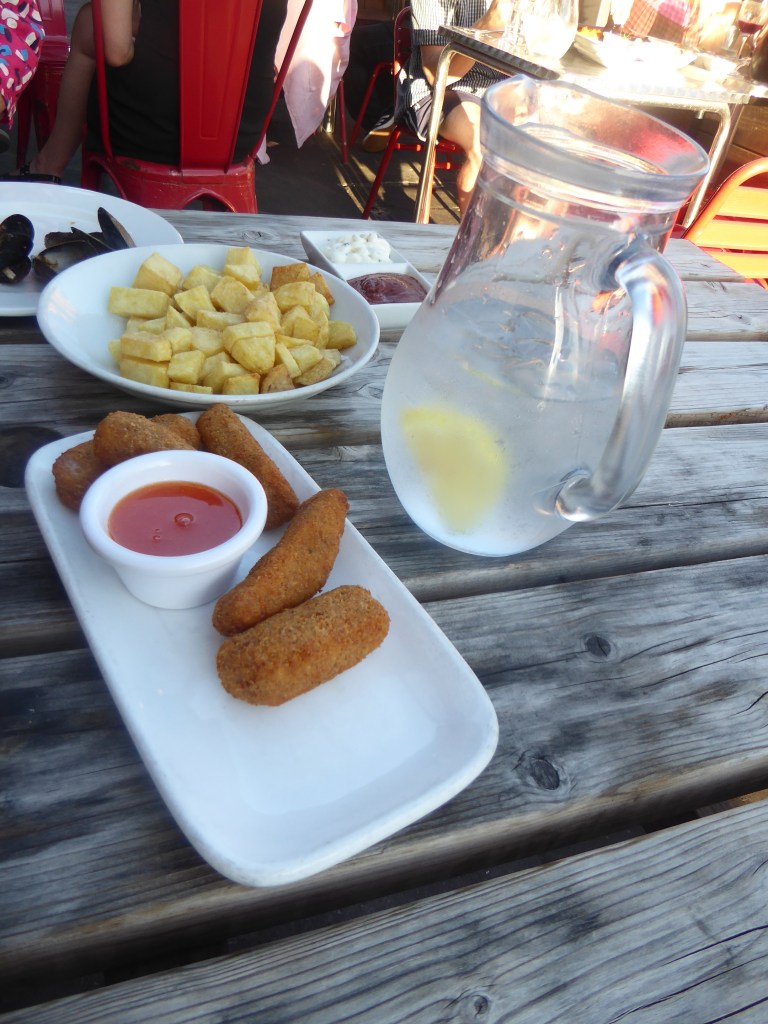
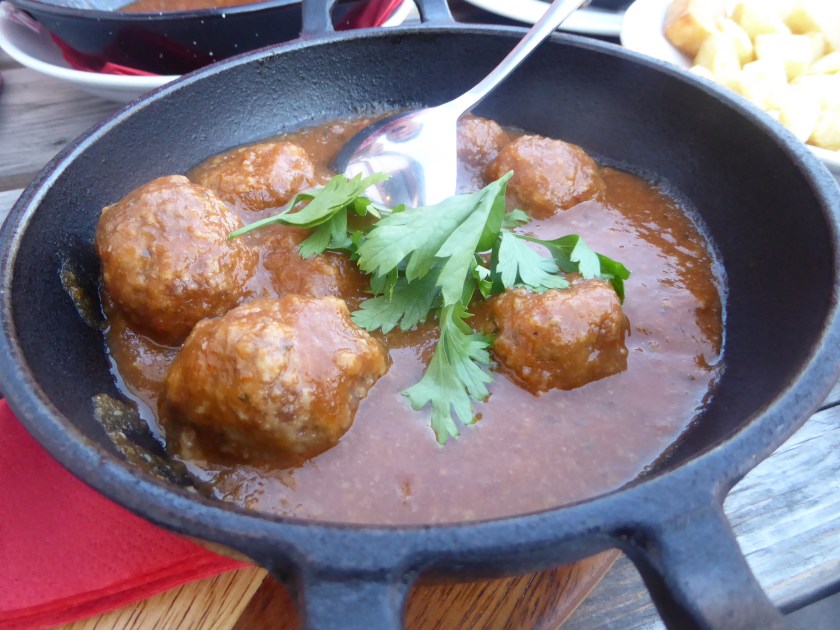
In Yorkhill, Elena’s serves up authentic Spanish tapas in a warm and basic setting. When I first went here the simplicity was like a school hall, but since then, it’s upped its game and this time, we sat outside in the late evening sun. We had croquettes, mussels, and complimentary bread, all paired with lovely beer.


🥪 Sister Midnight – Saltmarket, Glasgow, Scotland

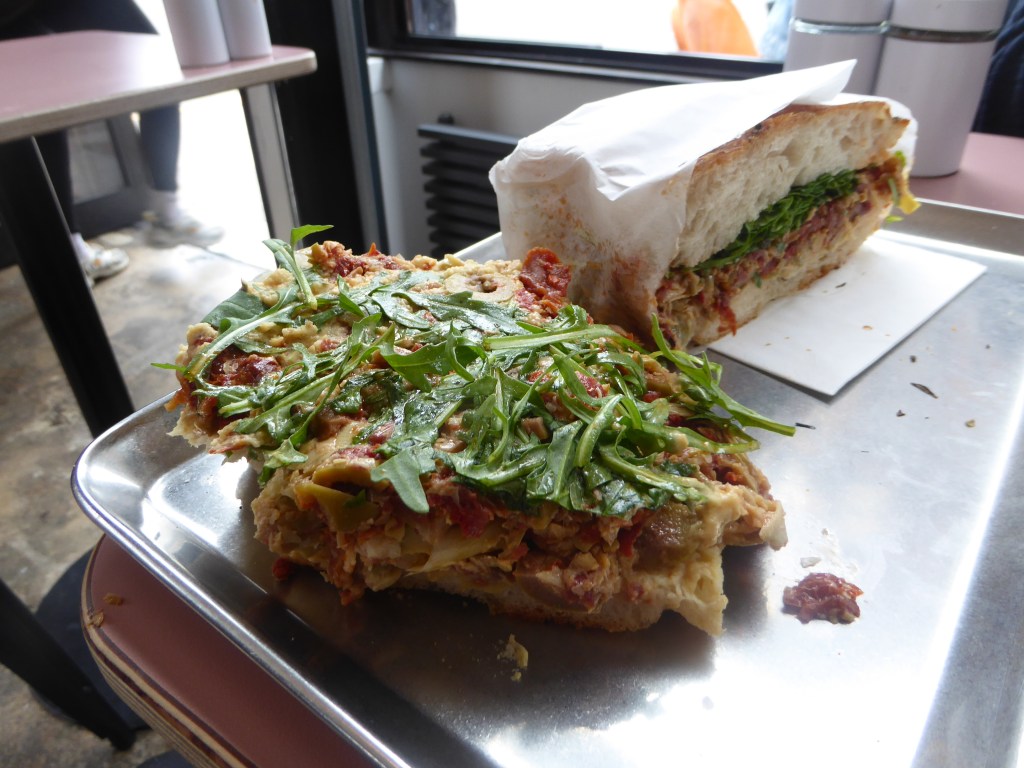
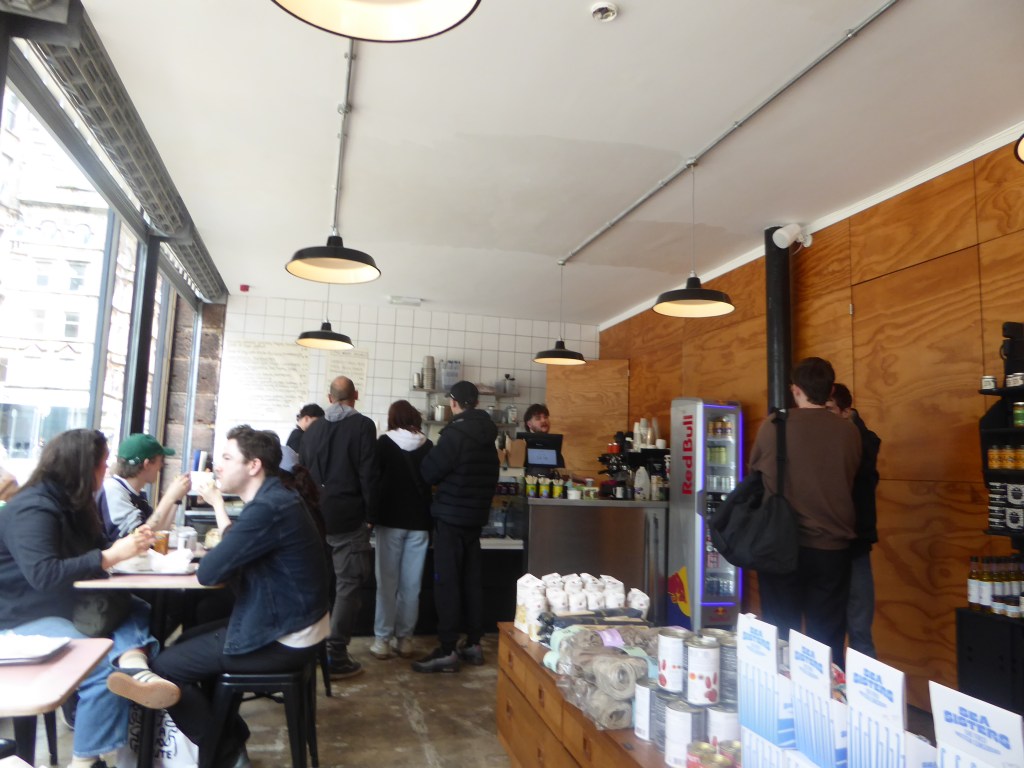
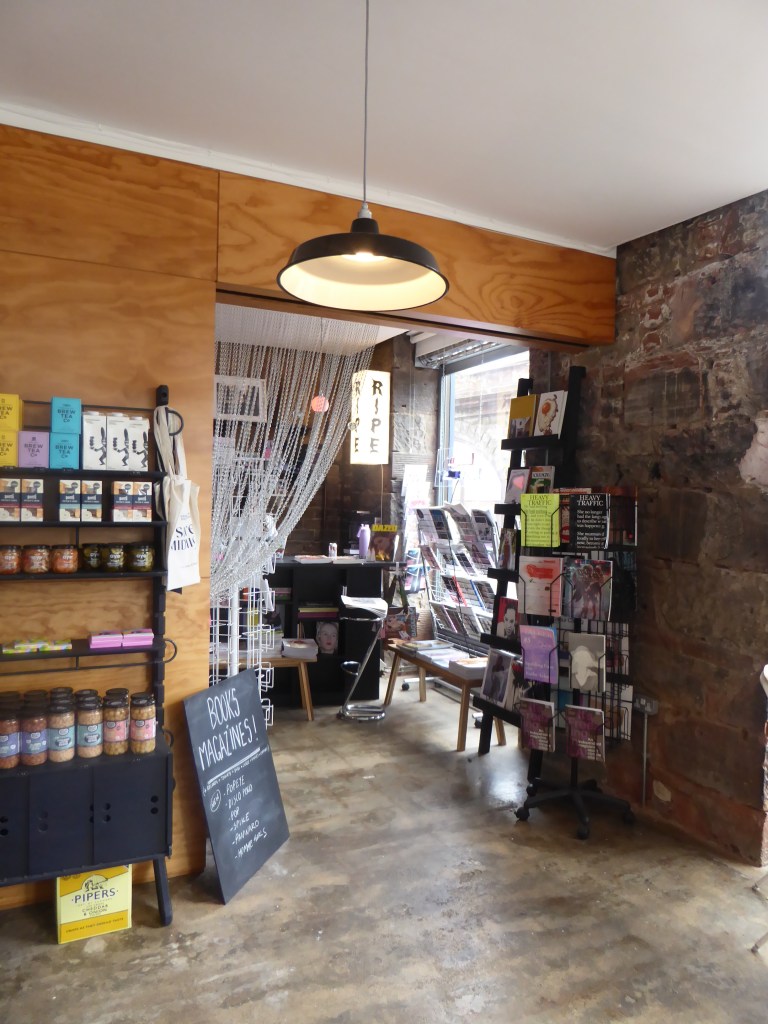
This newish sandwich shop in Saltmarket is a hidden gem. Real bread baked daily, massive sandwiches, and a cool deli vibe. It’s casual, creative, and perfect for brunch or lunch. There is also an accompanying graphic / magazine shop inside as well.


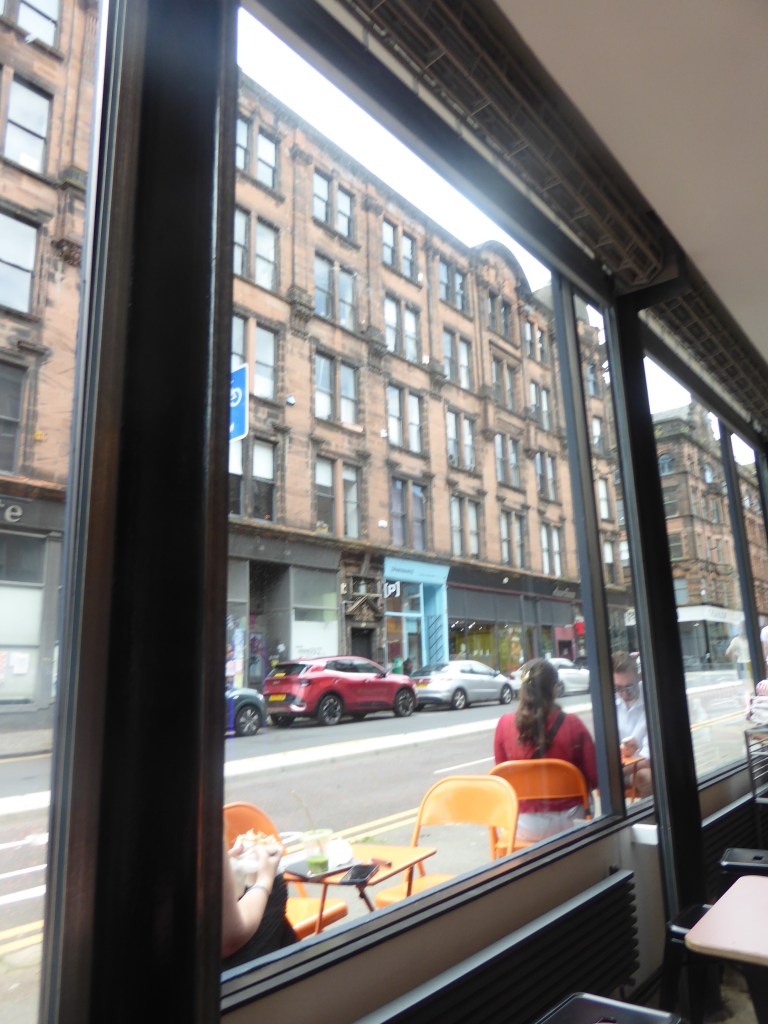
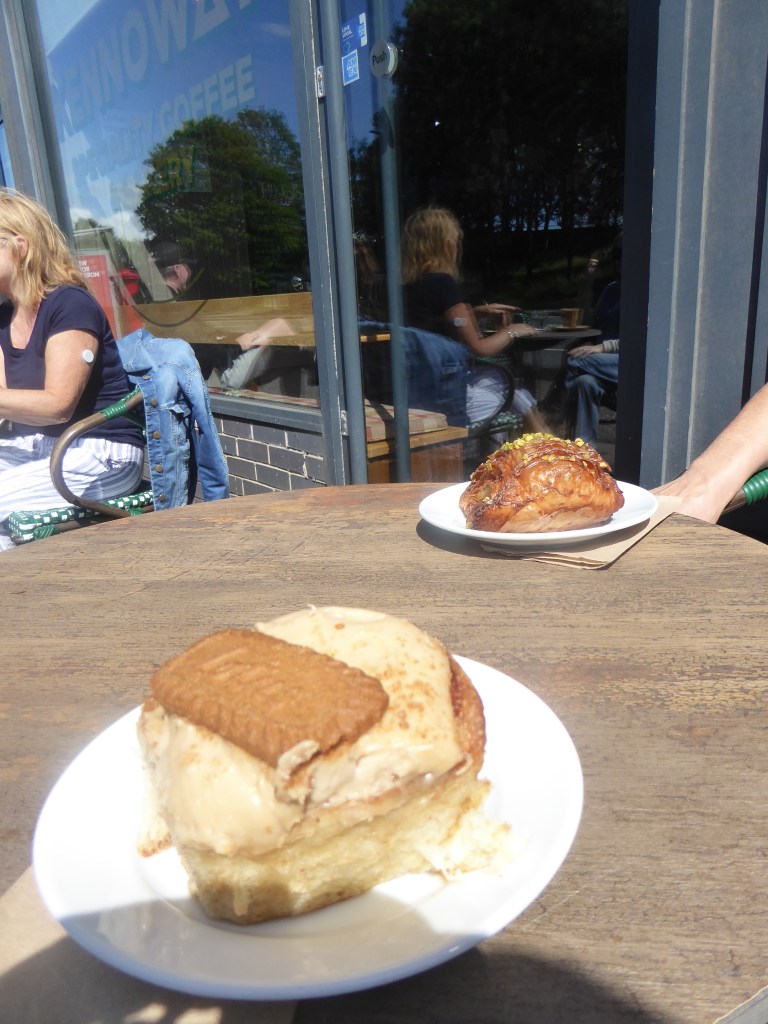
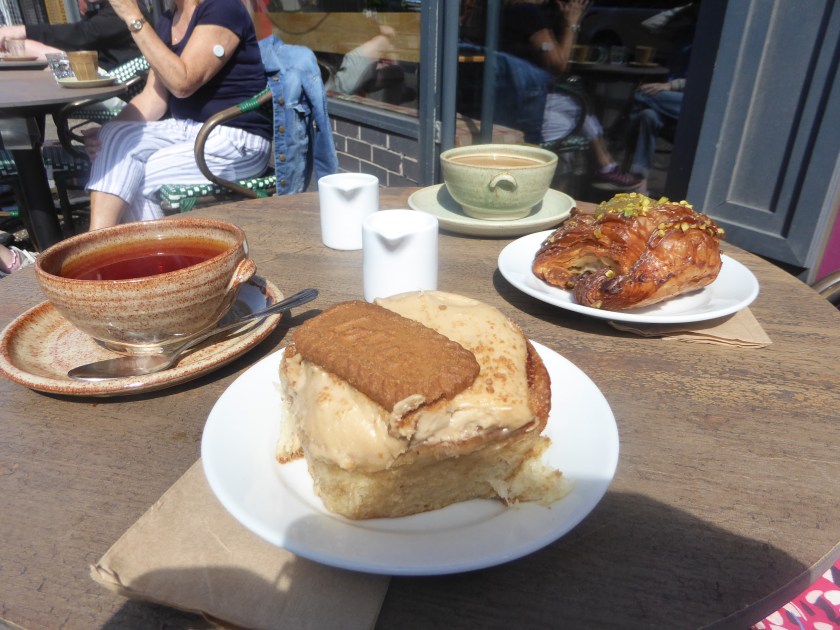
🥐 Coffee – West End, Glasgow, Scotland
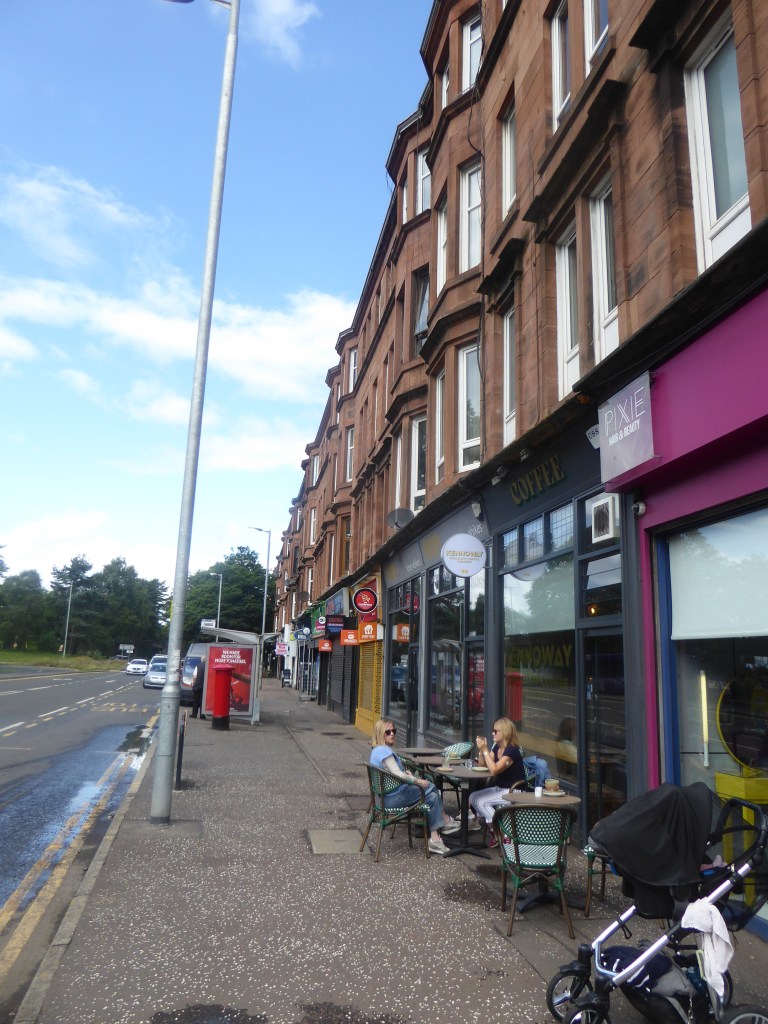
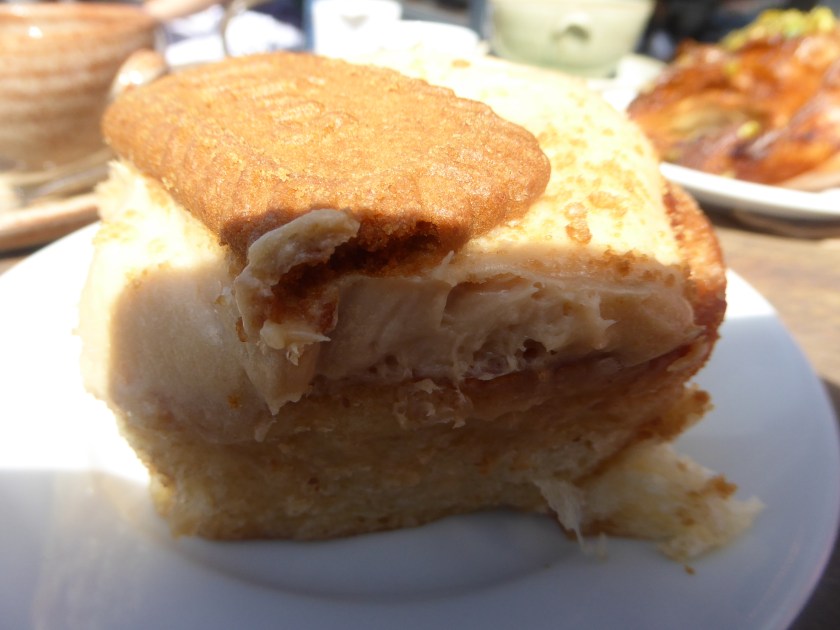
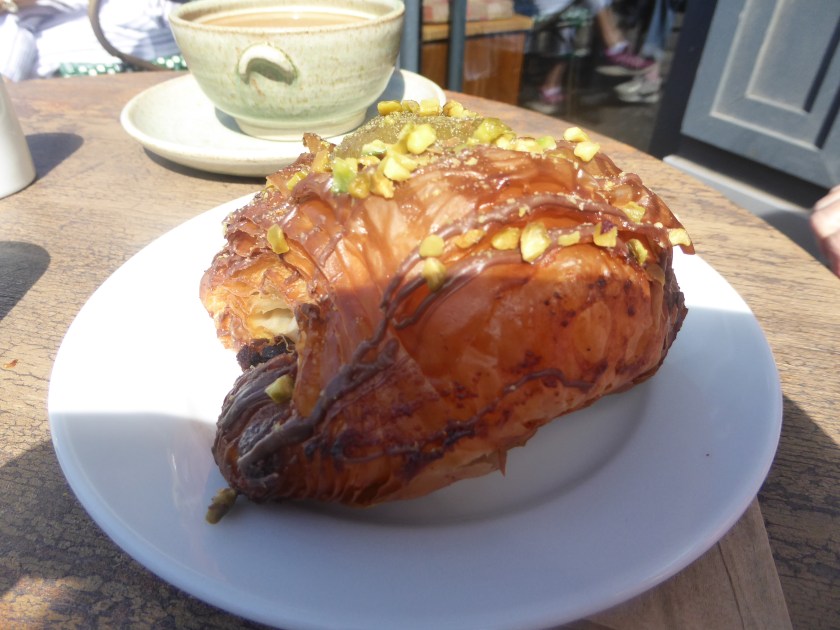
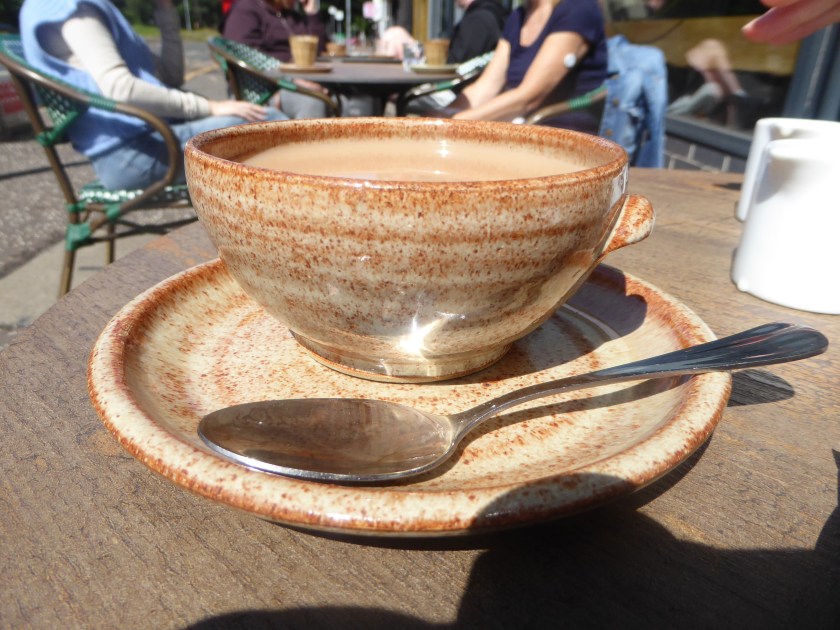
We returned to Coffee for their legendary pastries. I had a Bischof croissant with maple cream cheese, while my companion had a chocolate and pistachio creation, whilst sitting outside enjoying the sunshine.


🍰 The Carrick Golf Club – Loch Lomond, Scotland
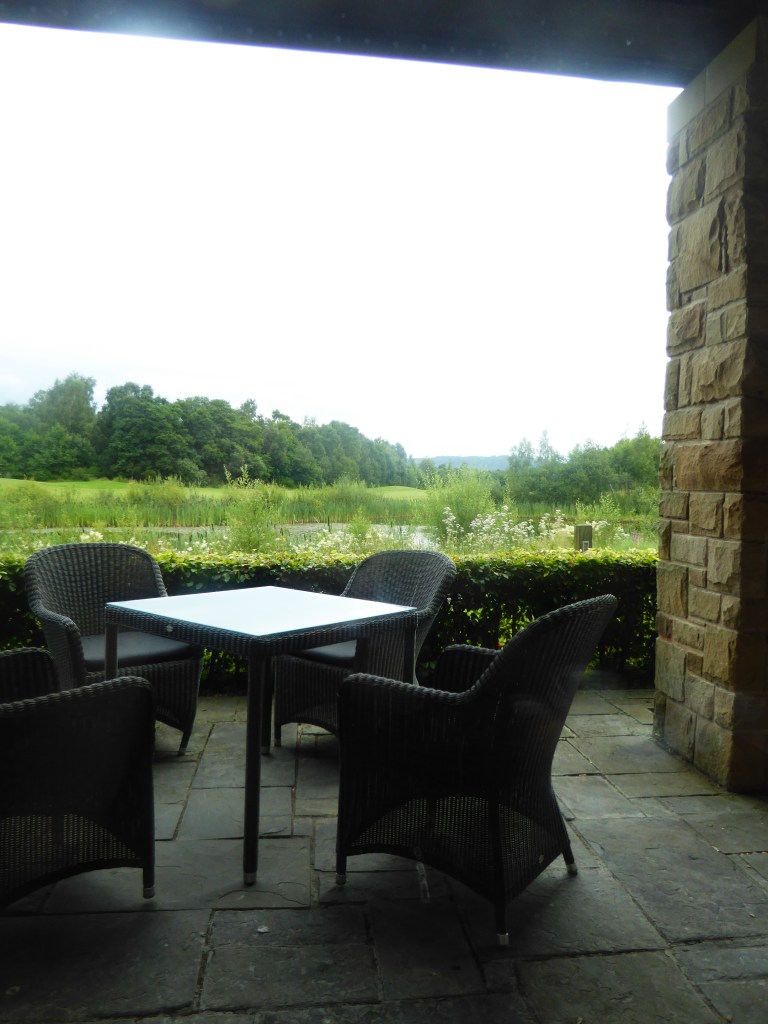
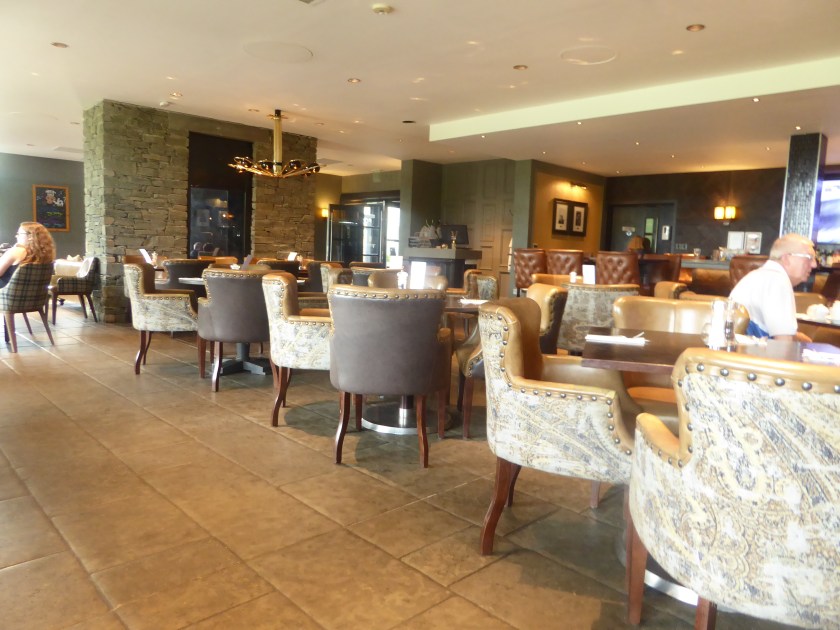
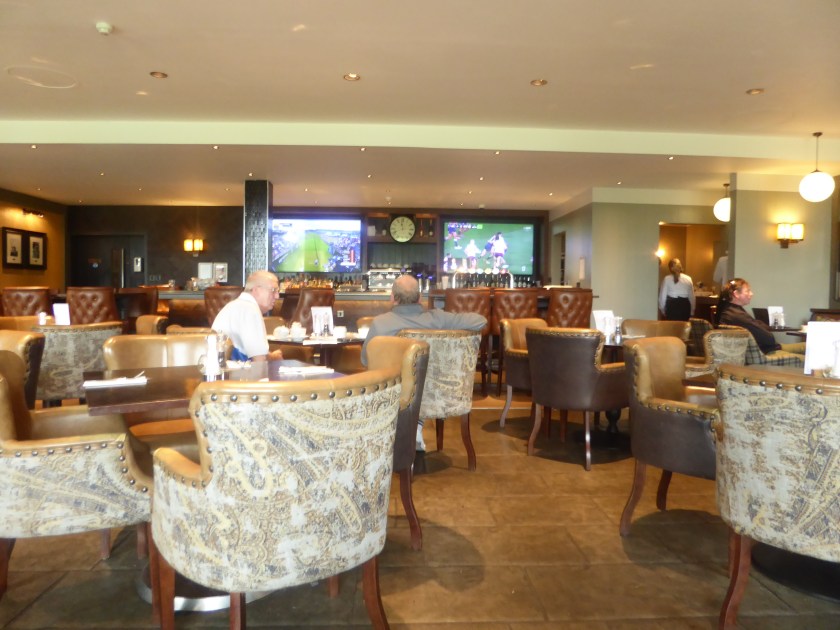
We ventured out to The Carrick at Loch Lomond for morning scones, tea, and cake. It’s a bit pricier, but members do get 20% off. The views are spectacular and the food is top-notch. This leads me to always think about the “alternative” spots for tea or coffee, such as sports clubs, churches and hotels.


🌄 Final Thought

Years ago, I started exploring places you wouldn’t expect to eat at—golf clubs, tennis centres, hotel cafés. These spots in my experiences, can often offer better food, quieter settings, and surprisingly reasonable prices. If you haven’t tried it yet, I would highly recommend stepping off the beaten path.

CB
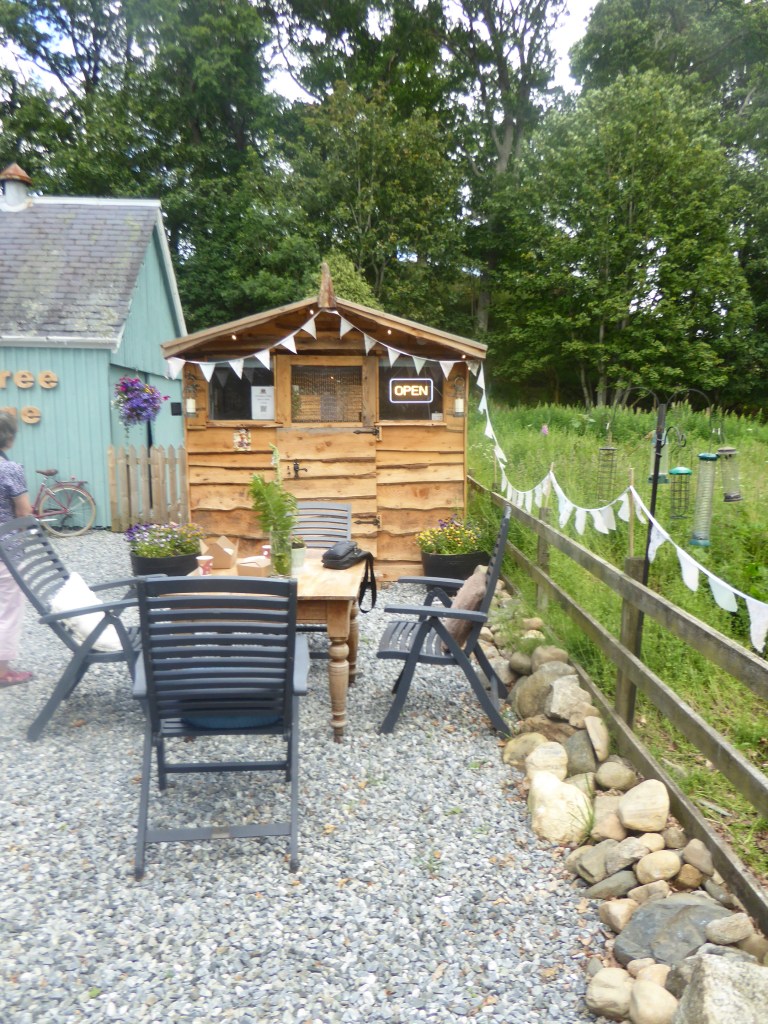
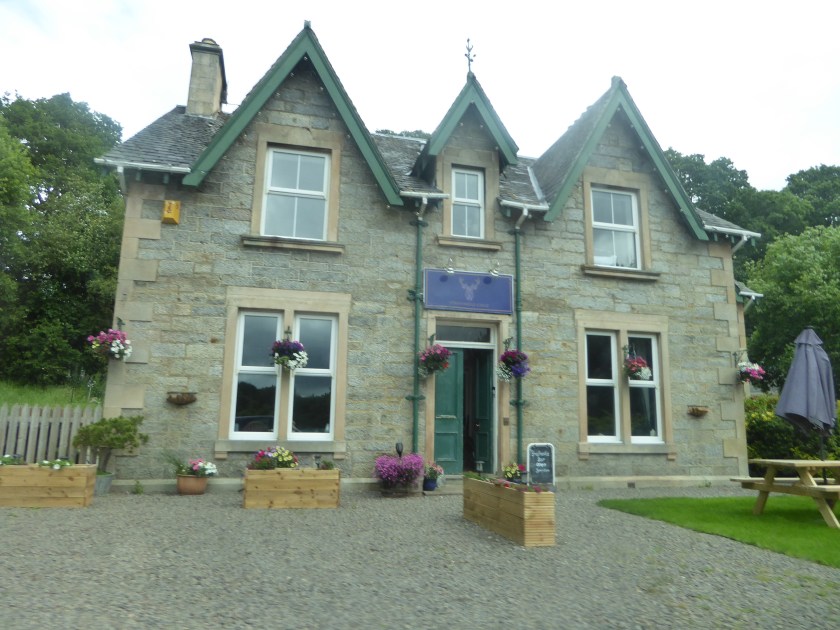
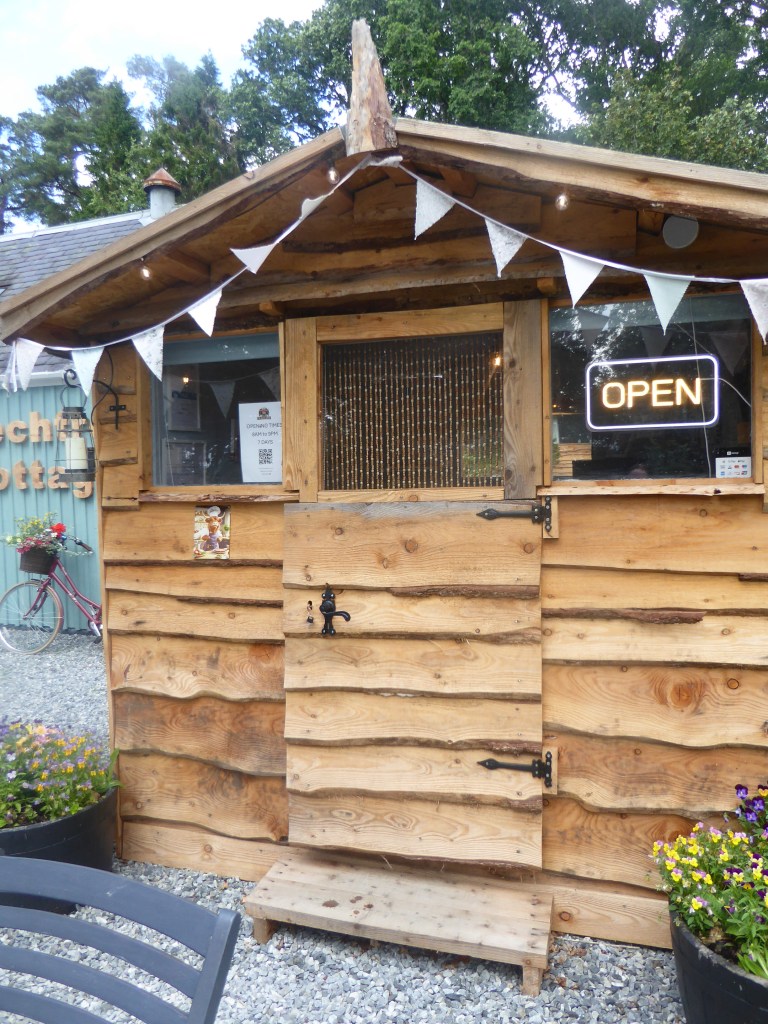
The Kilted Baker – Kirkmichael, Perthshire, Scotland – Another different type of thing in the Scottish Highlands

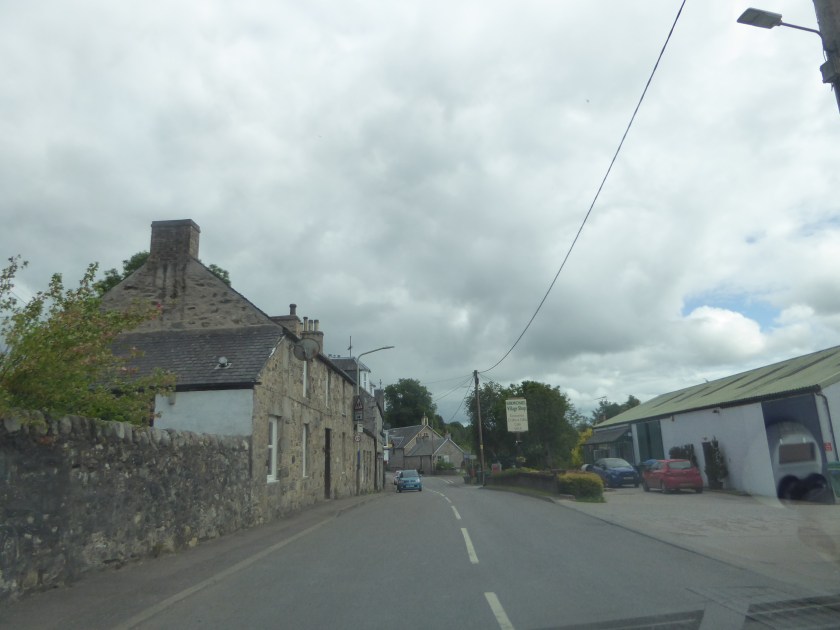
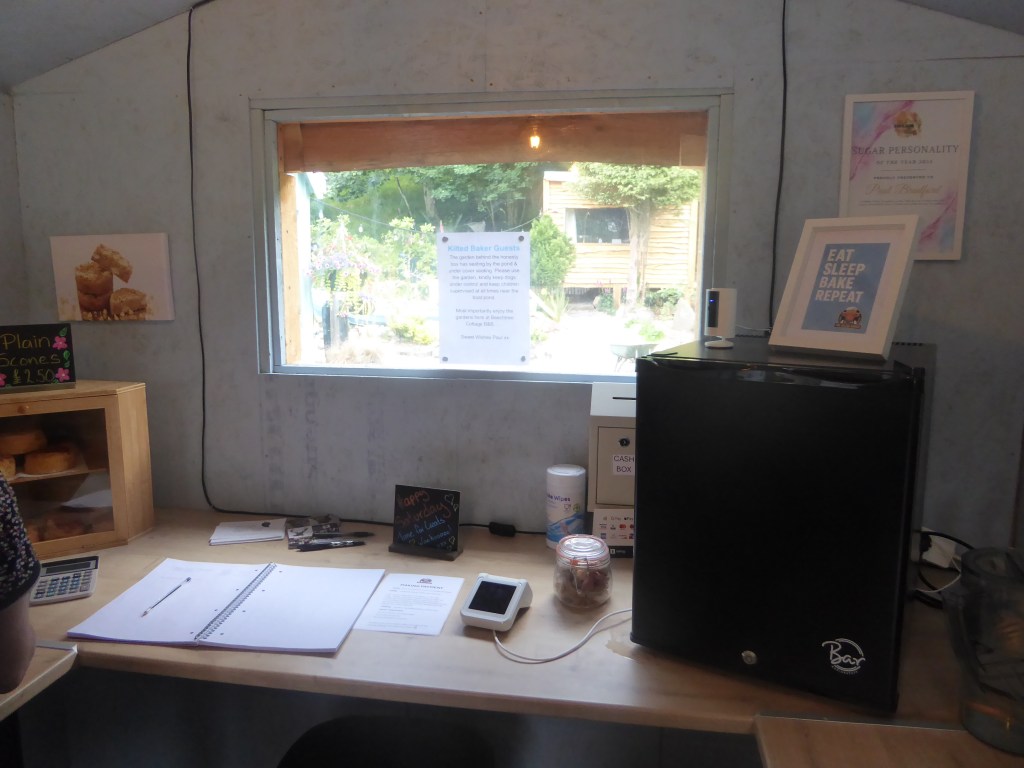
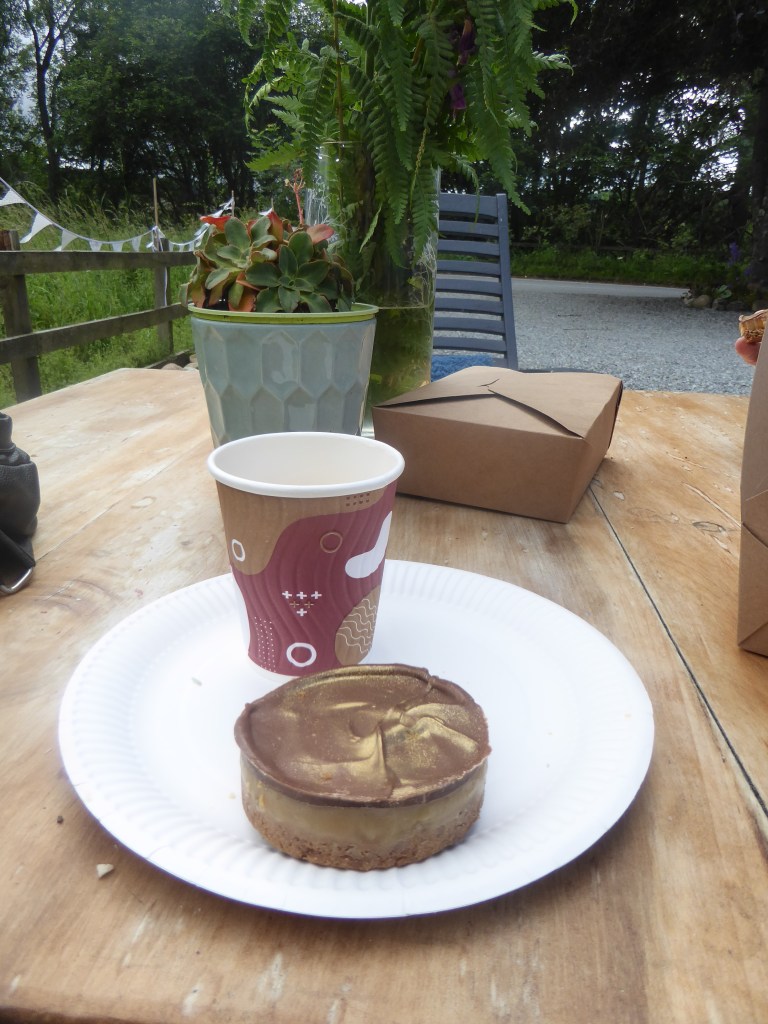
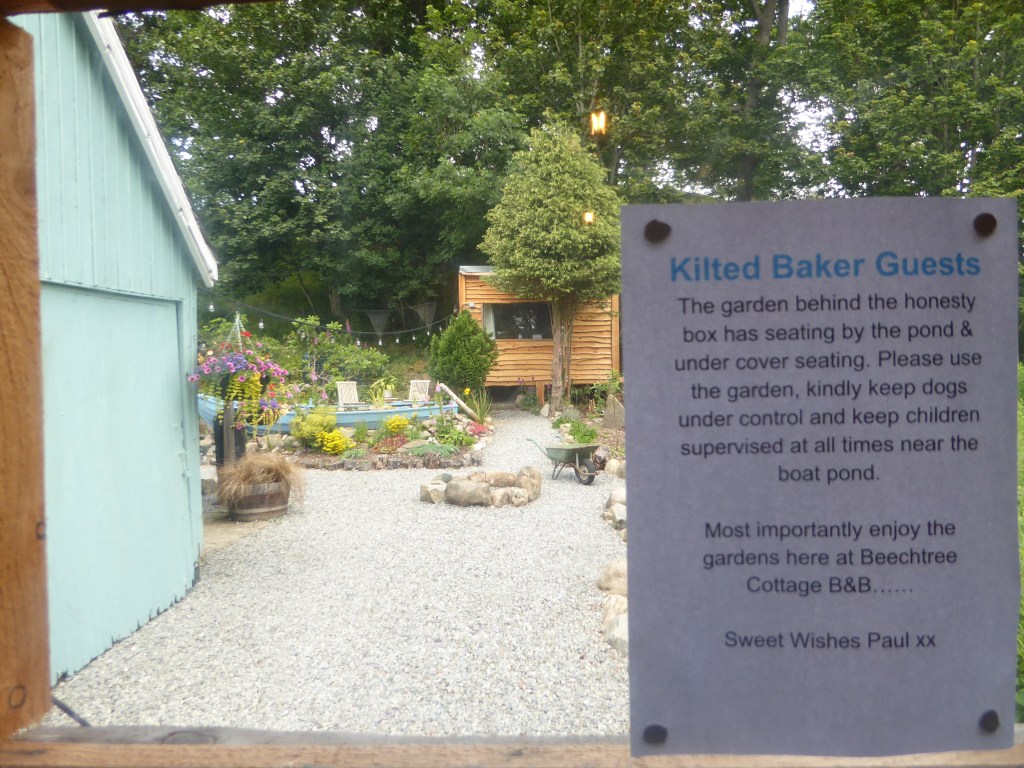
The Kilted Baker is nestled in the quaint village of Kirkmichael, and is a charming surprise I stumbled upon via a Facebook Reel. Yea, I actually watch those.

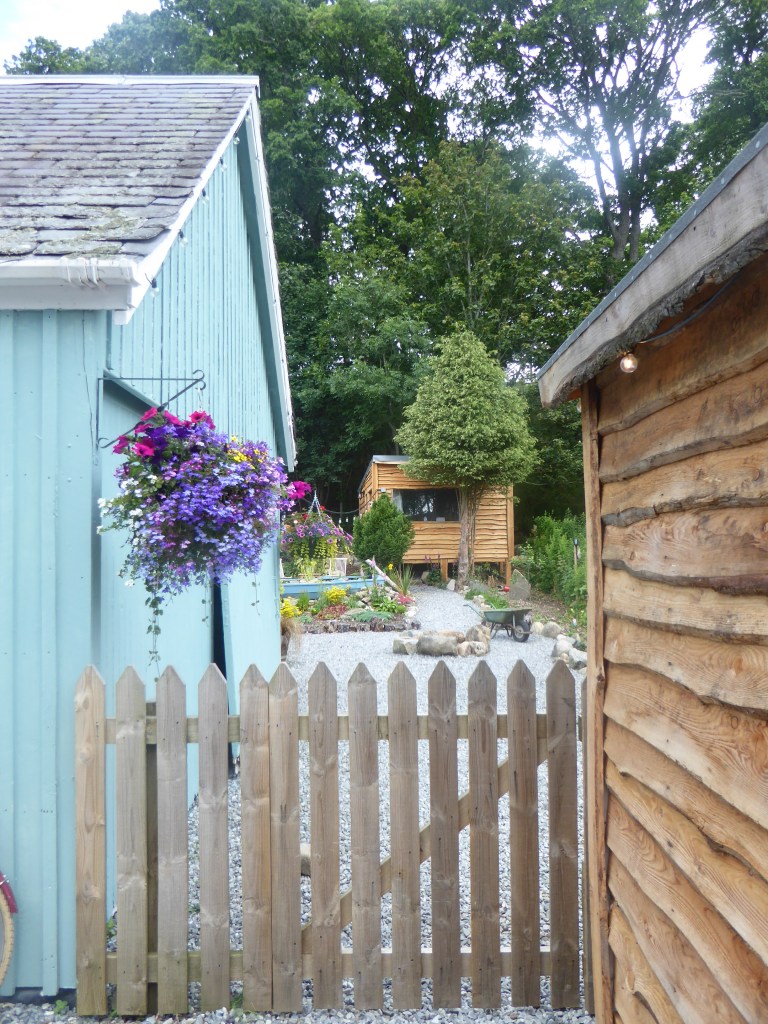
Over the past 15 years, I’ve visited this area quite often; such as starting the Cateran Trail from the carpark here! But still, this cozy home-grown spot was a nice discovery. Located about 15 miles from Blairgowrie to the southeast or the same from Pitlochry to the west, it offers a rustic, do-it-yourself vibe with a variety of cakes, cookies, tea and coffee.

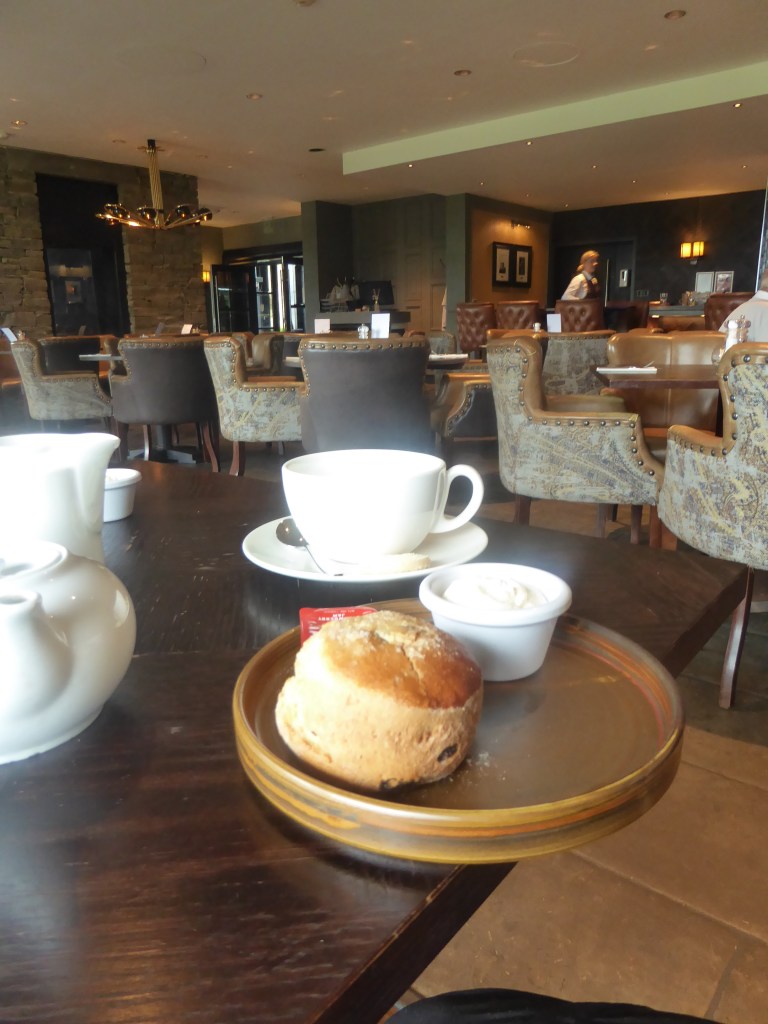
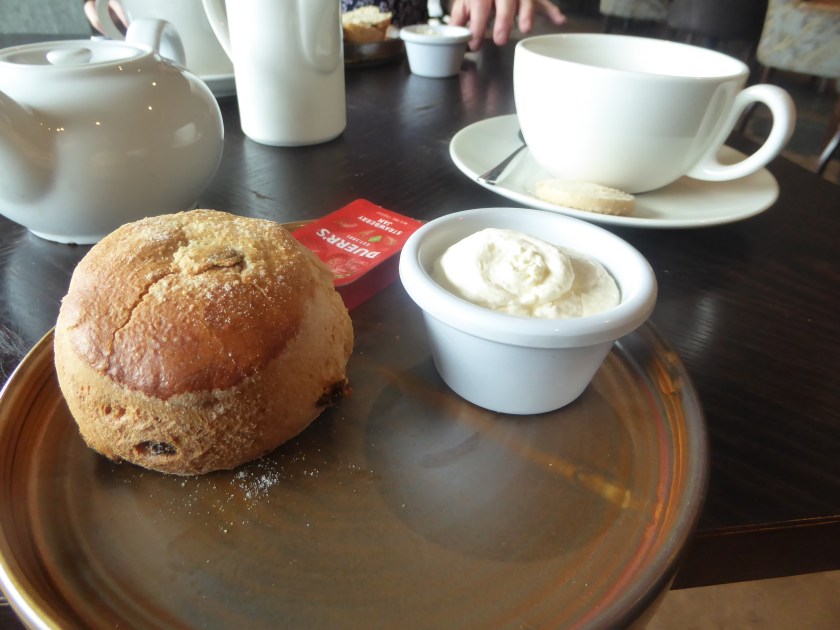
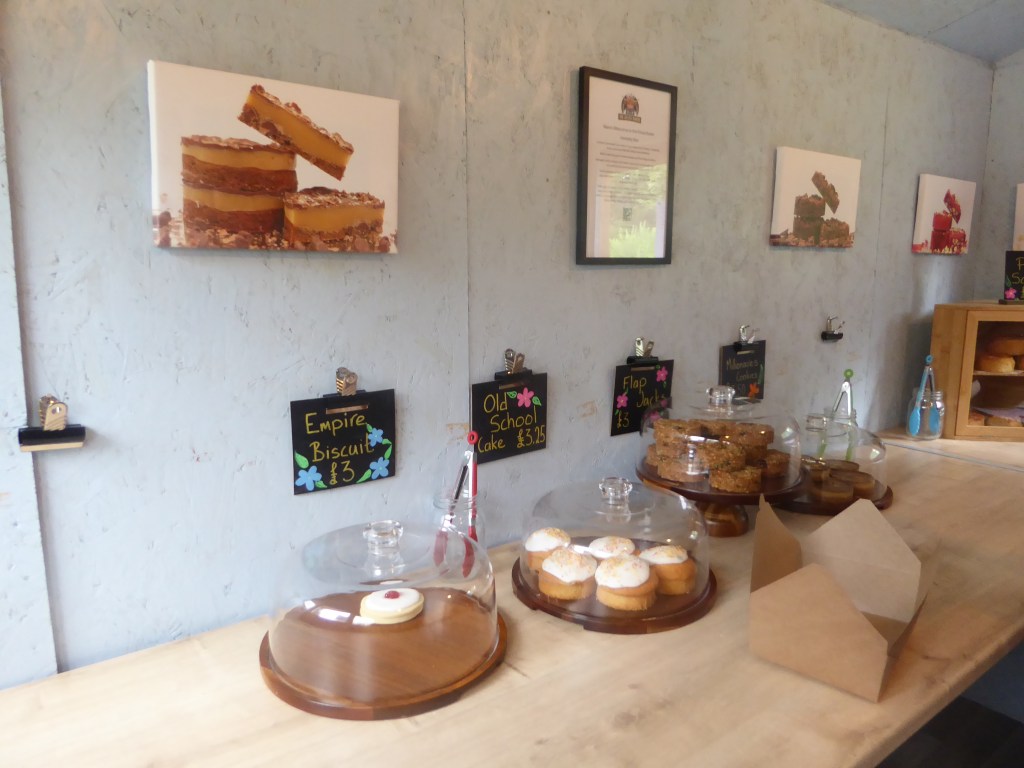
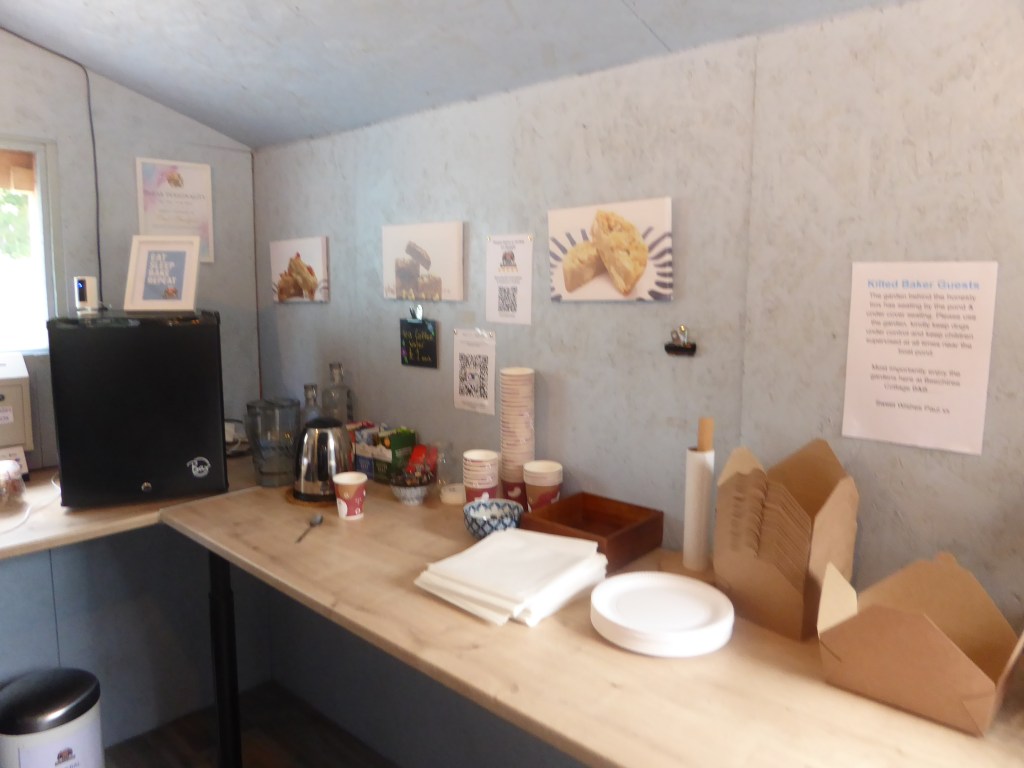
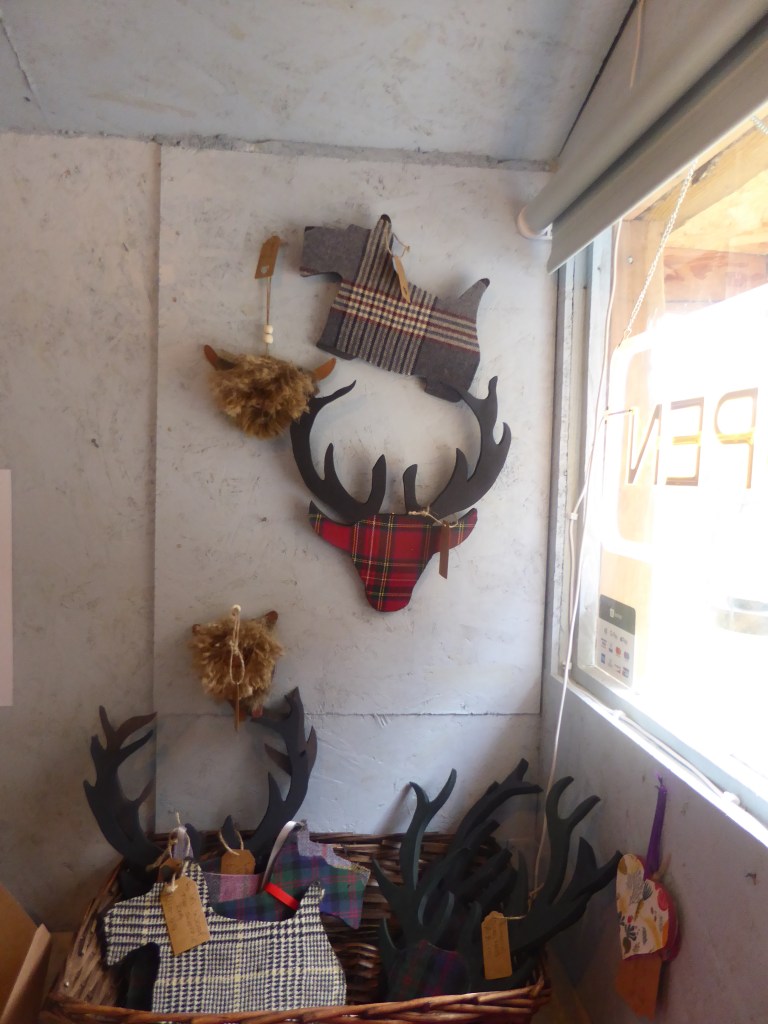
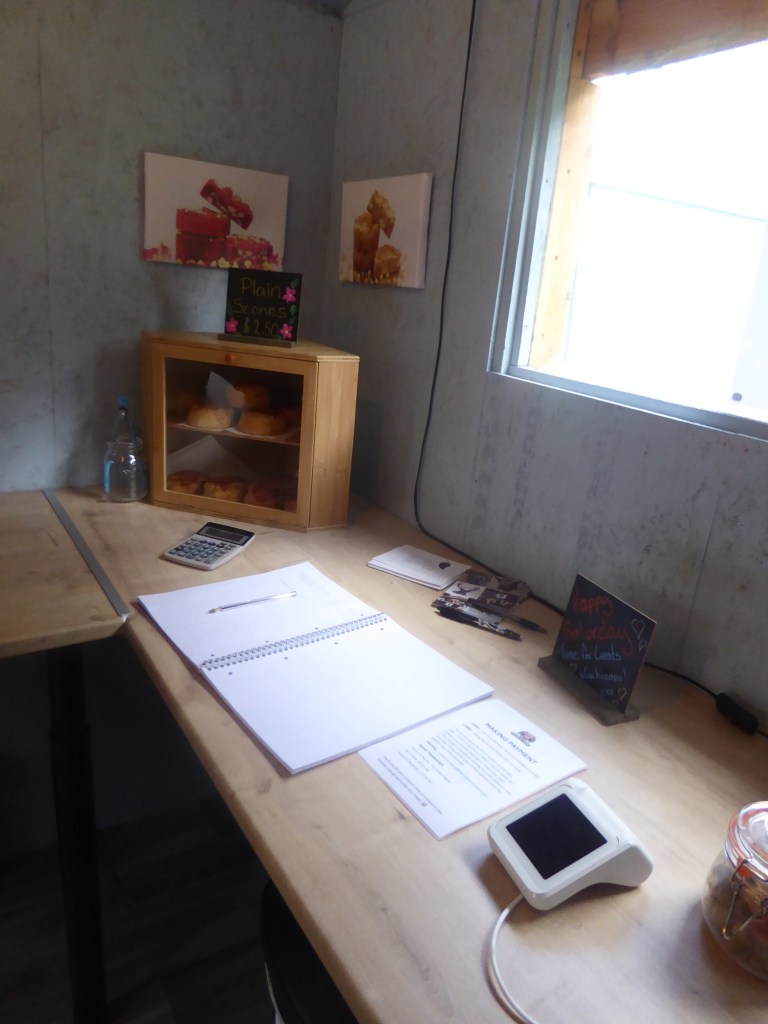
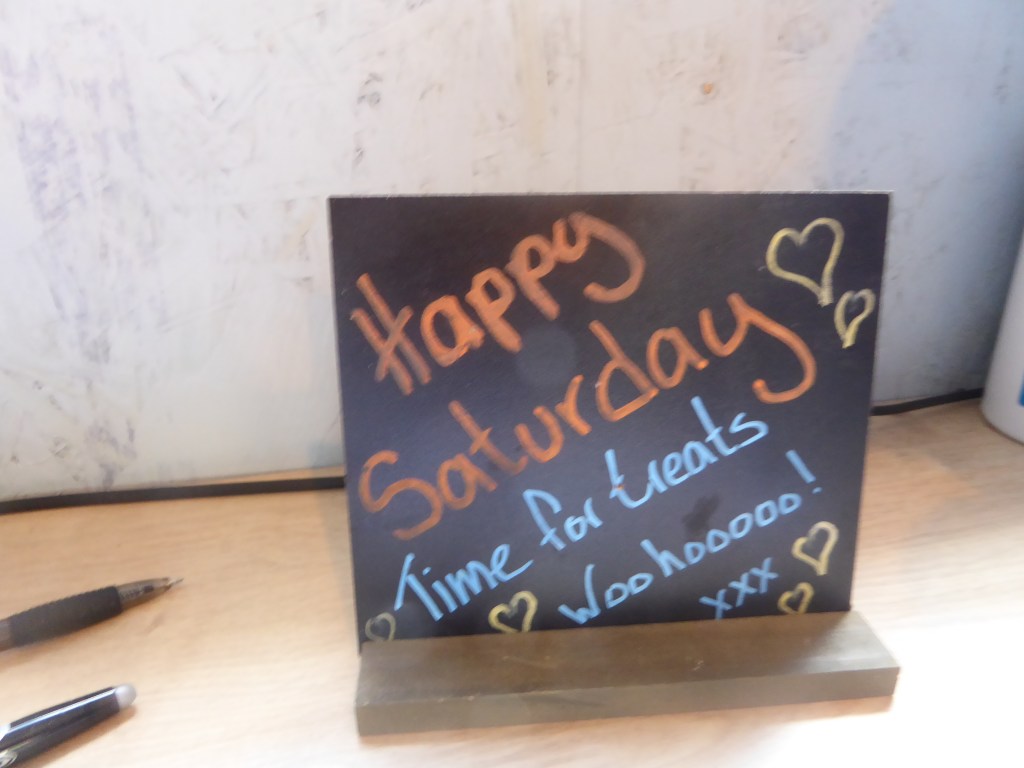
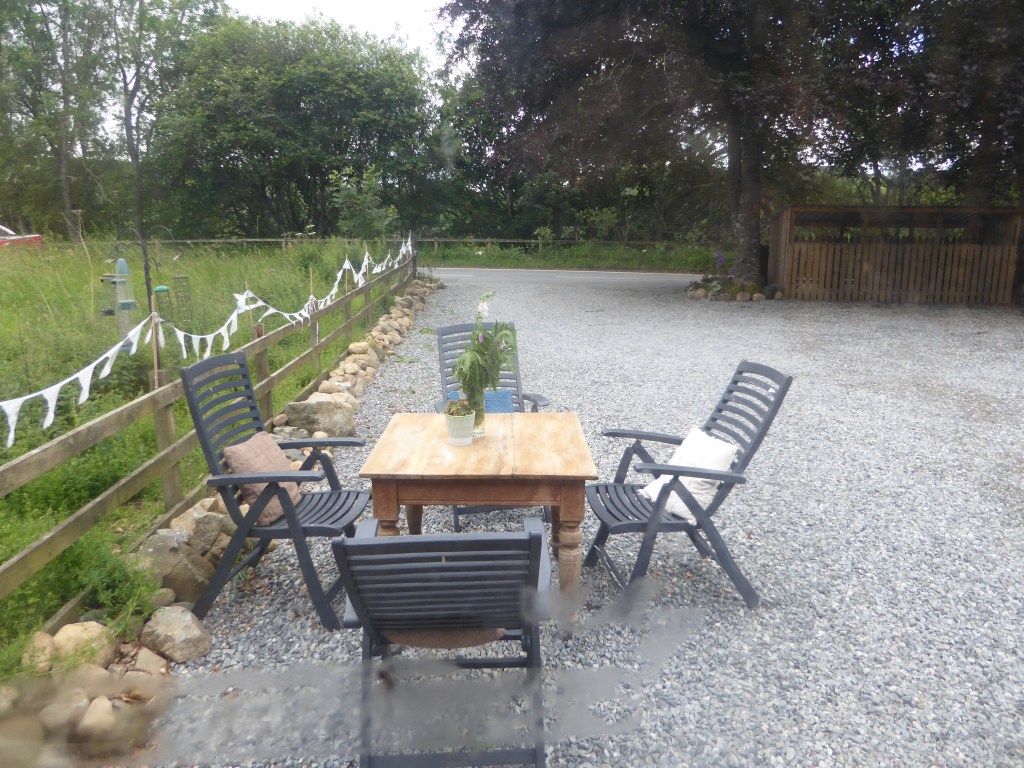
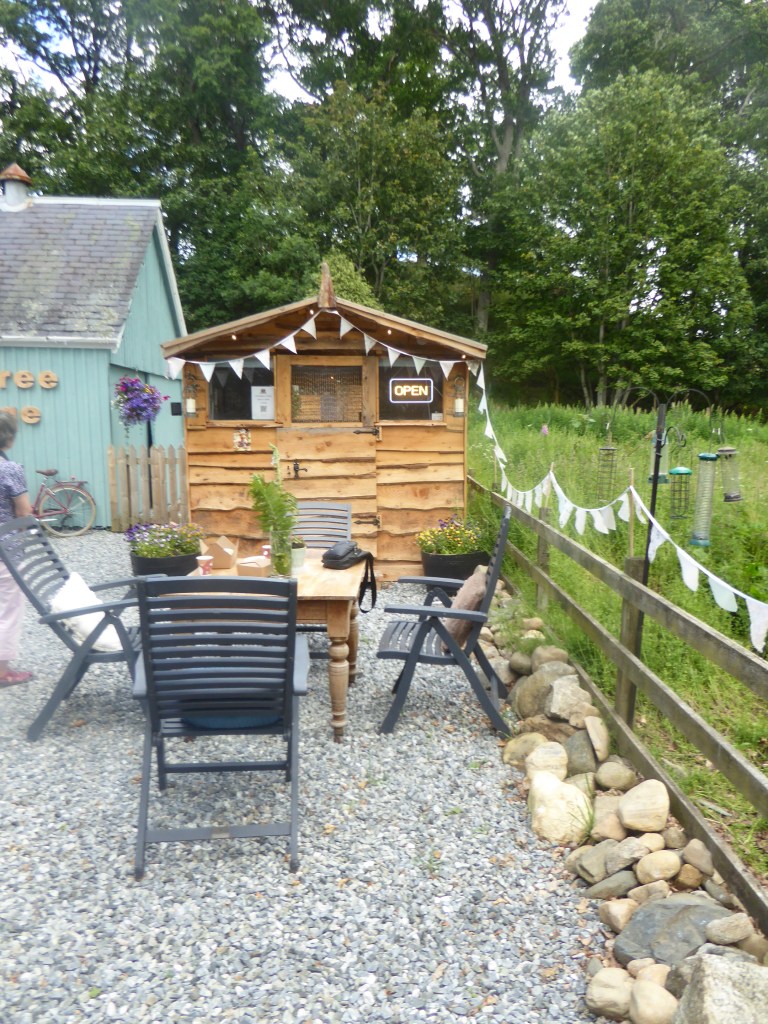
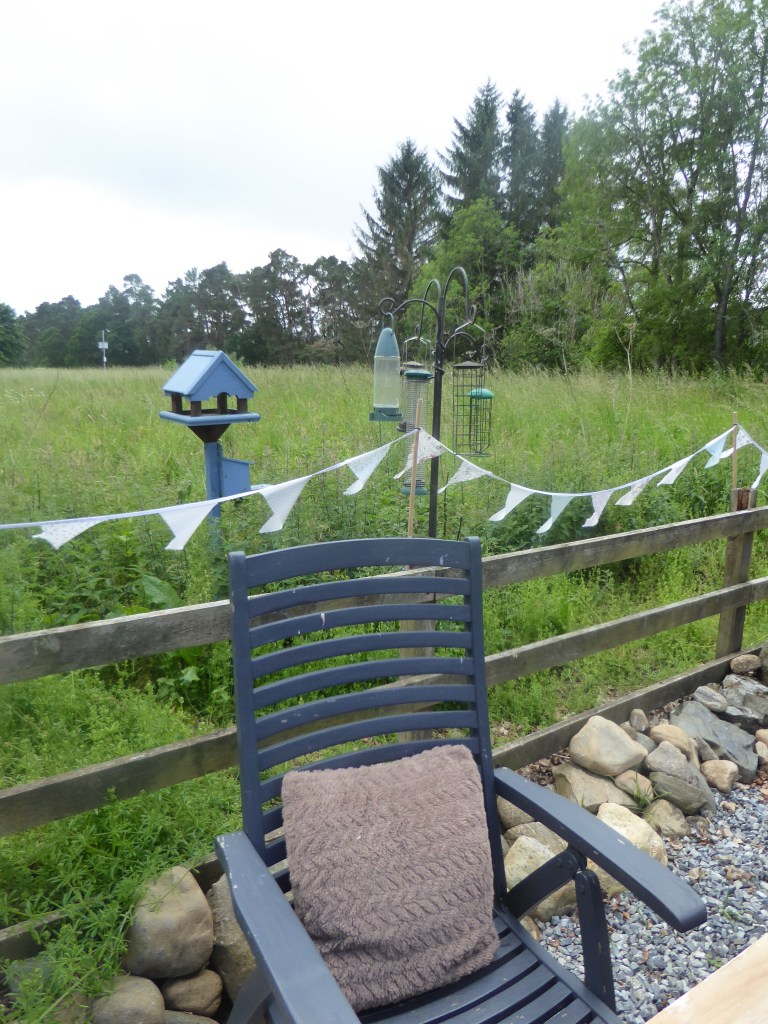
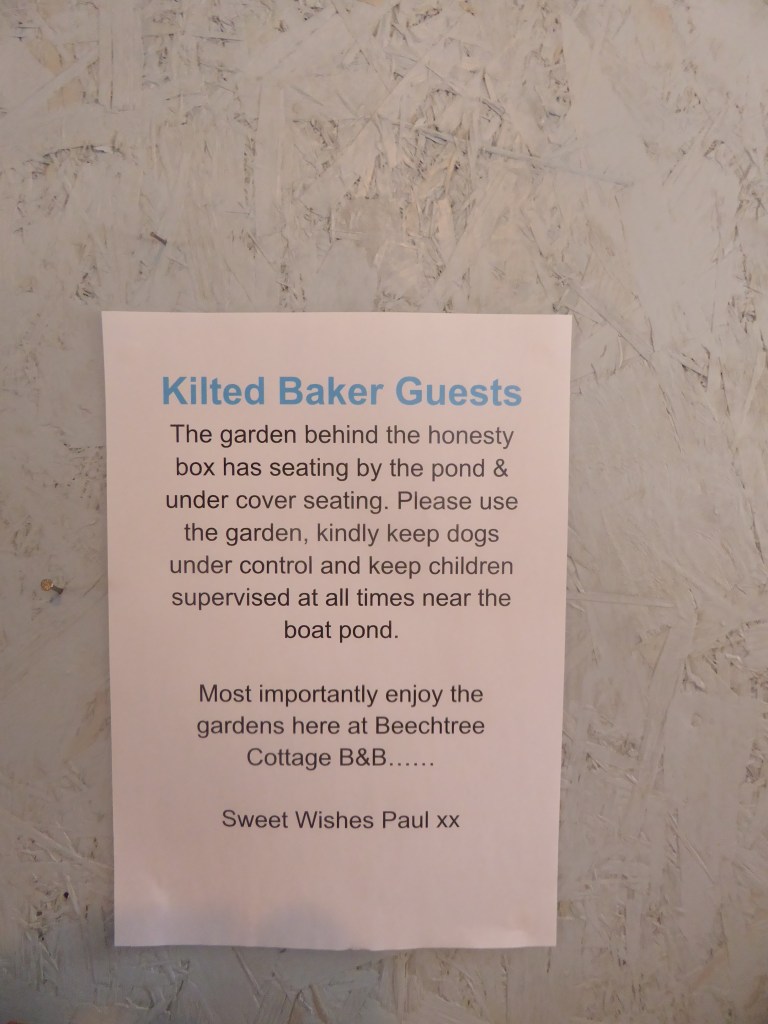
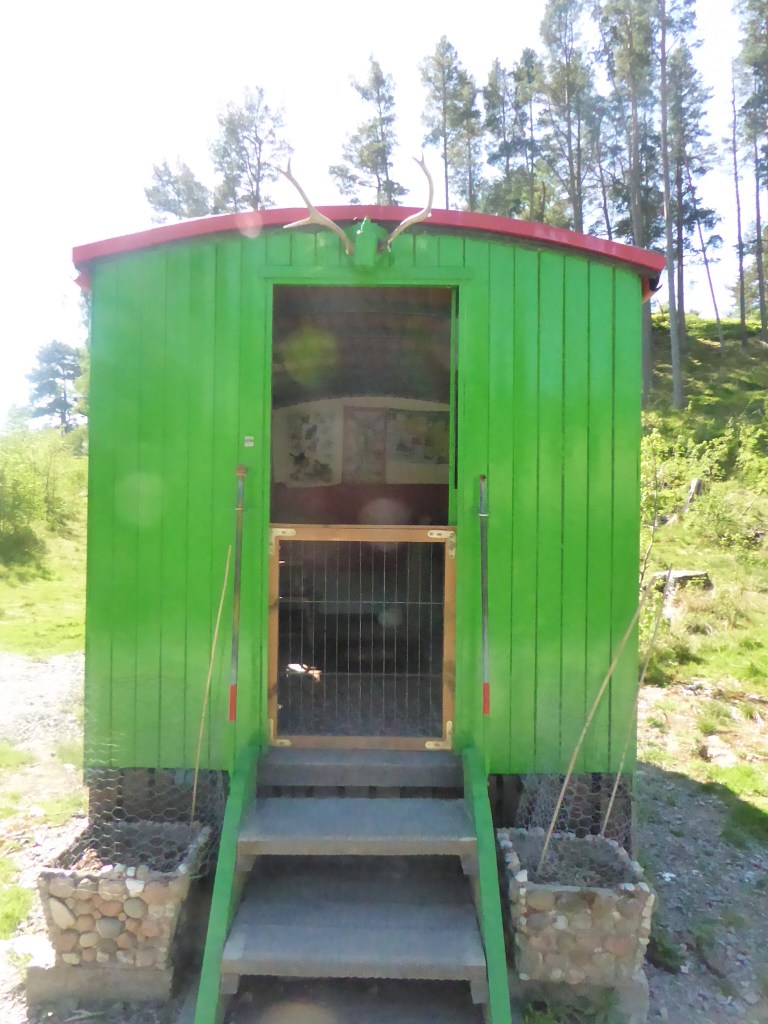
Payment is based on a modern honesty box system, accepting cash or card. The selection is impressive, featuring classics like Empire Biscuits and flapjacks, alongside cold drinks and Scottish-themed souvenirs like horns and kilted decorations! The setup is simple yet inviting, with a table and a few seats outside—perfect for sitting down before returning to where you came from.

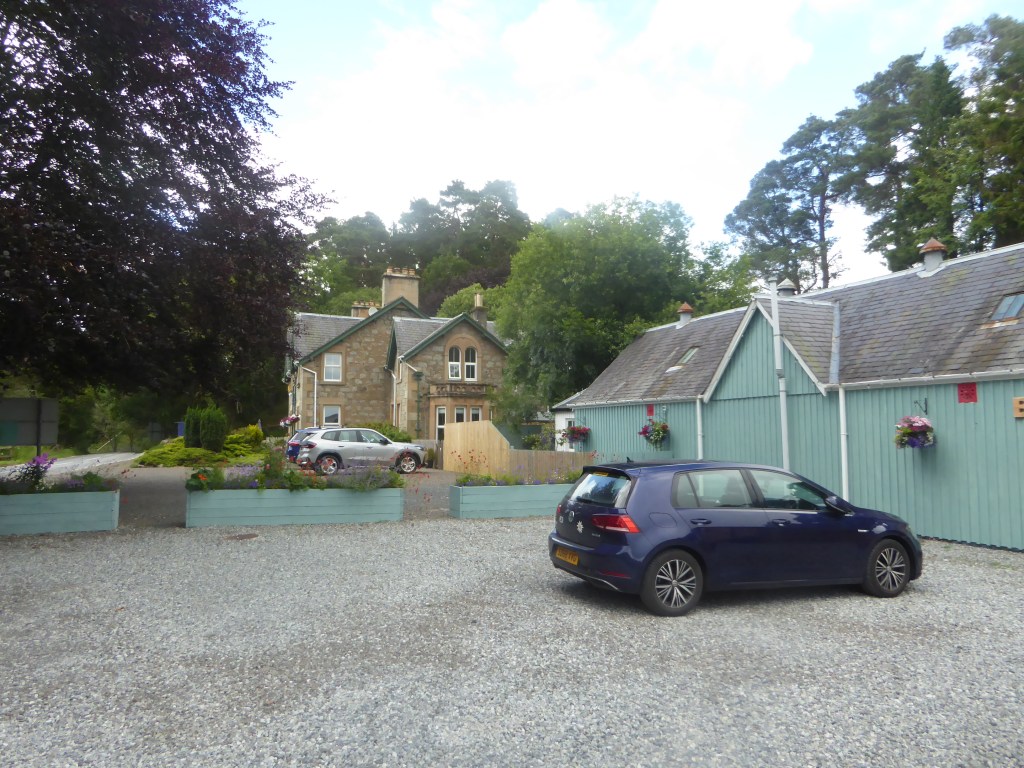
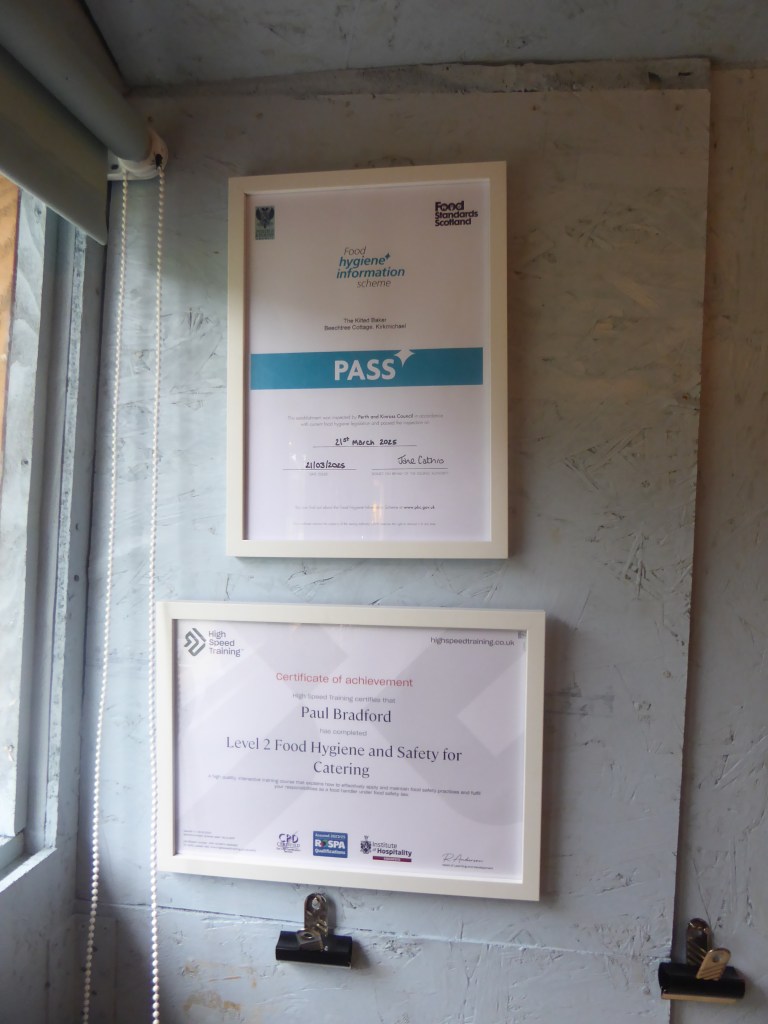
Next door is Beechtree Cottage, a familiar spot from years past, and the area offers easy access to the Glenshee Ski Centre if you take a left just past the bakery. You can also explore the adjacent gardens, where you might meet a friendly dog who escaped his paddock in search of cake during our day there. Run by a man named Paul Bradford, who holds level one and two food hygiene certificates and a recent approval from Scotland’s Food Standards Agency (March 2025), it feels authentic and welcoming.

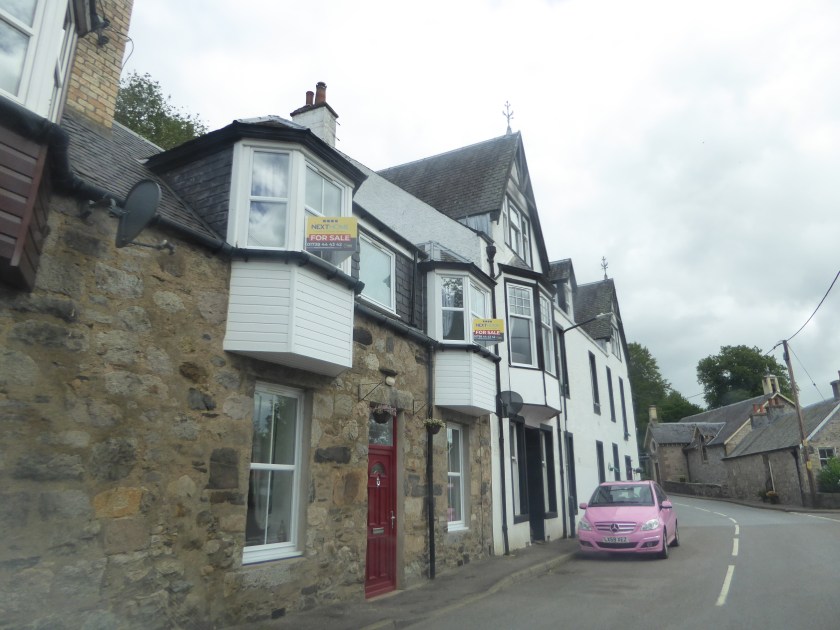
It’s one of the few remaining establishments in Kirkmichael, a village that feels like it’s fading due to the rise of Airbnbs and limited housing for locals; though I could be wrong. When I was here a few years ago, I was told by a local to look at the flats on the High Street here and guess how many were NOT Airbnbs; the answer was only one! I hope the situation is better now, and be sure to leave a review on Google, TripAdvisor, or Facebook—the owners will appreciate it.

CB

Epic 2-Day E-Bike Adventure: Cycling 120km from Pitlochry to Aviemore with a Camping Stop

Alternative AI Title – E-Bike Delight: 120km of Scottish Sights with a Tent by Night!

And you think that one was bad, look at these:

“Zoom to the Moon: E-Biking Pitlochry to Aviemore with a Camping Swoon”

“Cycle and Snuggle: A 120km E-Bike Journey with a Tent Tuggle”

“Wheeling Through Reeling: Pitlochry to Aviemore’s 2-Day E-Bike Feeling”

“E-Bike Blitz: 120km of Scottish Spritz with a Camping Twist”

As for the tour:
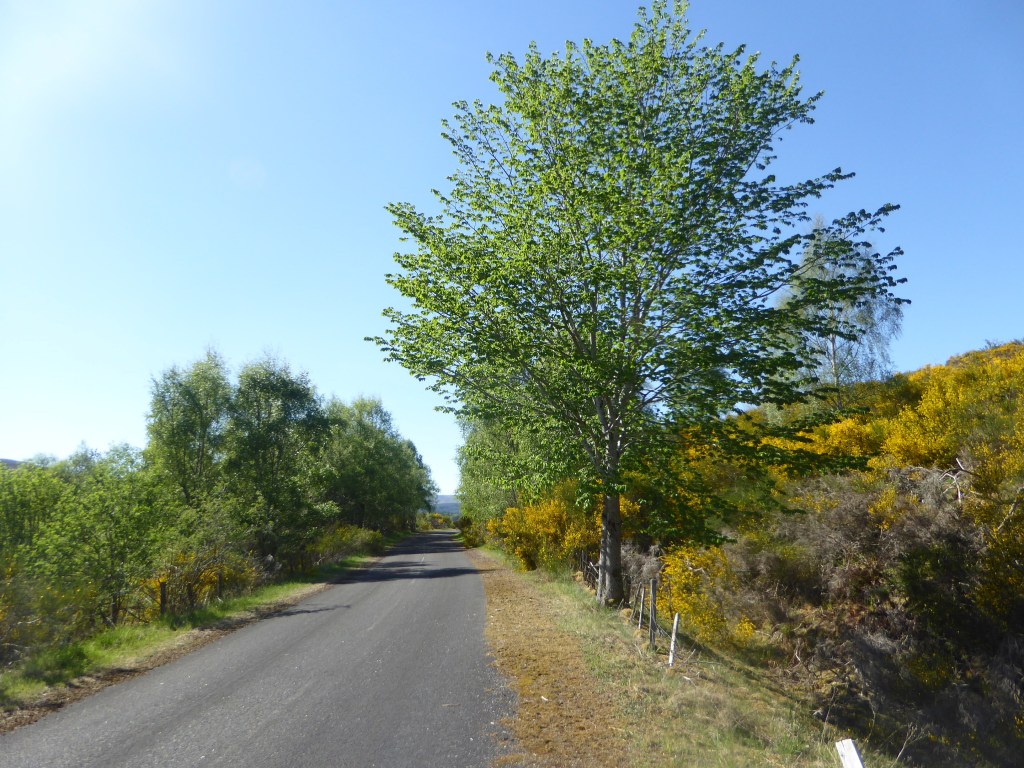
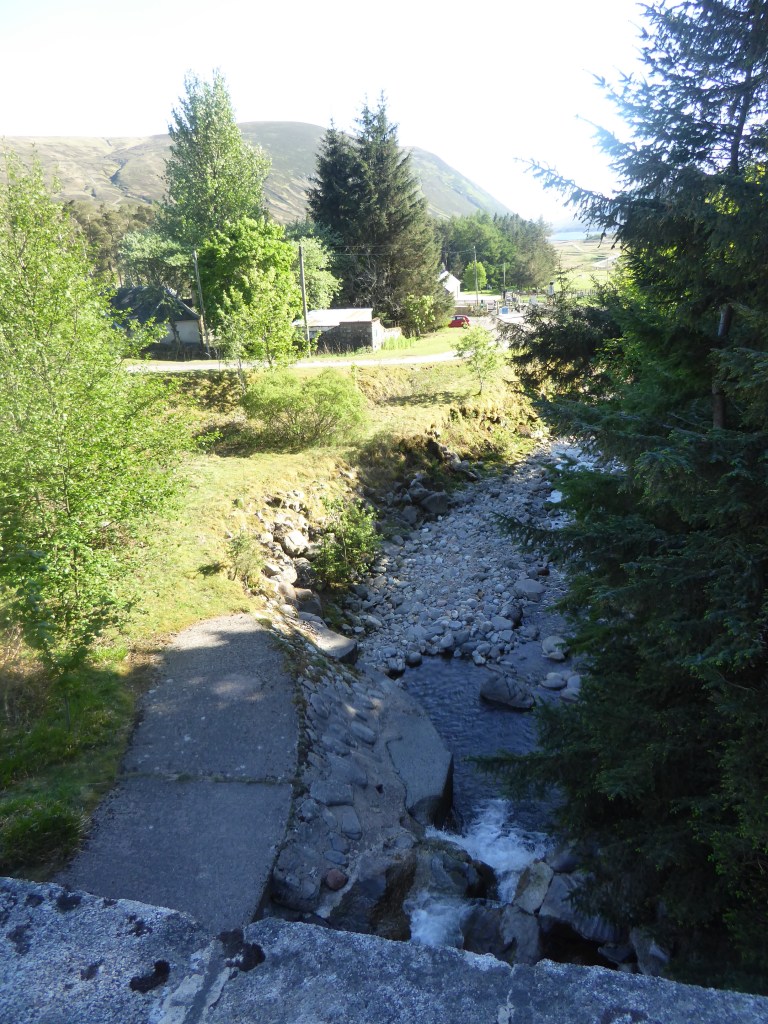
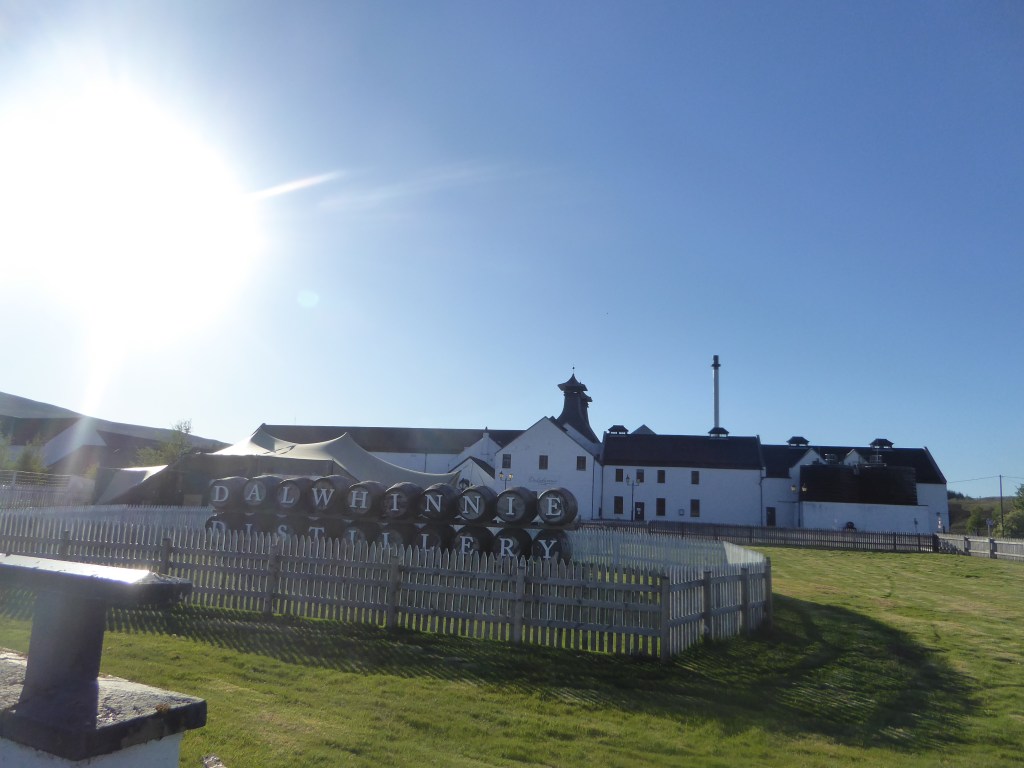
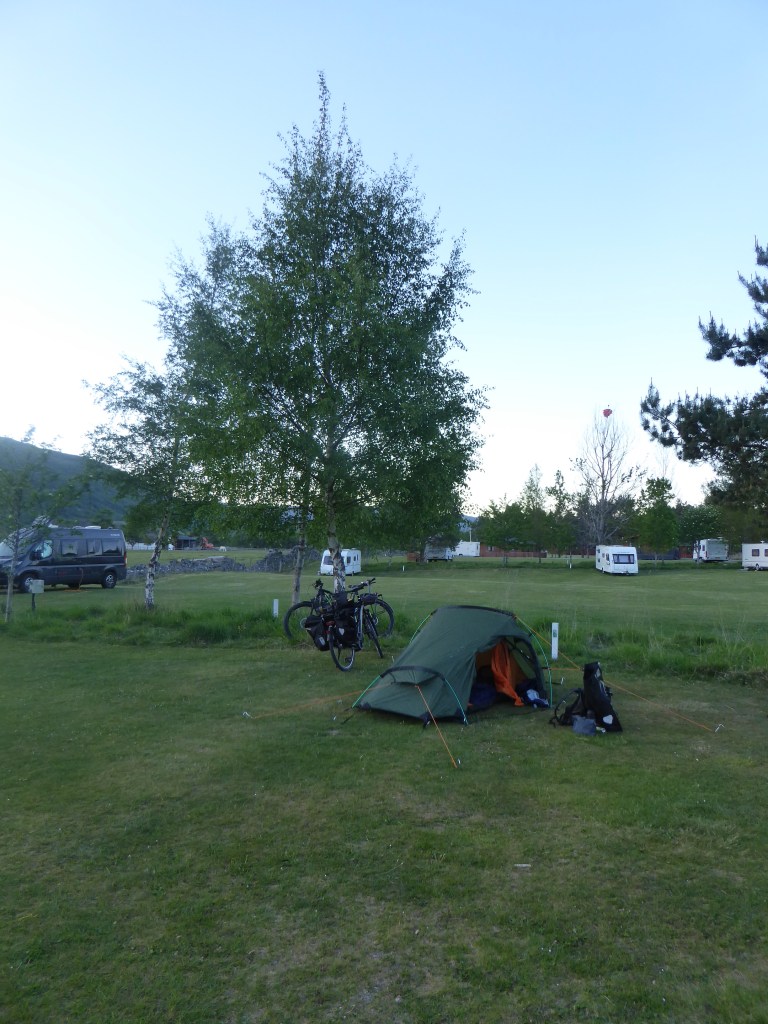
Another bike tour, but this time with e-bikes—what a game-changer! We covered roughly 110–120 kilometers over two days, riding from Pitlochry to a campsite just north of Dalwhinnie, where we pitched our tent, before continuing to the bustling village of Aviemore. I’ve never been a huge fan of Aviemore, to be honest, and we were mostly there to catch the train back to Pitlochry.

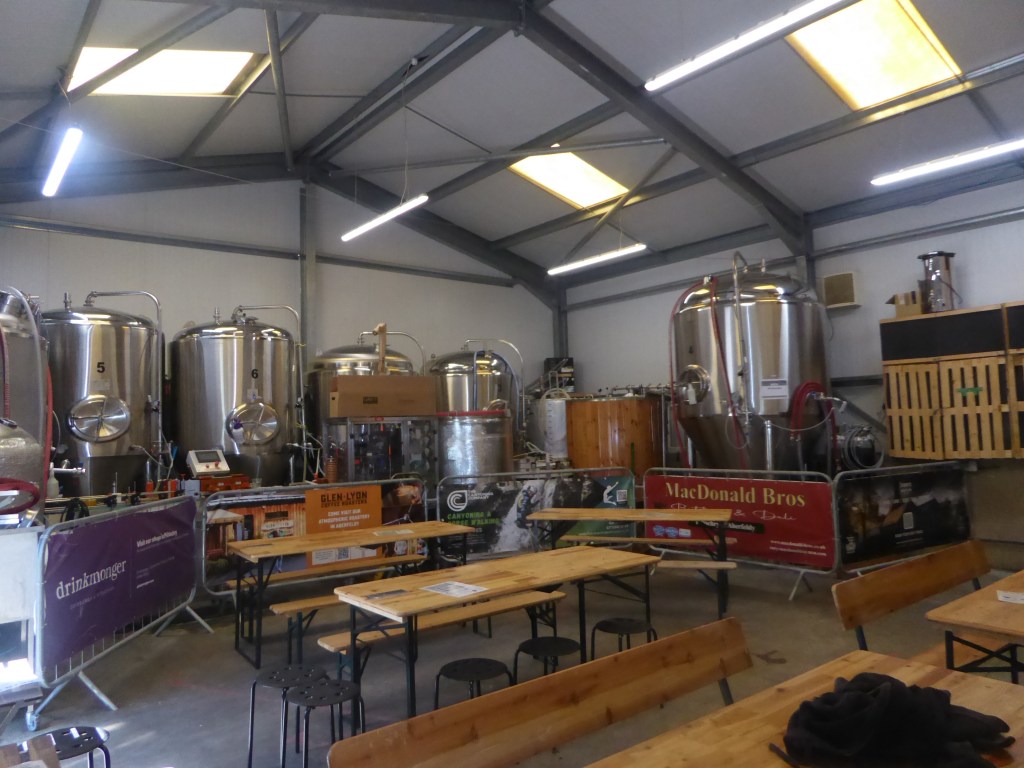
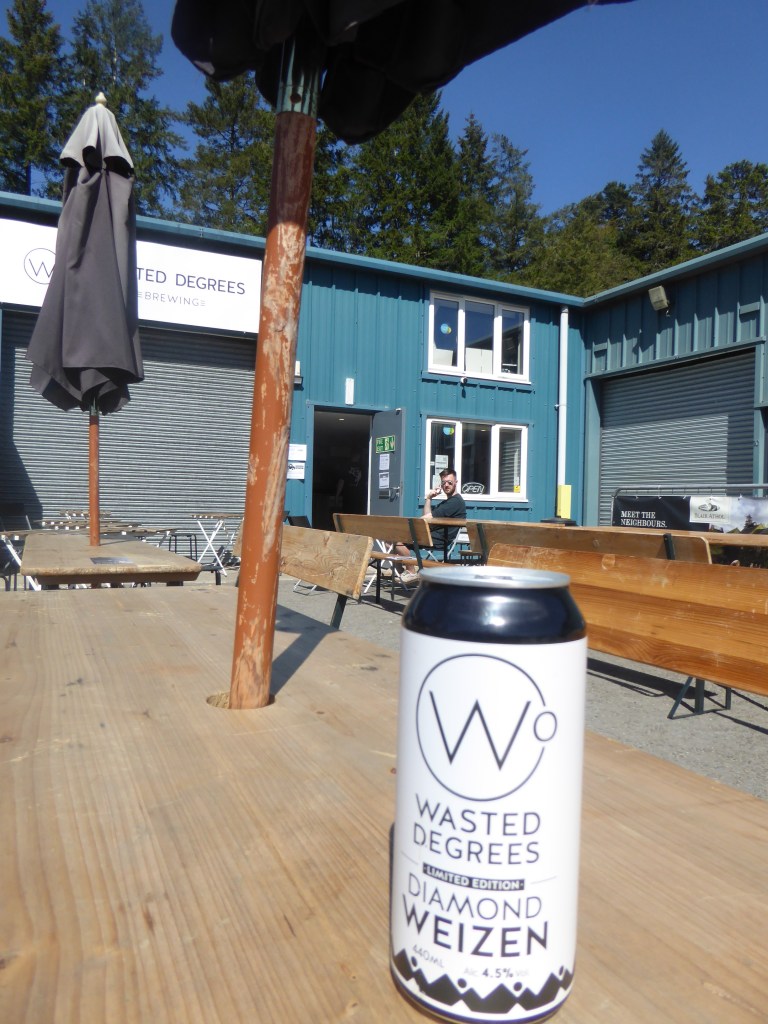
Wasted Degrees brewery, an hour north of Pitlochry

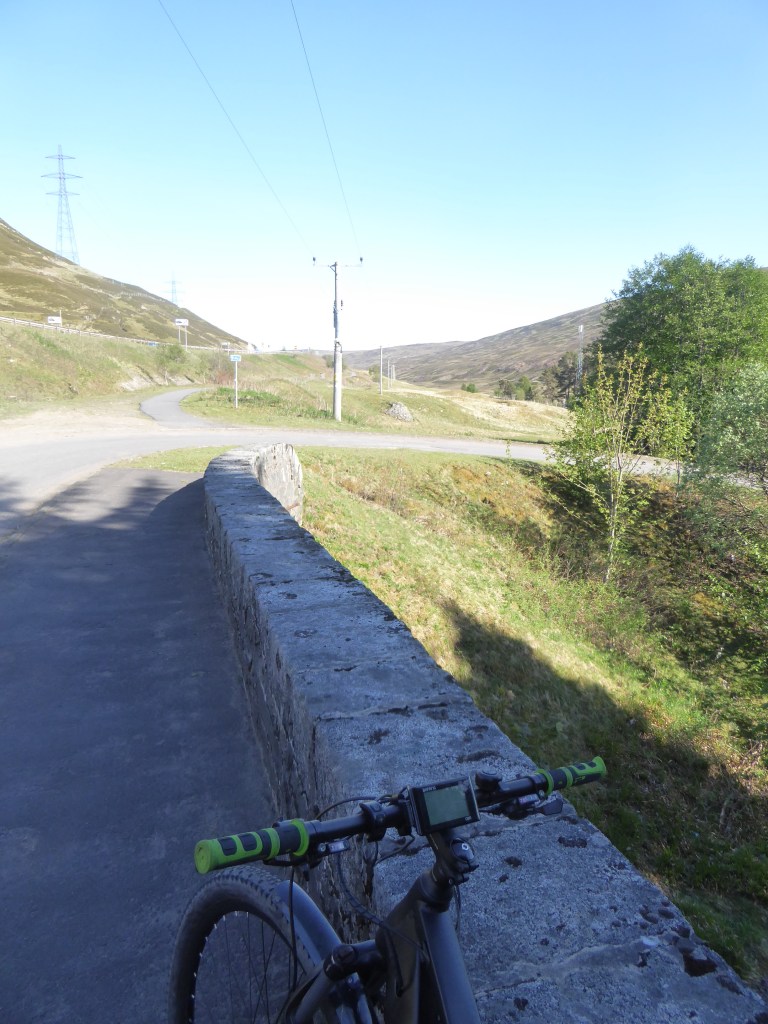
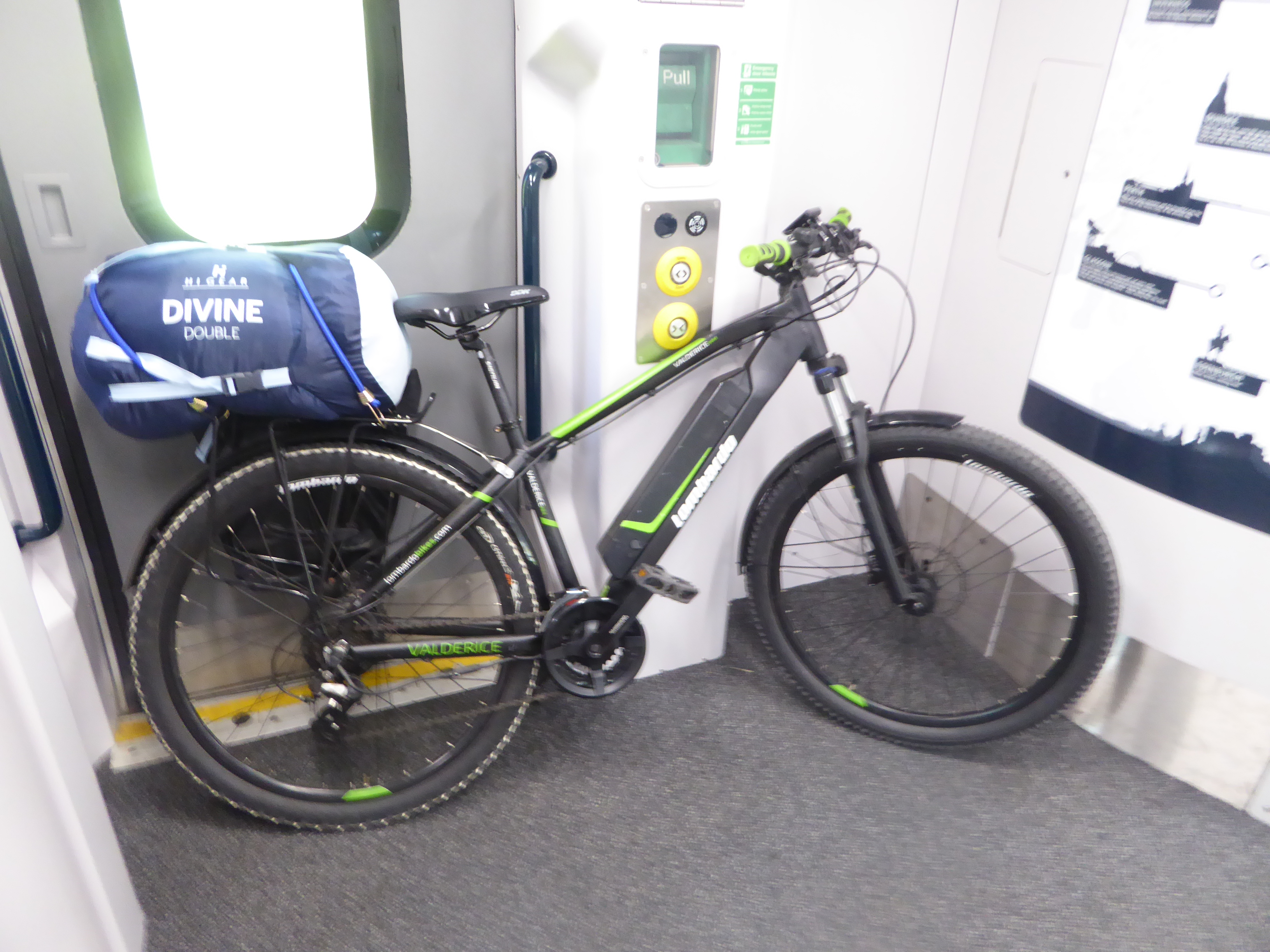
This was our first time using e-bikes, and I recently bought a secondhand one—hope that’s not an oxymoron! It needed a few repairs, and I quickly learned it doesn’t have a kickstand, which can be a hassle. I usually stick to power assist levels one or two out of five, occasionally three. The bike’s pretty heavy, and like most e-bike newbies, I thought I could overload it.

Spoiler: I did, and it’s damn heavy when you’re pushing it without power.

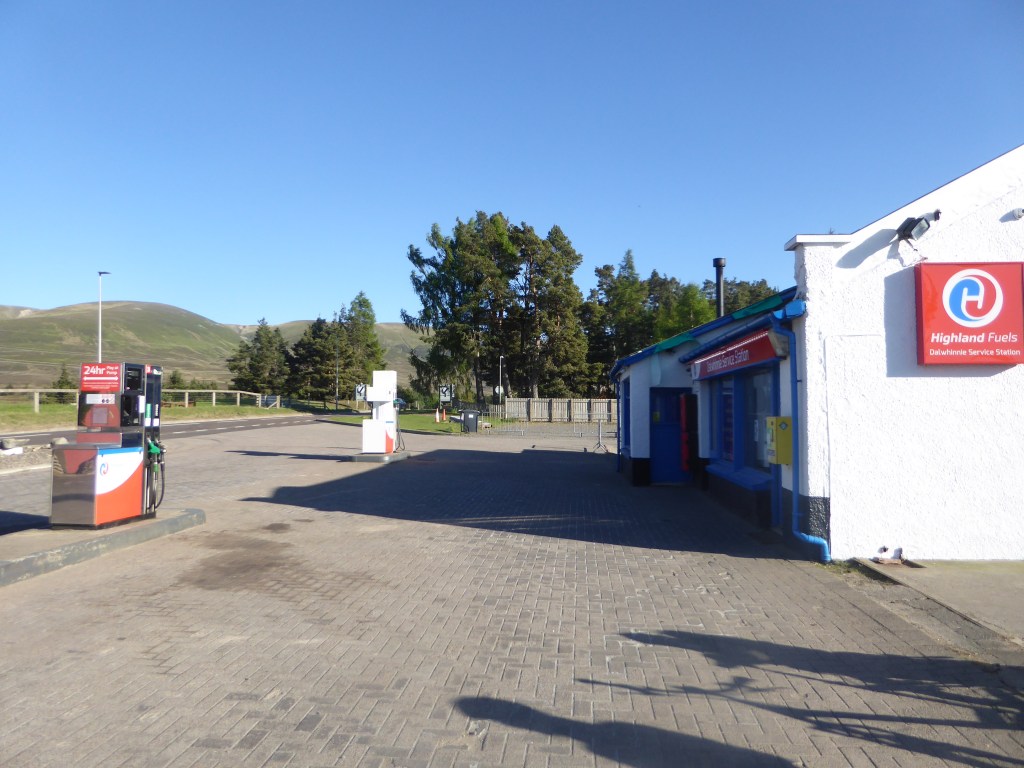
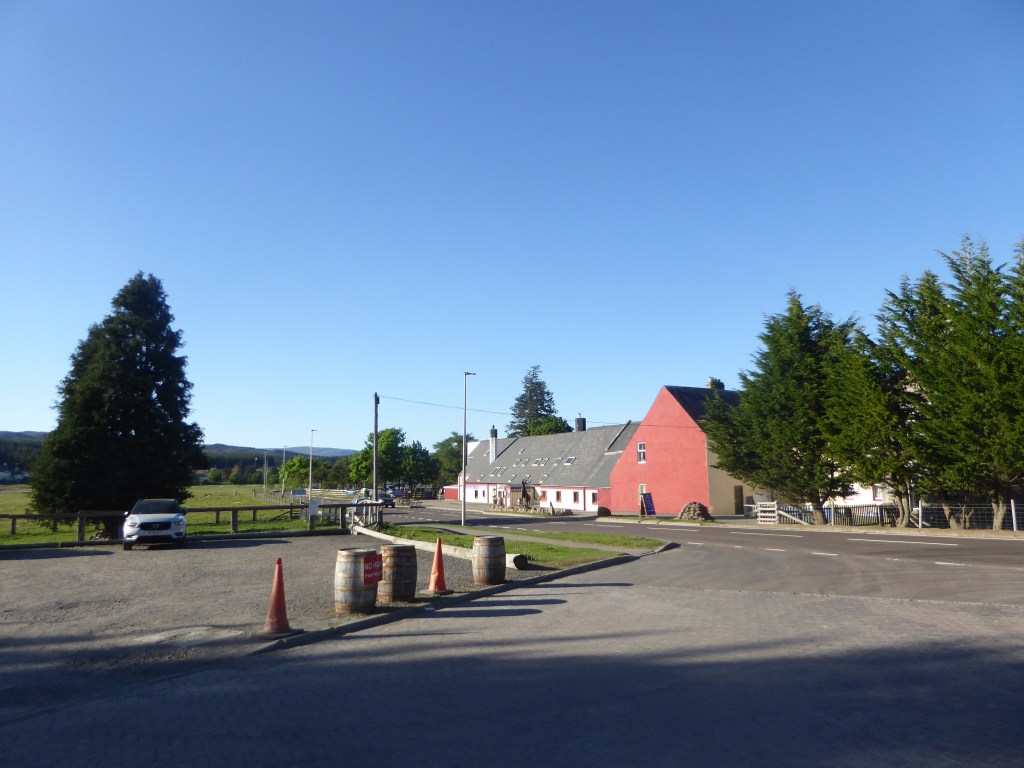
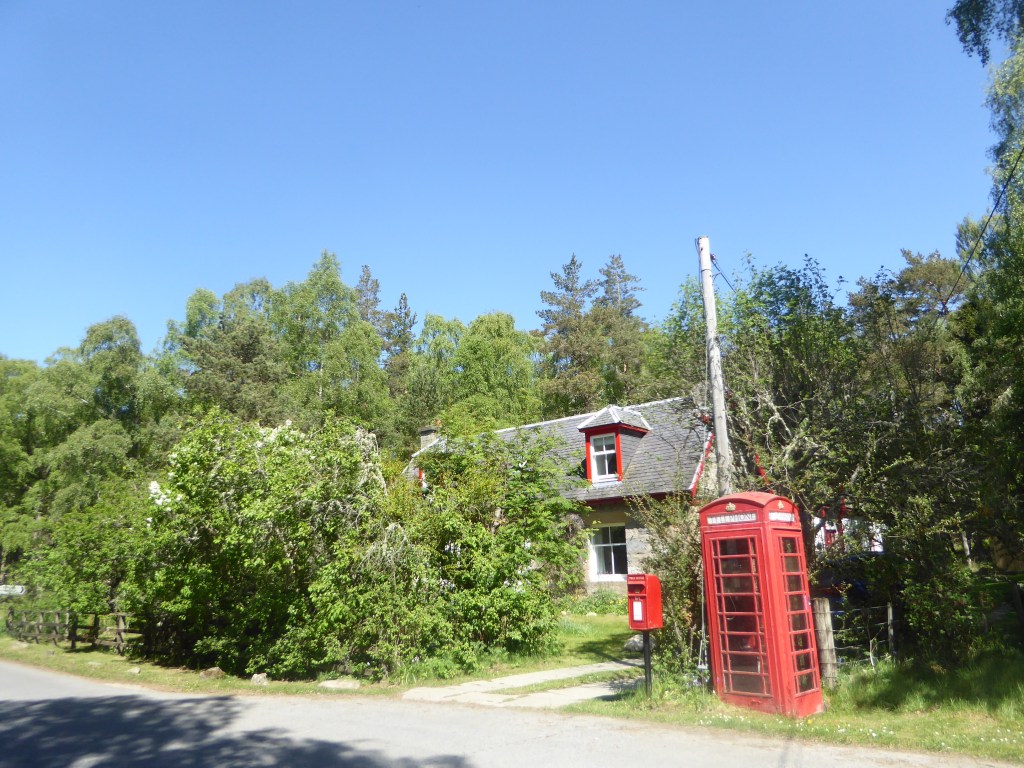
The village (closed) of Dalwhinnie

We rode about 75 kilometers on day one, sticking to Sustrans National Cycle Route 7, a long-distance path stretching from Sunderland, England, to Inverness, Scotland.

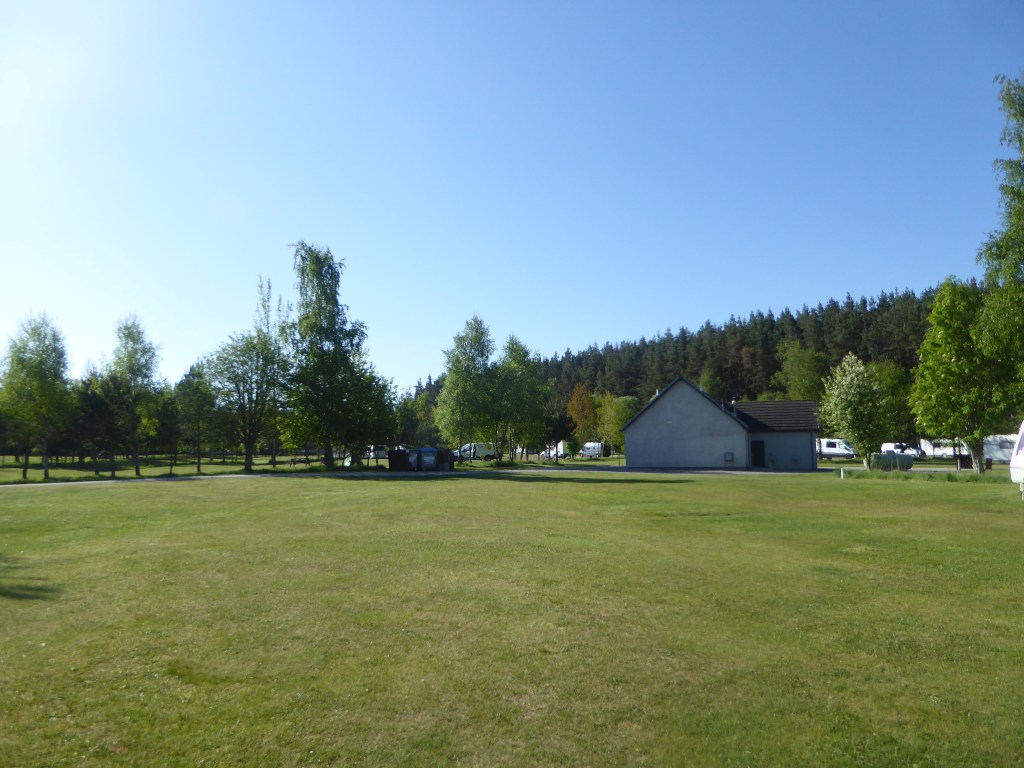
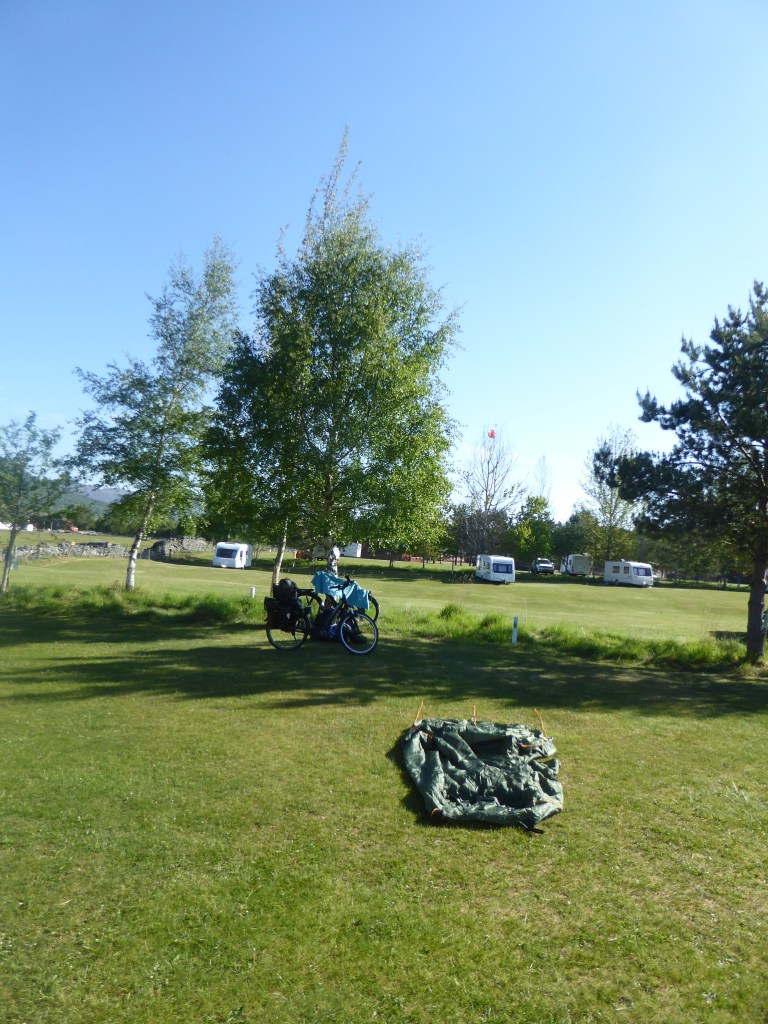
Invernahavon Caravan Park

We were on the upper half, north of Perth, where the route is well-marked but varies wildly. Sometimes you’re dodging traffic; other times, you’re blissfully alone. After Perth, there aren’t many cars or cyclists, which is great, but it makes planning crucial—especially for food.

Case in point: we cycled into Dalwhinnie, a tiny village, around 6 p.m., starving. The one café? Closed. The hotel restaurant? Closed. The village shop and petrol station? Also closed. Lesson learned: plan your meals! Luckily, we had sandwiches to tide us over.

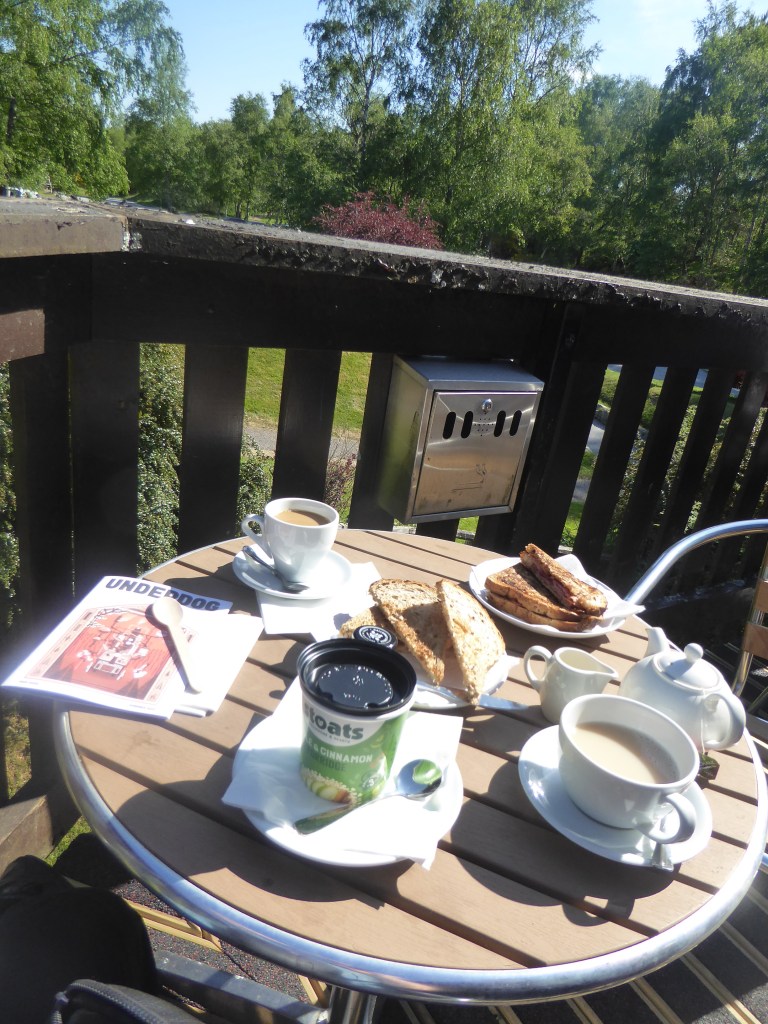
We made it to the campsite near Etteridge with 10 minutes to spare before it closed. About 15–20 minutes away, there’s the Ralia Café, a quirky old-school stop that’s part tourist point, part café. Their breakfast the next morning was fantastic, getting us ready for the final 40–50 kilometers to Aviemore.

E-bikes make you think you can carry the world, but our loaded tents and gear got difficult’ish, especially in the last half hour when I was pedalling without power. Another hiccup: the campsite charged £33 for two people, including electricity, but the plugs were incompatible with standard household chargers. By some miracle, a fellow camper overheard us panicking and lent us an adapter. By morning, our bikes were fully charged, and the campsite’s showers? Absolutely superb.

Ralia Cafe

Day two’s 40–50 kilometers felt easier, especially with a full stomach from Ralia Café, about 5 kilometers north of the campsite. We passed through charming Newtonmore and Kingussie, where there are plenty of cafés and facilities if you need them.

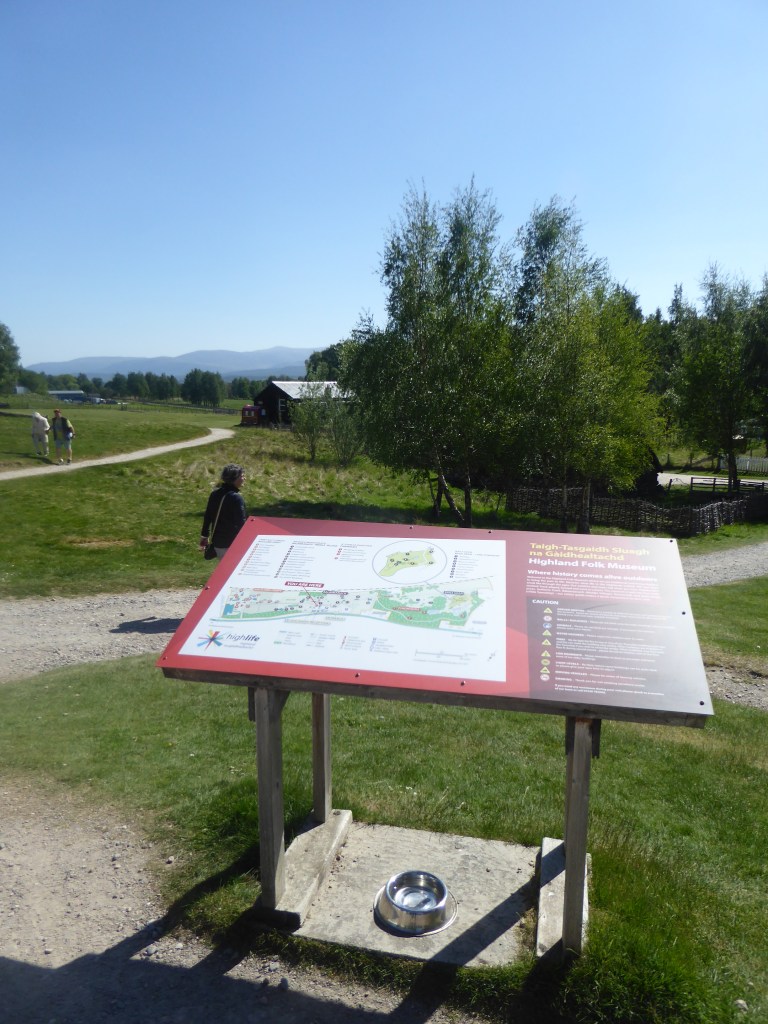
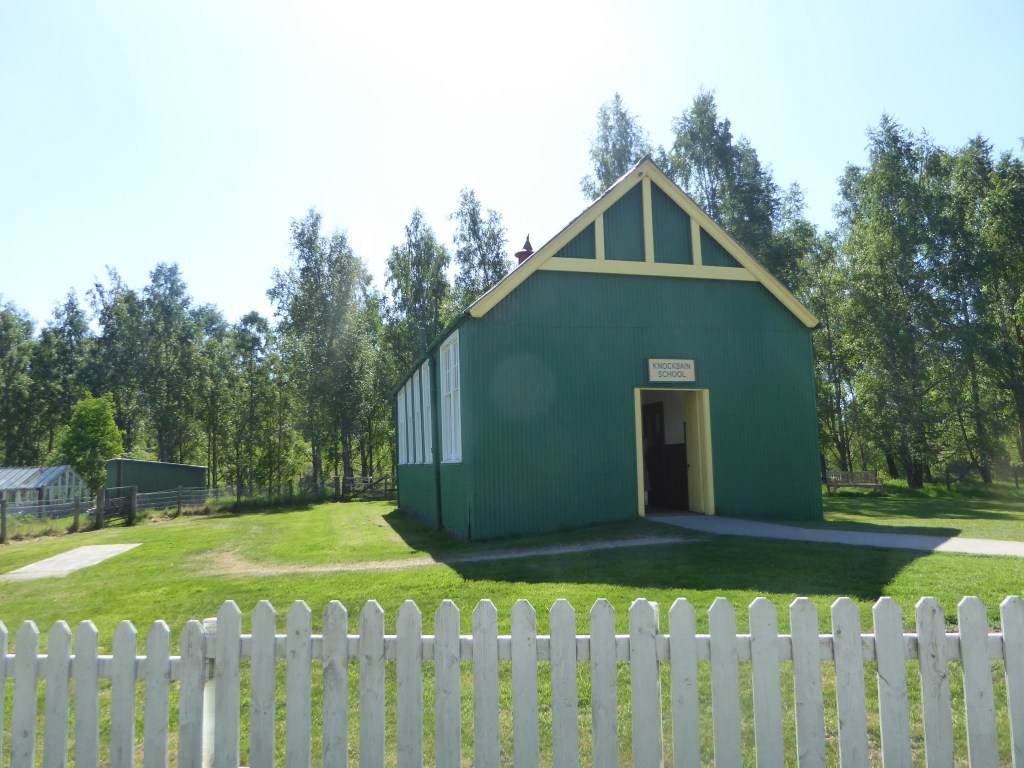
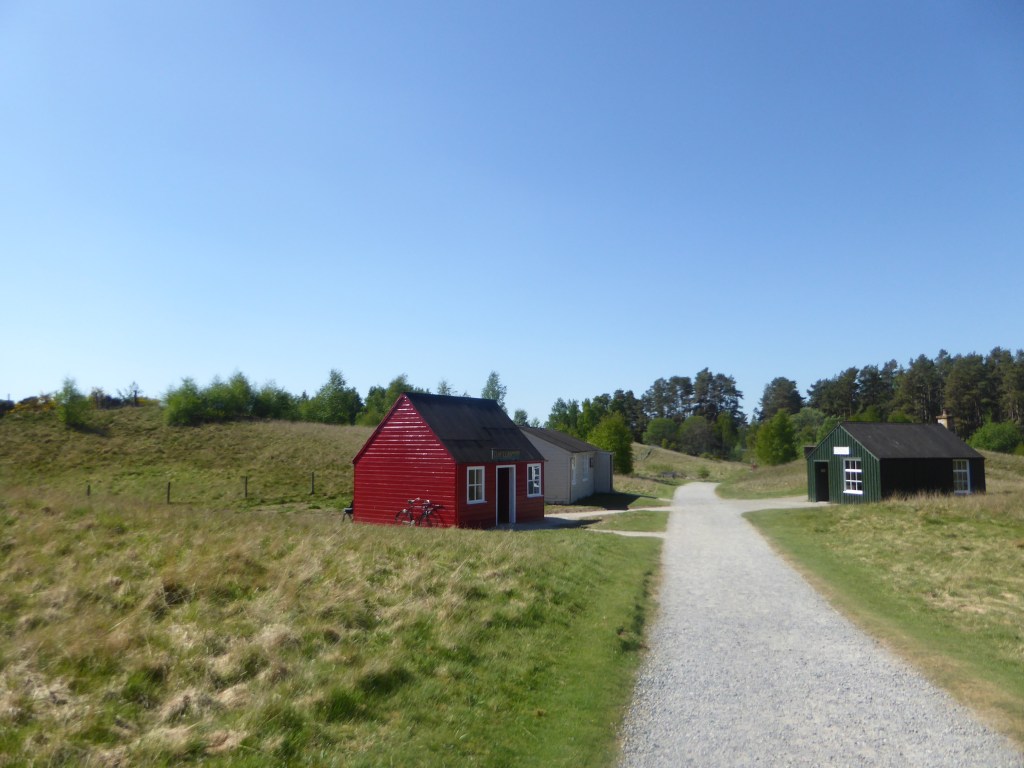
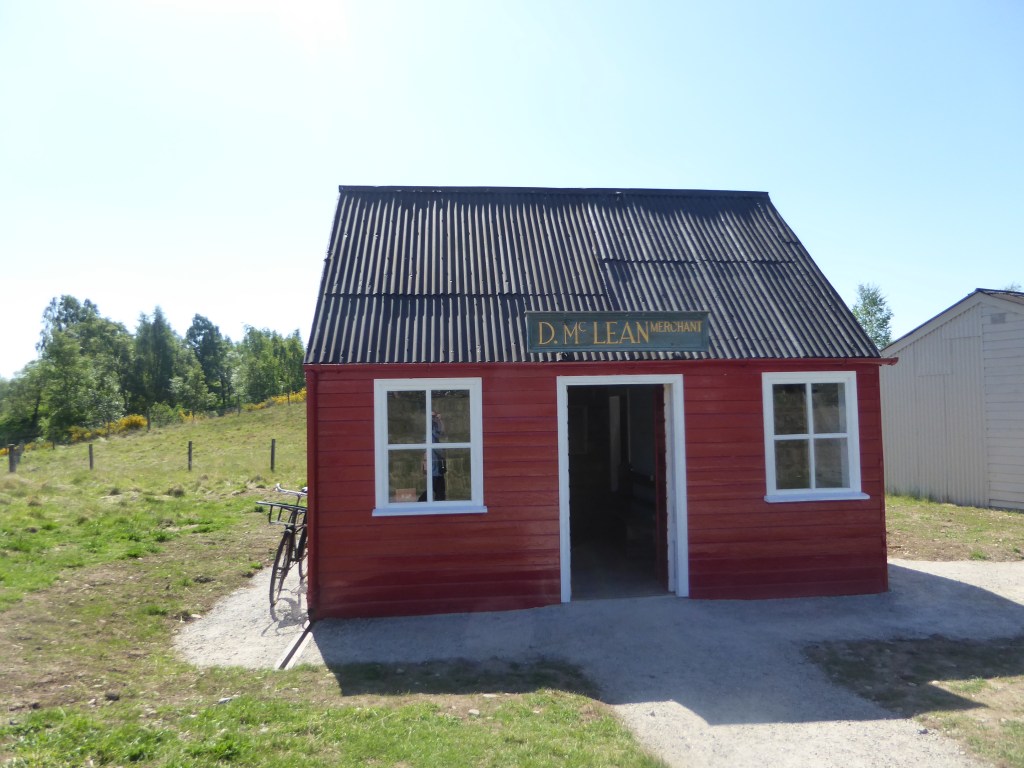
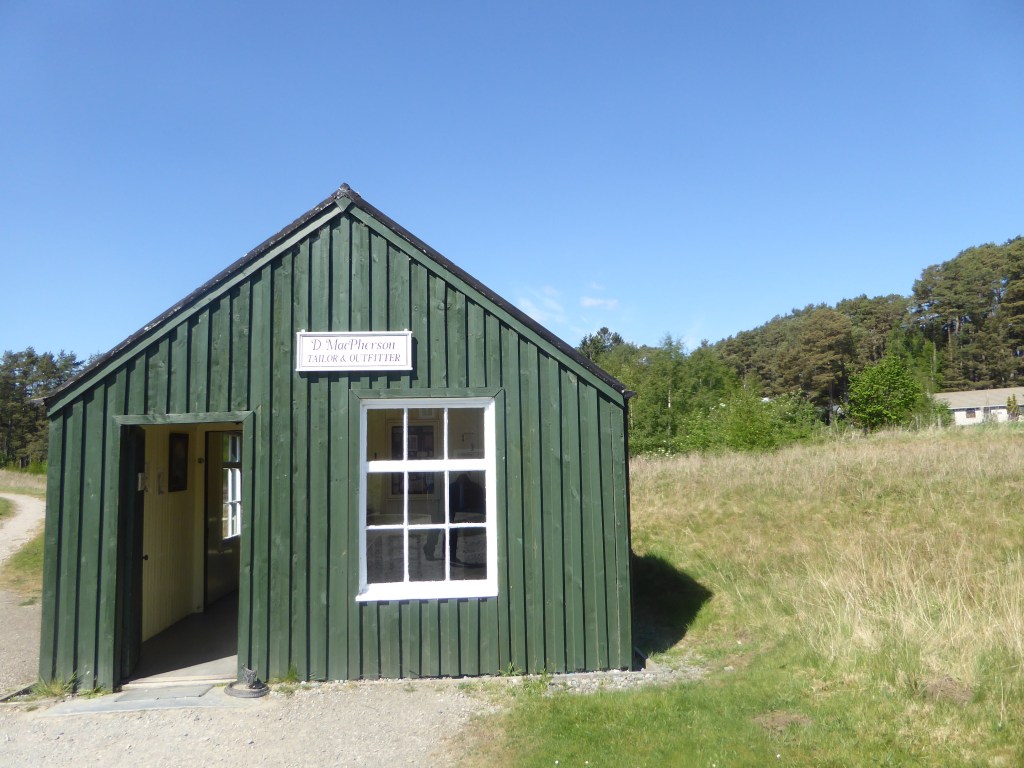
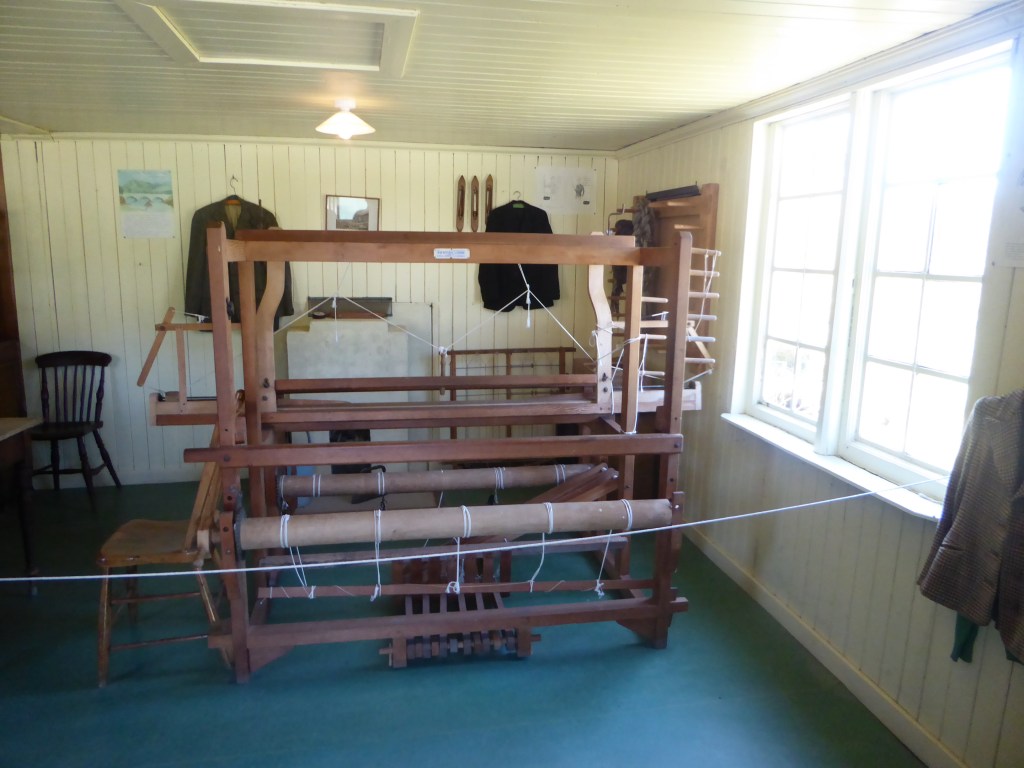
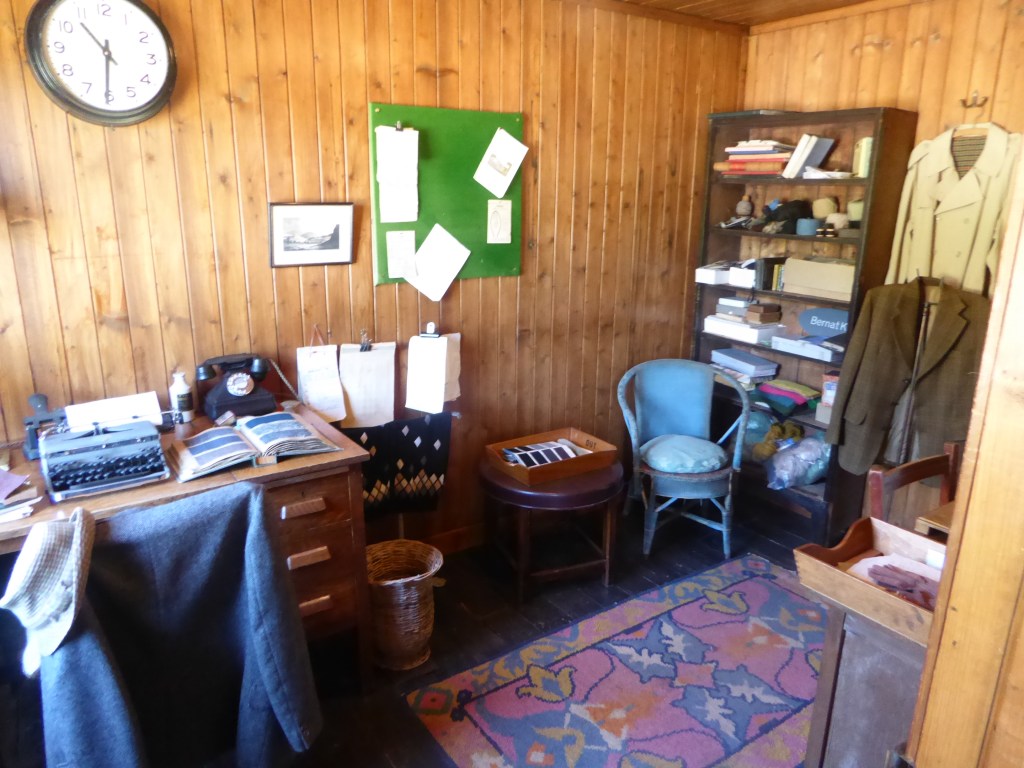
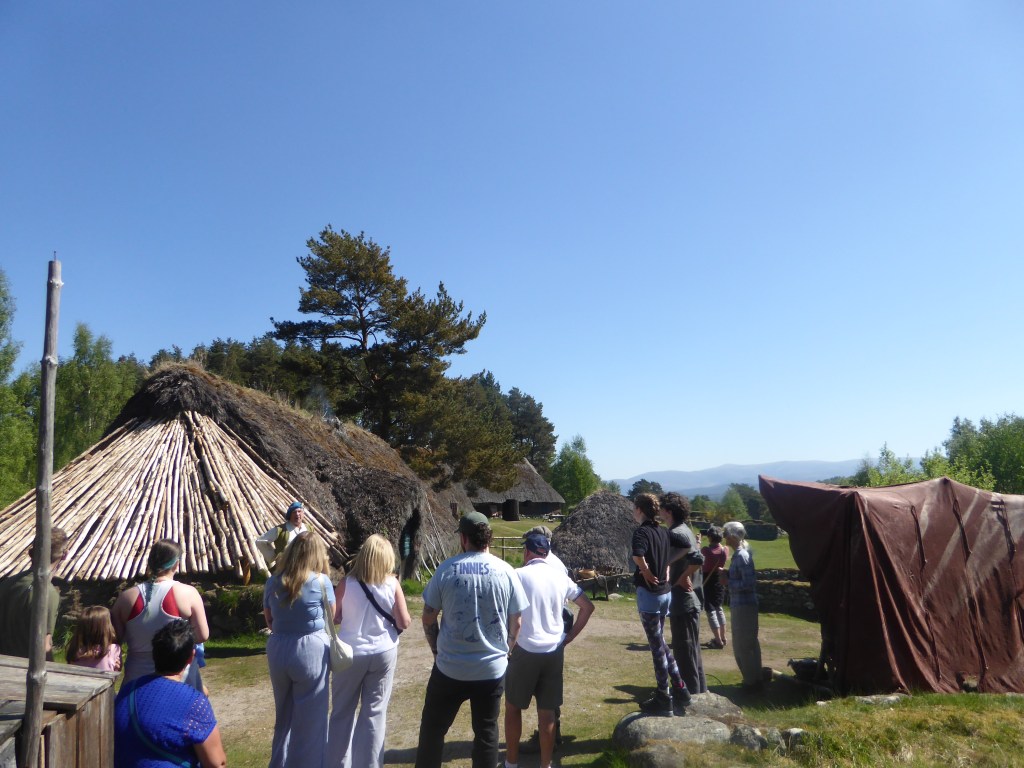
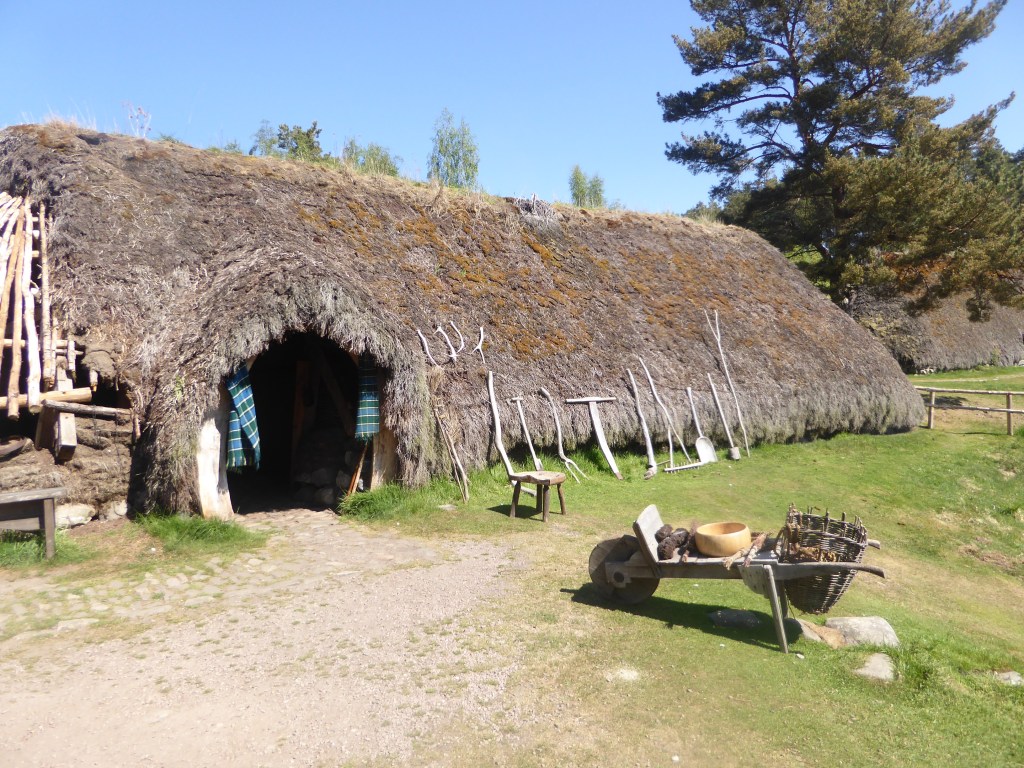
Highland Folk Museum (below) –

We also stopped at a heritage museum, which was a highlight. It showcased a Highland village from 300–400 years ago, with recreated buildings and some from a century ago that were used until about 50 years back. It was fascinating, free, and we happily donated £10 each.

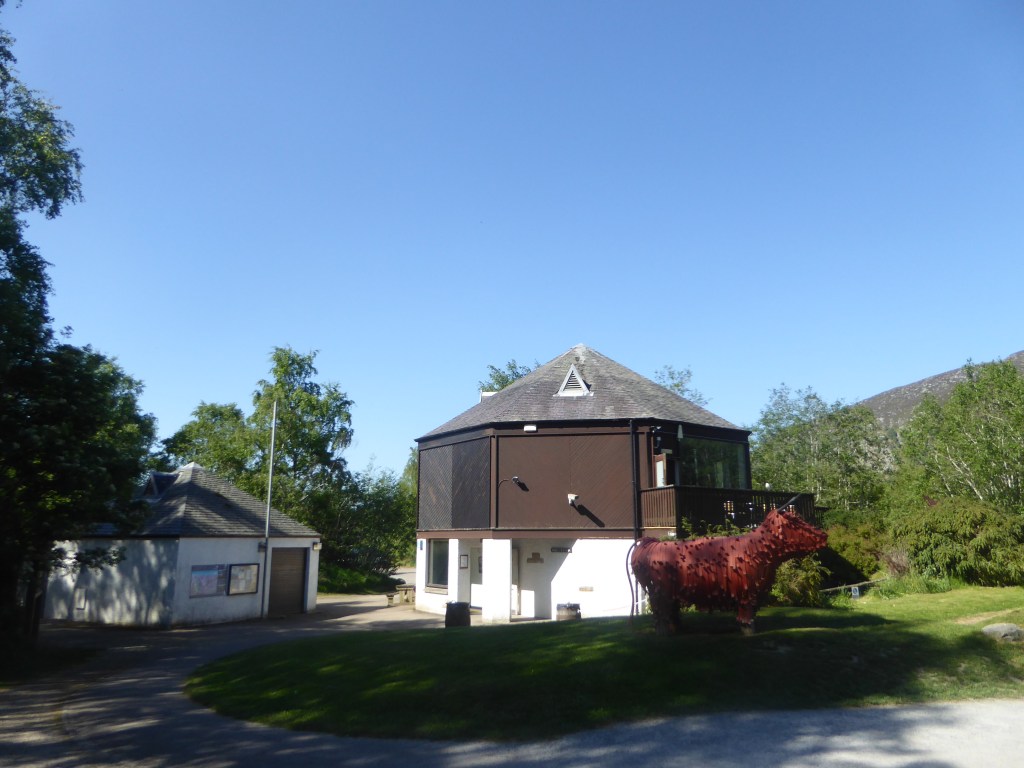
Aviemore / Rothiemurchus

From there, it was about 20 kilometres to Aviemore, entering from the south via Rothiemurchus, a lively spot. With temperatures hitting 24–25°C, the town was buzzing. We caught the train back to Pitlochry, arriving late afternoon. But here’s point number three: ScotRail was a disaster.

No room at the Inn (for bikes)

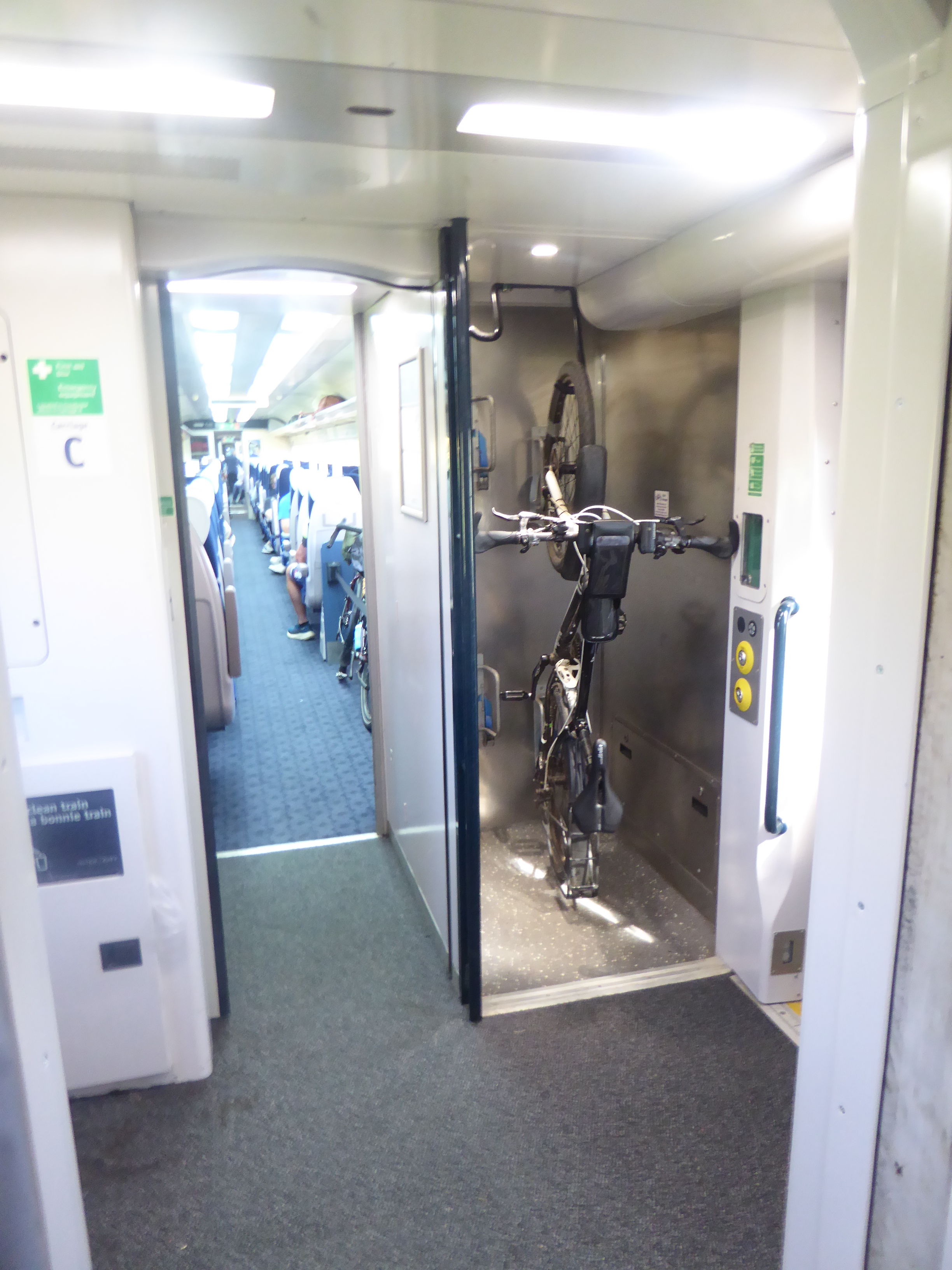
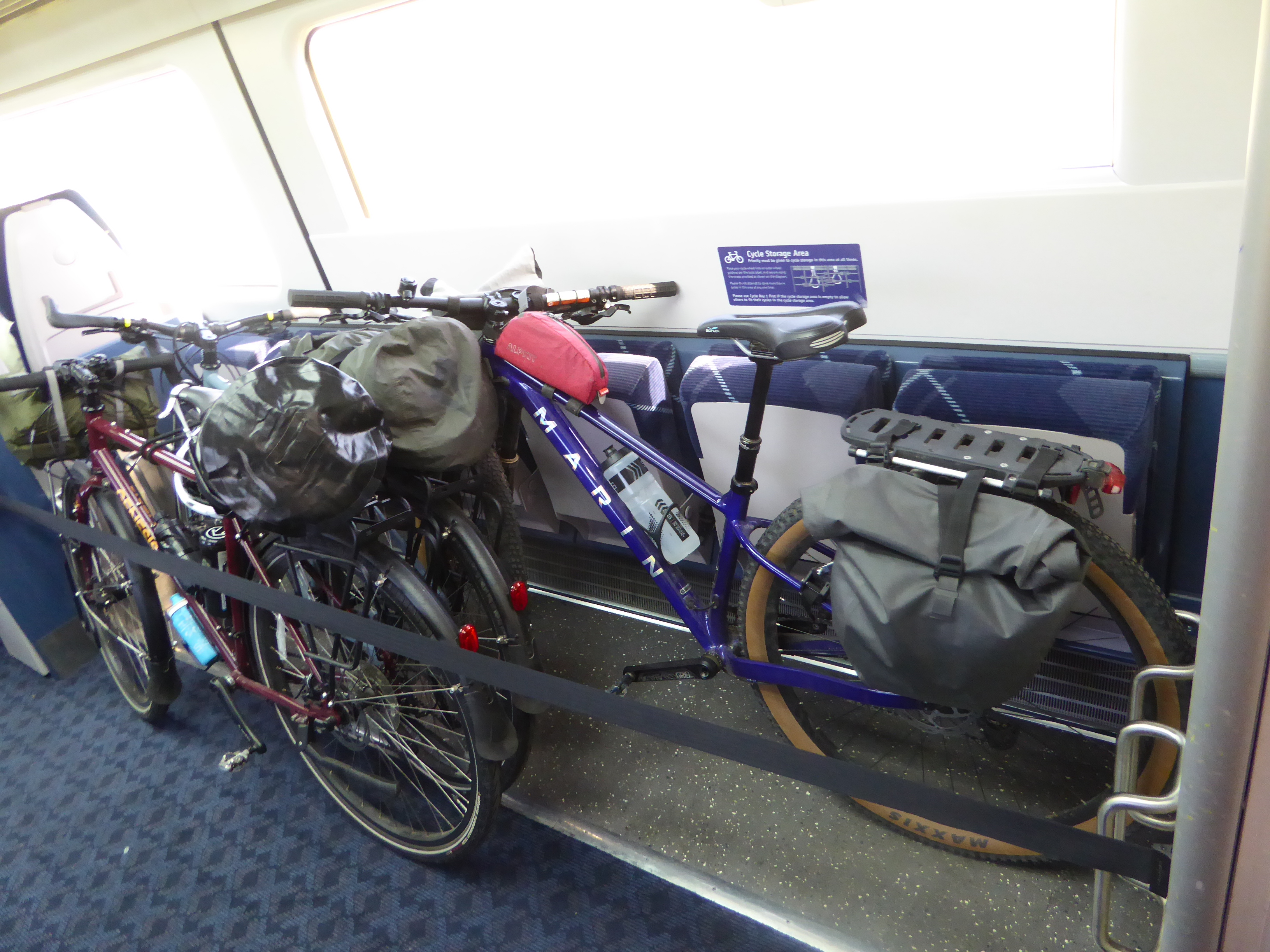
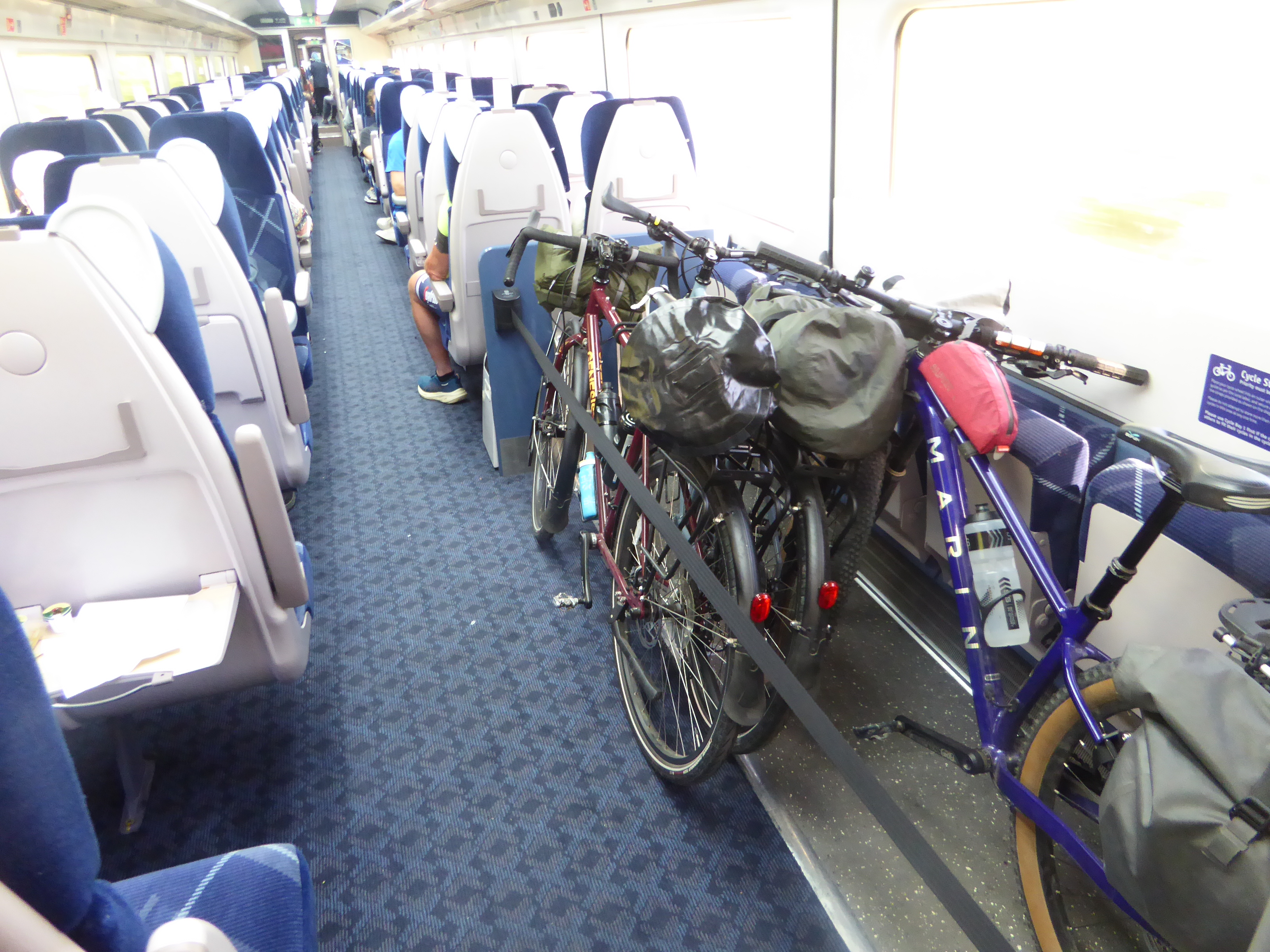
Despite booking bike spaces, there was no way to fit our bikes in the designated area. The conductor couldn’t care less, so we stood for the 55-minute ride back to Pitlochry, never reaching our seats.

Come on, ScotRail, you can do better.

CB

The Saltmarket in Glasgow; up and coming –

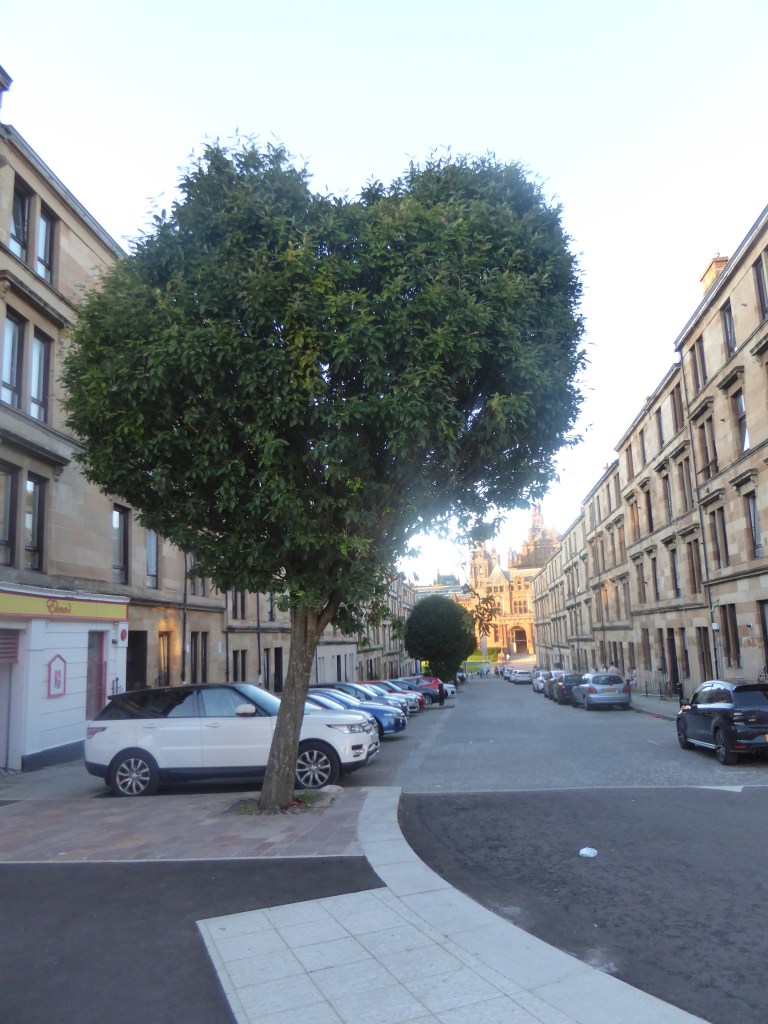
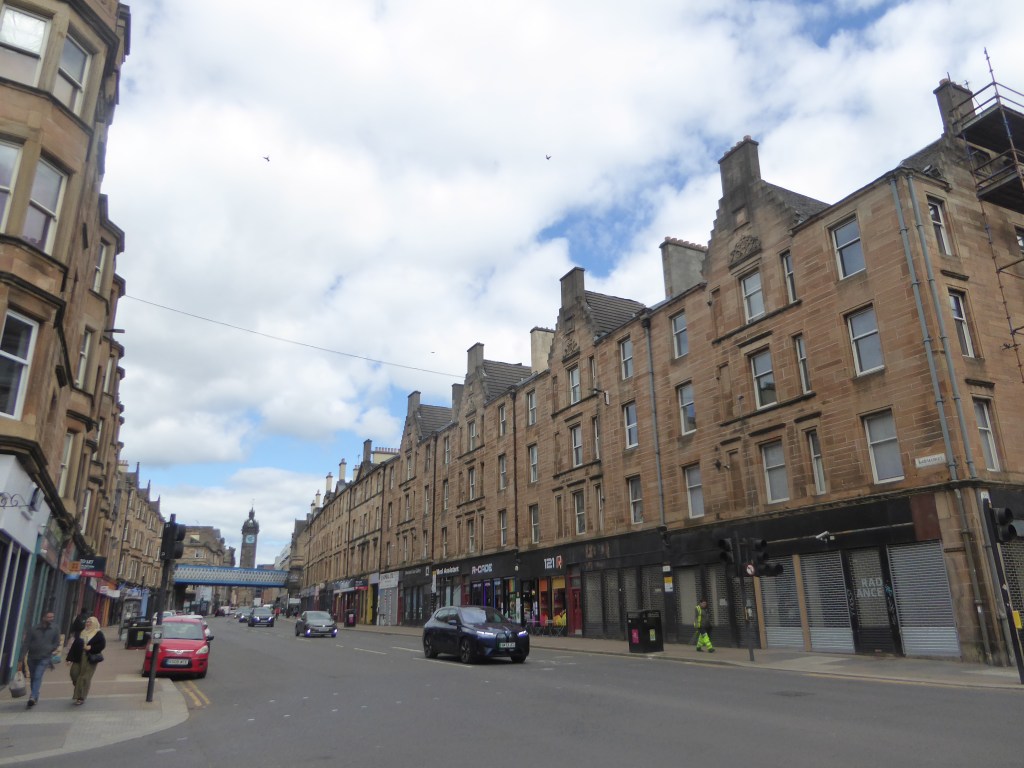
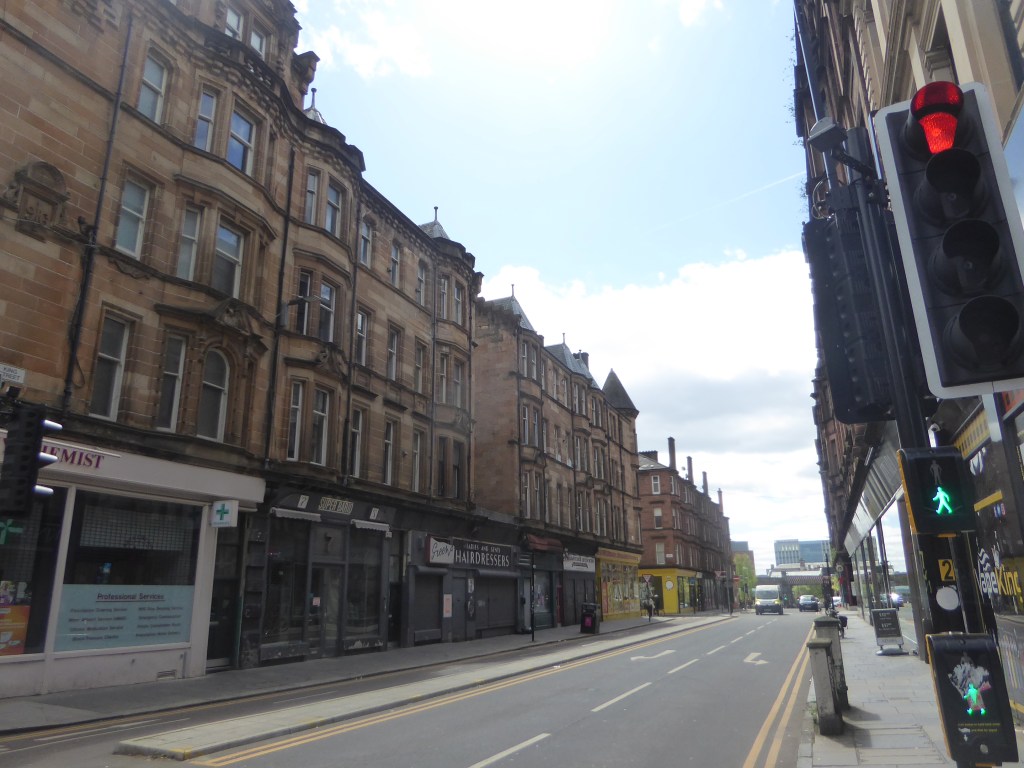
While this area is not really in the Merchant City of Glasgow, it no doubt could be called Merchant City South. In addition, I’ve seen a quite a few things about it recently in the local press (Glasgow Live, etc) and the many new food outlets that have opened here.

Aat the same time it’s just so close to Glasgow Green. What’s interesting, 20 or 30 years ago, I always thought there was so much potential here, but seemed to me to be a Glasgow from a very long time ago.

I’d often go jogging through here to go to Glasgow Green, whilst at Strathclyde University. Going there it was all downhill, coming back, all uphill. What was interesting is I’d always see some old fashioned window curtains in the windows of the tenement flats here. You could just tell the person who lived there was probably on the north side of eighty!

But now this has changed. It appears there are plenty of new flats, student flats, Chinese students and Airbnbs here.

We decided to go to one or two of the new places here.

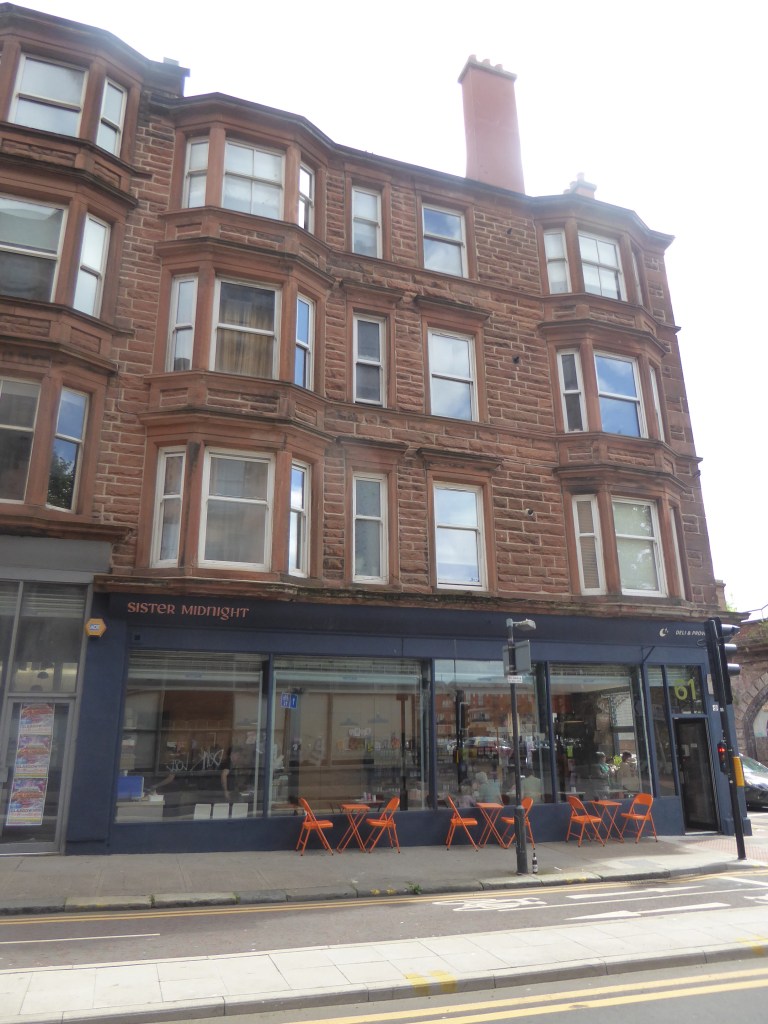
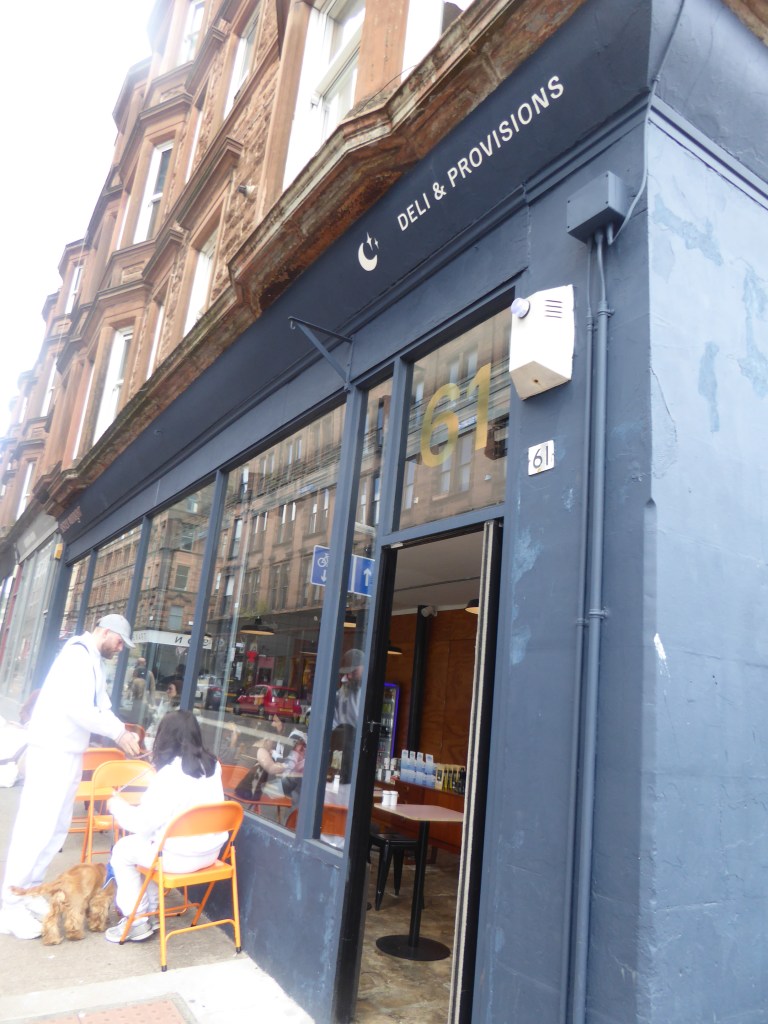
Sister Midnight – 61 King Street, Glasgow

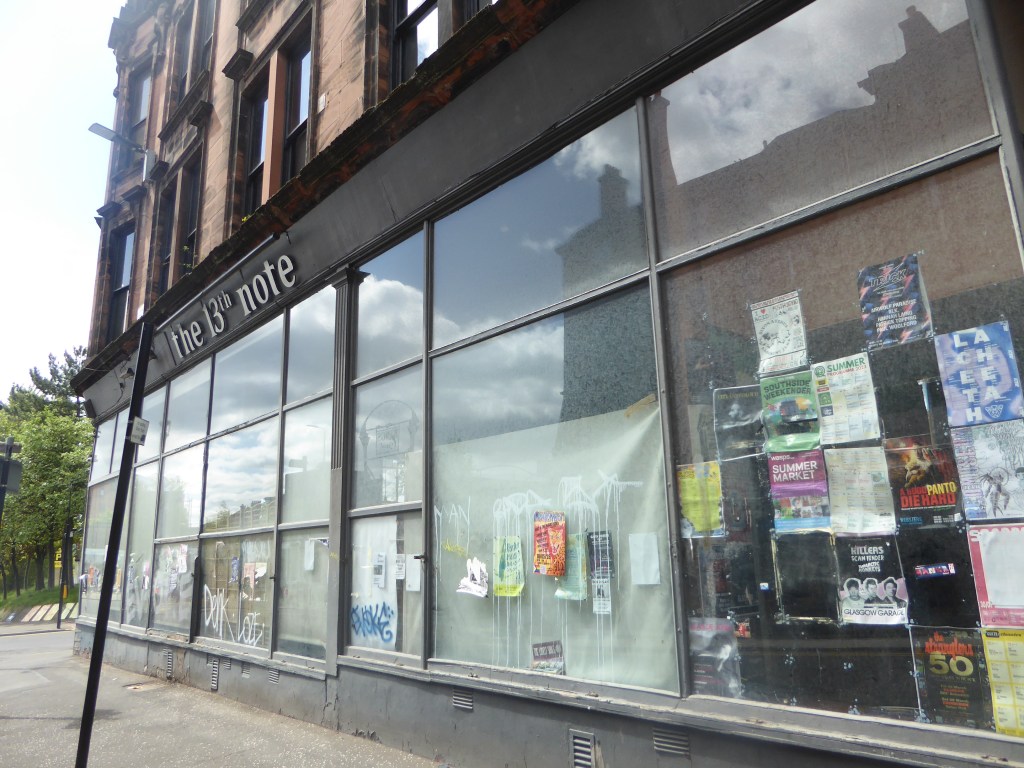
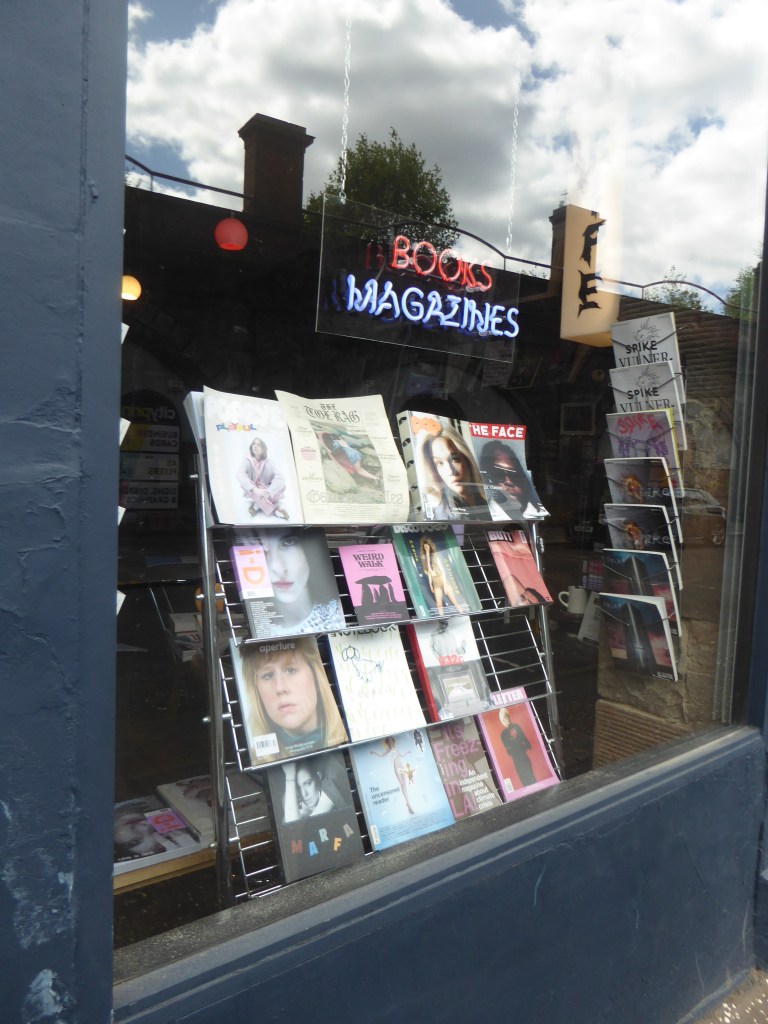
The first, Sister Midnight, was on a rather large corner, overlooking the late great 13th North Cafe. It’s another one of these cafe / Sandwich places, which also have a bookshop attached (Editor: “Deli and Provisions”!), and appears to be slightly aimed at the gay community.

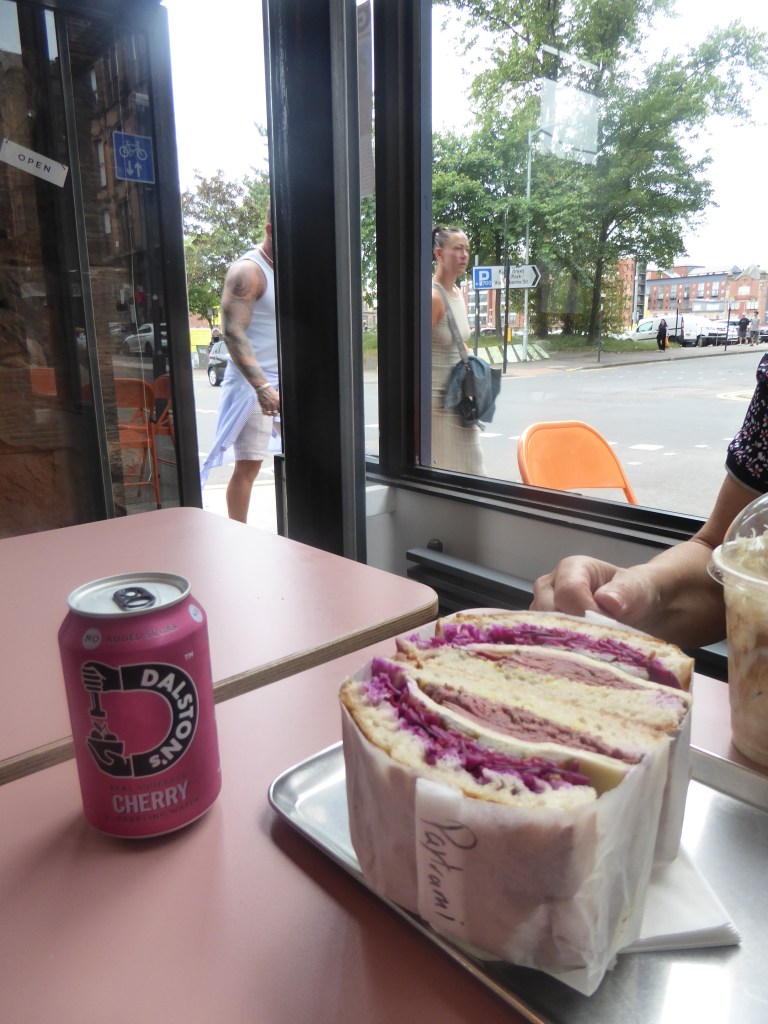
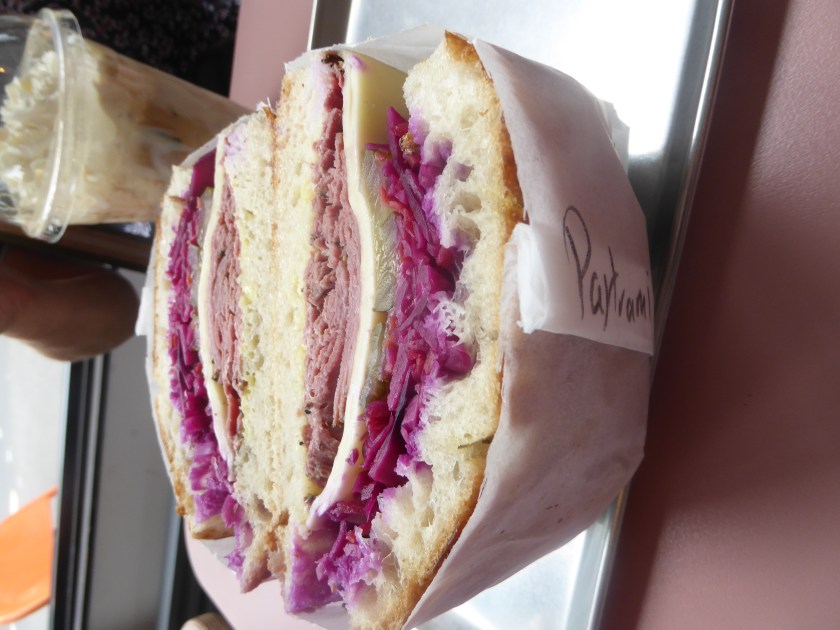
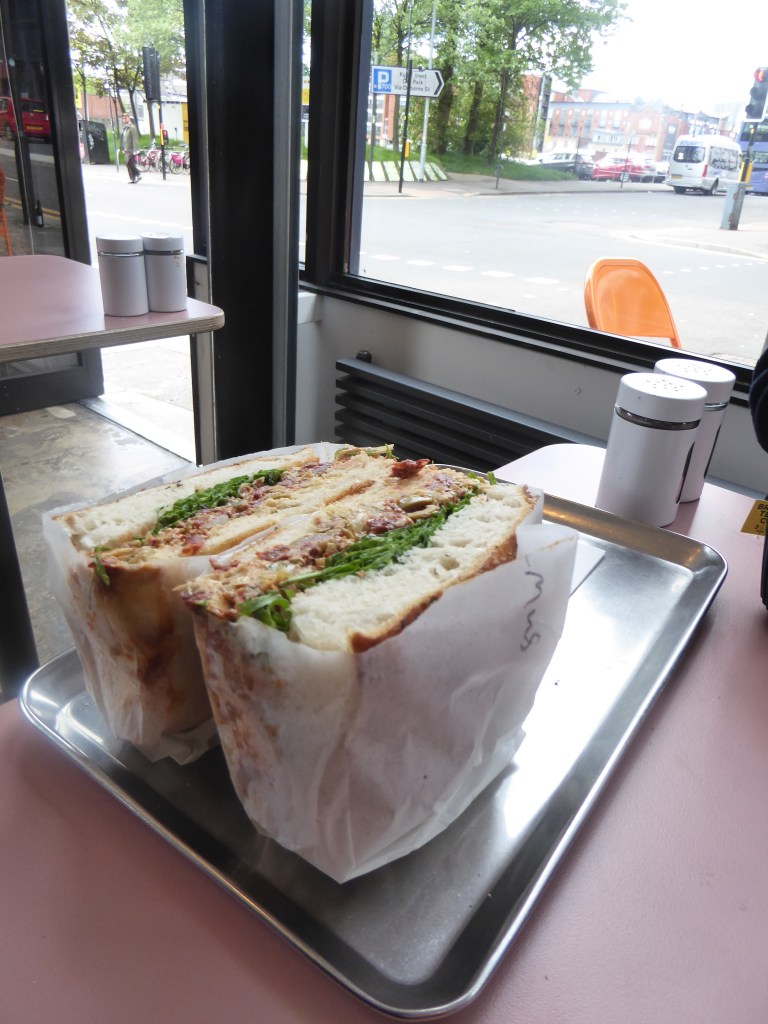
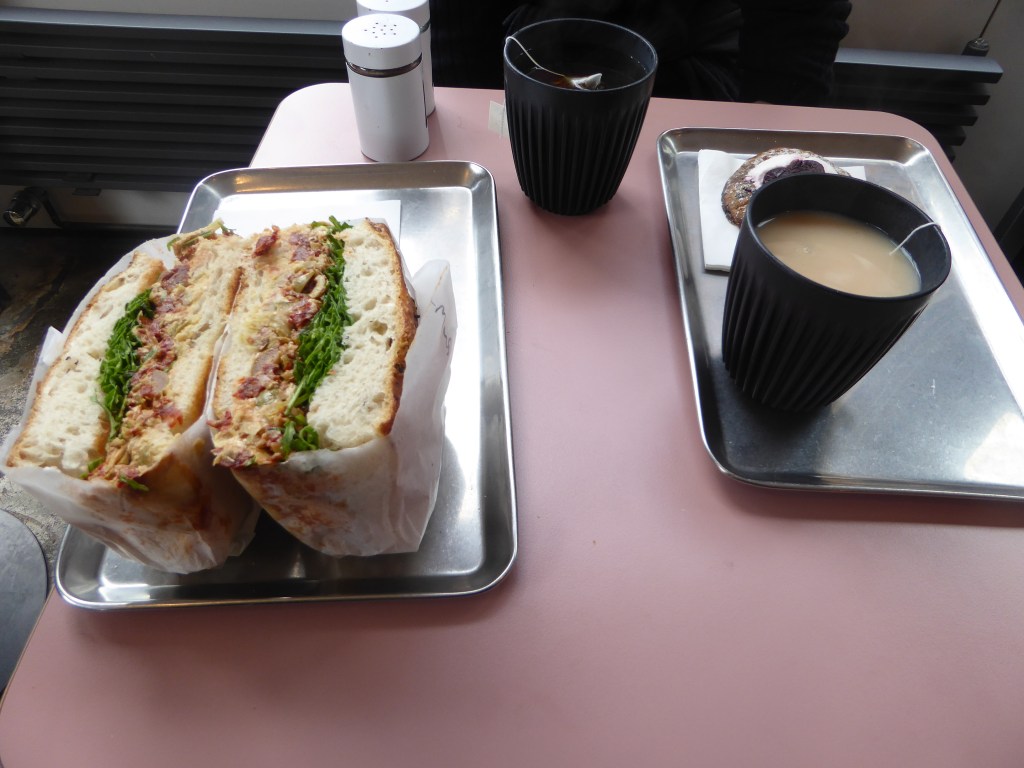
The sandwiches are gigantic. I had the the the hummus one which was basically like a hummus salad, inside a small loaf of Italian bread! It was absolutely delicious and completely filling.

Each side was the size of a small brick, so I only had half and had the other half when I arrived back at my bit. Combined with two hot drinks, a dessert for the other half, came to only £15. Incredible value & quality.

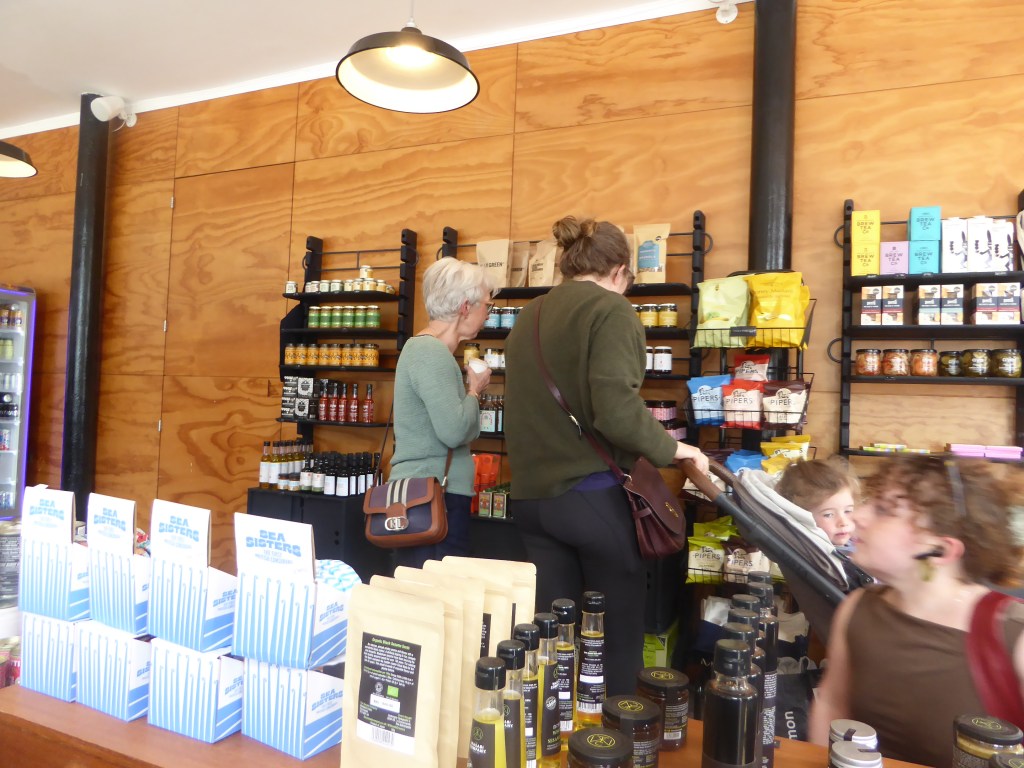
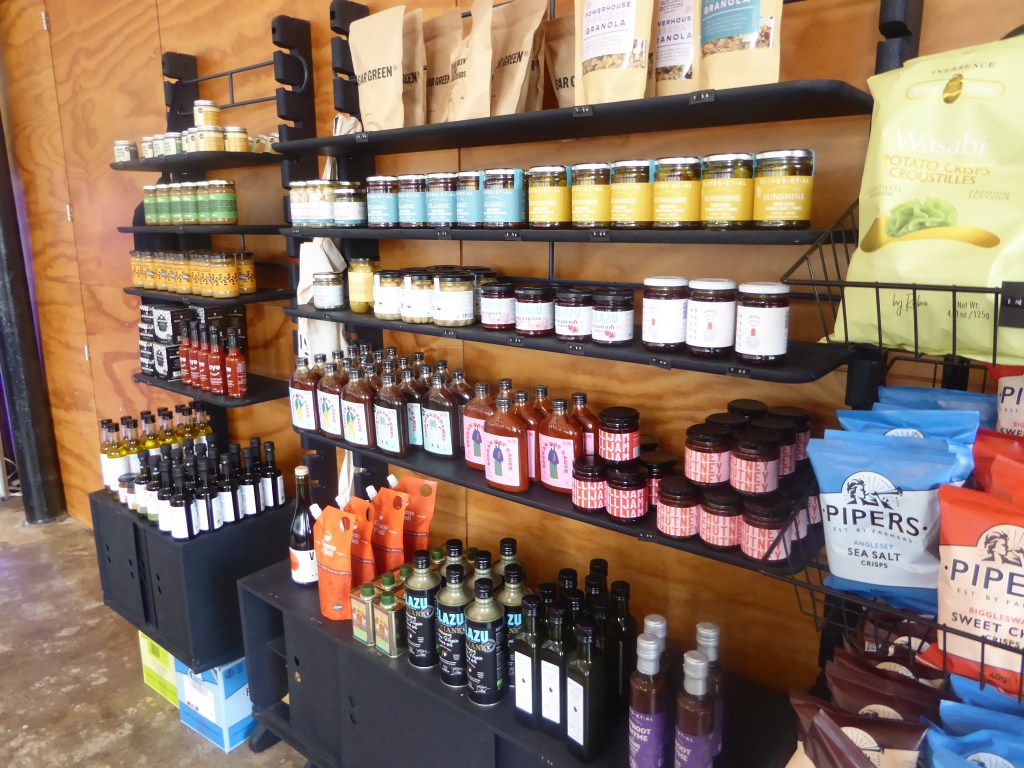
There’s also the de rigueur trendy type of condiments, chips, sauces, etc. on the shelves here. Things you can buy, all at a reasonable price considering that they’re quite high quality.

The clientele would seem to be the people in this area who are either residents, or are passing through to their work.

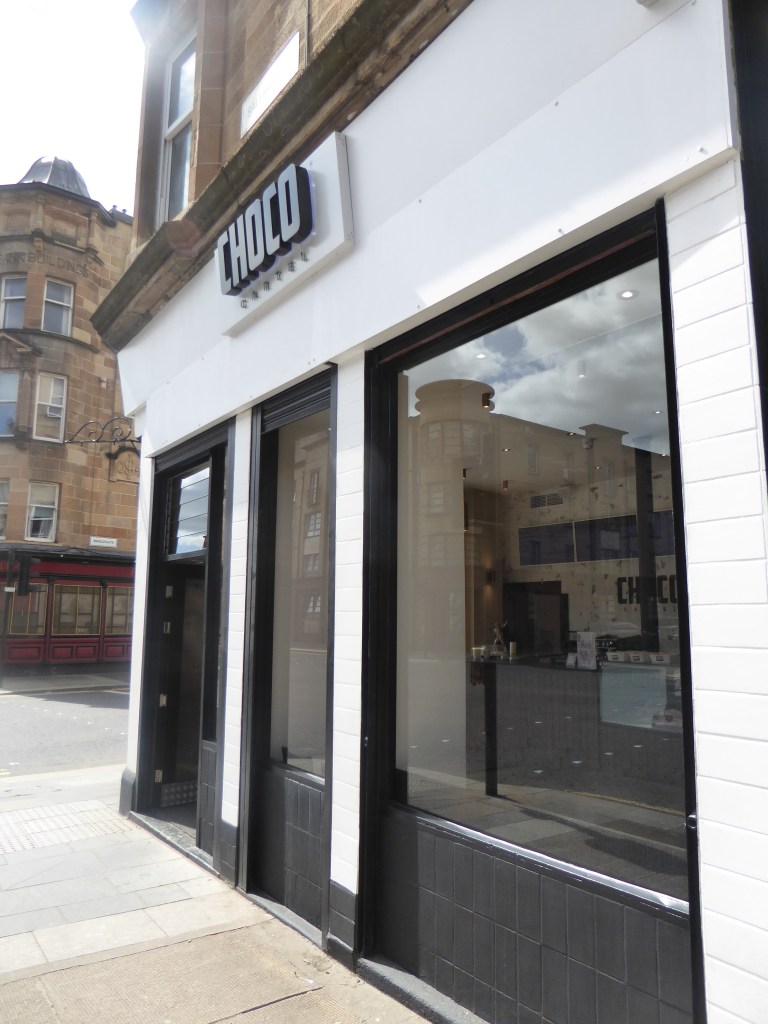
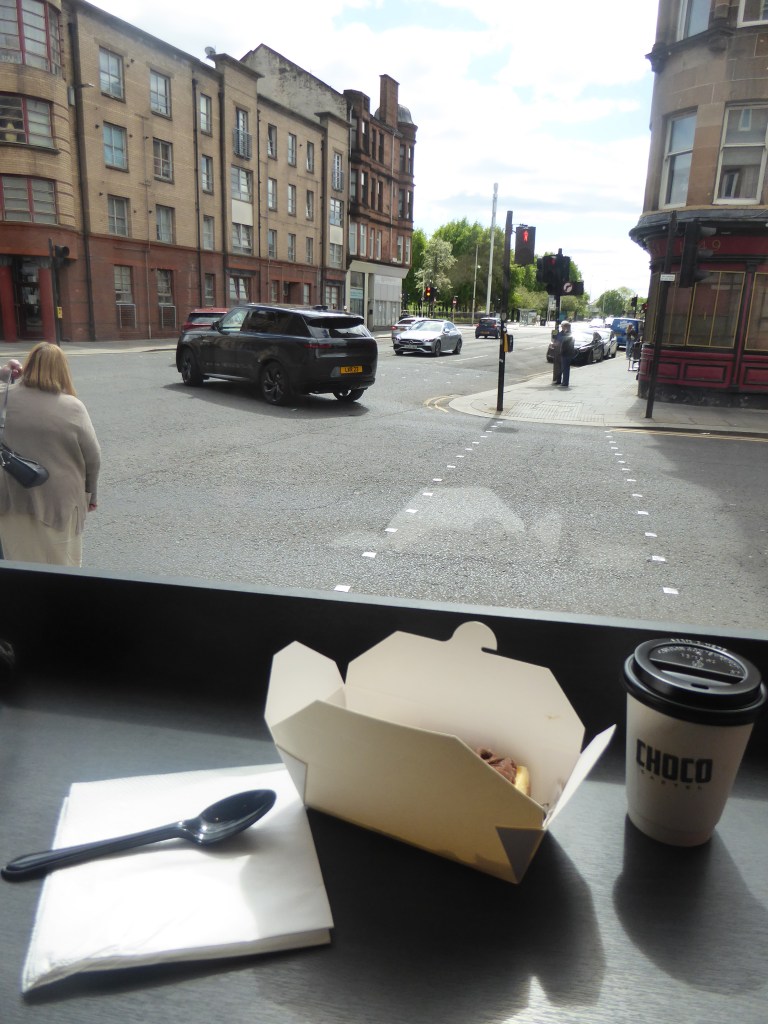
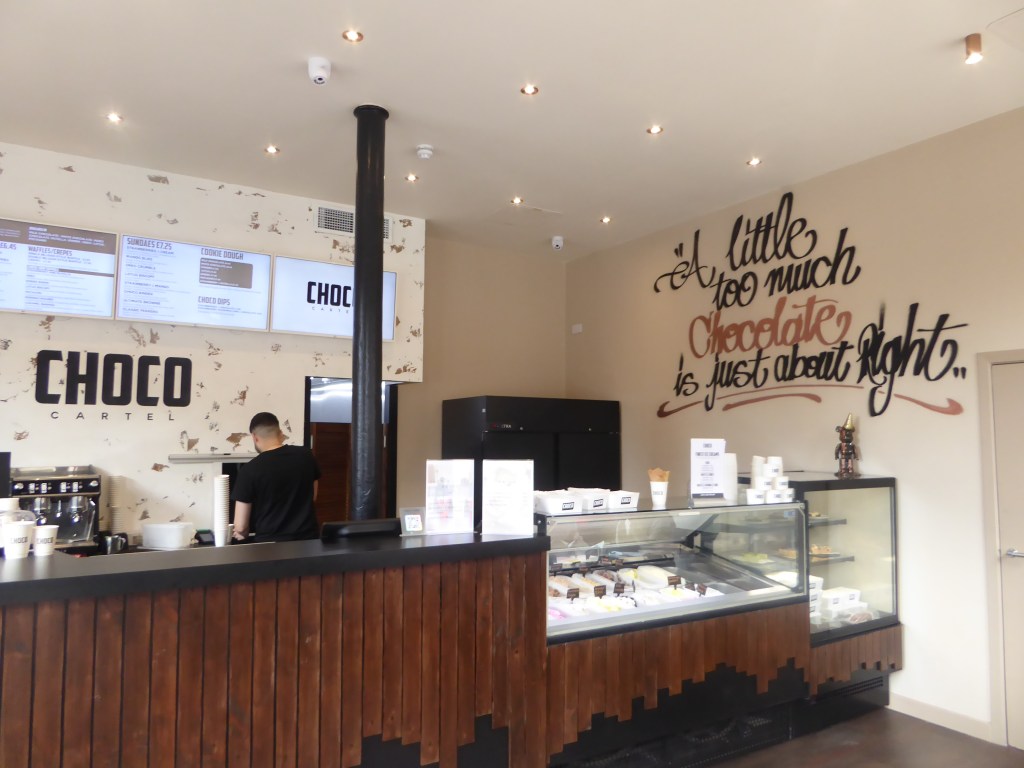
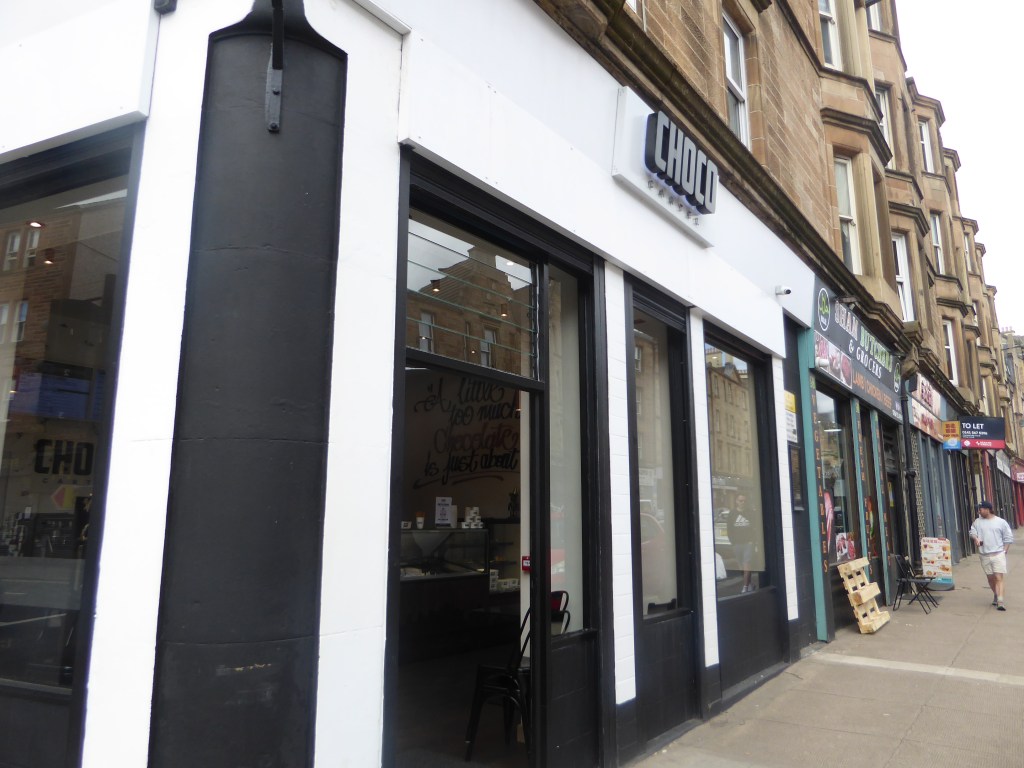
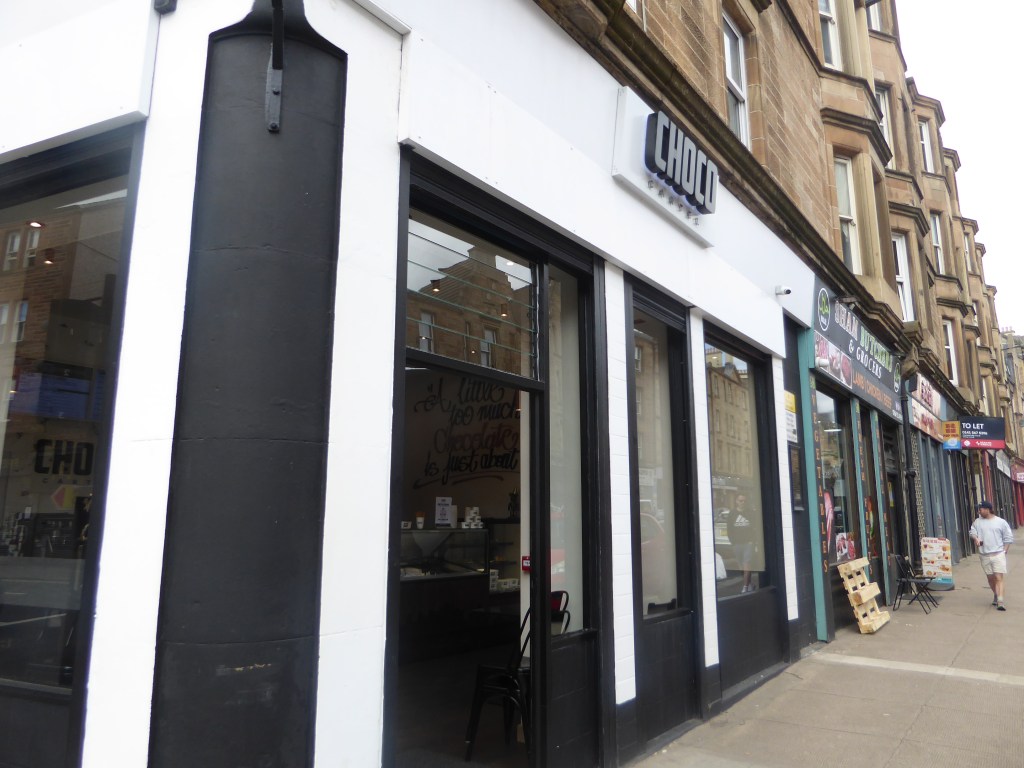
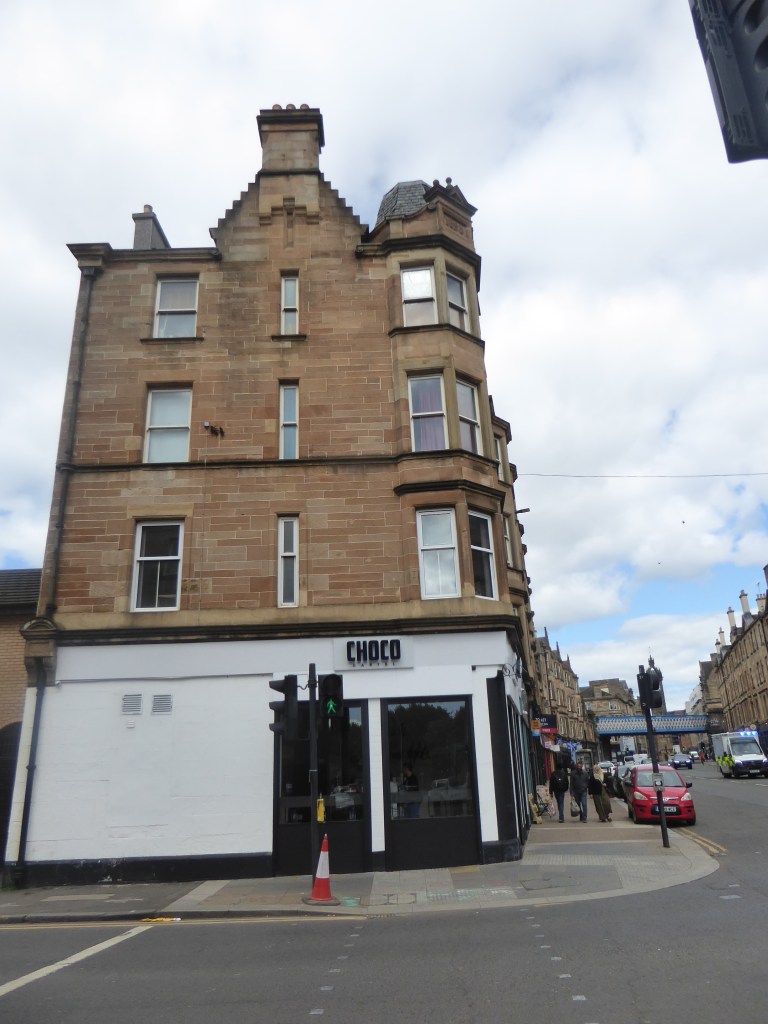
The second place, Choco Cartel, was something that I had remembered from a Glasgow Live article, and was yet another coffee place, but this time featured ice cream and desserts.

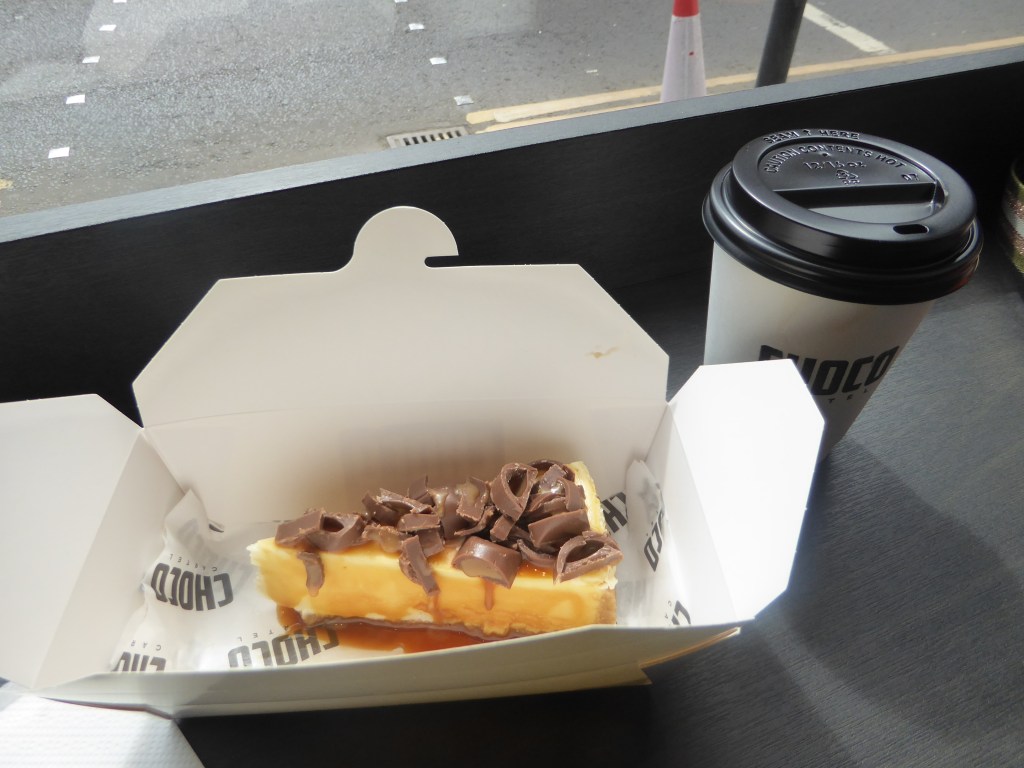
The dessert I had was some sort of cheesecake with a burnt caramel on it, that I haven’t tasted before. It was superb. Combine that with the two teas, it again was reasonably priced.

We could have also had ice cream, but chose to give it a miss, as I was still suffering from Sister Midnight!

They also do some sort of small paper box, where they can put the ice cream on top of a cake base. I think they call it something like cake fries on a cake base. It looked decadent and I know that I’ll try it at the very latest, when I compete in the half marathon later this year in Glasgow, that finishes nearby in Glasgow Green.

Both places need to be checked out to be believed.

CB

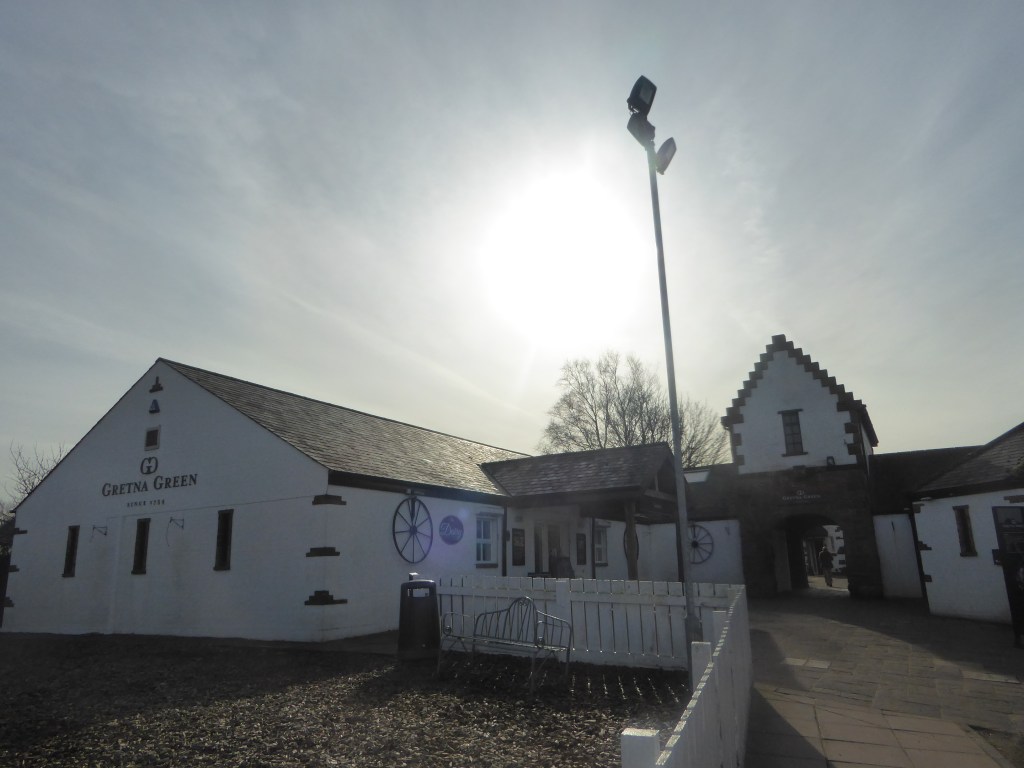
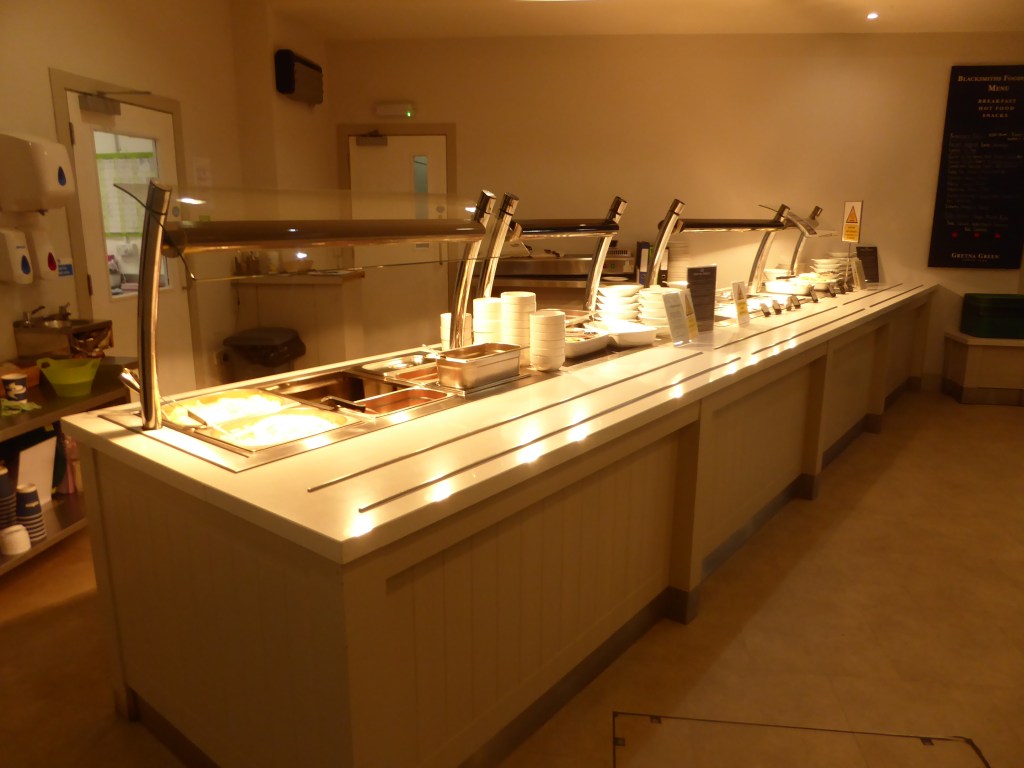
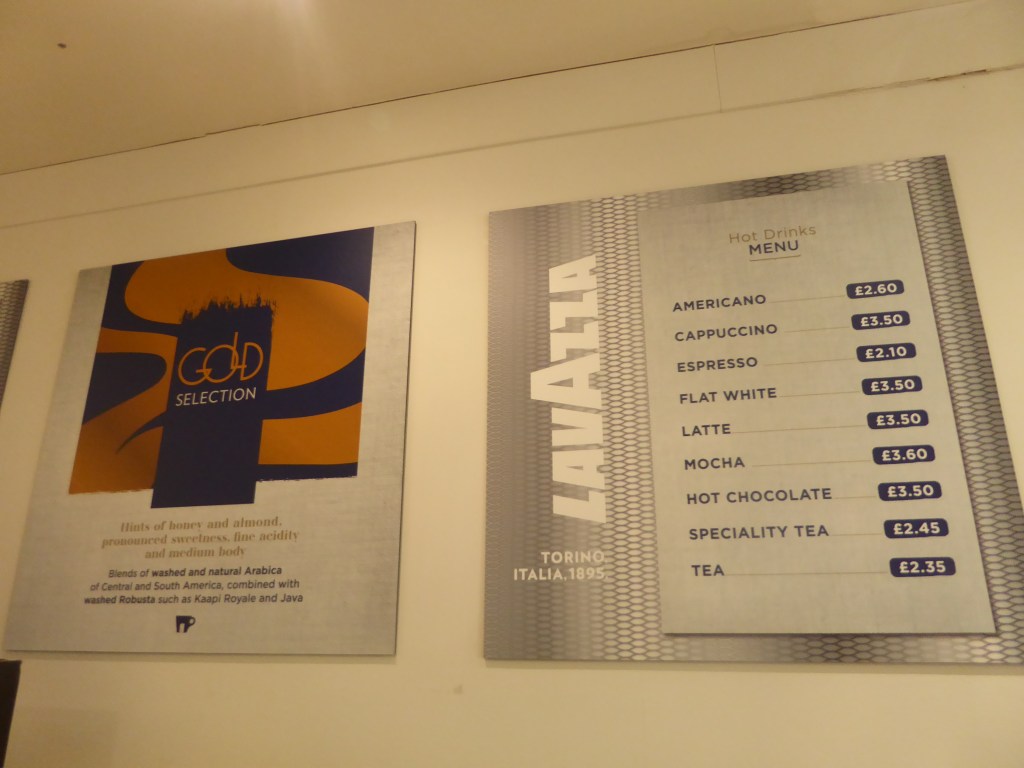
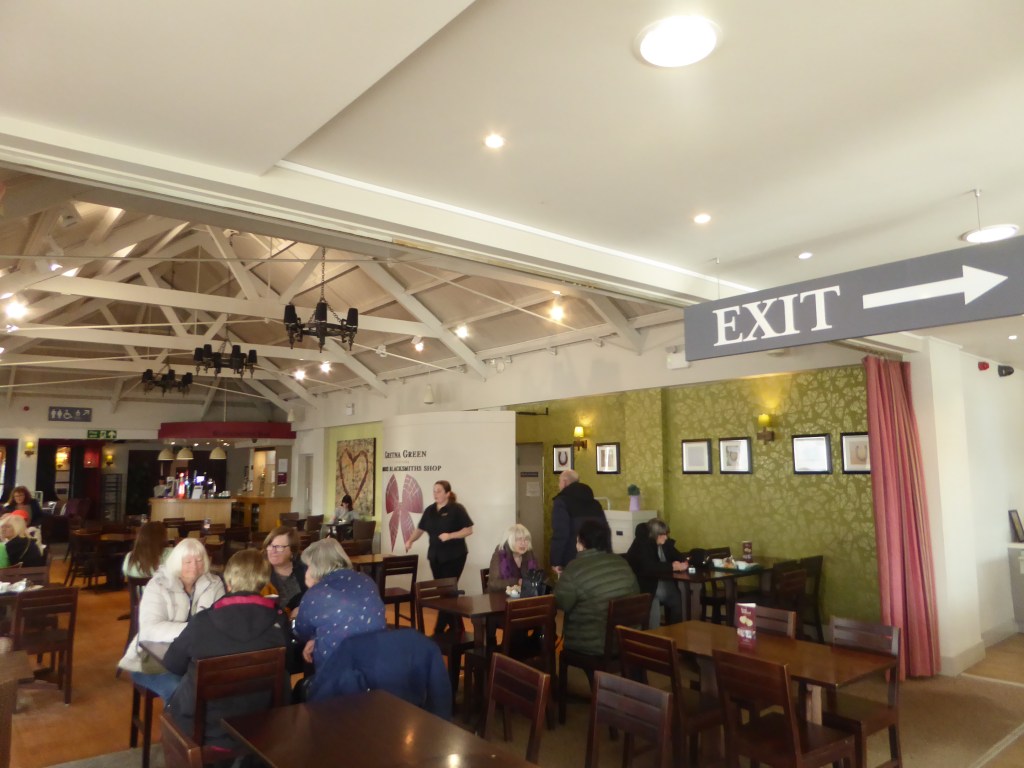
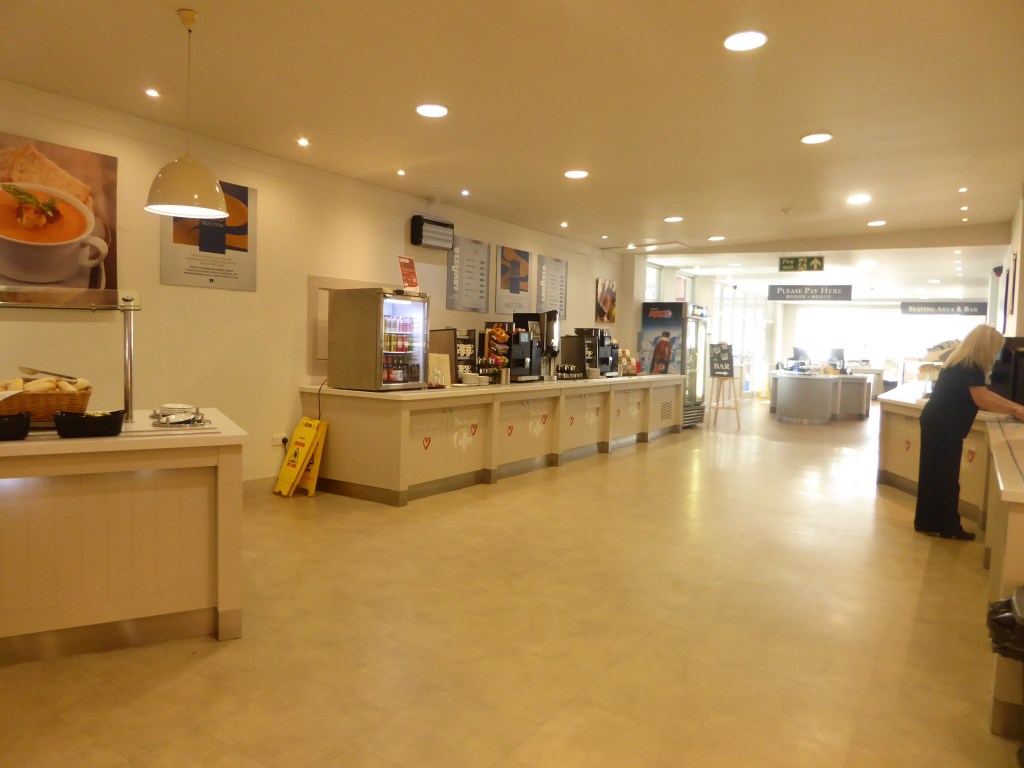
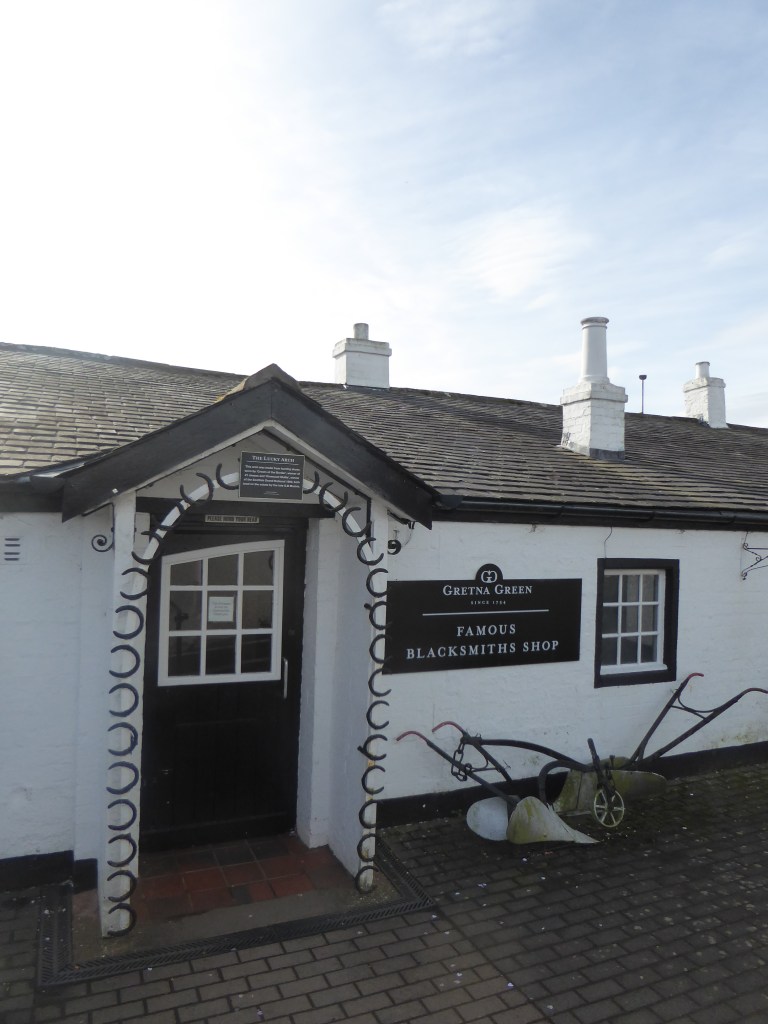
Gretna Green and its Blacksmith’s Experience – A surprise

We recently got back from a trip to Germany—more on that later, as I’ll also get into what we’ve been up to the last year. I’ve barely blogged over the past year, so there’s plenty to catch up on. This trip, we travelled from Manchester to Bavaria. It was surprisingly affordable, and we merely just drove down and stayed overnight at the airport, as we had an early, cheap flight to Germany the next morning. Next time though, we’ll take the train; as it goes directly into Manchester Airport.

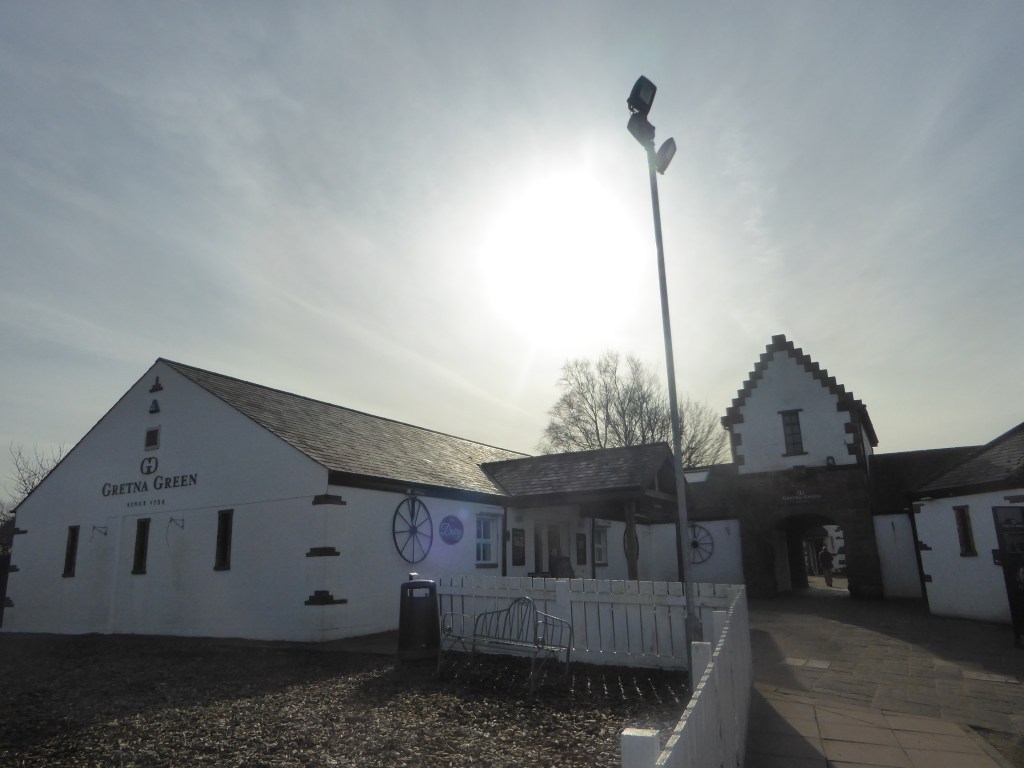
On the way back from the Euro adventure, we decided to break up the four hour drive, and decided not to stop at the great Tebay Farm Shop —one of the best farm shop restaurants around the UK, if not the world—but to push a bit further past Carlisle just over the Scottish border. We’d been to this area before but never to Gretna itself.

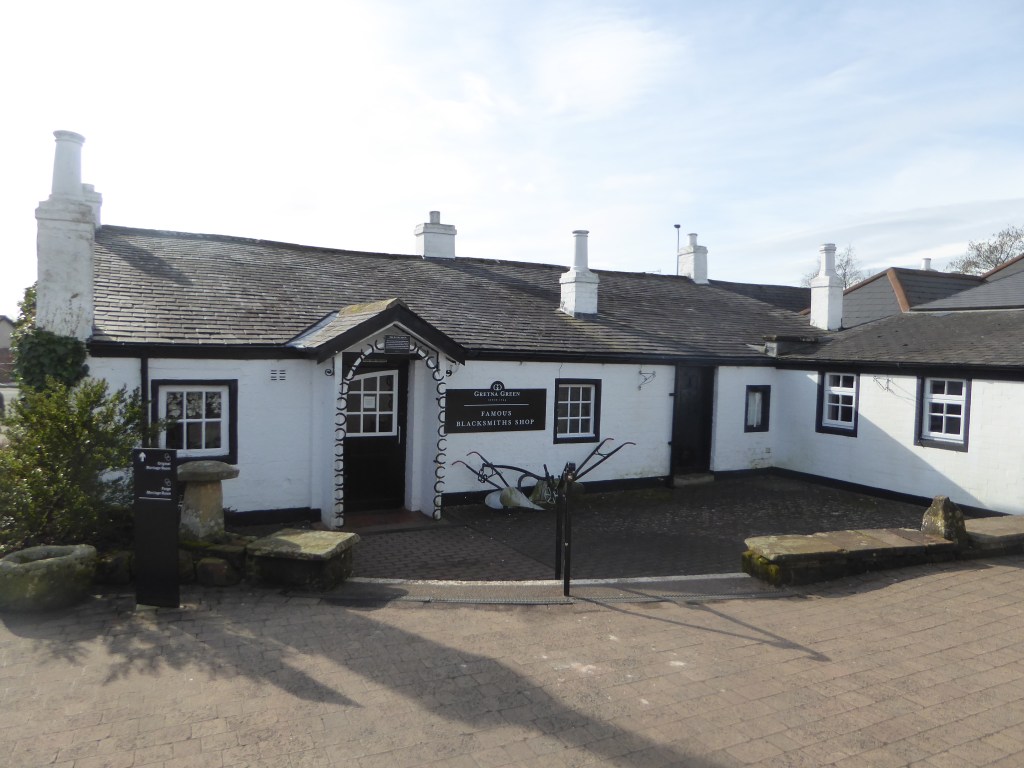
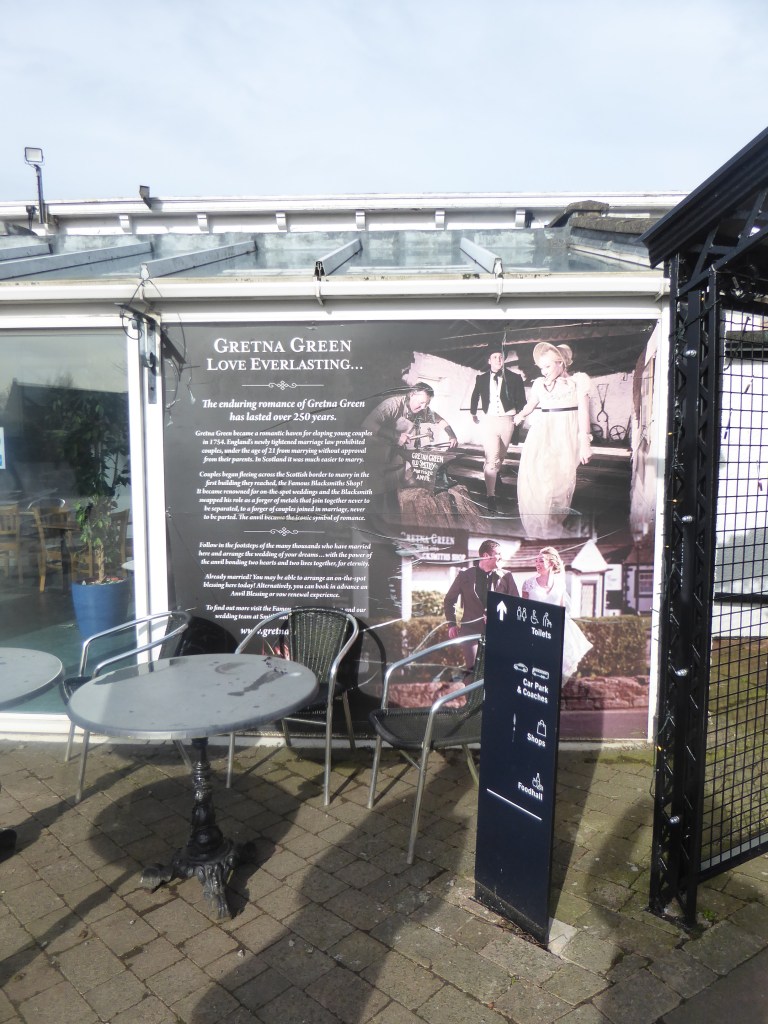
We spotted a sign promising a “Blacksmith Paradise” or something horrid like that and decided to check it out. Little did we know , that it’s still the famous spot where people—years ago, and even now—actually get married.

I’ve always heard of Gretna Green, especially when I lived in England—it was the first thing people mentioned. “Oh, you’ve got to stop at Gretna Green if you’re ever in Scotland,” they’d say. That was 30 odd years ago. Things have changed a lot since then, but it’s still a wonderful wee place— traditional and yet somehow modern.

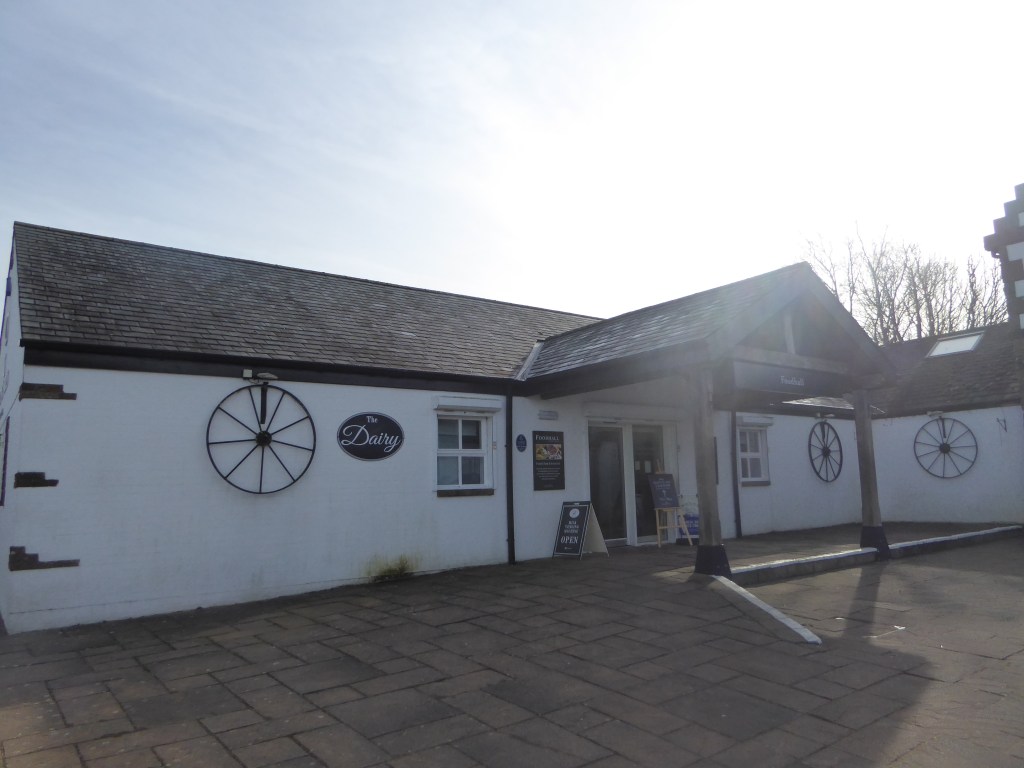
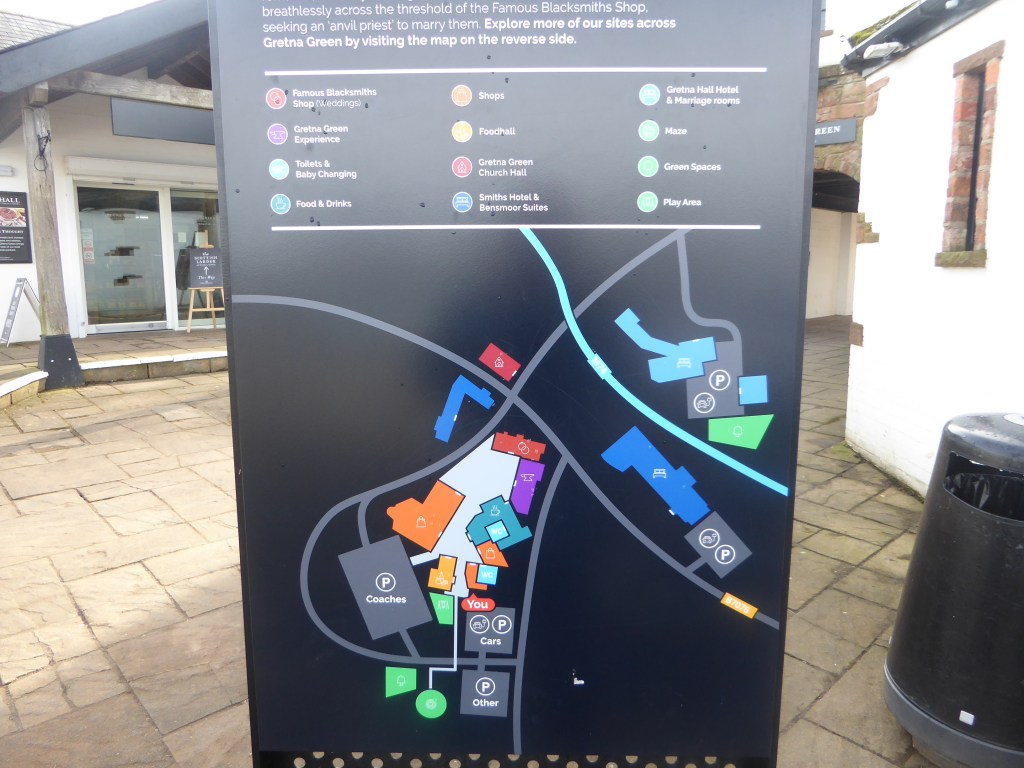
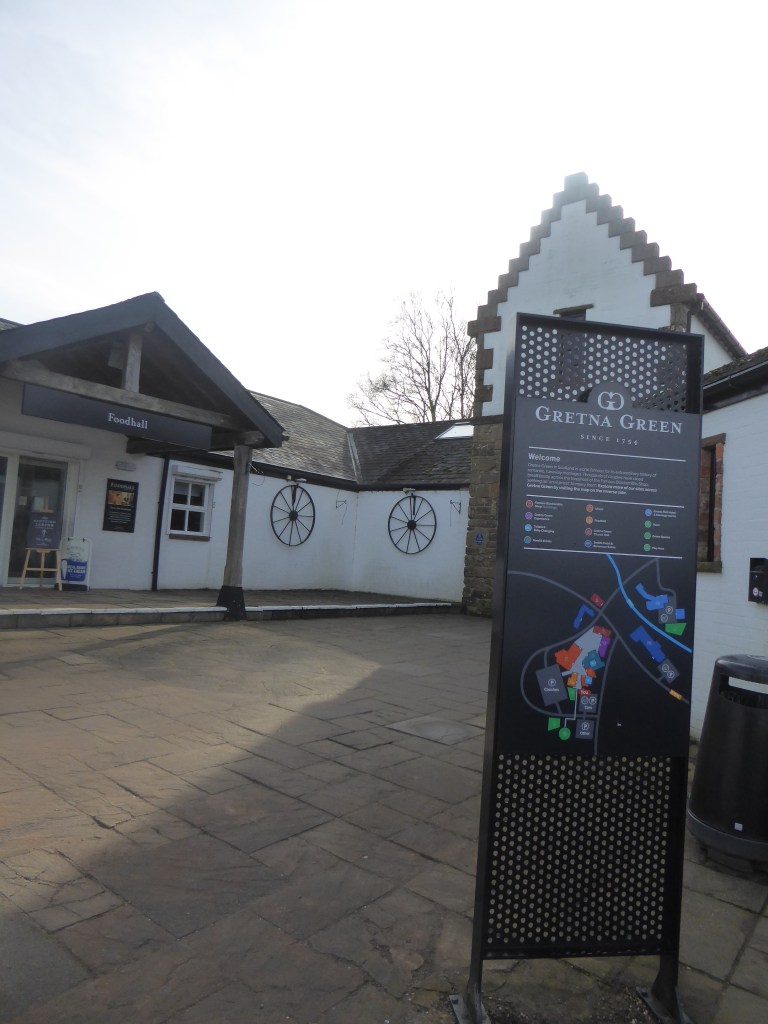
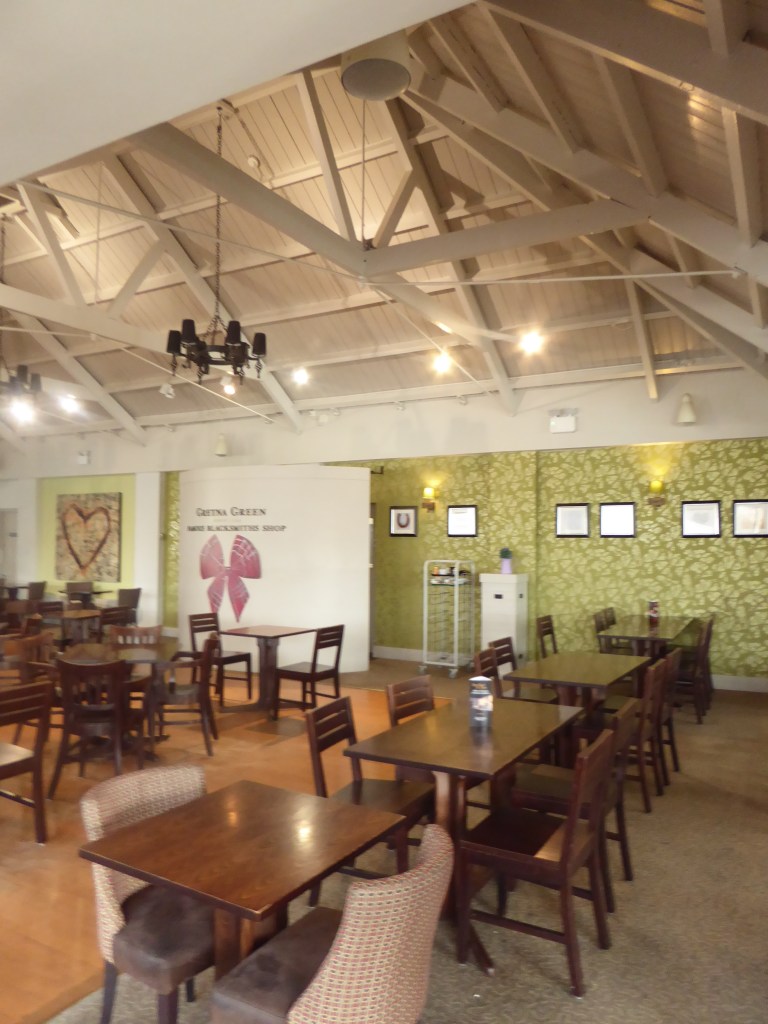
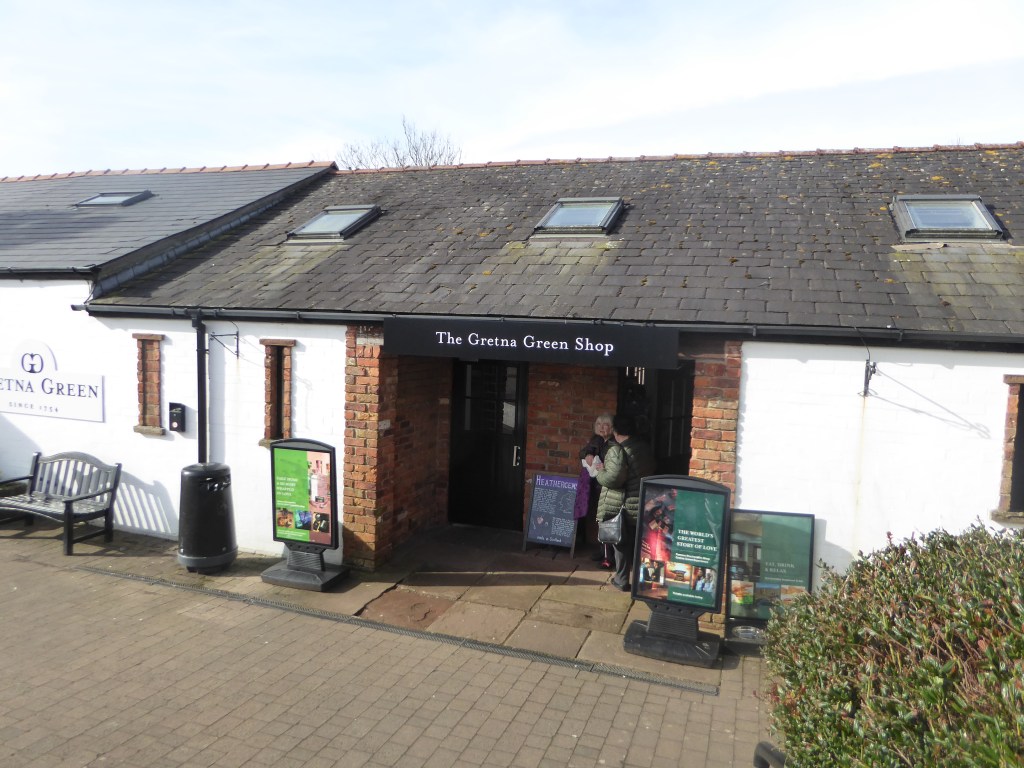
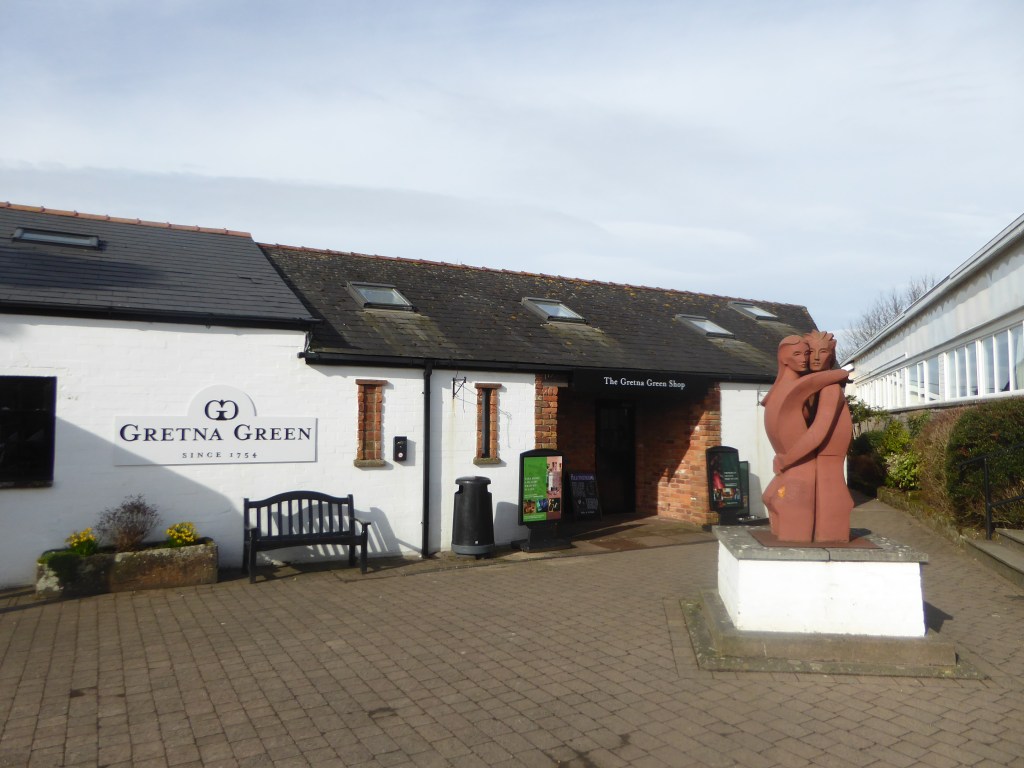
These days, they can host up to 20 weddings a day! It’s fascinating—you can be part of something that feels both timeless and contemporary. But it’s not just a wedding spot anymore. It’s almost a fun park now, with more to offer – cafe’s, blacksmith experience, weddings, park walks, and a well stocked out farm shop.

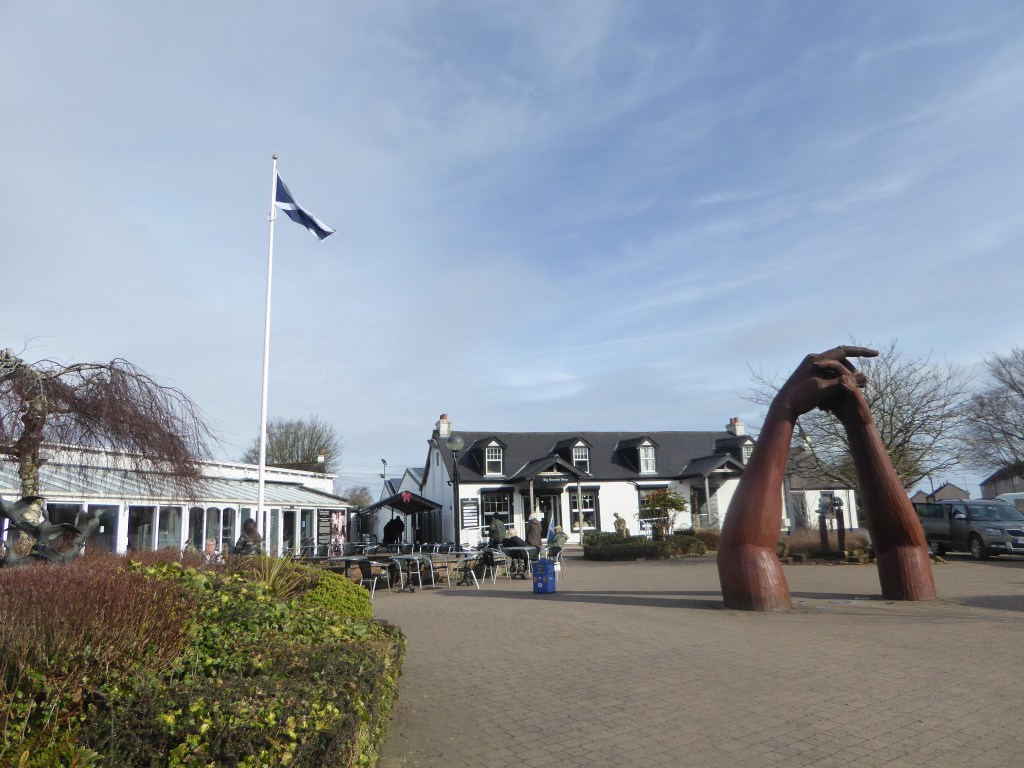
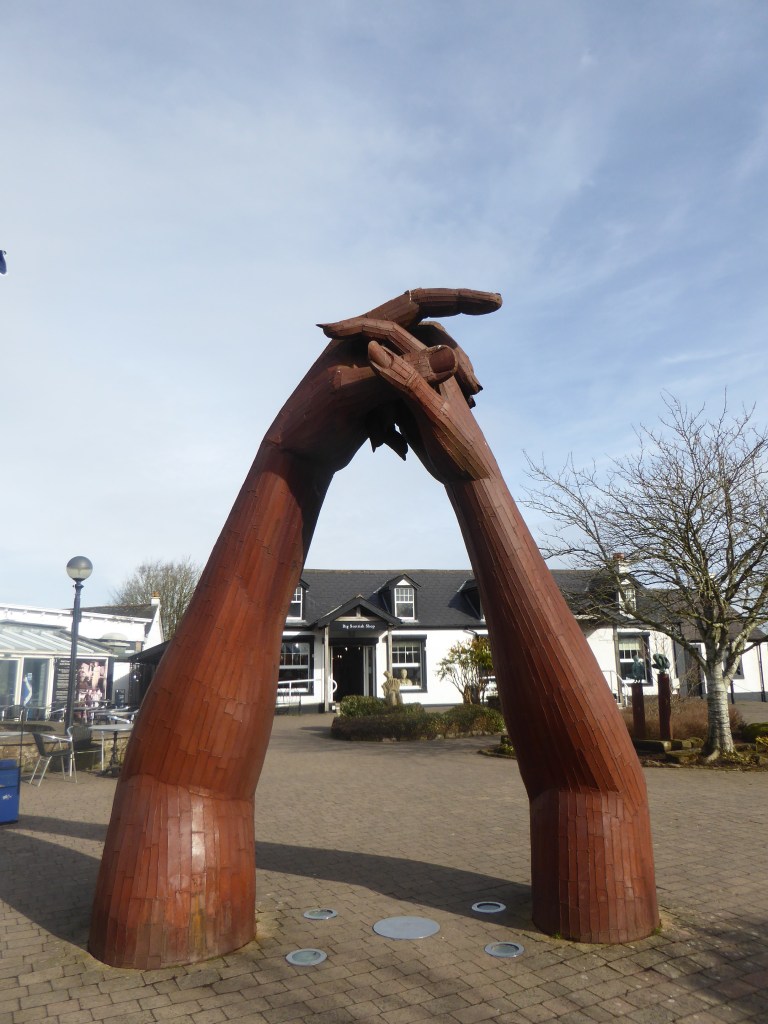
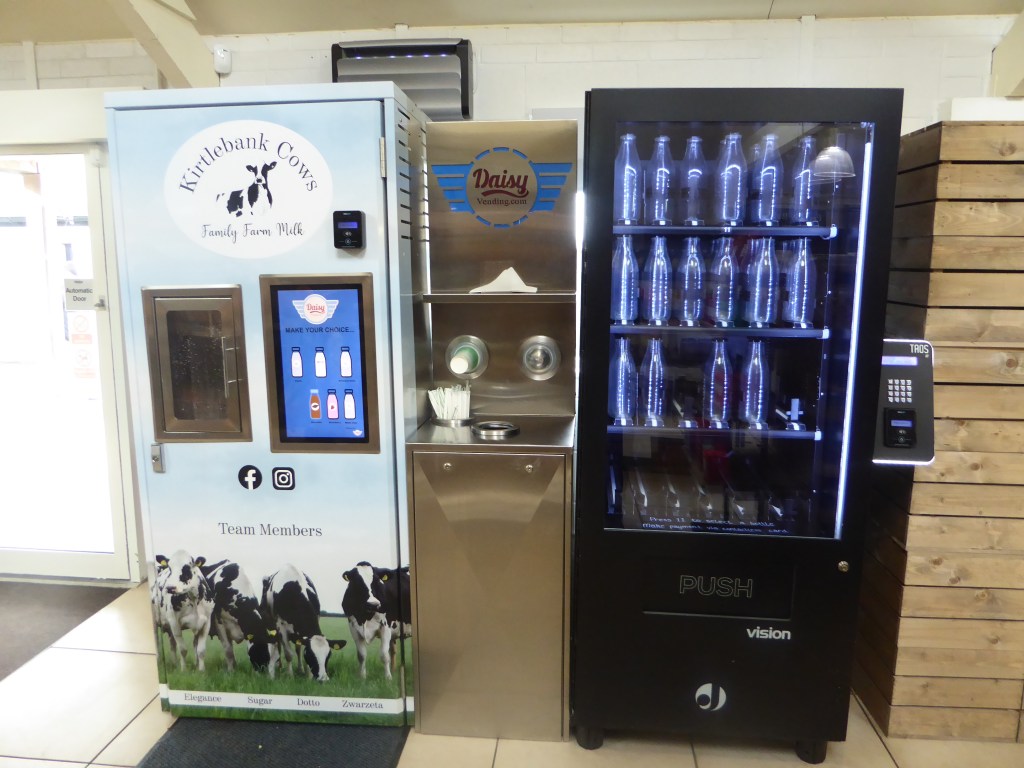
Sculpture / Milk Machine!

To top it off, as we left the store, there was an interesting milk machine, that is not doubt a big help for the local diary farmers. The price was reasonable, and you get farm fresh milk.

CB

Edinburgh what a beautiful city – many different parts but for this trip I was in the West End– Part 1

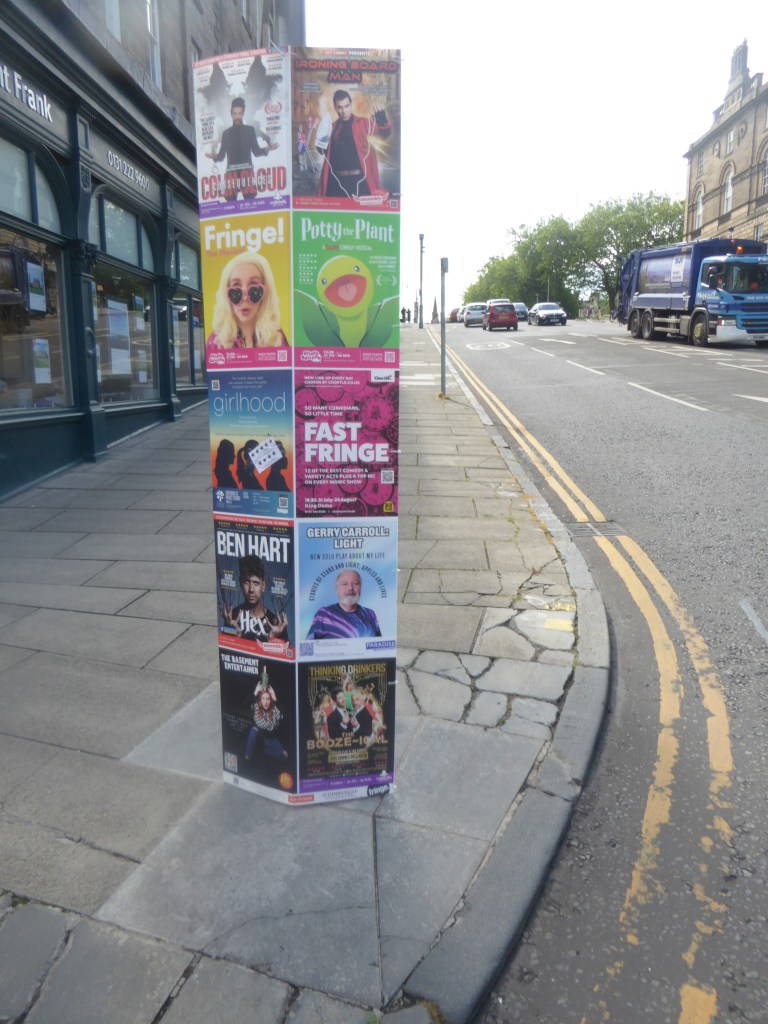
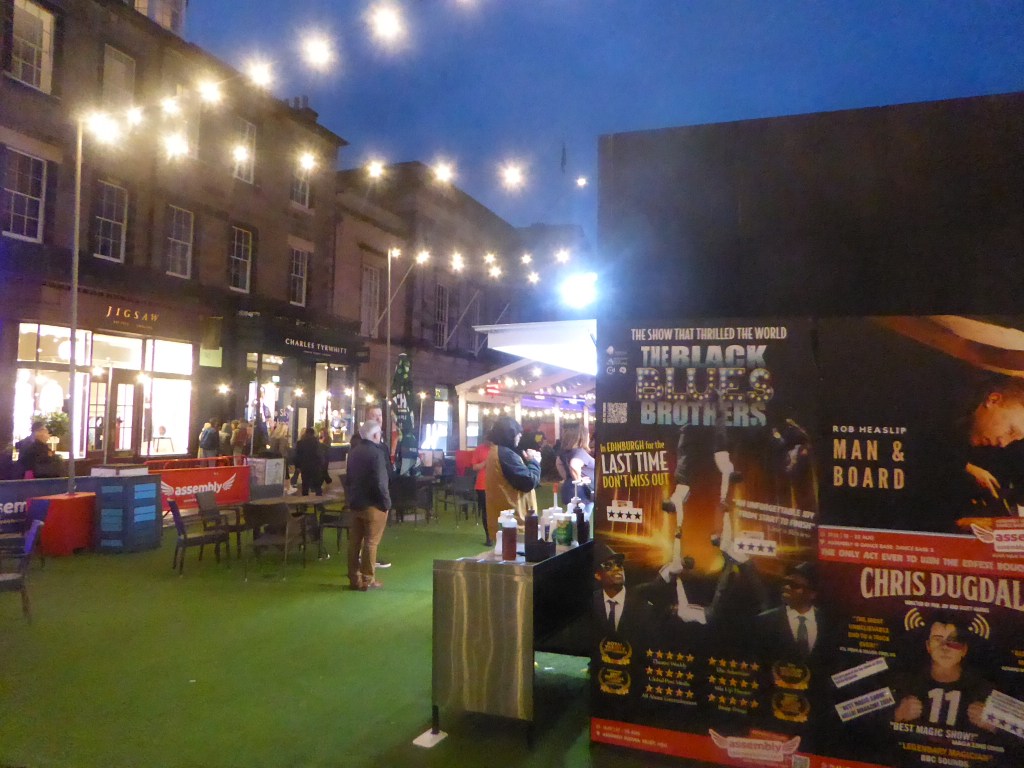
It’s interesting because I have been to Edinburgh countless times in my life, normally as a day trip, but this time my partner had to attend a conference, so I went along, especially since it coincided with the Edinburgh Festival, the largest arts festival in the world.

It’s different because normally when I go to the festival, I just visit for the day and then come back. However, this is the second time in two years that I chose to stay overnight. The previous time, the prices were simply outrageous—nearly £300 for one night at a tiny hotel room the size of a broom cupboard. It’s disgraceful and explains why certain people are no longer attending the festival.

At the same time, I can understand why some of the hotels wish to make as much as possible; and many people are more than willing to pay it. In addition, it’s not just me who thinks this must be a problem, but for the performers, it must be nearly impossible to find affordable accommodation for their one, two, or even three-week runs.

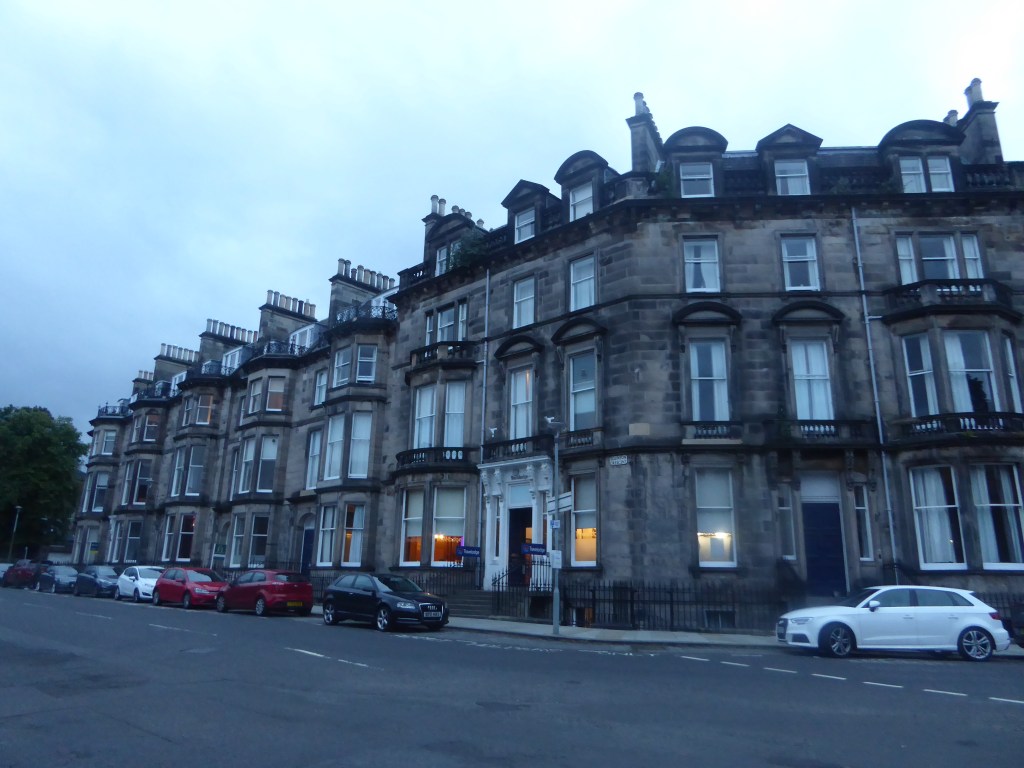
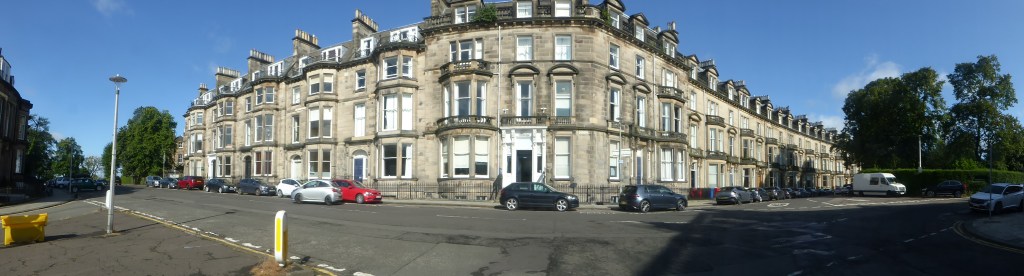
Naturally, we decided to stay as cheaply as possible, and for some reason, our Travelodge was located in the West End, just out of the more expensive parts of Edinburgh, yet it was still a spectacular area to visit.


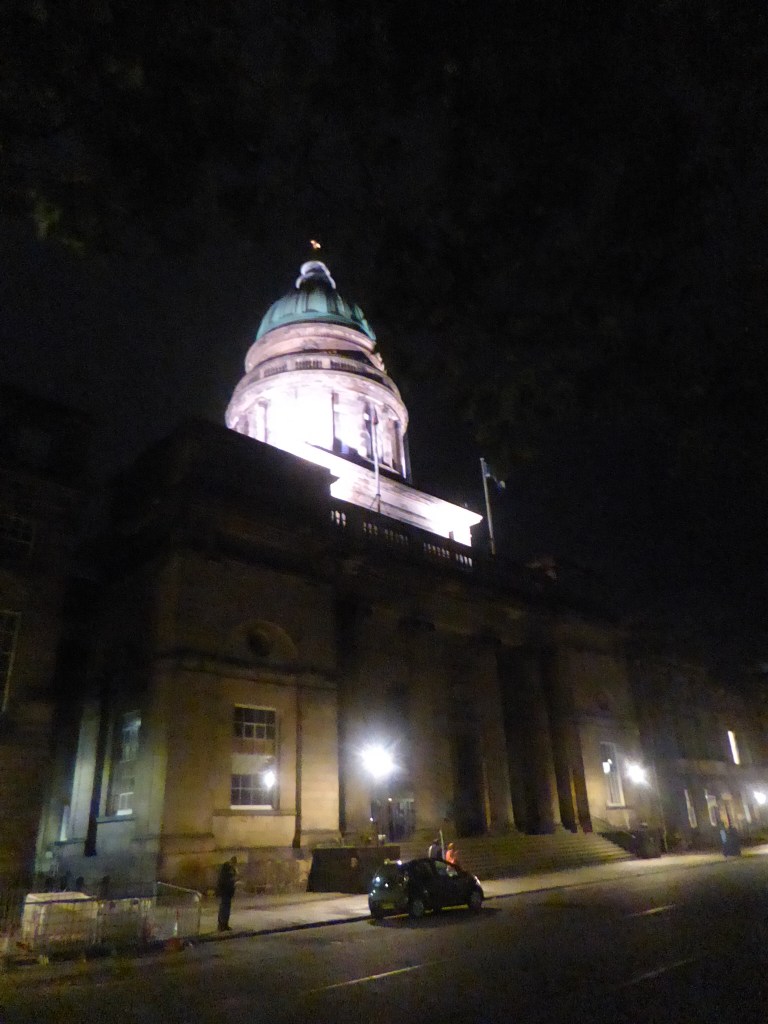
You only need to take a walk anywhere in Edinburgh, particularly in the town centre, to see the magnificent Victorian architecture. In this case, avoiding like the plaque anywhere near to the tourist areas. But even here in the West End of Edinburgh the buildings are spectacular.

The architecture is quite different from that of Glasgow, as it tends to be almost entirely white sandstone, as opposed to the red stone that we have in various parts of Glasgow, albeit, with plenty of white sandstone as well.

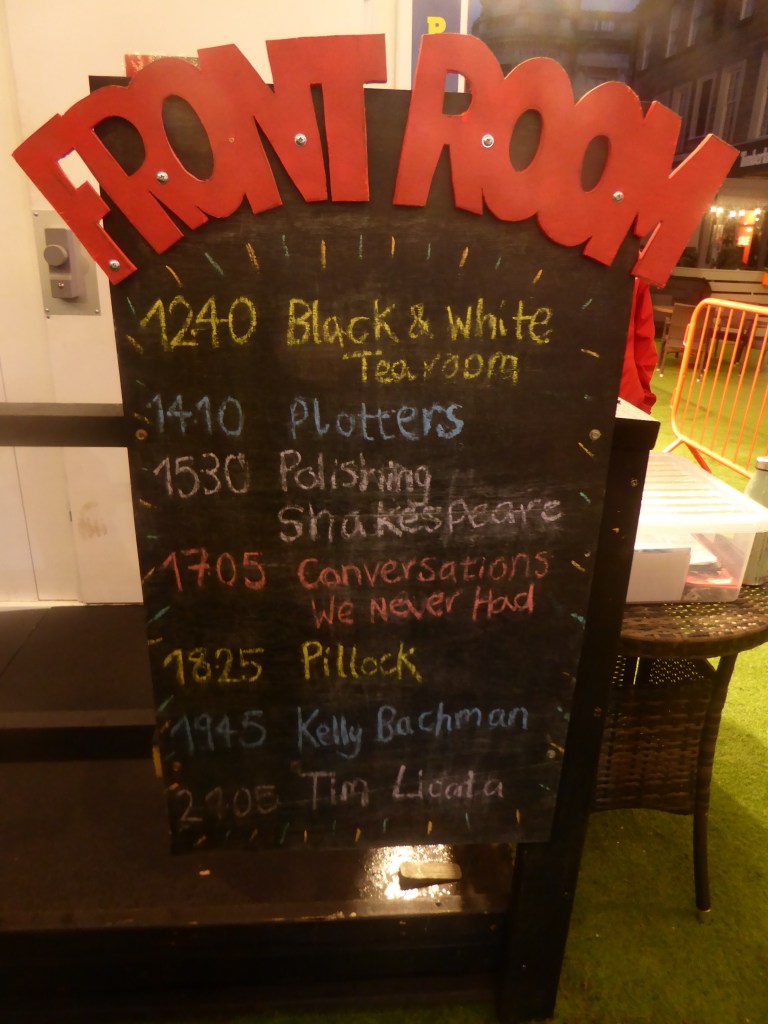
Naturally, on my first night there, we decided to go to the Edinburgh Festival, in this case to see a magician, Tim Licata. He was just fine, and of an Italian-American heritage. It also was not too crowded as well. Not sure why, though the show inside was close to a sell-out.

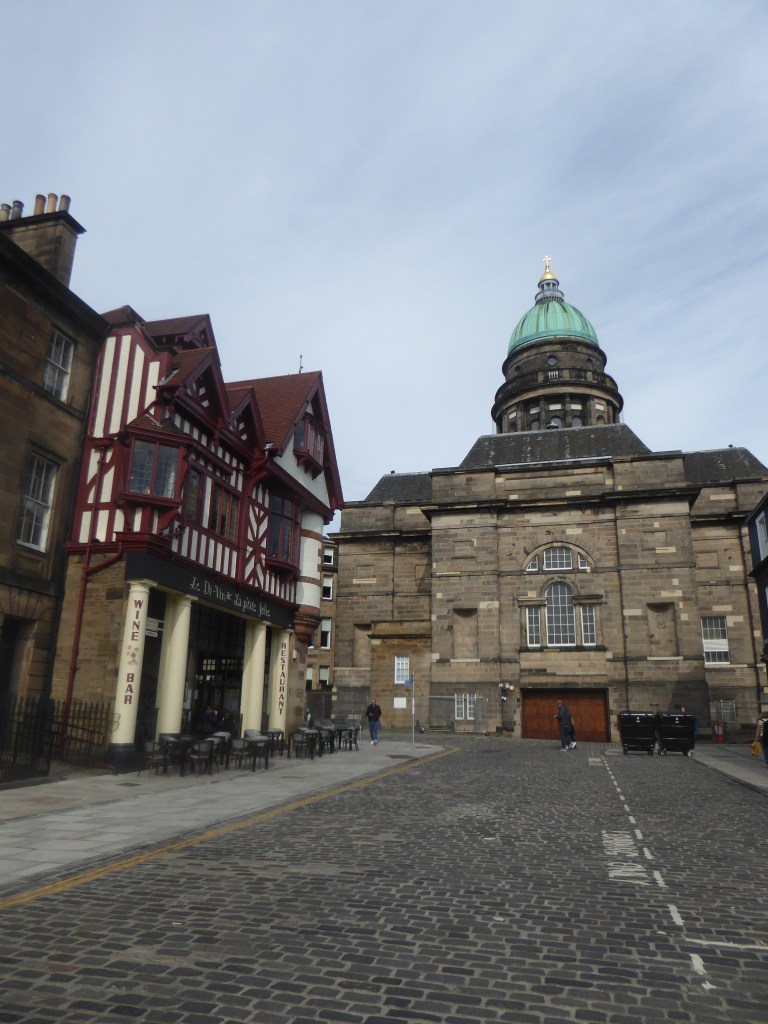
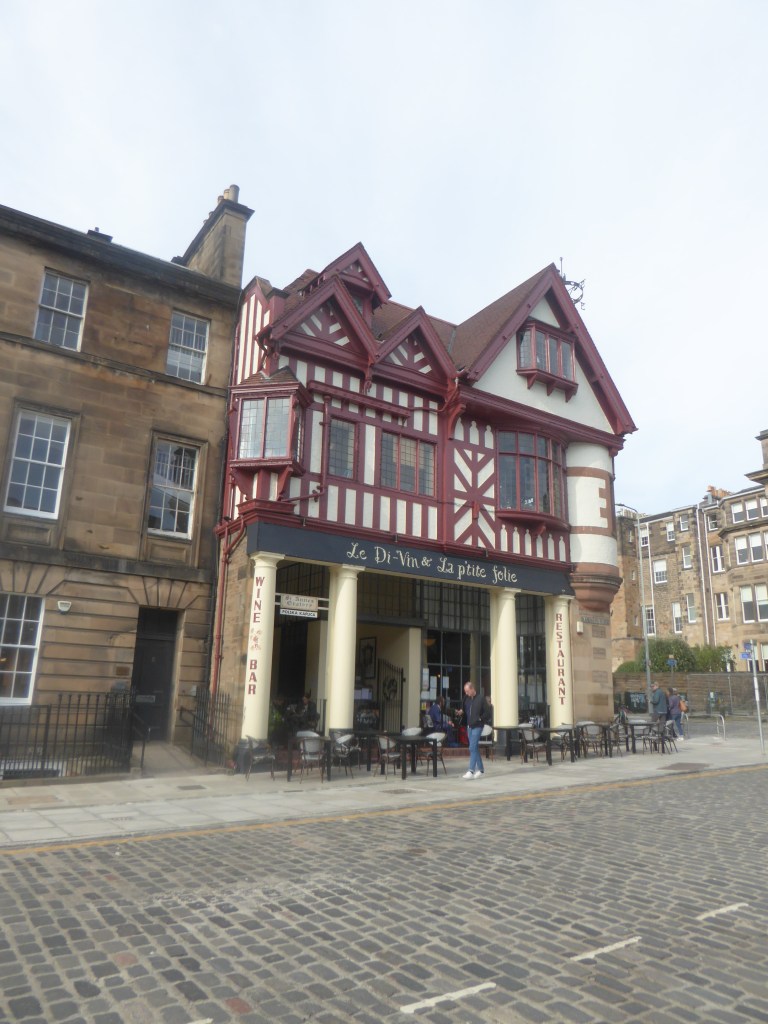
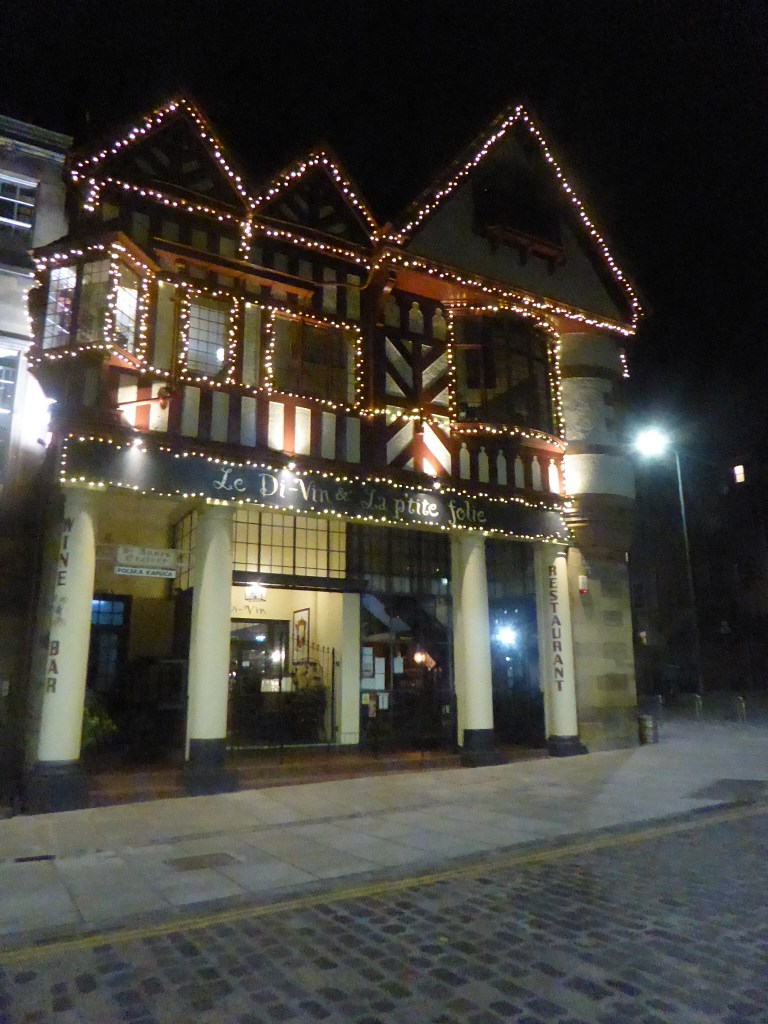
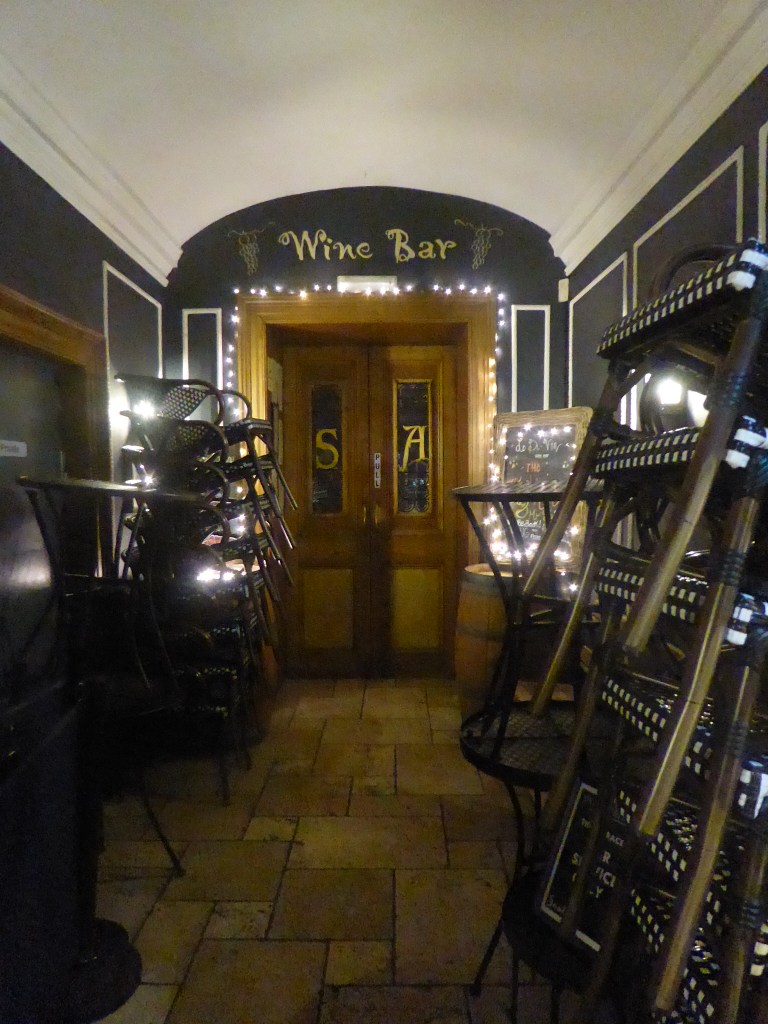
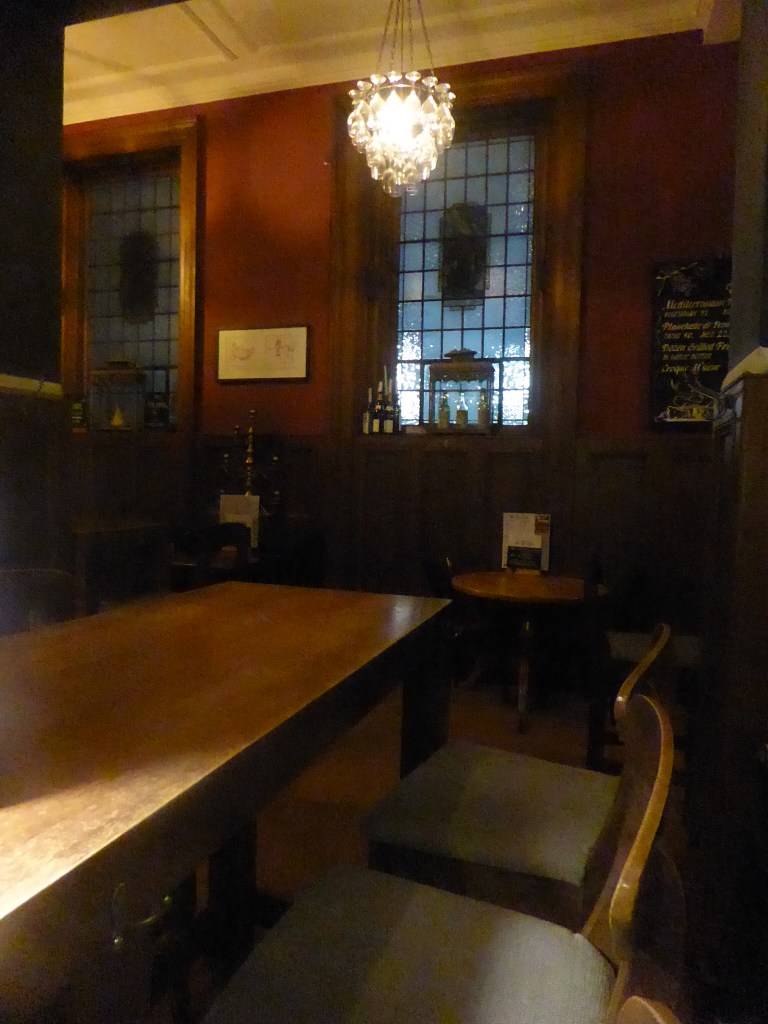
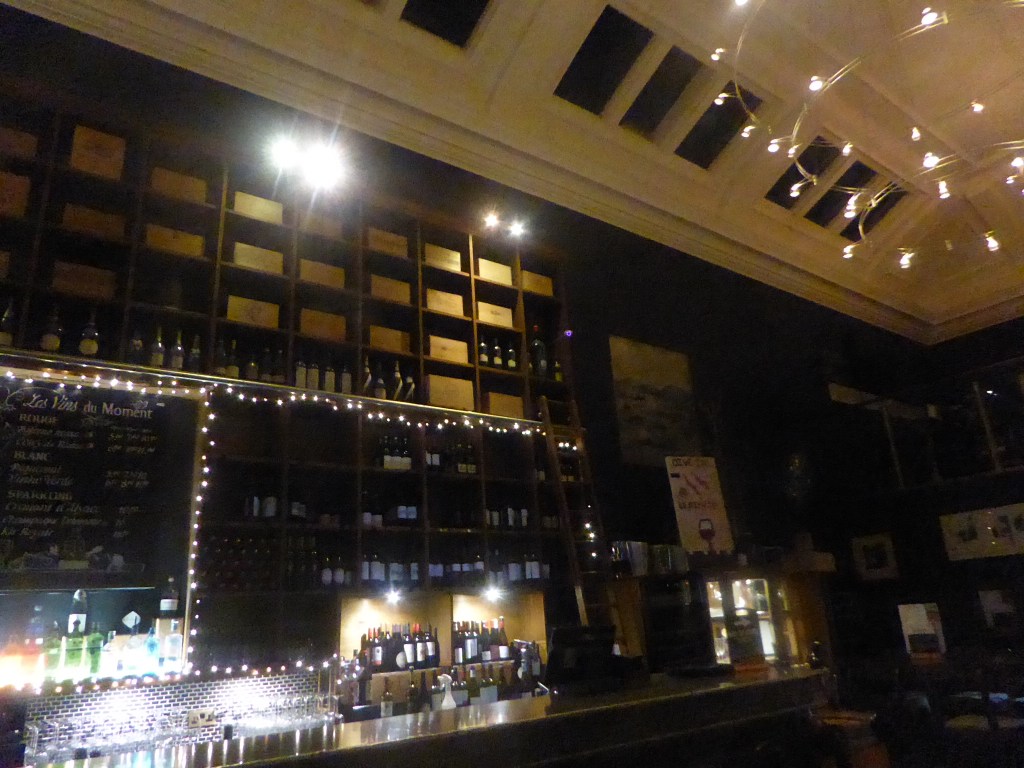
On the way back our walk we went through this area in the West End, that showed us a wee gem of a wine bar, Le Di-Van.

What a beauty! One could hardly believe being here, that I wasn’t on the continent or in France itself.

And it’s definitely one that I’ll be frequenting the next time I’m in Edinburgh.

CB
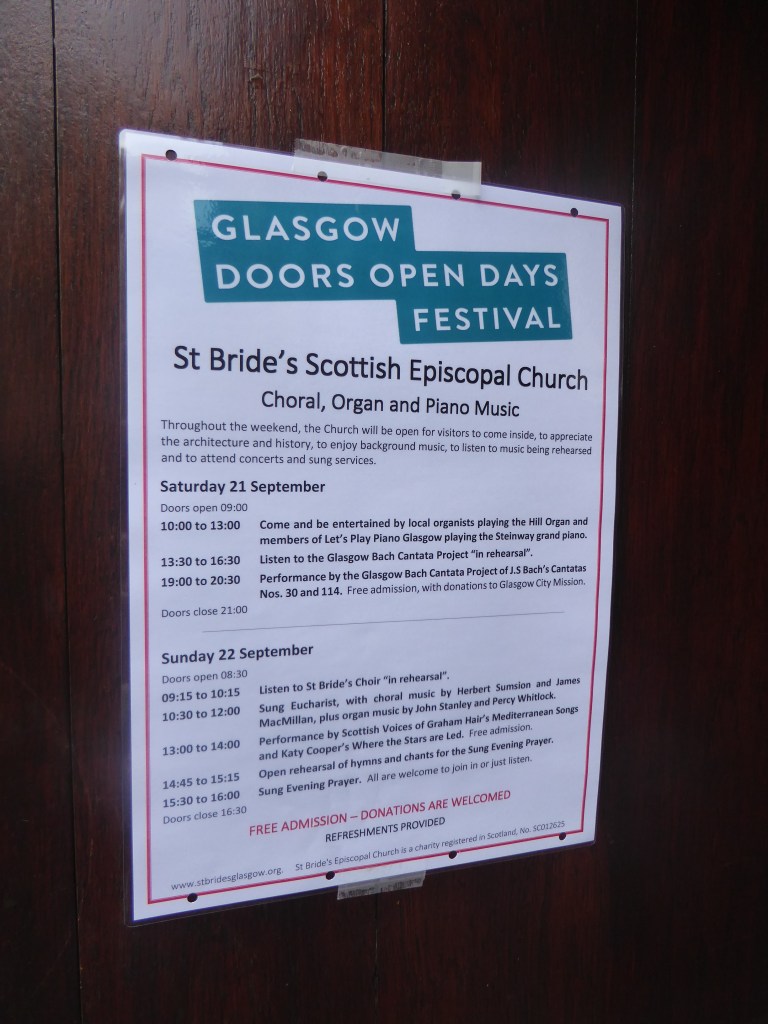
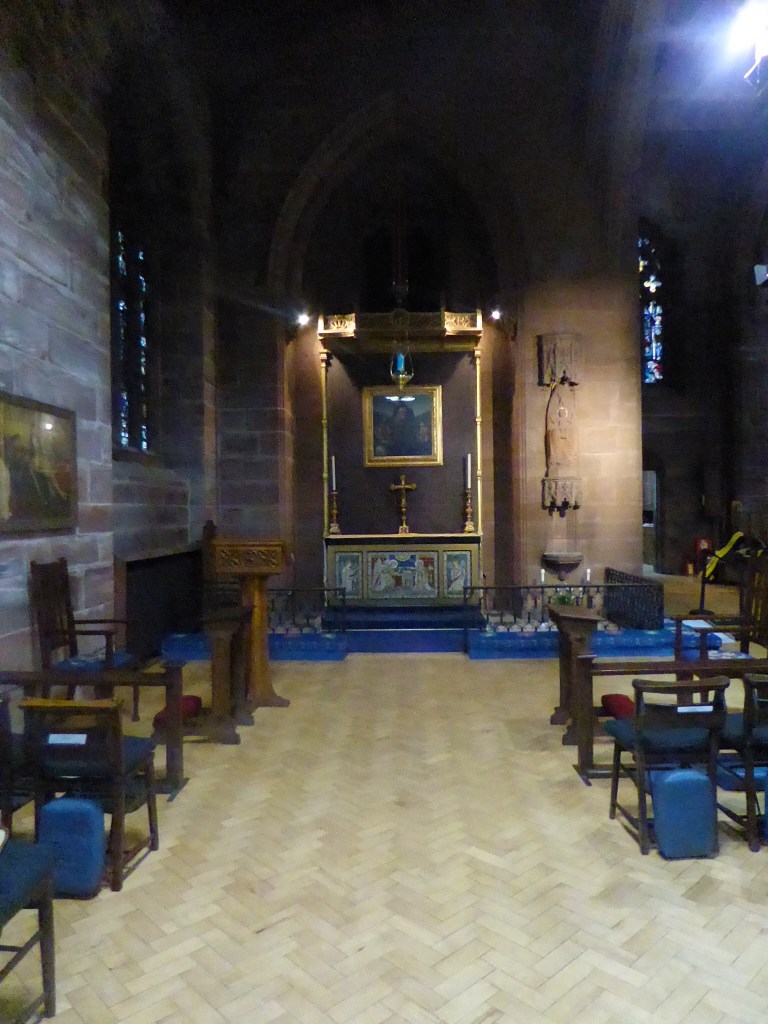
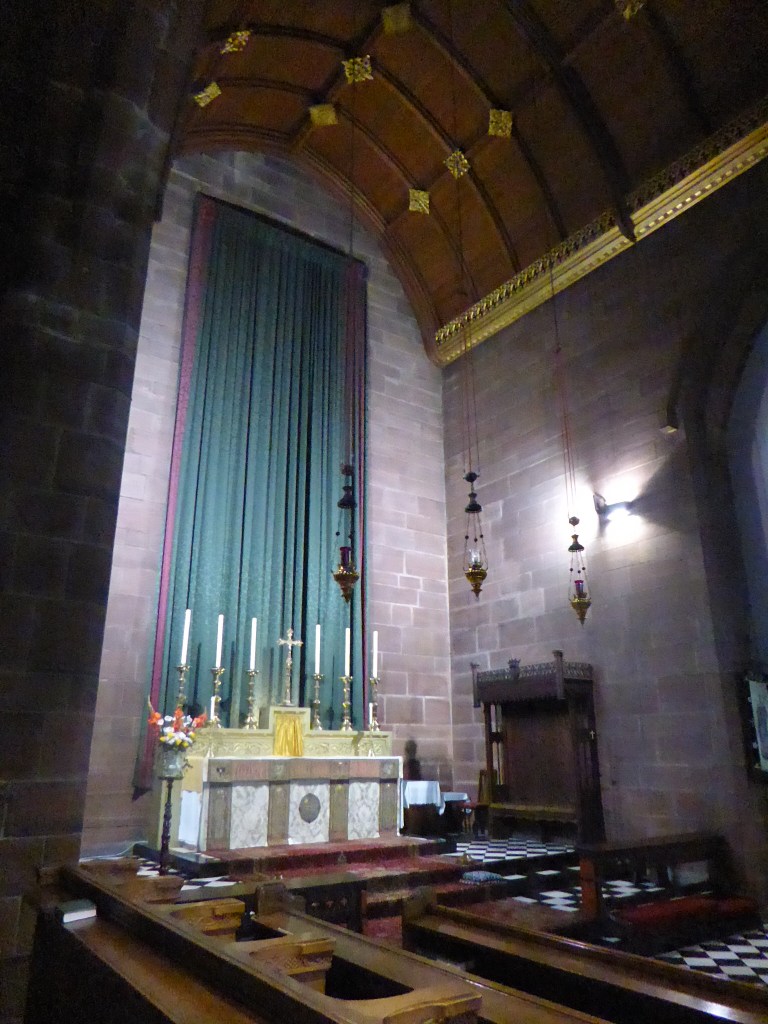
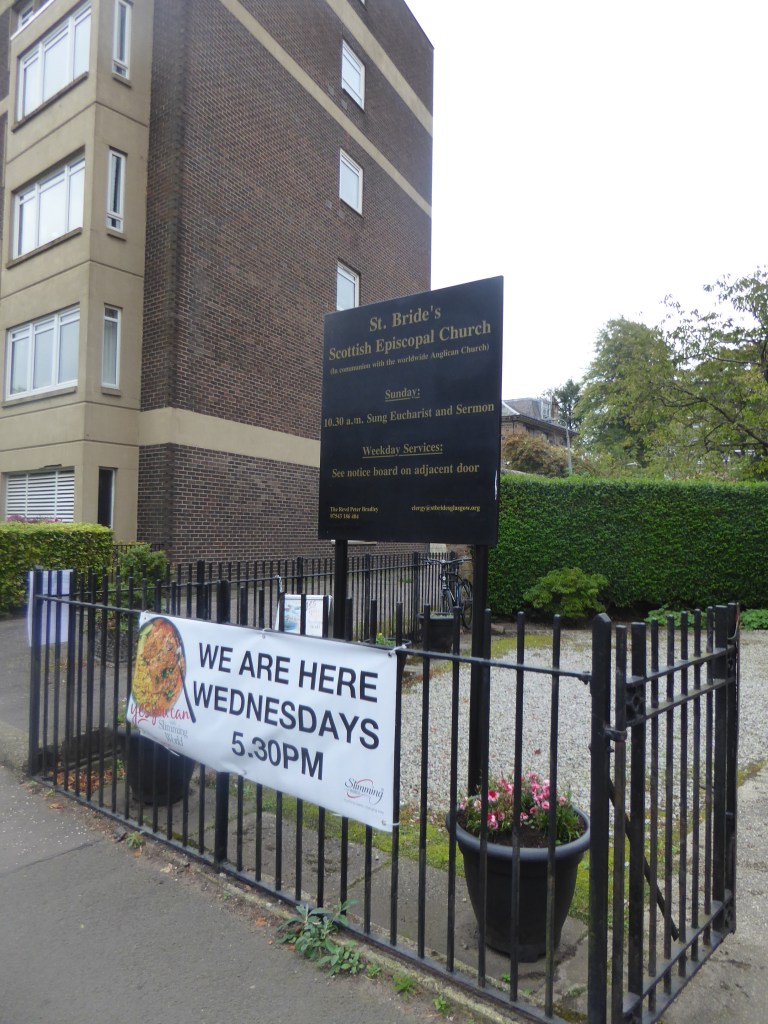
Doors Open Day Part 2: Exploring St. Bride’s Church: A Hidden Gem in Glasgow, Scotland

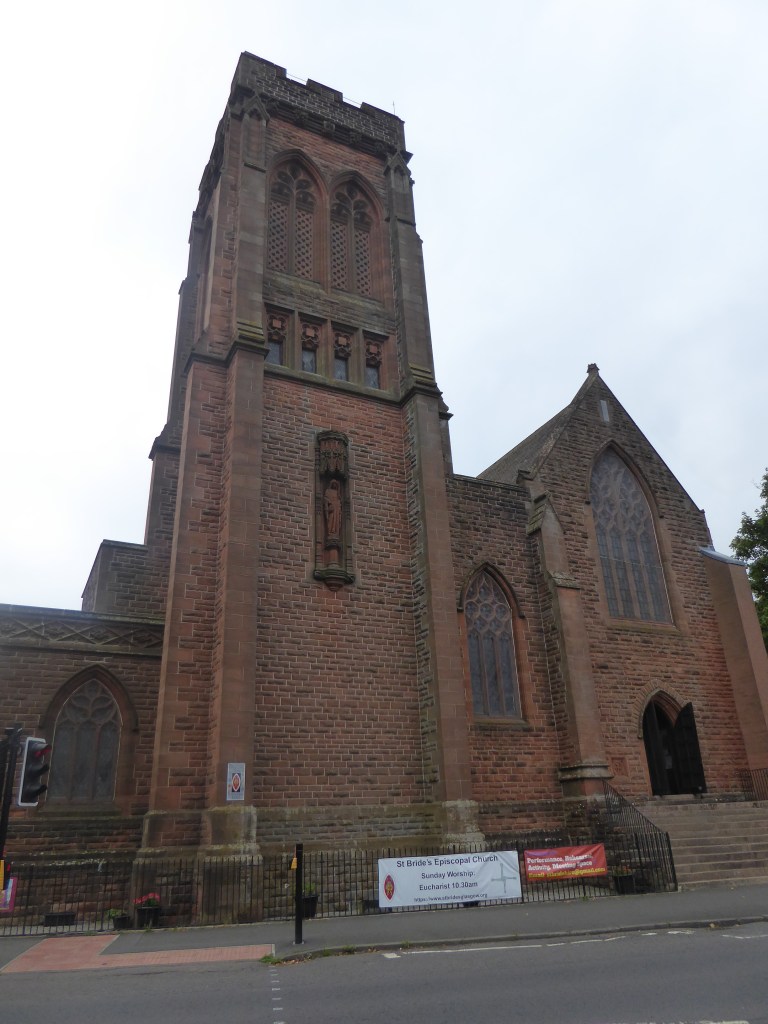
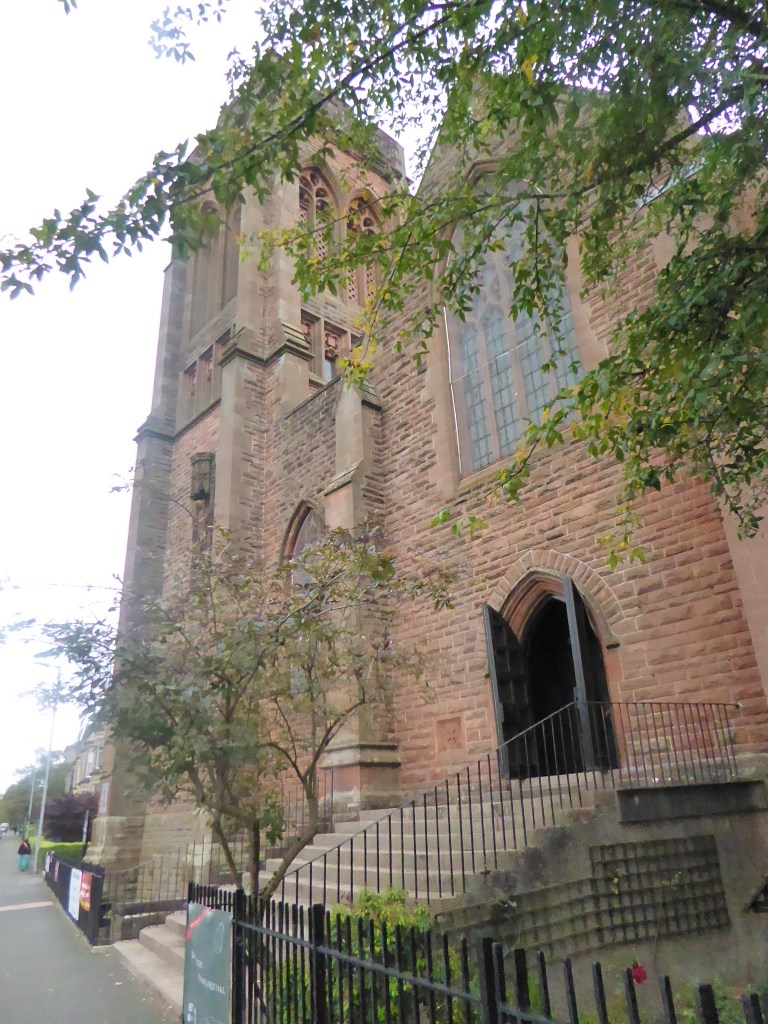
St Brides Episcopal Church, Glasgow, Scotland

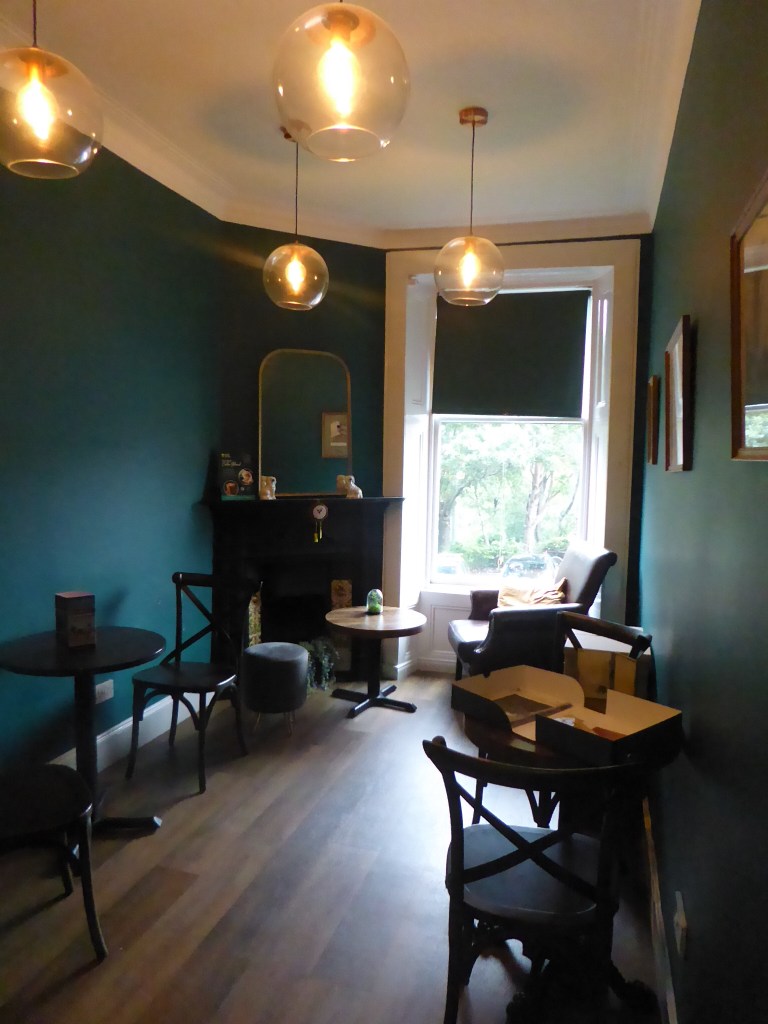
The day before my visit to the Tenement House, I decided to wander around the West End of Glasgow. This tree-lined, leafy area is very middle-class, with many Chinese students near the university and various hospitals. It is probably the most desirable place to live in Glasgow, perhaps even in Scotland.

Doors Open Day is a celebration that occurs every September in Glasgow, showcasing many different buildings, with churches being one of the highlights.

Like many other churches in Glasgow, St. Bride’s Church is not only old but also grand and elegant. It appears to be well-maintained, showcasing the care taken by its community. According to my research, it is a member church of the Scottish Episcopal Church, which is part of the global Anglican Communion, with the Archbishop of Canterbury serving as its head.

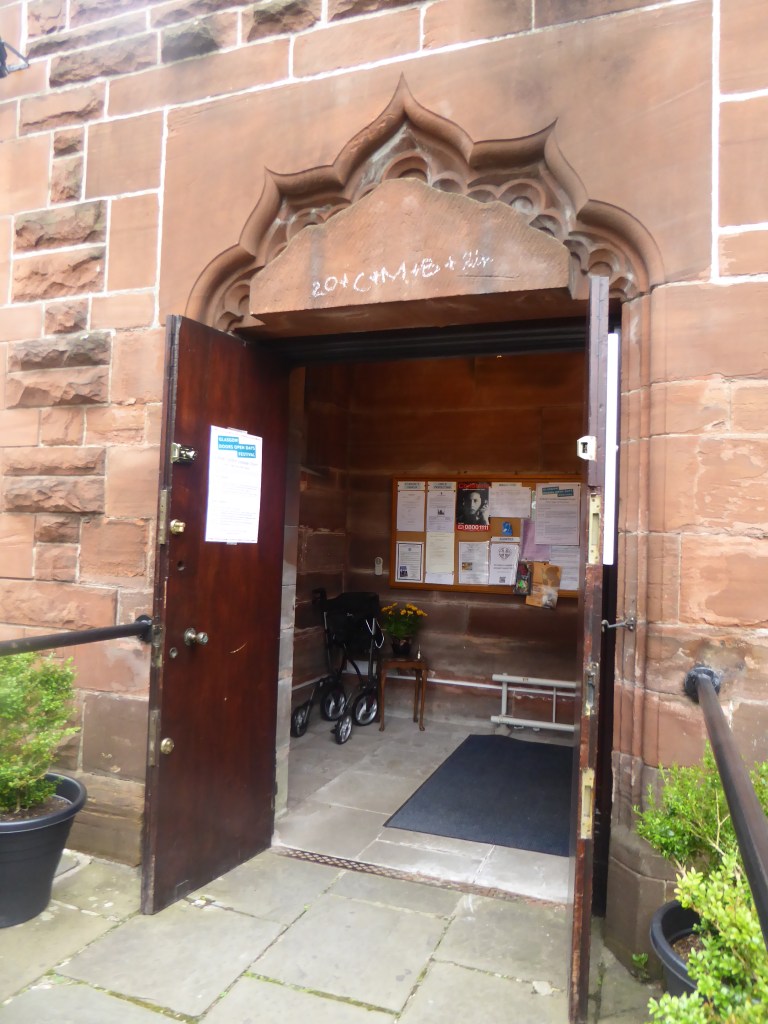
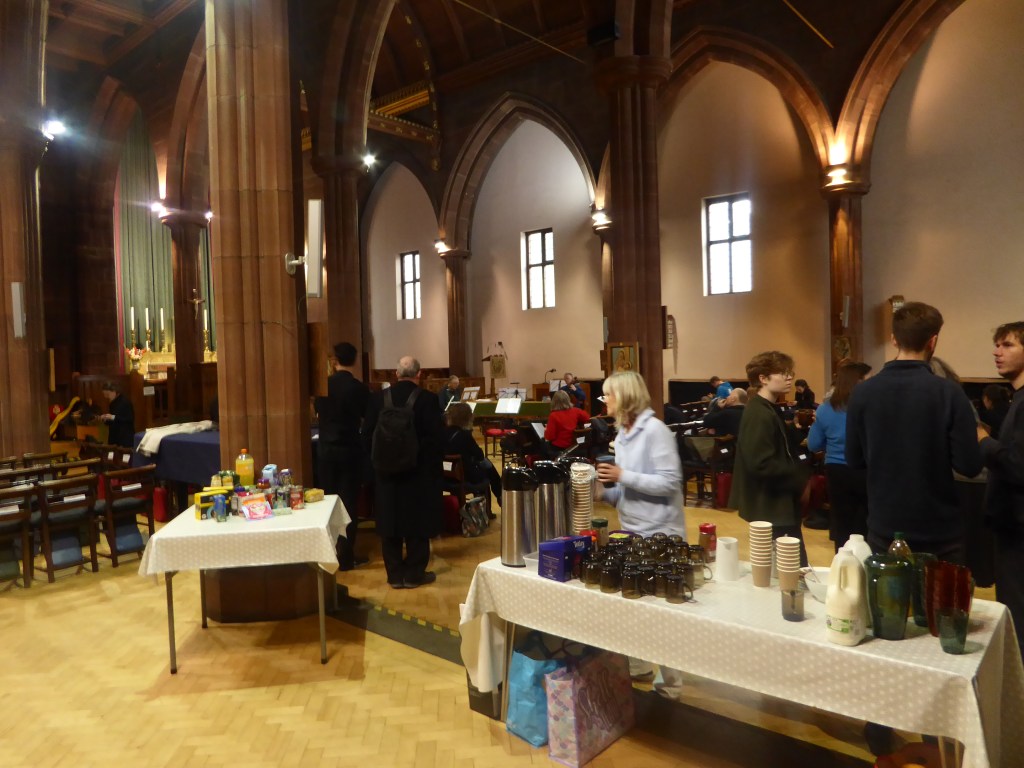
The church exudes a warm and welcoming atmosphere, evident from the numerous bulletins, brochures, and various “churchy” materials I observed. These resources indicate that St. Bride’s is a hive of activity, hosting many services and a plethora of music concerts.

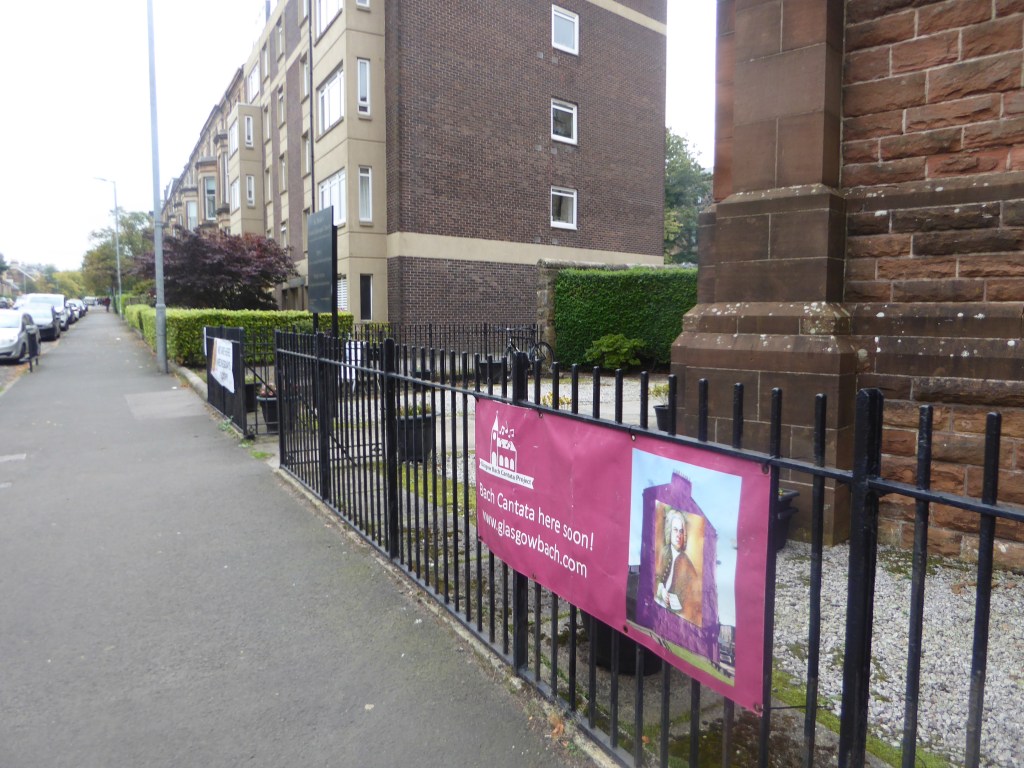
During my visit, I noticed a Bach or Baroque group rehearsing inside, presumably preparing for an upcoming concert either at the church or elsewhere in Glasgow.

With the added charm of delicious cakes, tea, and coffee, I left St. Bride’s Church with a positive impression.

I already have a “Church of the Month” category on my blog that I haven’t utilized enough. Perhaps I can make it a point to explore more of these hidden gems in the future.

CB
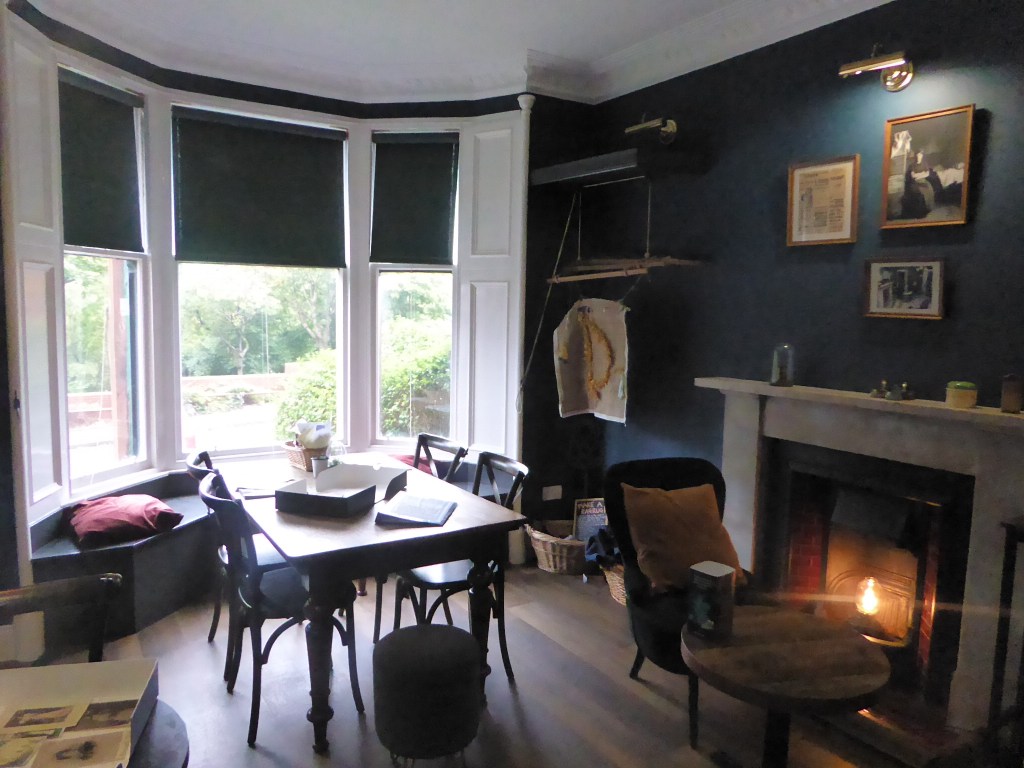
Glasgow’s Doors Open Day -Time Travelling by Exploring Glasgow’s Tenement House

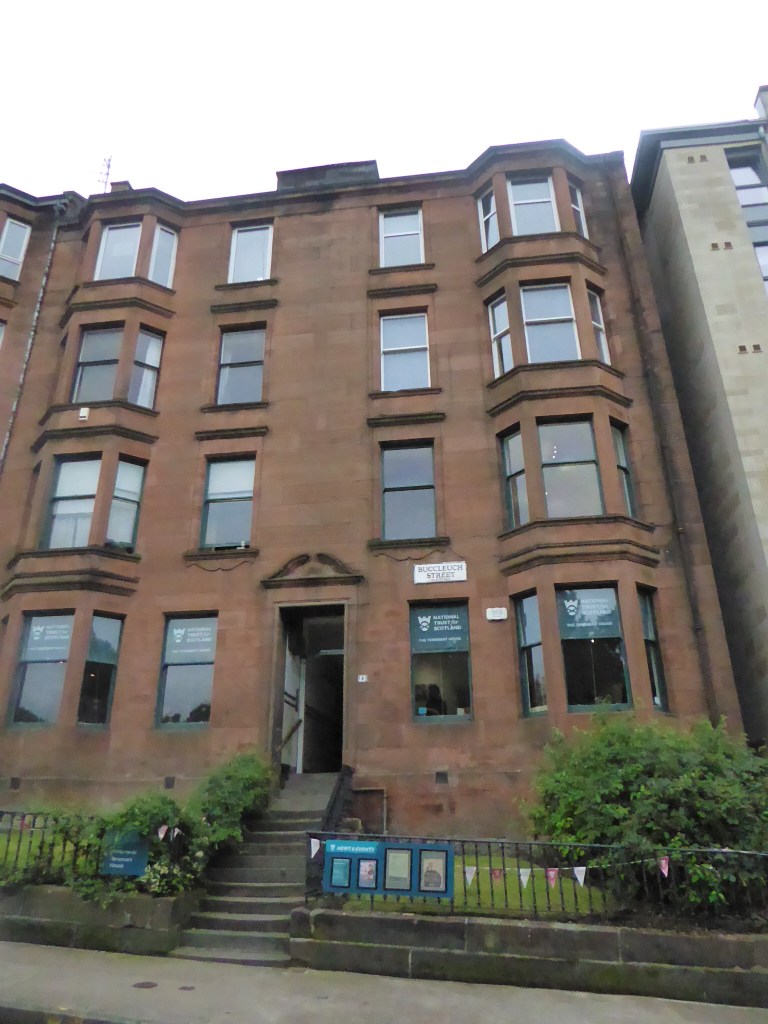
It’s interesting because I’ve been in Glasgow for 30 years, but I’ve never actually visited this part of the National Trust for Scotland. At the same time, it seems that virtually every accommodation I’ve used in Glasgow has been a tenement—tenements in the West End, tenements in the East End, and tenements in the South Side. The only time I haven’t stayed in a tenement was in the city centre, specifically in the Pollokshields area of Glasgow, which is a very nice inner suburb.

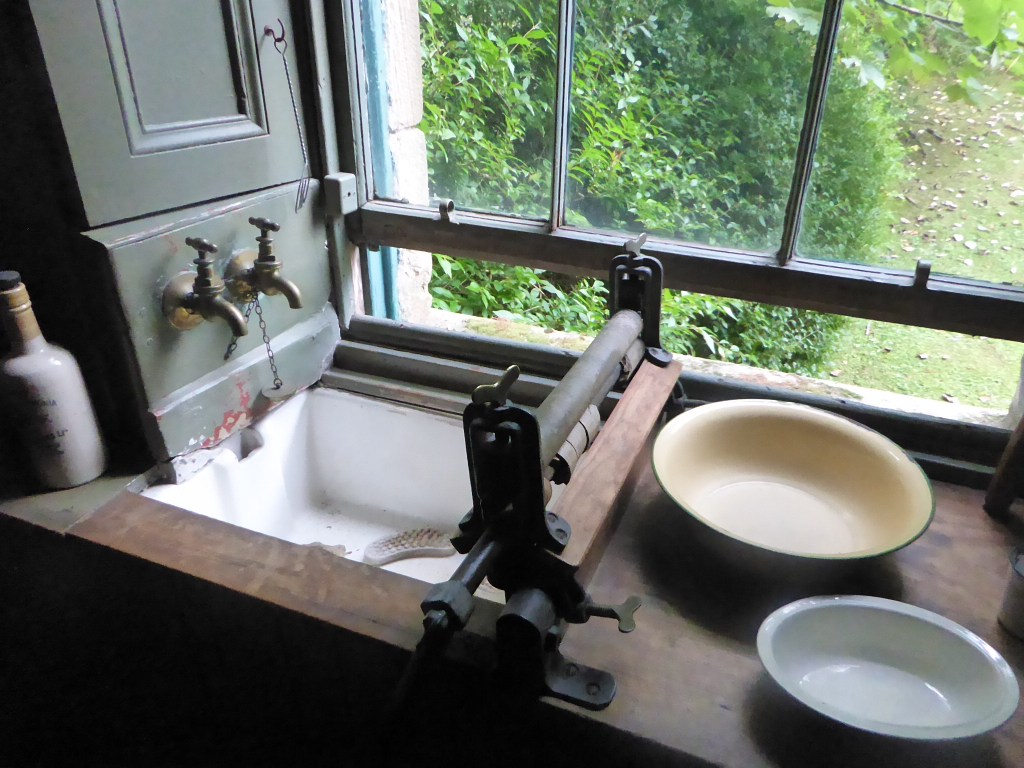
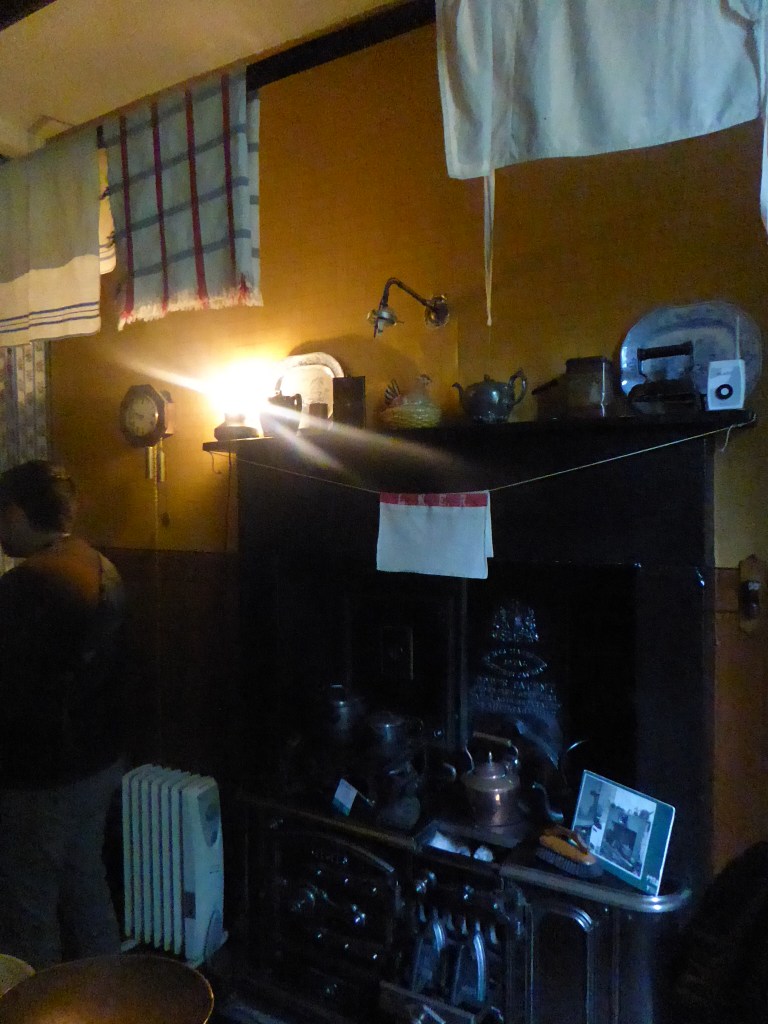
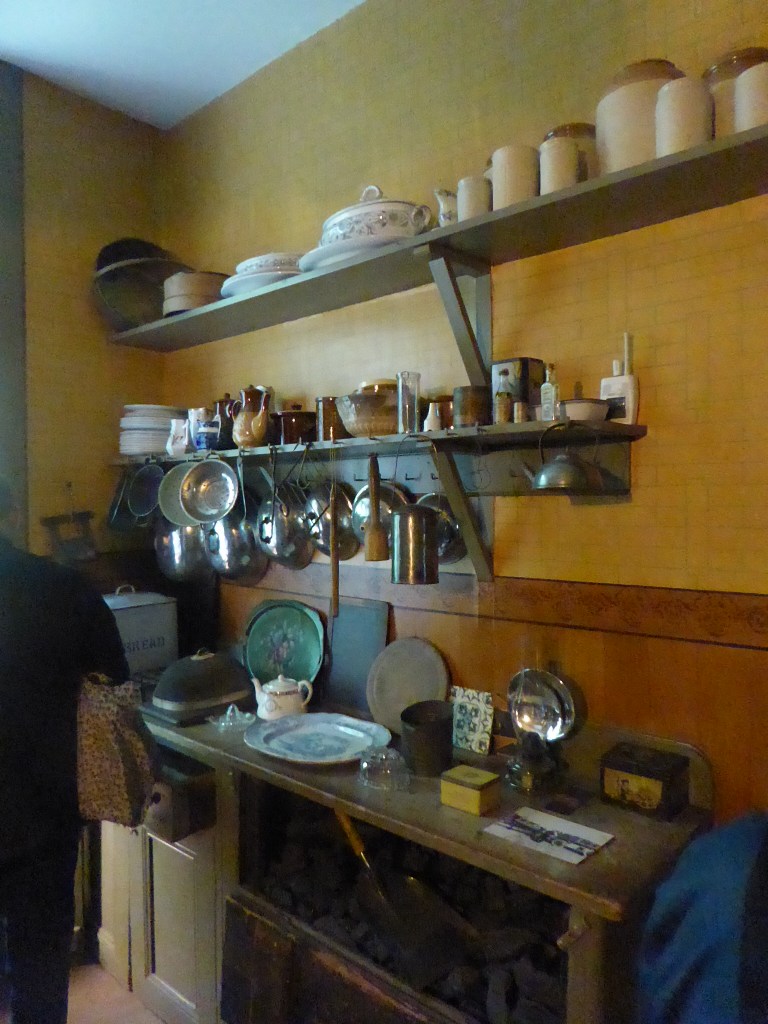
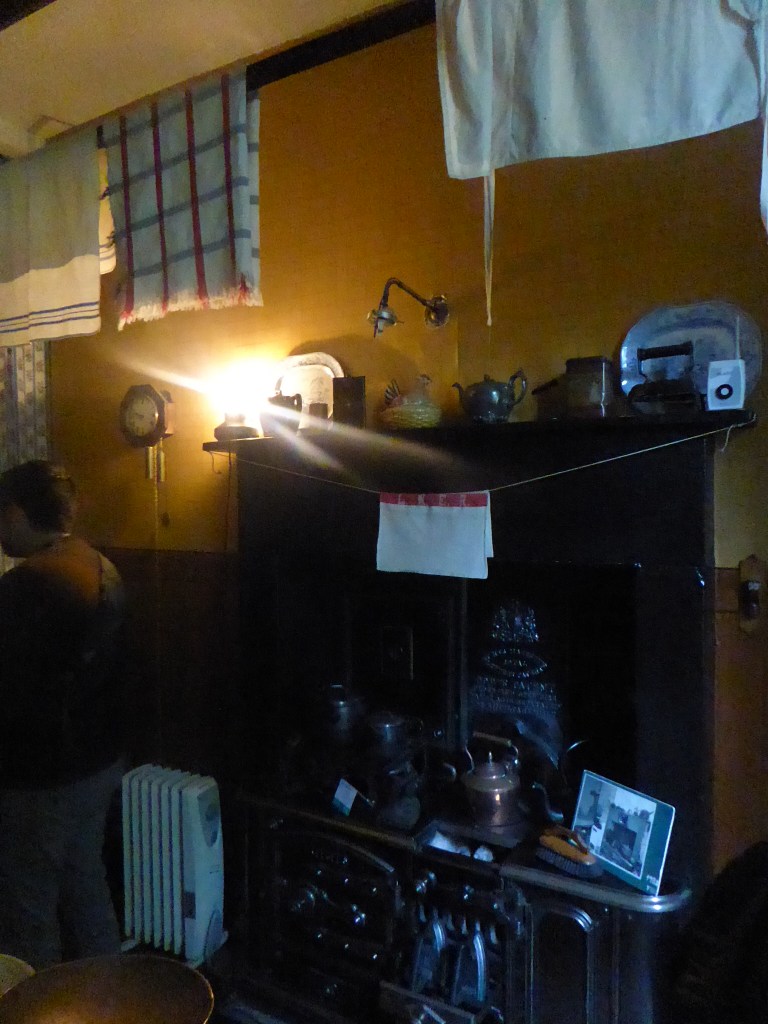
During the annual Doors Open Day in Glasgow, which took place a couple of weeks ago, I decided to visit the Tenement House located in the Garnethill section. It truly feels like a time capsule from 100 to 120 years ago.

The house was bequeathed to the city and later to the National Trust in the mid-1960s, after the owner neared the end of her life. I believe her daughter took over and rented some of it out. The National Trust acquired it in 1965.

It’s fascinating to have a conversation with someone and then, 100 years later, start that conversation again. Time stands still here.

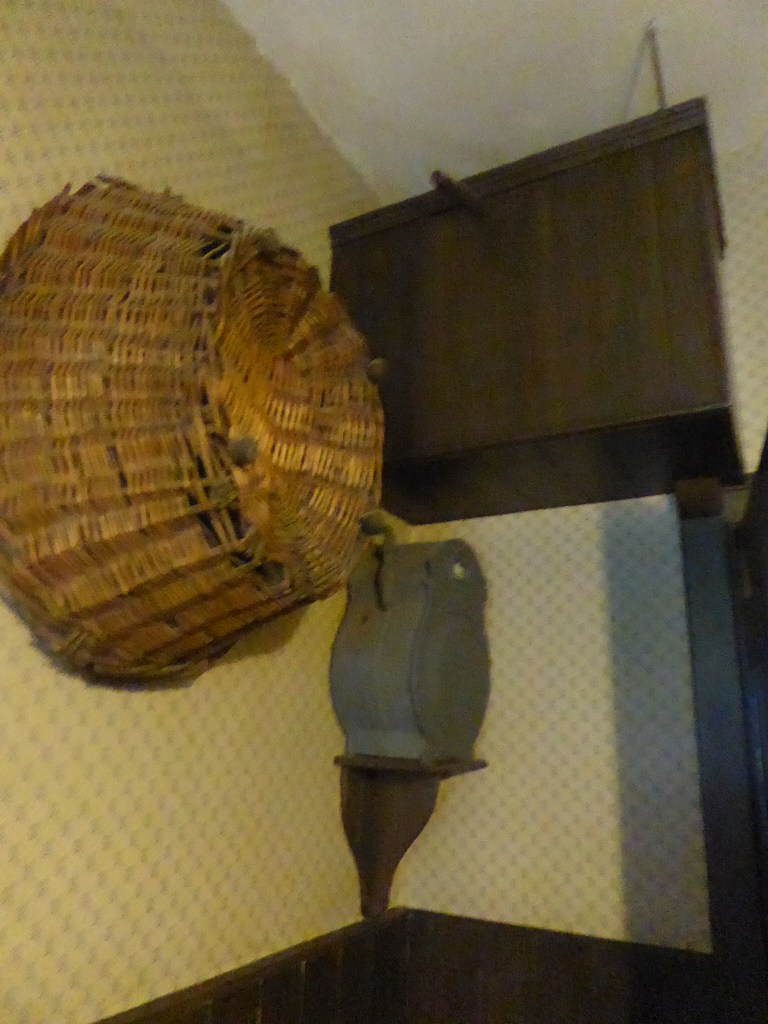
The overall layout is identical to so many tenements here in Glasgow, from the bed recesses (now used as a kitchen table area or closet):

To the “pully,” which is rather horrifically referred to as a Victorian hanger by some:

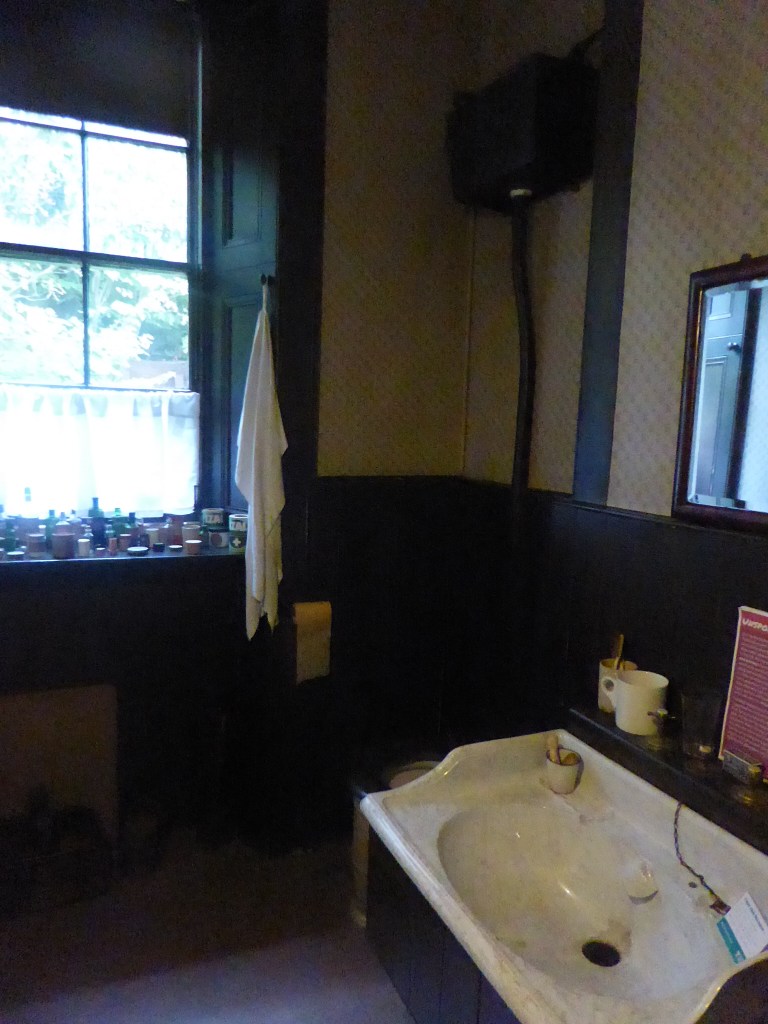
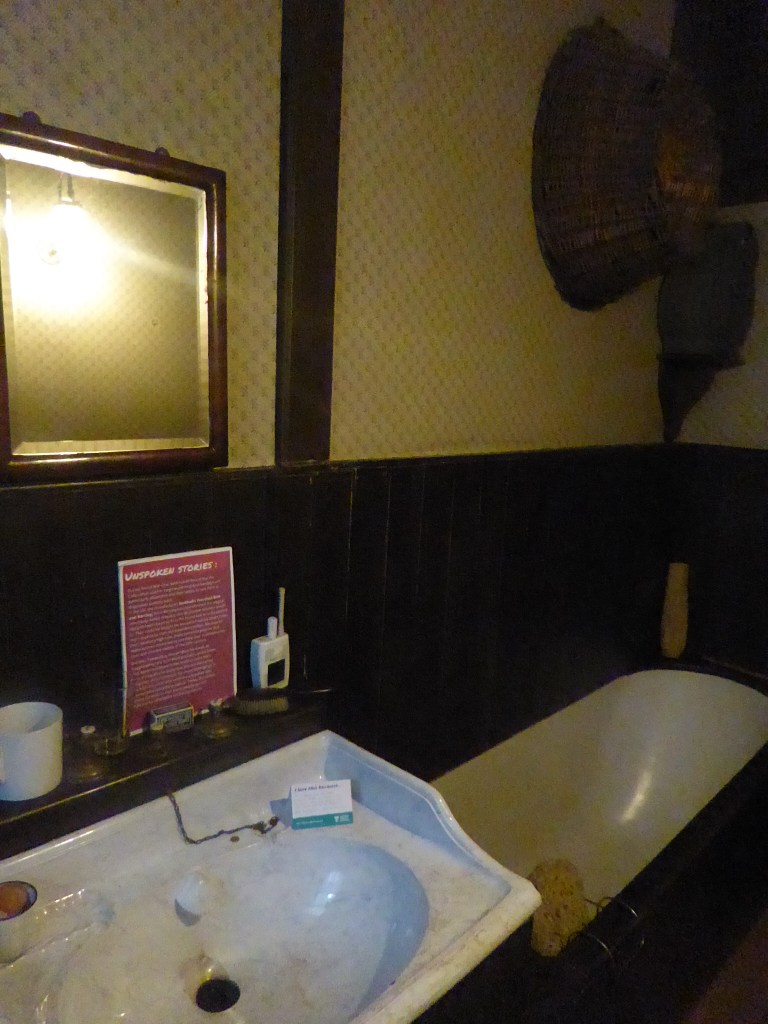
Additionally, it seems the lady who owned it was fairly well-off. While I was in the bathroom, three older Glaswegian women were describing what each feature in the room represented. They noticed a gas connection in the wall, which was connected to the gas port at the time, providing some of the heating and hot water. This suggests that the woman who owned the place was probably middle class.

Even in the bathroom, with a little paint and minor repairs, it would fit right in today.

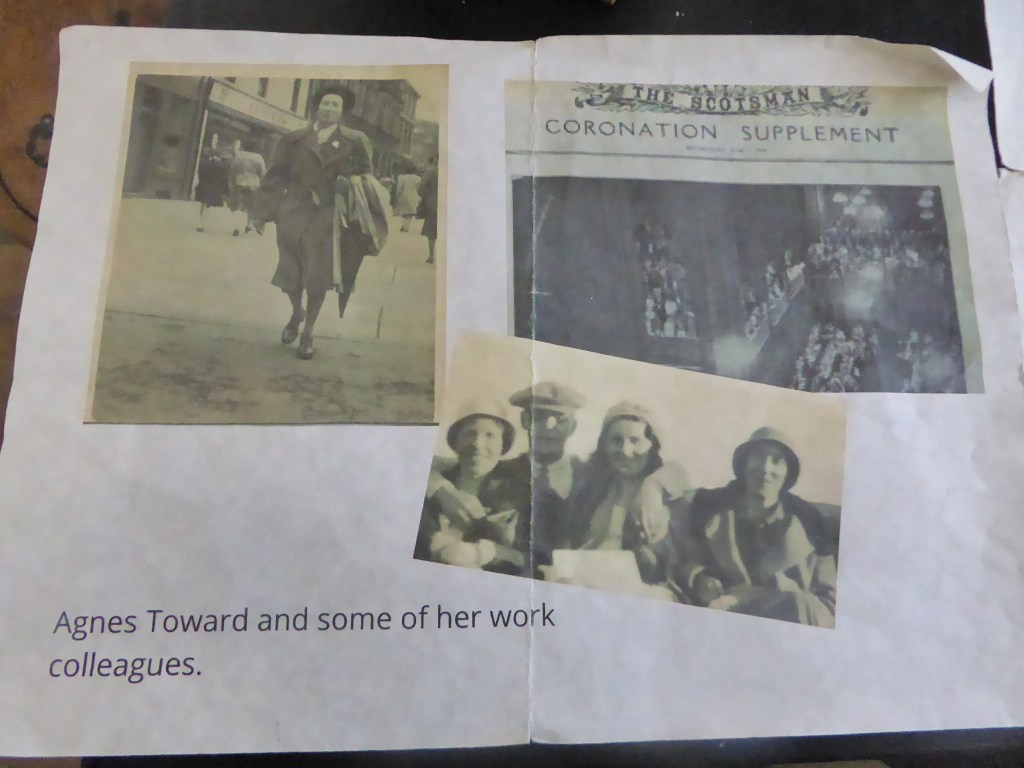
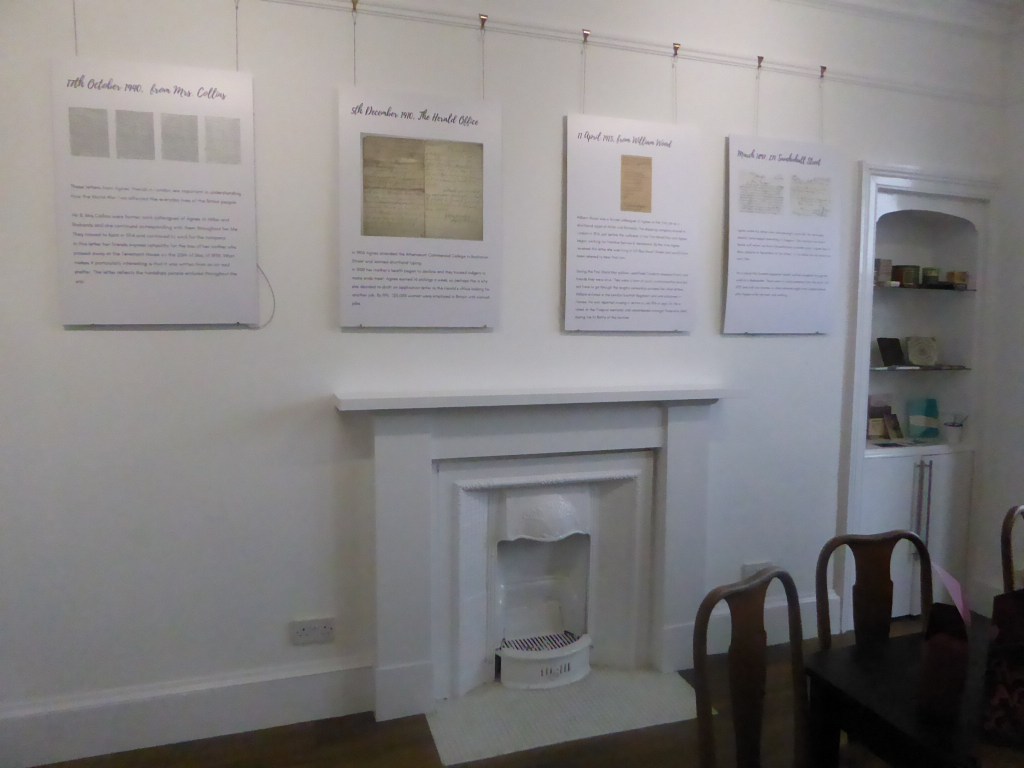
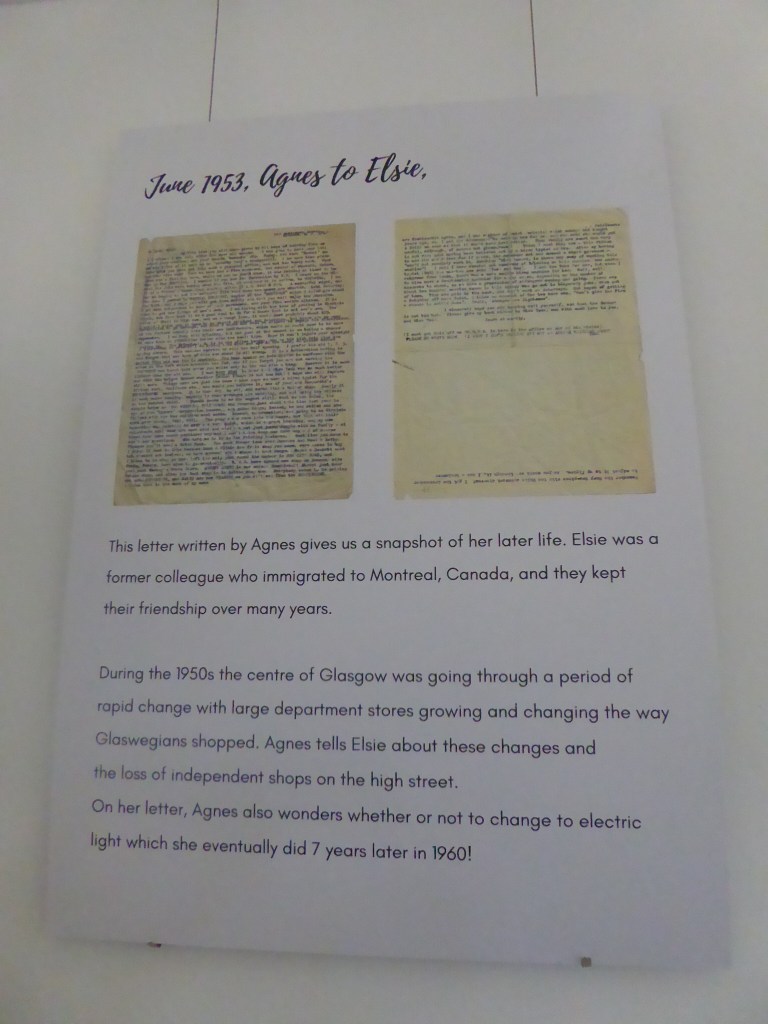
The most striking thing I saw was the letters and briefs that she had written and received throughout her life. It always strikes me that although we have everything from the internet to telephones and mass communication today, we’ve completely and utterly lost any form of communication via pen and paper. These letters were so much more eloquent and elegant than we use today; the words were utterly superior than what we could ever dream of crafting nowadays, even if we were to give up texting or emails.

CB