We recently got back from a trip to Germany—more on that later, as I’ll also get into what we’ve been up to the last year. I’ve barely blogged over the past year, so there’s plenty to catch up on. This trip, we travelled from Manchester to Bavaria. It was surprisingly affordable, and we merely just drove down and stayed overnight at the airport, as we had an early, cheap flight to Germany the next morning. Next time though, we’ll take the train; as it goes directly into Manchester Airport.
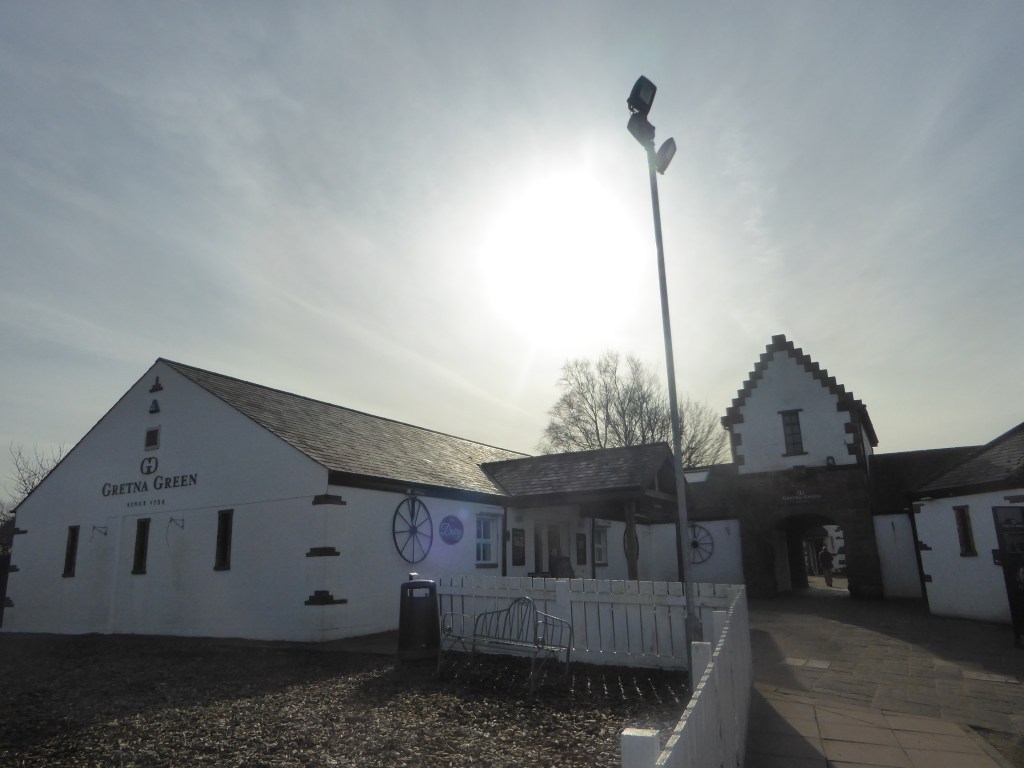
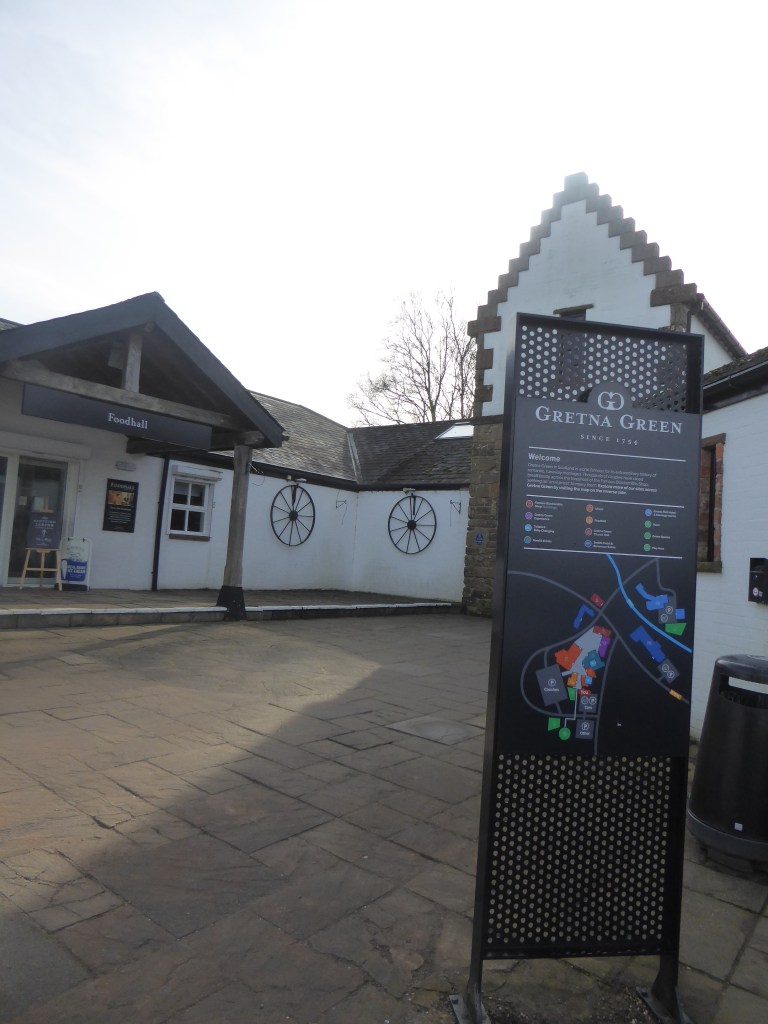
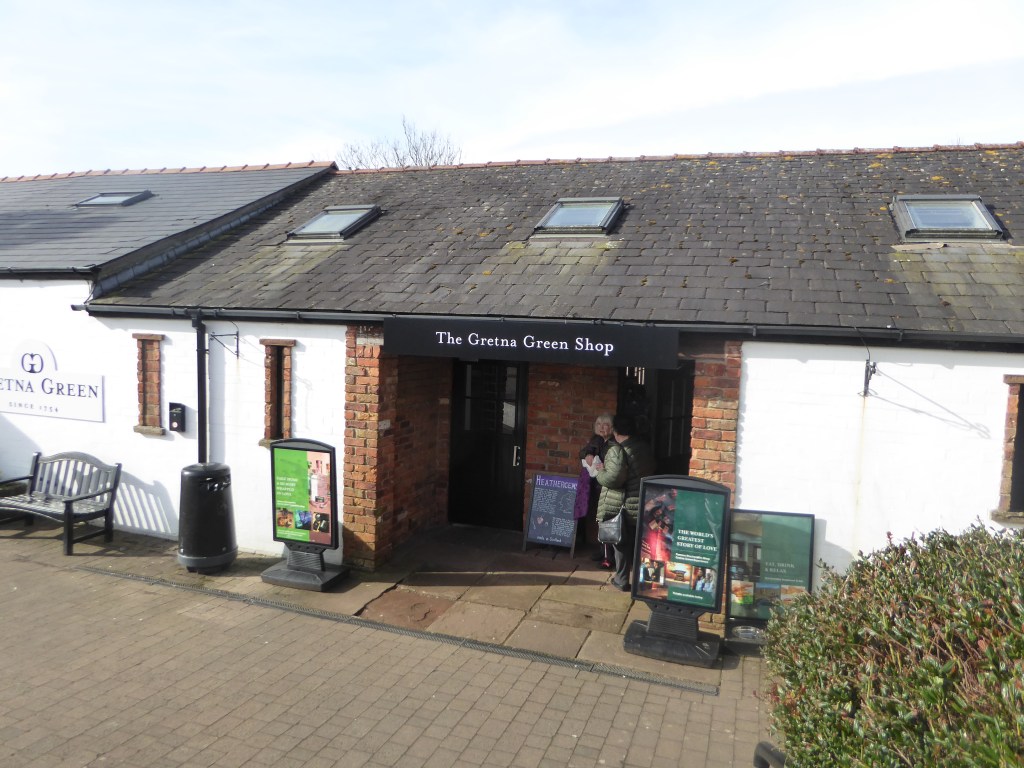
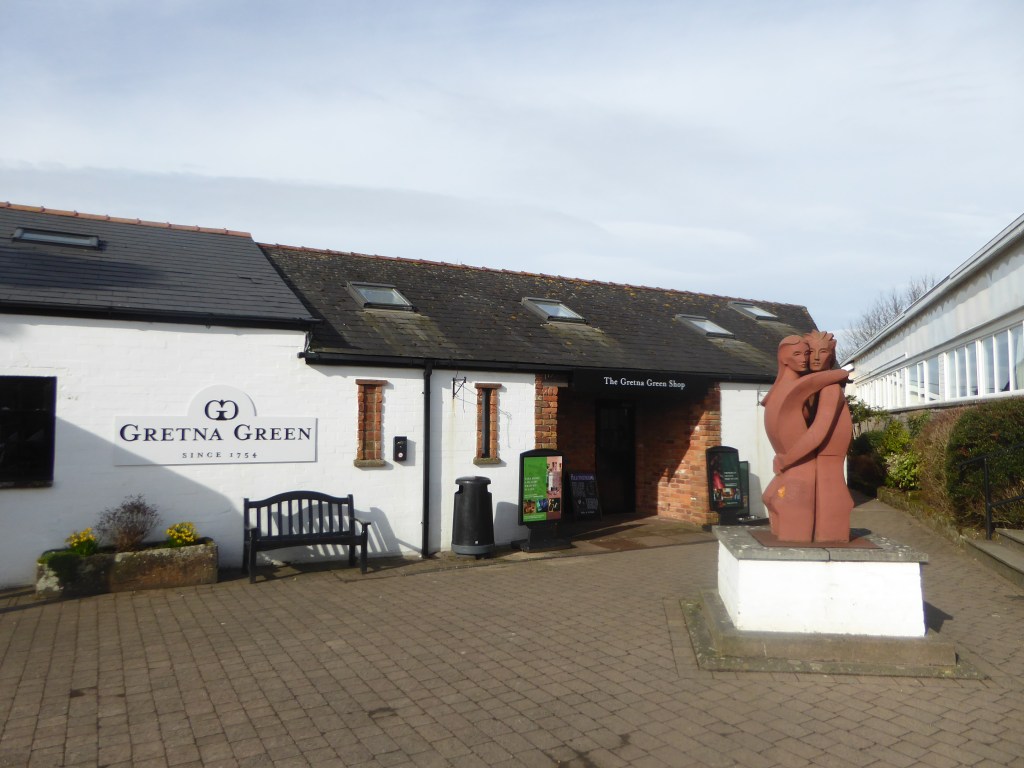
On the way back from the Euro adventure, we decided to break up the four hour drive, and decided not to stop at the great Tebay Farm Shop —one of the best farm shop restaurants around the UK, if not the world—but to push a bit further past Carlisle just over the Scottish border. We’d been to this area before but never to Gretna itself.
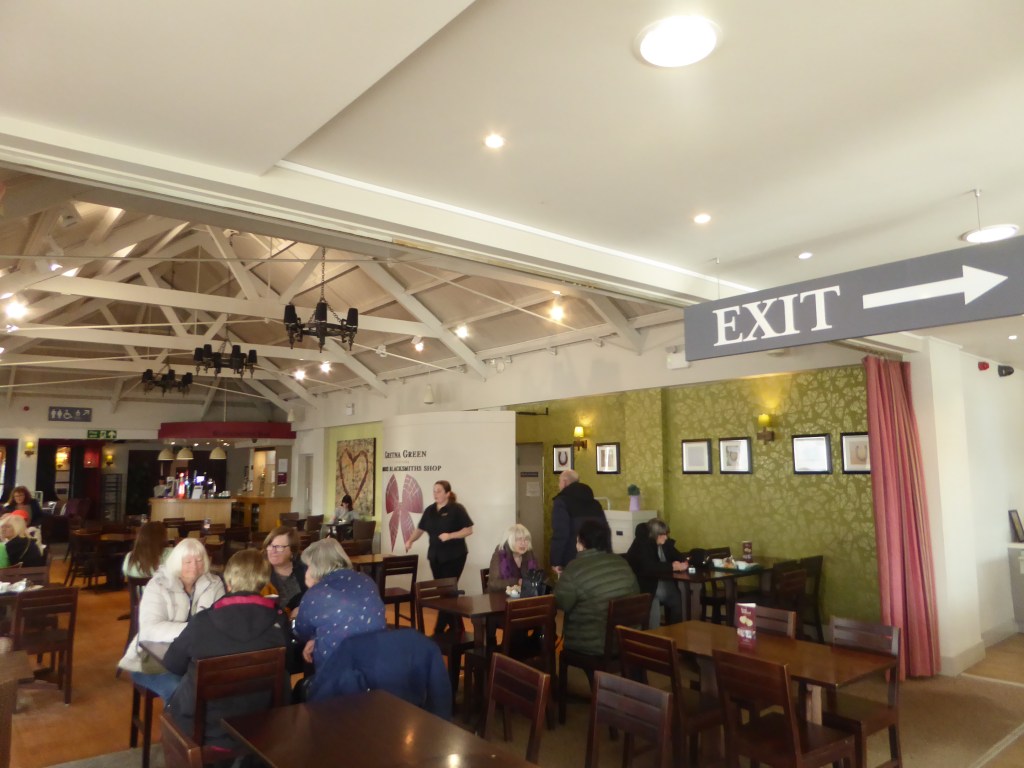
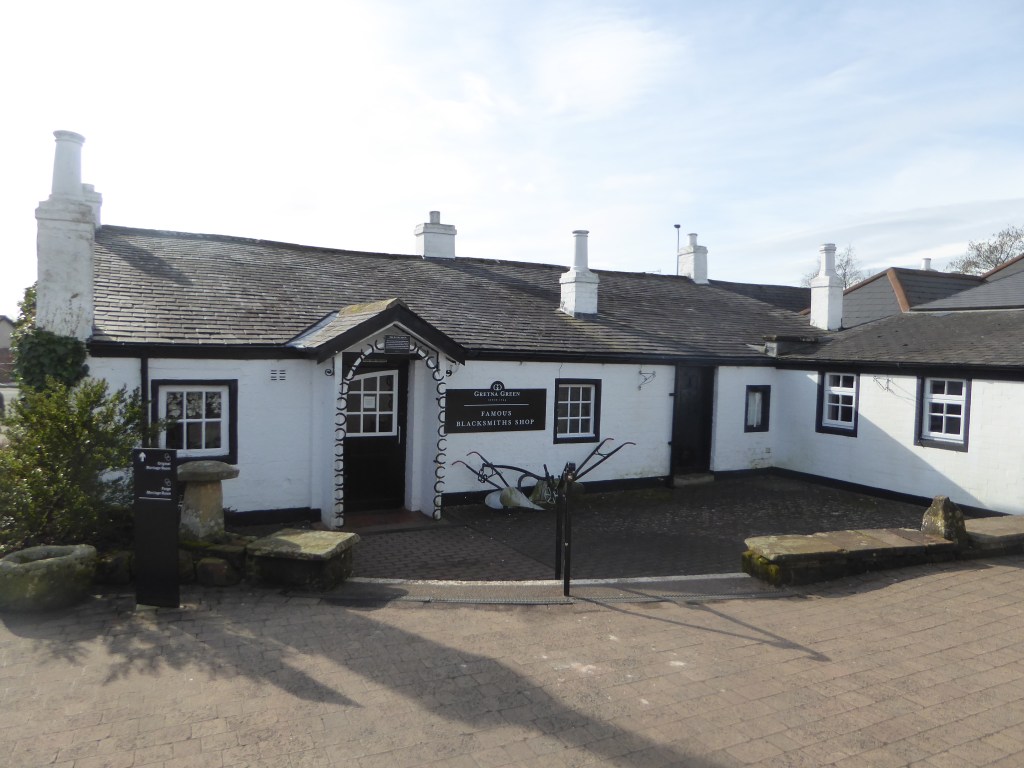
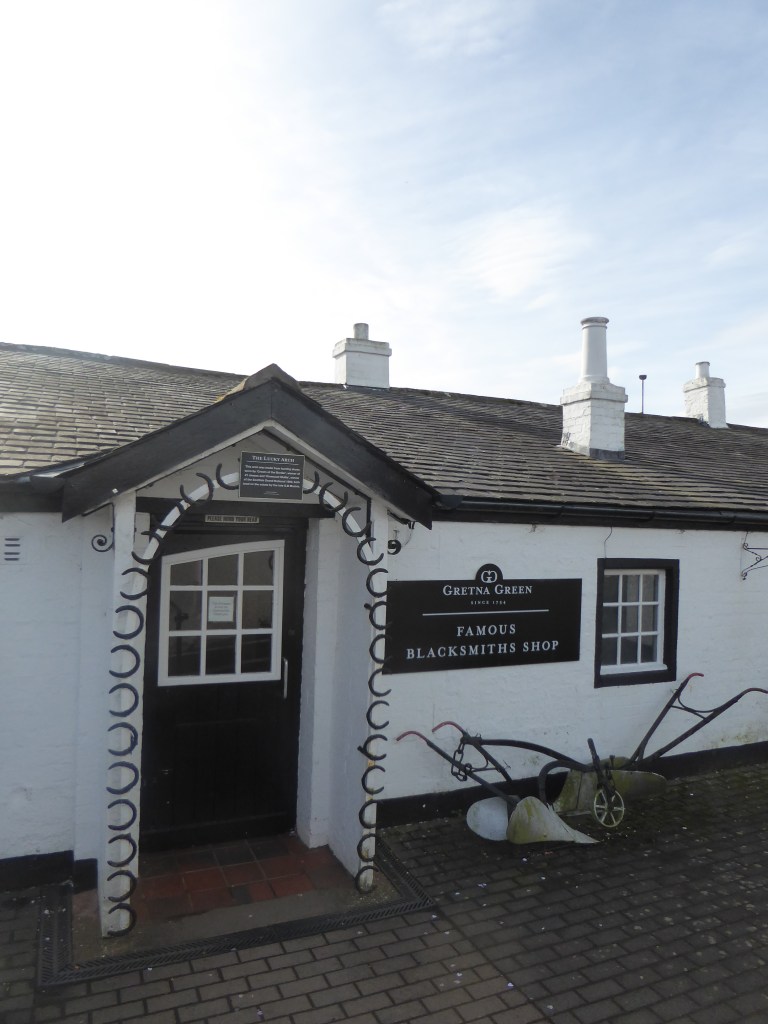
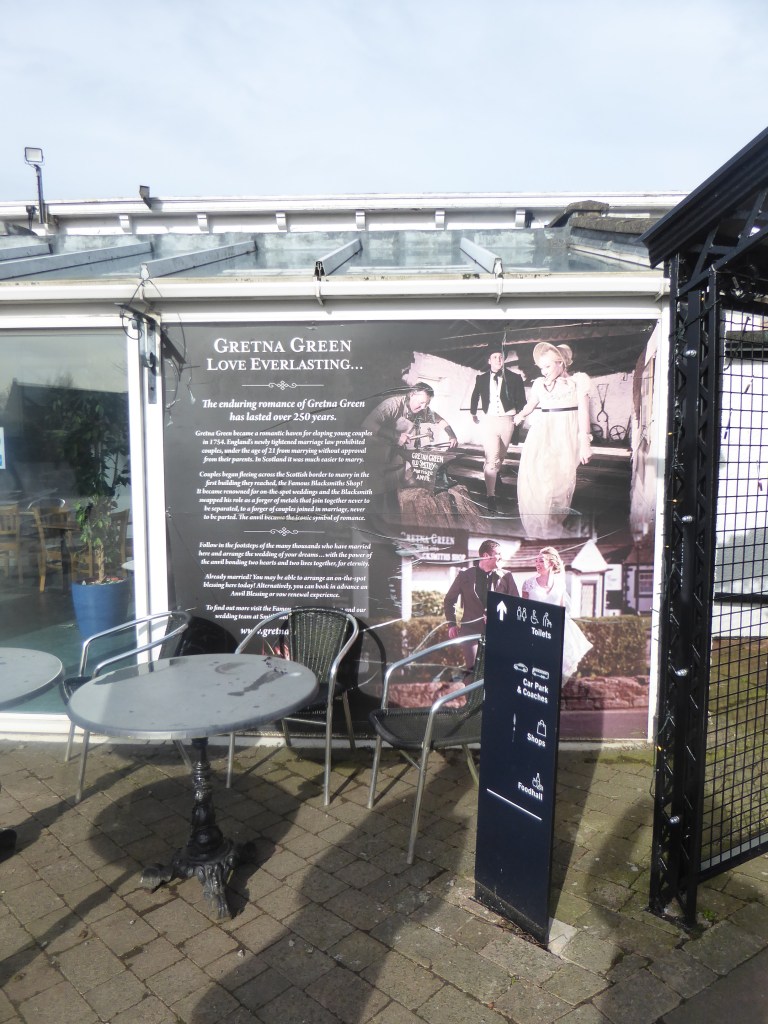
We spotted a sign promising a “Blacksmith Paradise” or something horrid like that and decided to check it out. Little did we know , that it’s still the famous spot where people—years ago, and even now—actually get married.
I’ve always heard of Gretna Green, especially when I lived in England—it was the first thing people mentioned. “Oh, you’ve got to stop at Gretna Green if you’re ever in Scotland,” they’d say. That was 30 odd years ago. Things have changed a lot since then, but it’s still a wonderful wee place— traditional and yet somehow modern.
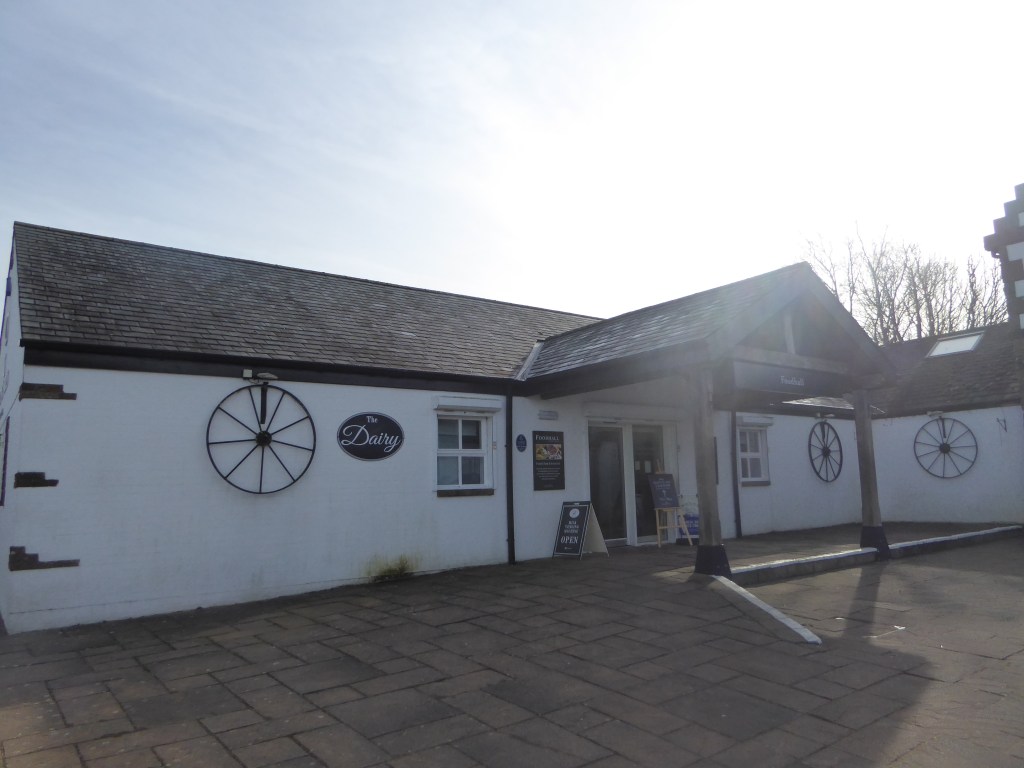
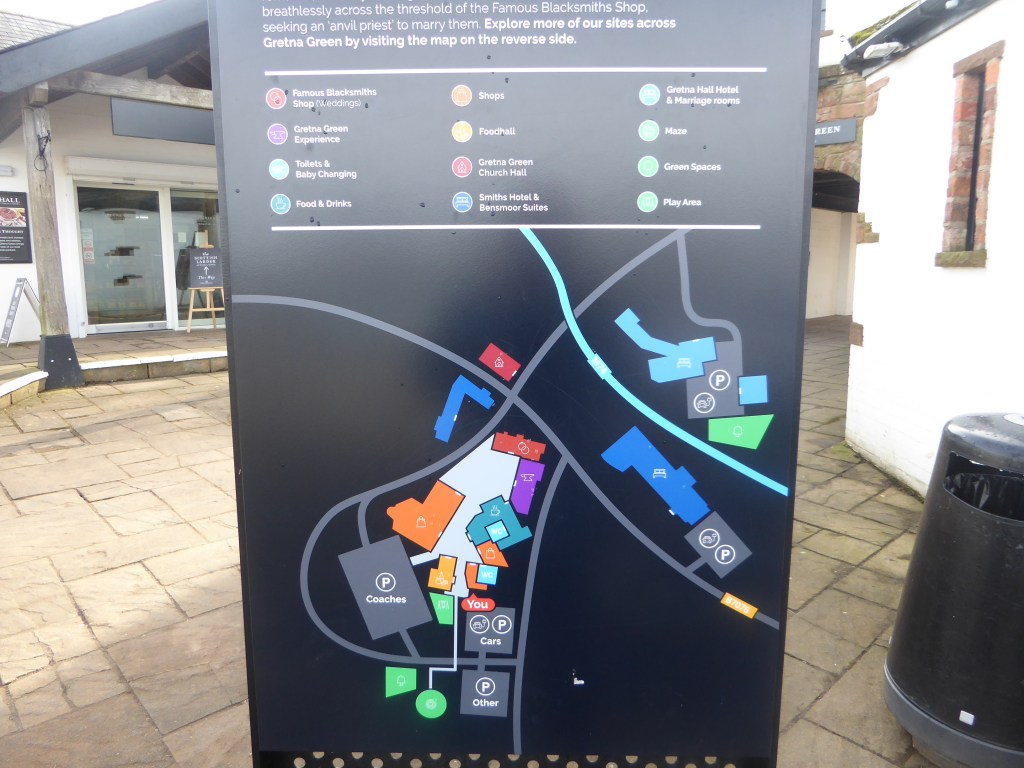
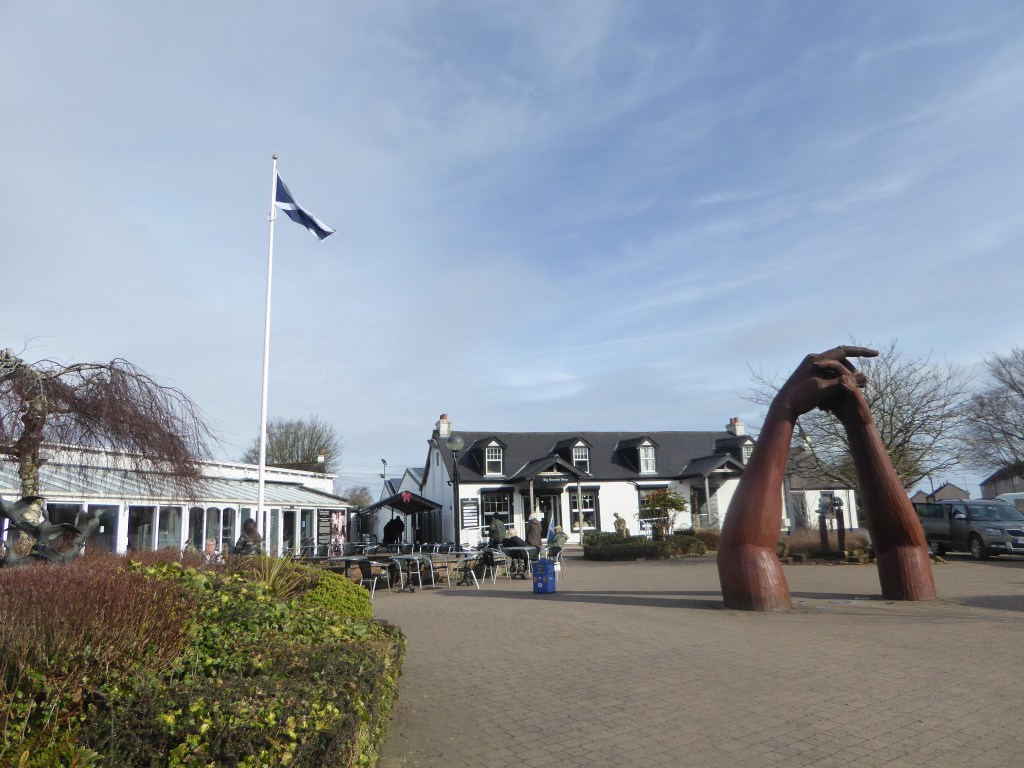
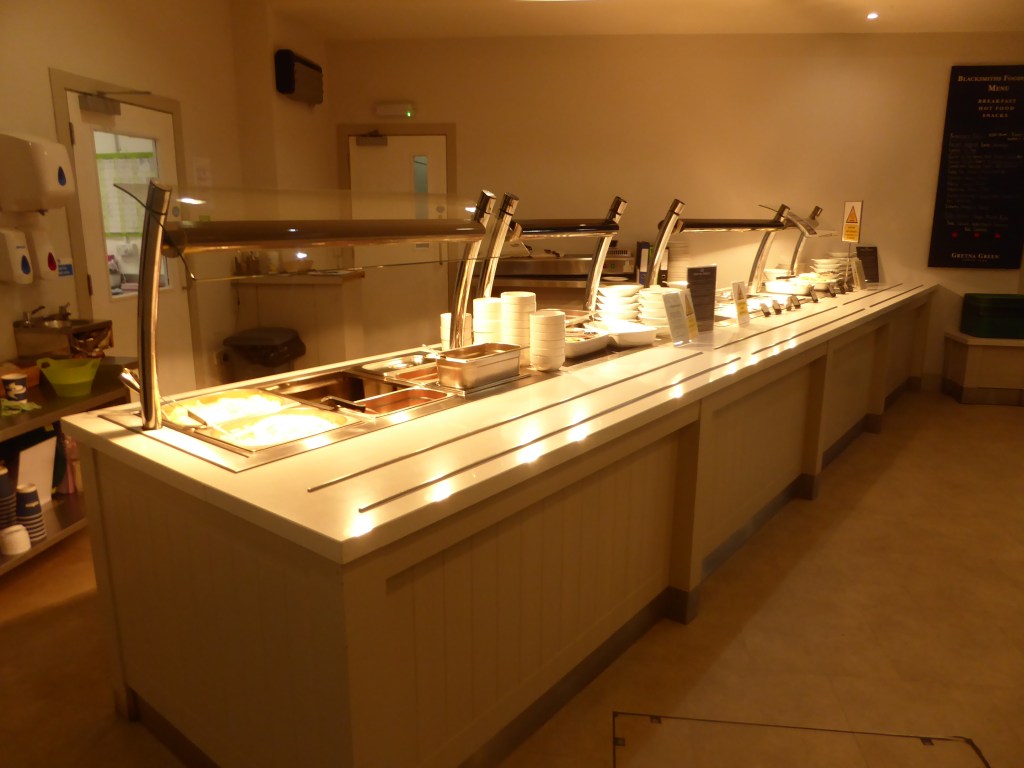
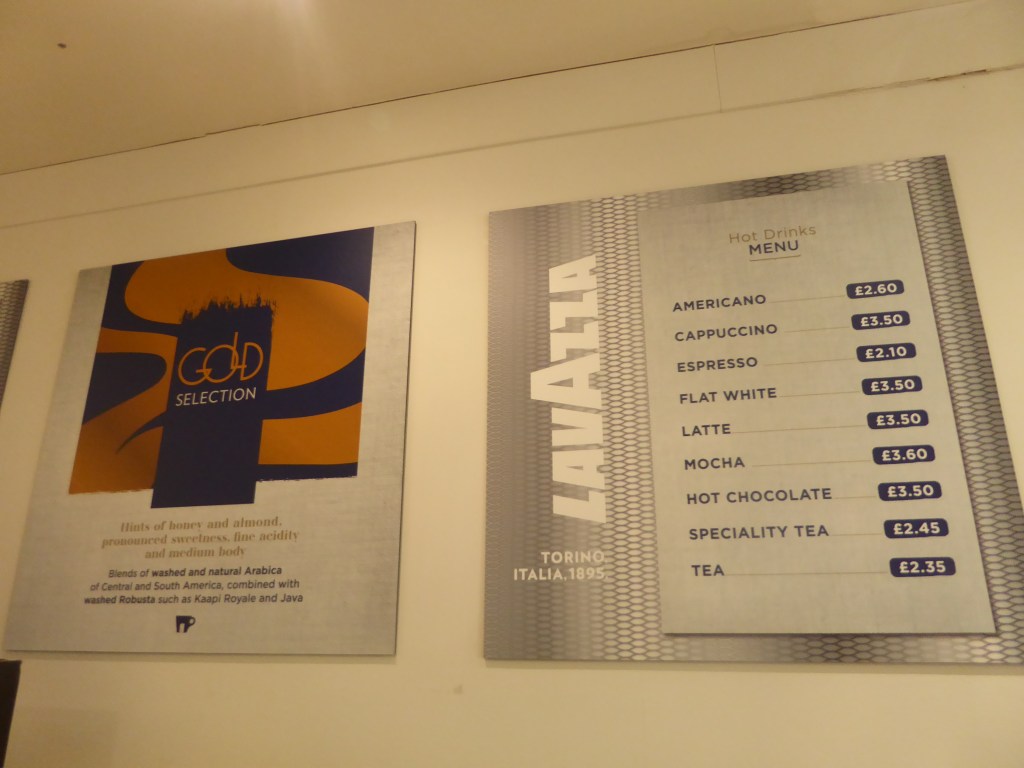
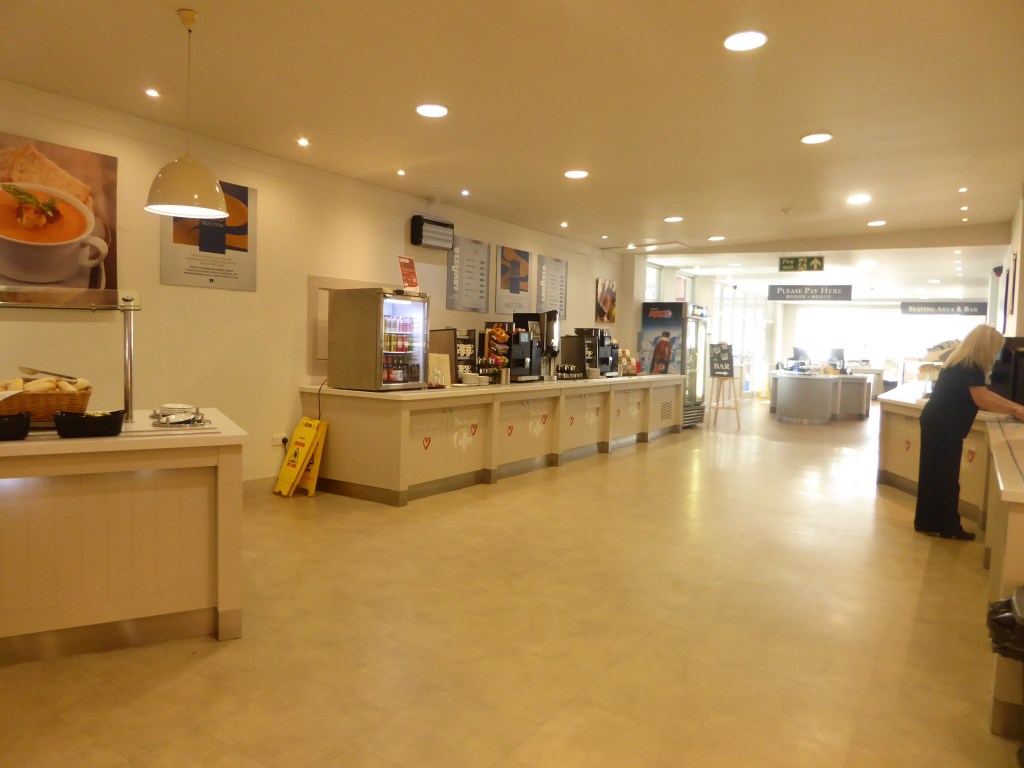
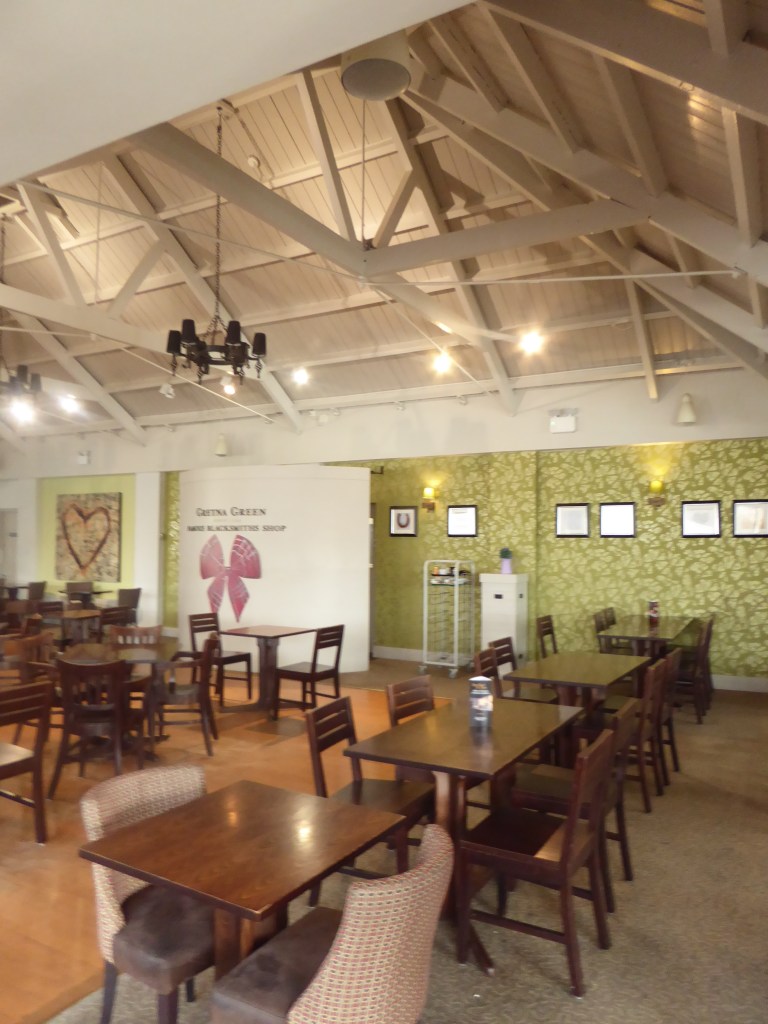
These days, they can host up to 20 weddings a day! It’s fascinating—you can be part of something that feels both timeless and contemporary. But it’s not just a wedding spot anymore. It’s almost a fun park now, with more to offer – cafe’s, blacksmith experience, weddings, park walks, and a well stocked out farm shop.
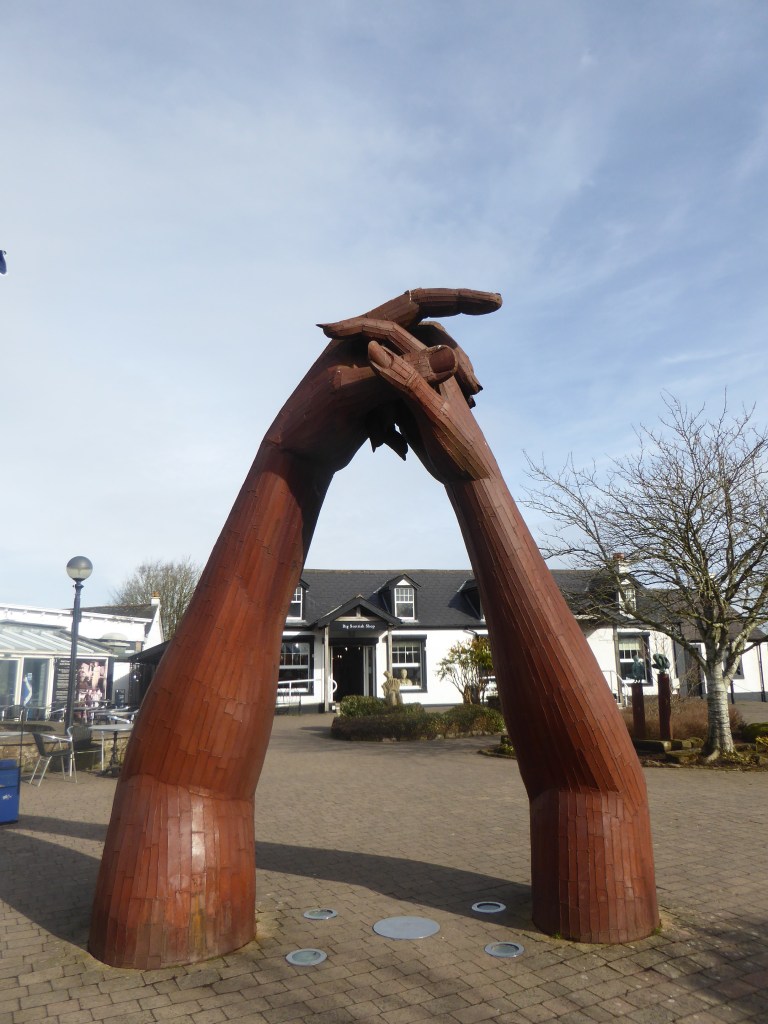
Sculpture / Milk Machine!
To top it off, as we left the store, there was an interesting milk machine, that is not doubt a big help for the local diary farmers. The price was reasonable, and you get farm fresh milk.
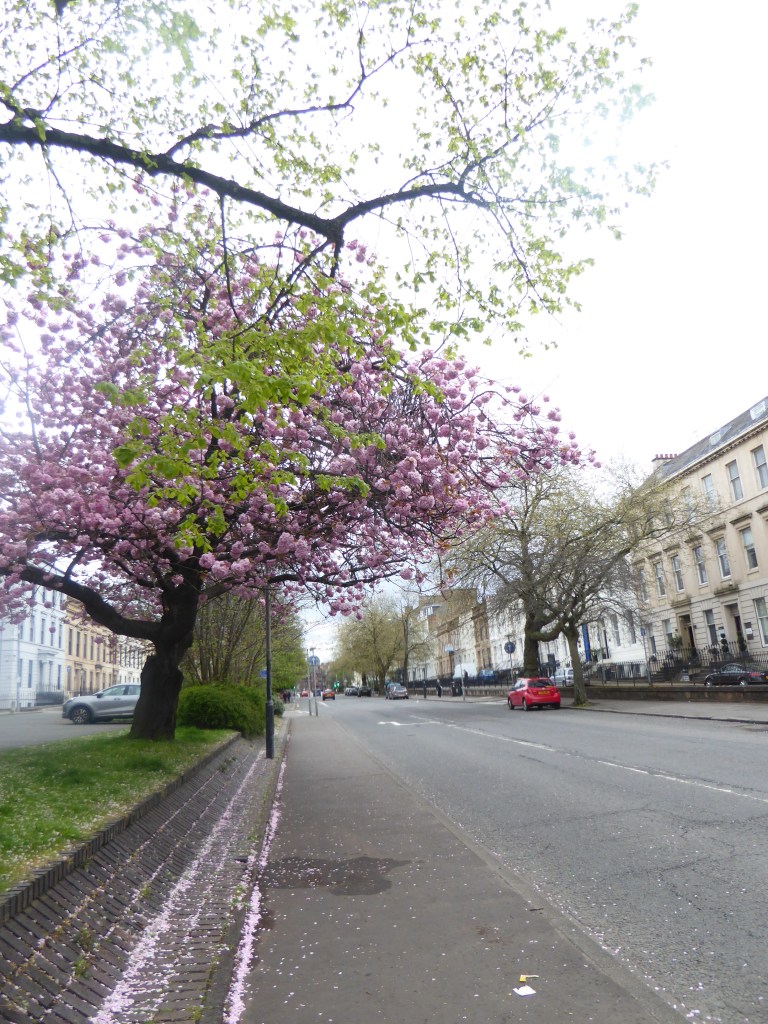
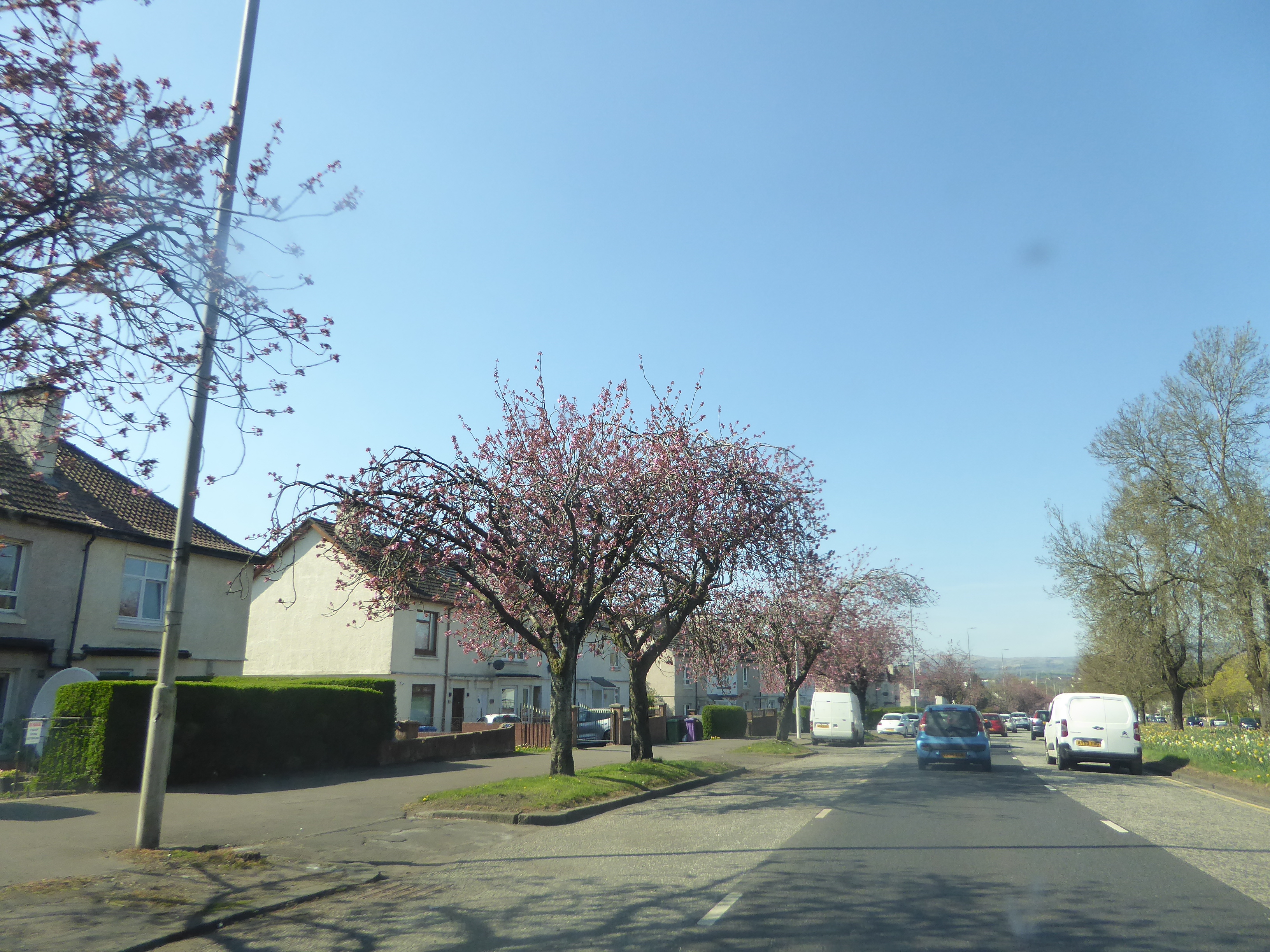
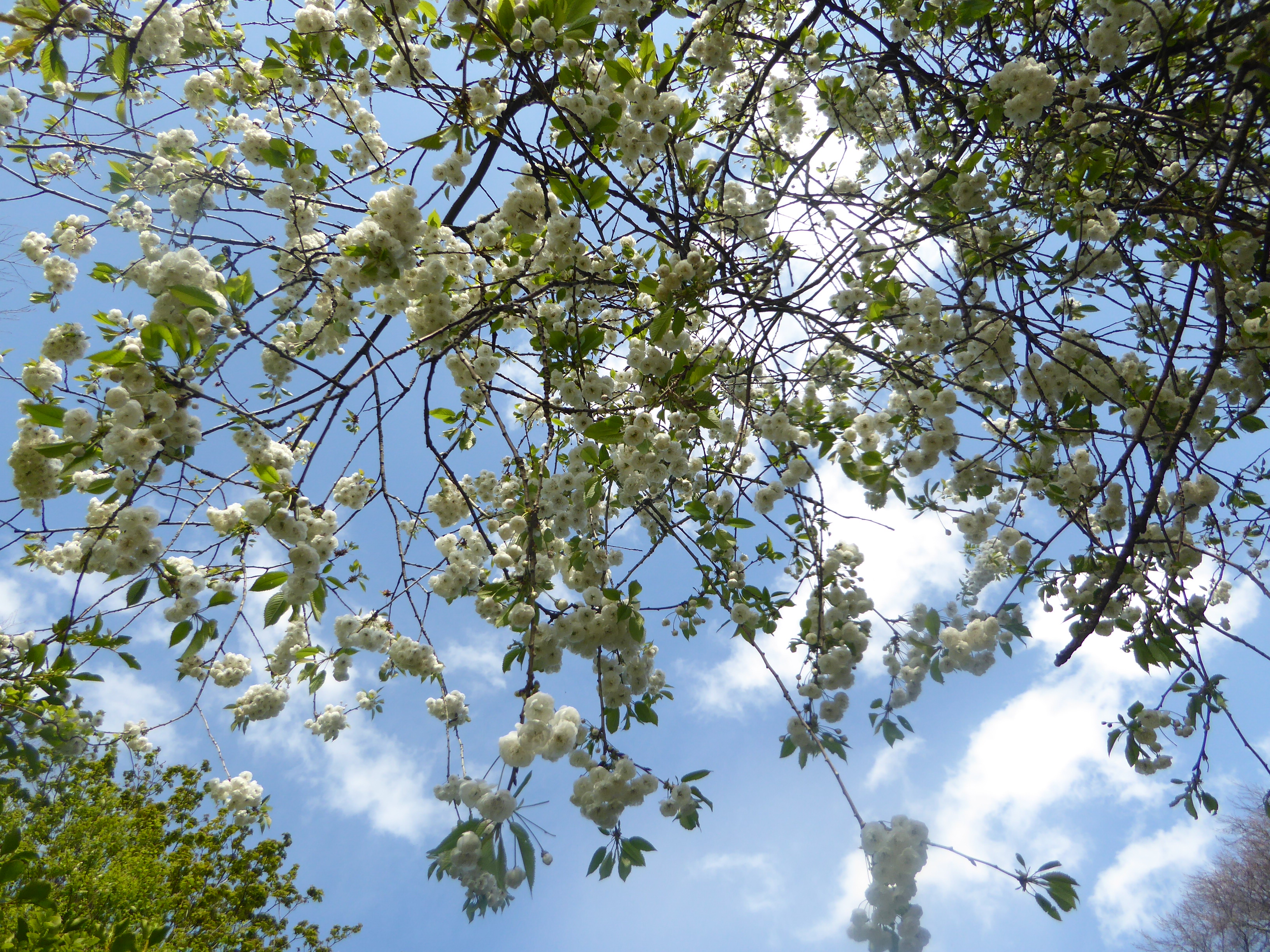
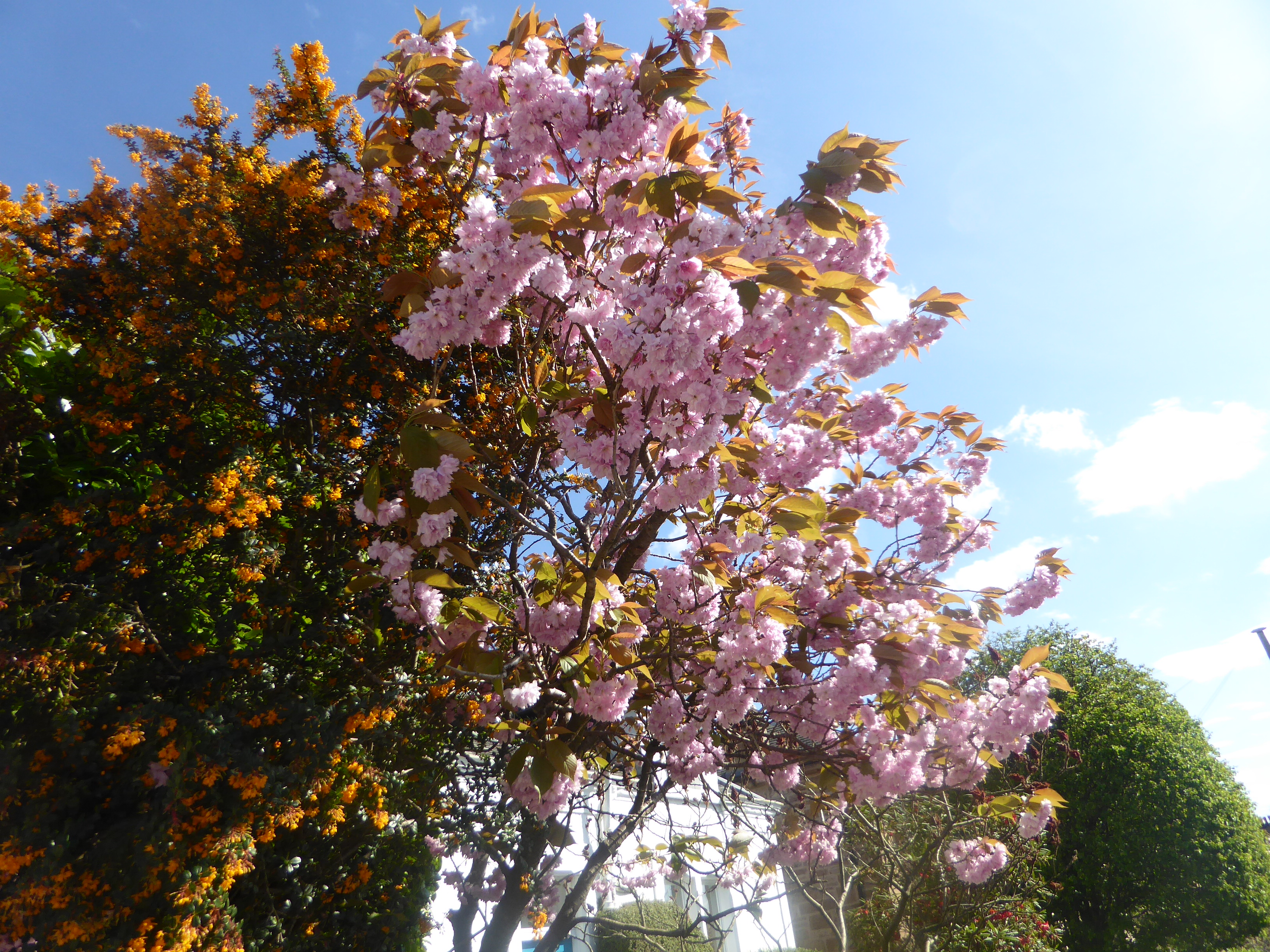
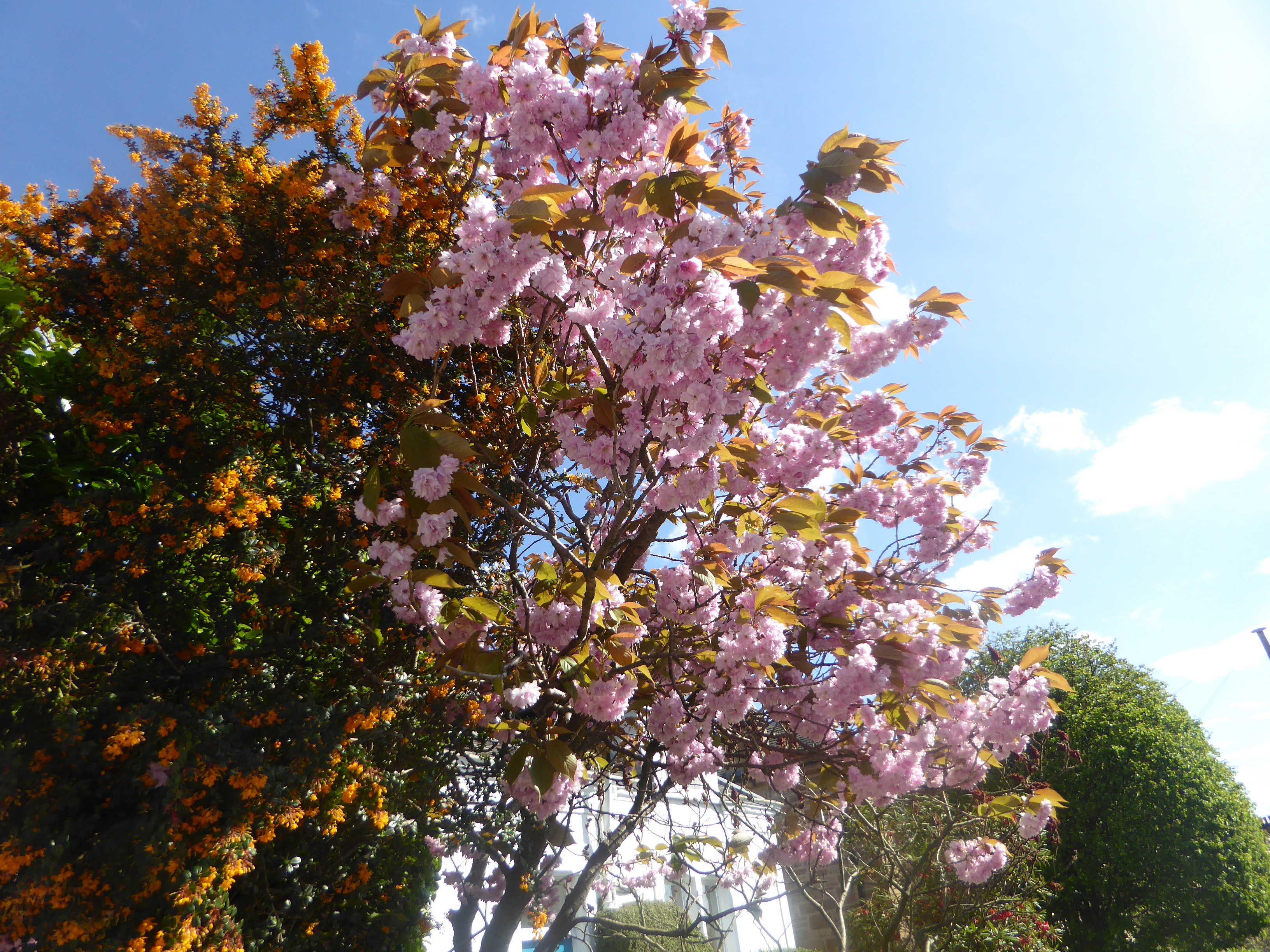
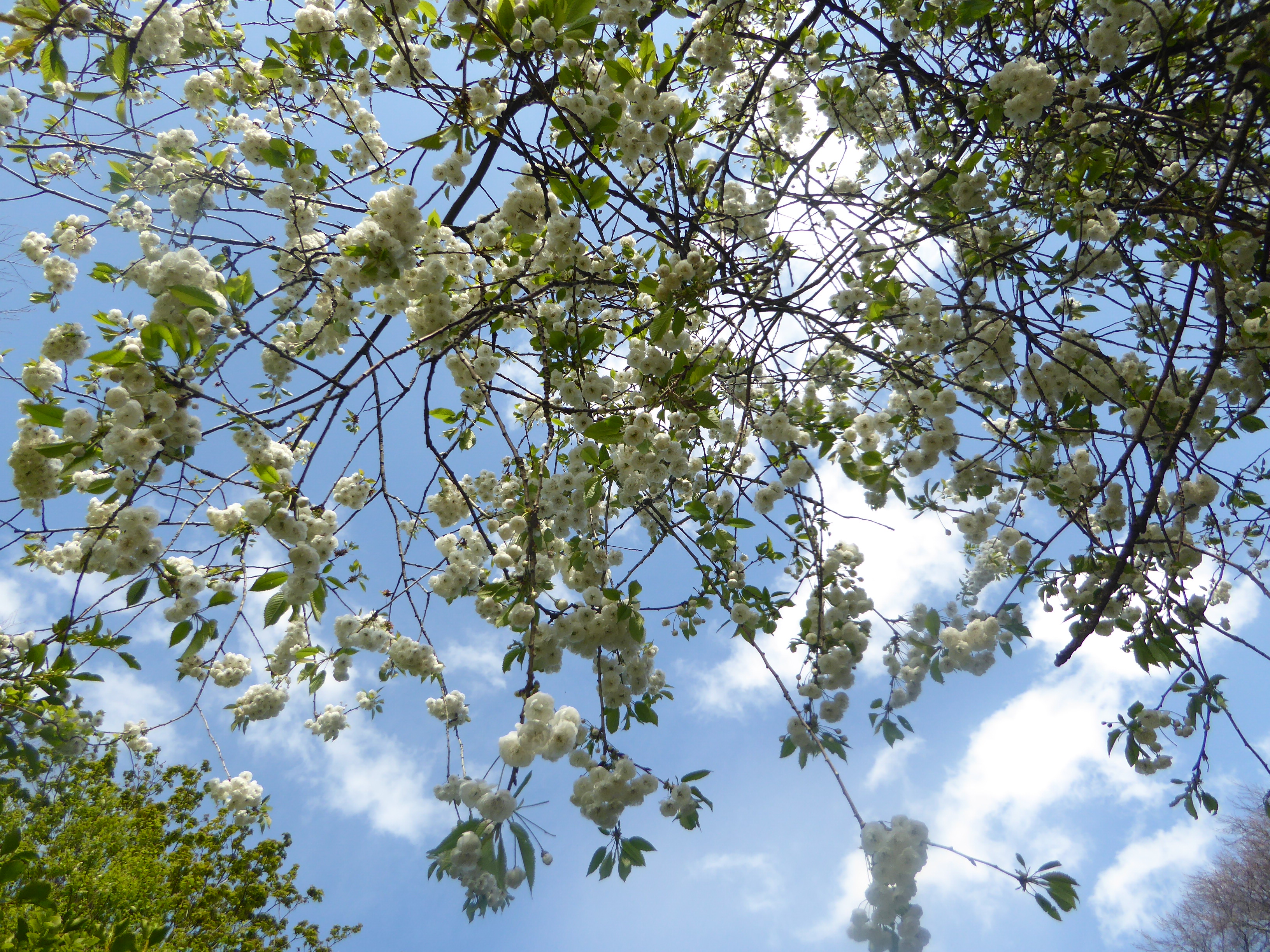
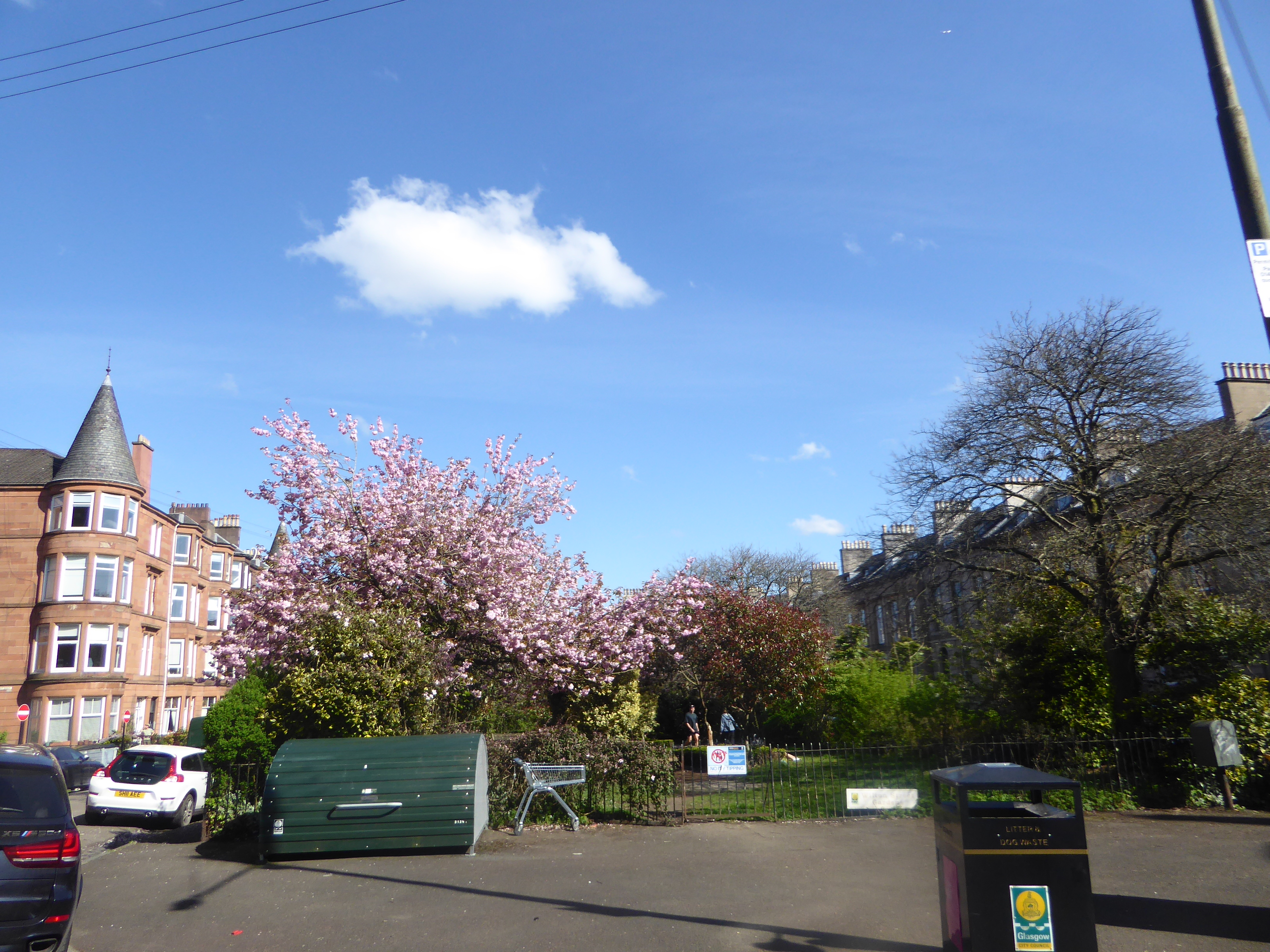
Interesting, all of a sudden I see nothing but cherry trees here in Glasgow in the west of Scotland. I know they’ve always been here, but I’ve always wondered why, and I’ve always wondered are they the cherry trees as in Japanese Cherry trees? Well apparently after doing a wee bit of research, many are. And from past recollections I know that they don’t bloom long, several weeks at the most.
Equally the past several weeks it hasn’t rained, and being quite bright, I took some shots and I decided to actually look into this; like who brought them here, how long have they been here, and just what exactly they are.
Along western Sauchiehall Street (below) –
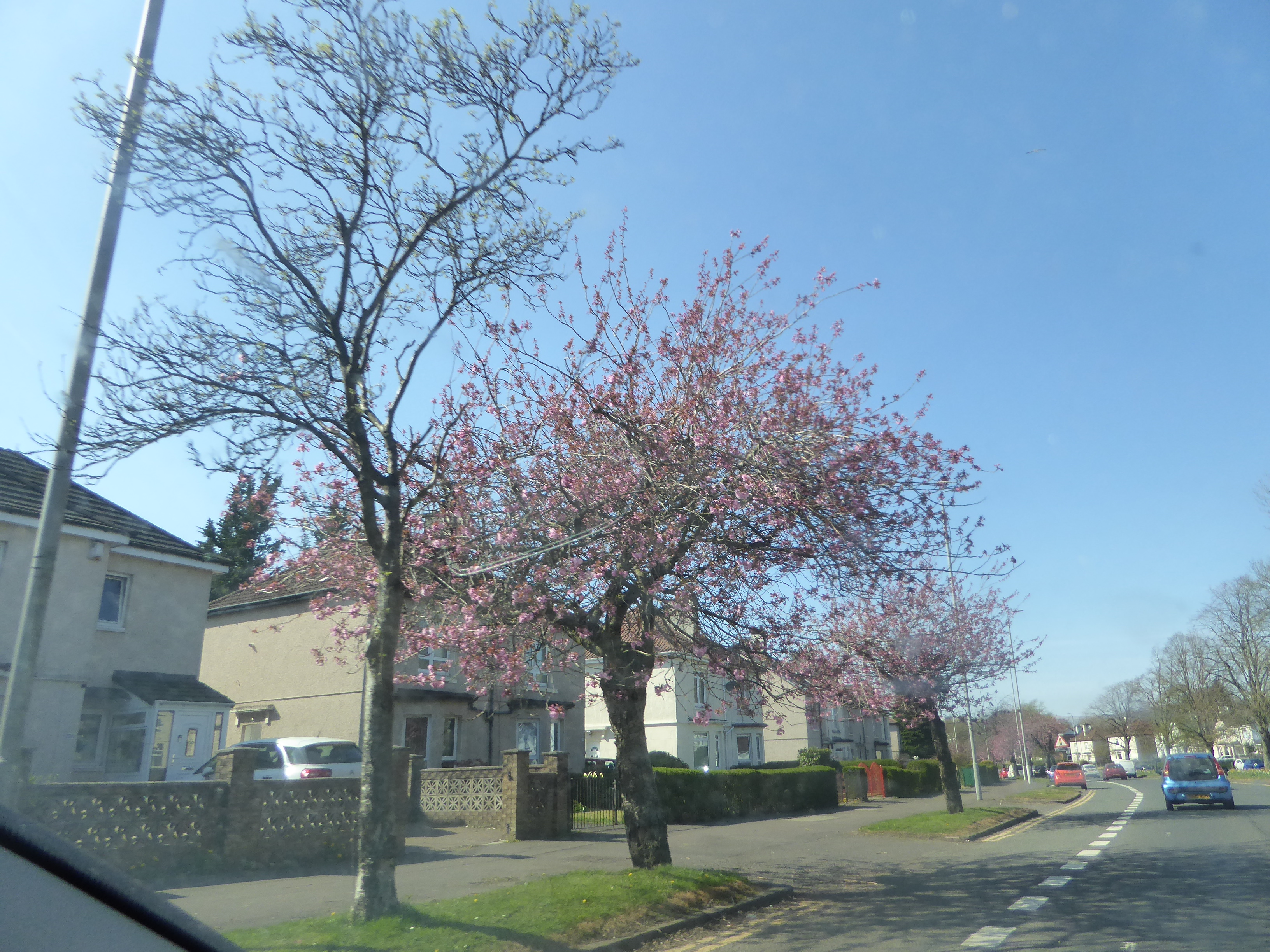
A Glimpse into History Glasgow’s cherry trees trace back to the Victorian era, when Japanese culture captivated Britain after Japan opened to the West in the 1850s. Glasgow’s wealthy embraced ornamental cherries as symbols of beauty and status. Parks like Glasgow Green (expanded in the 19th century) and Kelvingrove Park (opened 1852) showcased these trees to reflect a certain civic pride. Many current trees were planted in the 20th century, particularly post-WWII, during urban renewal efforts in areas like Great Western Road, that goes through the housing schemes there, on the way out of the city.
Great Western Road (below) –
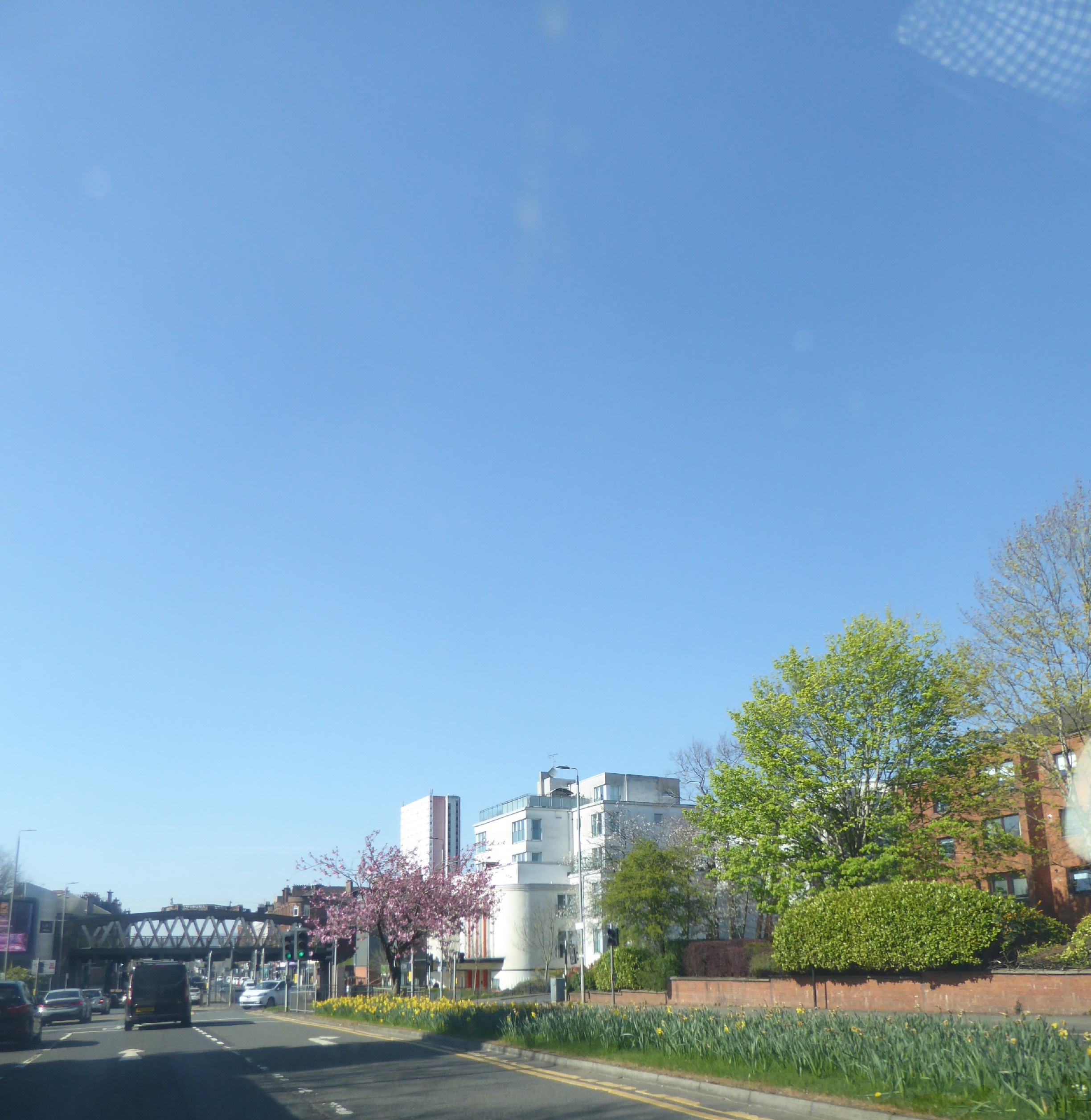
Species and Japanese Roots Glasgow’s trees, mostly from the Prunus genus, mirror Japan’s sakura. Common species include Prunus serrulata (with showy ‘Kanzan’ or ‘Shirofugen’ cultivars), Prunus x yedoensis (Yoshino cherry), and occasionally Prunus avium or Prunus subhirtella. These are botanically similar to Japan’s cherries, sporting pink or white single or double blooms. However, Glasgow’s cooler, wetter climate means later blooms (April vs. March) and smaller, scattered areas where the trees actually are.
Botanical Gardens (below) –
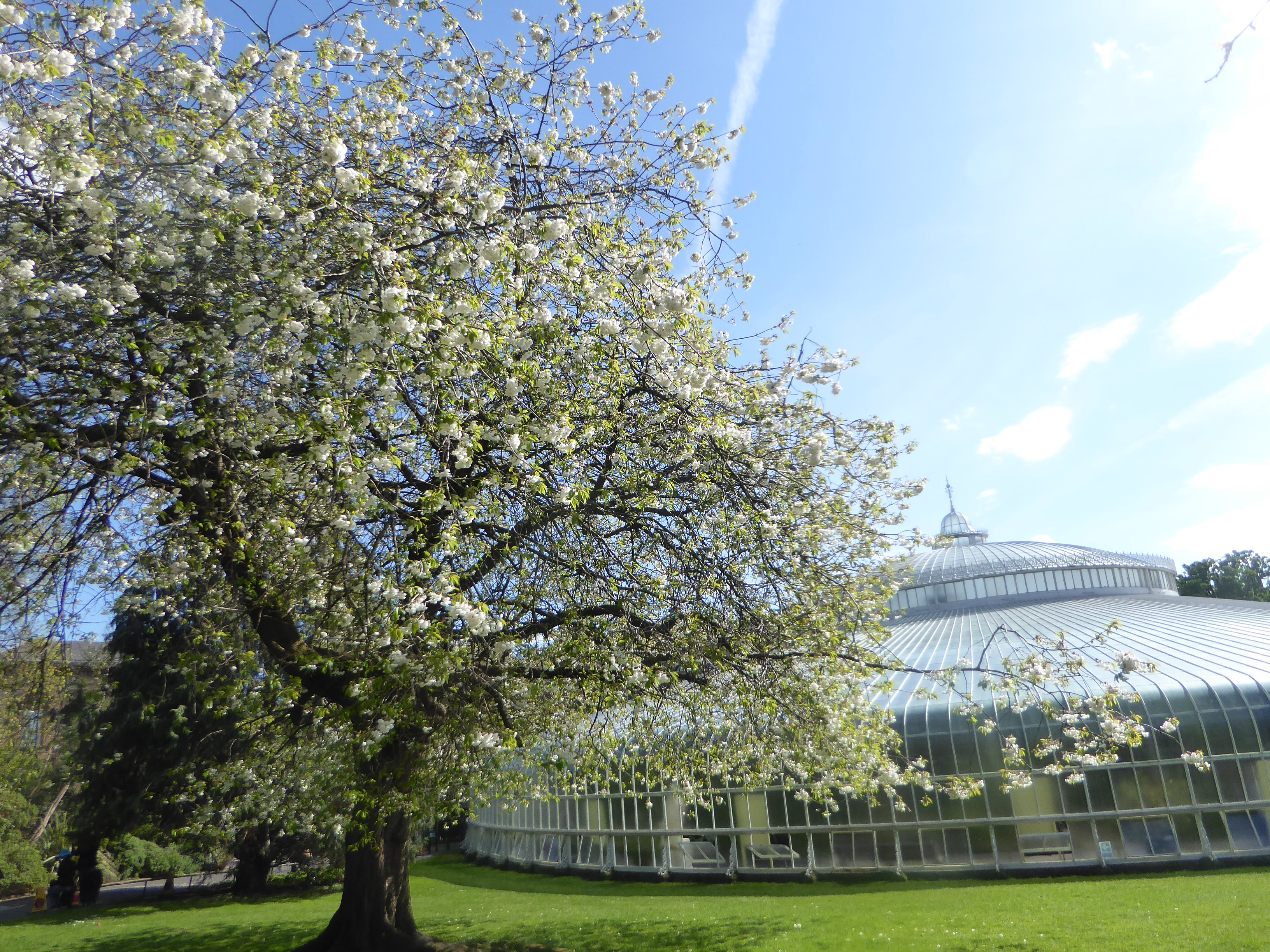
Are the Cherries Edible? Don’t be tempted to eat them! Most of Glasgow’s cherry trees are ornamental, bred for their stunning flowers, not fruit. Varieties like Prunus serrulata may produce small, bitter cherries—or none at all—that aren’t palatable. While some trees, like Prunus avium (wild cherry), can yield edible but tart cherries, urban trees are rarely maintained for food and may be treated with pesticides. For safety and taste, stick to the cherries from the shops. These trees are a feast for the eyes, not the stomach, especially in places like Glasgow Green or Kelvingrove Park.
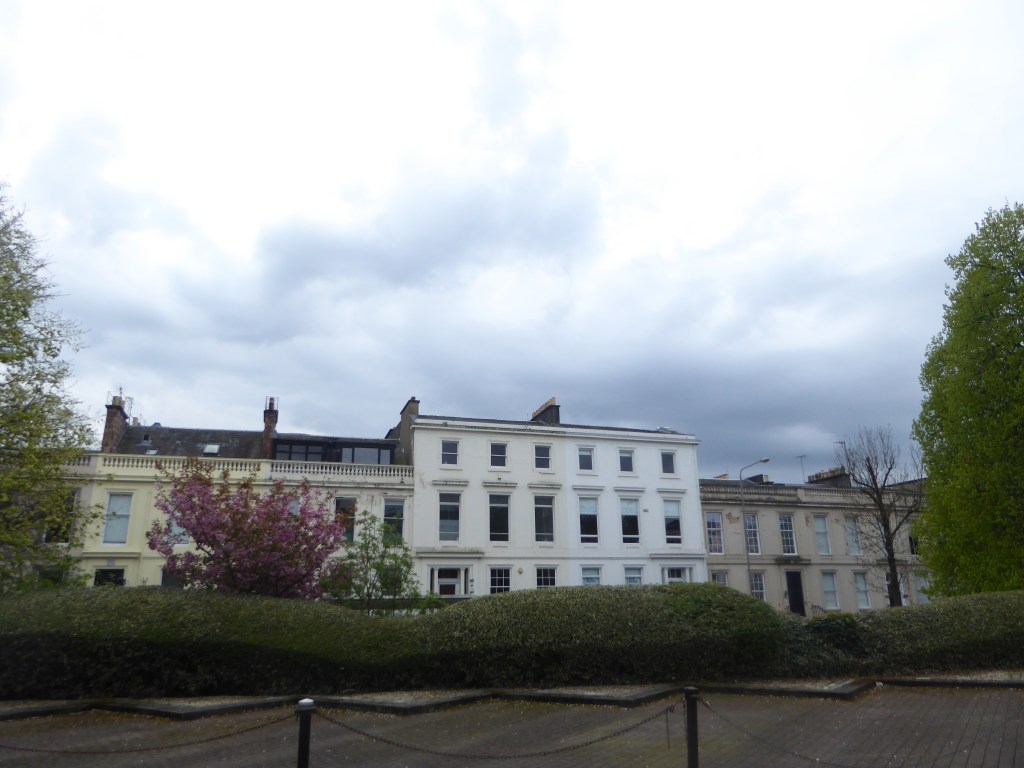
The West End (below) –
Make the Most of It The cherry blossoms won’t be around for much longer, so if you’re that way inclined, grab your mobile, take some photos and explore Glasgow’s streets now.
It’s funny—after doing around 20 Parkruns at different courses, I’ve noticed the same mix of fanatics and lunatics (myself included) who keep showing up. And honestly, I feel proud of my progress. My time has dropped from 42 minutes to about 34. Whoa! Maybe the Olympics next year?
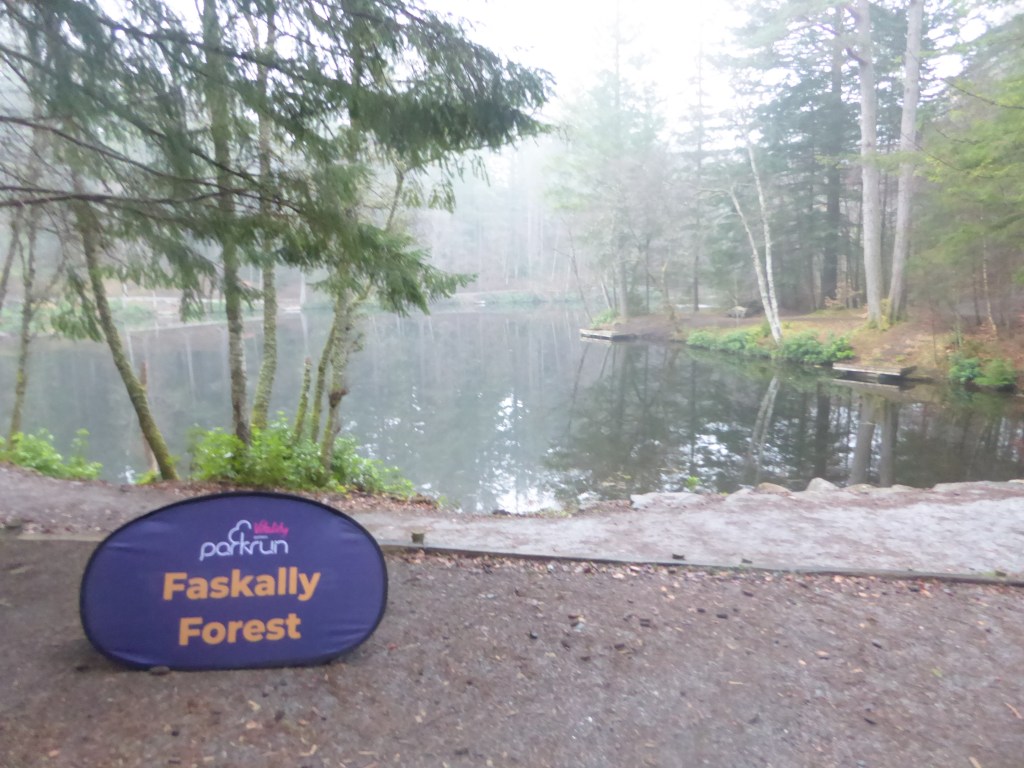
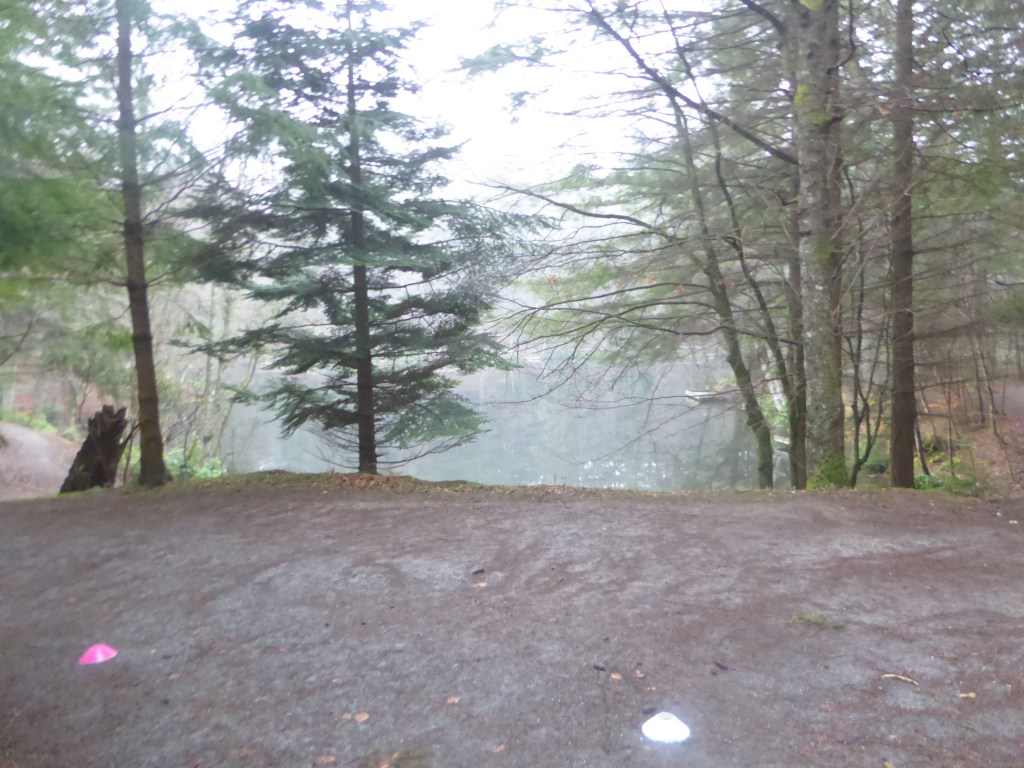
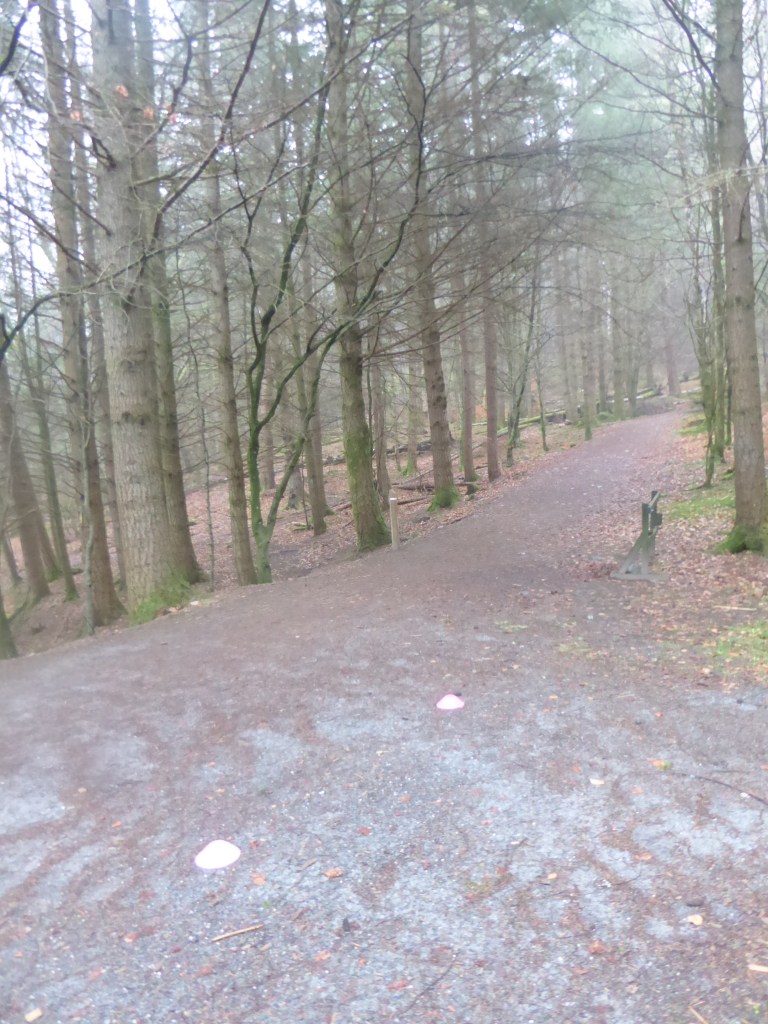
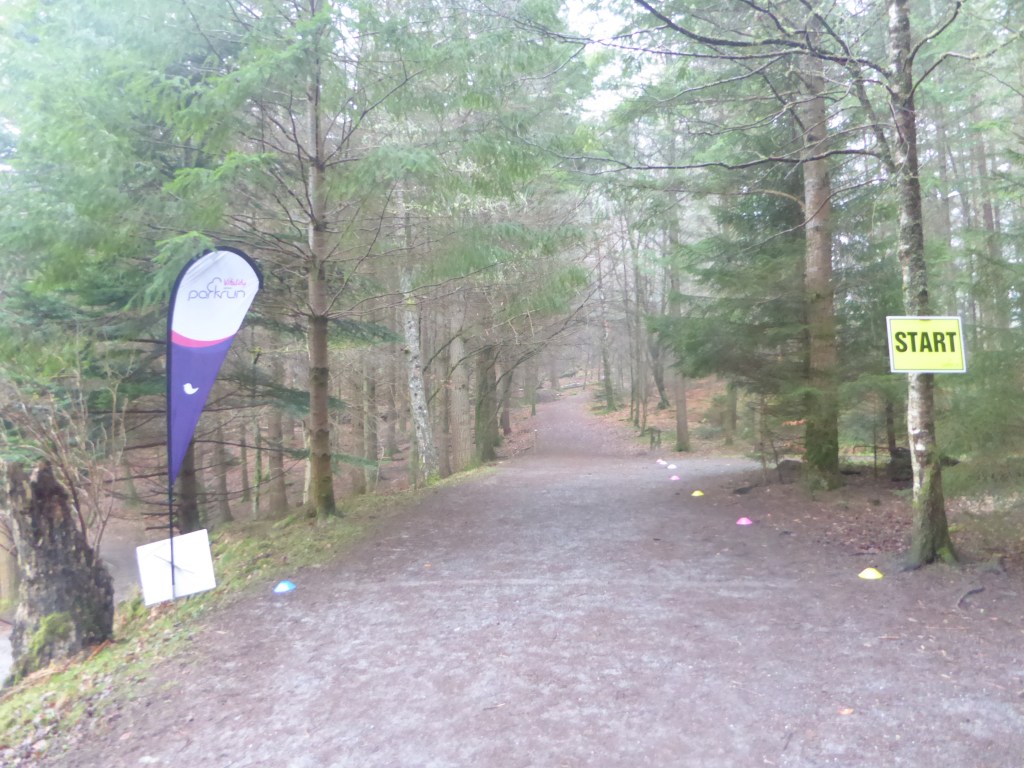
This time, I ran in Faskally Forest, in the Scottish Highlands, just north of Pitlochry. It’s always a great crowd. A couple of weeks ago, someone had a birthday, so naturally, they brought cake. The week before that, it was the 100th, 200th, or 400th run here; so—of course—more cake. Parkrun is very sociable like that, and it tends to get rid of my natural cynicism.
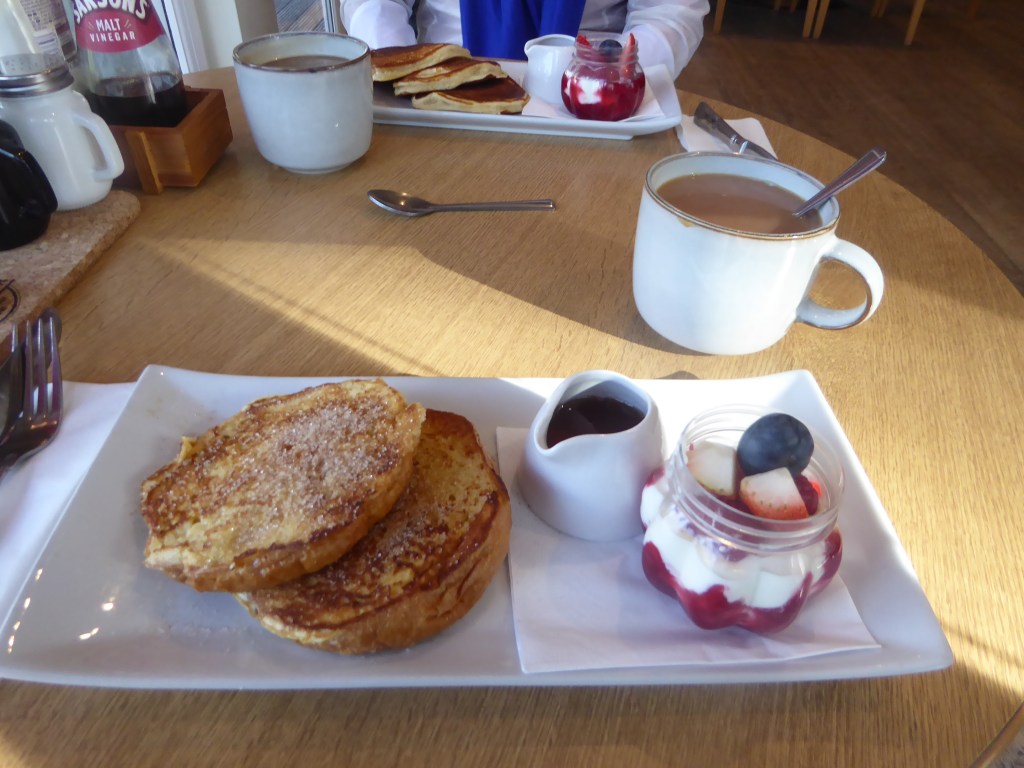
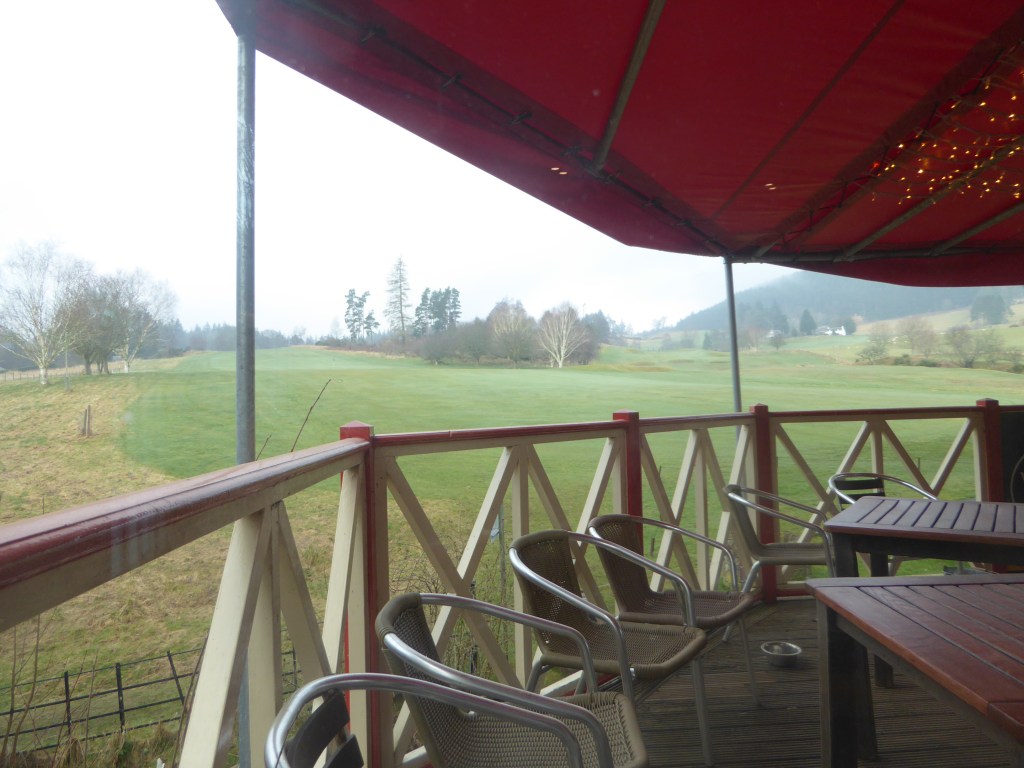
After the run, a group of us (anywhere from 10 to 30 people) headed to The Red Deer Restaurant at Pitlochry Golf Club. It’s always a good time—warm drinks, food, and conversation.
Living in a smaller community like here means you often have to create your own fun—whether it’s a Polish school, a repair café, or a weekly run like this. There’s always something happening, even midweek, which is great to see.
Parkrun itself is a relatively young idea—maybe 10 or 15 years old? The founder, Paul Sinton-Hewitt, was recently interviewed on the BBC. I can’t remember all the details, but he basically started that it is a casual, inclusive event where people could run or walk, with their dogs, kids, or friends. There’s even a designated tail walker to make sure no one finishes last alone.
A Small Community Creating Its Own Fun
Many people come not to set records but simply to challenge themselves and socialise. However, as with any grassroots movement, Parkrun is growing, and I’ve been getting more emails about its future in my inbox recently; whether advertising goods, or noting that they need both more volunteers and donations.
A shot of Pitlochry Golf Club
The Red Deer Restaurant, Pitlochry
The Big Question: Can It Stay Free Forever?
Even though parkrun has sponsors, each event still relies on 10 to 15 volunteers every week. Recently, the Glasgow event struggled to get enough helpers, which made me think—I should probably put my name down to volunteer soon.
But the bigger question is: how long can parkrun stay free? At some point, despite sponsorship, will they need to introduce a £5 or £10 yearly subscription? We’ll see what happens when that day comes.
For now, I’ll keep running—and, hopefully, keep eating cake afterward.
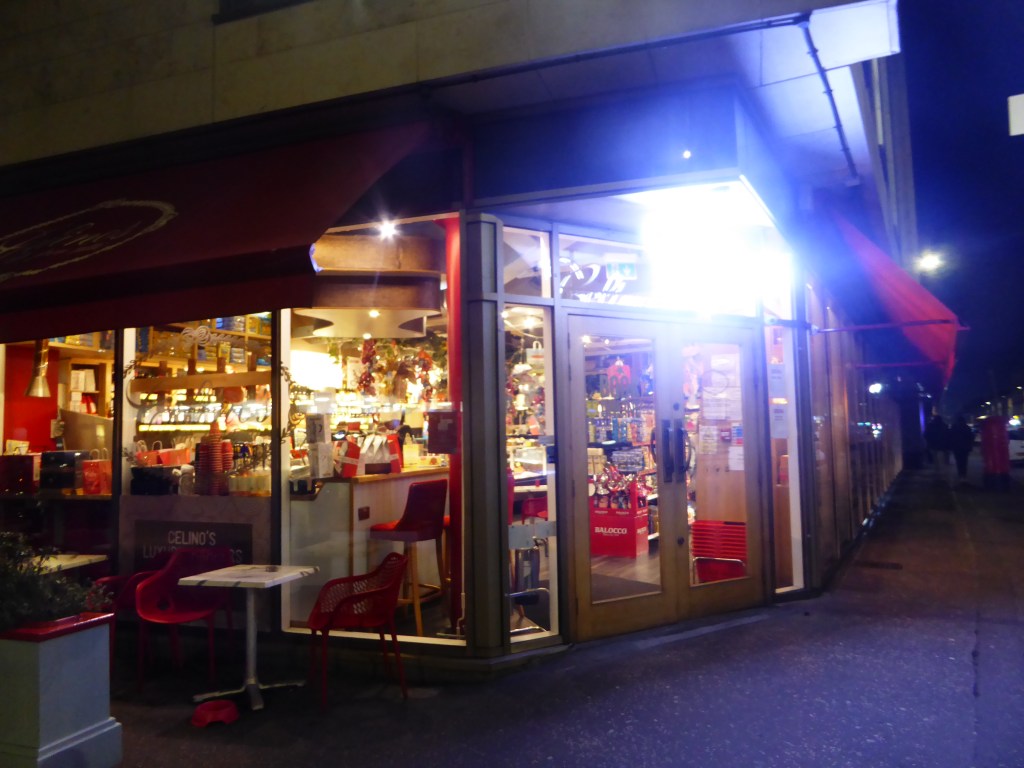
Celinos is one of those new Italian restaurants that manages to be both completely traditional and entirely modern at the same time. The space it occupies was once home to a Currys or Dixons for years, before being demolished and replaced with yet another block of student accommodation —something that seems to happen often in Glasgow. This one, however, is in the heart of the West End, costing at least 190 quid a week!
Every time I visit, it’s superb—nothing artificial, just pure “modern” authenticity, whatever “authentic” means these days. I don’t go often, maybe once or twice a year, but when I do, I always wonder why I don’t go more? In the past ten days, I’ve been here twice—once for a meal and another time just for coffee. The second time though, it was simply too crowded. No surprise, really—we went on a Saturday morning, and the place was absolutely mobbed.
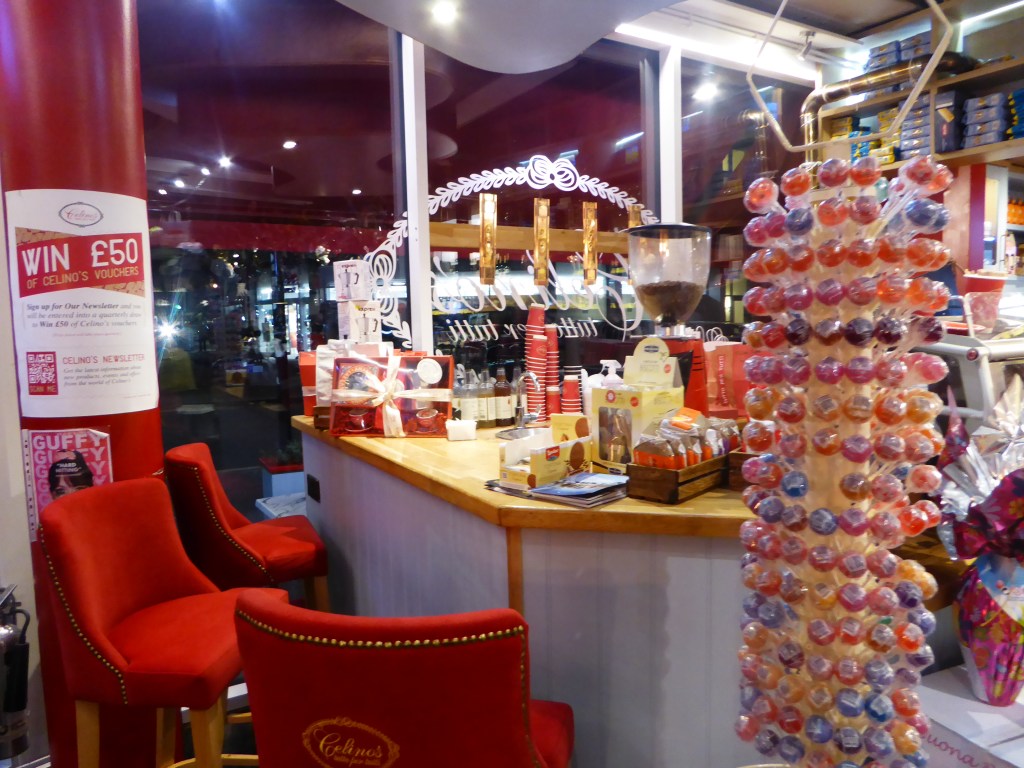
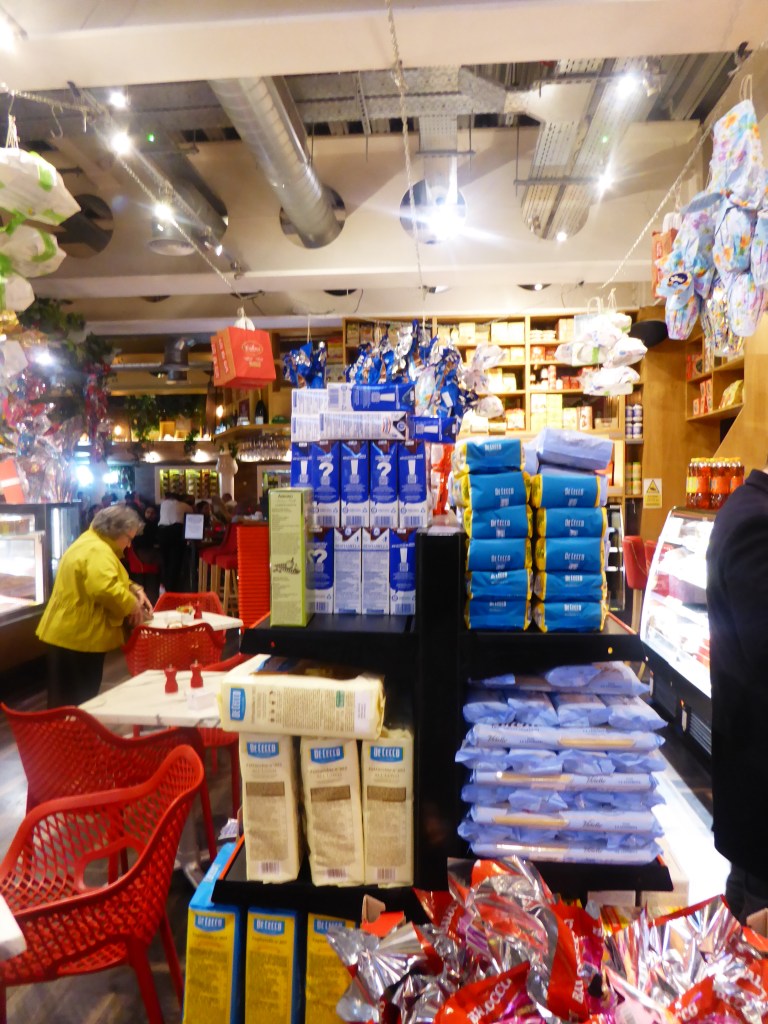
What stands out to me is the continuous improvement by the owners. Though it’s a new building, it still exudes that classic Italian restaurant charm—the kind with wine bottles lining the walls, a delicatessen counter, and the signature red candle holders on the tables, which I’ve always liked.
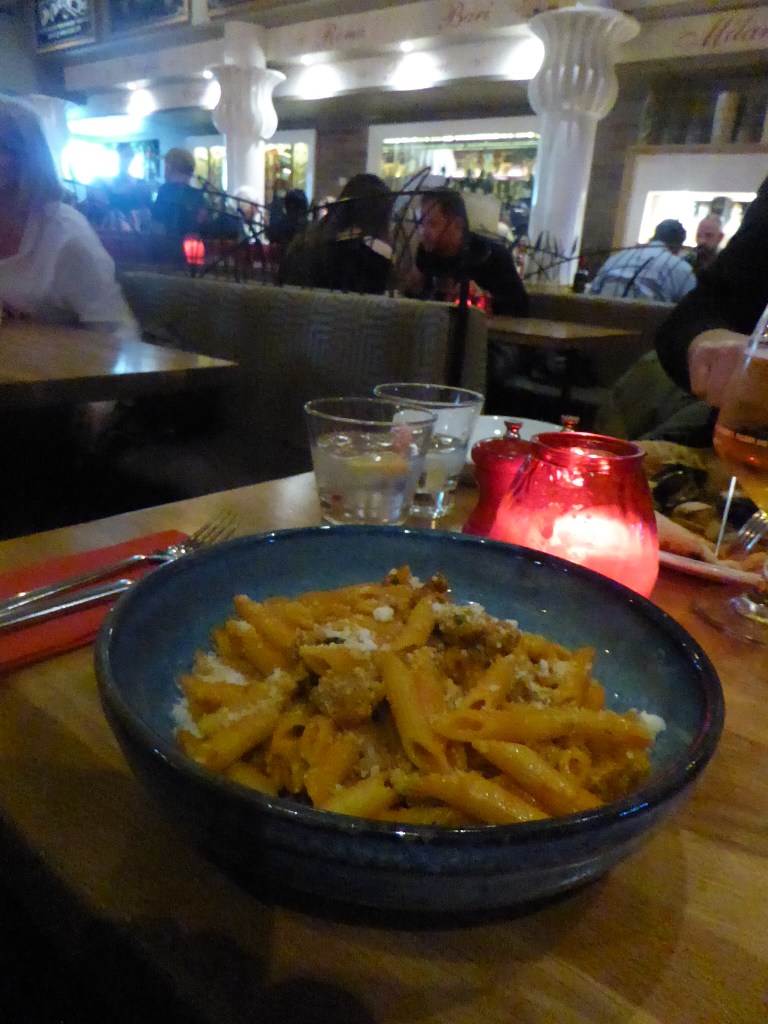
Red Candle Holders: Speaking about these things (above / below), I searched Grok on X for some information. These have always fascinated me, but even AI could not really pin this tradition down:
Info-wise, there’s no single definitive source tracing their exact origin, but they’re often linked to brands like Sterno or Victory, which sold red glass candles with long burn times (up to 45 hours) for restaurant use—practical for keeping tables lit all night. If you’re picturing the ones from 1980s Italian spots, a Reddit thread from 2024 mentions a similar candle, sans geometric design, hinting at a simpler, classic style that’s tough to pin down today.
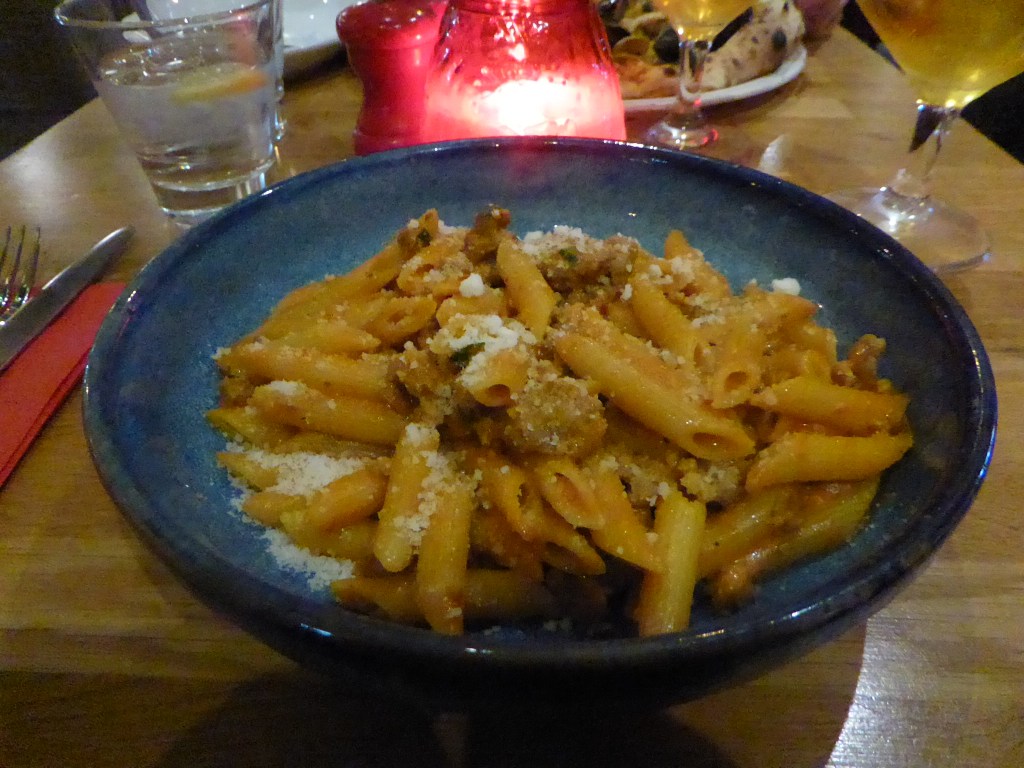
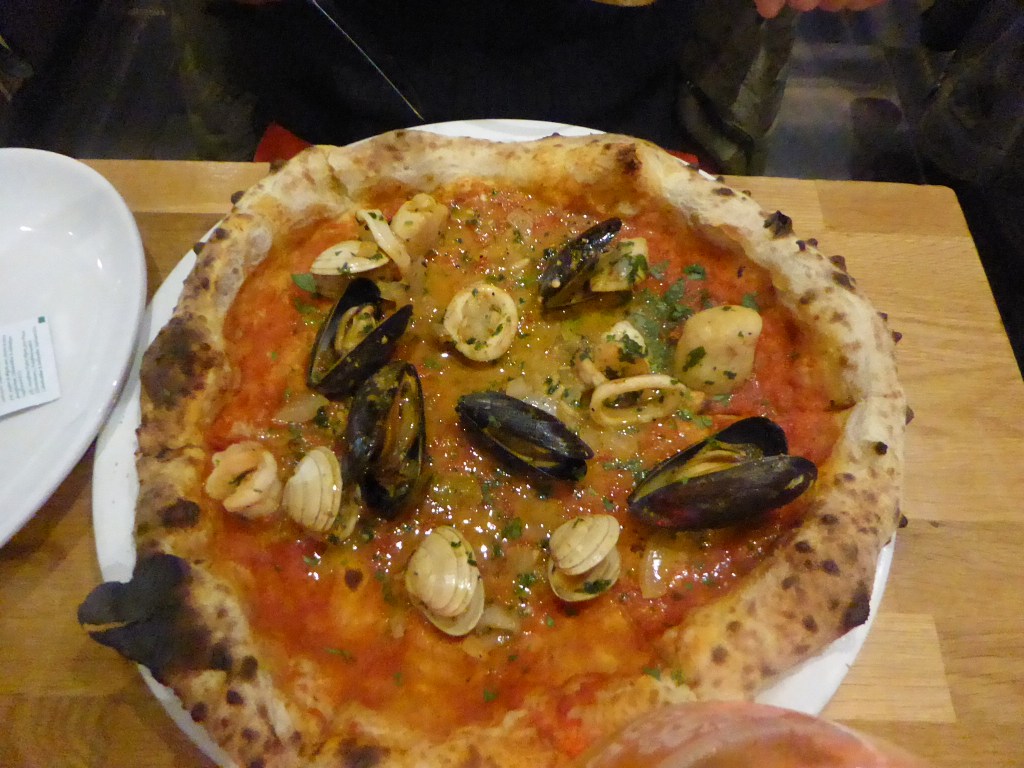
The service? Impeccable. The food? Excellent. I went for a pasta dish with spiced sausage—perfectly done. My partner-in-crime opted for a pizza topped with sausage, mushrooms, and mozzarella.
Despite the crowd, we had our own space. We weren’t in a booth but seated somewhere between the windows and the booths, and nothing felt rushed. There was no sense of being hurried along, as is often the case in many Glasgow restaurants.
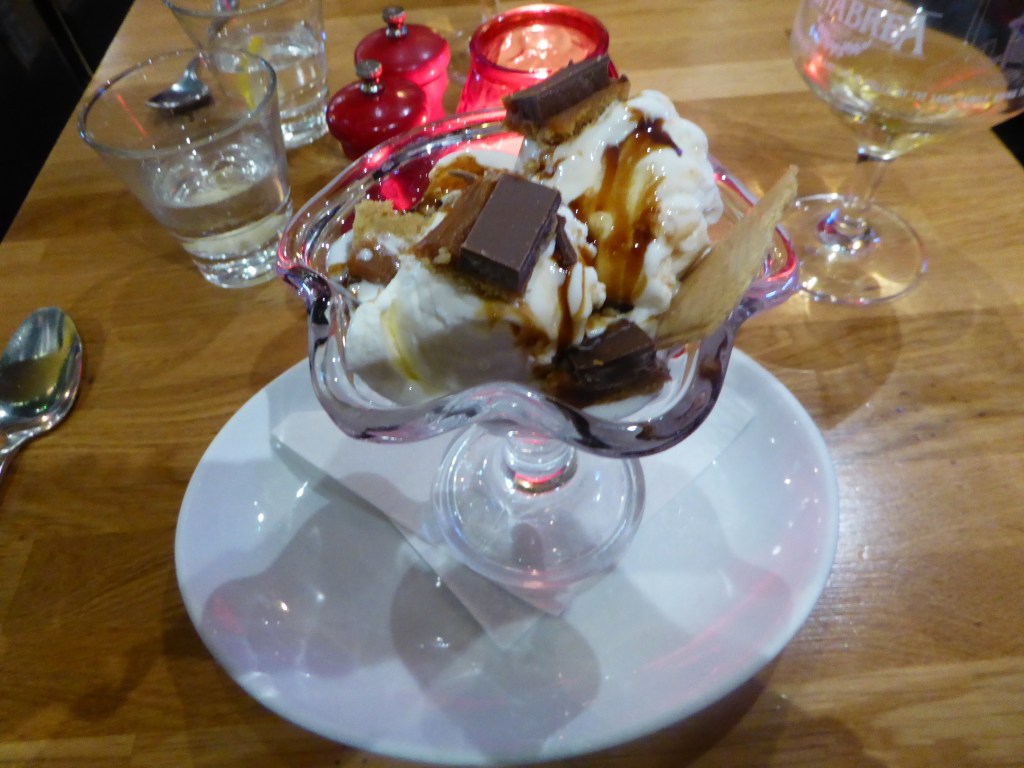
Even decided to have a dessert; something I normally (nowadays!) do not decide to do.
That’s right, I’ve not been blogging for quite a long time, but now am much freer to do so.
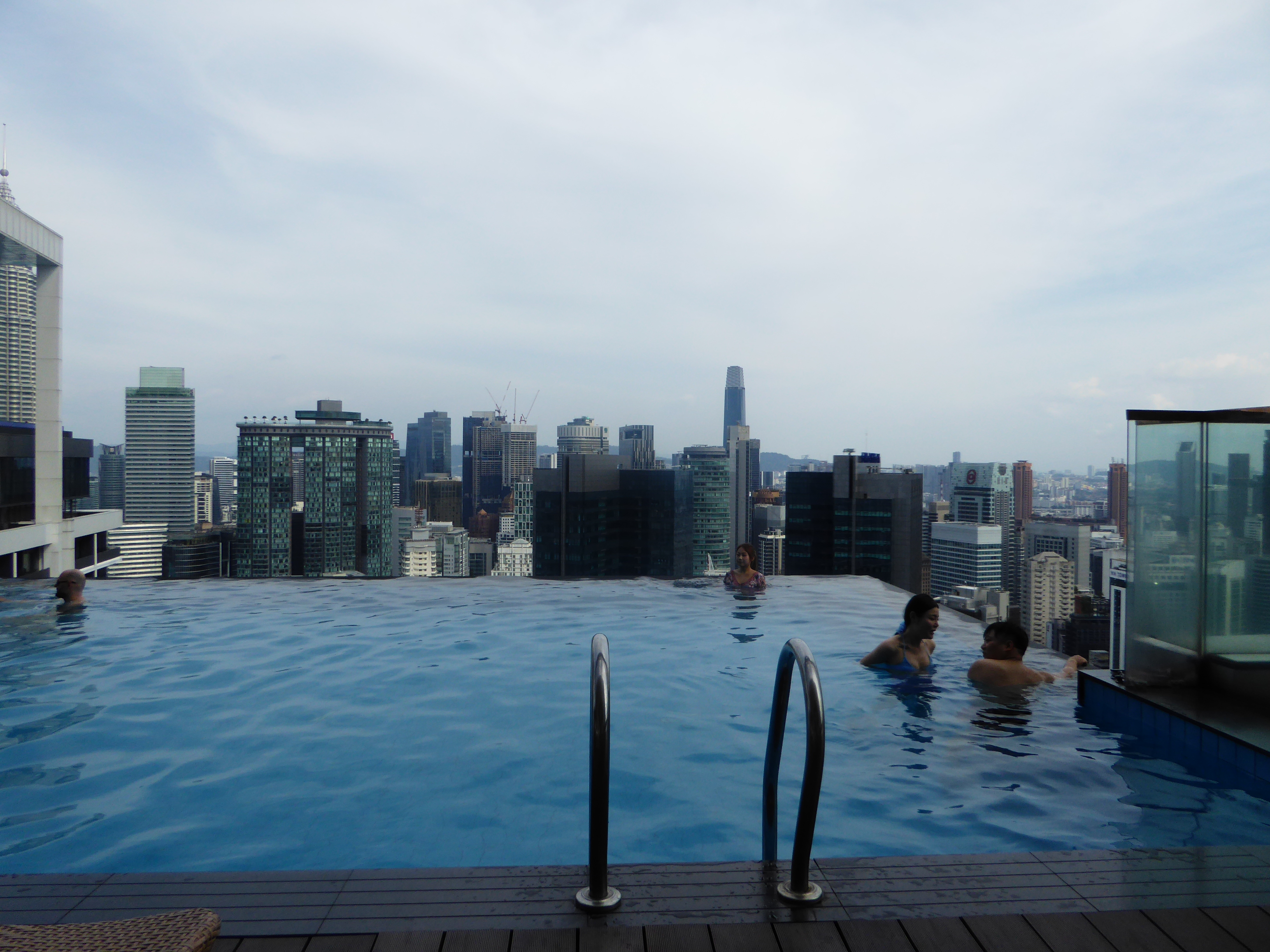
Above is where I was last year on a Far East trip. This shot is the pool in a hotel in Kuala Lumpur where I was staying. For such a view (with amenities) it was surprisingly inexpensive and I no doubt (as everyone should!) will return.
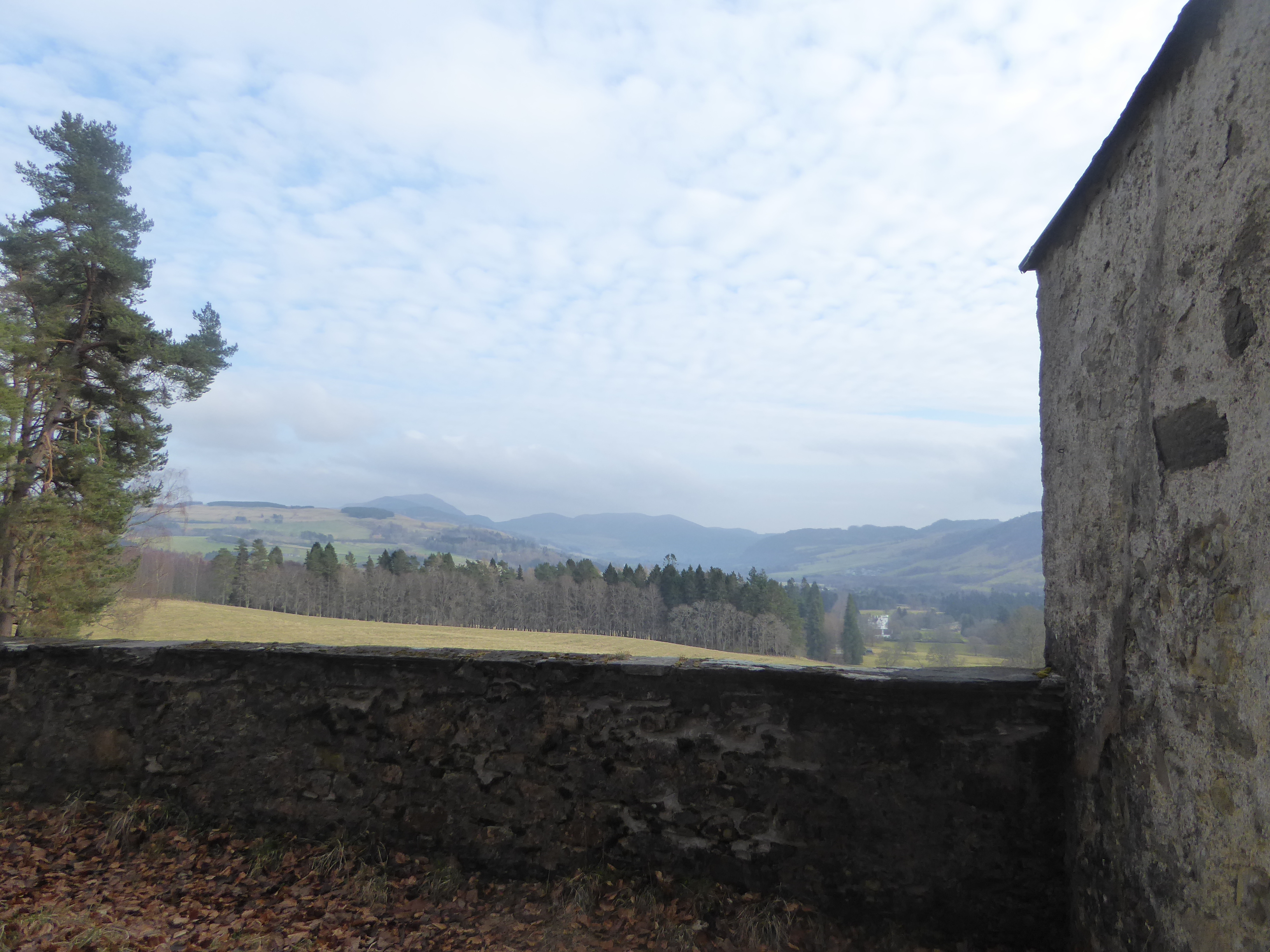
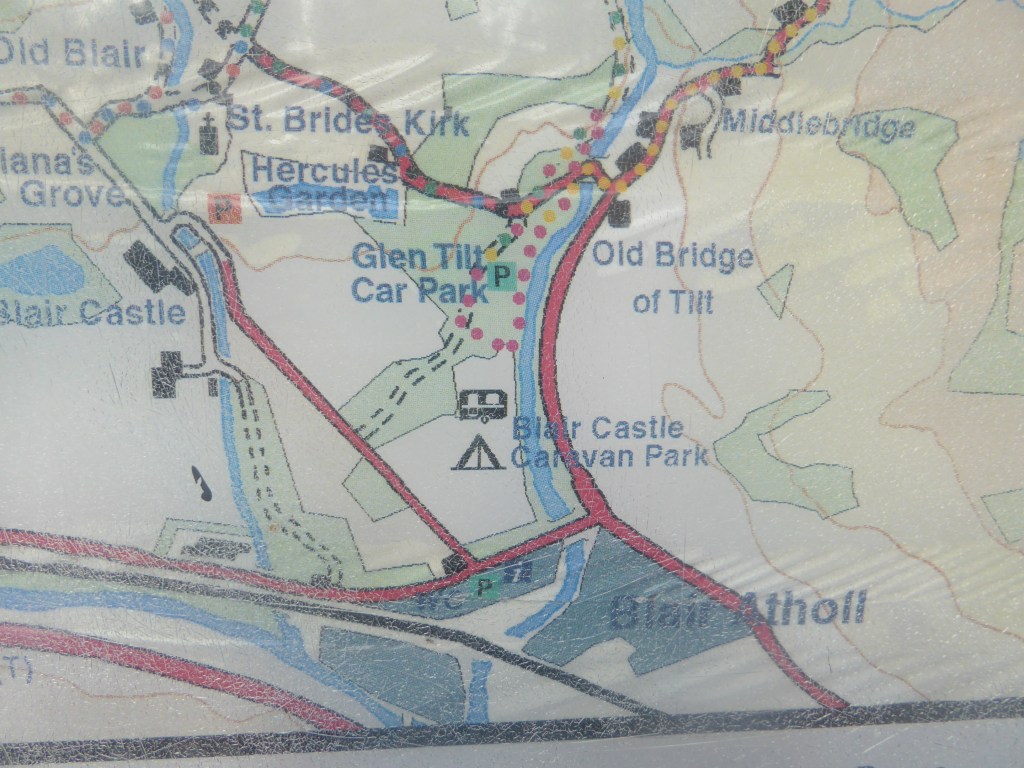
I’ve spent a lot of time in the Perthshire Highlands recently in Scotland, exploring areas north of Pitlochry, including Blair Atholl and Aviemore. Recently, we decided on another short walk—about an hour and a half to two hours—near Blair Atholl, specifically within the Blair Atholl estate, home to the castle and its reputed private army. It was a fascinating walk.
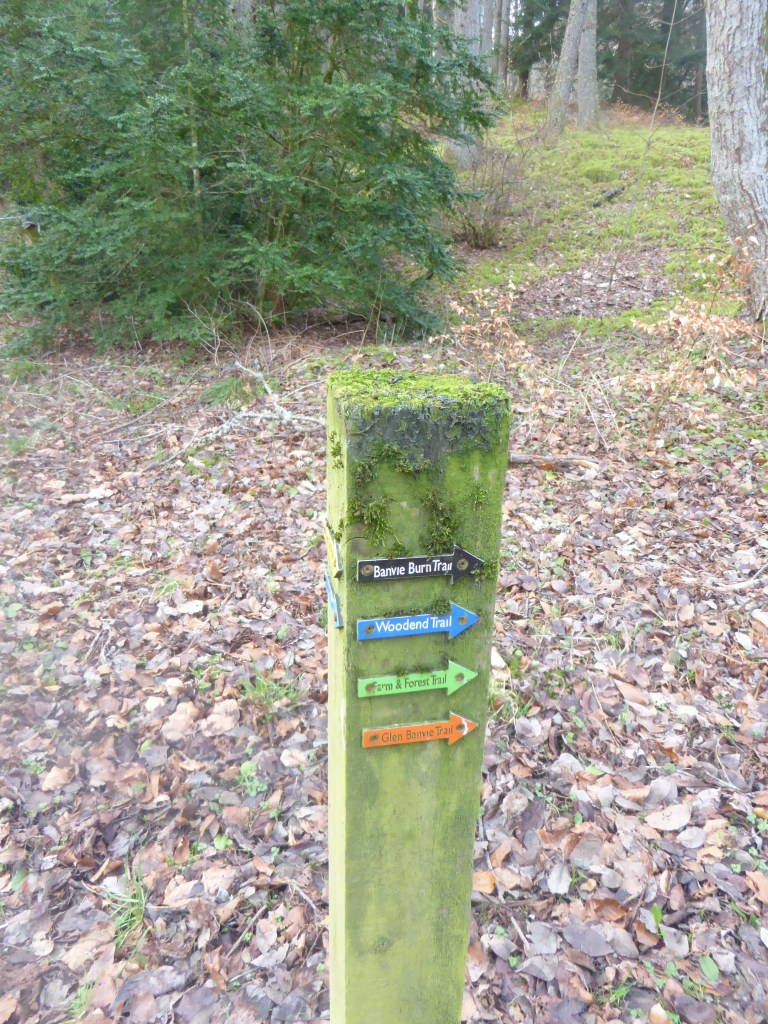
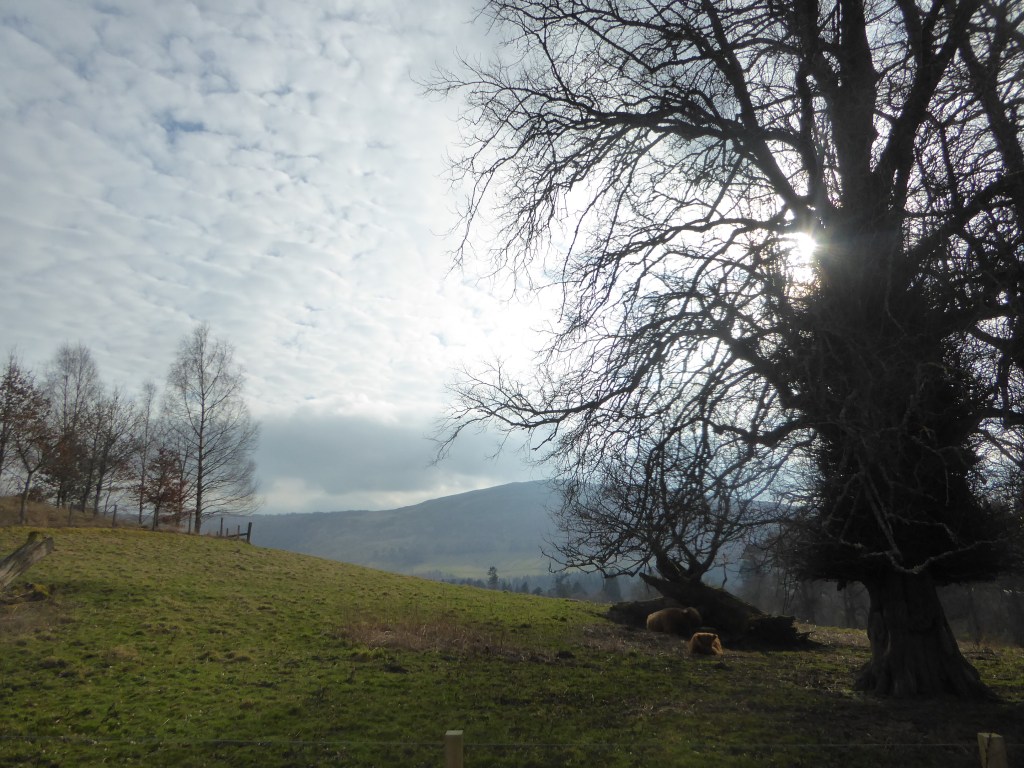
It’s easy to get lost in the charm of this landscape. Tiny hamlets, abandoned churches, deep gorges, and lush scenery unfold along the way, accompanied by the sight of goats, Highland cows, and migrating geese. The trail was well-marked, making for a smooth and enjoyable hike.
We followed the black trail, a steady 90-minute route of gentle ascents and descents, before heading to the House of Bruar for some indulgent—if entirely unnecessary—posh food.
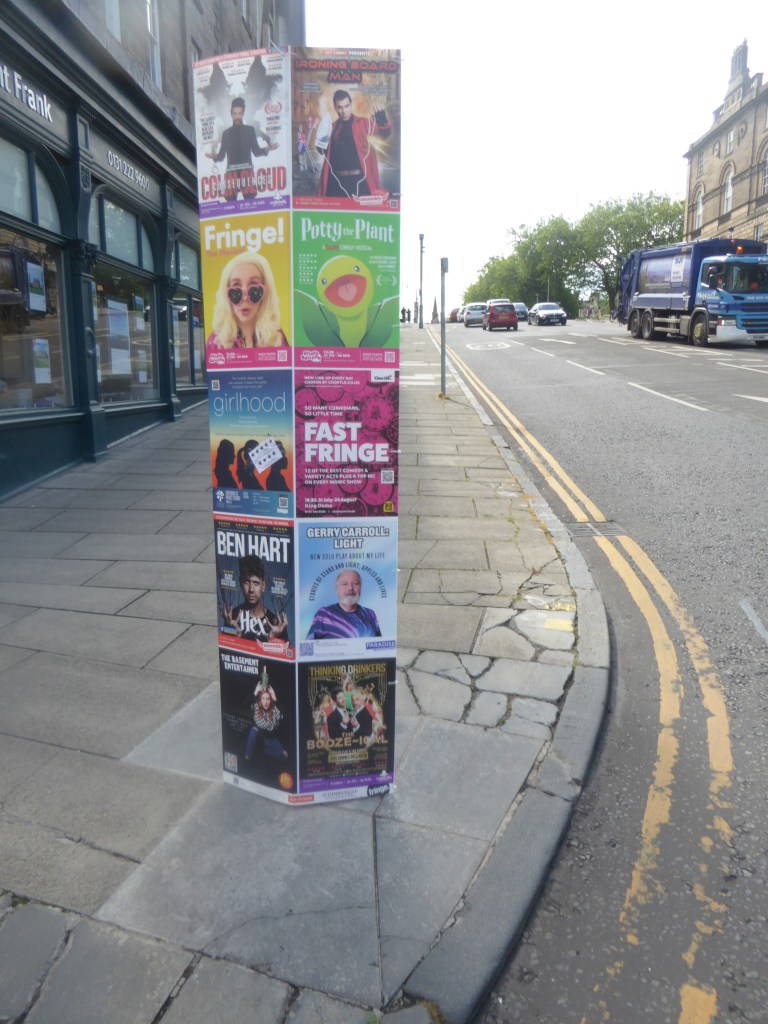
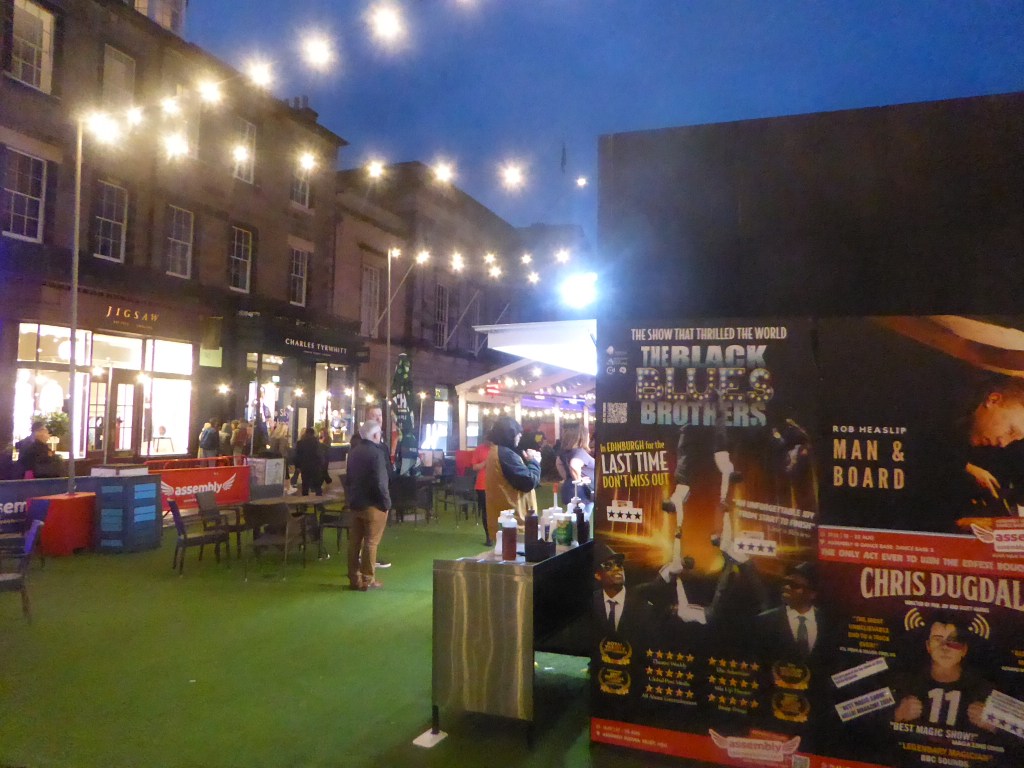
It’s interesting because I have been to Edinburgh countless times in my life, normally as a day trip, but this time my partner had to attend a conference, so I went along, especially since it coincided with the Edinburgh Festival, the largest arts festival in the world.
It’s different because normally when I go to the festival, I just visit for the day and then come back. However, this is the second time in two years that I chose to stay overnight. The previous time, the prices were simply outrageous—nearly £300 for one night at a tiny hotel room the size of a broom cupboard. It’s disgraceful and explains why certain people are no longer attending the festival.
At the same time, I can understand why some of the hotels wish to make as much as possible; and many people are more than willing to pay it. In addition, it’s not just me who thinks this must be a problem, but for the performers, it must be nearly impossible to find affordable accommodation for their one, two, or even three-week runs.
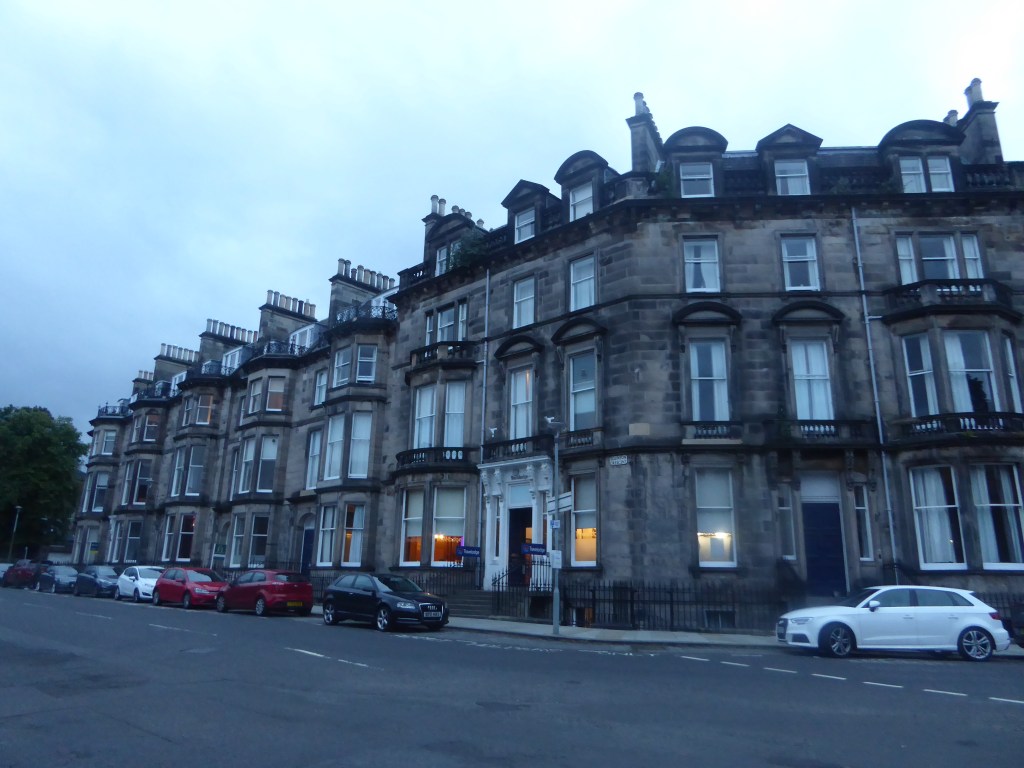
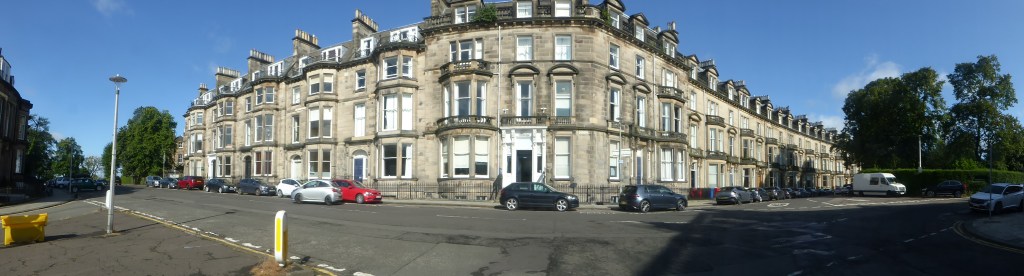
Naturally, we decided to stay as cheaply as possible, and for some reason, our Travelodge was located in the West End, just out of the more expensive parts of Edinburgh, yet it was still a spectacular area to visit.
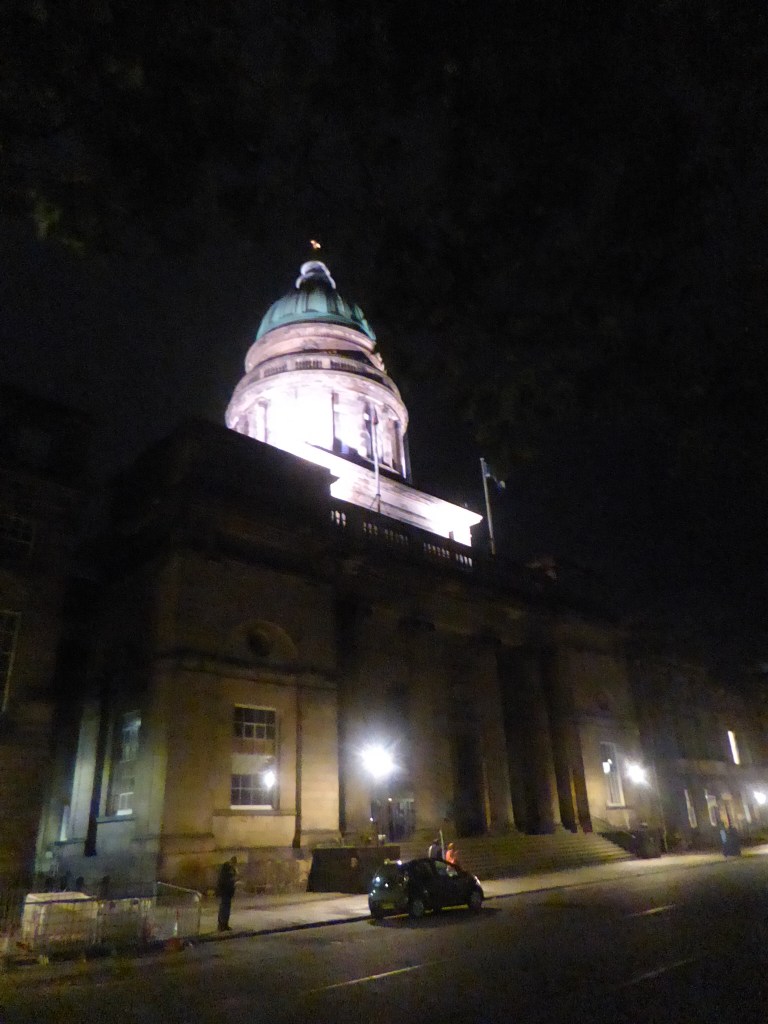
You only need to take a walk anywhere in Edinburgh, particularly in the town centre, to see the magnificent Victorian architecture. In this case, avoiding like the plaque anywhere near to the tourist areas. But even here in the West End of Edinburgh the buildings are spectacular.
The architecture is quite different from that of Glasgow, as it tends to be almost entirely white sandstone, as opposed to the red stone that we have in various parts of Glasgow, albeit, with plenty of white sandstone as well.
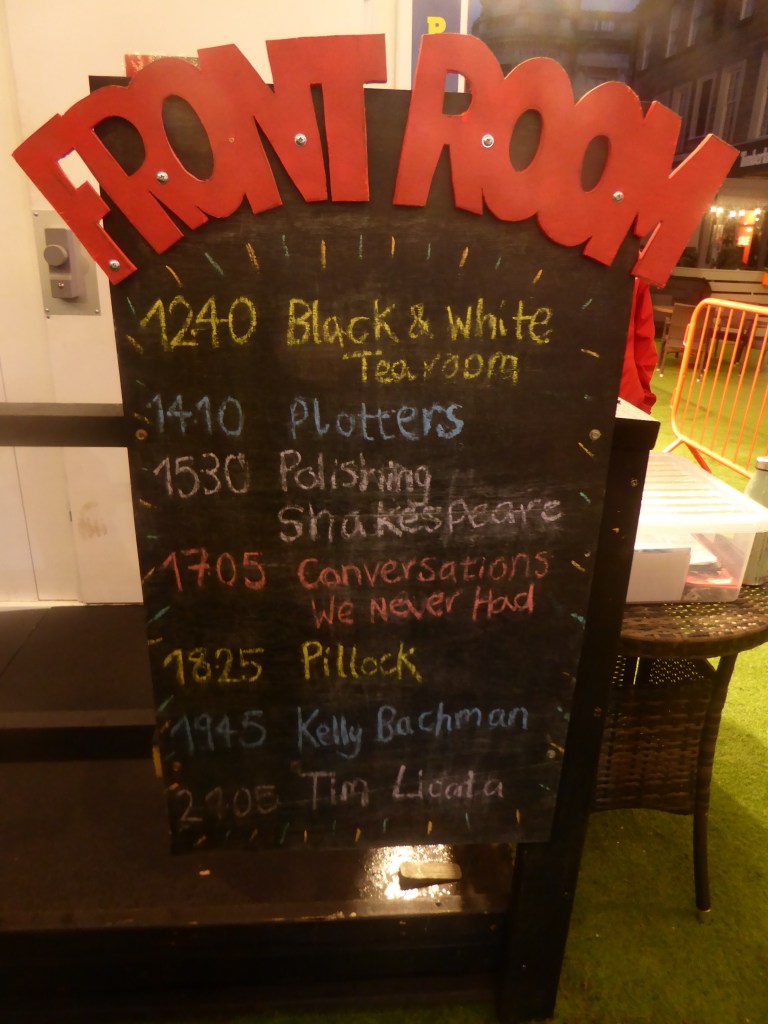
Naturally, on my first night there, we decided to go to the Edinburgh Festival, in this case to see a magician, Tim Licata. He was just fine, and of an Italian-American heritage. It also was not too crowded as well. Not sure why, though the show inside was close to a sell-out.
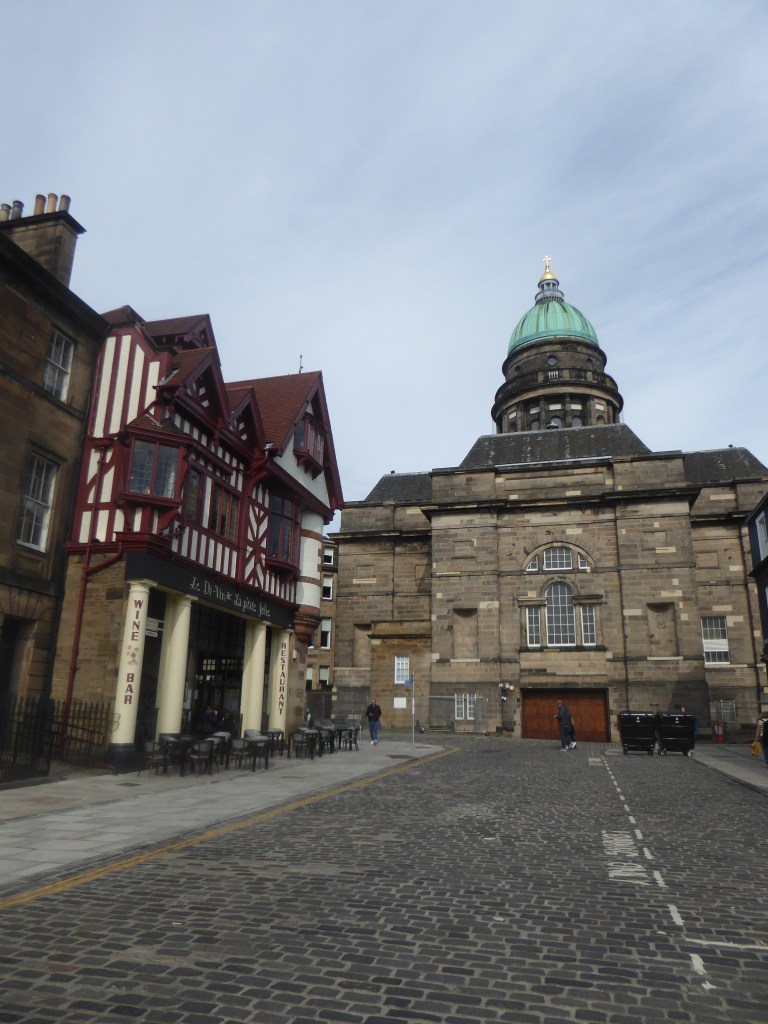
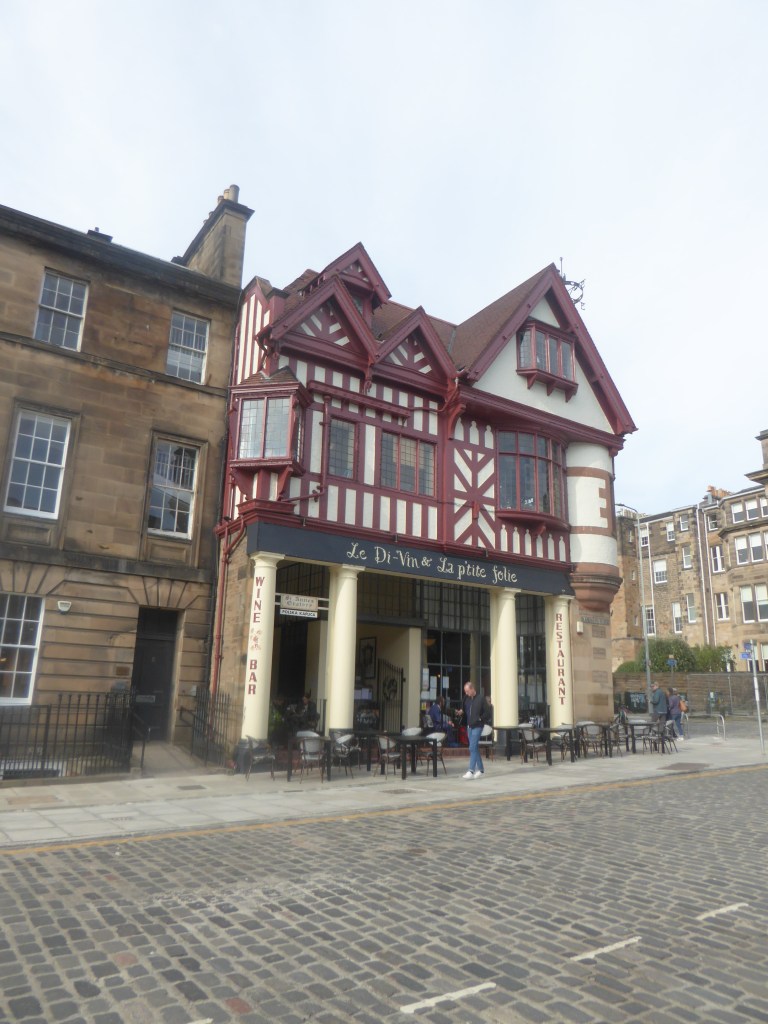
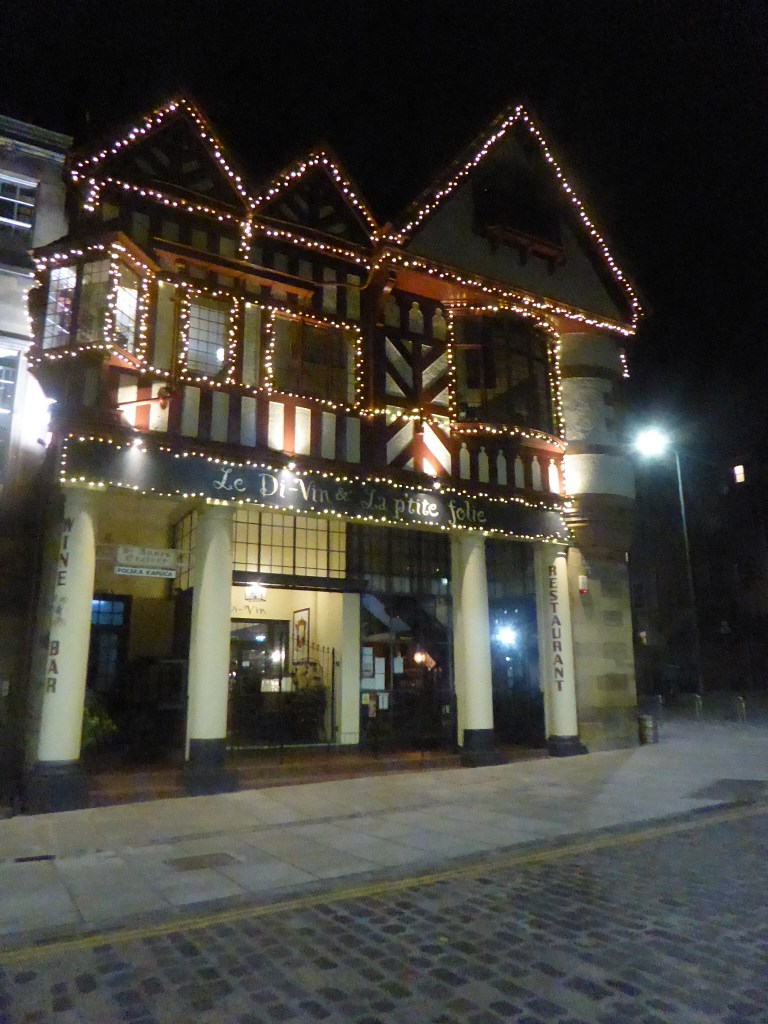
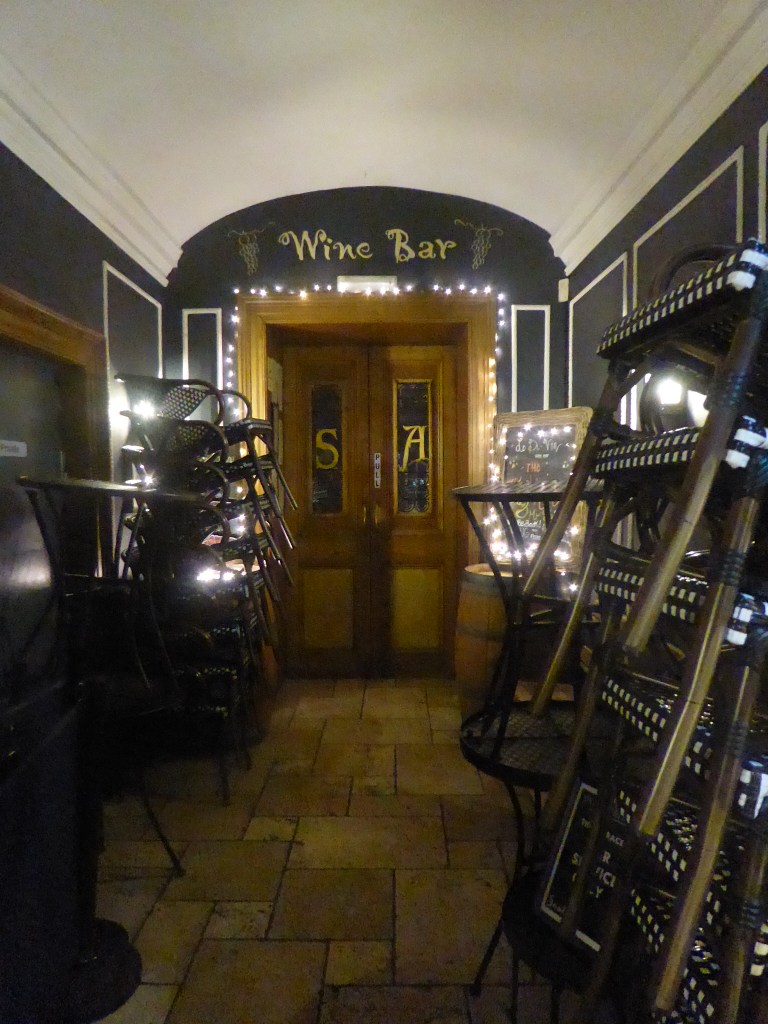
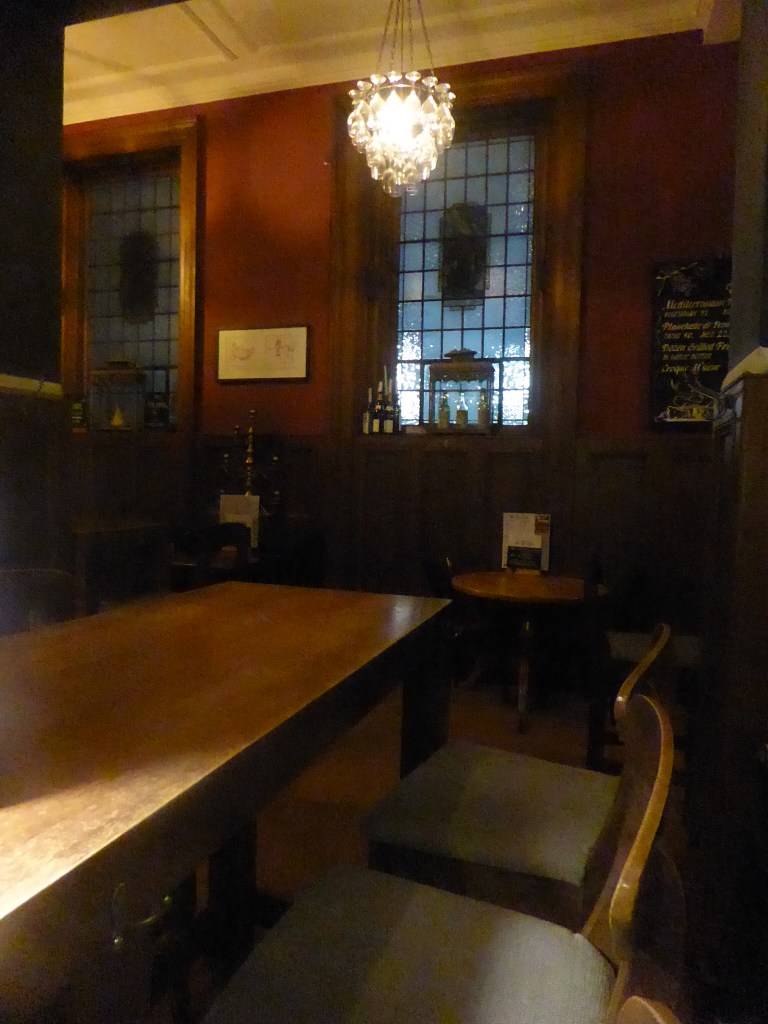
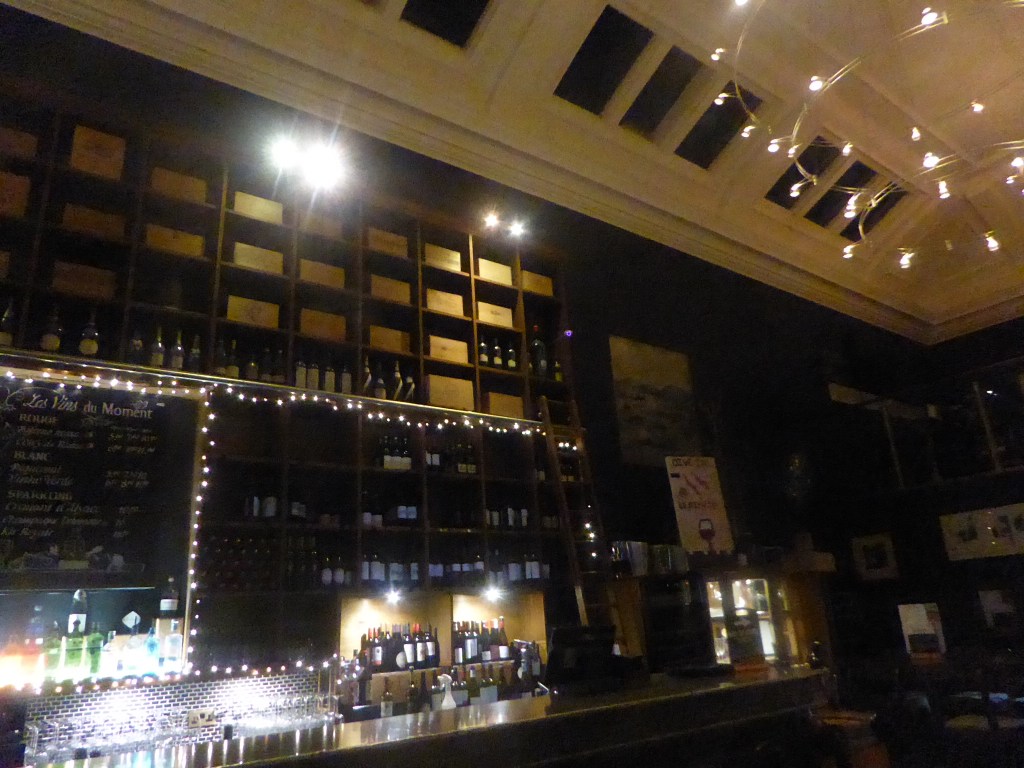
On the way back our walk we went through this area in the West End, that showed us a wee gem of a wine bar, Le Di-Van.
What a beauty! One could hardly believe being here, that I wasn’t on the continent or in France itself.
And it’s definitely one that I’ll be frequenting the next time I’m in Edinburgh.
The day before my visit to the Tenement House, I decided to wander around the West End of Glasgow. This tree-lined, leafy area is very middle-class, with many Chinese students near the university and various hospitals. It is probably the most desirable place to live in Glasgow, perhaps even in Scotland.
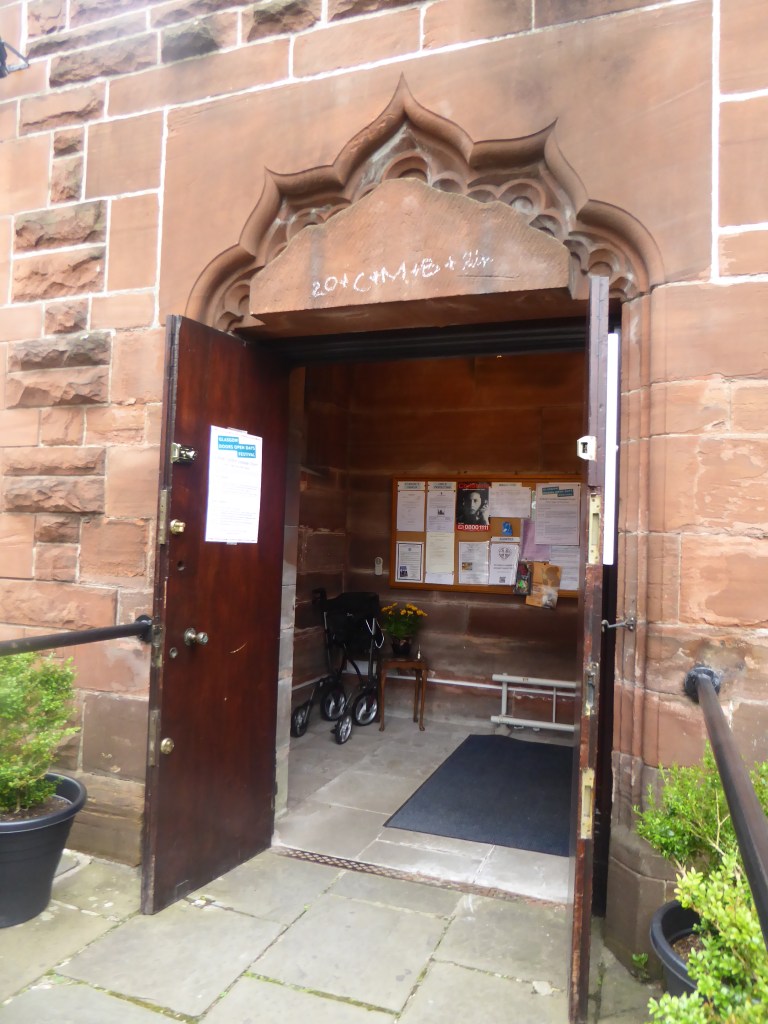
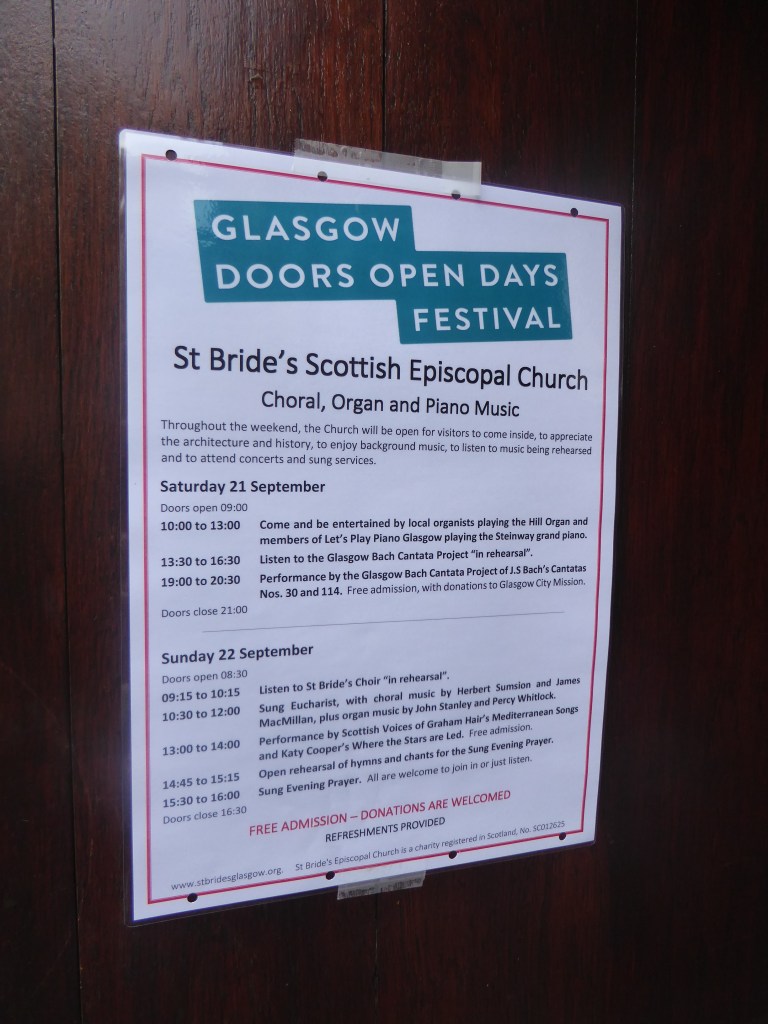
Doors Open Day is a celebration that occurs every September in Glasgow, showcasing many different buildings, with churches being one of the highlights.
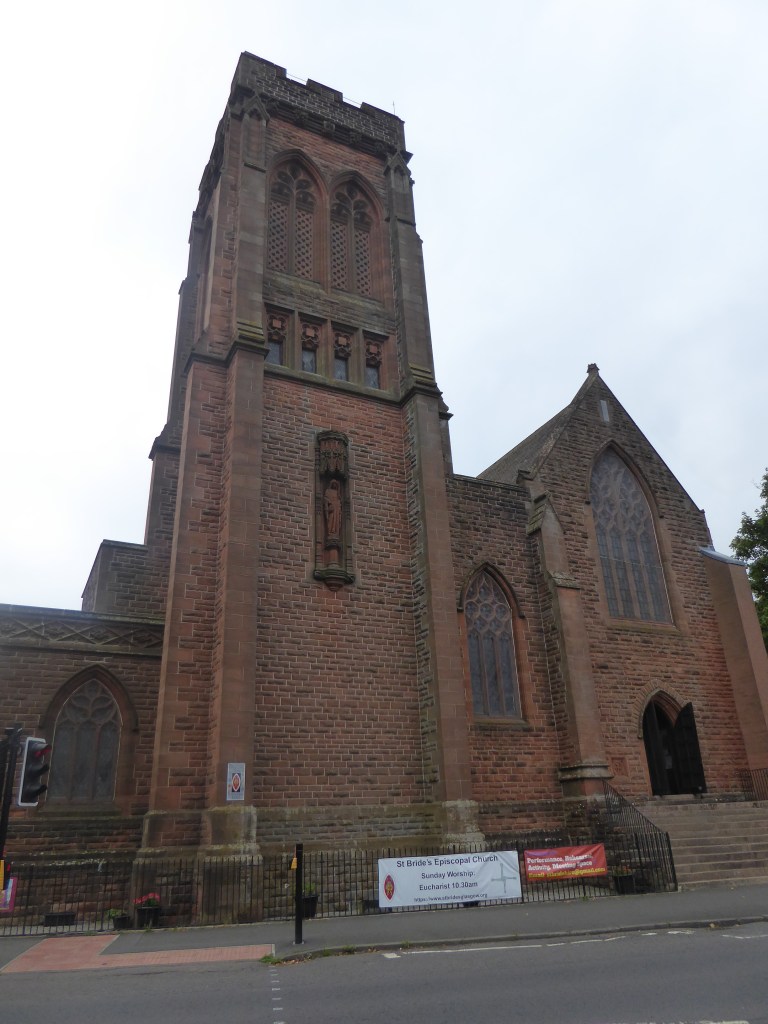
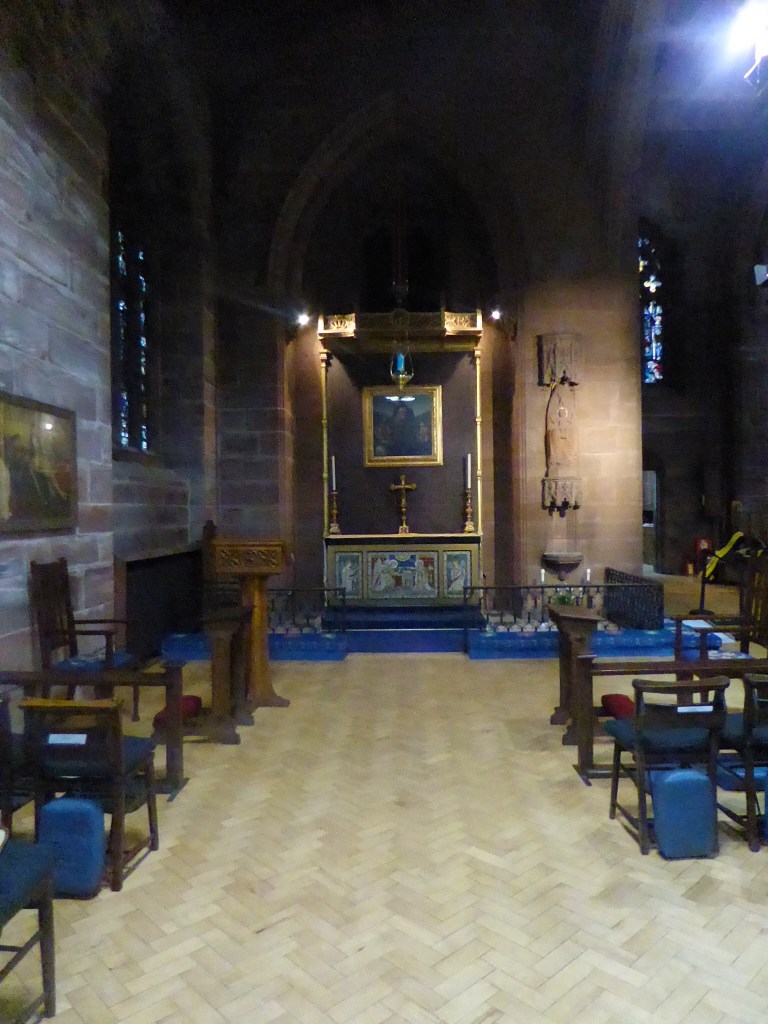
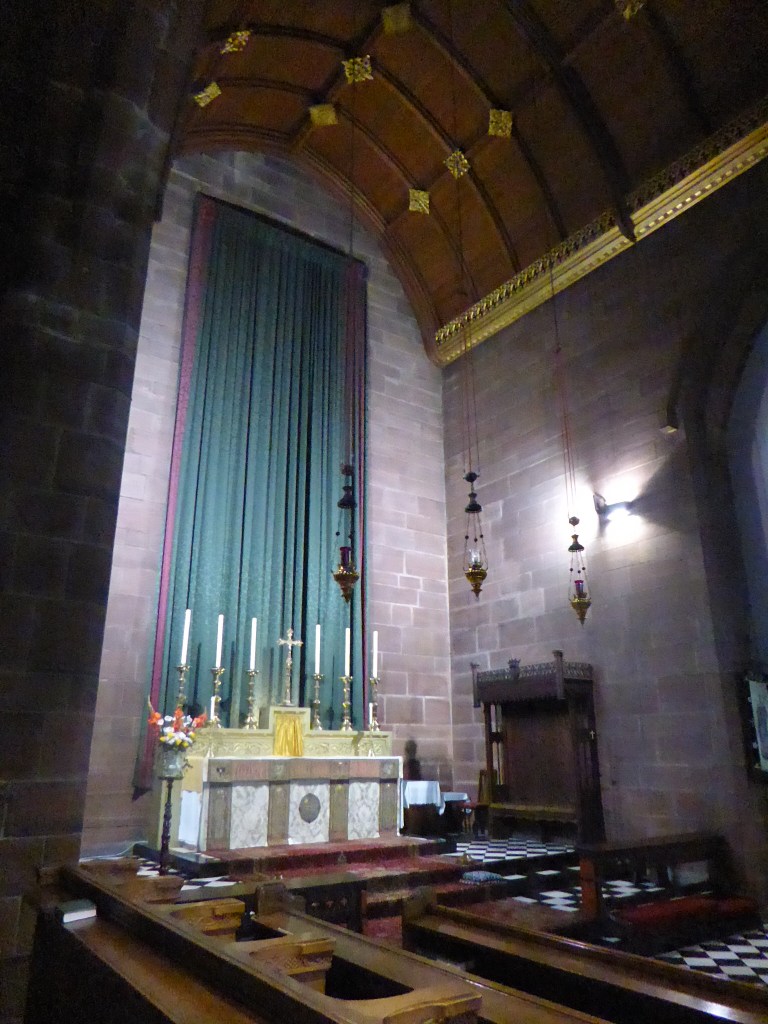
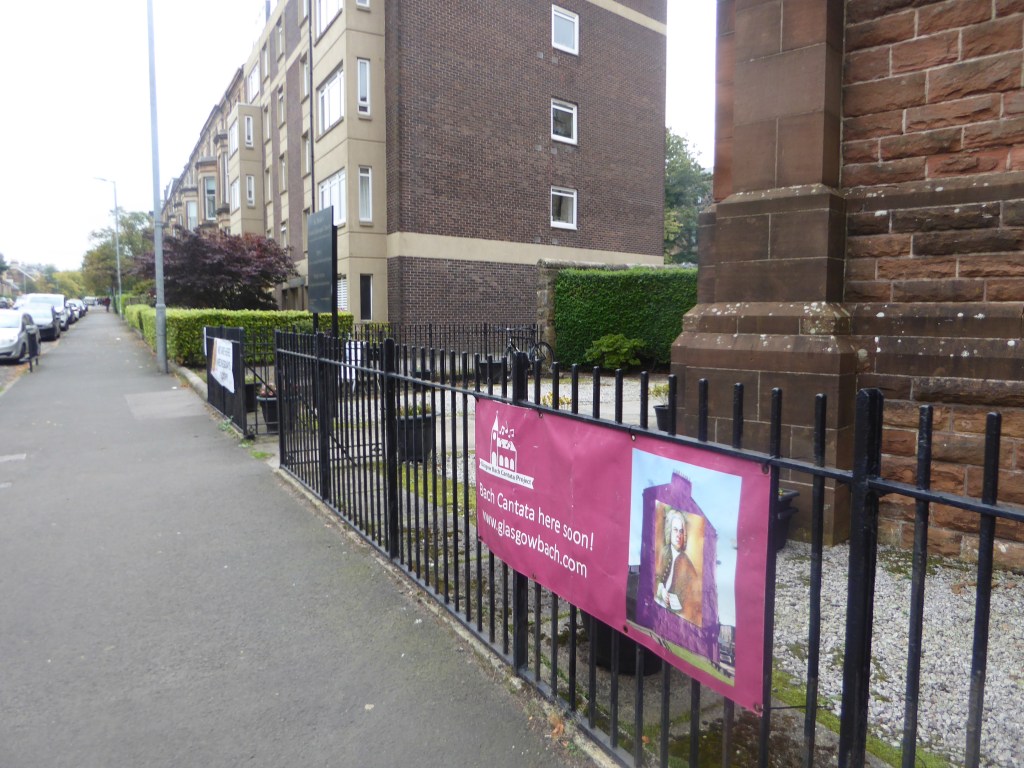
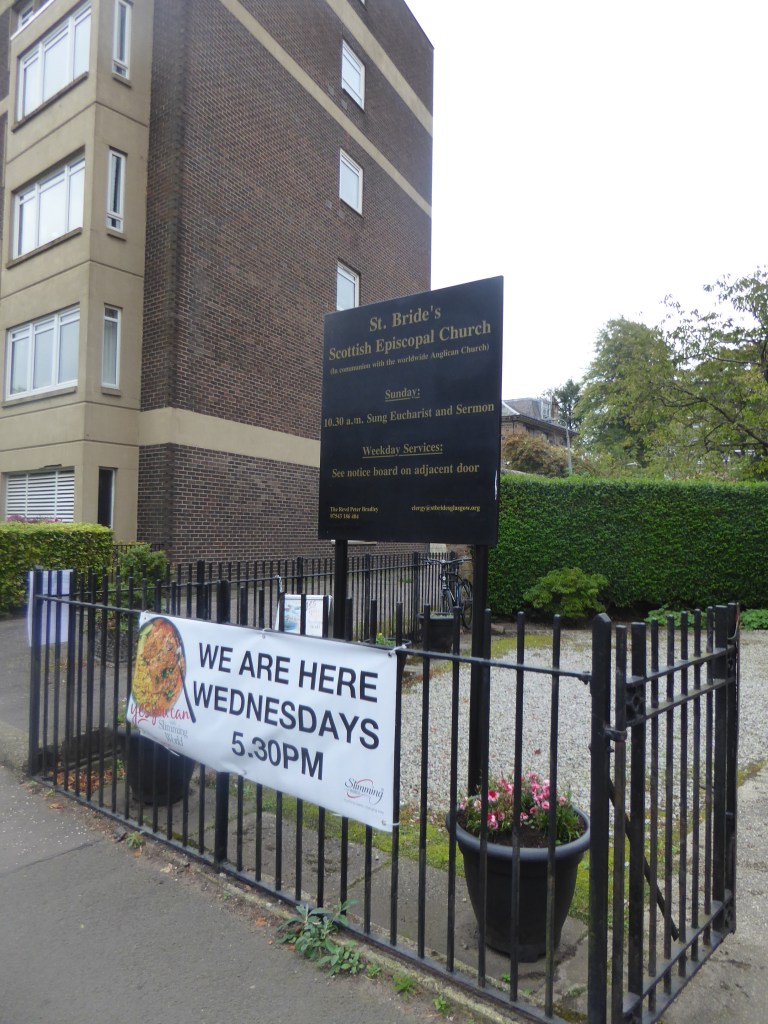
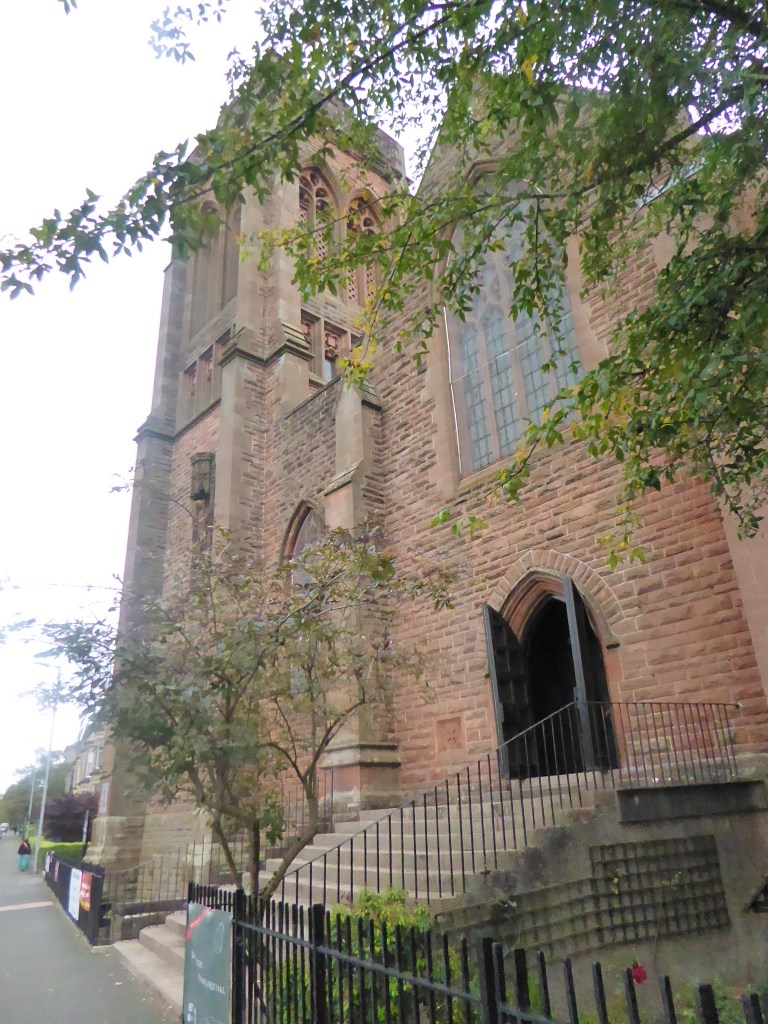
Like many other churches in Glasgow, St. Bride’s Church is not only old but also grand and elegant. It appears to be well-maintained, showcasing the care taken by its community. According to my research, it is a member church of the Scottish Episcopal Church, which is part of the global Anglican Communion, with the Archbishop of Canterbury serving as its head.
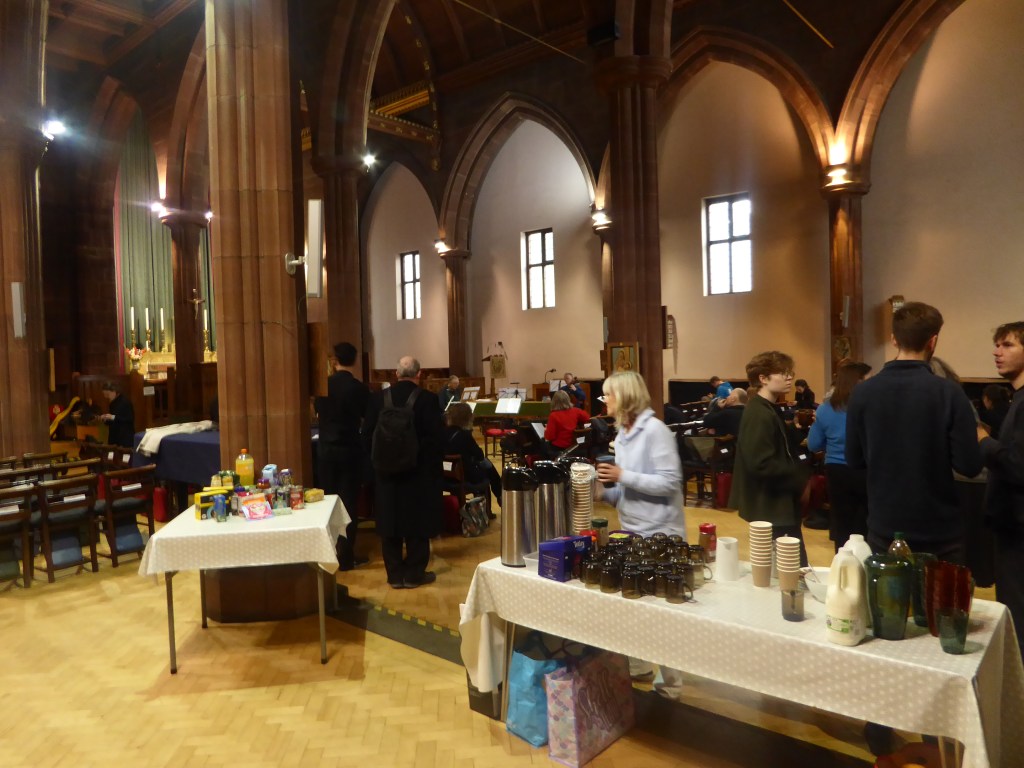
The church exudes a warm and welcoming atmosphere, evident from the numerous bulletins, brochures, and various “churchy” materials I observed. These resources indicate that St. Bride’s is a hive of activity, hosting many services and a plethora of music concerts.
During my visit, I noticed a Bach or Baroque group rehearsing inside, presumably preparing for an upcoming concert either at the church or elsewhere in Glasgow.
With the added charm of delicious cakes, tea, and coffee, I left St. Bride’s Church with a positive impression.
I already have a “Church of the Month” category on my blog that I haven’t utilized enough. Perhaps I can make it a point to explore more of these hidden gems in the future.
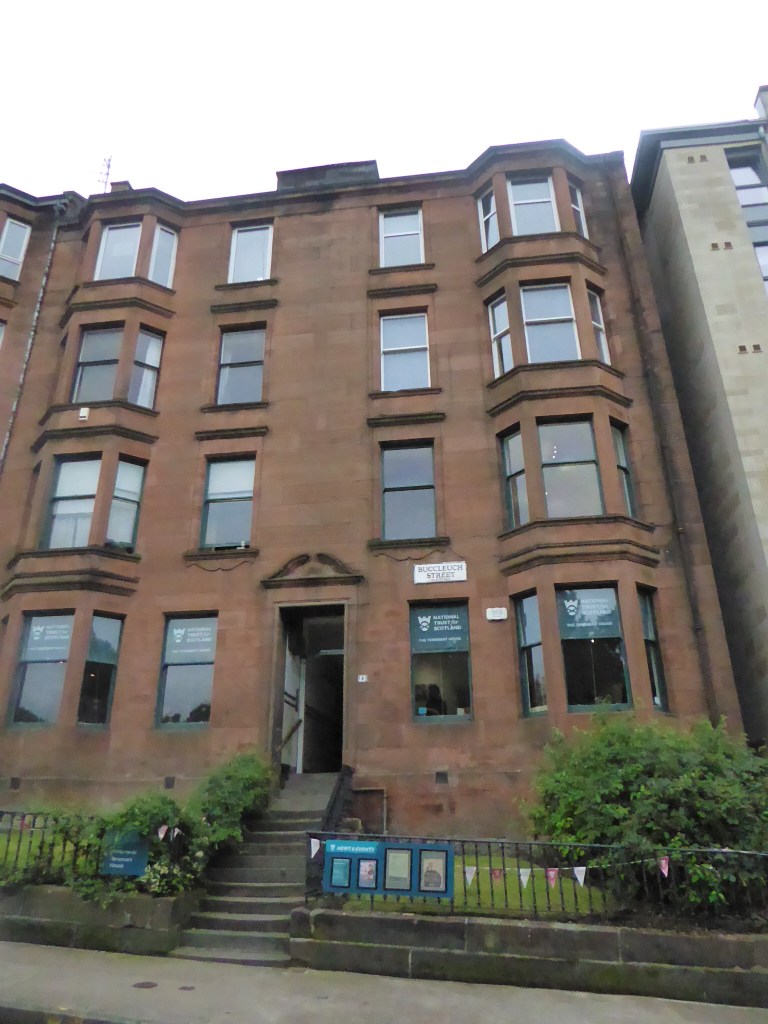
It’s interesting because I’ve been in Glasgow for 30 years, but I’ve never actually visited this part of the National Trust for Scotland. At the same time, it seems that virtually every accommodation I’ve used in Glasgow has been a tenement—tenements in the West End, tenements in the East End, and tenements in the South Side. The only time I haven’t stayed in a tenement was in the city centre, specifically in the Pollokshields area of Glasgow, which is a very nice inner suburb.
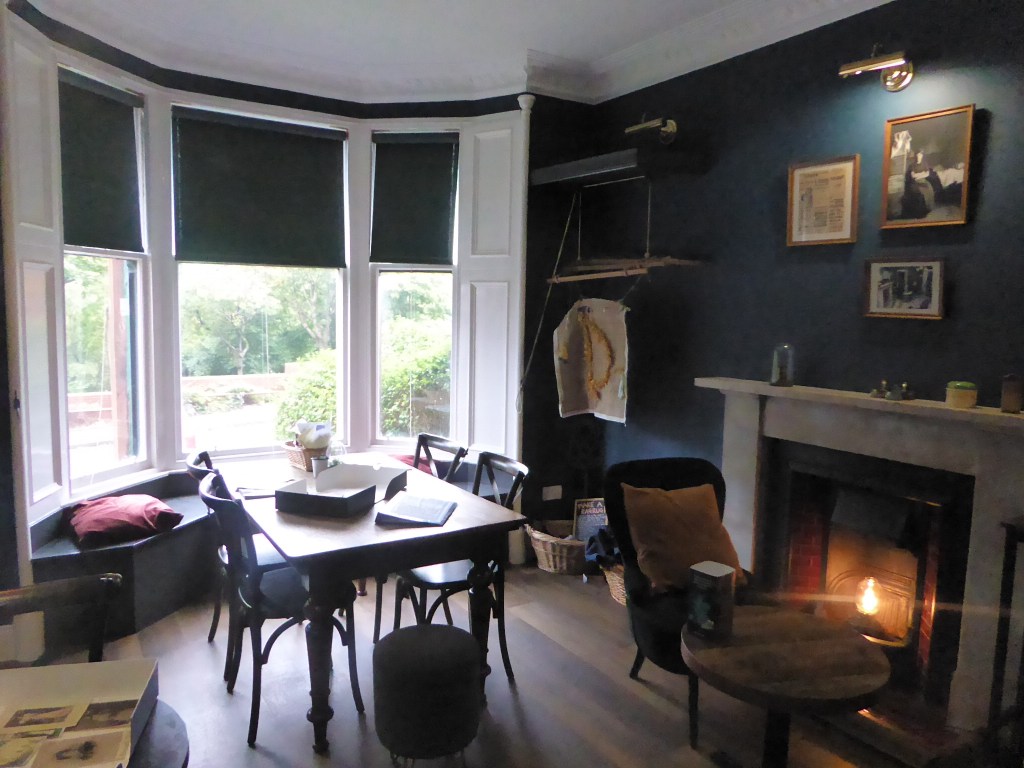
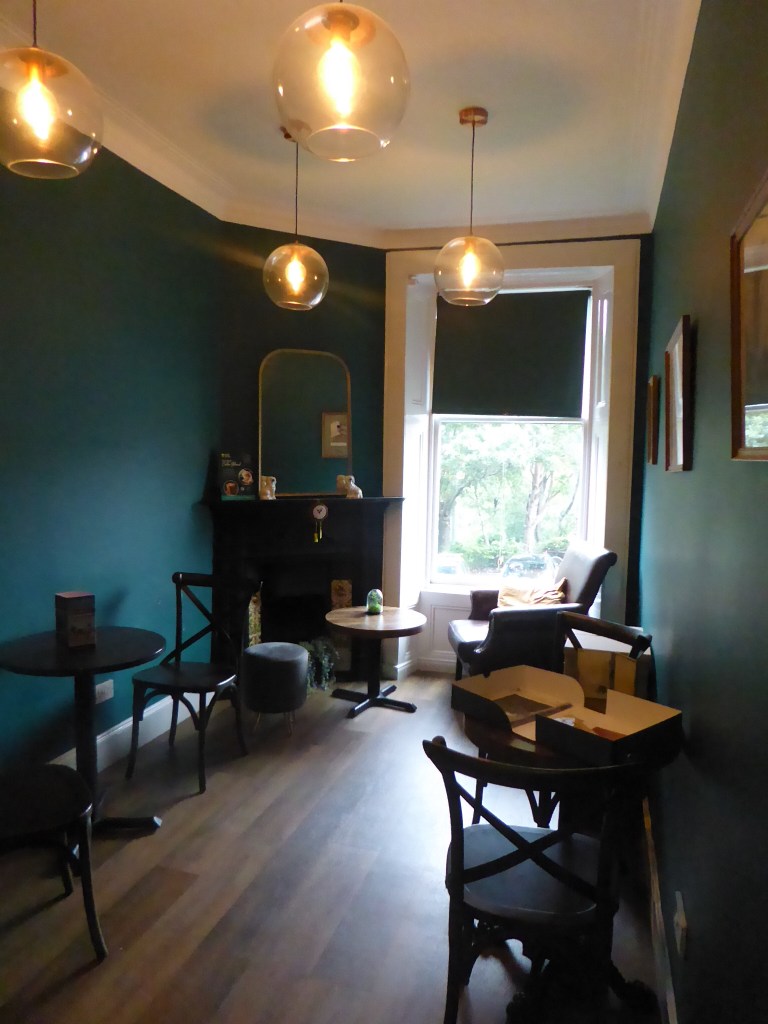
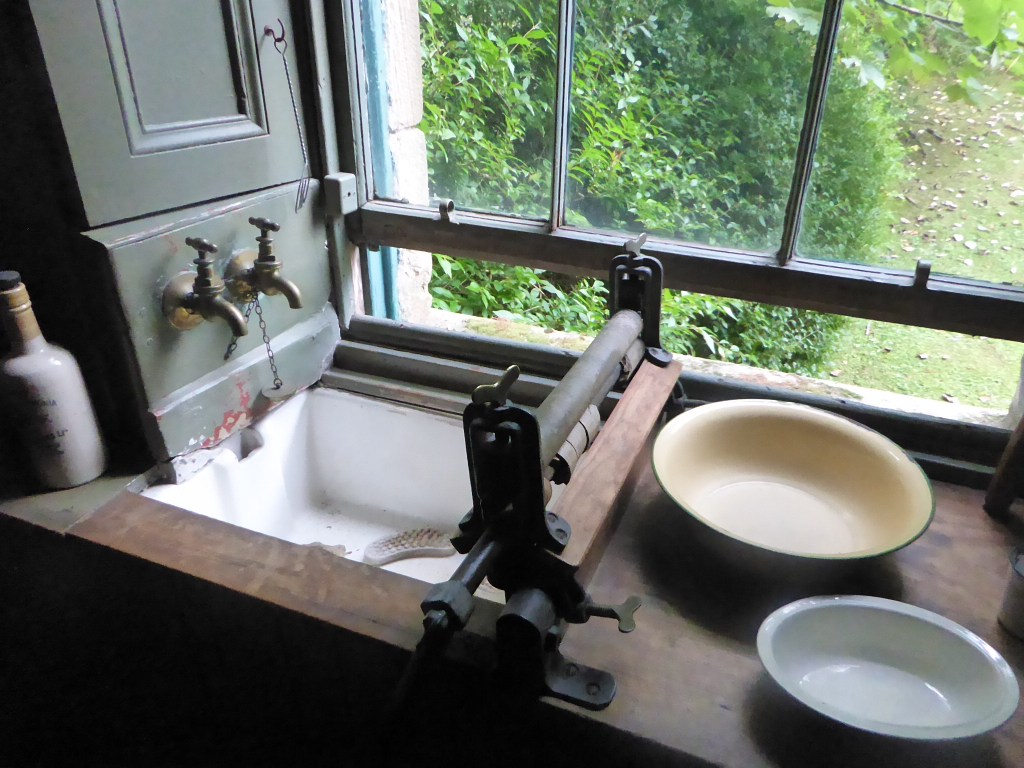
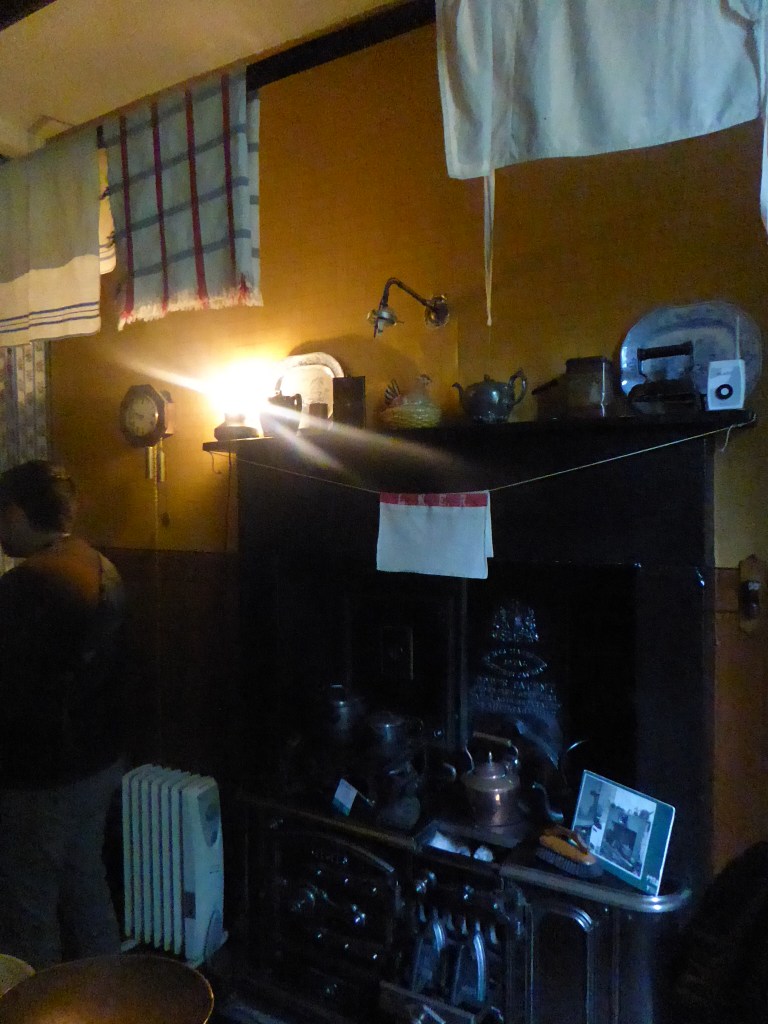
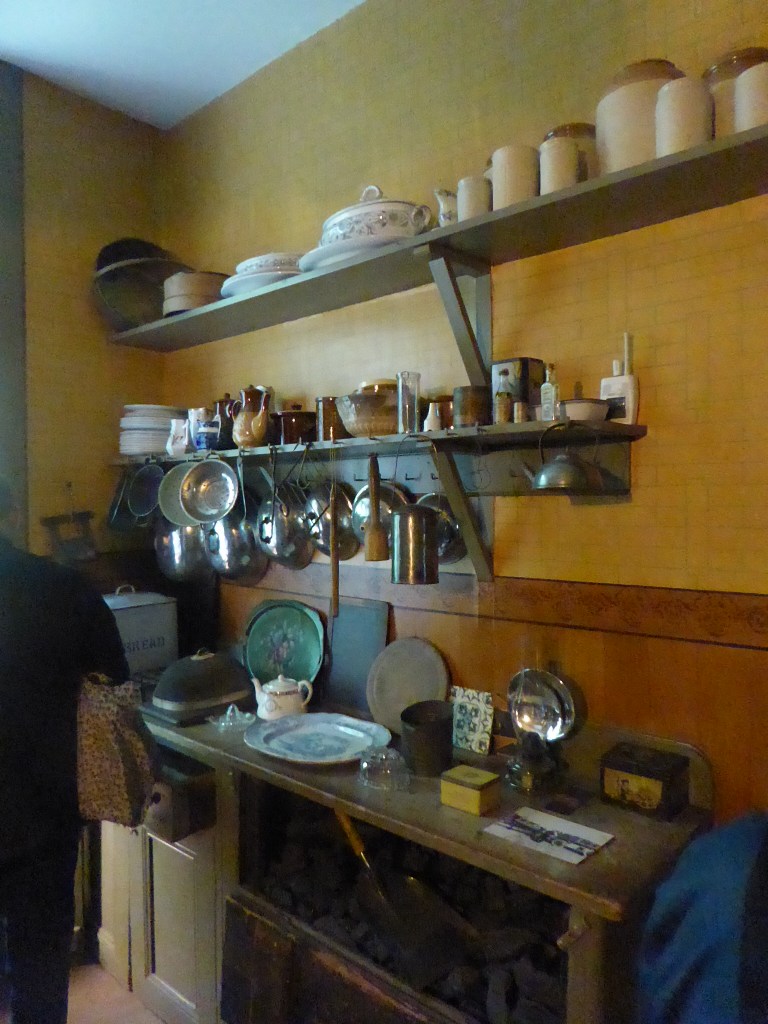
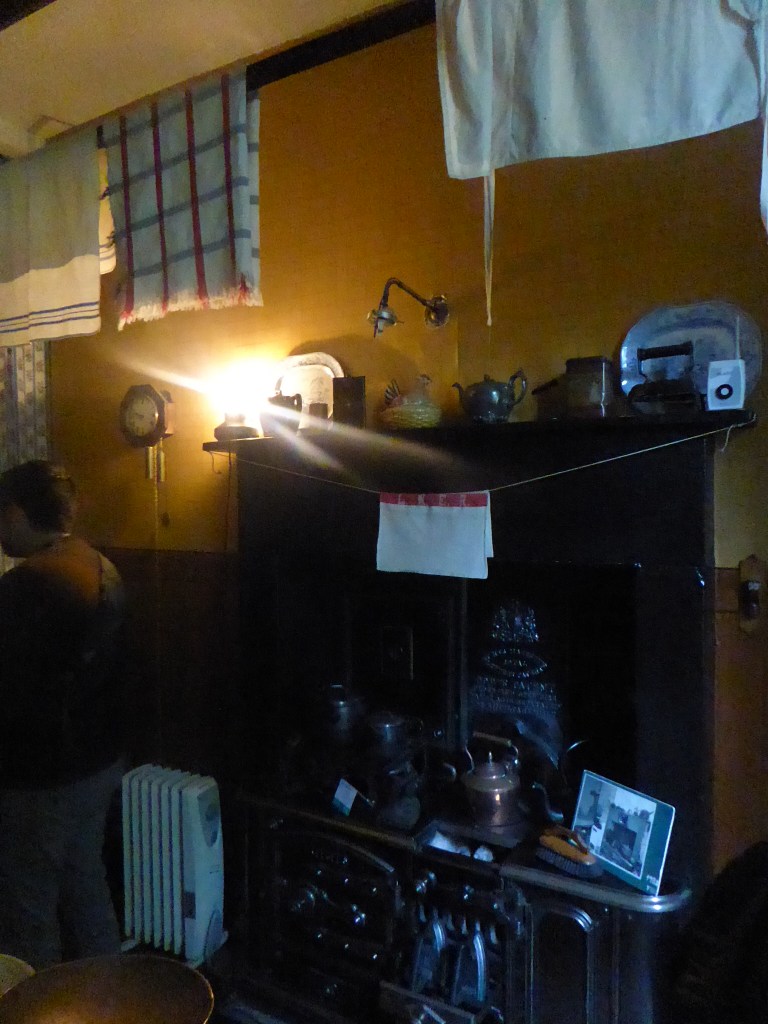
During the annual Doors Open Day in Glasgow, which took place a couple of weeks ago, I decided to visit the Tenement House located in the Garnethill section. It truly feels like a time capsule from 100 to 120 years ago.
The house was bequeathed to the city and later to the National Trust in the mid-1960s, after the owner neared the end of her life. I believe her daughter took over and rented some of it out. The National Trust acquired it in 1965.
It’s fascinating to have a conversation with someone and then, 100 years later, start that conversation again. Time stands still here.
The overall layout is identical to so many tenements here in Glasgow, from the bed recesses (now used as a kitchen table area or closet):
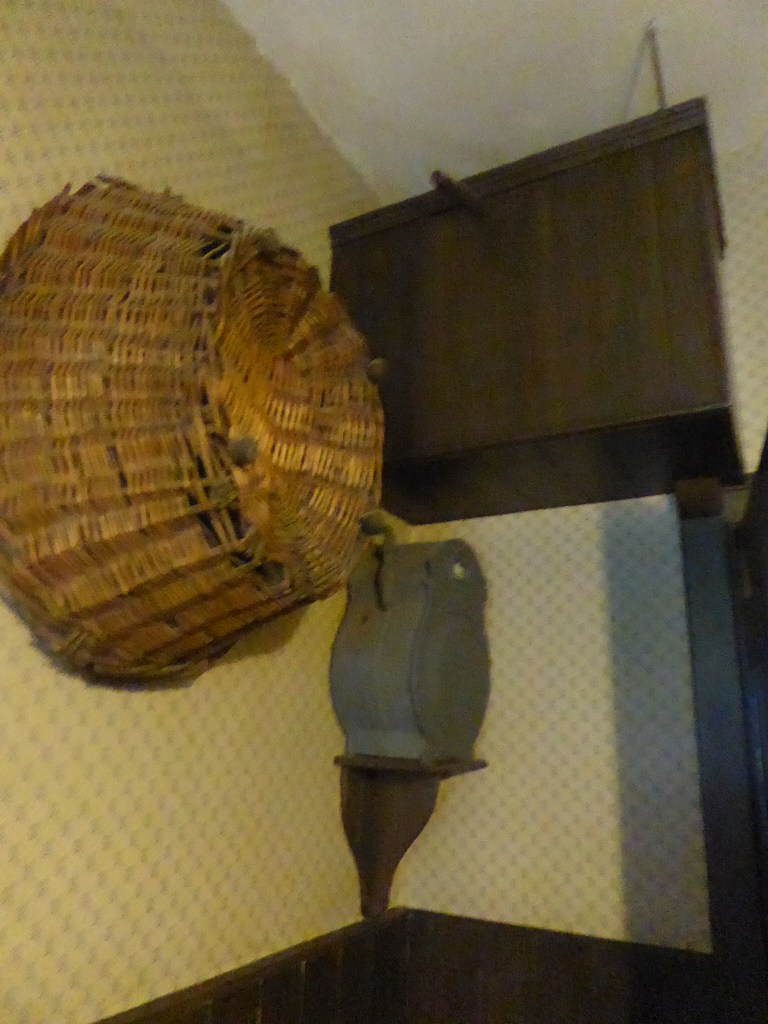
To the “pully,” which is rather horrifically referred to as a Victorian hanger by some:
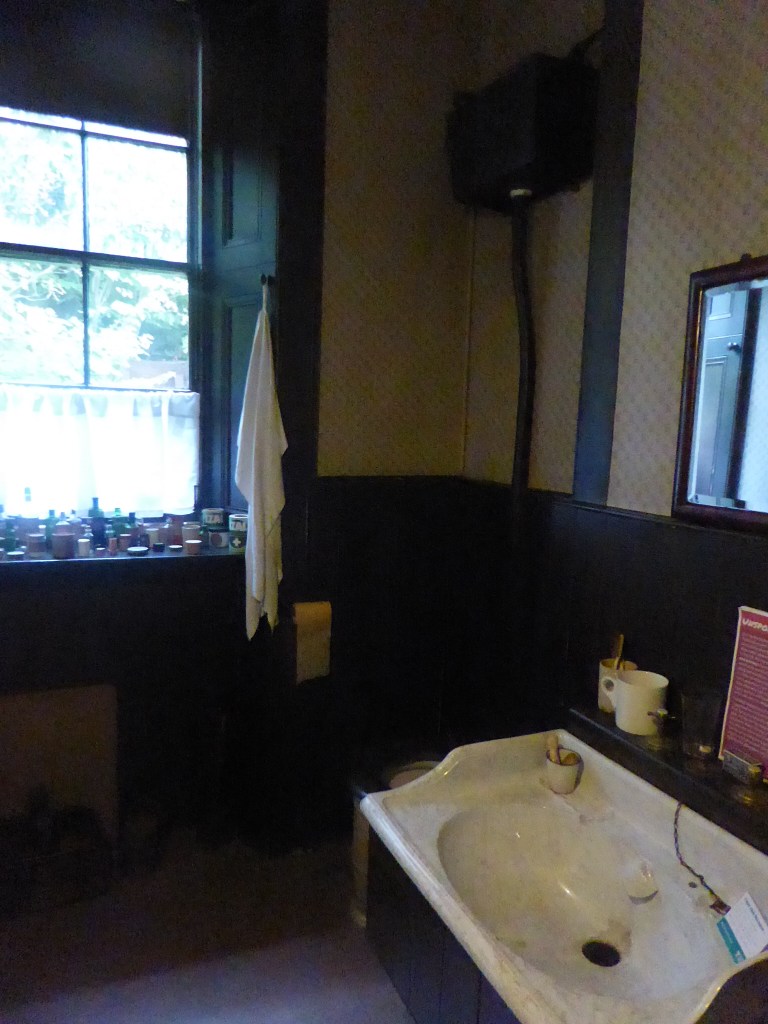
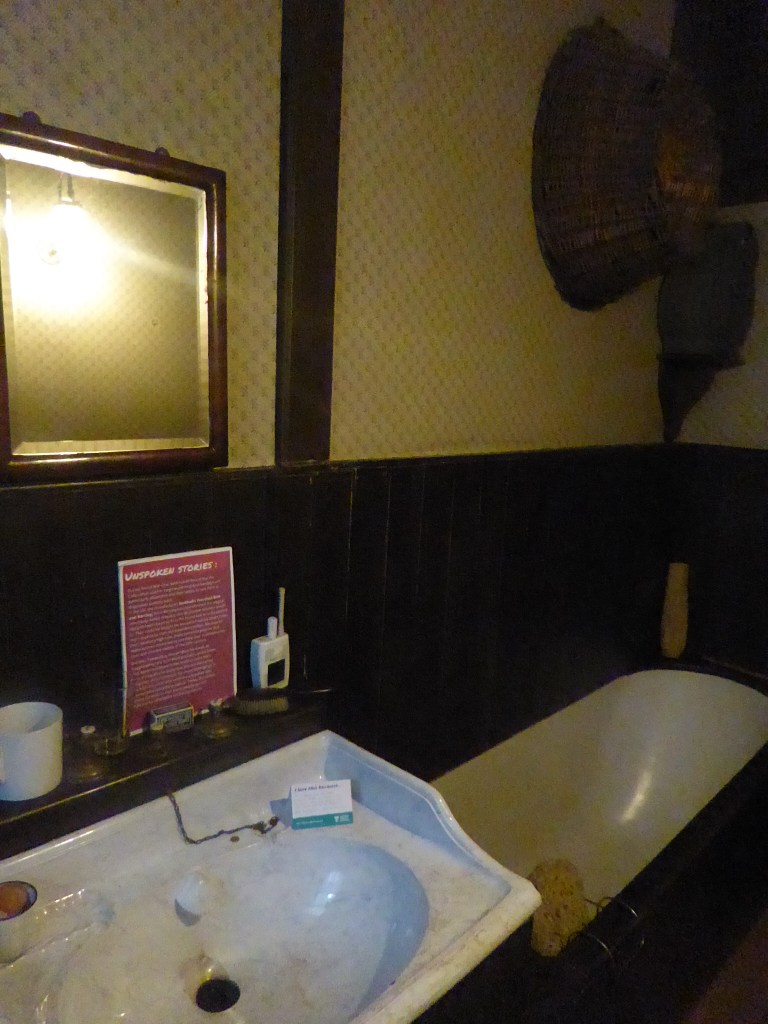
Additionally, it seems the lady who owned it was fairly well-off. While I was in the bathroom, three older Glaswegian women were describing what each feature in the room represented. They noticed a gas connection in the wall, which was connected to the gas port at the time, providing some of the heating and hot water. This suggests that the woman who owned the place was probably middle class.
Even in the bathroom, with a little paint and minor repairs, it would fit right in today.
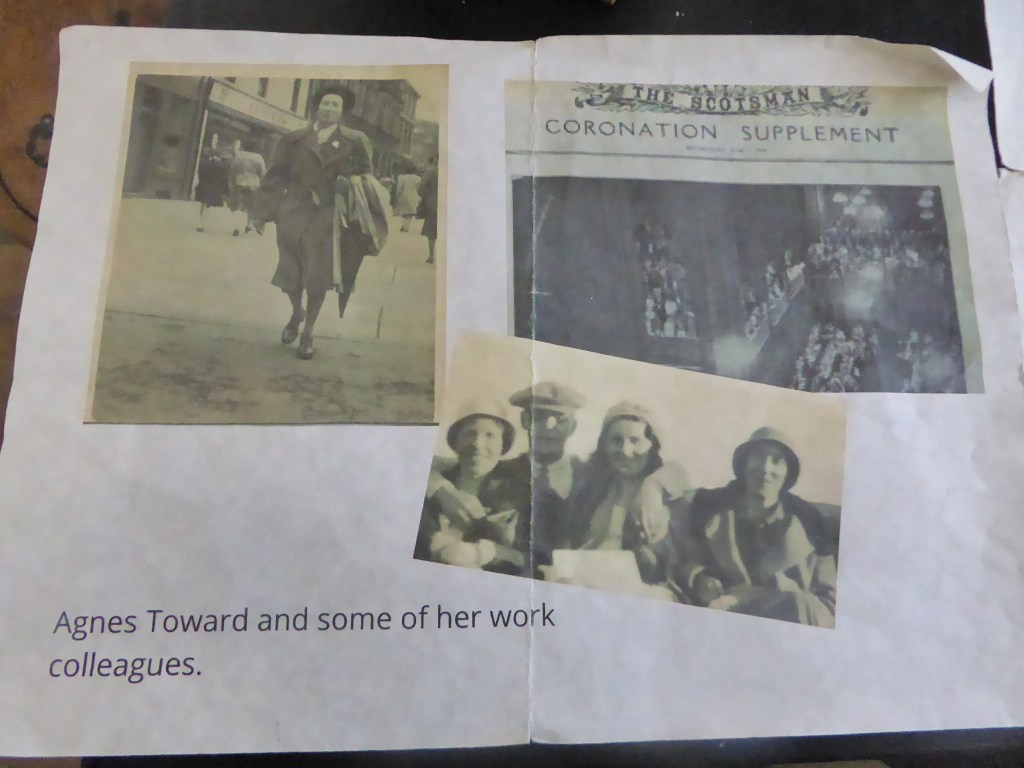
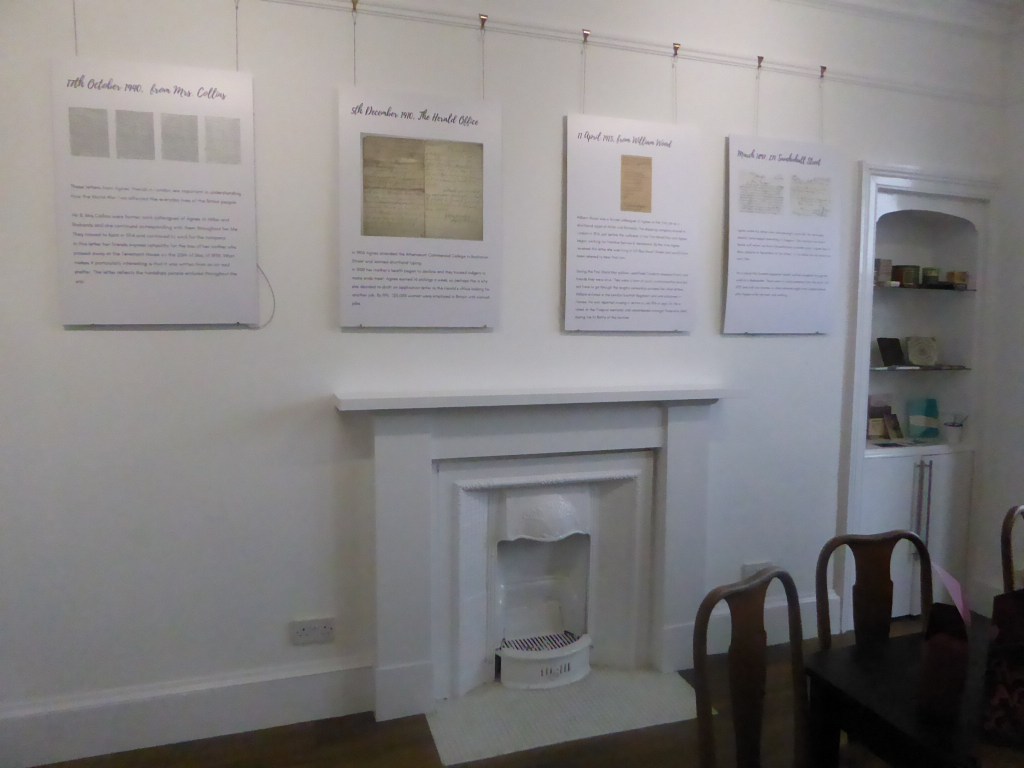
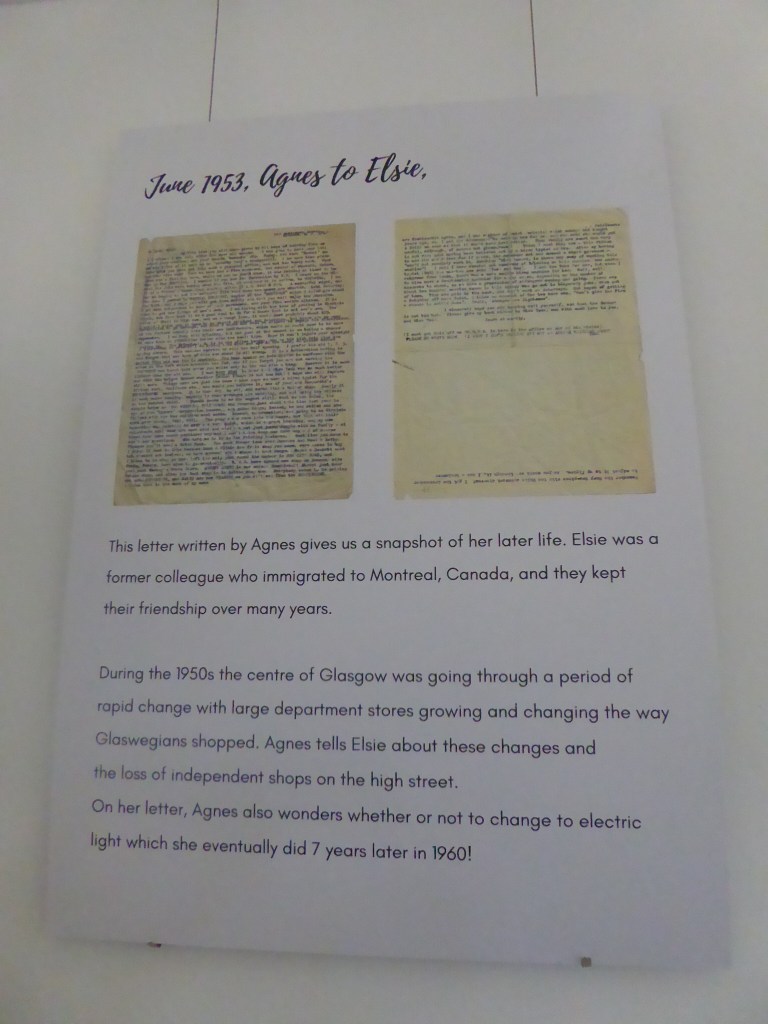
The most striking thing I saw was the letters and briefs that she had written and received throughout her life. It always strikes me that although we have everything from the internet to telephones and mass communication today, we’ve completely and utterly lost any form of communication via pen and paper. These letters were so much more eloquent and elegant than we use today; the words were utterly superior than what we could ever dream of crafting nowadays, even if we were to give up texting or emails.
What’s interesting about the UK and Scotland as a whole is that there seems to be an increasing number of Chinese students and residents nowadays, which can only be good for the restaurant trade. I live in the West End of Glasgow in Scotland, where there has been a significant influx of Chinese students, leading to a rise in the number of Chinese cafes, restaurants, and even supermarkets.
Also, if you look at the figures from the last few years, in 2021, around 150,000 people from Hong Kong were allowed to settle in the UK. In Glasgow, this likely represents many thousands that we’ve probably welcomed in the last few years.
The last few months in Glasgow, I’ve walked by a bike shop that surely had someone from Hong Kong working there, as he was older, and not a student. In addition, I was also at a small café that had been for sale for about a year. The new owner, Chinese, I believe also comes from Hong Kong, as his English was excellent, and I don’t believe too many Chinese students have this level of English, in addition to not having enough money to fork out for a used café’.
He was also quite astute, as when I mentioned to him that I had noticed this café’ had been on sale for the last few months, he enquired how I knew that piece of information. I told him that it was on a Glasgow website.
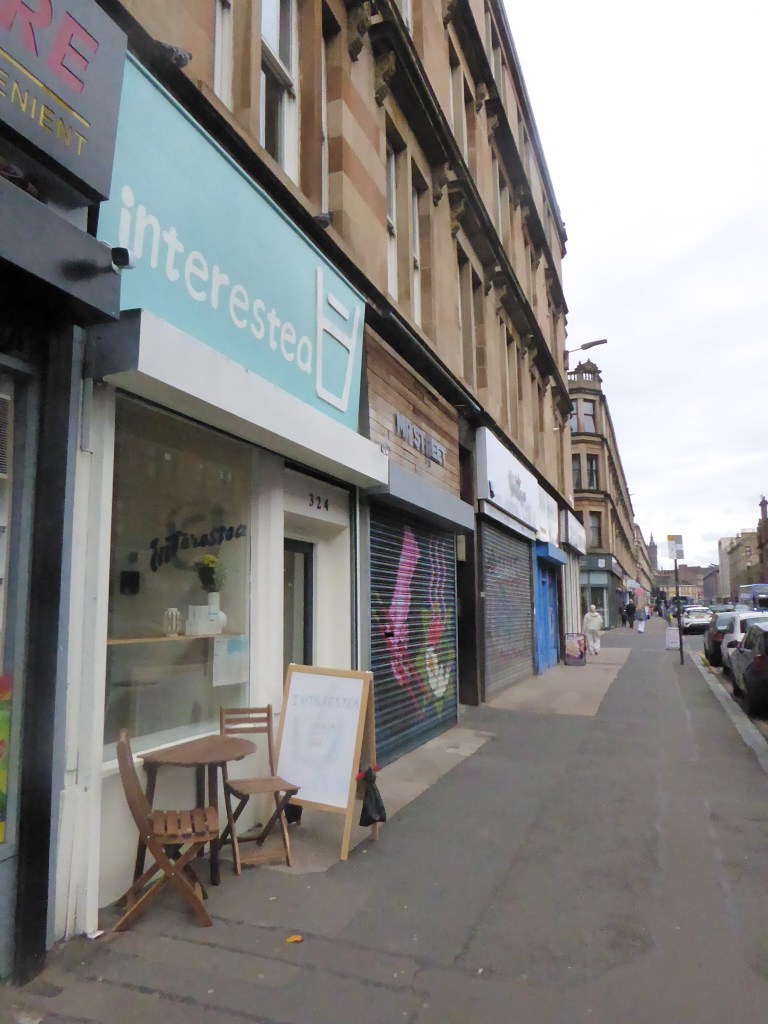
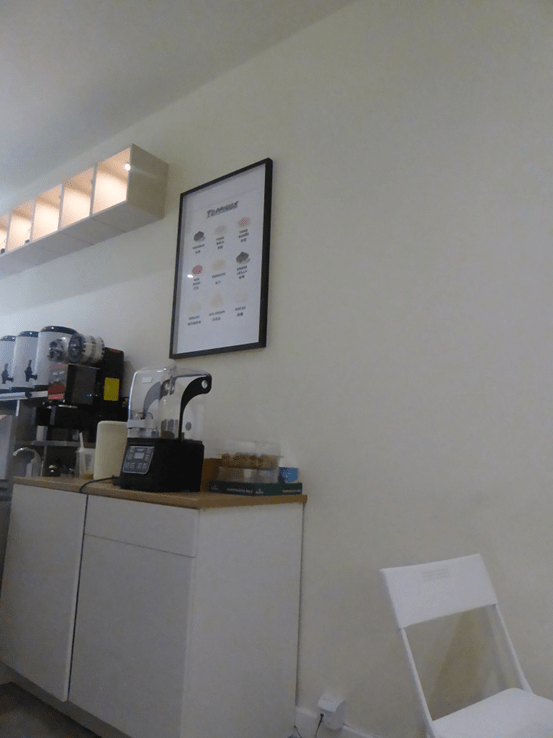
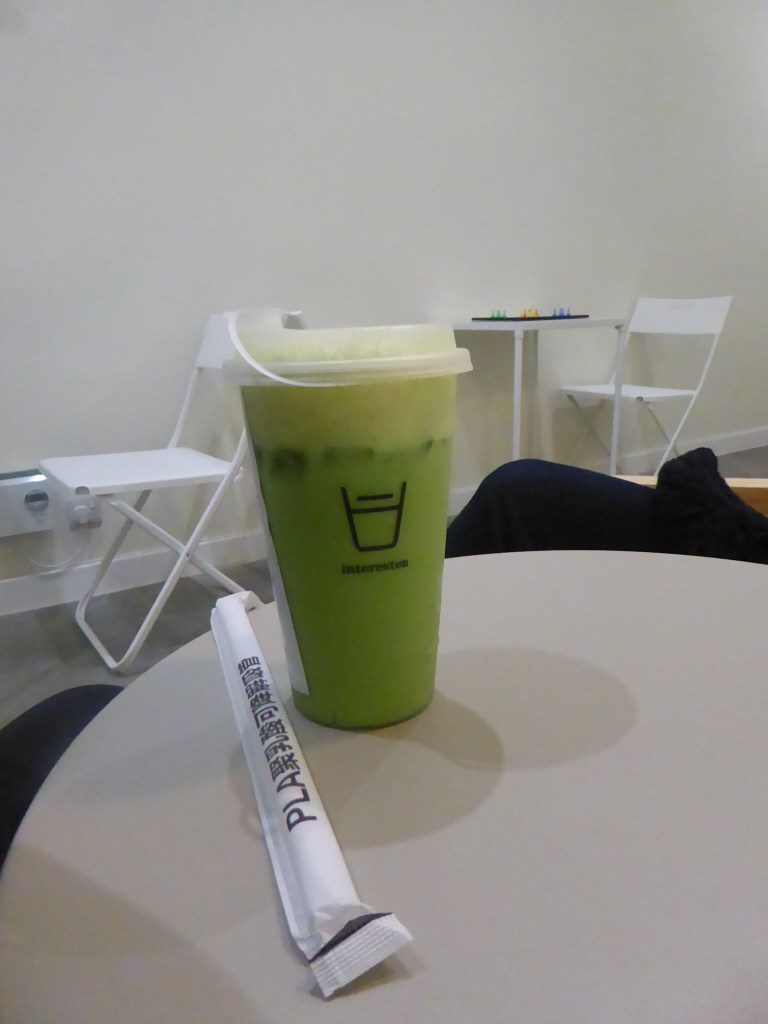
So, during a walk the other day, we passed by, yet another Chinese place, in this case also with a rather unfortunate name Interestea – a new bubble tea and coffee café that is minimal and sleek.
I just LOVE some of the names of Chinese restaurants in Glasgow!
This establishment is located further west in the West End of Glasgow. This trend is natural, as more & more Chinese students (and other nationalities) arrive, there simply isn’t enough accommodation near the University itself. As a result, they are moving further west, expanding into the Thornwood, and Victoria Park areas of the city.
One thing I noticed, as I am currently trying to learn Chinese, whilst I also have Chinese clients online, was that there were some moon cakes displayed in the window.
Moon Cakes, or Autumn Festival cakes, are traditionally baked for the Mid-Autumn Festival that took place 2 weeks ago in China. Unfortunately, we didn’t get to try any here, but we did buy some last week from our Chinese supermarket in the West End. I haven’t tried them yet, but one client mentioned he didn’t like them because they were too greasy.
In addition, as I’m a dreadful amateur “cook”, I searched for and found an online recipe that called for a strange flour mixture of dough; consisting of alkaline water, along with some sort of golden syrup and eggs—it didn’t look very appetizing.
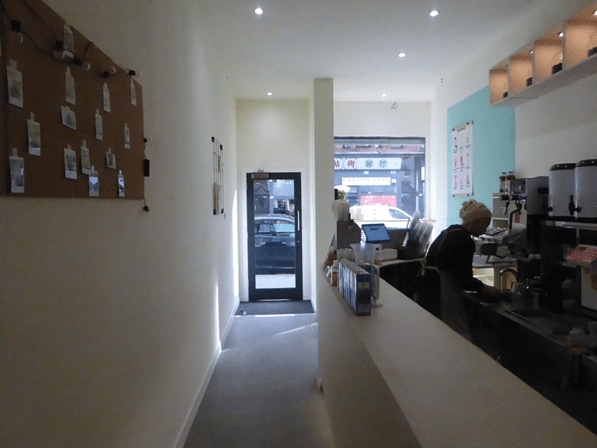
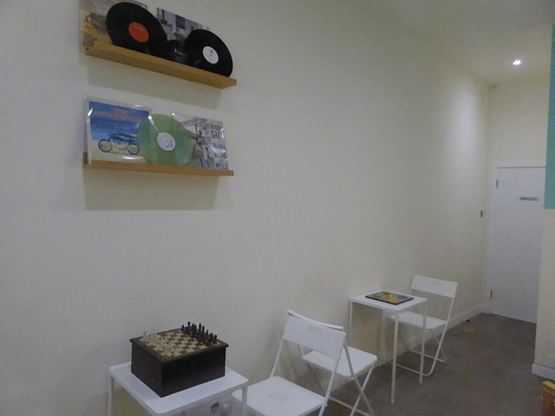
This café was new, clean and very minimal; and will no doubt contribute to the proliferation of Chinese establishments, whether cafes or restaurants, in the West End of Glasgow. It can only be a blessing.
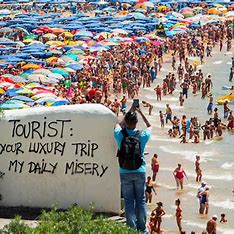
As a follow up to my post of February 1 of this year, it is now quite well known that Venice has indeed brought in a tourist fee for a day trip to the beloved city.
But, what the press has been quite low key about, is a variety of other regions and cities are essentially doing the same thing.
These are presently ranging from Spain to Hawaii, and various places in between.
As always, there is a decision taken (this case Venice) and then, there are the followers.
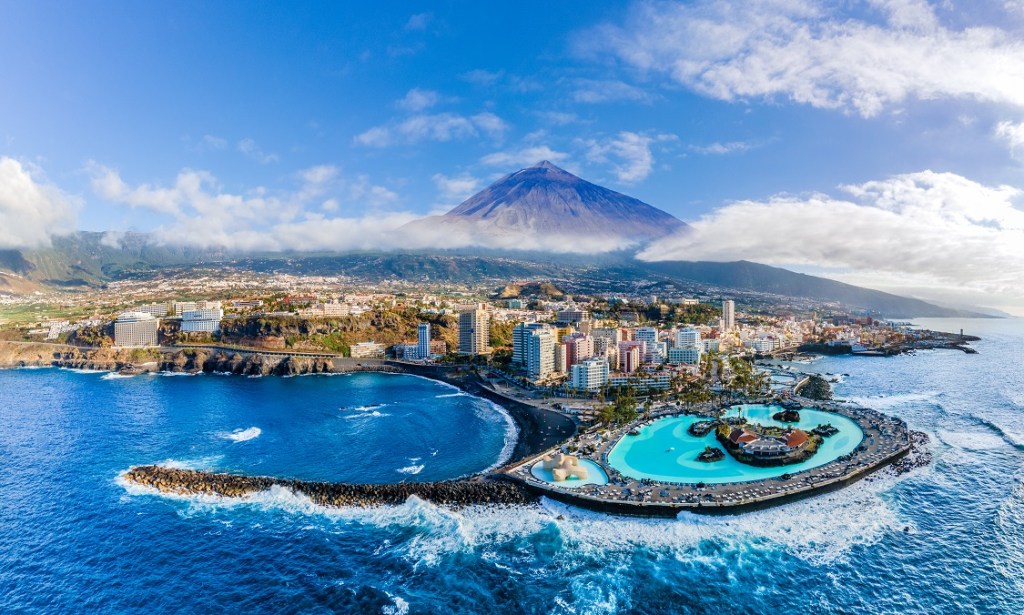
It’s happening all over Spain at present. I mention Spain, because of the sheer numbers who do go there from the UK. In fact, I’ll be going to Mallorca in June, in order to watch the Mallorca Open grass court tennis tournament.
As someone who travels quite a lot, with my next trip to Porto or Northern Ireland to see a brother(s) of mine, next week, I can well understand both the concerns of the tourist, as well as the people who live in these tourist areas.
At present I’ve a holiday home in a picturesque area of Scotland, that as of last week, has started to become inundated with tourists. Though many in the local community, as the town is small, rely on them for certain portions of the year for their income (or at least a part of it).
I put up with them, and they are really not that bad! OTOH, at times the traffic is outrageous. This makes me furious, as I’ve always wondered why people who want to “get away from it all“, are at the same time driving through the village as if it’s a friggin motorway!
In addition, as this is not our main residence, as of this year we’ve now been hit with a double council tax from the local Council.
Is this really a solution? I’m still not sure, as we will not only pay it, but at the same time will have no intention of all of a sudden, selling it to a “local”. I say local, as we’re there for about 7 – 10 days a month, and consider ourselves to be “locals”. And besides, just what does the local Council do with this new found money? I seriously doubt that they’ve set up a special trust fund with it, in order to assist locals in find accommodation!
Alternatively, I can certainly understand when certain local people can not find a flat either for sell, or to rent for the long term.
An obvious solution comes from countries who have already experienced something like this. Germany is one that comes to mind, and one where I have first-hand experience of.
There, it has always been the case for many of the states to have a cap / limit, on the number of Ferienwohnungen (holiday houses) that a specific area is allowed to have.
This seems like common sense, and it also does not punish someone like myself, who has bought a second property, and then later, is expected to be taxed double for it.