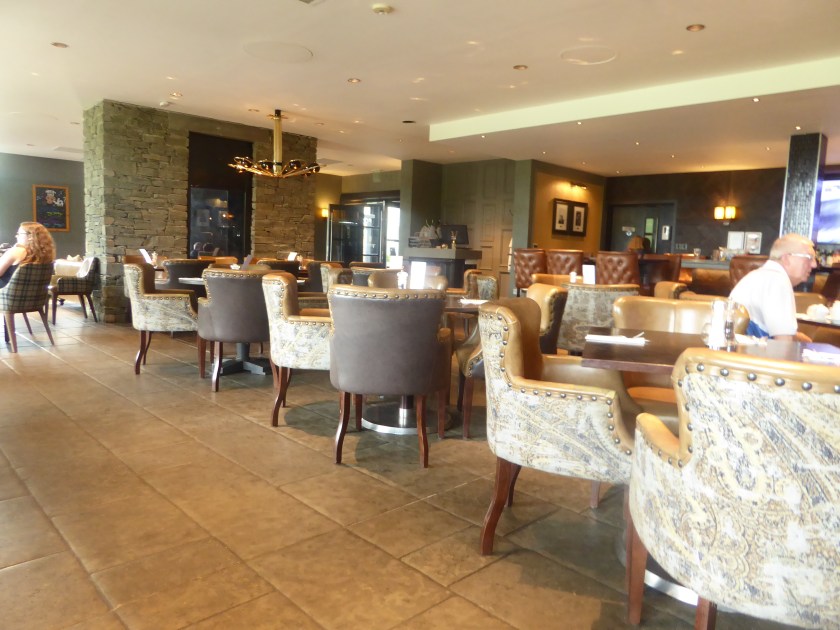
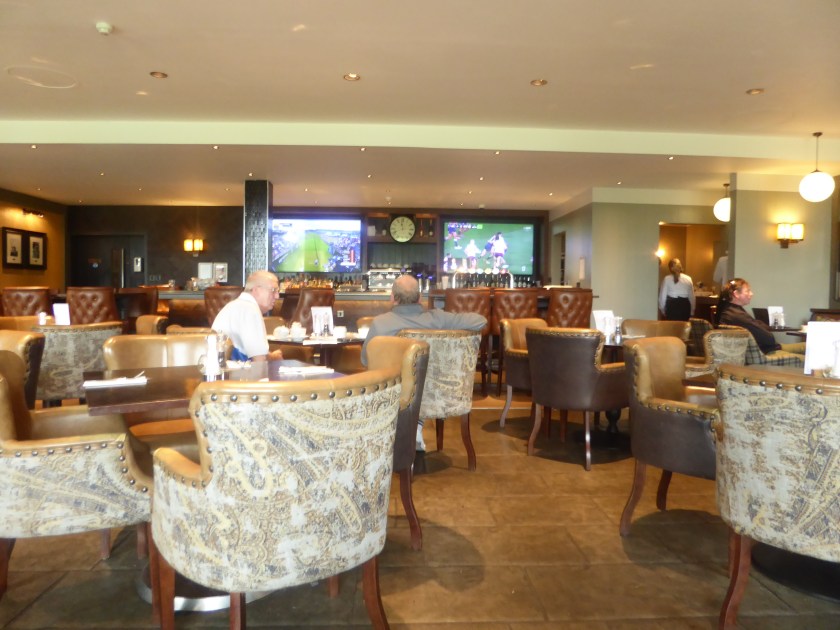
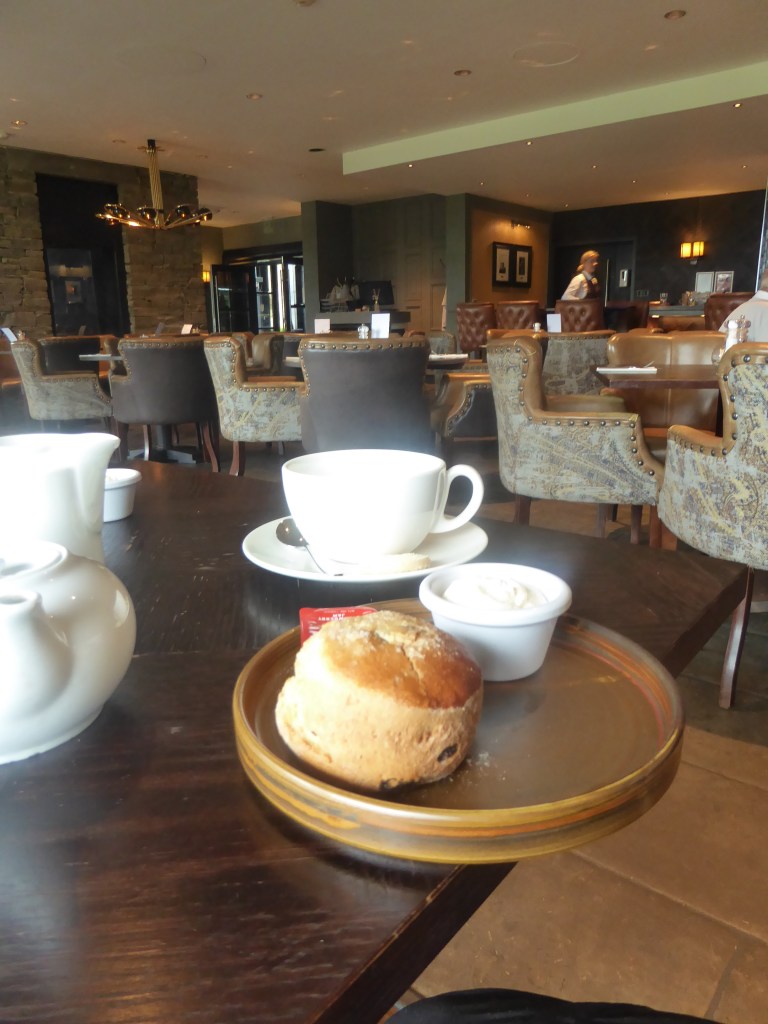
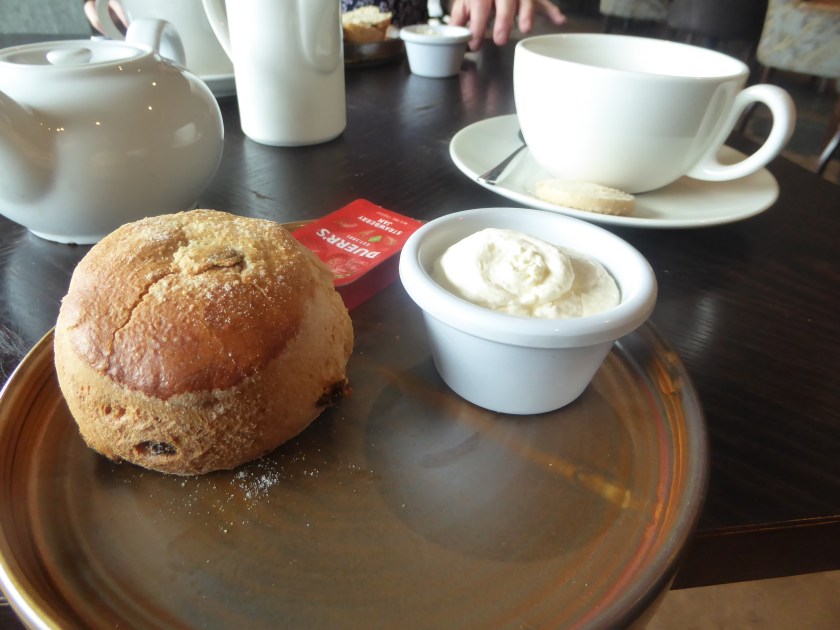
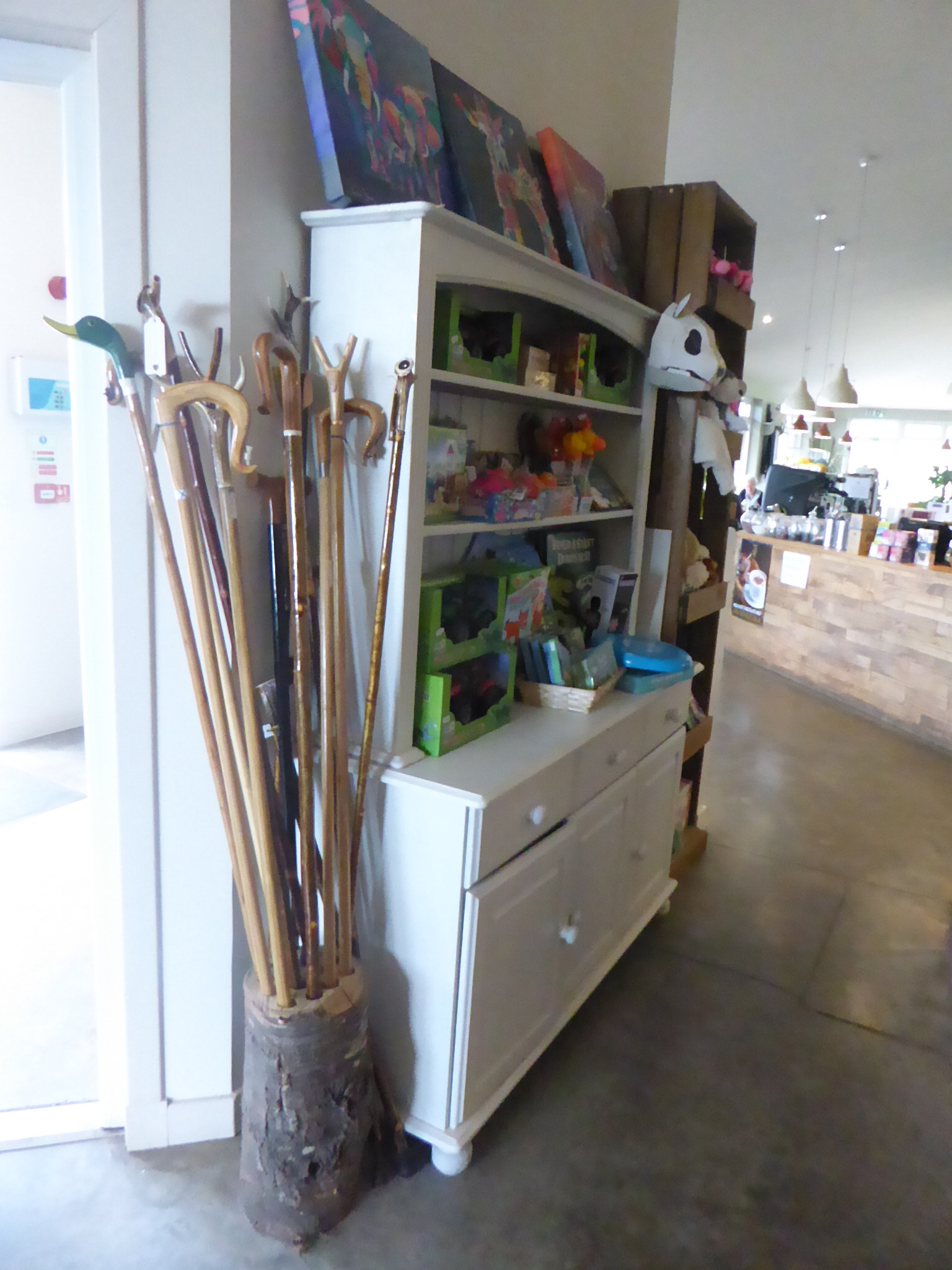
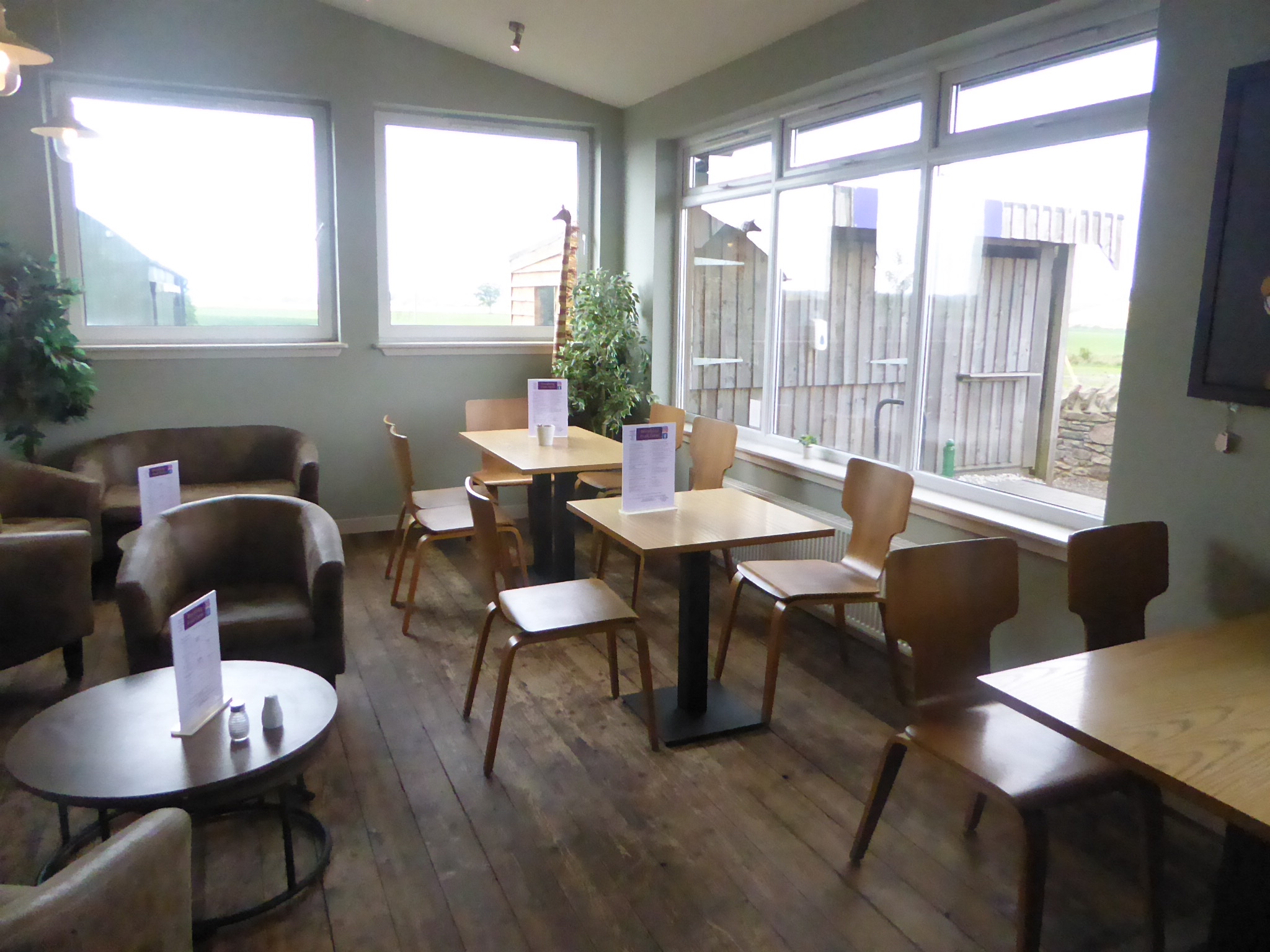
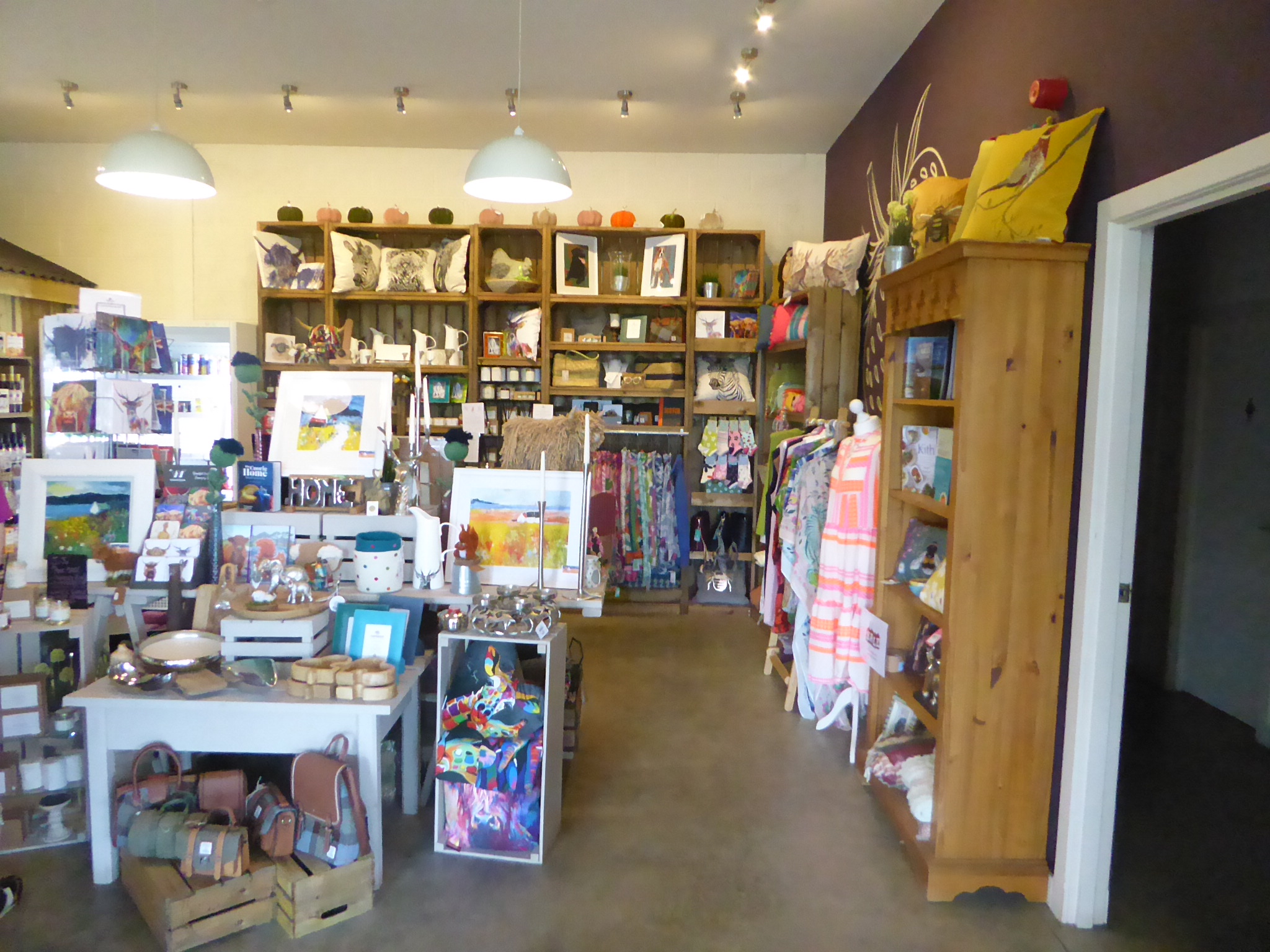
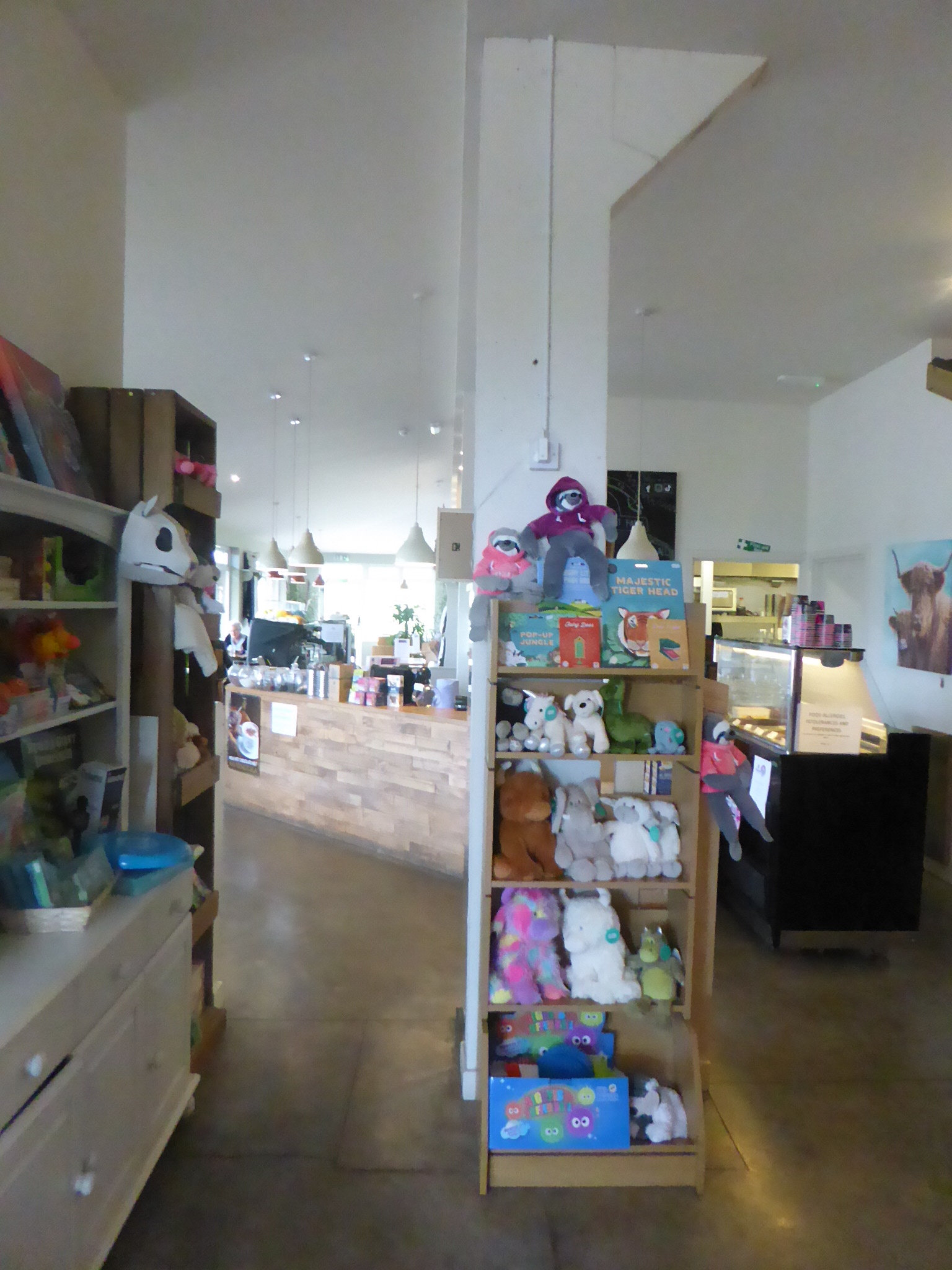
The Kilted Baker – Kirkmichael, Perthshire, Scotland – Another different type of thing in the Scottish Highlands

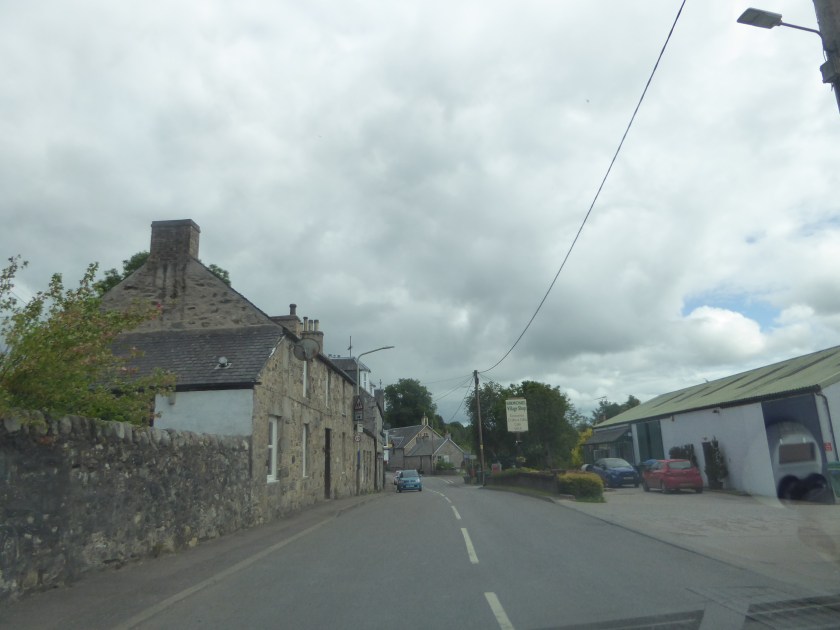
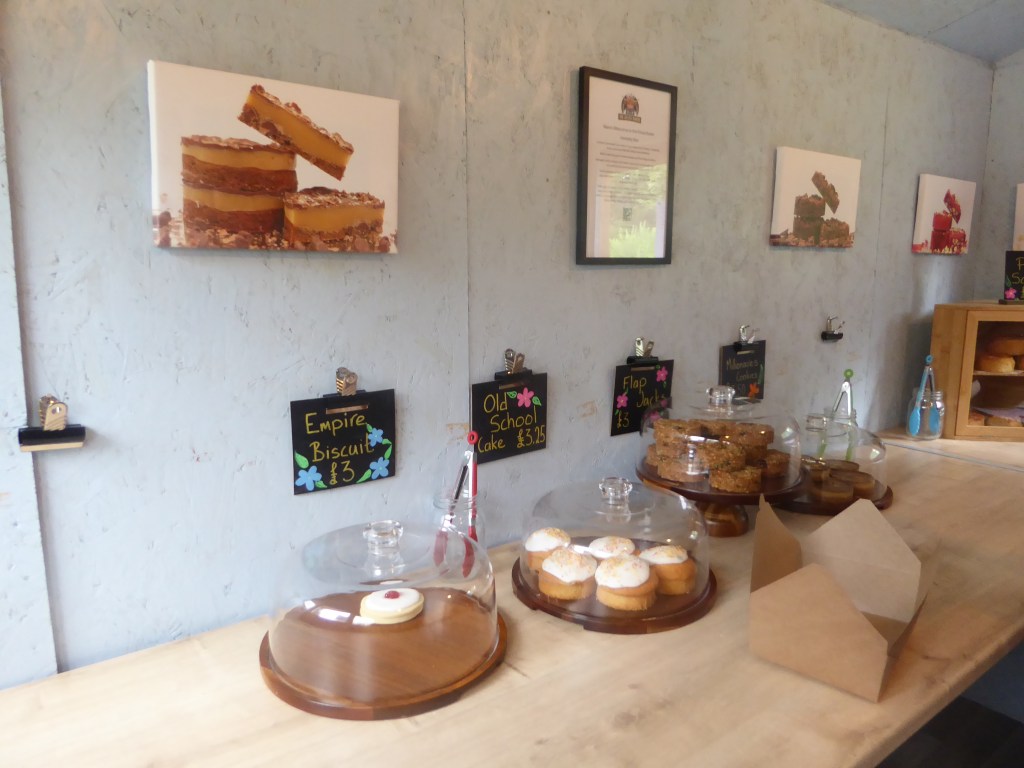
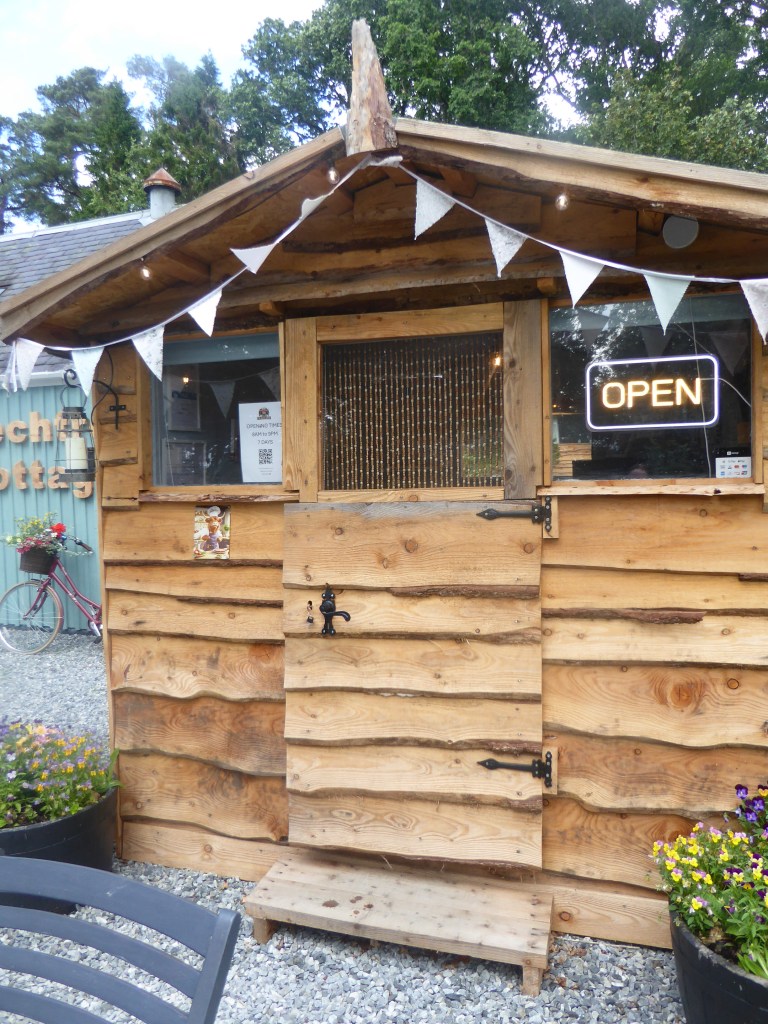
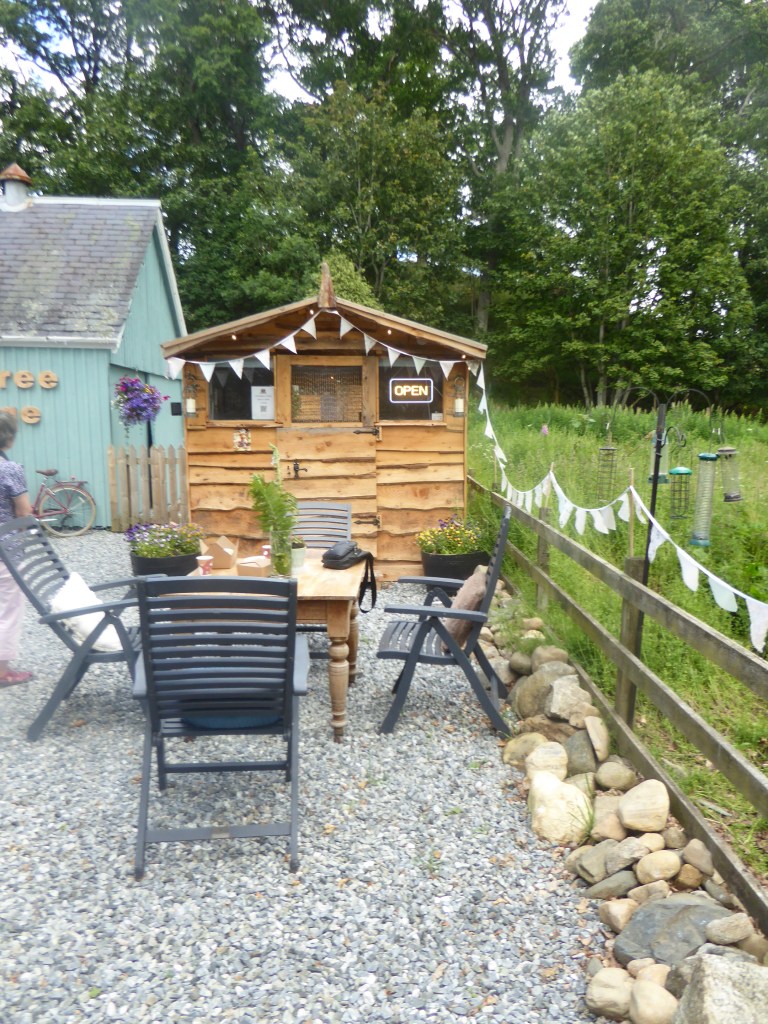
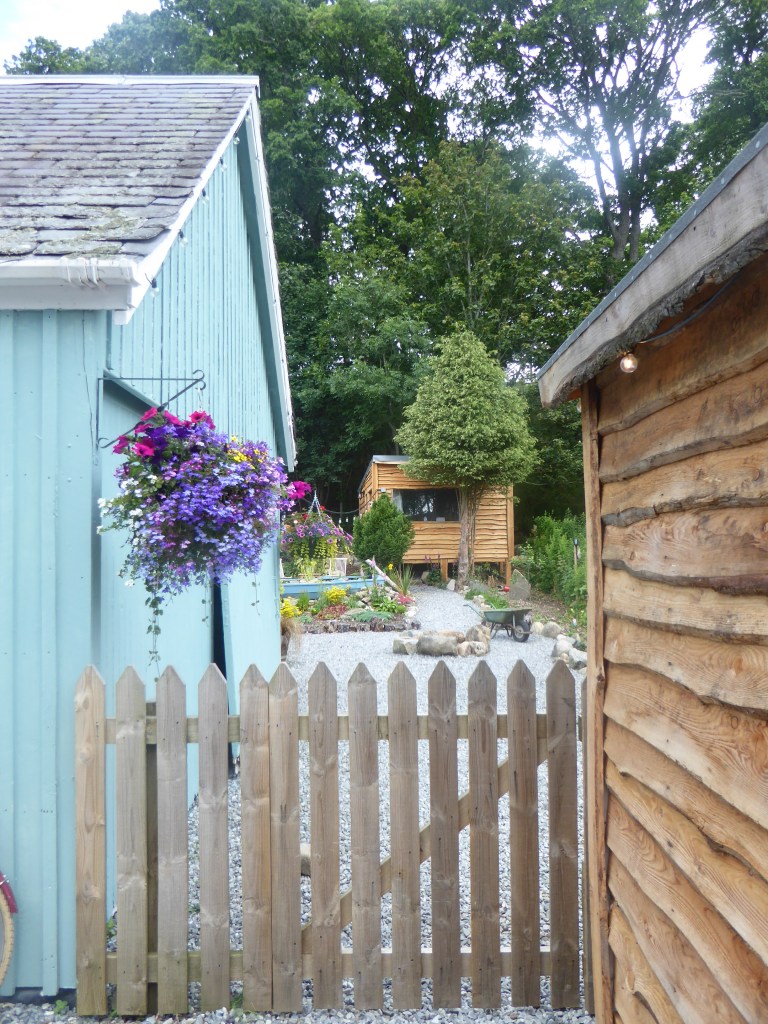
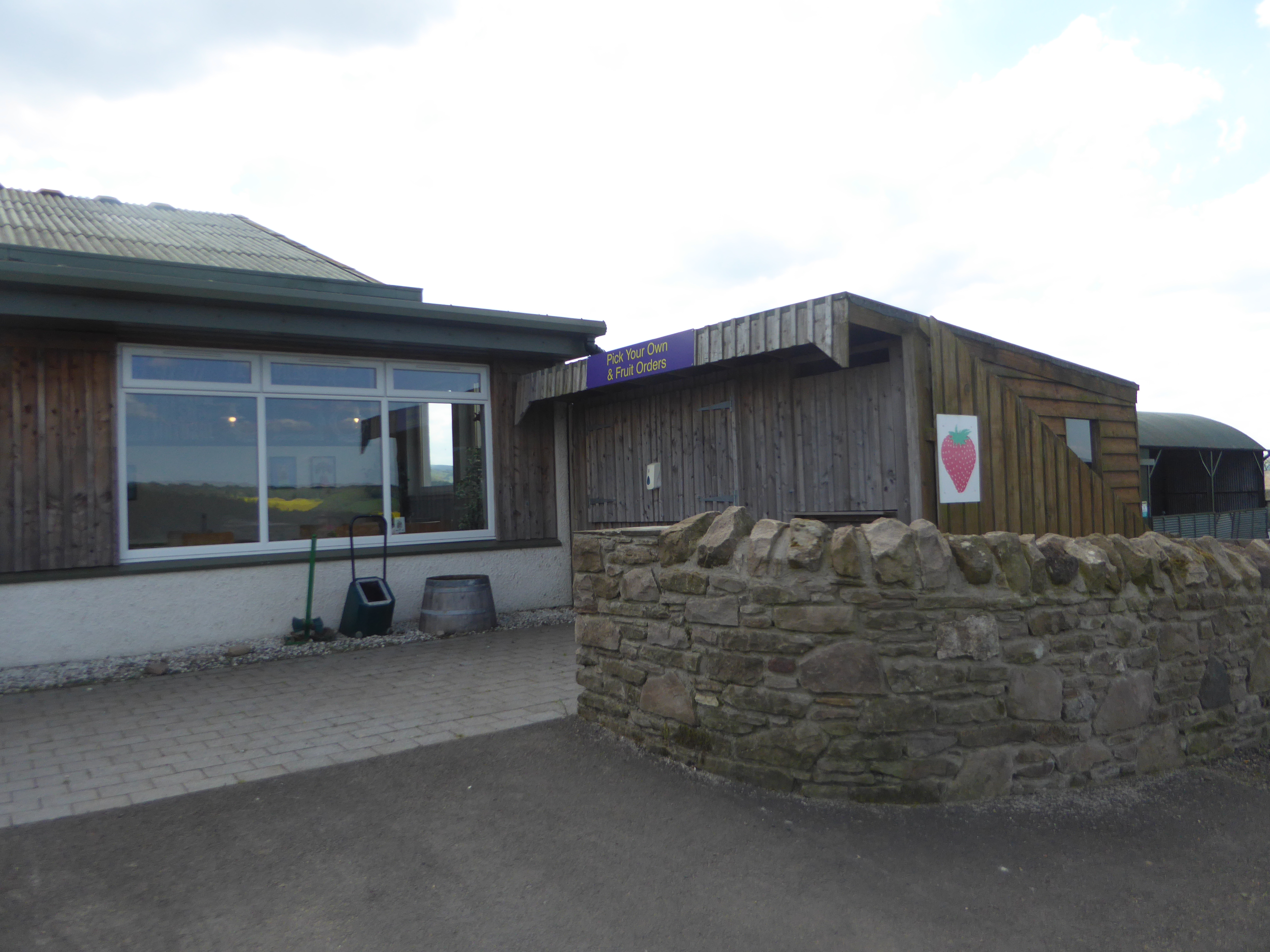
The Kilted Baker is nestled in the quaint village of Kirkmichael, and is a charming surprise I stumbled upon via a Facebook Reel. Yea, I actually watch those.

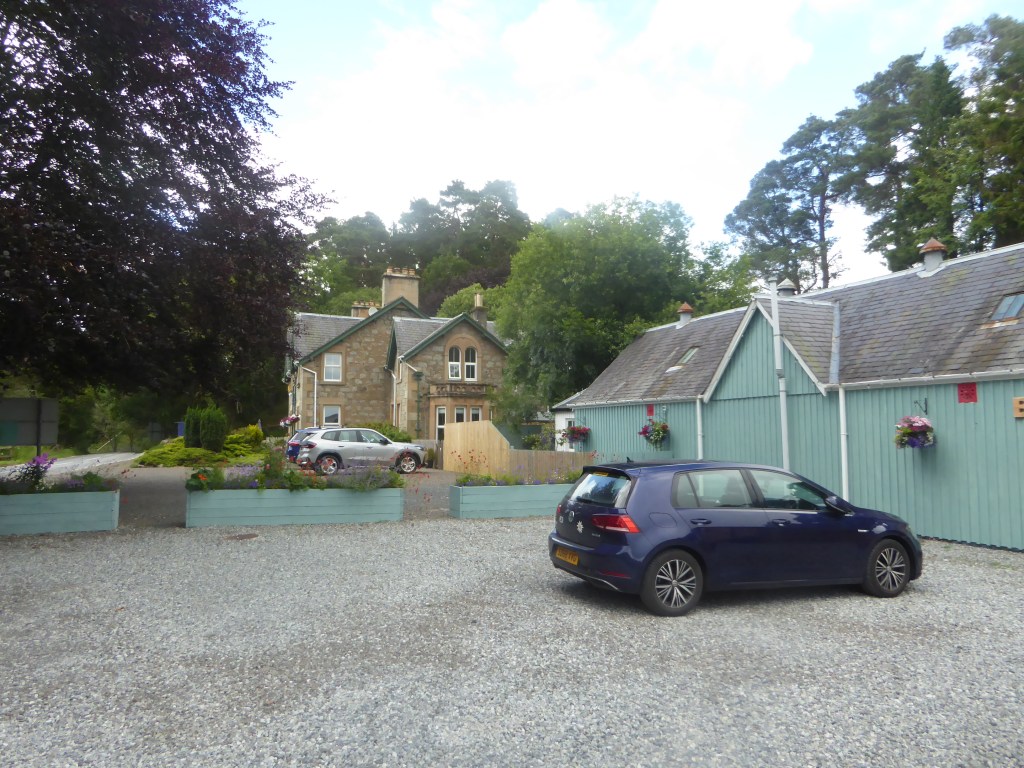
Over the past 15 years, I’ve visited this area quite often; such as starting the Cateran Trail from the carpark here! But still, this cozy home-grown spot was a nice discovery. Located about 15 miles from Blairgowrie to the southeast or the same from Pitlochry to the west, it offers a rustic, do-it-yourself vibe with a variety of cakes, cookies, tea and coffee.

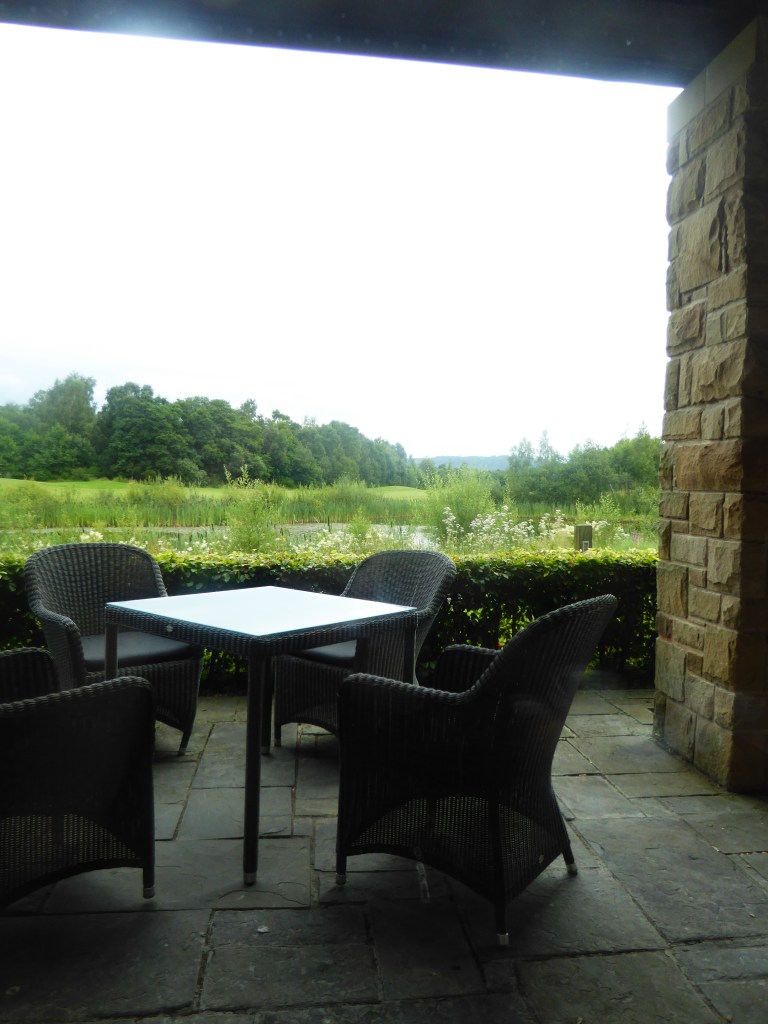
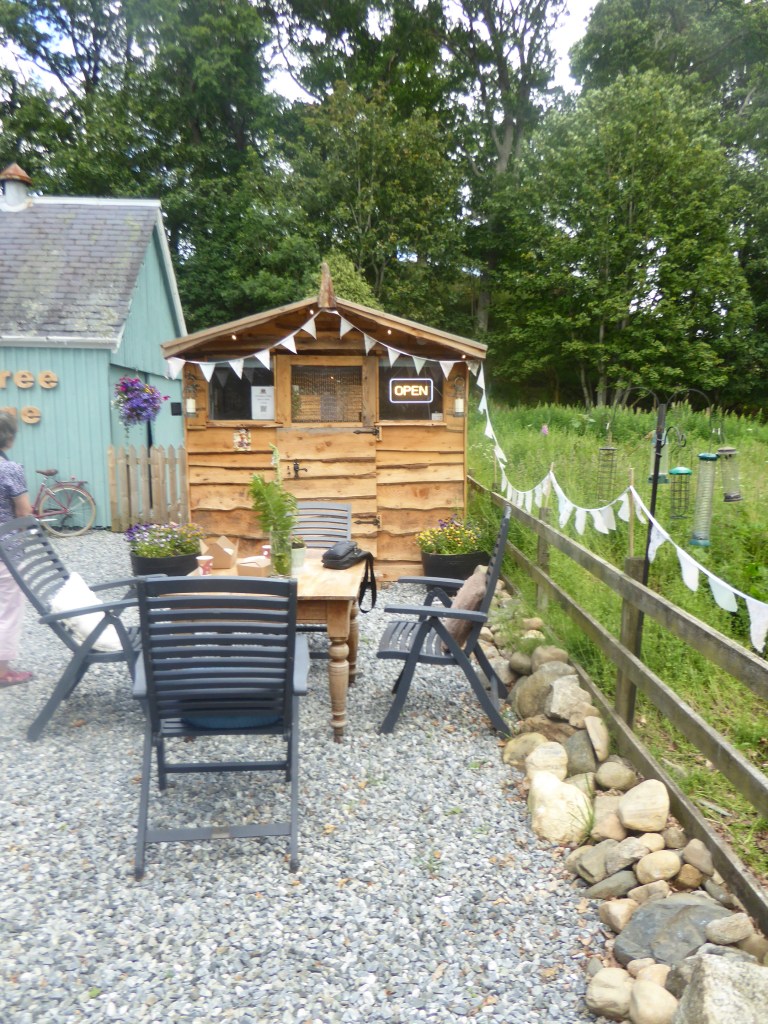
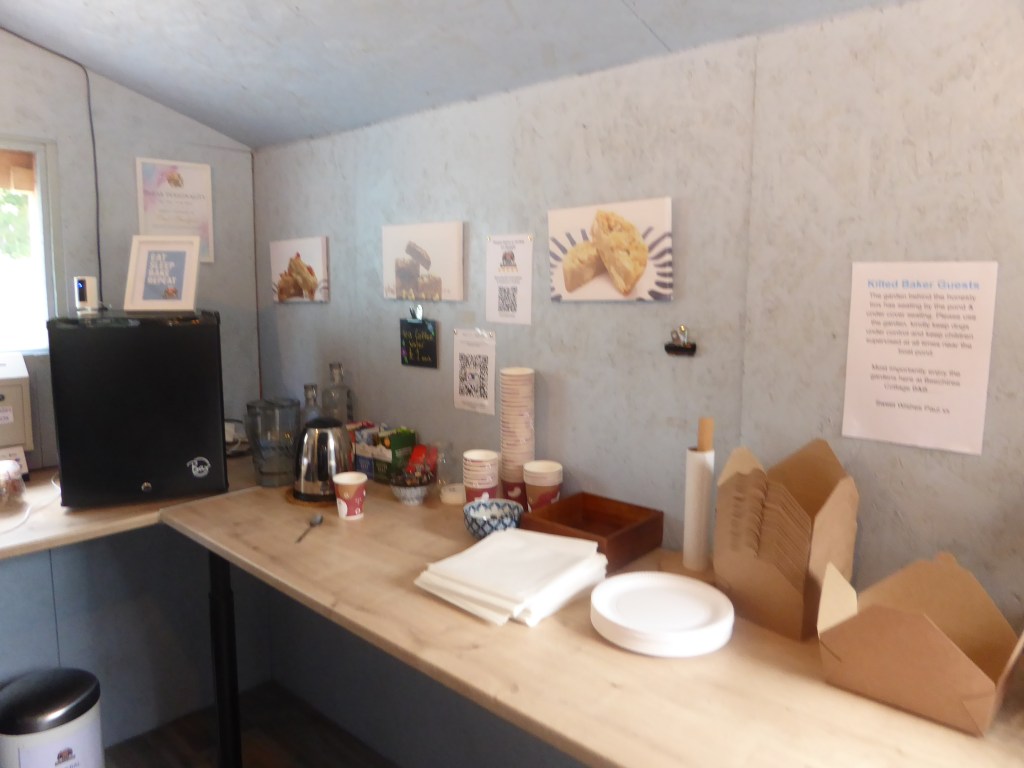
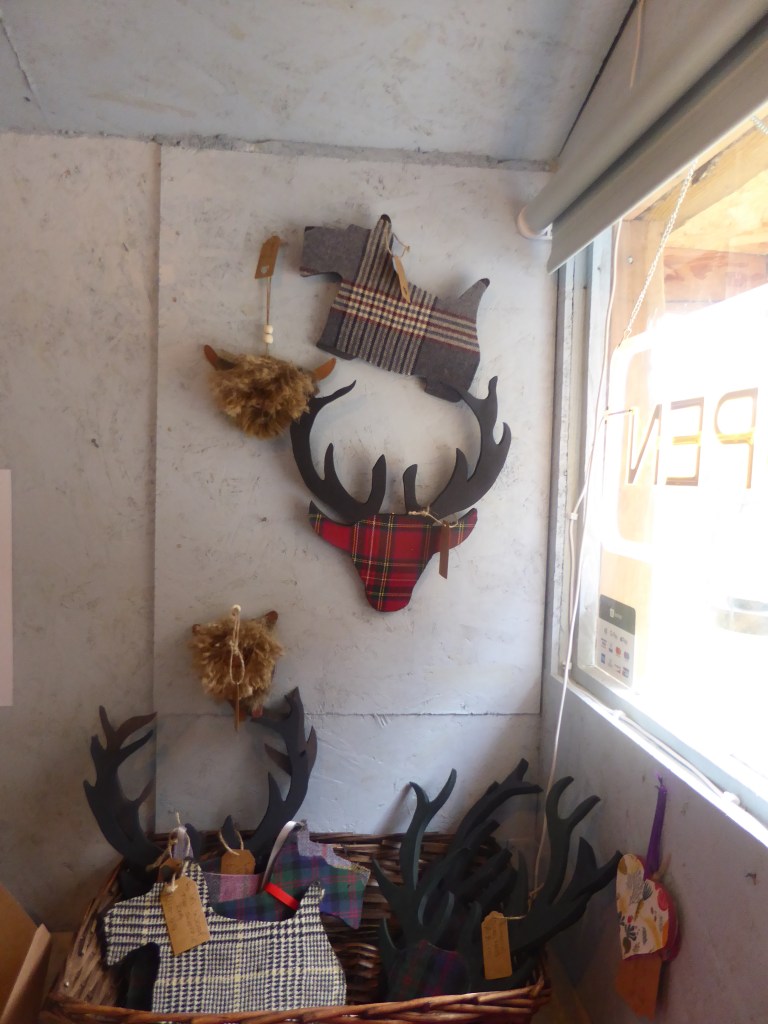
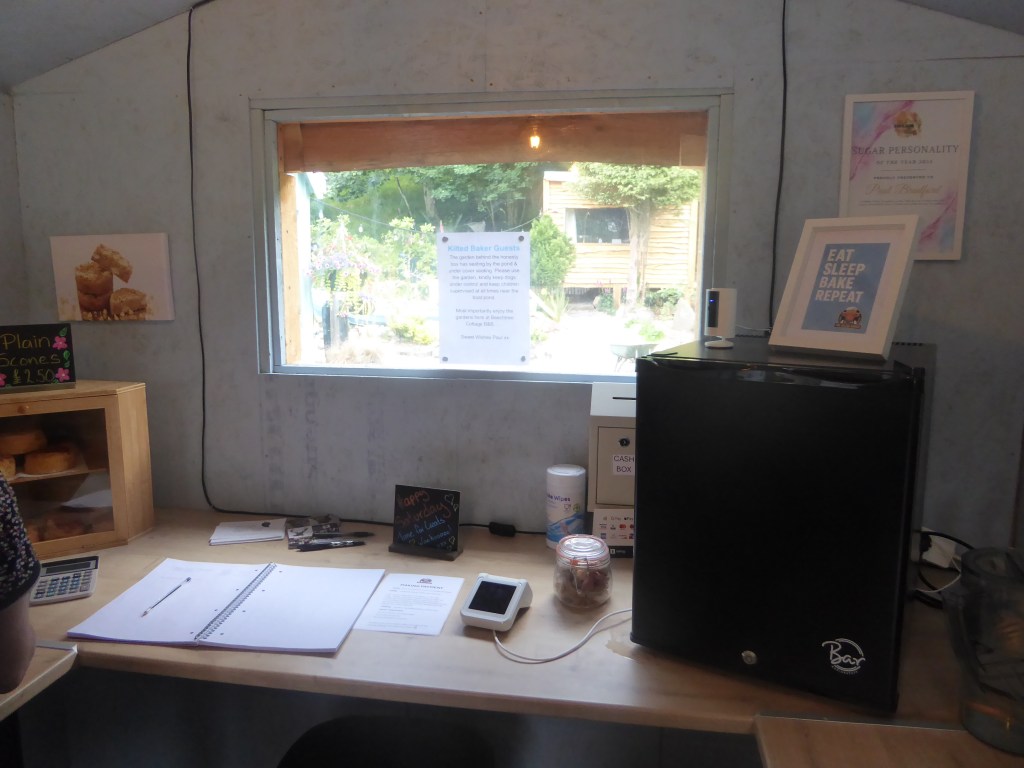
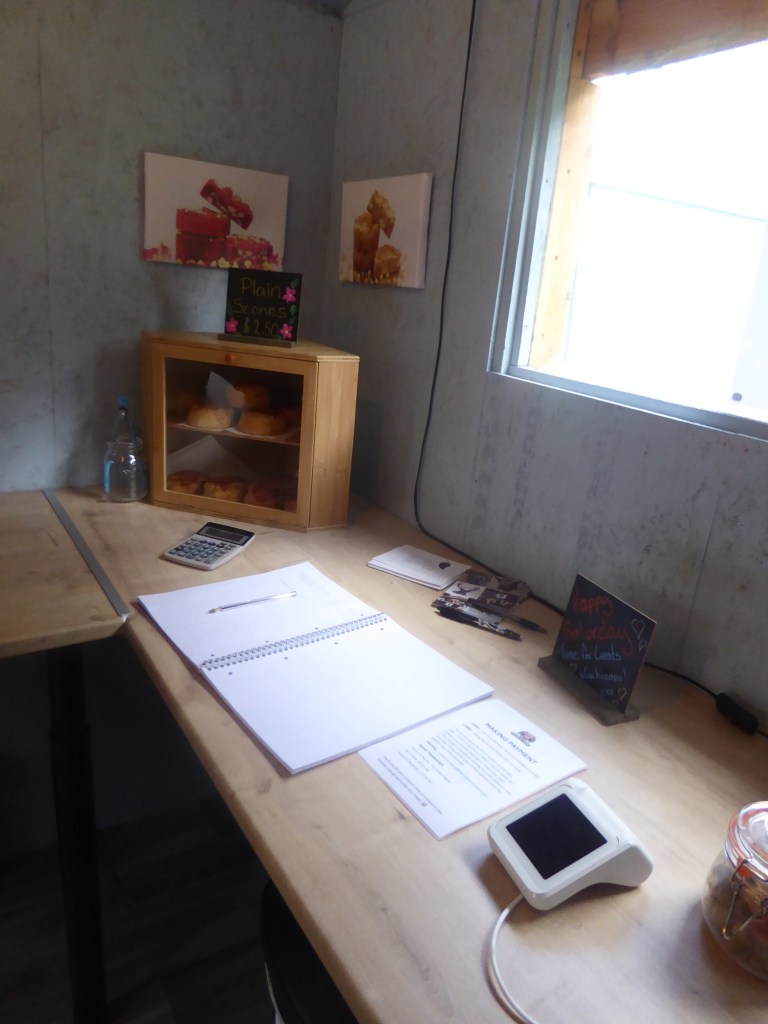
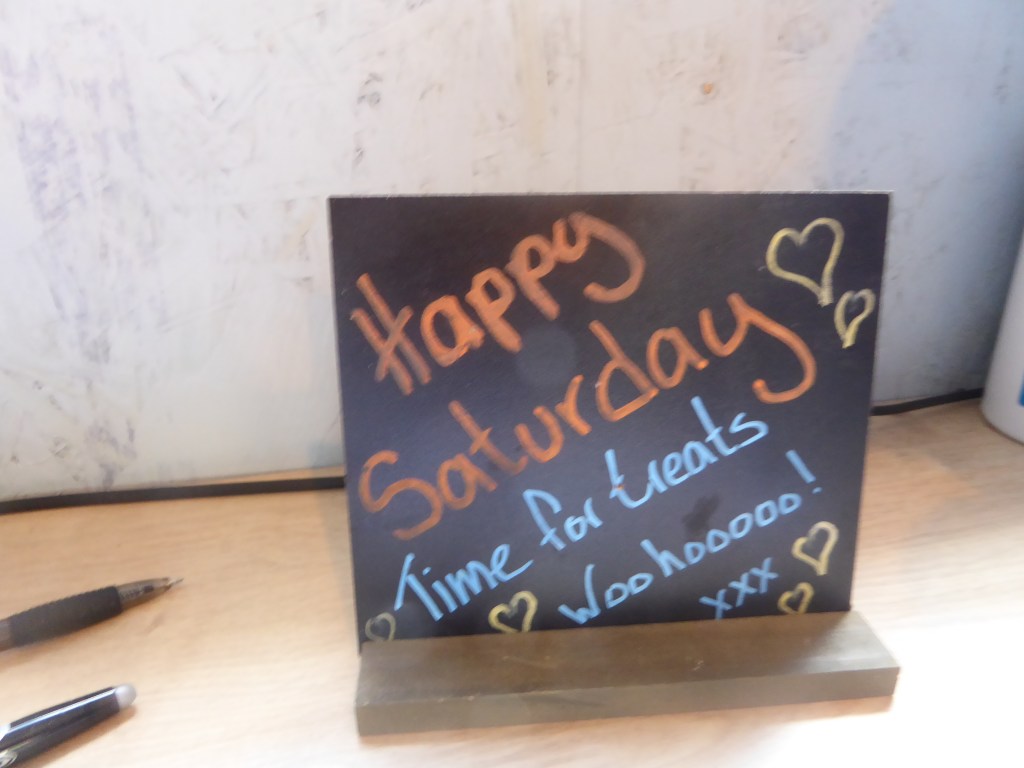
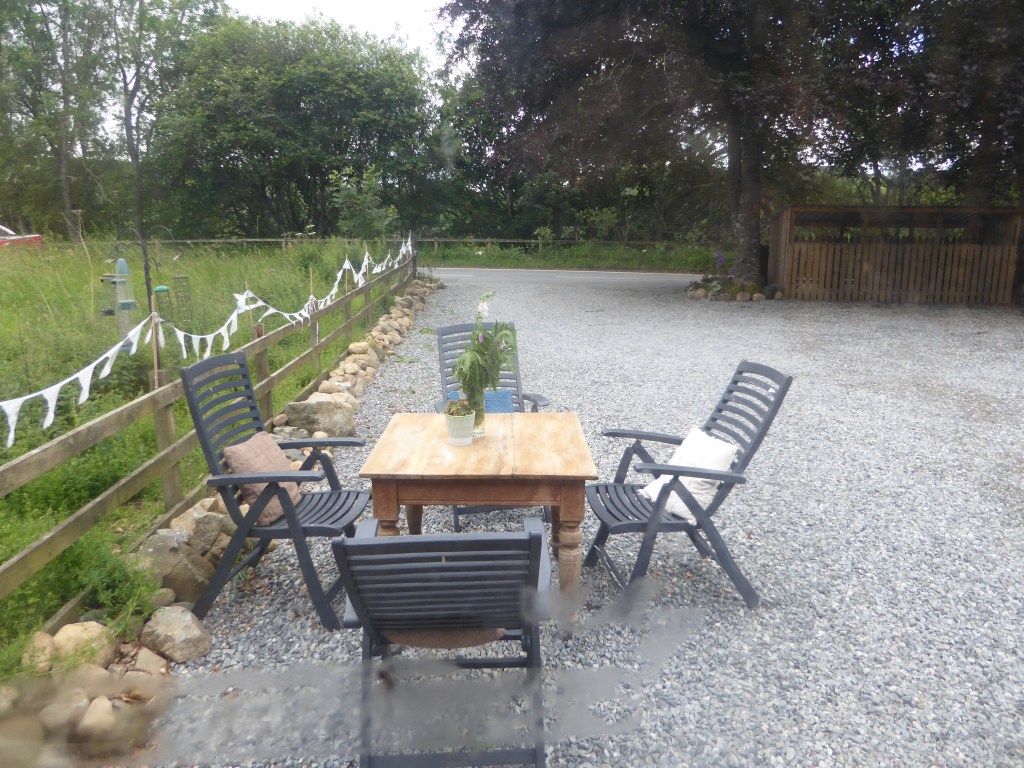
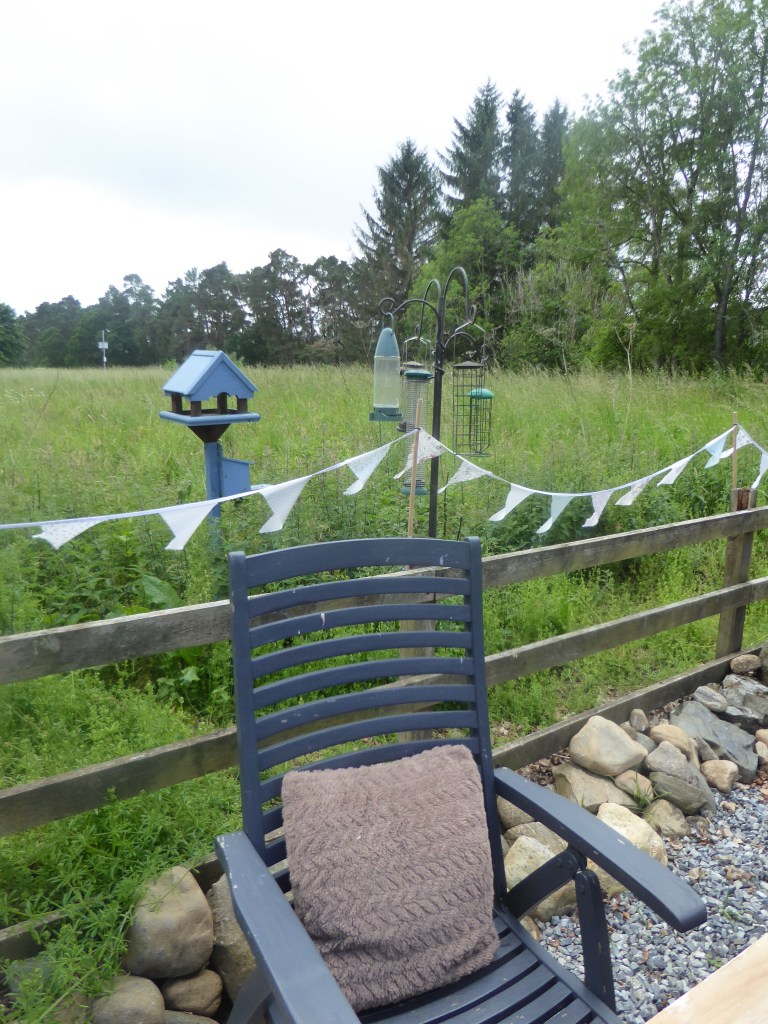
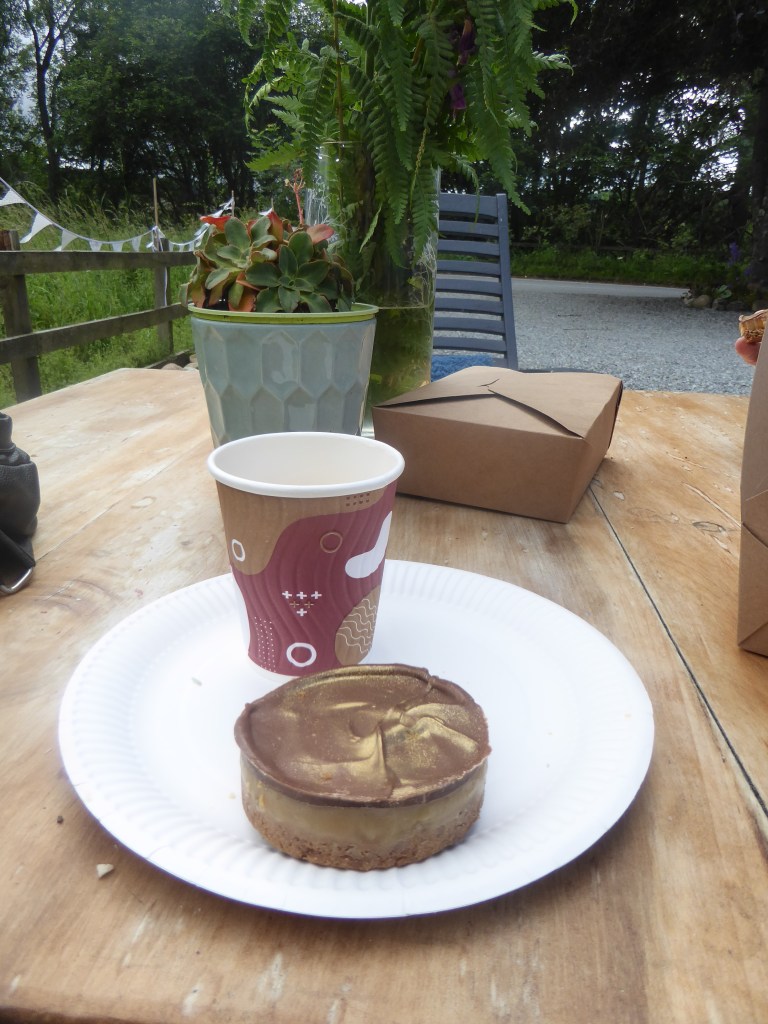
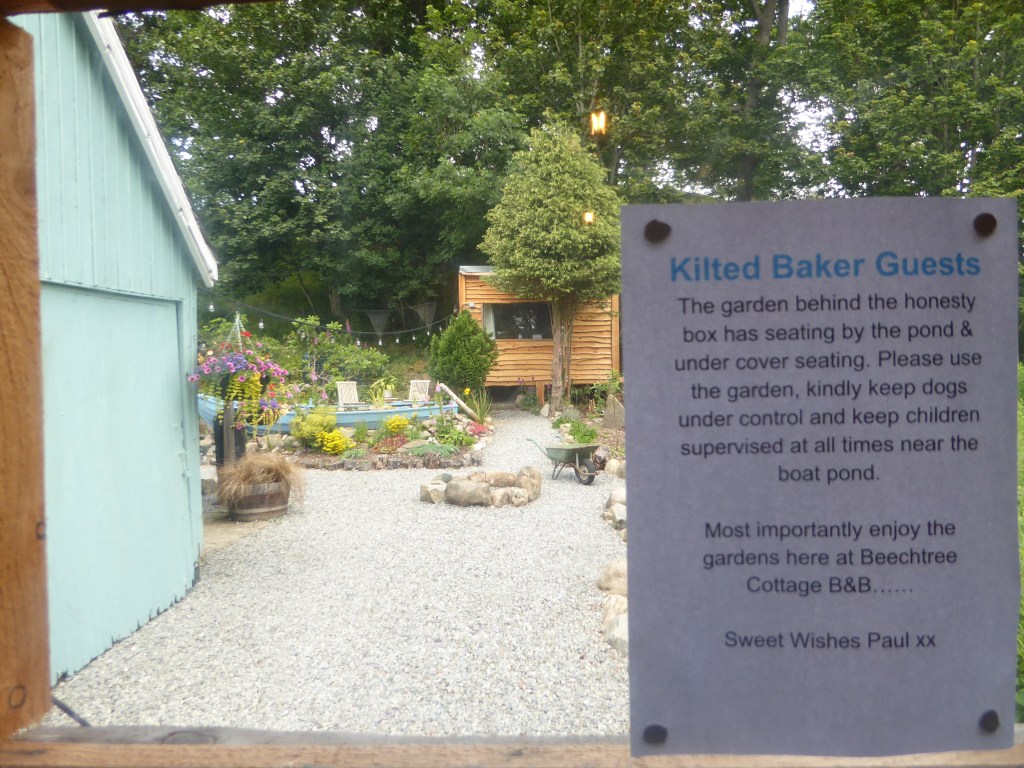
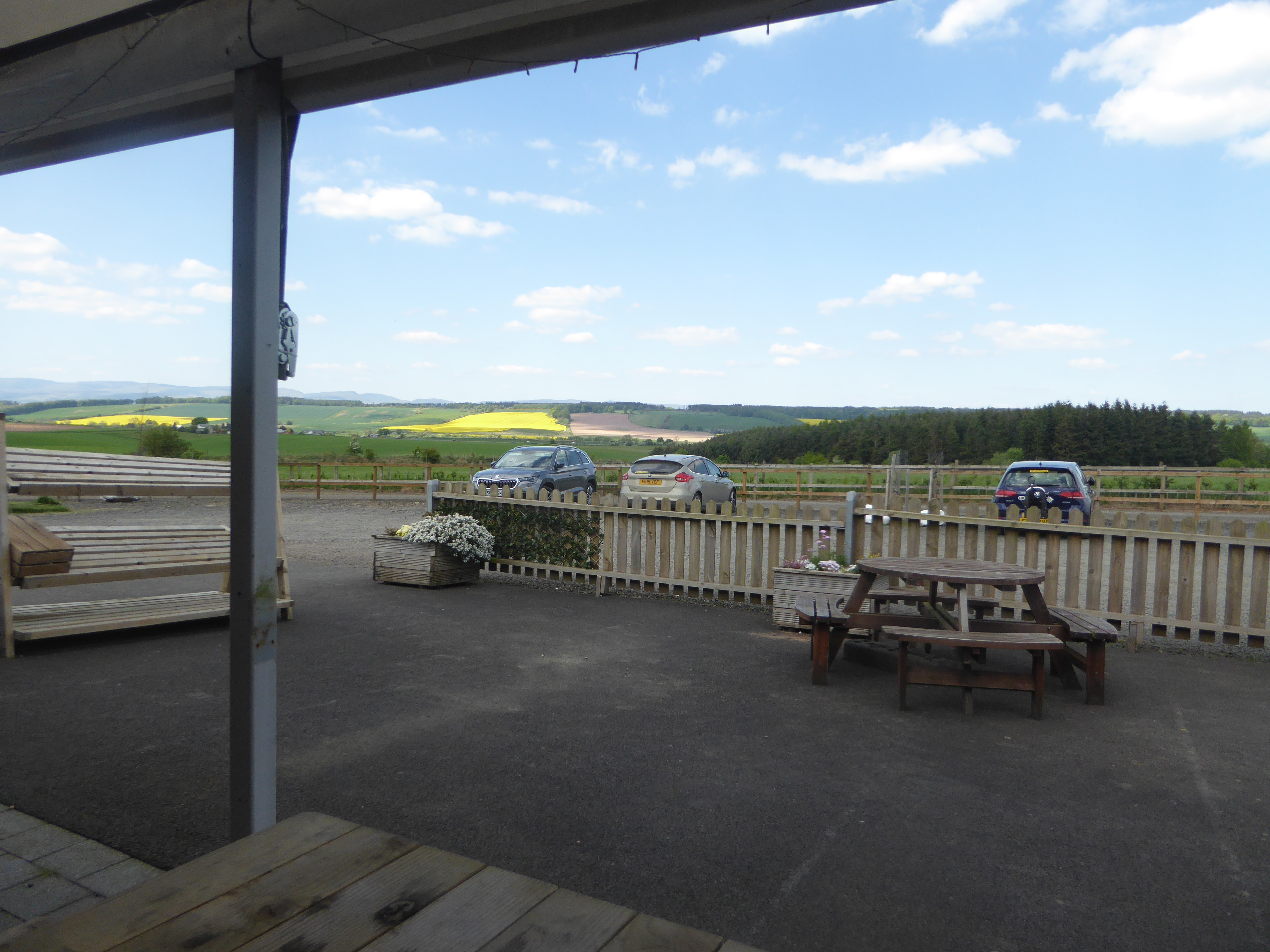
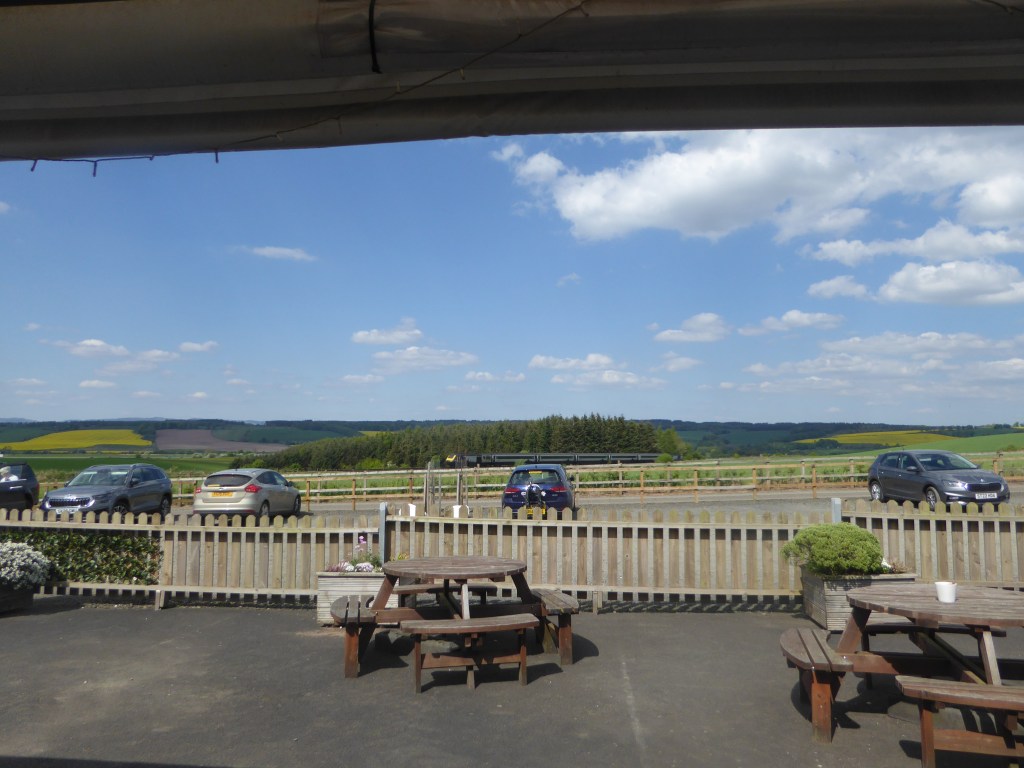
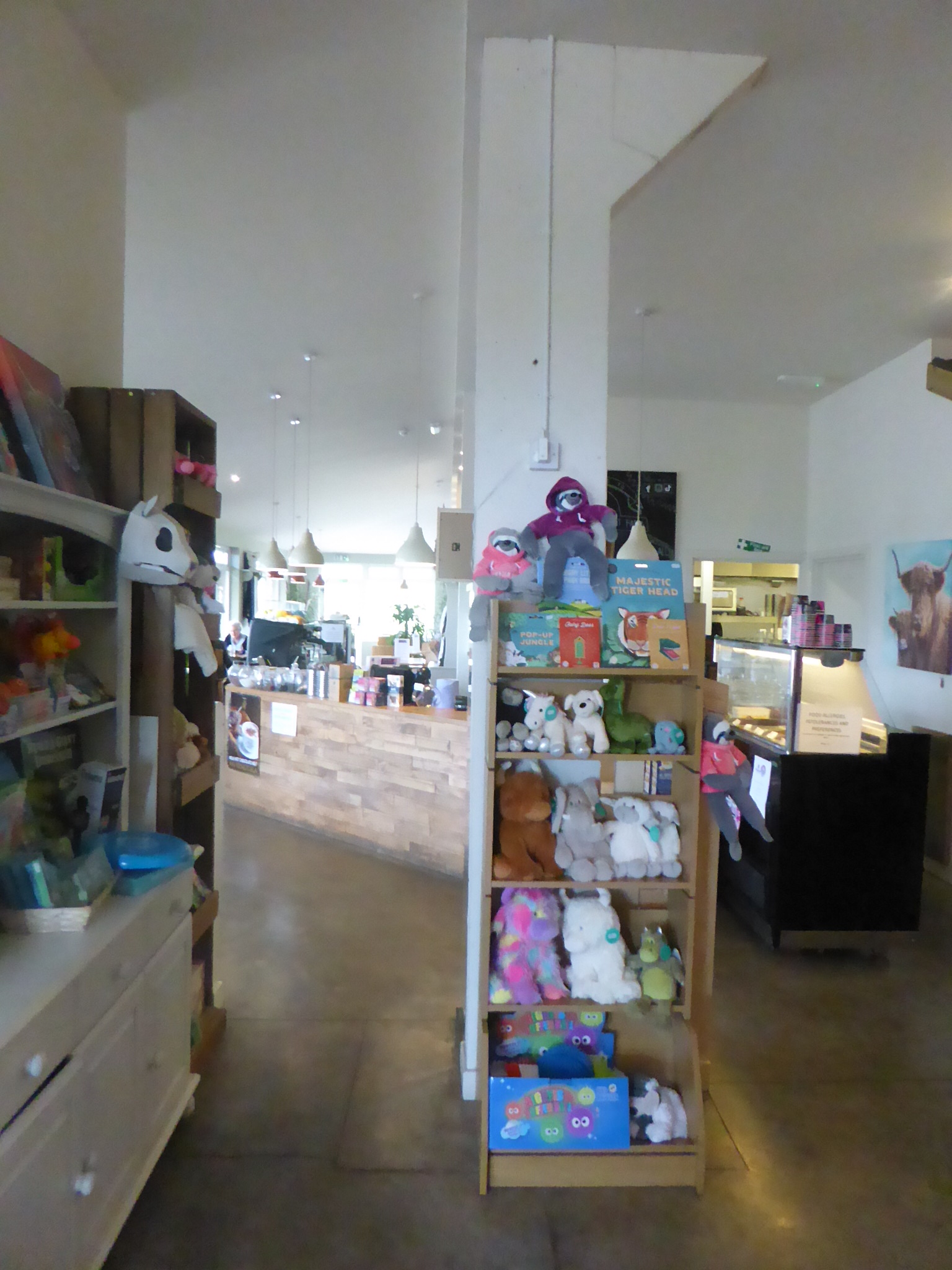
Payment is based on a modern honesty box system, accepting cash or card. The selection is impressive, featuring classics like Empire Biscuits and flapjacks, alongside cold drinks and Scottish-themed souvenirs like horns and kilted decorations! The setup is simple yet inviting, with a table and a few seats outside—perfect for sitting down before returning to where you came from.

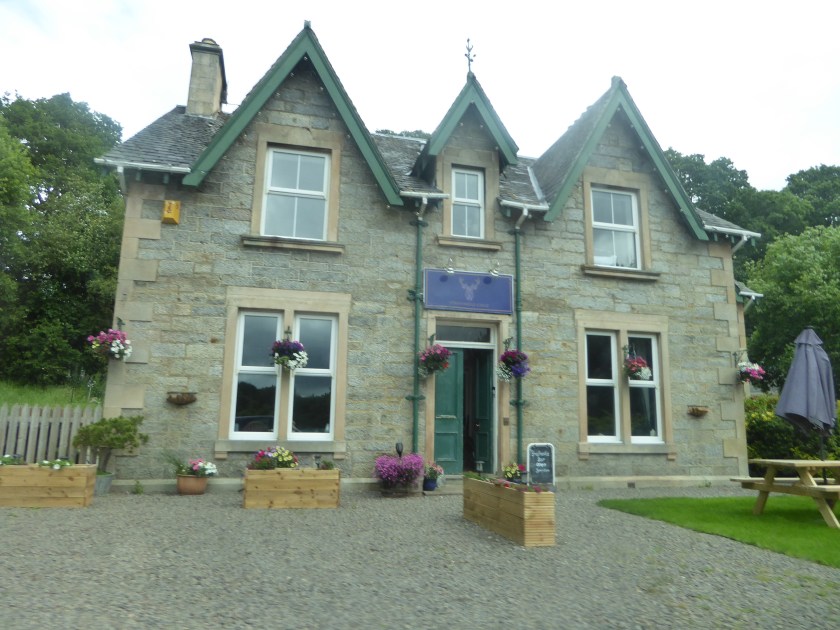
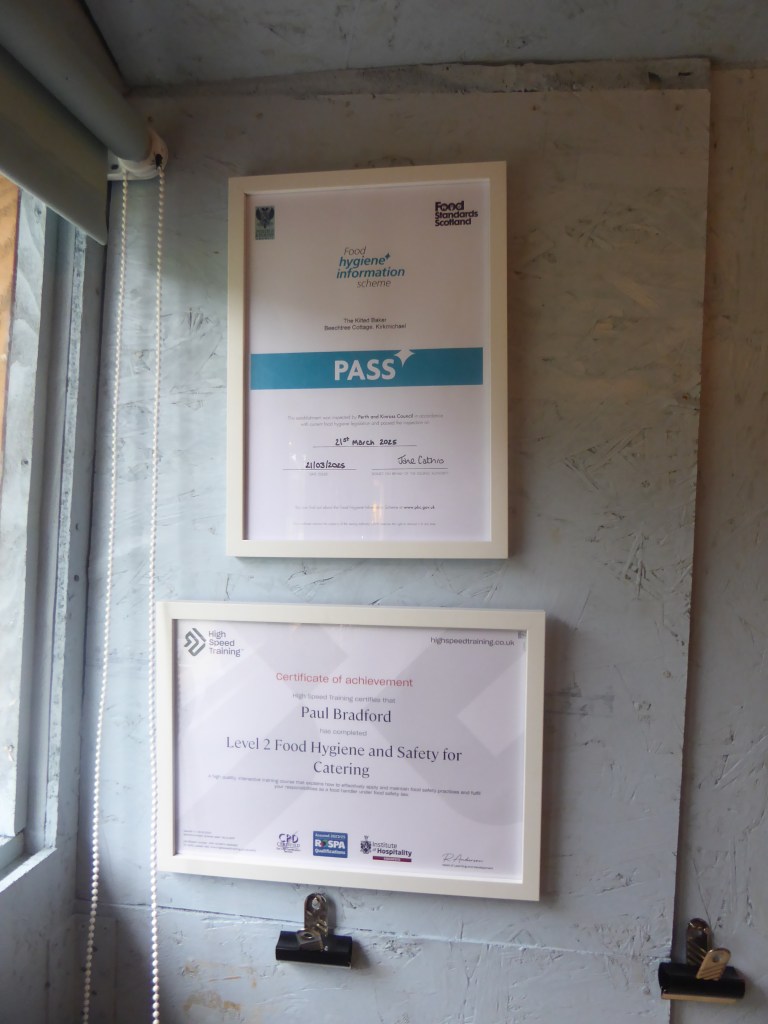
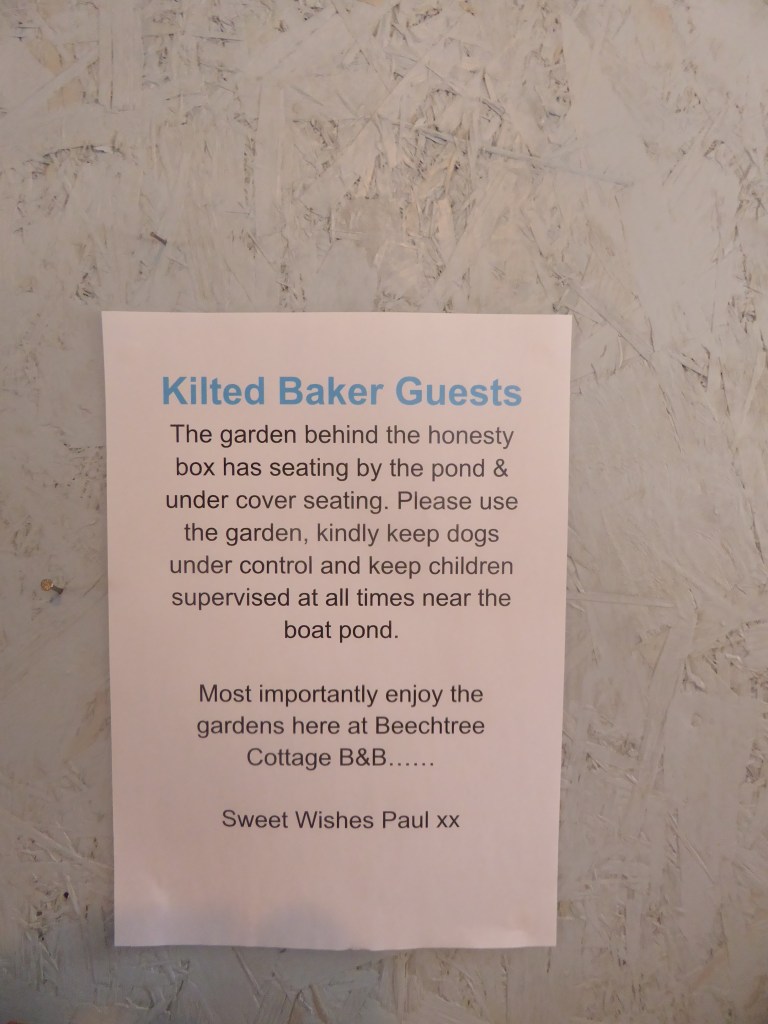
Next door is Beechtree Cottage, a familiar spot from years past, and the area offers easy access to the Glenshee Ski Centre if you take a left just past the bakery. You can also explore the adjacent gardens, where you might meet a friendly dog who escaped his paddock in search of cake during our day there. Run by a man named Paul Bradford, who holds level one and two food hygiene certificates and a recent approval from Scotland’s Food Standards Agency (March 2025), it feels authentic and welcoming.

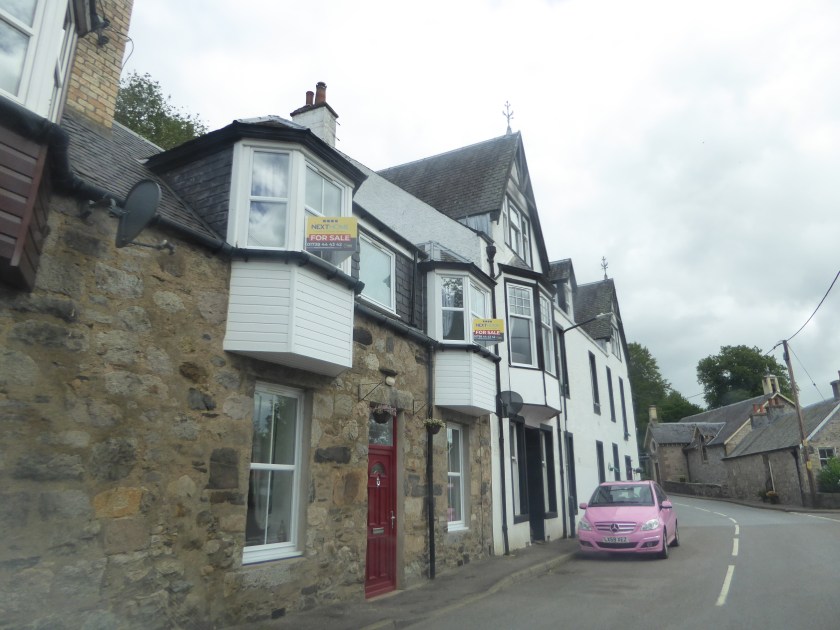
It’s one of the few remaining establishments in Kirkmichael, a village that feels like it’s fading due to the rise of Airbnbs and limited housing for locals; though I could be wrong. When I was here a few years ago, I was told by a local to look at the flats on the High Street here and guess how many were NOT Airbnbs; the answer was only one! I hope the situation is better now, and be sure to leave a review on Google, TripAdvisor, or Facebook—the owners will appreciate it.

CB
June in Glasgow, Scotland – Eating out & general comments –

The Hidden Lane Tearoom

I’ve wondered a lot about just how people can go out nowadays, as the prices I feel are utterly outrageous; particularly since the end of the COVID days.

Boy, was I wrong, as it seems not only has this not stopped people going out to eat, but even for myself (below); I’m still out about 5-10 times a month!

I’m not bragging, though this also includes cafes; which being a tea drinker, certainly saves me money compared to the Lattemacchiatochino-oatmilk mob.

Our first stop was Cotton Rake, a charming specialty bakery known for its artisanal breads. This gem offers a range of loaves, from rustic sourdough to unique creations that balance quality and affordability. The bakery is a haven for dessert lovers, with a tempting selection of pastries and small bites. It’s often bustling, but the cozy atmosphere and delightful view make it worth the visit.

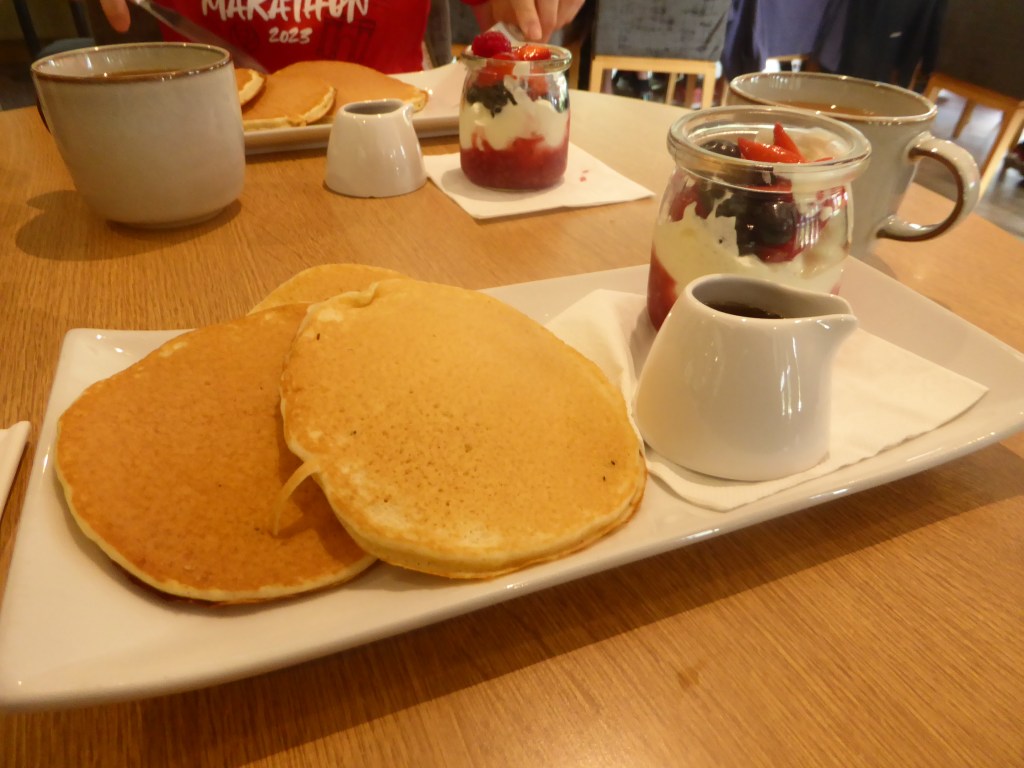
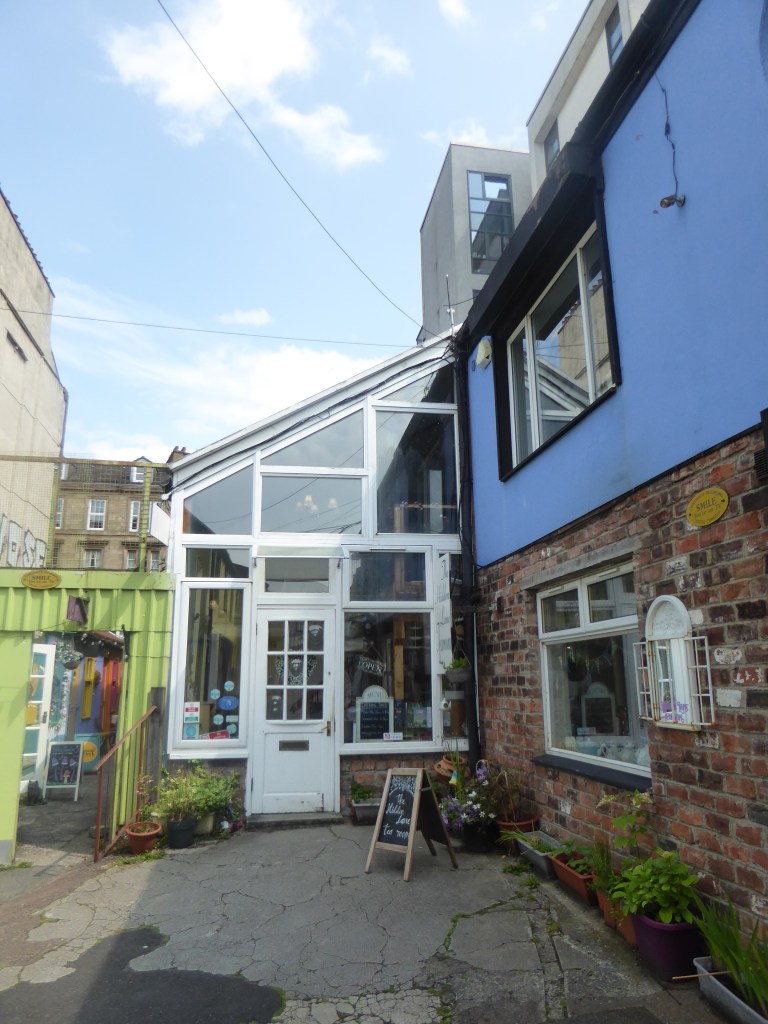
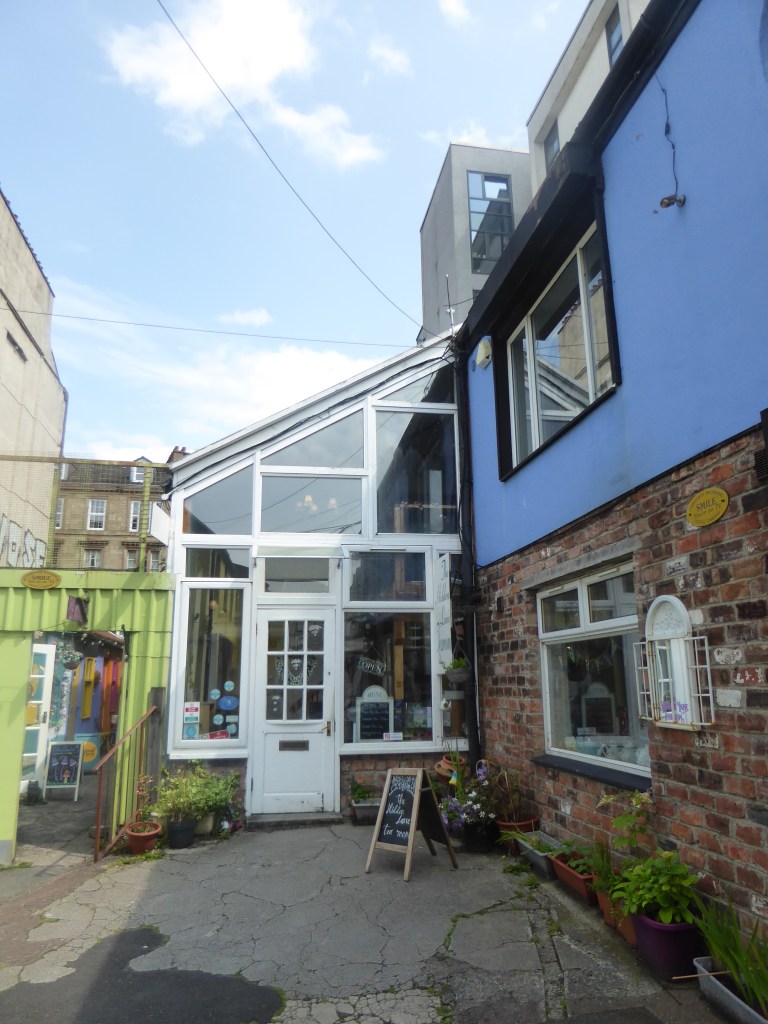
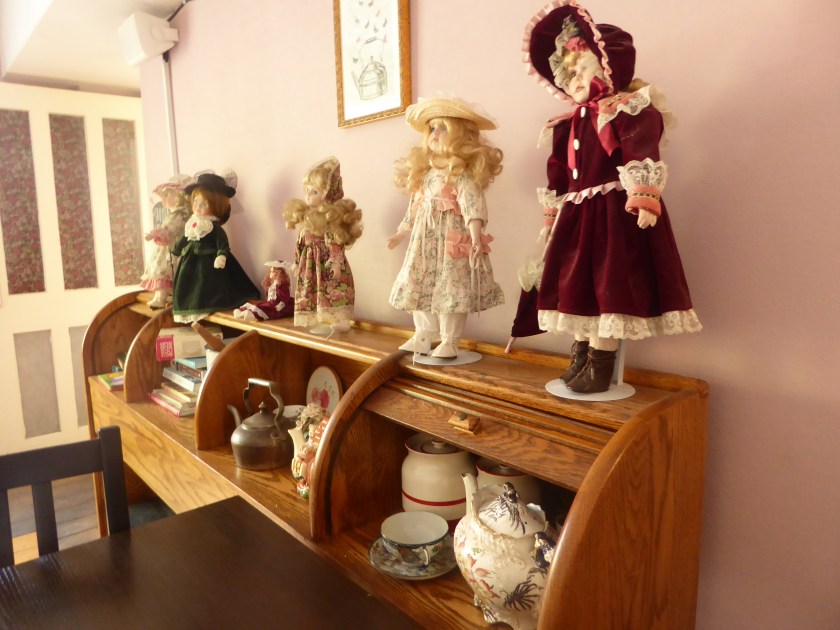
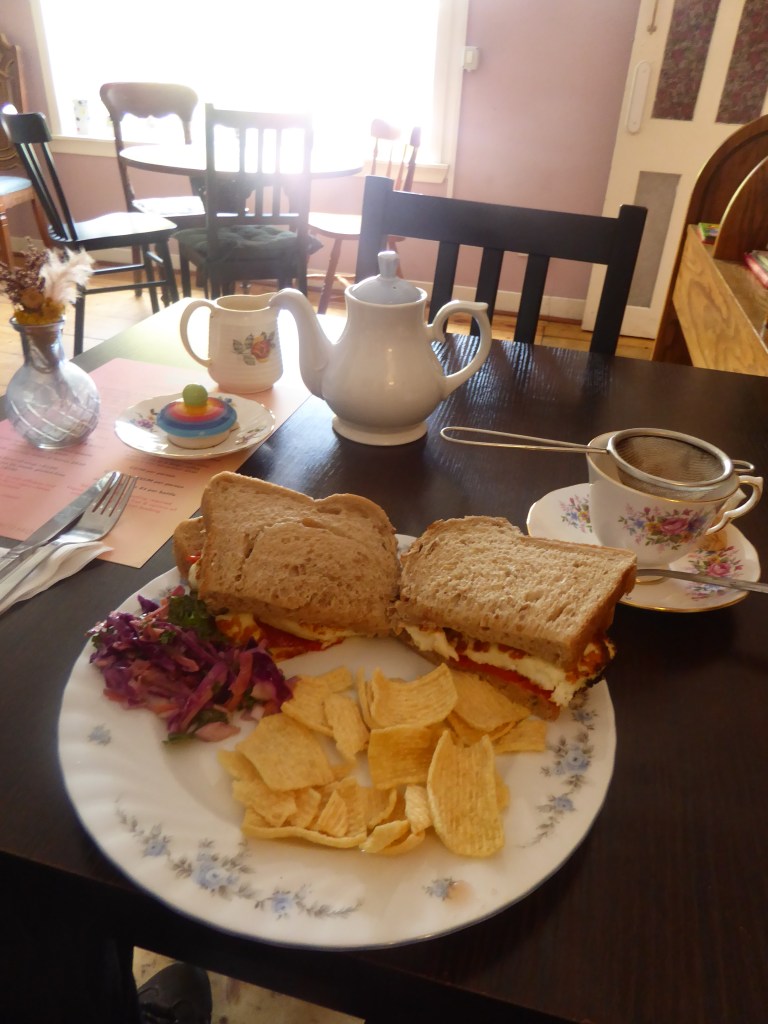
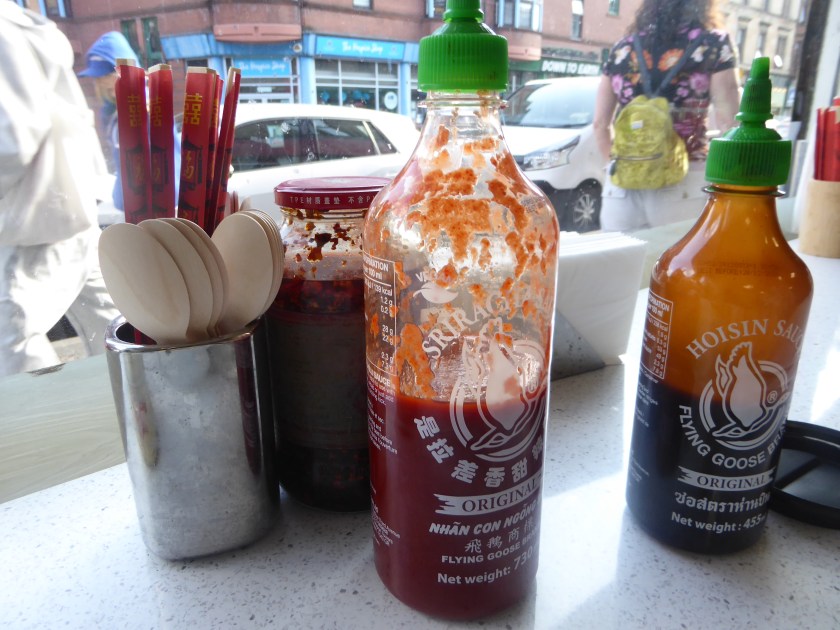
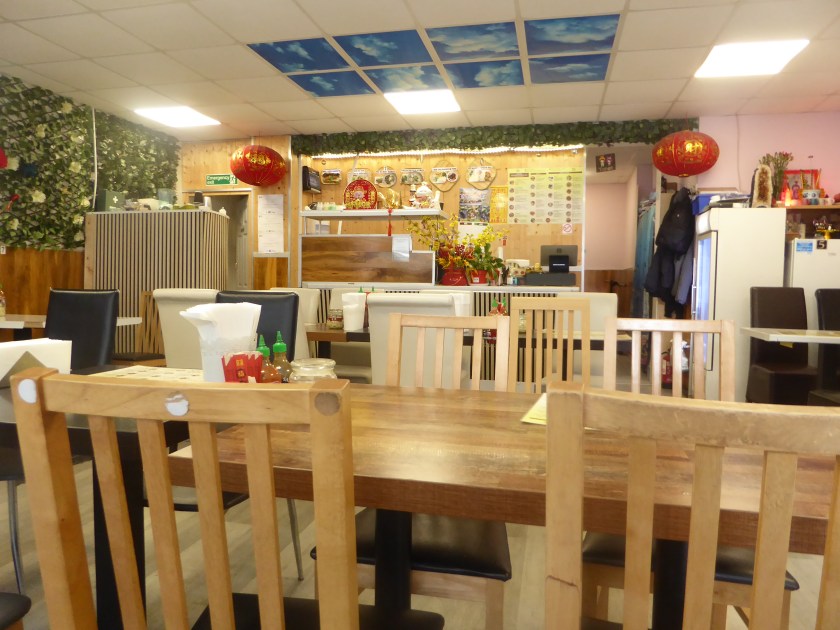
Next, we strolled down Dumbarton Road & Argyle Street, and came to a hidden treasure called the The Hidden Lane and its Hidden Lane Cafe, a quaint café tucked away in a quiet corner. With the option to sit indoors or at outdoor tables, it’s perfect for soaking in a relaxed, uncrowded vibe. The café is dog-friendly. It’s a lesser-known spot, managed (at least six months ago) by someone from Hong Kong (I thought), though I didn’t see them during this visit. The service was impeccable, making it a great place to escape the hustle and bustle – Nice collection of dolls at well!?

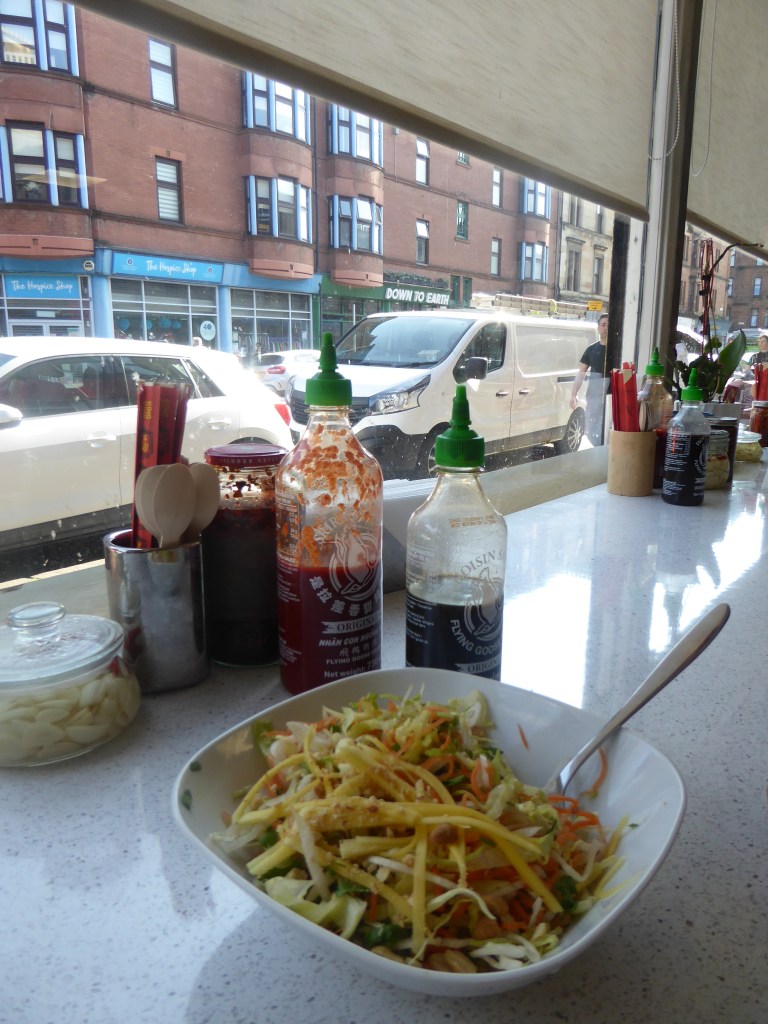
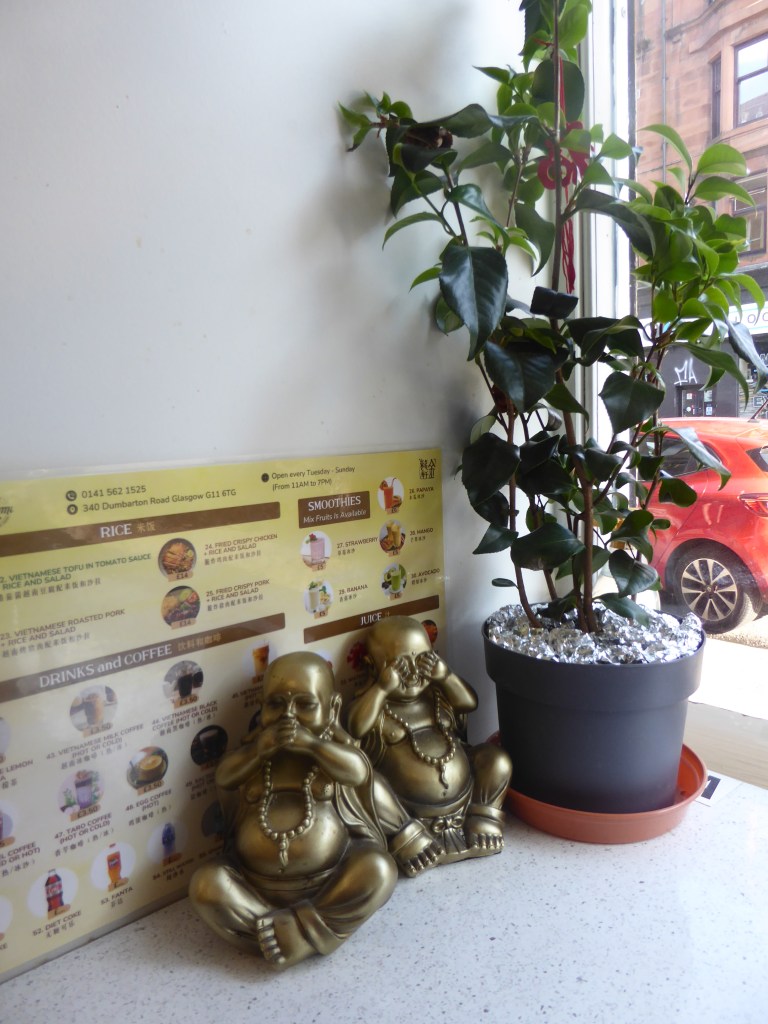
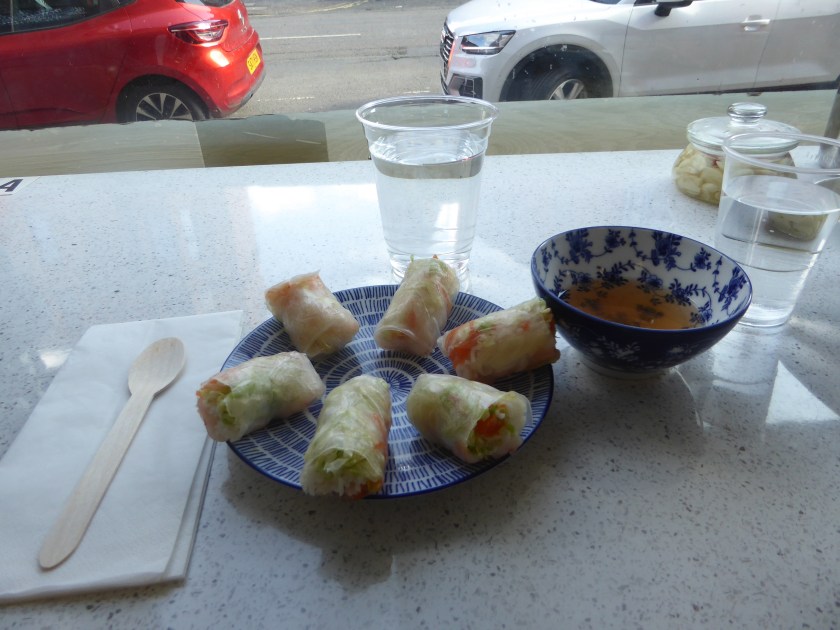
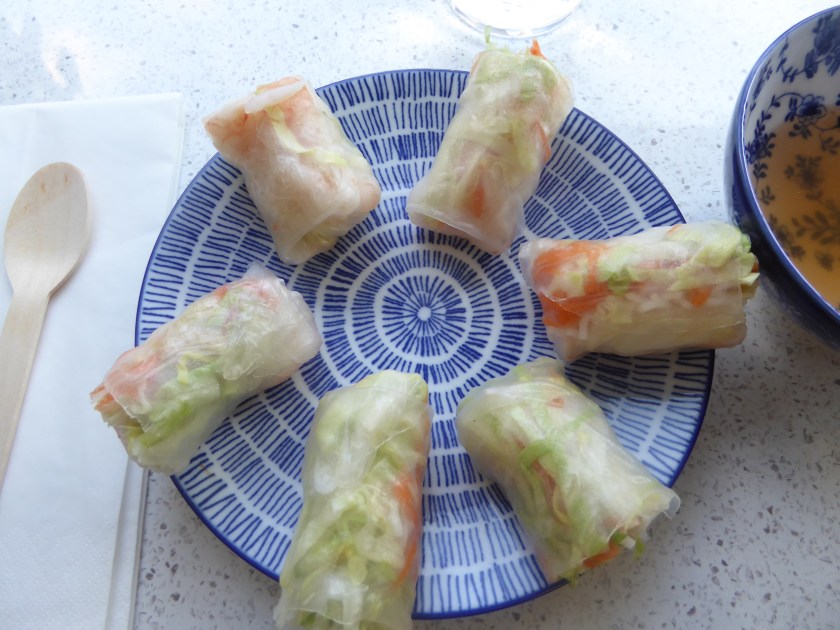
For a taste of something different, we visited Banh Mi & Tea, a Vietnamese diner with Chinese and French influences. This affordable café serves fresh, flavourful dishes, including French baguettes stuffed with Vietnamese fillings. Their French vanilla coffee creamer is a standout, complementing the bready food. For under £10, you can enjoy a roll, a meal, and a drink—a fantastic deal for such fresh, high-quality food.

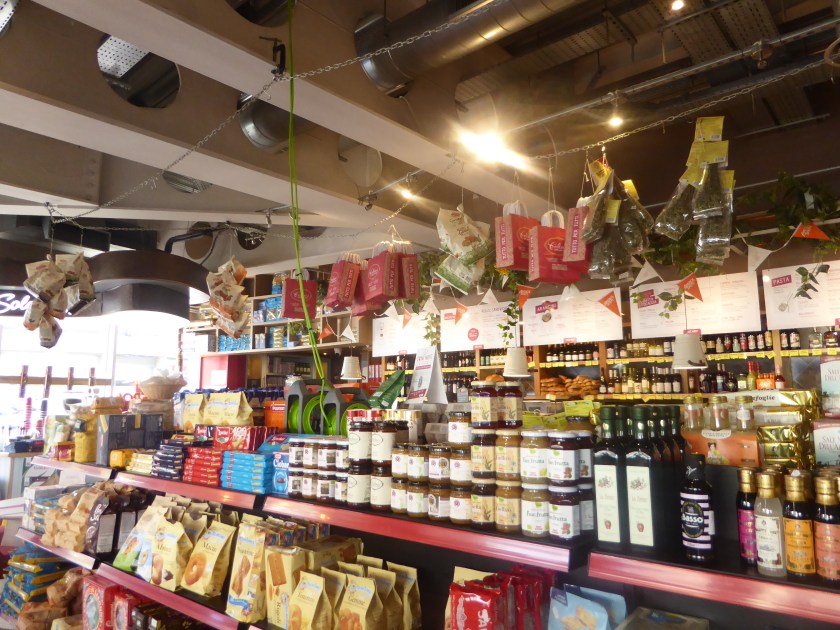
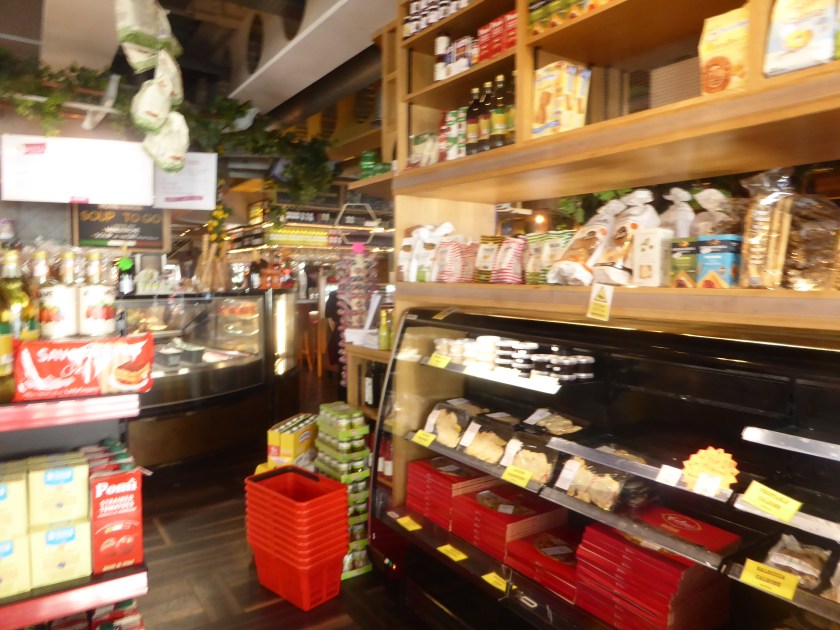
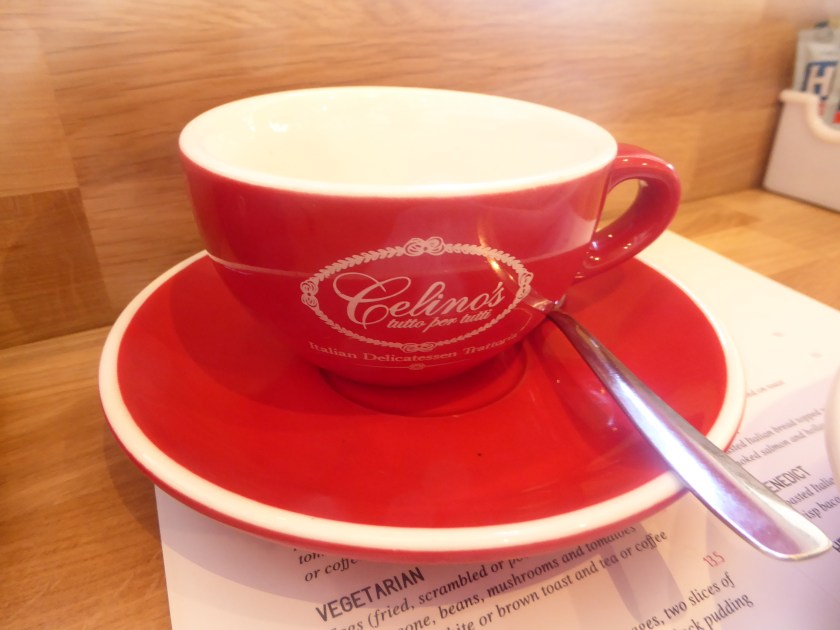
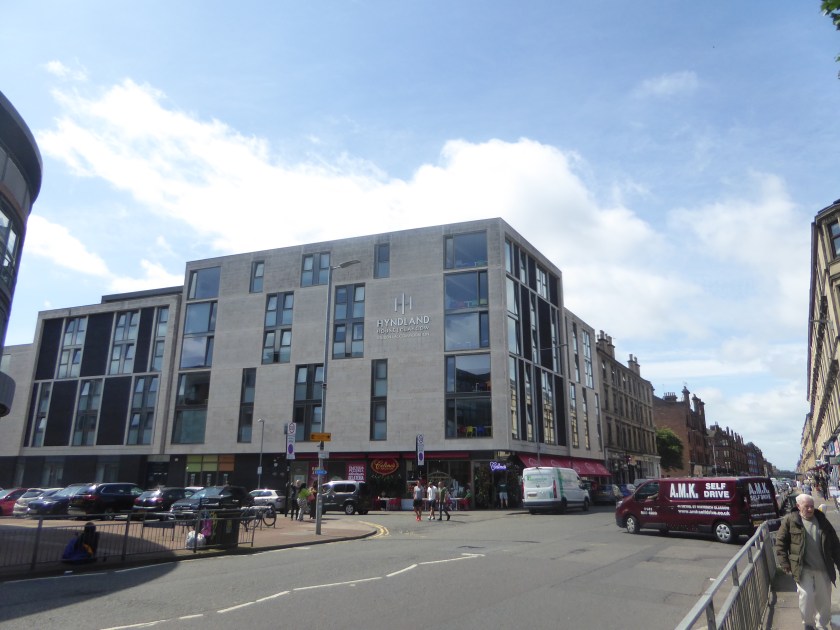
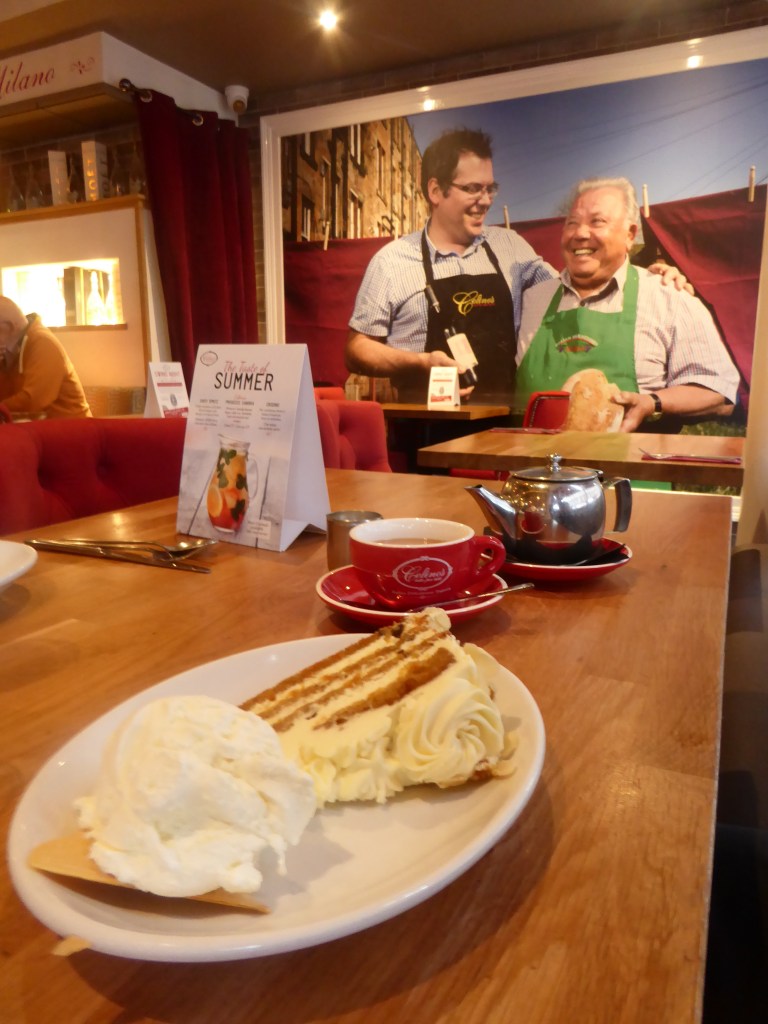
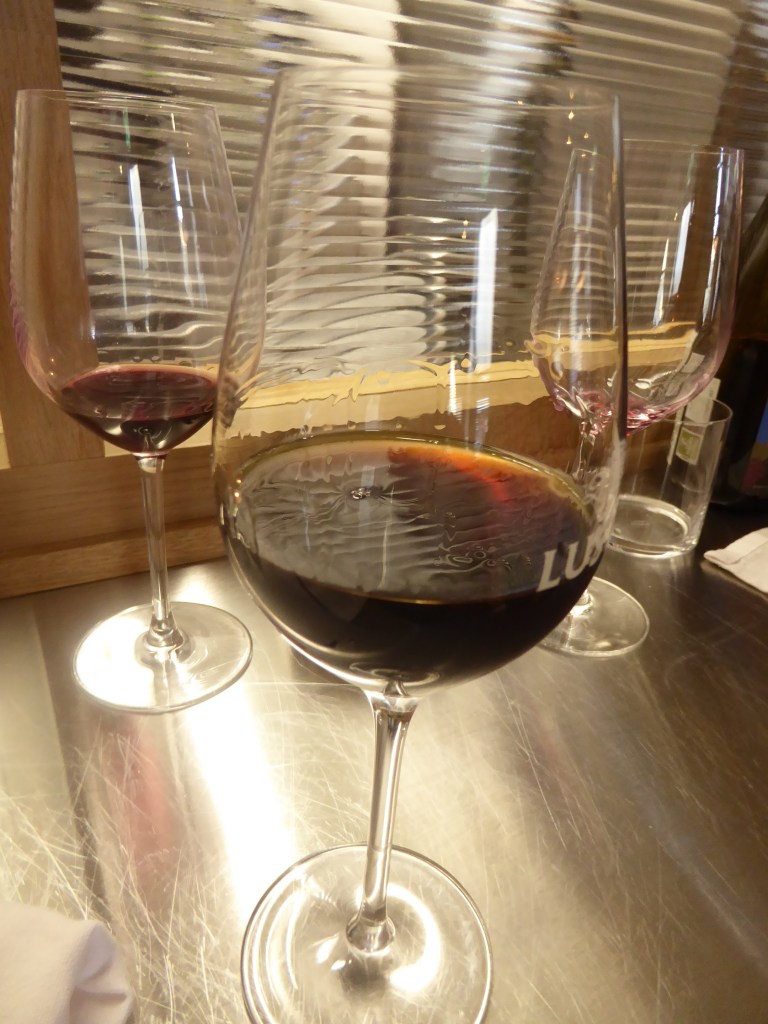
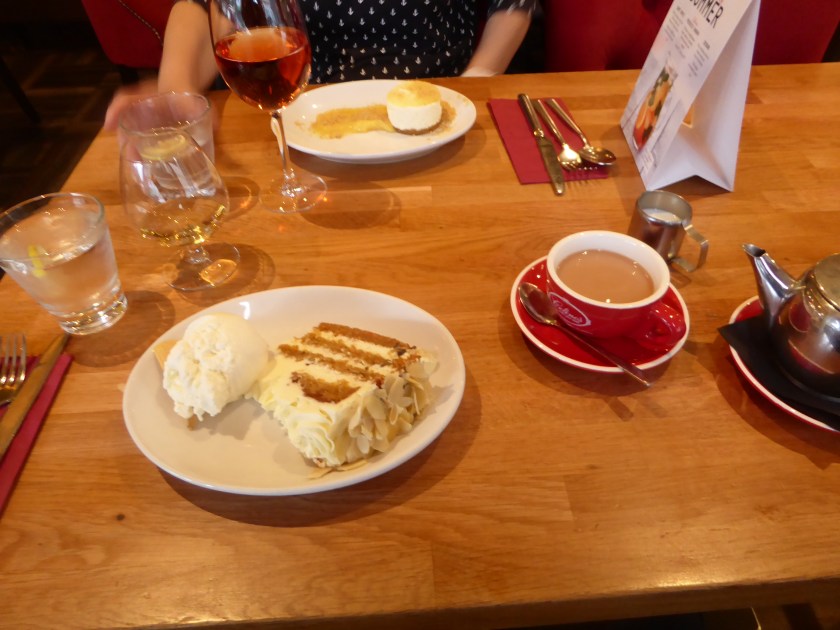
Another highlight was Celinos, a family-run Italian café and restaurant that’s become a local favourite. Over the years, they’ve elevated their menu (and décor inside), and it’s always packed. On this visit, we stopped by for a late drink and couldn’t resist their dessert wine, a Frangelico, which tasted like a heavenly, hazelnut port. Even though we only had desserts and drinks this time, the staff were accommodating, and the experience was as friendly as ever.

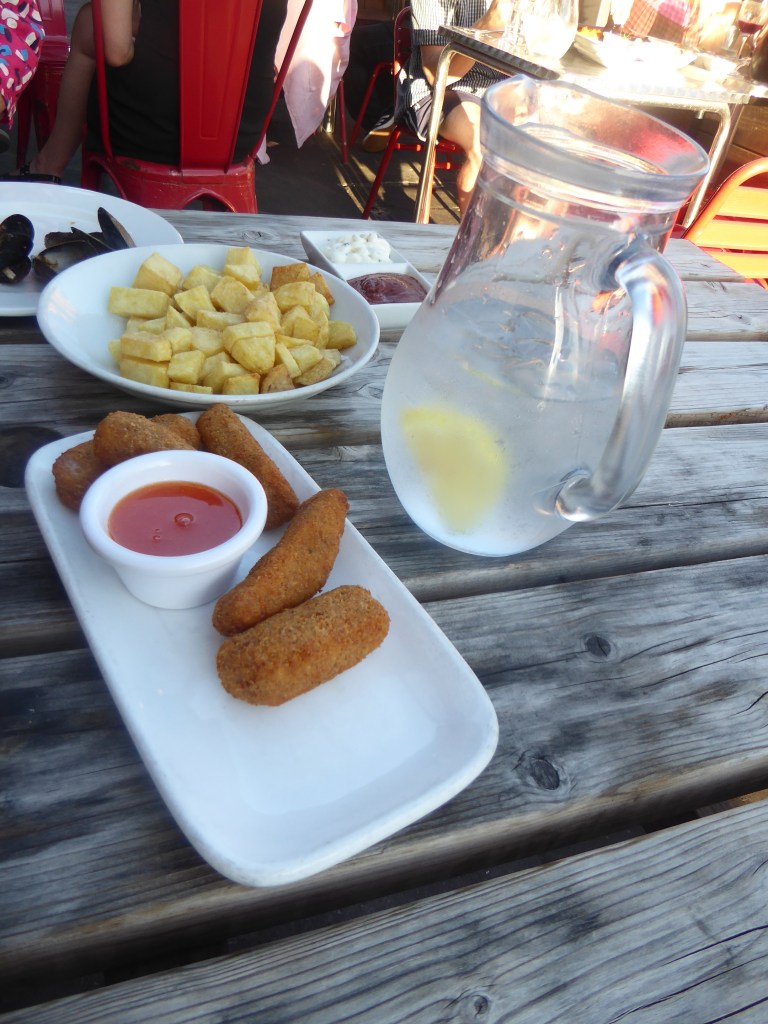
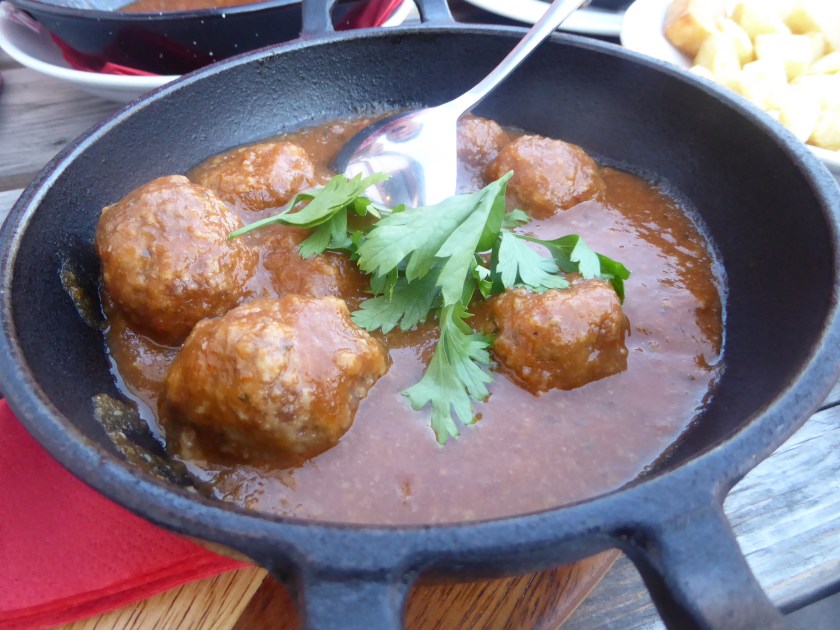
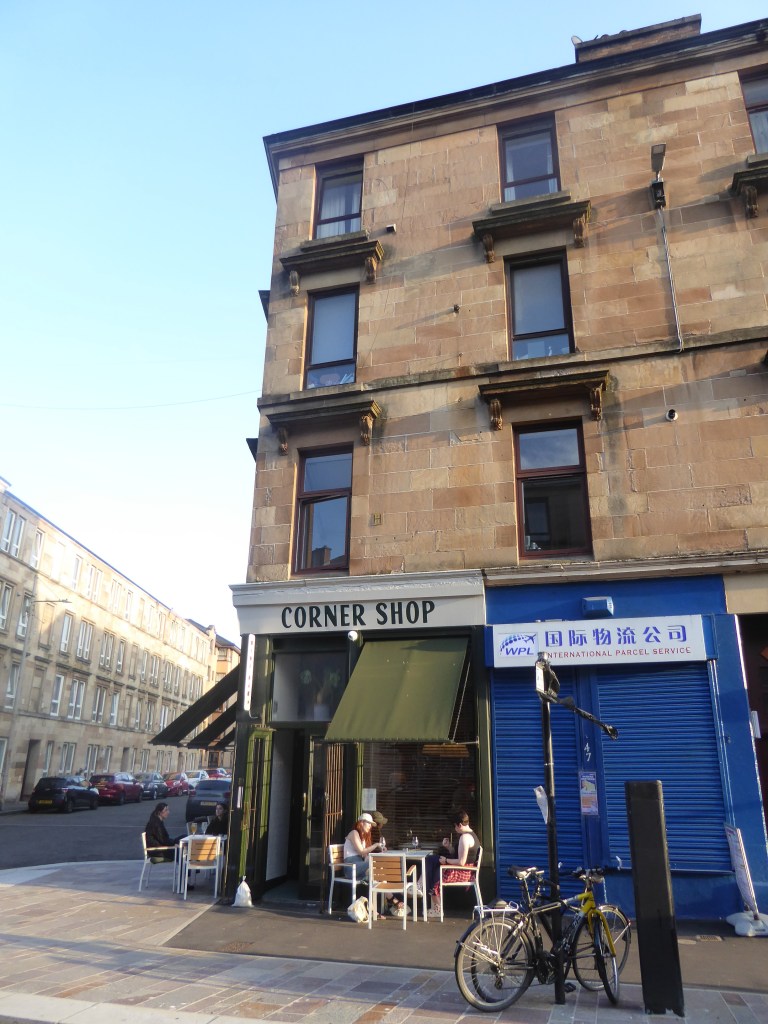
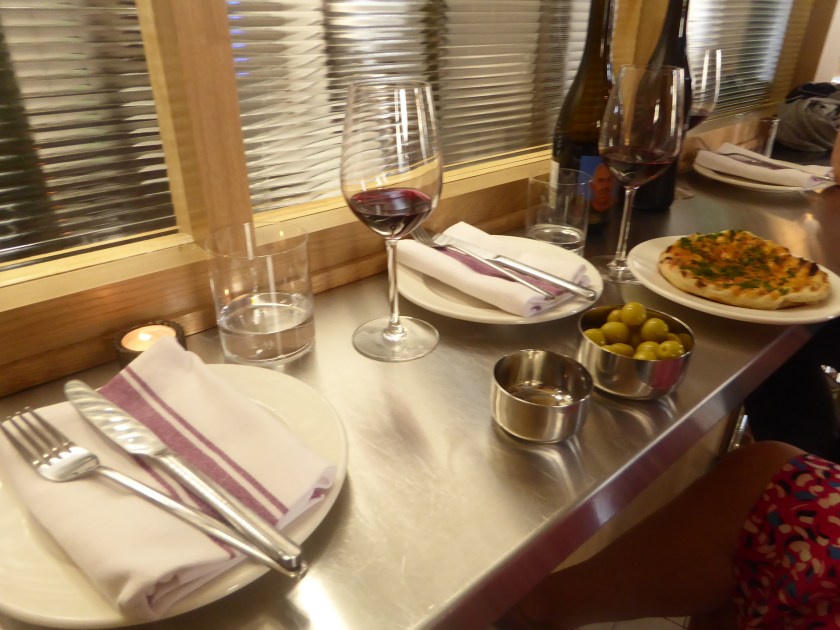
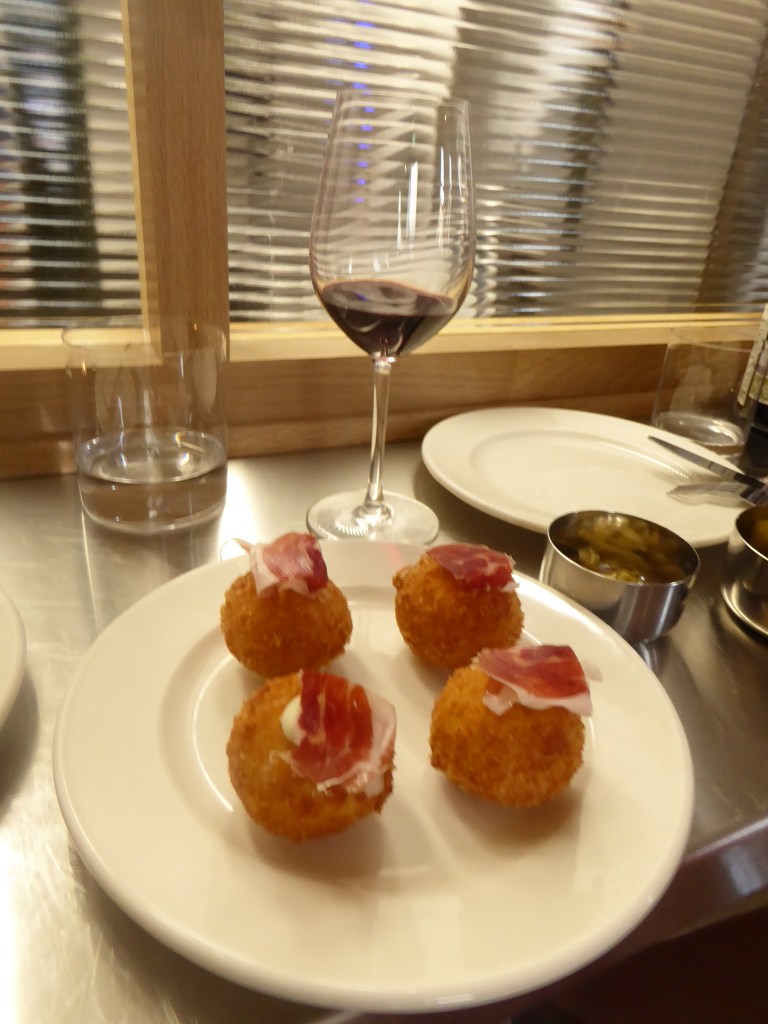
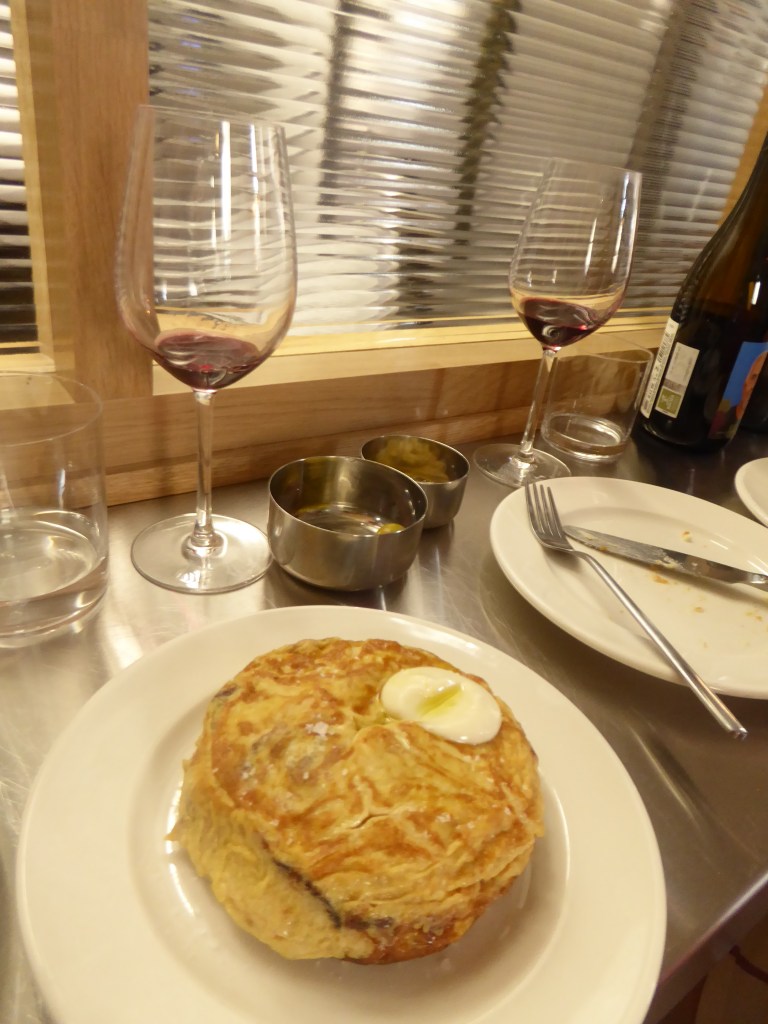
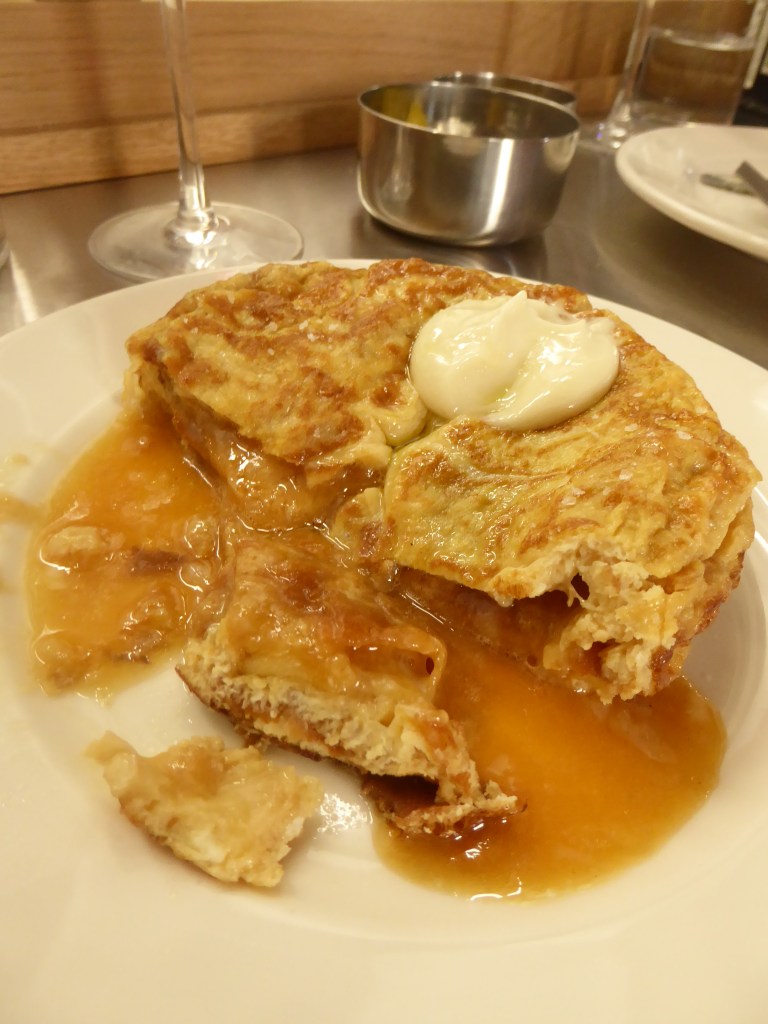
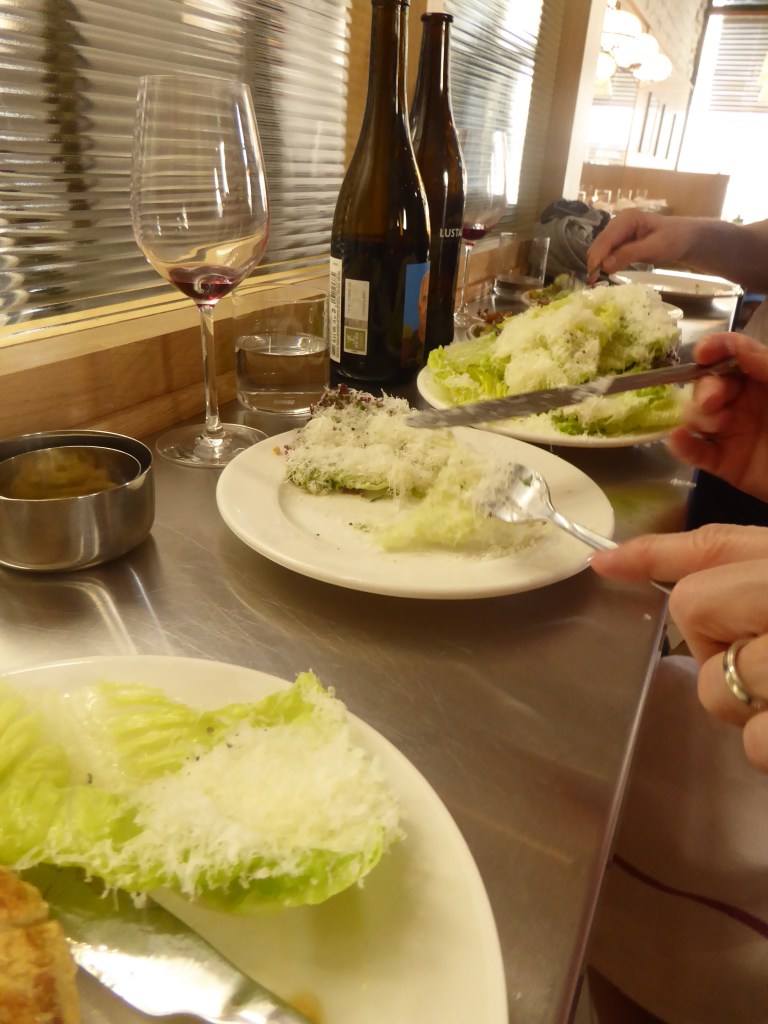
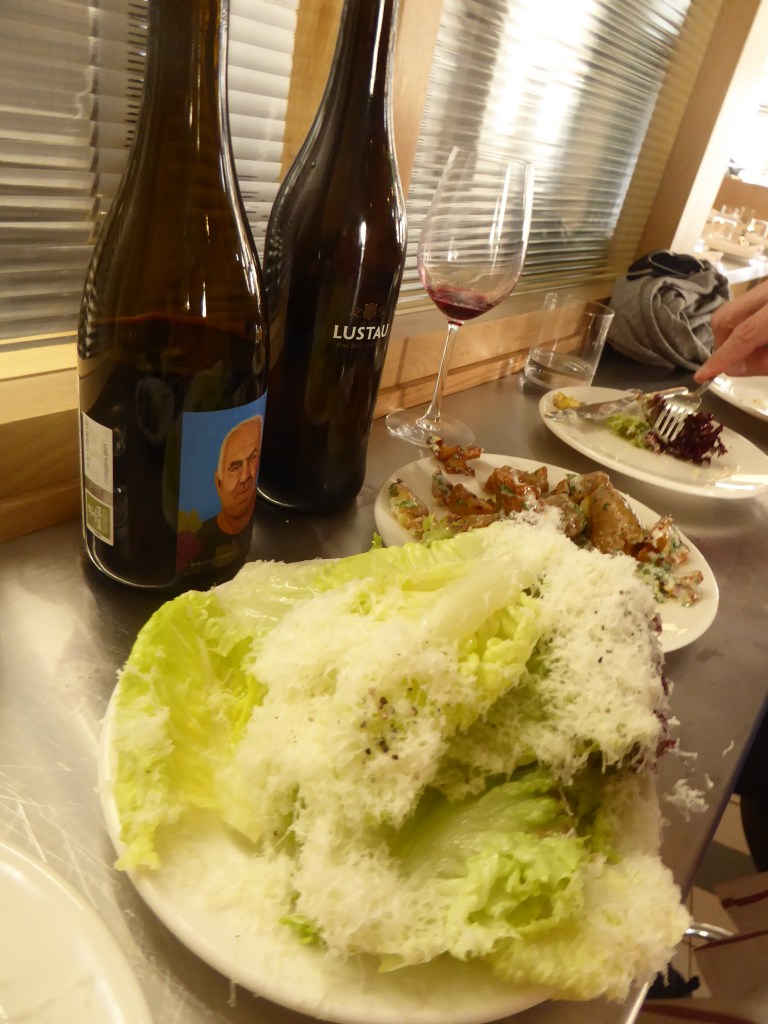
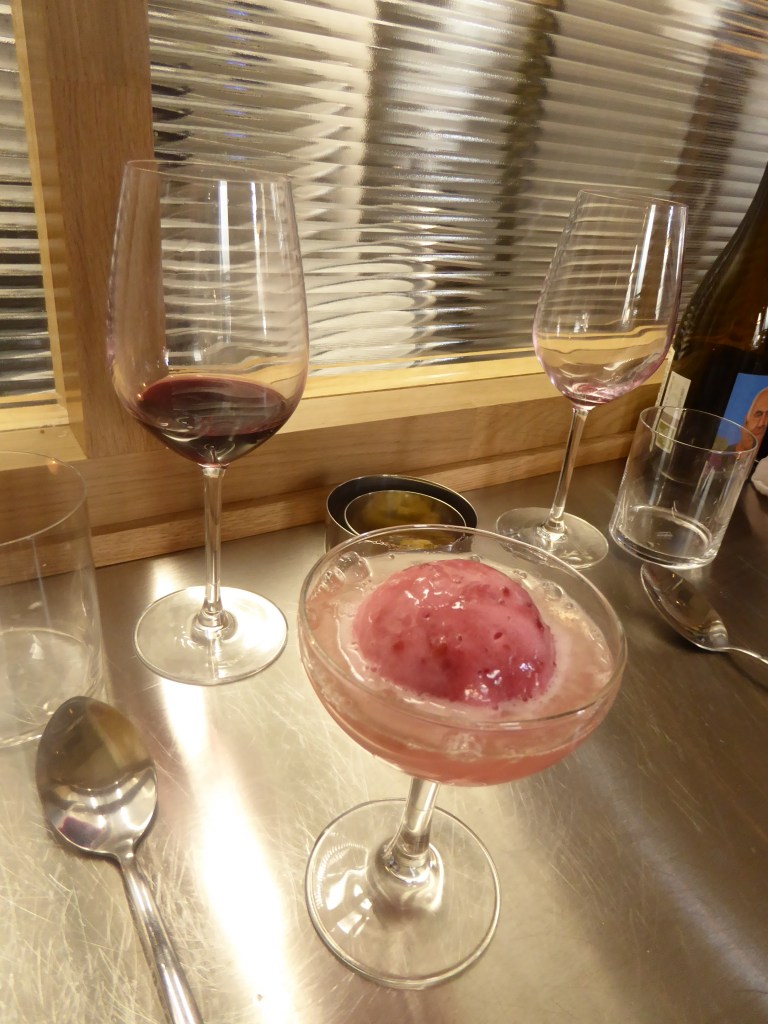
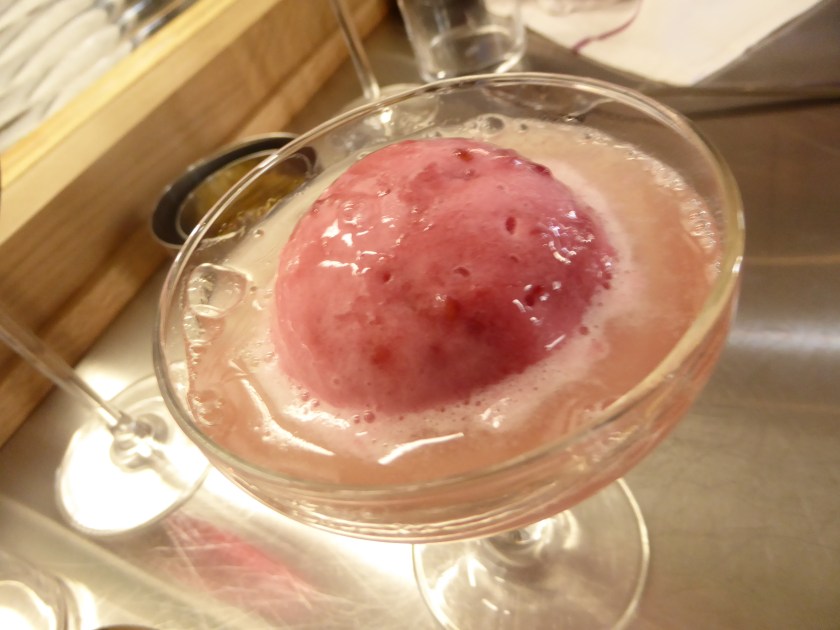
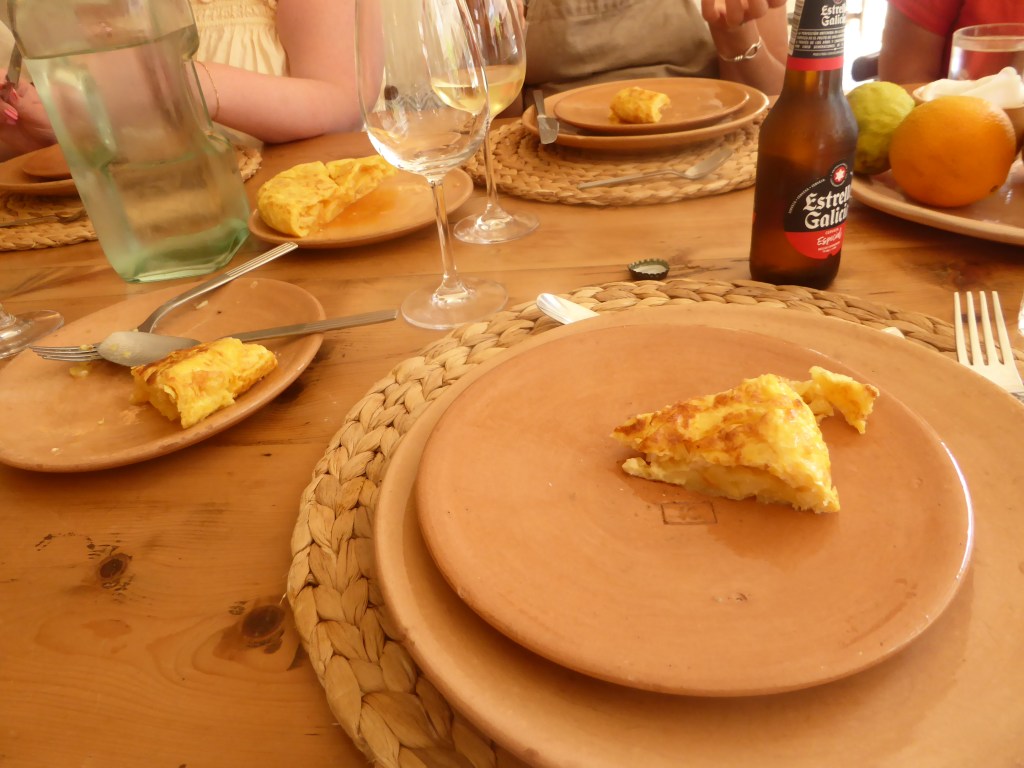
In the ever-evolving Yorkhill area of Glasgow, we explored Corner Shop, a new Spanish tapas and wine bar. This upscale yet approachable spot offers small plates with huge flavours and a carefully selected wine list featuring Spanish varieties amongst others. We loved the Prosecco and raspberry sherbet dessert, but the standout was their tortilla. Unlike the traditional version I learned to make during a recent cooking course in Mallorca, this tortilla was intentionally runny in the centre—a modern twist inspired by a renowned Madrid chef (possibly Garcia or Jimenez) over the last few years.

While it wasn’t my favourite, the dish was still delicious, and we capped the meal with a Pedro Ximénez sherry, a rich, velvety blend of burnt port and sherry – at least that’s what it tasted like to me; divine.

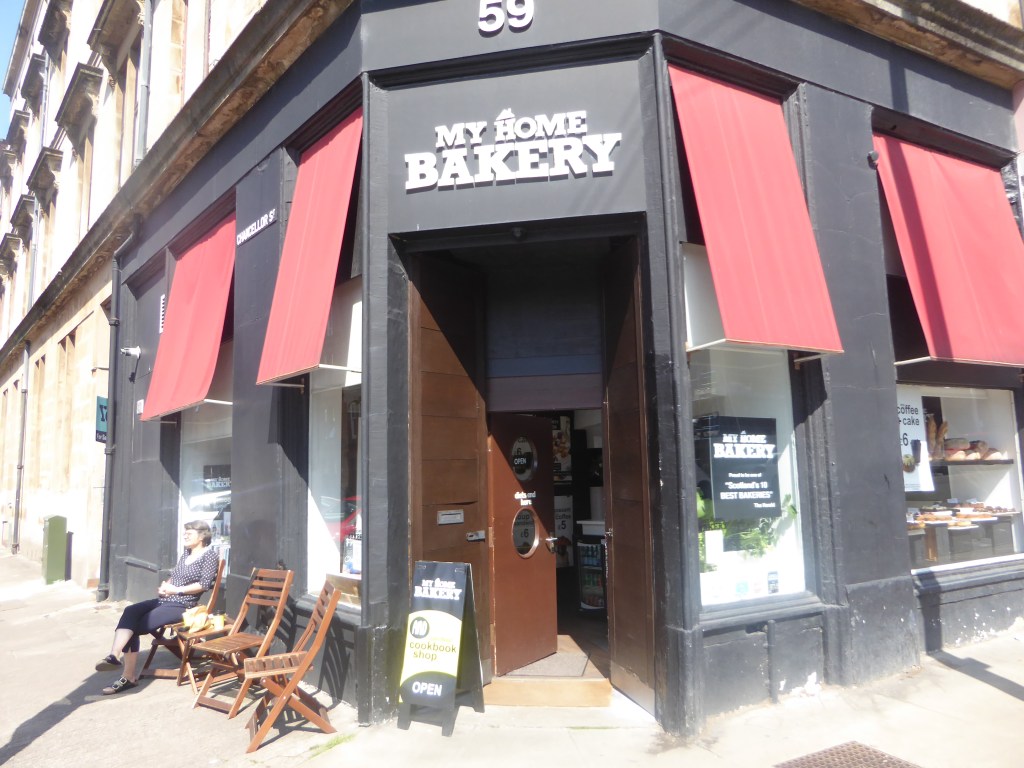
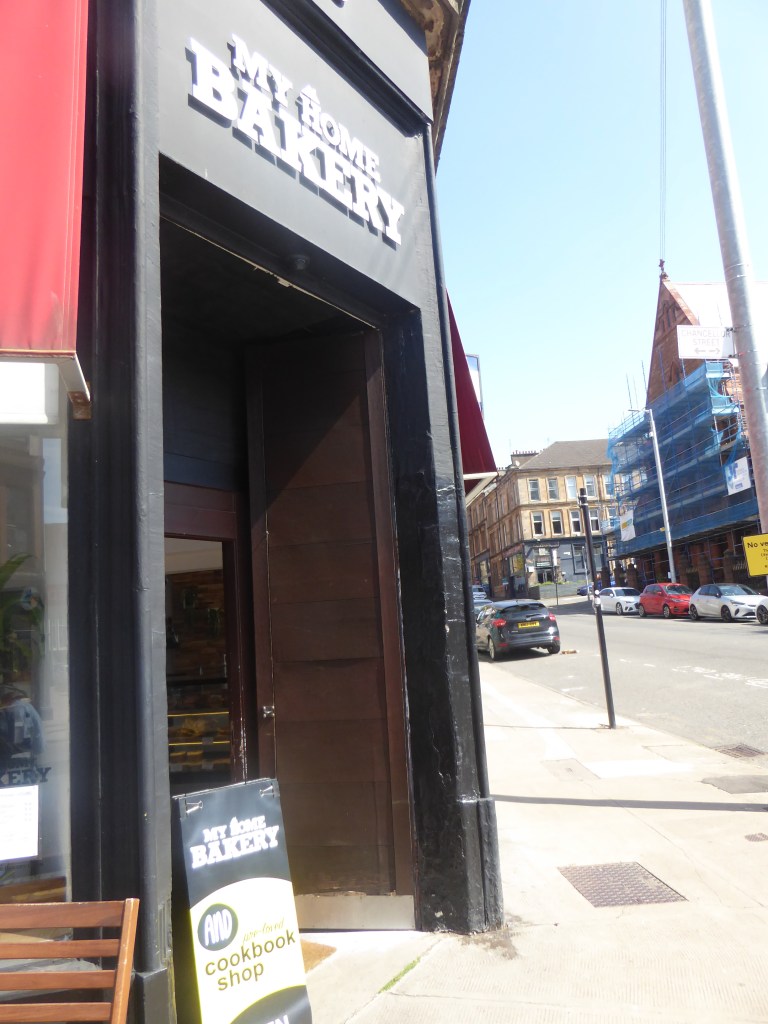
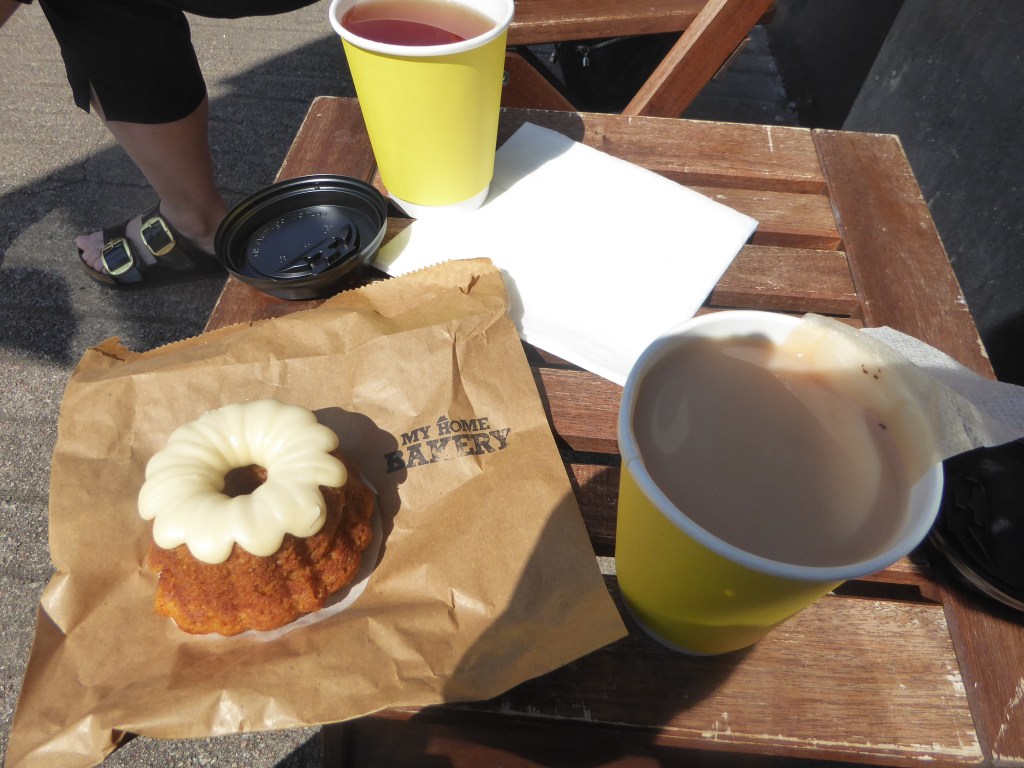
Finally, just around the corner from my home is My Bakery, a small but iconic spot that helped modernize the area’s bakeries a few years ago. This café and bakery no longer offers indoor seating but has a few outdoor tables perfect for people-watching. Adjacent to it is a bookshop run by the business, selling cookbooks for just £5. On this visit, we picked up Rick Stein’s French Adventure (2019), a nod to one of the best BBC cooking series I’ve ever watched. I’m already looking forward to revisiting the series for inspiration.

CB
“Active Tourism” in Mallorca – A Spanish Cooking Course for Beginners –

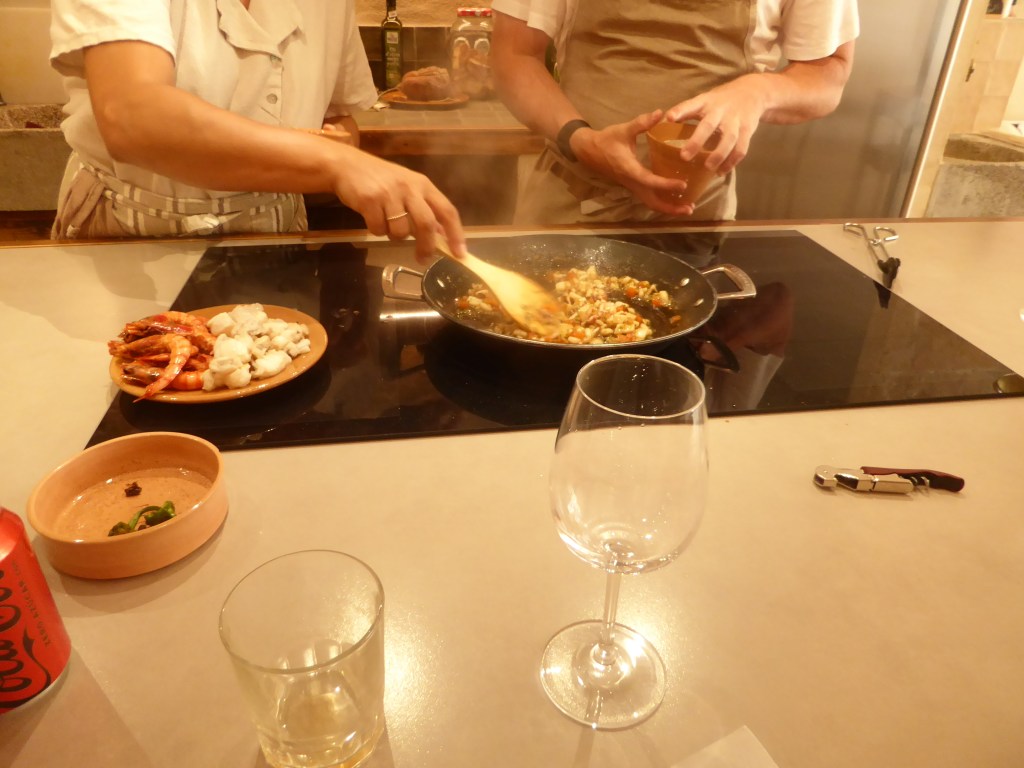
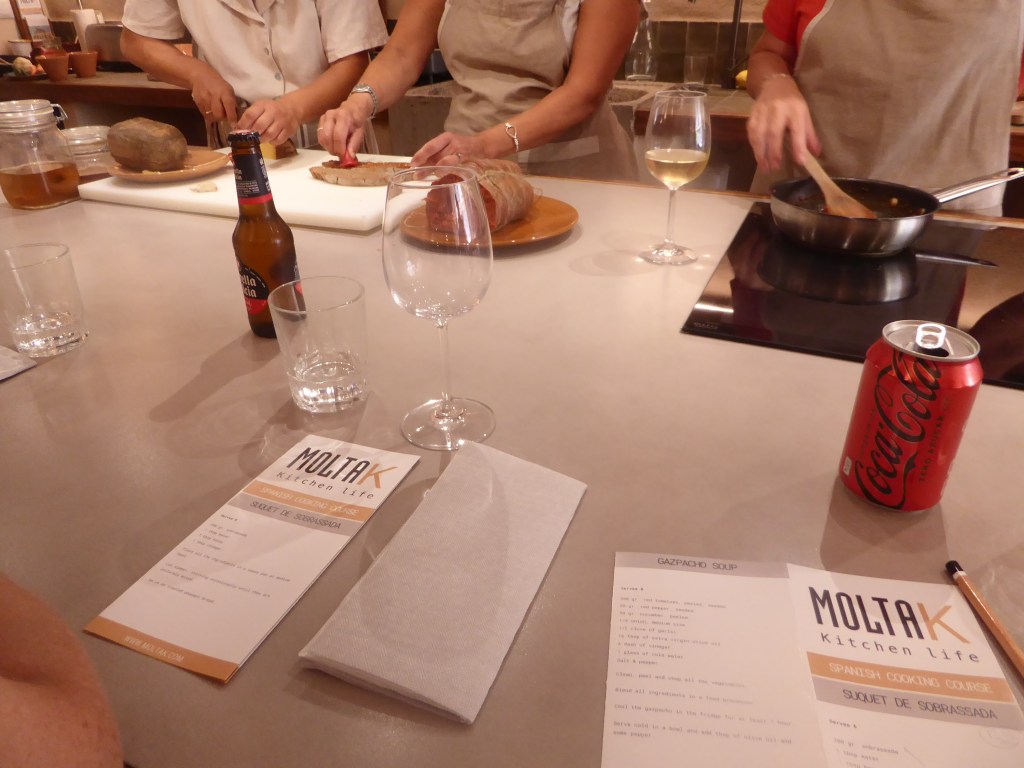
One of the most memorable activities we did at our recent stay in Mallorca, was a cooking course, which got me thinking about the concept of “active tourism.”

Years ago, I watched a BBC travel show featuring a 25- to 30-year-old American exploring this idea. He was in a small Spanish village, diving into a river to inspect a stone bridge in need of renovation, actively engaging with the presenter and the task at hand. He got his hands dirty inspecting a dilapidated stone bridge; I laughed and wondered, did he really need to do that?

It was fascinating and also slightly embarrassing. He was just SO enthusiastic, acting as an amateur archaeologist / stone mason!

This concept of active tourism stuck with me; and to be honest, I’m not even sure if that’s the correct word(s) to use?

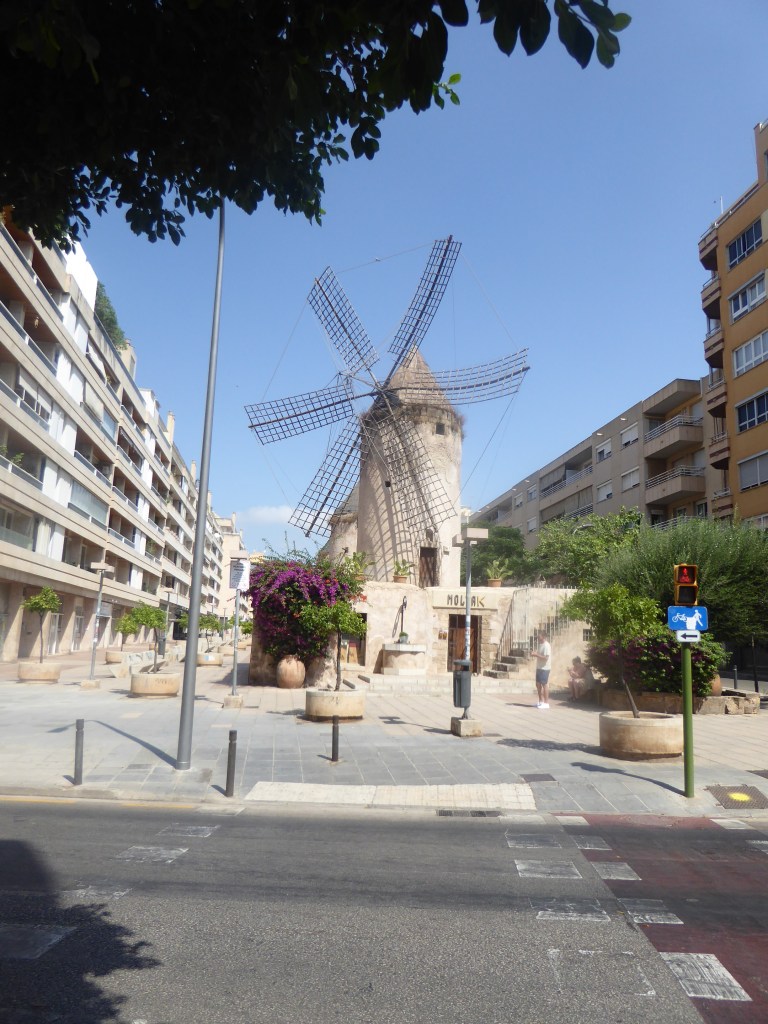
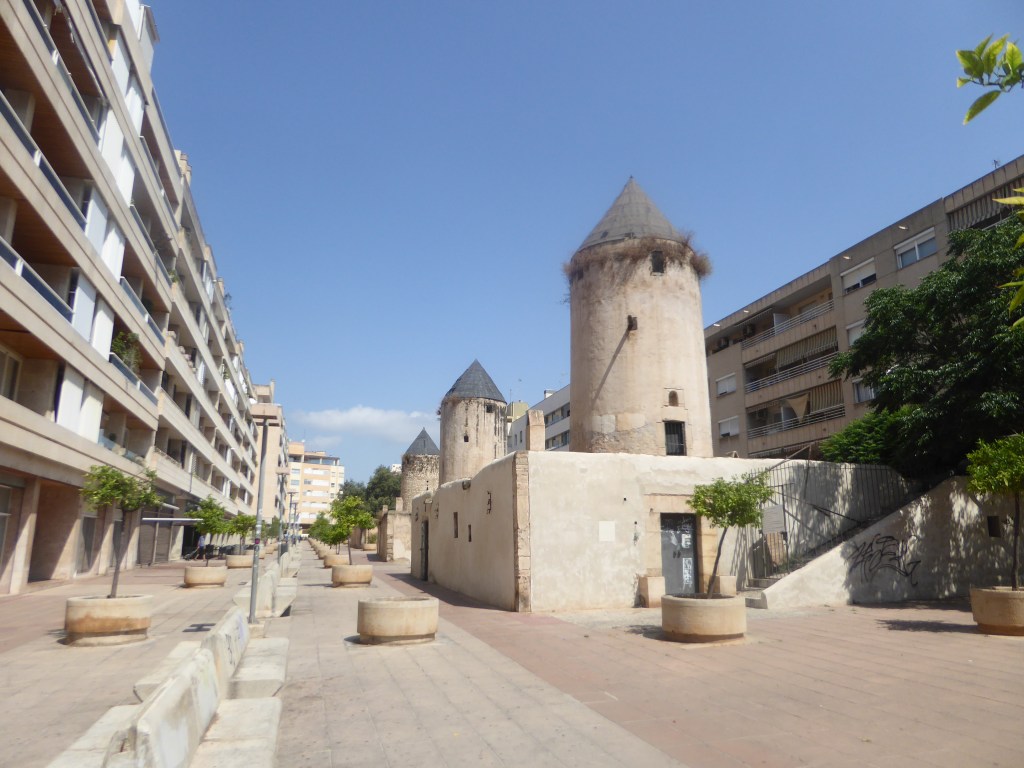
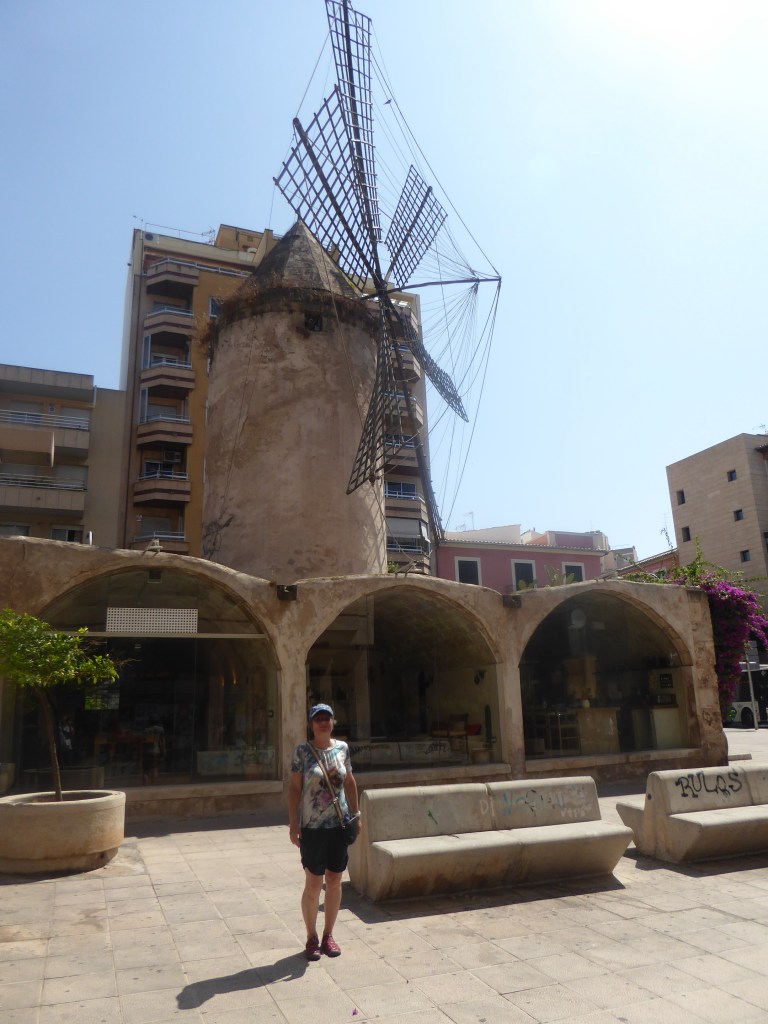
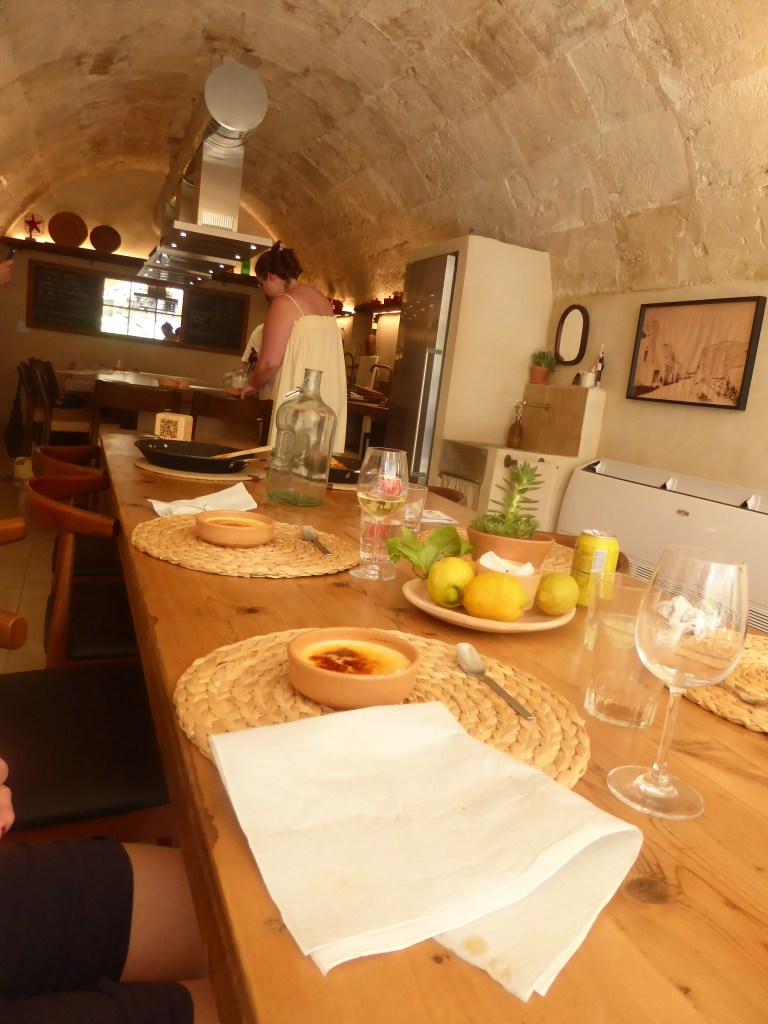
So last month, when my other half and I visited Mallorca, someone recommended a cooking course, inspired by a similar experience they’d had. We decided to give it a try and booked a course in downtown Palma, near some historic windmills (no longer in use).

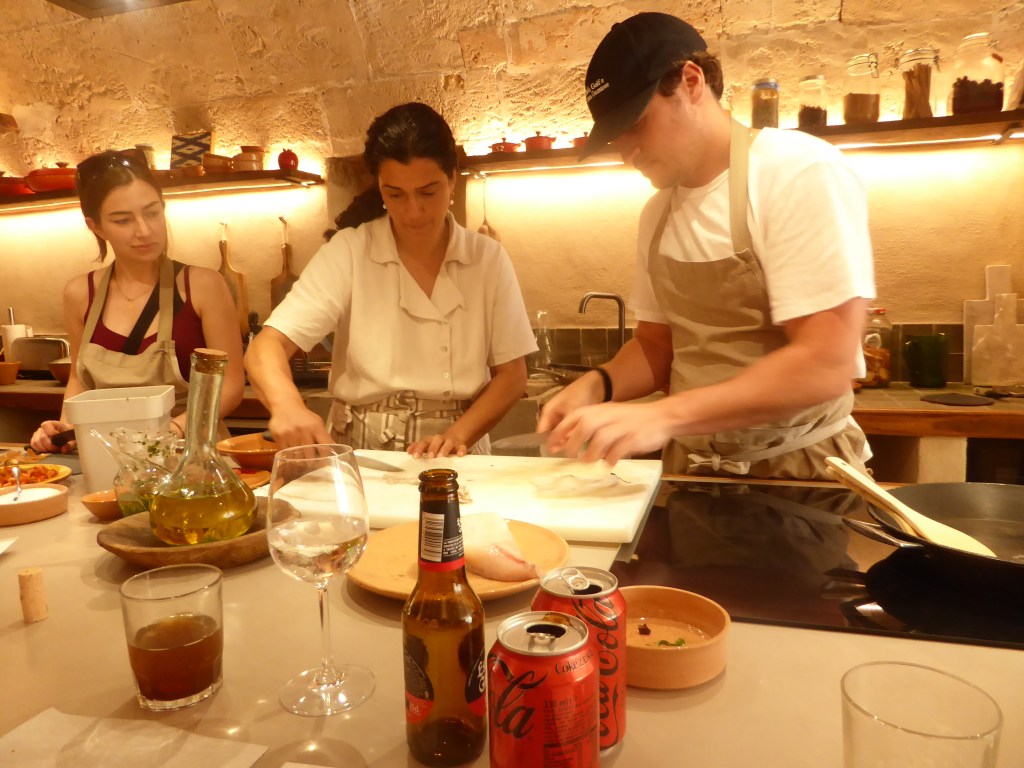
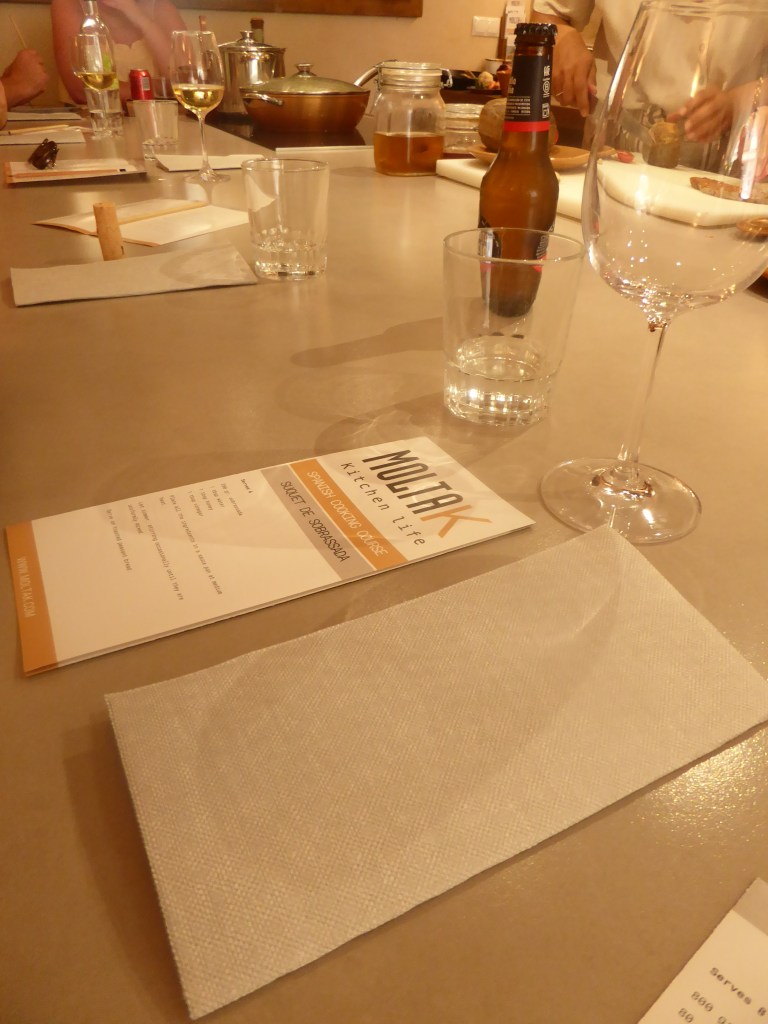
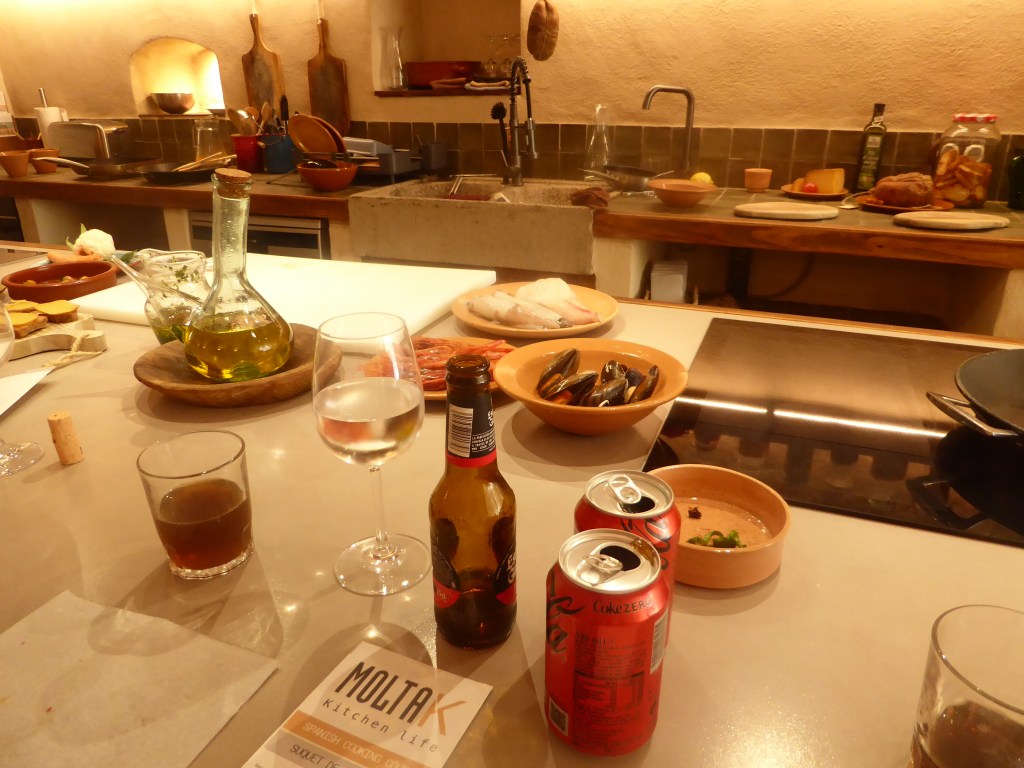
It cost about £80, and it was well worth it. I expected we’d be the only ones there, but the course was fully booked! Our group of 10 to 12 shared one room, while another group of 12 was in a separate room. They ran the course twice a day, so around 40 people were learning authentic Mallorcan, Catalan, and Spanish cuisine daily. The expert chef leading the course had trained in London and was excellent.

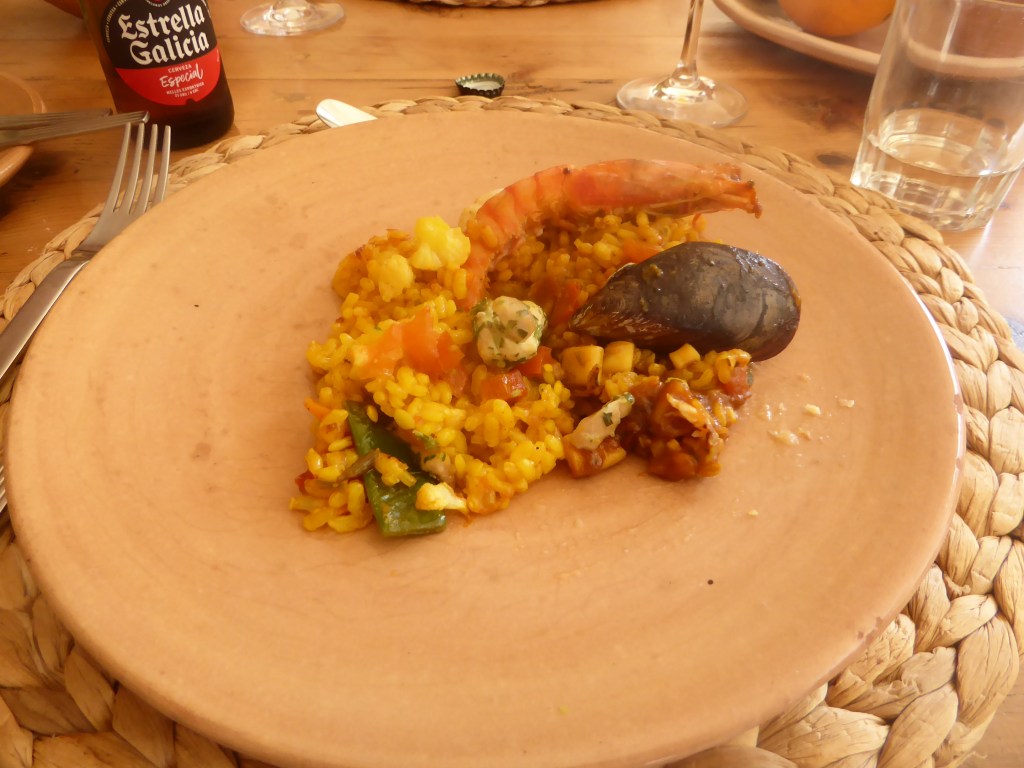
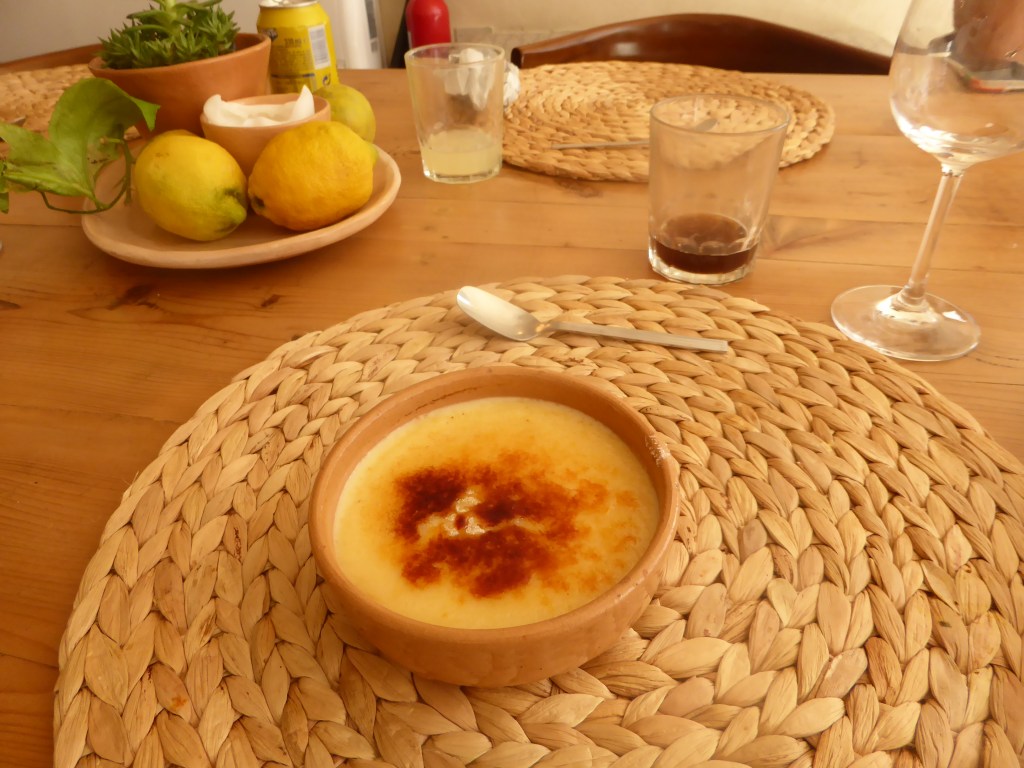
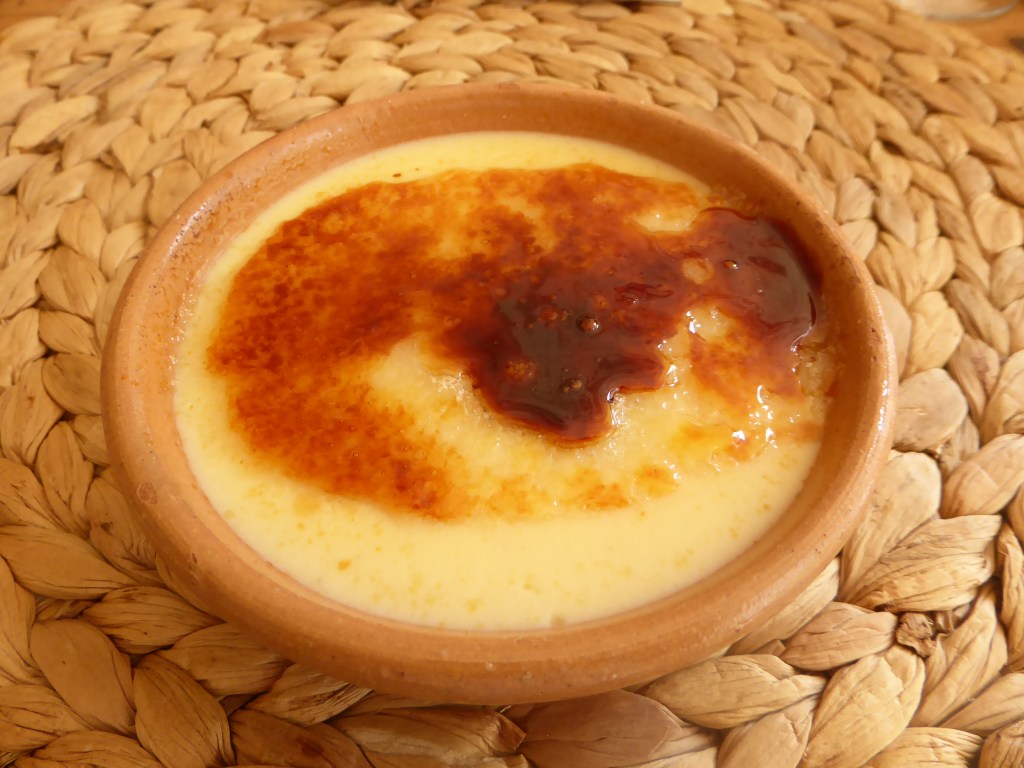
There was even a “free bar” with wine, beer, and soft drinks—though I stuck to a beer and a couple of Diet Cokes. We prepared a five-course meal, including paella (with expert tips), Crema Catalana (similar to Crème Brûlée), a stock, and padrón peppers (the mild green ones, lightly salted and pan-fried). The ingredients were fresh, and the process felt surprisingly simple, though it clearly required skill.

The experience was engaging and hands-on, making it a highlight of the trip. We shared the course with a diverse group—Americans, Germans, and plenty of Brits. It was such a rewarding experience that I’d love to do it again, whether in Spain or another destination. Active tourism (or whatever it’s called), like this cooking course, seems to offer a unique way to connect with a place and its culture.

CB

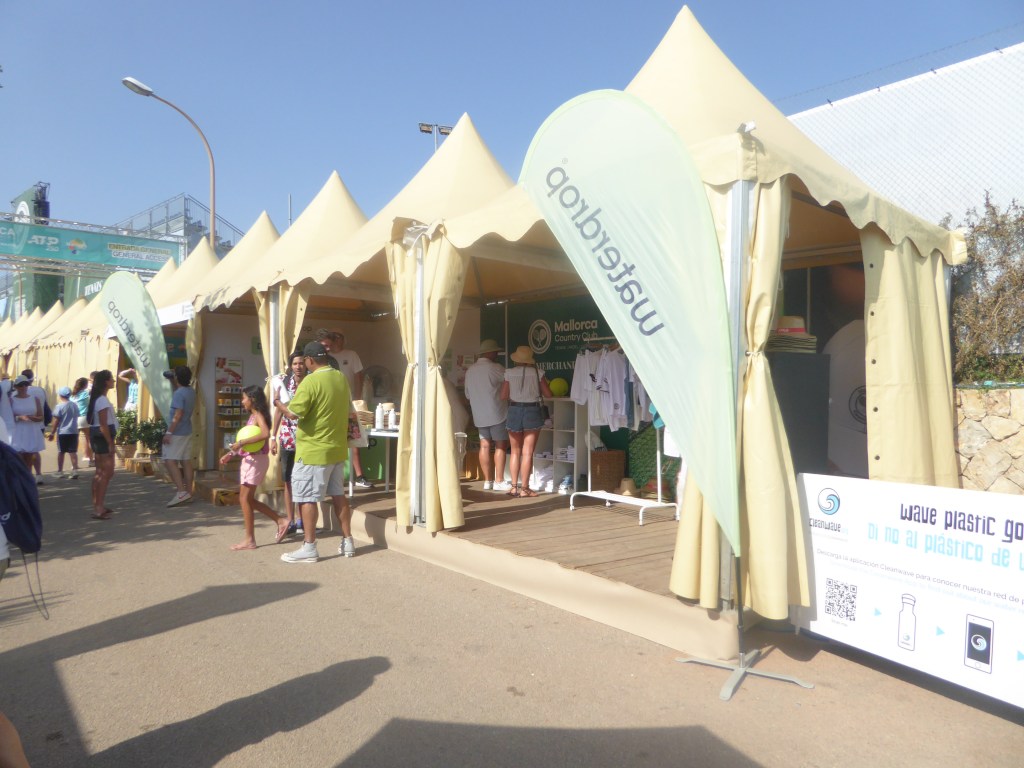
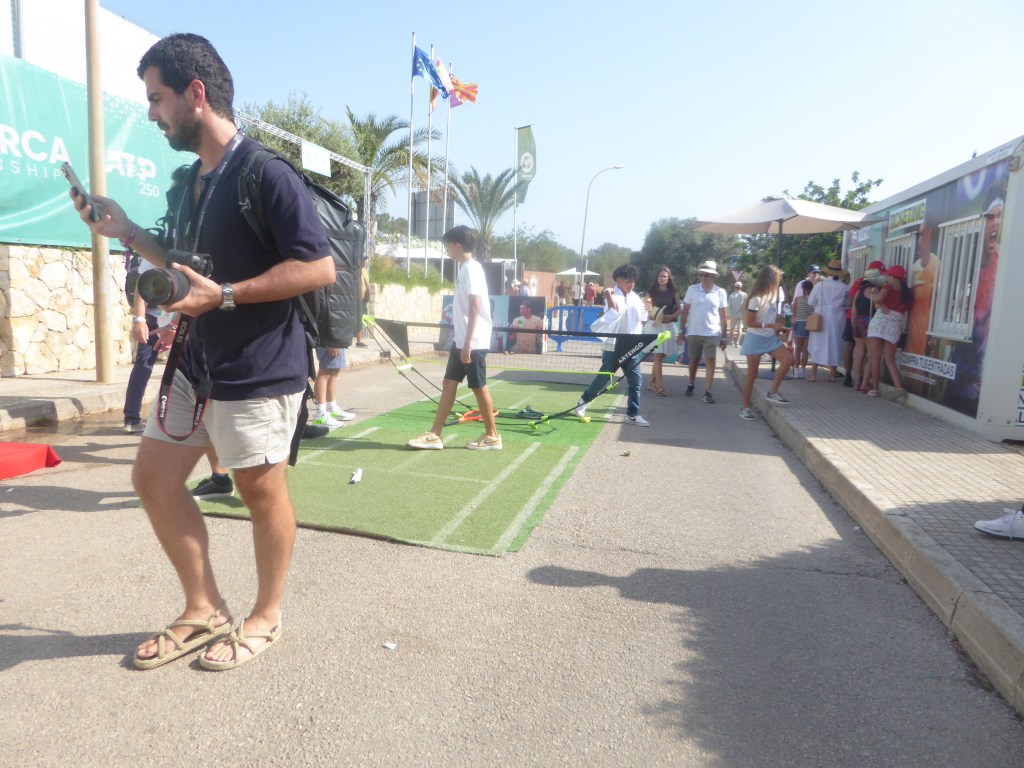
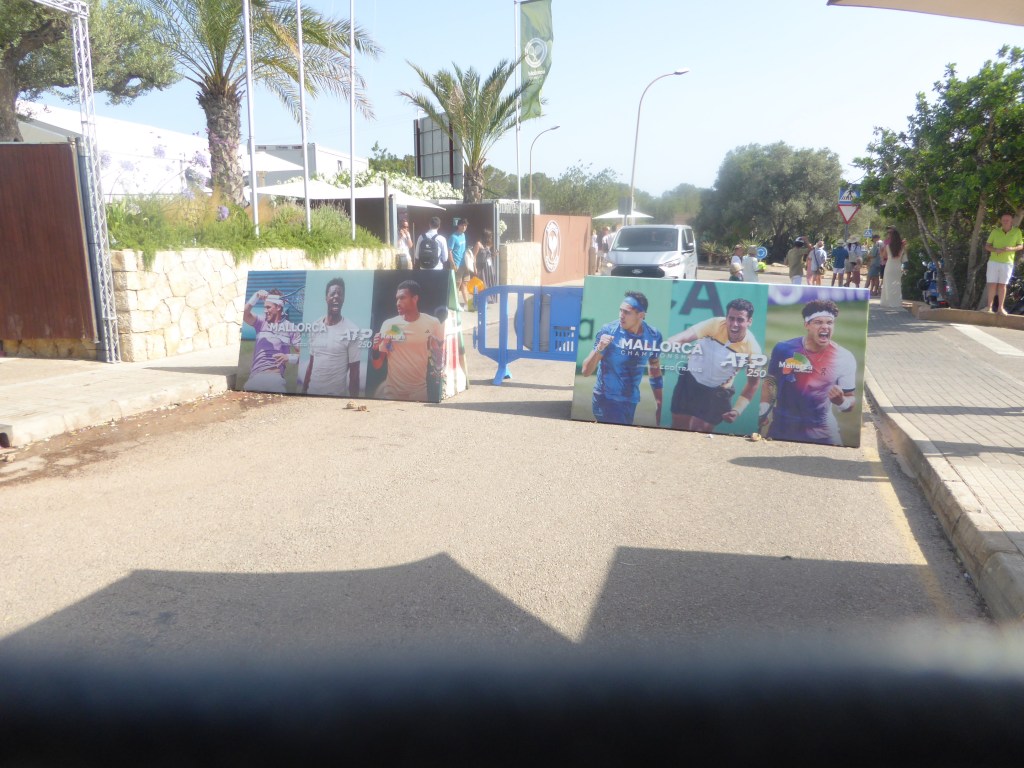
Mallorca 2025- Part 2 – Let’s watch some ATP Tennis –

ATP Mallorca 250 – Top 10 Player

What ever you think about sports in general, I still find it exhilarating to watch them live. Even sports that I may not care a huge amount about, for example football, baseball, rugby, etc.

In this case, it’s professional tennis which I am actually a big fan of. The ATP tournament in Mallorca, Spain has been around only a few years, but is one of those smaller tournaments on the ATP (Association of Tennis Professionals) tour. In this case it’s a 250 (points)* event.

So it’s small, but this can yield many advantages besides the price; it’s normally easier to find tickets, easier to find somewhere to stay and in my opinion, it’s friendlier.

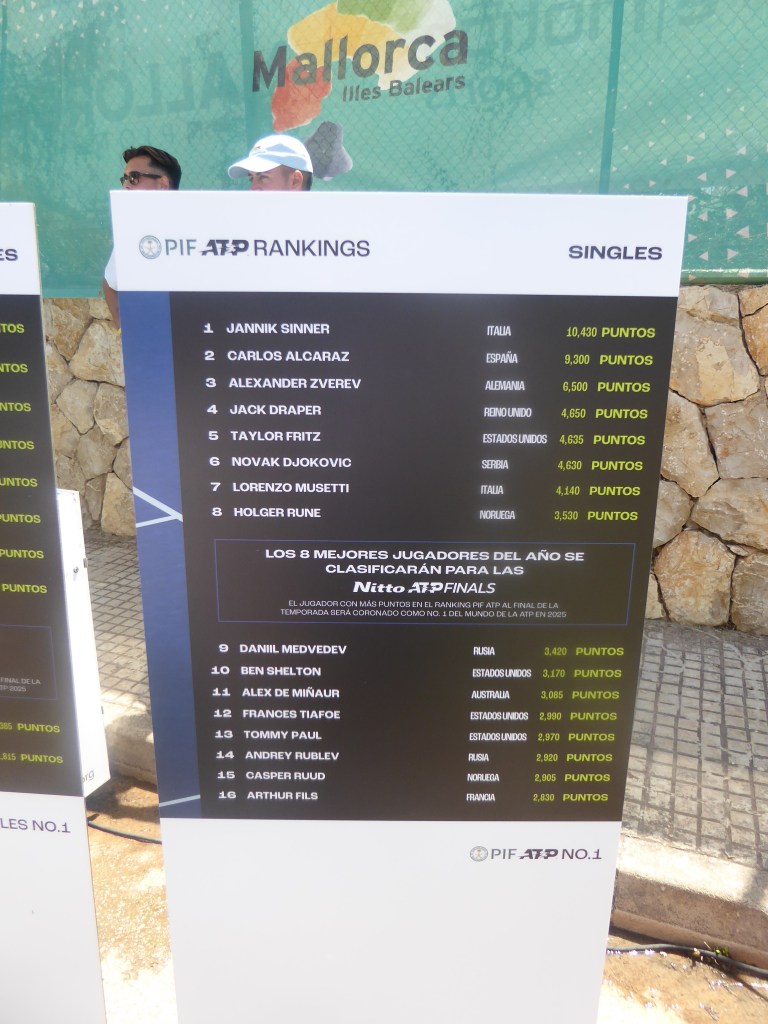
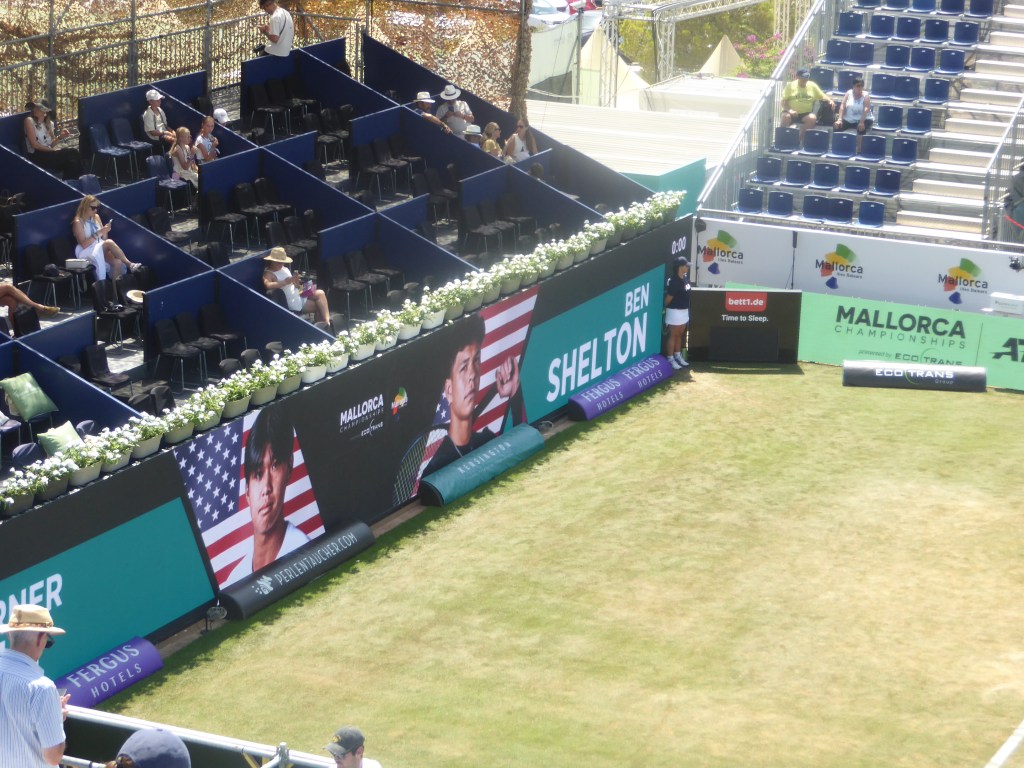
    This year was no different, and as the last grass court warmup before Wimbledon, it’s always so interesting to see just who shows up. Only in 2021, Novak Djokovic himself was here to play the doubles, as the Russian Daniil Medvedev was the winner. Equally last year and this, the young and highly rated American, Ben Shelton, was here. He later made the Wimbledon quarter-finals, losing to eventual champion Jannik Sinner.

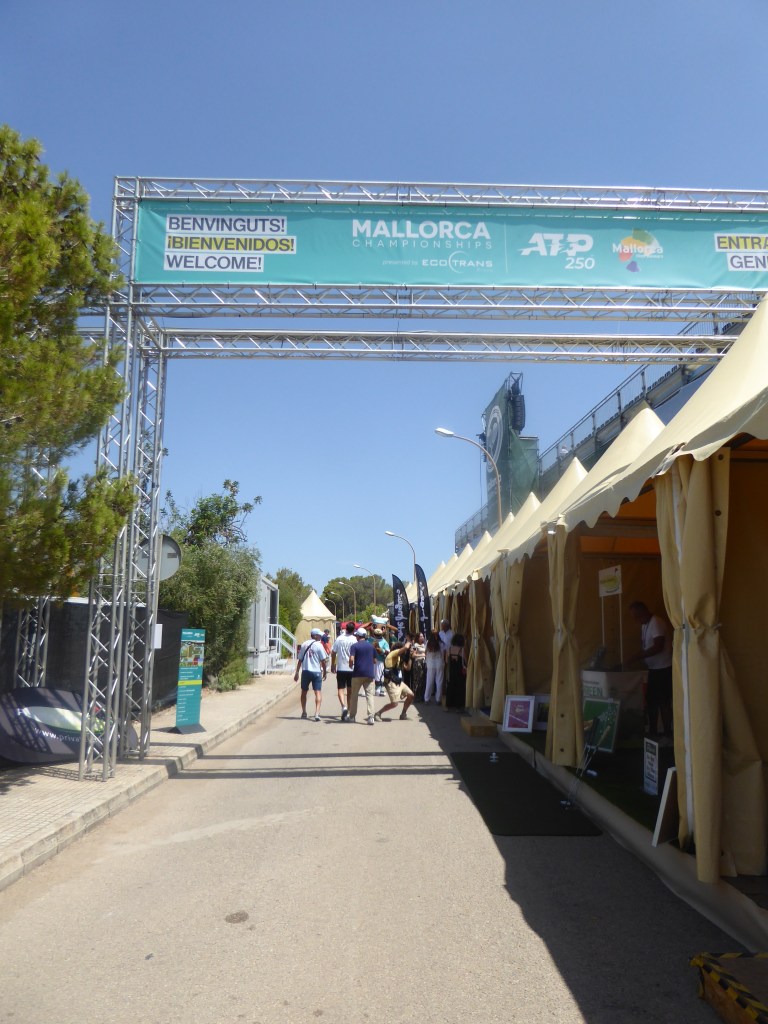
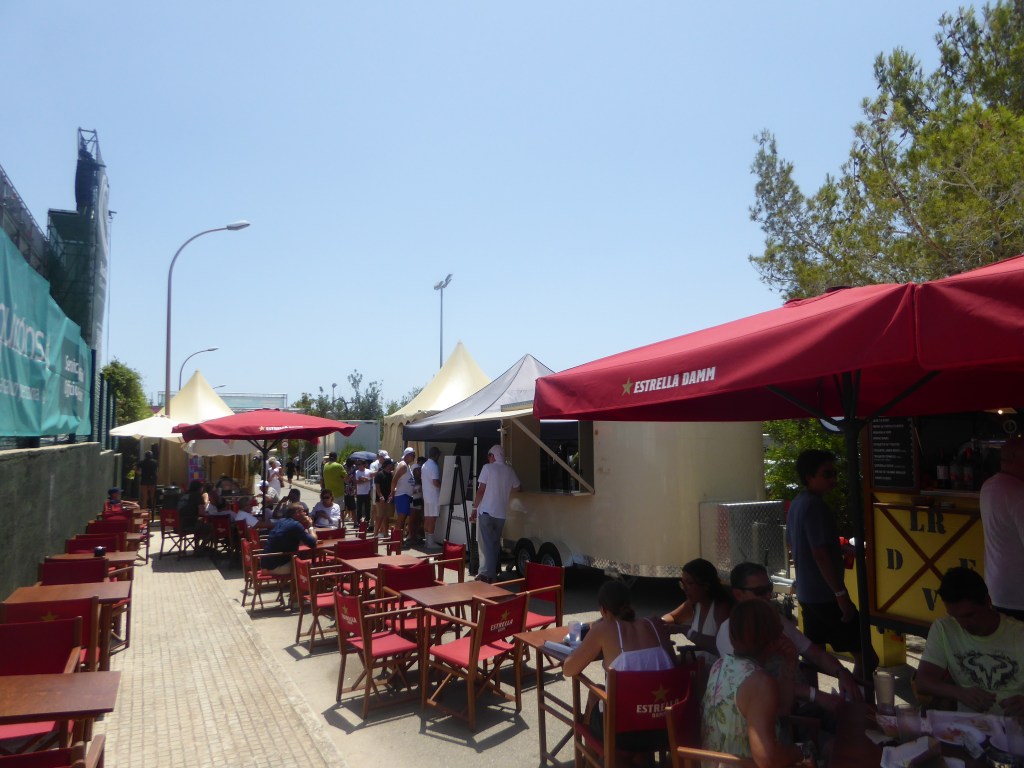
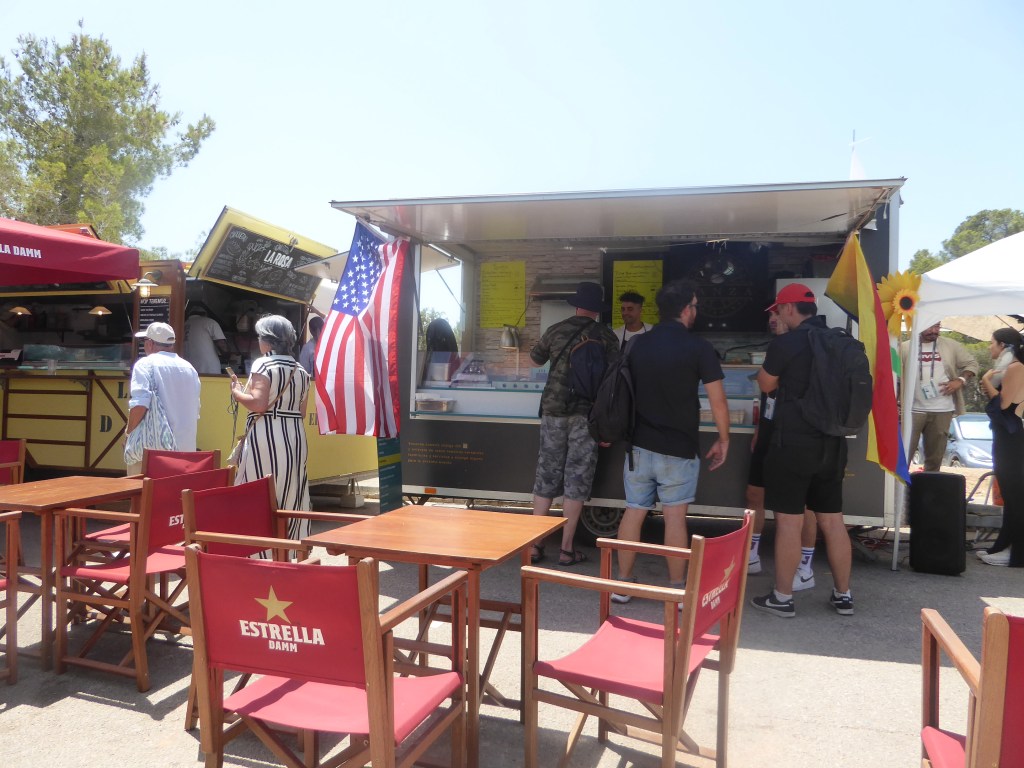
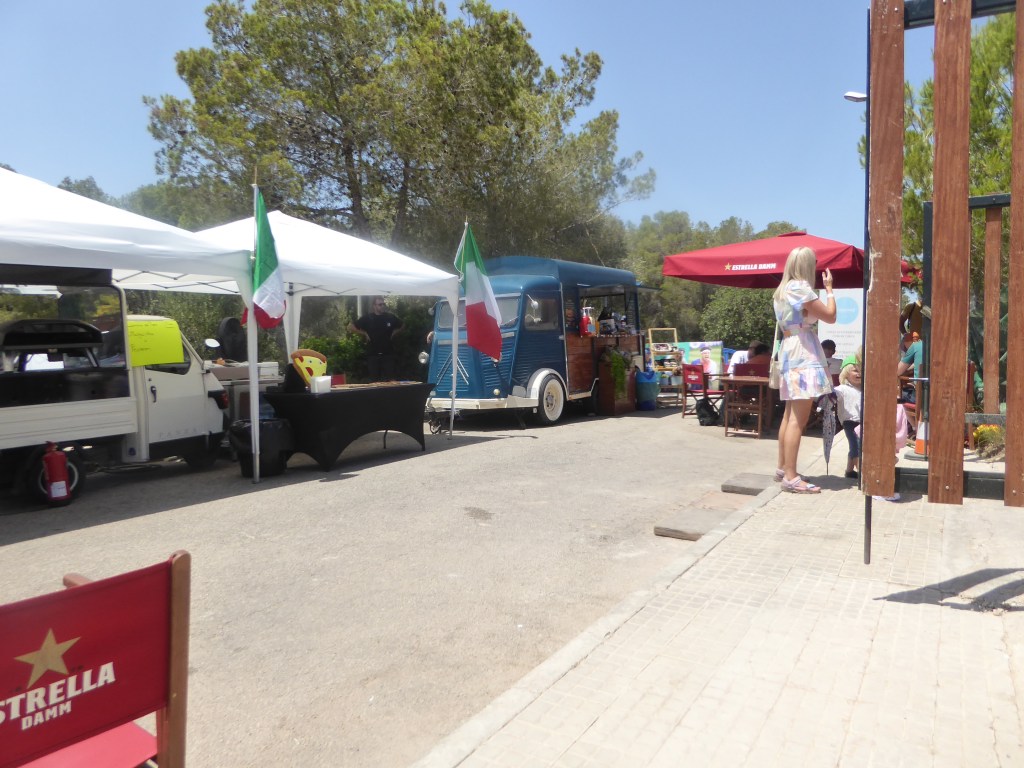
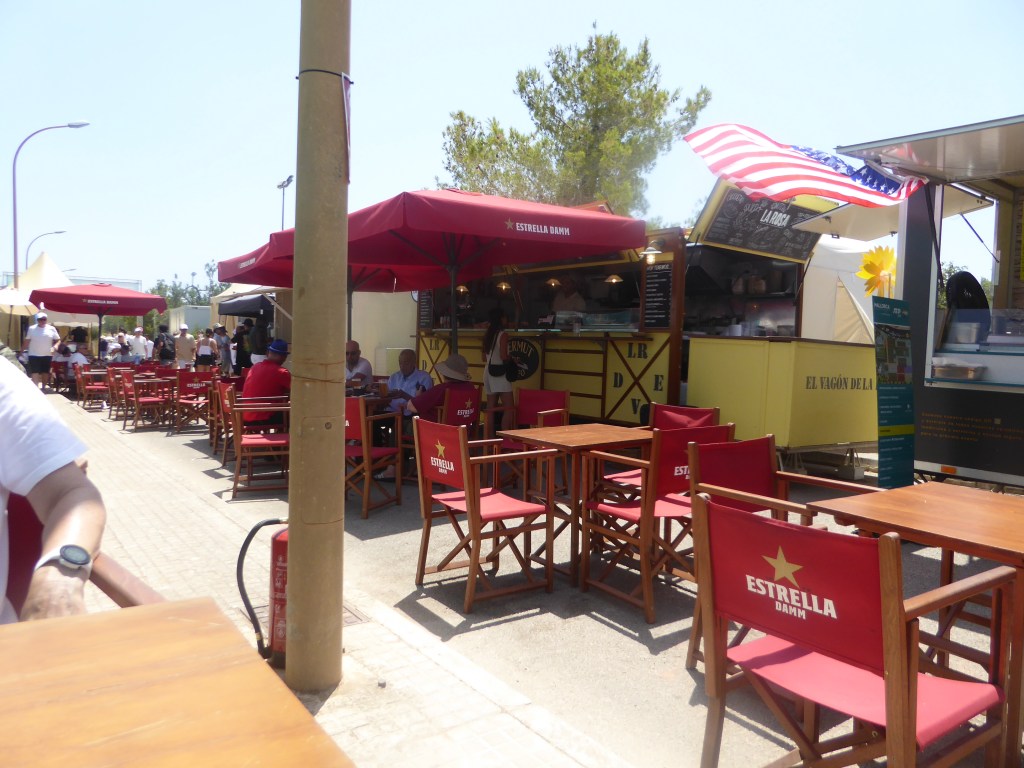
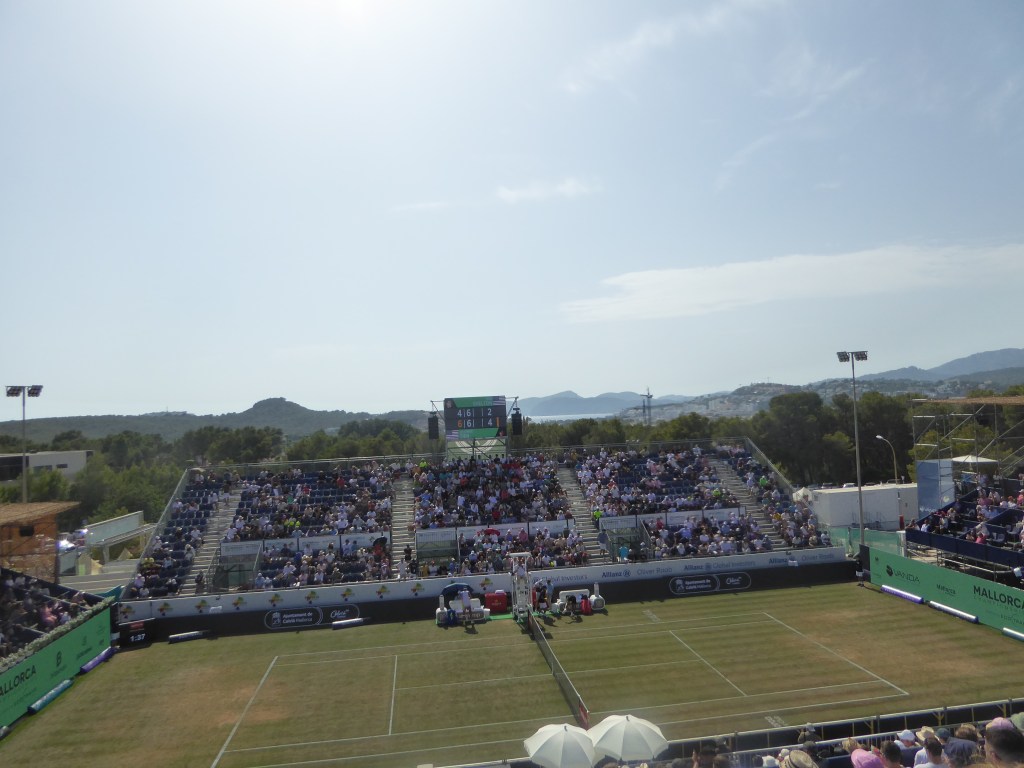
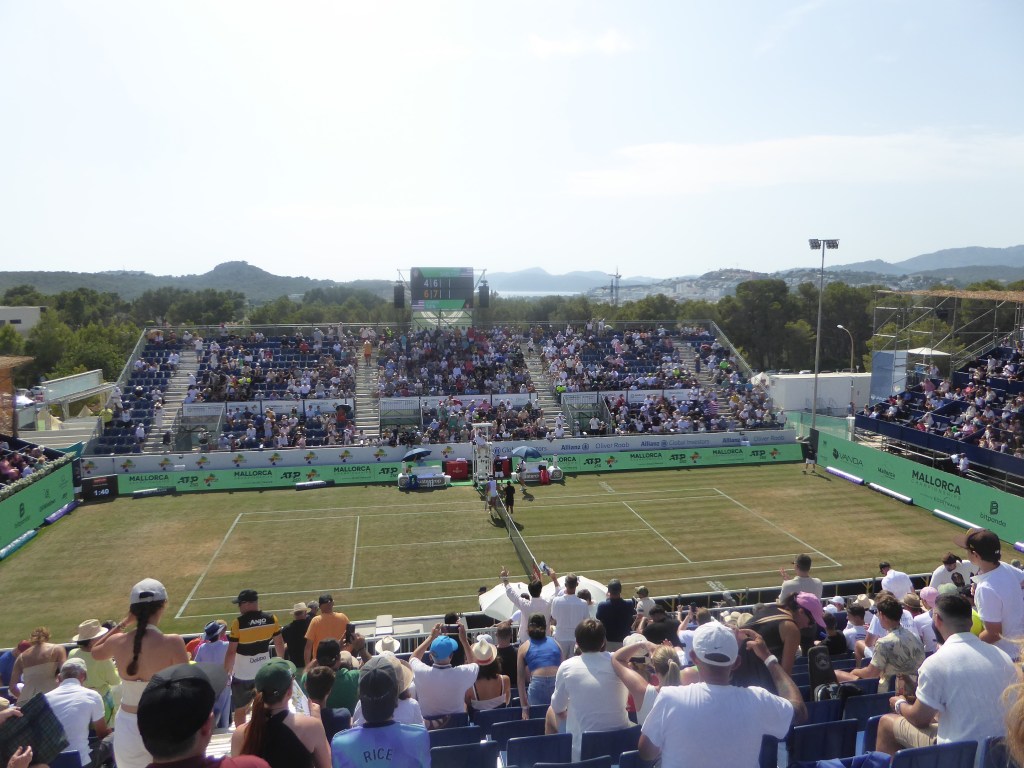
      The point being, is there are some “stars” here, but that would miss the point. The tournament still has world class tennis, nice food and at 20 Euros a ticket for the entire day, is far cheaper than Wimbledon!

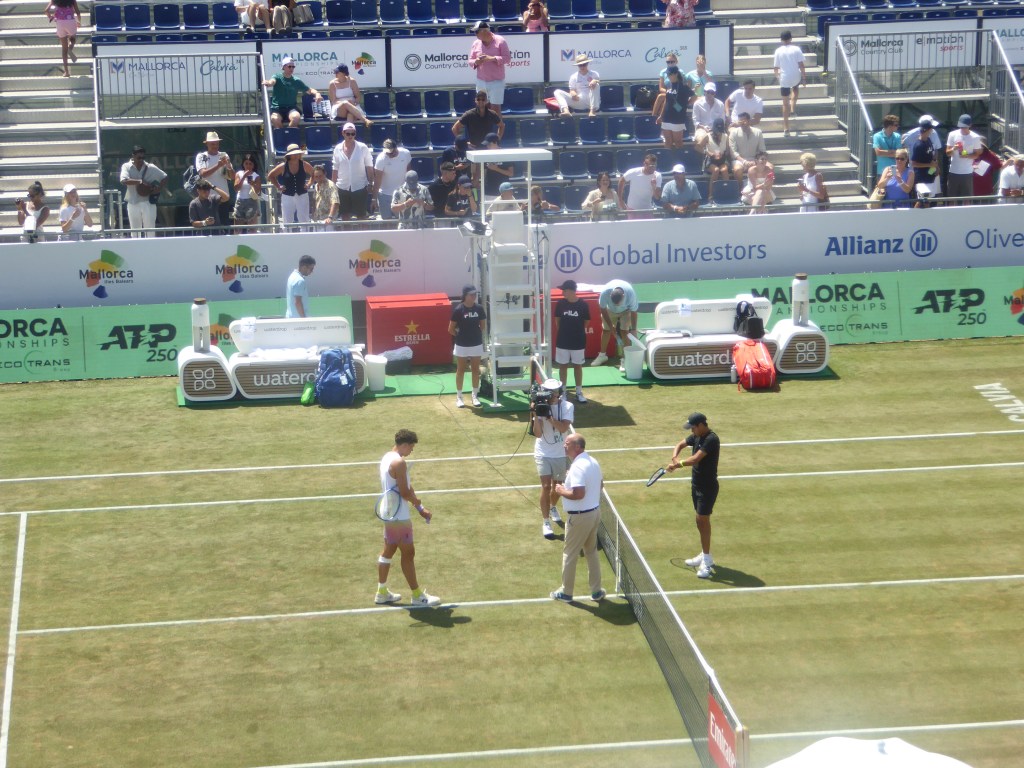
      What a view (above)

      Conceivably, it could be cheaper to come here to watch the grass court tennis, than going to London, to watch the tennis at Wimbledon, particularly if you take into account travel, hotels and food in London.

      I’ll be back.

      CB
      * Tournaments in the ATP (Association of Tennis Professionals) range from 250 points, to 500 points; with the Master tournaments being worth 1,000 points. The major tournaments (Wimbledon, etc) are worth 2,000 points to the winners.

      Off to Mallorca again . . . Part 1

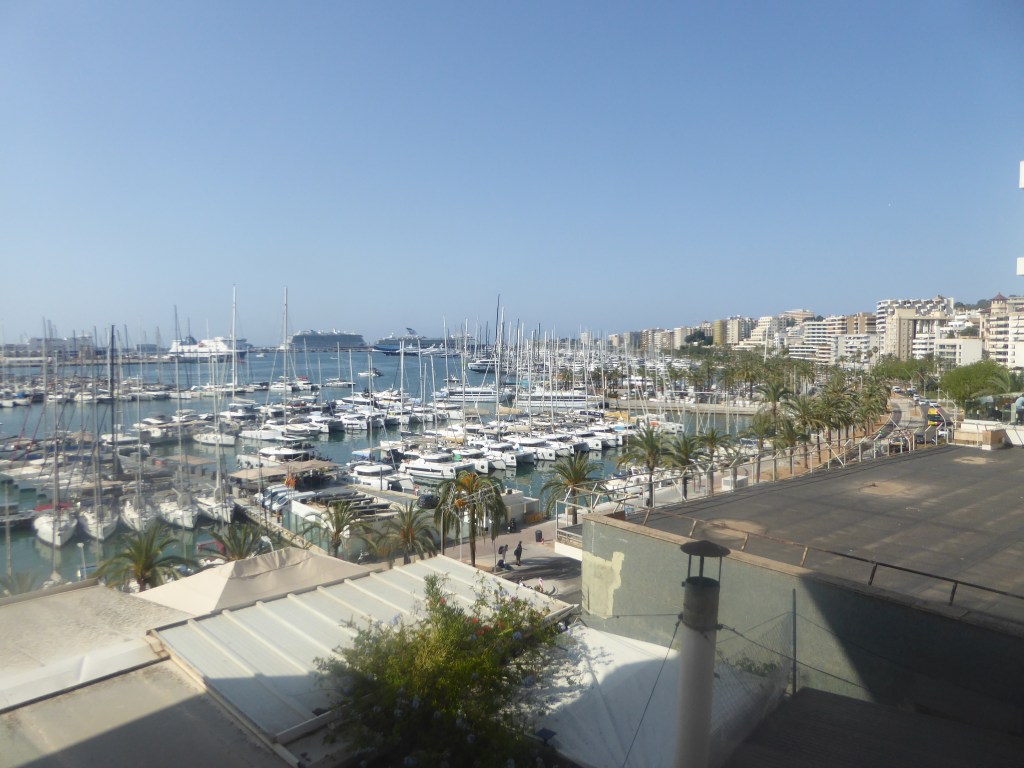
      Palma, Mallorca – Harbour

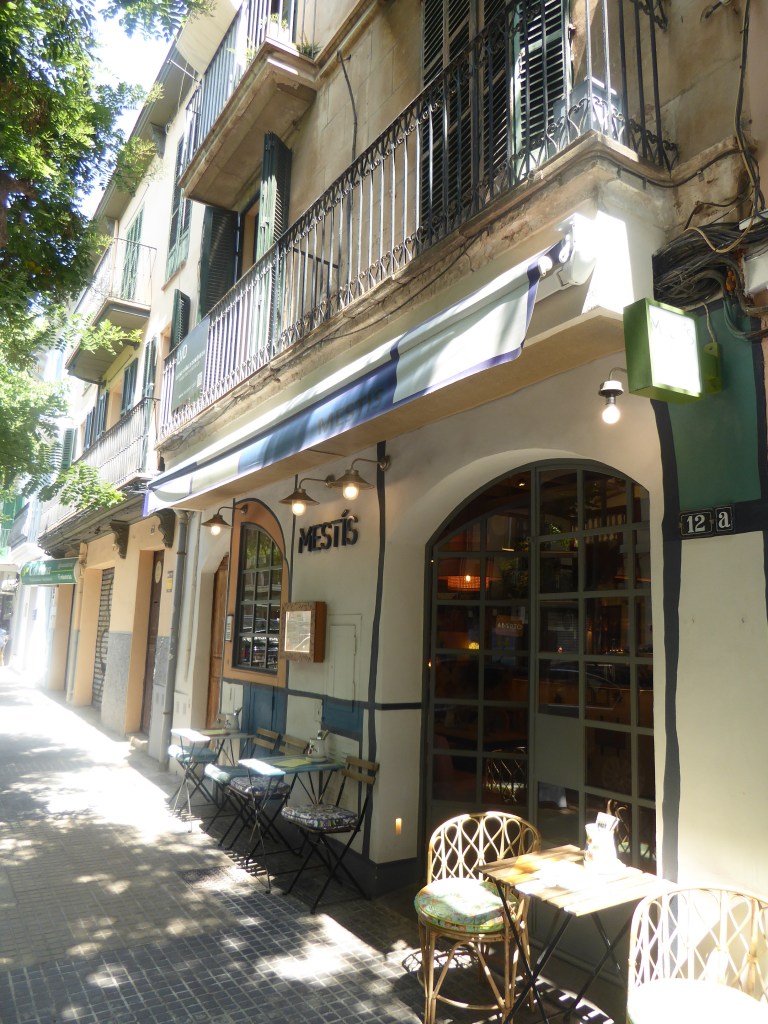
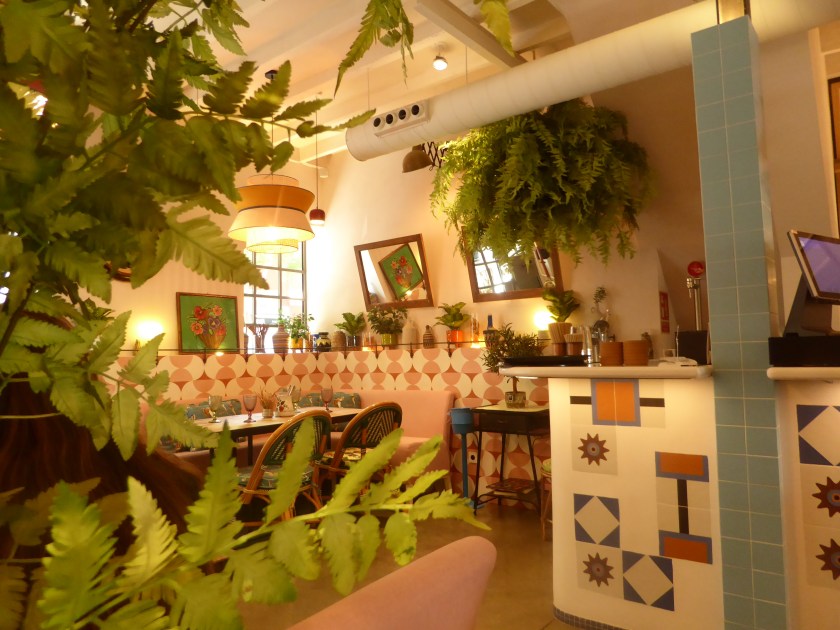
      Once again, we’re off to Mallorca. This vlog will likely be split into three parts. The first part covers the general activities we enjoyed—cafés, restaurants, hikes, and running.

      The second part focuses on why we actually went: to attend a tennis tournament, part of the ATP Tour. It’s a small ATP 250 event, the final grass-court tournament before Wimbledon.

      The third part is about what I believe is called Active Tourism. We took part in a cooking course focused on Mallorcan and Spanish cuisine, which was fascinating.

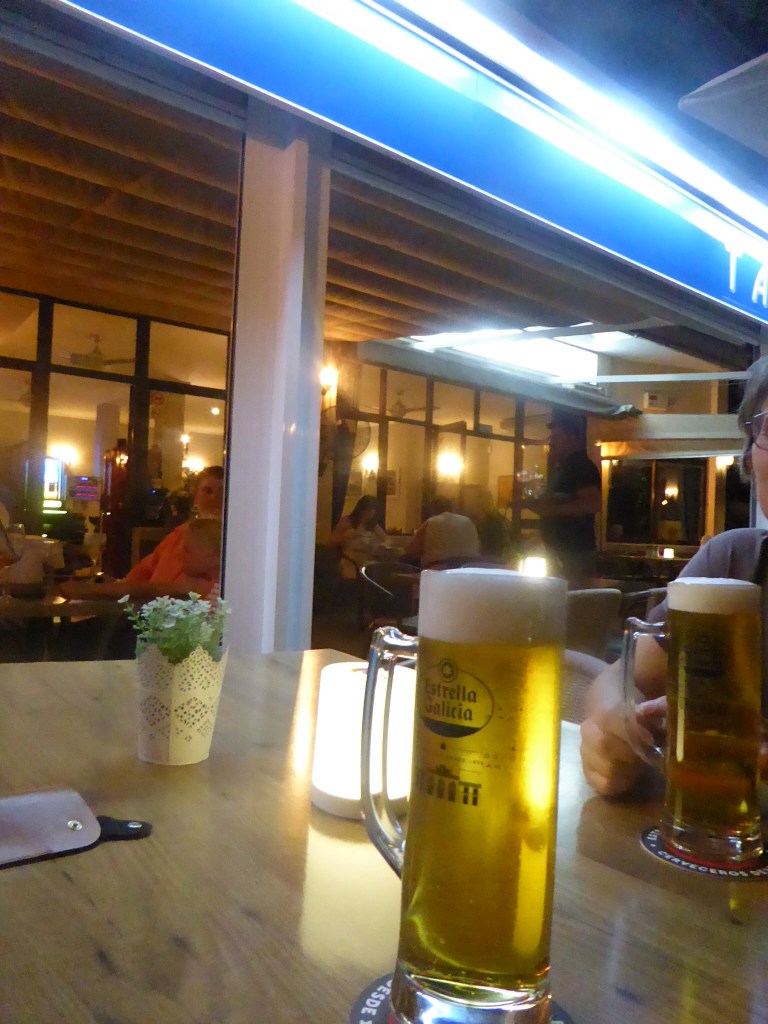
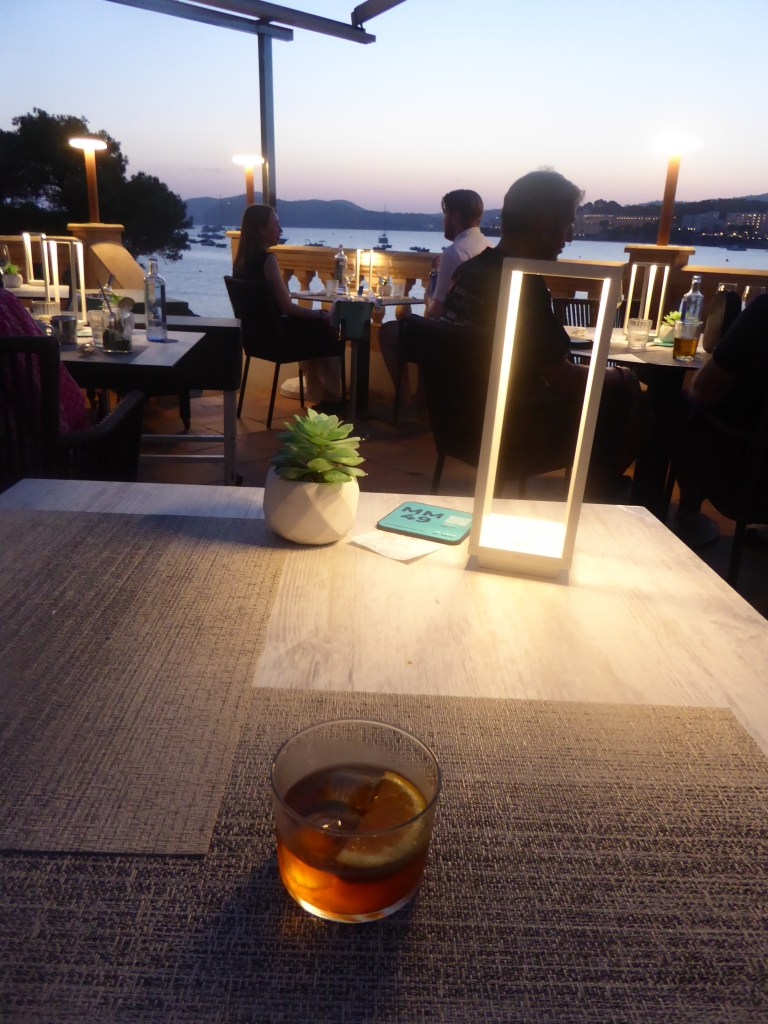
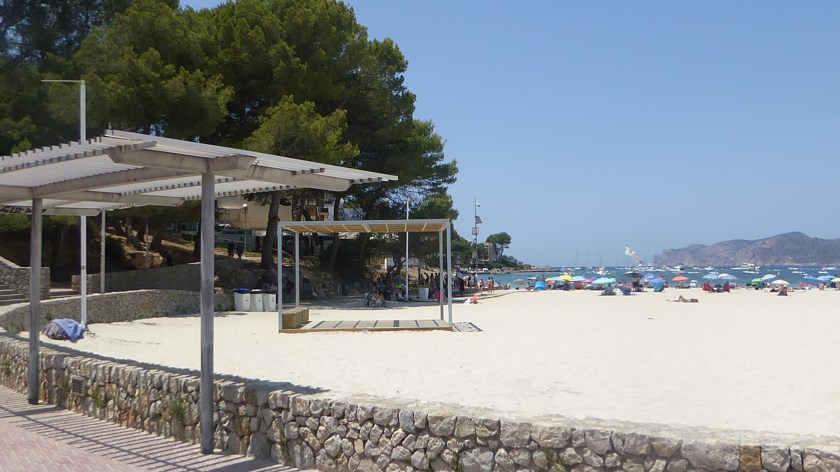
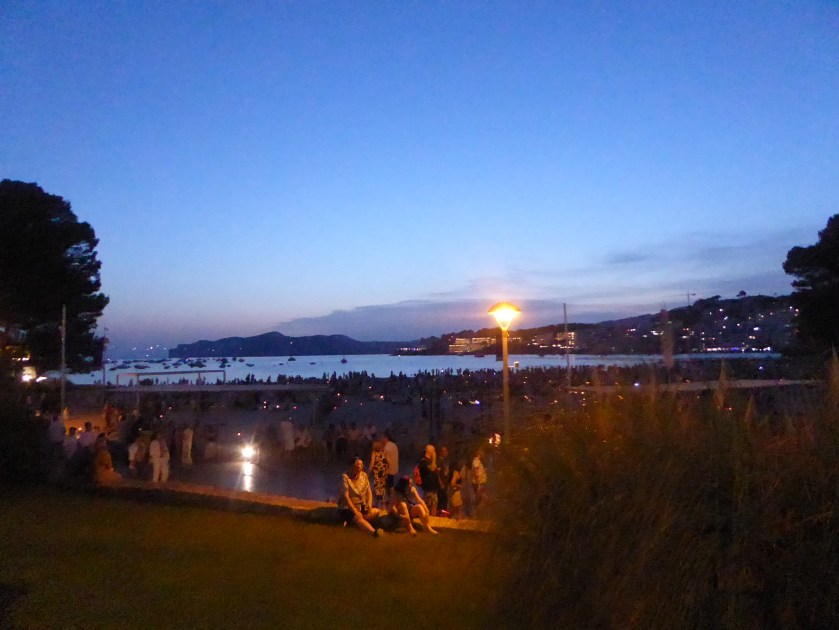
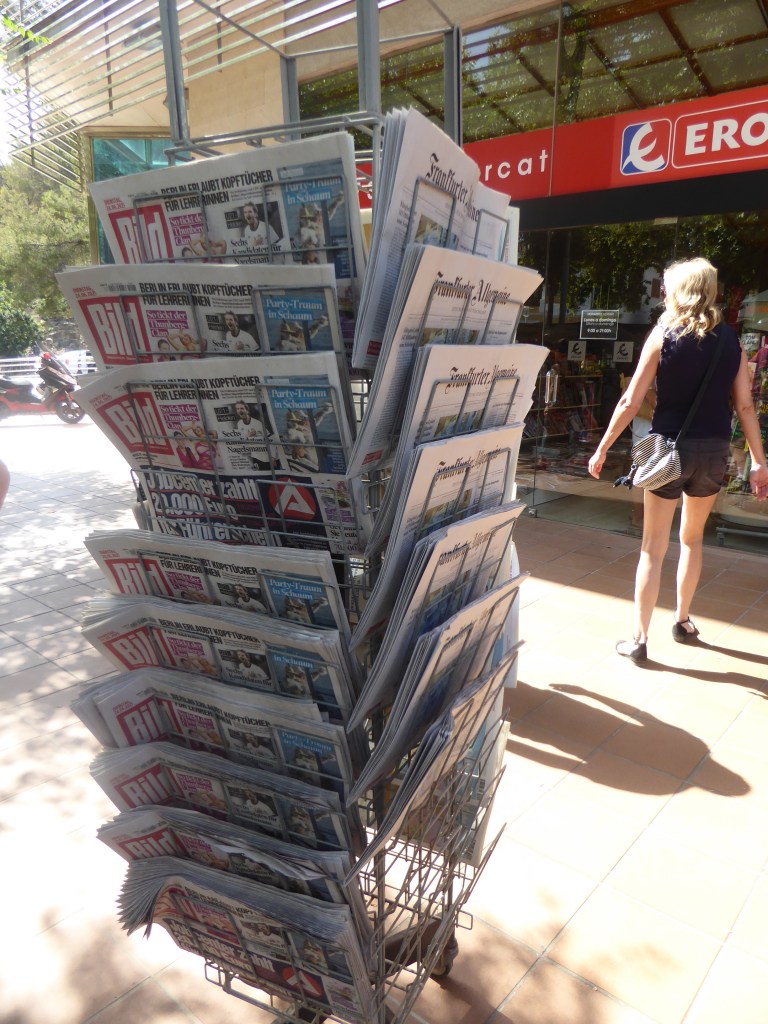
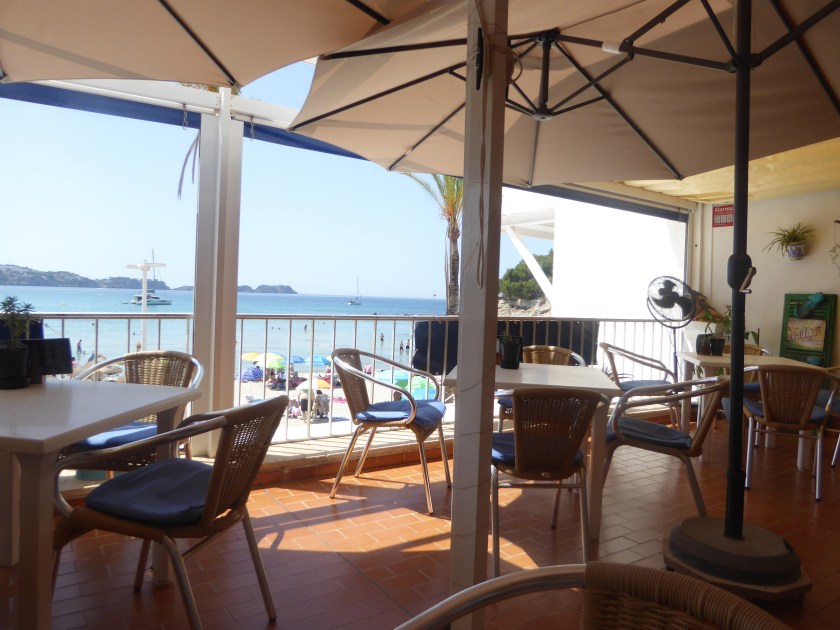
      As usual, we did the typical things: visited restaurants and cafés, strolled around, and ate plenty of ice cream. Temperatures reached 37°C, but with humidity often at just 20–25%, it wasn’t too unbearable. Santa Ponsa is lovely—very calm and welcoming – and has a plethora of German and Spanish tourists.

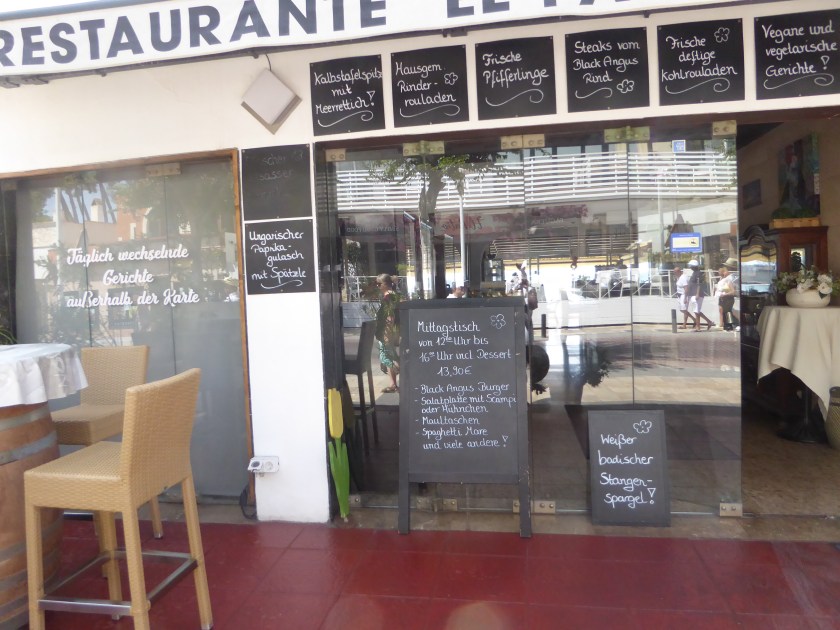
      Some areas are predominantly German-speaking, with fewer British tourists, which is nice. You can get by with Spanish, German, or English. Most locals are trilingual or even quadrilingual, as many also speak Catalan.

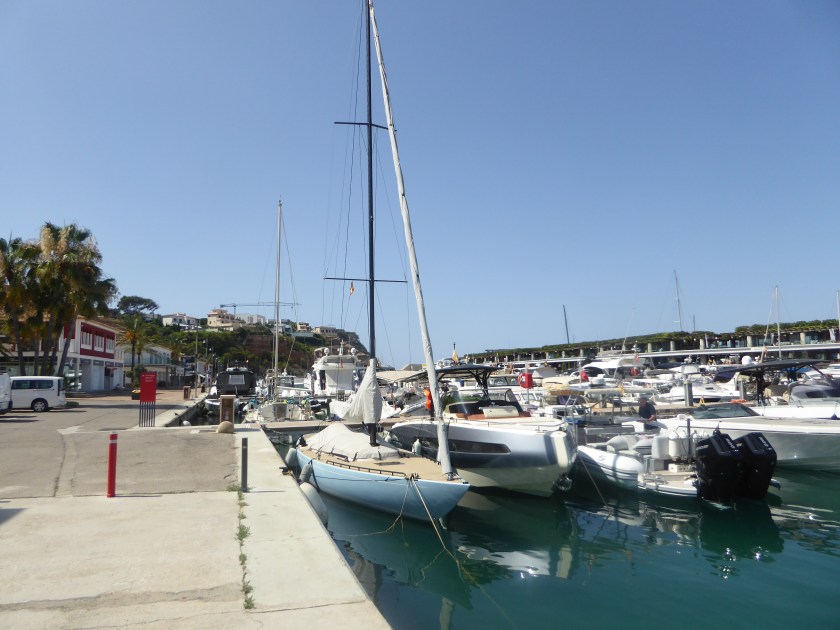
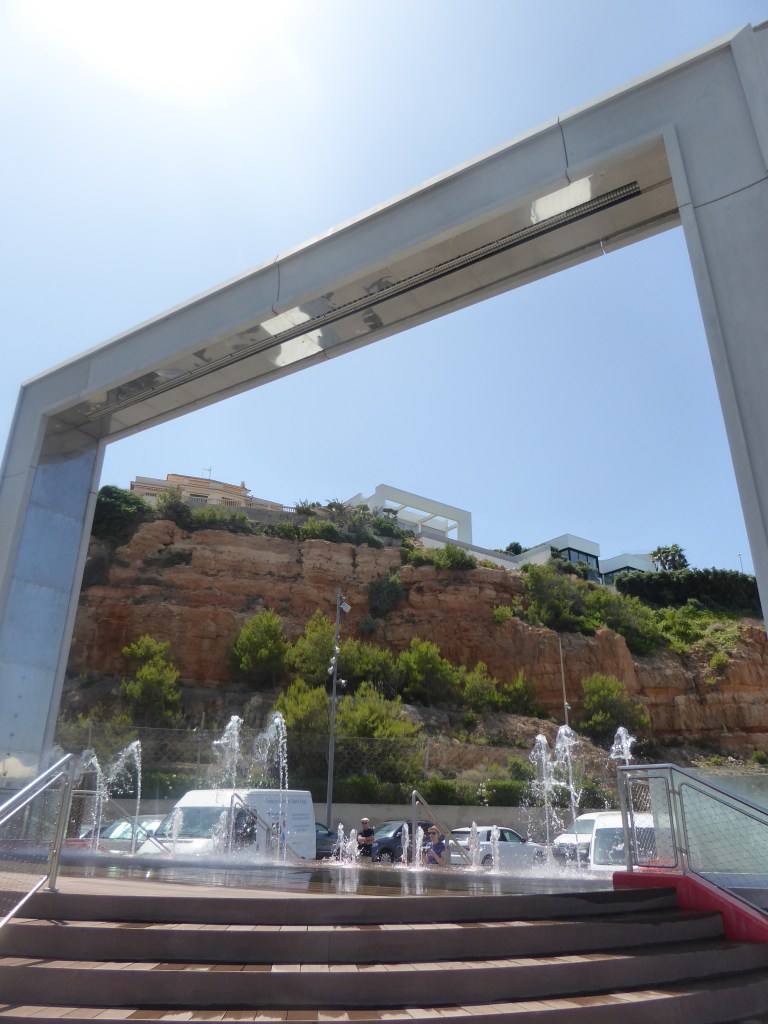
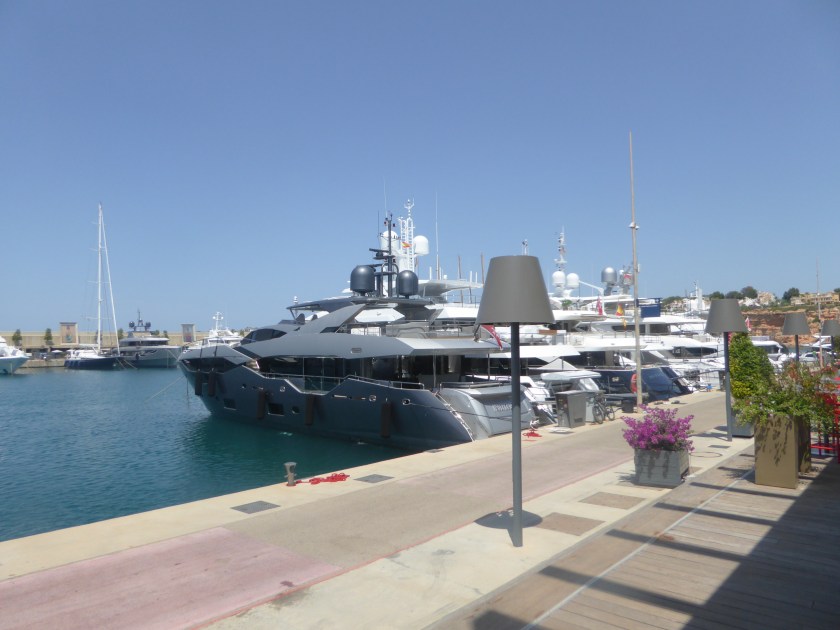
      One day, for some reason, we decided to jog 25 minutes to the neighbouring village, Port Adriano. It’s not a huge port, but it feels fairly new, with massive yachts docked there. However, it’s still too small for the truly mammoth yachts—you can practically smell the wealth! Interestingly, breakfast there cost about €11, while in Santa Ponsa, it was €12–15.

      Without an influx of tourists, prices felt like standard Spanish rates, which was refreshing. We didn’t rent a car this time and relied entirely on public transport. We took a bus from the airport to Palma, then another to Santa Ponsa—a direct 65-minute ride that’s both convenient and affordable.

      Speaking about tourists and Mallorca, please see here. Where it seems that another problem that Mallorcans face, has little to do with tourism. Once again, it’s a problem that many urban areas face, when far wealthier foreigners, put the local housing stock out of reach for the local, historical population. It’s also something that I’ve noticed, in the last 3 years, since I’ve been visiting this island regularly.

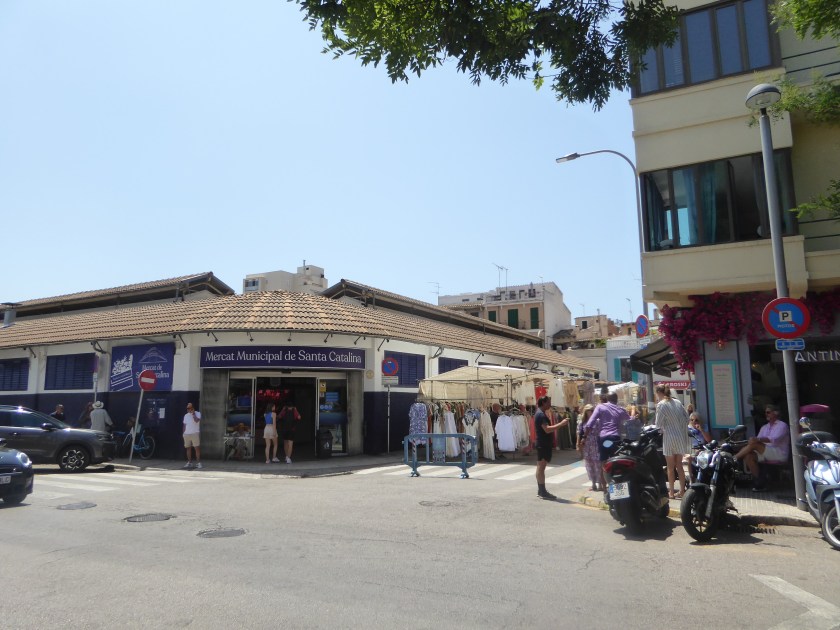
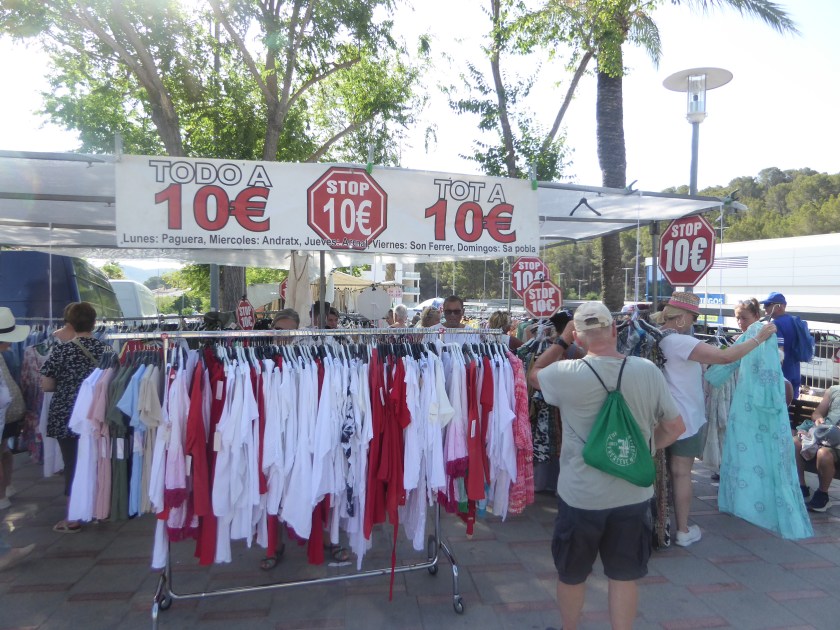
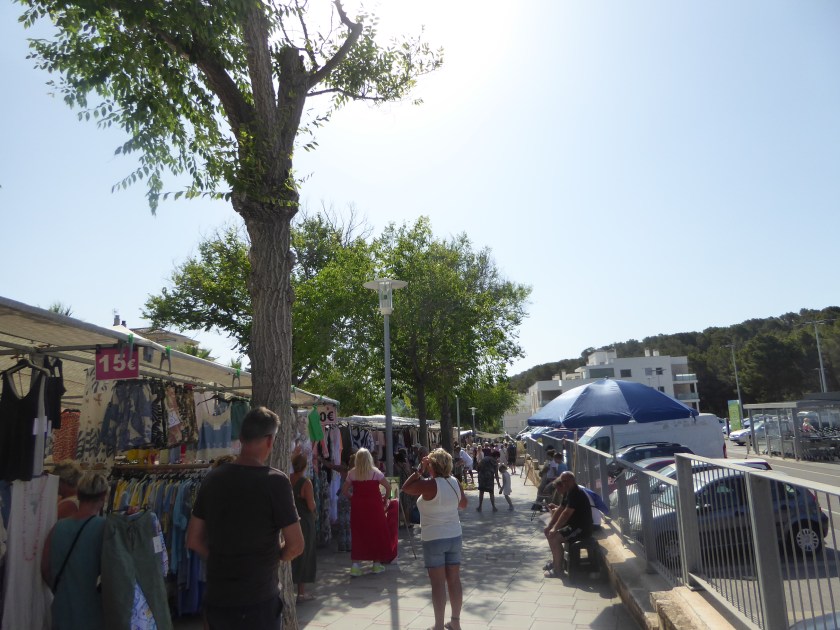
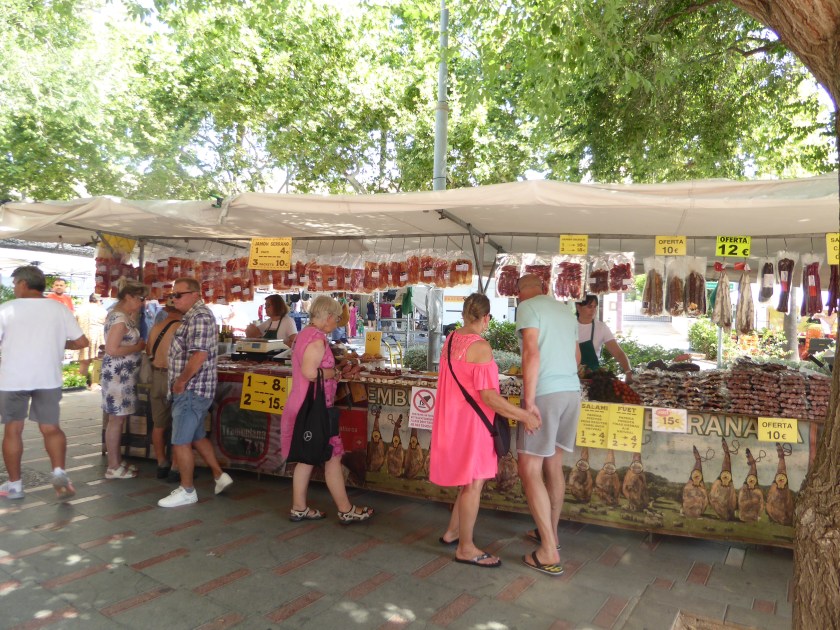
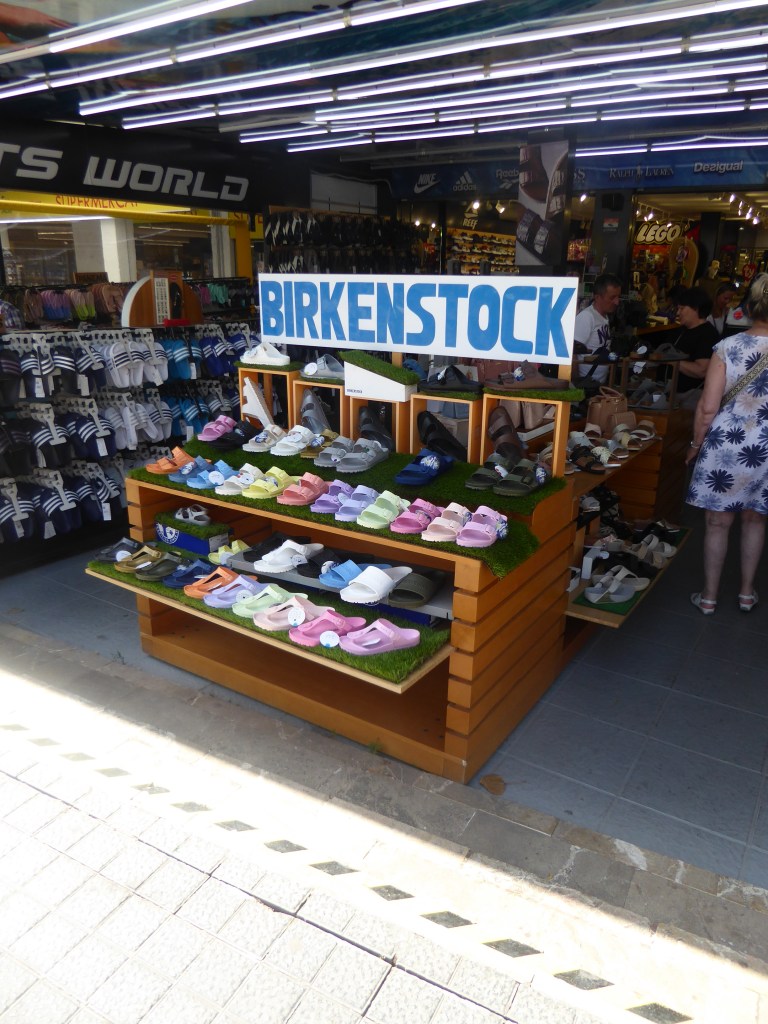
      One day, we took a bus to the nearby village of Peguera to visit its Tuesday market. It’s massive, stretching about a mile, with all the usual touristy offerings you’d expect in Spain—beach, shops, and so on. Peguera is nicknamed “Little Germany” because many locals and visitors speak German, which made communication easy.

      Besides that, we did plenty of walking. Santa Ponsa, as always, was peaceful and felt to have more Spanish than tourists. There’s even a Scottish pub called The Jagged Thistle, which felt very unthreatening and added to the charm.


      CB
      Epic 2-Day E-Bike Adventure: Cycling 120km from Pitlochry to Aviemore with a Camping Stop

      Alternative AI Title – E-Bike Delight: 120km of Scottish Sights with a Tent by Night!

      And you think that one was bad, look at these:

      “Zoom to the Moon: E-Biking Pitlochry to Aviemore with a Camping Swoon”

      “Cycle and Snuggle: A 120km E-Bike Journey with a Tent Tuggle”

      “Wheeling Through Reeling: Pitlochry to Aviemore’s 2-Day E-Bike Feeling”

      “E-Bike Blitz: 120km of Scottish Spritz with a Camping Twist”

      As for the tour:
      Another bike tour, but this time with e-bikes—what a game-changer! We covered roughly 110–120 kilometers over two days, riding from Pitlochry to a campsite just north of Dalwhinnie, where we pitched our tent, before continuing to the bustling village of Aviemore. I’ve never been a huge fan of Aviemore, to be honest, and we were mostly there to catch the train back to Pitlochry.

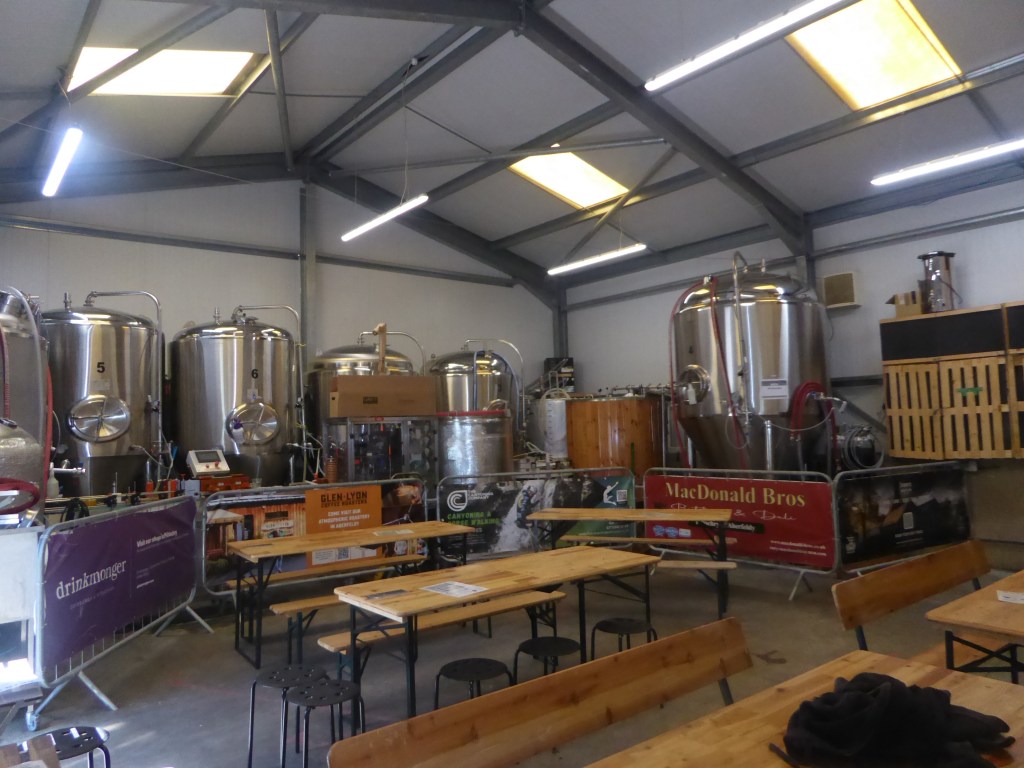
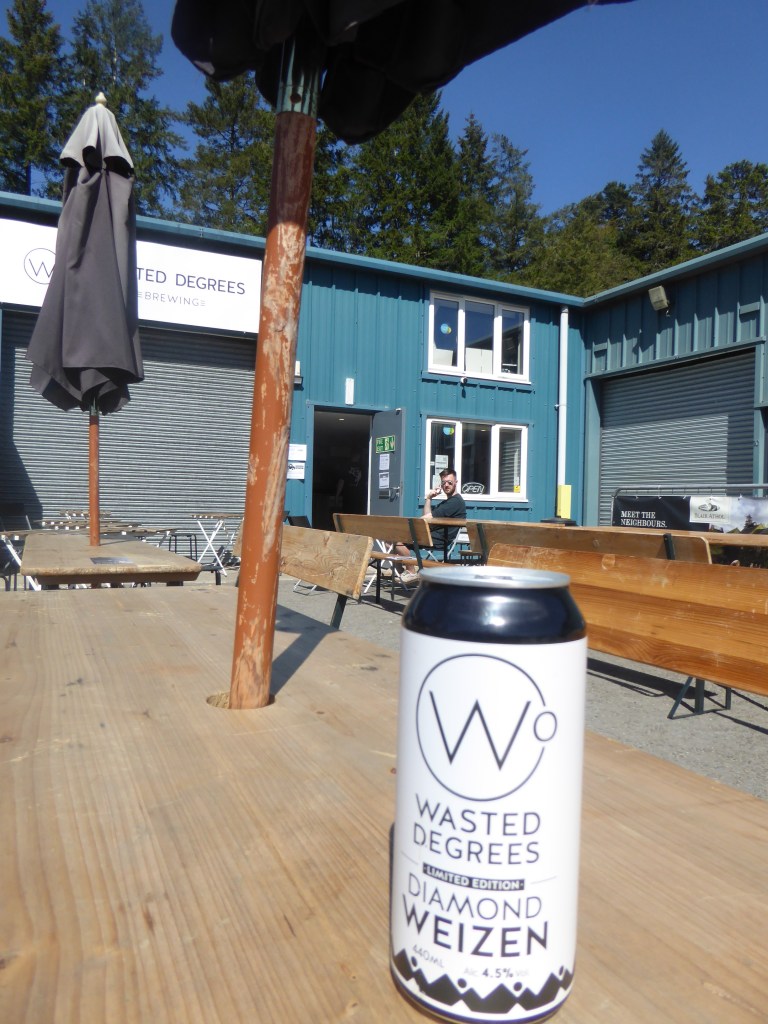
      Wasted Degrees brewery, an hour north of Pitlochry

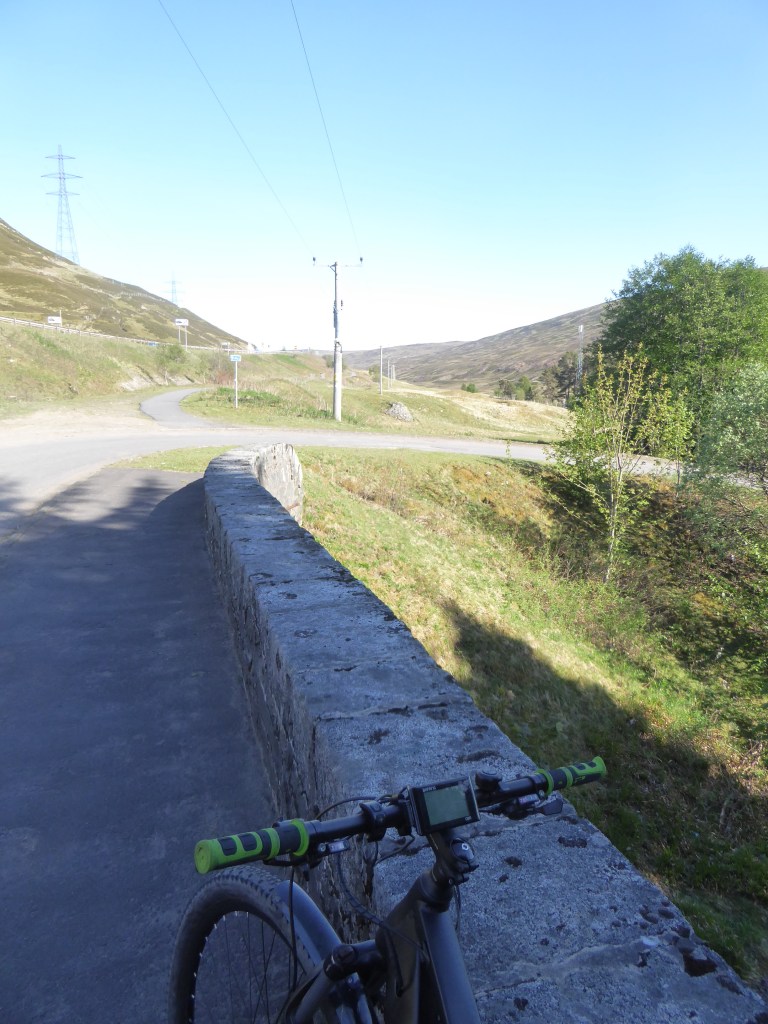
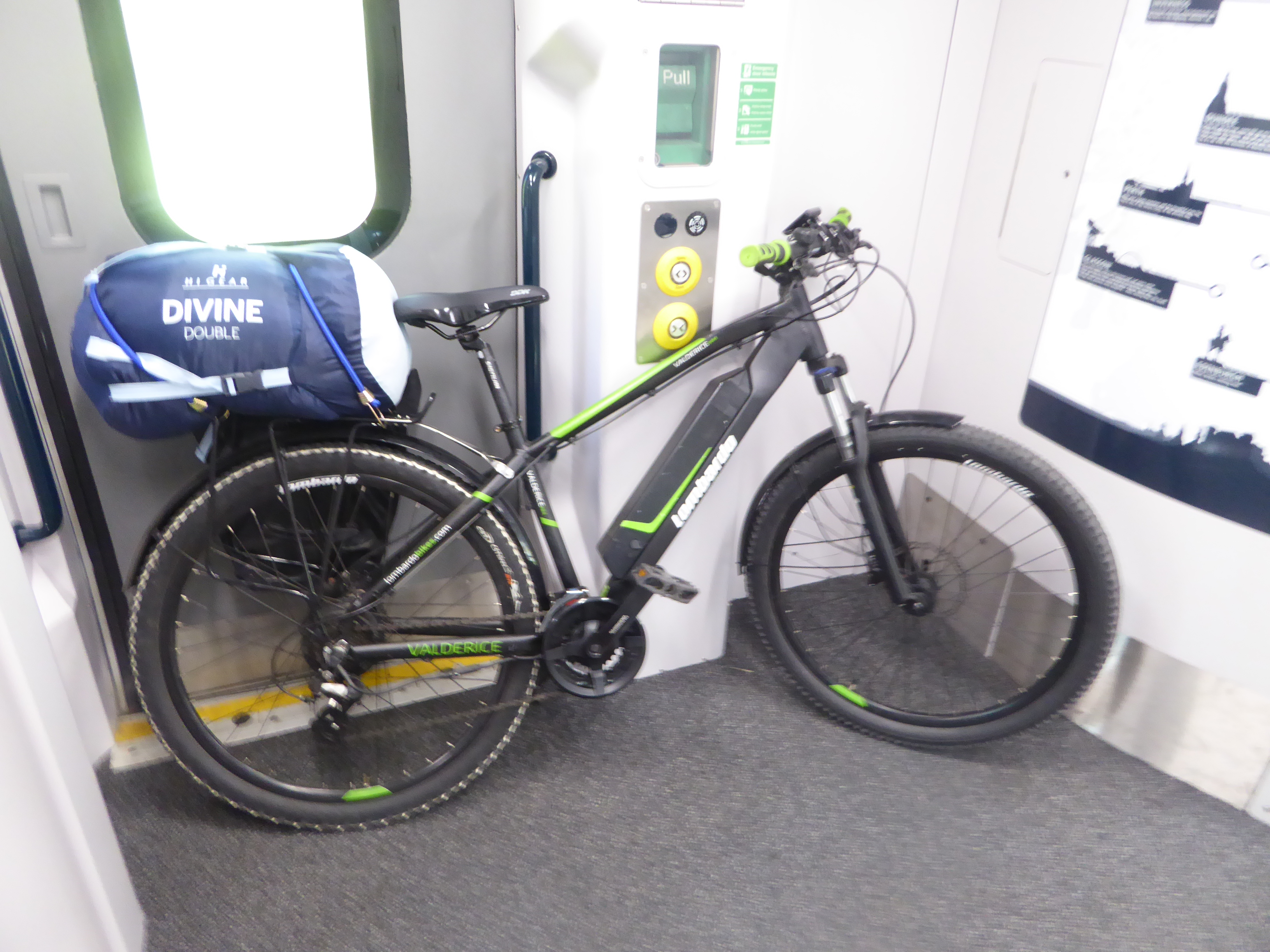
      This was our first time using e-bikes, and I recently bought a secondhand one—hope that’s not an oxymoron! It needed a few repairs, and I quickly learned it doesn’t have a kickstand, which can be a hassle. I usually stick to power assist levels one or two out of five, occasionally three. The bike’s pretty heavy, and like most e-bike newbies, I thought I could overload it.

      Spoiler: I did, and it’s damn heavy when you’re pushing it without power.

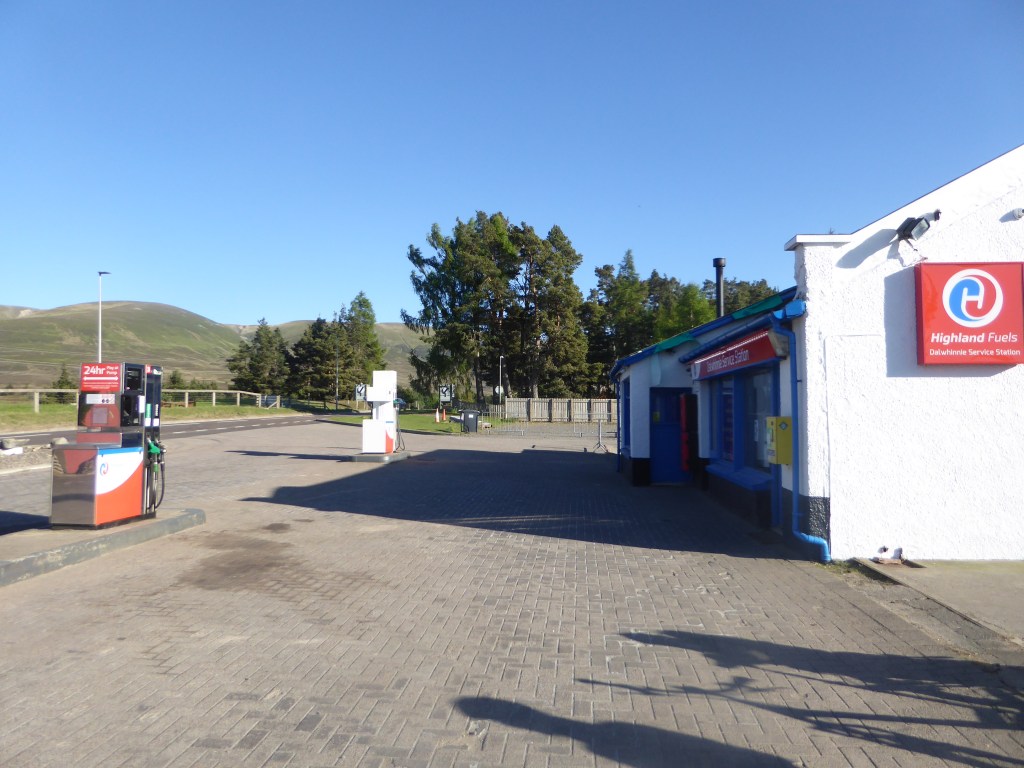
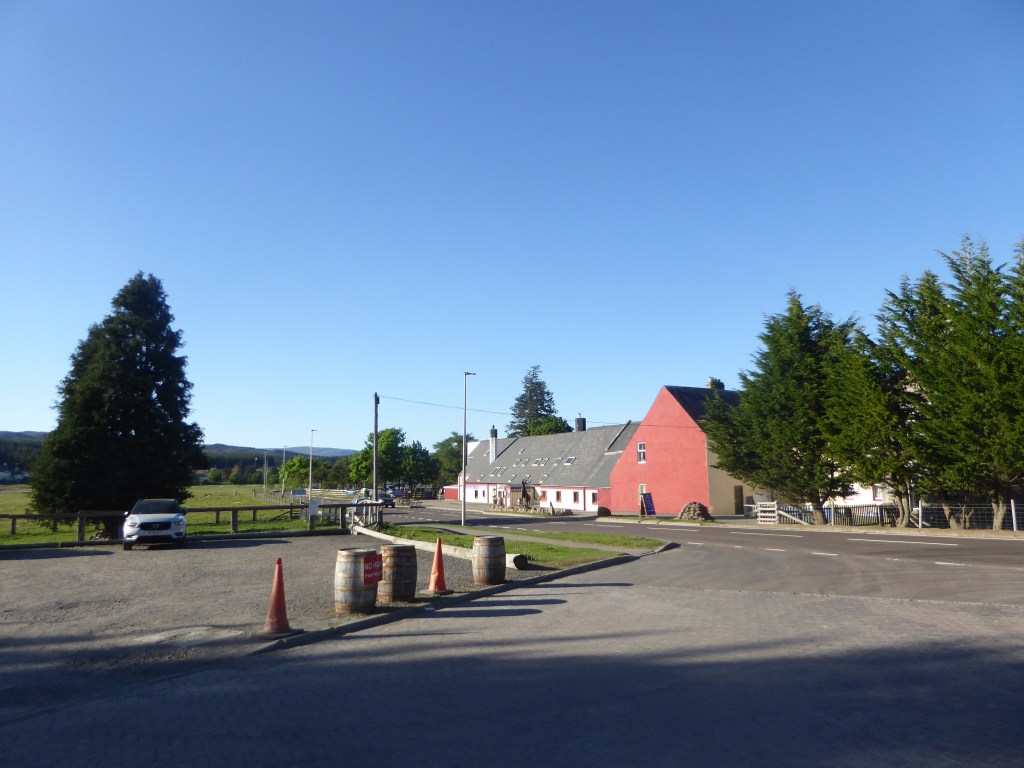
      The village (closed) of Dalwhinnie

      We rode about 75 kilometers on day one, sticking to Sustrans National Cycle Route 7, a long-distance path stretching from Sunderland, England, to Inverness, Scotland.

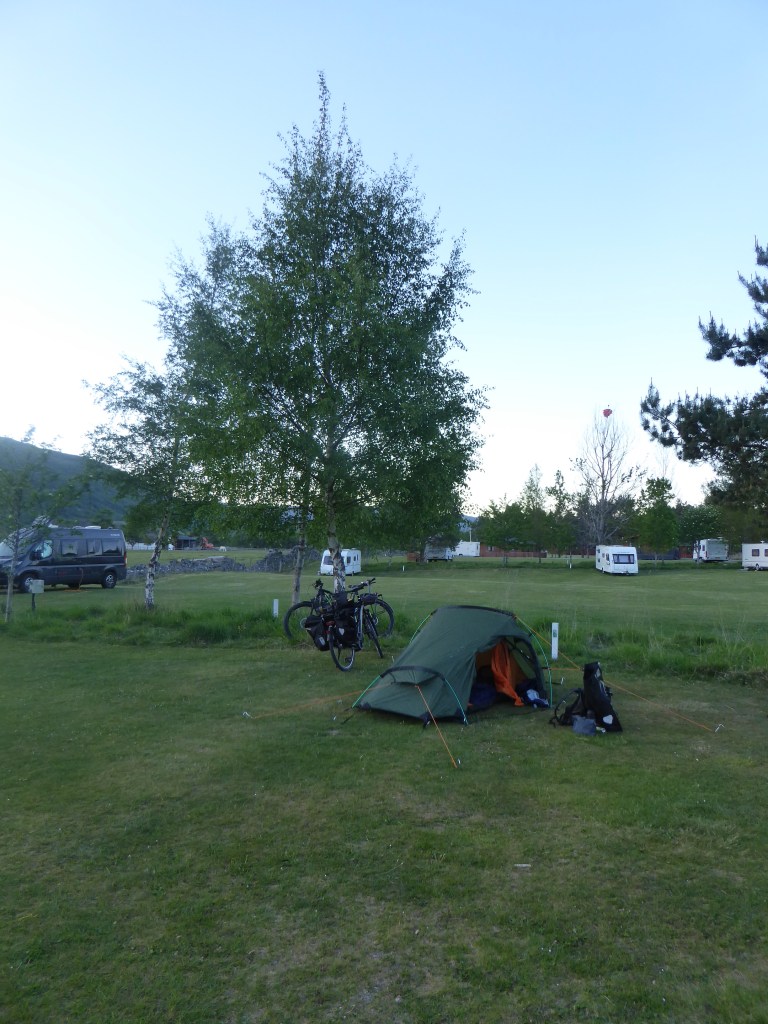
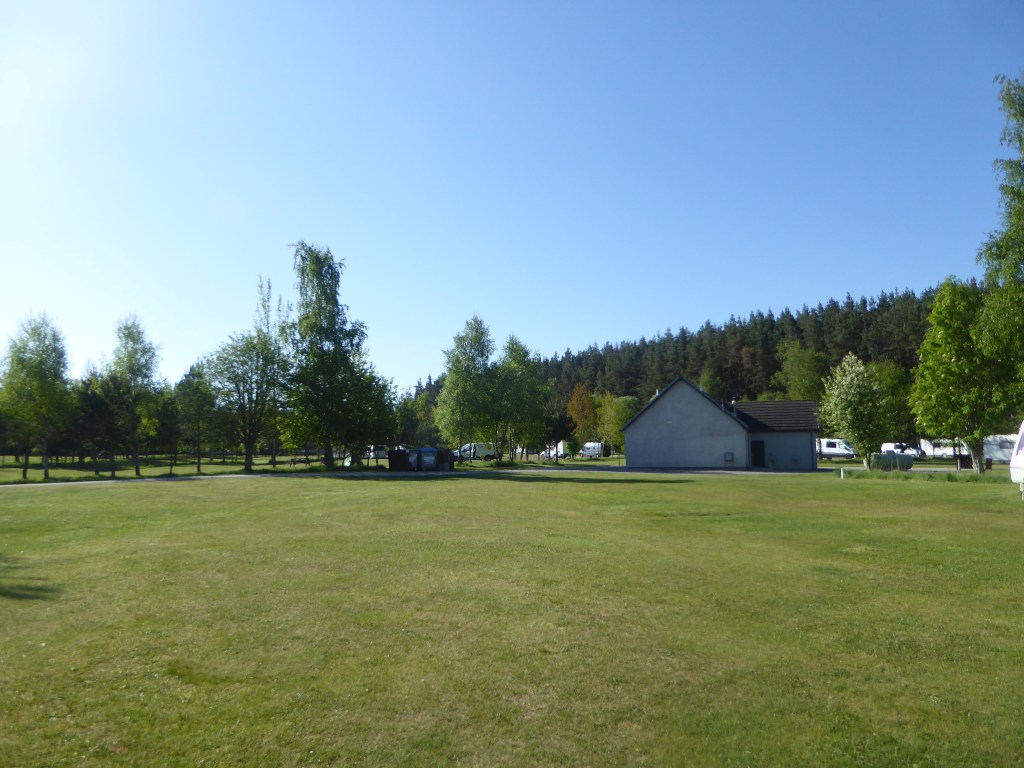
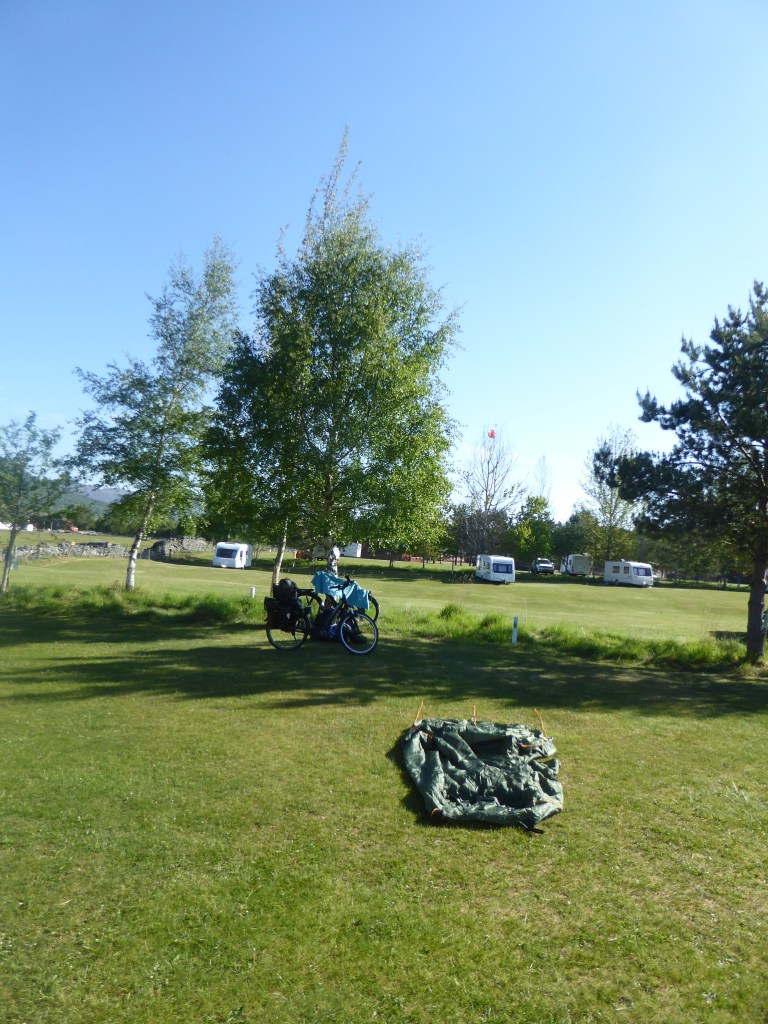
      Invernahavon Caravan Park

      We were on the upper half, north of Perth, where the route is well-marked but varies wildly. Sometimes you’re dodging traffic; other times, you’re blissfully alone. After Perth, there aren’t many cars or cyclists, which is great, but it makes planning crucial—especially for food.

      Case in point: we cycled into Dalwhinnie, a tiny village, around 6 p.m., starving. The one café? Closed. The hotel restaurant? Closed. The village shop and petrol station? Also closed. Lesson learned: plan your meals! Luckily, we had sandwiches to tide us over.

      We made it to the campsite near Etteridge with 10 minutes to spare before it closed. About 15–20 minutes away, there’s the Ralia Café, a quirky old-school stop that’s part tourist point, part café. Their breakfast the next morning was fantastic, getting us ready for the final 40–50 kilometers to Aviemore.

      E-bikes make you think you can carry the world, but our loaded tents and gear got difficult’ish, especially in the last half hour when I was pedalling without power. Another hiccup: the campsite charged £33 for two people, including electricity, but the plugs were incompatible with standard household chargers. By some miracle, a fellow camper overheard us panicking and lent us an adapter. By morning, our bikes were fully charged, and the campsite’s showers? Absolutely superb.

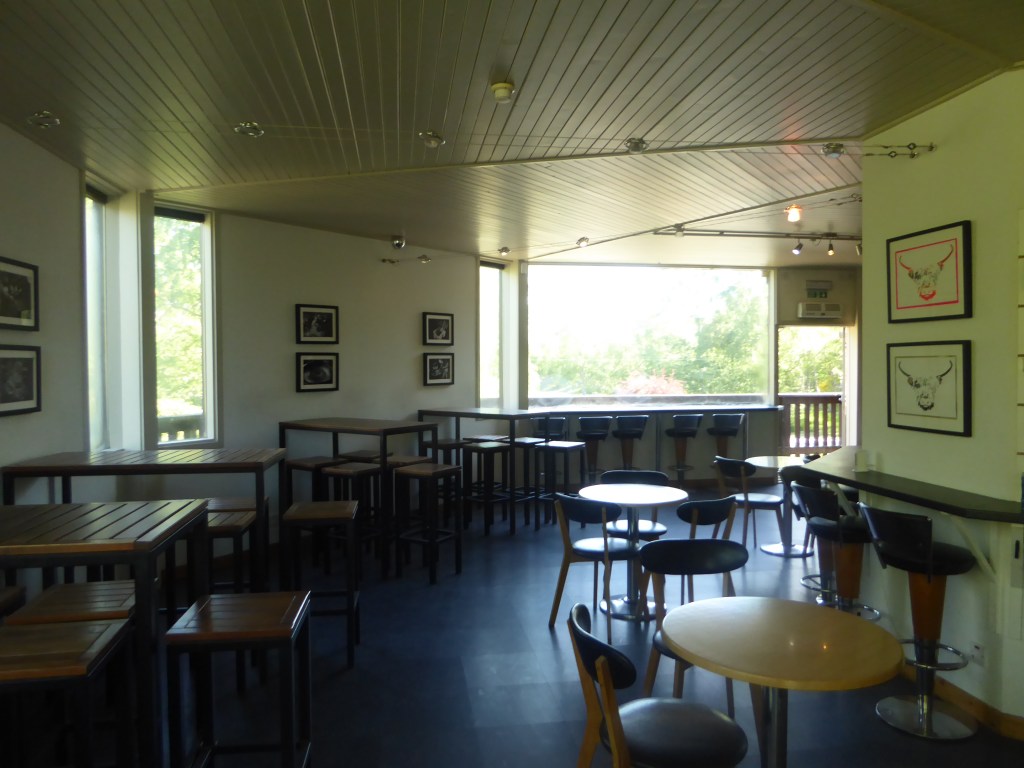
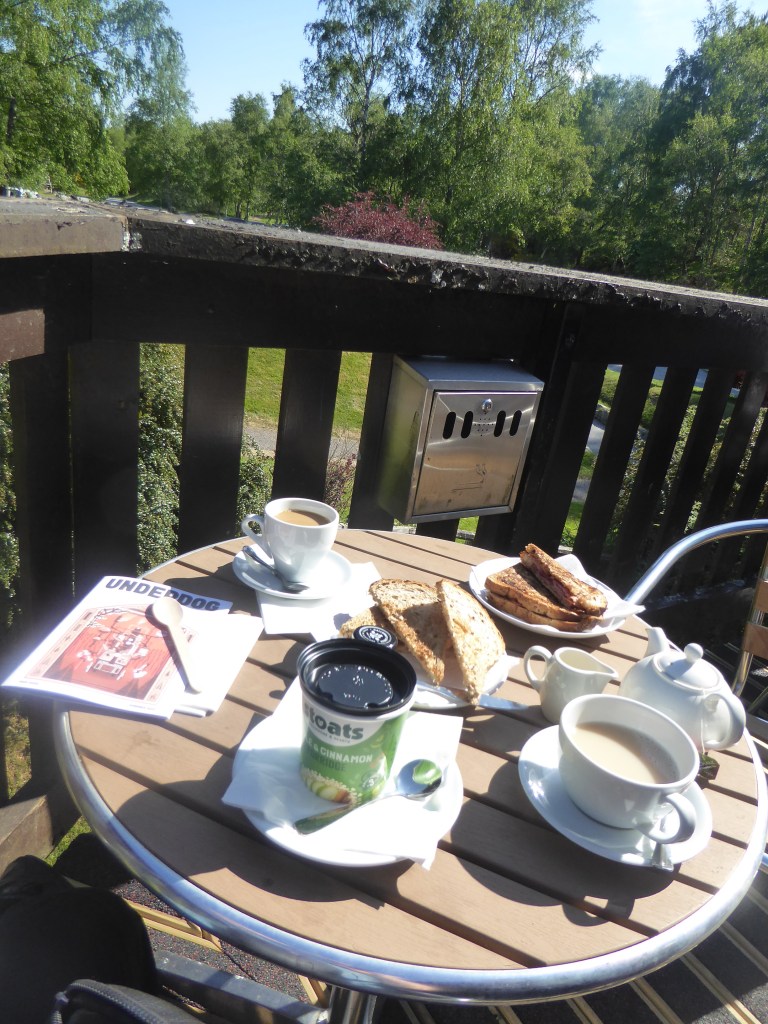
      Ralia Cafe

      Day two’s 40–50 kilometers felt easier, especially with a full stomach from Ralia Café, about 5 kilometers north of the campsite. We passed through charming Newtonmore and Kingussie, where there are plenty of cafés and facilities if you need them.

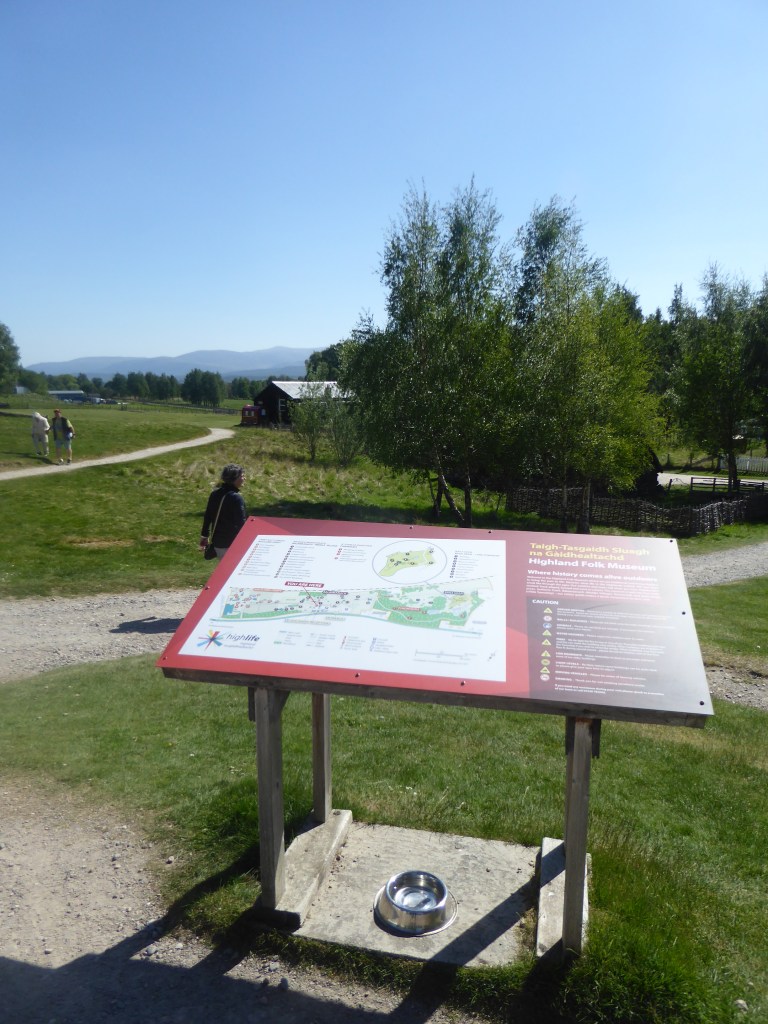
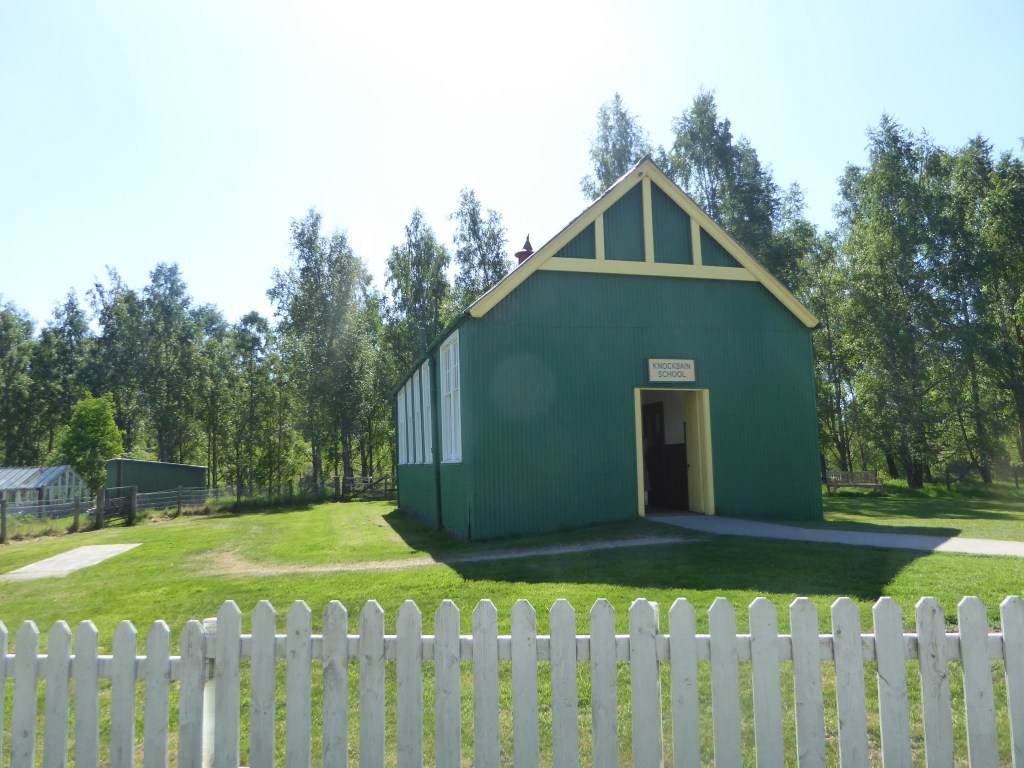
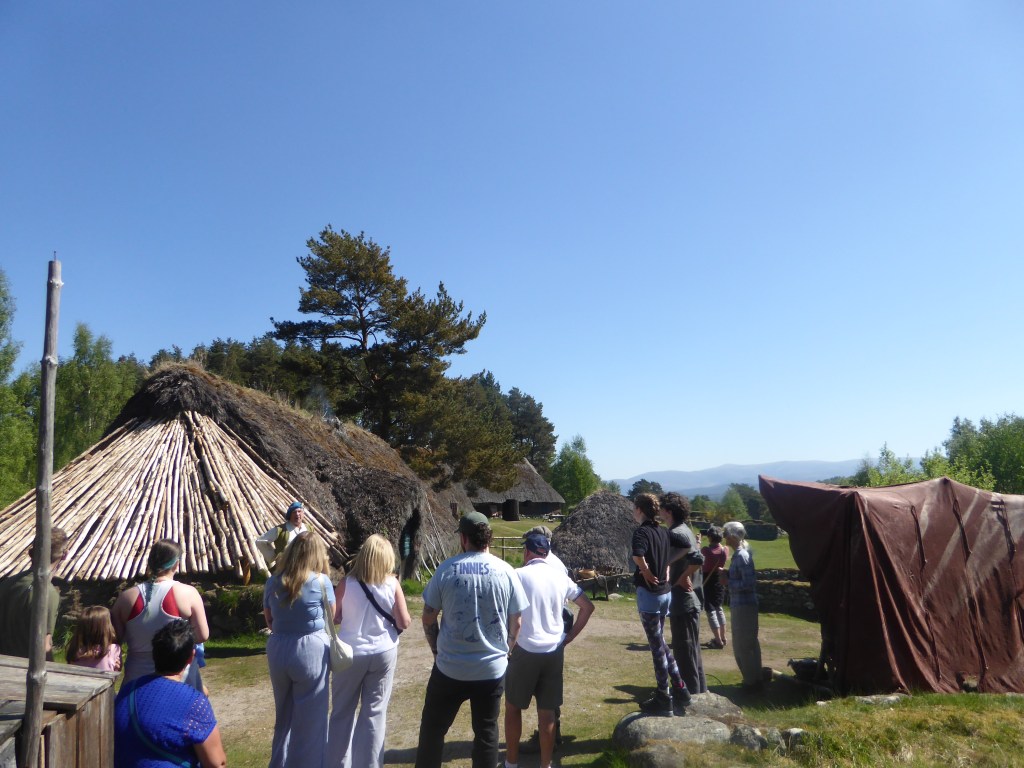
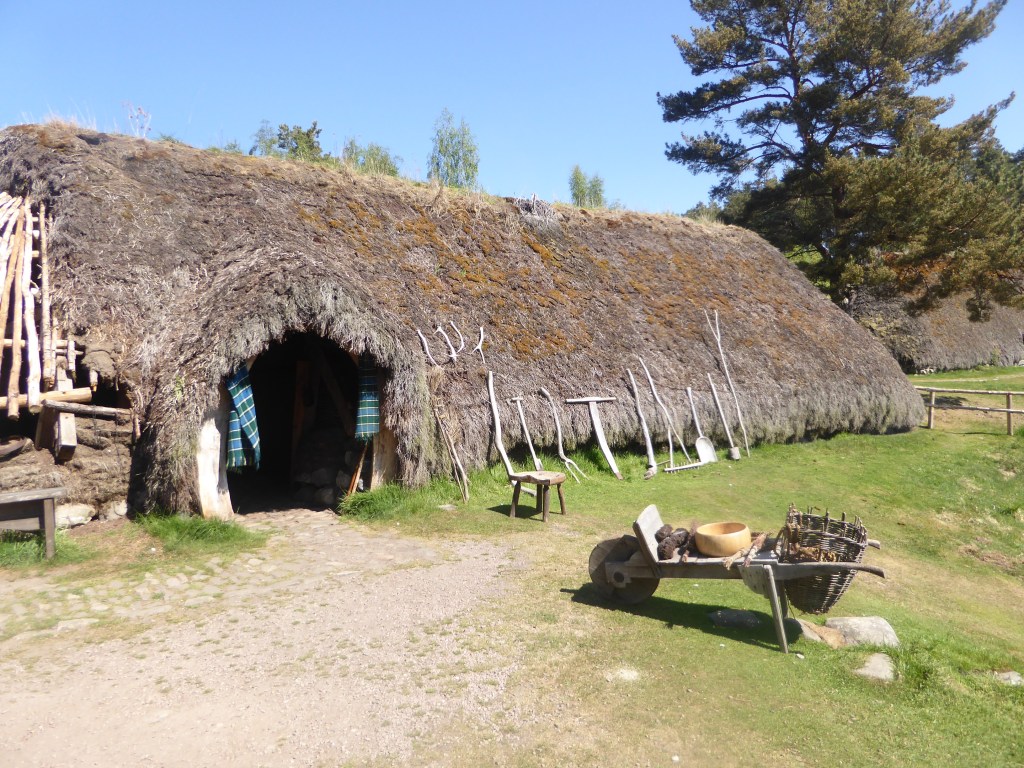
      Highland Folk Museum (below) –

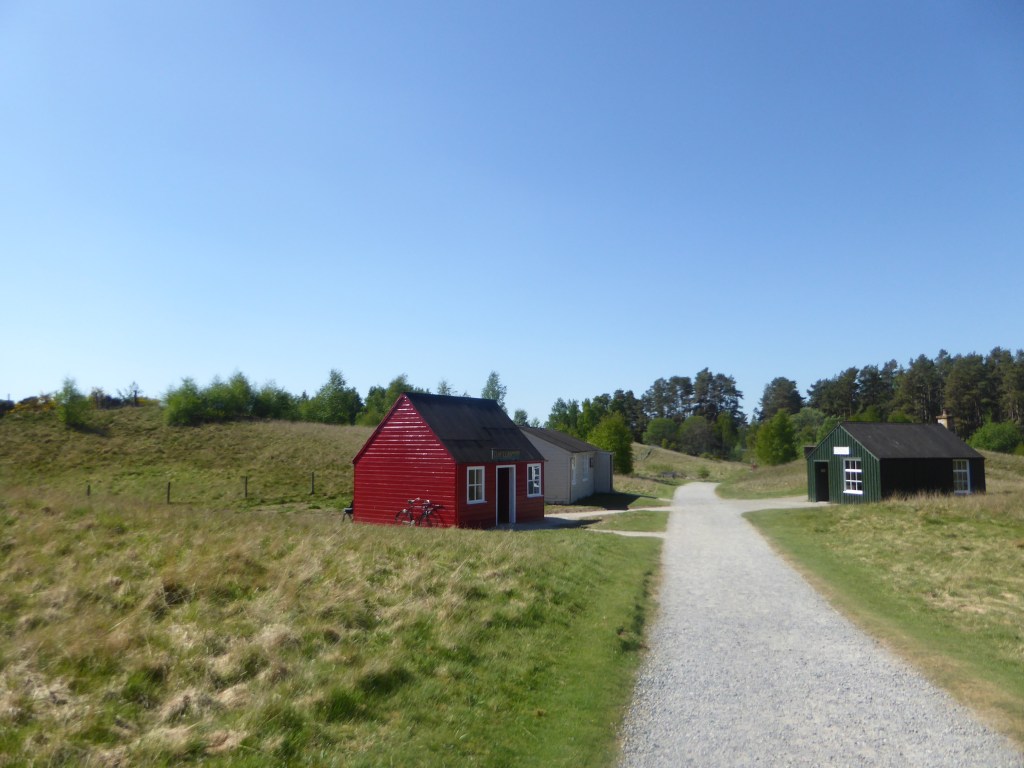
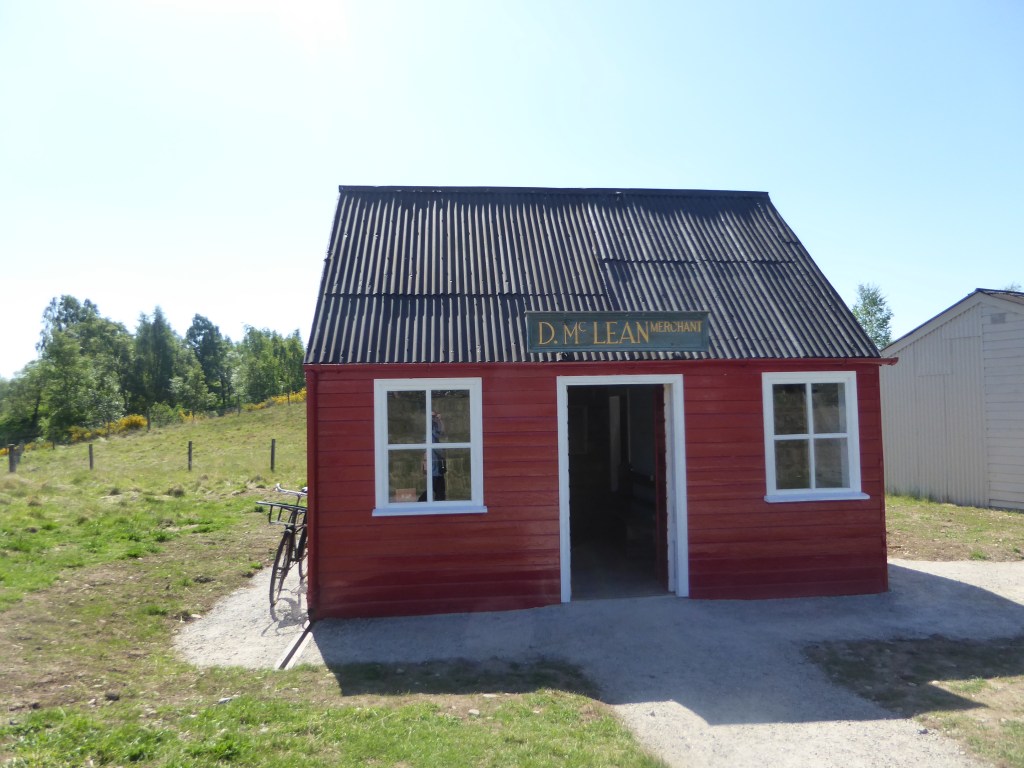
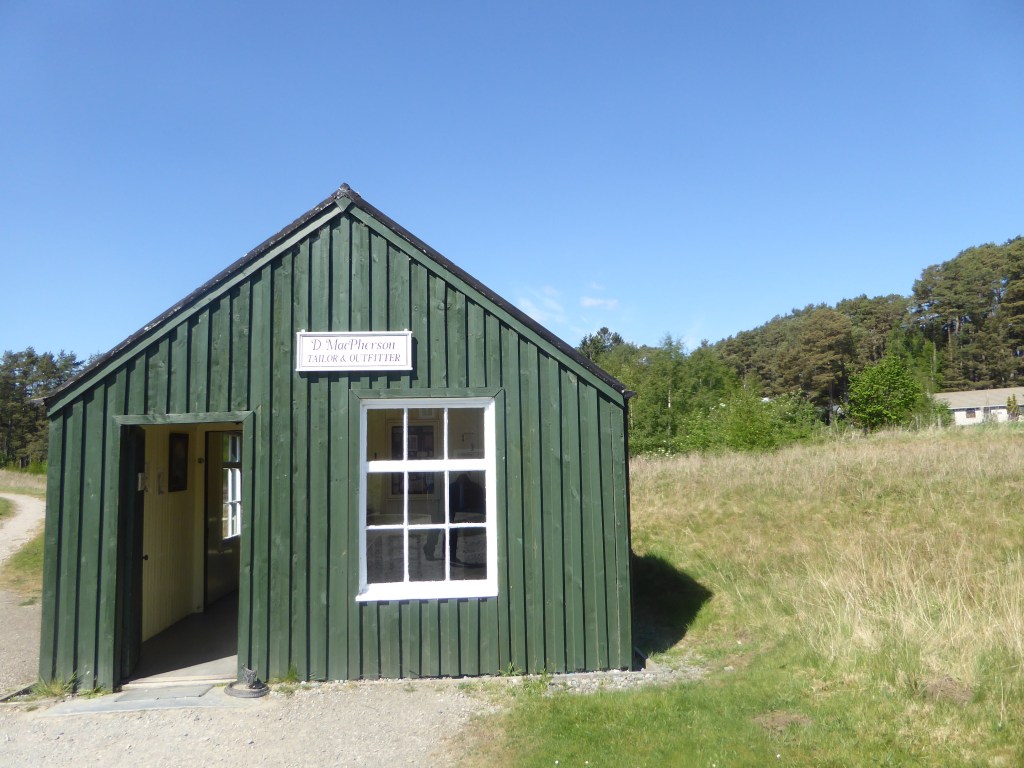
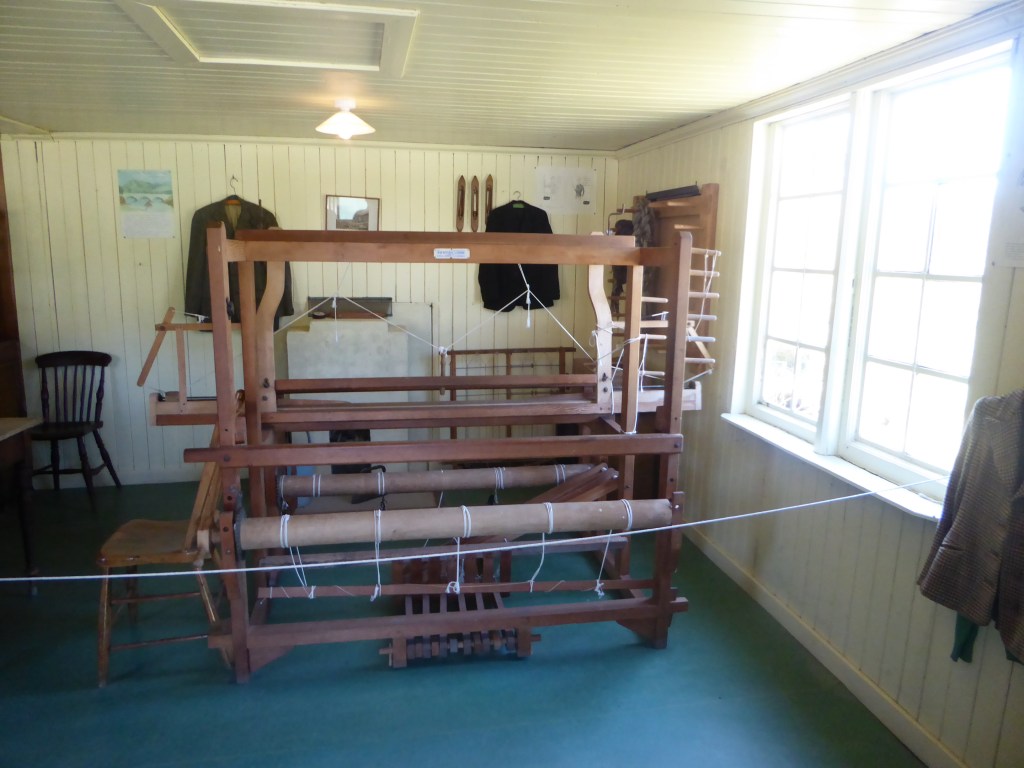
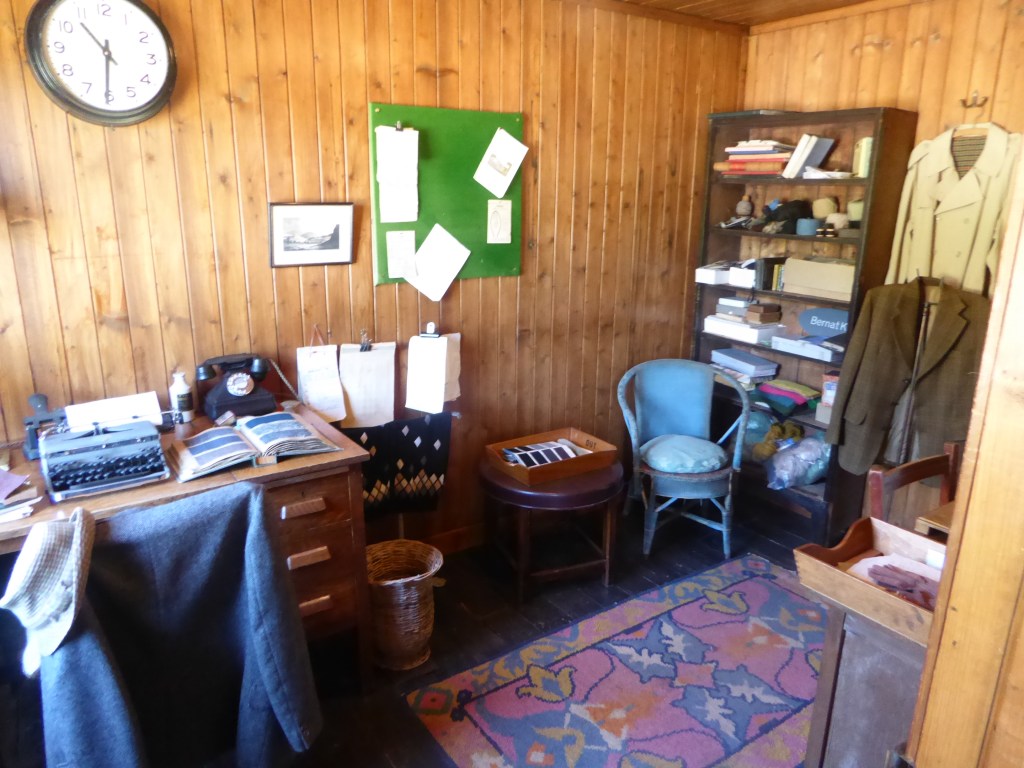
      We also stopped at a heritage museum, which was a highlight. It showcased a Highland village from 300–400 years ago, with recreated buildings and some from a century ago that were used until about 50 years back. It was fascinating, free, and we happily donated £10 each.

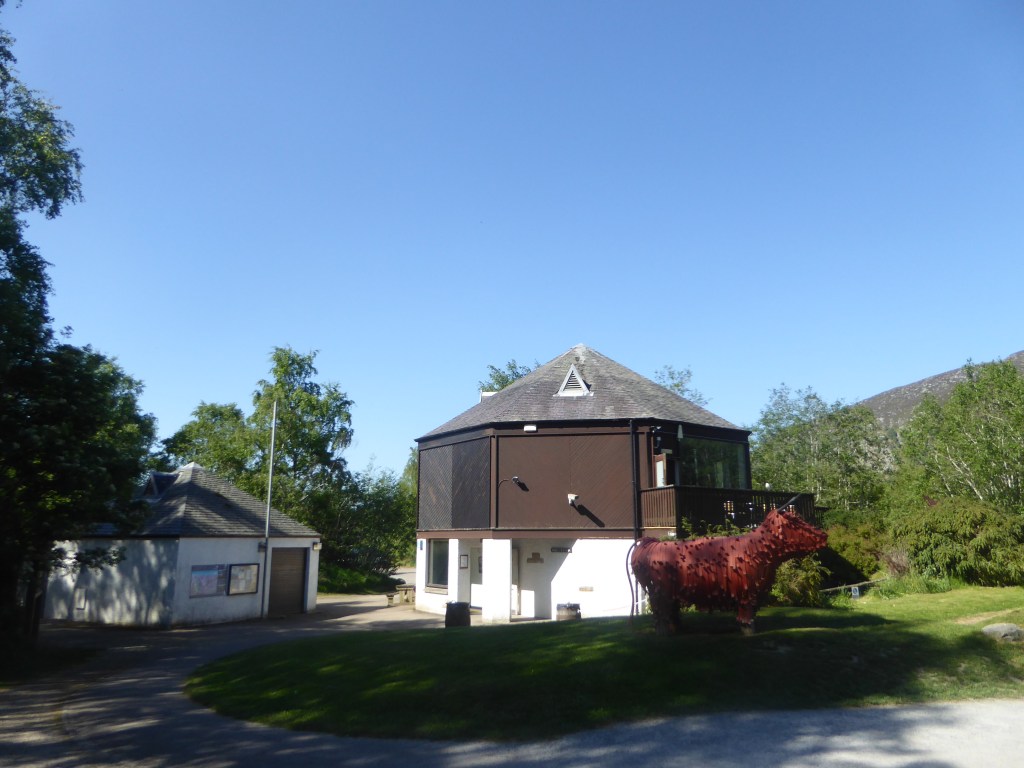
      Aviemore / Rothiemurchus

      From there, it was about 20 kilometres to Aviemore, entering from the south via Rothiemurchus, a lively spot. With temperatures hitting 24–25°C, the town was buzzing. We caught the train back to Pitlochry, arriving late afternoon. But here’s point number three: ScotRail was a disaster.

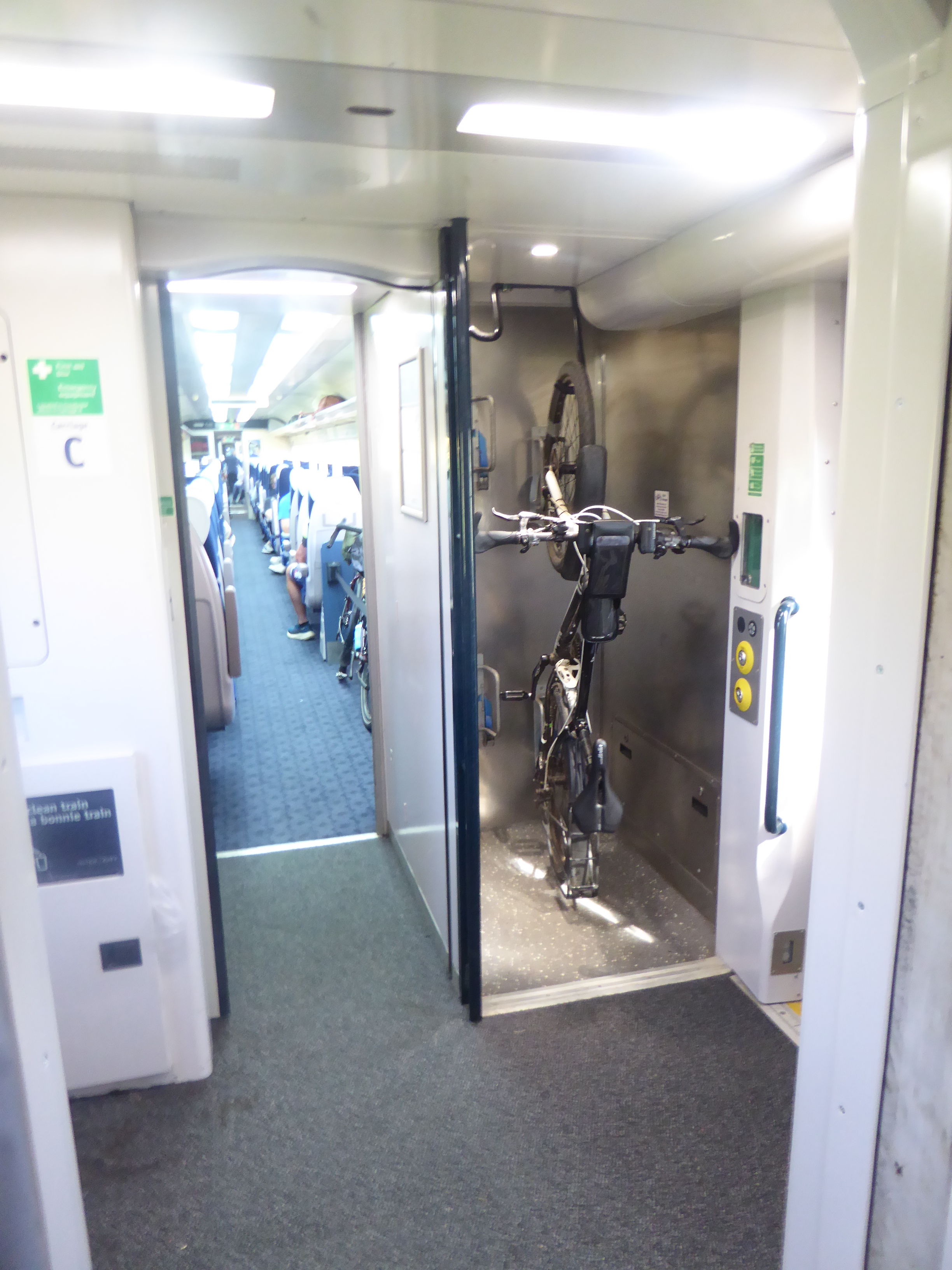
      No room at the Inn (for bikes)

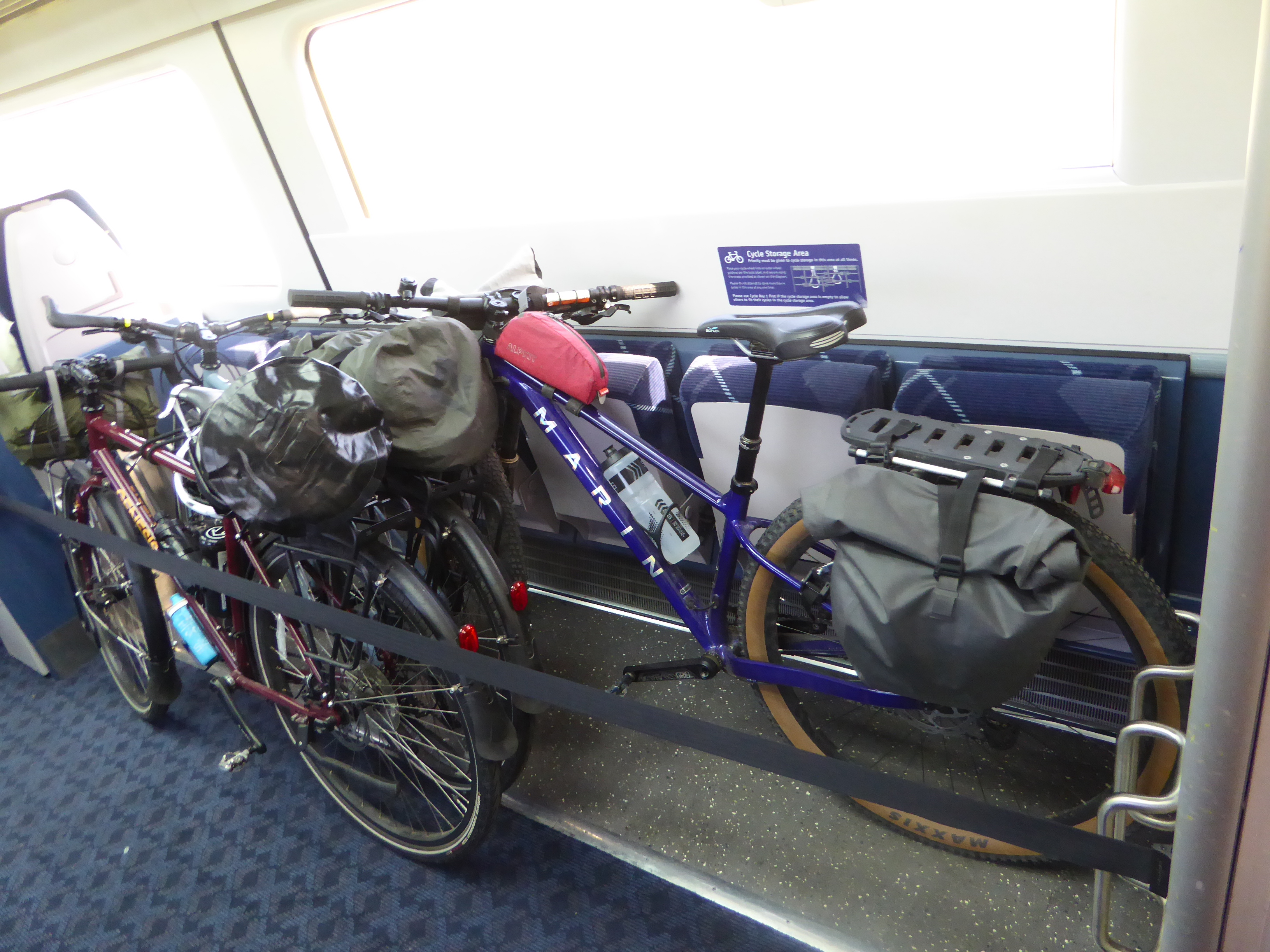
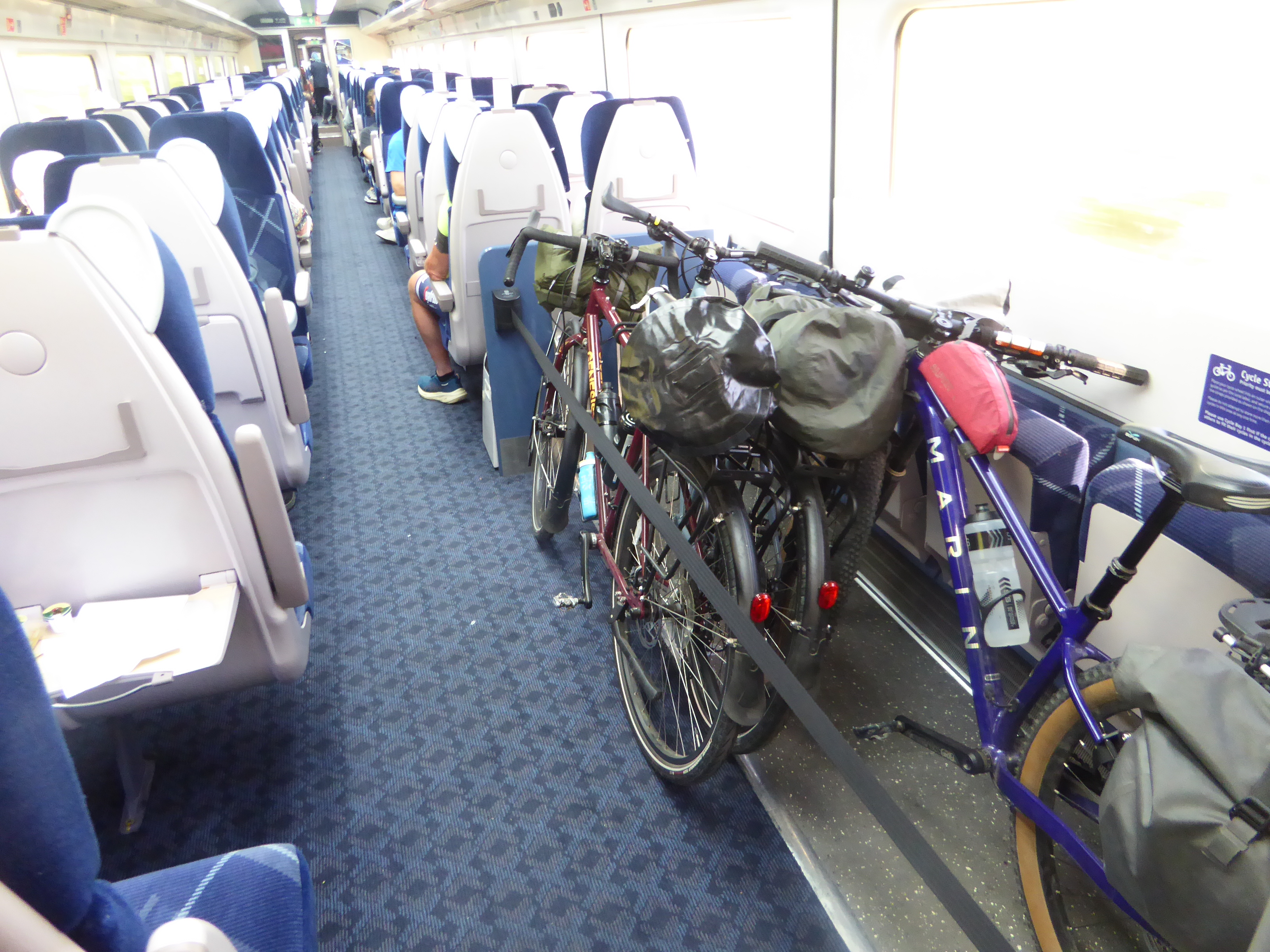
      Despite booking bike spaces, there was no way to fit our bikes in the designated area. The conductor couldn’t care less, so we stood for the 55-minute ride back to Pitlochry, never reaching our seats.

      Come on, ScotRail, you can do better.

      CB
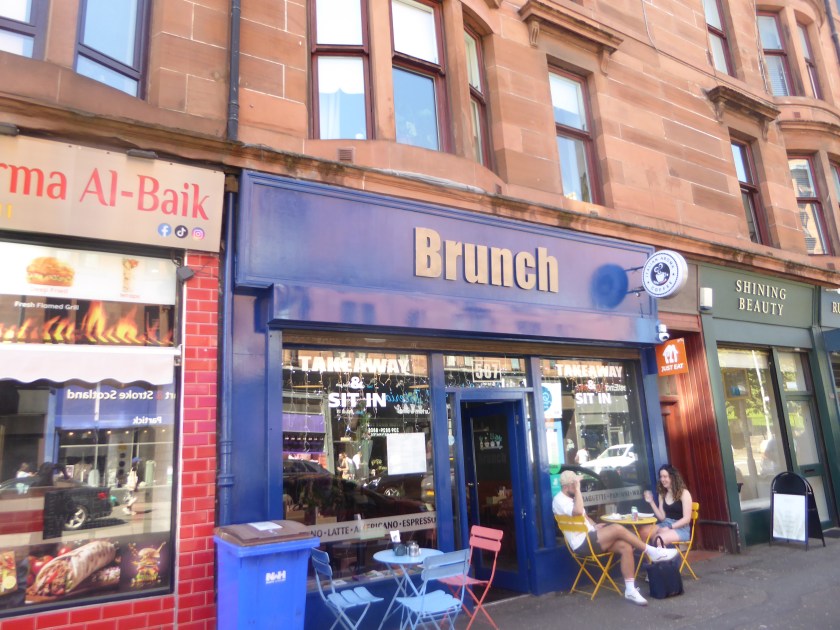
      Valaria, West End, Glasgow – Another café, this time “French”; and other pet hates-

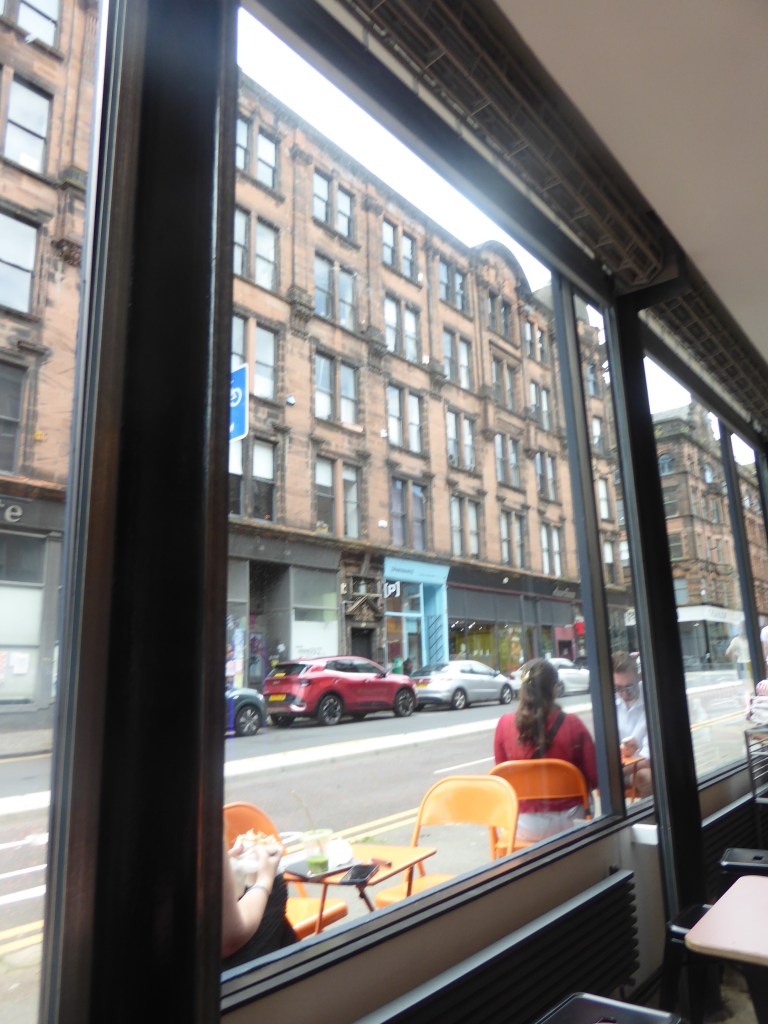
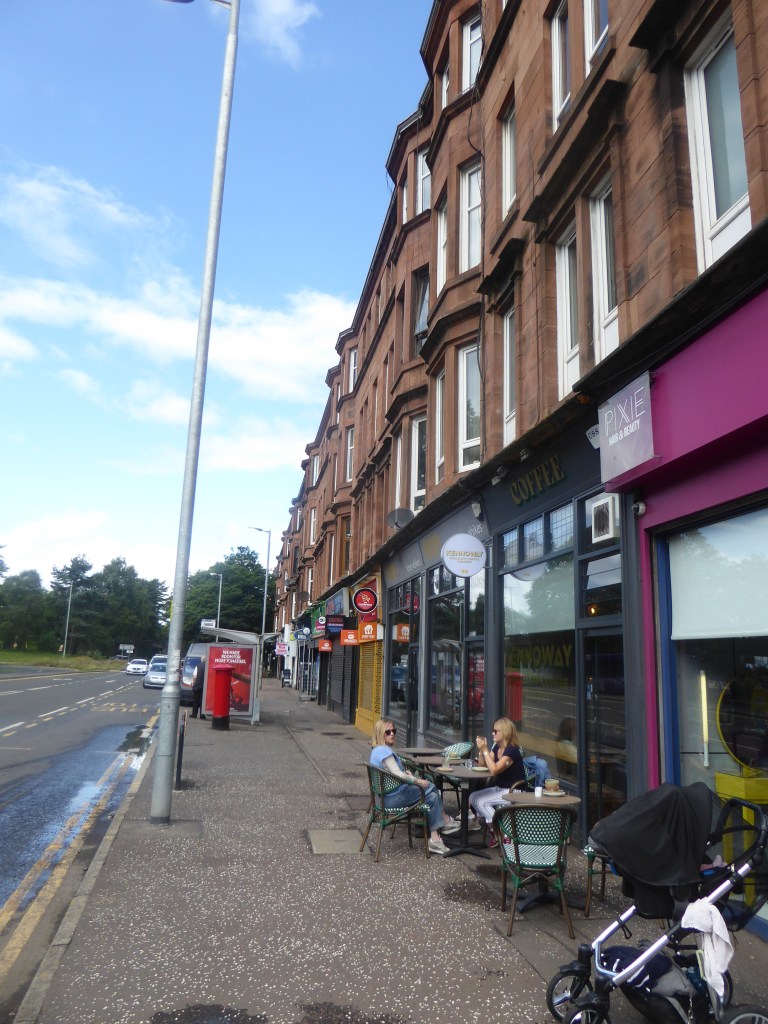
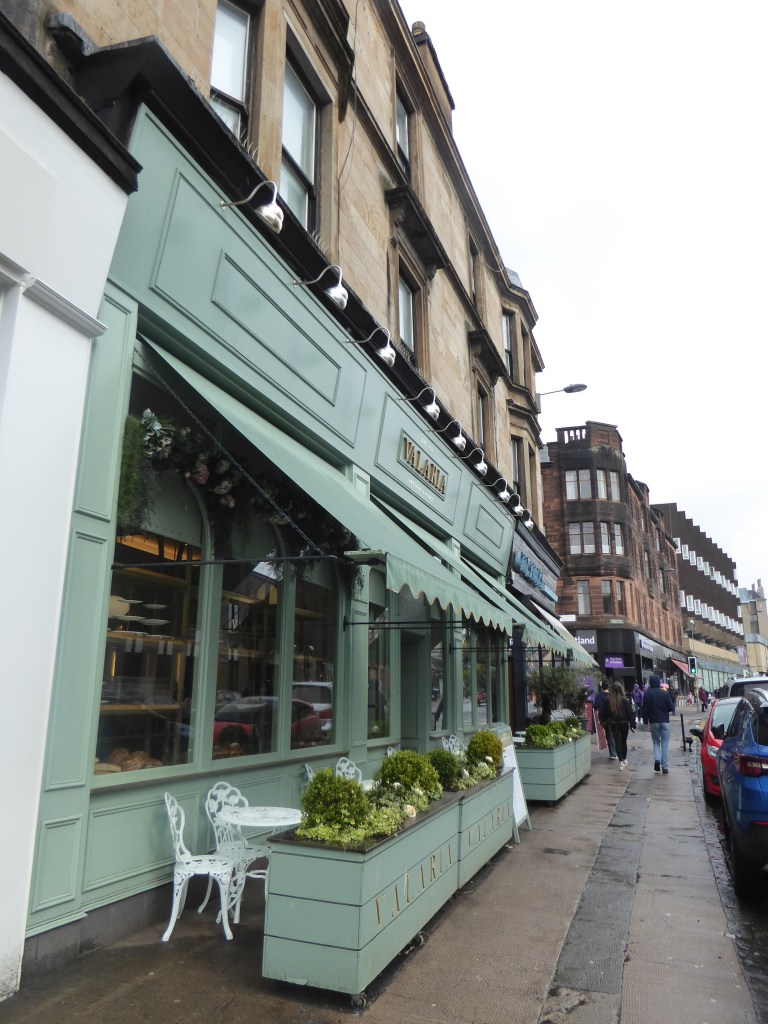
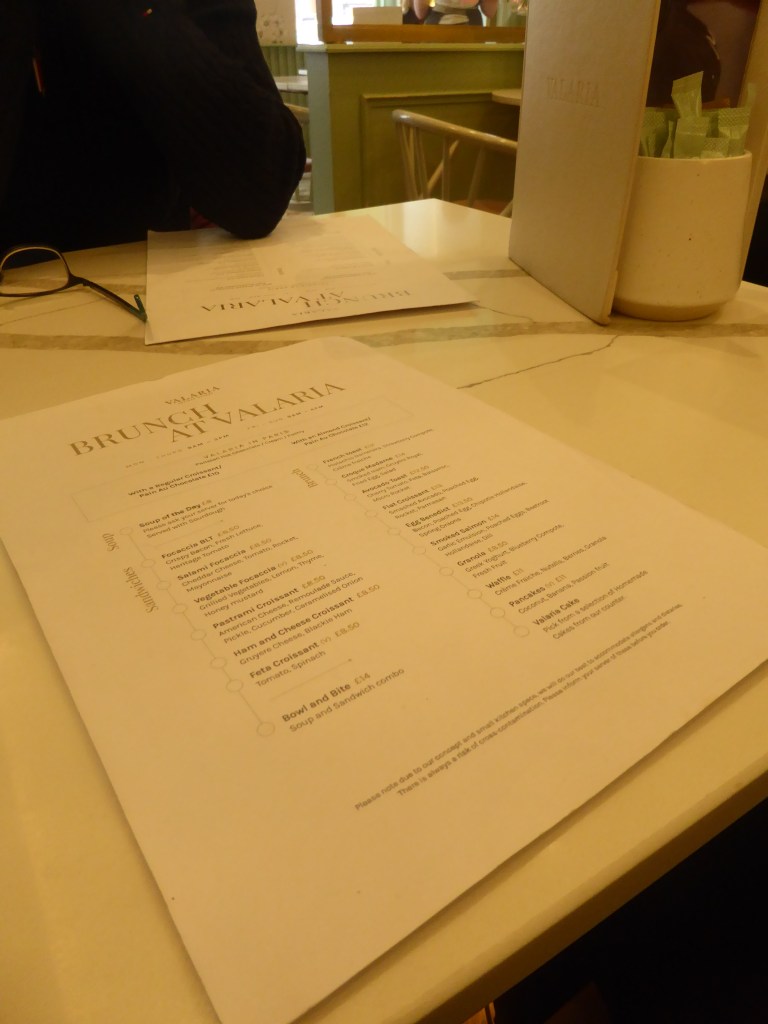
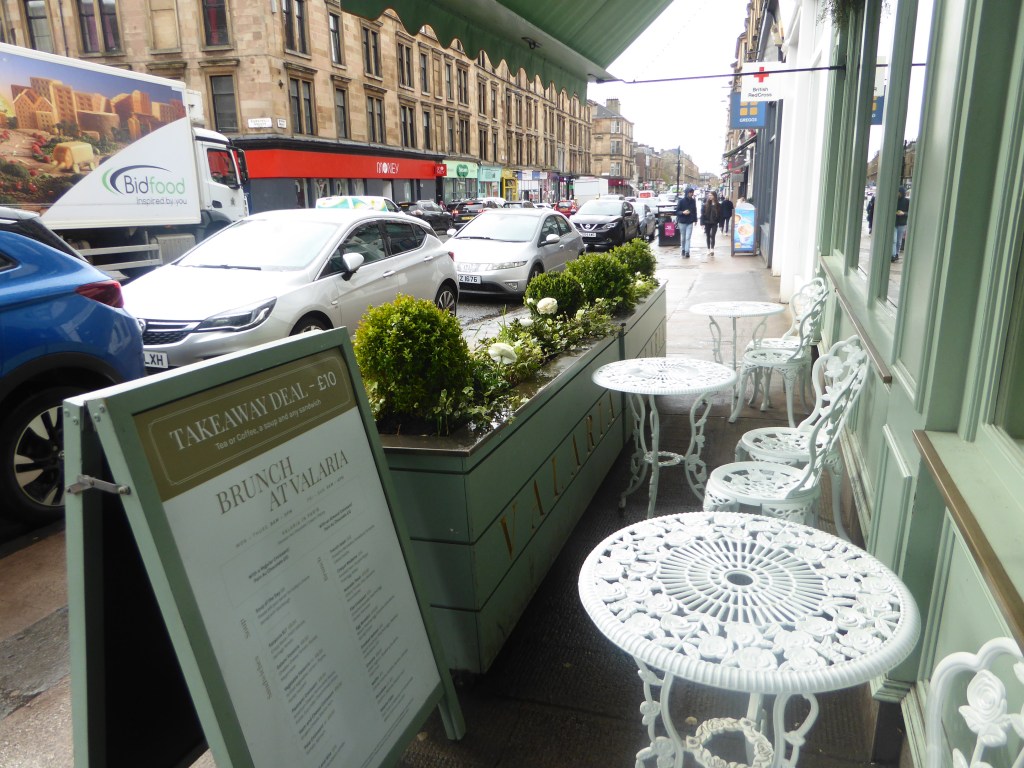
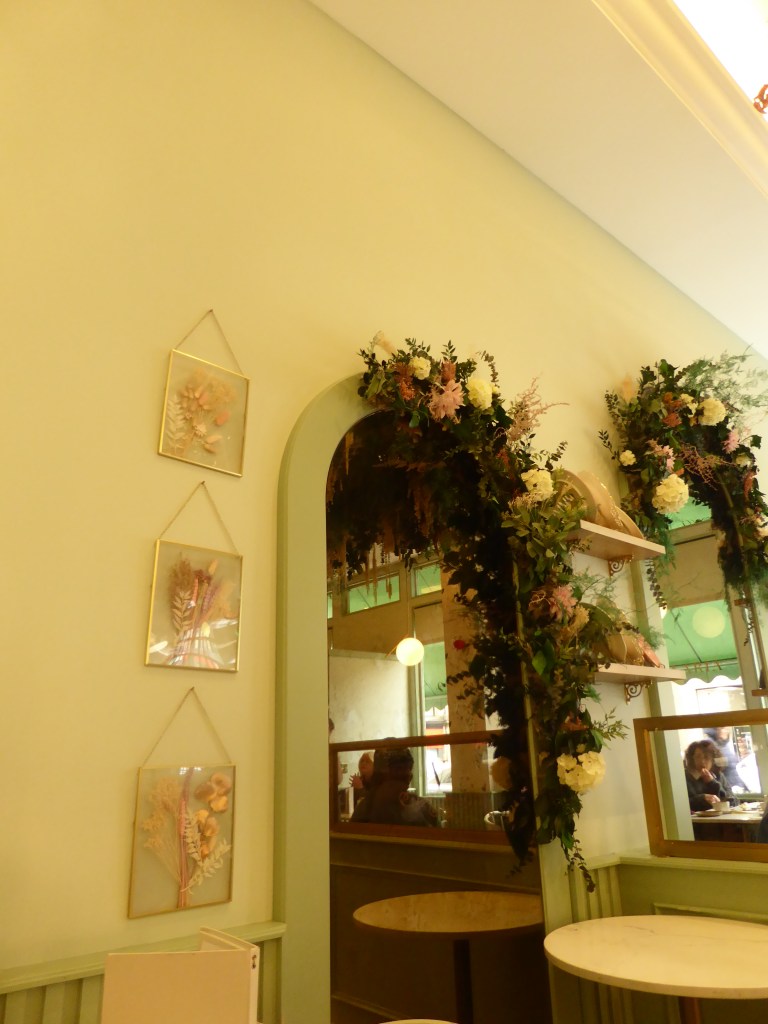
      I wasn’t at first sure what it was called, but have settled on Valaria—or something like that. It’s one of those café-stroke-restaurant-stroke-coffee-and-cake places that’s been around for two, maybe three years, post-COVID. I’d never been, despite passing it weekly on my many sojourns to Waitrose. From the outside, it doesn’t look like much—small, unassuming, especially at night when the lights are on and the cleaning’s happening. Most cafés in Glasgow, even on bustling Byres Road, close by six or seven, eight at the latest.

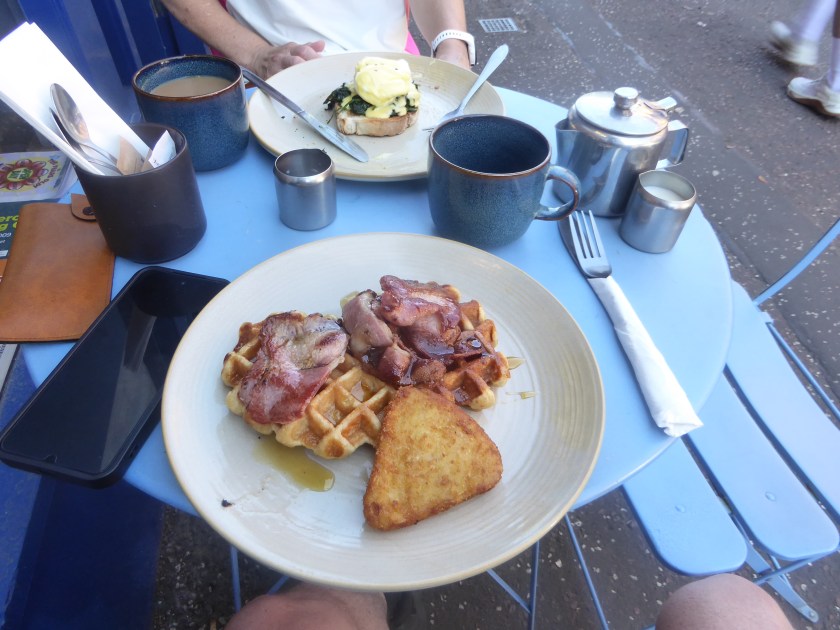
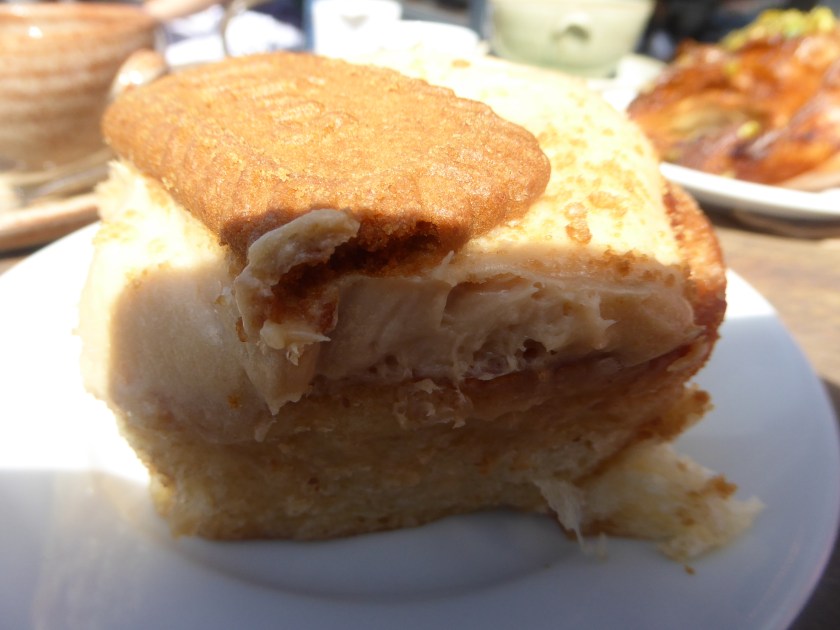
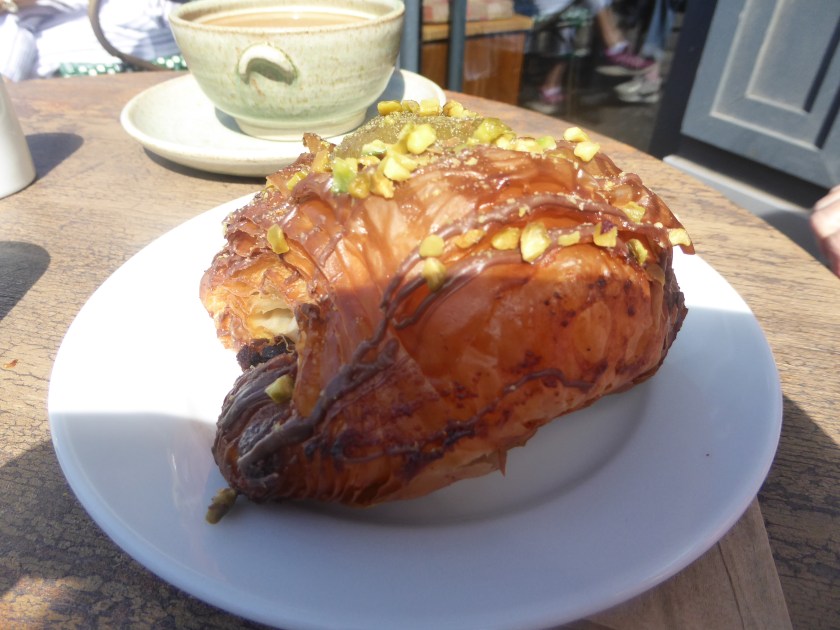
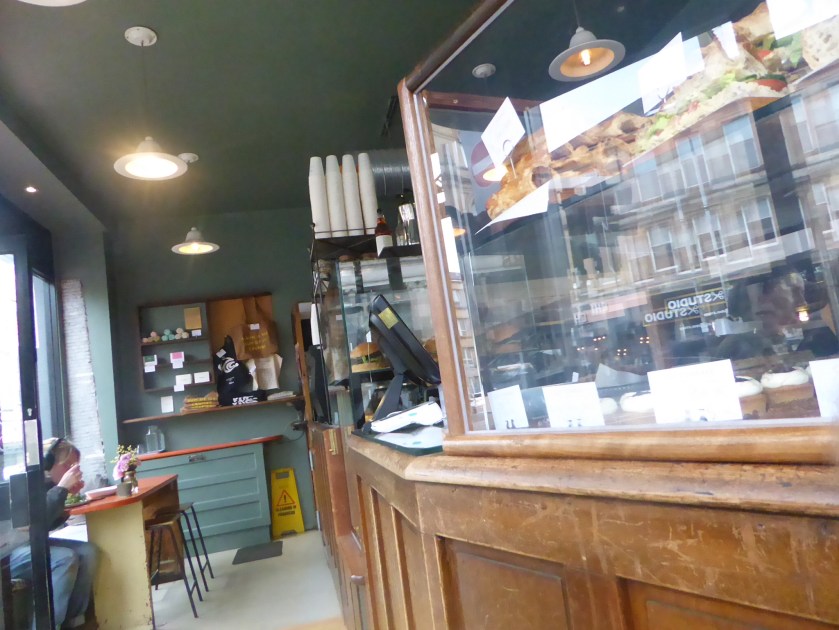
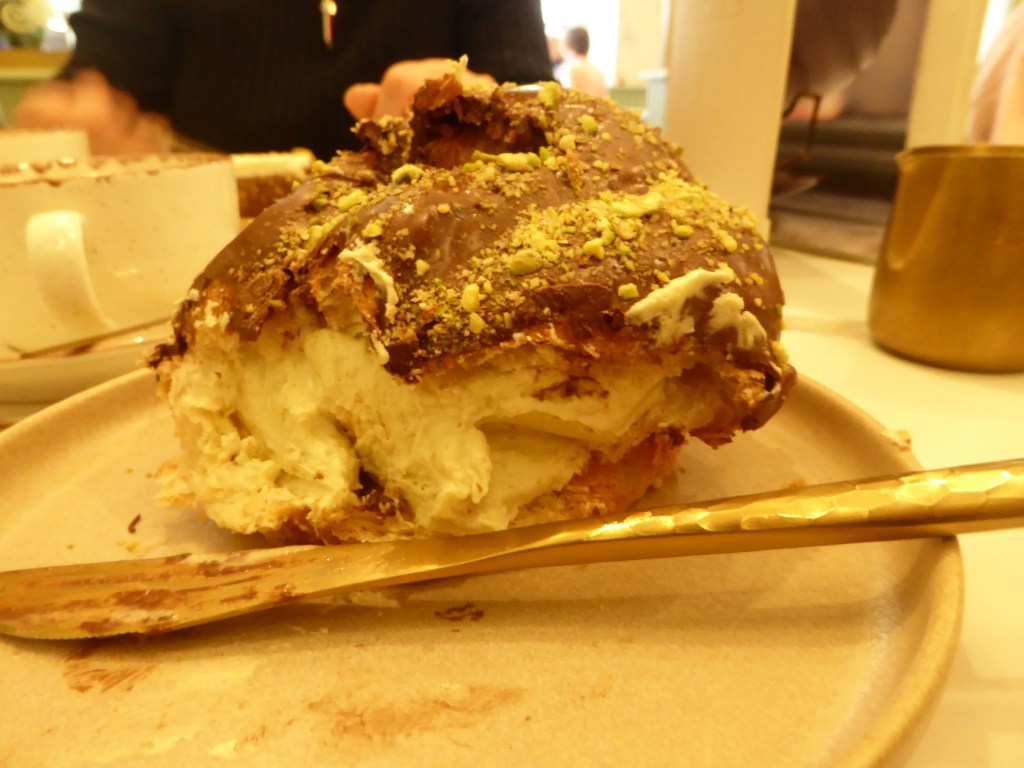
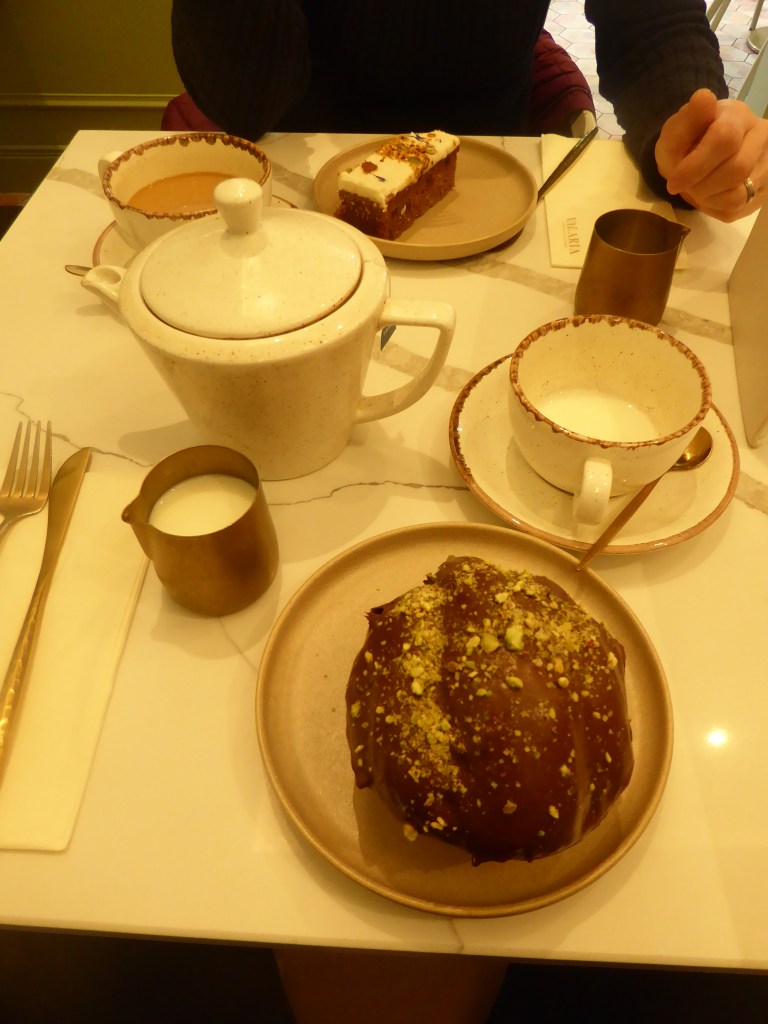
      Inside, it’s standard setup: tables on the right and at the back, cashier on the left with a display case—call it a tray, a gallery, whatever—showing off a huge variety of savoury and sweet pastries. I was overwhelmed by the options. It took me a full five minutes to decide while my partner ordered. The waitress came over, assuming I was ready, and I had to laugh and admit I wasn’t. Thirty seconds later, I settled on a New York roll with pistachio.

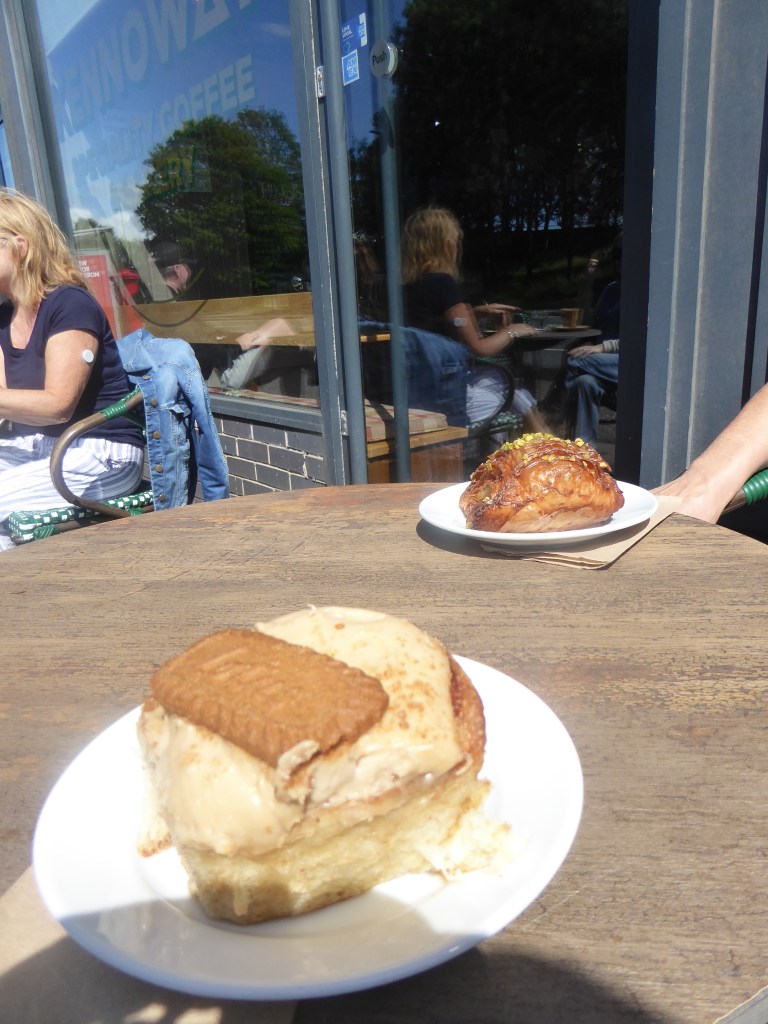
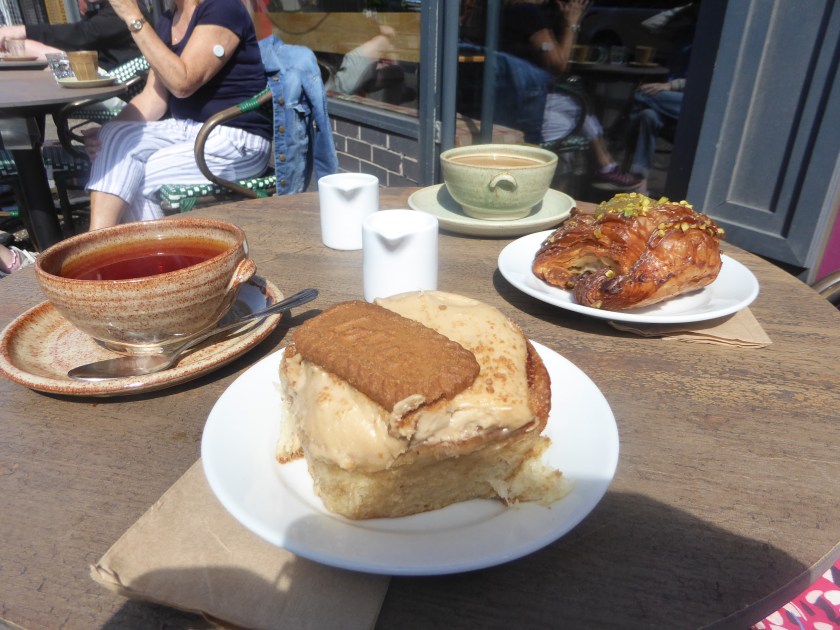
      To my surprise, it was massive—much bigger and fuller than expected. Absolutely delicious. I think they specialize in French pastries, but this was next-level sensational, filled with rich pistachio cream. It was practically a meal. The photos don’t do it justice—it was grand.

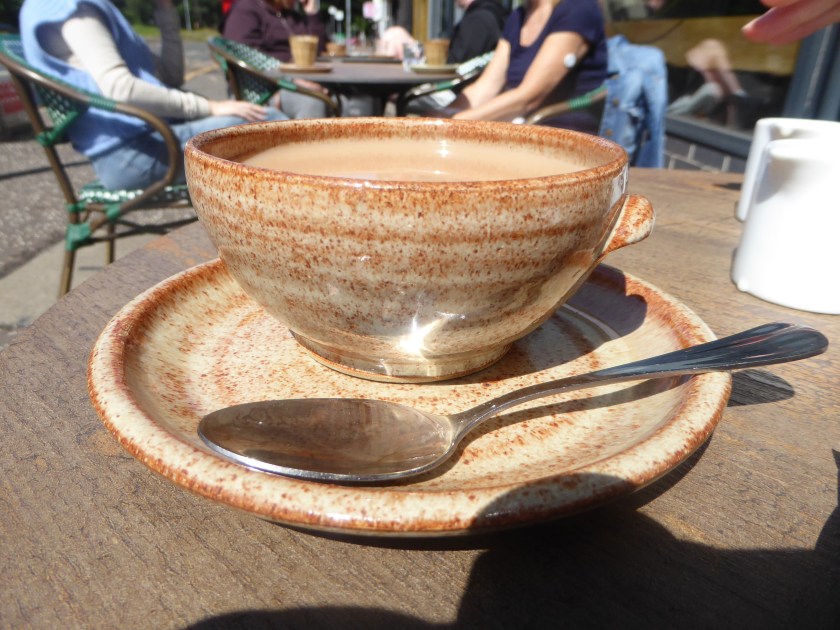
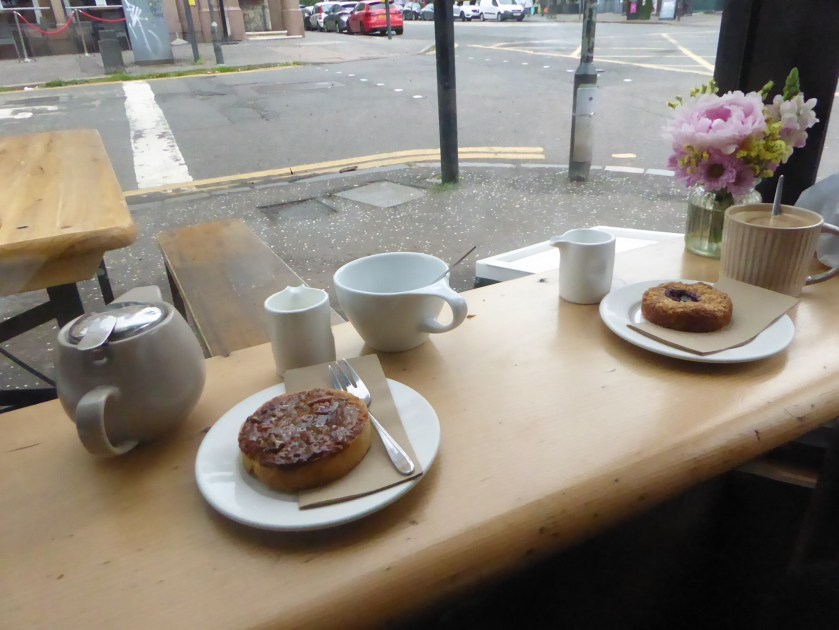
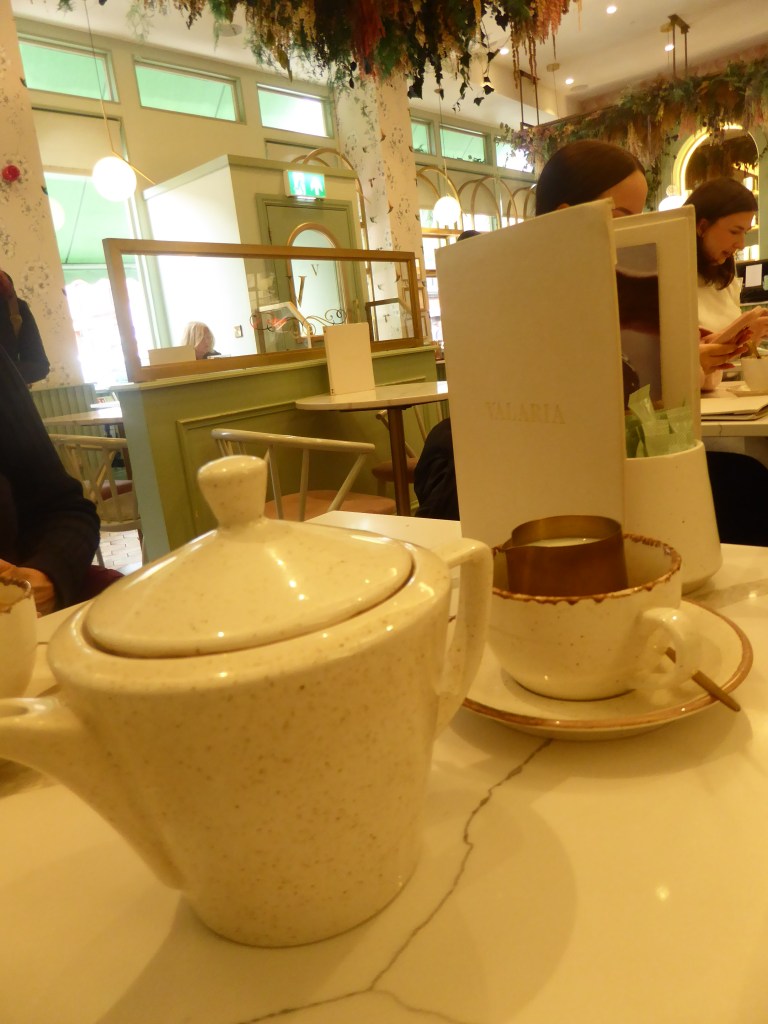
      My partner got a vegan carrot cake, which sparked a thought: isn’t carrot cake always vegan? Probably, if it’s made with seed or olive oil. With butter, maybe not, but it’s at least vegetarian. Everything was top-notch, including the gigantic pot of tea we got four or five cups from (above).

      Some Cafe Hates –

      Now, a few pet peeves.

      First, people who seat themselves despite clear signs to wait. The place was cramped, and naturally, a couple—both with ginger hair, one with a ponytail—plonked down right next to us in an already tight corner. I could’ve killed them, and naturally, it was MY fault that they didn’t have any space!

      Second, why do some guys insist on wearing hats (particularly baseball hats!) indoors? We had a few sporting winter beanies and backward baseball caps, which drives me up the wall. The other half stated that they could be bald? They were too young for that.

      Third, the seats and booths had crumbs everywhere! Why don’t cafés keep a mini-Hoover handy?

      Overall, this place is a gem. My roll was basically brunch, and the bill, including tip, came in under £20. That’s a steal for the size, quantity, and superb quality compared to other spots.

      CB
      Broadslap Fruit Farm / Cafe – Perthshire & the present state of this Sector –

      It’s interesting nowadays all the rage about farmhouses, farmhouse cafes, pick your own fruit places, etc. No doubt this has been a good win for the rural economy or even for the village economy. I have my favourite, I think I’ve said before, it’s the Tebay farm shop in the northwest England; that’s even had its own documentary shown on tv a few years ago.

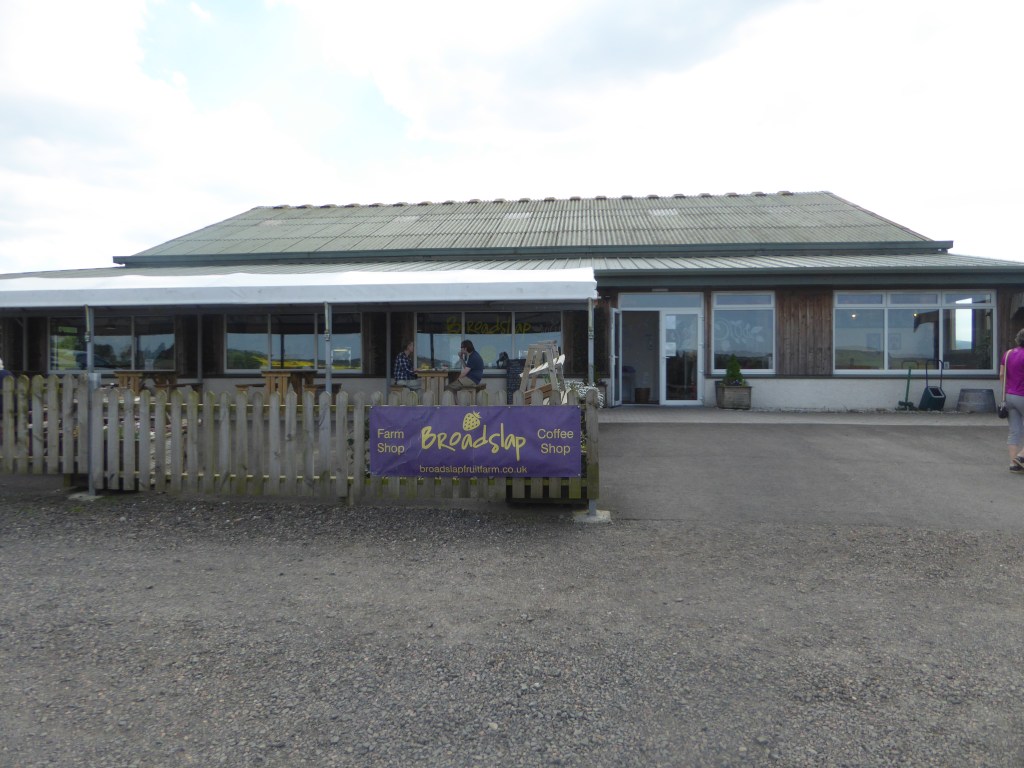
      There’s also this one, Broadslap Farm, in Perthshire that I’ve been going to the past year. I think it’s been three or four times. It’s an interesting example as it’s possible to pick your own fruit, pick your own flowers, shop and even has a café; all rolled into one.

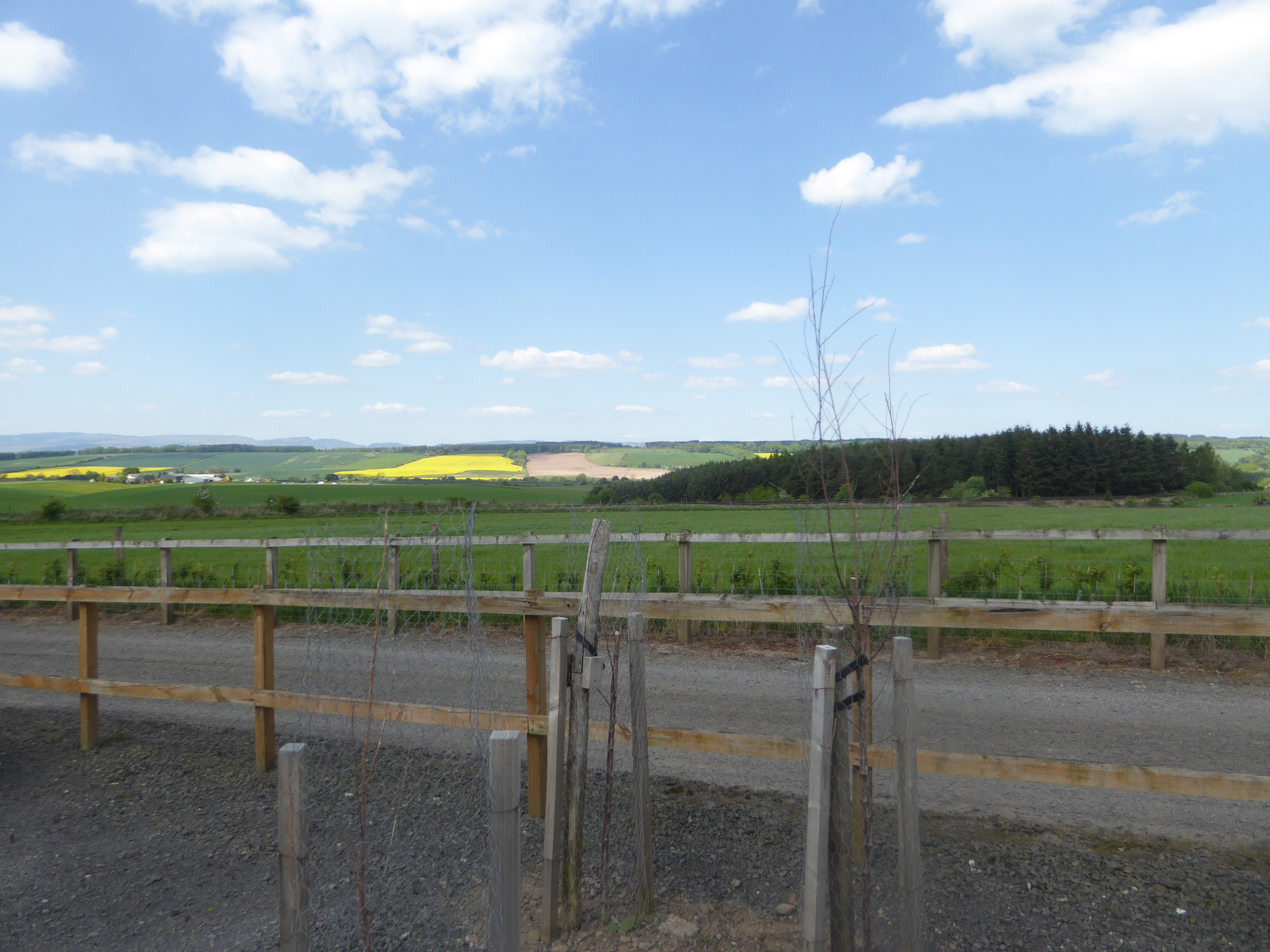
      In March and April you can pick your own tulips and other flowers and then from June, can pick your own strawberries. Somebody told me that since it’s been quite warm in Scotland the last month, that it was now already possible to do so. For this farm, that was not correct. Perhaps the weather has been a bit colder in south Perthshire this year.

      They say they’ll have to wait until early June before you’re allowed to pick your own strawberries this year. But alternatively, there’s still a very nice but small farm shop and café.

      I decided to have a traditional ploughman’s lunch which was only 10 quid, so probably a few pounds cheaper than other places, with inflation raging at present.

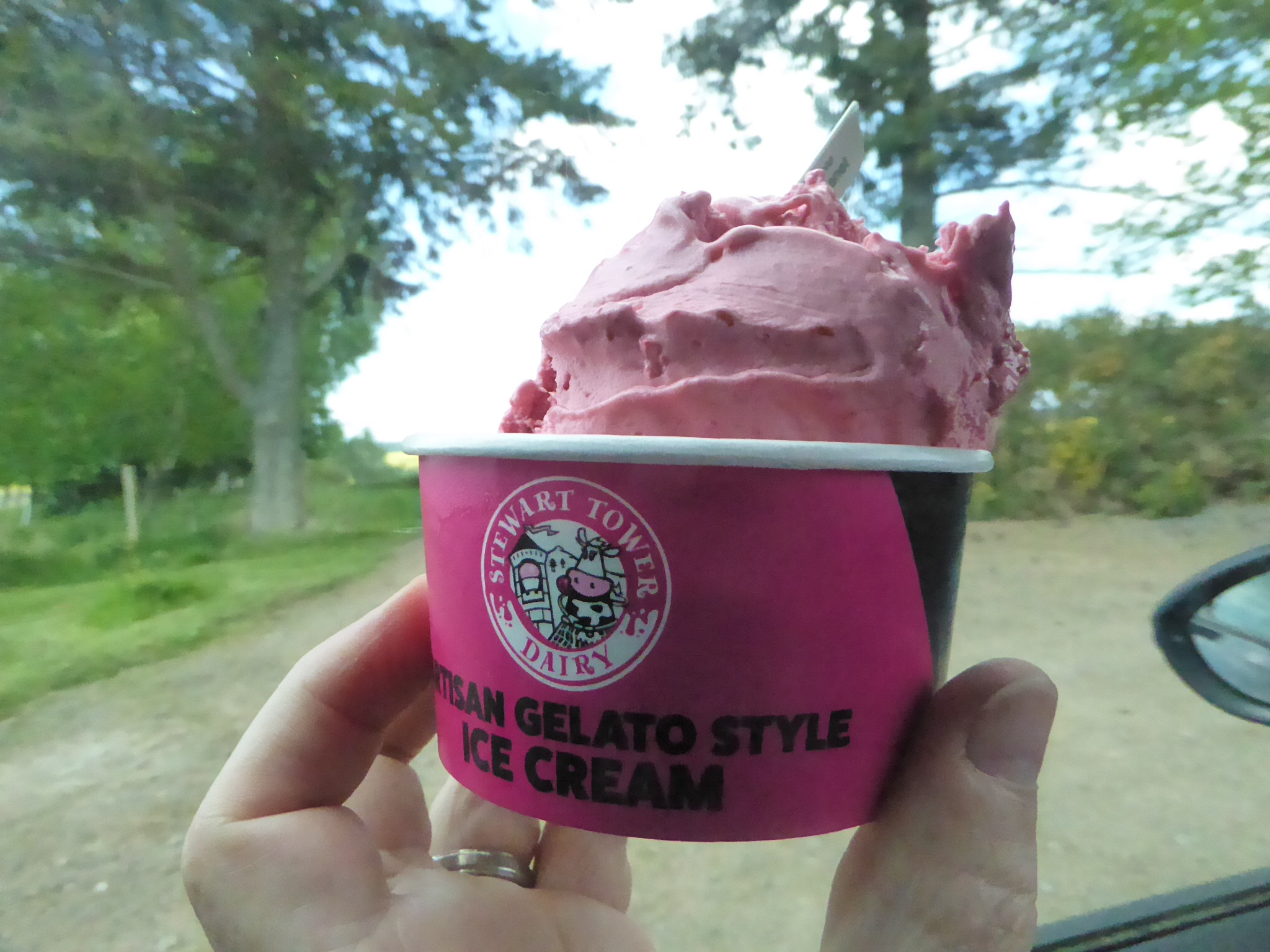
      The other half had a very nice mushroom type of soup. I have to say that you have to look at the photos to realise just how big this meal was. I could not finish the salad. Though I found the space to have one of their handmade ice creams.

      Over the past decade, there seems to be a growing trend—though not entirely new—of farm cafes, pick-your-own operations, and farm shops emerging to bolster rural economies. These ventures, often located in remote areas, add value and generate additional income for farmers and rural communities. For example, some of these establishments are just off major motorways, yet still a mile or two into the countryside, where it’s easy to get lost. It’s fascinating to explore how significantly this sector has expanded over the last five to ten years and the economic impact it has had.

      These initiatives undoubtedly help sustain rural economies. However, operating in such isolated locations often requires a mobile workforce, as local labour may be scarce. Many of these businesses are likely better suited to family-run operations due to their remote settings, where access typically requires a car. Intrigued by this trend, I decided to investigate further, naturally with the assistance of AI.

      The facts were (via Grok):

      Key Statistics (UK, 2015–2025)

      Diversification Trends: 37% of farmers optimistic about diversification profitability; 33% of farms made business changes by 2022, with 44% planning changes in 3–5 years.

      Farm Shops: 1,581 farm retailers in 2022, with one-third opened since 2012; sector worth £1.4 billion, employing 2,300–2,400 in 302 FARMA shops (2013/14).

      Cafes: UK cafes market at £6.6 billion in 2025, with farm cafes thriving in agritourism.

      PYO Flowers: Growing floriculture sector driven by demand for local, sustainable produce; viable on small land areas.

      Economic Contribution: Agriculture contributed £13.7 billion (0.56% GVA) in 2023; diversification like farm shops and cafes supports rural jobs (462,100 employed).

      Sources:

      Harper Adams/FRA Study (2022): Farm shop growth and £1.4 billion market value.

       www.thegrocer.co.uk

      Farm Shop Evolution (The Write Taste): Details economic benefits and local sourcing.

      www.thewritetaste.co.uk

      GOV.UK Farm Business Income (2024): Diversification income trends.

      www.gov.uk

      Mintel UK Cut Flowers Report (2025): PYO flower market trends.

      store.mintel.com

      Country Life (2013): Farm shops’ local economic impact.

      www.countrylife.co.uk

      CB
      The Saltmarket in Glasgow; up and coming –

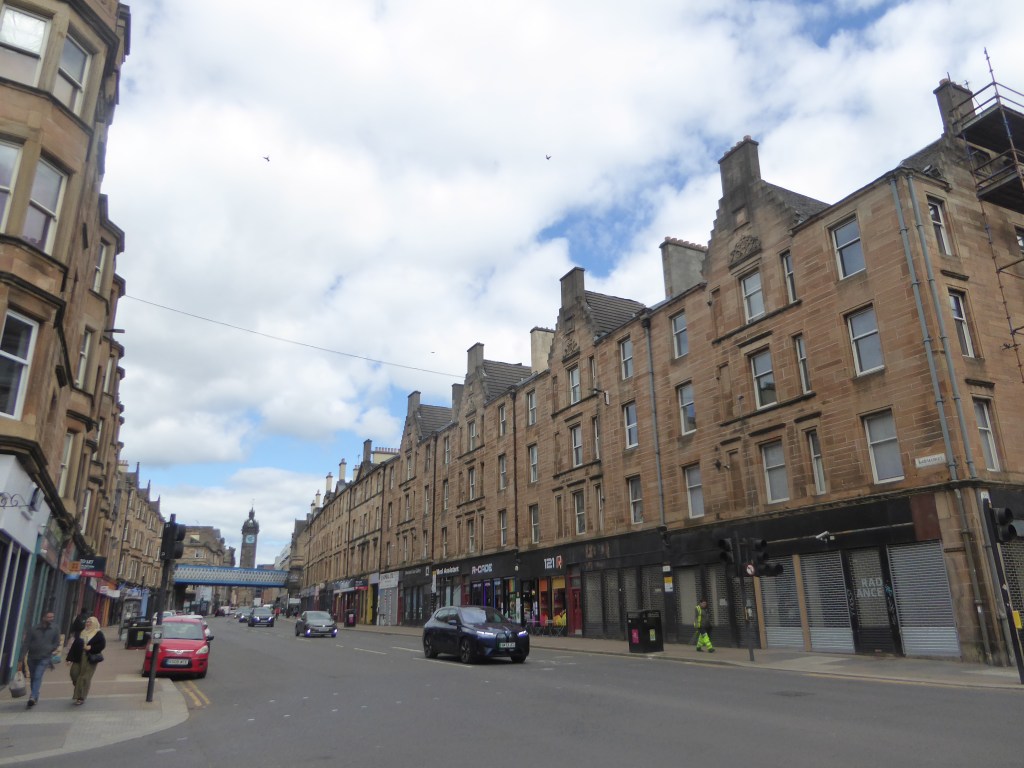
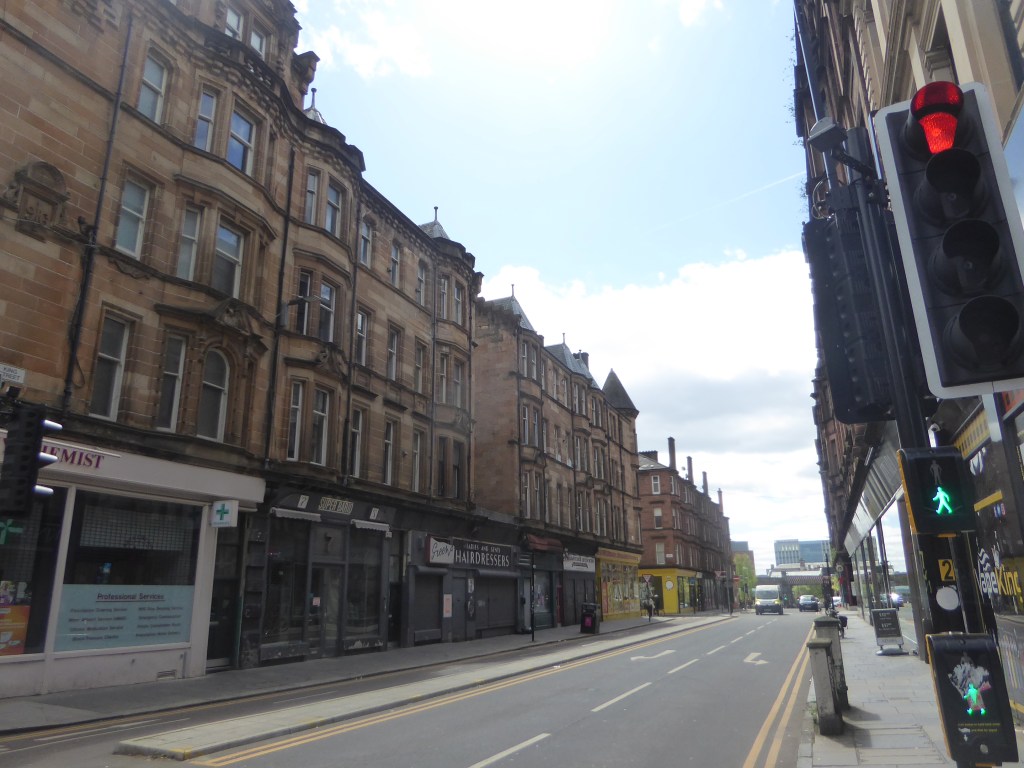
      While this area is not really in the Merchant City of Glasgow, it no doubt could be called Merchant City South. In addition, I’ve seen a quite a few things about it recently in the local press (Glasgow Live, etc) and the many new food outlets that have opened here.

      Aat the same time it’s just so close to Glasgow Green. What’s interesting, 20 or 30 years ago, I always thought there was so much potential here, but seemed to me to be a Glasgow from a very long time ago.

      I’d often go jogging through here to go to Glasgow Green, whilst at Strathclyde University. Going there it was all downhill, coming back, all uphill. What was interesting is I’d always see some old fashioned window curtains in the windows of the tenement flats here. You could just tell the person who lived there was probably on the north side of eighty!

      But now this has changed. It appears there are plenty of new flats, student flats, Chinese students and Airbnbs here.

      We decided to go to one or two of the new places here.

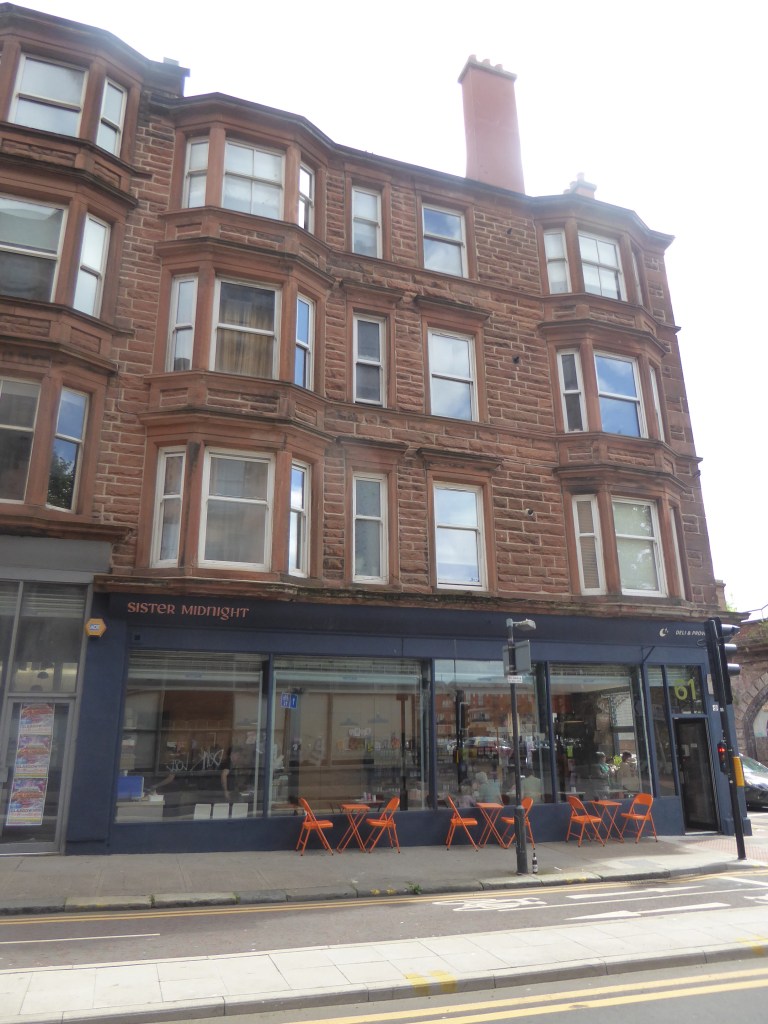
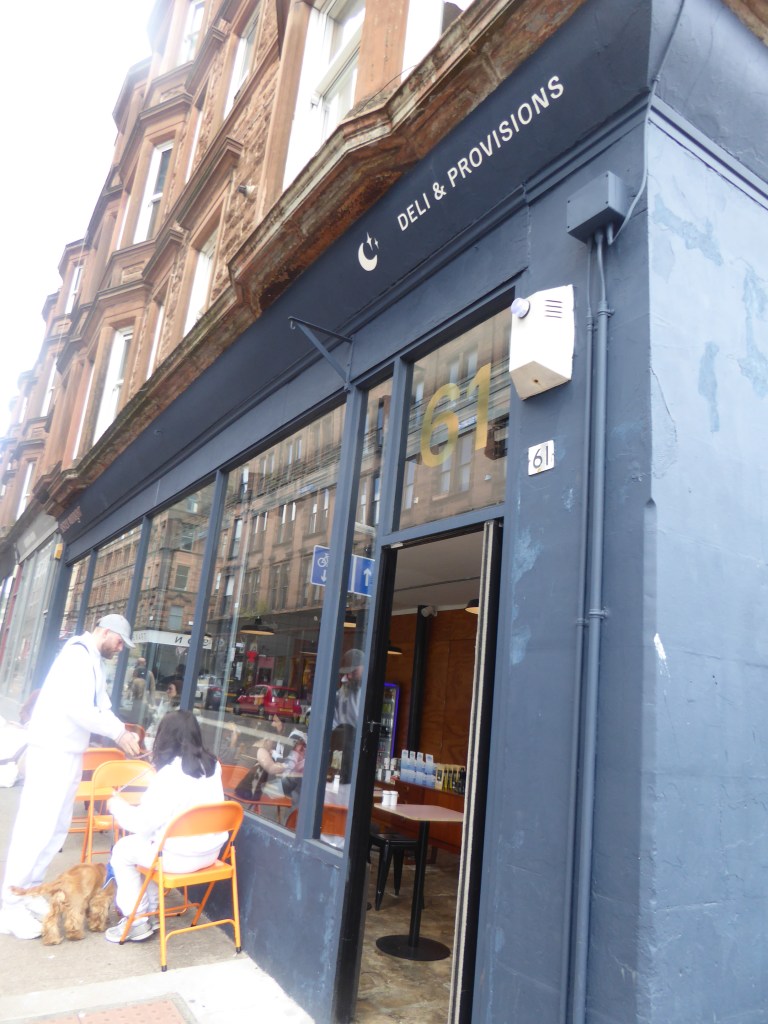
      Sister Midnight – 61 King Street, Glasgow

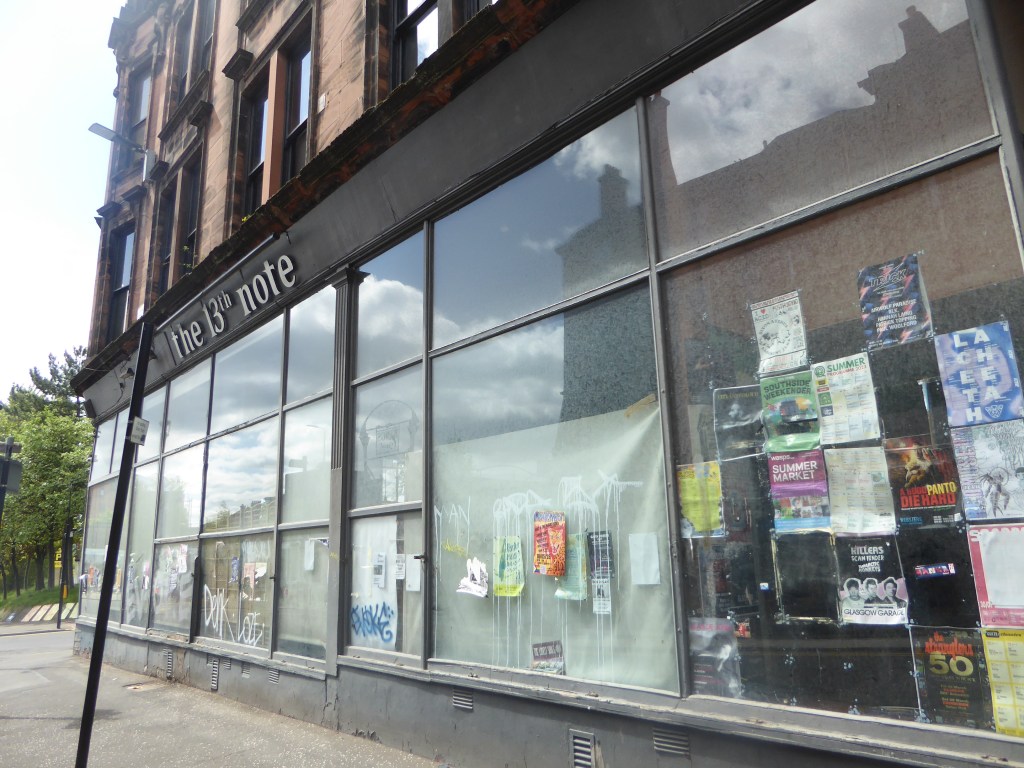
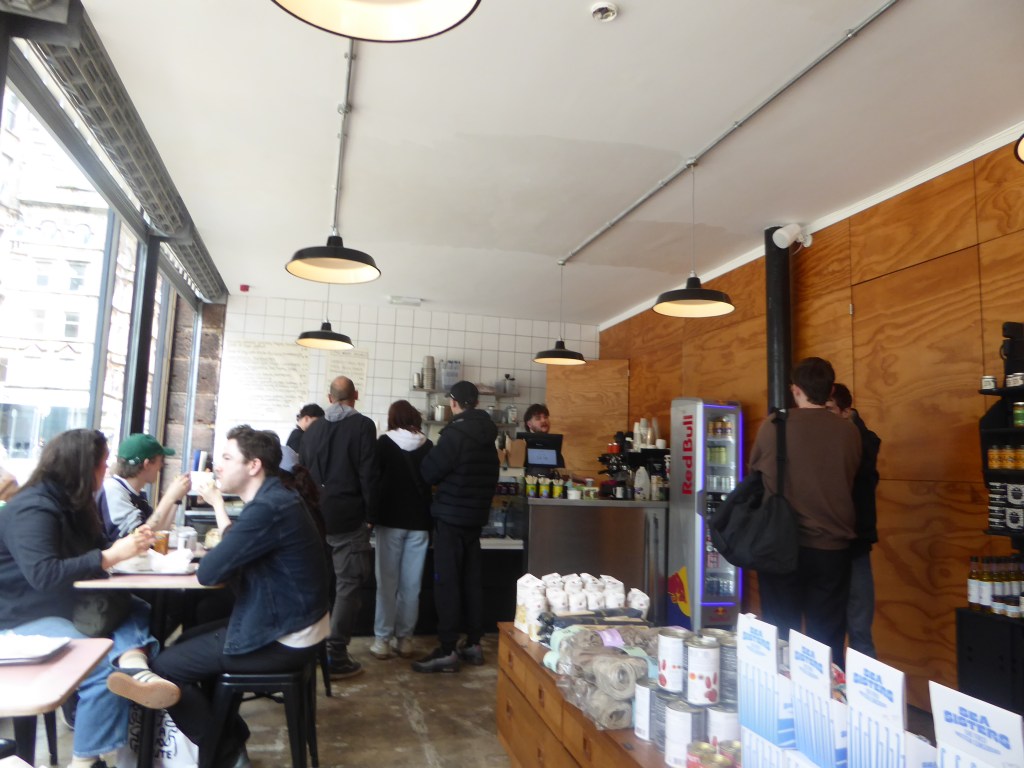
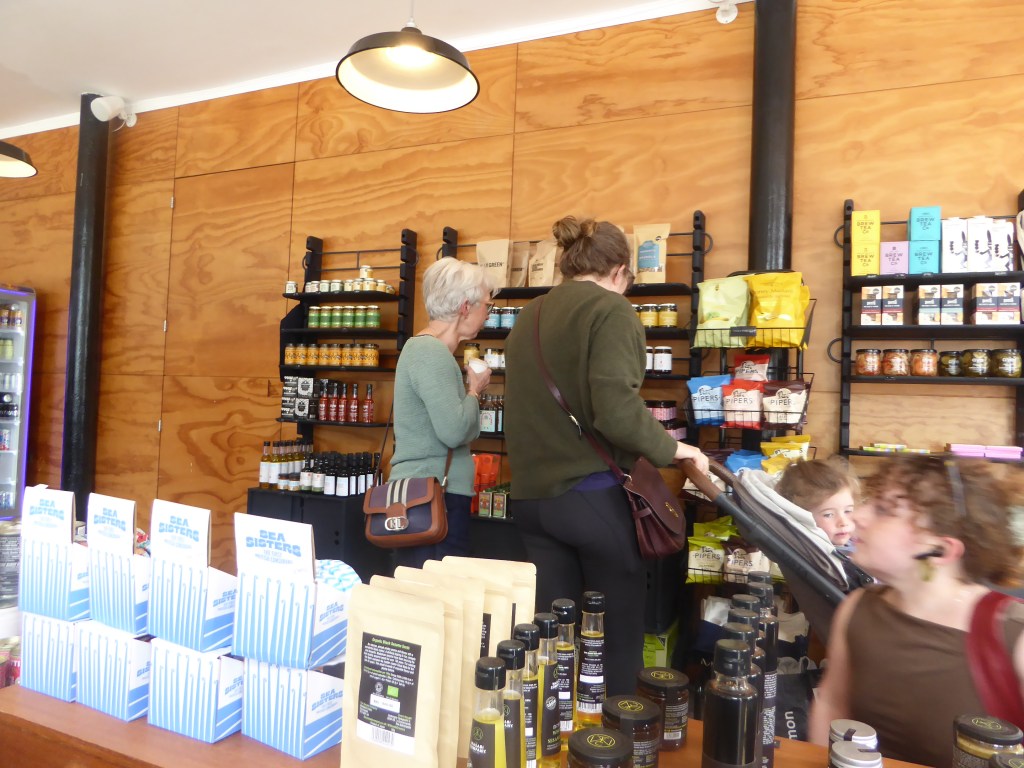
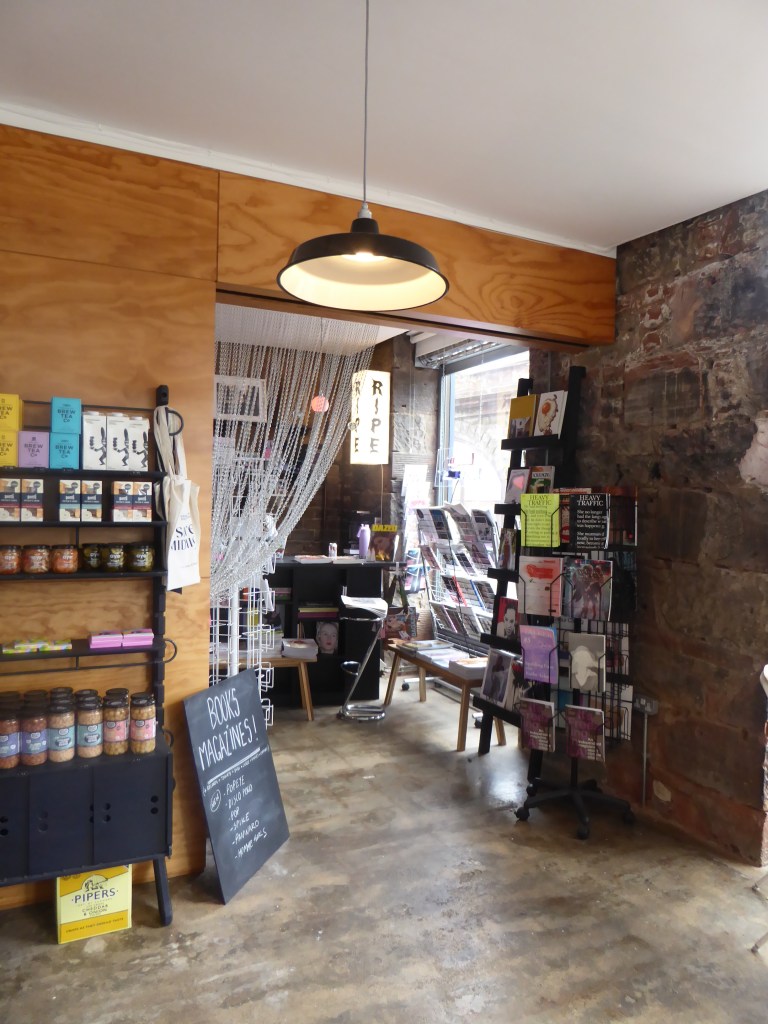
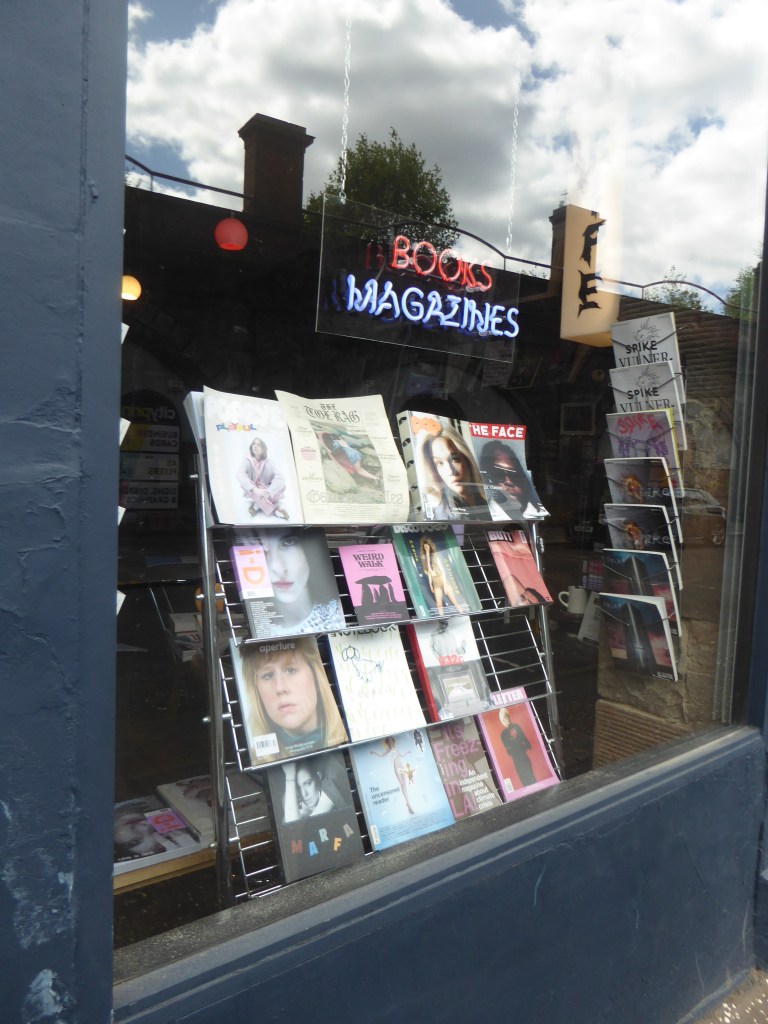
      The first, Sister Midnight, was on a rather large corner, overlooking the late great 13th North Cafe. It’s another one of these cafe / Sandwich places, which also have a bookshop attached (Editor: “Deli and Provisions”!), and appears to be slightly aimed at the gay community.

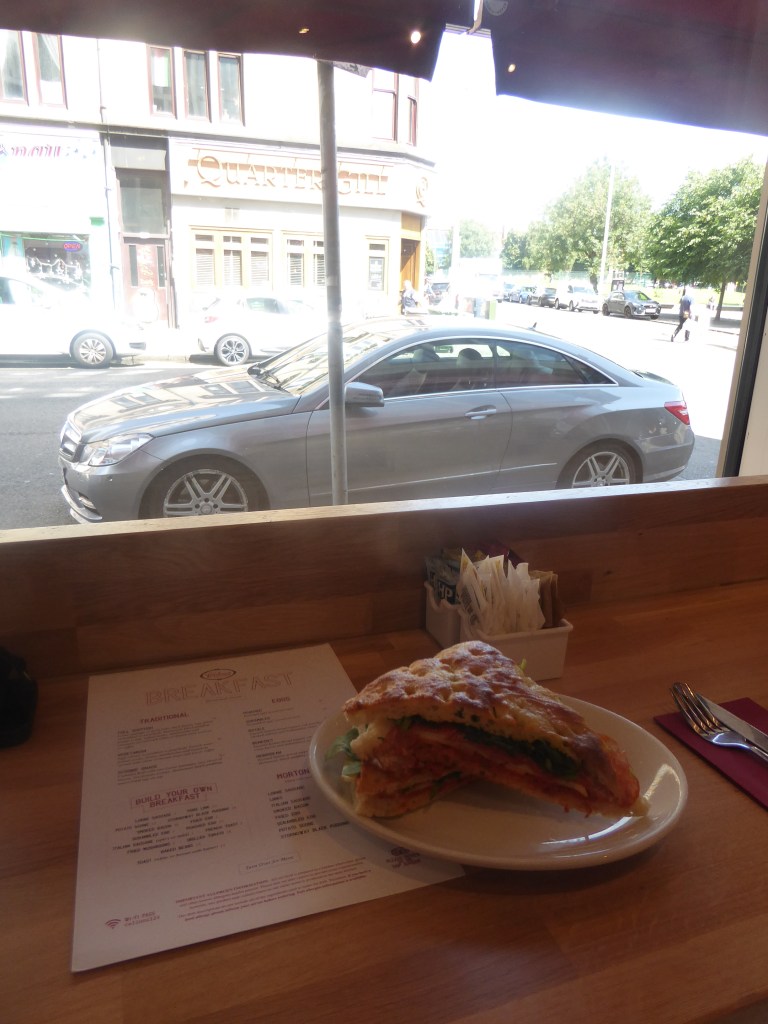
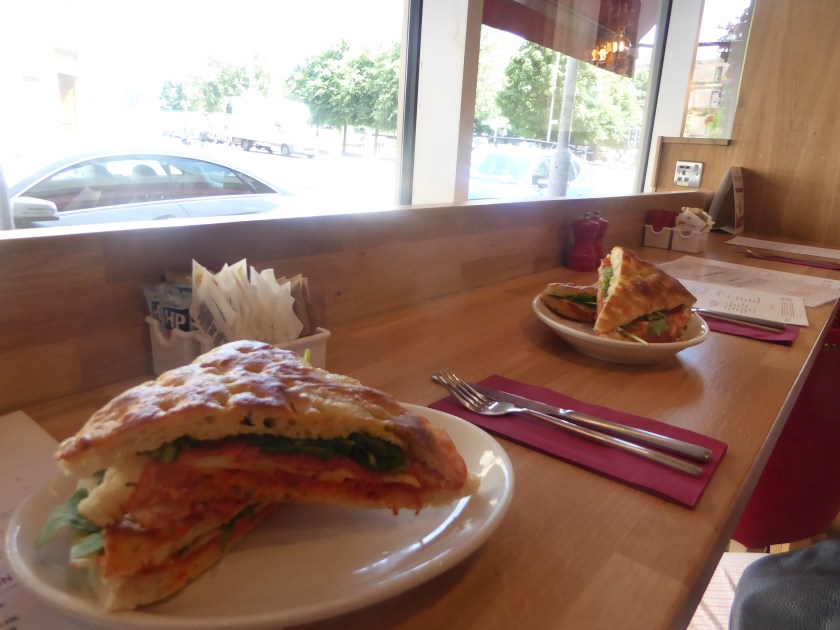
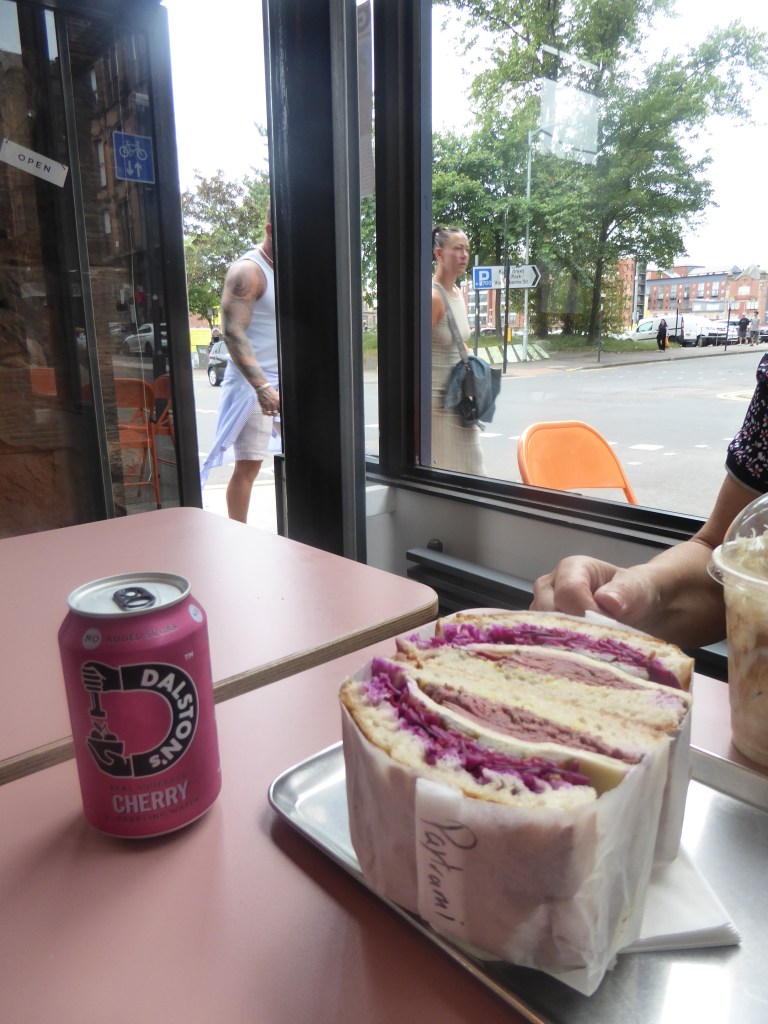
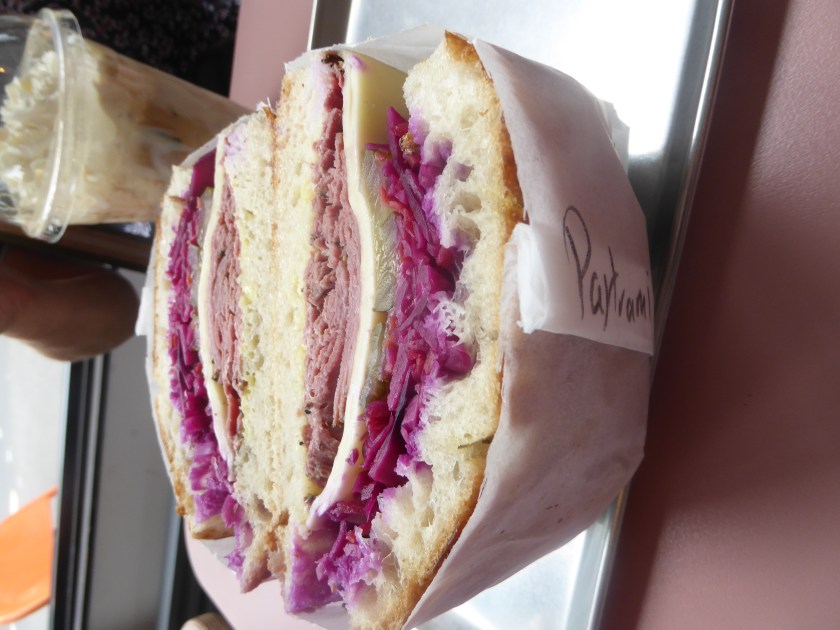
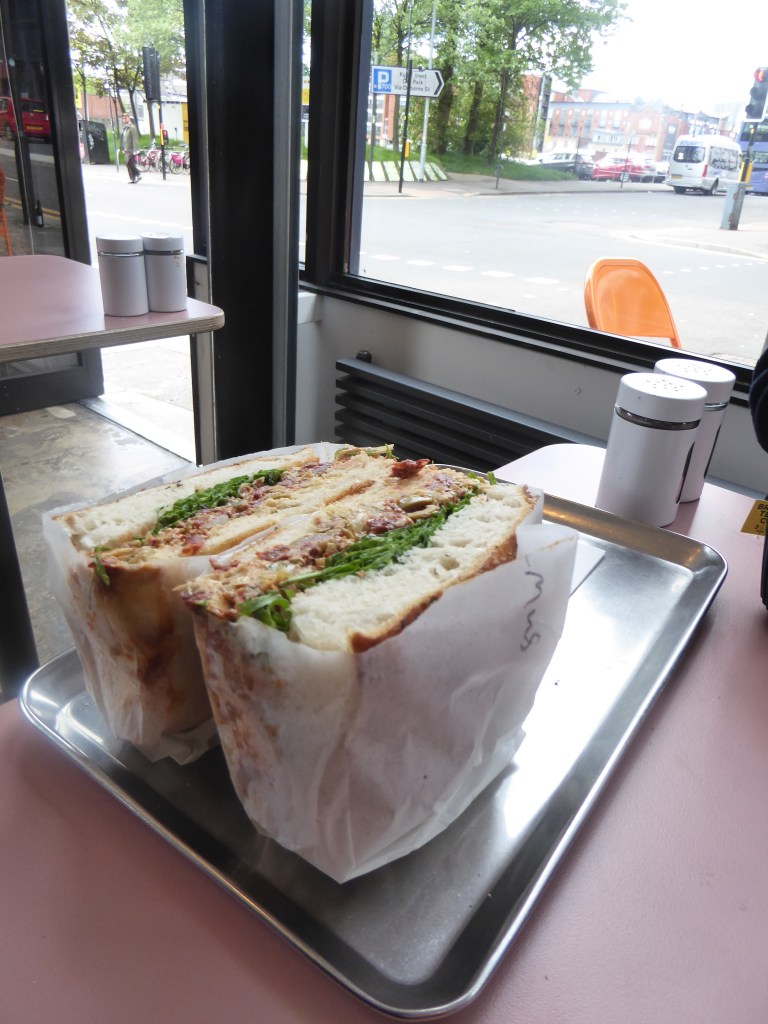
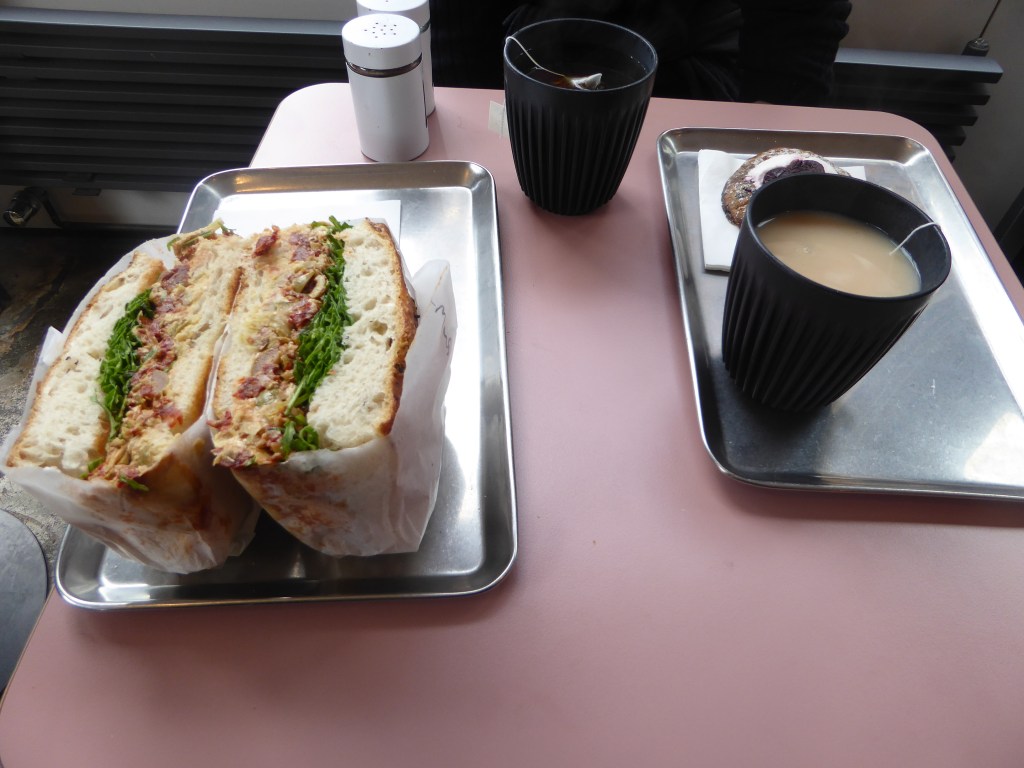
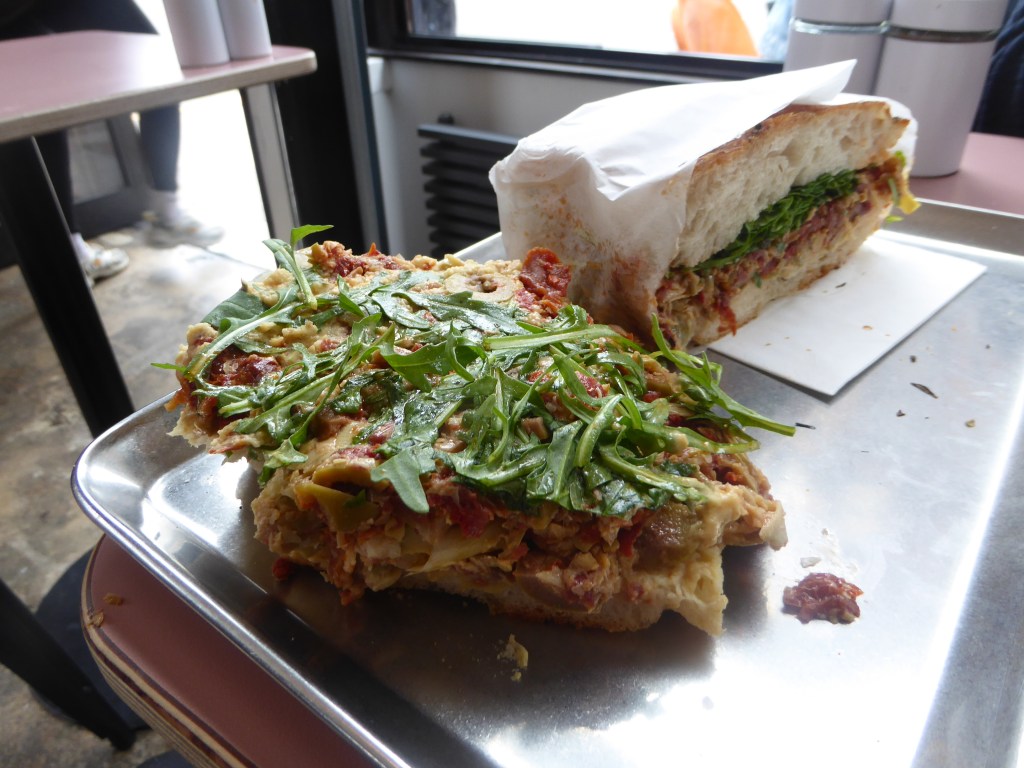
      The sandwiches are gigantic. I had the the the hummus one which was basically like a hummus salad, inside a small loaf of Italian bread! It was absolutely delicious and completely filling.

      Each side was the size of a small brick, so I only had half and had the other half when I arrived back at my bit. Combined with two hot drinks, a dessert for the other half, came to only £15. Incredible value & quality.

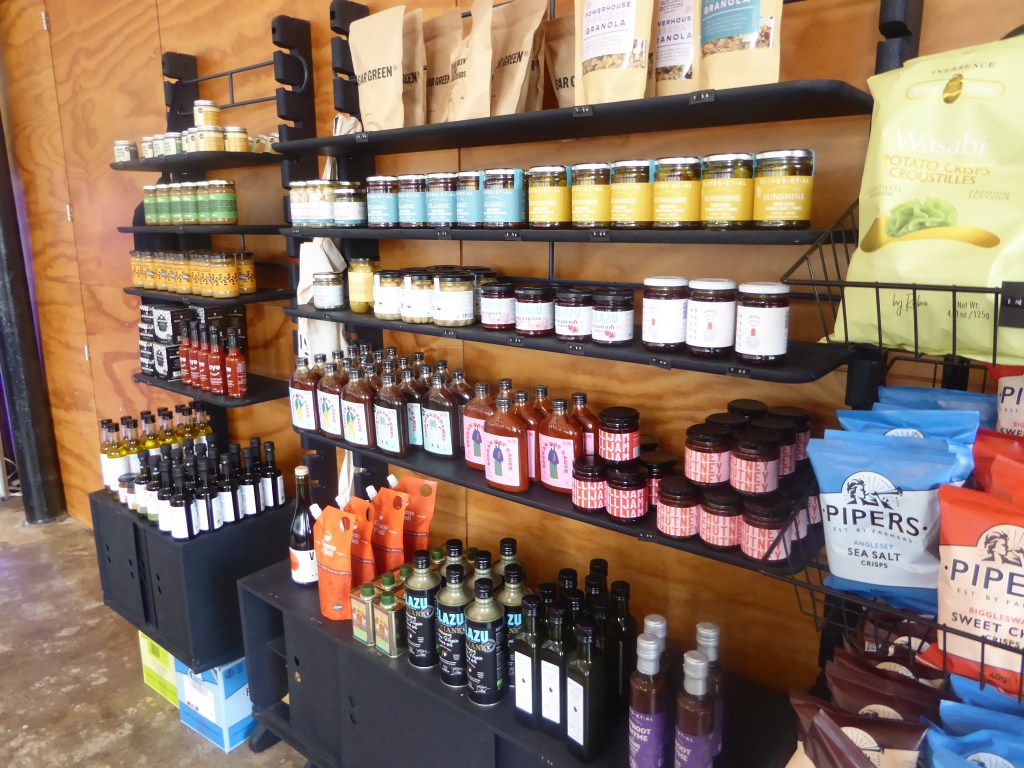
      There’s also the de rigueur trendy type of condiments, chips, sauces, etc. on the shelves here. Things you can buy, all at a reasonable price considering that they’re quite high quality.

      The clientele would seem to be the people in this area who are either residents, or are passing through to their work.

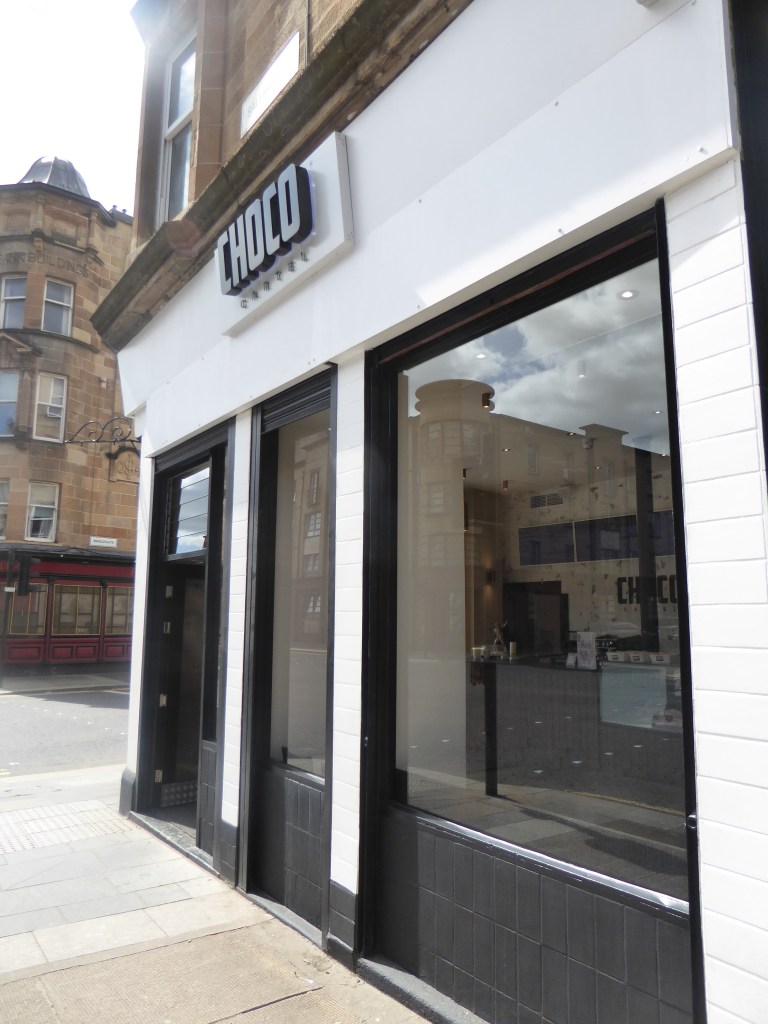
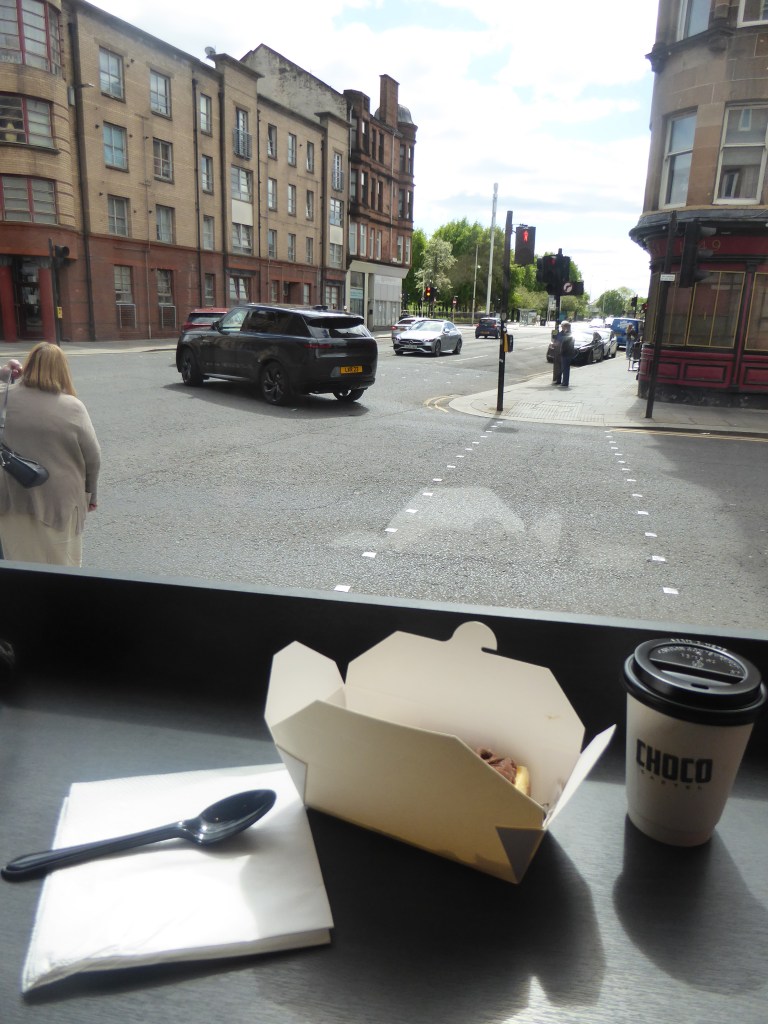
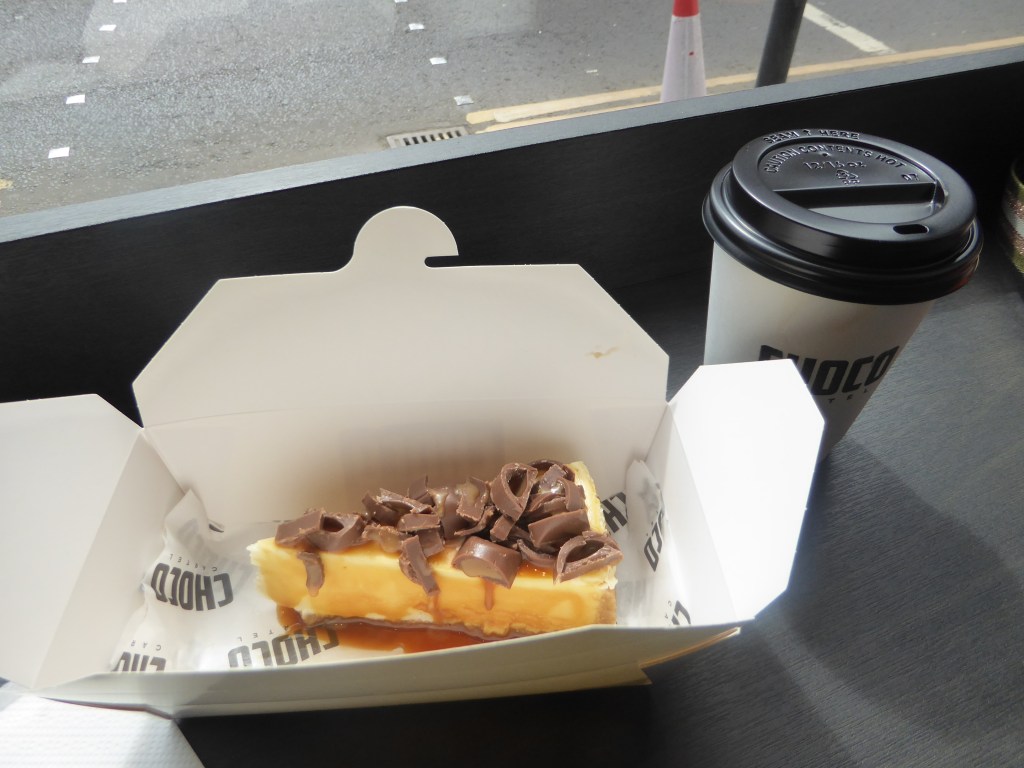
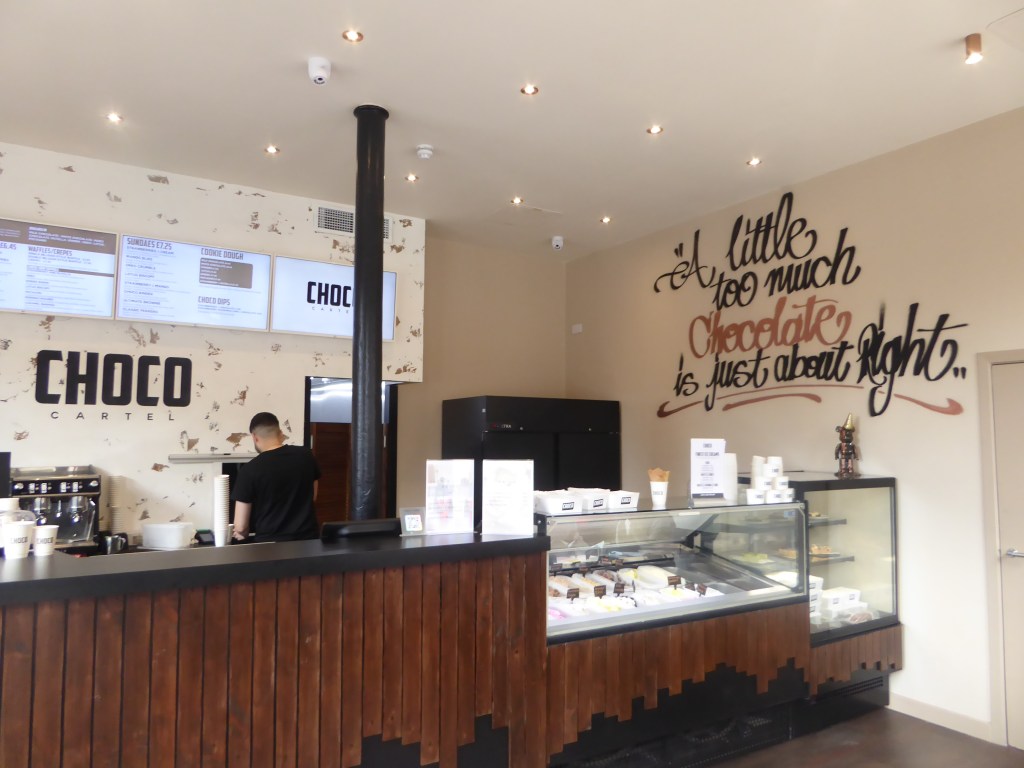
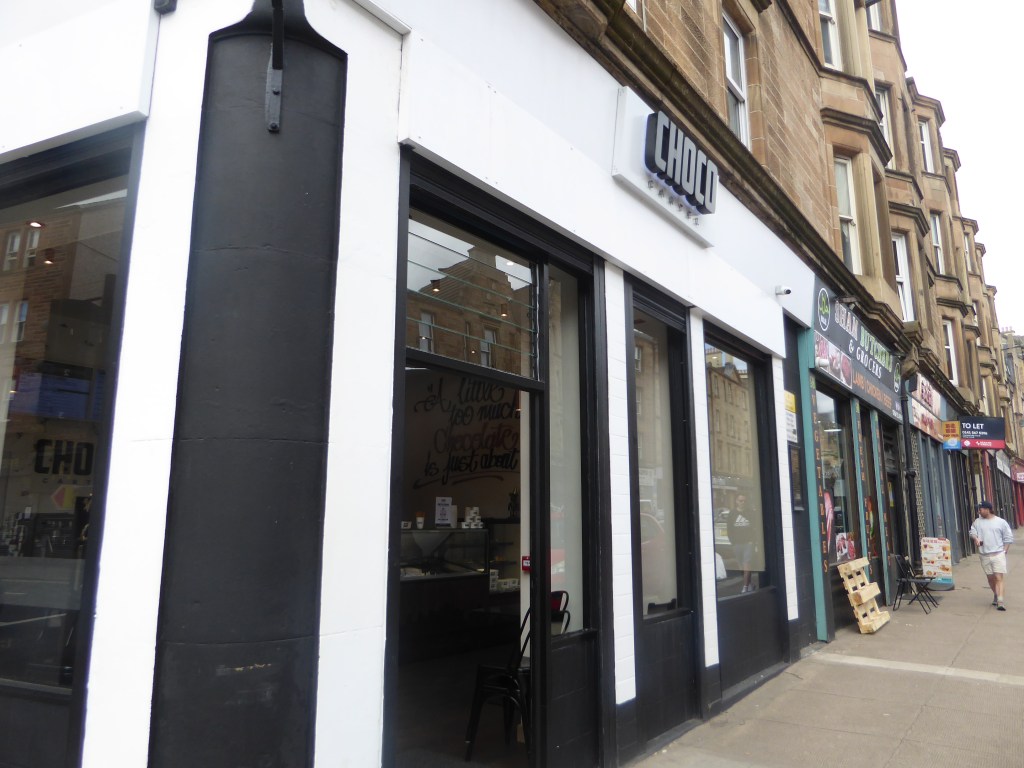
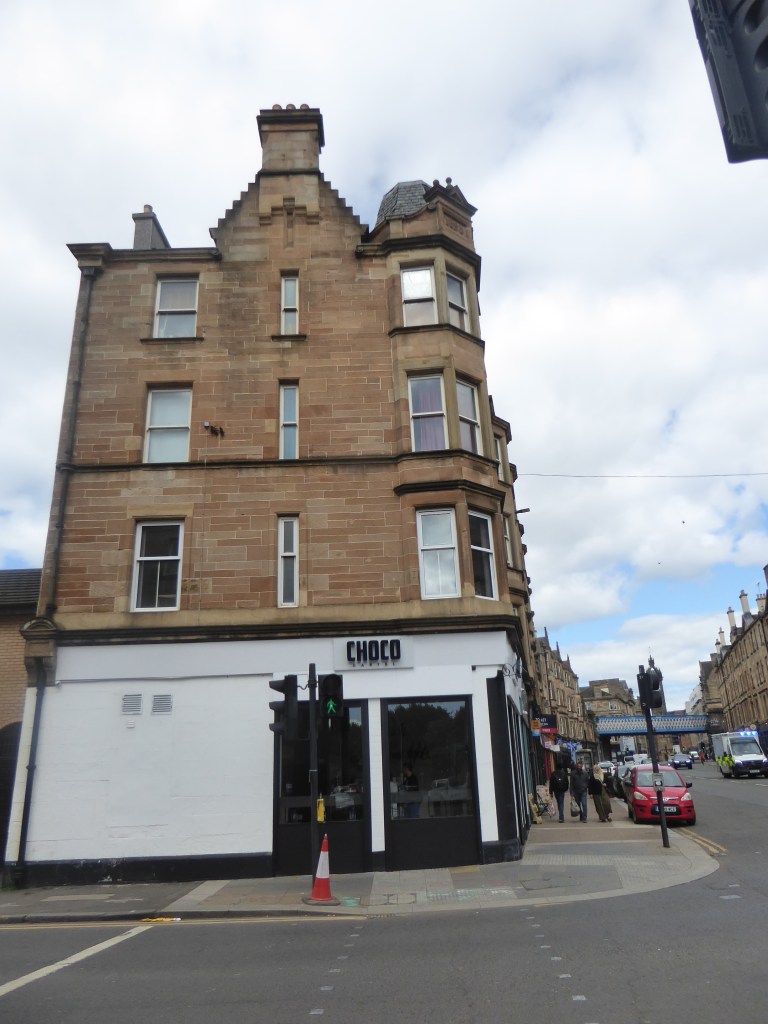
      The second place, Choco Cartel, was something that I had remembered from a Glasgow Live article, and was yet another coffee place, but this time featured ice cream and desserts.

      The dessert I had was some sort of cheesecake with a burnt caramel on it, that I haven’t tasted before. It was superb. Combine that with the two teas, it again was reasonably priced.

      We could have also had ice cream, but chose to give it a miss, as I was still suffering from Sister Midnight!

      They also do some sort of small paper box, where they can put the ice cream on top of a cake base. I think they call it something like cake fries on a cake base. It looked decadent and I know that I’ll try it at the very latest, when I compete in the half marathon later this year in Glasgow, that finishes nearby in Glasgow Green.

      Both places need to be checked out to be believed.

      CB

      Gretna Green and its Blacksmith’s Experience – A surprise

      We recently got back from a trip to Germany—more on that later, as I’ll also get into what we’ve been up to the last year. I’ve barely blogged over the past year, so there’s plenty to catch up on. This trip, we travelled from Manchester to Bavaria. It was surprisingly affordable, and we merely just drove down and stayed overnight at the airport, as we had an early, cheap flight to Germany the next morning. Next time though, we’ll take the train; as it goes directly into Manchester Airport.

      On the way back from the Euro adventure, we decided to break up the four hour drive, and decided not to stop at the great Tebay Farm Shop —one of the best farm shop restaurants around the UK, if not the world—but to push a bit further past Carlisle just over the Scottish border. We’d been to this area before but never to Gretna itself.

      We spotted a sign promising a “Blacksmith Paradise” or something horrid like that and decided to check it out. Little did we know , that it’s still the famous spot where people—years ago, and even now—actually get married.

      I’ve always heard of Gretna Green, especially when I lived in England—it was the first thing people mentioned. “Oh, you’ve got to stop at Gretna Green if you’re ever in Scotland,” they’d say. That was 30 odd years ago. Things have changed a lot since then, but it’s still a wonderful wee place— traditional and yet somehow modern.

      These days, they can host up to 20 weddings a day! It’s fascinating—you can be part of something that feels both timeless and contemporary. But it’s not just a wedding spot anymore. It’s almost a fun park now, with more to offer – cafe’s, blacksmith experience, weddings, park walks, and a well stocked out farm shop.

      Sculpture / Milk Machine!

      To top it off, as we left the store, there was an interesting milk machine, that is not doubt a big help for the local diary farmers. The price was reasonable, and you get farm fresh milk.

      CB