
A few years ago, I had clients working for a large internet company who mentioned complaints about their website. The feedback focused on its “old-school” colour scheme — think classic reds and greens — and how outdated it felt, even though the site targeted an older audience.
The suggestion?
Modernise it to appeal more to Millennials or even Generation Z, starting with a complete colour overhaul. They then told me they’d held a meeting just a month earlier to discuss exactly this! I was surprised and asked, “Is it really that important?” They assured me it absolutely was.
That got me thinking: Who decides these things? Is there some official process for declaring “new colours”?
Does a yearly ritual happen where certain shades are crowned as the colours for the next season?
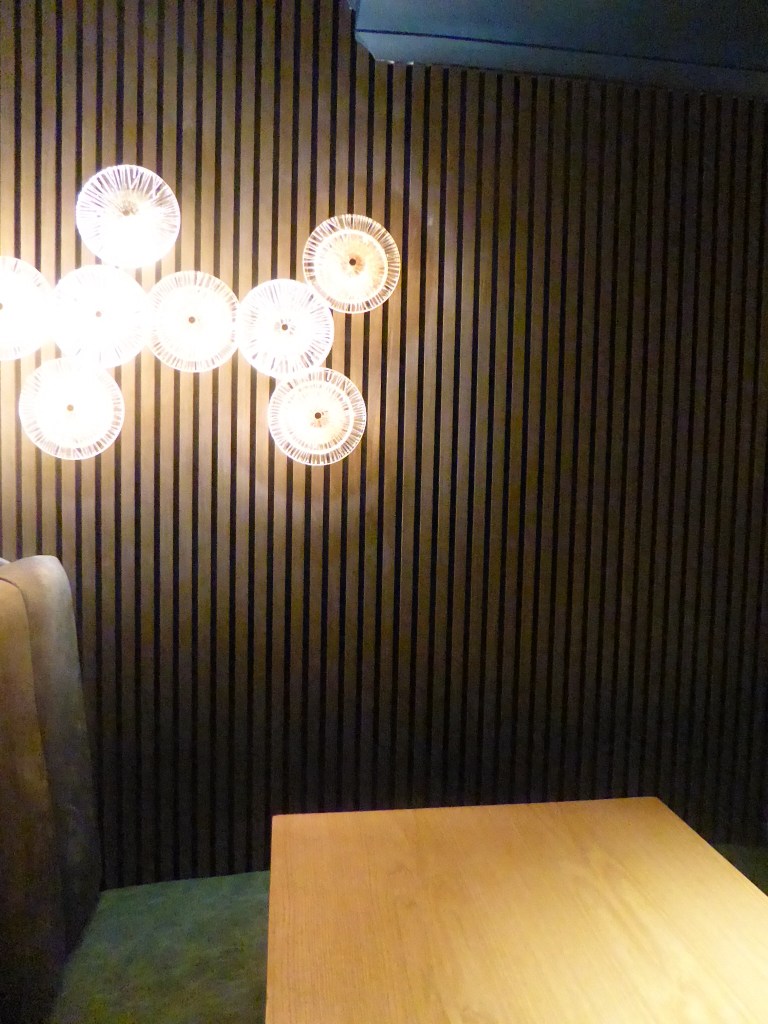
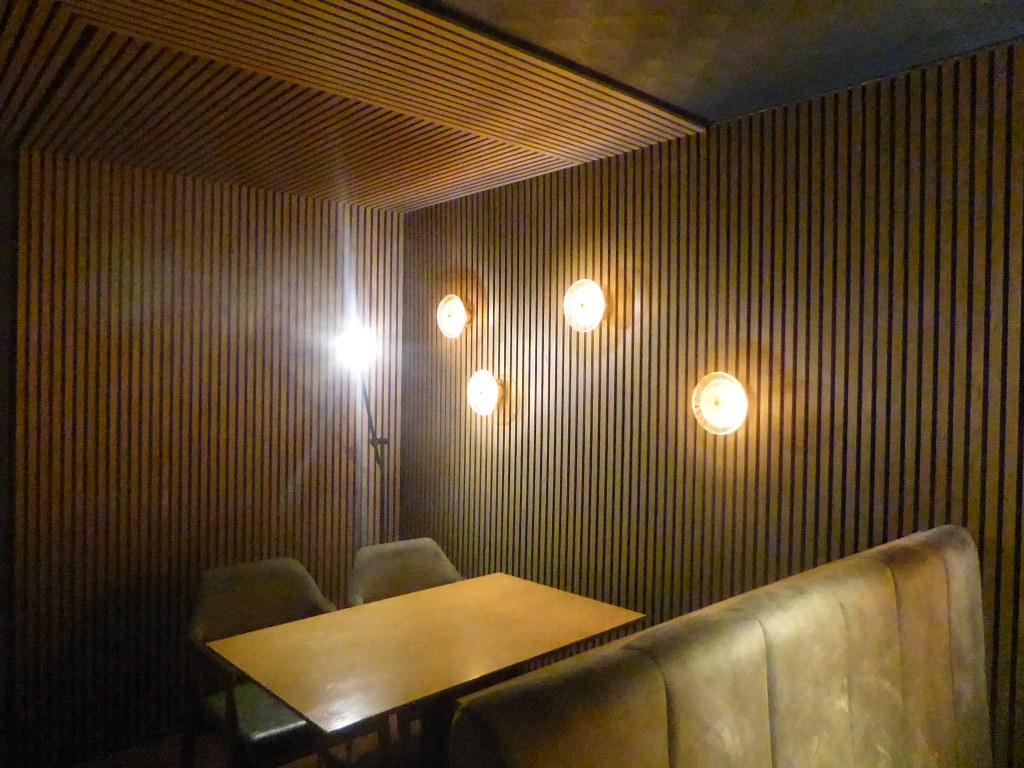
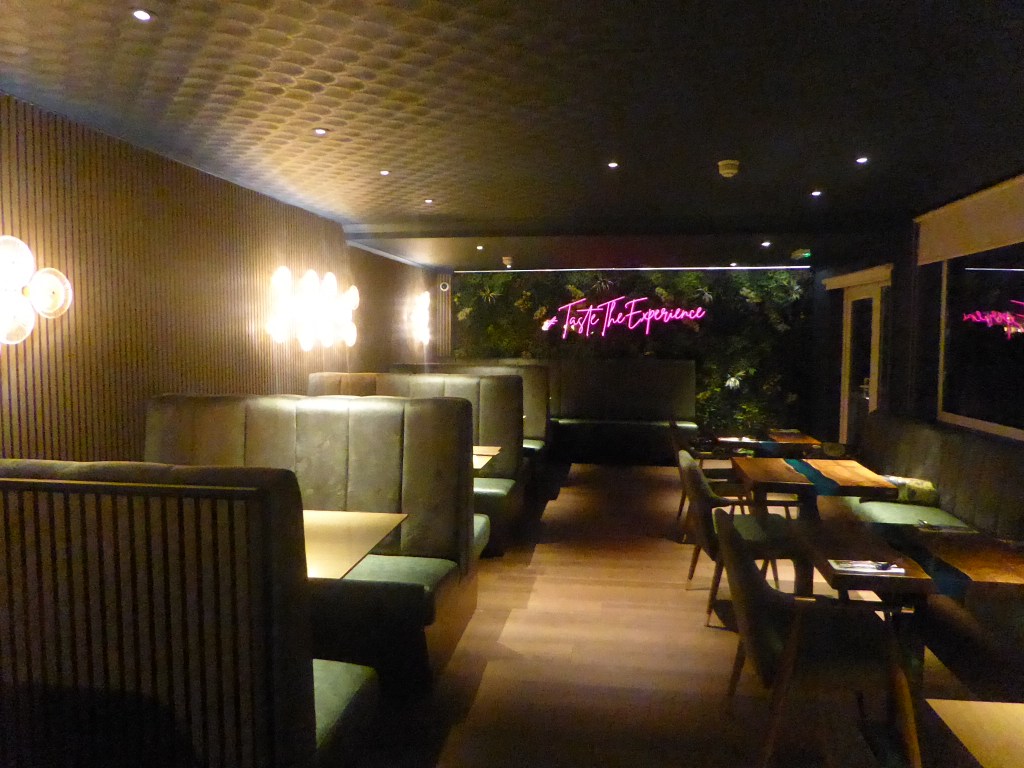
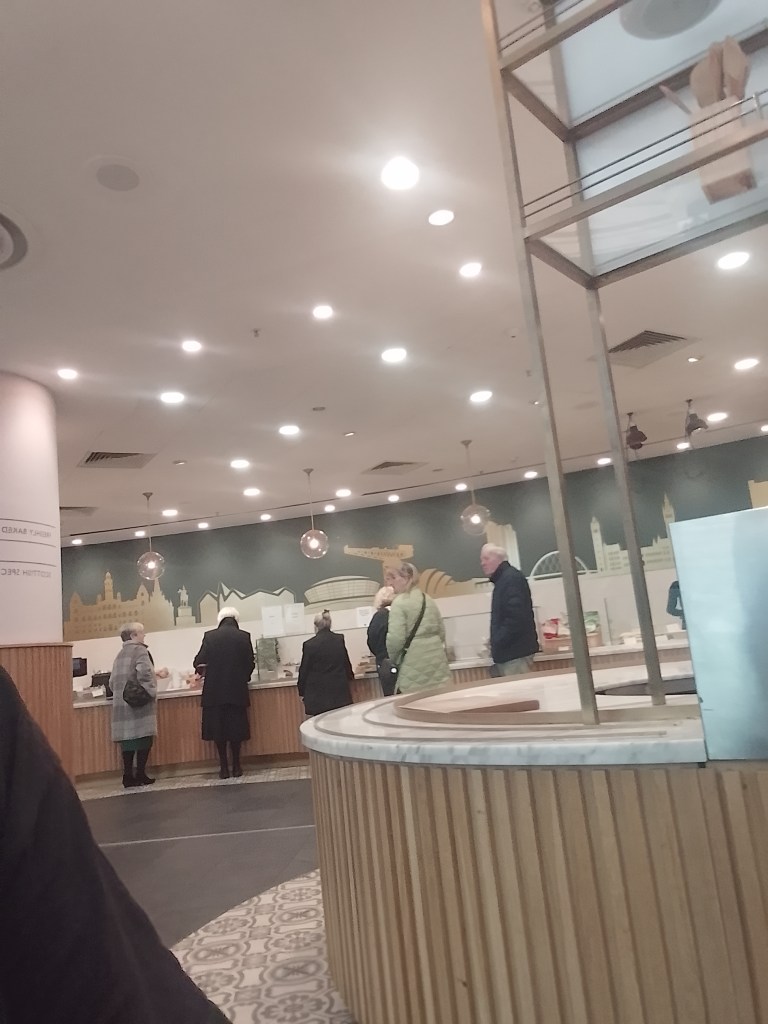
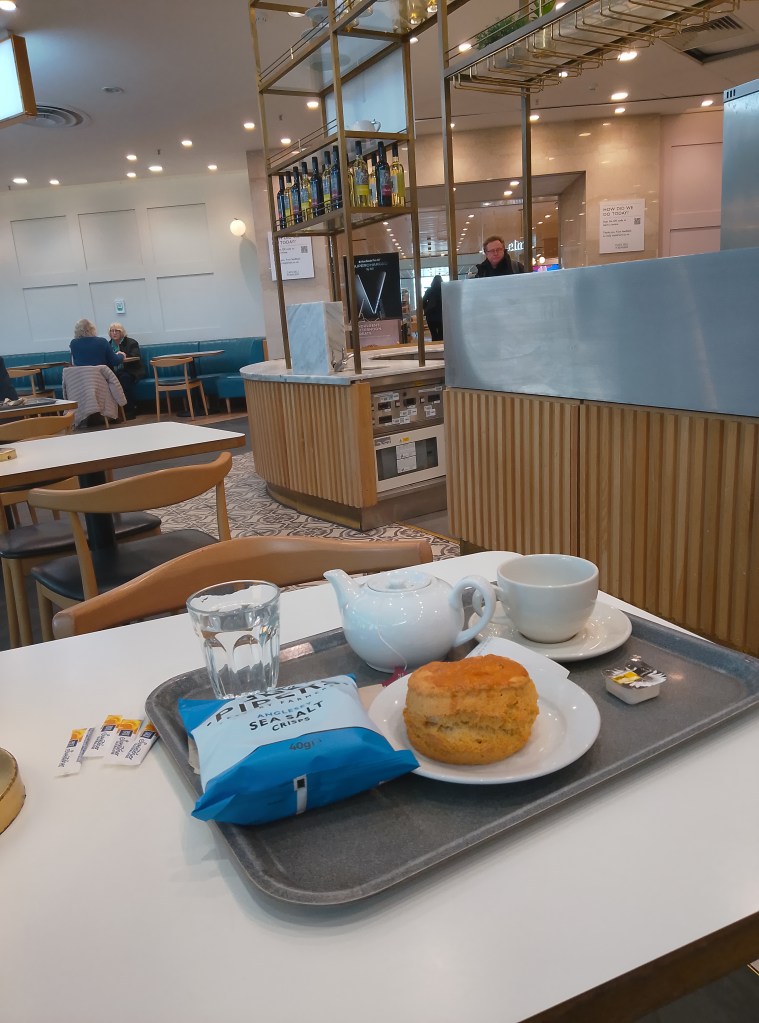
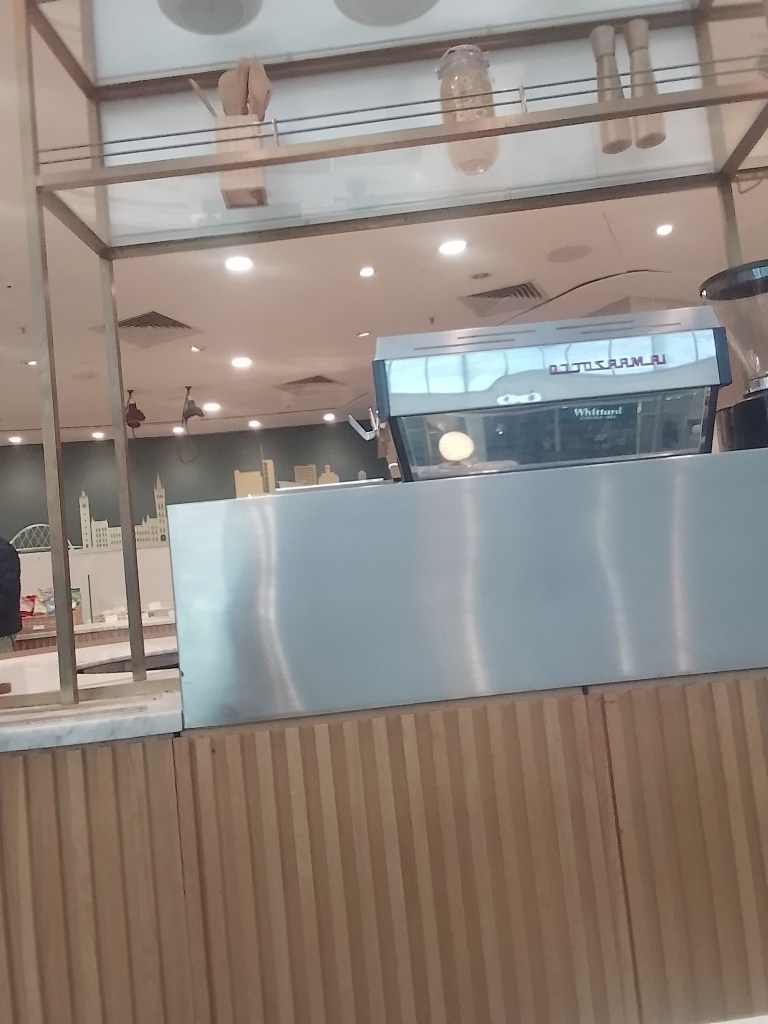
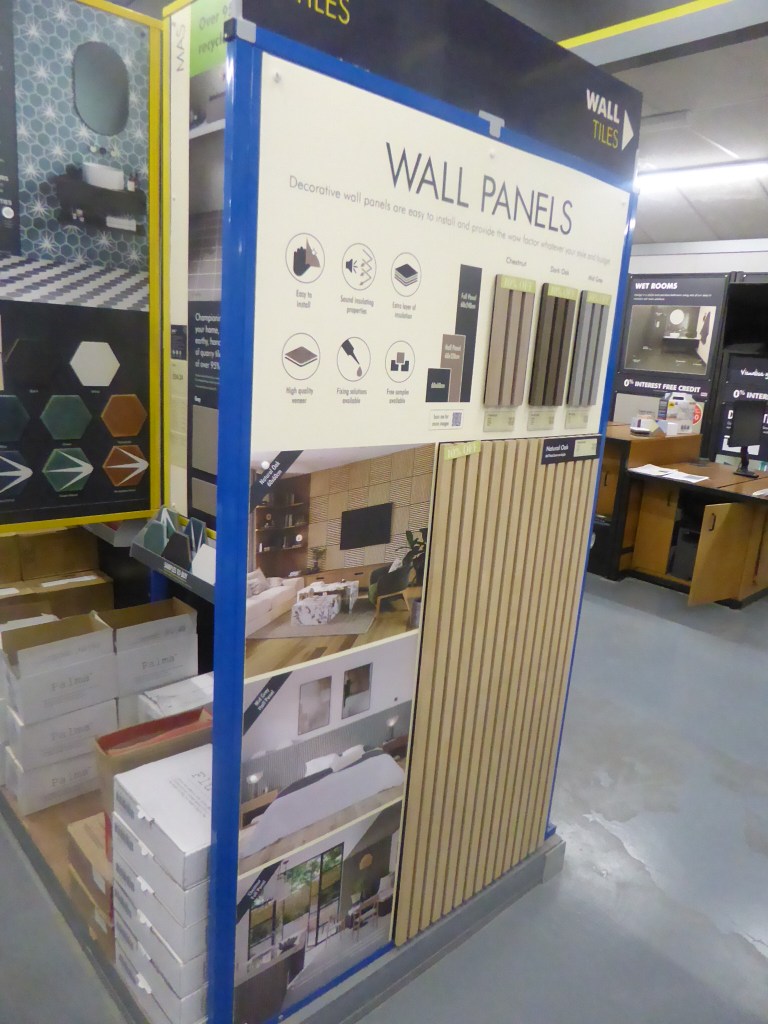
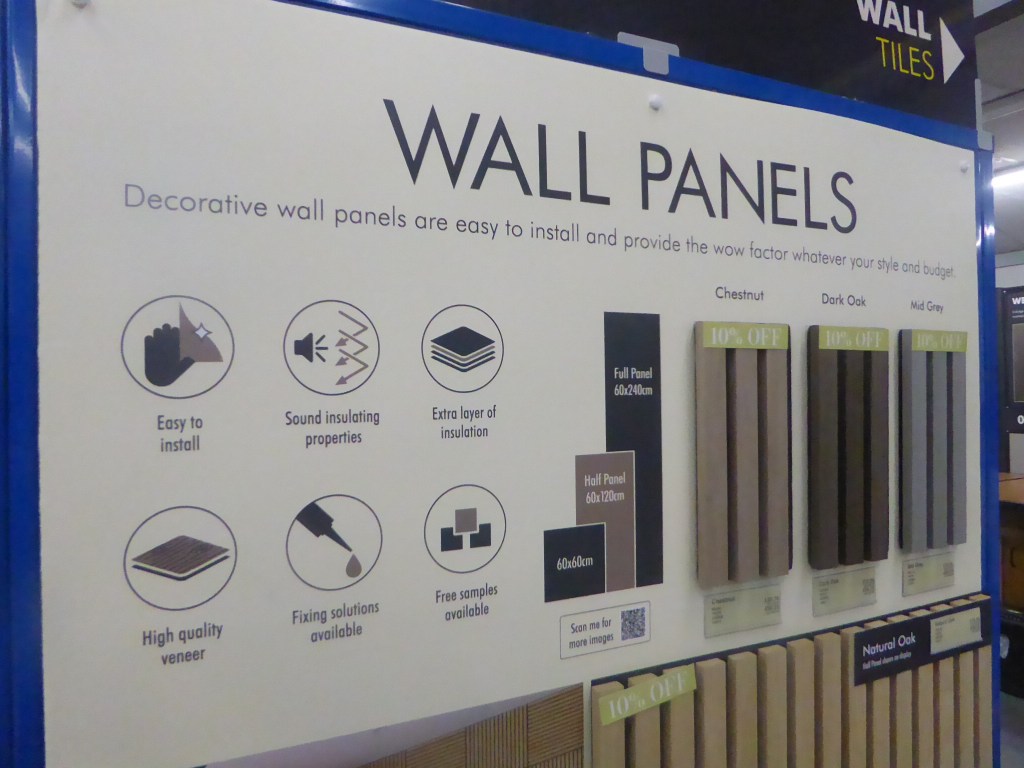
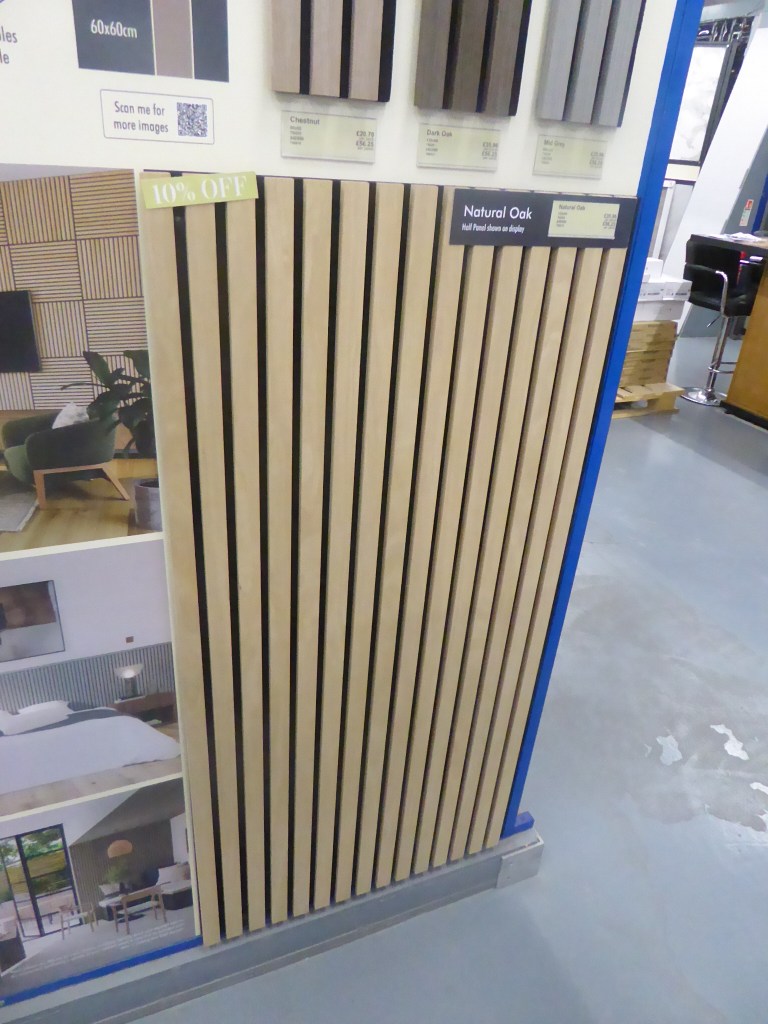
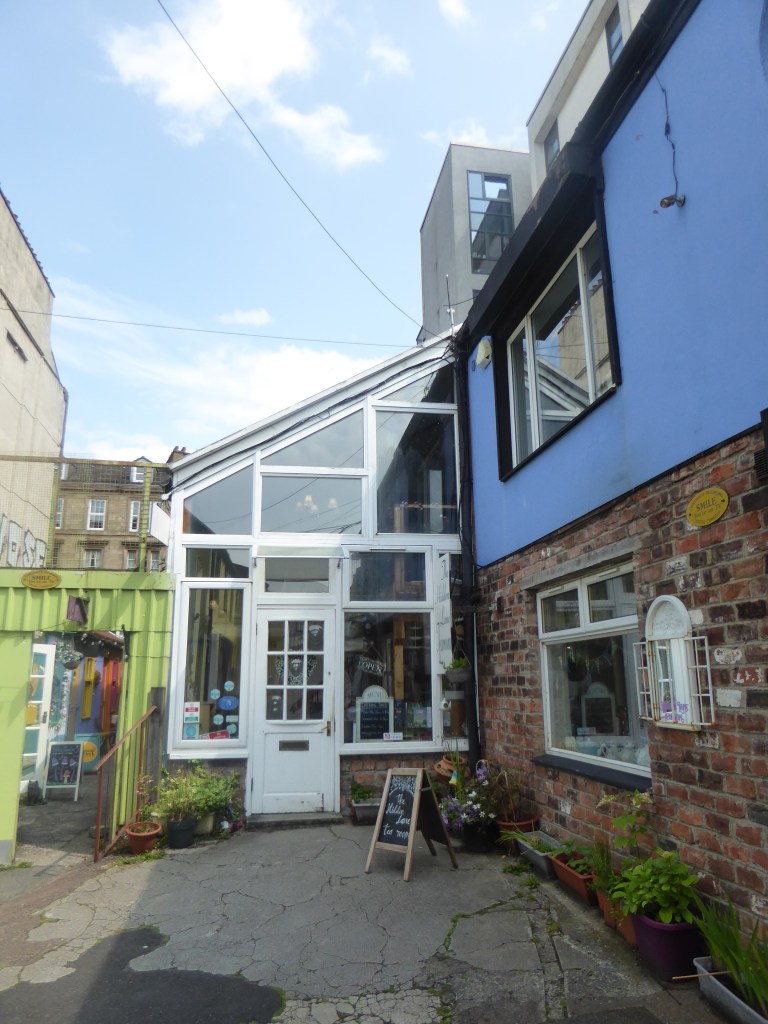
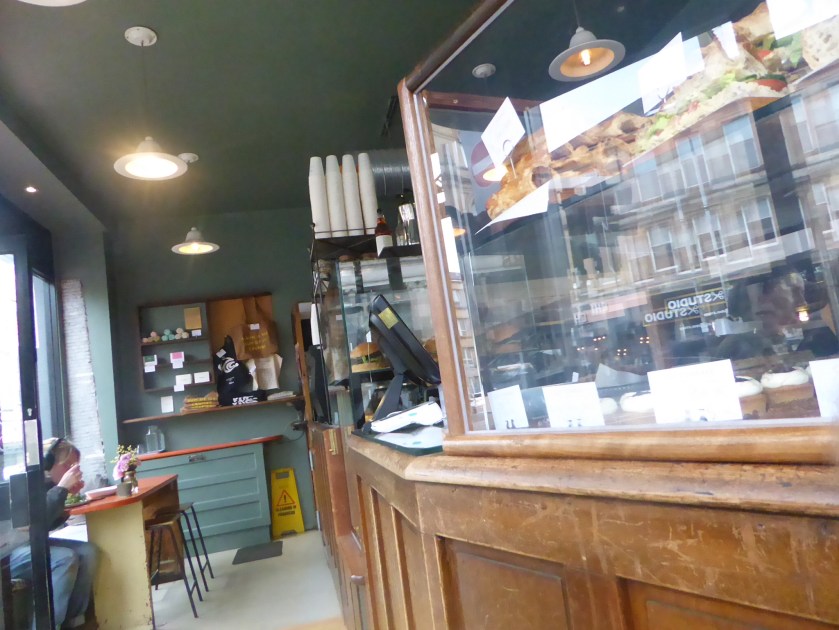
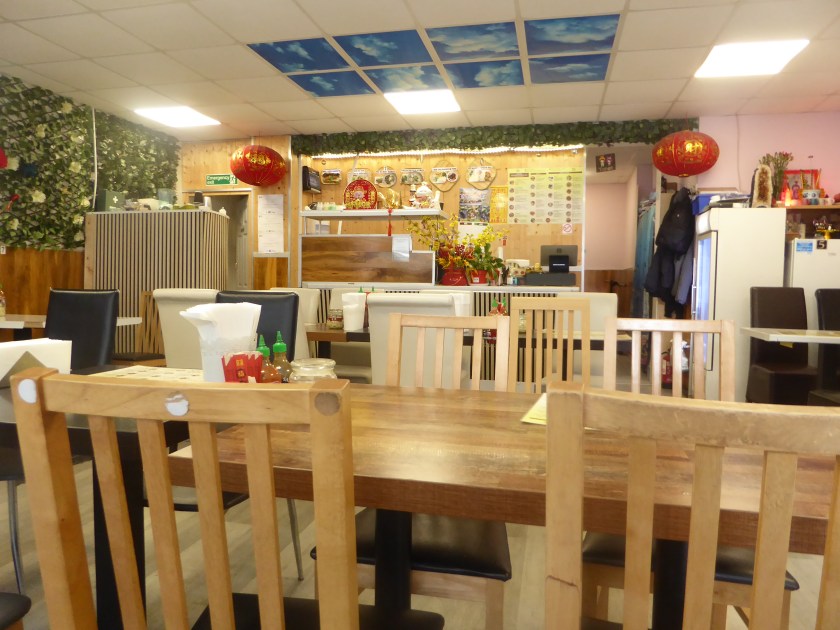
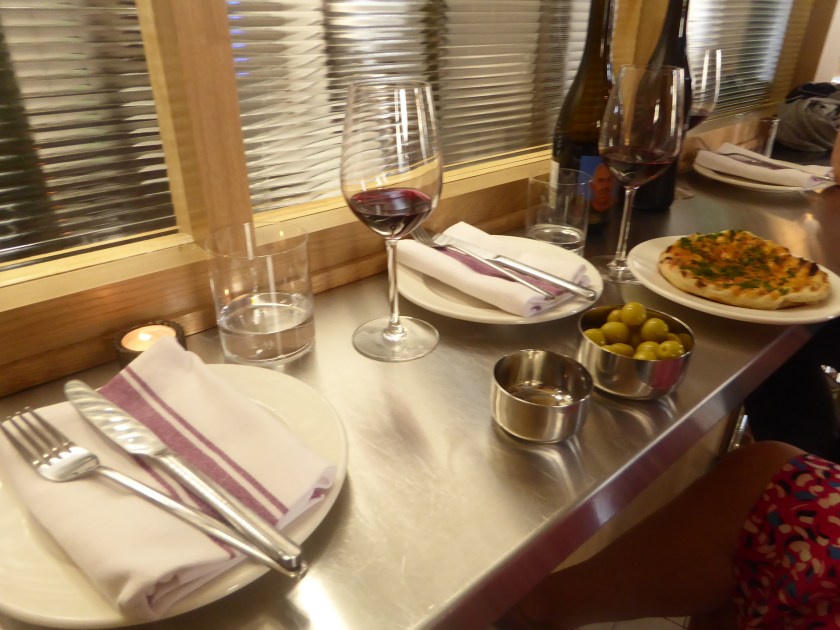
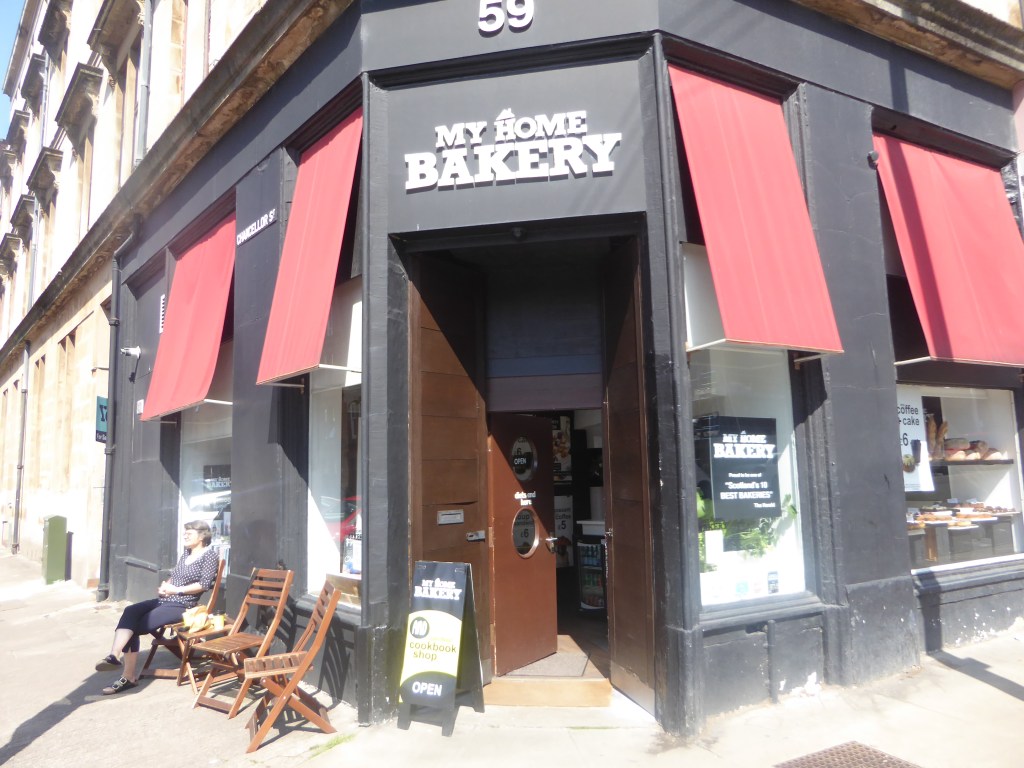
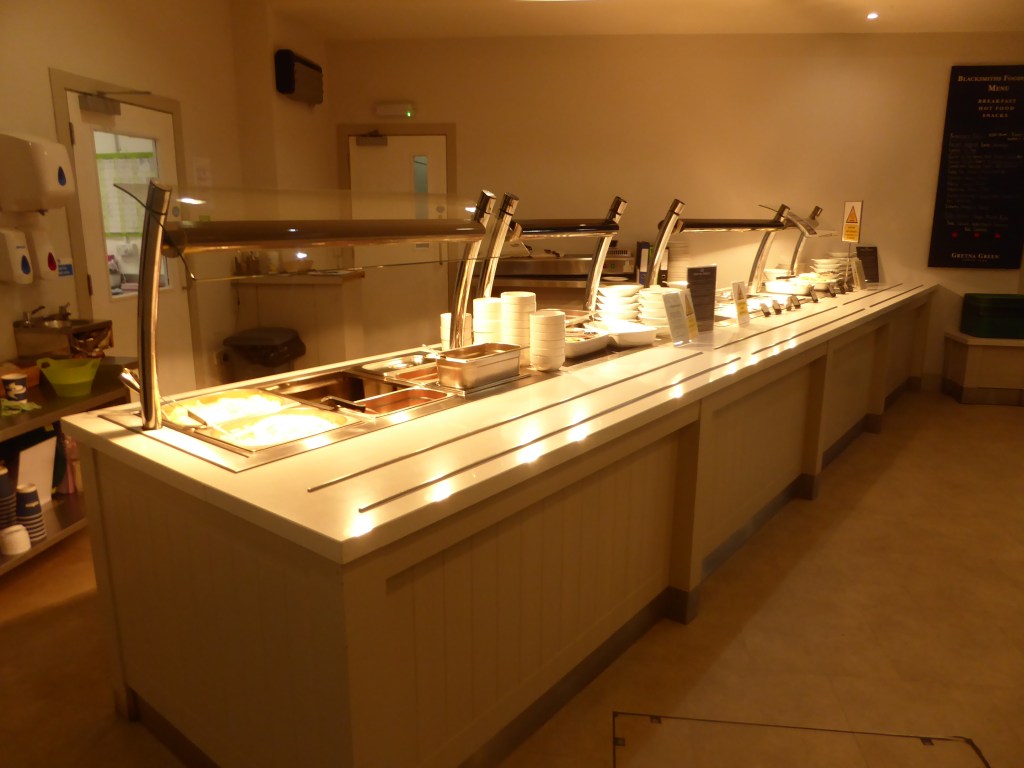
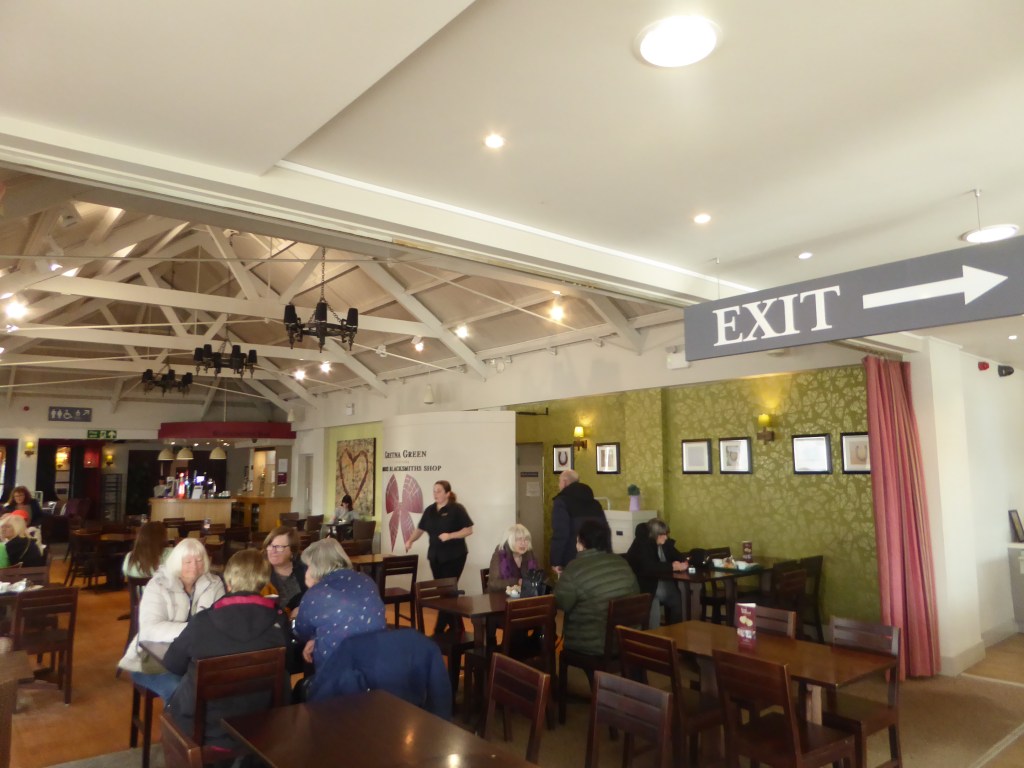
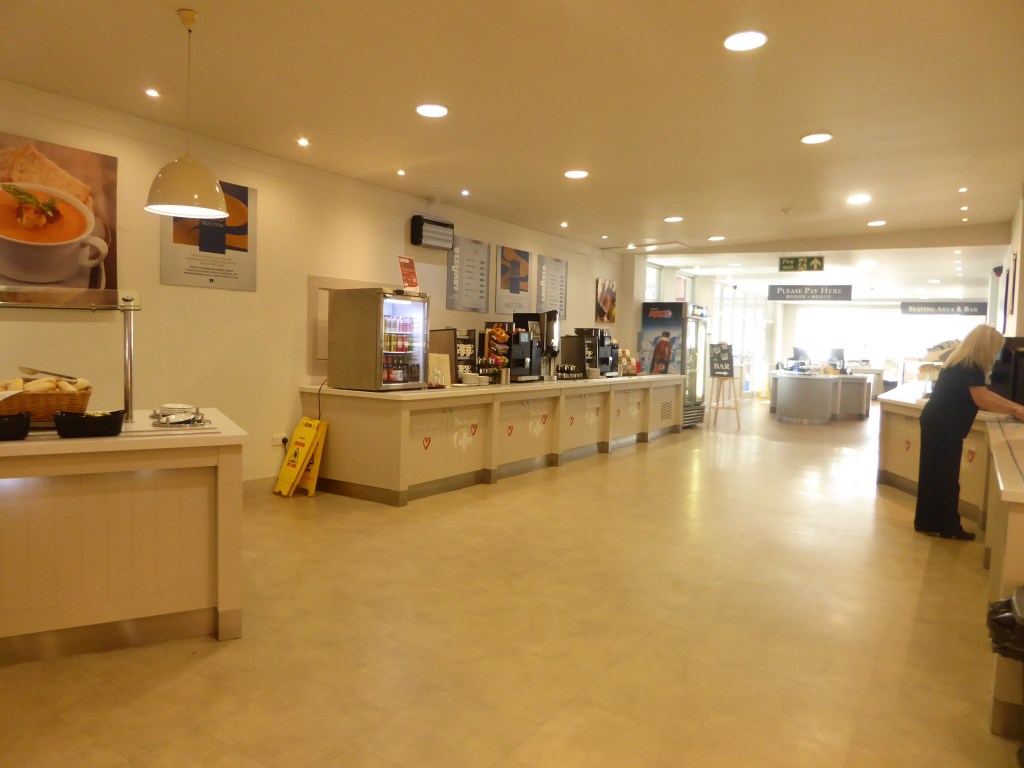
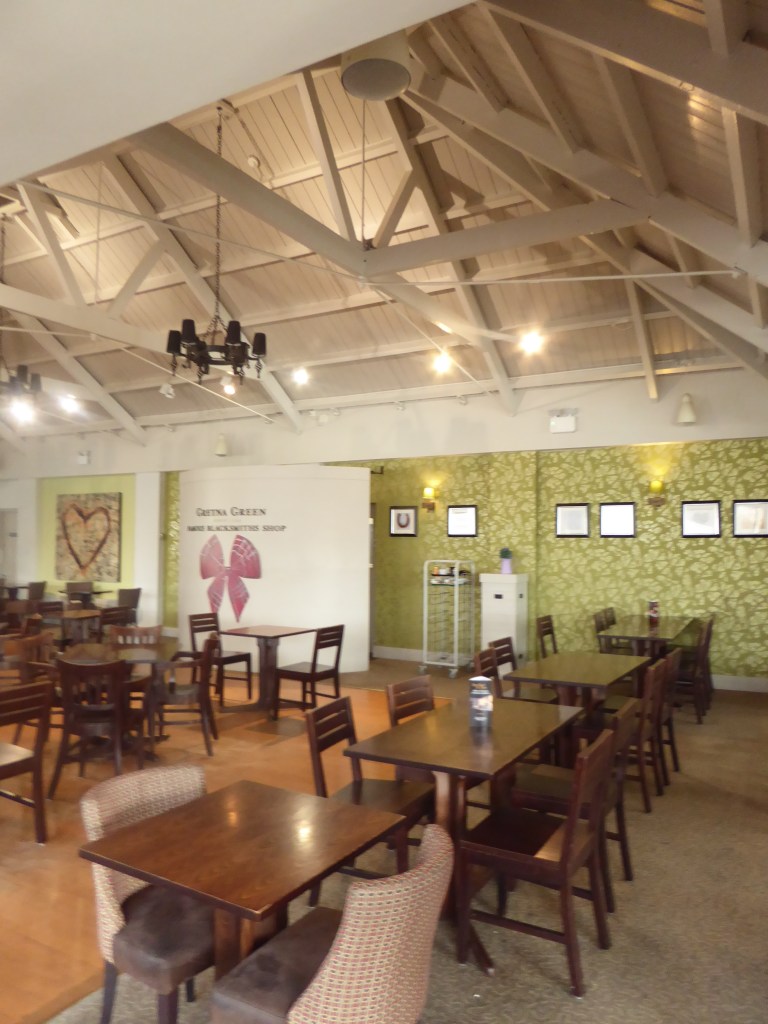
It’s fascinating because, over the past year or so, I’ve noticed an aesthetic shift everywhere I go. From vape shops and doctors’ offices to retail stores, hairdressers, cafés, and even a hardware/DIY shop — I’ve seen these warm, brown, wooden panels popping up repeatedly.
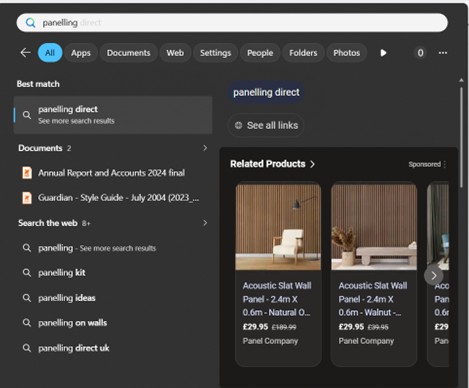
I searched for them earlier this week (above), and sure enough, they’re widely available as “acoustic slat wall panels”! I found myself wondering:
When exactly did this trend start?
It reminded me of that client conversation — these things don’t happen by accident. Someone, somewhere, decides, and then it spreads like wildfire. It’s more serious (and influential) than it first appears.
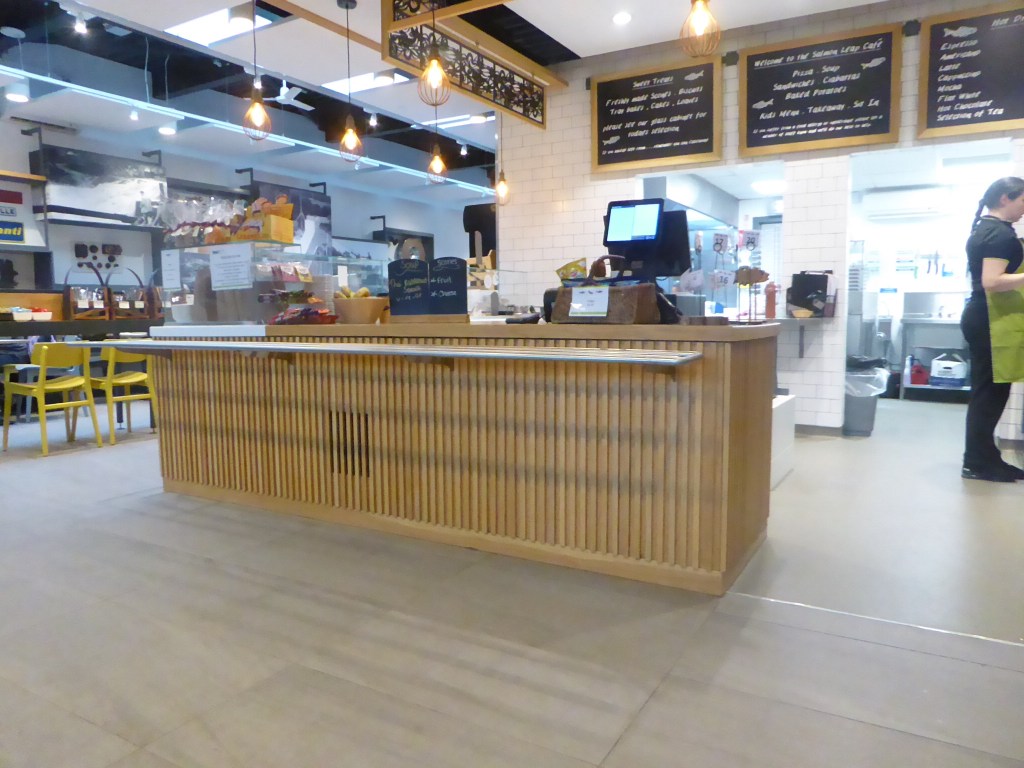
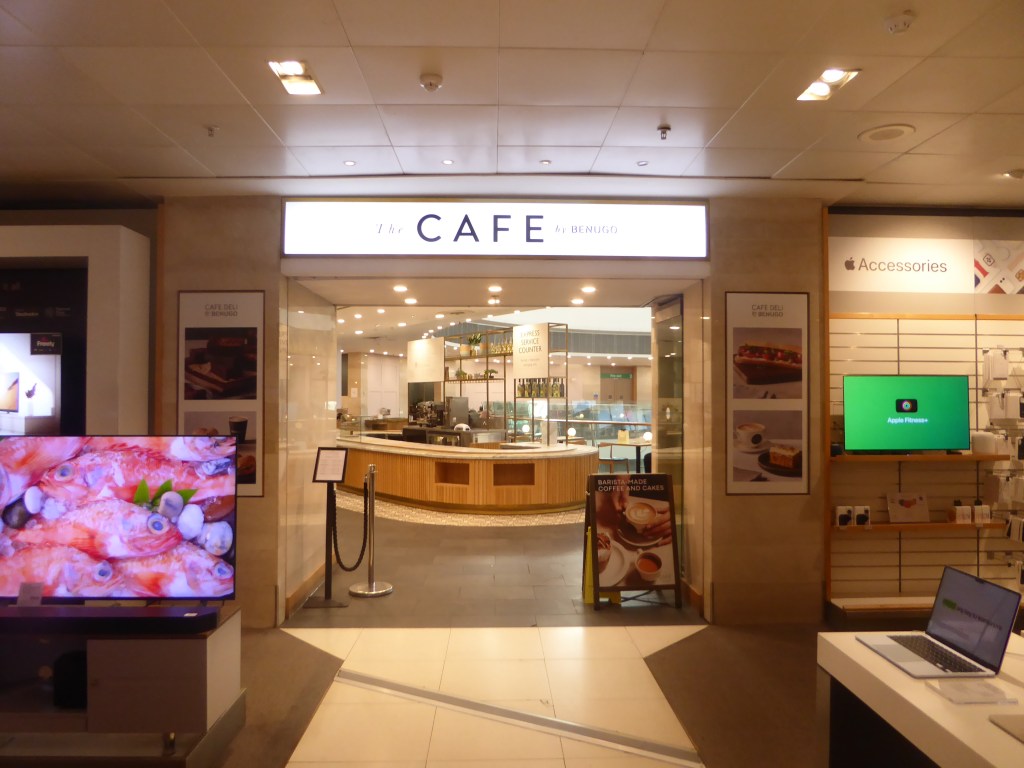
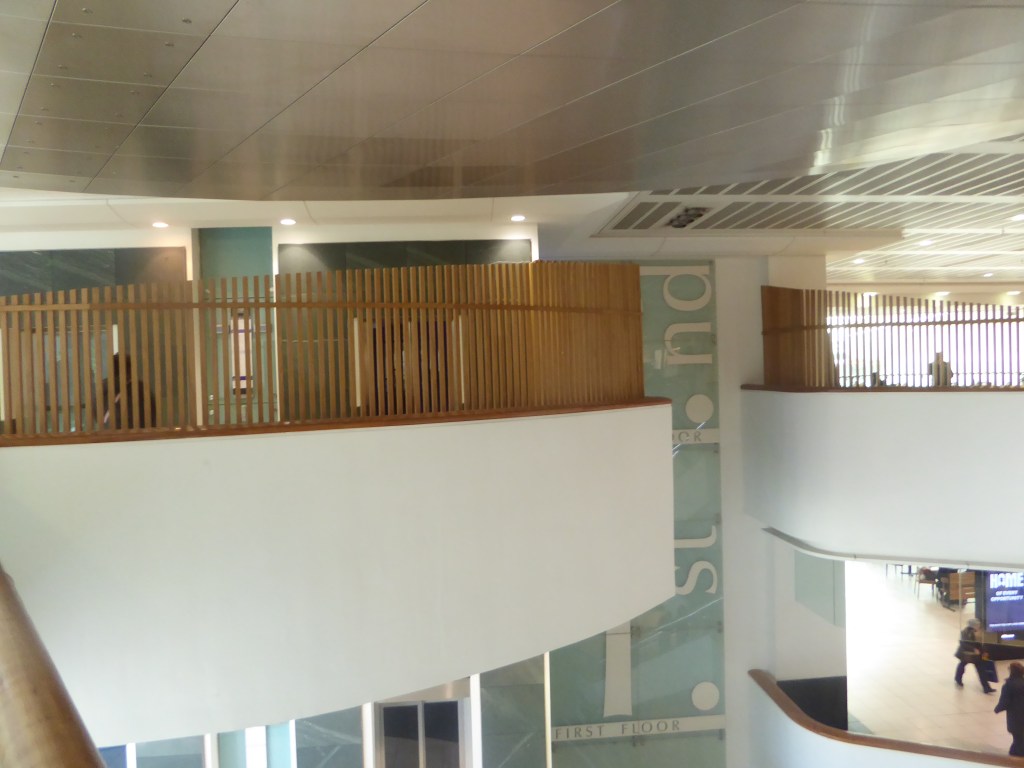
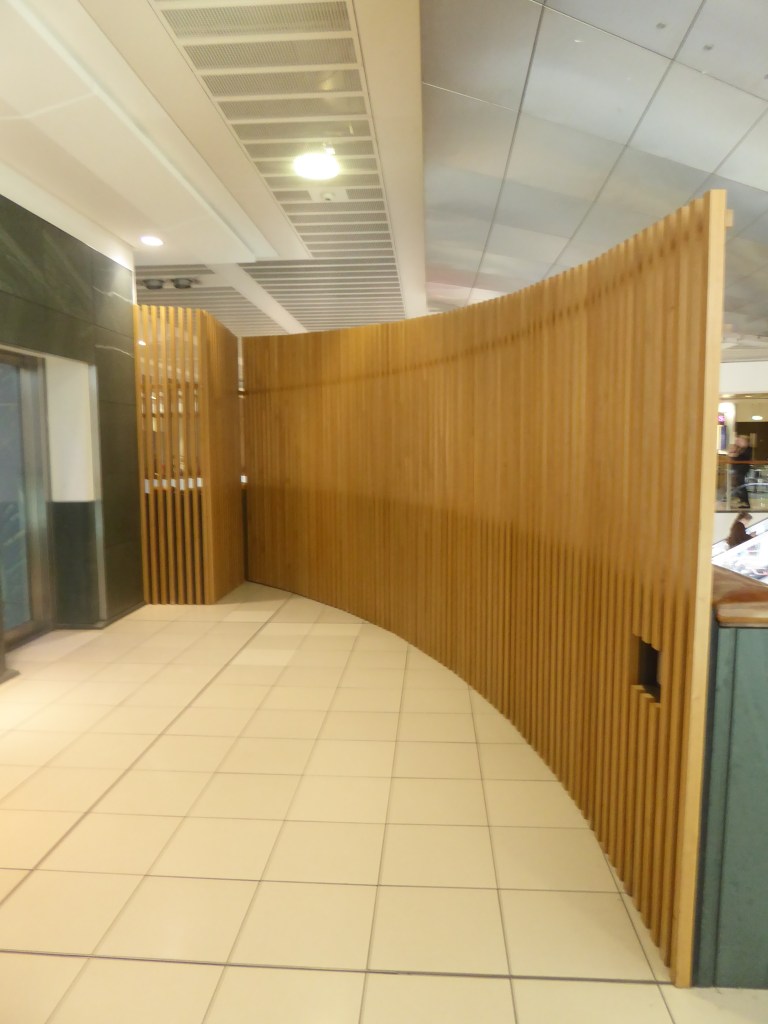
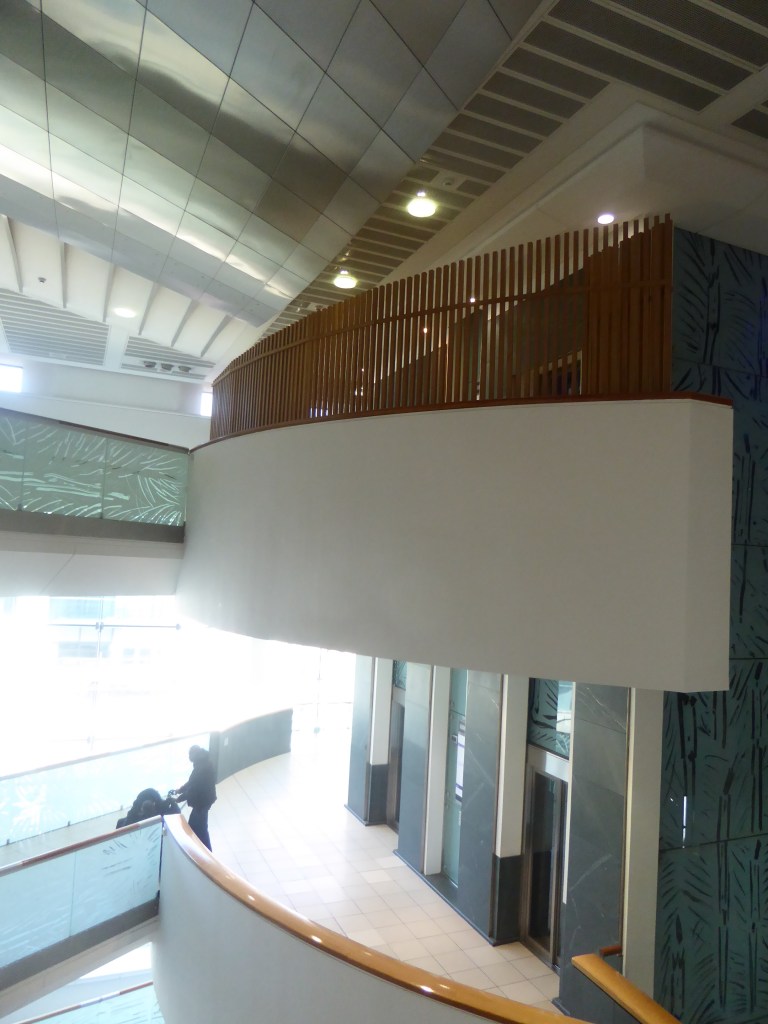
* Now I’m left asking:
Start? History?
I decided to dig a little deeper into this acoustic brown wood panel phenomenon. It turns out this isn’t just a random coincidence that I’ve been spotting in Glasgow cafés and shops — it’s part of a genuine global interior design trend that really took off around the early 2020s and has continued gaining serious momentum through 2026.
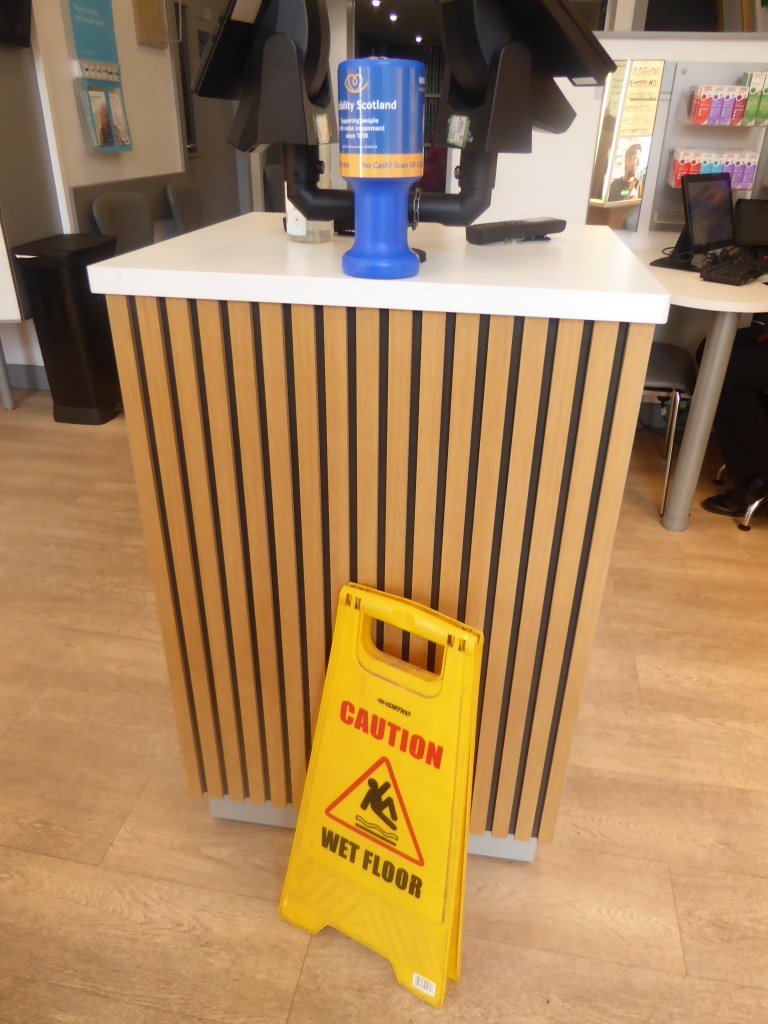
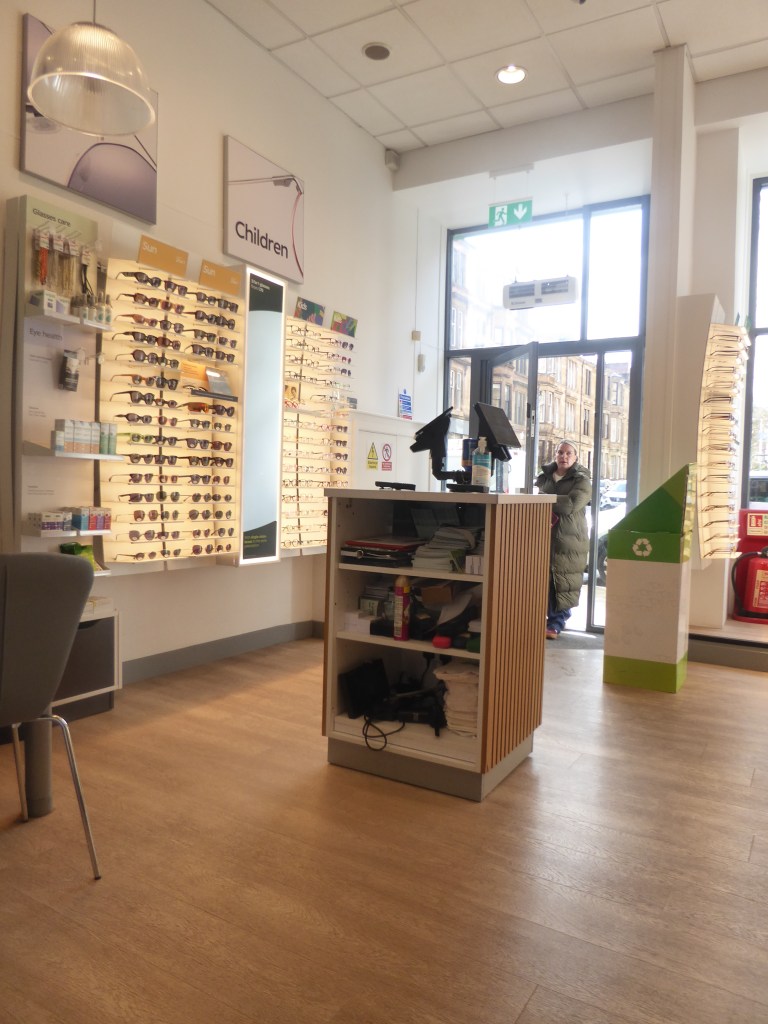
In fact, only last week I was in a Specsavers and saw them; and then simply had to ask when did they have them installed? A few years ago? She looked back and started to laugh, “Oh, only about 6 or 7 months ago”!
Apparently, this style is called Japandi, Scandinavian-modern, and biophilic design (bringing nature indoors). With even Australia getting into the act; https://cladsmart.com.au/
And also the Chinese firm, Carsem:
https://www.carsemfloor.com/wall-panel.html
Where they swear that; “Our panel wall boards help people create hearing-friendly spaces where they can better live, work, learn, play, and heal.”?
“Heal”? Perhaps that’s taking it a bit too far.
* A quick history lesson 0n Japandi
So those warm brown wood panels aren’t just random — they slot perfectly into the Japandi trend that’s been quietly taking over recently. Japandi is a mixture between Japanese minimalism and Scandinavian cosiness (hence the mash-up name).
The story goes back about 150 years: after Japan finally opened its borders in the 1850s–60s, curious Danish designers and artists started visiting. They fell head over heels for the clean lines, natural materials, and a philosophy of beauty in simplicity. It DOES look Danish or Swedish, doesn’t it?
Fast-forward to the 2020s and boom — everyone wanted serene, clutter-free spaces that still felt welcoming, maybe during COVID? That’s why the same earthy wood tones keep popping up everywhere from here in Glasgow cafés to your local vape shop!
Trends really do start somewhere… and right now, Japandi feels like it’s winning.









































































 Curious Bystander