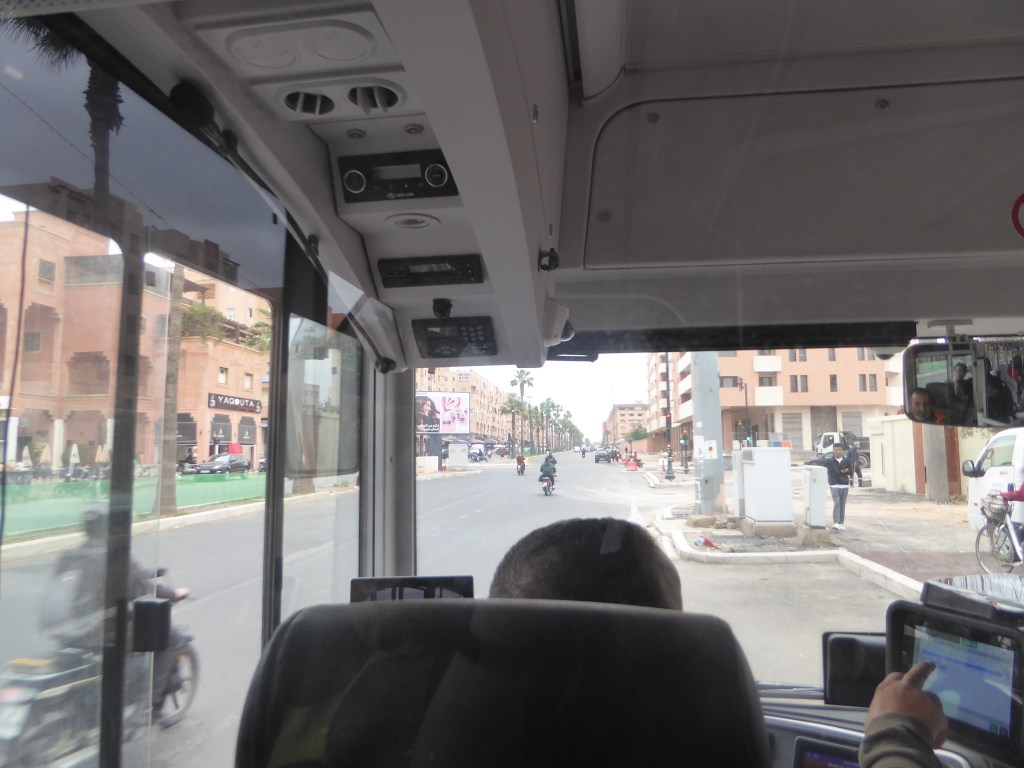
Marrakesh feels like three cities in one. There’s the sleek Ville Nouvelle, the modern new town—where we stayed, with wide boulevards (including one named after John F. Kennedy), grand villas that could pass for Beverly Hills, lush forests of trees, and beautifully manicured lawns. It sits near the airport and a large artificial reservoir, giving the area a surprisingly green and spacious feel.
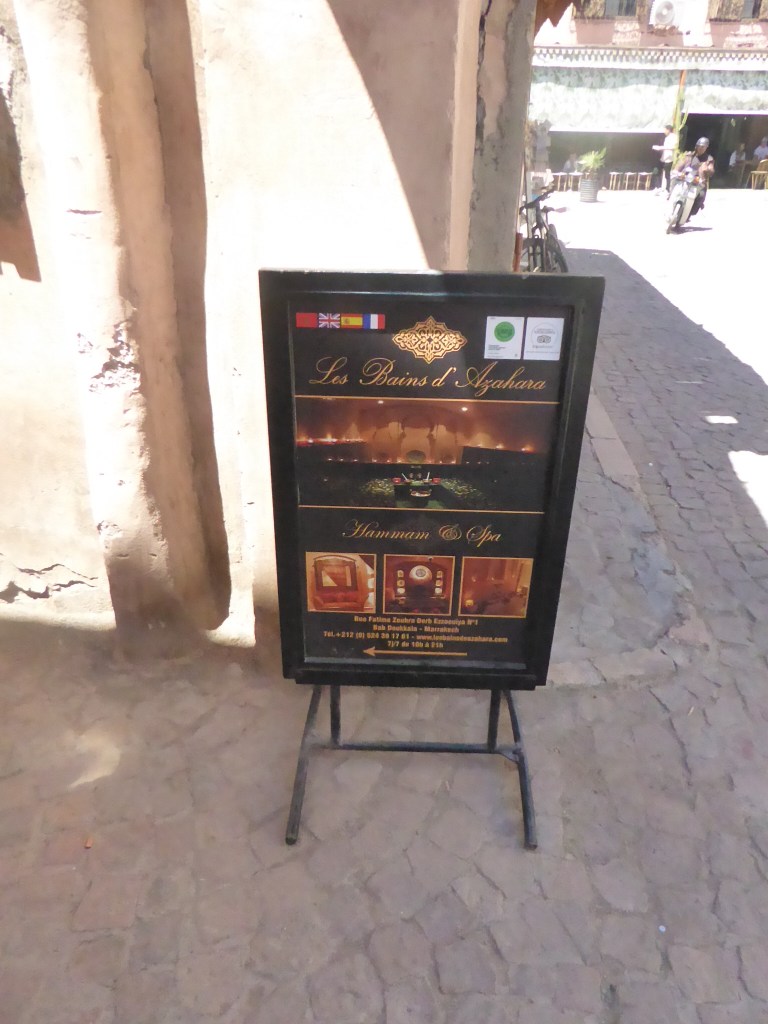
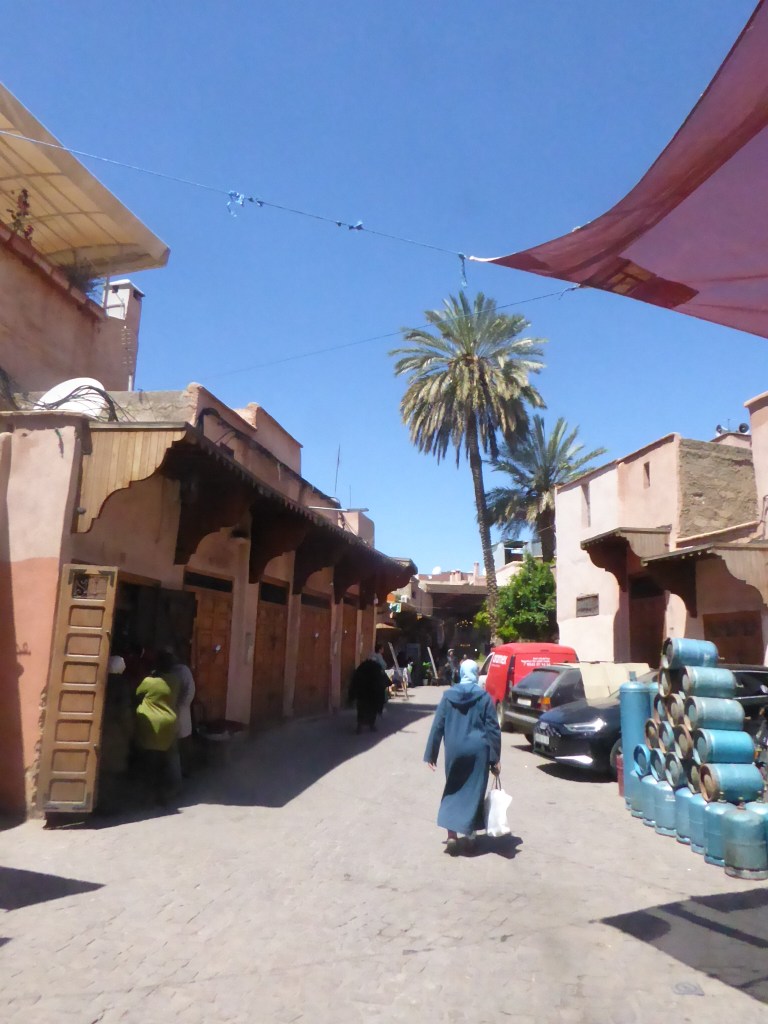
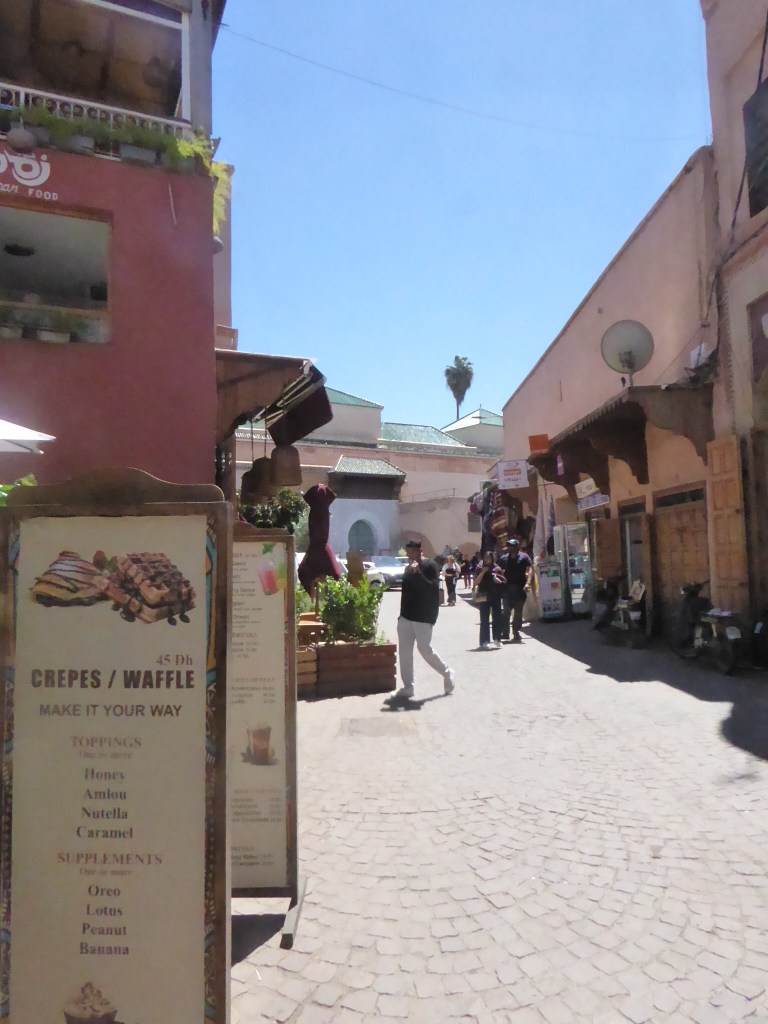
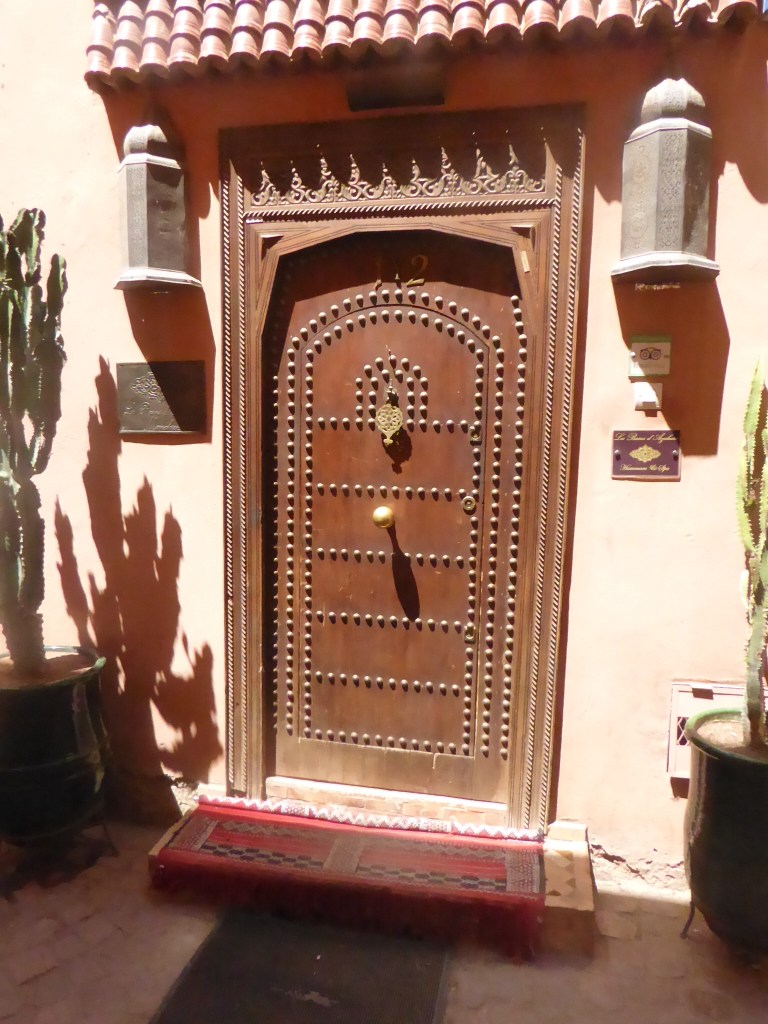
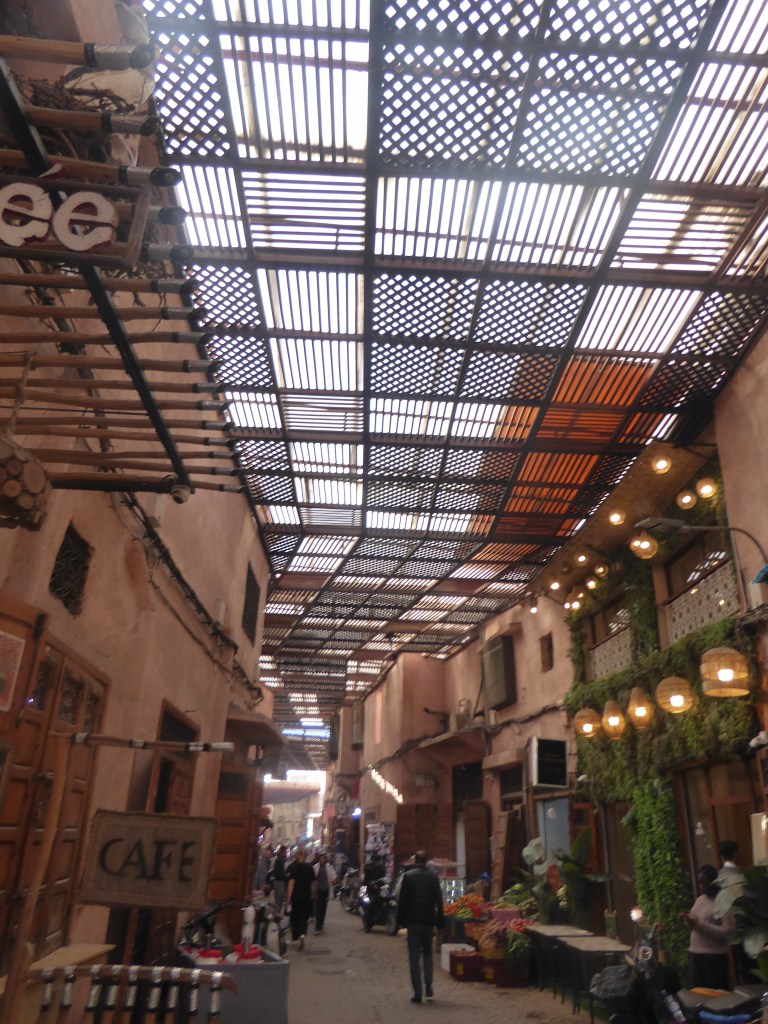
Then there’s the ancient heart of the city: the Medina. Yes, it’s noisy, chaotic, and packed with life. People actually live there—families, shopkeepers, craftsmen—going about their days amid the scooters darting through narrow alleys and constant activity. It’s easy to think about the touts and beggars, but if you don’t go looking for them, they become little more than background noise. We found them rarely aggressive, and the whole experience had a playful, almost game-like quality to it. They enjoy to haggle and expect you to do it as well.
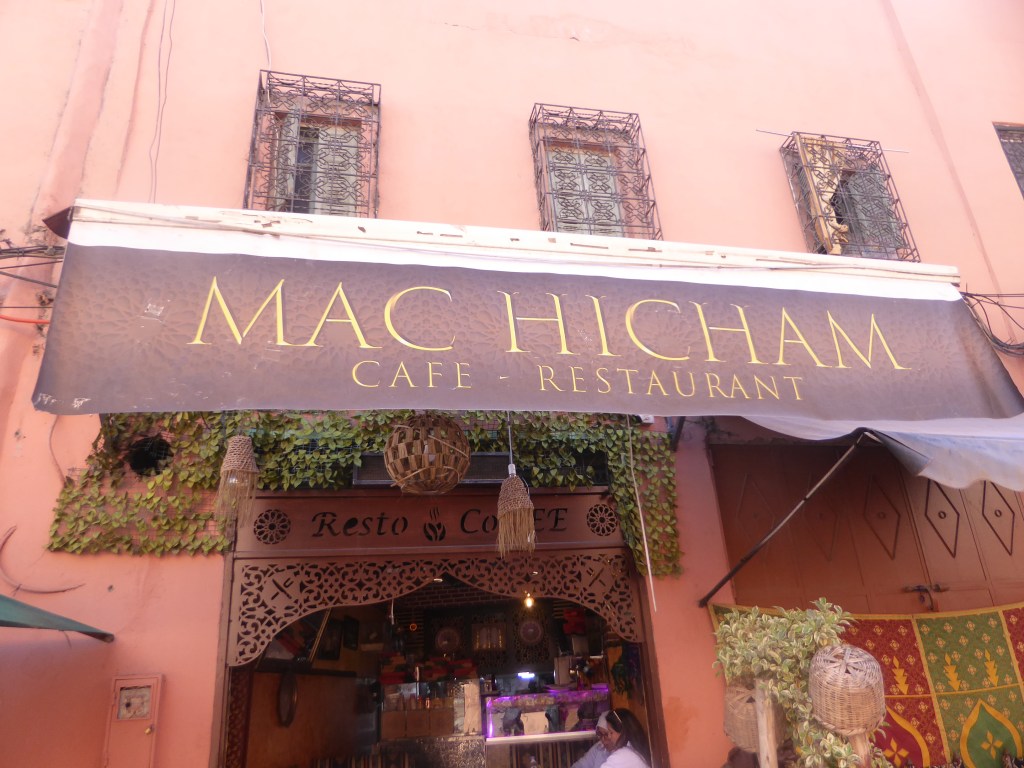
What surprised us most was how cool and vibrant parts of the Medina feel. Trendy cafés, hairdressers, traditional massage houses offering oil treatments and hammams, and that unmistakable French colonial influence still lingering in the atmosphere. Deadly little motorcycles sped through the lanes, but somehow it all works. We discovered one or two excellent restaurants and left with the strong impression that the Medina is not just a tourist trap—it’s a genuinely enjoyable place to wander, eat, and soak it all in.
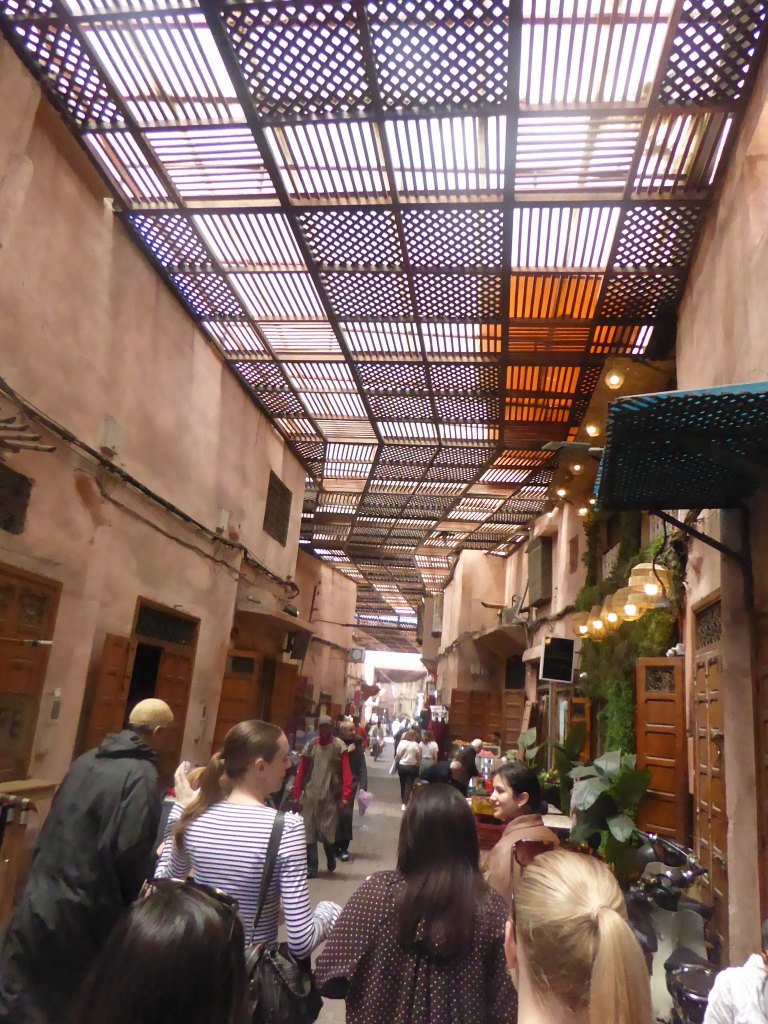
The Cooking Course – Keen to do more than just sightseeing (as we had in Mallorca in Spain the year before), we signed up for a Moroccan cooking class. It turned out to be one of the trip’s highlights.
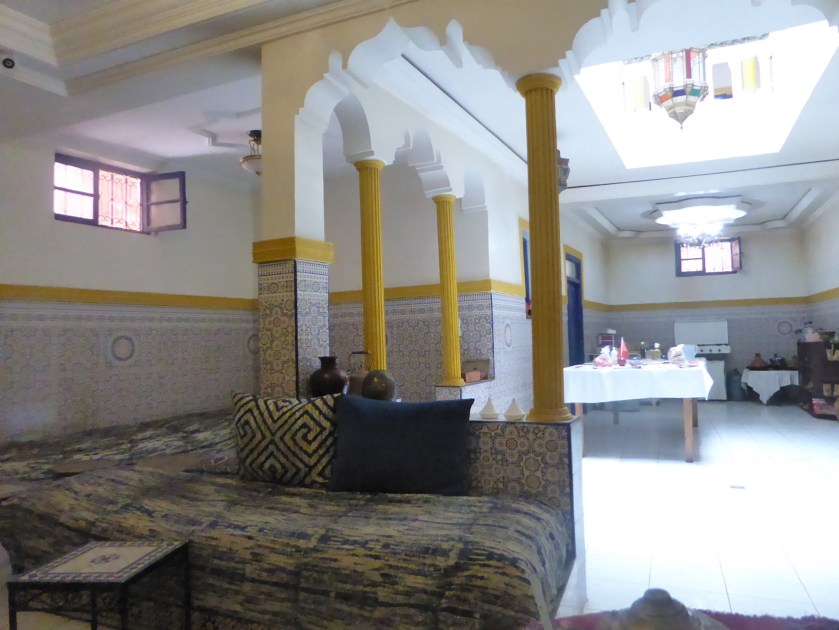
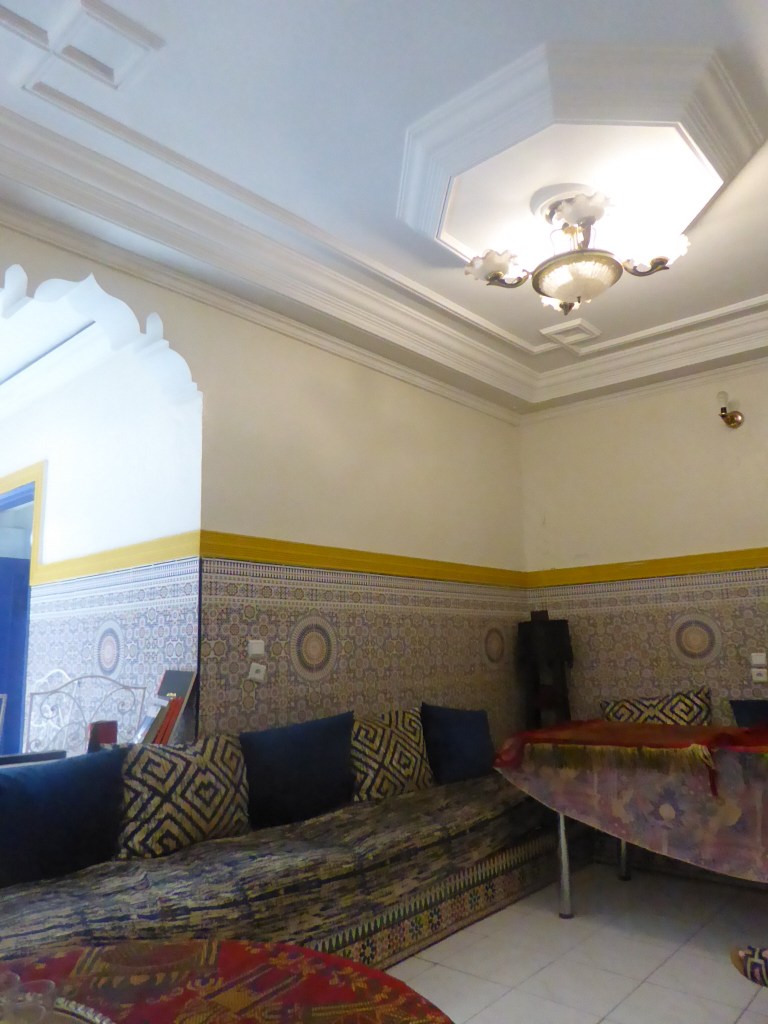
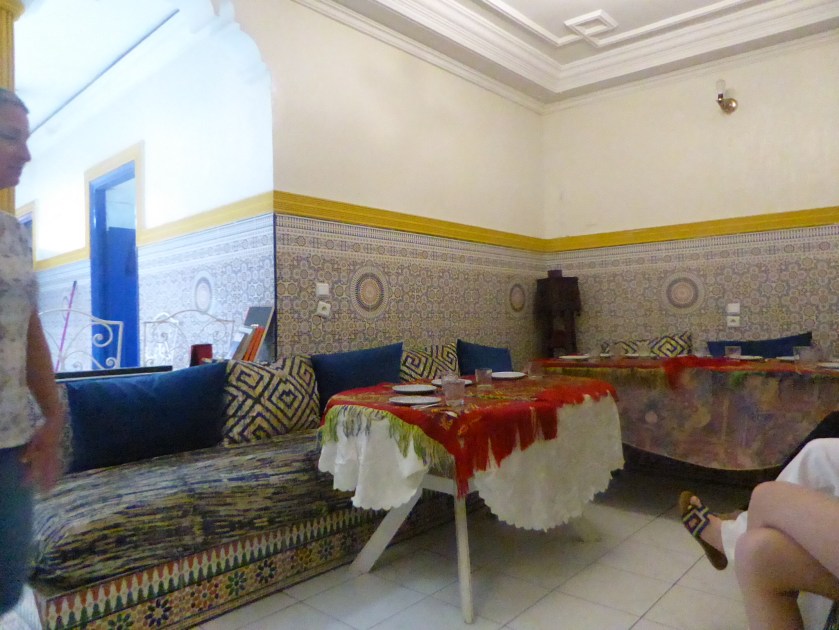
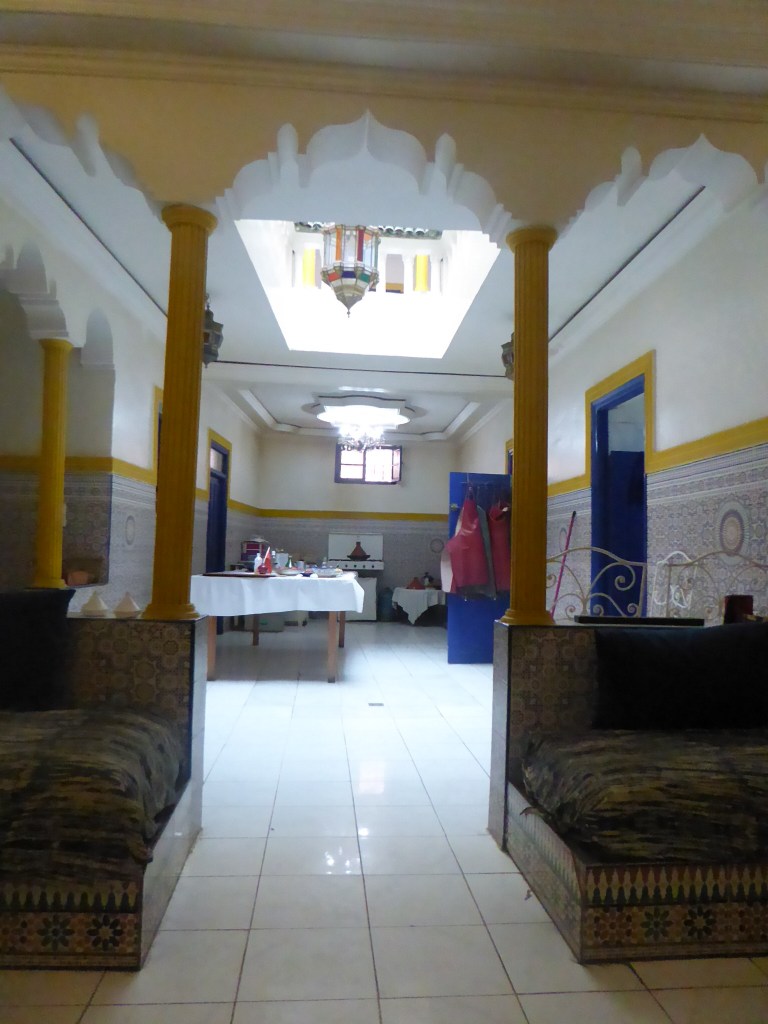
The format is impressively efficient: the same team runs two to three classes, three times a day, charging proper Western prices but delivering fantastic value. Our group of about 15 met in the Medina (above), then set off on a lively shopping expedition—buying fresh chicken, beef, vegetables, and spices from different stalls. We then headed back to a beautiful traditional house where the classes are held.
The experience was wonderfully hands-on. Our teacher was excellent—confident, generous with tips, and clearly passionate. Upstairs, another group was doing the baking course, which looked equally tempting (next time, I’m definitely signing up for that). Downstairs, the grandmother worked quietly in the background, prepping ingredients, cleaning, and baking with quiet expertise.
One memorable trick she shared: to make a rich, smoky aubergine (eggplant) paste, place the whole raw aubergines directly over an open flame. The skin chars and blisters, infusing the flesh with incredible flavour. Once cooled, it peels away easily, leaving you with something far superior to the usual methods.
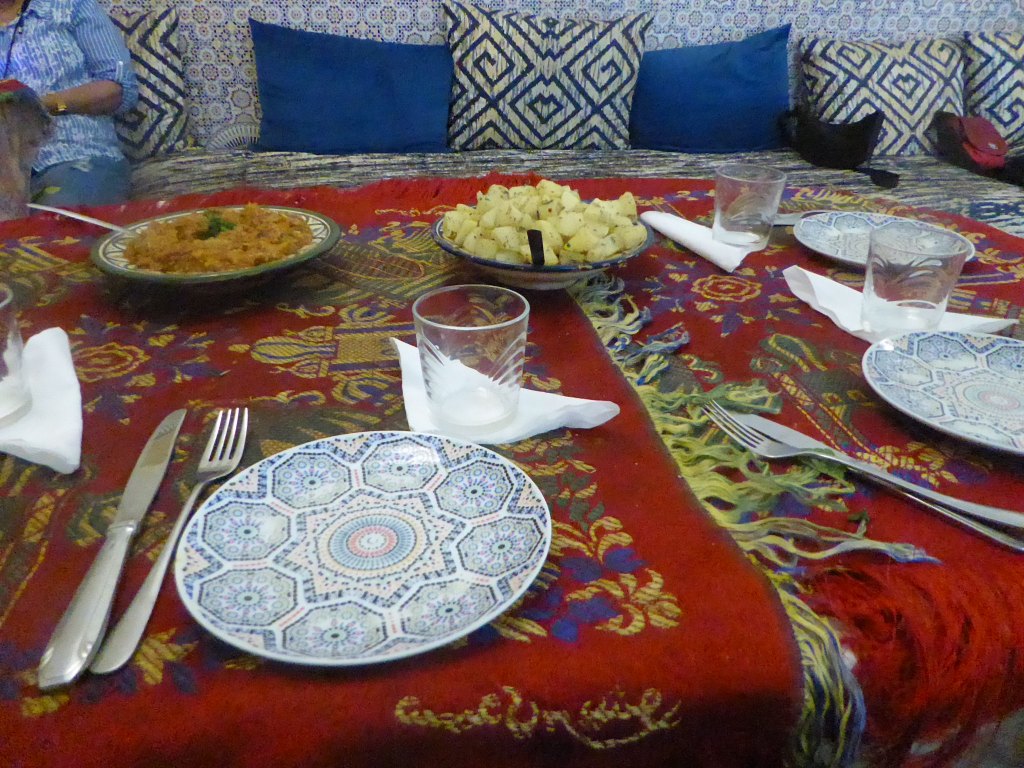
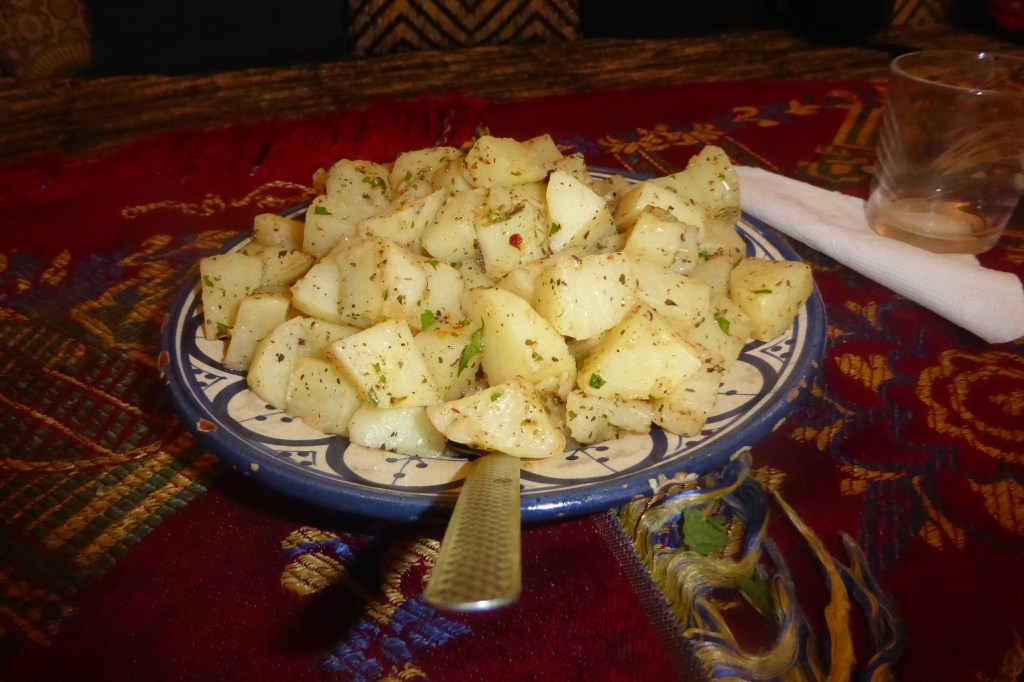
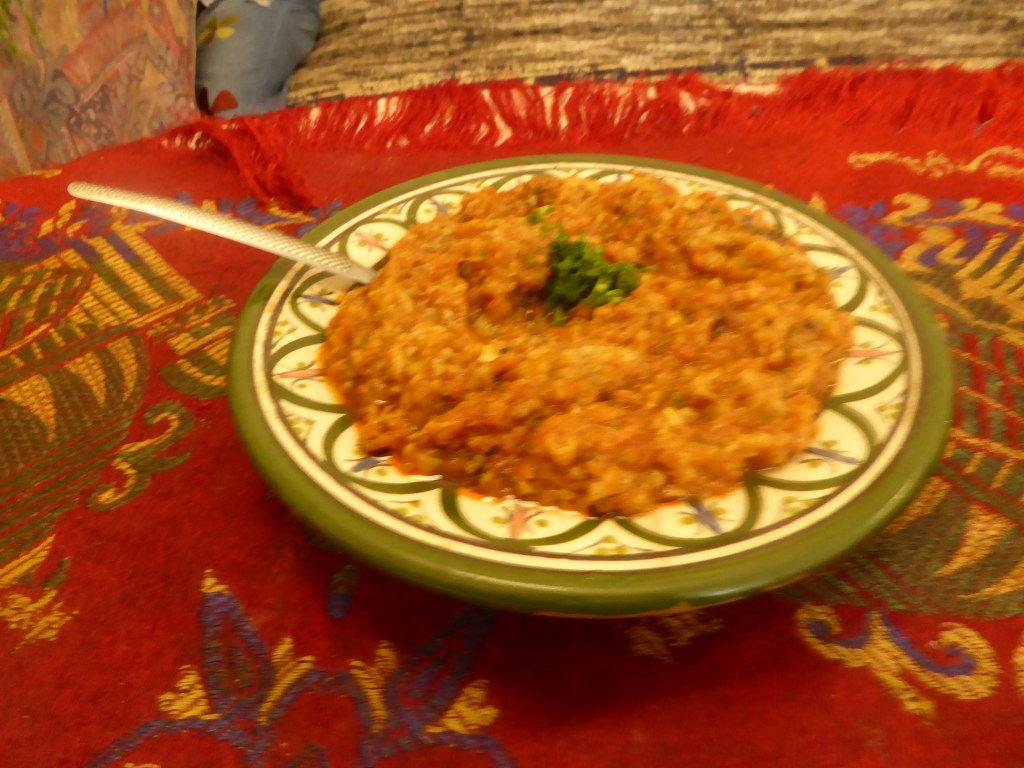
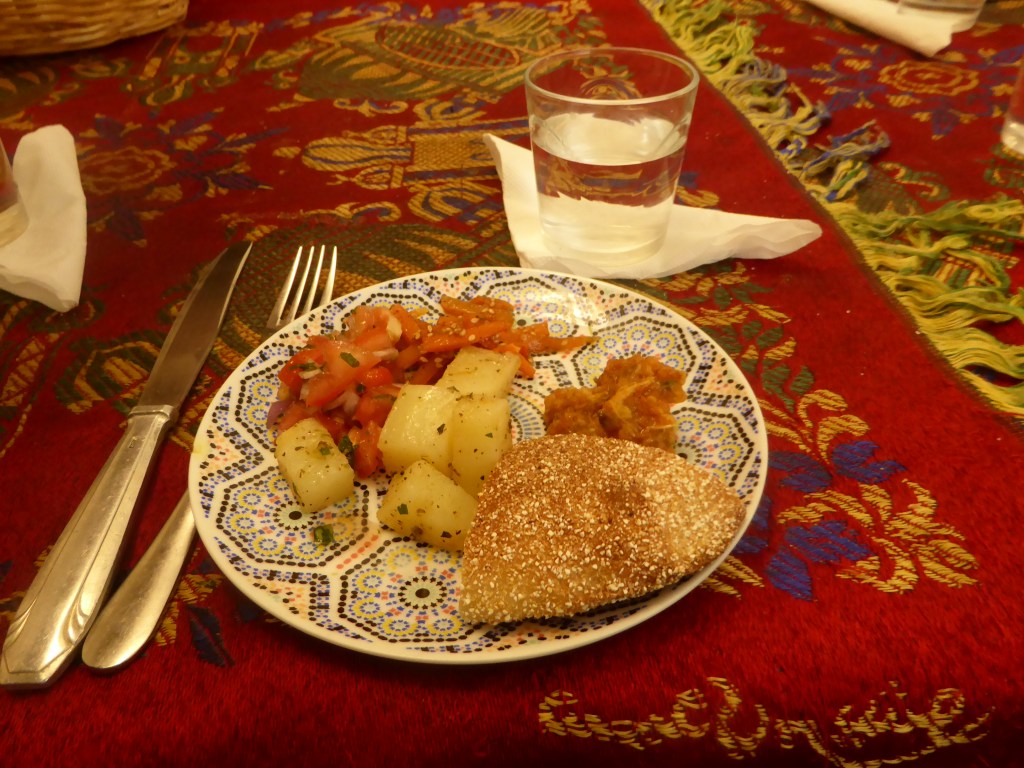
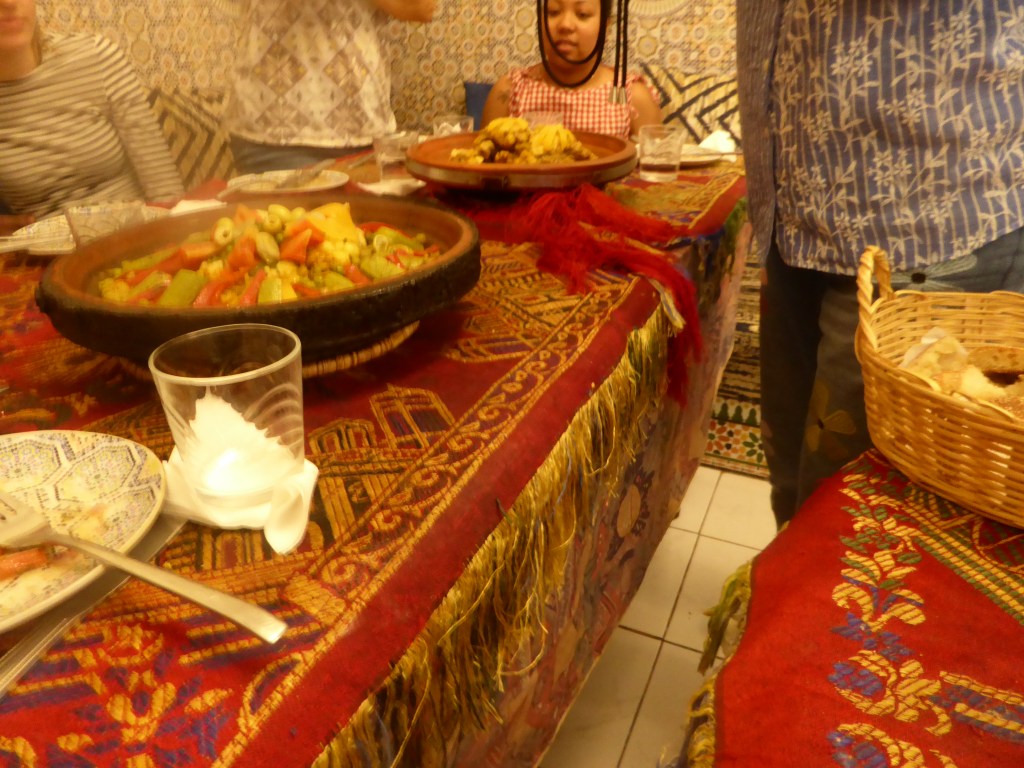
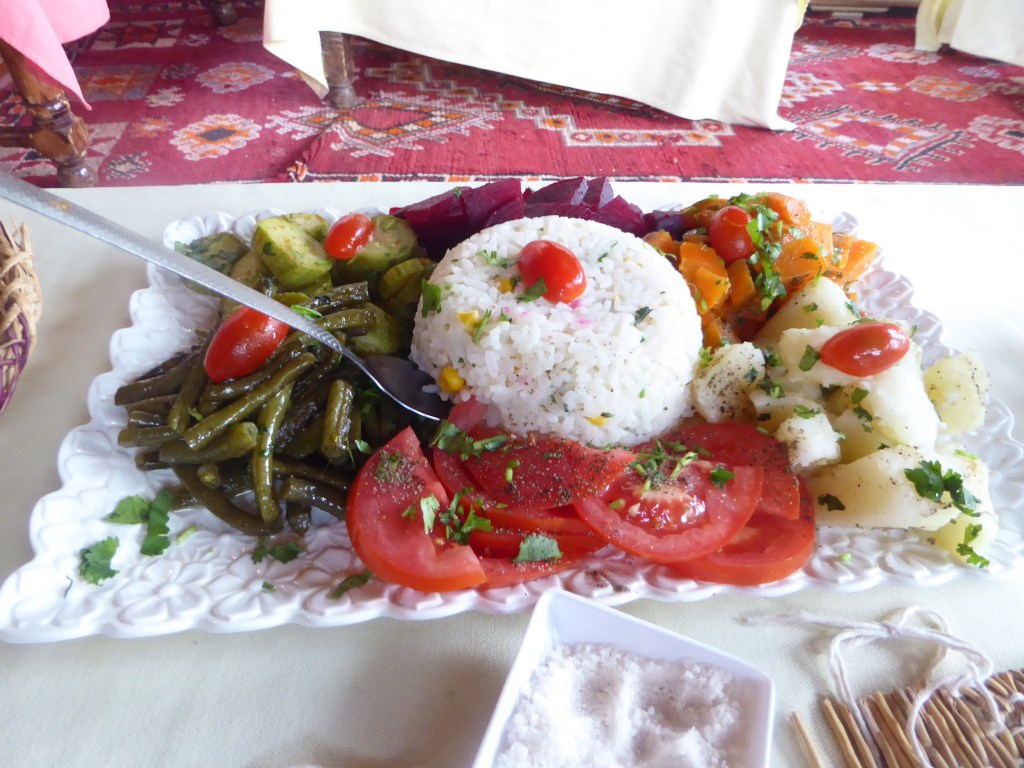
Everything was cooked in beautiful tagines—those iconic conical ceramic pots that trap steam and gently infuse the ingredients. We prepared a generous spread of vegetable and meat tagines, all bursting with flavour. The meal stretched to four or five courses, and we washed it all down with plenty of sweet Moroccan mint tea.
The Art of Moroccan Mint Tea
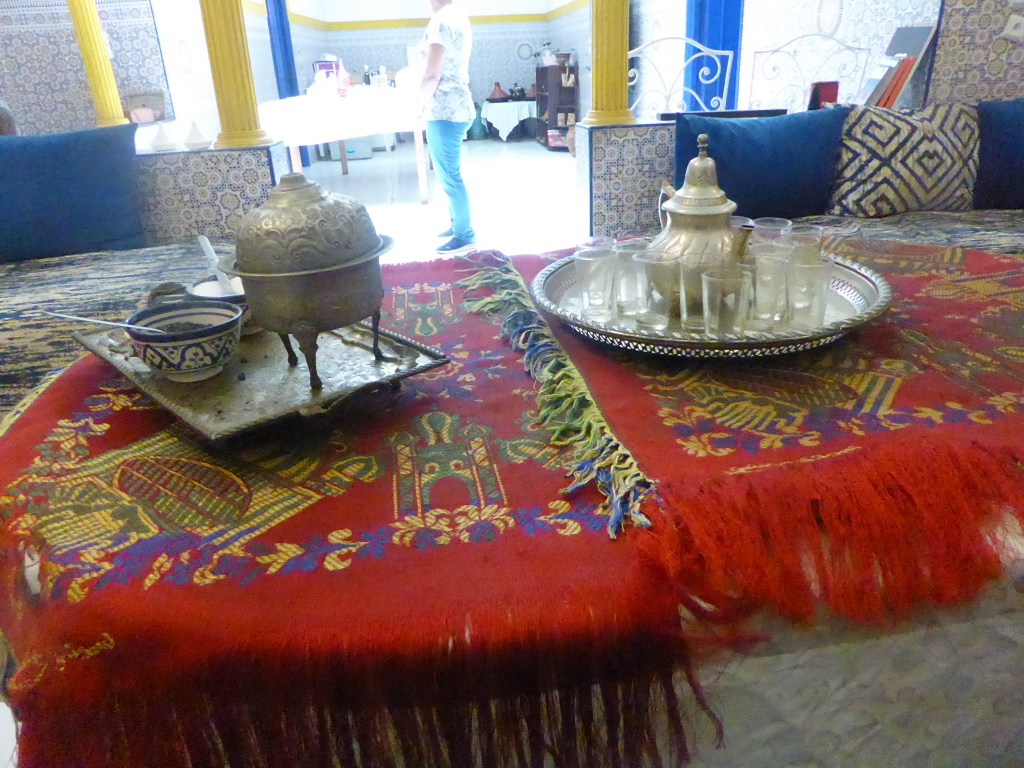
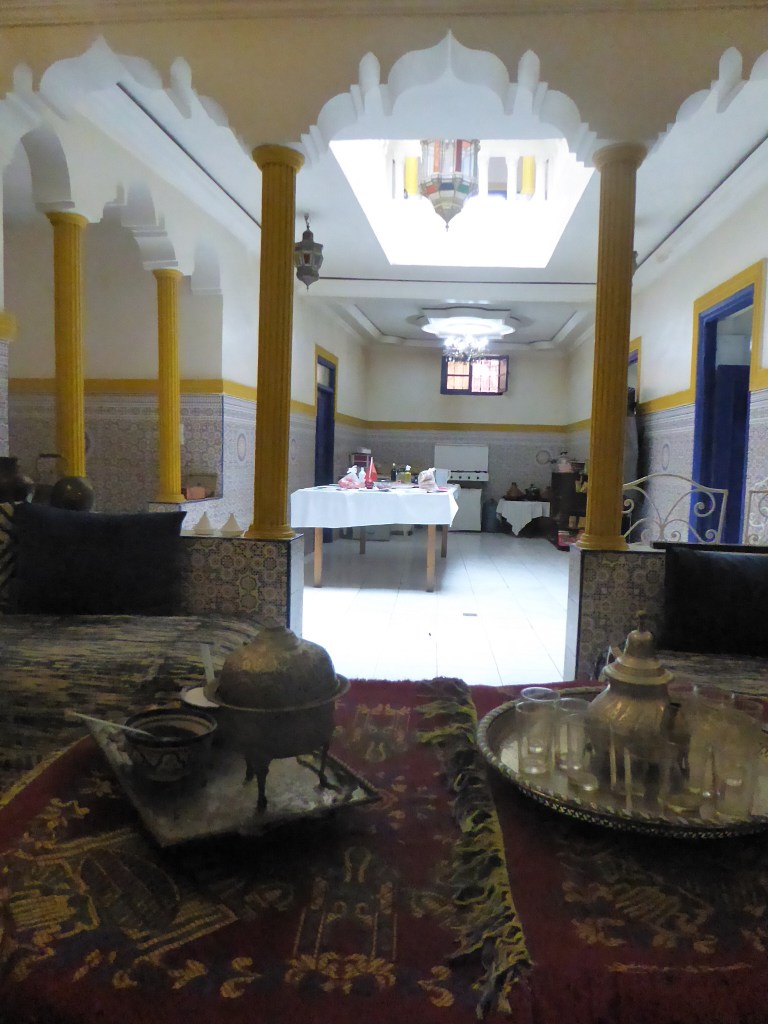
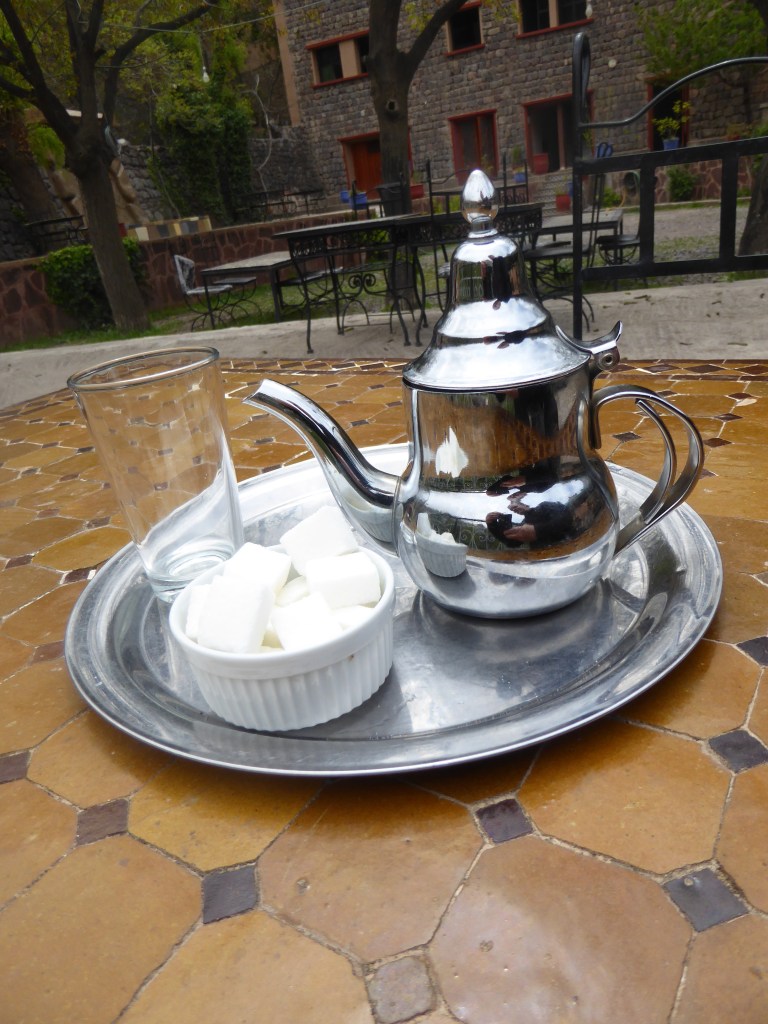
I quickly became addicted to the tea. It’s not just green tea with mint thrown in—it’s a proper ritual. The base is green tea, which brings a pleasant bitterness, balanced by generous handfuls of fresh spearmint. They brew it with care (sometimes discarding the first short infusion), then sweeten it generously.
The serving style is pure theatre: you pour from a height of one or two feet, raising and lowering the teapot to create a beautiful stream and a crown of bubbles on top. “No bubbles, no tea,” they told us. I loved it—especially extra sweet. At home now, I make it with a low-calorie sweetener so I can enjoy it guilt-free.
All in all, we visited the Medina twice and thoroughly enjoyed both trips. Any initial trepidation quickly melted away. Marrakech is a city of contrast, energy, and warmth—and far more welcoming and interesting than many people assume.
Highly recommended.
CB