“Active Tourism” in Mallorca – A Spanish Cooking Course for Beginners –

One of the most memorable activities we did at our recent stay in Mallorca, was a cooking course, which got me thinking about the concept of “active tourism.”

Years ago, I watched a BBC travel show featuring a 25- to 30-year-old American exploring this idea. He was in a small Spanish village, diving into a river to inspect a stone bridge in need of renovation, actively engaging with the presenter and the task at hand. He got his hands dirty inspecting a dilapidated stone bridge; I laughed and wondered, did he really need to do that?

It was fascinating and also slightly embarrassing. He was just SO enthusiastic, acting as an amateur archaeologist / stone mason!

This concept of active tourism stuck with me; and to be honest, I’m not even sure if that’s the correct word(s) to use?

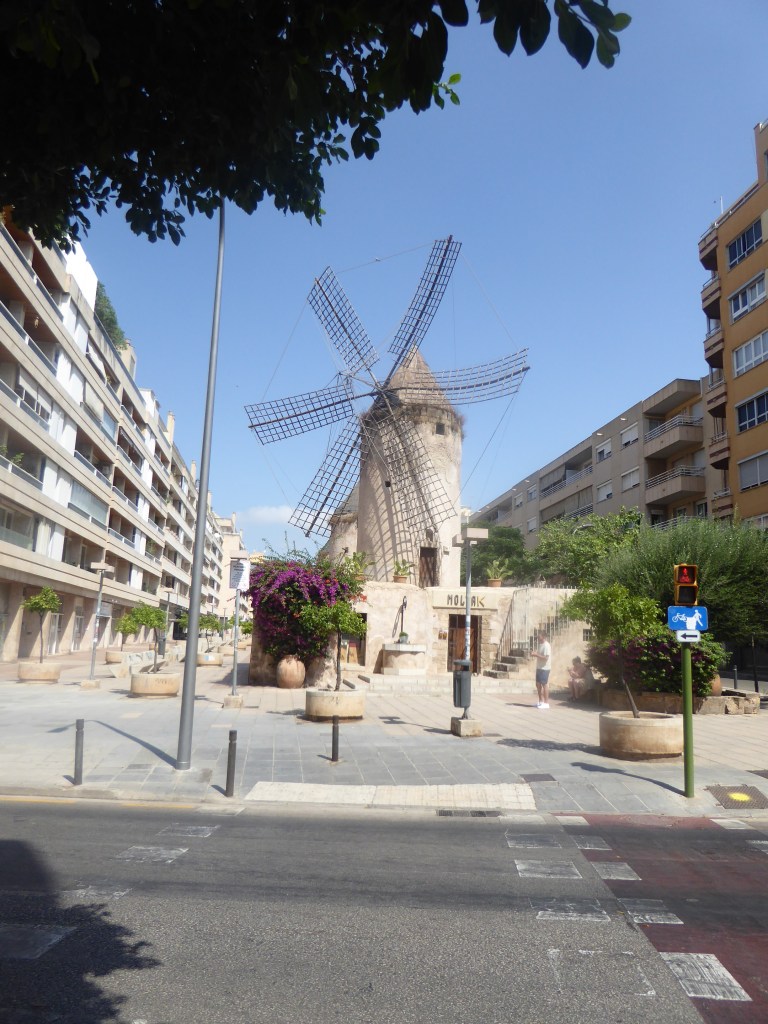
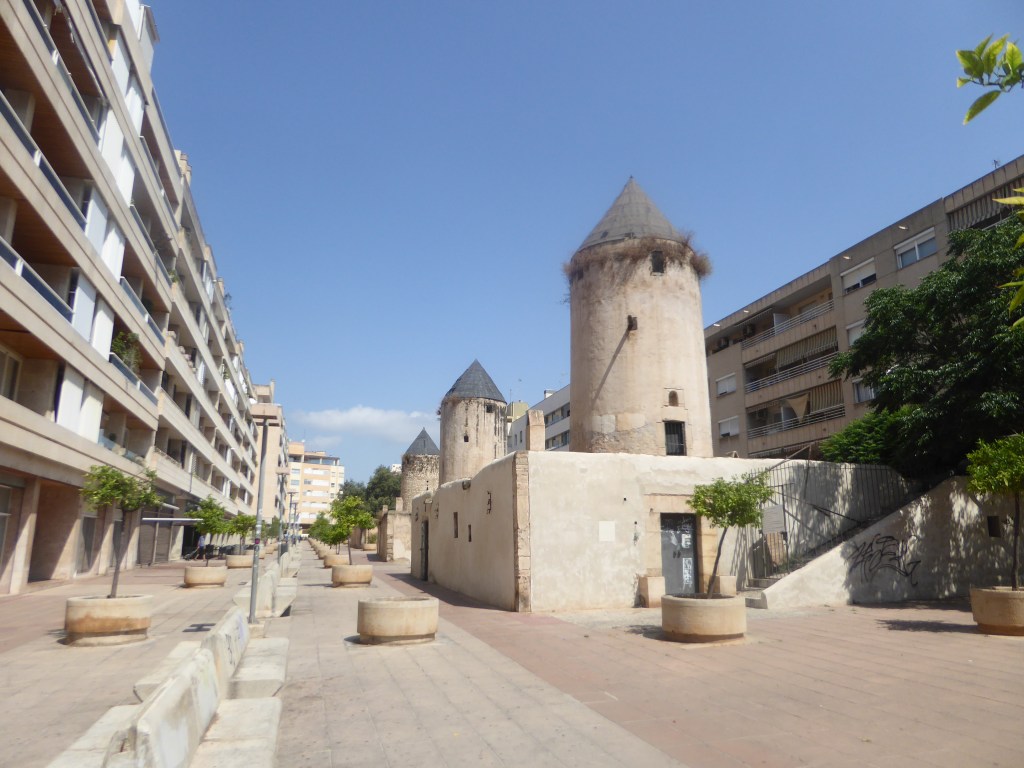
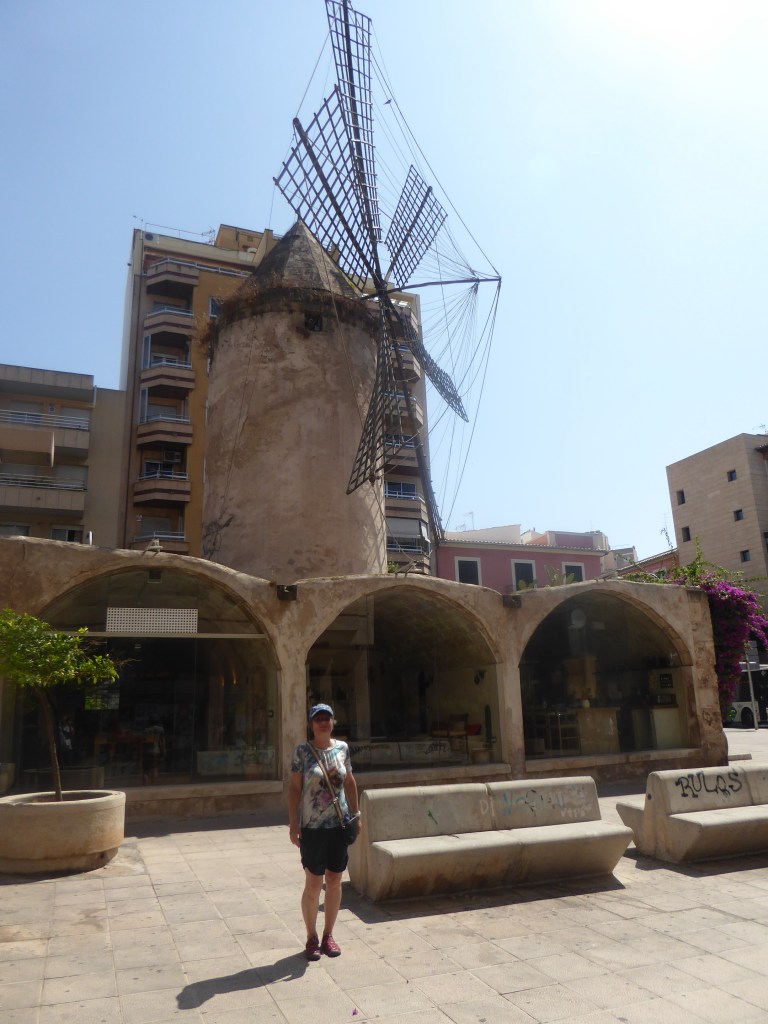
So last month, when my other half and I visited Mallorca, someone recommended a cooking course, inspired by a similar experience they’d had. We decided to give it a try and booked a course in downtown Palma, near some historic windmills (no longer in use).

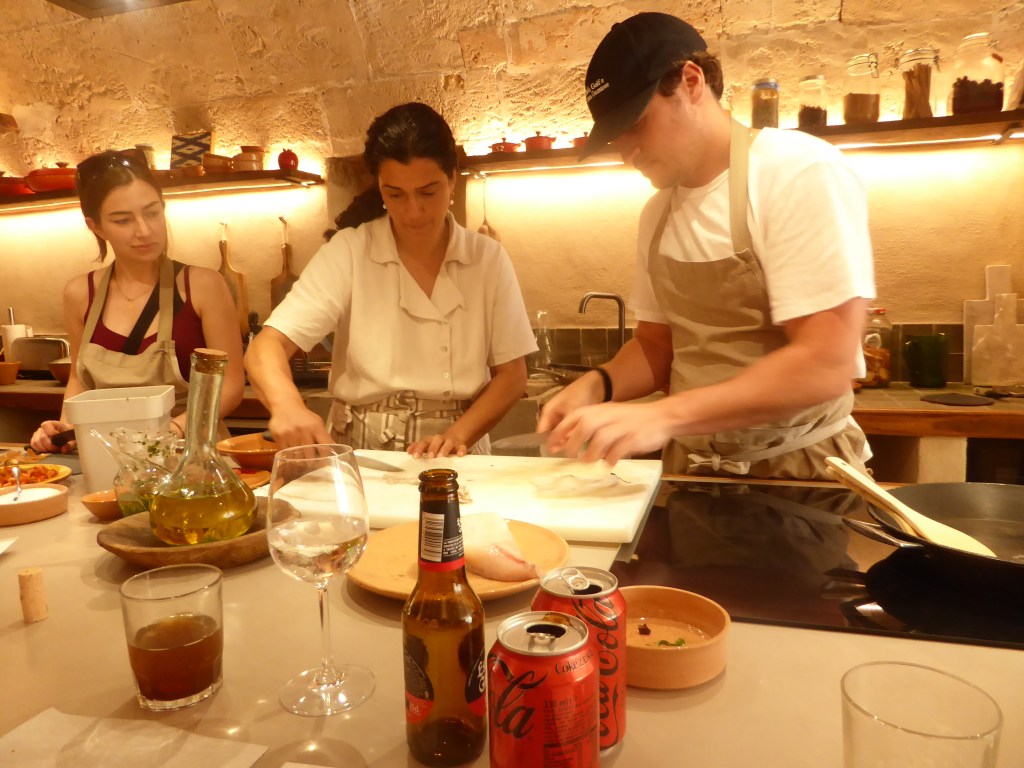
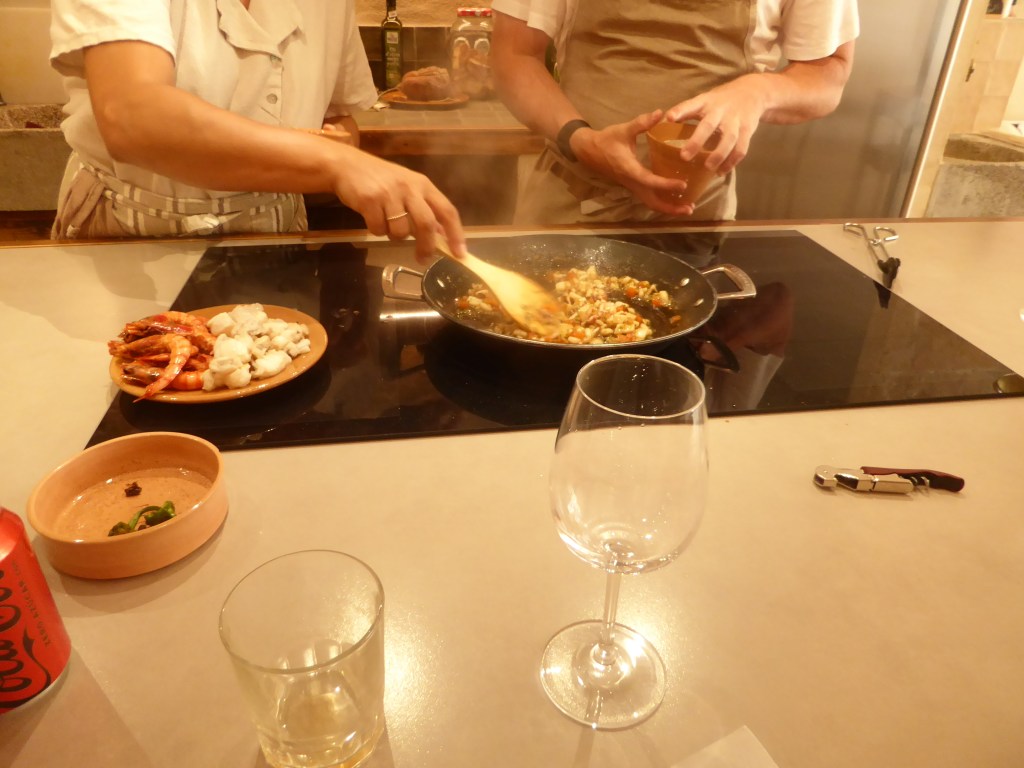
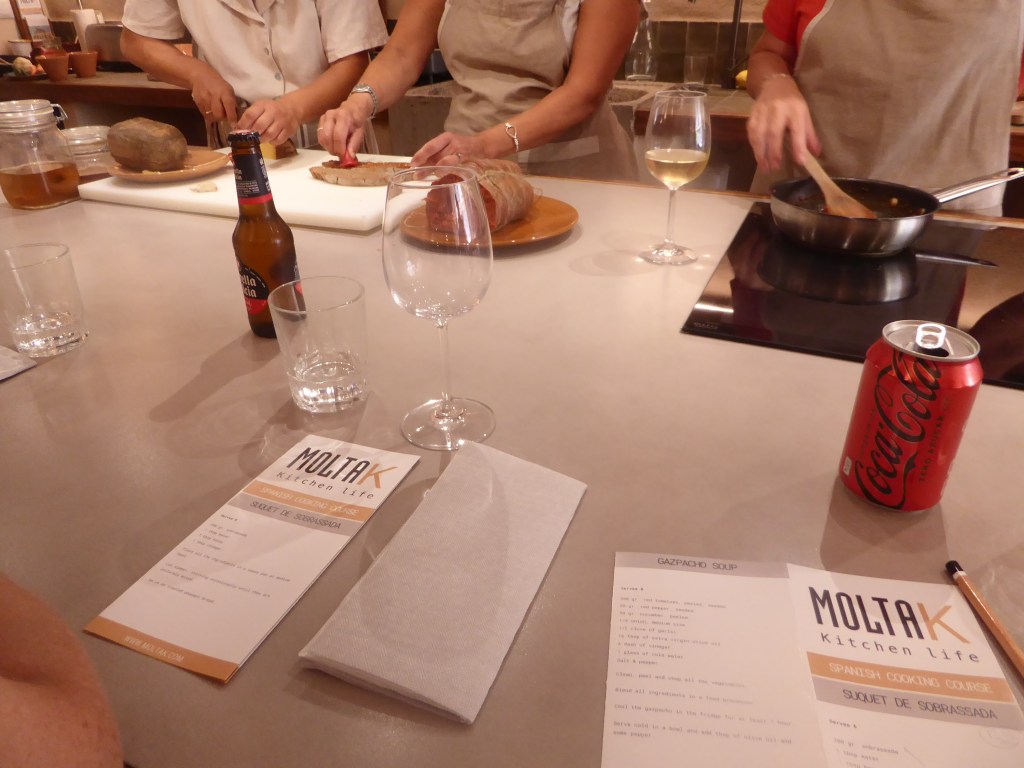
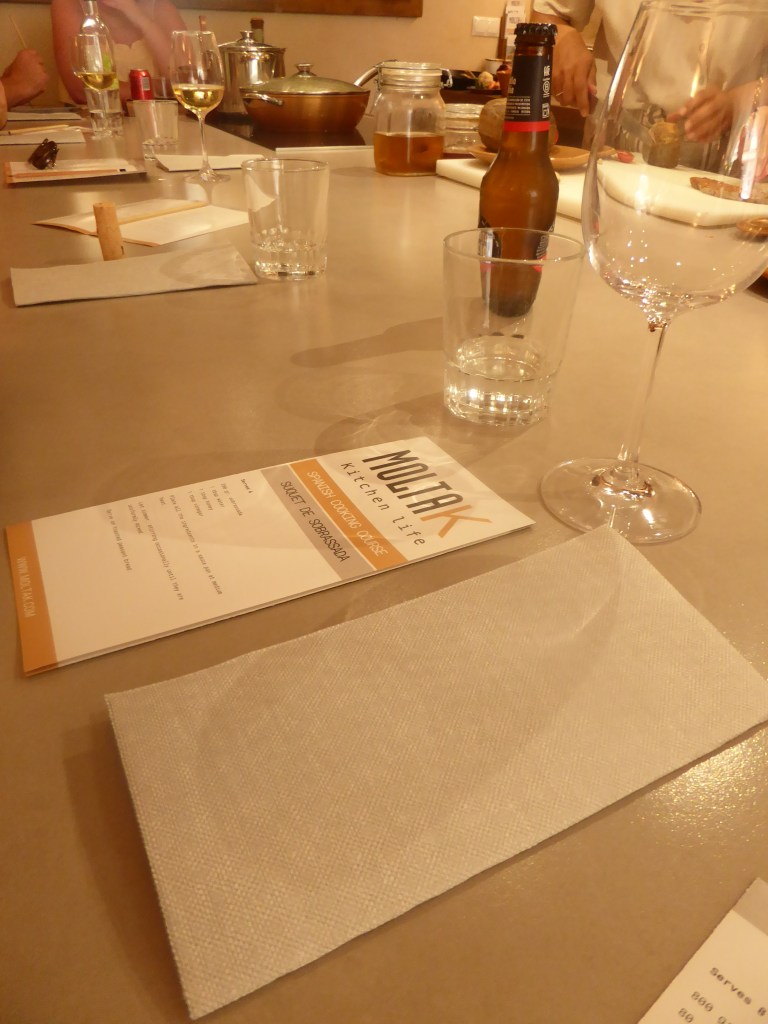
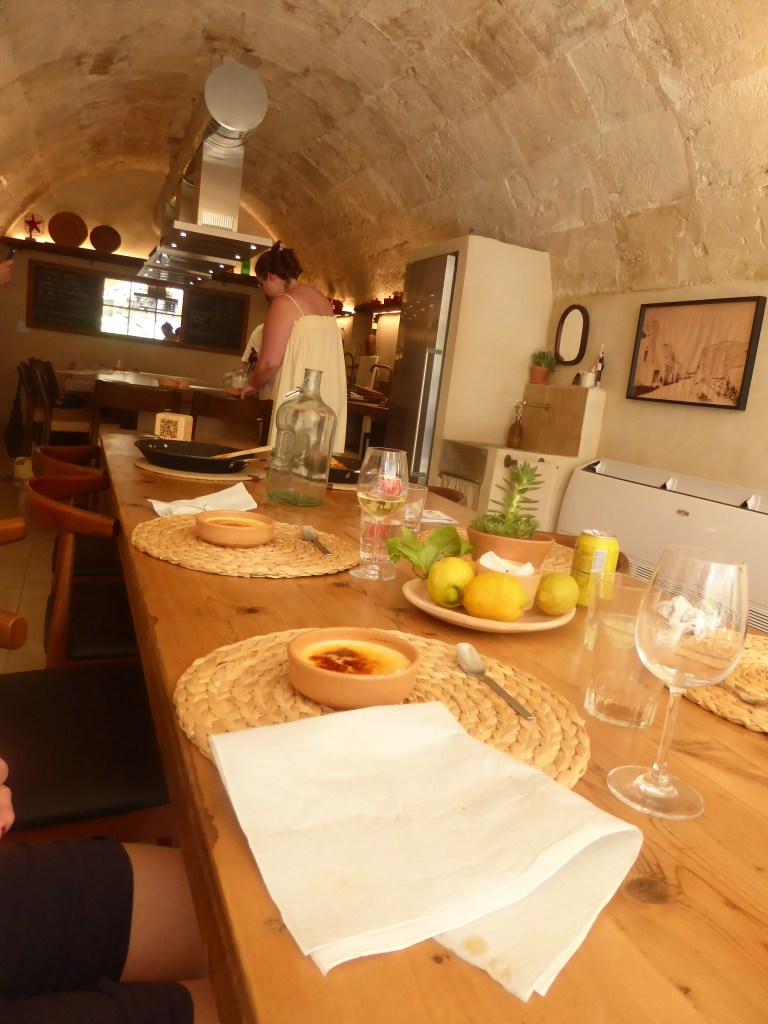
It cost about £80, and it was well worth it. I expected we’d be the only ones there, but the course was fully booked! Our group of 10 to 12 shared one room, while another group of 12 was in a separate room. They ran the course twice a day, so around 40 people were learning authentic Mallorcan, Catalan, and Spanish cuisine daily. The expert chef leading the course had trained in London and was excellent.

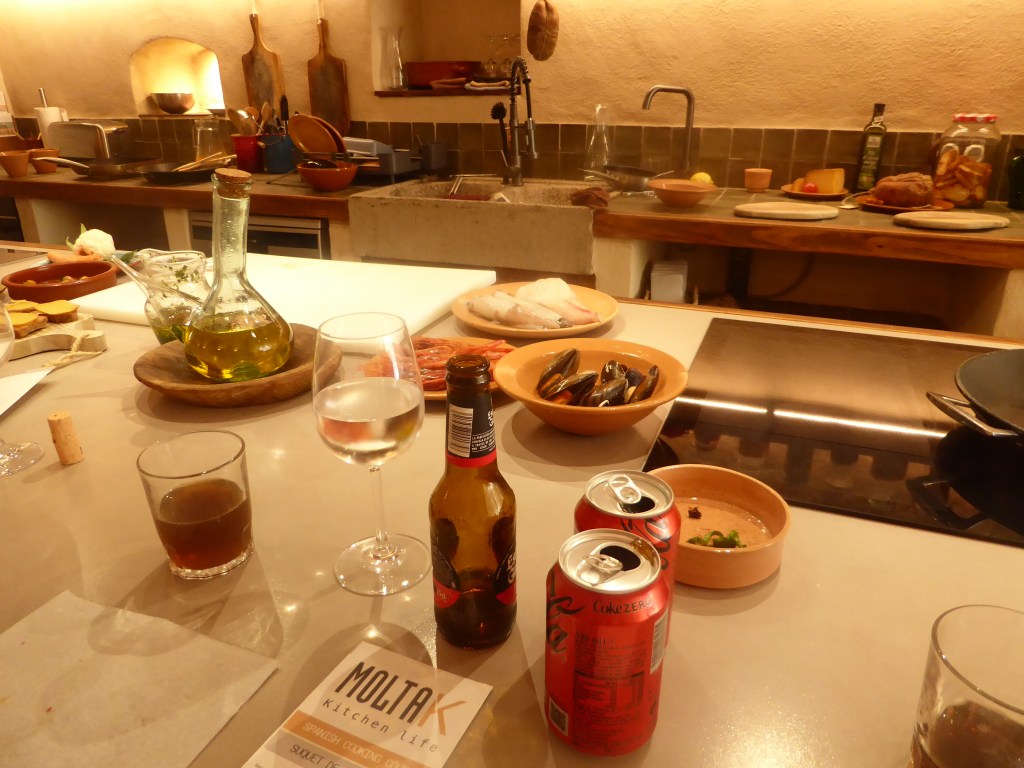
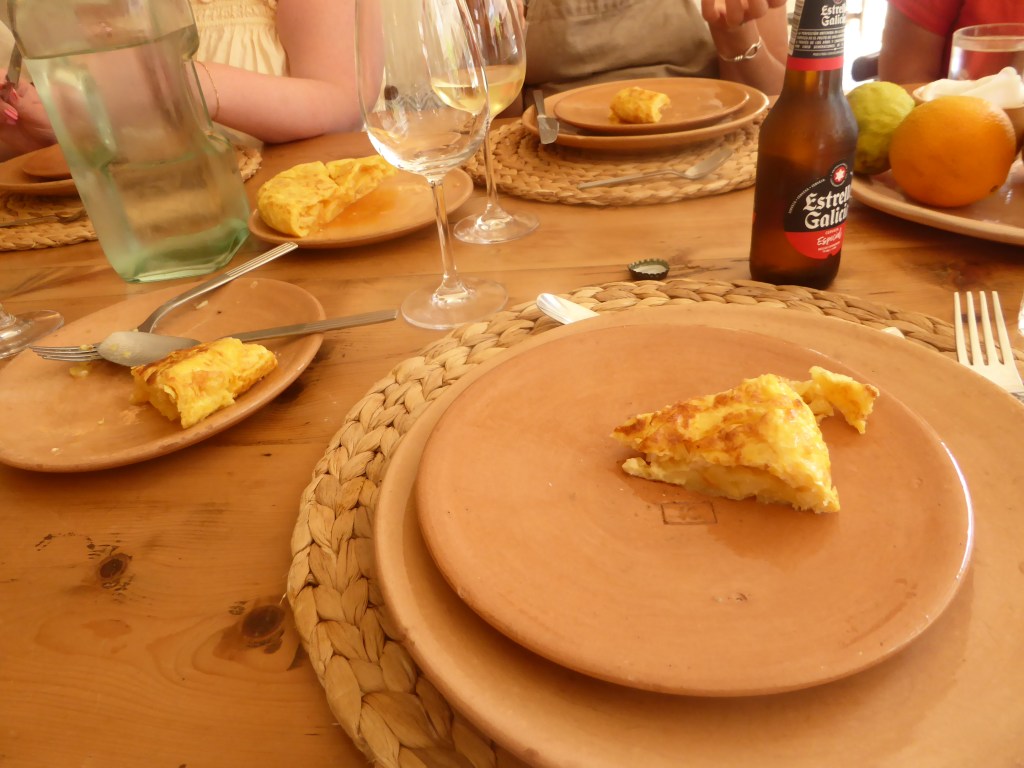
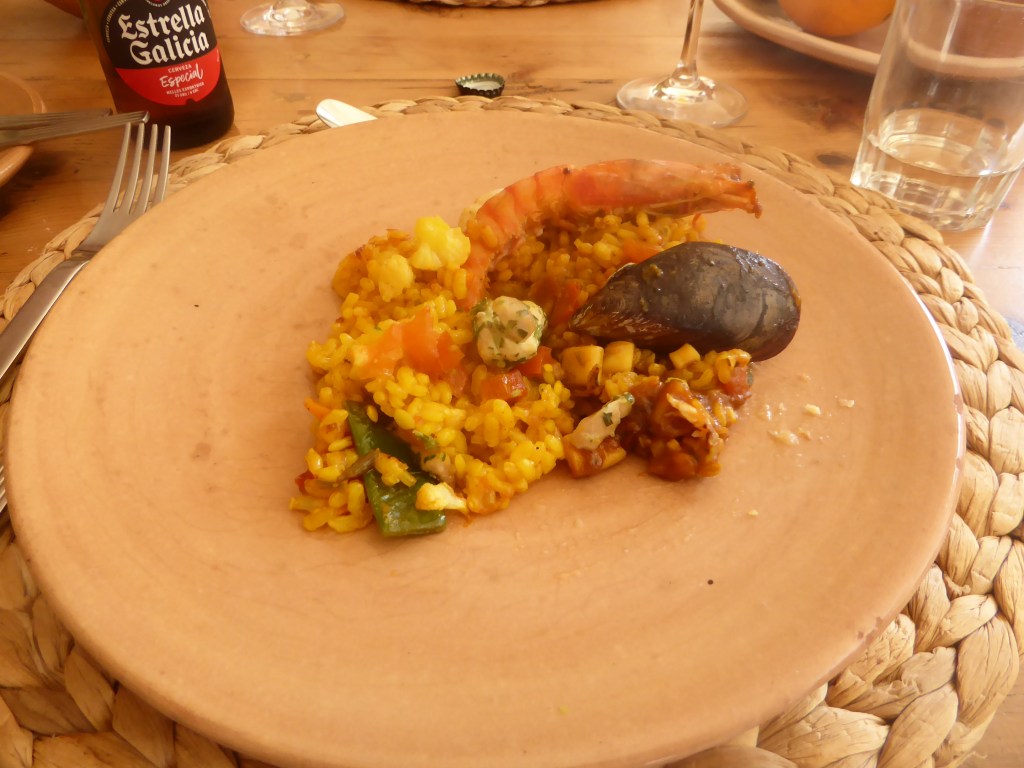
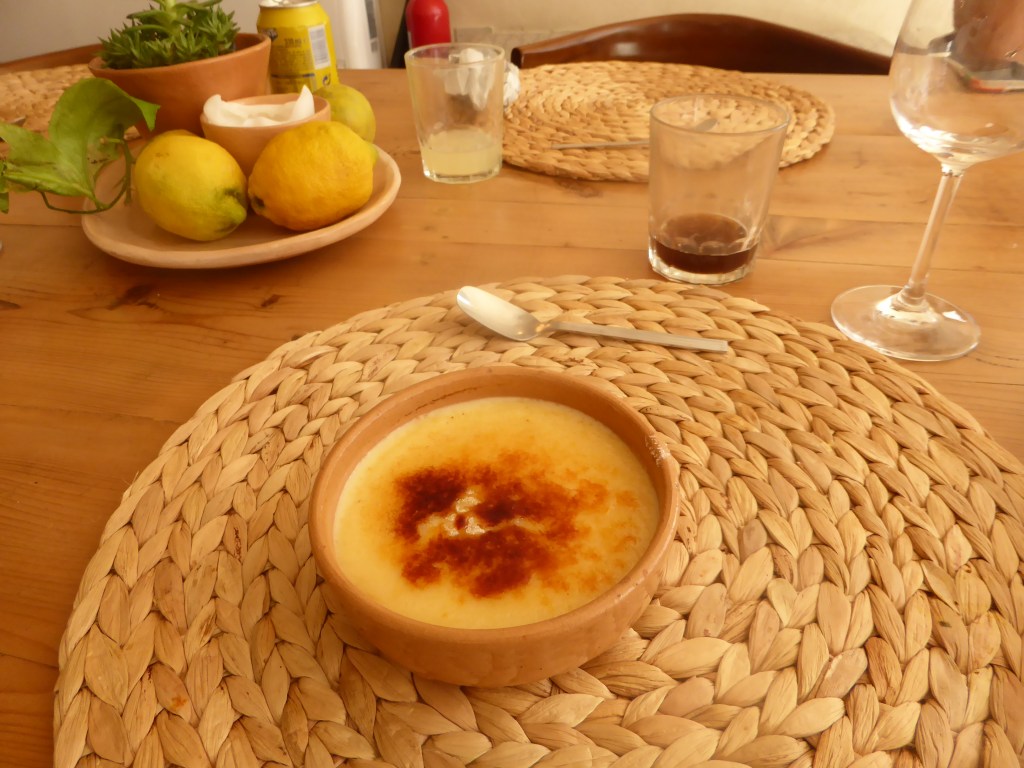
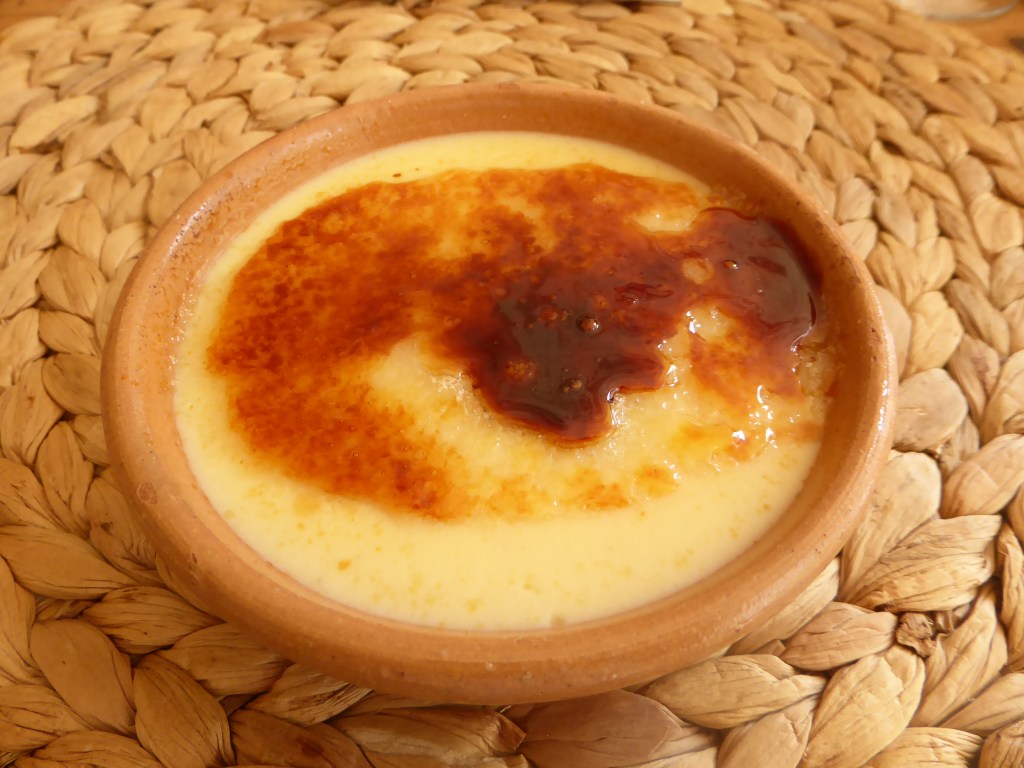
There was even a “free bar” with wine, beer, and soft drinks—though I stuck to a beer and a couple of Diet Cokes. We prepared a five-course meal, including paella (with expert tips), Crema Catalana (similar to Crème Brûlée), a stock, and padrón peppers (the mild green ones, lightly salted and pan-fried). The ingredients were fresh, and the process felt surprisingly simple, though it clearly required skill.

The experience was engaging and hands-on, making it a highlight of the trip. We shared the course with a diverse group—Americans, Germans, and plenty of Brits. It was such a rewarding experience that I’d love to do it again, whether in Spain or another destination. Active tourism (or whatever it’s called), like this cooking course, seems to offer a unique way to connect with a place and its culture.

CB

Mallorca 2025- Part 2 – Let’s watch some ATP Tennis –

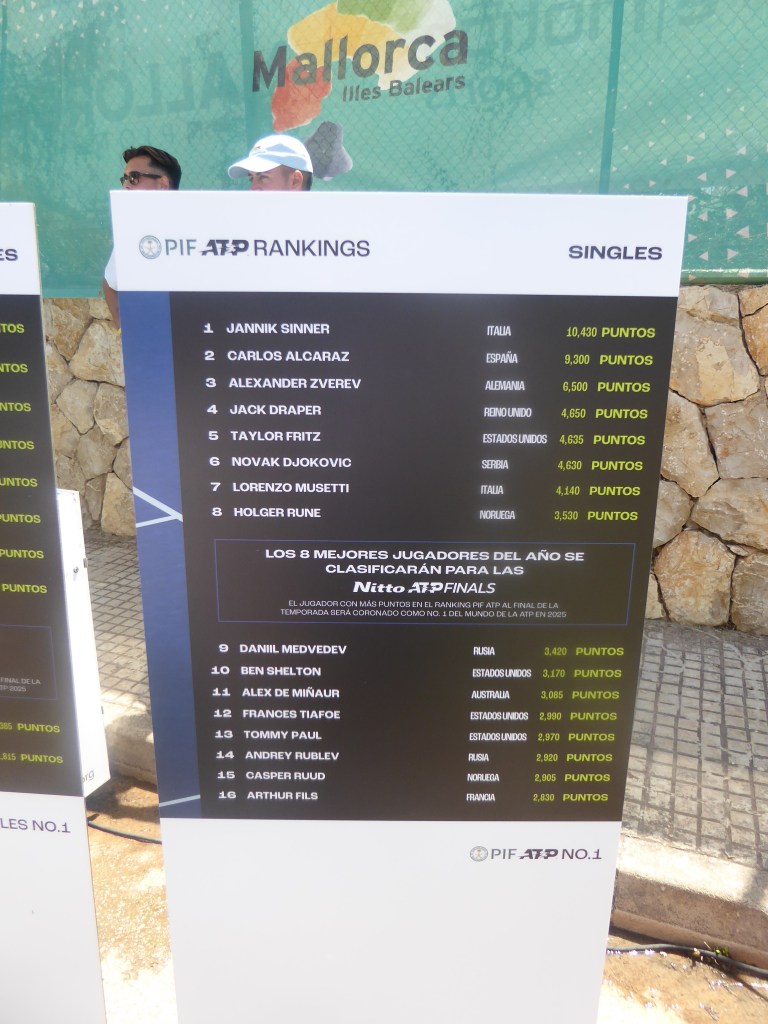
ATP Mallorca 250 – Top 10 Player

What ever you think about sports in general, I still find it exhilarating to watch them live. Even sports that I may not care a huge amount about, for example football, baseball, rugby, etc.

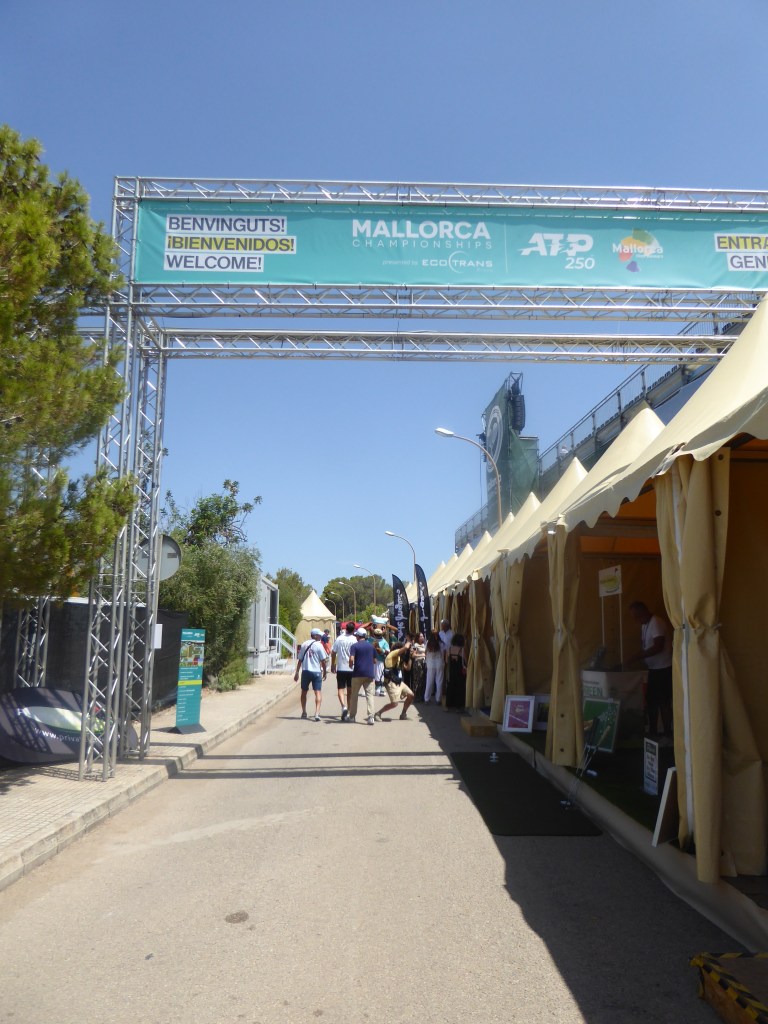
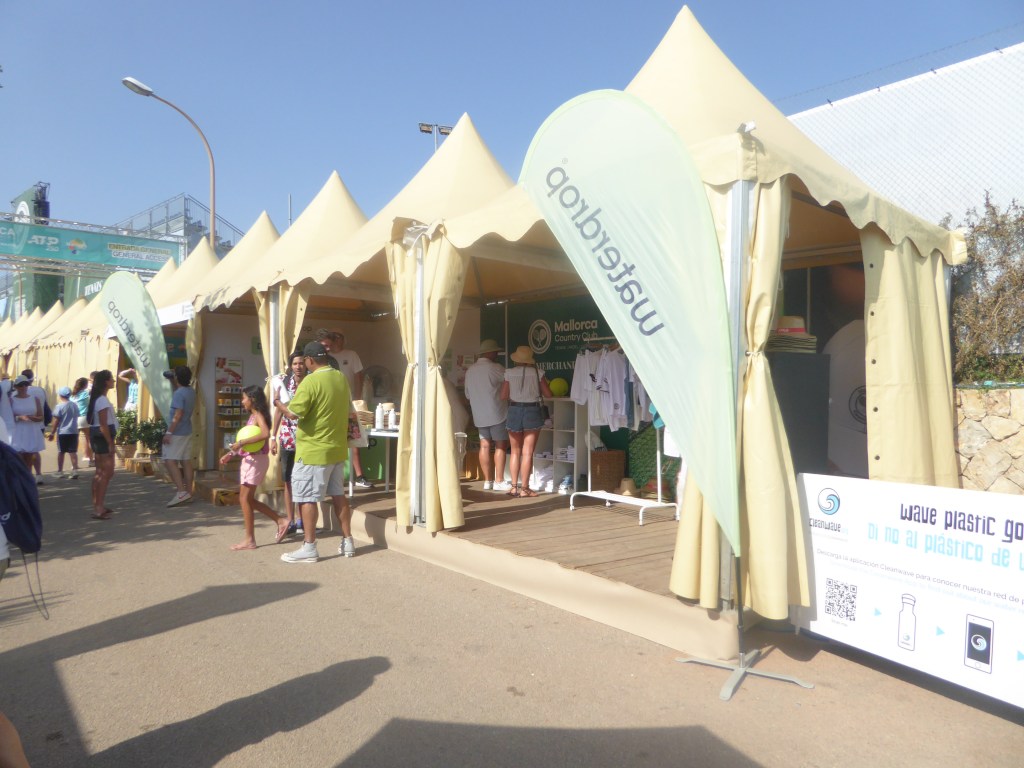
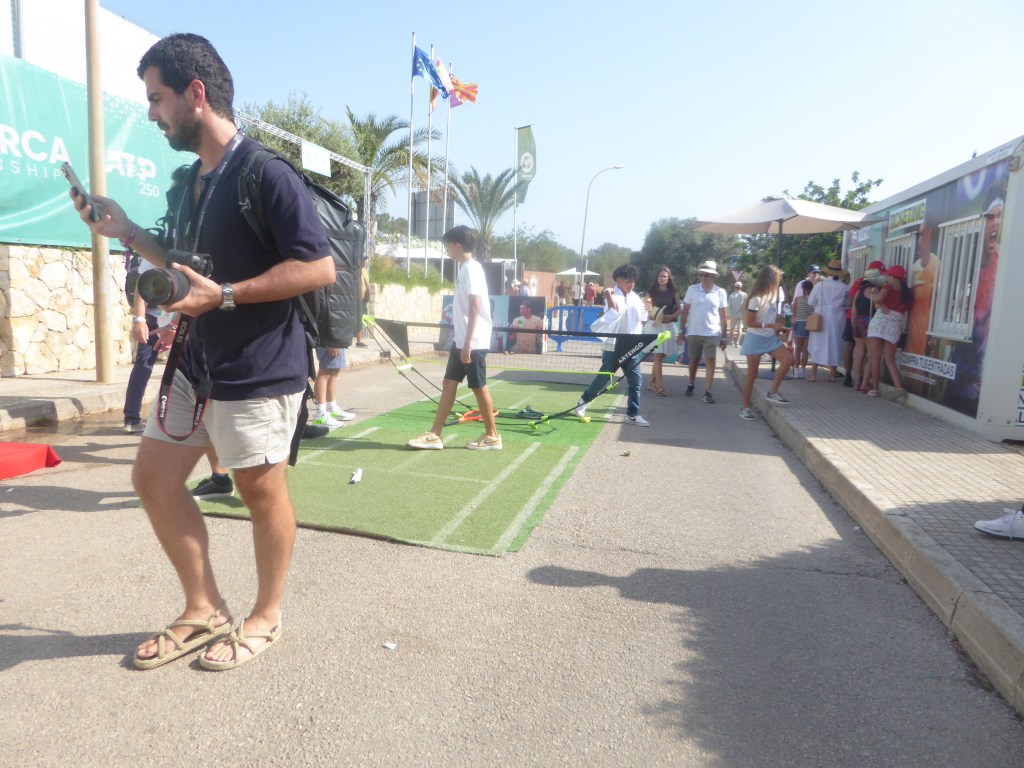
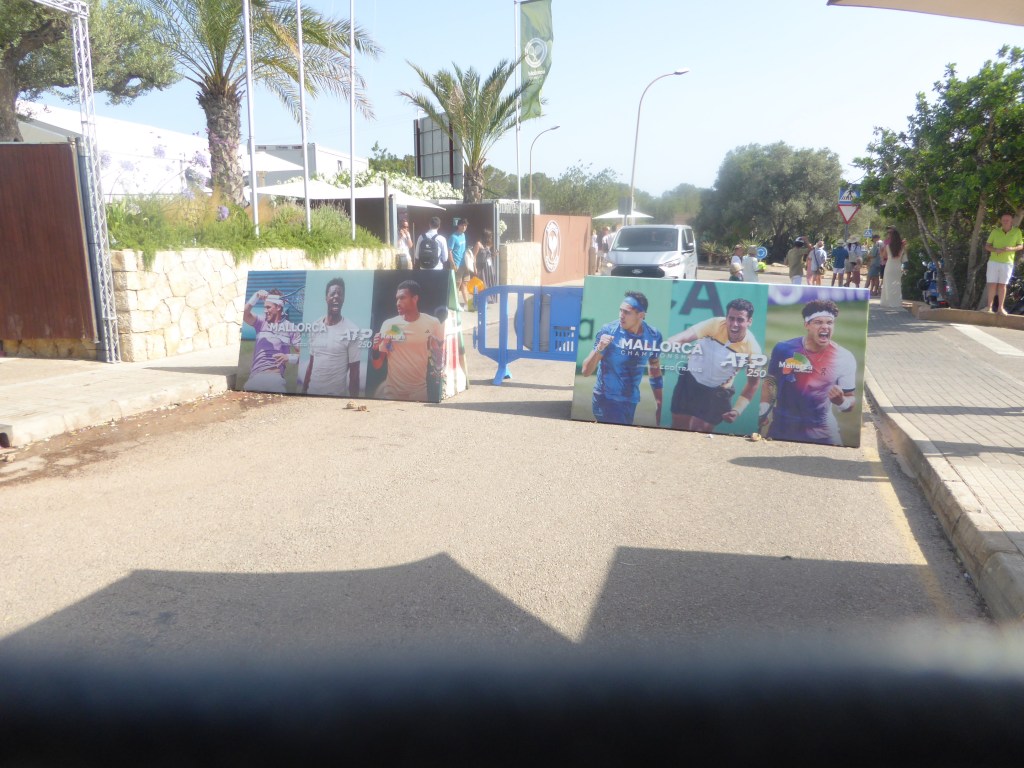
In this case, it’s professional tennis which I am actually a big fan of. The ATP tournament in Mallorca, Spain has been around only a few years, but is one of those smaller tournaments on the ATP (Association of Tennis Professionals) tour. In this case it’s a 250 (points)* event.

So it’s small, but this can yield many advantages besides the price; it’s normally easier to find tickets, easier to find somewhere to stay and in my opinion, it’s friendlier.

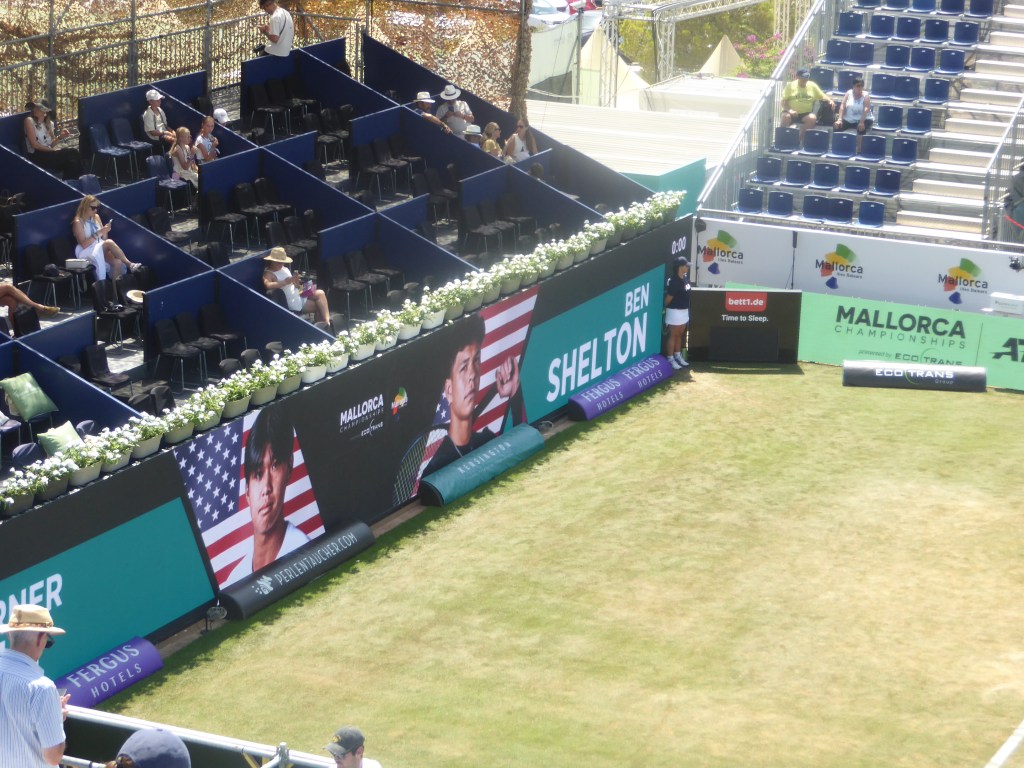
    This year was no different, and as the last grass court warmup before Wimbledon, it’s always so interesting to see just who shows up. Only in 2021, Novak Djokovic himself was here to play the doubles, as the Russian Daniil Medvedev was the winner. Equally last year and this, the young and highly rated American, Ben Shelton, was here. He later made the Wimbledon quarter-finals, losing to eventual champion Jannik Sinner.

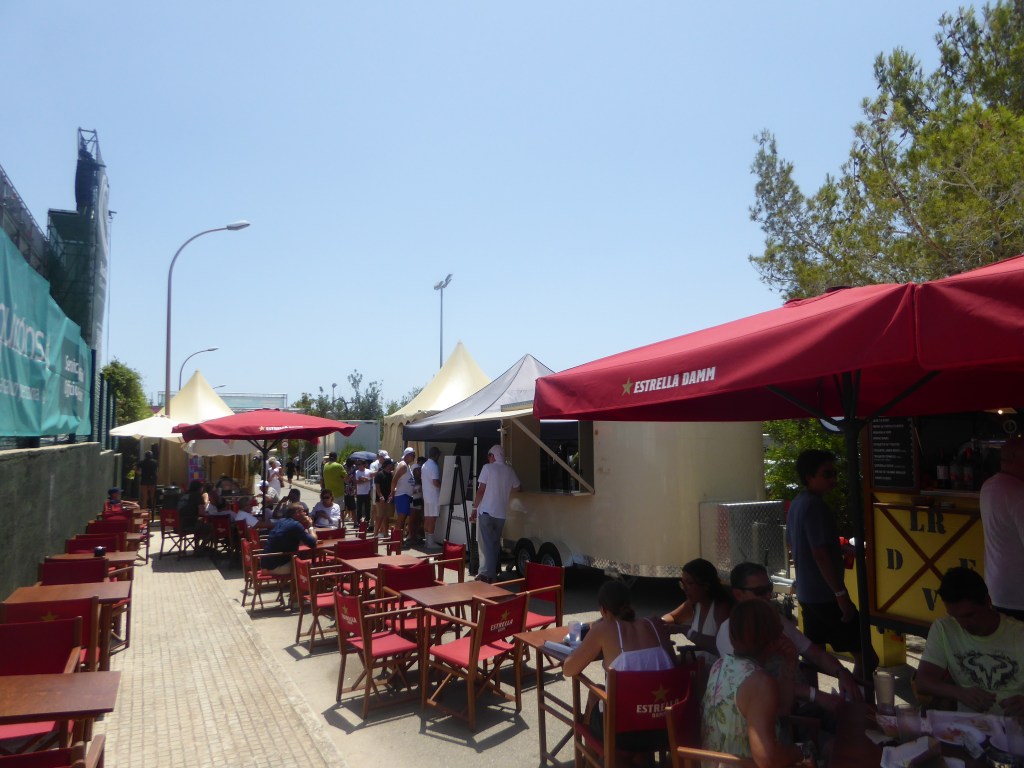
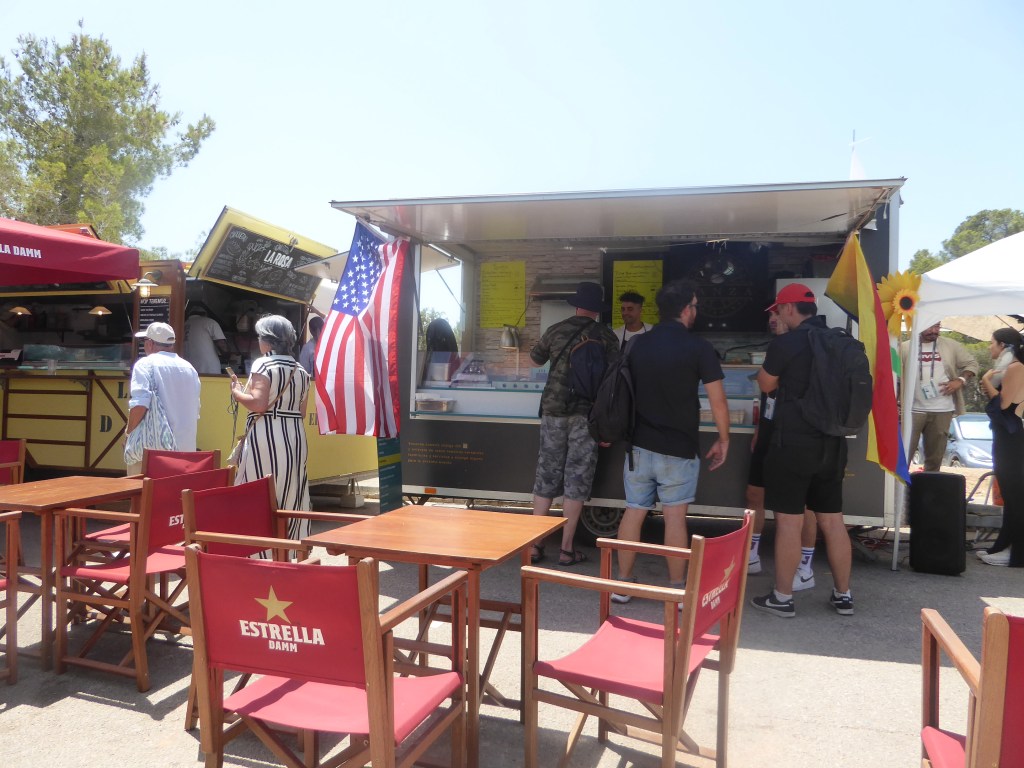
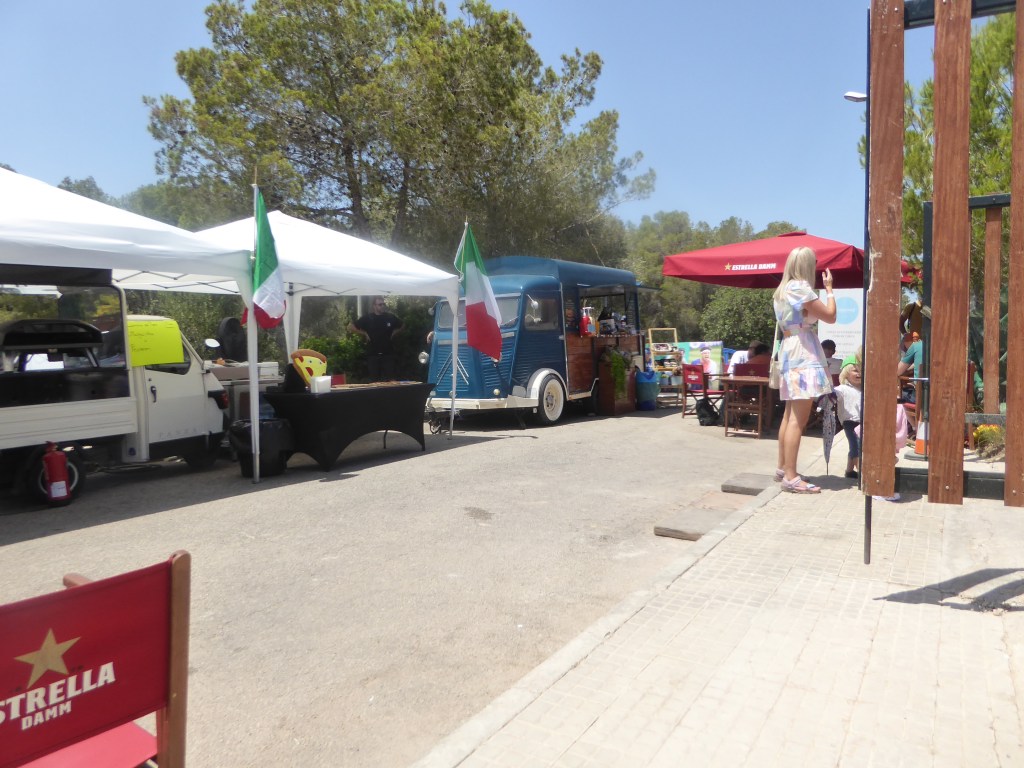
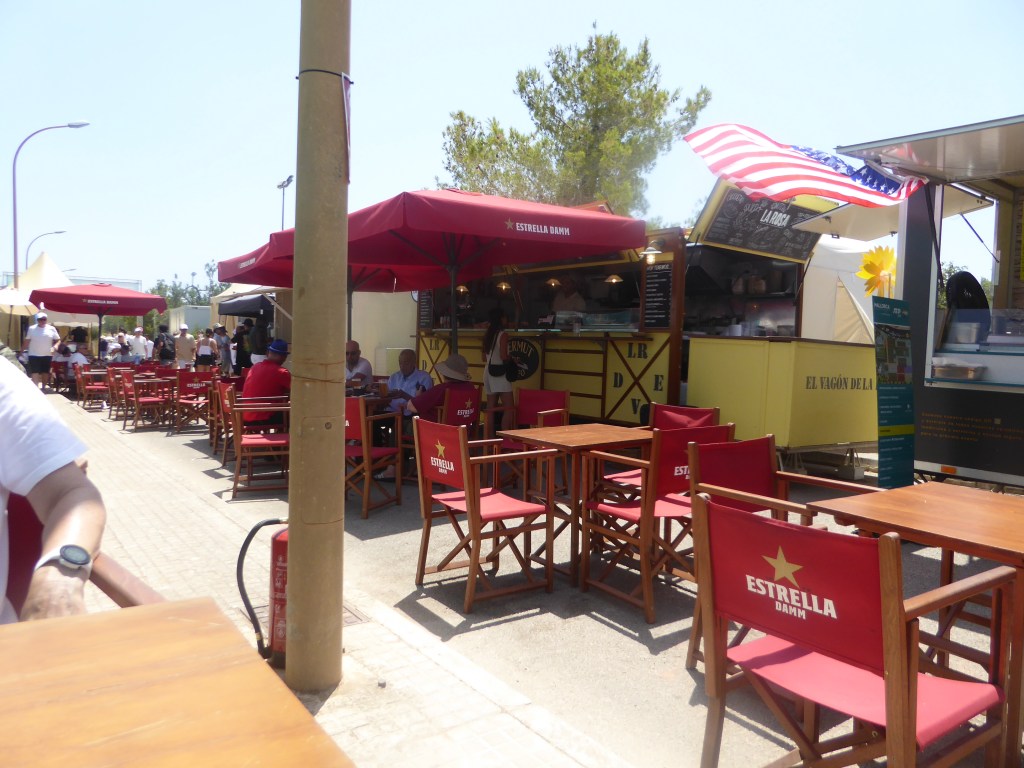
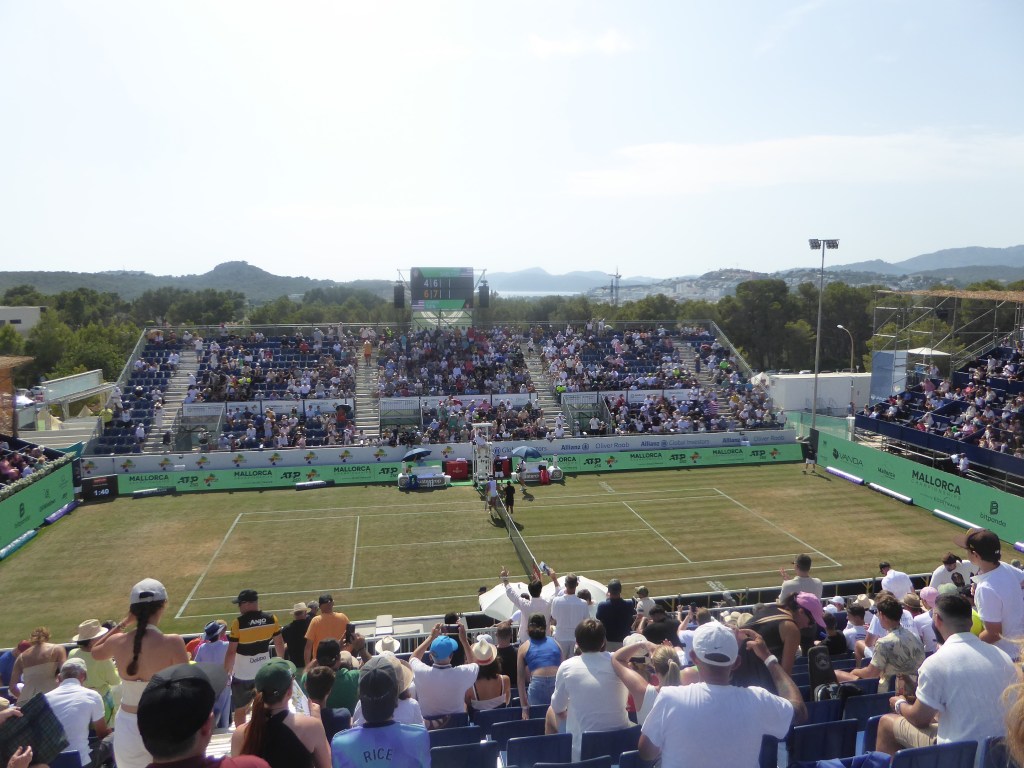
      The point being, is there are some “stars” here, but that would miss the point. The tournament still has world class tennis, nice food and at 20 Euros a ticket for the entire day, is far cheaper than Wimbledon!

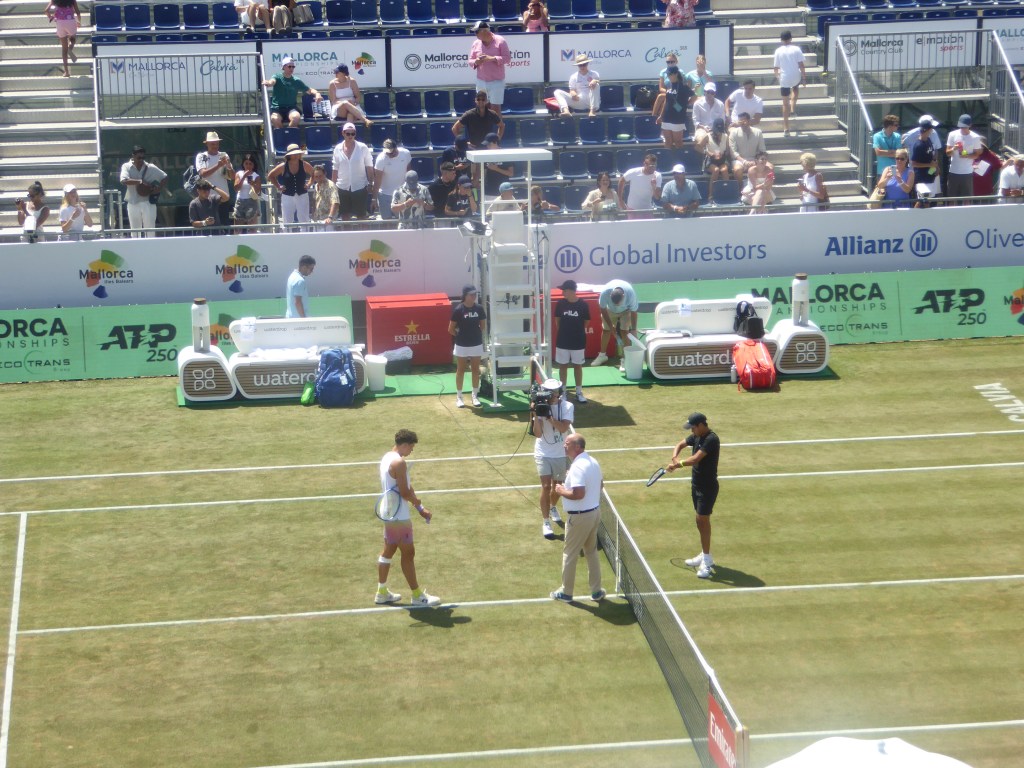
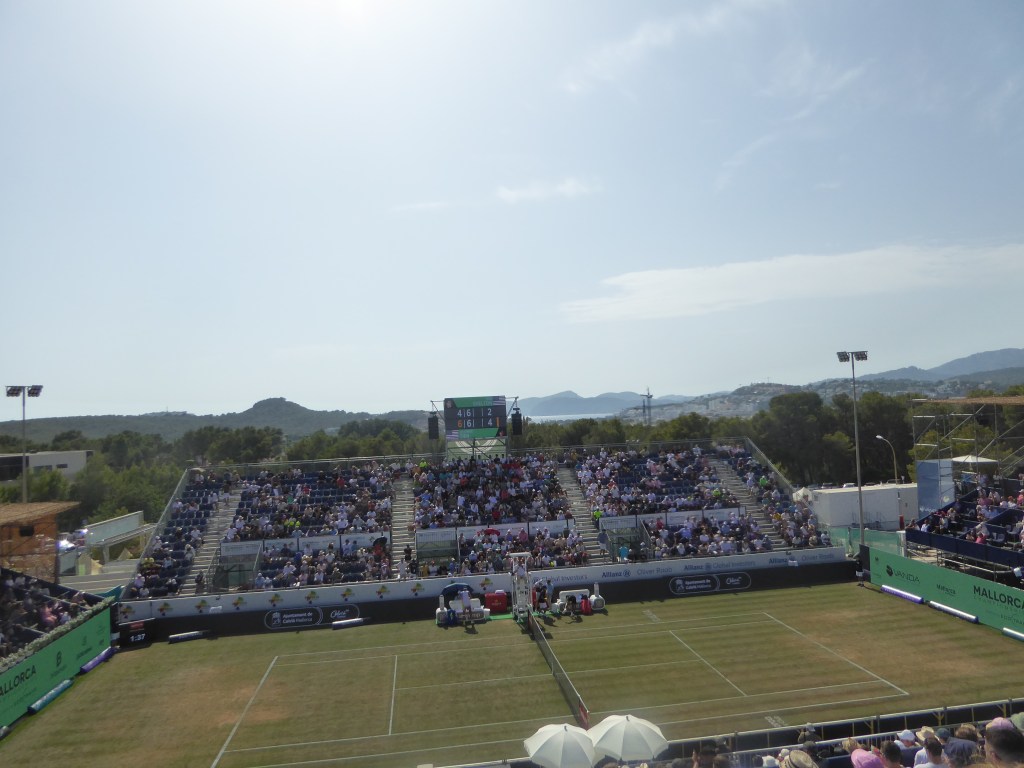
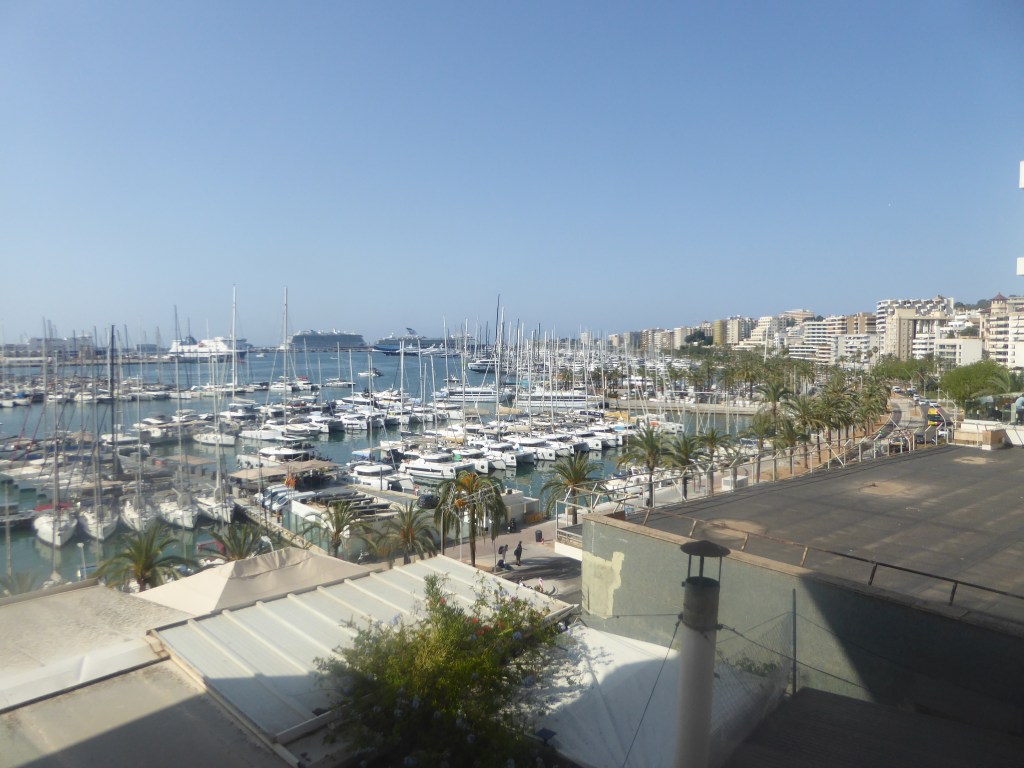
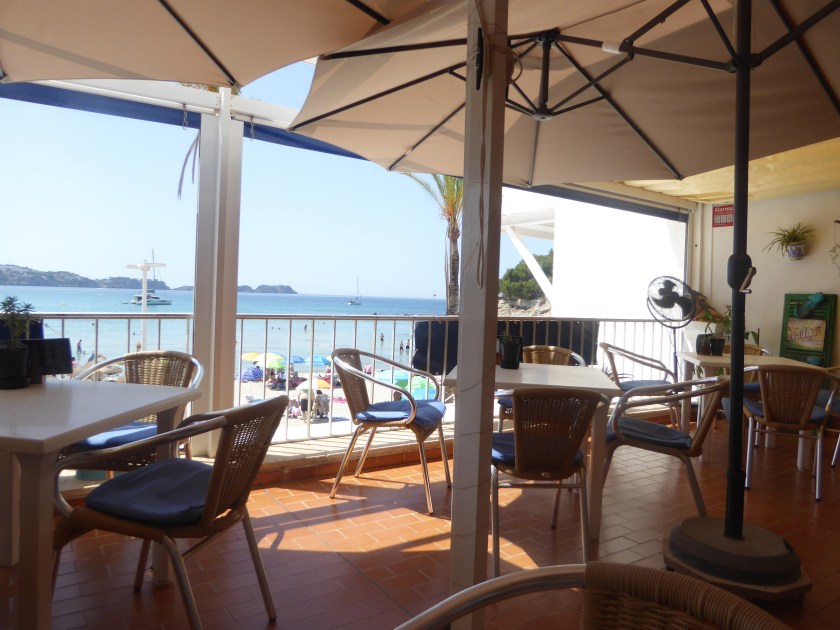
      What a view (above)

      Conceivably, it could be cheaper to come here to watch the grass court tennis, than going to London, to watch the tennis at Wimbledon, particularly if you take into account travel, hotels and food in London.

      I’ll be back.

      CB

      * Tournaments in the ATP (Association of Tennis Professionals) range from 250 points, to 500 points; with the Master tournaments being worth 1,000 points. The major tournaments (Wimbledon, etc) are worth 2,000 points to the winners.

      Off to Mallorca again . . . Part 1

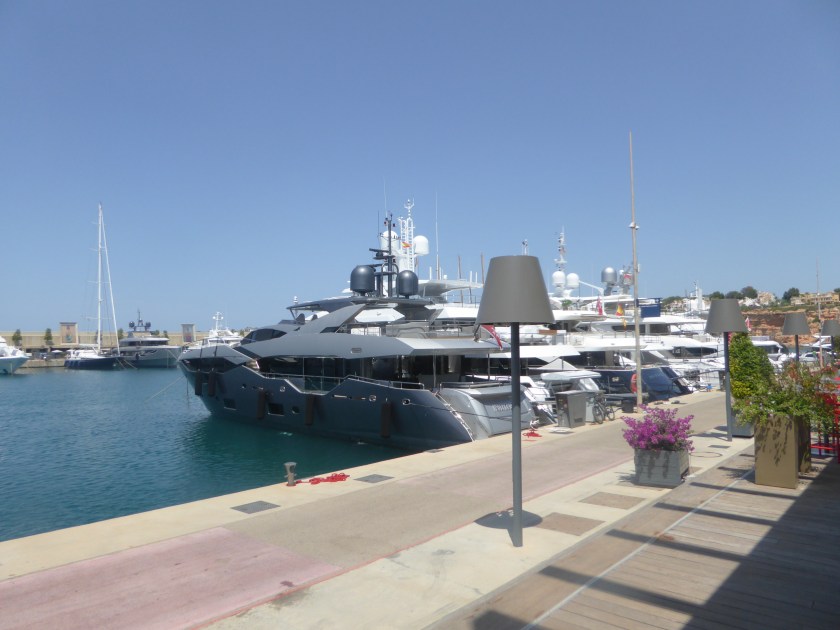
      Palma, Mallorca – Harbour

      Once again, we’re off to Mallorca. This vlog will likely be split into three parts. The first part covers the general activities we enjoyed—cafés, restaurants, hikes, and running.

      The second part focuses on why we actually went: to attend a tennis tournament, part of the ATP Tour. It’s a small ATP 250 event, the final grass-court tournament before Wimbledon.

      The third part is about what I believe is called Active Tourism. We took part in a cooking course focused on Mallorcan and Spanish cuisine, which was fascinating.
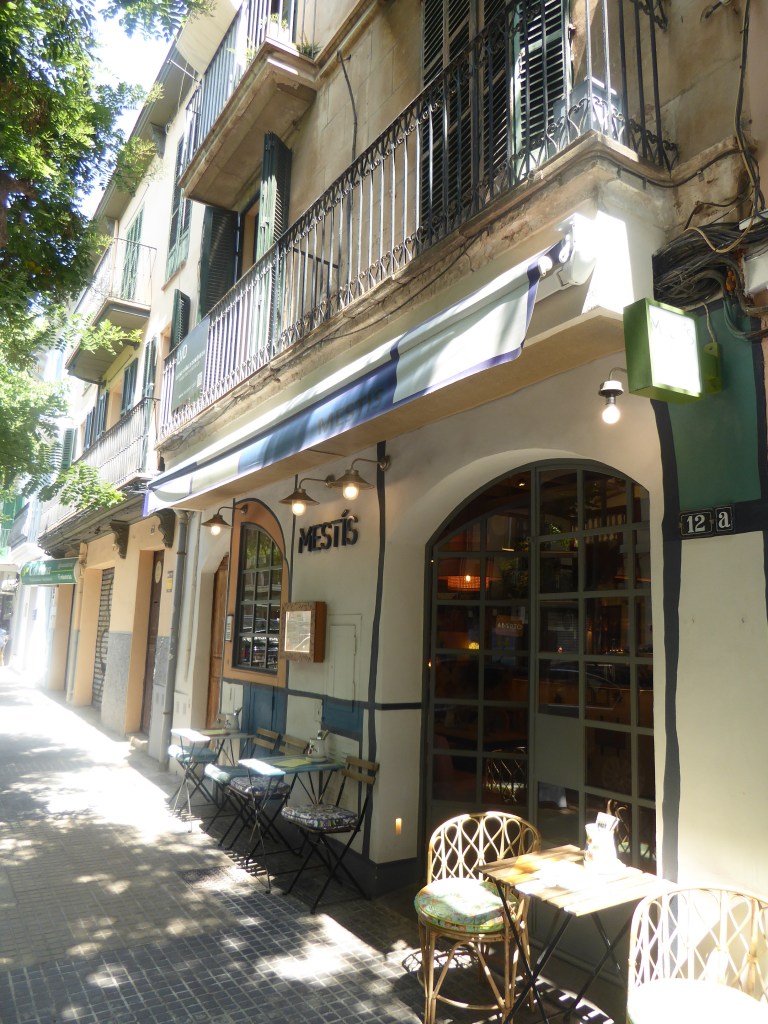
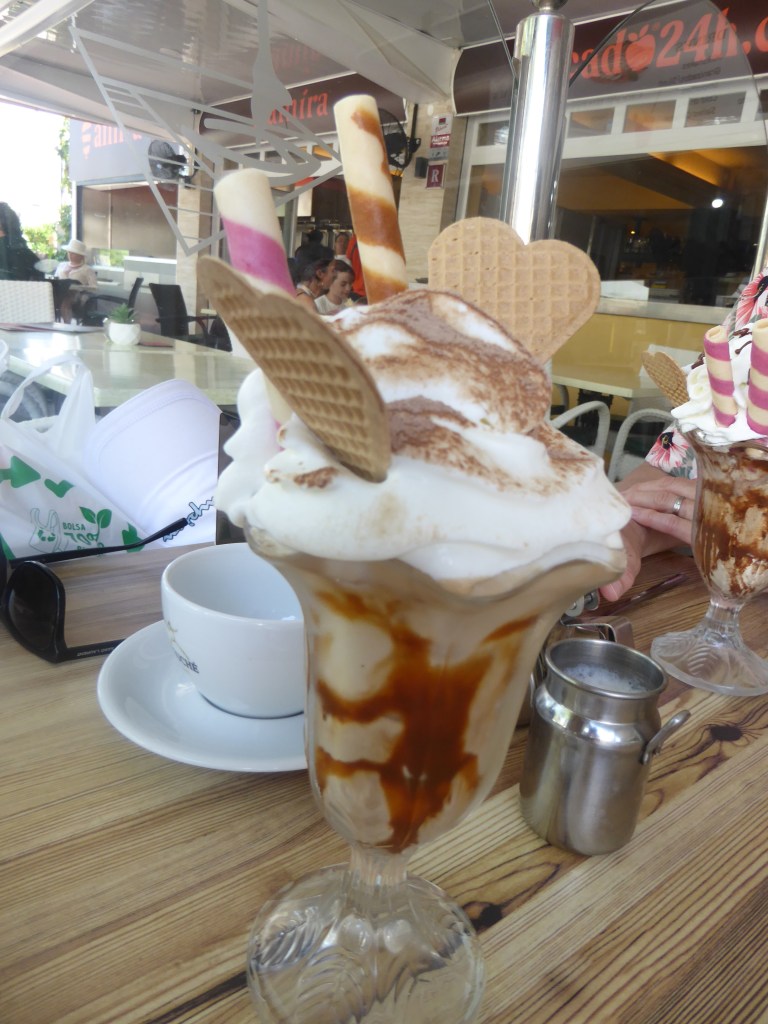
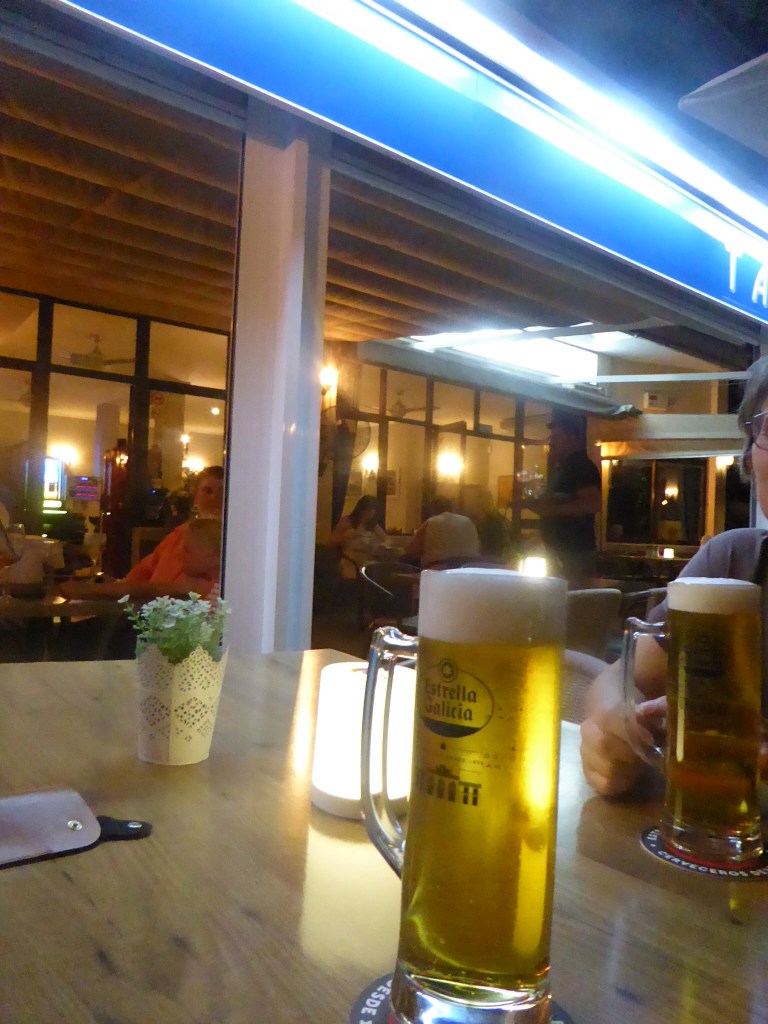
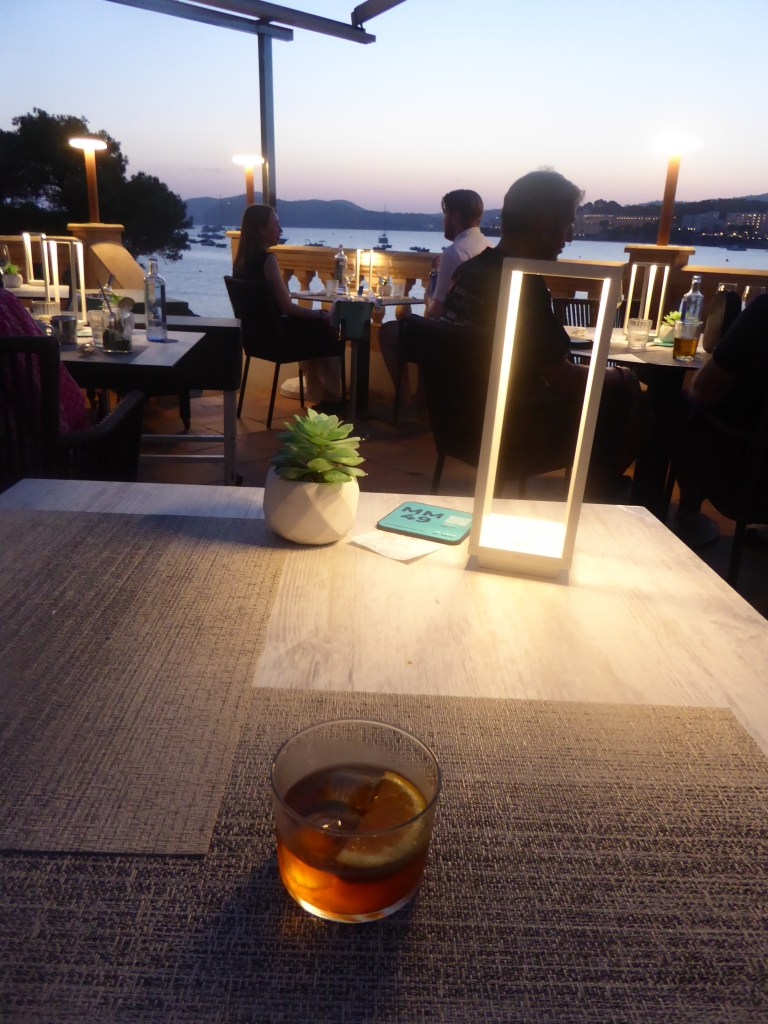
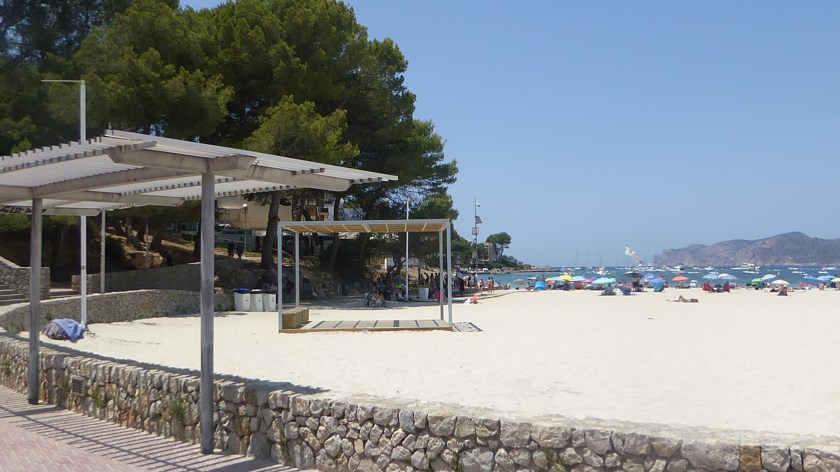
      As usual, we did the typical things: visited restaurants and cafés, strolled around, and ate plenty of ice cream. Temperatures reached 37°C, but with humidity often at just 20–25%, it wasn’t too unbearable. Santa Ponsa is lovely—very calm and welcoming – and has a plethora of German and Spanish tourists.

      Some areas are predominantly German-speaking, with fewer British tourists, which is nice. You can get by with Spanish, German, or English. Most locals are trilingual or even quadrilingual, as many also speak Catalan.

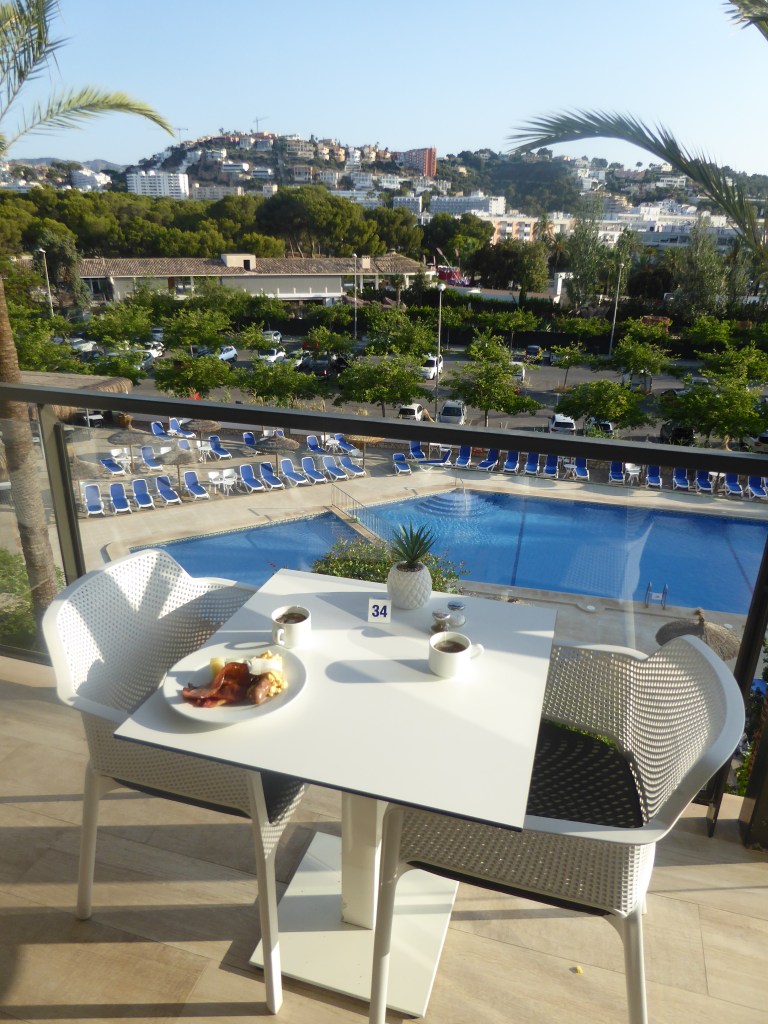
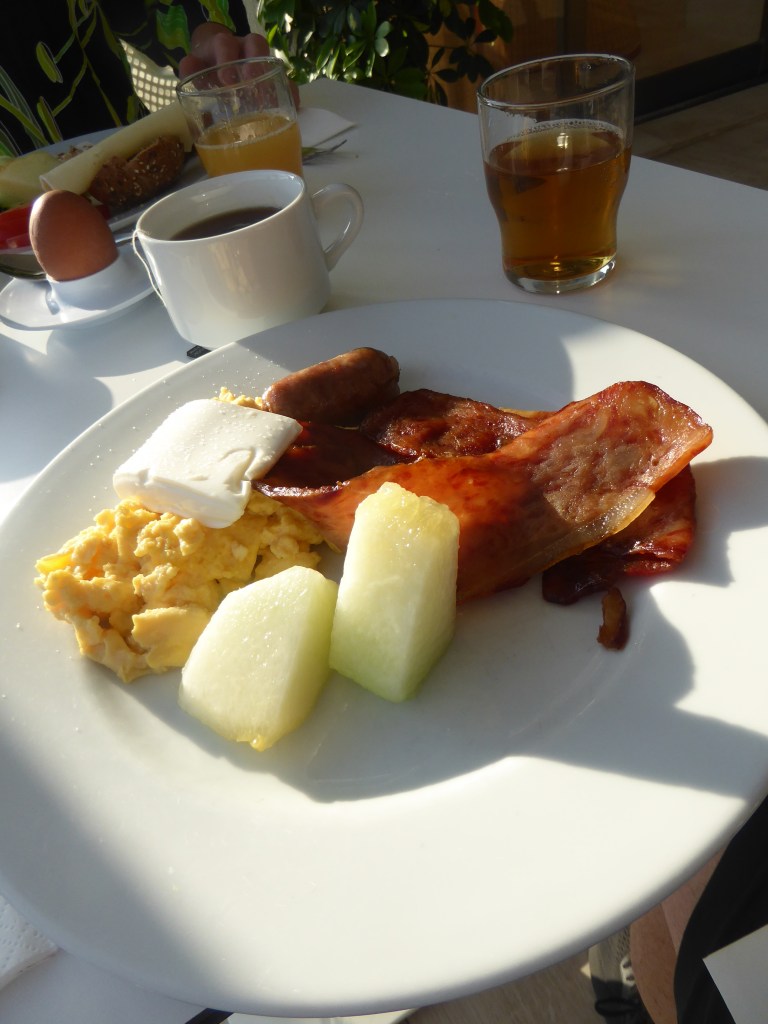
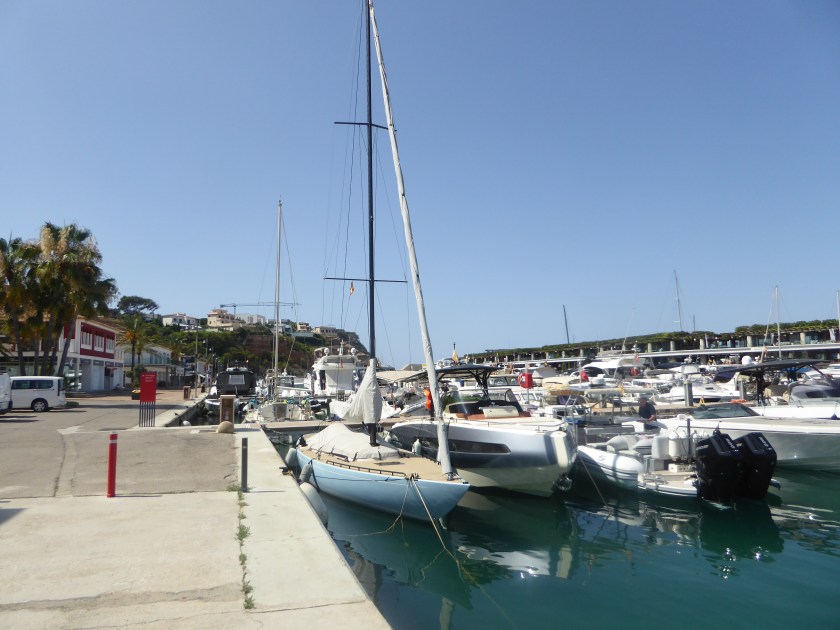
      One day, for some reason, we decided to jog 25 minutes to the neighbouring village, Port Adriano. It’s not a huge port, but it feels fairly new, with massive yachts docked there. However, it’s still too small for the truly mammoth yachts—you can practically smell the wealth! Interestingly, breakfast there cost about €11, while in Santa Ponsa, it was €12–15.

      Without an influx of tourists, prices felt like standard Spanish rates, which was refreshing. We didn’t rent a car this time and relied entirely on public transport. We took a bus from the airport to Palma, then another to Santa Ponsa—a direct 65-minute ride that’s both convenient and affordable.
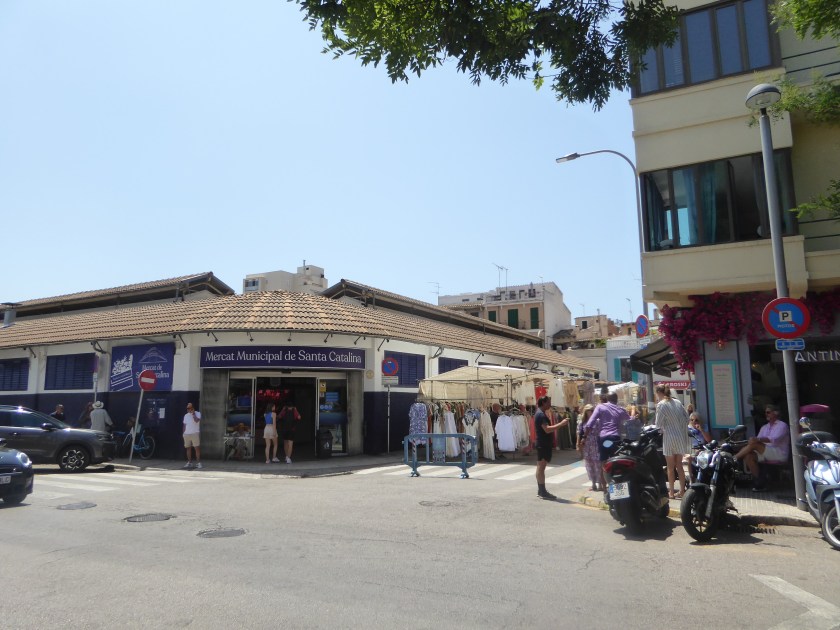
      Speaking about tourists and Mallorca, please see here. Where it seems that another problem that Mallorcans face, has little to do with tourism. Once again, it’s a problem that many urban areas face, when far wealthier foreigners, put the local housing stock out of reach for the local, historical population. It’s also something that I’ve noticed, in the last 3 years, since I’ve been visiting this island regularly.

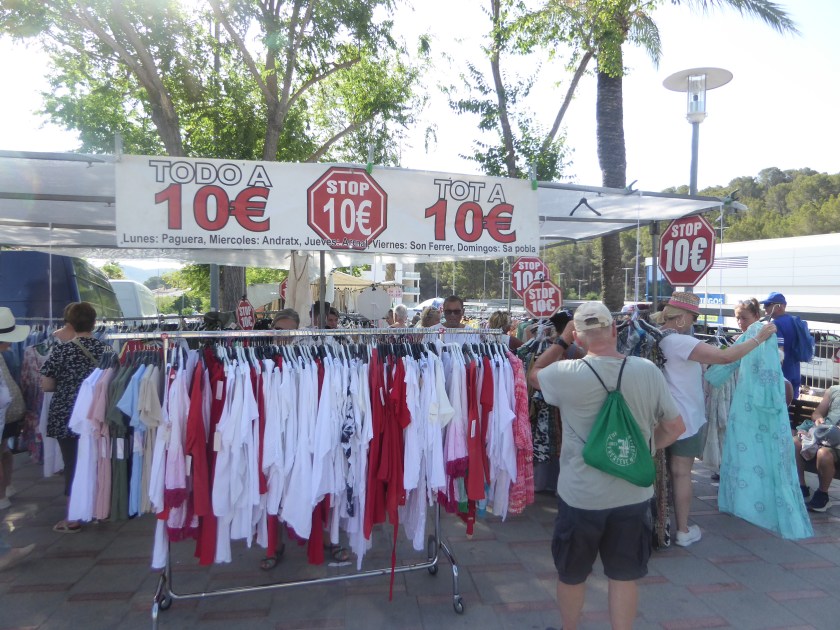
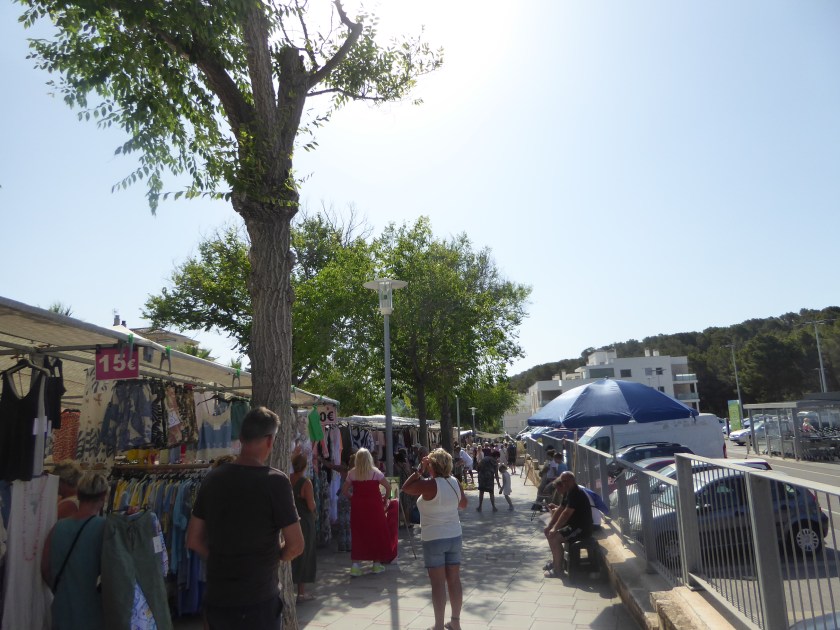
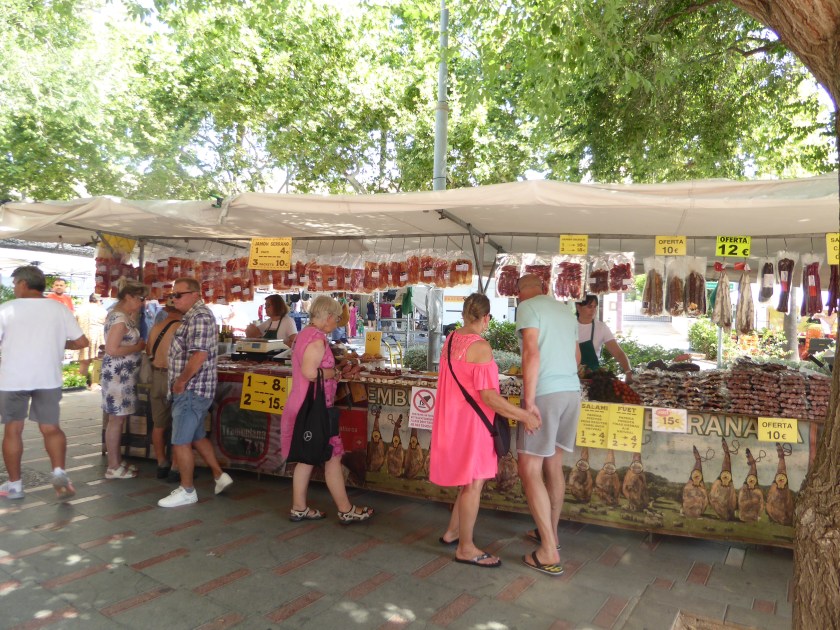
      One day, we took a bus to the nearby village of Peguera to visit its Tuesday market. It’s massive, stretching about a mile, with all the usual touristy offerings you’d expect in Spain—beach, shops, and so on. Peguera is nicknamed “Little Germany” because many locals and visitors speak German, which made communication easy.

      Besides that, we did plenty of walking. Santa Ponsa, as always, was peaceful and felt to have more Spanish than tourists. There’s even a Scottish pub called The Jagged Thistle, which felt very unthreatening and added to the charm.


      CB

      Modern European Holidays – Time for a Change?


      Isn’t it amusing these days (btw I’m in Germany)? It seems like everyone’s perpetually jet-setting off on holidays. But does anyone truly enjoy it anymore? Or is it just too crowded, too pricey, too overrated to actually like them these days? I’ve heard so many people recently tell me, that they’re glad the holiday is over, as they can now finally relax! 

      Everywhere you go, tourist spots are packed, and even the less-travelled paths are swarming with people. What could the future of vacations possibly look like?

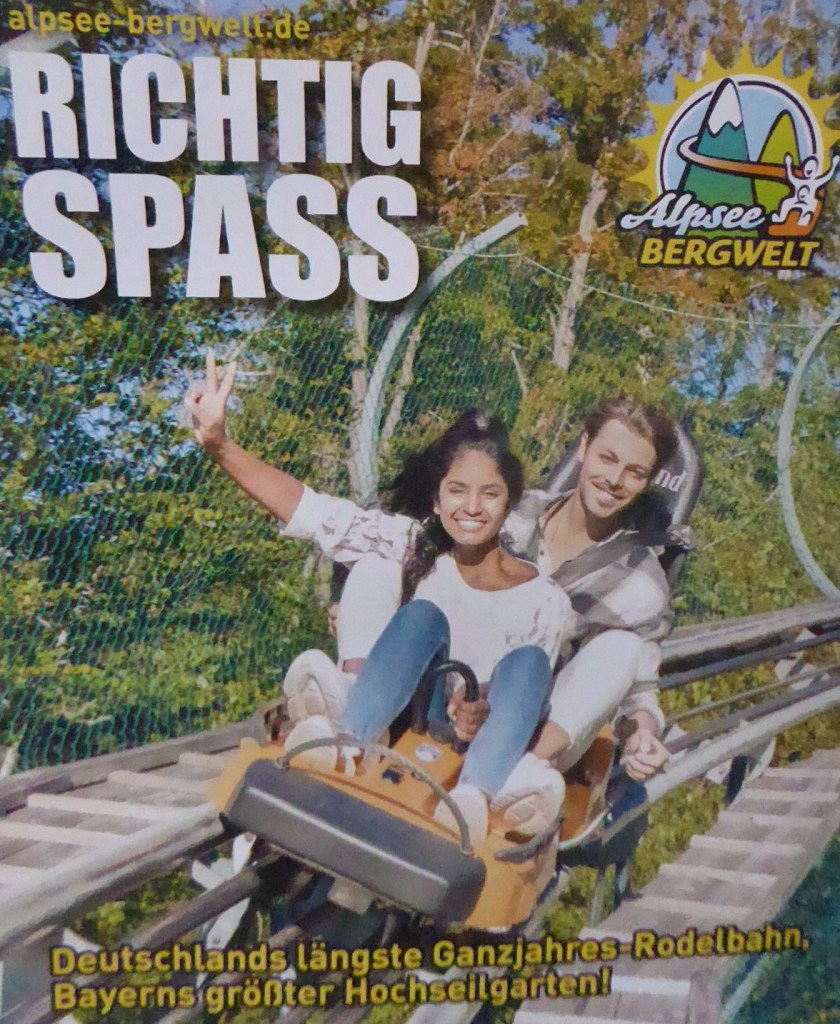
      Consider the above photo, for instance. They’re both completely happy in posing for this photo, a pose they’d never dream of indulging in back home or in front of their friends! Yet, here they are, unabashedly racing down this Rodelbahn on holiday. It makes you wonder just how insane people become when they’re on vacation. Haven’t we all done something on a trip that, upon reflection through holiday photos or Facebook posts, makes you cringe and question, “What possessed me to do that?” – I have.

      I vaguely recall an article that was written pre-COVID, about the summer vacation scene in Europe; it was in either by the Wall Street Journal or The Economist, and spoke about the sheer numbers of people that would descend upon Europe each summer; and the number of businesses banking on this.

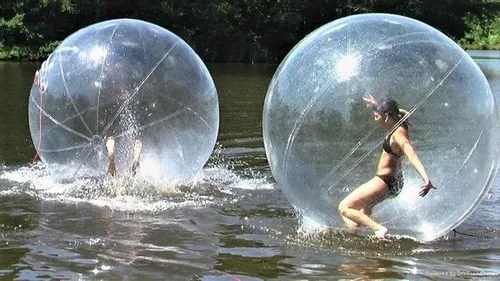
      Equally, the attached photo that was at the start of this particular article exemplified this: it featured two young ladies, probably between 20 and 25, in inflatable balloons you could walk in. And that is exactly what they were doing. In this case (if I remember correctly), casually in front of the largest church in Venice, St Marks Basilica.
      The audacity! The churches must be rolling in their architectural graves.

      Now, talking about the future of vacationing or, rather the need for modification, cities are finally waking up to the chaos and are implementing new rules & taxes to regulate the overwhelming influx of tourists. And Venice itself has decided to do this, undoubtedly intended to either finance tourist-friendly improvements or maybe just to spite them! Perhaps the city believes it provides either too much or too little for tourists, but nothing for its own citizens . . . an intriguing idea indeed. In this case, everyone over 14 will have to shell out 5 euros a day, just to enter the beloved city.

      I blogged about a similar scenario last year when I travelled to Brussels, back in January, thinking I’d have the city to myself. How wrong I was! The old city during those three days was like a mass evacuation drill. Thousands of tourists running amok, yelling, screaming, and bumping into each other while simultaneously trying to take selfies. It was absolute chaos. The same story also unfolded to me about five years ago in Amsterdam during March, expecting a respite from the summer crowd. Wrong again. It was bursting at the seams.

      Then, we embarked on a biking tour, heading to Leiden, famous for Rembrandt. But guess what? It was just as mobbed. After a few days of this insanity, we tried Harlem, and it was also packed. Even securing a dinner reservation on a Saturday or Sunday night proved challenging. Clearly, something needs to change in the future.
      Ideas? –

      One, impose more tourist taxes, channelling these funds into better infrastructure for visitors. With this extra cash, a city might not even need that many tourists for certain areas to survive.

      And two, why not consider a drastic idea? Given how airports are currently akin to cattle markets, maybe a one-time cut in flights, say 10%, with a corresponding rise in airfares, could be the answer.

      I’d happily pay a little extra for some legroom, a more leisurely airport experience, or the luxury of booking half-empty rooms near the tourist hotspots, even if it did cost more.

      CB

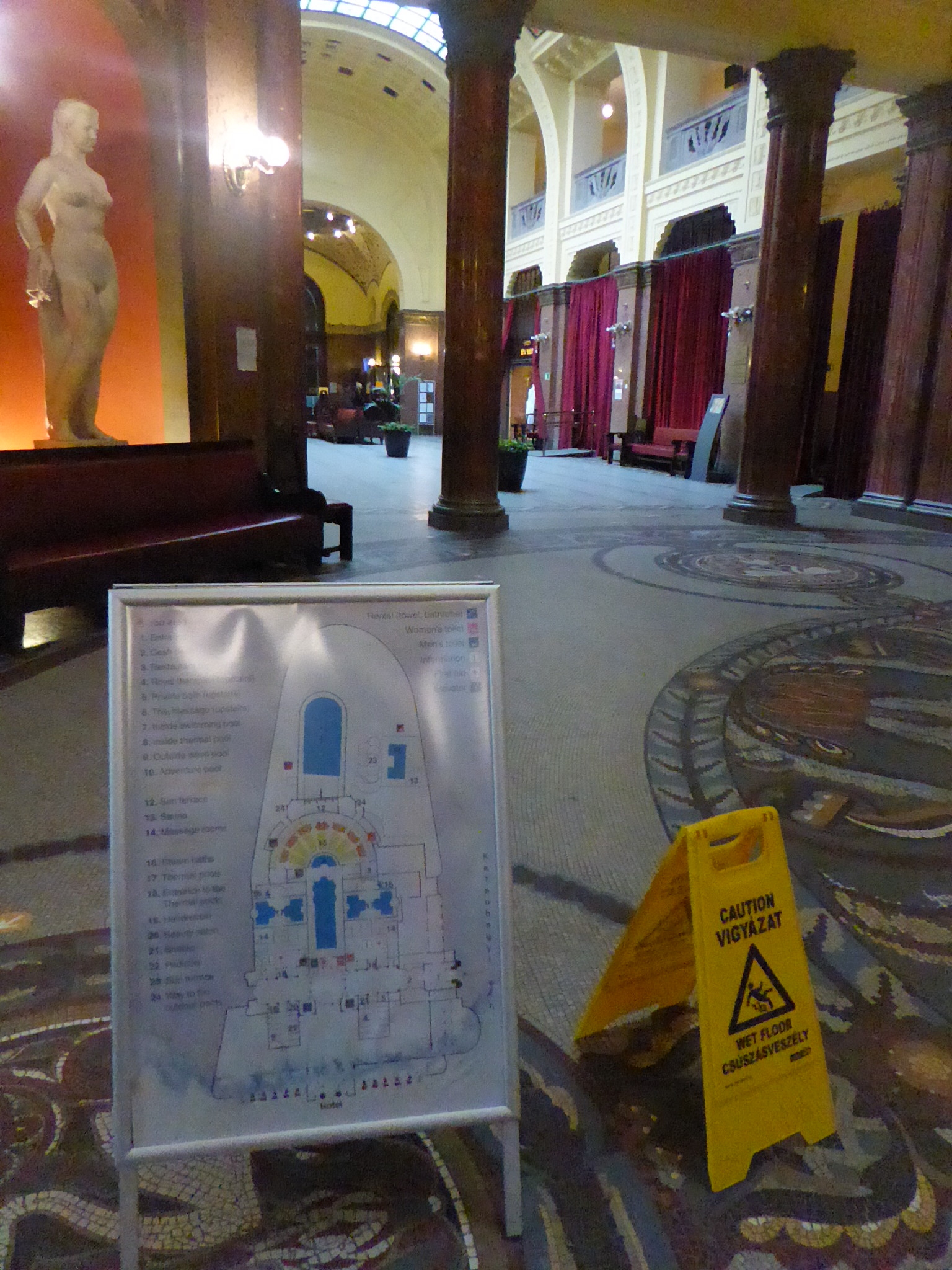
      November Eurotrip Part 2 – Budapest again- The Gellért Thermal Bath

      Amazing in all reality!

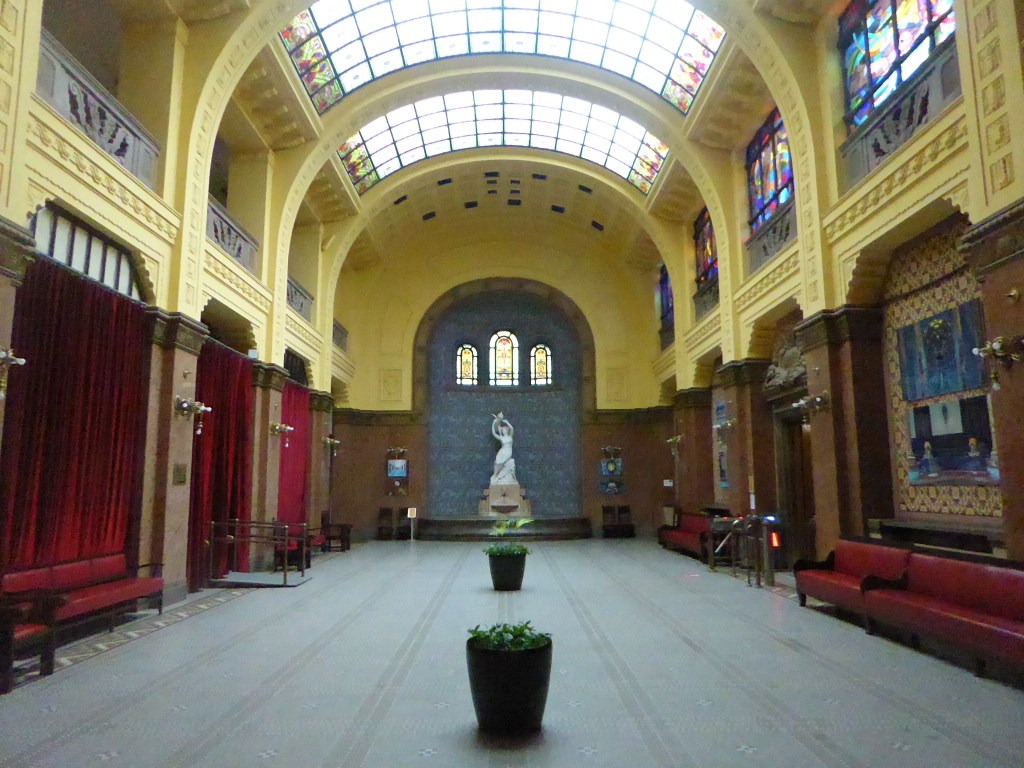
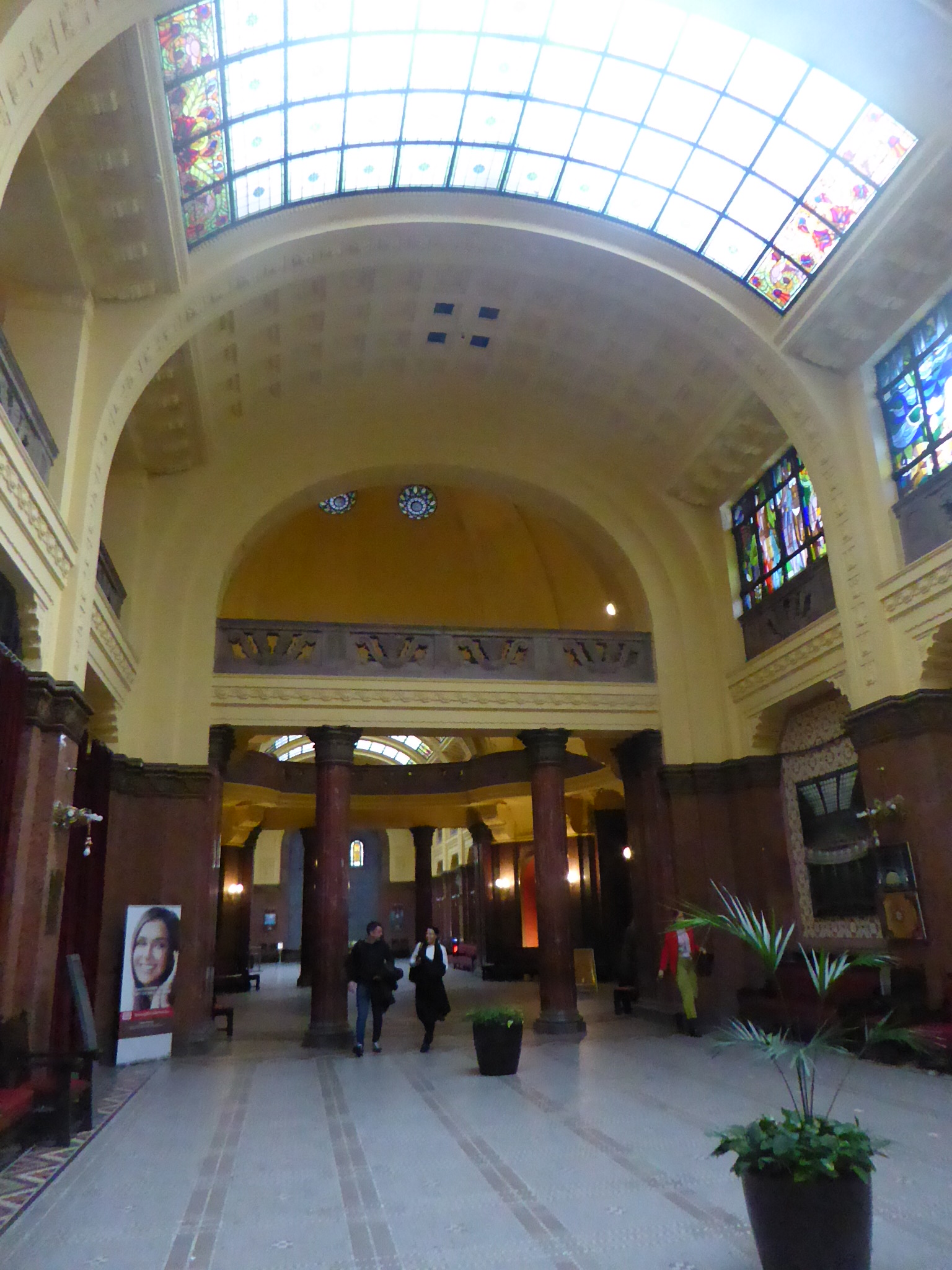
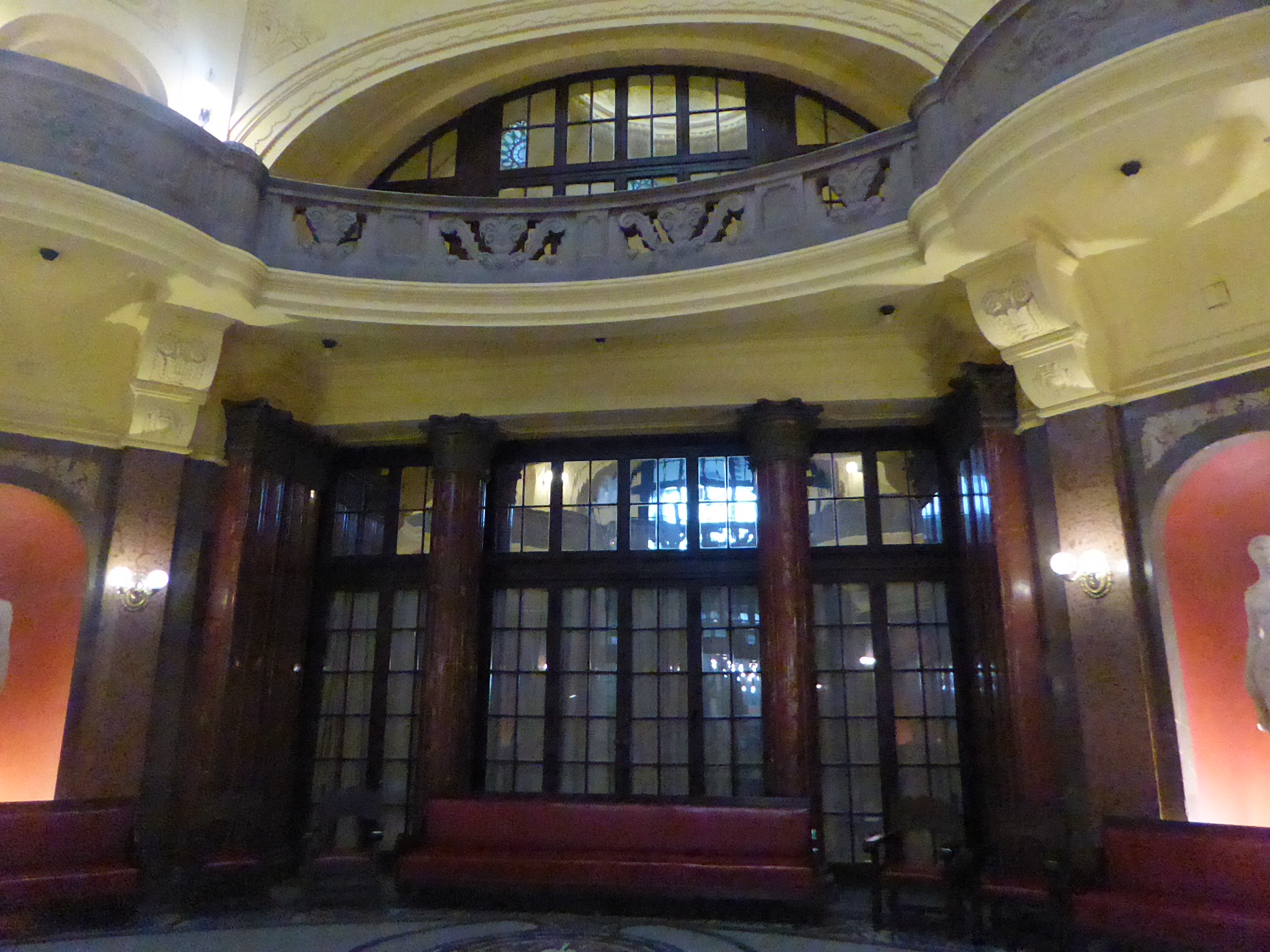
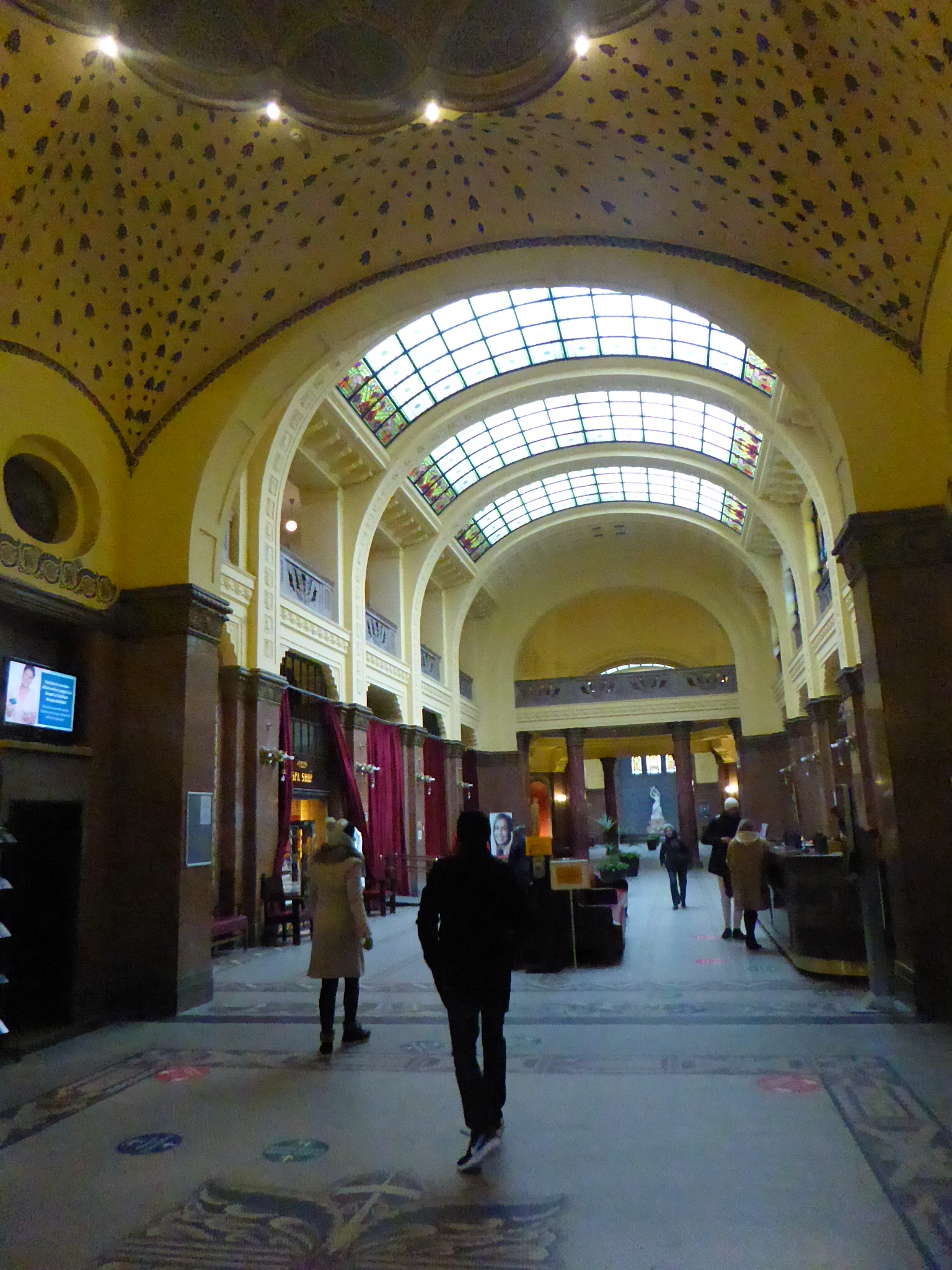
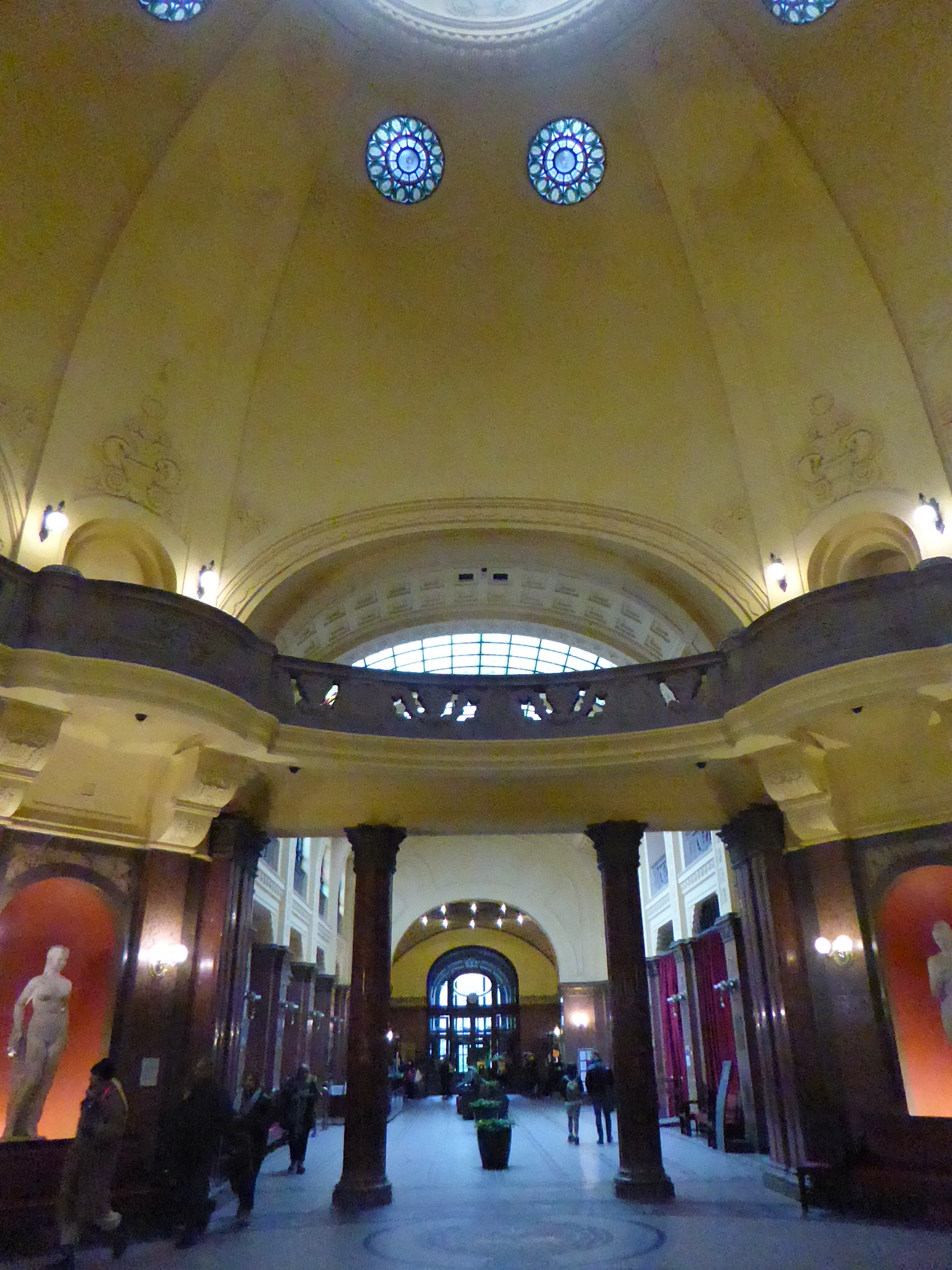
      I’ve never really seen anything as opulent as this, with it NOT being a hotel, museum, or footballer’s mansion.

      Yes, I’ve been to thermals /saunas before as they’re called in Germany, but this one had a key difference; you had to wear clothes! What a relief, and also it was completely indoors, as the outdoor pool was closed (It was freezing anyway.).

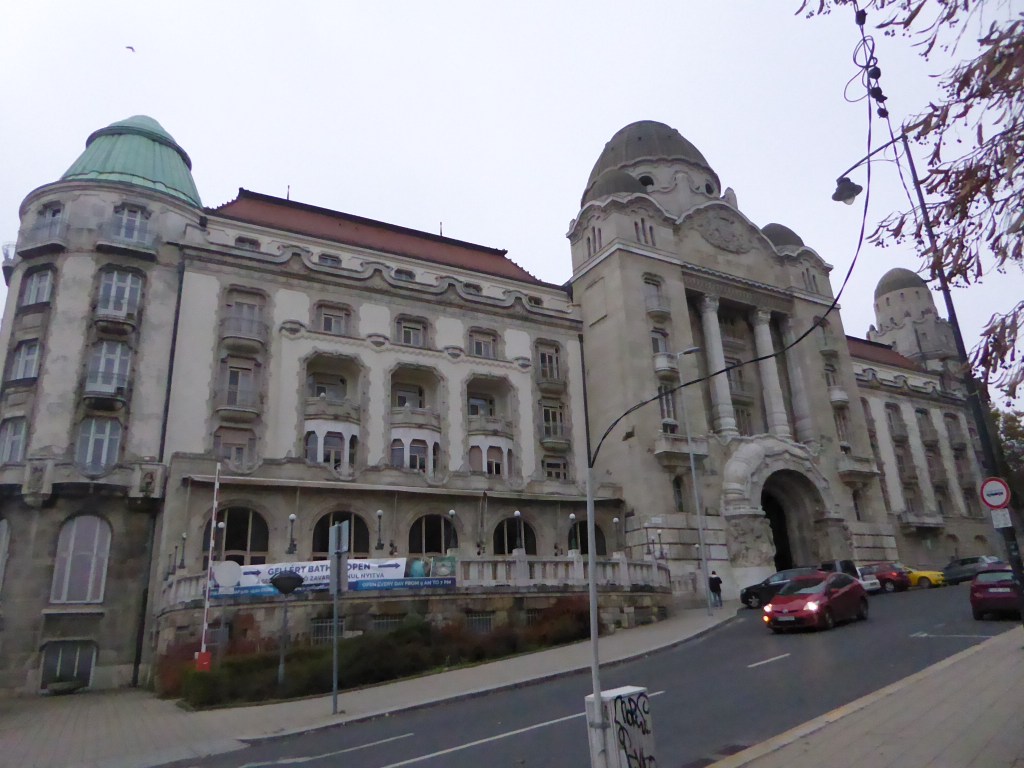
      The baths from the outside

      What must be said, is that we did this in a tourist, old-fashioned way – we had no towels and decided to go to the venue to buy tickets.

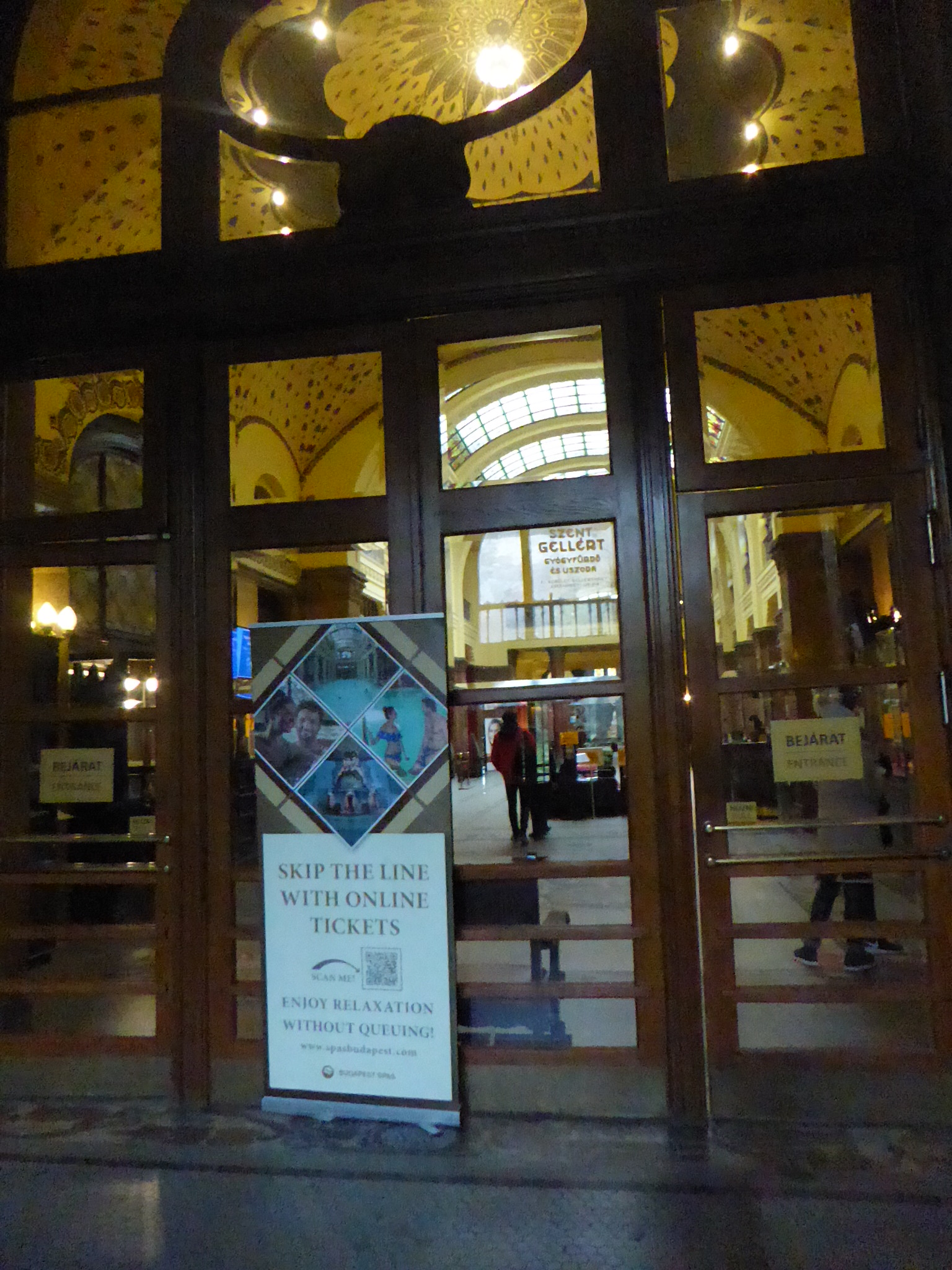
      Please buy online, as the place can quickly become very busy (I believe that they limit customers at busy times of the day.). In addition, BRING YOUR OWN TOWELS! They do NOT rent them, so we had to buy two “deluxe” ones, at 30 euros each! What a rip-off!

      Two more shots of the interior

      Obviously, we have no pictures of the indoor pools, but there are plenty of those on the website links.

      I will say, there was a very mellow vibe here, not a lot of noise, very respectful patrons and a lack of English speakers.

      Final montage, note the “buy online” sign

      Finally, there were families here, all ages, tourists, and everyone seemed to get on with each other. As for the price, I thought it was only about £10 to get in. We went there on a Tuesday afternoon, and there did not appear to be a time limit for your stay. Unlike this country, where a gang from the Stasi would inspect your ticket, and repeatedly warn you that you had to be “oot” at 3:30.

      CB

      This month, many old trips, just got back from Budapest and its New York Cafe

      Lately I’ve been ill, tired, busy with other things, and watching far too much football – but now feel energised and will start to blog a wee bit more.

      Last month, I had a week’s travel on some European trains, and ended up in Hungary. A place where I will go again. The above shot is, I believe, of a Budapest post box, or something along those lines? My Hungarian is not what it once was so I simply had no idea what the writing said!

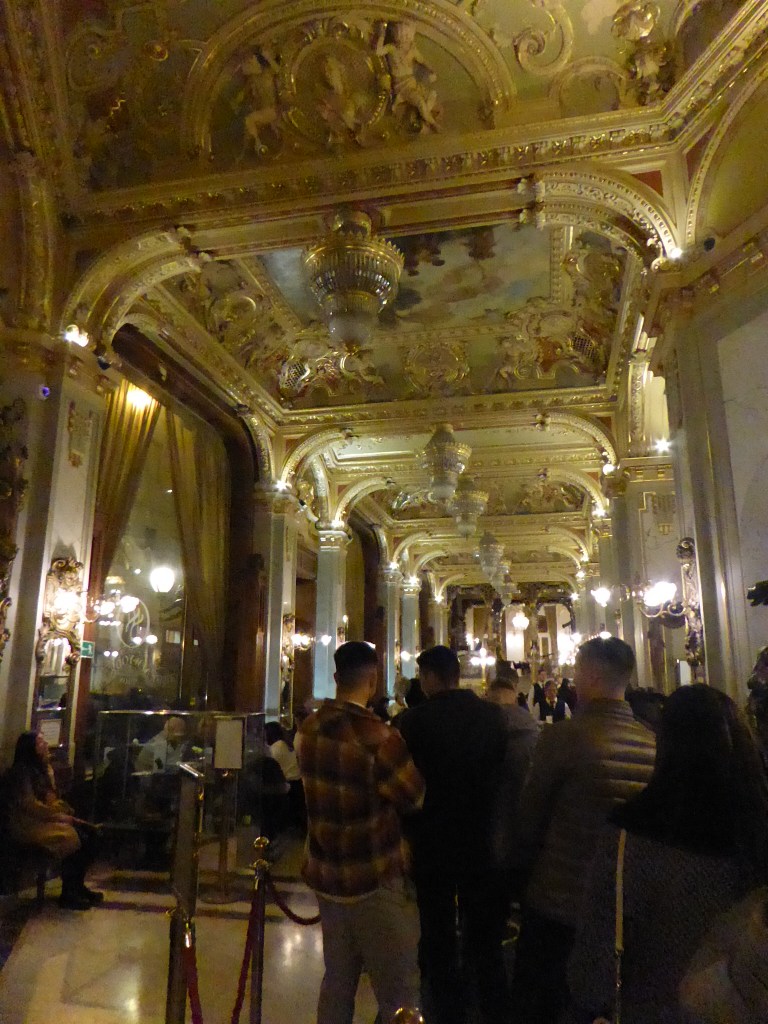
      Whilst there, with a “recommendation” from a friend, I just had to go to the New York Café. Really? The “New York Café” in Budapest (Ed; NOT Bucharest!). And even (above) after 9.00pm, there were still queues there. Apparently it’s the go to place in Budapest and I’ll show you what it looks like later in the month.

      This month, I will definitely write of this recent trip to Europe, that saw us also in London and Paris (Why have I not been there for 30 years?) In addition, I still want to show some fotos from America, some places in Scotland, more from Germany and a voyage a month ago to Porto.

      CB

      Euro Trip – A good idea from Germany – the 9 Euro Ticket

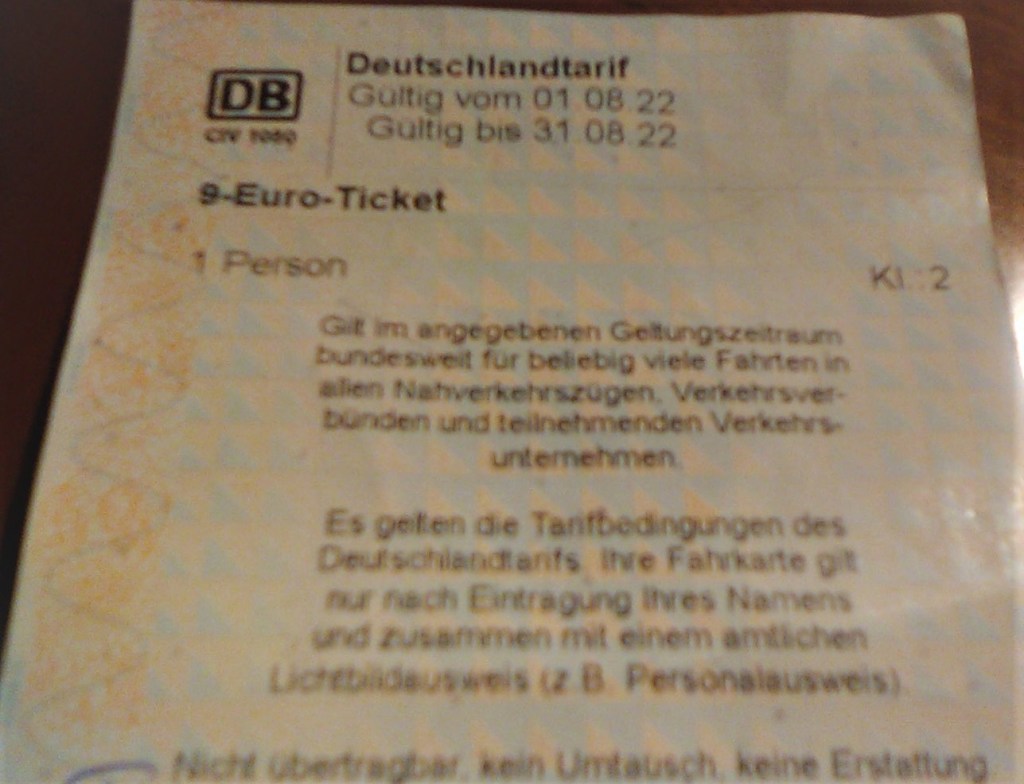
      So I’m over there in Deutschland, and the partner says to me, “I’ve got you one of these 9 Euro tickets.”

      “Ah, I’ve heard of these.”

      Yes I have, due to the online job that I have, where I communicate daily with many Germans.

      It’s an (was) interesting idea and one that gave even more benefits, besides just being able to use it on a train.

      You could use it on buses, trams, underground systems(?), everything BUT the ICE trains in Germany. The ICEs are the Inter City Express trains, that are not only quicker than normal ones, but have a good deal fewer stops as well.

      Not only that, but another huge benefit, was that it did NOT expire after you used it, but was valid for the entire month of August (I believe?).


      Many of the trains / buses were packed, and some were not, so it was not a panacea; OTOH, it was just SO convenient to use, and no doubt the German authorities wanted to see just how much of the public transport their citizens would use for one month, if it was, in effect, free.

      Why oh why don’t we at least TRY to do this here?

      CB

      Europe – Start of my last trip, Hull to Rotterdam via the Ferry.

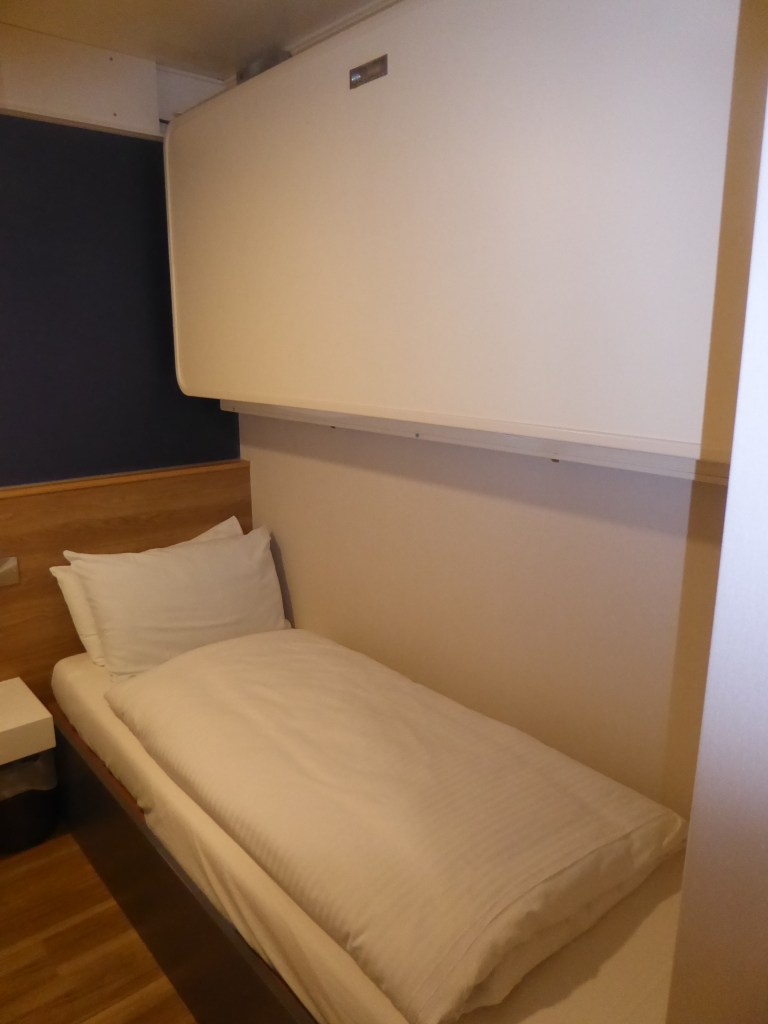
      Very comfy bed in a double room cabin

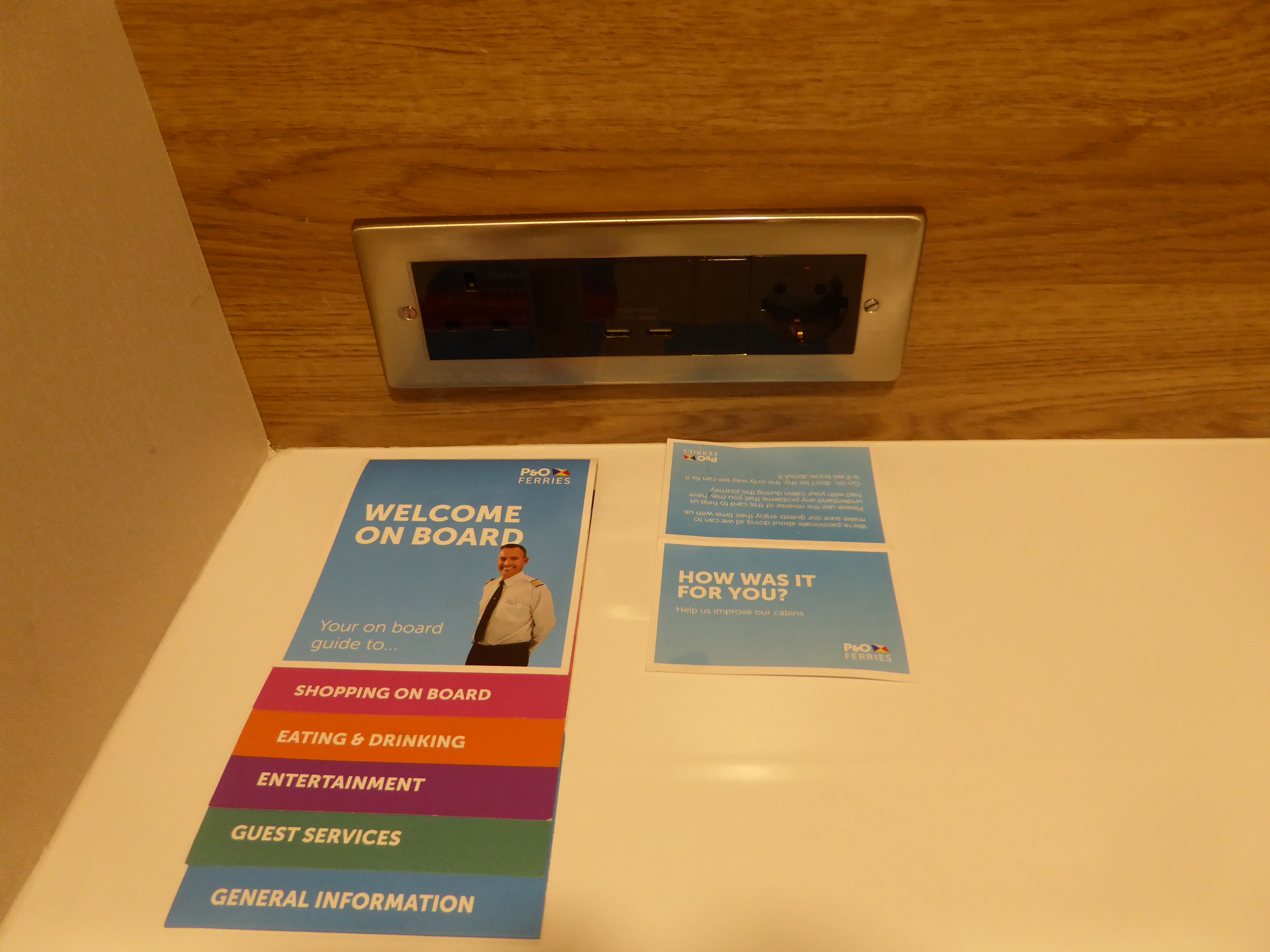
      I have to admit, normally I prefer DFDS Ferries, but this slightly older P & O one was perfectly fine, though it was packed with families and their kids.

      We had stayed the night before in York (blog soon!), and then caught the evening (early, almost missed it!) ferry to Rotterdam, from Hull. I prefer this, rather than going to Amsterdam, as I’ve always felt (perhaps wrongly) that it is easier to get out of Rotterdam.

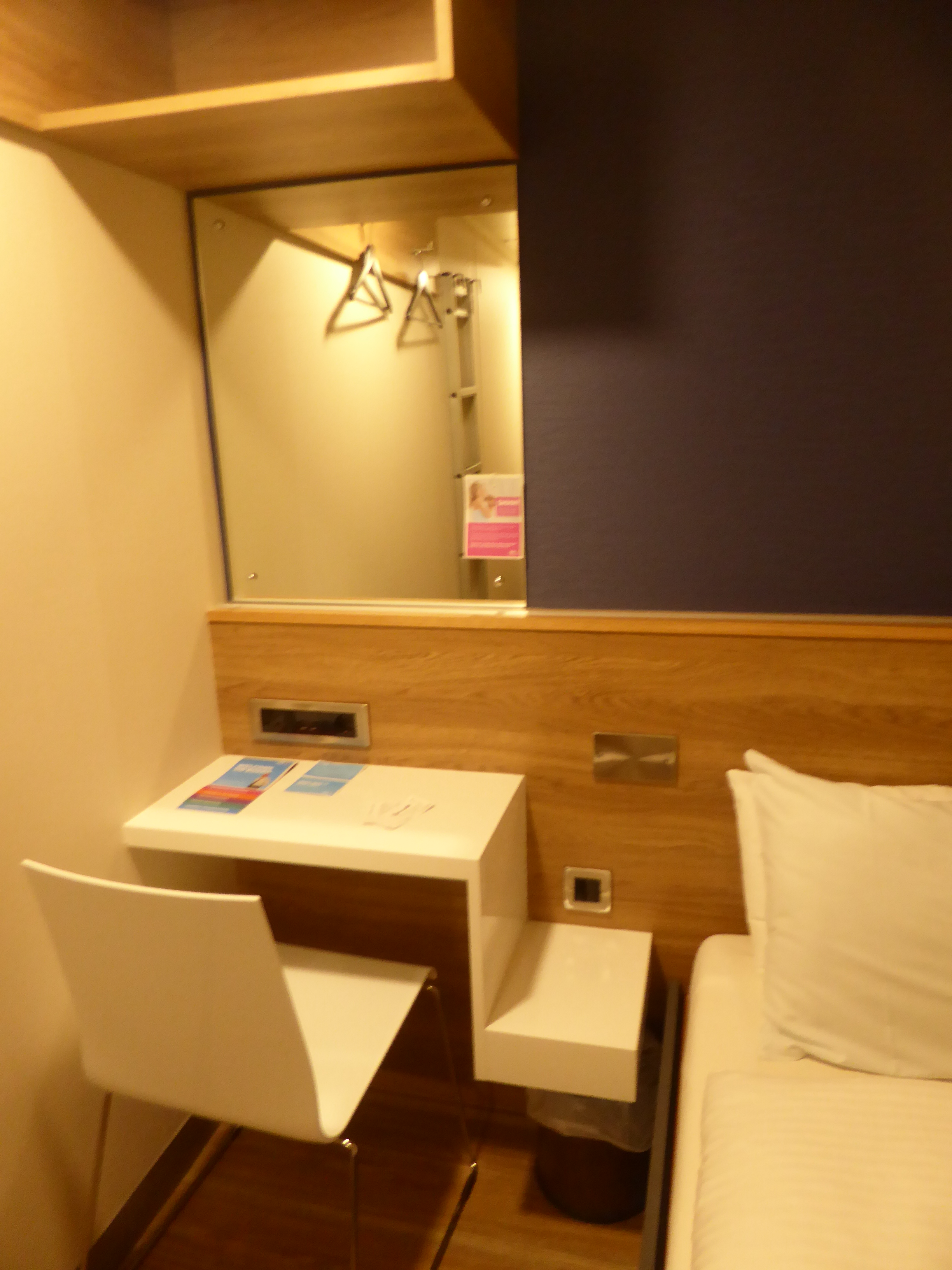
      And the room was plenty big enough, though it did not have a window. Not really bothered, as I was really only in the room to sleep and shower. Also, there was even a “desk”, though the Wi-Fi was simply too expensive to pay for; I believe it was 9 euros for 3 hours.

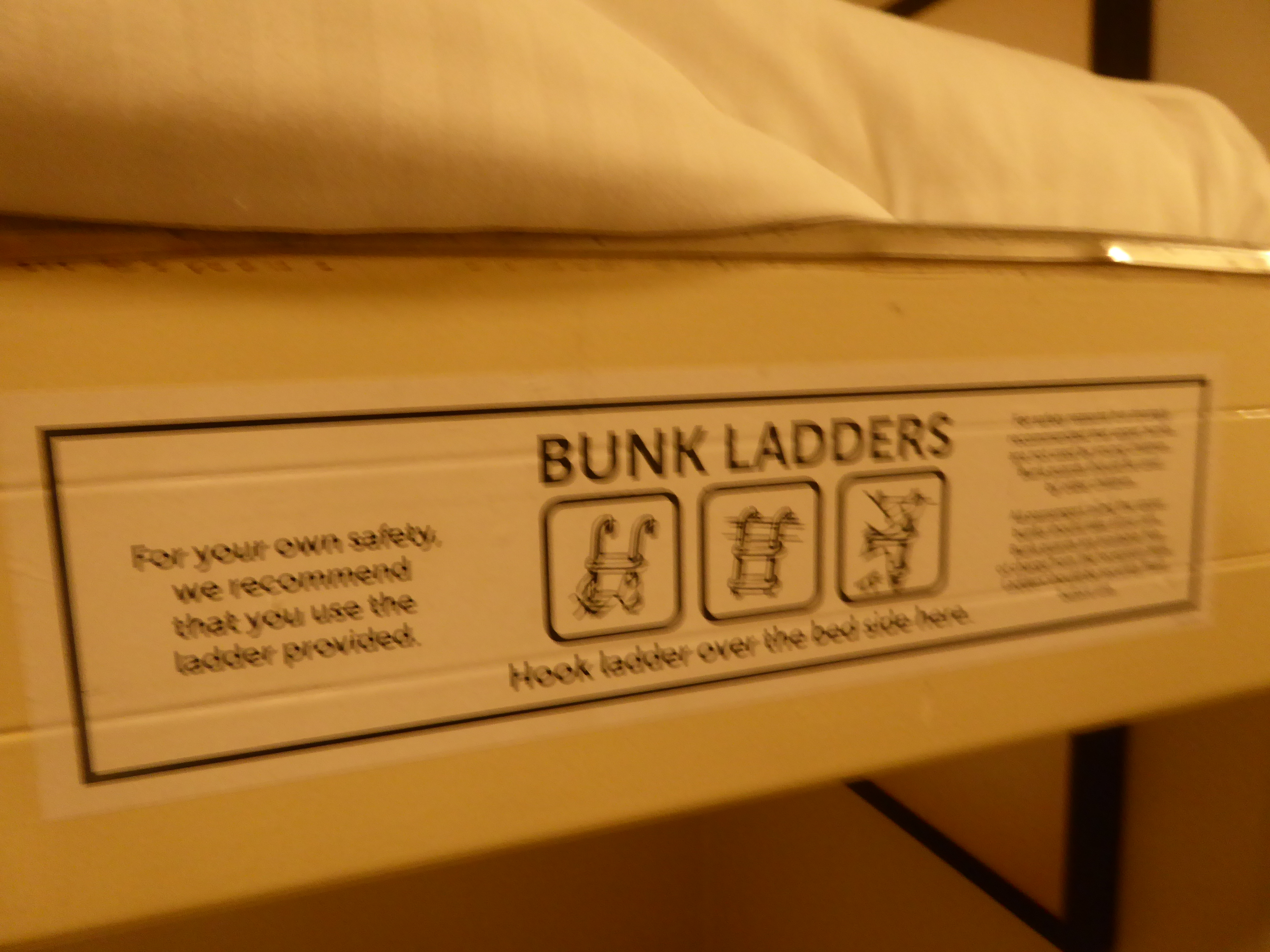
      The partner in crime had the top bunk, whilst I took the bottom bed, and yes the pillows looked and were, not my cup of tea, but two of them together were just firm enough for a good night’s sleep.

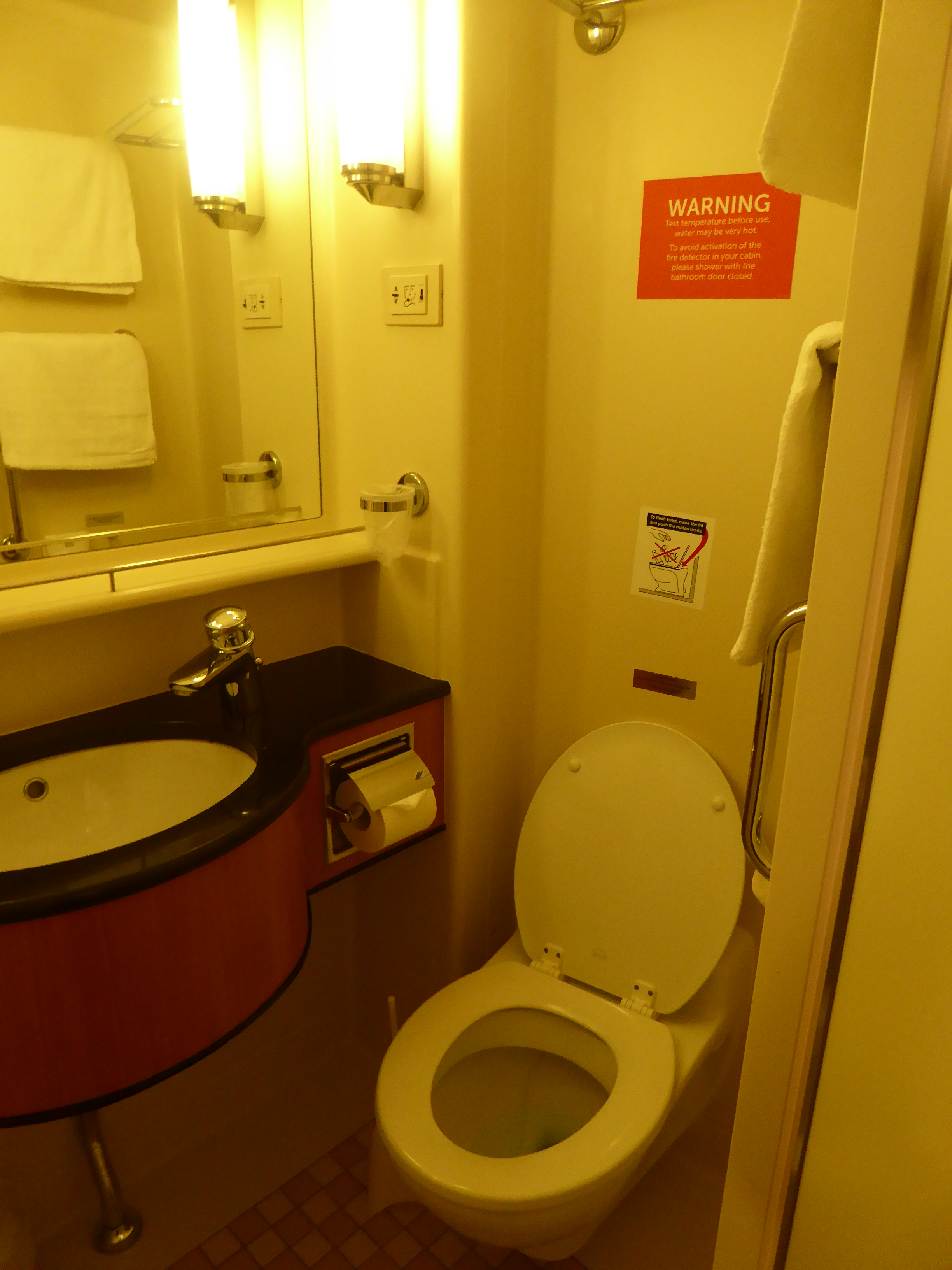
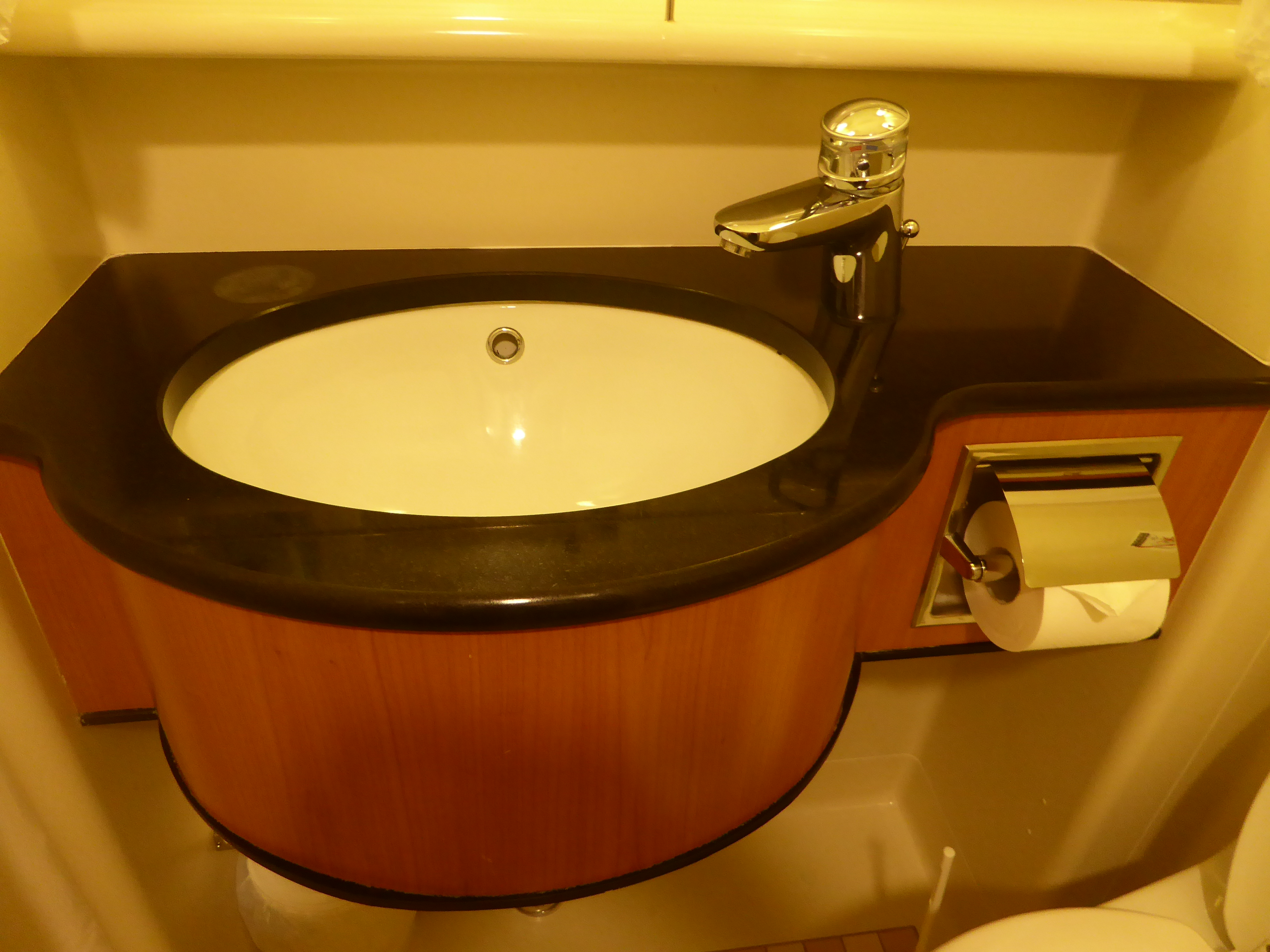
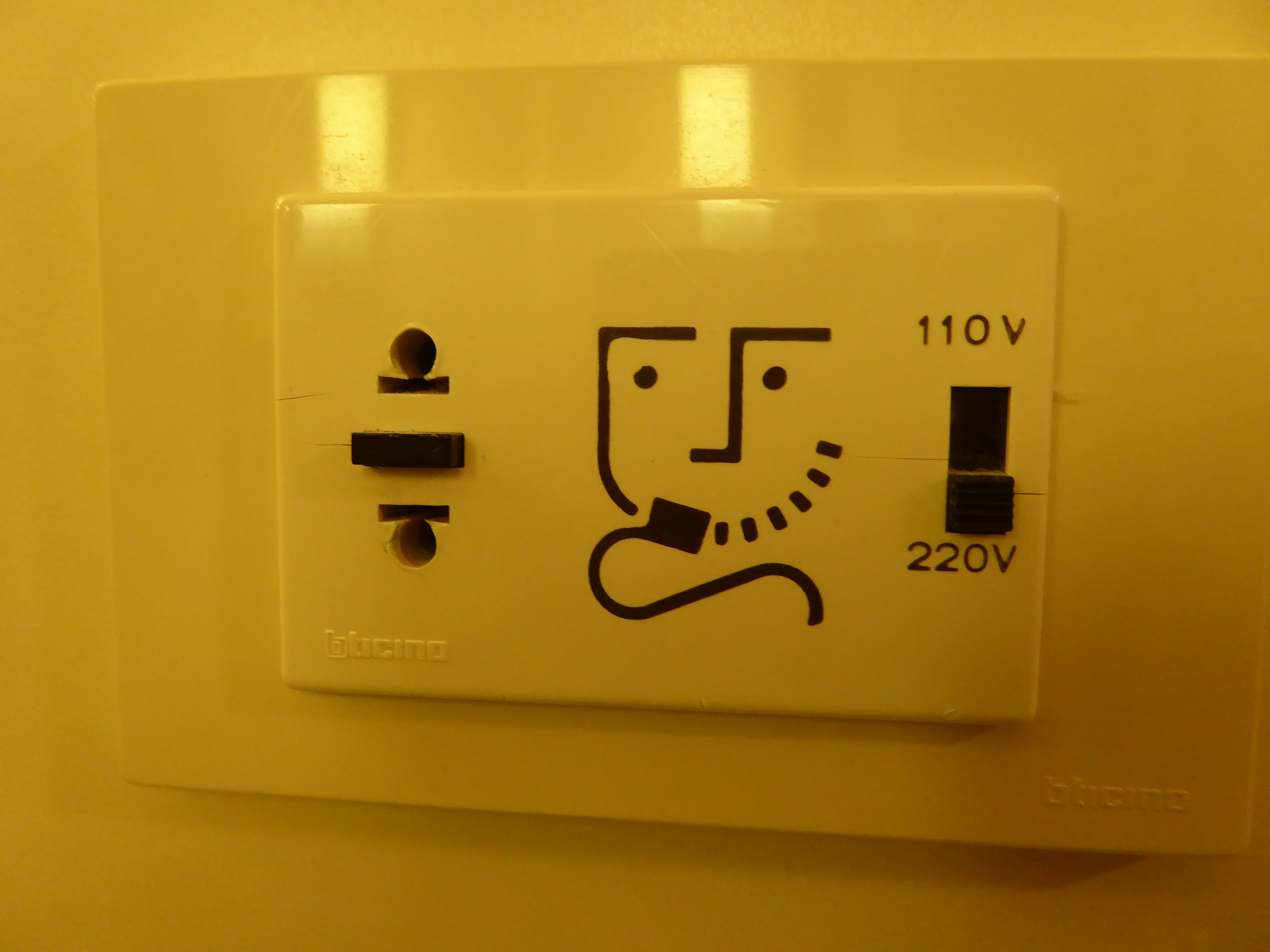
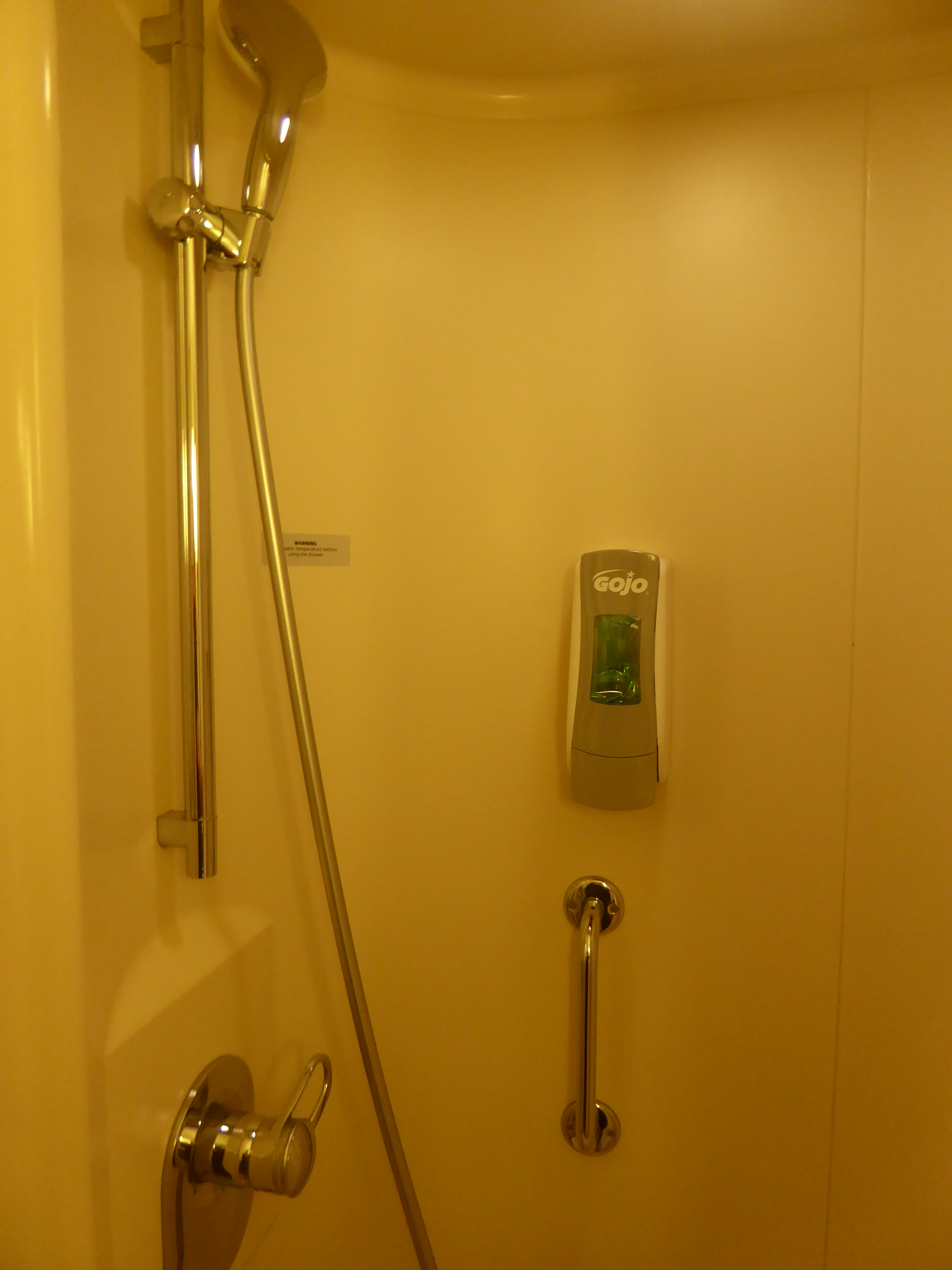
      And speaking of showering, it has always amazed me, just how much “kit” there is in one of these ferry’s bathrooms!

      Complete, even with shower gel.

      Next will be the road trip to the Black Forest.

      CB

      Euro Trip – Germany and France – A random walk in Bavaria

      Yes, in Bavaria again, and I have always found it very good, to just go for a walk and see if there is anything different that strikes me.

      I’ve been to Germany many times, but something always hits me, that many who have not been here, would probably find quite odd.

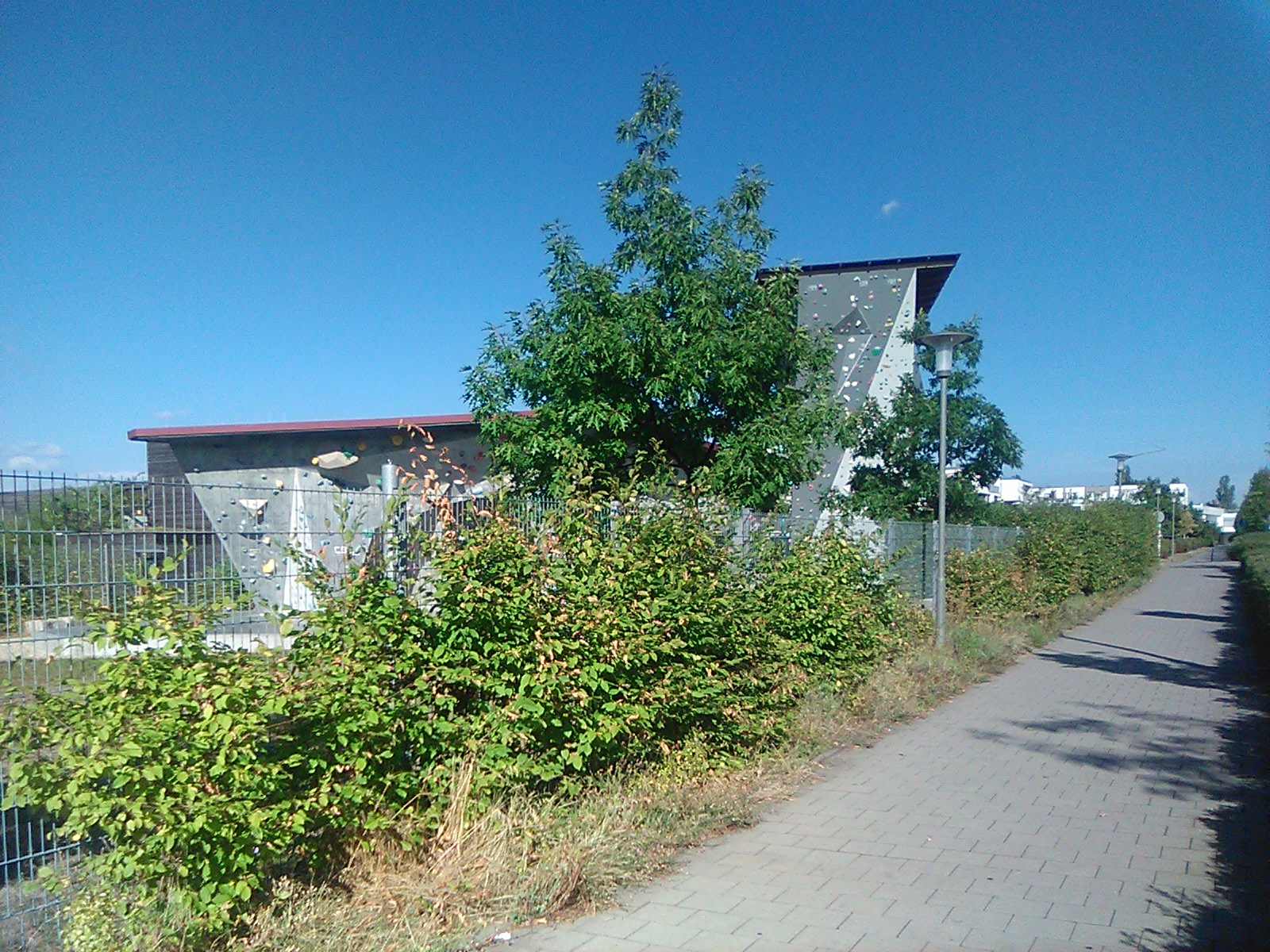
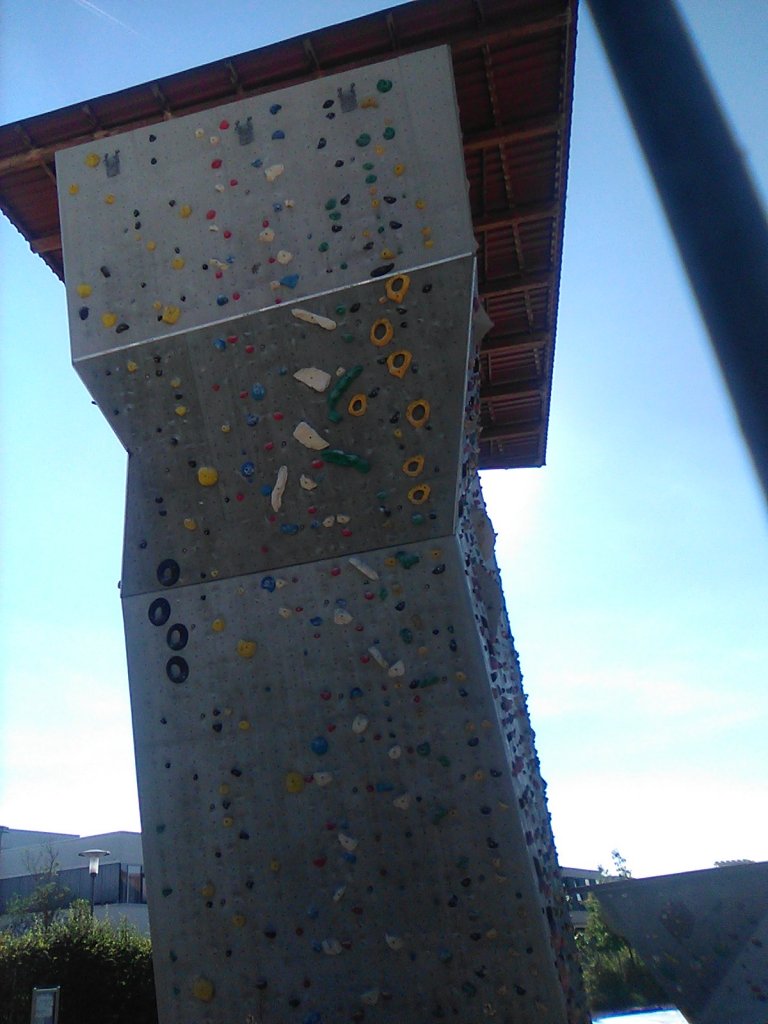
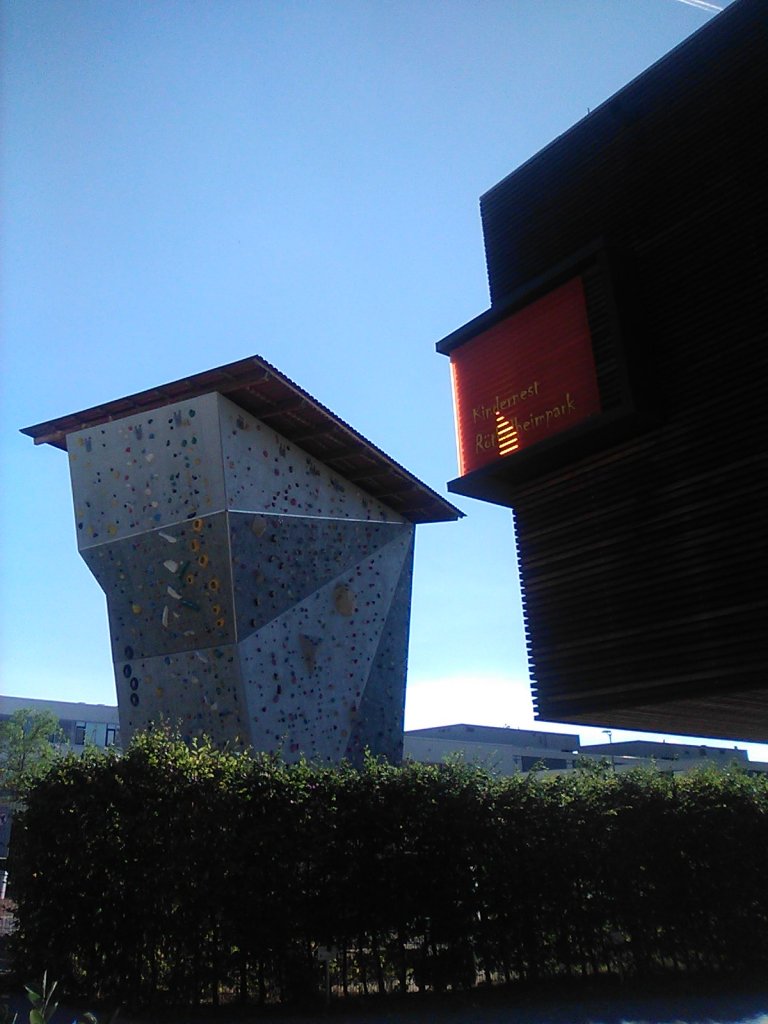
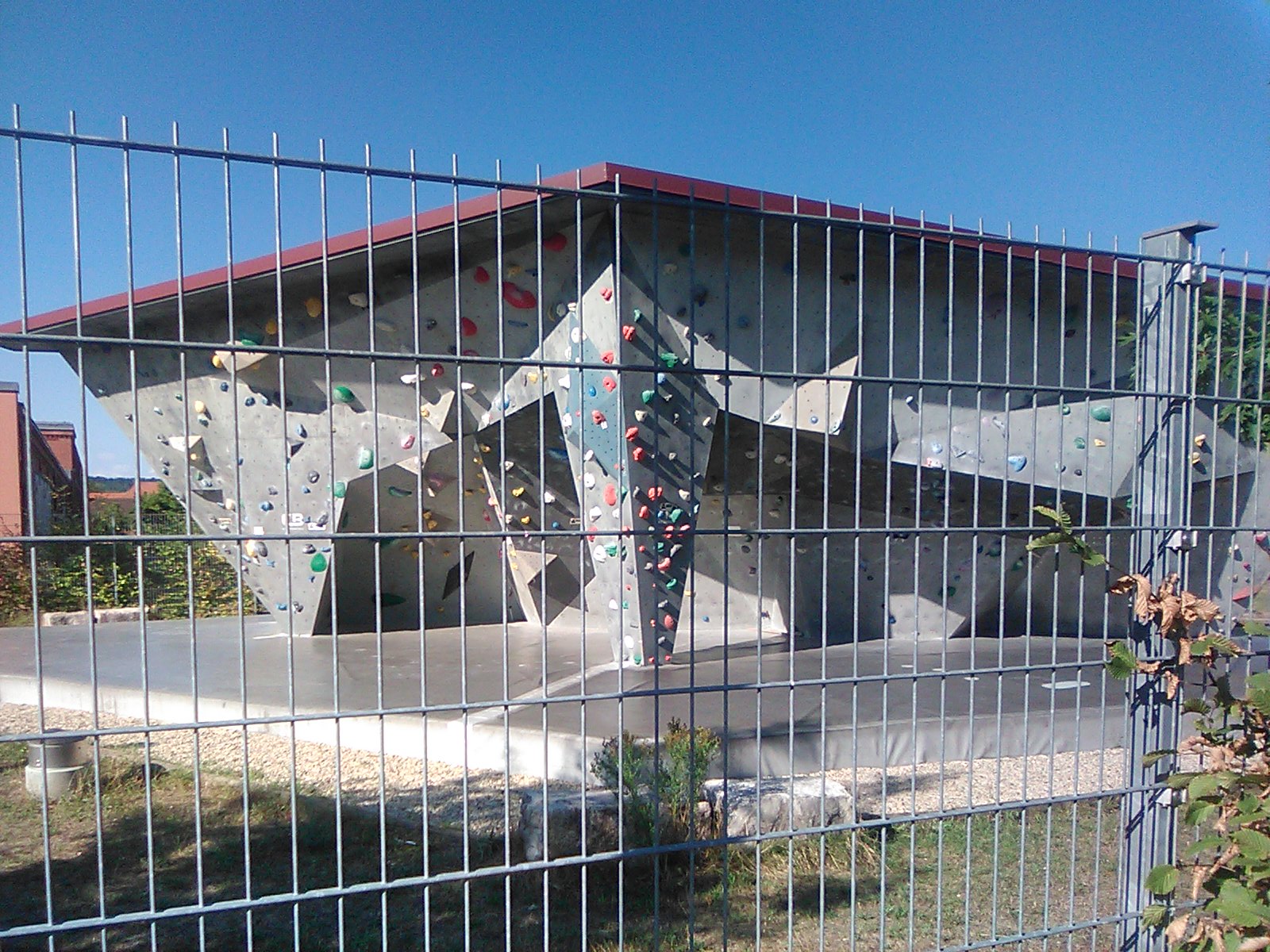
      Yes, the above is a gigantic (not sure if I’ve blogged on this before) climbing wall, right next to a children’s school or nursery (a KITA perhaps).

      With a smaller wall, for the children I presume?


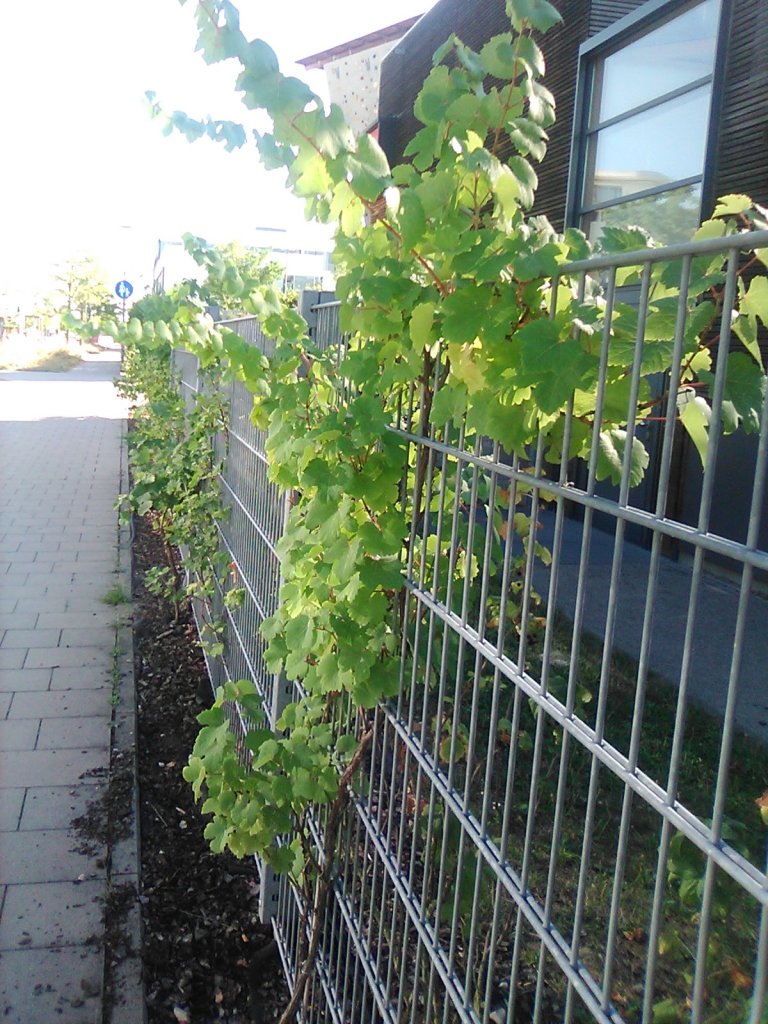
      It’s part of a private climbing club, and is right in the middle of a housing estate; though looks very well maintained. And the walk there, involved some grapes, growing on a wall by the sidewalk! Amazing.
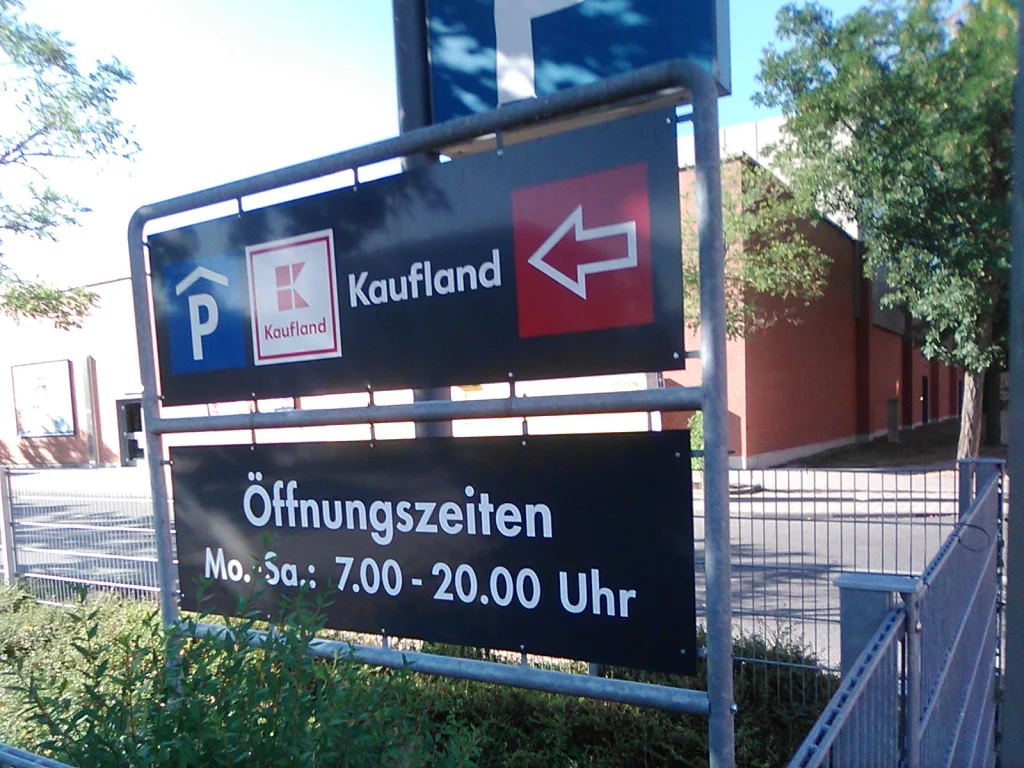
      Equally, just round the corner, as this was a Sunday walk, I came across one of these huge quality / inexpensive German supermarkets, where the amount and variety of goods is simply amazing.
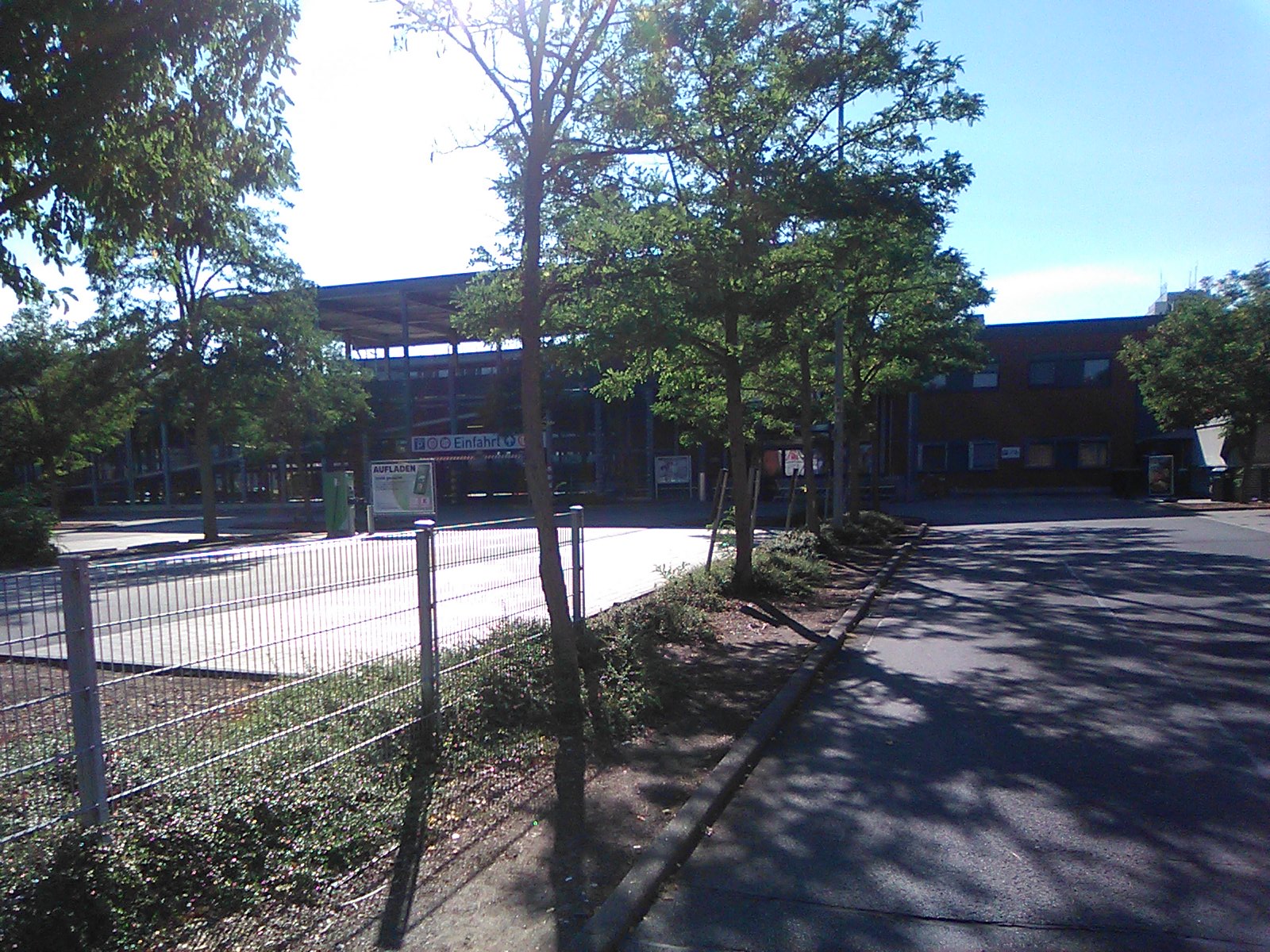
      This was a Kaufland, and owing to German laws, it is not open on Sundays! In fat, NOTHING is open on Sundays, except bakeries, some restaurants, and petrol stations (There may be more, but I’m simply not sure).


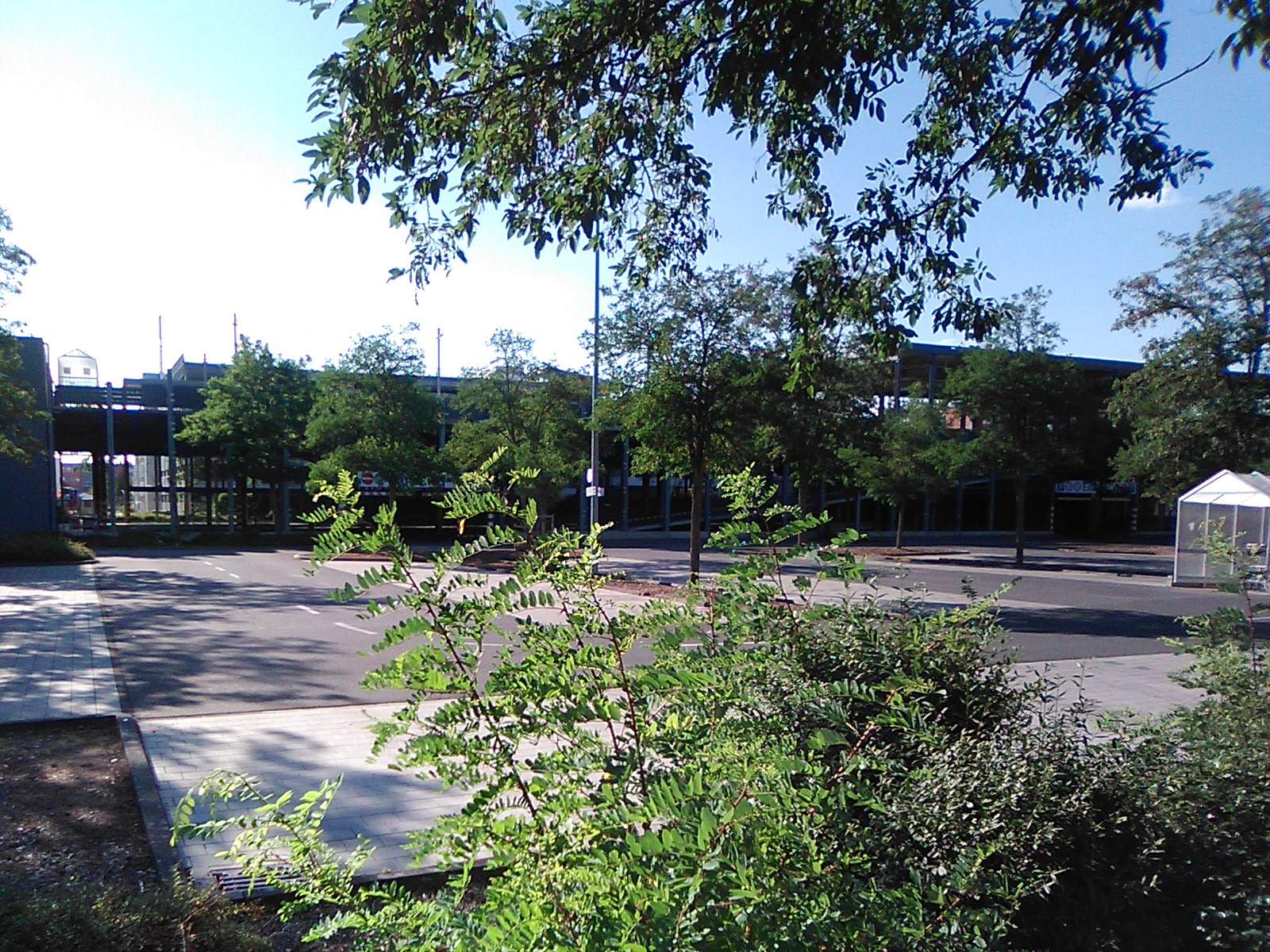
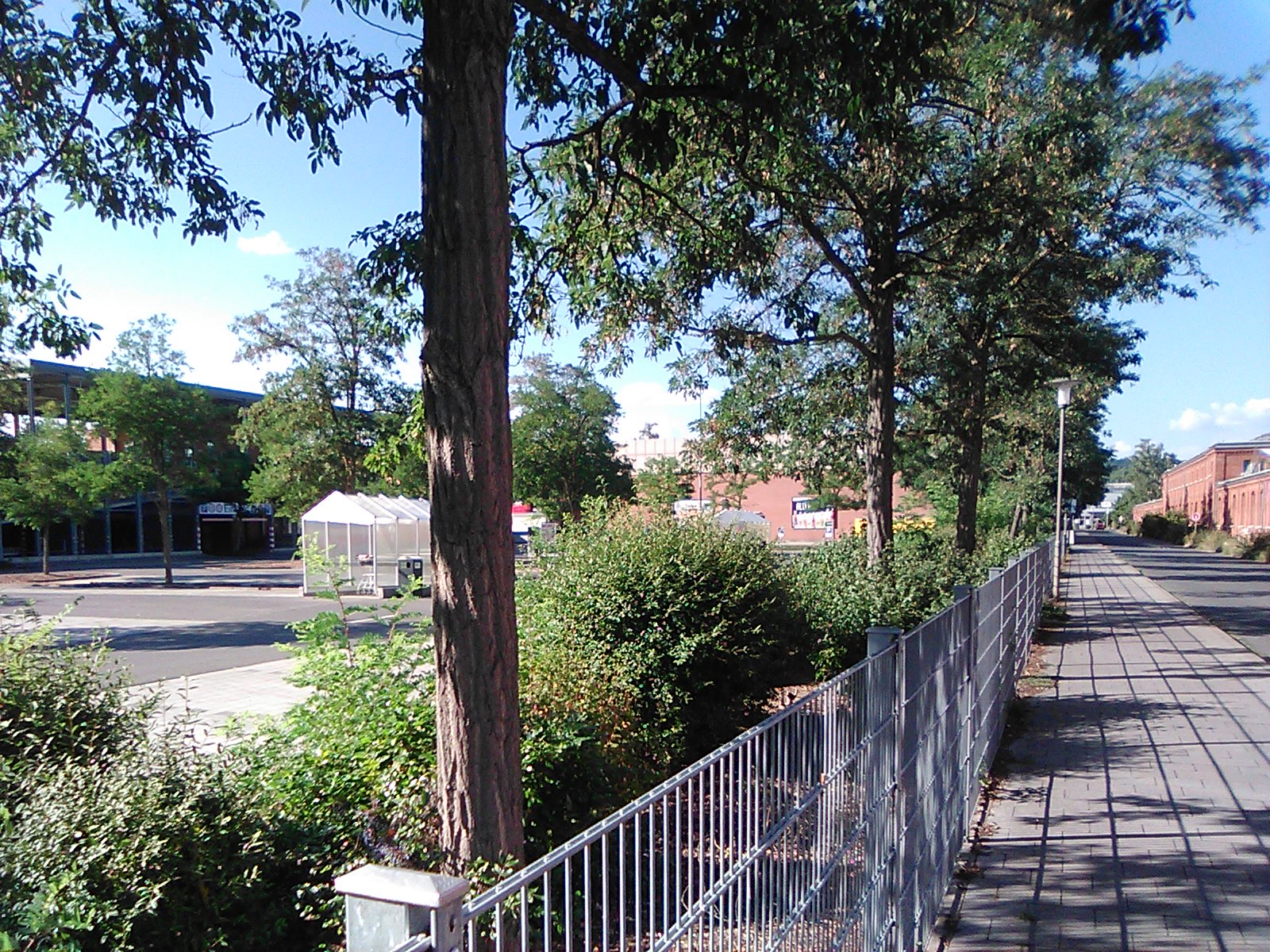
      As you can see, NO ONE is there, as the car park is comletely empty.

      Interesting.

      CB