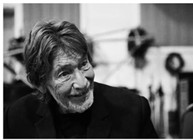
🛣️ “Driving Home for Christmas” by the late, great, Chris Rea –

My Favourite Christmas Song – BTW, It’s still Christmas, and will be until 6 January –

It was with sadness when the other half informed us last week that Rea had died; knowing that I had a fondness for the tune and for Rea.

It was only earlier in the past month, some of my clients were discussing their favourite Christmas music and songs. One of them—an engineer from northern Germany whom I greatly respect—said he loved “Driving Home for Christmas” by Chris Rea.

I concurred and was somewhat surprised, that even in northern Germany this song had an effect on people. I had to tell him, that I remember when this came out in the UK. And from what I remember, it wasn’t that big of a hit, but has certainly endured to become one of the most remembered & liked Xmas tunes in the UK.

As for Rea, I’m old enough to remember “Fool (If You Think It’s Over)”, a strange late 70s song—not ballad, not easy-listening, just a decent pop song with that rasp in his voice. I still remember the album Whatever Happened to Benny Santini?. In fact, I recently found an interview where Rea revealed it was the only track he recorded that he didn’t play guitar on. So much so, that American reviewers at the time even compared him to Elton John!
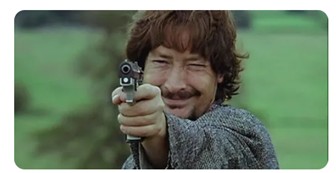
I also recall him appearing in a star-studded UK comedy, directed by Michael Winner, where Rea was a hit man of sorts, and I quote from a review:

“Their most notable collaboration was the 1999 film Parting Shots, which was Winner’s final directorial effort and featured Rea in his only lead acting role. The film, a dark comedy about a man diagnosed with cancer who seeks revenge on those who wronged him, was widely criticized upon release and has since been described as one of the worst films ever madeRea, who had no prior acting experience, was cast after Winner met him on a beach in Barbados, a decision that drew significant criticism for its mismatched casting.”

But what makes “Driving Home for Christmas” so special is its simplicity: it’s contemporary (“I’m driving…”), no bells, no snow, no reindeer, no tinsel—just a twinkling jazz piano and major‑seventh chords. Both make it my all-time favourite.

Interesting, Rea never performed the song until Christmas season 2014!

“In the Guardian interview, Rea stated that he never played the song live until 2014 at Hammersmith Odeon; he recalls: “the gig was on 20 December, so the road crew kept badgering me to do it. I went, ‘If I’m going to sing this fucking song, we’re gonna do it properly.’ So, we hired 12 snow cannons. When we started the song, you couldn’t hear it for the noise of the crowd, and we let go with the machines. We put three feet of artificial snow in the stalls. The venue charged me £12,000 to clean it up!

Interestingly, even a day or two before Rea’s untimely death last Monday, I found myself wondering why I’m so drawn to that song, and particularly modern Christmas tunes.

Usually, three things must come together—especially in British Christmas songs:

1 – It’s by a mainstream’ish artist
2 – It’s contemporary and fresh.
3 – The artist is at the peak of their game when they record it.

Great examples include “Last Christmas” (Wham!), Elton John’s “Step into Christmas”, and even Band Aid. These songs were modern, culturally relevant, and infectious. Please forgive me if you’re annoyed that The Pogue’s with their Irish blarney didn’t make my list. (Ed, – Why do they always talk about New York City, instead of Dublin?), or Mariah Carey’s chart schlock—both feel like heavy corporate promotion. That’s not really my scene. But there’s something about UK and Irish audiences—you can feel their love for Christmas singles.

Although, in my opinion, it’s been around 20 years since a decent, new tune clinched the Christmas number one—that being The Darkness in 2004? I haven’t really heard many standout, new tunes since then.


🎶 My All-Time Top Three Christmas Songs

  • Chris Rea – “Driving Home for Christmas”
    A masterclass in contemporary yet personal Christmas songwriting.
  • Jonah Lee – “How to Stop the Cavalry”
    This anti-war gem has remained one of my favourite festive tunes as well.
  • Greg Lake – (Christmas piece borrowing from Prokofiev)
    A beautifully orchestral offering that nods to classic composers.
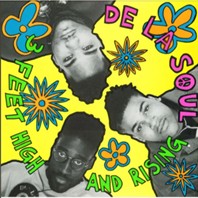
Rap & it’s decline; at long last . . . ?

De la Soul – Alt Hip Hop – Sensational performance at Reading Festival in the Early 90s

https://www.nme.com/news/music/there-are-no-hip-hop-songs-in-the-us-top-40-for-the-first-time-since-1990-3905278

I found it interesting that I came across the above article, and it didn’t seem to get much attention in the press recently. I remember when I was young—in the late ’80s and early ’90s— I was completely wrapped up in the music scene, and then hip-hop arrived.

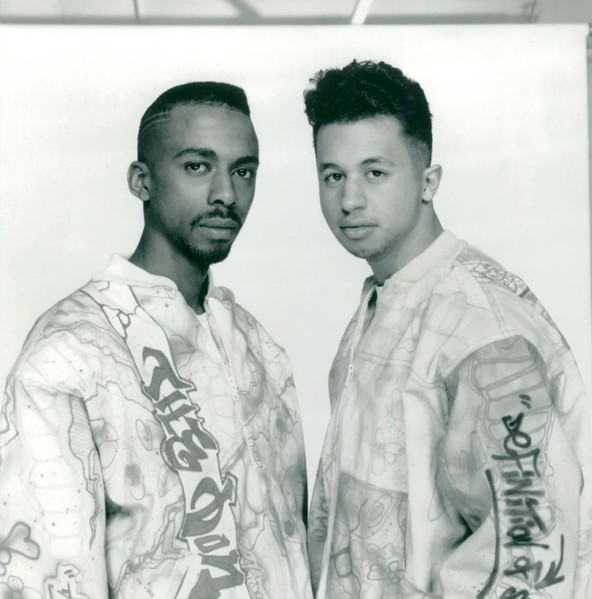
the Definition of Sound – Inventive, London Hip Hop

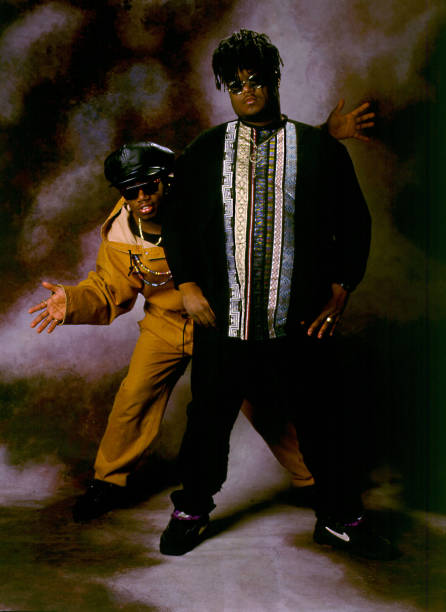
I always thought hip-hop was wonderful: a fusion of styles and sounds. Sure, many artists didn’t play instruments, but the music they created was fun, danceable, and perfectly suited to the genre. Also, I felt that there was an enormous variety to the genre; the pictures above and below showcase some of my favourites.

PM Dawn – “Hippy” Hip Hop

The thing about rap, is that I was never a big fan; always thinking that Hip Hop was just SO much more inventive and clever. Also, imho American music in general is at times, very compartmentalized. It always felt to me, that the country was more reliant on corporate acts, and simply did not have a very great “pop” tradition like the UK had.

Playlists were predictable: hip-hop for predominantly ethnic & city audiences, country for rural listeners, and so on. But then, in the early to mid-’90s, both genres began crossing over and hitting the pop charts. The rap acts started to become huge, as well as, in my opinion completely mediocre acts such as Garth Brooks; dreadful. How he is rumoured to be the best selling, single artist in history is mind-blowing. Let’s be honest here, did he ever write & record a Wichita Lineman? A Walk the Line? Etc?

Music Apps

As for rap, part of the popularity (as with any genre) may have to do with how charts work now compared to then. Today, many songs rely heavily on a small group of fans streaming tracks repeatedly. For example, five regular fans might play a song ten times a month—that’s 50 plays. But if one superfan plays it 100 times a month (about 3x / day) that single listener can push the numbers up dramatically (too my knowledge). This wasn’t the case back when you bought an album or a record. One sale was one sale, and that was it. If you never played that song / album again, or if you did; it meant nothing. The sale was the sale. Spotify doesn’t track unique listeners in the same way. They don’t say, “This person listened once three weeks ago, so that’s enough.” Instead, repeated plays count, which is why some pop and rap songs can stay in the charts for an incredibly long time.

This is something that probably needs to be addressed—but that’s another discussion. If Rap is fading, or if it’s just slowly declining, it raises the question: when the charts finally shift, what will take its place?

CB

PS – These are my own opinions. This is not a music blog, I could WELL be incorrect.

La Bohème – A night at the Scottish Opera

Years ago, when I was trying to learn guitar—classical and jazz—with an outstanding teacher on the West Coast of America, we started talking about the music we liked. Not just the usual pop and rock of the time—Van Halen, Foreigner, Earth, Wind & Fire, and all those disco acts—but what really spoke to us.

I told him I loved classical music, in particular Elizabethan, Baroque, Romantic. I mentioned composers like Tchaikovsky and Prokofiev. He said he liked almost everything. He had a degree in music and could play classical pieces on both piano and guitar. But there was one thing he admitted: he didn’t care much for opera—he just couldn’t understand it. Not just that they were in Italian, etc, but that what was the point (or something like that).

I could relate. Opera always seemed like endless shouting, as if everything were a Wagner production. It made no sense to me. Even in musicals, you’d have spoken parts alongside singing, which felt more natural. But that was beside the point. It existed and was not going to change.

So when we decided to see La Bohème last month at the Theatre Royal in Glasgow, I treated it like an excursion—a field trip. I wasn’t expecting to enjoy it.

Boy was I completely wrong.

La Bohème composer Giacomo Puccini

Over the last decade or so, I’ve come to appreciate some of the old operas, especially Italian ones like Puccini’s. They feel written for enjoyment, for ordinary people, full of memorable tunes. And when I went to the performance, that’s exactly what I found.

I was fascinated by the audience also. Every type of person was there: Black, White, Asian, Chinese, disabled, old, young, students, middle class, working class. I’ve been to hundreds of concerts, but I’ve never seen such a mix. It felt almost like a cult type of thing. And in addition, the two main roles were played by Asian singers.

And although opera is hardly in the charts, a survey last year is also in tune to my feelings. According to the Laidlaw Opera Short Report – Google Docs;

The Laidlaw Opera Short Report from January 2024 conducted by Public First found that 42% of the UK public has never met an opera fan, but 41% would like to go to an opera at least once in their life. The report also highlighted that cost is the main barrier to opera attendance, with 49% of the public saying that the cost being lower would make it more likely for them to attend an opera.

And when you delve deeper, the report says it’s the young who seem to have more time for opera nowadays?! If you have time (I didn’t even know these type of reports existed!), please go in the link and read it; it’s fascinating.

Back to the performance of La Bohème, there were parts of the opera I understood well and parts I didn’t. But I definitely recognized a couple of melodies that I’d heard on Classic FM.

It was a wonderful experience—and something I plan to enjoy again in the future.

Glasgow’s Doors Open Day -Time Travelling by Exploring Glasgow’s Tenement House

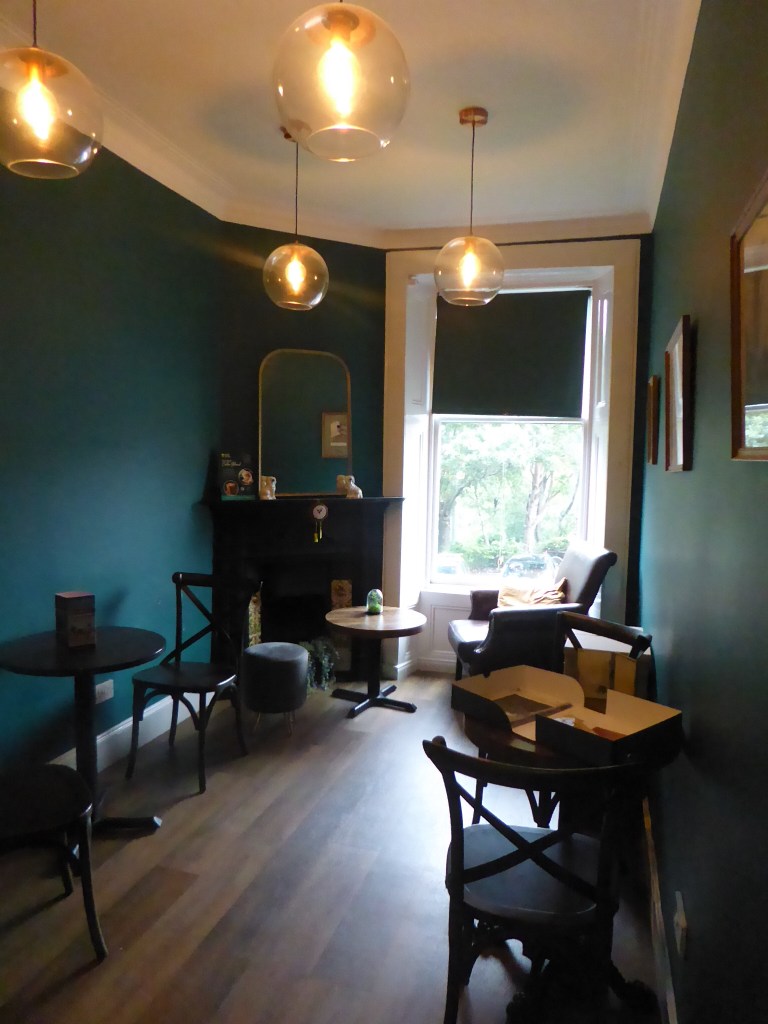
It’s interesting because I’ve been in Glasgow for 30 years, but I’ve never actually visited this part of the National Trust for Scotland. At the same time, it seems that virtually every accommodation I’ve used in Glasgow has been a tenement—tenements in the West End, tenements in the East End, and tenements in the South Side. The only time I haven’t stayed in a tenement was in the city centre, specifically in the Pollokshields area of Glasgow, which is a very nice inner suburb.

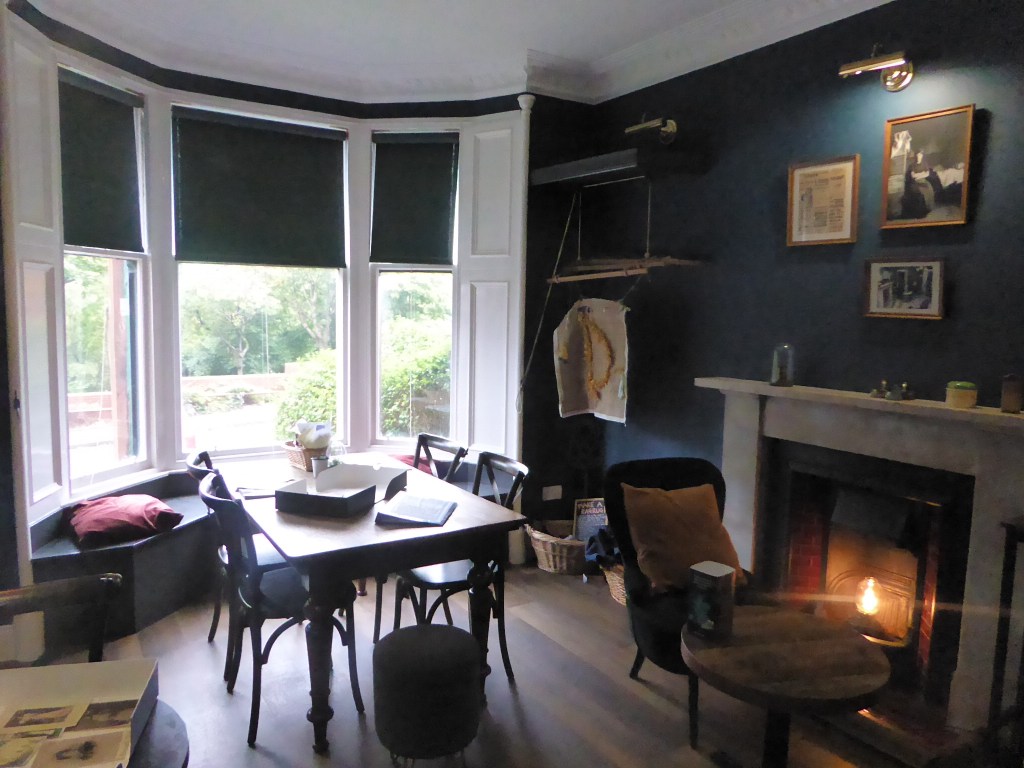
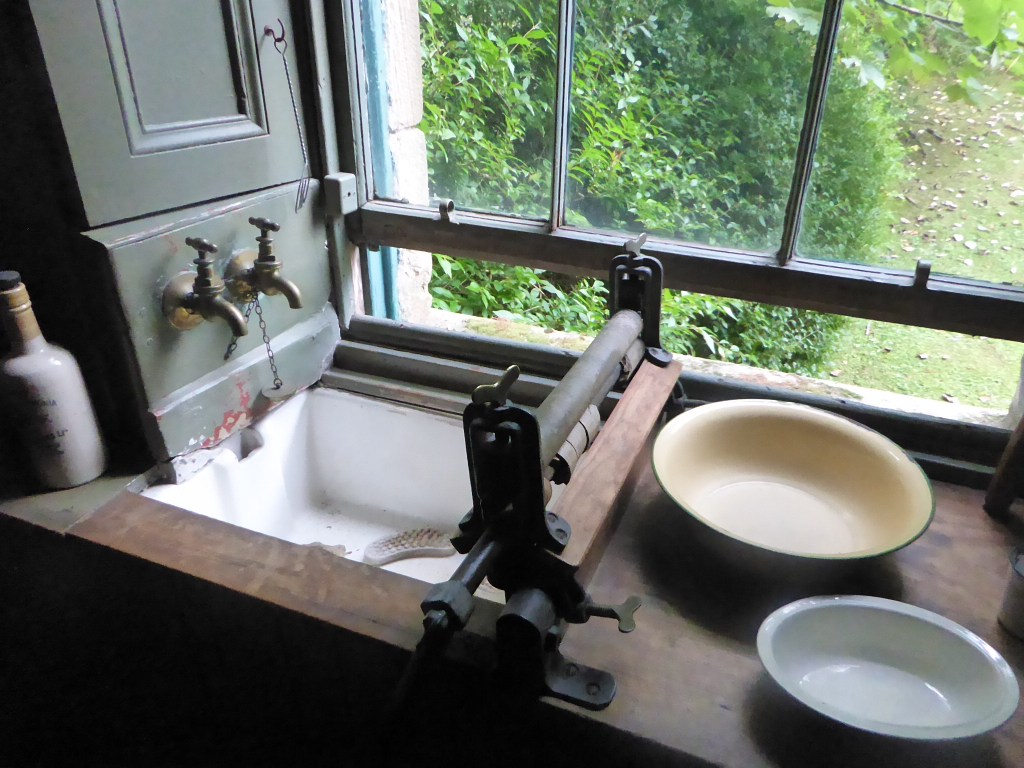
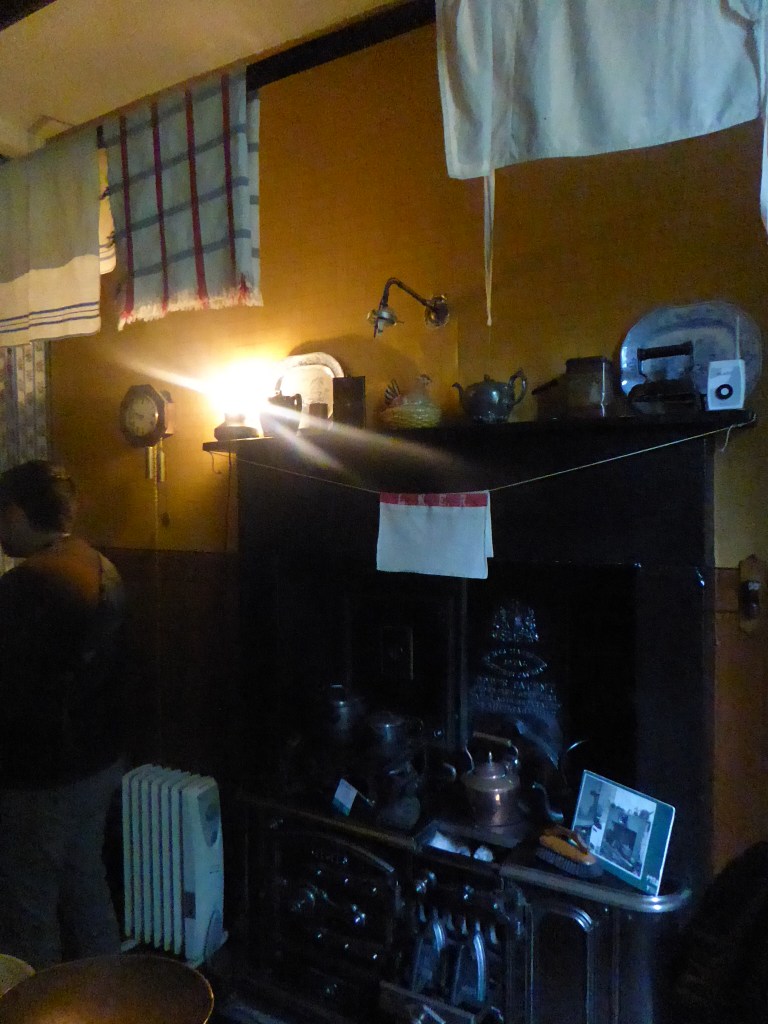
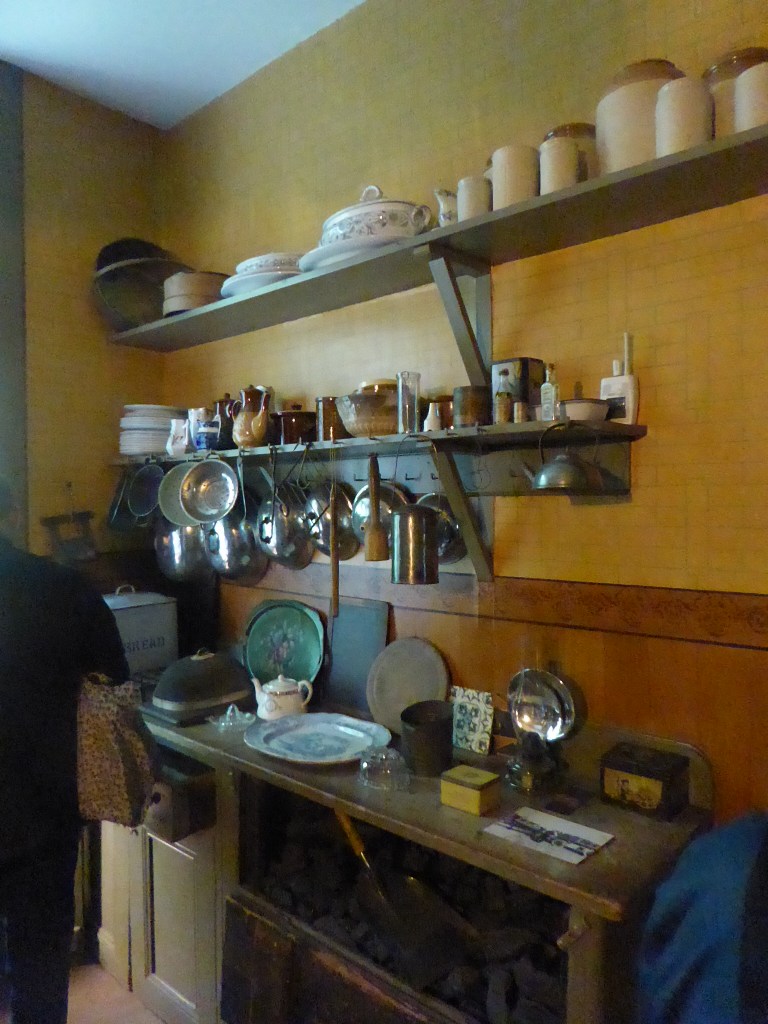
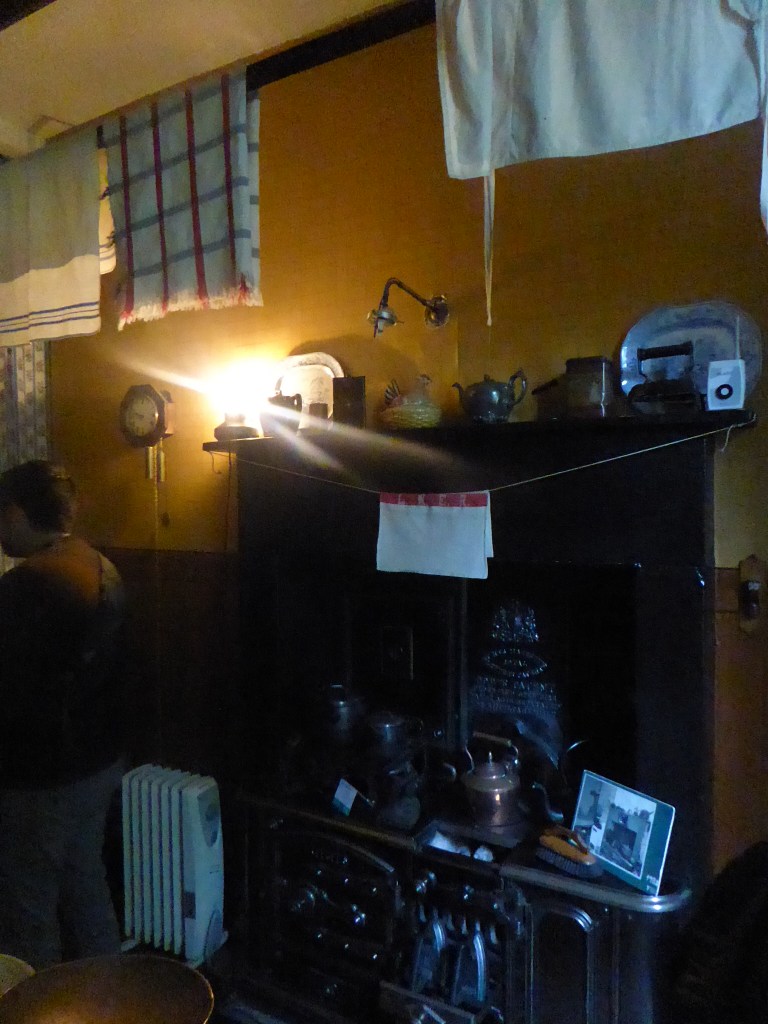
During the annual Doors Open Day in Glasgow, which took place a couple of weeks ago, I decided to visit the Tenement House located in the Garnethill section. It truly feels like a time capsule from 100 to 120 years ago.

The house was bequeathed to the city and later to the National Trust in the mid-1960s, after the owner neared the end of her life. I believe her daughter took over and rented some of it out. The National Trust acquired it in 1965.

It’s fascinating to have a conversation with someone and then, 100 years later, start that conversation again. Time stands still here.

The overall layout is identical to so many tenements here in Glasgow, from the bed recesses (now used as a kitchen table area or closet):

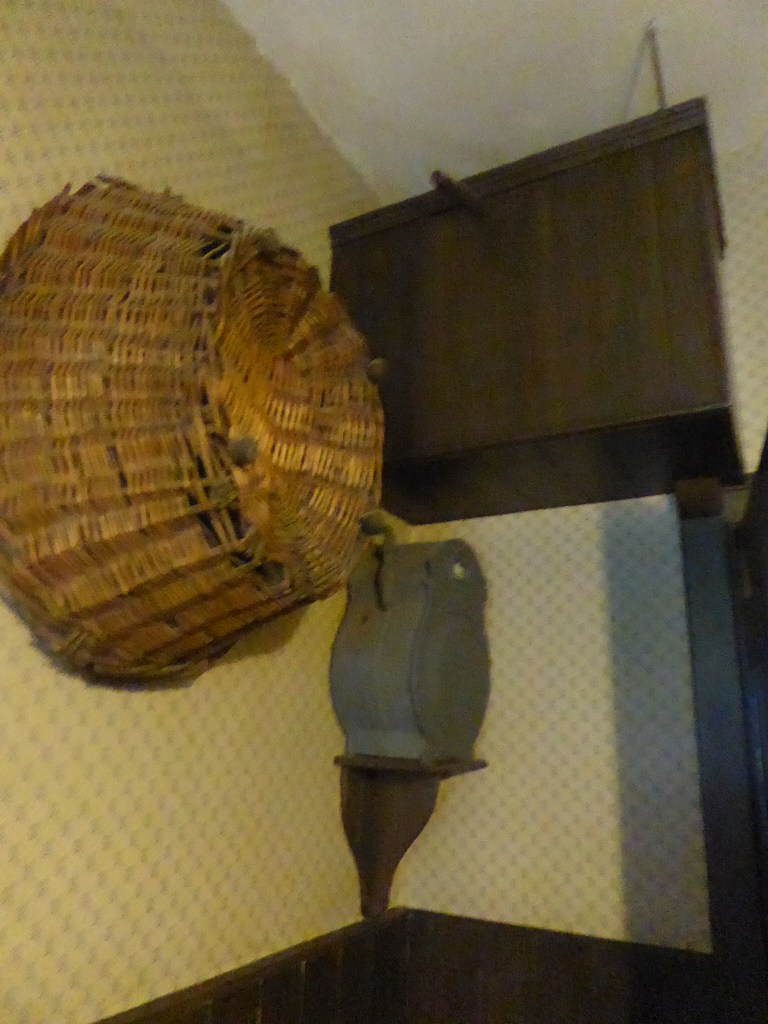
To the “pully,” which is rather horrifically referred to as a Victorian hanger by some:

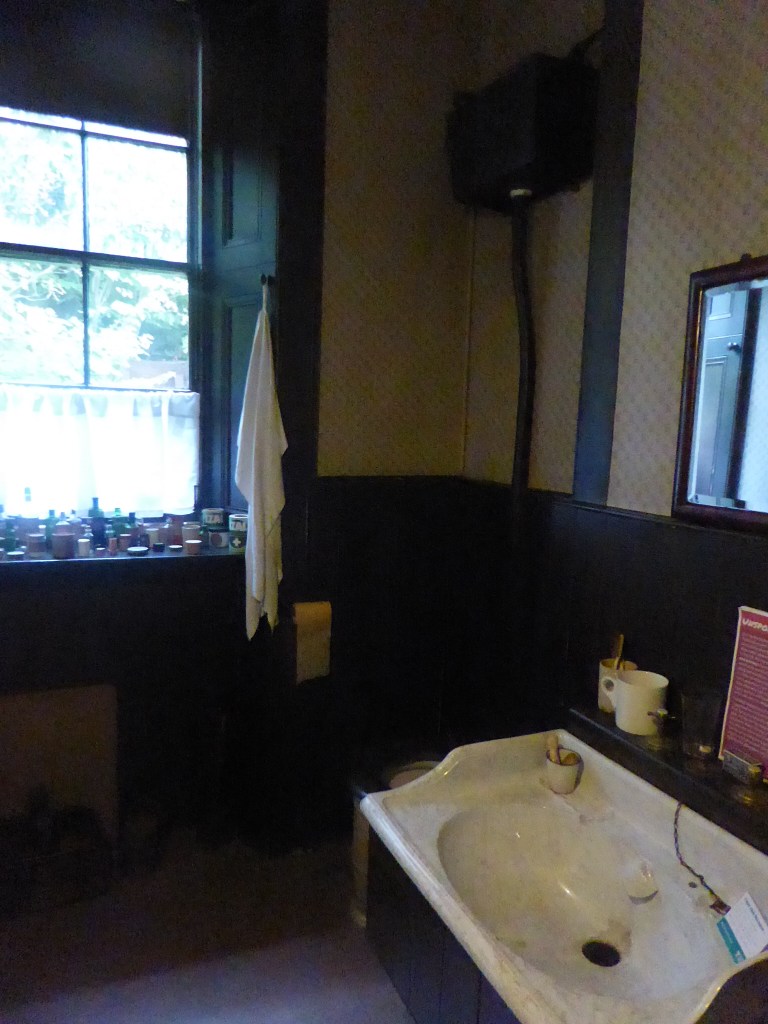
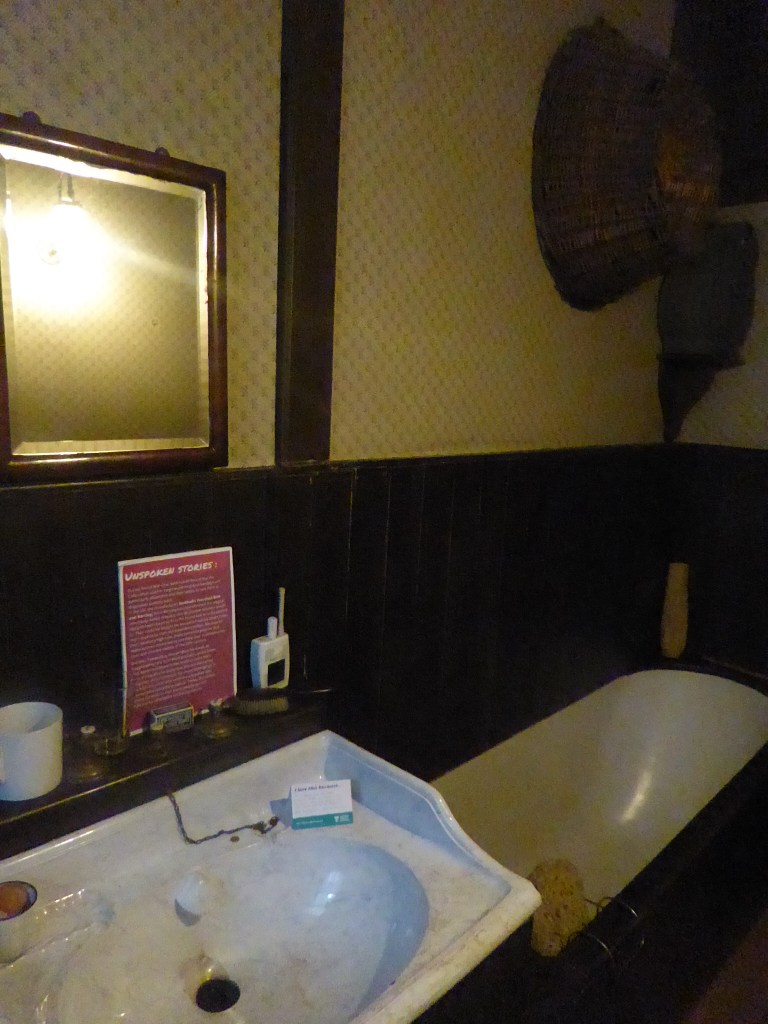
Additionally, it seems the lady who owned it was fairly well-off. While I was in the bathroom, three older Glaswegian women were describing what each feature in the room represented. They noticed a gas connection in the wall, which was connected to the gas port at the time, providing some of the heating and hot water. This suggests that the woman who owned the place was probably middle class.

Even in the bathroom, with a little paint and minor repairs, it would fit right in today.

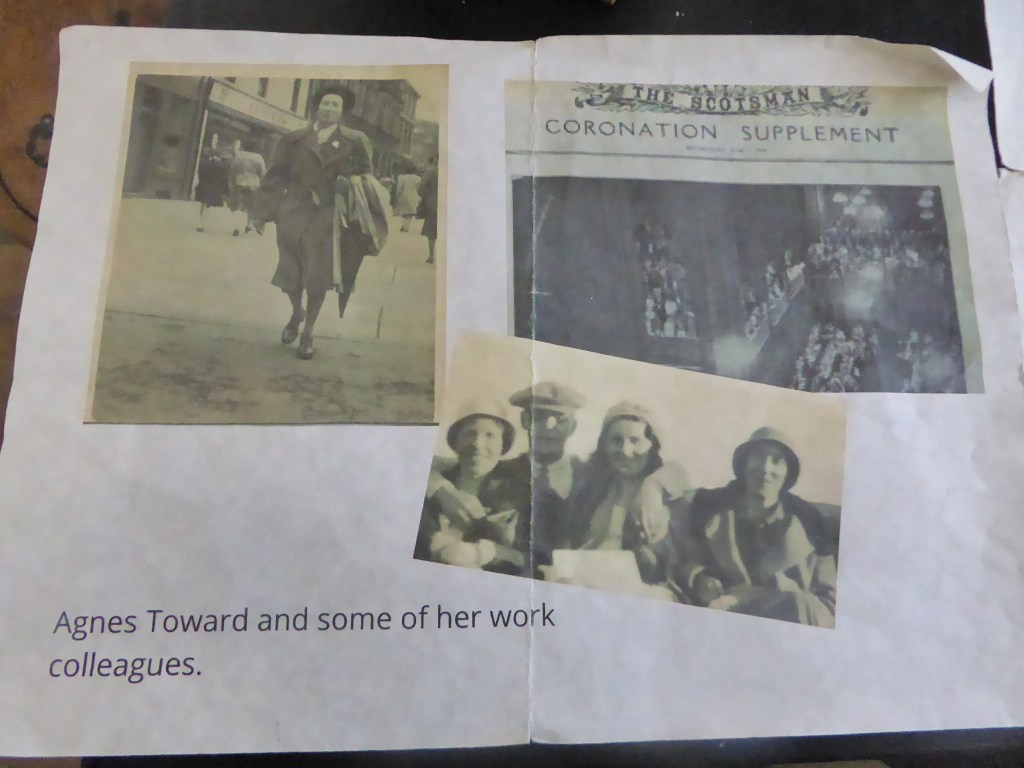
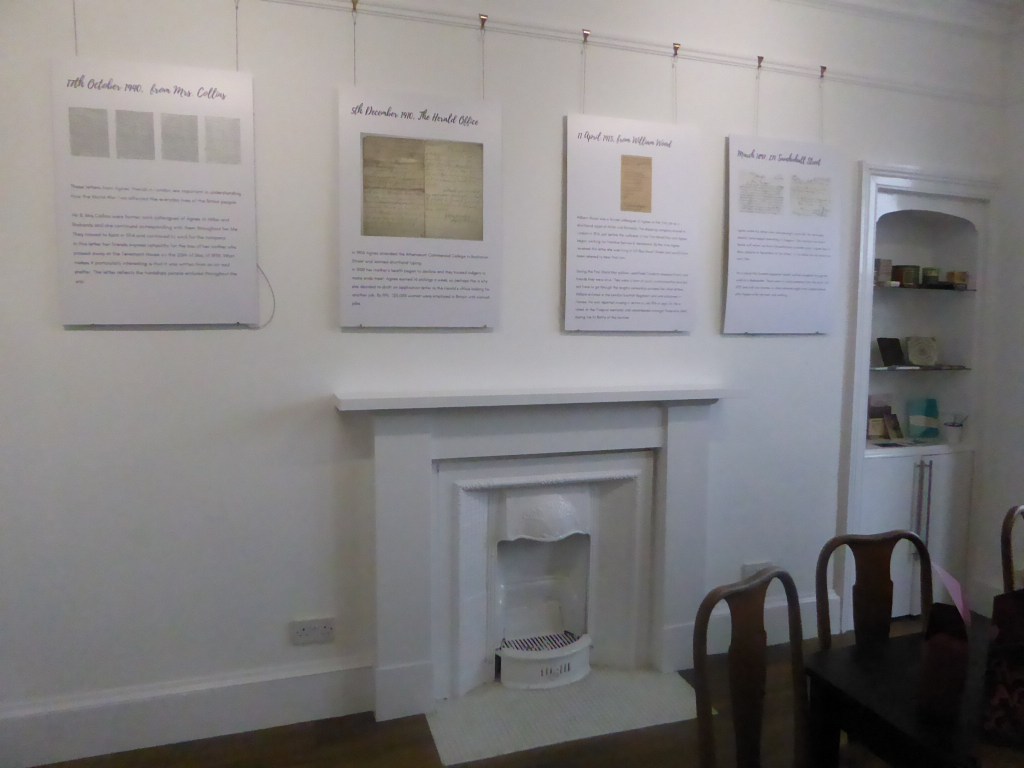
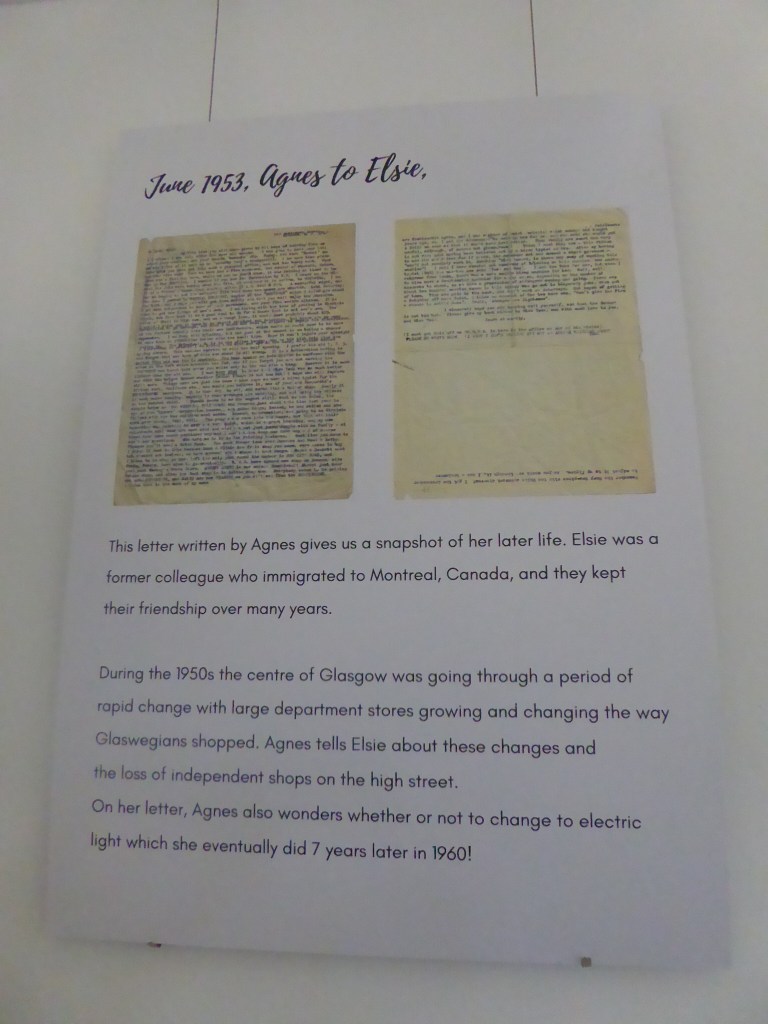
The most striking thing I saw was the letters and briefs that she had written and received throughout her life. It always strikes me that although we have everything from the internet to telephones and mass communication today, we’ve completely and utterly lost any form of communication via pen and paper. These letters were so much more eloquent and elegant than we use today; the words were utterly superior than what we could ever dream of crafting nowadays, even if we were to give up texting or emails.

CB