“Active Tourism” in Mallorca – A Spanish Cooking Course for Beginners –

One of the most memorable activities we did at our recent stay in Mallorca, was a cooking course, which got me thinking about the concept of “active tourism.”
Years ago, I watched a BBC travel show featuring a 25- to 30-year-old American exploring this idea. He was in a small Spanish village, diving into a river to inspect a stone bridge in need of renovation, actively engaging with the presenter and the task at hand. He got his hands dirty inspecting a dilapidated stone bridge; I laughed and wondered, did he really need to do that?

It was fascinating and also slightly embarrassing. He was just SO enthusiastic, acting as an amateur archaeologist / stone mason!

This concept of active tourism stuck with me; and to be honest, I’m not even sure if that’s the correct word(s) to use?

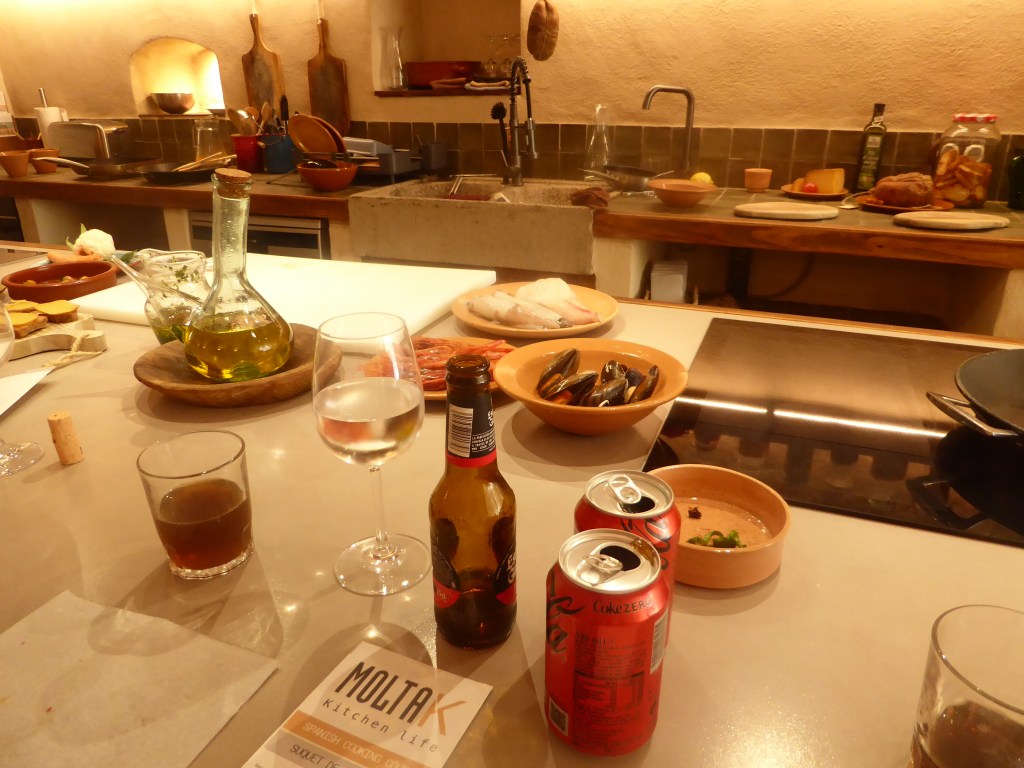
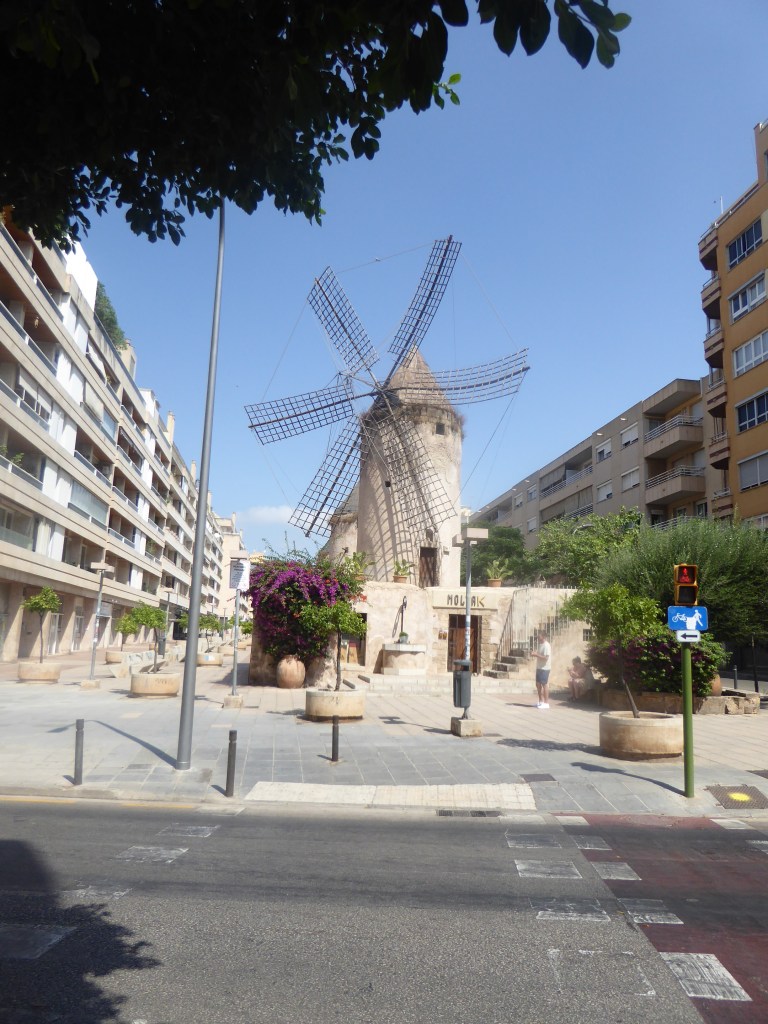
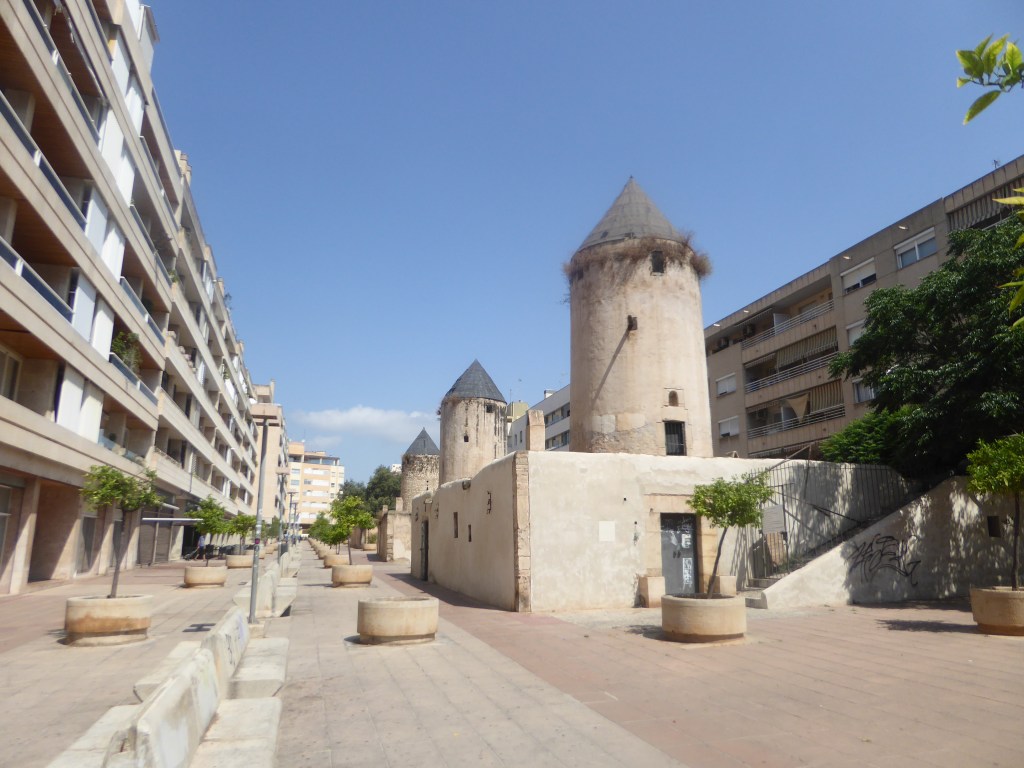
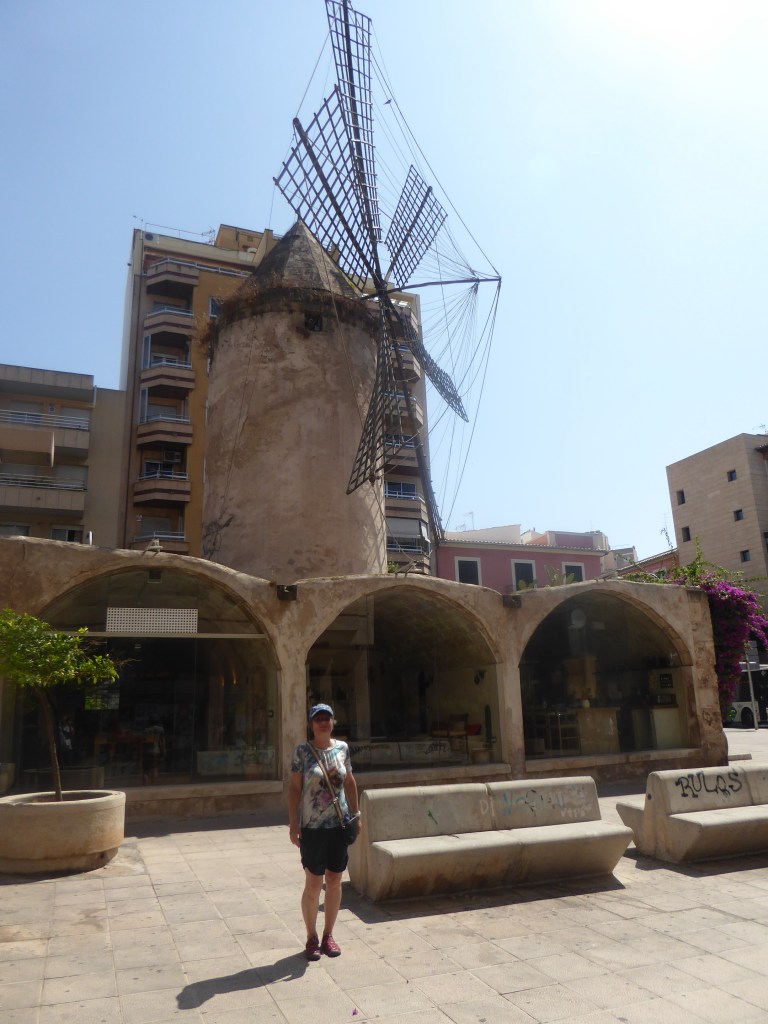
So last month, when my other half and I visited Mallorca, someone recommended a cooking course, inspired by a similar experience they’d had. We decided to give it a try and booked a course in downtown Palma, near some historic windmills (no longer in use).
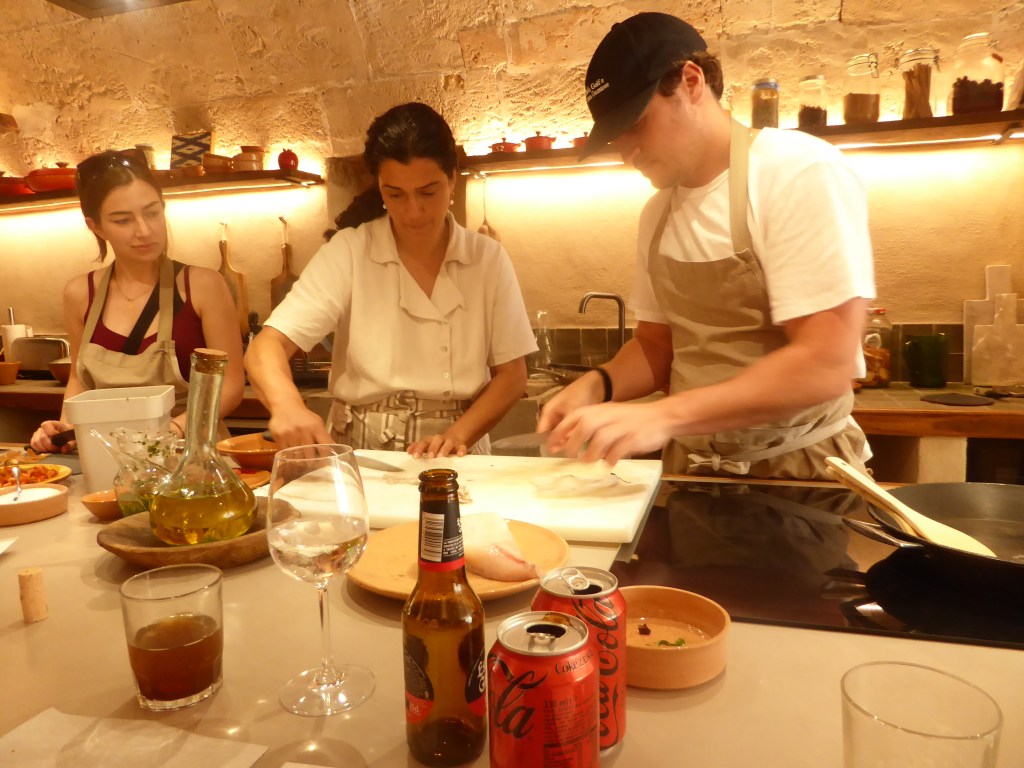
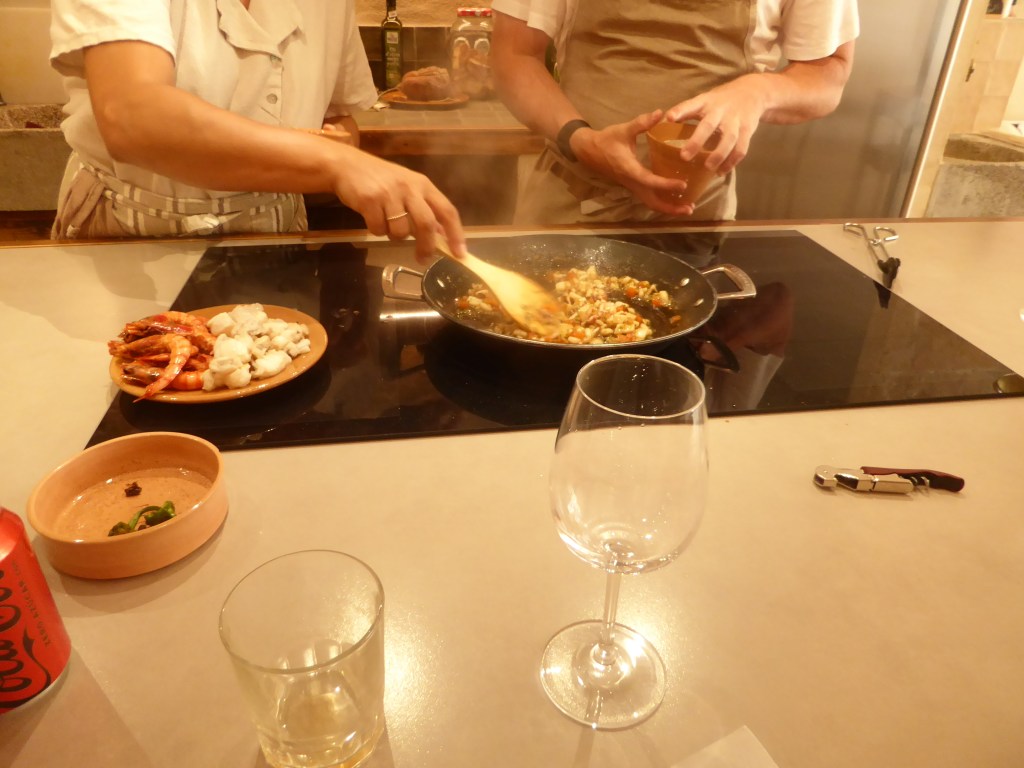
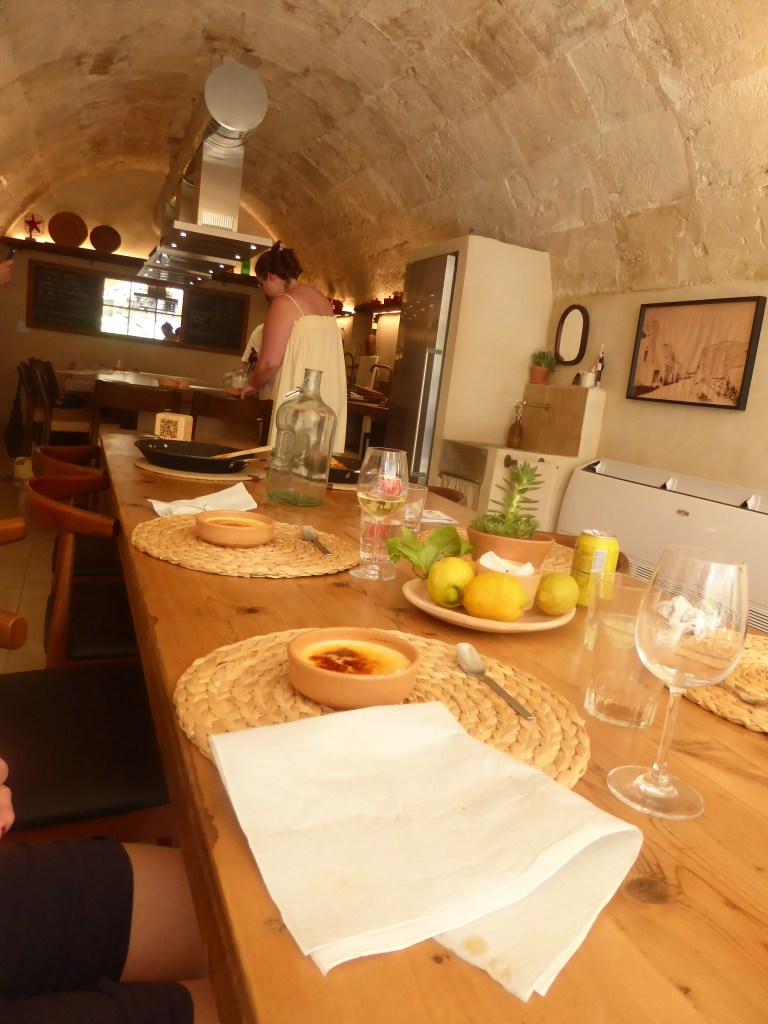
It cost about £80, and it was well worth it. I expected we’d be the only ones there, but the course was fully booked! Our group of 10 to 12 shared one room, while another group of 12 was in a separate room. They ran the course twice a day, so around 40 people were learning authentic Mallorcan, Catalan, and Spanish cuisine daily. The expert chef leading the course had trained in London and was excellent.
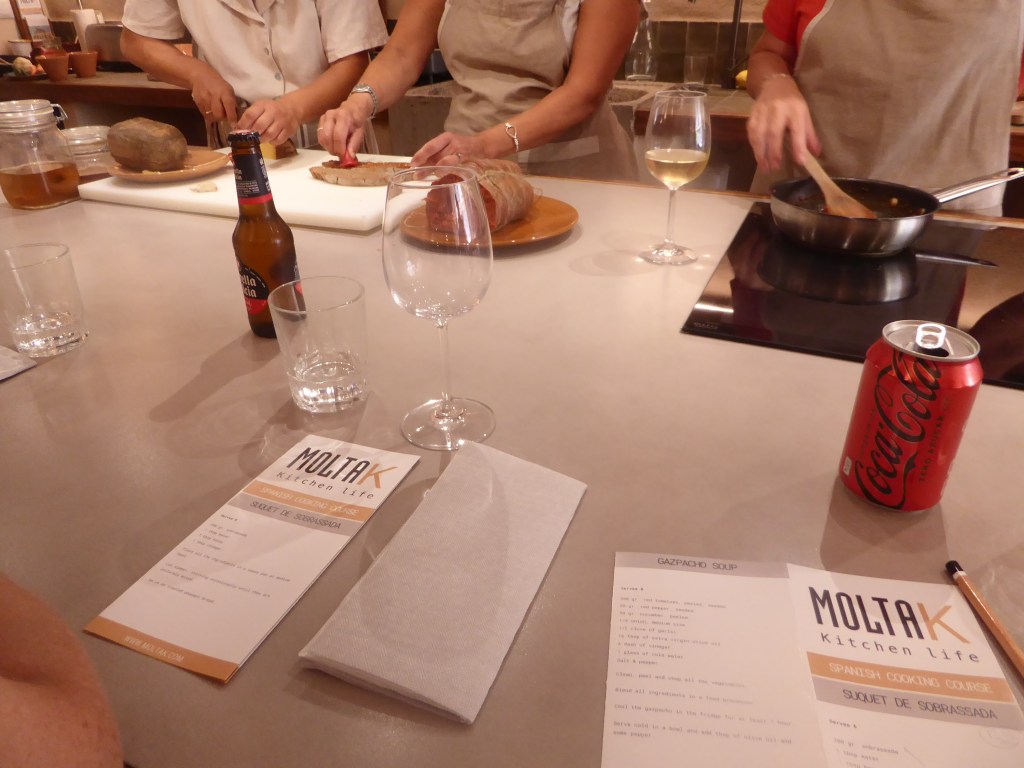
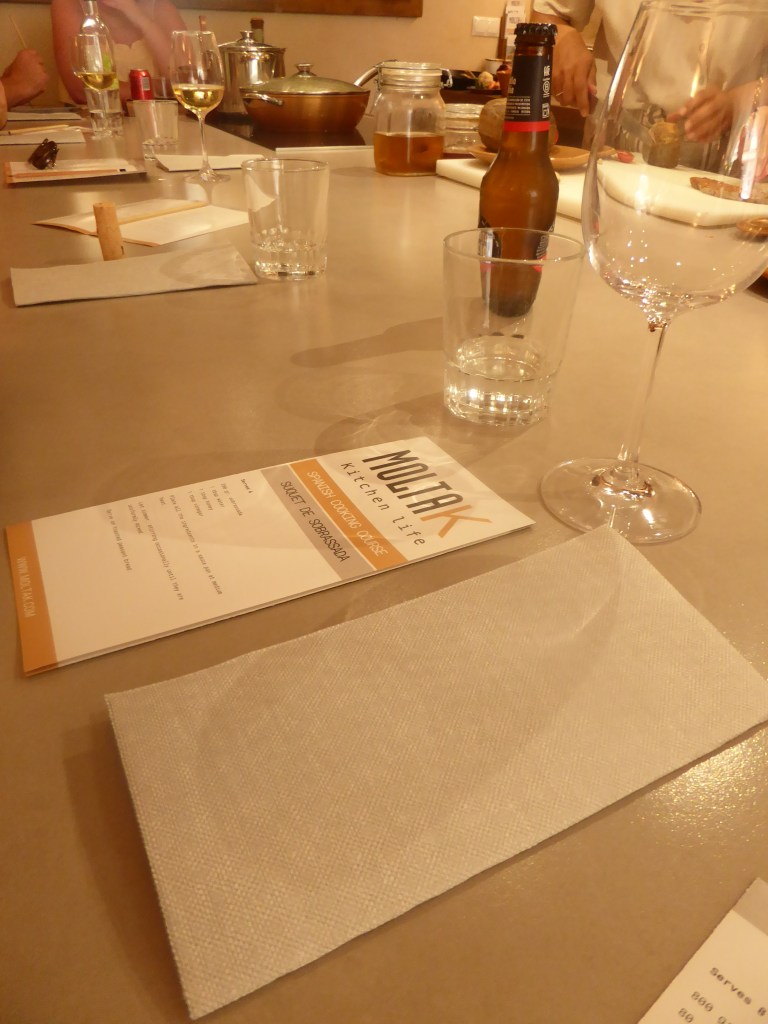
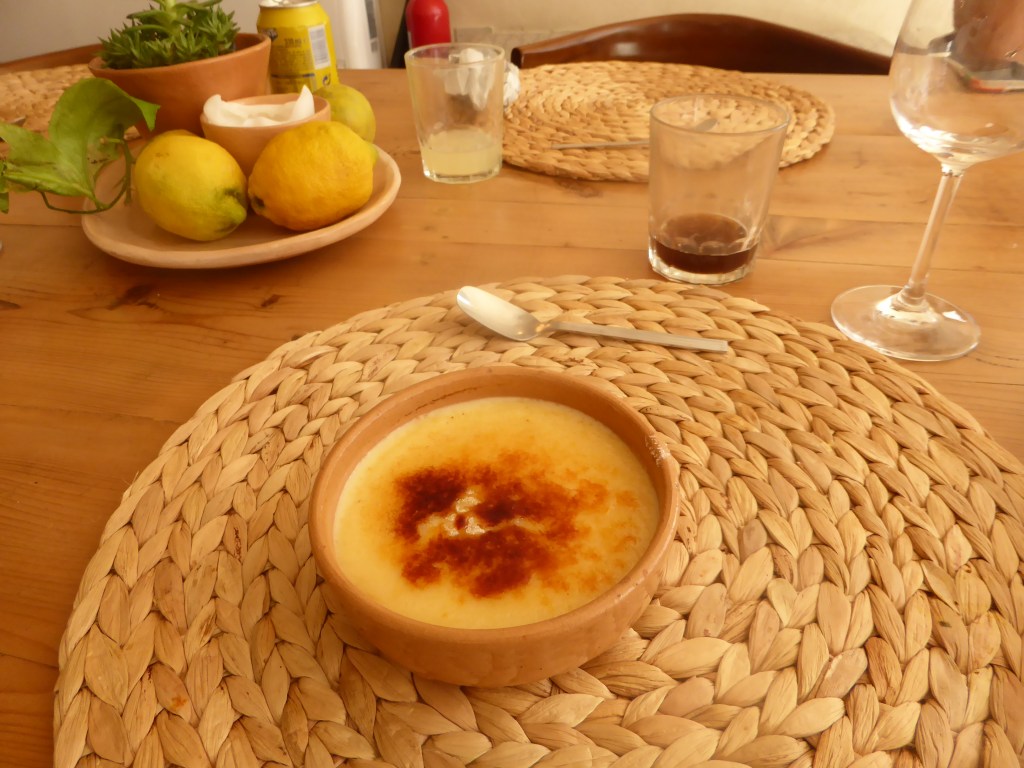
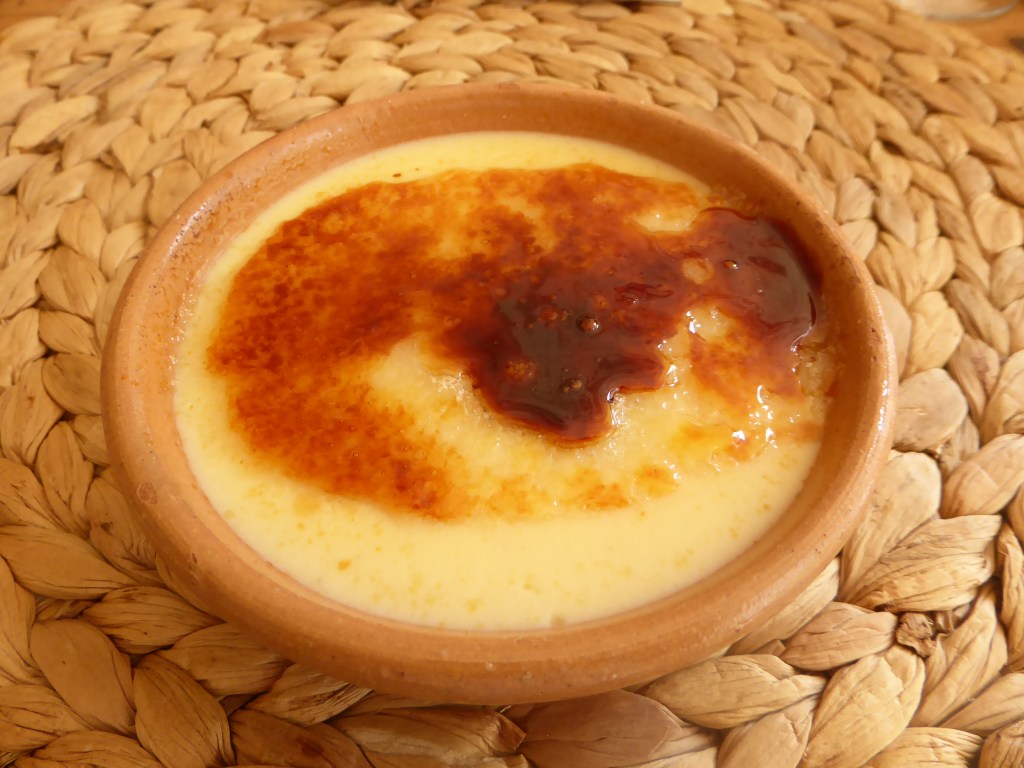
There was even a “free bar” with wine, beer, and soft drinks—though I stuck to a beer and a couple of Diet Cokes. We prepared a five-course meal, including paella (with expert tips), Crema Catalana (similar to Crème Brûlée), a stock, and padrón peppers (the mild green ones, lightly salted and pan-fried). The ingredients were fresh, and the process felt surprisingly simple, though it clearly required skill.
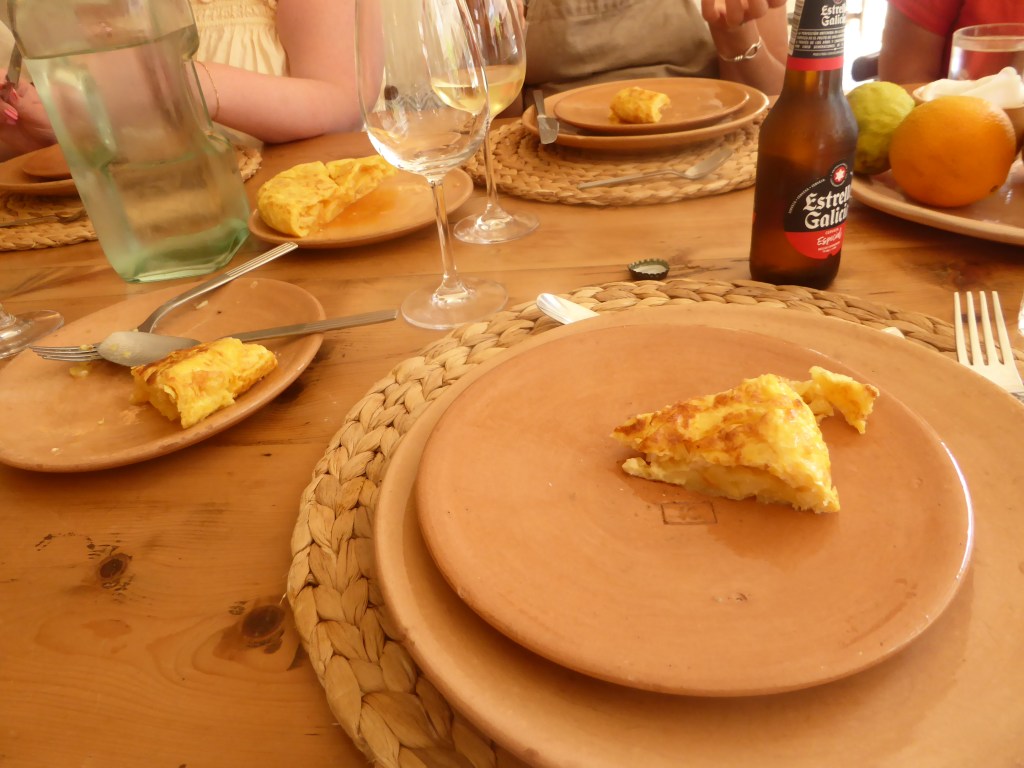
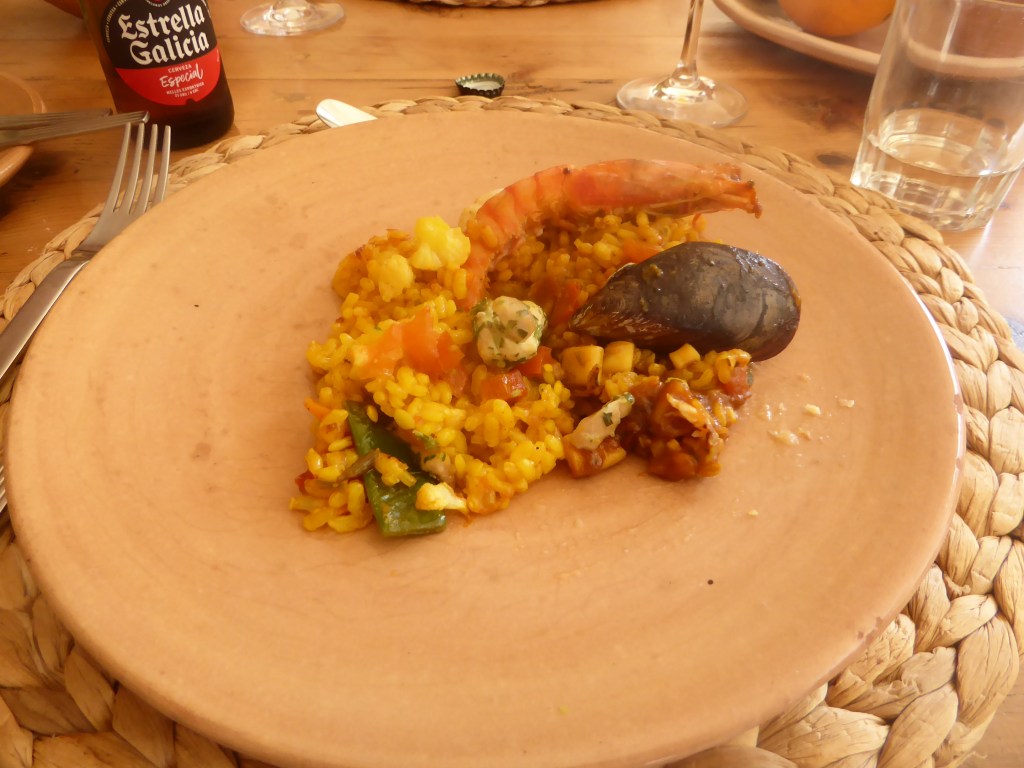
The experience was engaging and hands-on, making it a highlight of the trip. We shared the course with a diverse group—Americans, Germans, and plenty of Brits. It was such a rewarding experience that I’d love to do it again, whether in Spain or another destination. Active tourism (or whatever it’s called), like this cooking course, seems to offer a unique way to connect with a place and its culture.

CB
Off to Mallorca again . . . Part 1

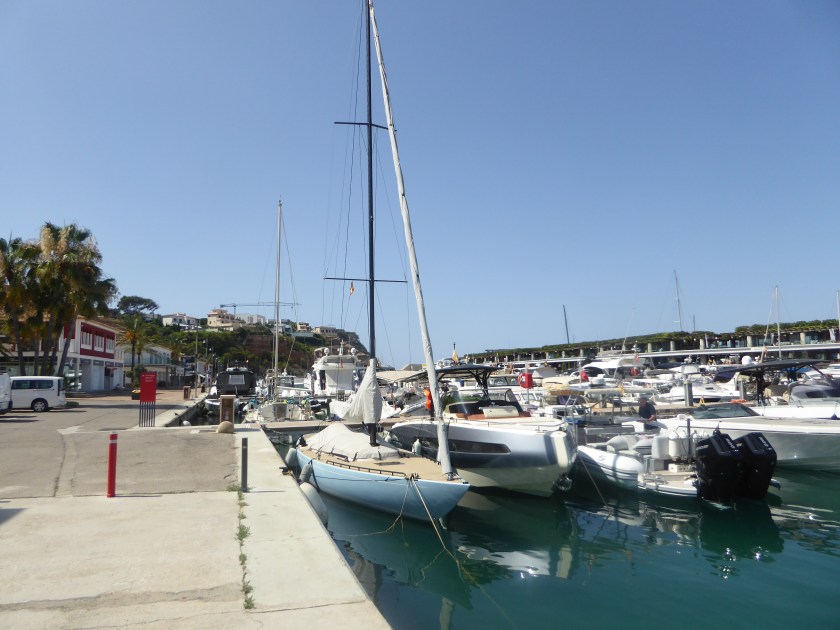
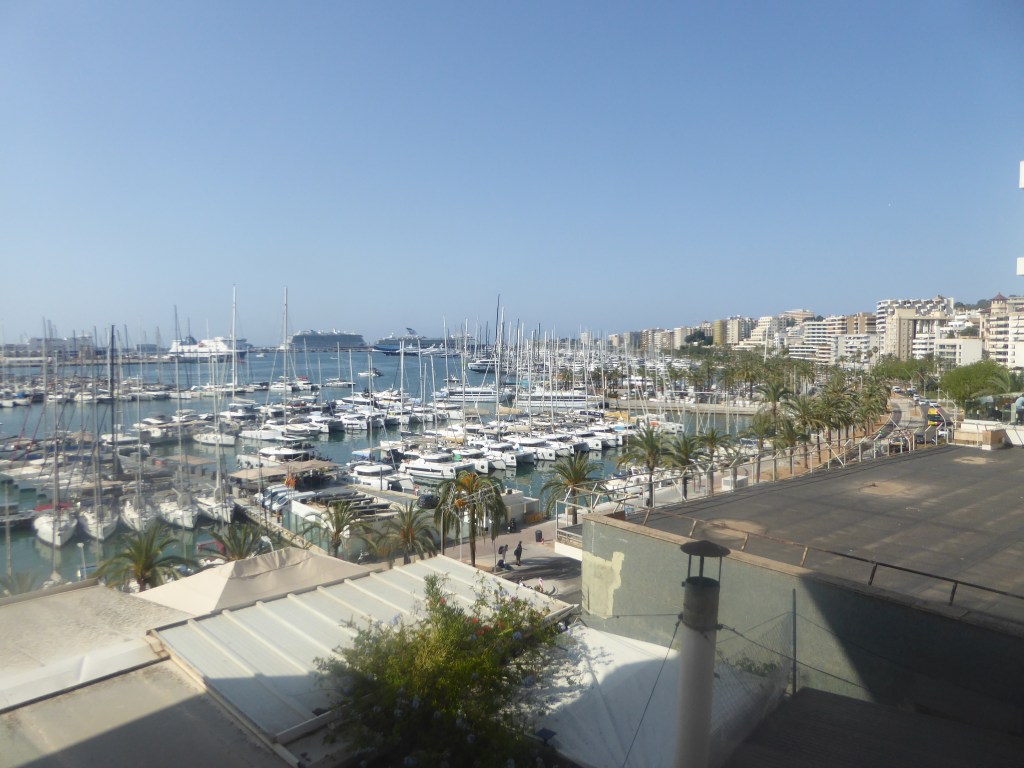
Palma, Mallorca – Harbour

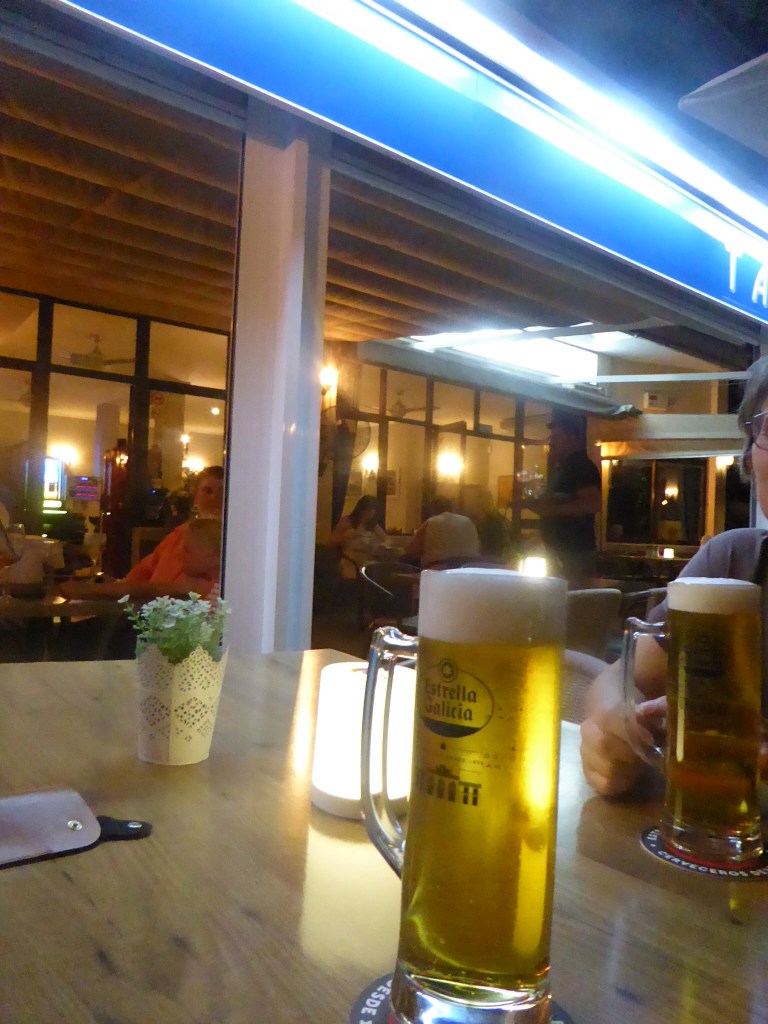
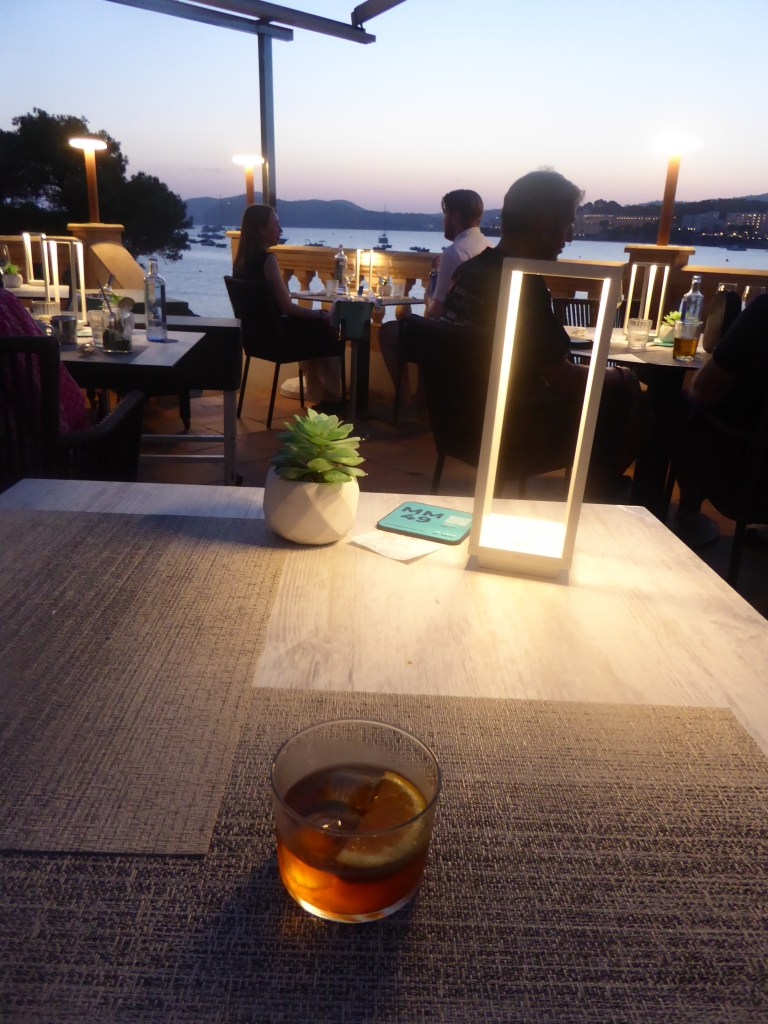
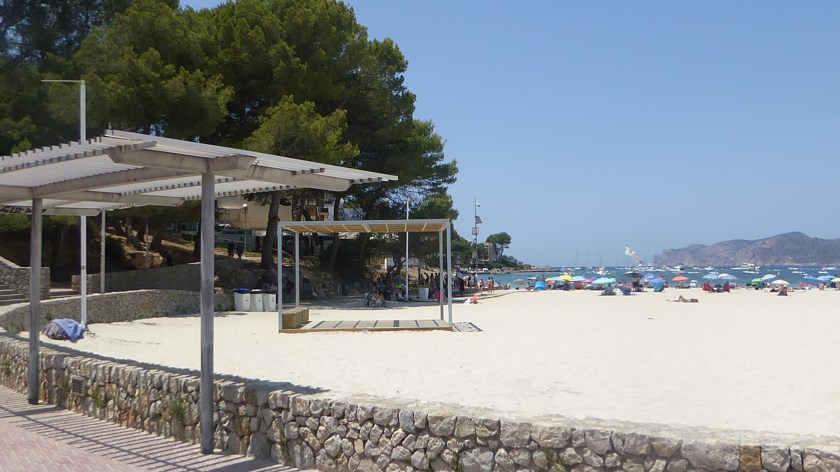
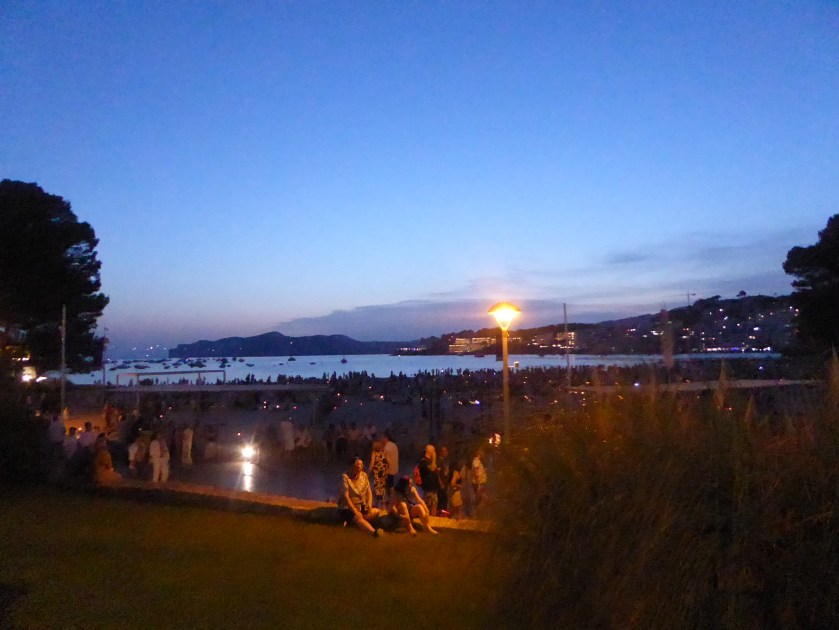
Once again, we’re off to Mallorca. This vlog will likely be split into three parts. The first part covers the general activities we enjoyed—cafés, restaurants, hikes, and running.

The second part focuses on why we actually went: to attend a tennis tournament, part of the ATP Tour. It’s a small ATP 250 event, the final grass-court tournament before Wimbledon.

The third part is about what I believe is called Active Tourism. We took part in a cooking course focused on Mallorcan and Spanish cuisine, which was fascinating.

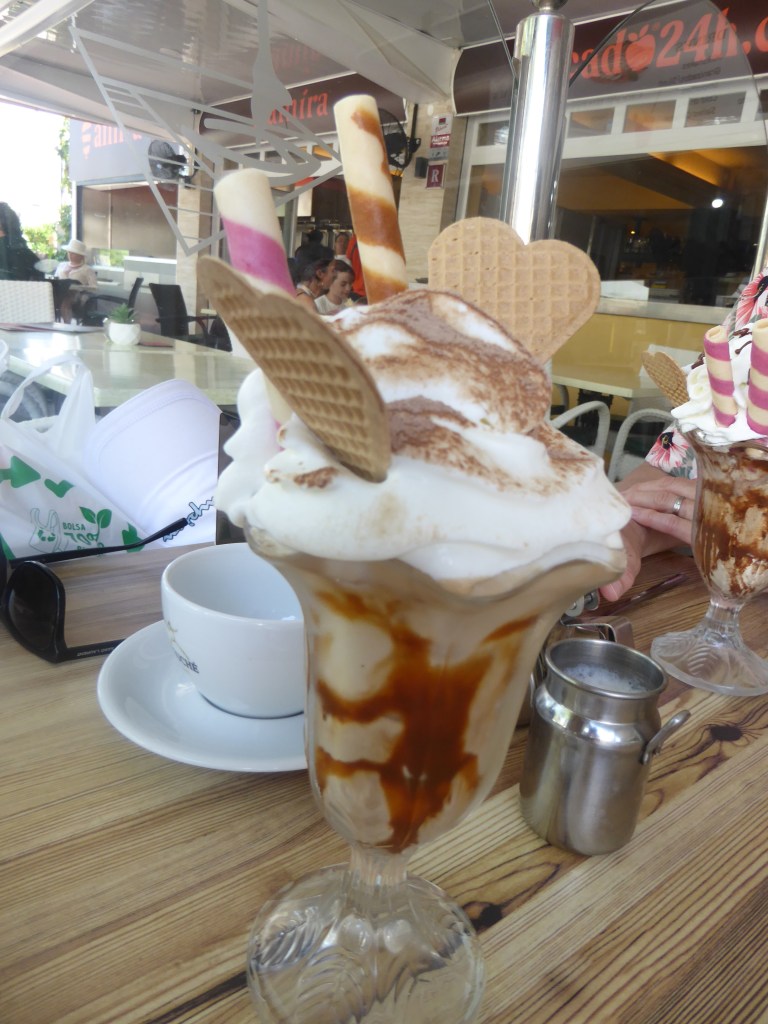
As usual, we did the typical things: visited restaurants and cafés, strolled around, and ate plenty of ice cream. Temperatures reached 37°C, but with humidity often at just 20–25%, it wasn’t too unbearable. Santa Ponsa is lovely—very calm and welcoming – and has a plethora of German and Spanish tourists.

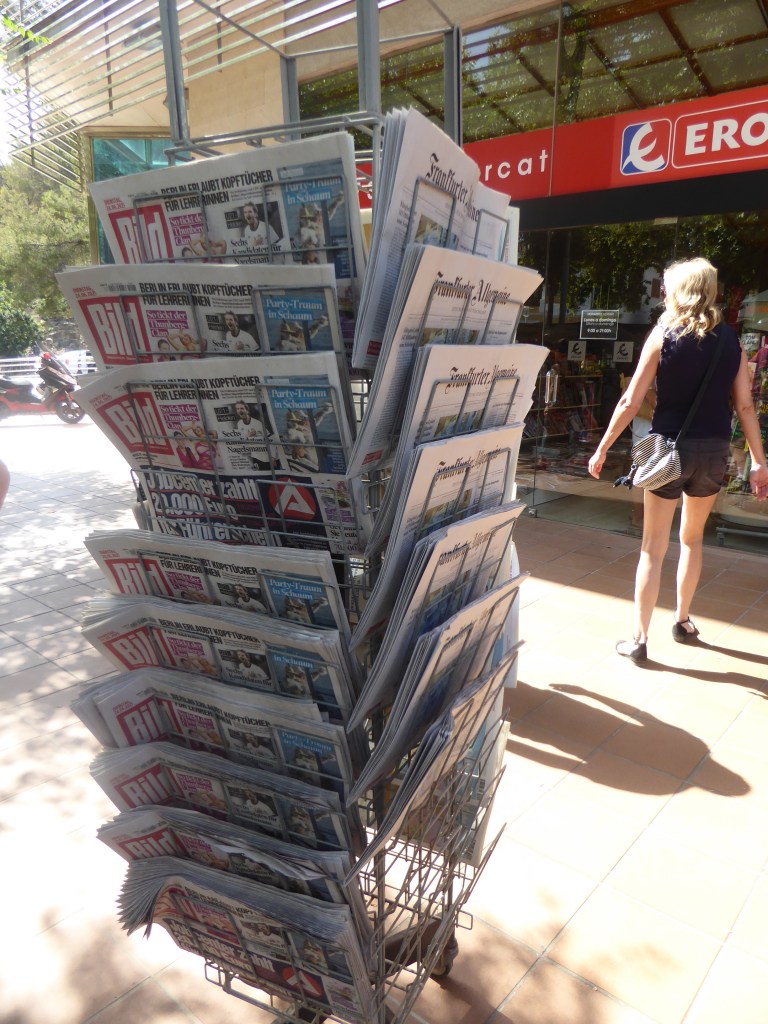
Some areas are predominantly German-speaking, with fewer British tourists, which is nice. You can get by with Spanish, German, or English. Most locals are trilingual or even quadrilingual, as many also speak Catalan.

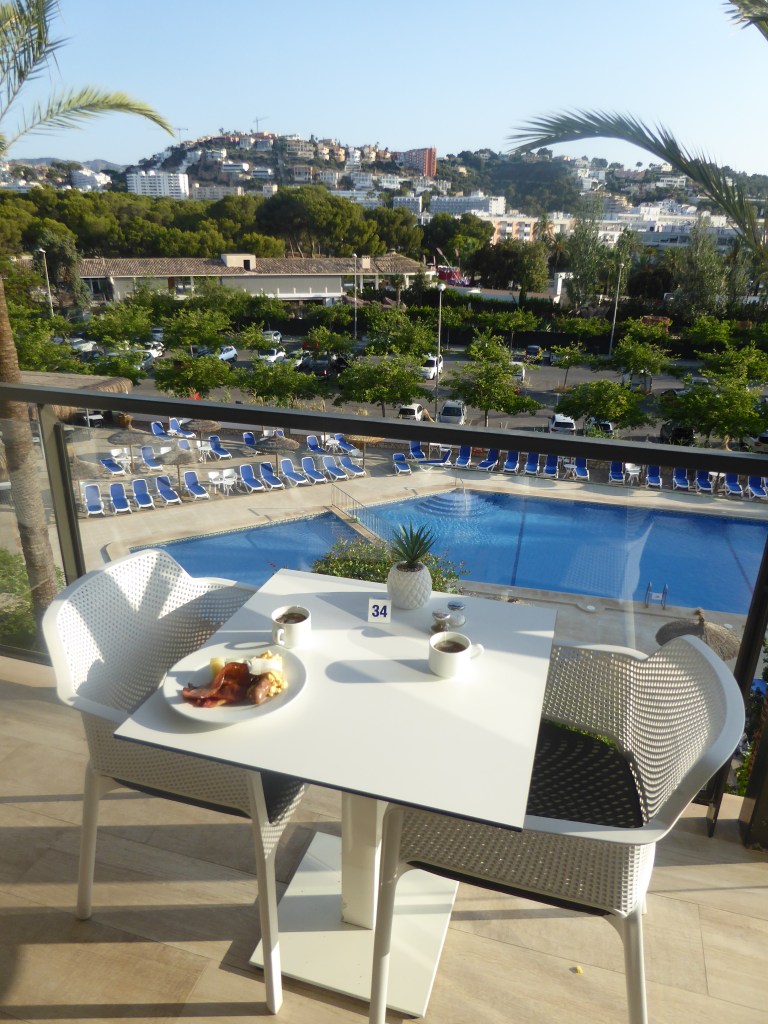
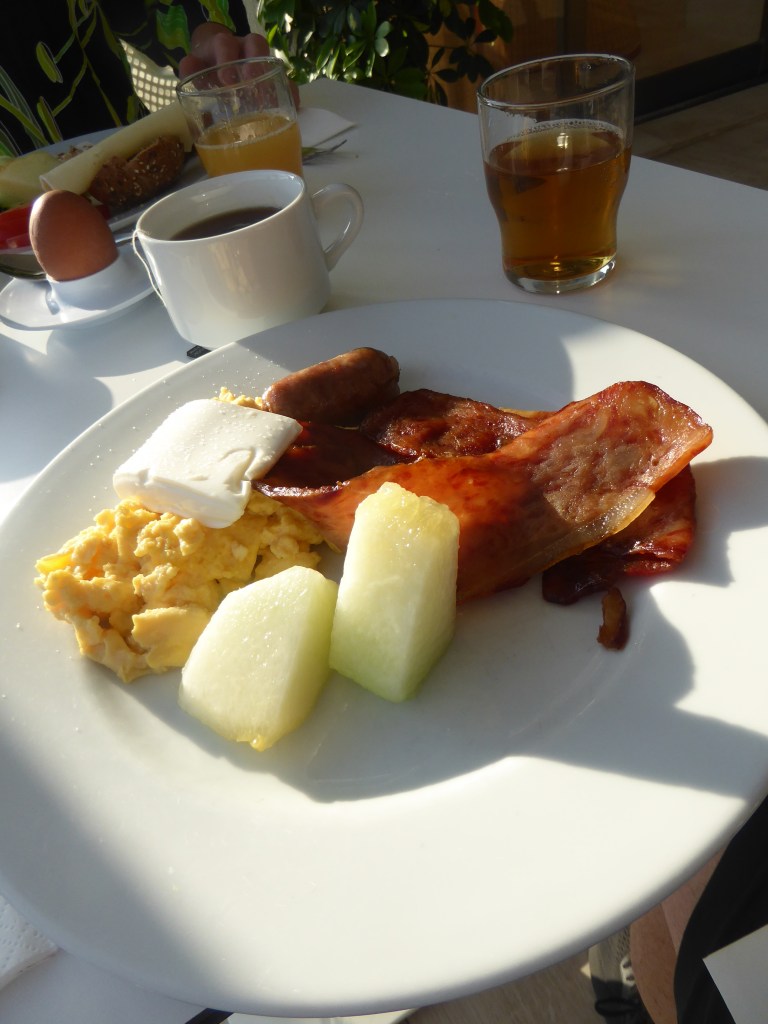
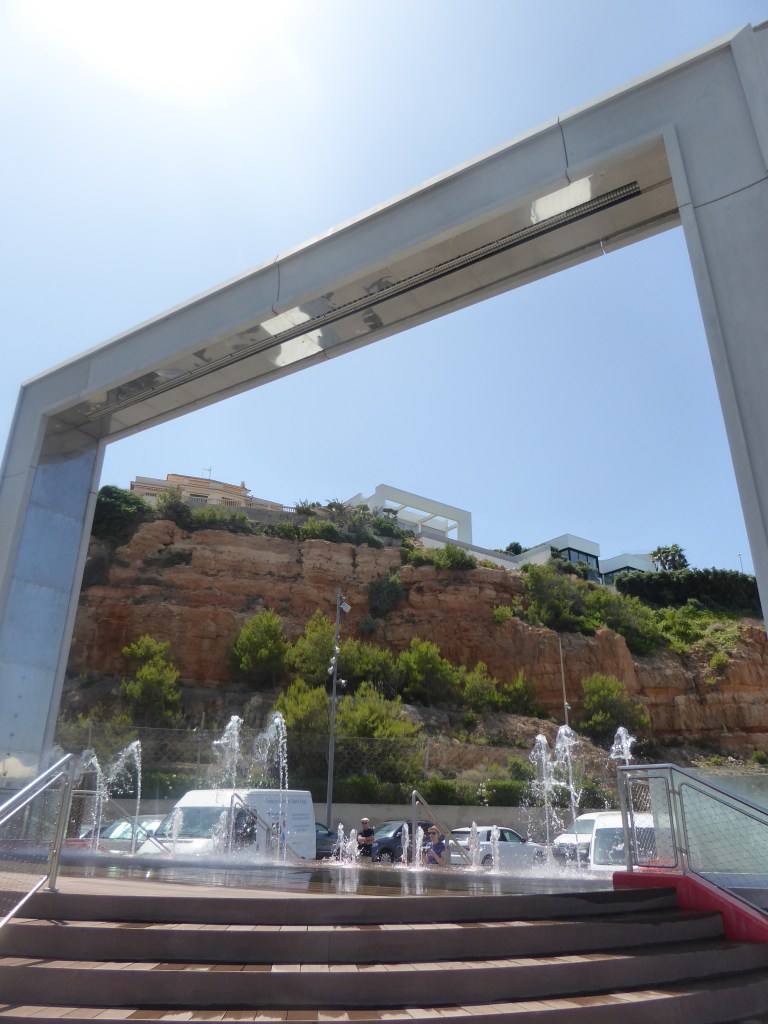
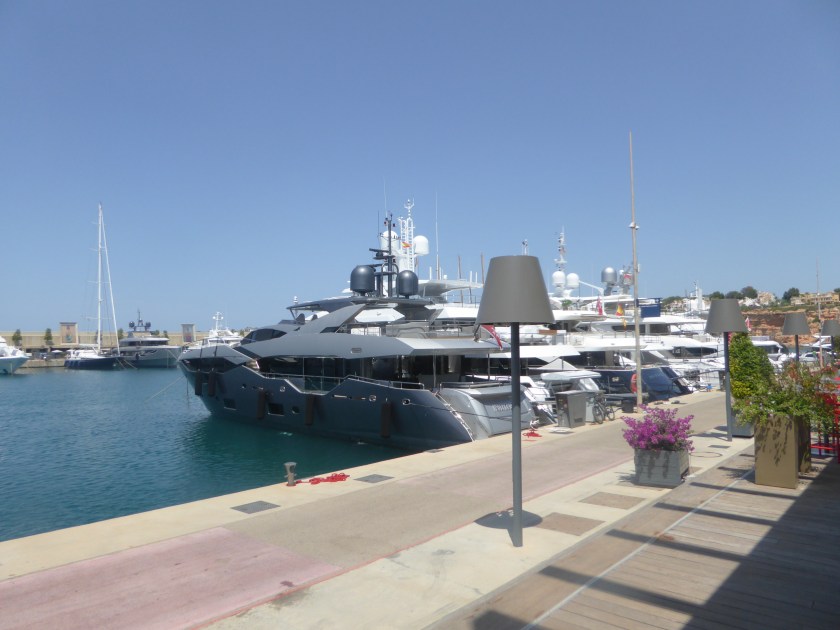
One day, for some reason, we decided to jog 25 minutes to the neighbouring village, Port Adriano. It’s not a huge port, but it feels fairly new, with massive yachts docked there. However, it’s still too small for the truly mammoth yachts—you can practically smell the wealth! Interestingly, breakfast there cost about €11, while in Santa Ponsa, it was €12–15.

Without an influx of tourists, prices felt like standard Spanish rates, which was refreshing. We didn’t rent a car this time and relied entirely on public transport. We took a bus from the airport to Palma, then another to Santa Ponsa—a direct 65-minute ride that’s both convenient and affordable.

Speaking about tourists and Mallorca, please see here. Where it seems that another problem that Mallorcans face, has little to do with tourism. Once again, it’s a problem that many urban areas face, when far wealthier foreigners, put the local housing stock out of reach for the local, historical population. It’s also something that I’ve noticed, in the last 3 years, since I’ve been visiting this island regularly.

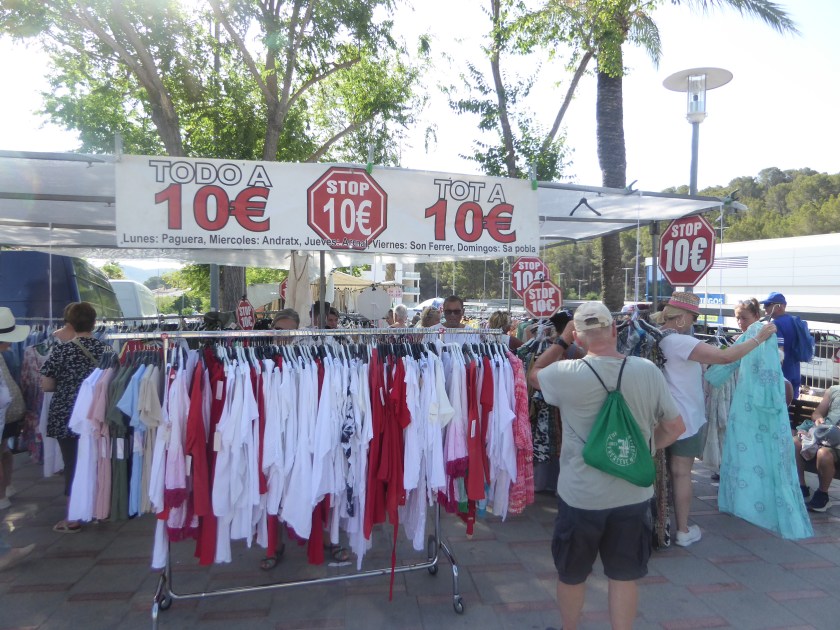
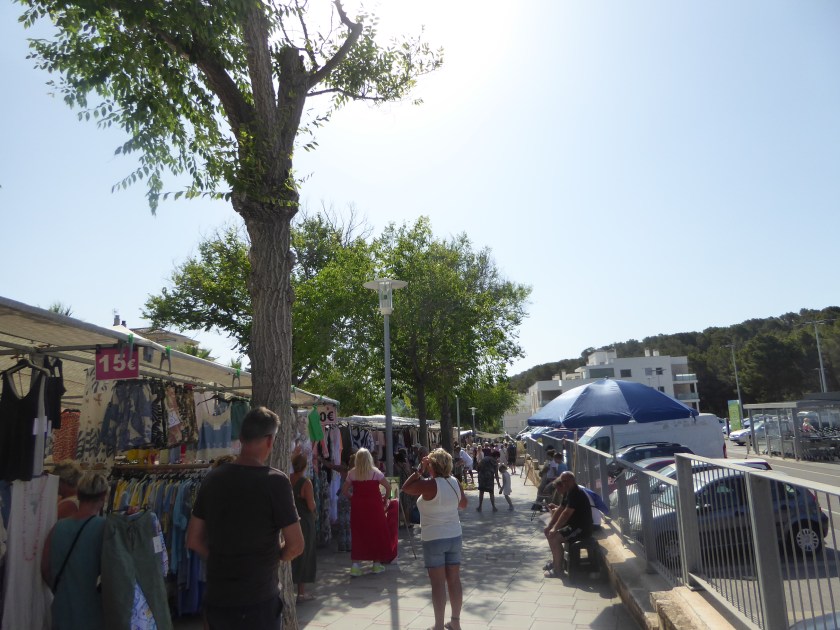
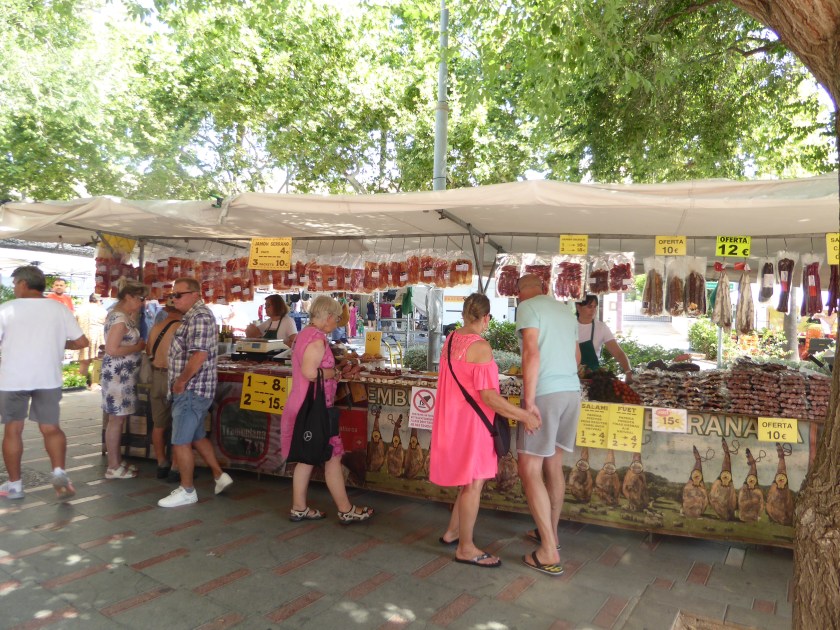
One day, we took a bus to the nearby village of Peguera to visit its Tuesday market. It’s massive, stretching about a mile, with all the usual touristy offerings you’d expect in Spain—beach, shops, and so on. Peguera is nicknamed “Little Germany” because many locals and visitors speak German, which made communication easy.

Besides that, we did plenty of walking. Santa Ponsa, as always, was peaceful and felt to have more Spanish than tourists. There’s even a Scottish pub called The Jagged Thistle, which felt very unthreatening and added to the charm.


CB
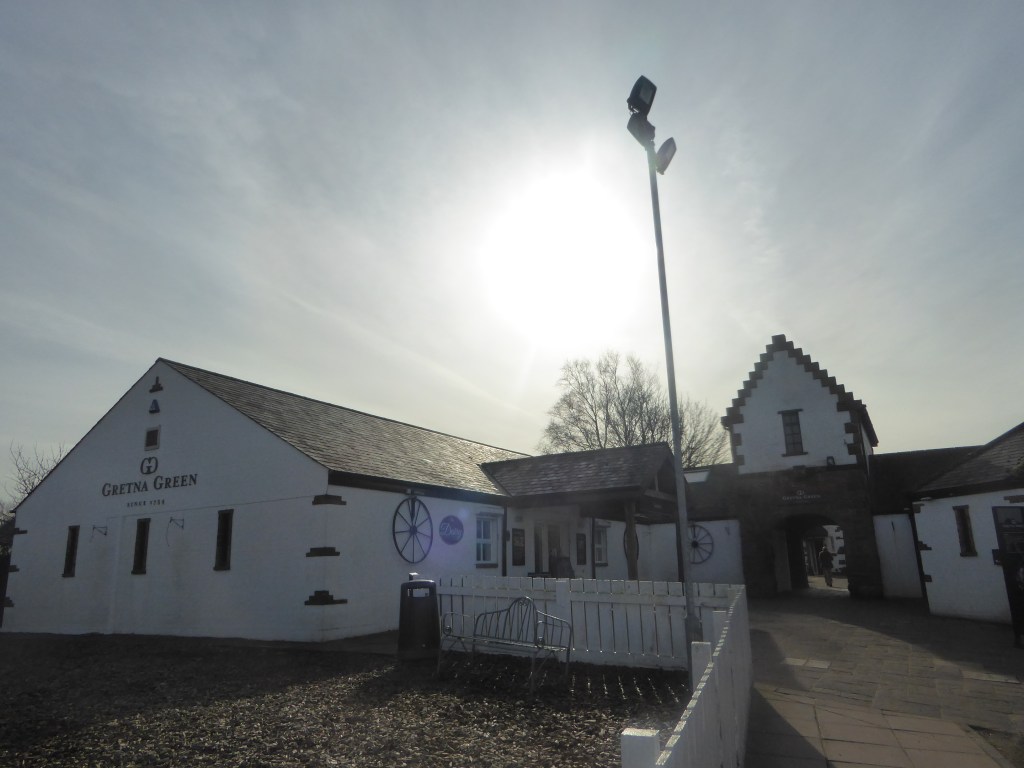
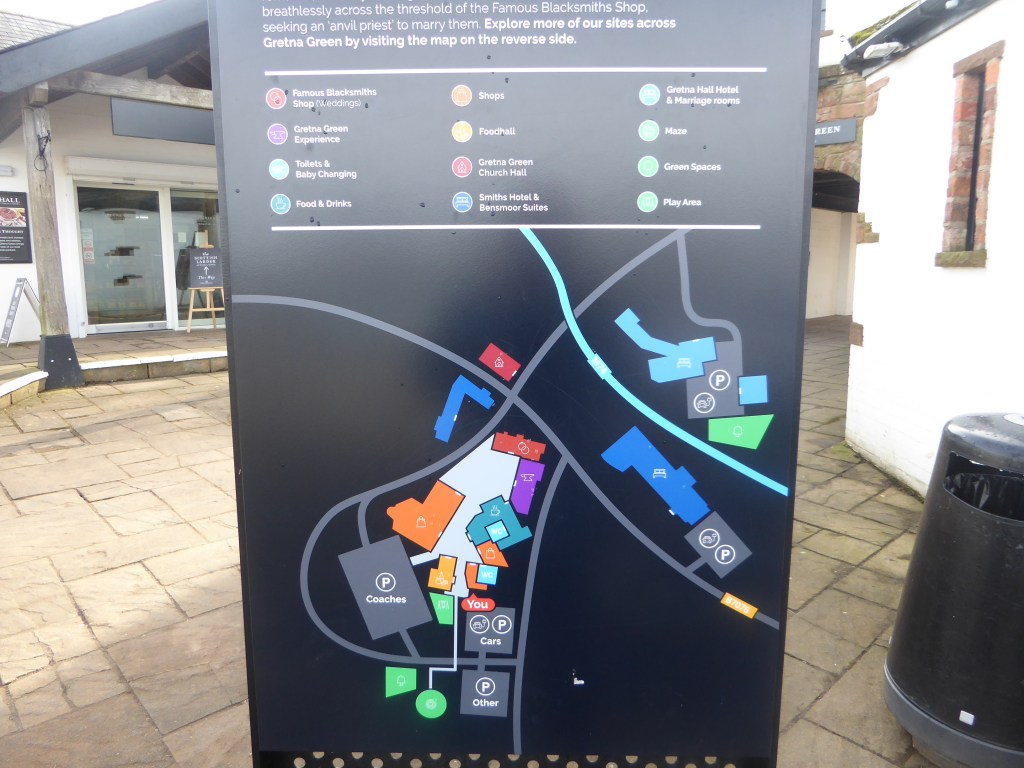
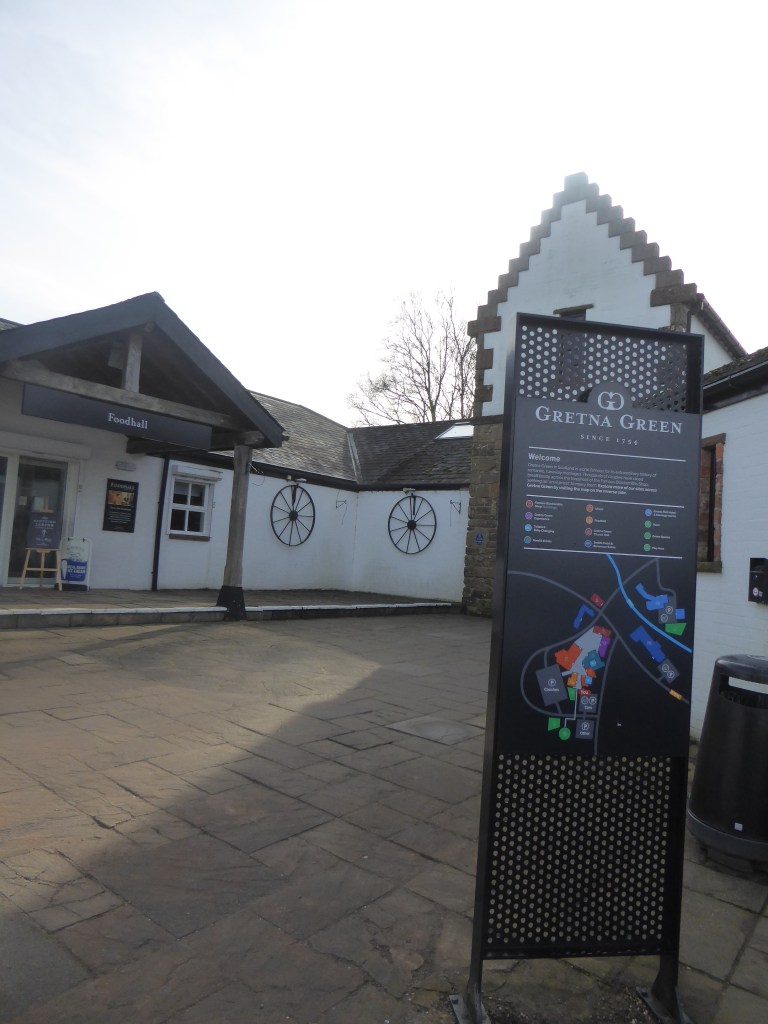
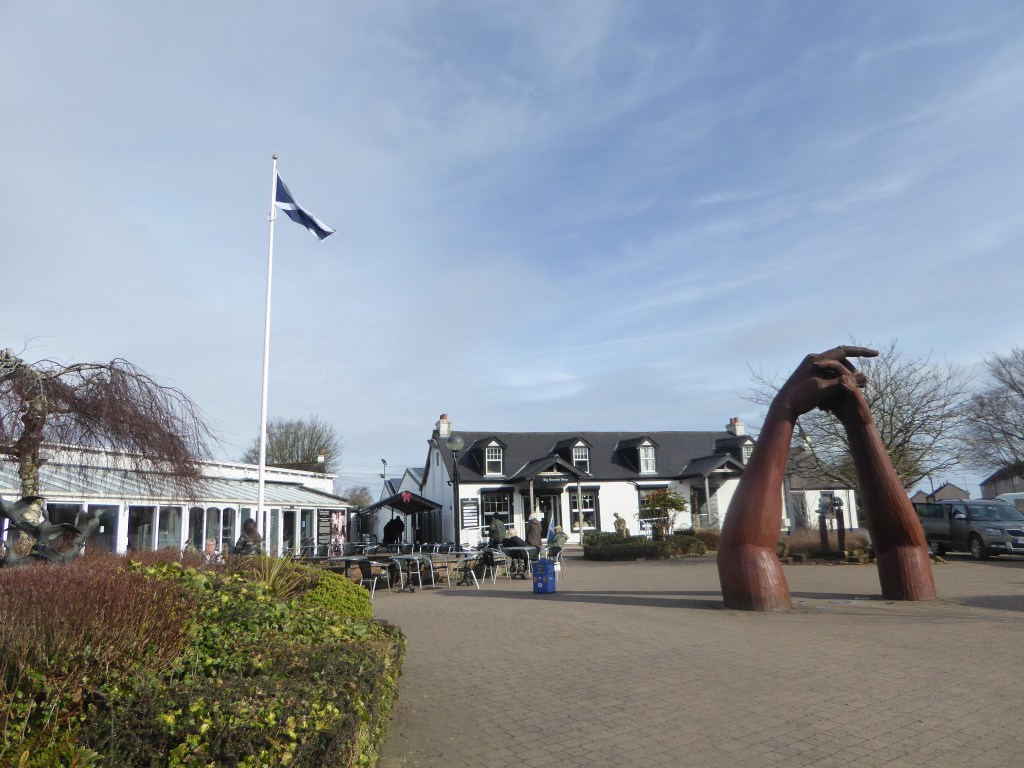
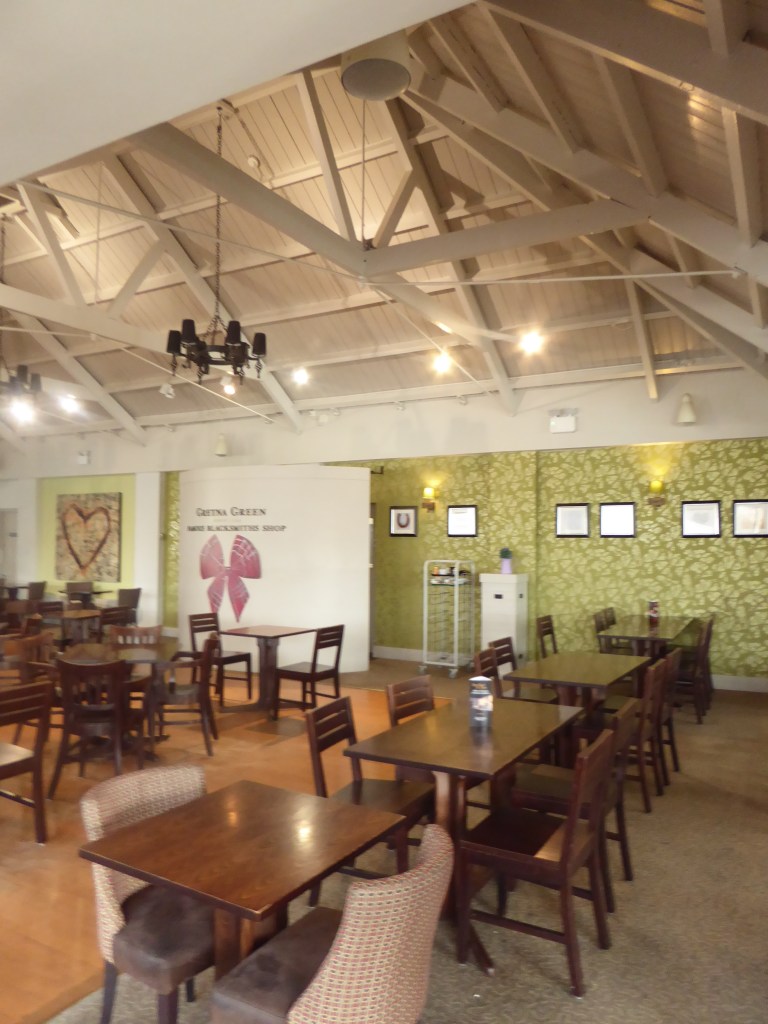
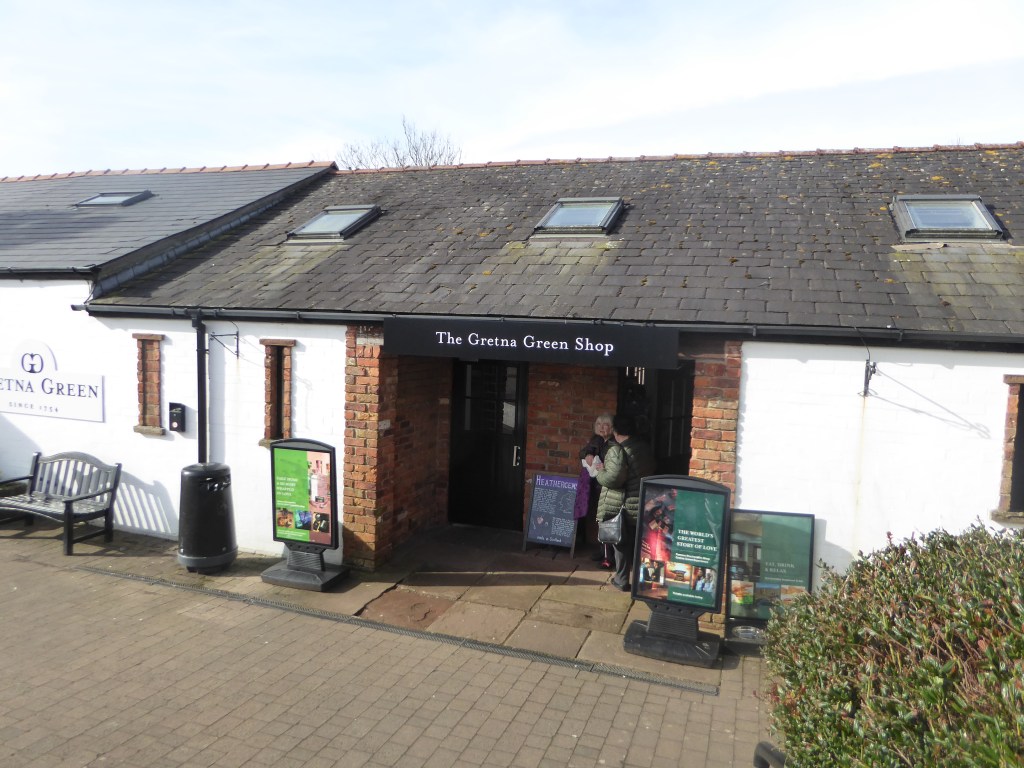
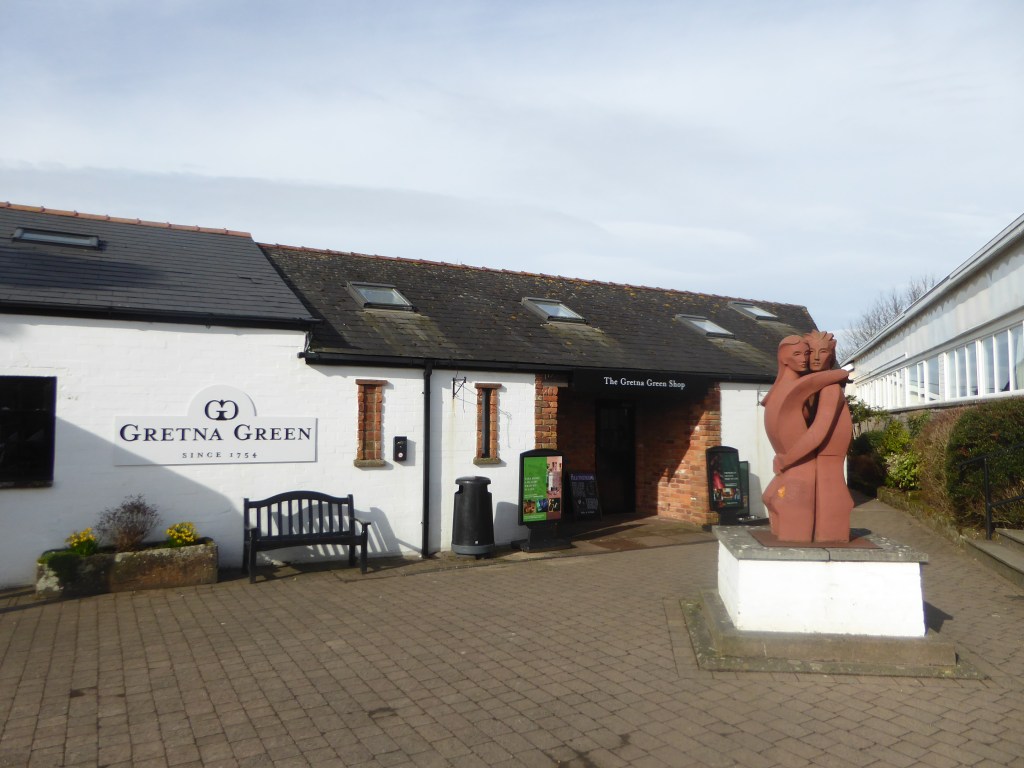
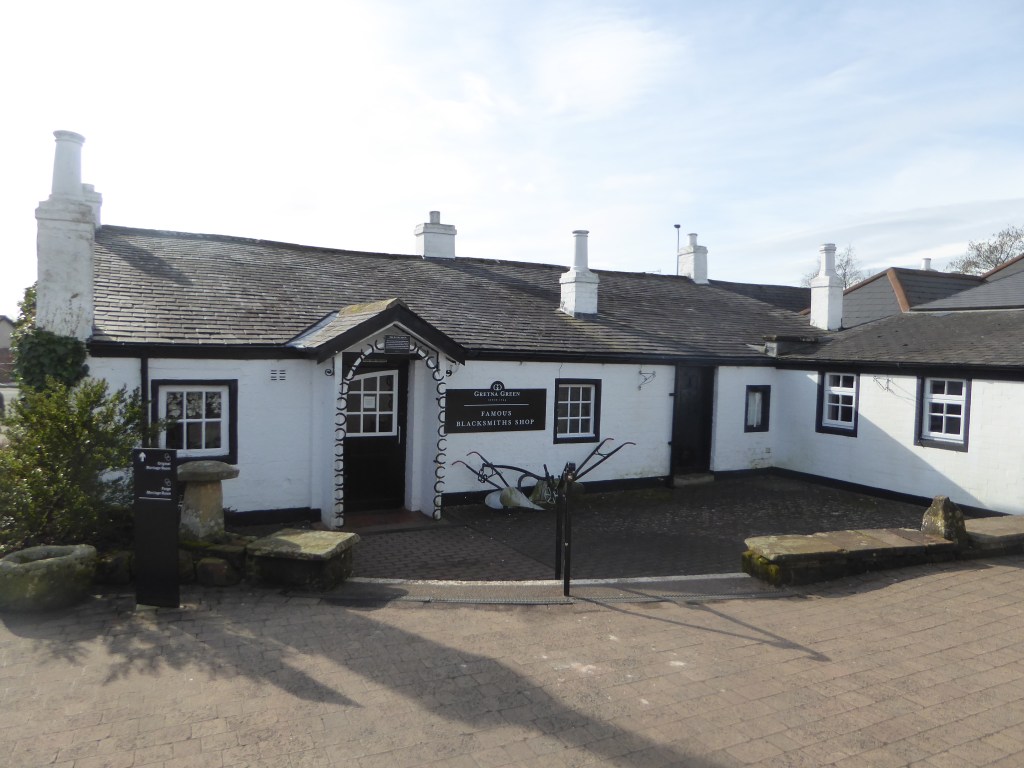
Gretna Green and its Blacksmith’s Experience – A surprise

We recently got back from a trip to Germany—more on that later, as I’ll also get into what we’ve been up to the last year. I’ve barely blogged over the past year, so there’s plenty to catch up on. This trip, we travelled from Manchester to Bavaria. It was surprisingly affordable, and we merely just drove down and stayed overnight at the airport, as we had an early, cheap flight to Germany the next morning. Next time though, we’ll take the train; as it goes directly into Manchester Airport.

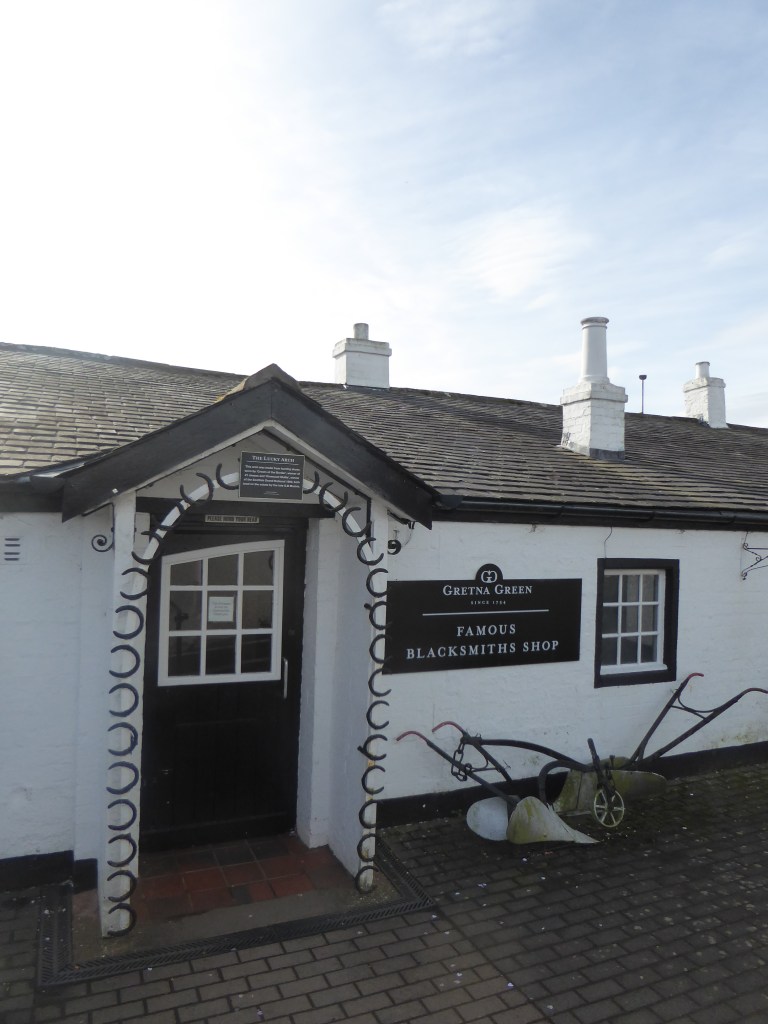
On the way back from the Euro adventure, we decided to break up the four hour drive, and decided not to stop at the great Tebay Farm Shop —one of the best farm shop restaurants around the UK, if not the world—but to push a bit further past Carlisle just over the Scottish border. We’d been to this area before but never to Gretna itself.

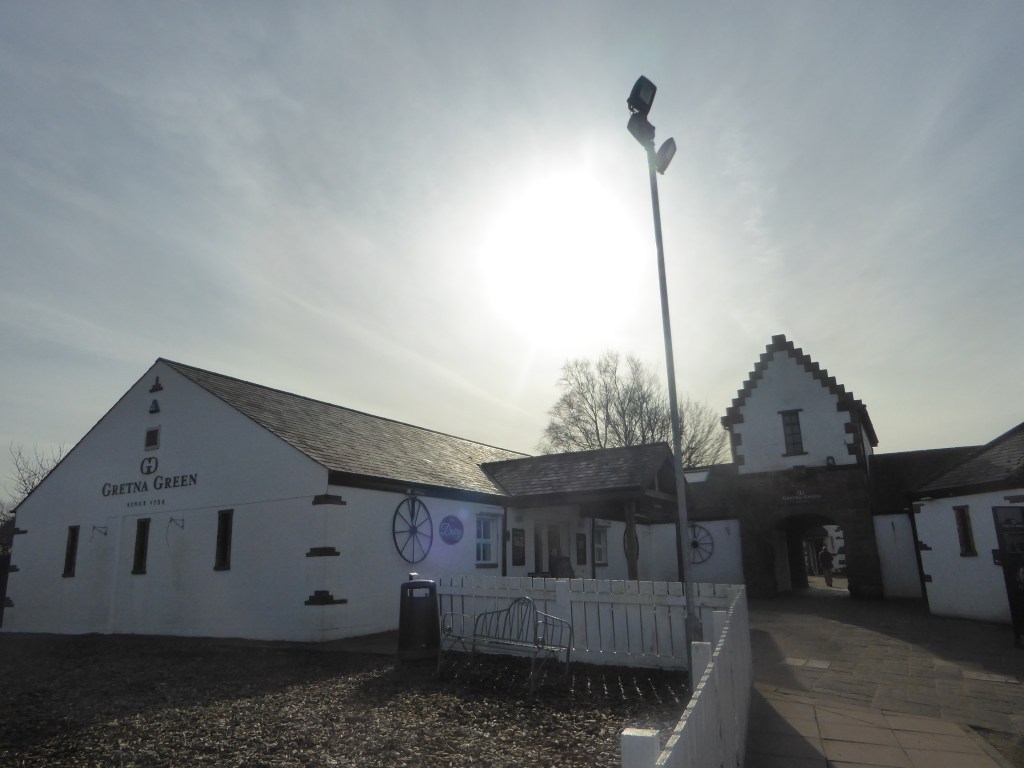
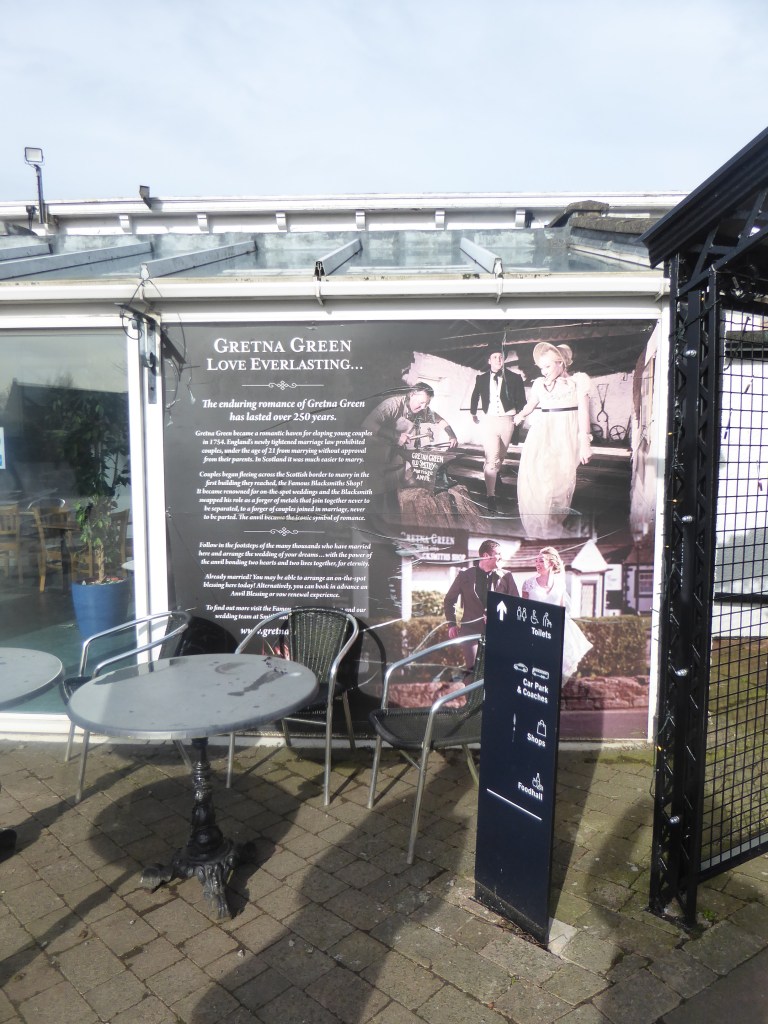
We spotted a sign promising a “Blacksmith Paradise” or something horrid like that and decided to check it out. Little did we know , that it’s still the famous spot where people—years ago, and even now—actually get married.

I’ve always heard of Gretna Green, especially when I lived in England—it was the first thing people mentioned. “Oh, you’ve got to stop at Gretna Green if you’re ever in Scotland,” they’d say. That was 30 odd years ago. Things have changed a lot since then, but it’s still a wonderful wee place— traditional and yet somehow modern.

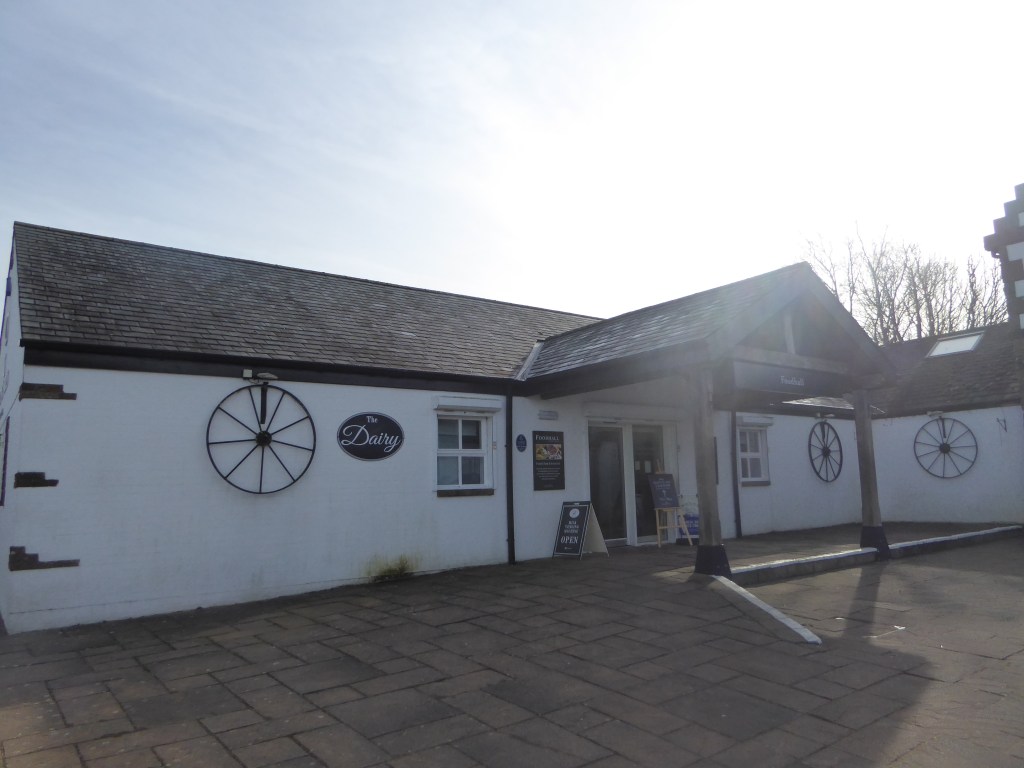
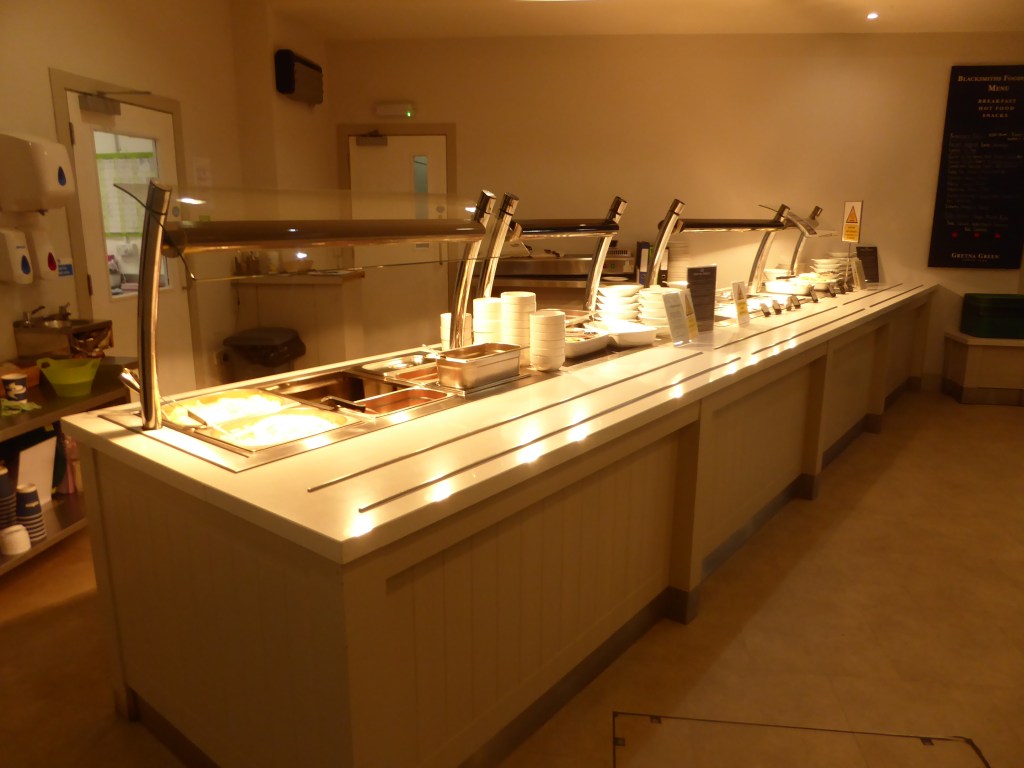
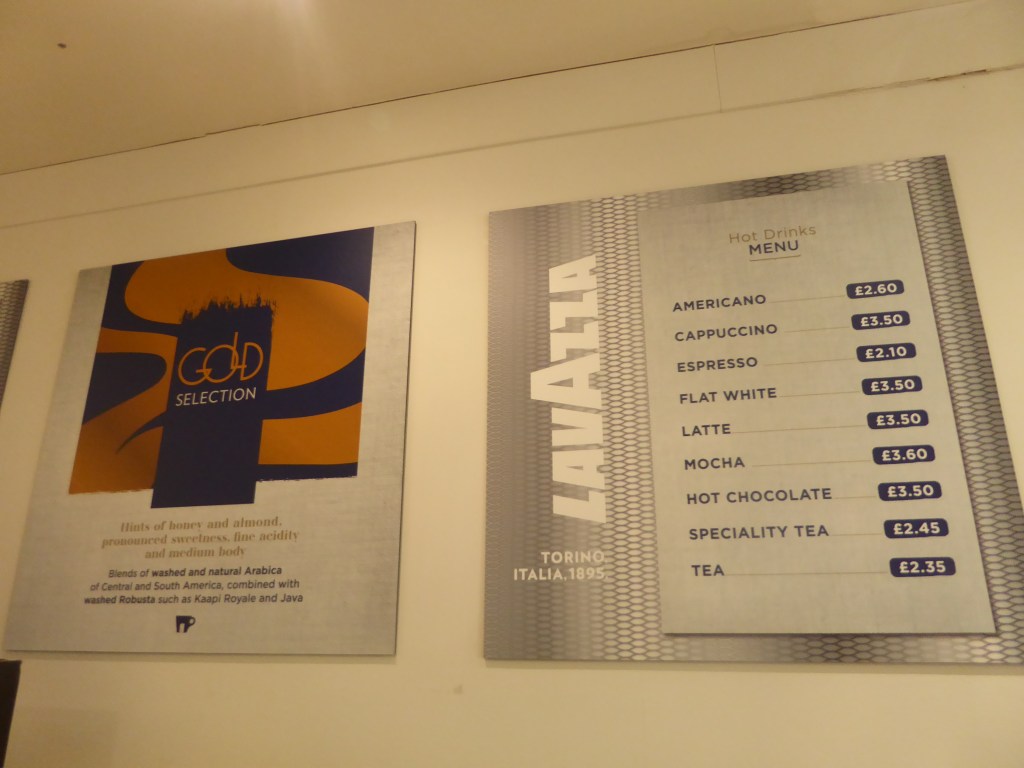
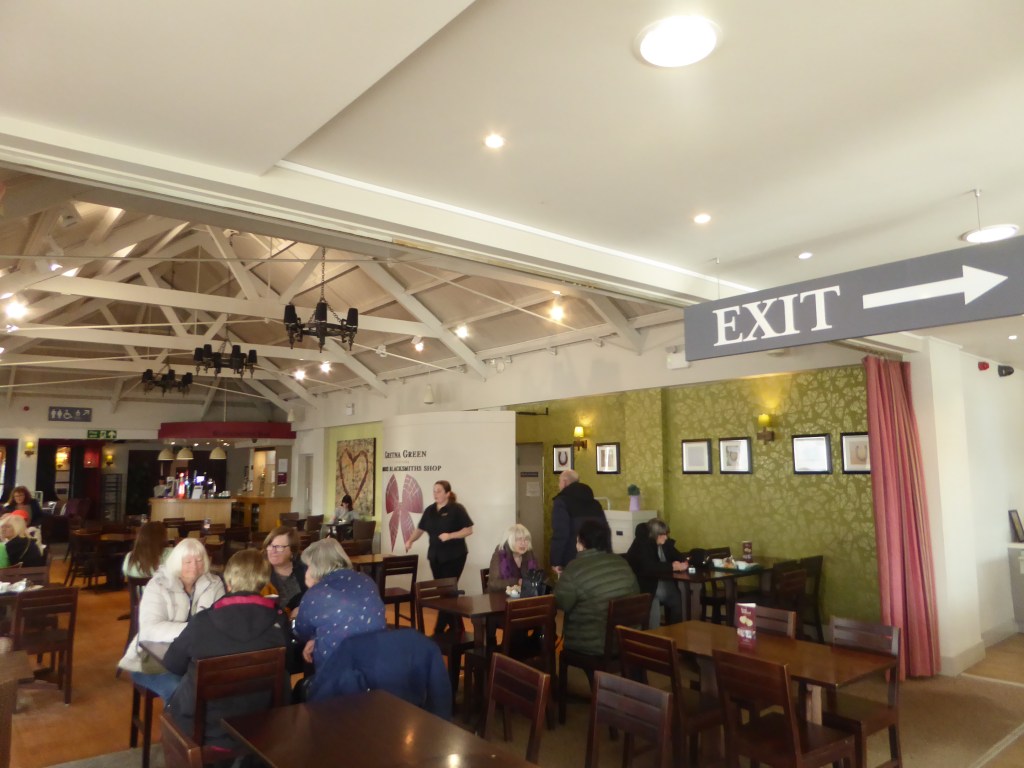
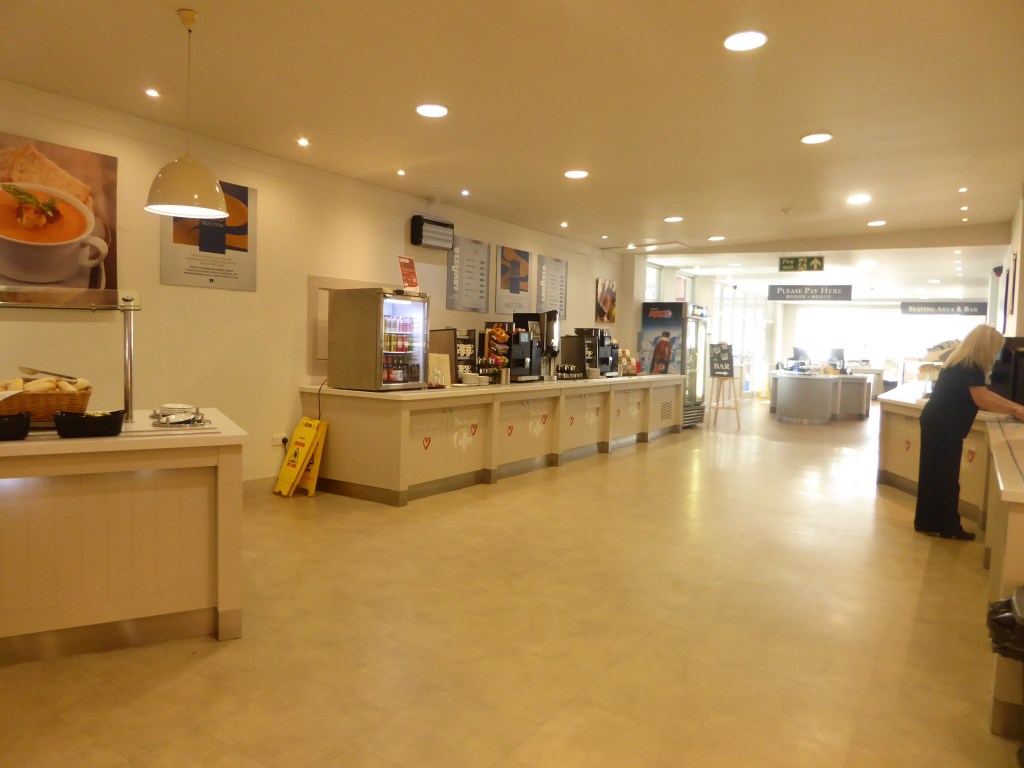
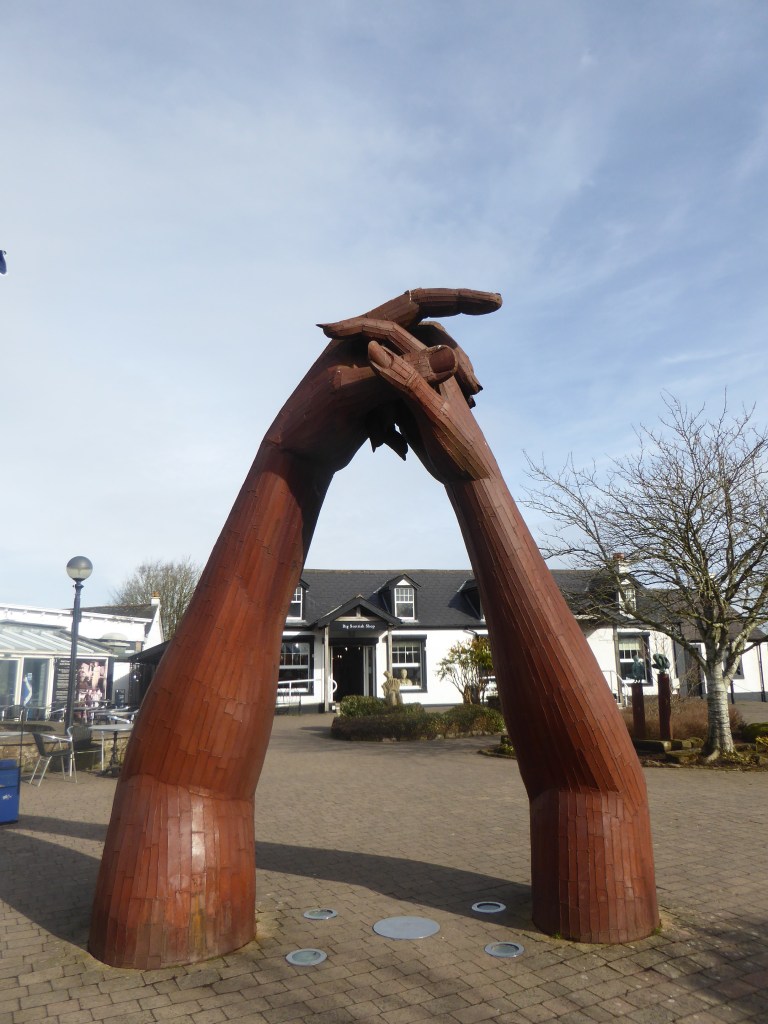
These days, they can host up to 20 weddings a day! It’s fascinating—you can be part of something that feels both timeless and contemporary. But it’s not just a wedding spot anymore. It’s almost a fun park now, with more to offer – cafe’s, blacksmith experience, weddings, park walks, and a well stocked out farm shop.

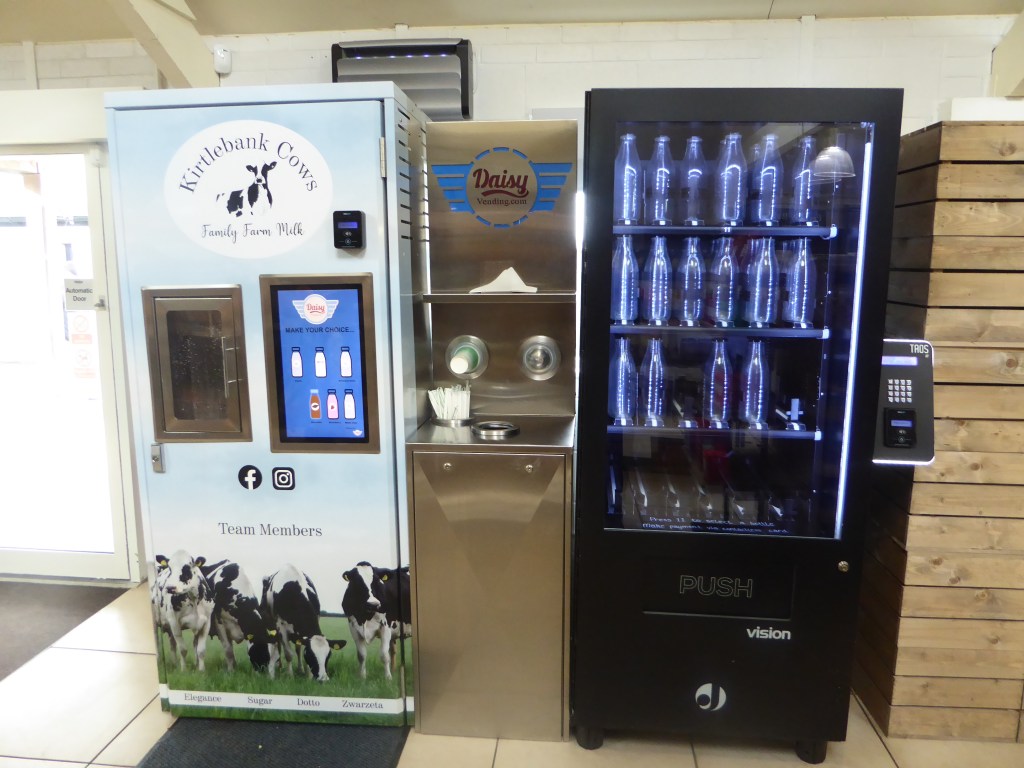
Sculpture / Milk Machine!

To top it off, as we left the store, there was an interesting milk machine, that is not doubt a big help for the local diary farmers. The price was reasonable, and you get farm fresh milk.

CB
Edinburgh what a beautiful city – many different parts but for this trip I was in the West End– Part 1

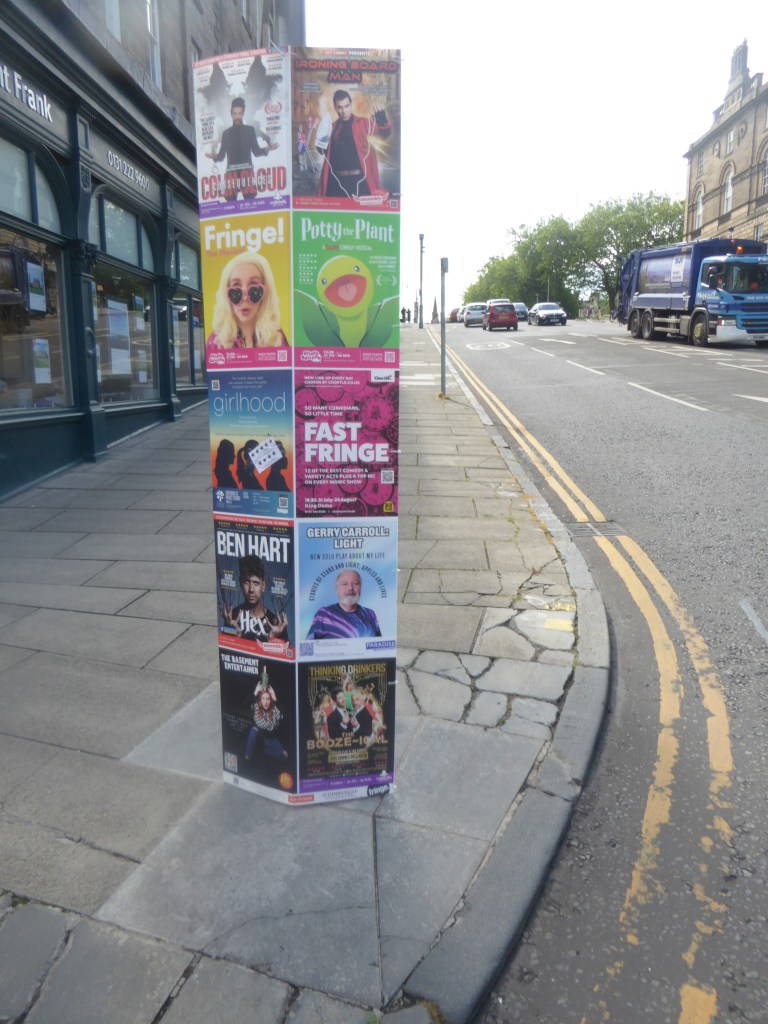
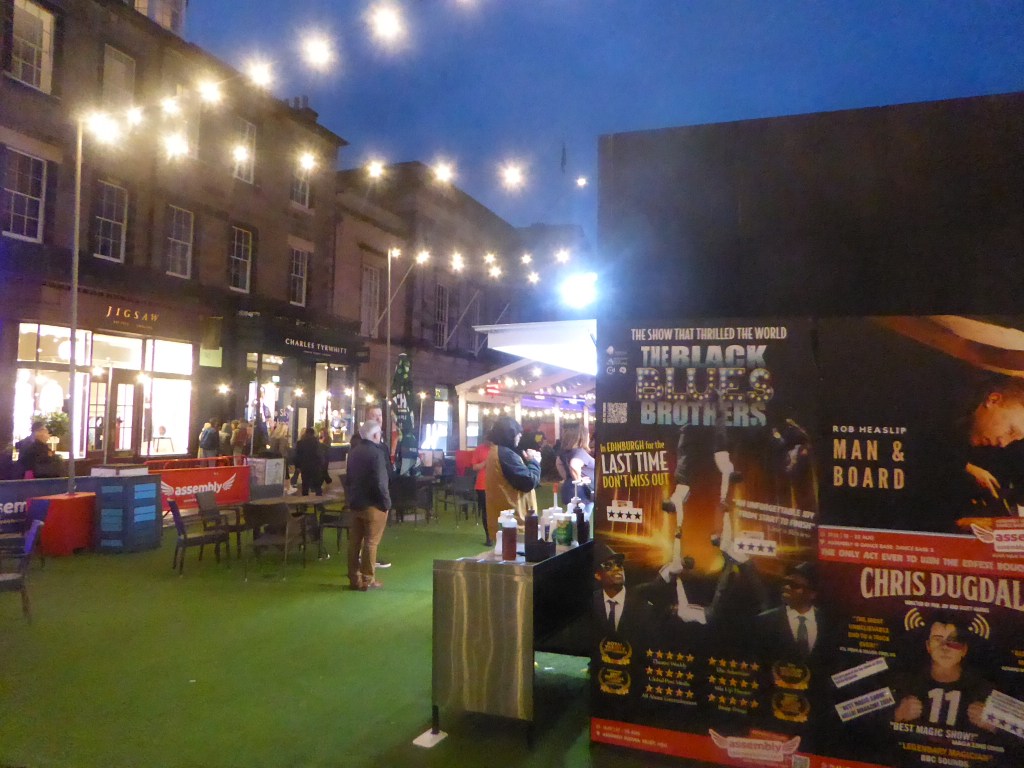
It’s interesting because I have been to Edinburgh countless times in my life, normally as a day trip, but this time my partner had to attend a conference, so I went along, especially since it coincided with the Edinburgh Festival, the largest arts festival in the world.

It’s different because normally when I go to the festival, I just visit for the day and then come back. However, this is the second time in two years that I chose to stay overnight. The previous time, the prices were simply outrageous—nearly £300 for one night at a tiny hotel room the size of a broom cupboard. It’s disgraceful and explains why certain people are no longer attending the festival.

At the same time, I can understand why some of the hotels wish to make as much as possible; and many people are more than willing to pay it. In addition, it’s not just me who thinks this must be a problem, but for the performers, it must be nearly impossible to find affordable accommodation for their one, two, or even three-week runs.

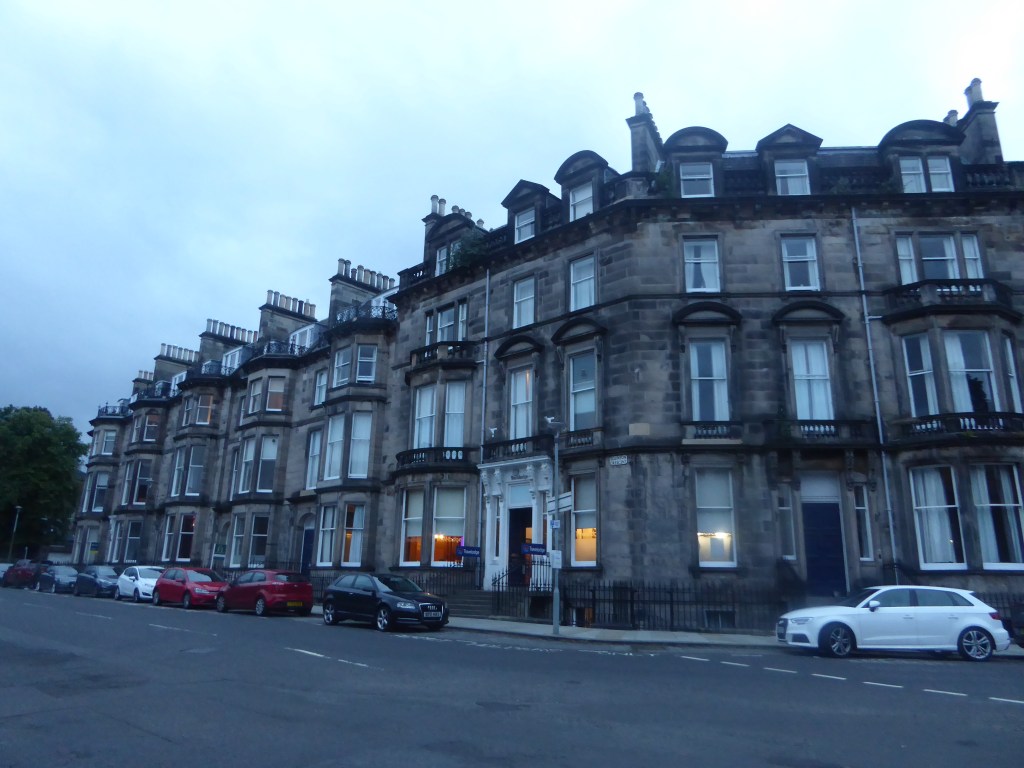
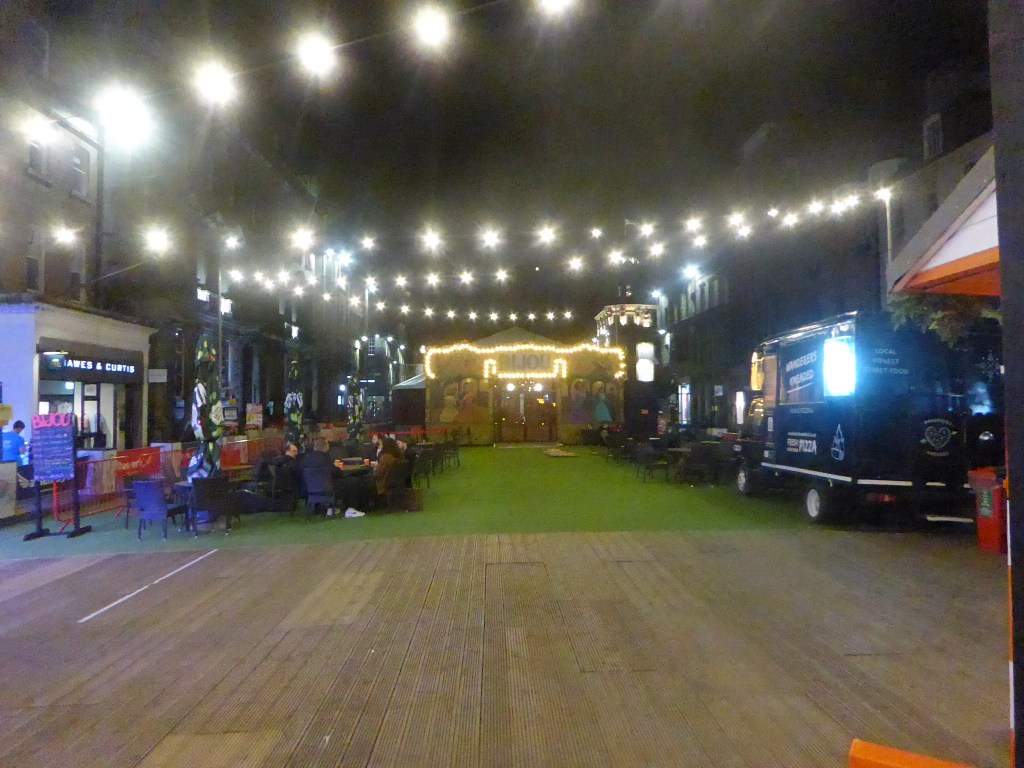
Naturally, we decided to stay as cheaply as possible, and for some reason, our Travelodge was located in the West End, just out of the more expensive parts of Edinburgh, yet it was still a spectacular area to visit.


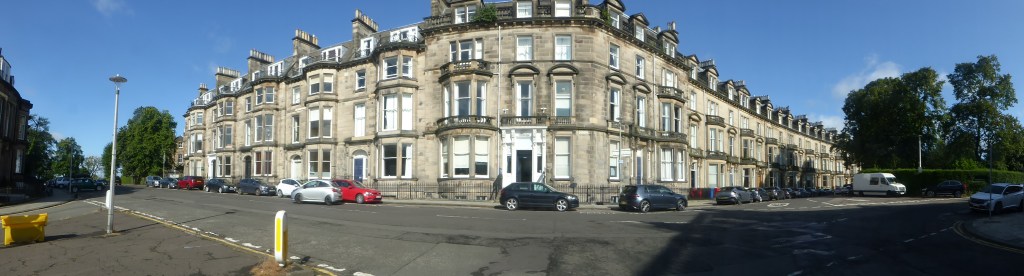
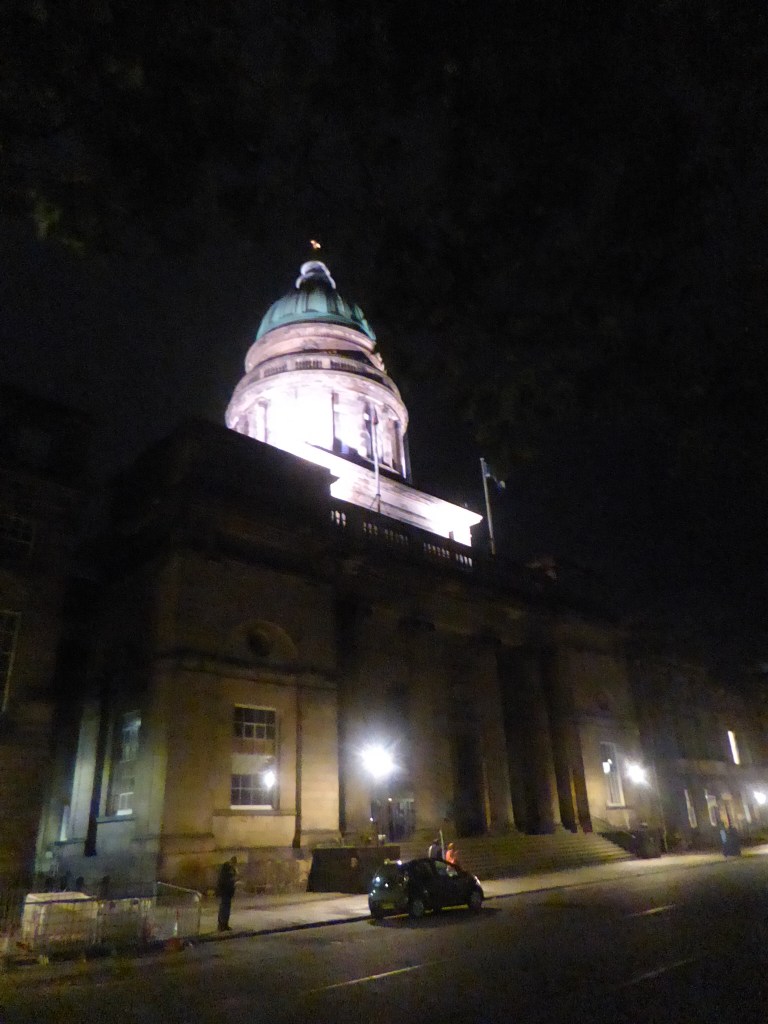
You only need to take a walk anywhere in Edinburgh, particularly in the town centre, to see the magnificent Victorian architecture. In this case, avoiding like the plaque anywhere near to the tourist areas. But even here in the West End of Edinburgh the buildings are spectacular.

The architecture is quite different from that of Glasgow, as it tends to be almost entirely white sandstone, as opposed to the red stone that we have in various parts of Glasgow, albeit, with plenty of white sandstone as well.

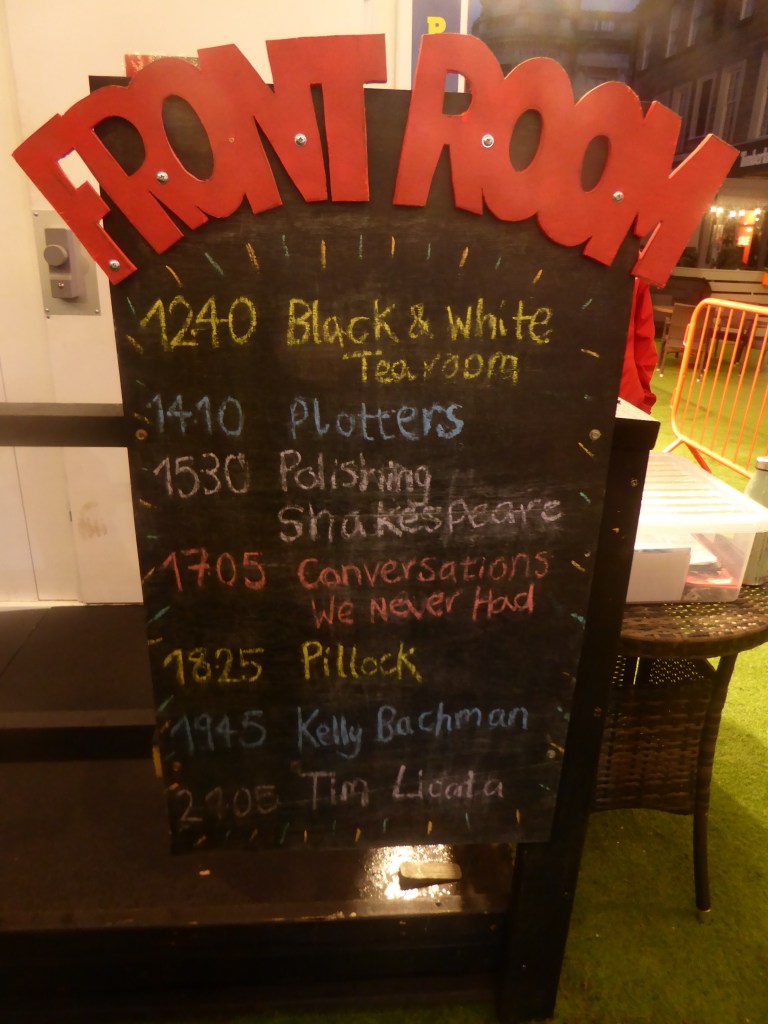
Naturally, on my first night there, we decided to go to the Edinburgh Festival, in this case to see a magician, Tim Licata. He was just fine, and of an Italian-American heritage. It also was not too crowded as well. Not sure why, though the show inside was close to a sell-out.

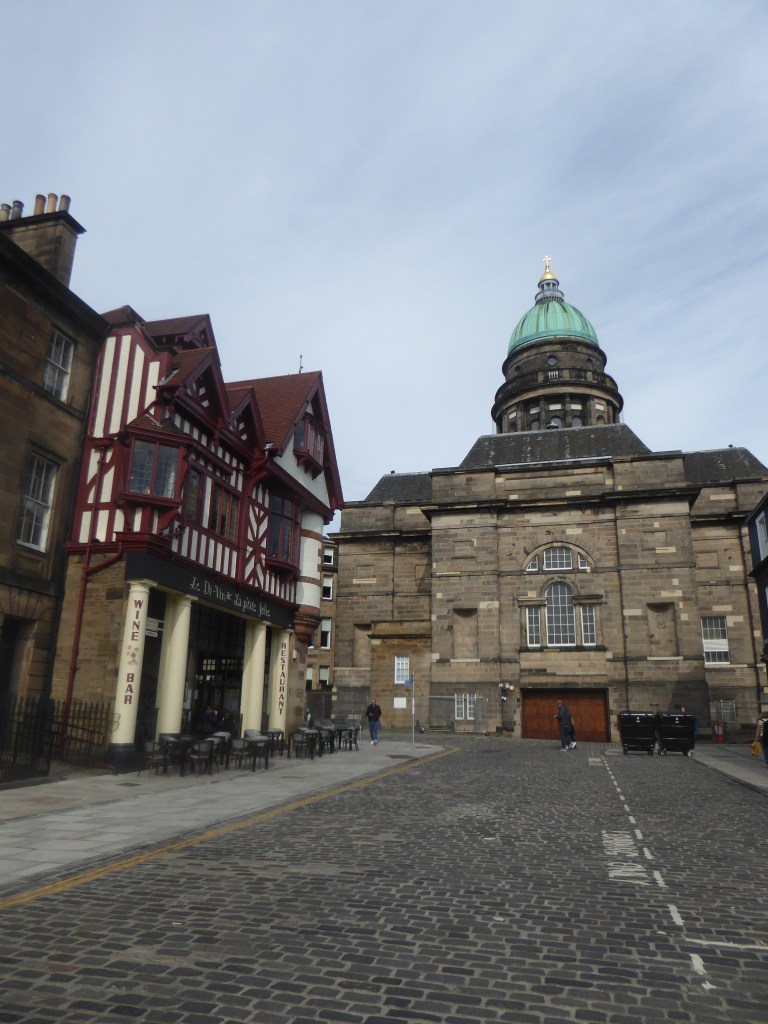
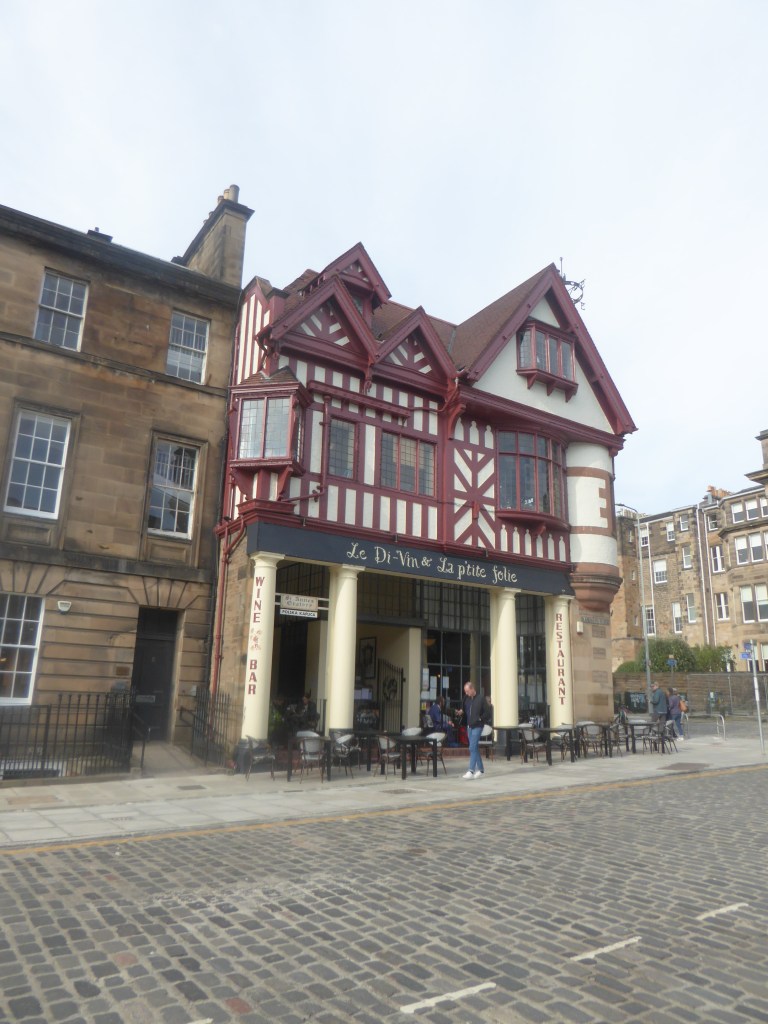
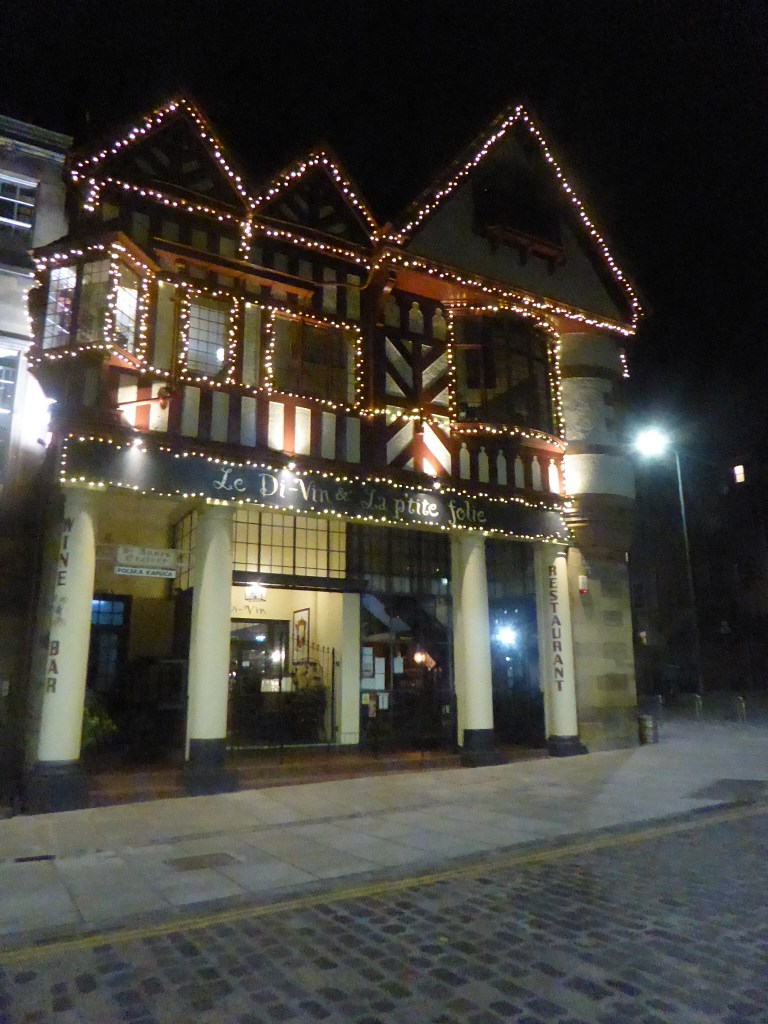
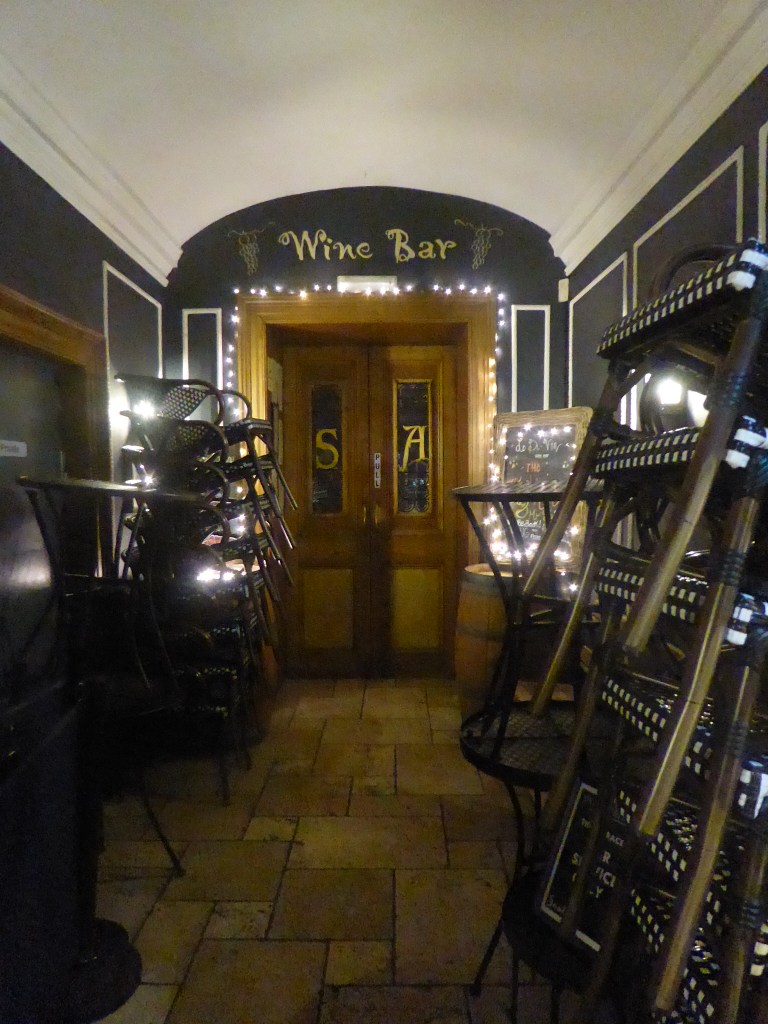
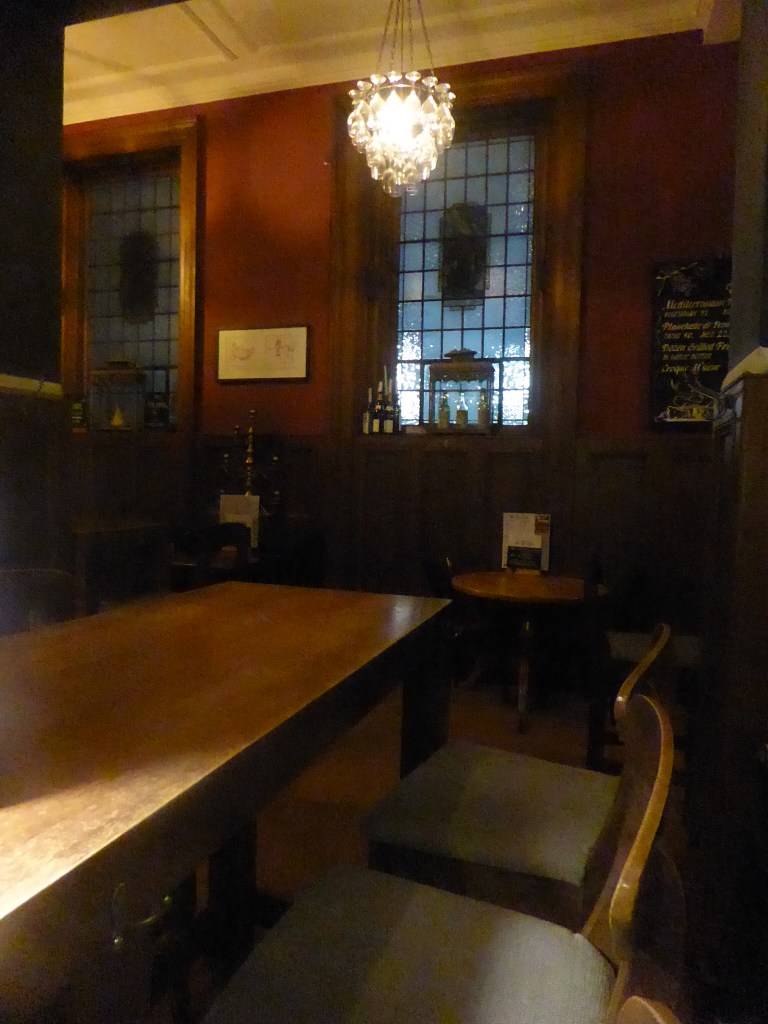
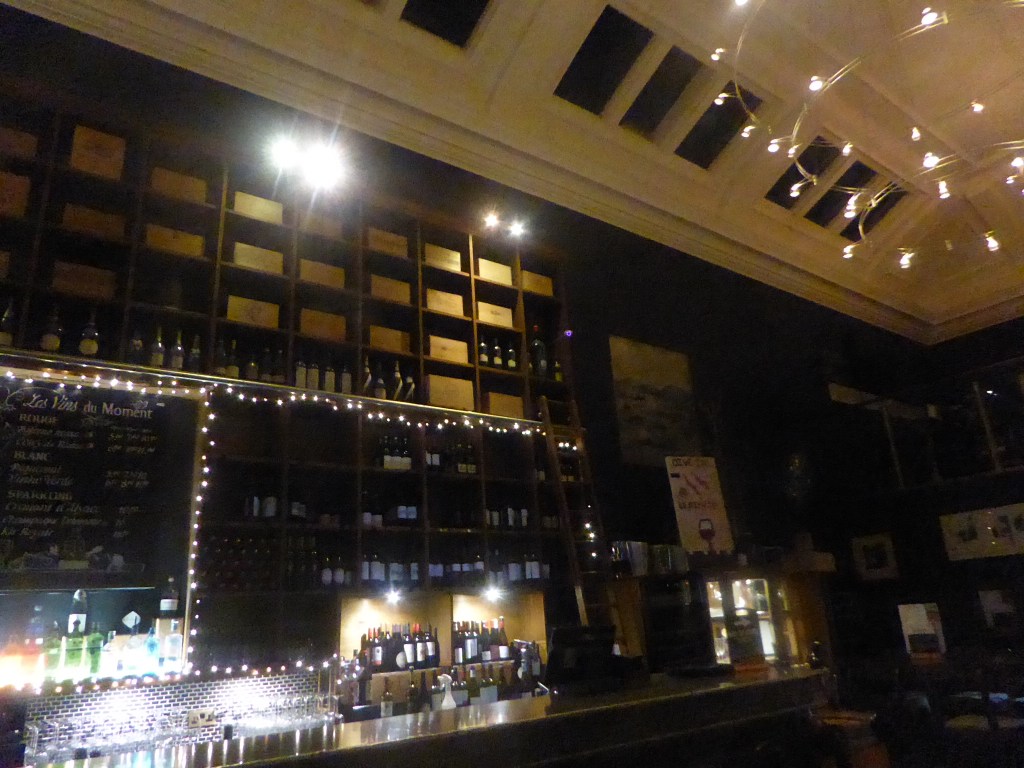
On the way back our walk we went through this area in the West End, that showed us a wee gem of a wine bar, Le Di-Van.

What a beauty! One could hardly believe being here, that I wasn’t on the continent or in France itself.

And it’s definitely one that I’ll be frequenting the next time I’m in Edinburgh.

CB