Glasgow Doors Open Day 2025- Inside St. Mary’s Masonic Lodge

A Hidden Gem on Glasgow’s Dumbarton Road –

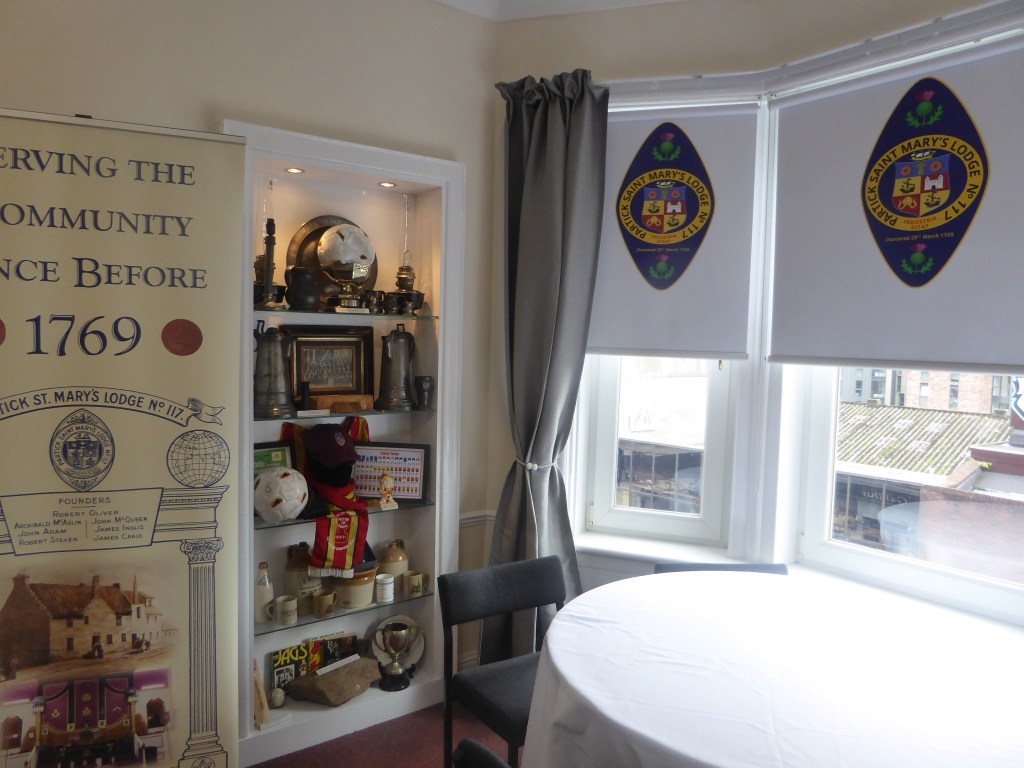
Interesting as always, Glasgow hosts a Doors Open Day every September. We’ve done so many things through this event over the years, so I thought—why not try something just around the corner from us? That’s how we ended up at St. Mary’s Masonic Lodge.

First thing that I thought, was that this was not an Orange Lodge that most people know. This is the Freemasons. I’ll admit, I brought all my usual bigotries with me … and wow, was I wrong.

I’ve never met people more open, more friendly, and more diverse in appearance and background. Everyone seemed genuinely interested in sharing and learning. It was incredibly hospitable.

First of all, the name caught me: St. Mary’s. I always thought, “If they’re Protestant, why do they believe in saints?” But they’re not Protestant—they’re Freemasons.

Second, our guide wasn’t even British. He was Spanish, I believe, and was wonderfully inclusive in how he explained the beauty—at least from his perspective—of the Lodge. He spoke about their charitable work, their visitors, and their humility. When someone asked what they actually contribute (financially) to, he said that wasn’t the point. The people who receive help know who the Masons are, and it’s not for anyone else to know.

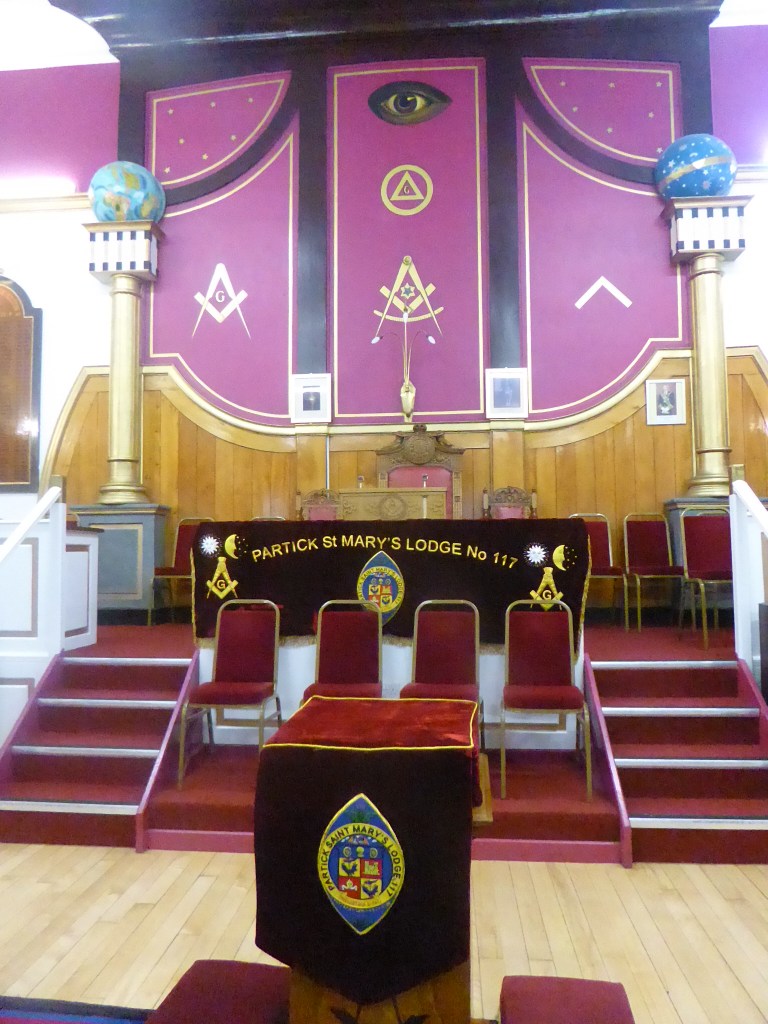
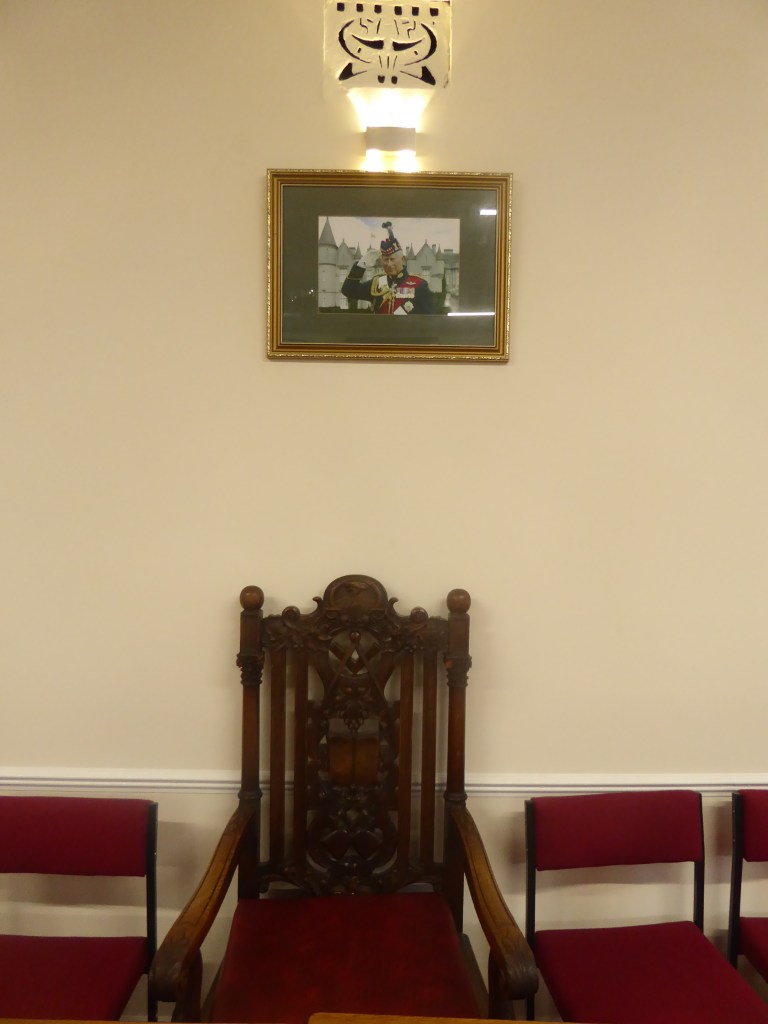
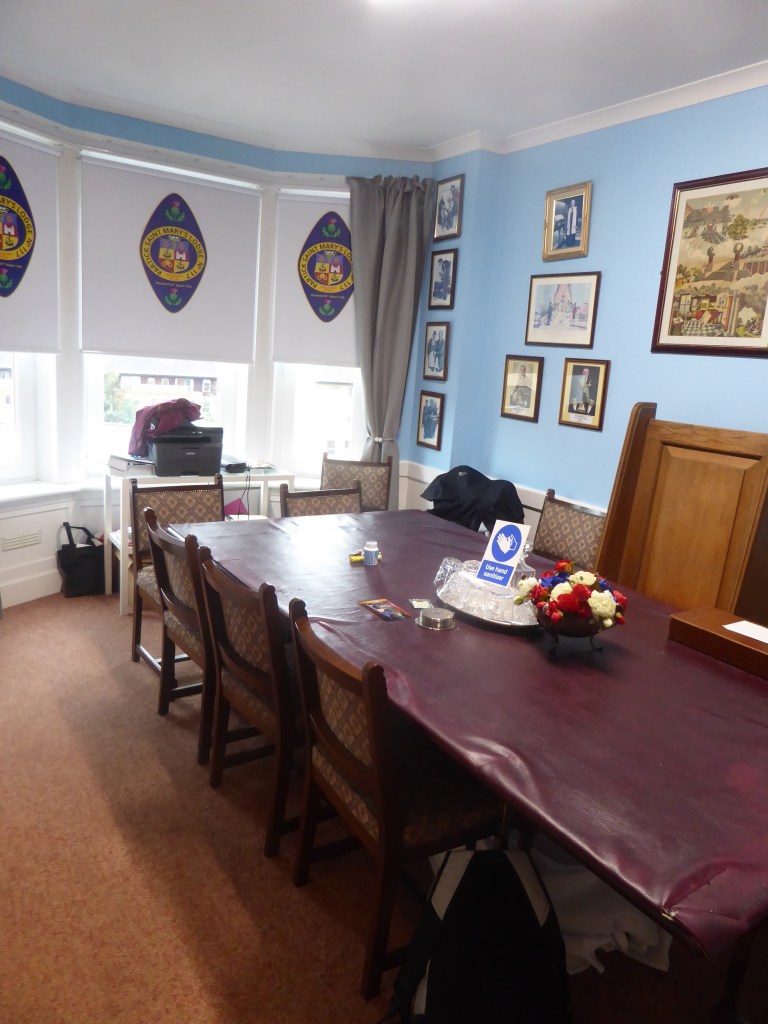
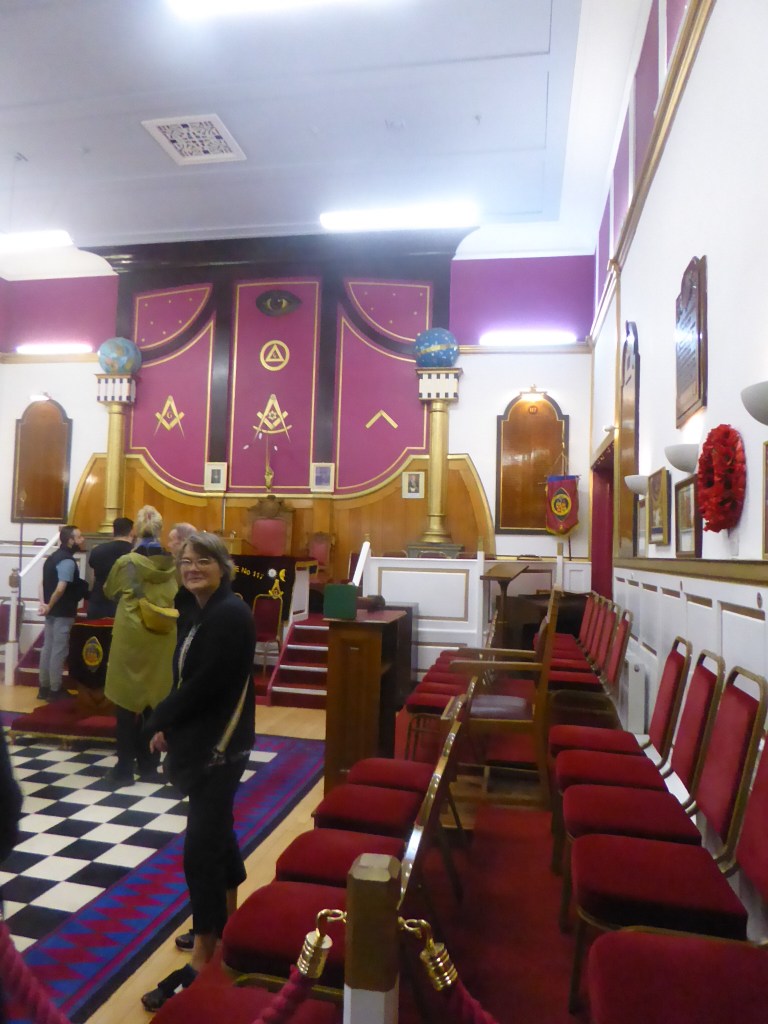
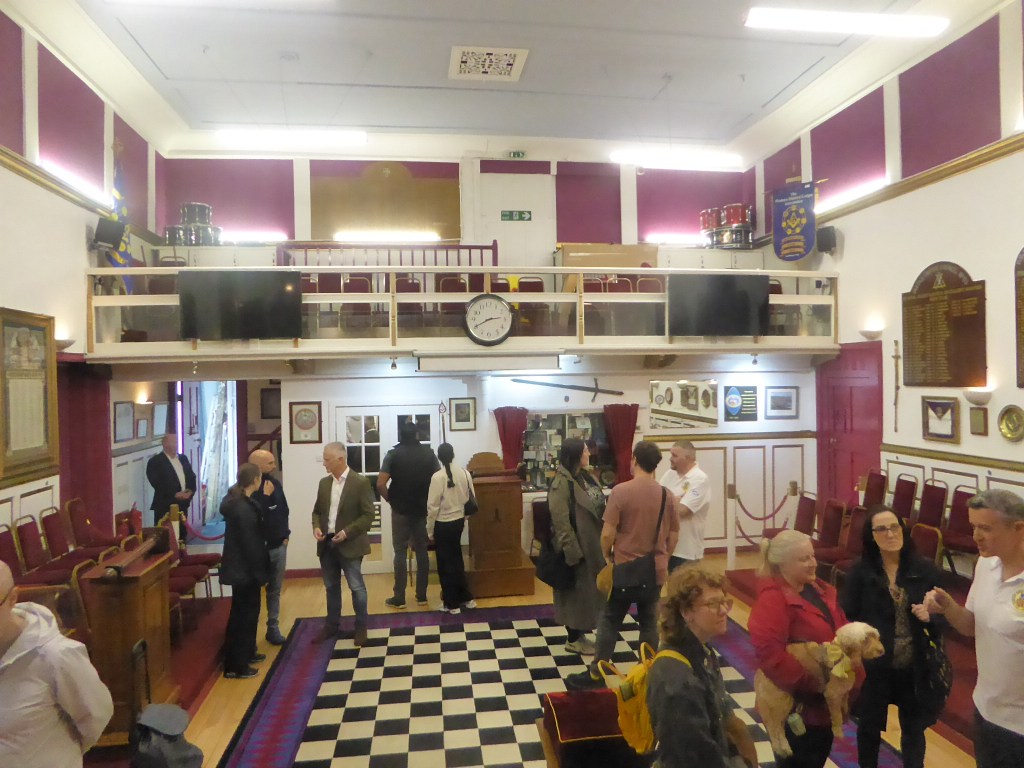
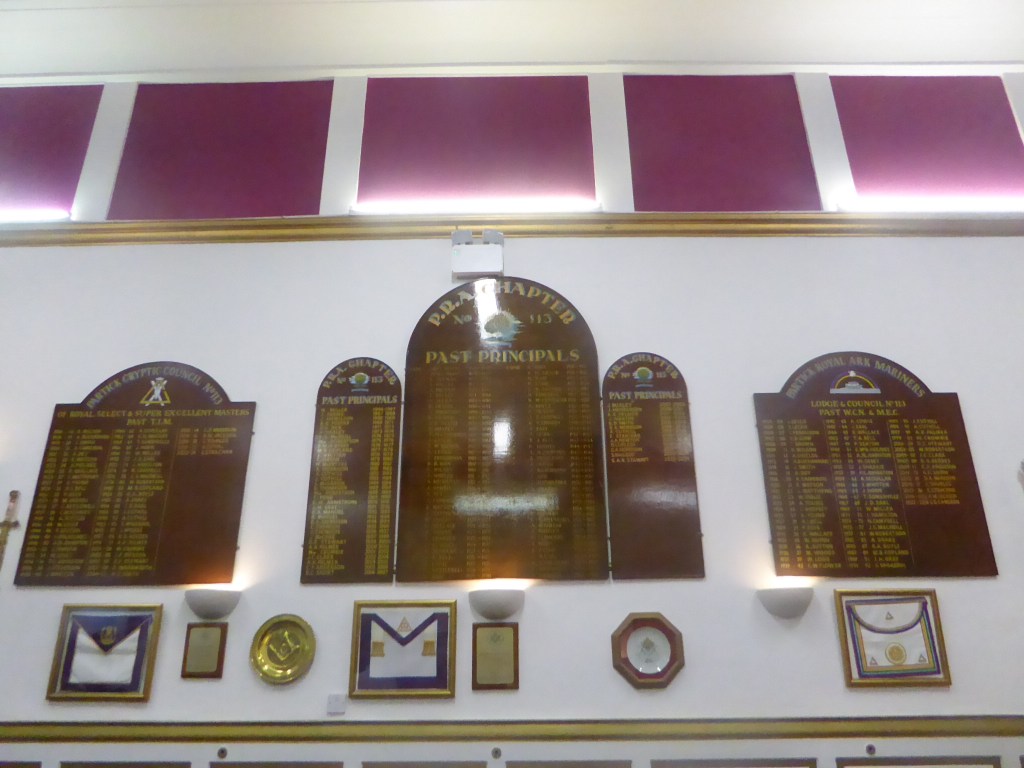
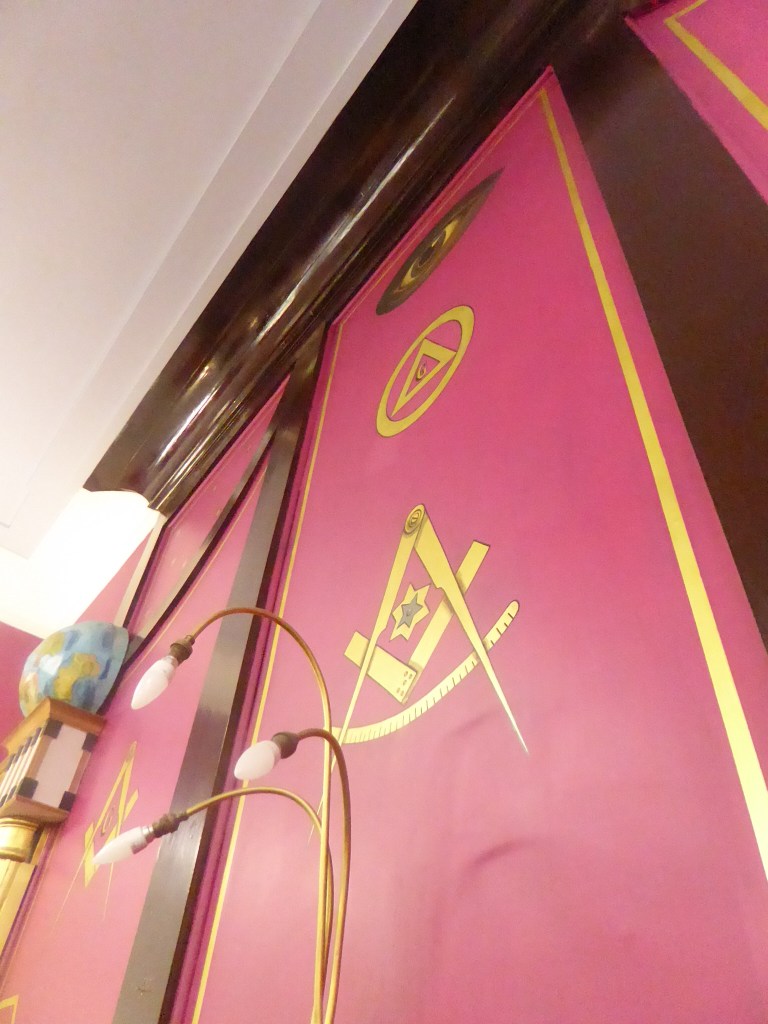
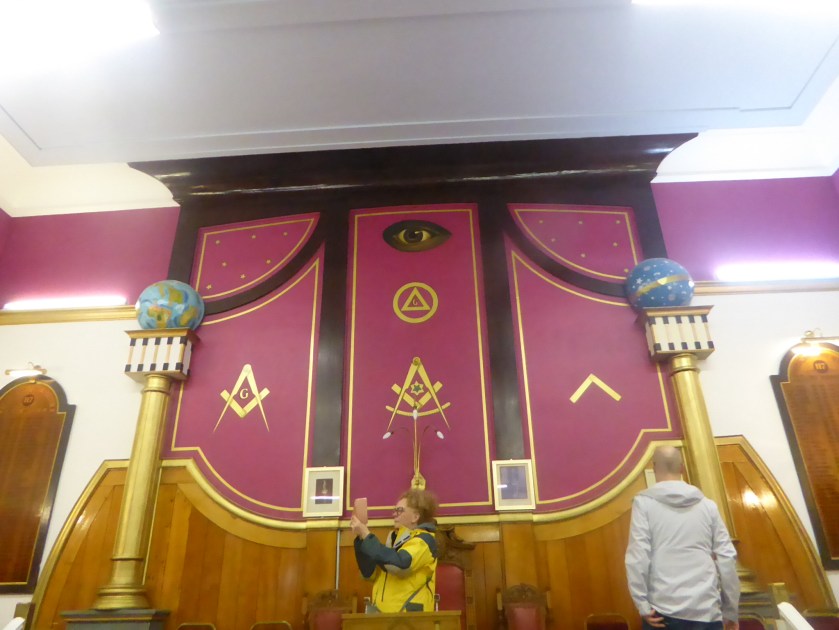
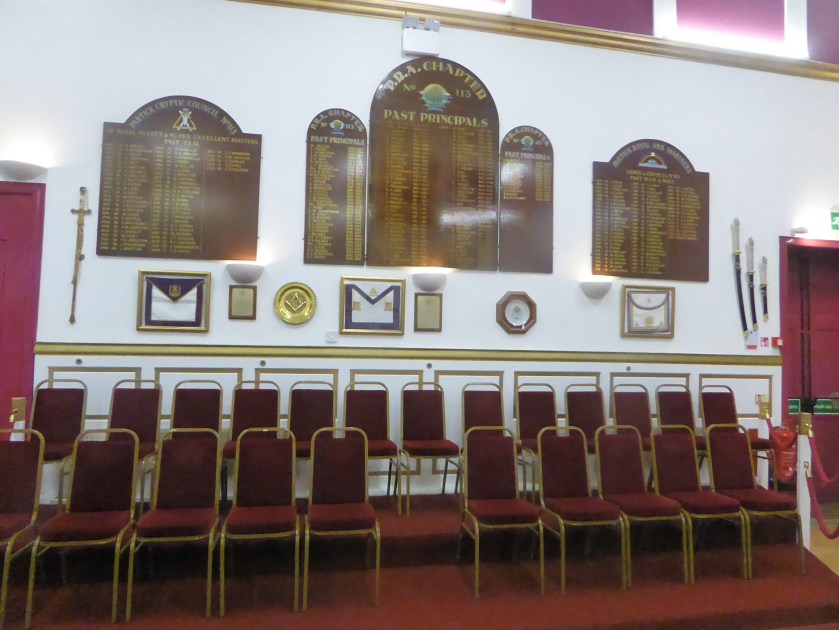
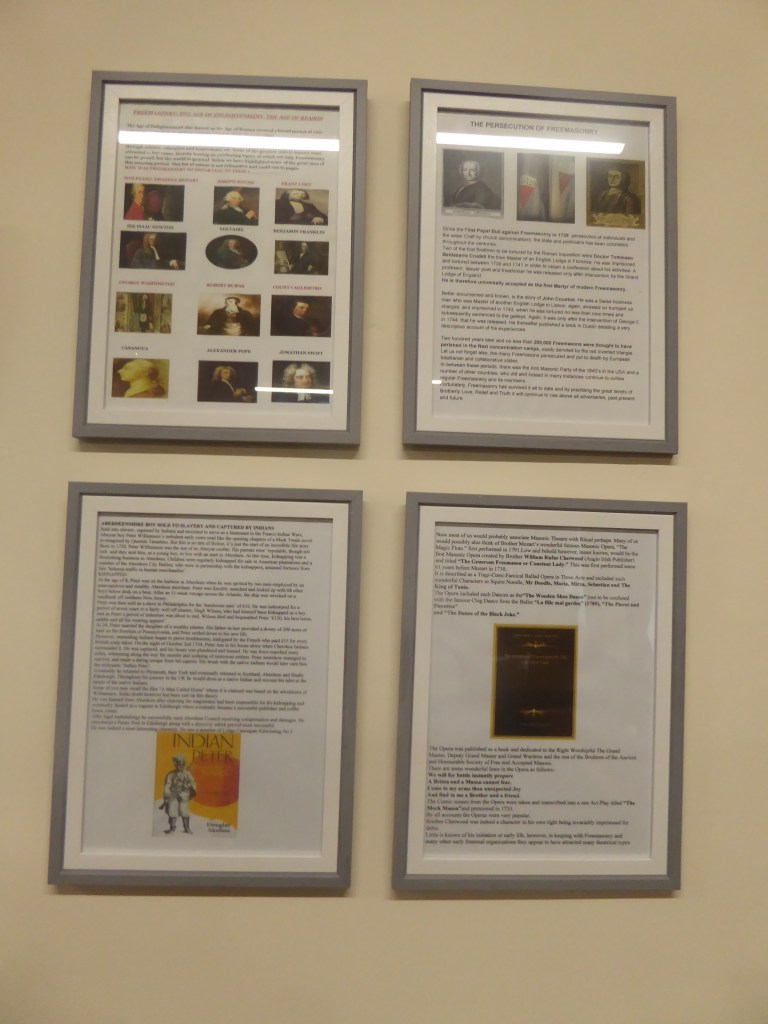
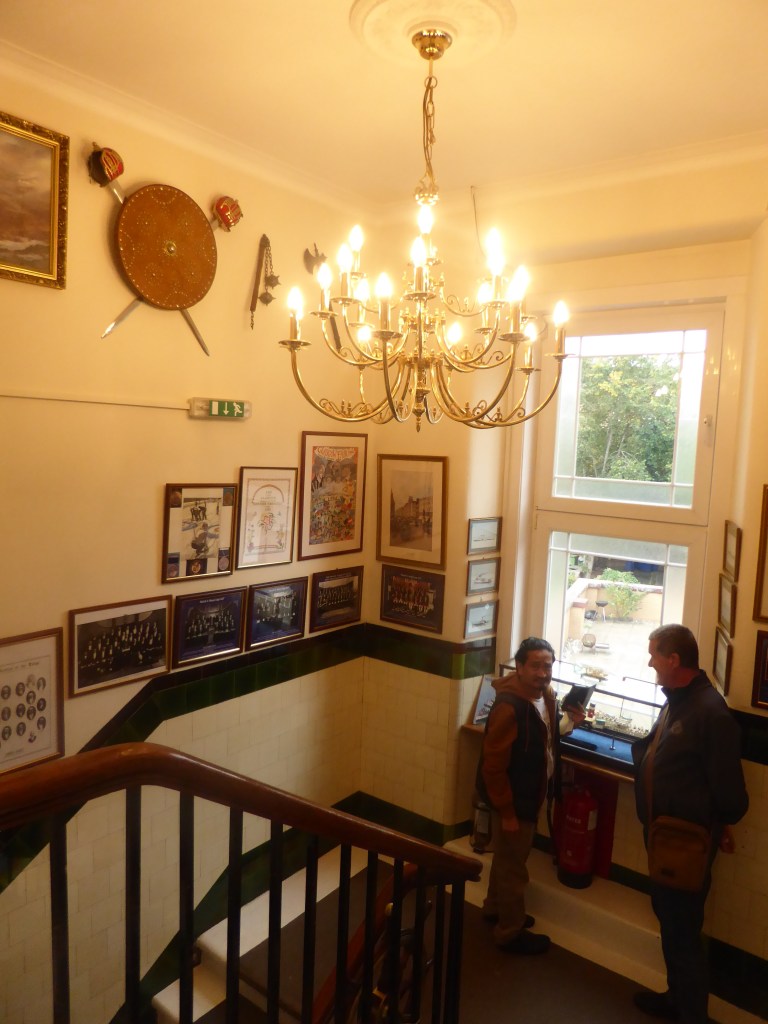
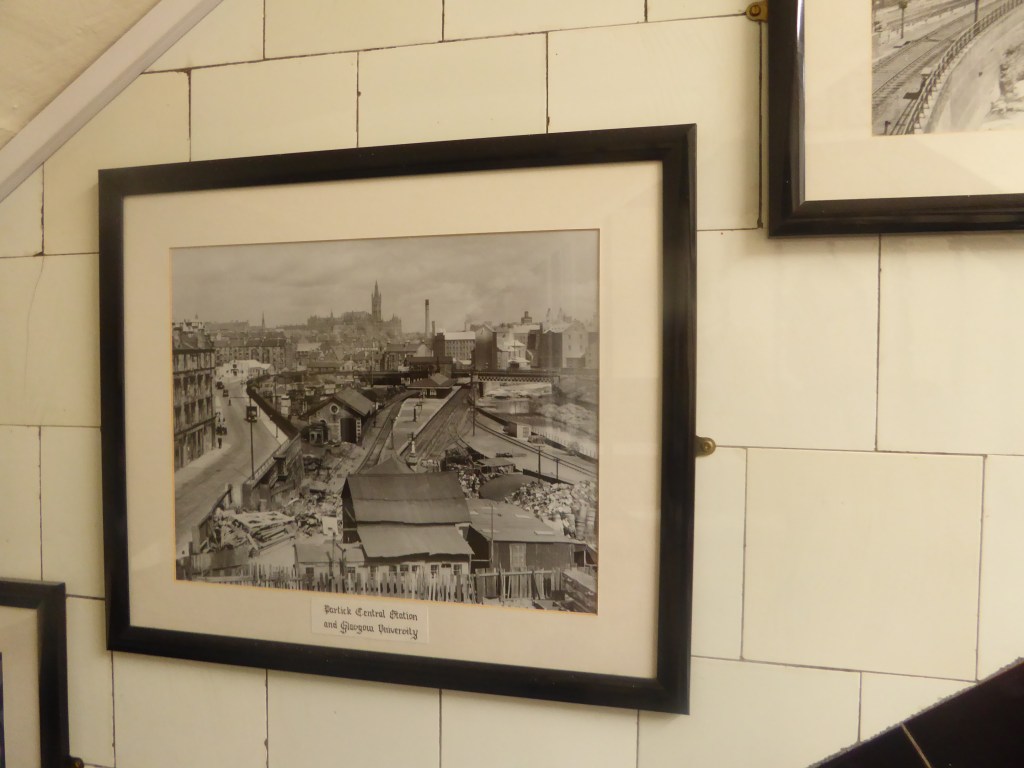
As the photos show, the main hall looks almost like a church—or even a synagogue. It was plainly decorated, and not overdone. Very tasteful, very open. The building spans three floors, and each space had its own character—never barren, never gaudy.

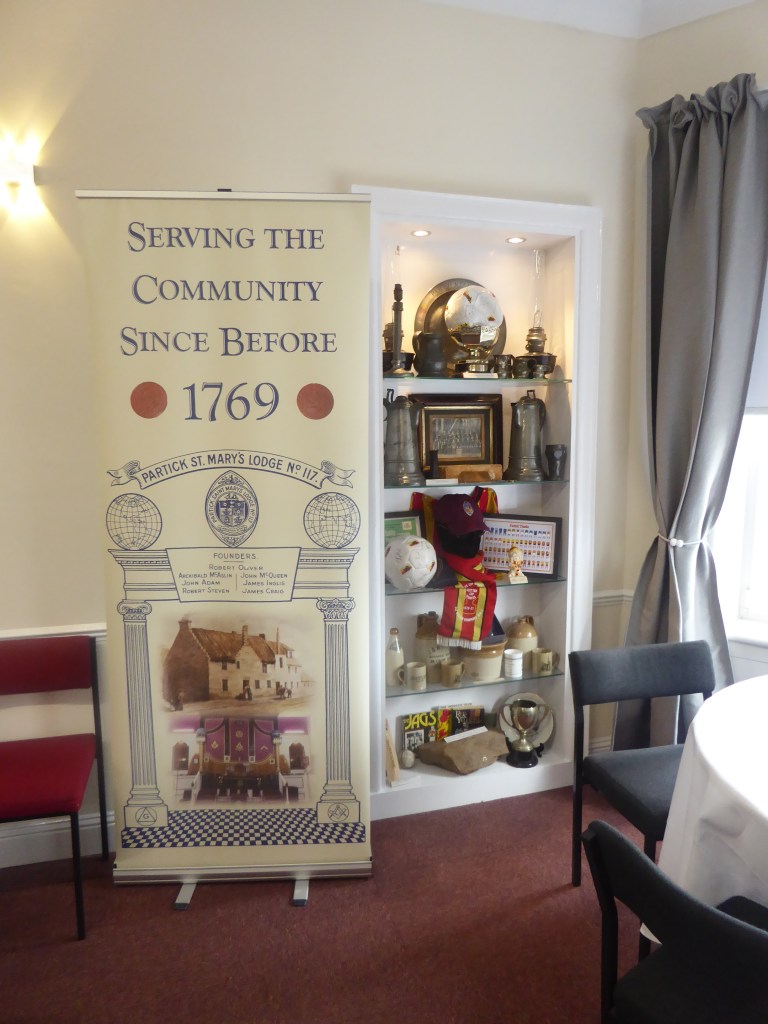
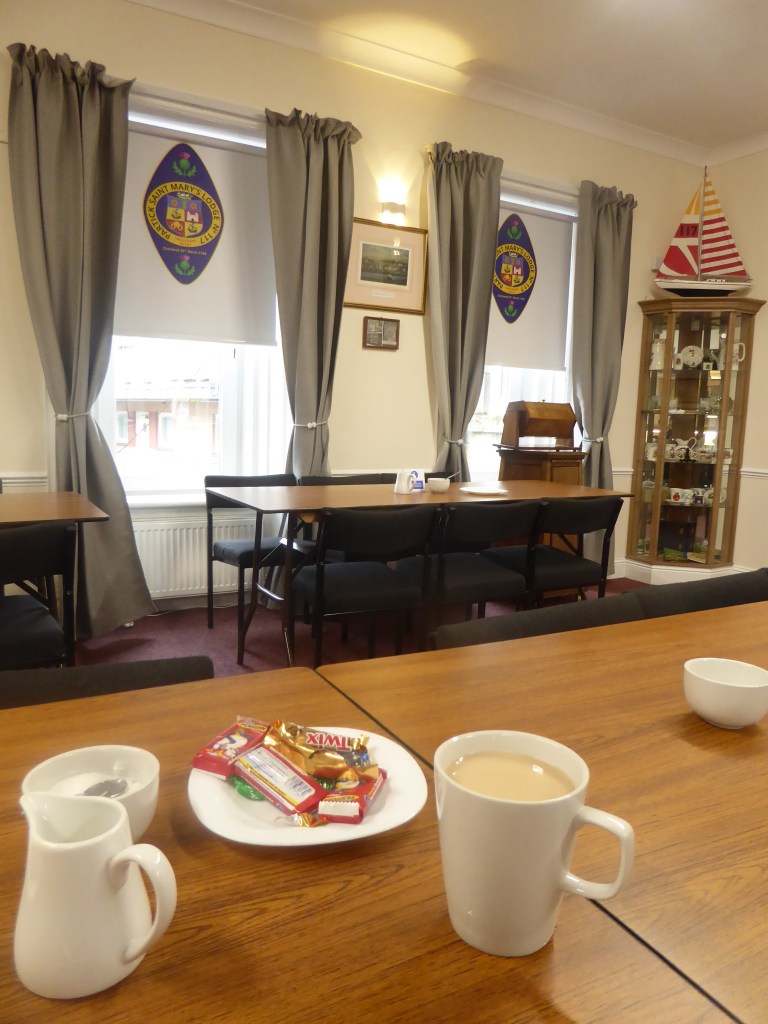
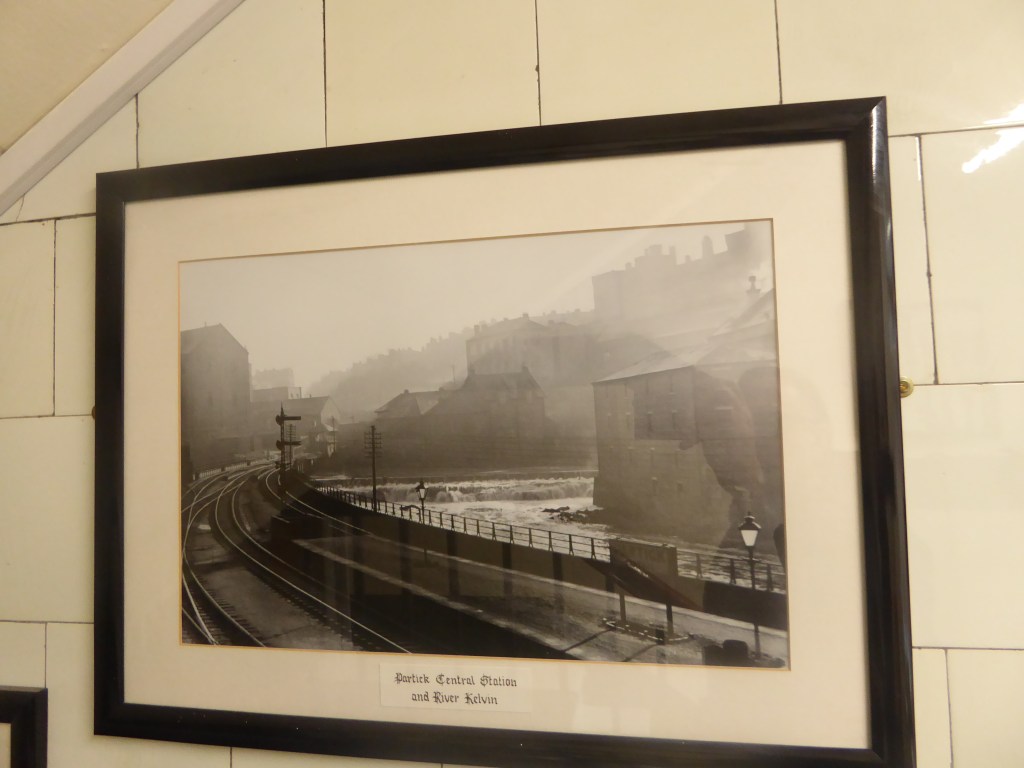
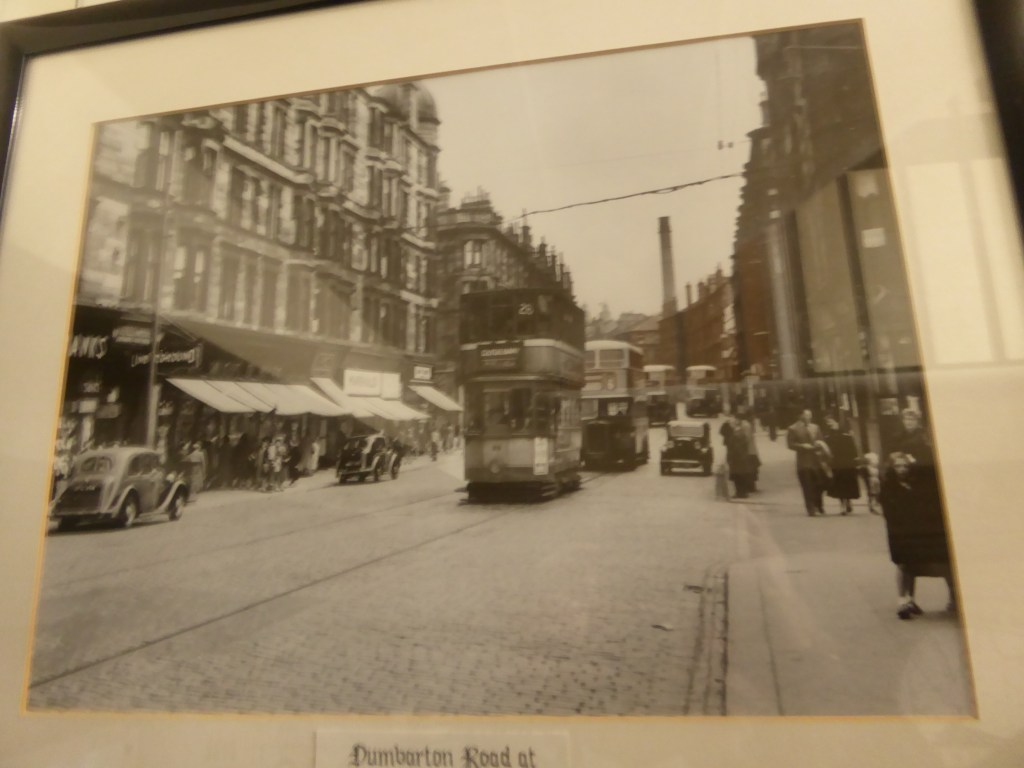
The top hall? That’s where they have a bar and a small tea room—well, “restaurant” might be pushing it. Still, there was free food for visitors, and the walls were lined with paintings and photographs of Glasgow past and present.

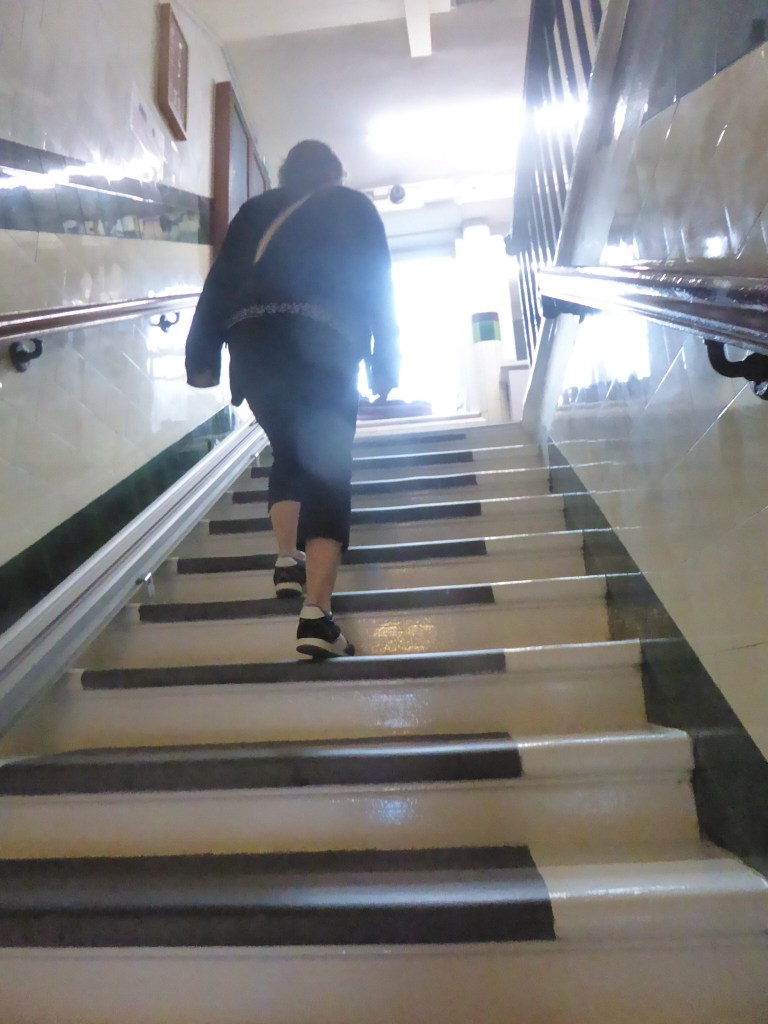
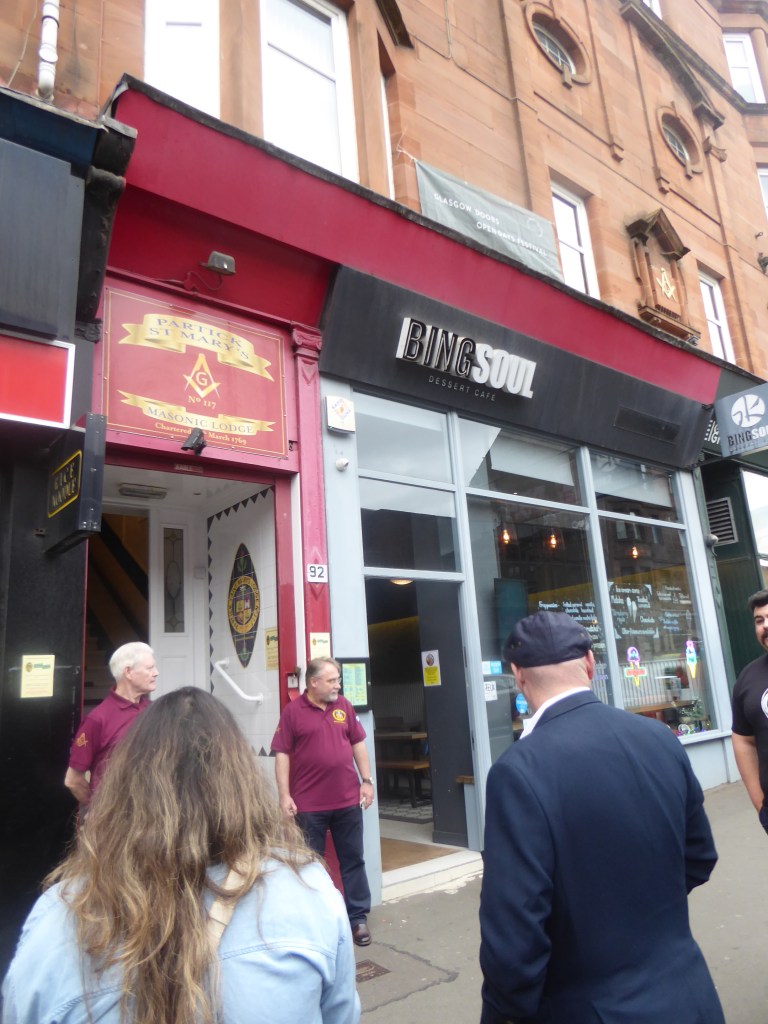
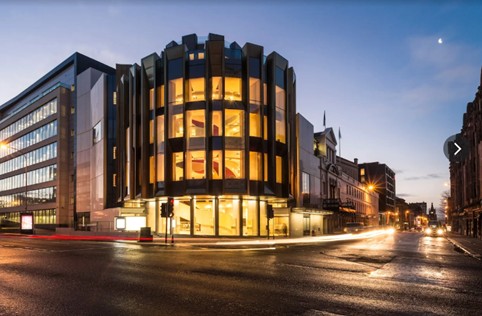
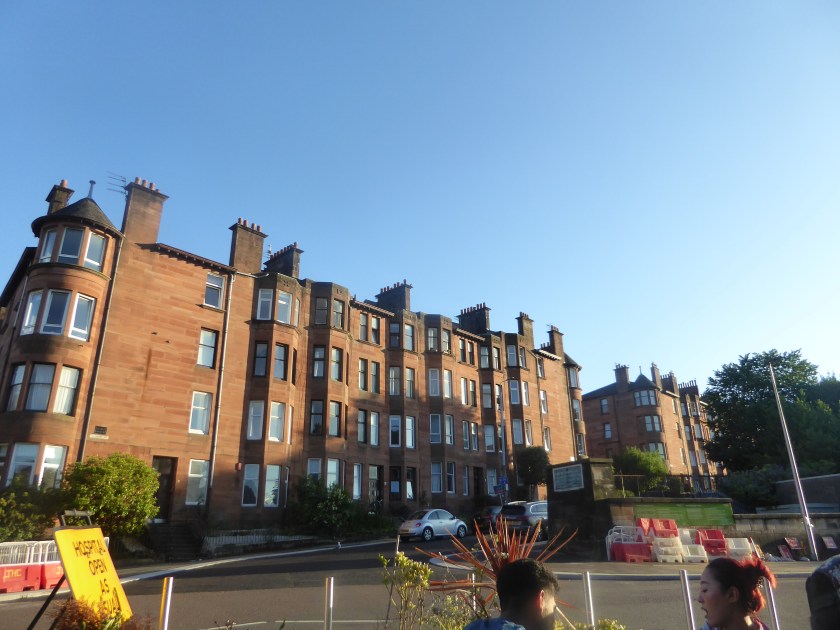
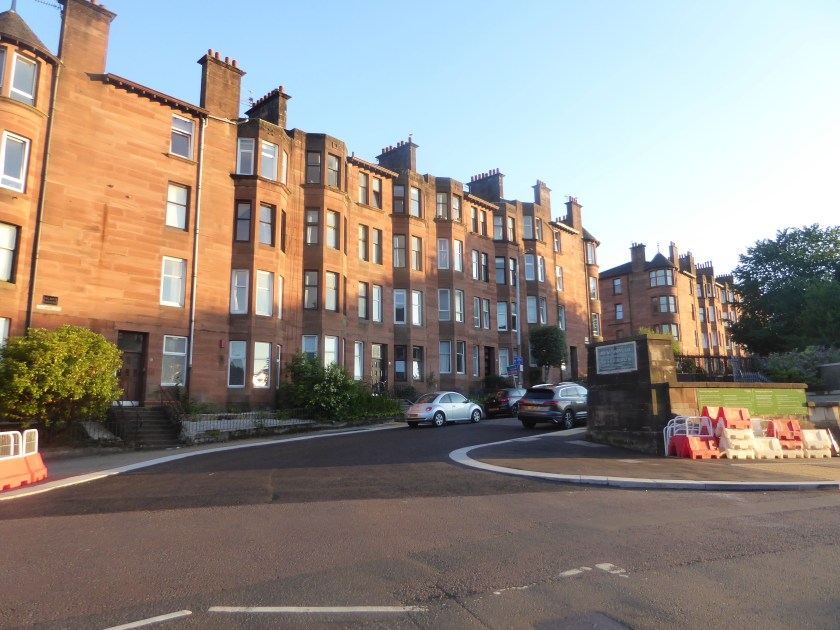
What struck me most was something I’d never noticed before, even after walking past this building countless times: the windows. They’re designed to blend into the tenement style while still standing out. The stairs—the “closes,” as we say in Glasgow—lead only to one thing: the Lodge itself.

I’m glad I finally saw it and is something I hope they continue to share with the public in the future.

CB

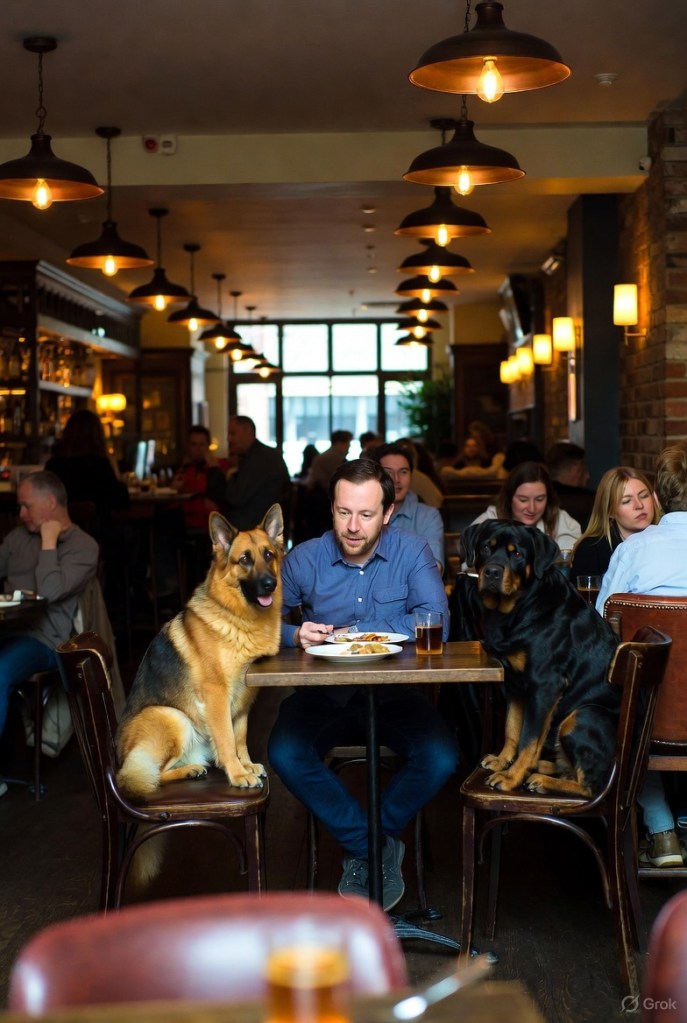
Dogs & Restaurants; a complete pet hate of mine. . .

Certainly, easy to believe – A loser of an Incel, with his pals – A recent survey stated that
almost 1/2 of men will not go out, if they can’t take their mutt with them?!

When did this even start? And now, as with many things, we are simply expected to just take it lying down, while thinking of England, et al.

As usual, I didn’t think that I could be the only one who feels this way. For another opinion, please go here:

https://www.foodandwine.com/dogs-allowed-in-restaurants-7370835

To be blunt, I’m probably a dog person, whatever that even means; thinking that at least they’ve always seemed more friendly and approachable, and certainly nowhere near as mercenary as cats; cats are simply awful.

But first some general info:

Dog-Friendly Trends (Indirect Stats and Surveys):

Directories and Listings:
Sites like DogFriendly.co.uk list over 1,300 dog-friendly restaurants and cafes as of 2024, but this is a self-reported subset and not exhaustive. Pub guides (e.g., Dugs n’ Pubs) highlight thousands of dog-welcoming pubs, often in rural areas.

Anecdotal and Media Reports:
A 2022 Telegraph article notes “pooch-friendly dining is a trend gaining pace,” with chains like Mowgli (14 UK branches) adopting dog-friendly policies since ~2017. By 2024, Costa Coffee (after a trial) allows dogs in many stores, joining others like Bill’s, Giraffe, and Zizzi.

Consumer Surveys:

One from the Mirror found:

83% of pet owners and 87% of dog owners believe pets should not be taken to restaurants. But 23% of people aged 34–45 thought it was acceptable. 74% said it’s good etiquette to leave if your dog is barking. 68% agreed dogs should only be allowed if the restaurant is clean.

Another one, from YouGov:

69% of Britons say it’s unacceptable to bring dogs to restaurants. Only 21% think it’s acceptable.

And a final survey, from Open Table found:

With a simply horrible headline; “Doggy Dining: Nearly half of new dog owners take their pooch everywhere” –

35% of Brits refuse to dine at a restaurant that doesn’t accept dogs. 49% will only take their dog if eating outdoors. 42% of new dog owners take their pet EVERY TIME they socialize. 88% of dog owners prioritize their pet’s comfort when dining out.

At least, let’s have some ground rules. . .

  1. Surely it’s possible to separate the customers with dogs, and the customers who have not brought their dogs with them. I.e, left side canines, right side humans?
  2. Can we not also, even have a pen or common area where the dogs have to be tied down at a table (underneath perhaps), as so many times when I’ve had to move by a table with a dog, I’ve had to step over it in order to proceed somewhere? And almost ALWAYS with no assistance whatsoever from their respective owners. They (the owners) just KNOW that they’re getting in your faces, don’t they?
  3. And it should be possible, to have an extra charge for the hounds, as it must take something to clean the areas due to the hairs, mud on the paws, etc. At least it could go to bring a balance between us (humans) and that lot (the dogs & their owners). I believe the Economics literature calls this an “externality“.

CB

Rap & it’s decline; at long last . . . ?

De la Soul – Alt Hip Hop – Sensational performance at Reading Festival in the Early 90s

https://www.nme.com/news/music/there-are-no-hip-hop-songs-in-the-us-top-40-for-the-first-time-since-1990-3905278

I found it interesting that I came across the above article, and it didn’t seem to get much attention in the press recently. I remember when I was young—in the late ’80s and early ’90s— I was completely wrapped up in the music scene, and then hip-hop arrived.

the Definition of Sound – Inventive, London Hip Hop

I always thought hip-hop was wonderful: a fusion of styles and sounds. Sure, many artists didn’t play instruments, but the music they created was fun, danceable, and perfectly suited to the genre. Also, I felt that there was an enormous variety to the genre; the pictures above and below showcase some of my favourites.

PM Dawn – “Hippy” Hip Hop

The thing about rap, is that I was never a big fan; always thinking that Hip Hop was just SO much more inventive and clever. Also, imho American music in general is at times, very compartmentalized. It always felt to me, that the country was more reliant on corporate acts, and simply did not have a very great “pop” tradition like the UK had.

Playlists were predictable: hip-hop for predominantly ethnic & city audiences, country for rural listeners, and so on. But then, in the early to mid-’90s, both genres began crossing over and hitting the pop charts. The rap acts started to become huge, as well as, in my opinion completely mediocre acts such as Garth Brooks; dreadful. How he is rumoured to be the best selling, single artist in history is mind-blowing. Let’s be honest here, did he ever write & record a Wichita Lineman? A Walk the Line? Etc?

Music Apps

As for rap, part of the popularity (as with any genre) may have to do with how charts work now compared to then. Today, many songs rely heavily on a small group of fans streaming tracks repeatedly. For example, five regular fans might play a song ten times a month—that’s 50 plays. But if one superfan plays it 100 times a month (about 3x / day) that single listener can push the numbers up dramatically (too my knowledge). This wasn’t the case back when you bought an album or a record. One sale was one sale, and that was it. If you never played that song / album again, or if you did; it meant nothing. The sale was the sale. Spotify doesn’t track unique listeners in the same way. They don’t say, “This person listened once three weeks ago, so that’s enough.” Instead, repeated plays count, which is why some pop and rap songs can stay in the charts for an incredibly long time.

This is something that probably needs to be addressed—but that’s another discussion. If Rap is fading, or if it’s just slowly declining, it raises the question: when the charts finally shift, what will take its place?

CB

PS – These are my own opinions. This is not a music blog, I could WELL be incorrect.

La Bohème – A night at the Scottish Opera

Years ago, when I was trying to learn guitar—classical and jazz—with an outstanding teacher on the West Coast of America, we started talking about the music we liked. Not just the usual pop and rock of the time—Van Halen, Foreigner, Earth, Wind & Fire, and all those disco acts—but what really spoke to us.

I told him I loved classical music, in particular Elizabethan, Baroque, Romantic. I mentioned composers like Tchaikovsky and Prokofiev. He said he liked almost everything. He had a degree in music and could play classical pieces on both piano and guitar. But there was one thing he admitted: he didn’t care much for opera—he just couldn’t understand it. Not just that they were in Italian, etc, but that what was the point (or something like that).

I could relate. Opera always seemed like endless shouting, as if everything were a Wagner production. It made no sense to me. Even in musicals, you’d have spoken parts alongside singing, which felt more natural. But that was beside the point. It existed and was not going to change.

So when we decided to see La Bohème last month at the Theatre Royal in Glasgow, I treated it like an excursion—a field trip. I wasn’t expecting to enjoy it.

Boy was I completely wrong.

La Bohème composer Giacomo Puccini

Over the last decade or so, I’ve come to appreciate some of the old operas, especially Italian ones like Puccini’s. They feel written for enjoyment, for ordinary people, full of memorable tunes. And when I went to the performance, that’s exactly what I found.

I was fascinated by the audience also. Every type of person was there: Black, White, Asian, Chinese, disabled, old, young, students, middle class, working class. I’ve been to hundreds of concerts, but I’ve never seen such a mix. It felt almost like a cult type of thing. And in addition, the two main roles were played by Asian singers.

And although opera is hardly in the charts, a survey last year is also in tune to my feelings. According to the Laidlaw Opera Short Report – Google Docs;

The Laidlaw Opera Short Report from January 2024 conducted by Public First found that 42% of the UK public has never met an opera fan, but 41% would like to go to an opera at least once in their life. The report also highlighted that cost is the main barrier to opera attendance, with 49% of the public saying that the cost being lower would make it more likely for them to attend an opera.

And when you delve deeper, the report says it’s the young who seem to have more time for opera nowadays?! If you have time (I didn’t even know these type of reports existed!), please go in the link and read it; it’s fascinating.

Back to the performance of La Bohème, there were parts of the opera I understood well and parts I didn’t. But I definitely recognized a couple of melodies that I’d heard on Classic FM.

It was a wonderful experience—and something I plan to enjoy again in the future.

Summer 2025 – Part 1 – Going out in Glasgow, Scotland, England, Europe, etc . . .

📸 July – Food Adventures – West of Scotland and beyond Edition

Now that it is November; I’ve finally decided to look back at the various places I went out to in the summer, timely heh?


July was a month of Parkruns, long walks, and delicious discoveries. Here’s a roundup of the places I visited, from cosy cafés to scenic golf club eateries.


🍳 The Red Deer – Pitlochry, Scotland

Located at the Pitlochry Golf Club, The Red Deer is a welcoming spot with a folky vibe and unbeatable prices. Whether it’s pancakes, French toast, or a classic egg roll, the food is basic and home baked, with the staff always friendly. The wraparound terrace offers stunning views of the fairways and Ben Vrackie.


🥪 Celinos – West End, Glasgow, Scotland

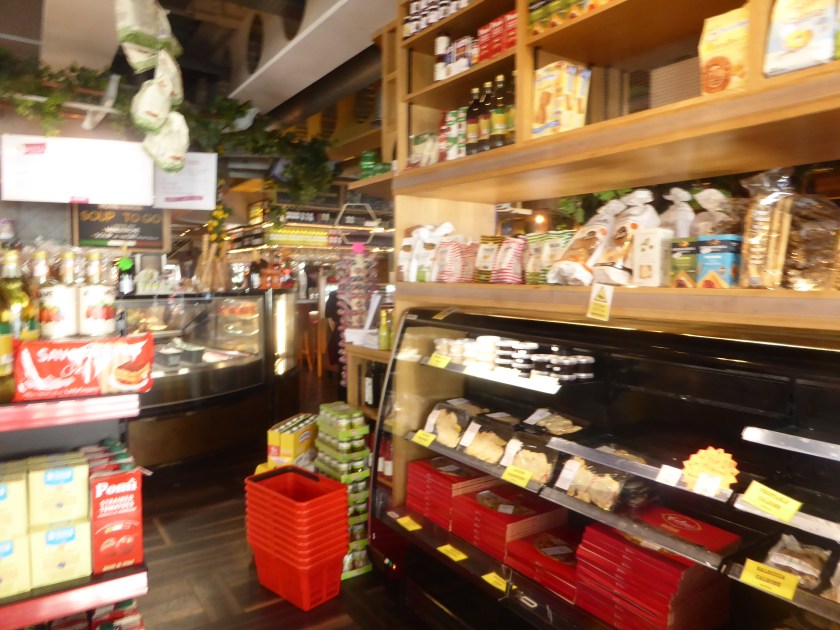
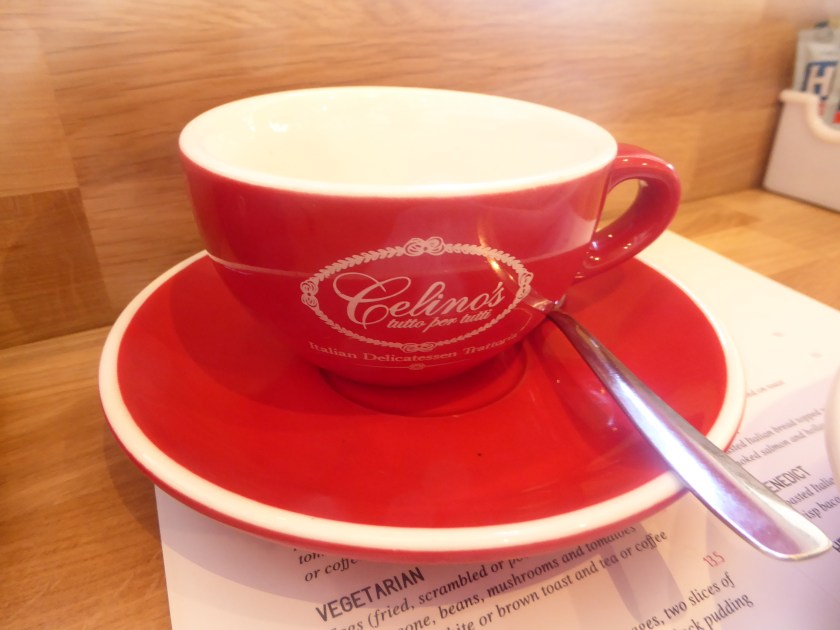
Celino’s delicatessen in the West End is a vibrant Italian spot with flowers hanging from the ceiling and shelves packed with deli treats; over the years it looks and gets better each time I go there. The sandwiches are fresh and flavourful, and the service is quick and cheerful. At this time of year, it has a “crowded” type of feel, with Christmas addons for food and presents.


🥞 Brunch Takeaway – West End, Glasgow, Scotland

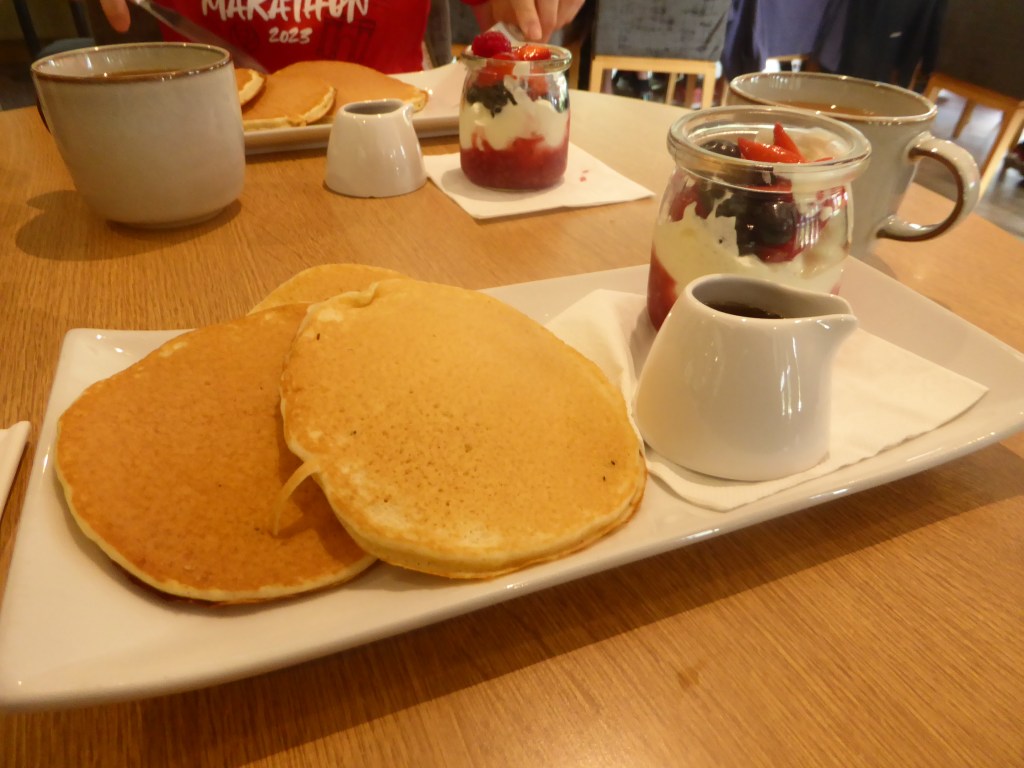
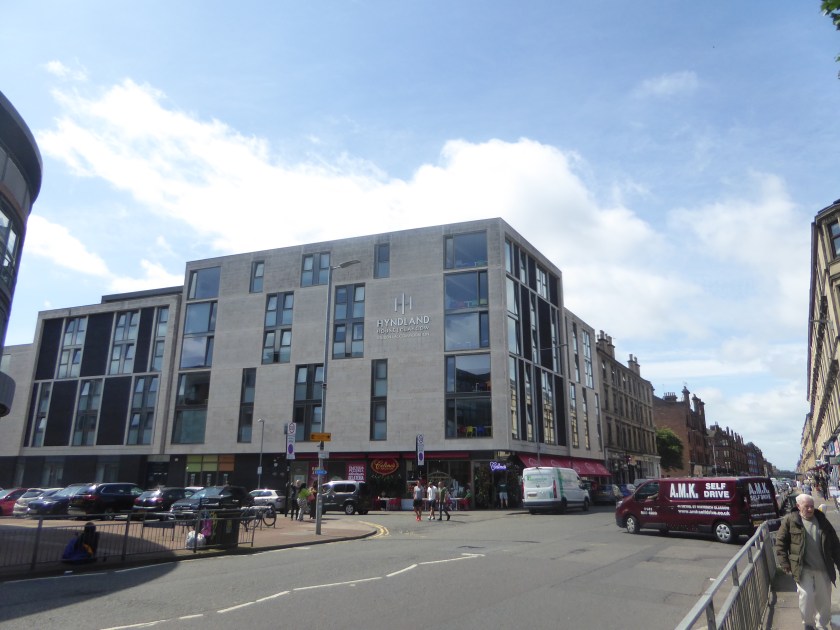
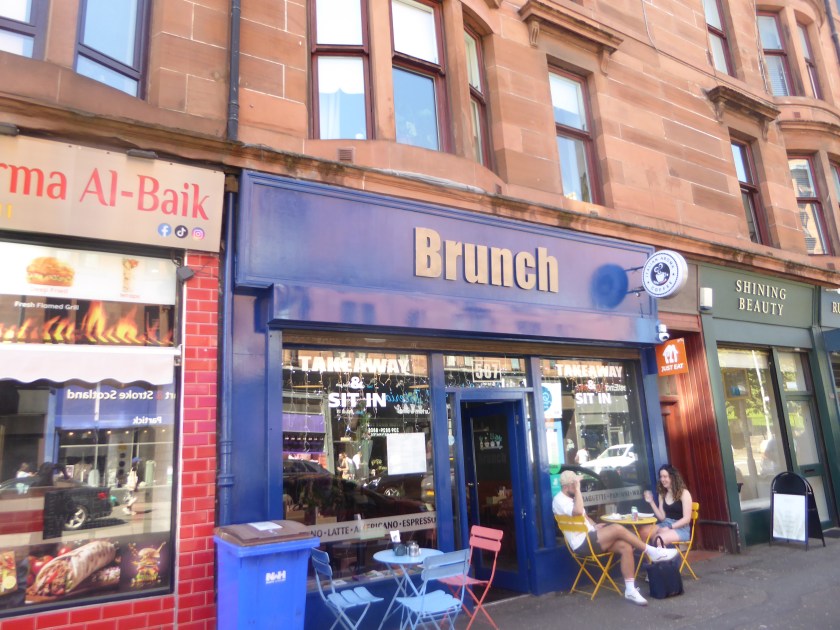
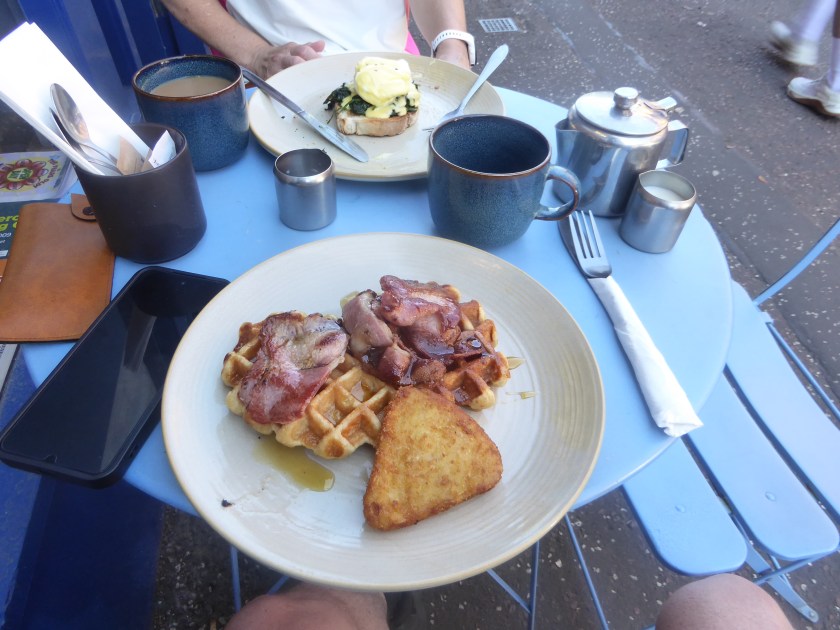
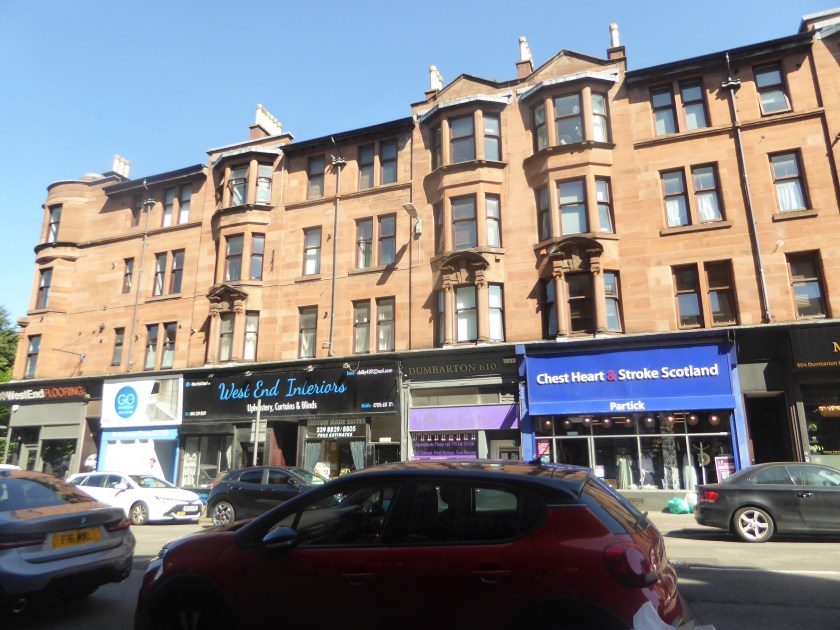
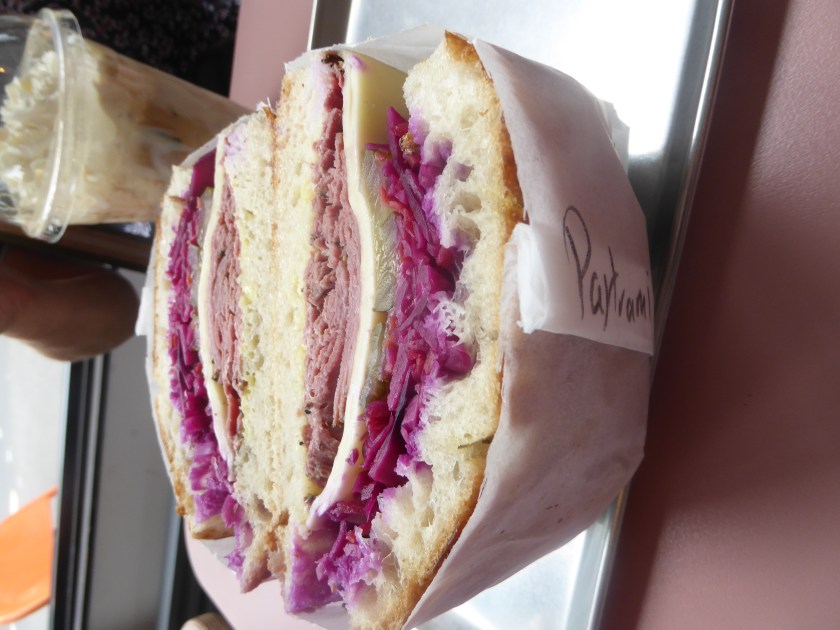
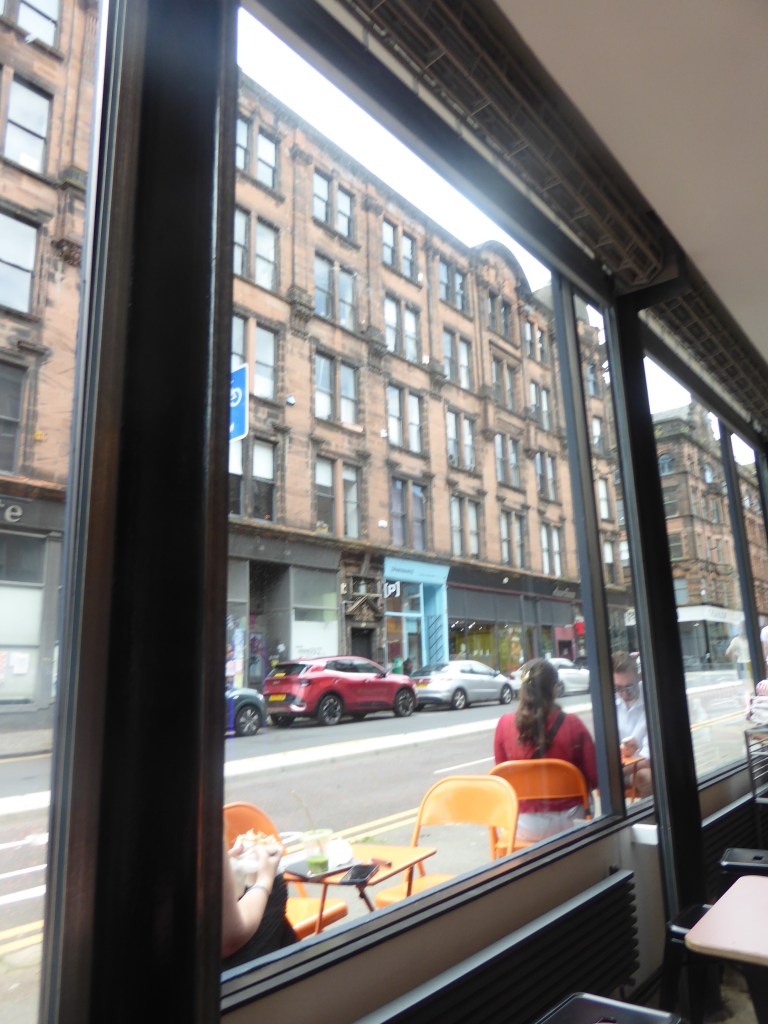
After the Victoria Park Parkrun, Brunch Takeaway is the perfect carb-loading destination. Pancakes, waffles, potato cakes, and maple syrup with ham—pure indulgence. The vibe is relaxed and the portions quite generous, we chose to sit outside and even in the shade and the traffic on Dumbarton Road, it was still very pleasant.


🍻 Elena’s Spanish Bar & Restaurant – Yorkhill, Glasgow, Scotland

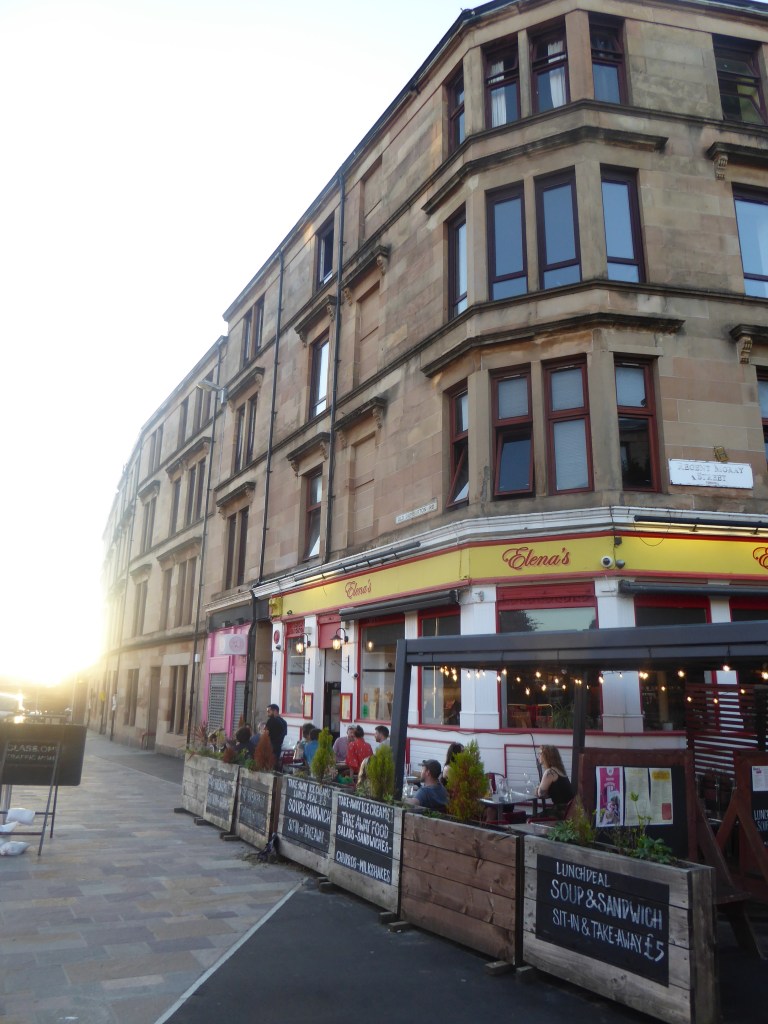
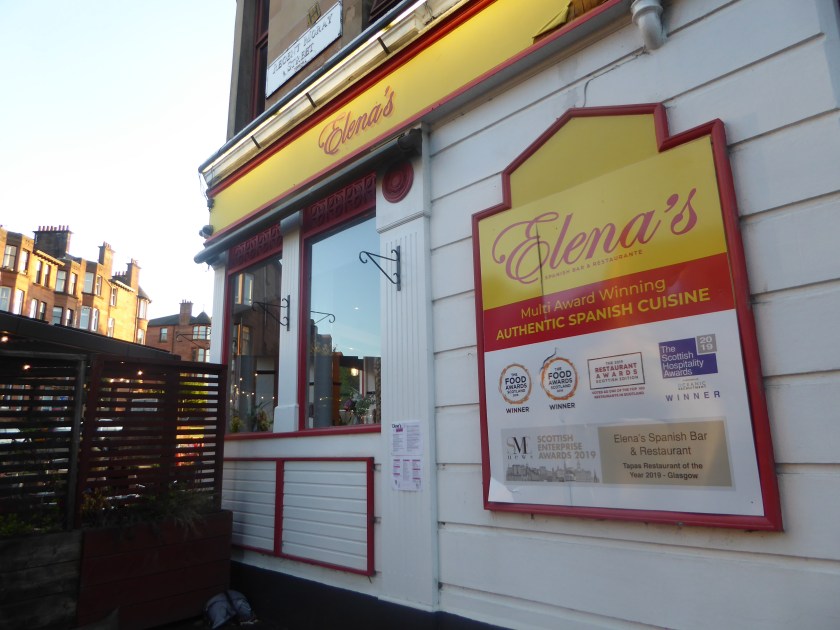
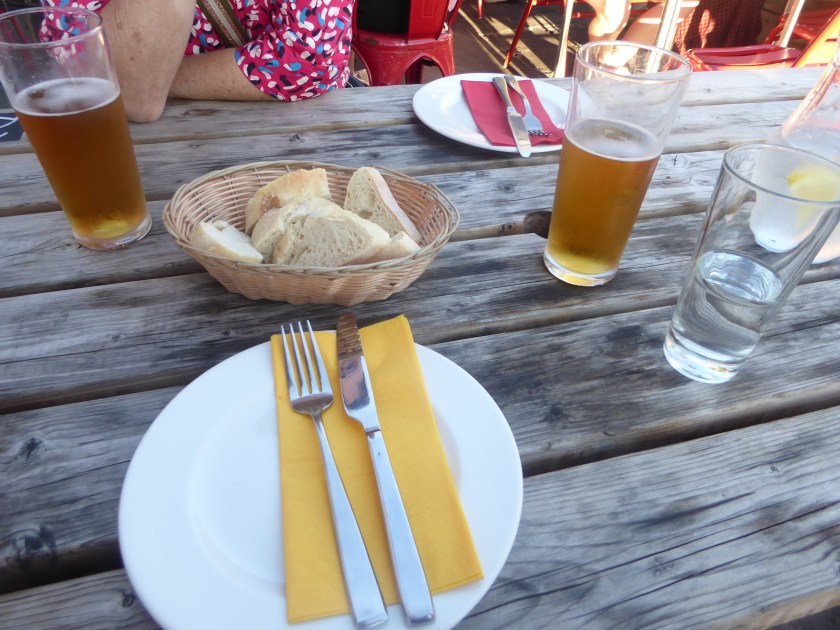
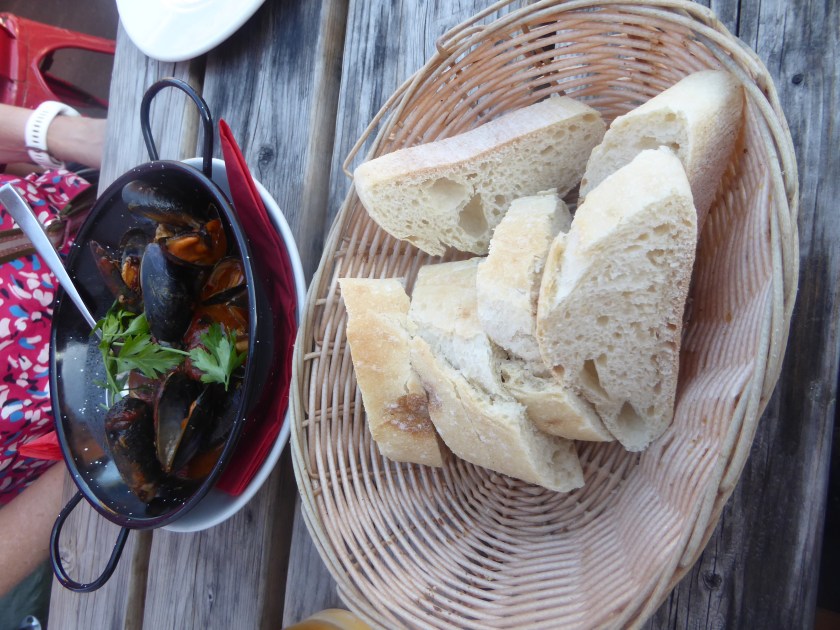
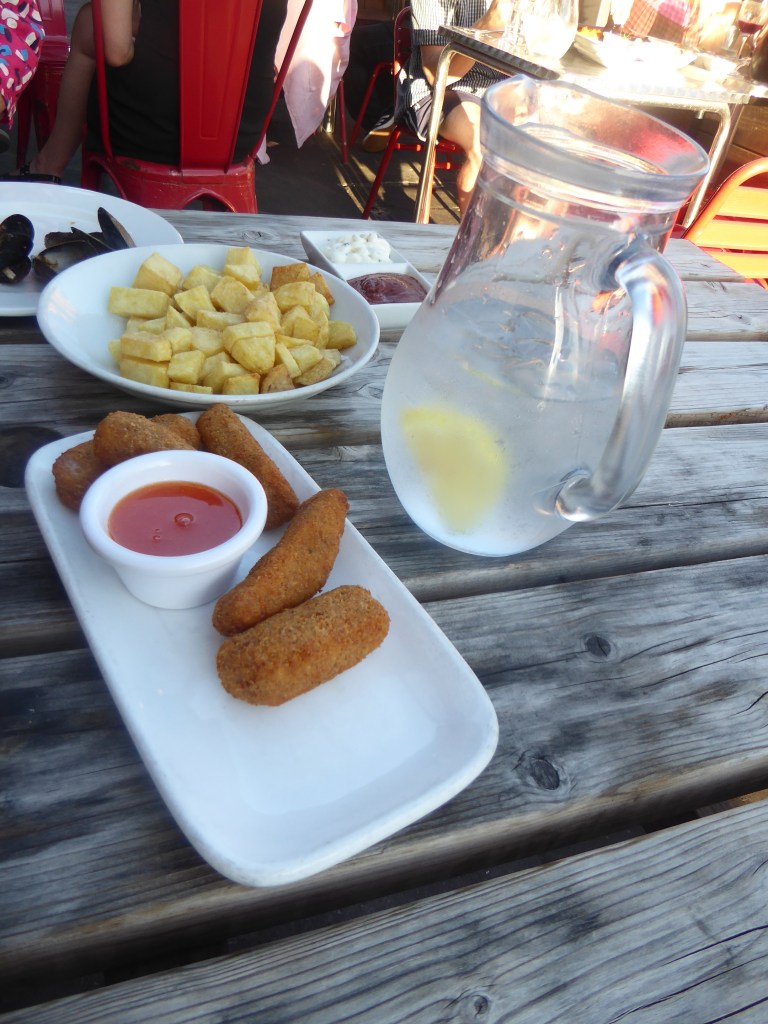
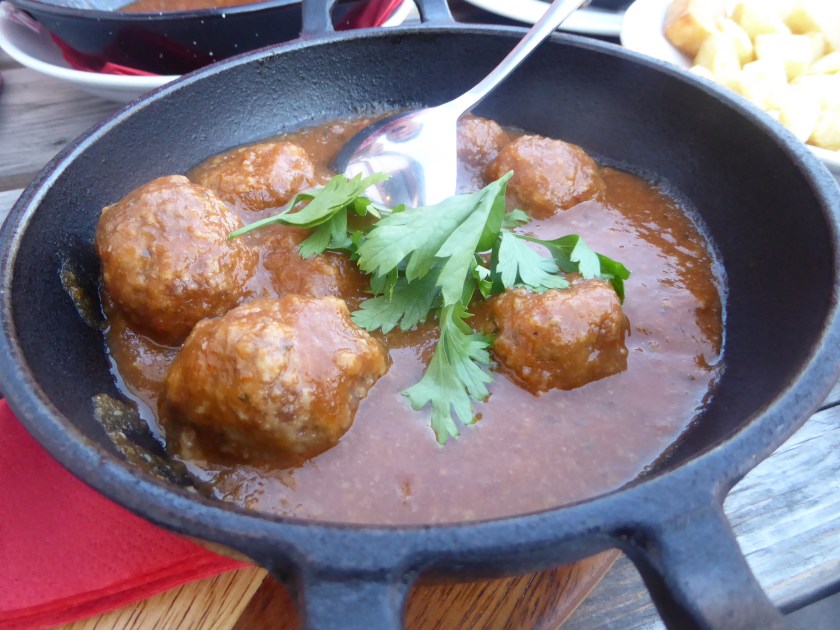
In Yorkhill, Elena’s serves up authentic Spanish tapas in a warm and basic setting. When I first went here the simplicity was like a school hall, but since then, it’s upped its game and this time, we sat outside in the late evening sun. We had croquettes, mussels, and complimentary bread, all paired with lovely beer.


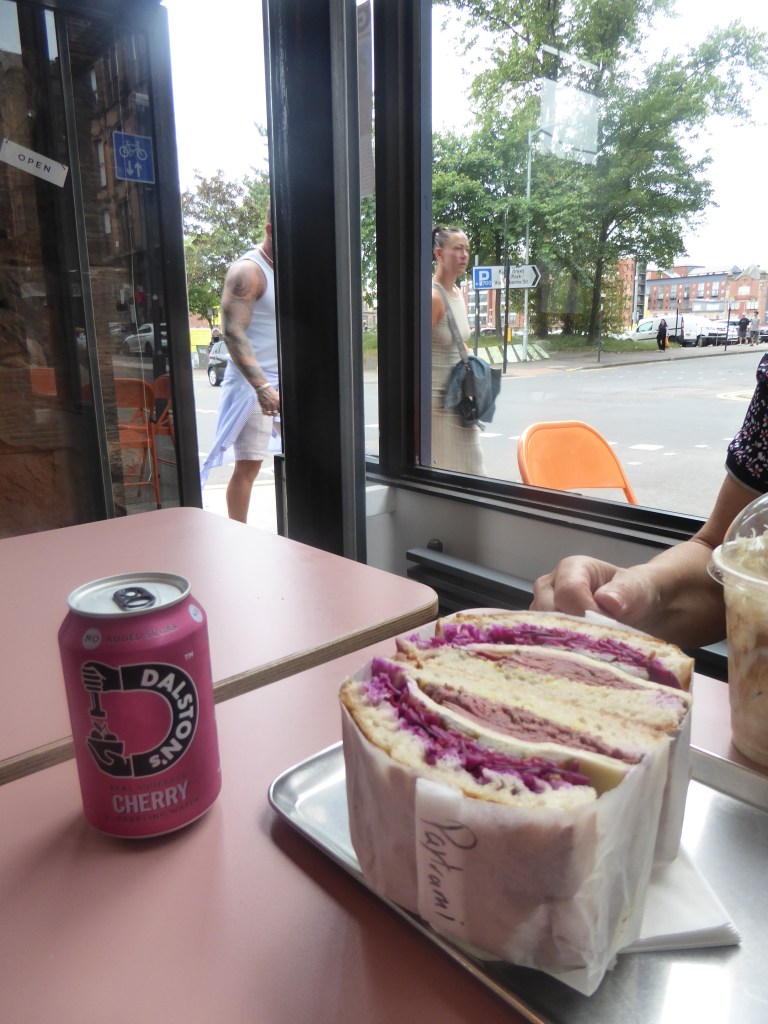
🥪 Sister Midnight – Saltmarket, Glasgow, Scotland

This newish sandwich shop in Saltmarket is a hidden gem. Real bread baked daily, massive sandwiches, and a cool deli vibe. It’s casual, creative, and perfect for brunch or lunch. There is also an accompanying graphic / magazine shop inside as well.


🥐 Coffee – West End, Glasgow, Scotland

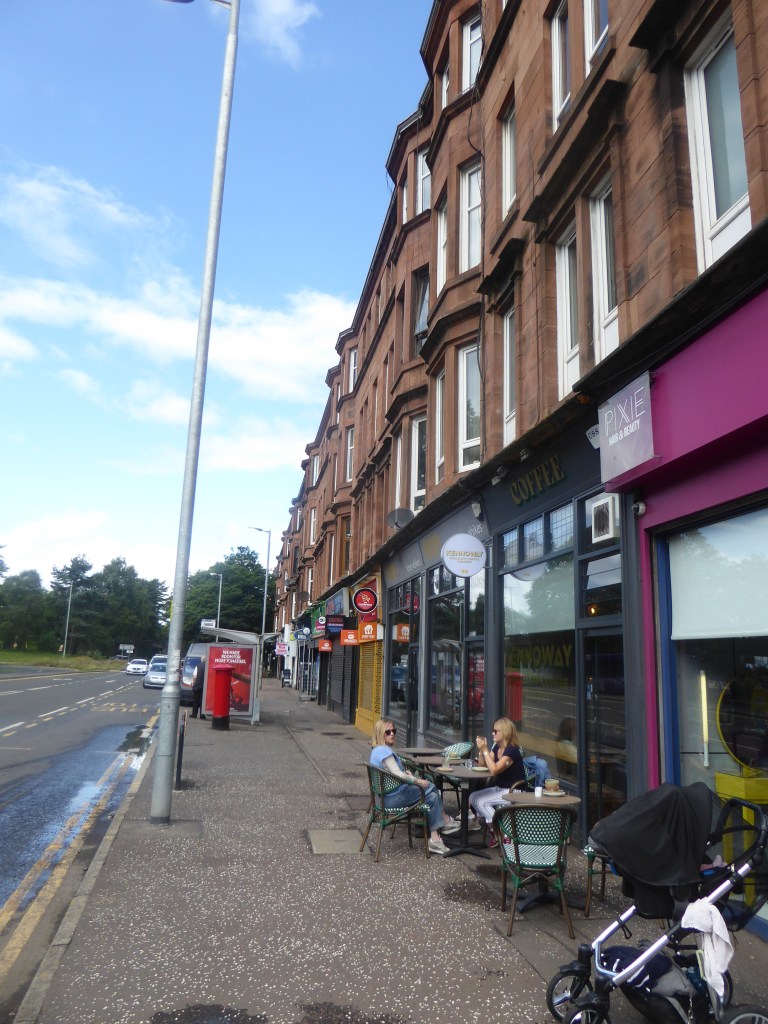
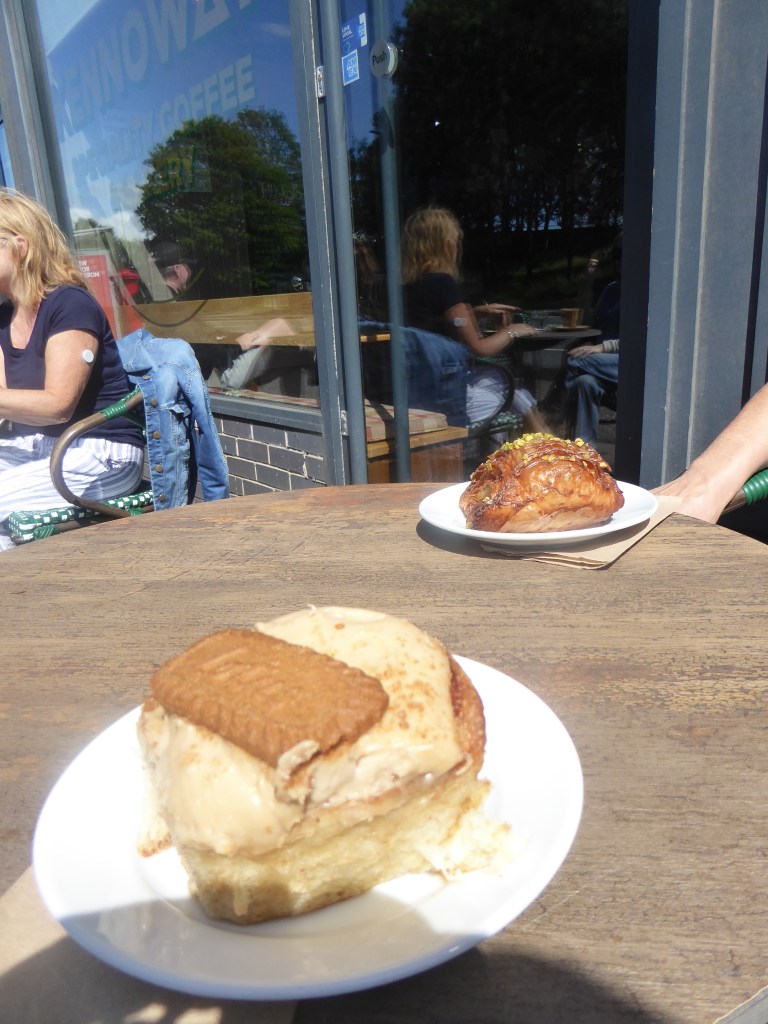
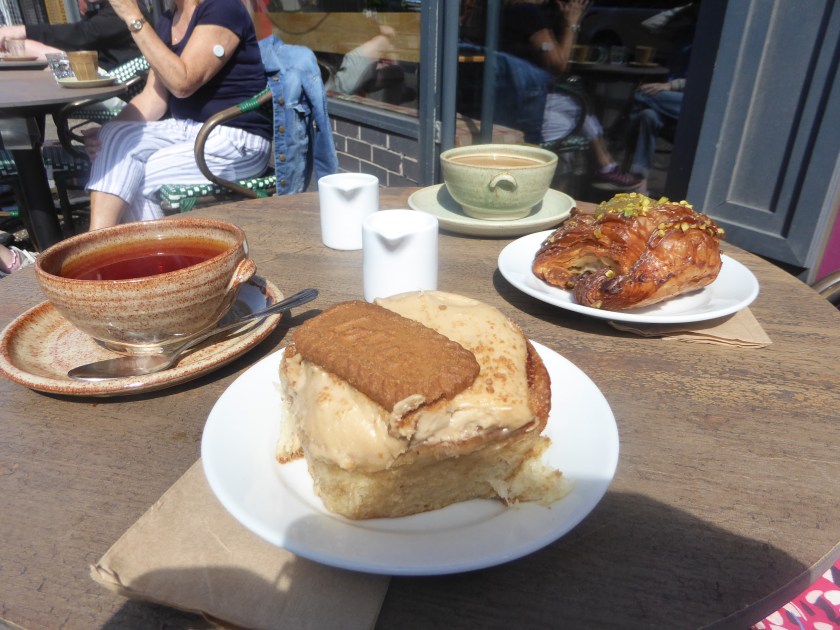
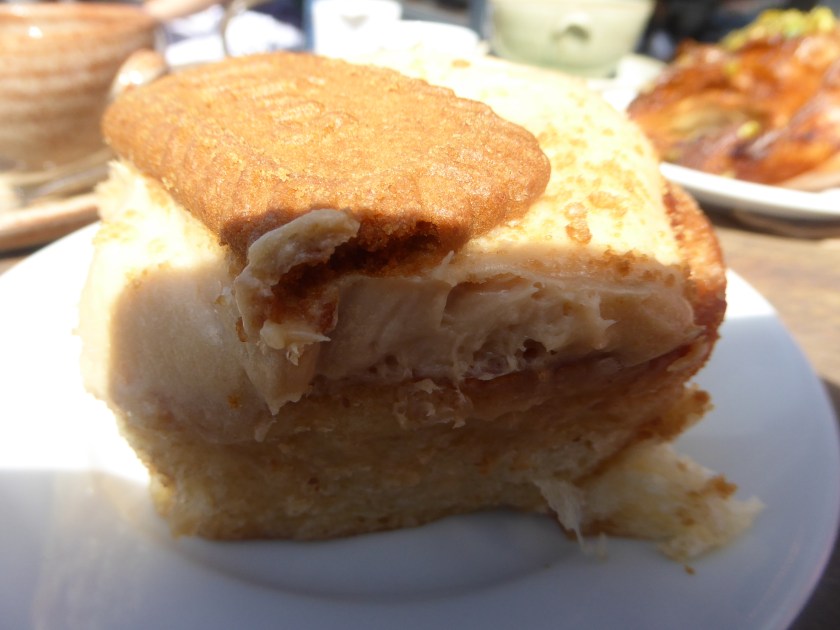
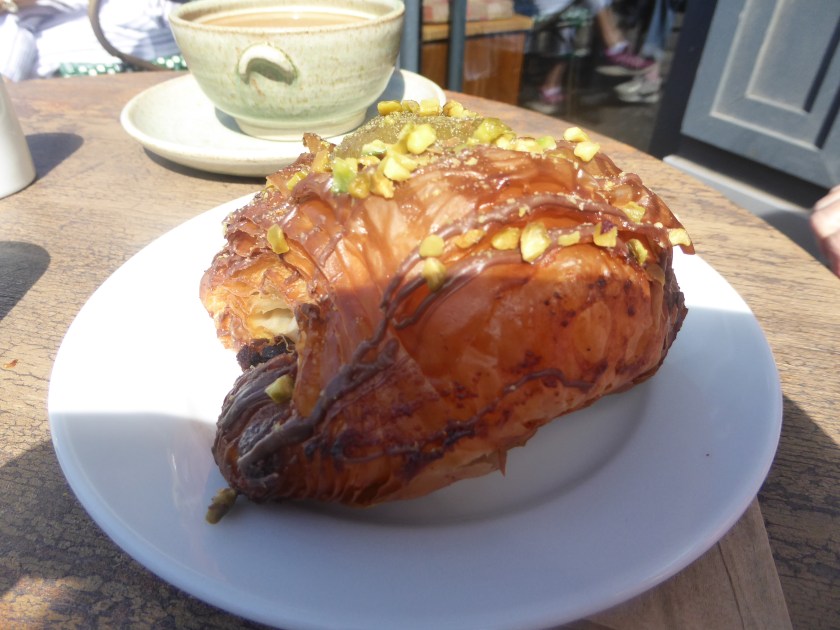
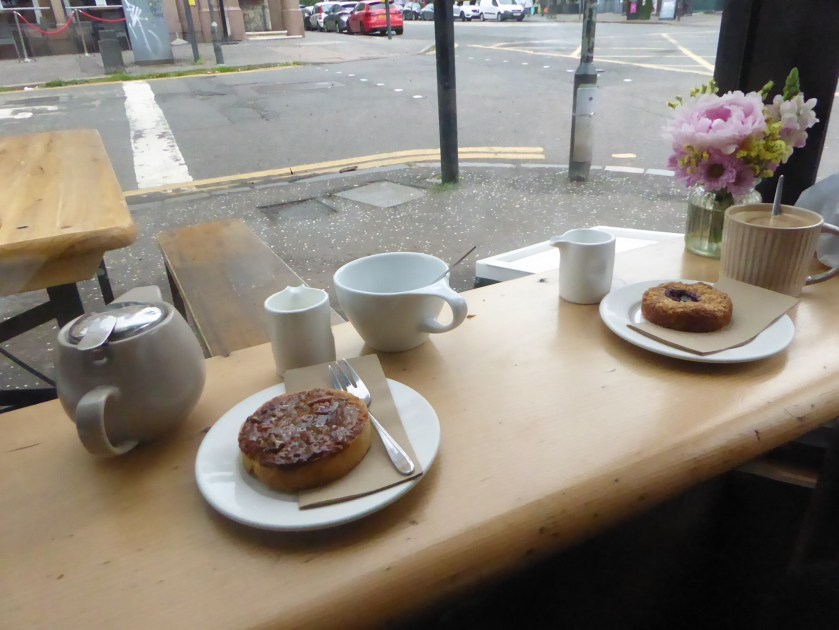
We returned to Coffee for their legendary pastries. I had a Bischof croissant with maple cream cheese, while my companion had a chocolate and pistachio creation, whilst sitting outside enjoying the sunshine.


🍰 The Carrick Golf Club – Loch Lomond, Scotland

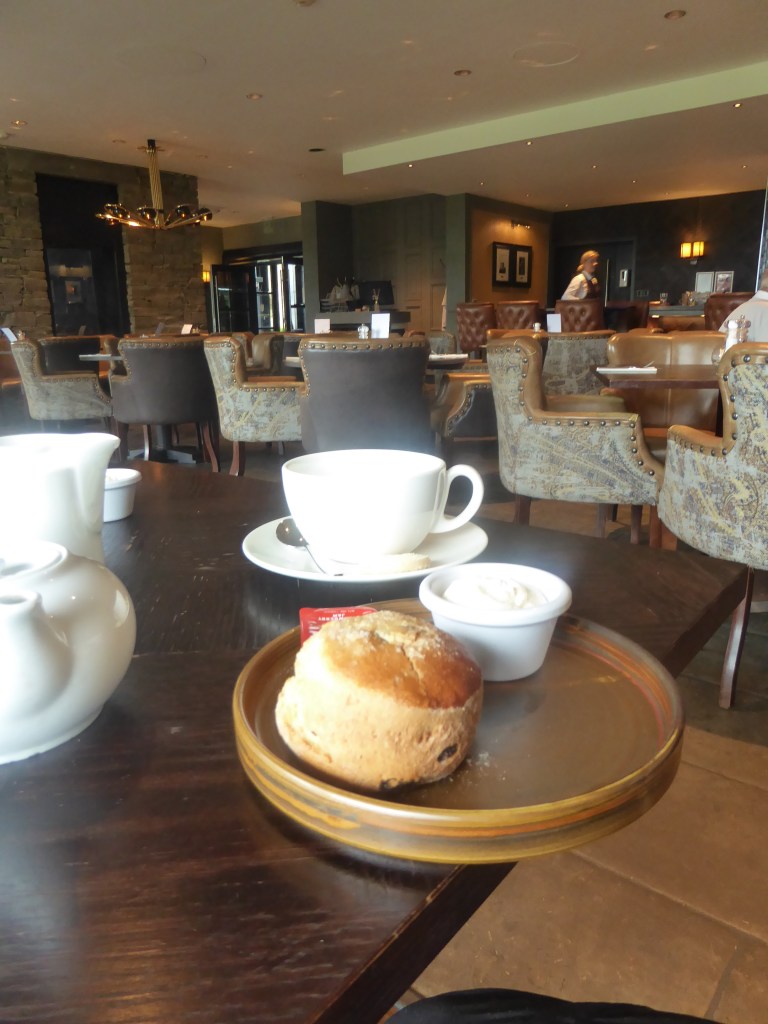
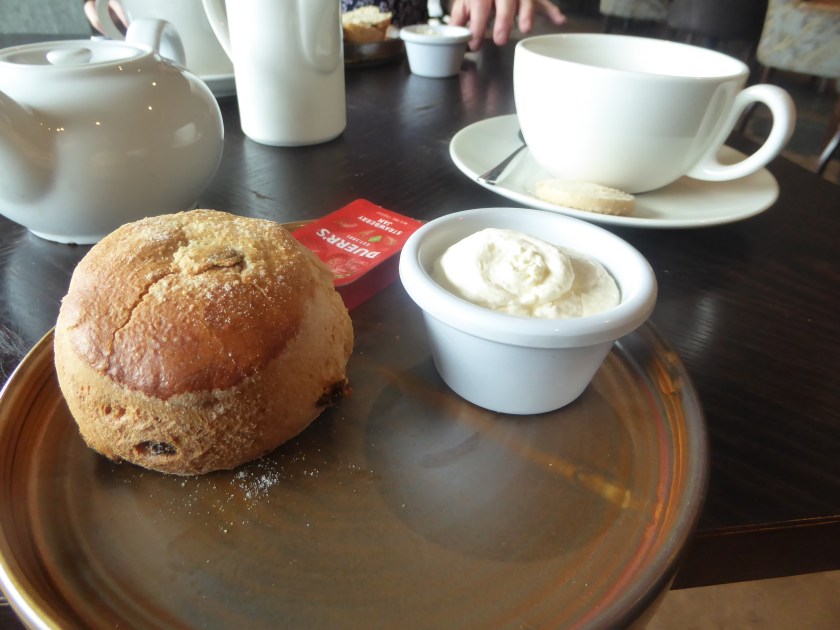
We ventured out to The Carrick at Loch Lomond for morning scones, tea, and cake. It’s a bit pricier, but members do get 20% off. The views are spectacular and the food is top-notch. This leads me to always think about the “alternative” spots for tea or coffee, such as sports clubs, churches and hotels.


🌄 Final Thought

Years ago, I started exploring places you wouldn’t expect to eat at—golf clubs, tennis centres, hotel cafés. These spots in my experiences, can often offer better food, quieter settings, and surprisingly reasonable prices. If you haven’t tried it yet, I would highly recommend stepping off the beaten path.

CB

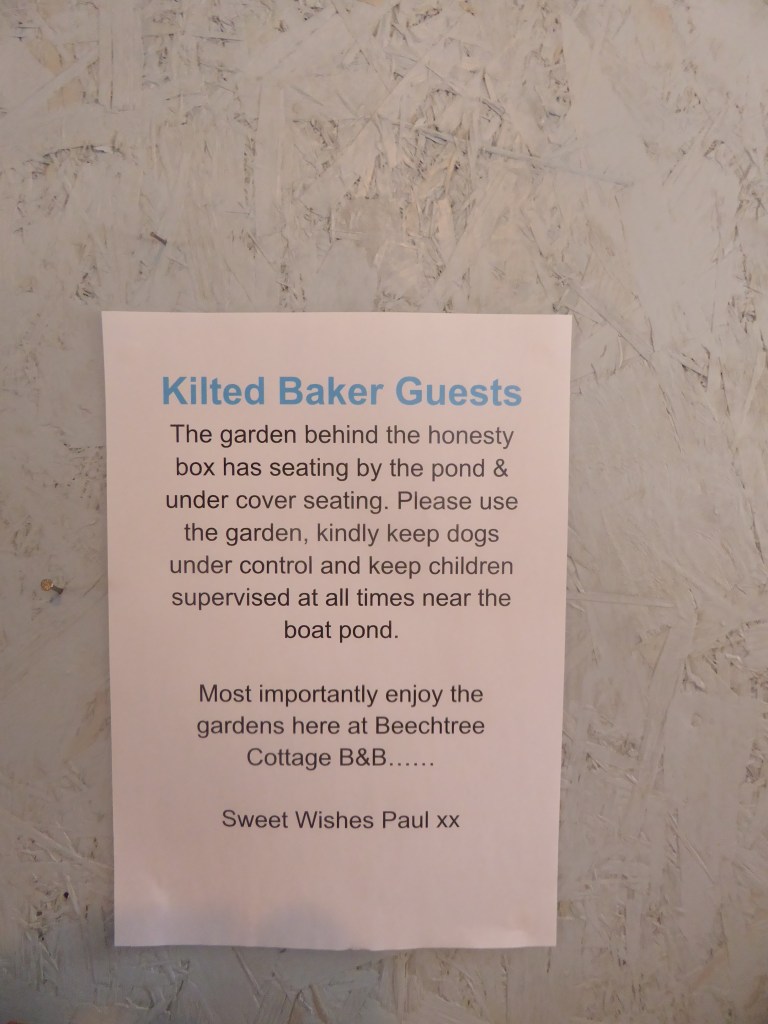
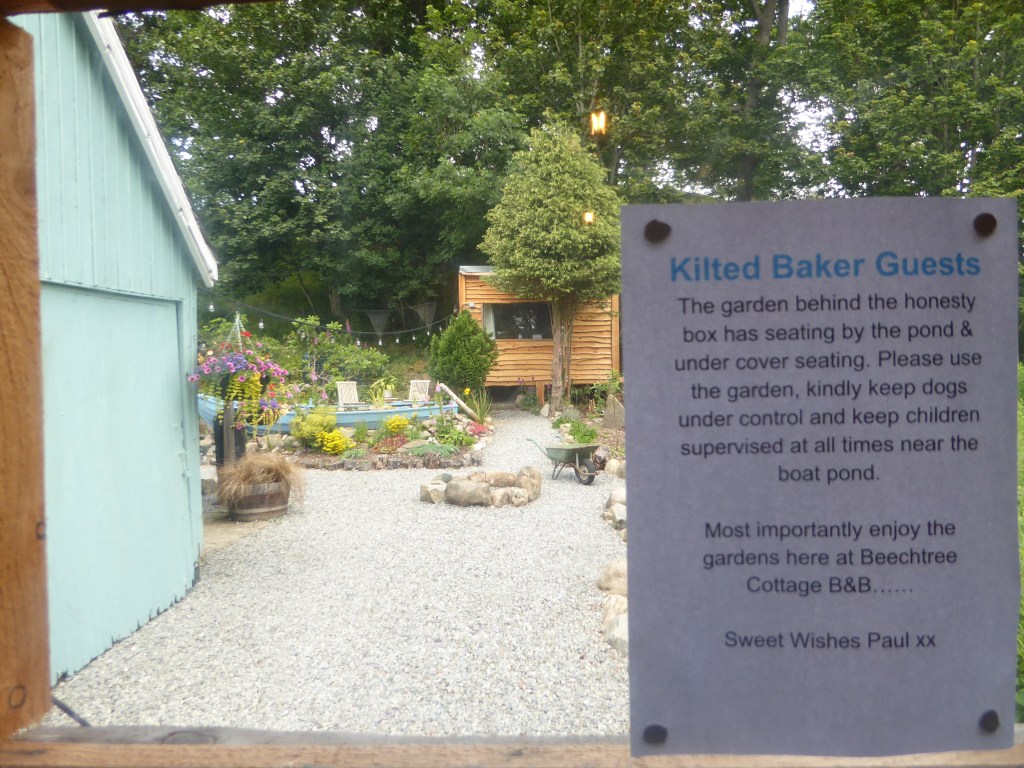
The Kilted Baker – Kirkmichael, Perthshire, Scotland – Another different type of thing in the Scottish Highlands

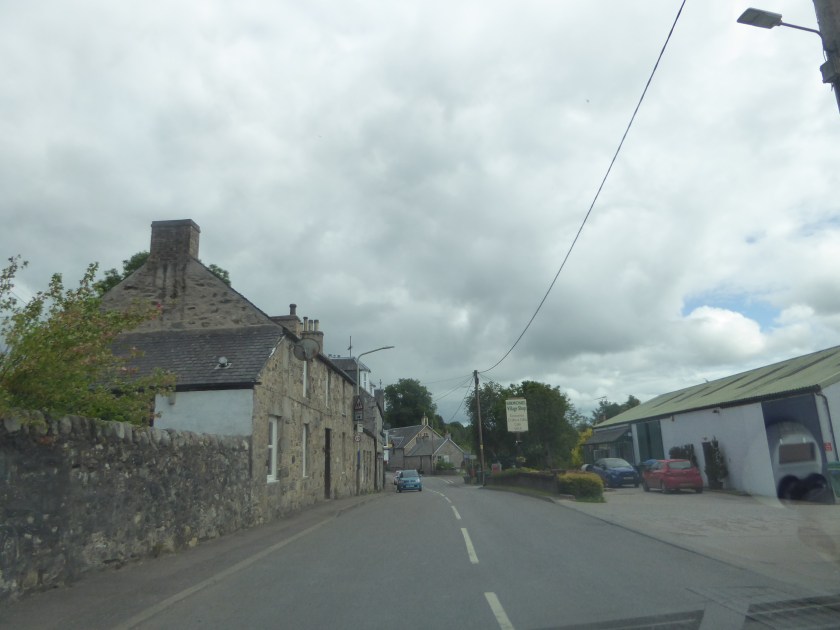
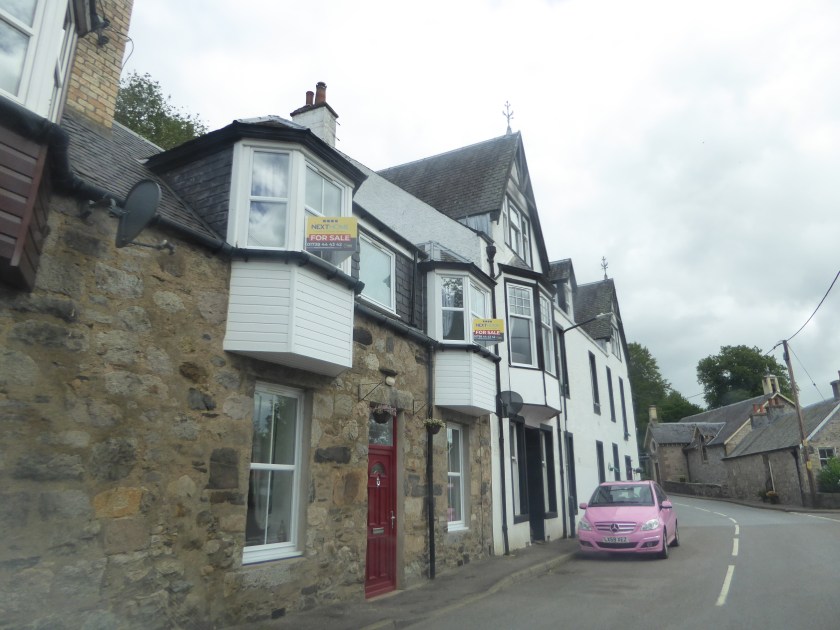
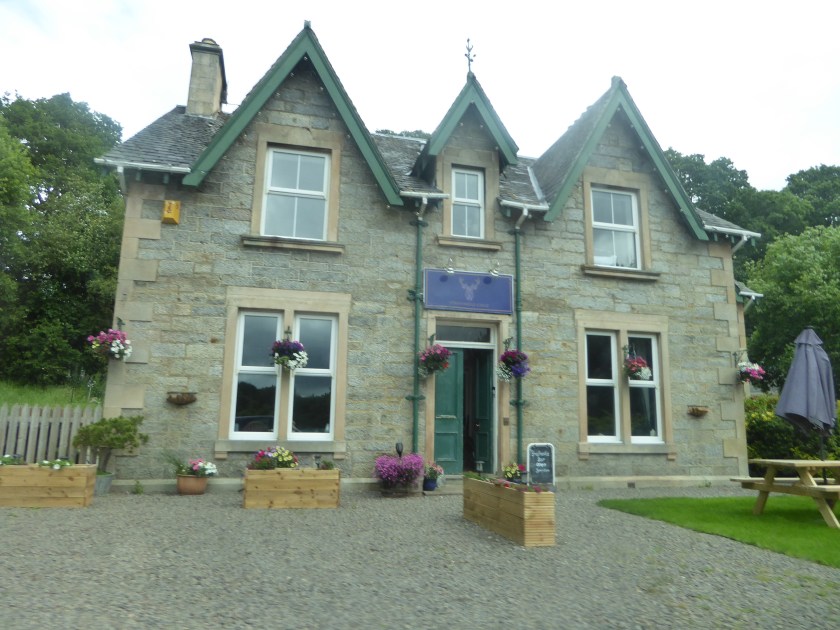
The Kilted Baker is nestled in the quaint village of Kirkmichael, and is a charming surprise I stumbled upon via a Facebook Reel. Yea, I actually watch those.

Over the past 15 years, I’ve visited this area quite often; such as starting the Cateran Trail from the carpark here! But still, this cozy home-grown spot was a nice discovery. Located about 15 miles from Blairgowrie to the southeast or the same from Pitlochry to the west, it offers a rustic, do-it-yourself vibe with a variety of cakes, cookies, tea and coffee.

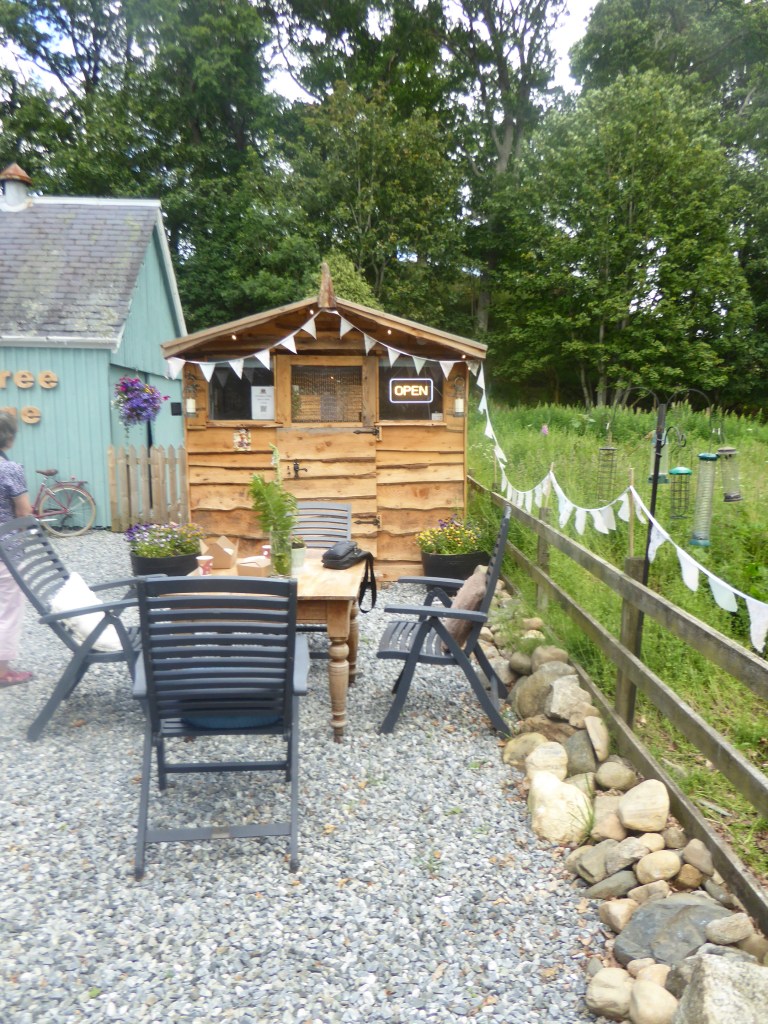
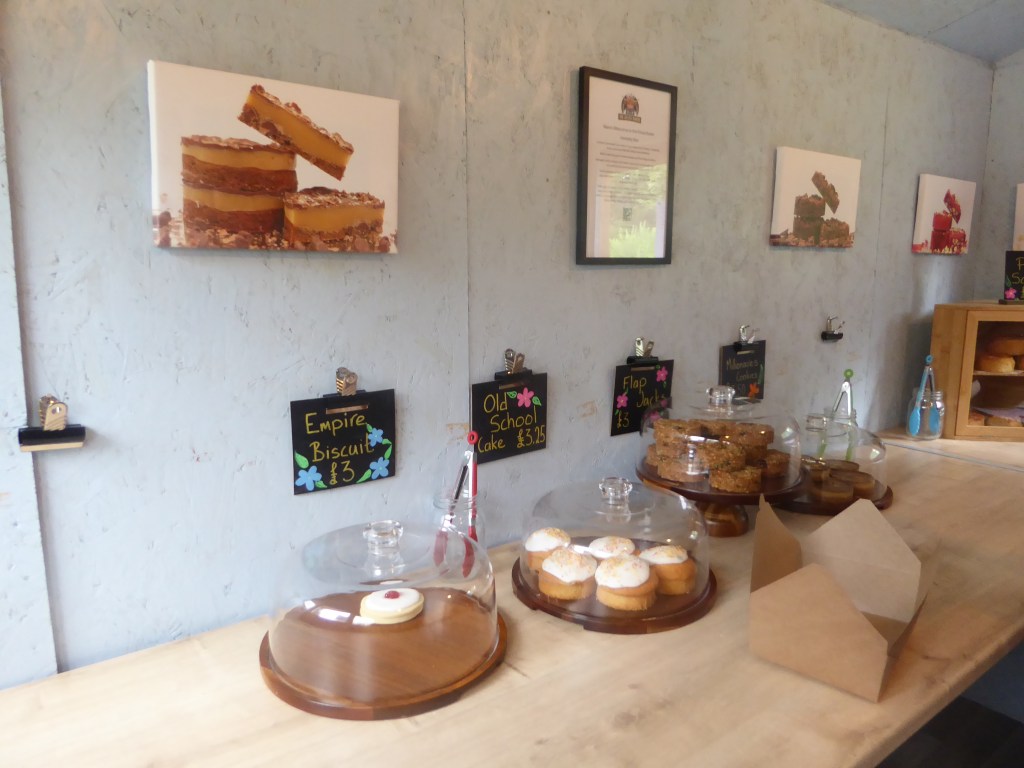
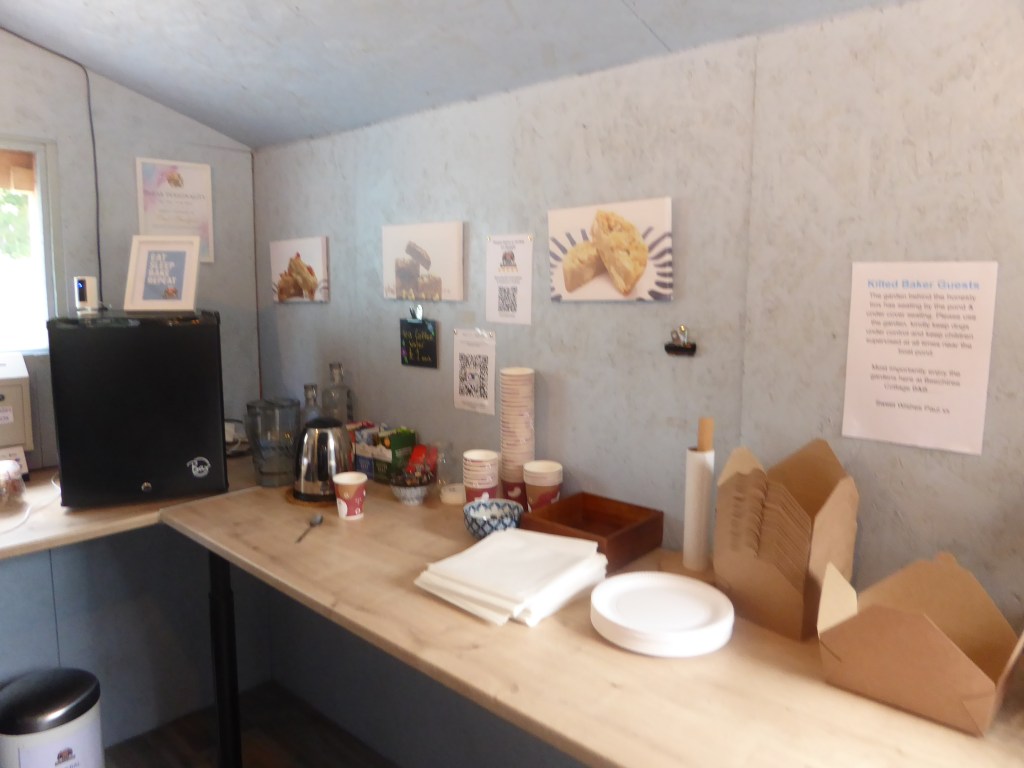
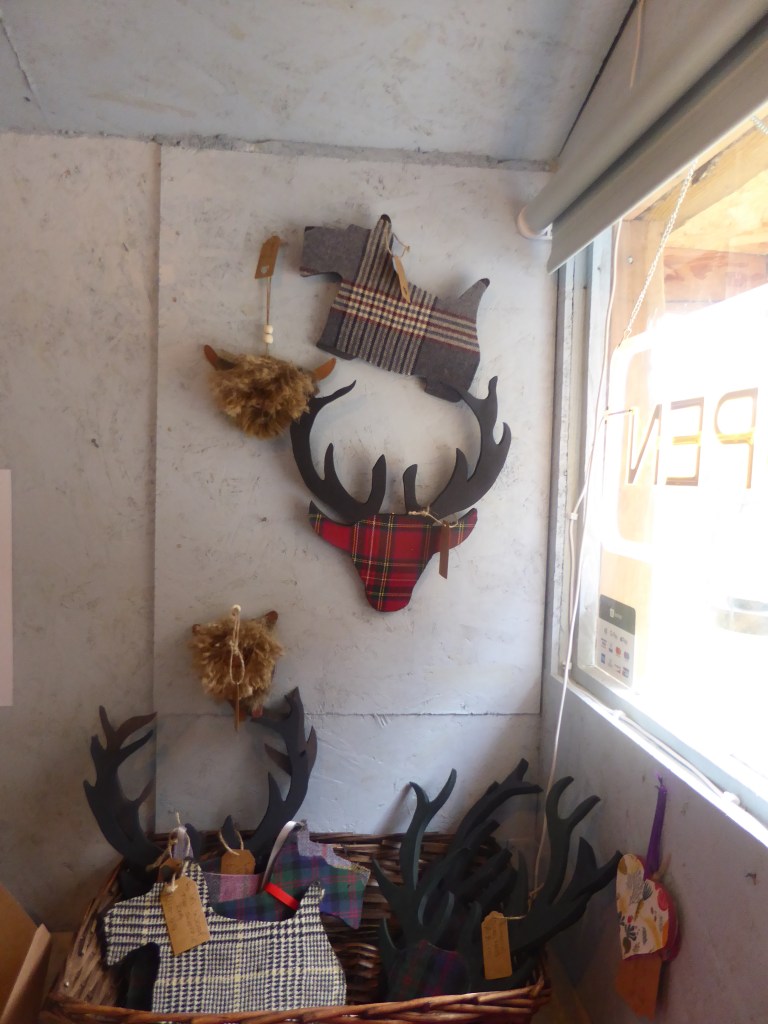
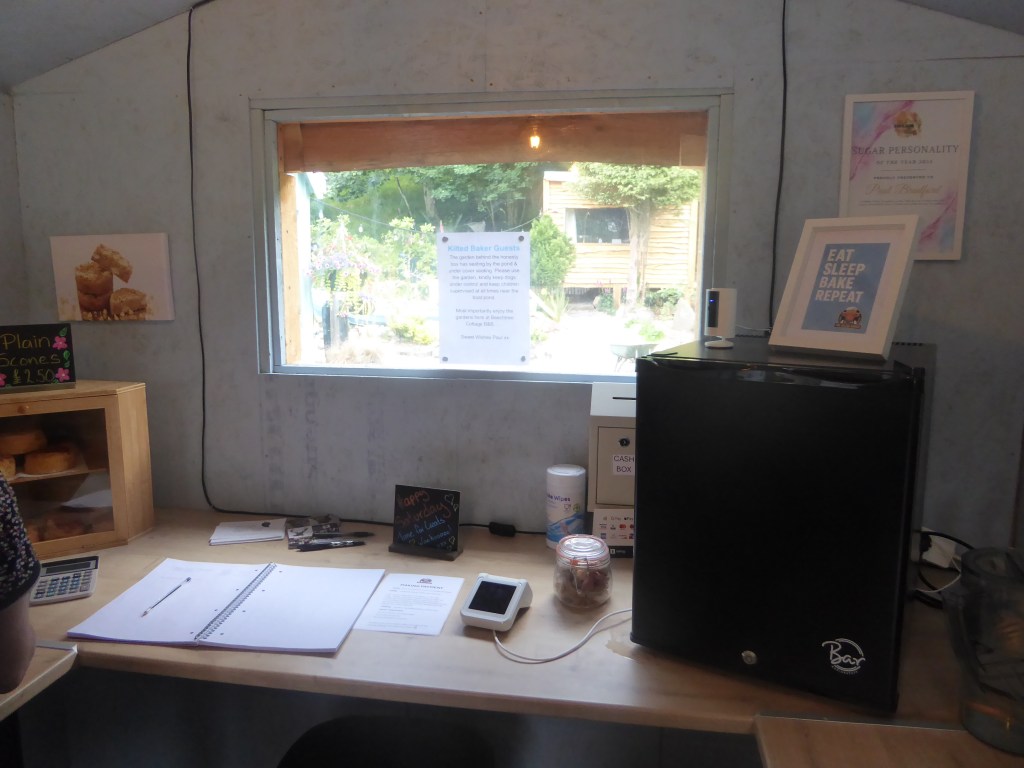
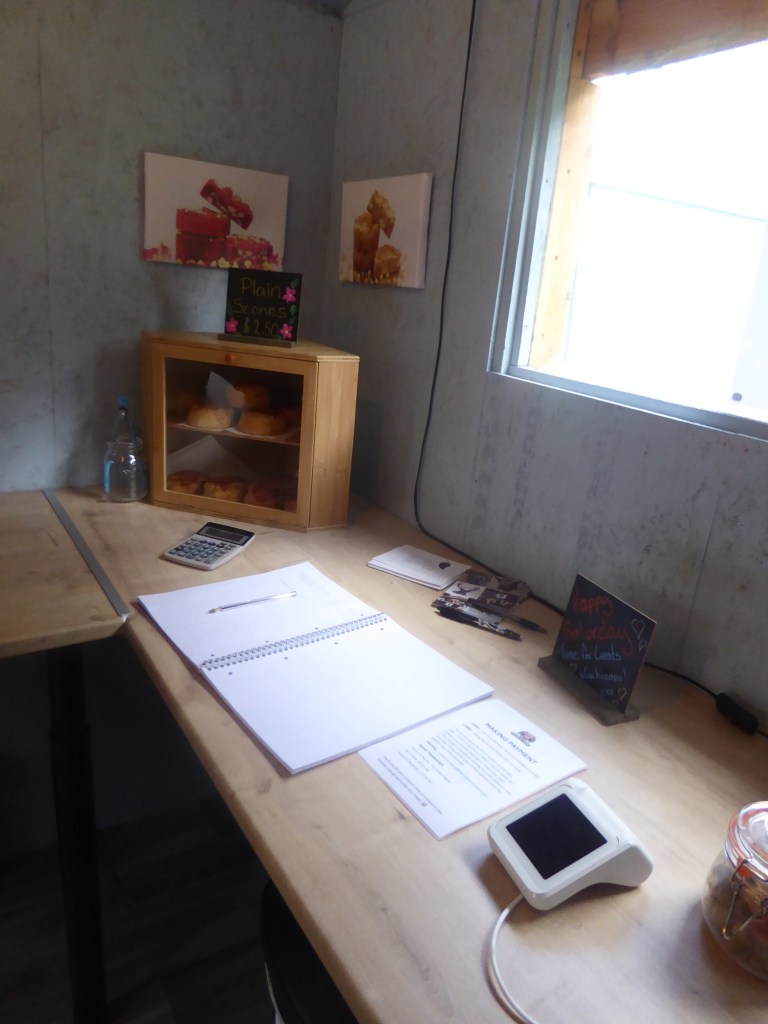
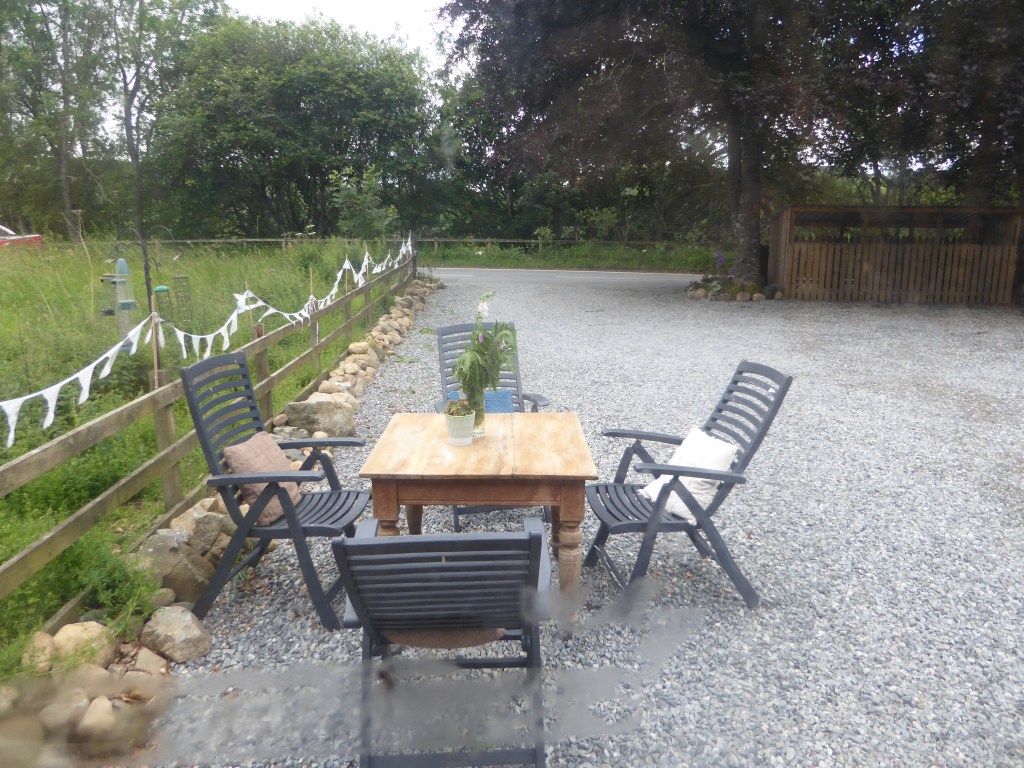
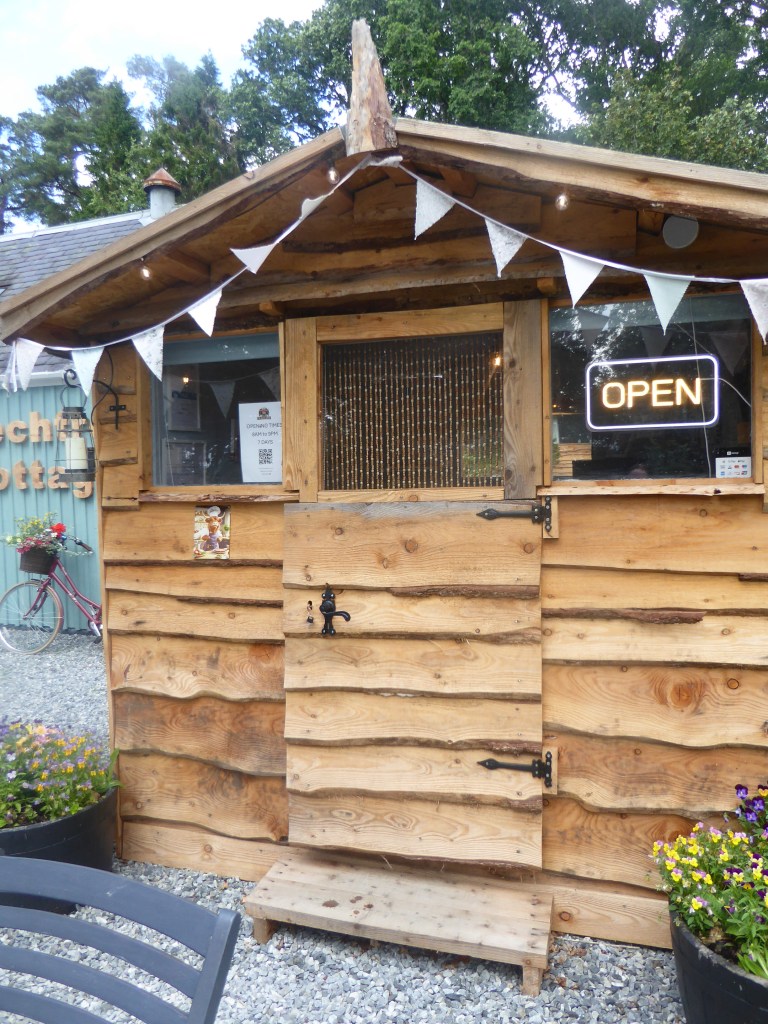
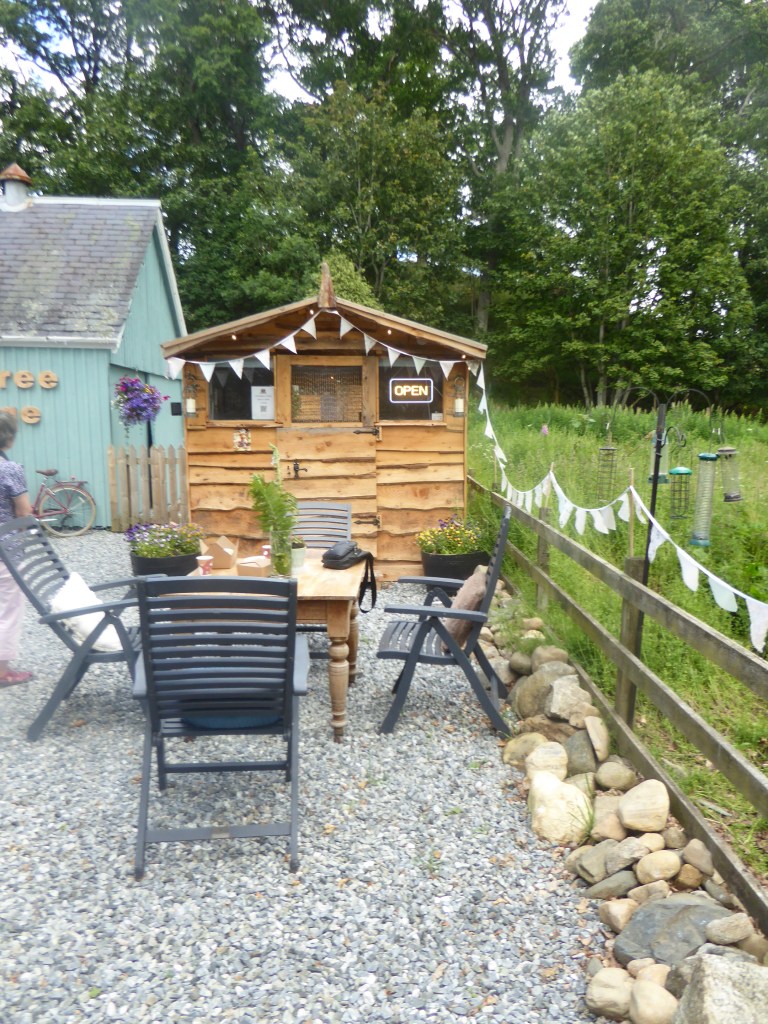
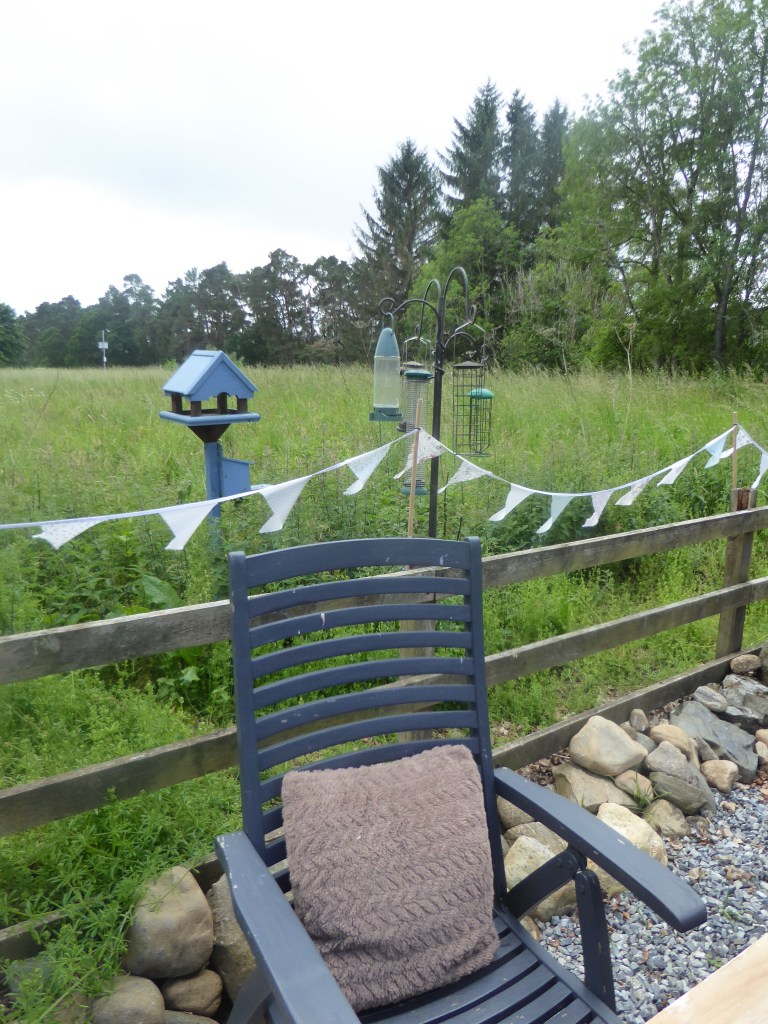
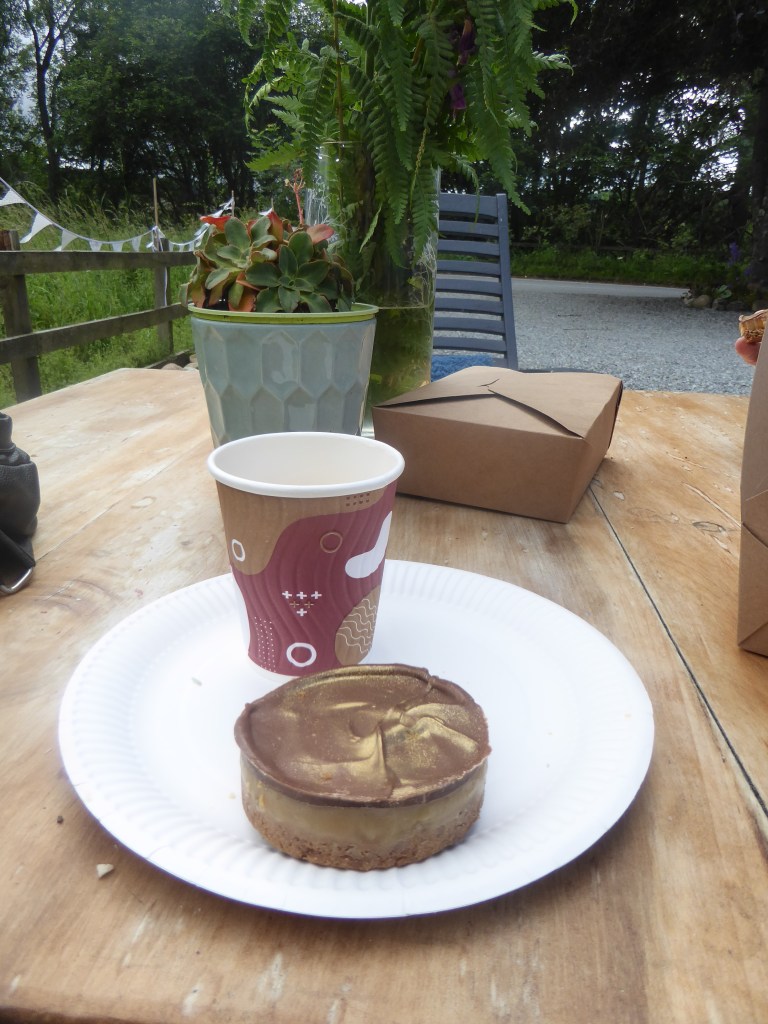
Payment is based on a modern honesty box system, accepting cash or card. The selection is impressive, featuring classics like Empire Biscuits and flapjacks, alongside cold drinks and Scottish-themed souvenirs like horns and kilted decorations! The setup is simple yet inviting, with a table and a few seats outside—perfect for sitting down before returning to where you came from.

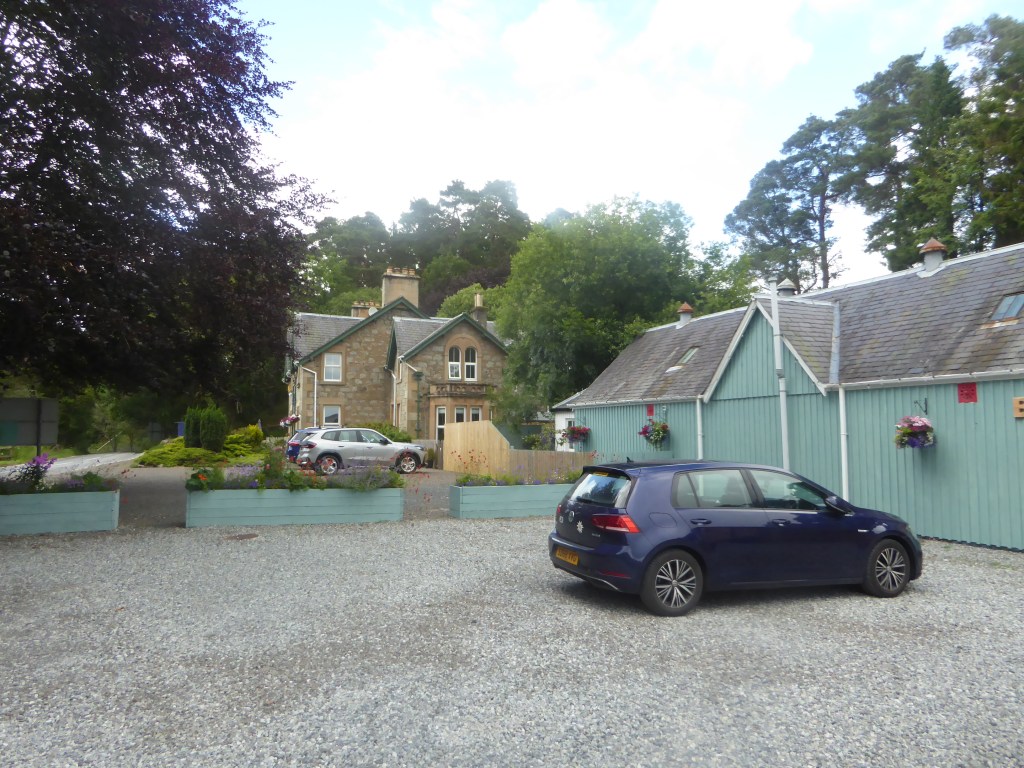
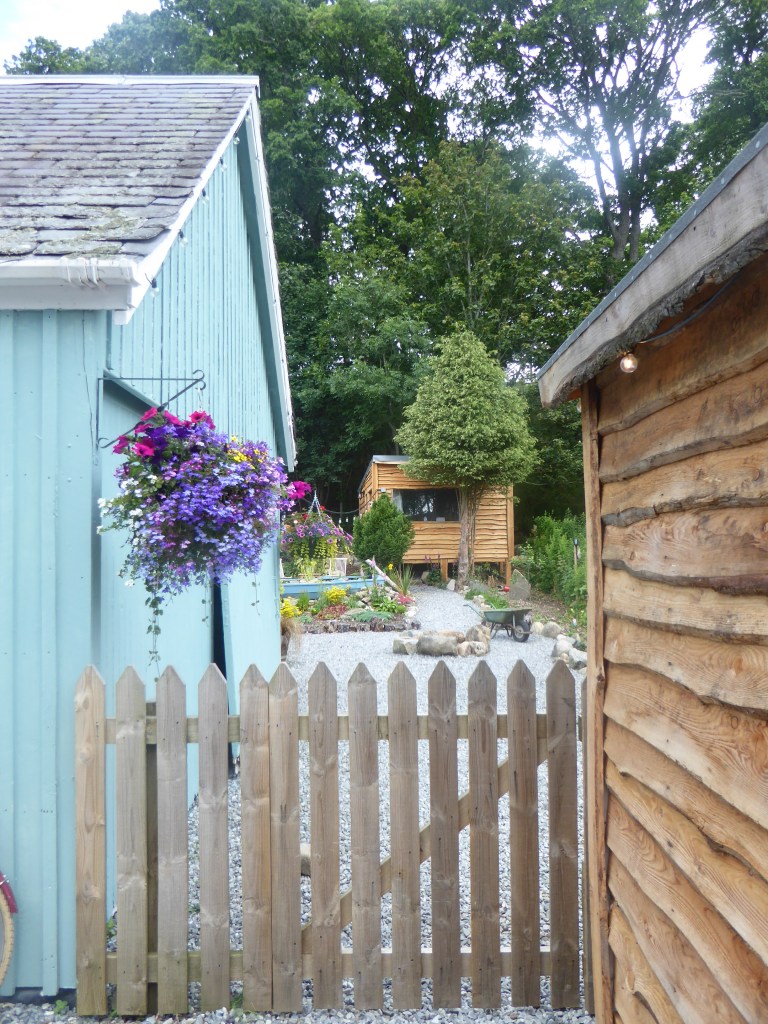
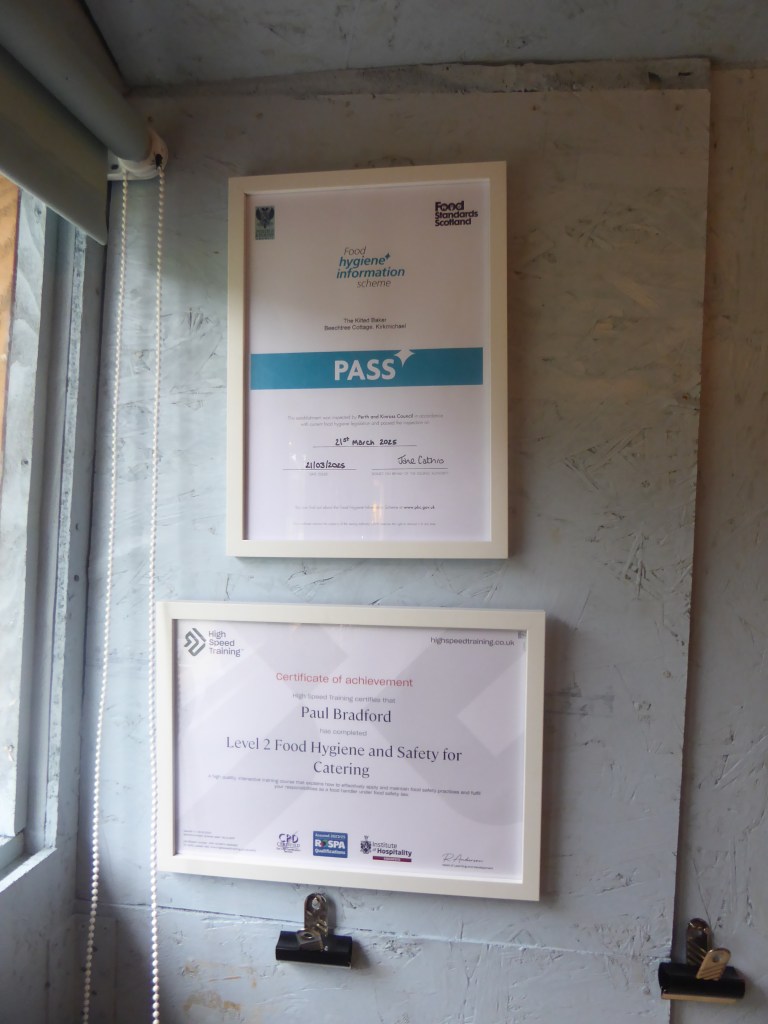
Next door is Beechtree Cottage, a familiar spot from years past, and the area offers easy access to the Glenshee Ski Centre if you take a left just past the bakery. You can also explore the adjacent gardens, where you might meet a friendly dog who escaped his paddock in search of cake during our day there. Run by a man named Paul Bradford, who holds level one and two food hygiene certificates and a recent approval from Scotland’s Food Standards Agency (March 2025), it feels authentic and welcoming.

It’s one of the few remaining establishments in Kirkmichael, a village that feels like it’s fading due to the rise of Airbnbs and limited housing for locals; though I could be wrong. When I was here a few years ago, I was told by a local to look at the flats on the High Street here and guess how many were NOT Airbnbs; the answer was only one! I hope the situation is better now, and be sure to leave a review on Google, TripAdvisor, or Facebook—the owners will appreciate it.

CB

June in Glasgow, Scotland – Eating out & general comments –

The Hidden Lane Tearoom

I’ve wondered a lot about just how people can go out nowadays, as the prices I feel are utterly outrageous; particularly since the end of the COVID days.

Boy, was I wrong, as it seems not only has this not stopped people going out to eat, but even for myself (below); I’m still out about 5-10 times a month!

I’m not bragging, though this also includes cafes; which being a tea drinker, certainly saves me money compared to the Lattemacchiatochino-oatmilk mob.

Our first stop was Cotton Rake, a charming specialty bakery known for its artisanal breads. This gem offers a range of loaves, from rustic sourdough to unique creations that balance quality and affordability. The bakery is a haven for dessert lovers, with a tempting selection of pastries and small bites. It’s often bustling, but the cozy atmosphere and delightful view make it worth the visit.

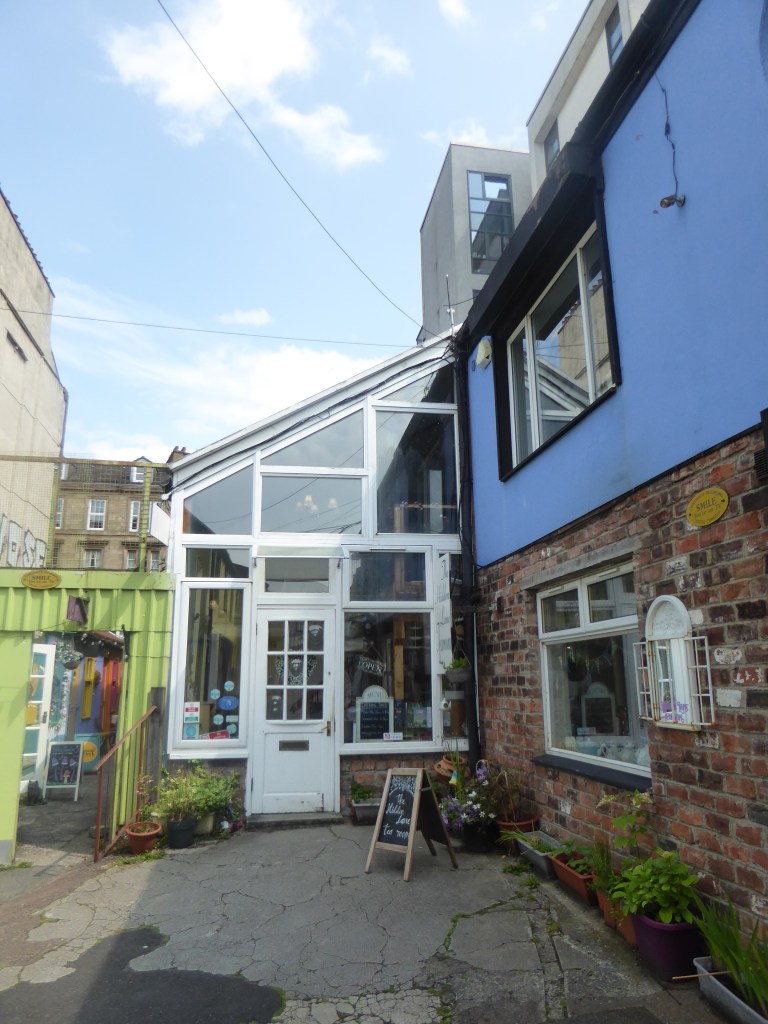
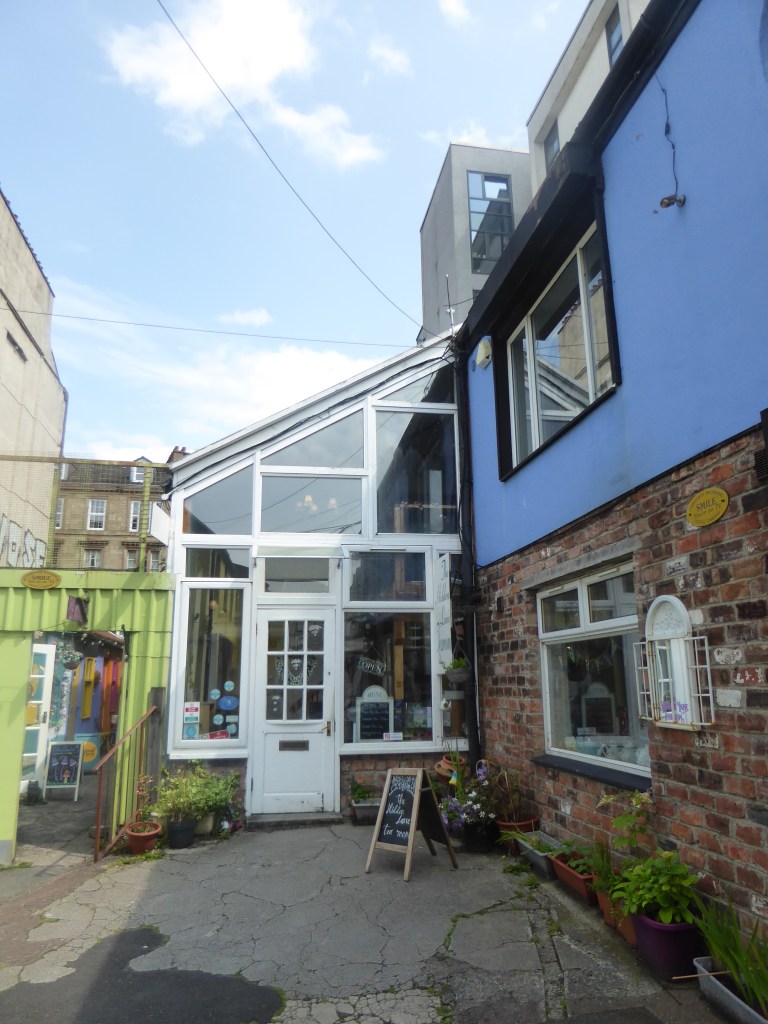
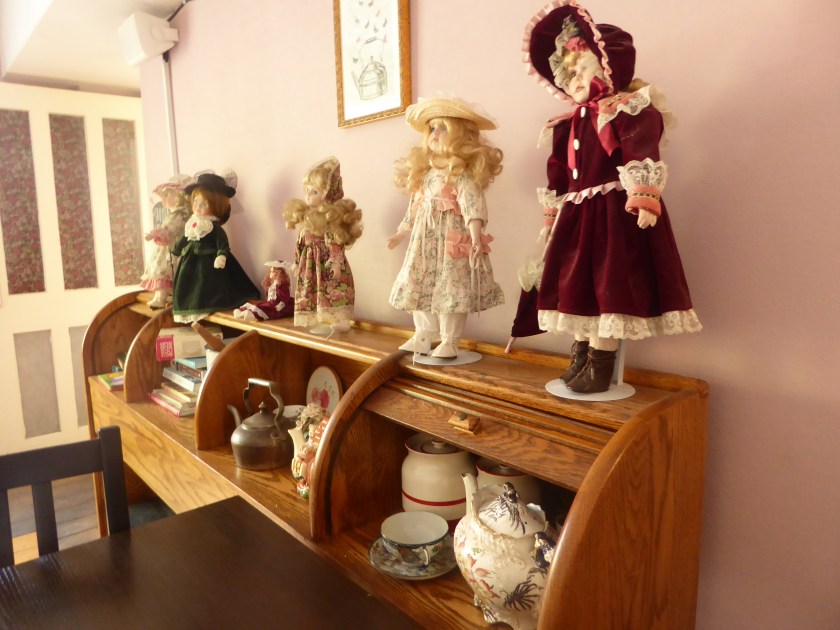
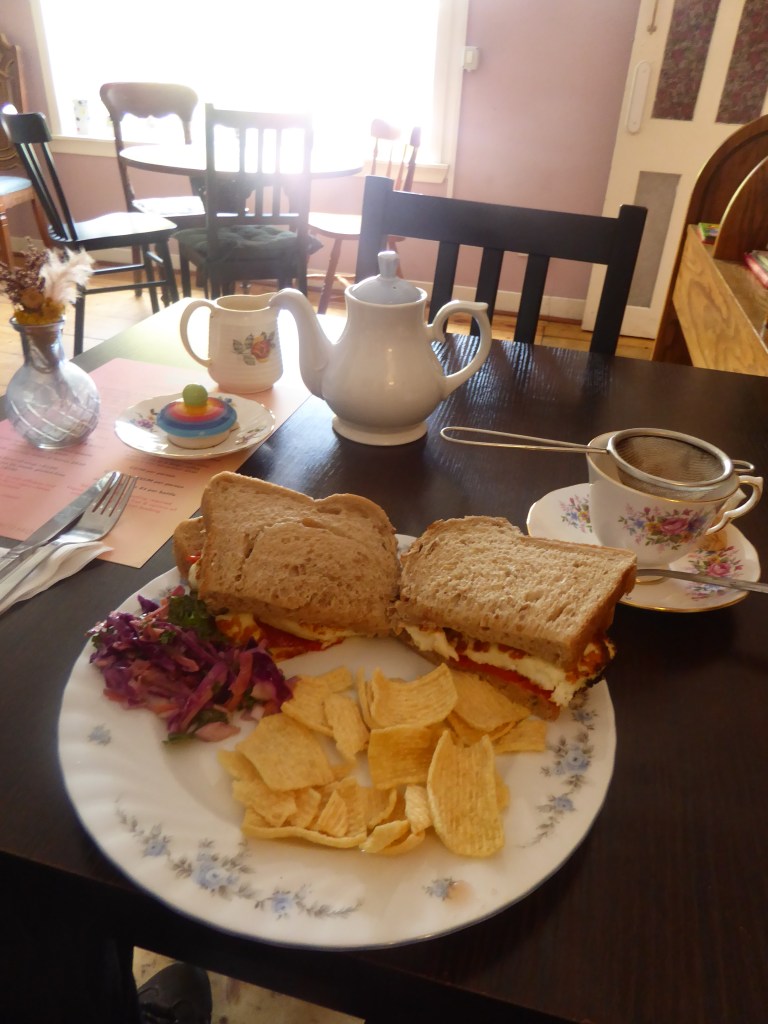
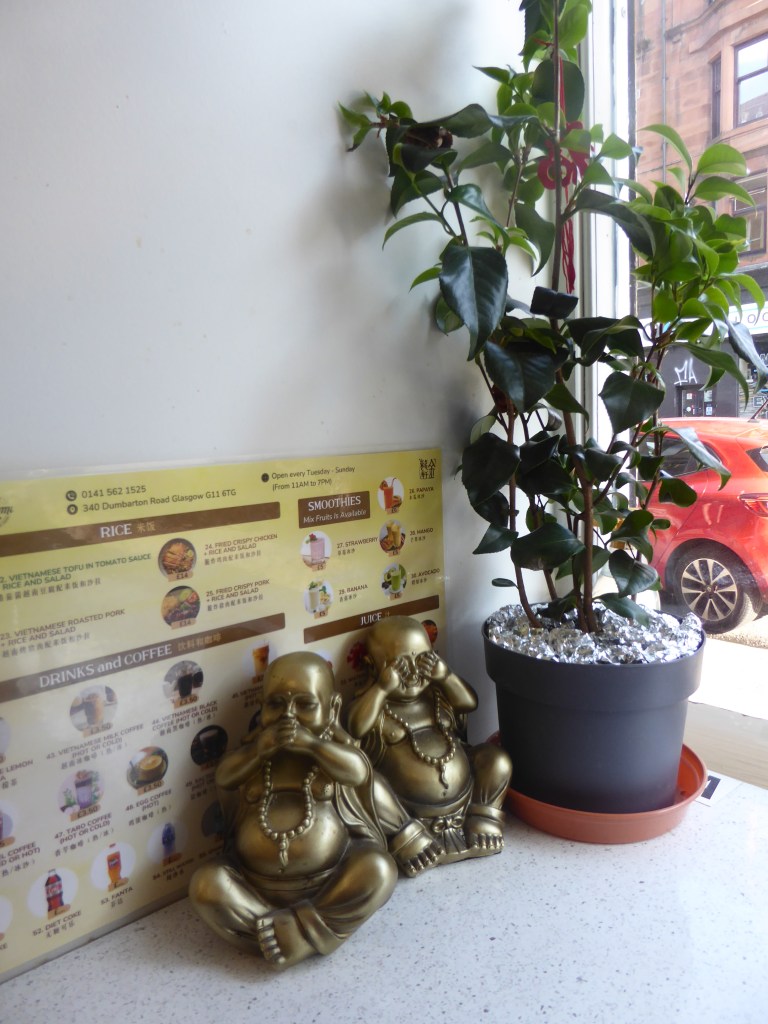
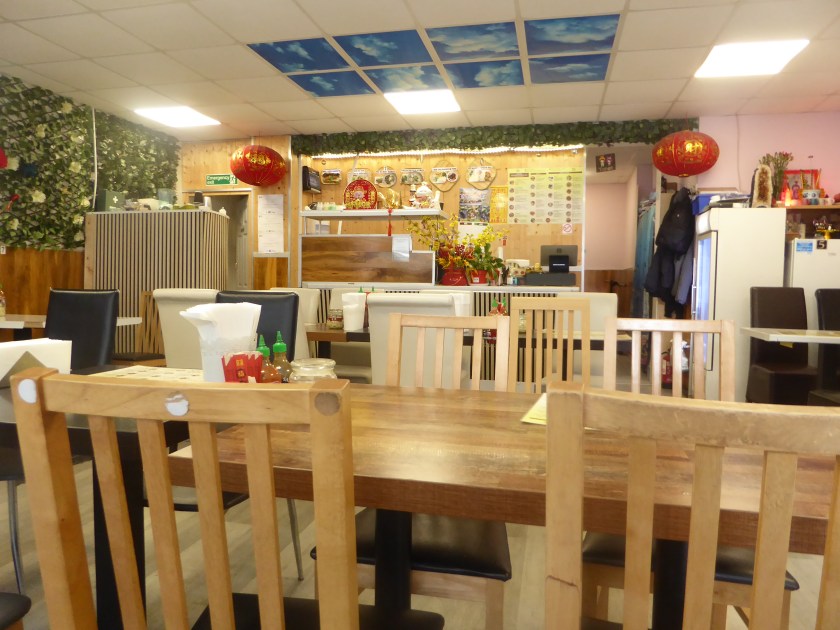
Next, we strolled down Dumbarton Road & Argyle Street, and came to a hidden treasure called the The Hidden Lane and its Hidden Lane Cafe, a quaint café tucked away in a quiet corner. With the option to sit indoors or at outdoor tables, it’s perfect for soaking in a relaxed, uncrowded vibe. The café is dog-friendly. It’s a lesser-known spot, managed (at least six months ago) by someone from Hong Kong (I thought), though I didn’t see them during this visit. The service was impeccable, making it a great place to escape the hustle and bustle – Nice collection of dolls at well!?

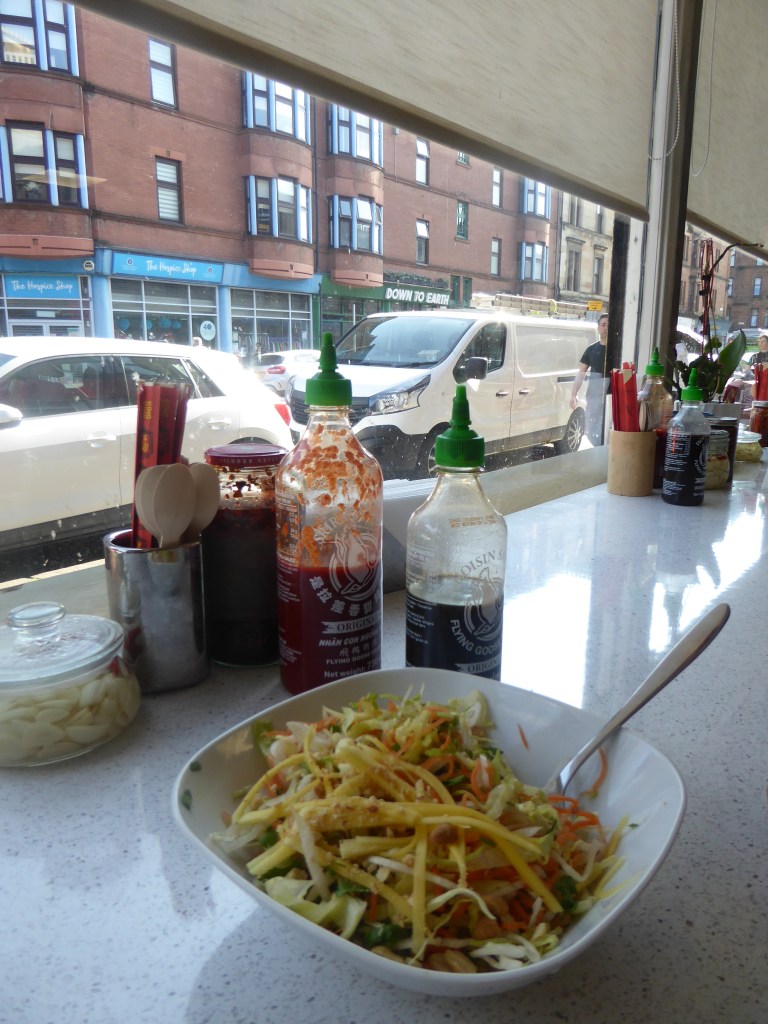
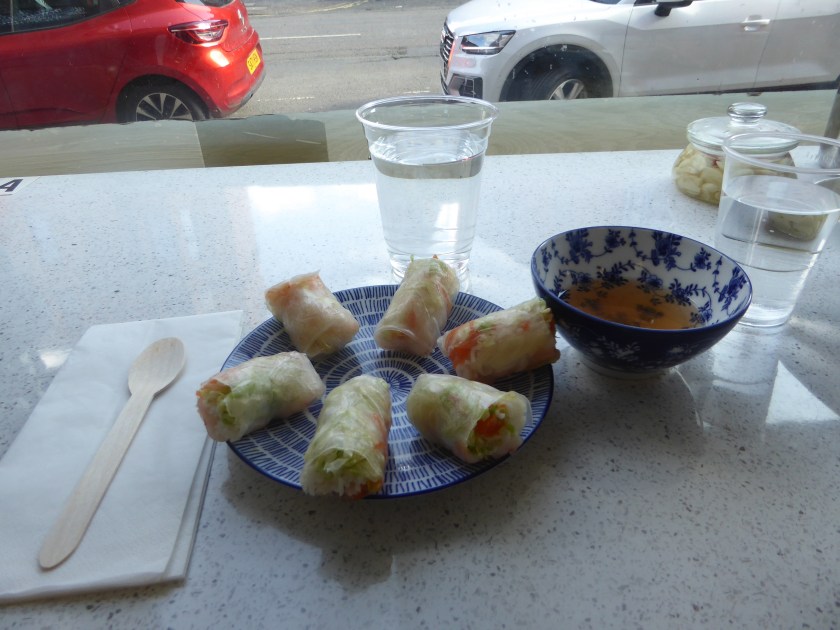
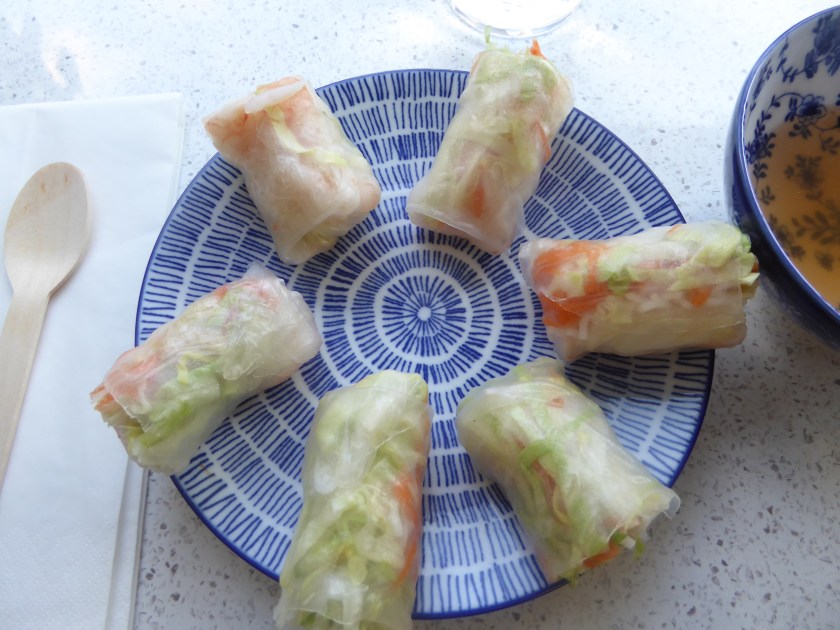
For a taste of something different, we visited Banh Mi & Tea, a Vietnamese diner with Chinese and French influences. This affordable café serves fresh, flavourful dishes, including French baguettes stuffed with Vietnamese fillings. Their French vanilla coffee creamer is a standout, complementing the bready food. For under £10, you can enjoy a roll, a meal, and a drink—a fantastic deal for such fresh, high-quality food.

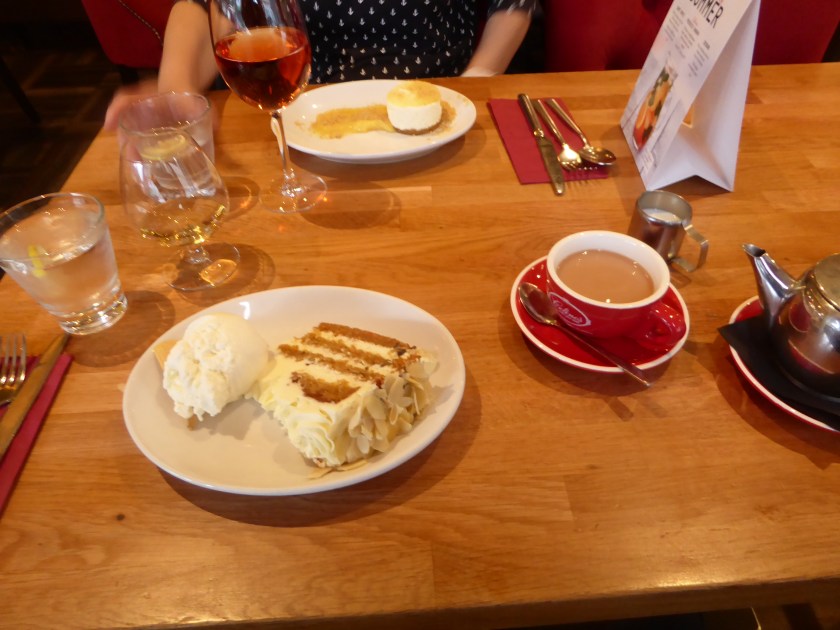
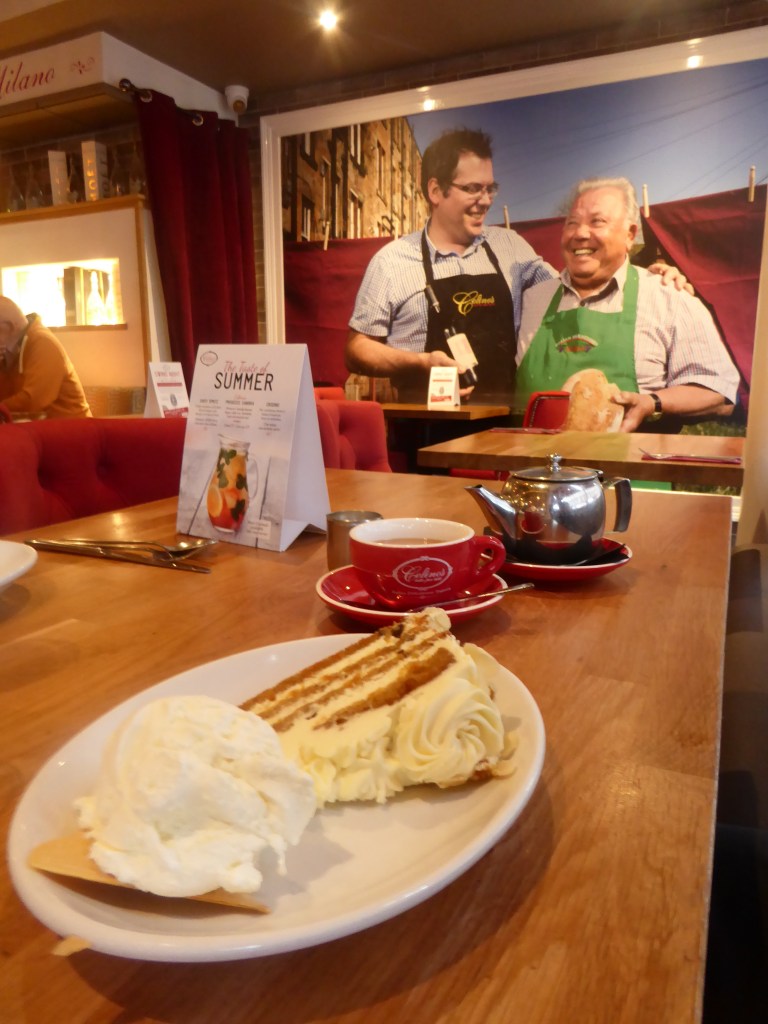
Another highlight was Celinos, a family-run Italian café and restaurant that’s become a local favourite. Over the years, they’ve elevated their menu (and décor inside), and it’s always packed. On this visit, we stopped by for a late drink and couldn’t resist their dessert wine, a Frangelico, which tasted like a heavenly, hazelnut port. Even though we only had desserts and drinks this time, the staff were accommodating, and the experience was as friendly as ever.

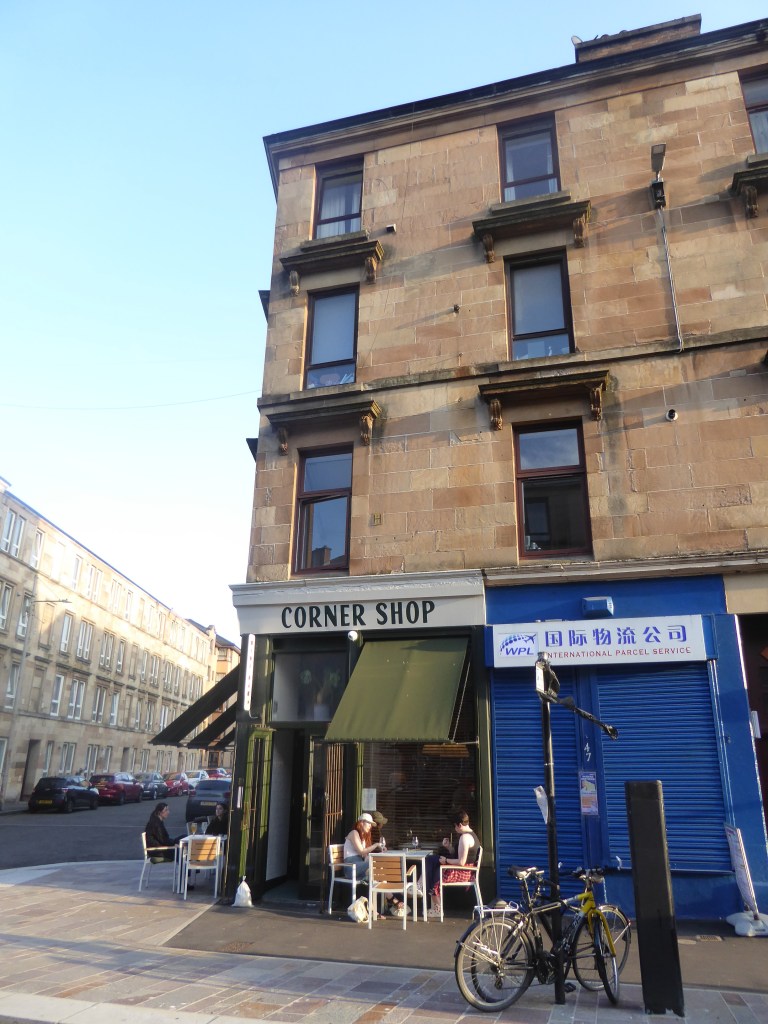
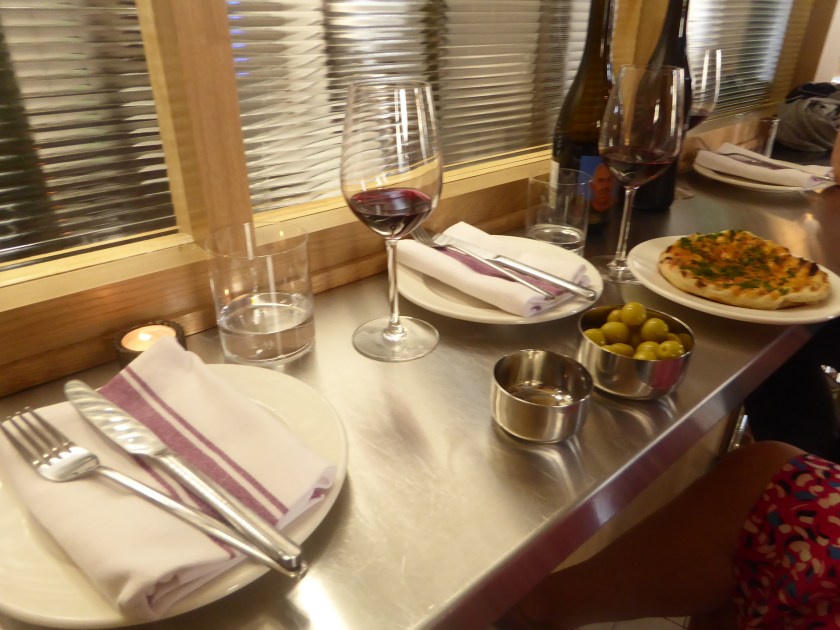
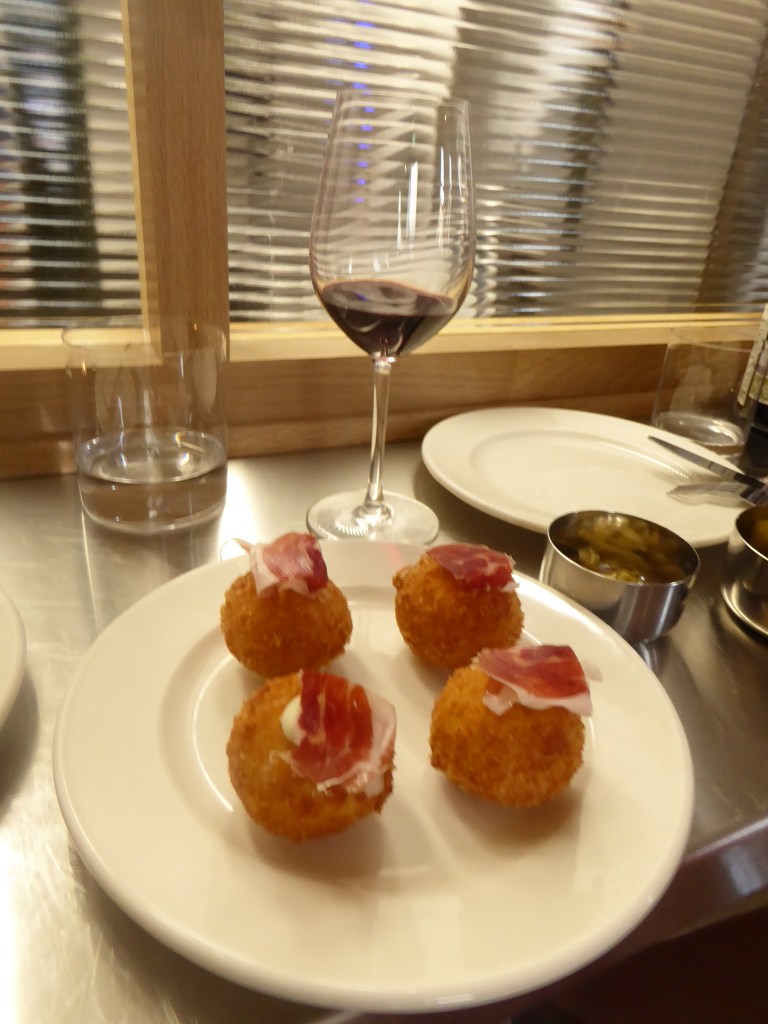
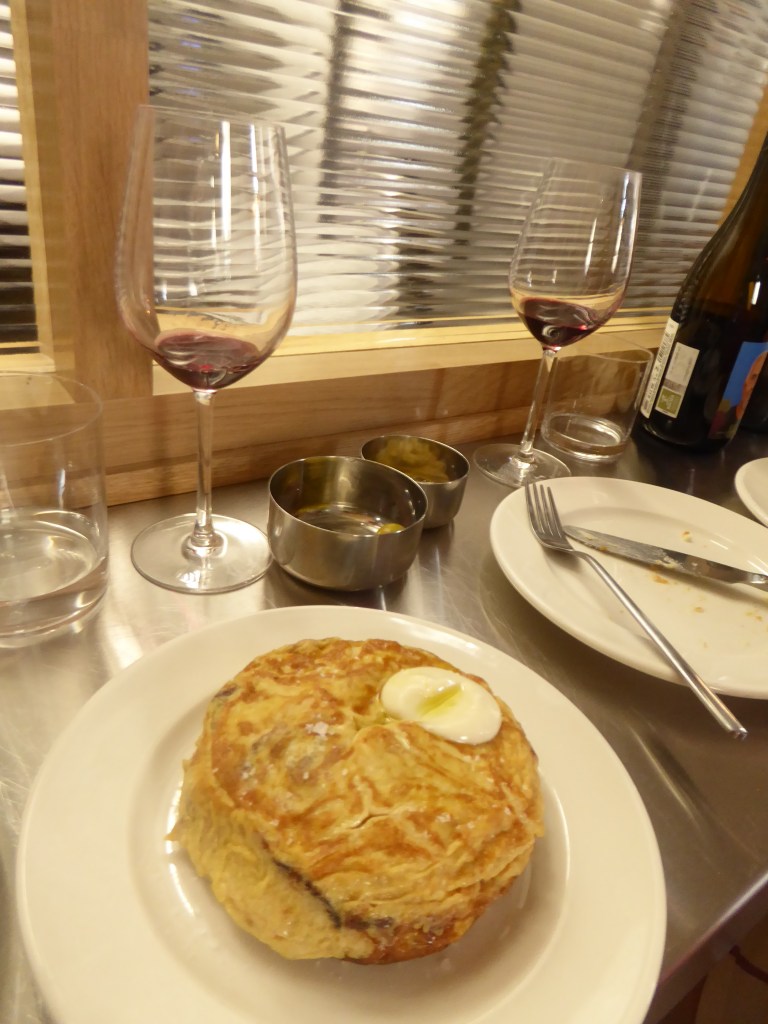
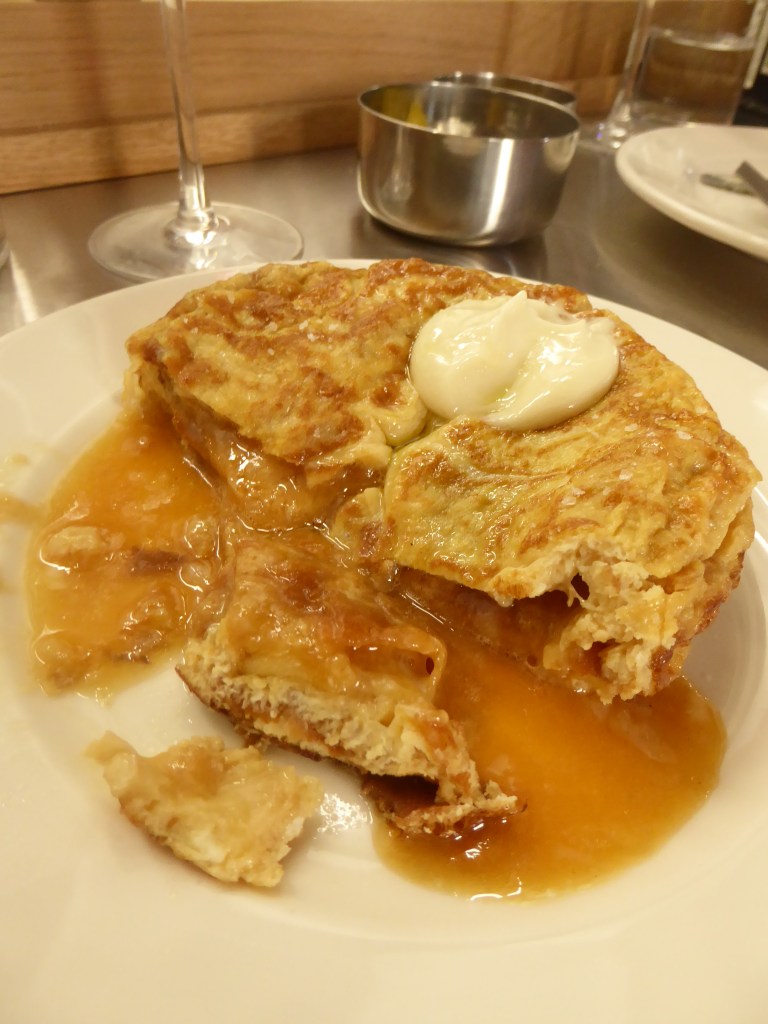
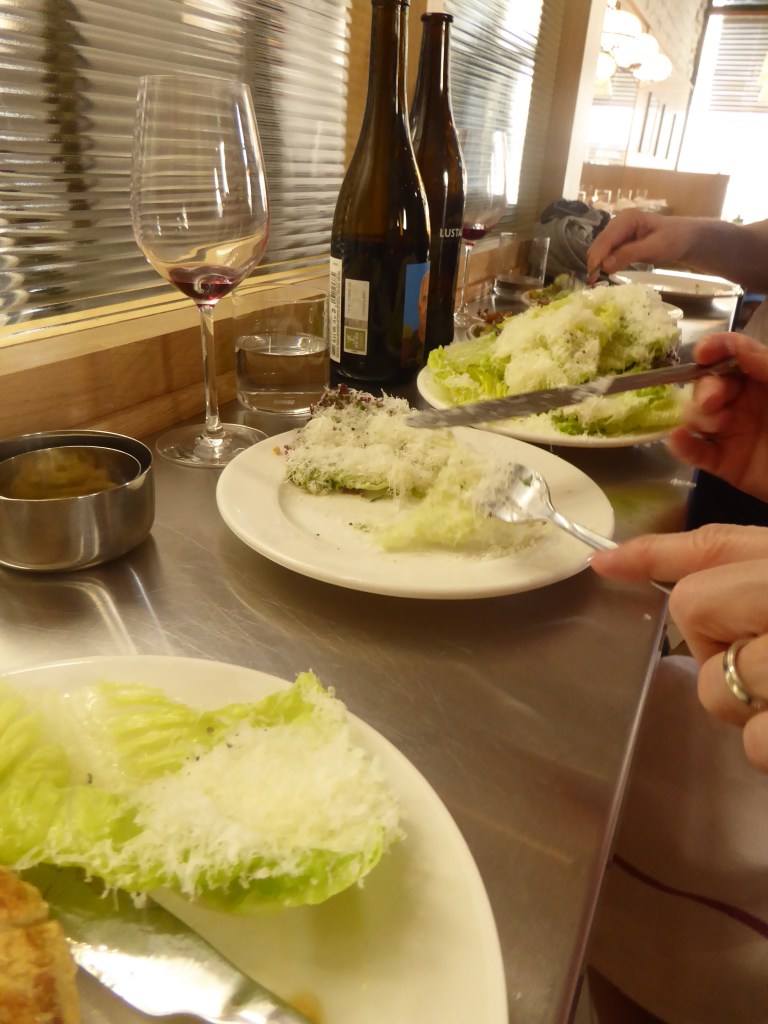
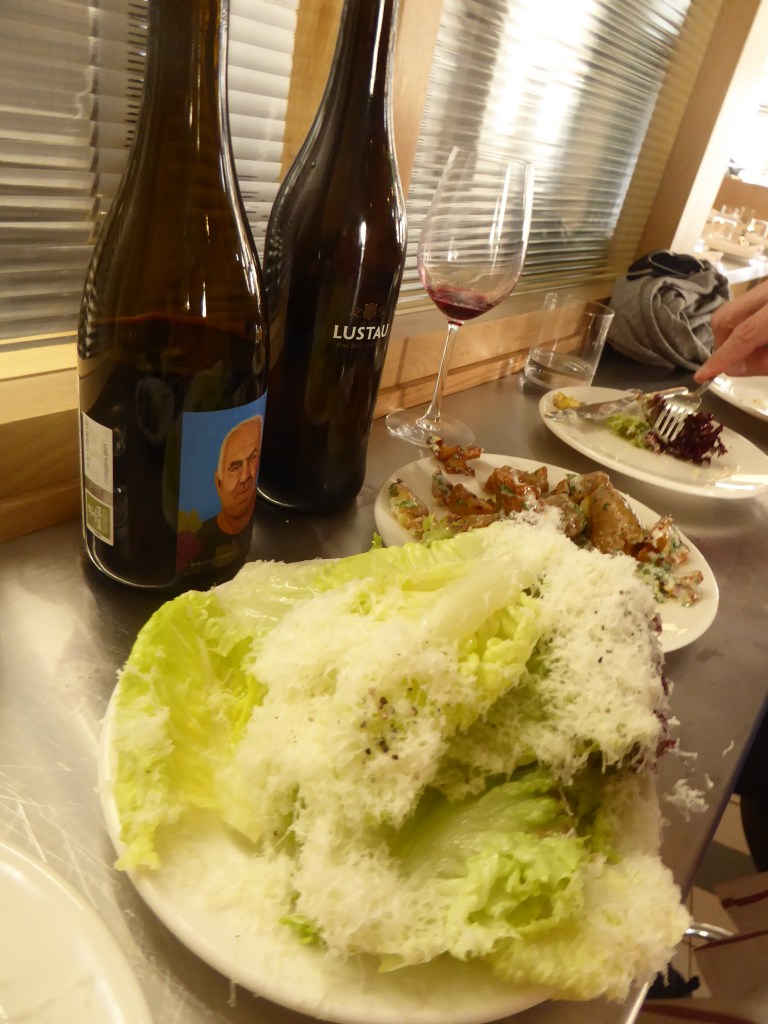
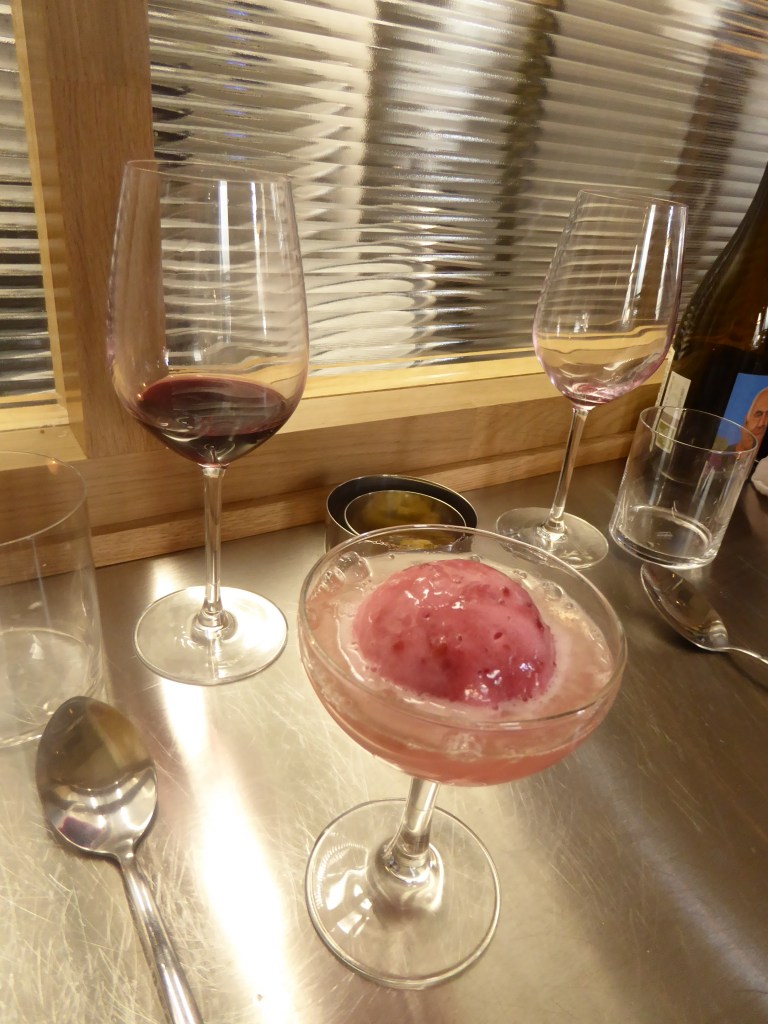
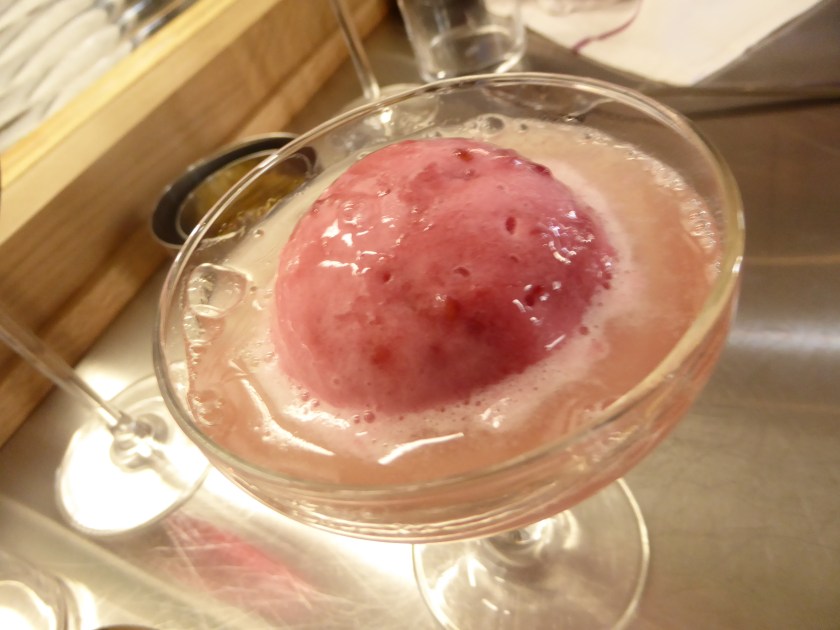
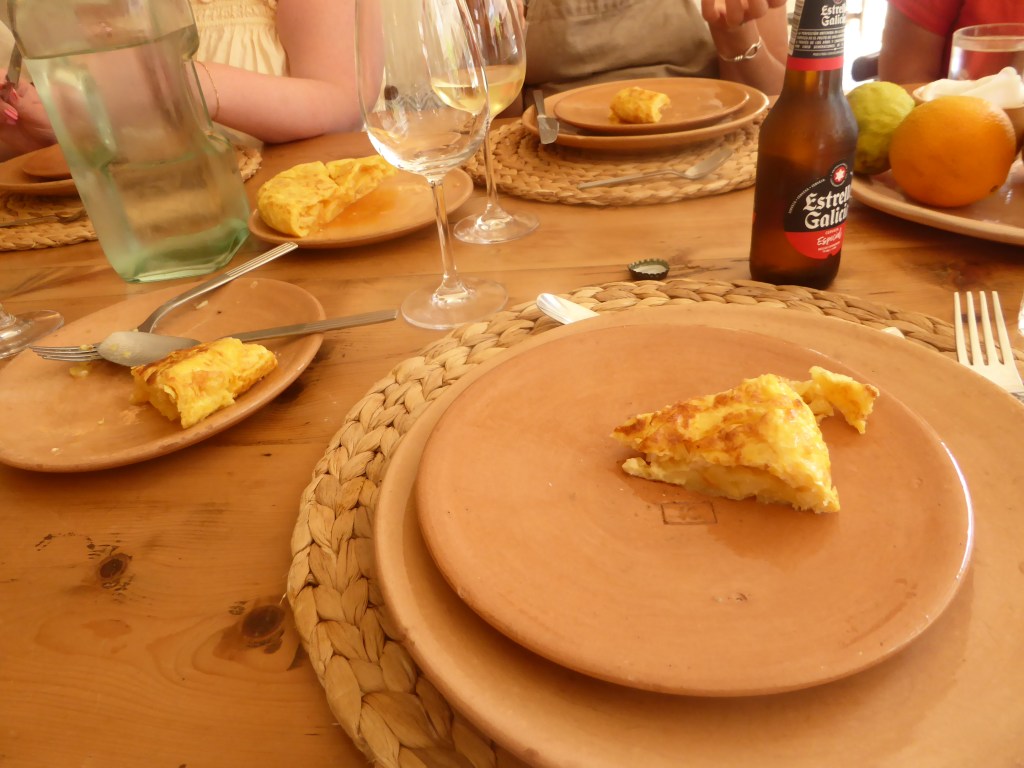
In the ever-evolving Yorkhill area of Glasgow, we explored Corner Shop, a new Spanish tapas and wine bar. This upscale yet approachable spot offers small plates with huge flavours and a carefully selected wine list featuring Spanish varieties amongst others. We loved the Prosecco and raspberry sherbet dessert, but the standout was their tortilla. Unlike the traditional version I learned to make during a recent cooking course in Mallorca, this tortilla was intentionally runny in the centre—a modern twist inspired by a renowned Madrid chef (possibly Garcia or Jimenez) over the last few years.

While it wasn’t my favourite, the dish was still delicious, and we capped the meal with a Pedro Ximénez sherry, a rich, velvety blend of burnt port and sherry – at least that’s what it tasted like to me; divine.

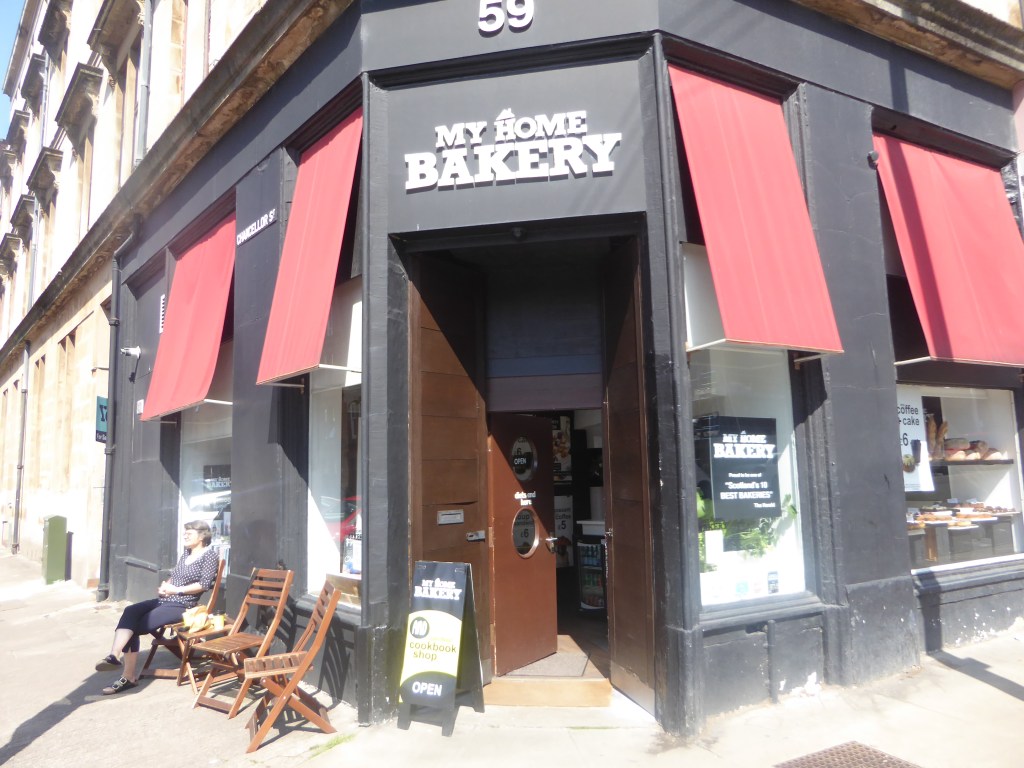
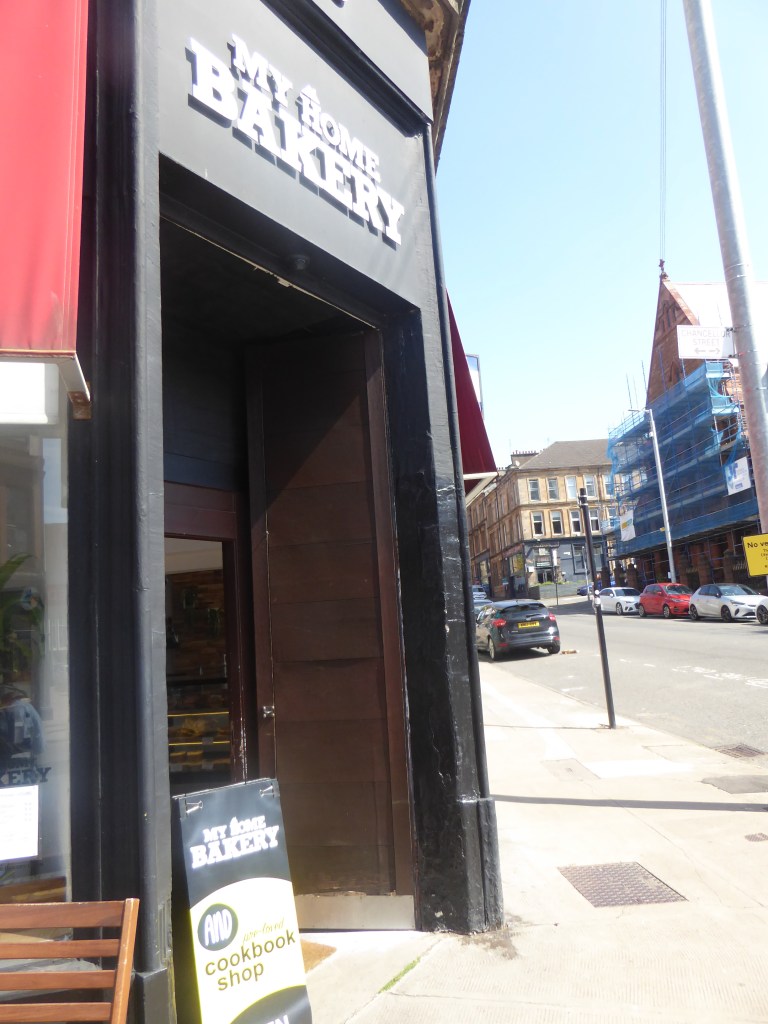
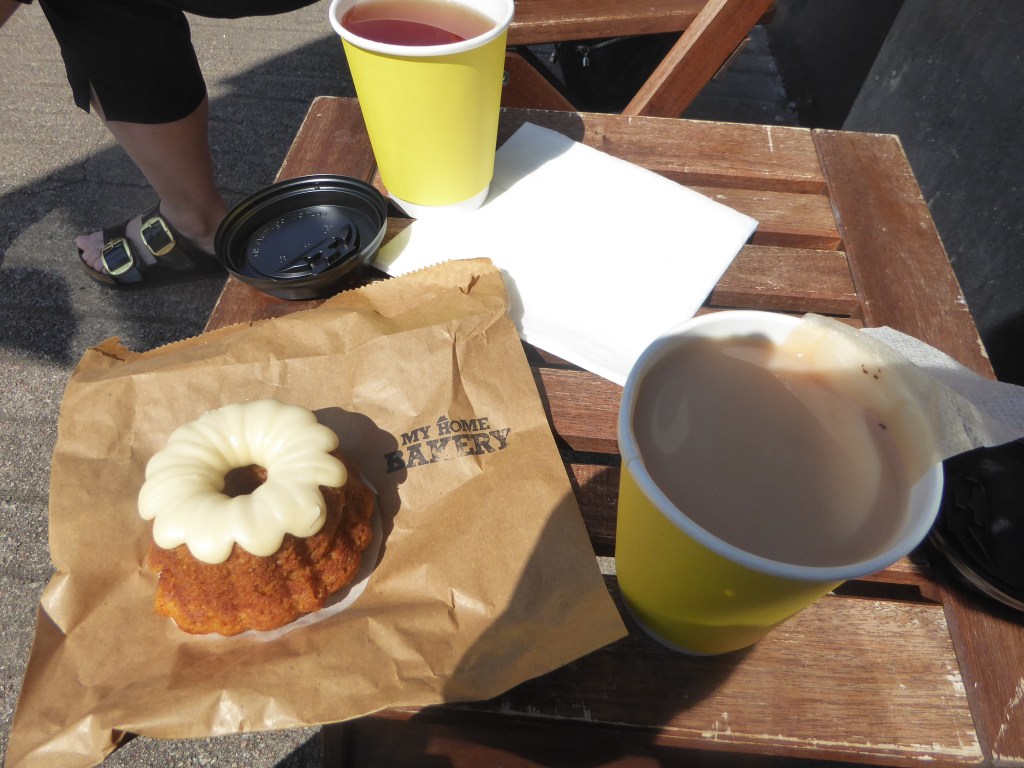
Finally, just around the corner from my home is My Bakery, a small but iconic spot that helped modernize the area’s bakeries a few years ago. This café and bakery no longer offers indoor seating but has a few outdoor tables perfect for people-watching. Adjacent to it is a bookshop run by the business, selling cookbooks for just £5. On this visit, we picked up Rick Stein’s French Adventure (2019), a nod to one of the best BBC cooking series I’ve ever watched. I’m already looking forward to revisiting the series for inspiration.

CB

“Active Tourism” in Mallorca – A Spanish Cooking Course for Beginners –

One of the most memorable activities we did at our recent stay in Mallorca, was a cooking course, which got me thinking about the concept of “active tourism.”

Years ago, I watched a BBC travel show featuring a 25- to 30-year-old American exploring this idea. He was in a small Spanish village, diving into a river to inspect a stone bridge in need of renovation, actively engaging with the presenter and the task at hand. He got his hands dirty inspecting a dilapidated stone bridge; I laughed and wondered, did he really need to do that?

It was fascinating and also slightly embarrassing. He was just SO enthusiastic, acting as an amateur archaeologist / stone mason!

This concept of active tourism stuck with me; and to be honest, I’m not even sure if that’s the correct word(s) to use?

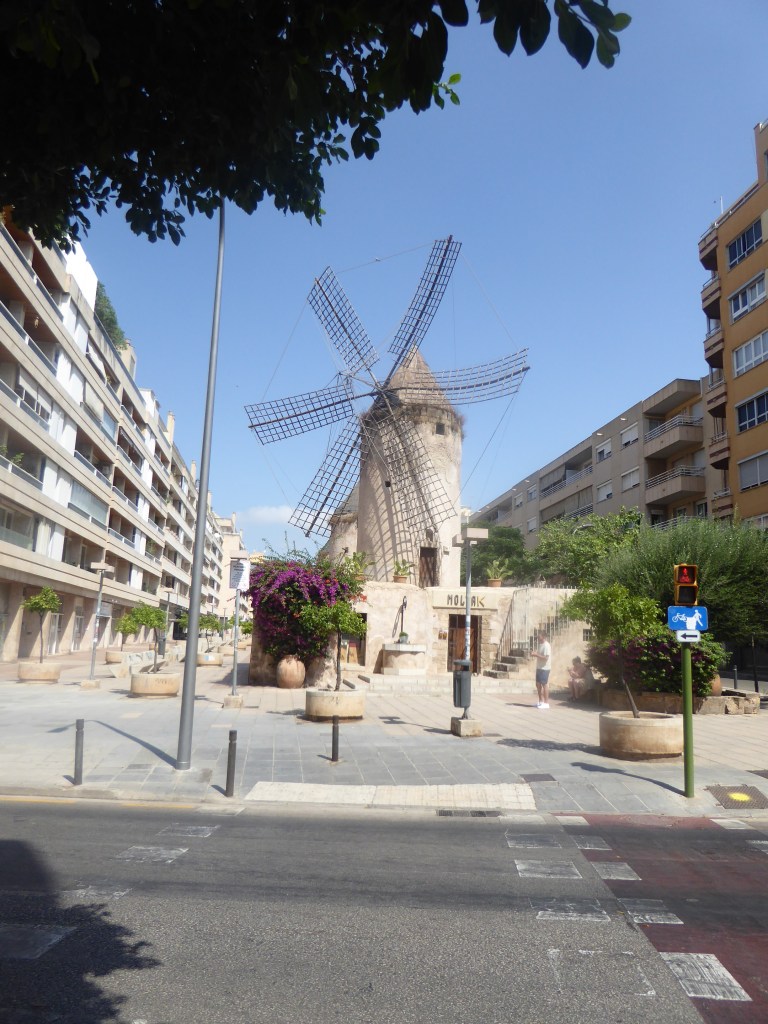
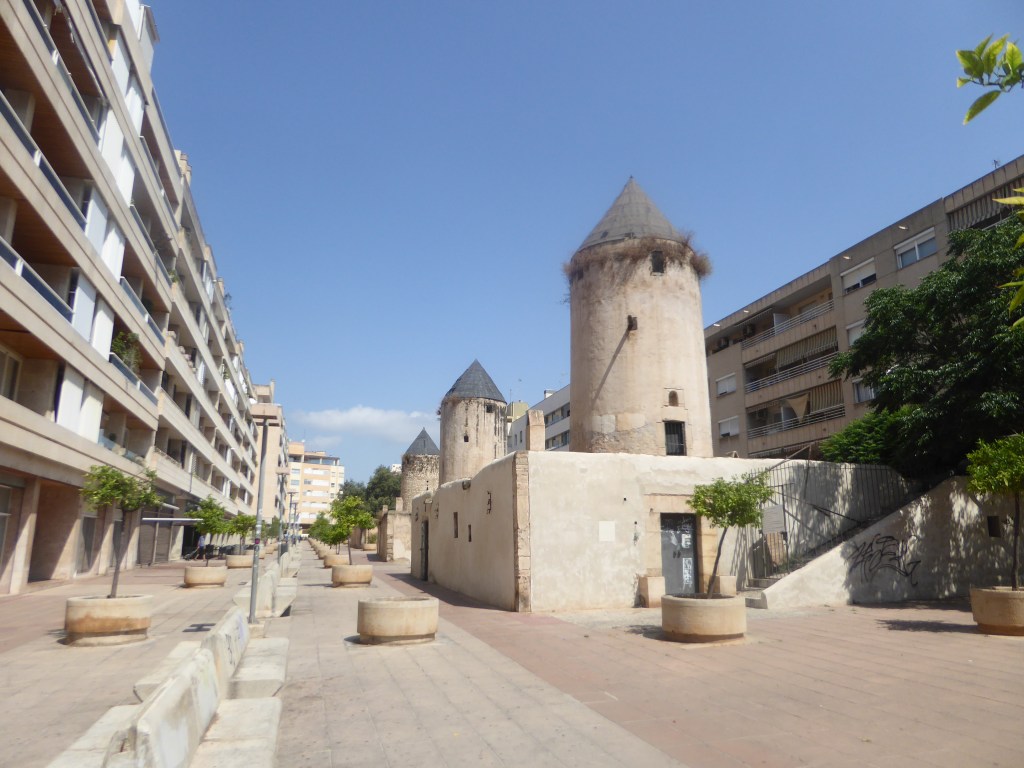
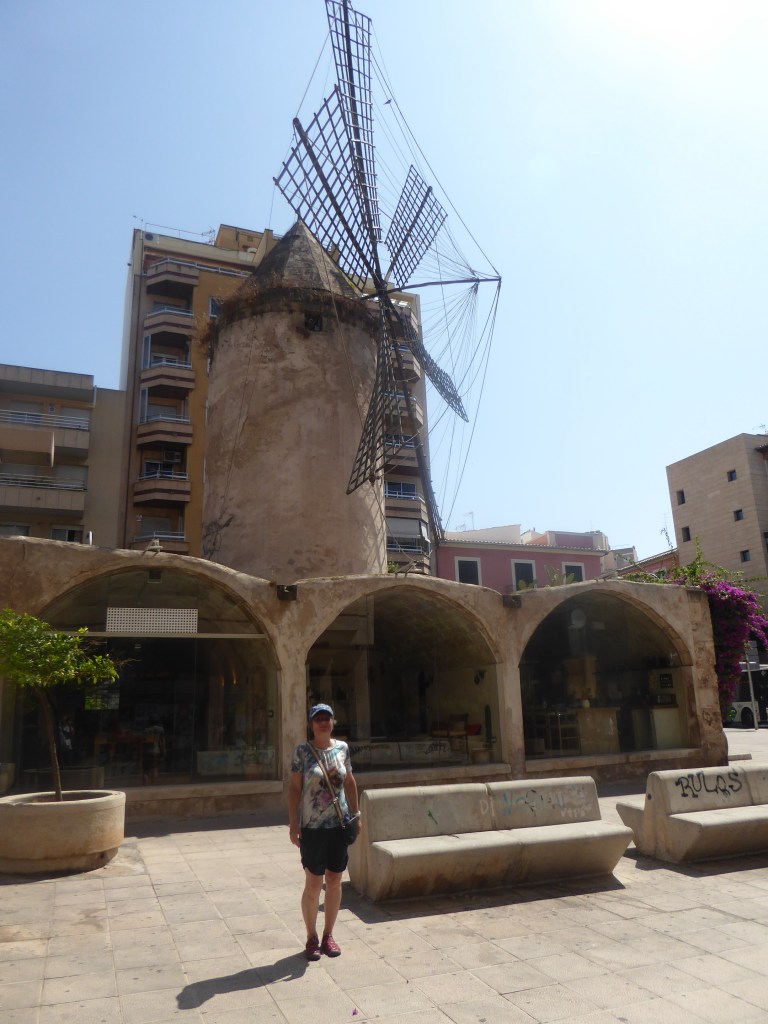
So last month, when my other half and I visited Mallorca, someone recommended a cooking course, inspired by a similar experience they’d had. We decided to give it a try and booked a course in downtown Palma, near some historic windmills (no longer in use).

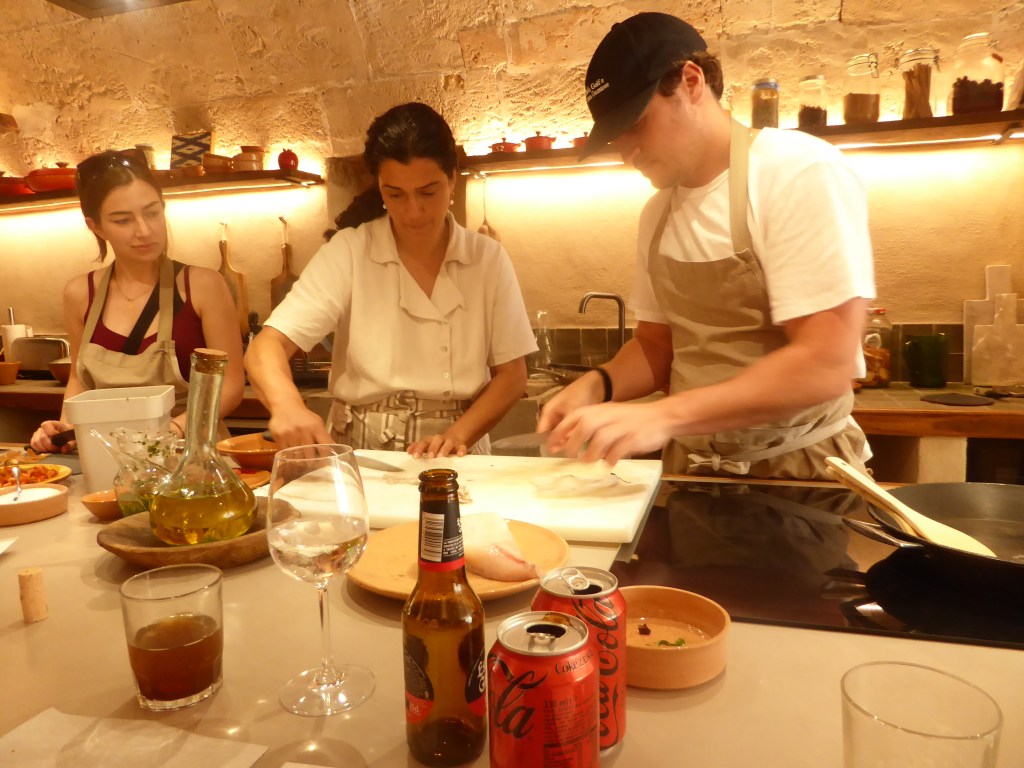
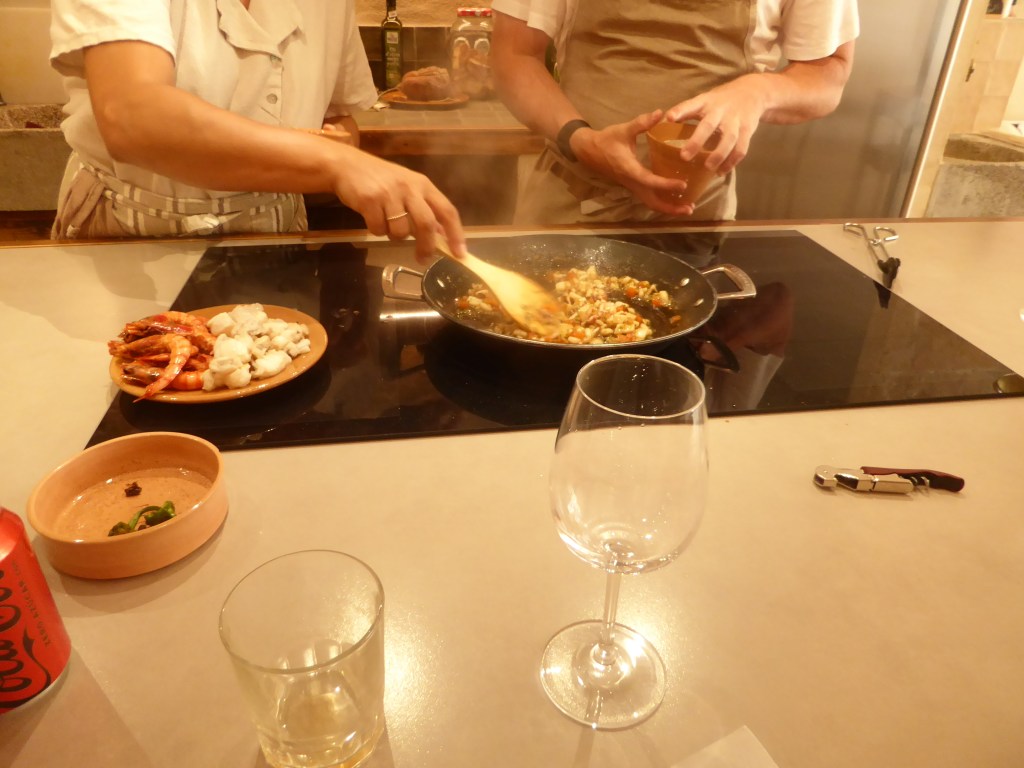
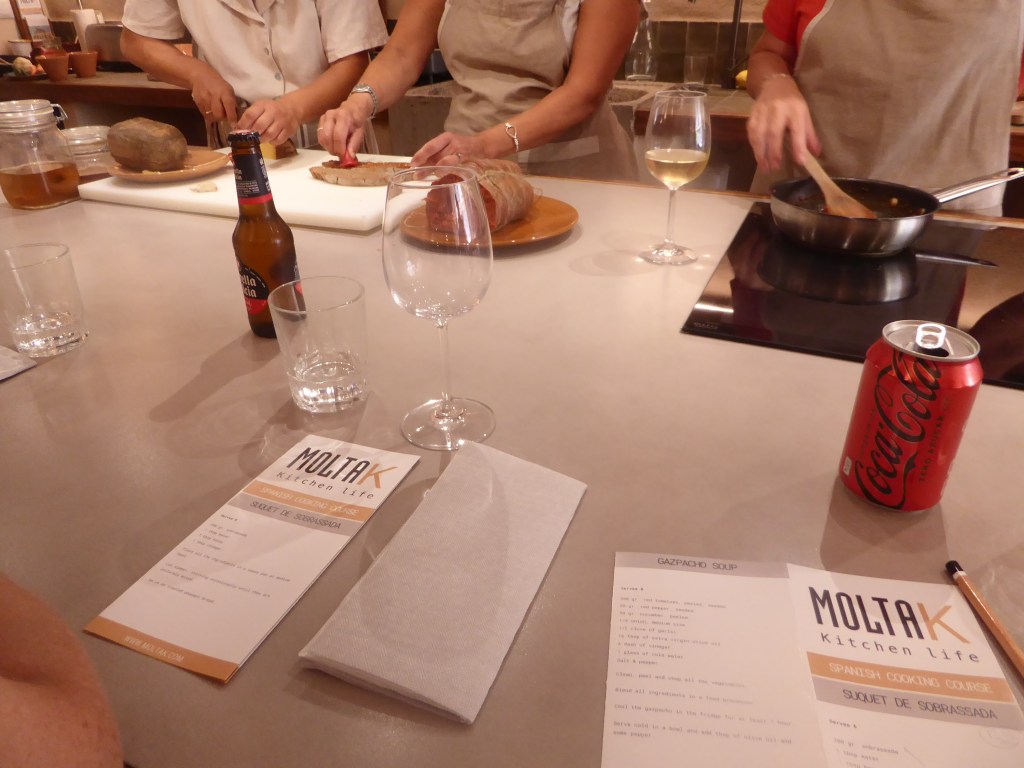
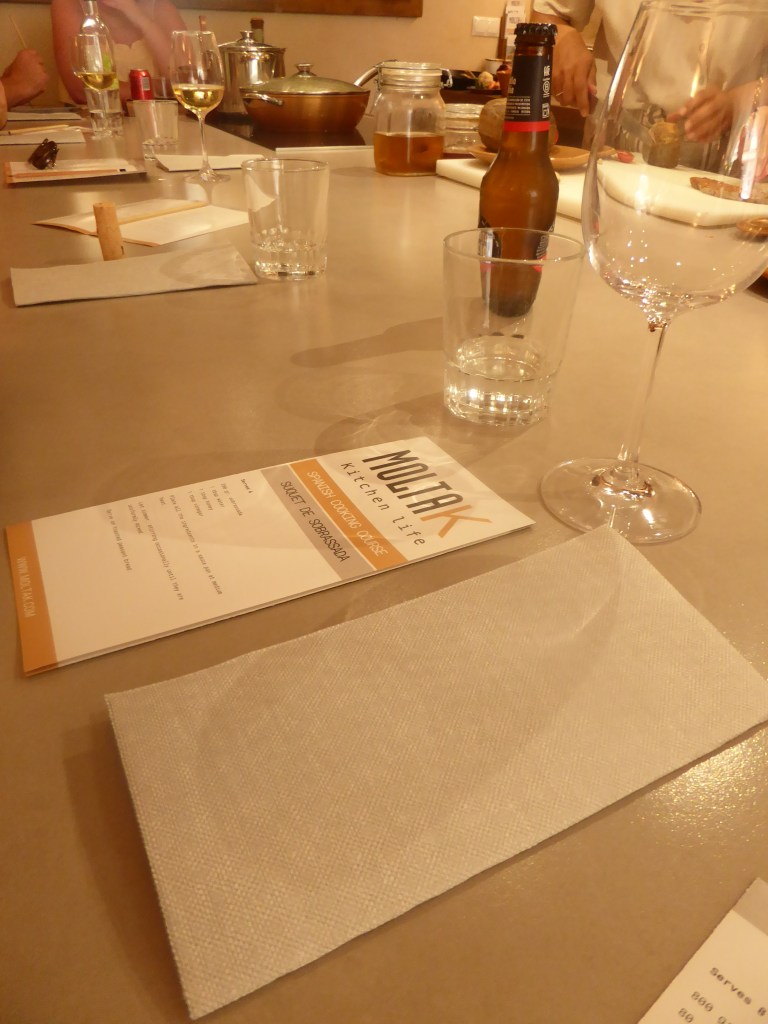
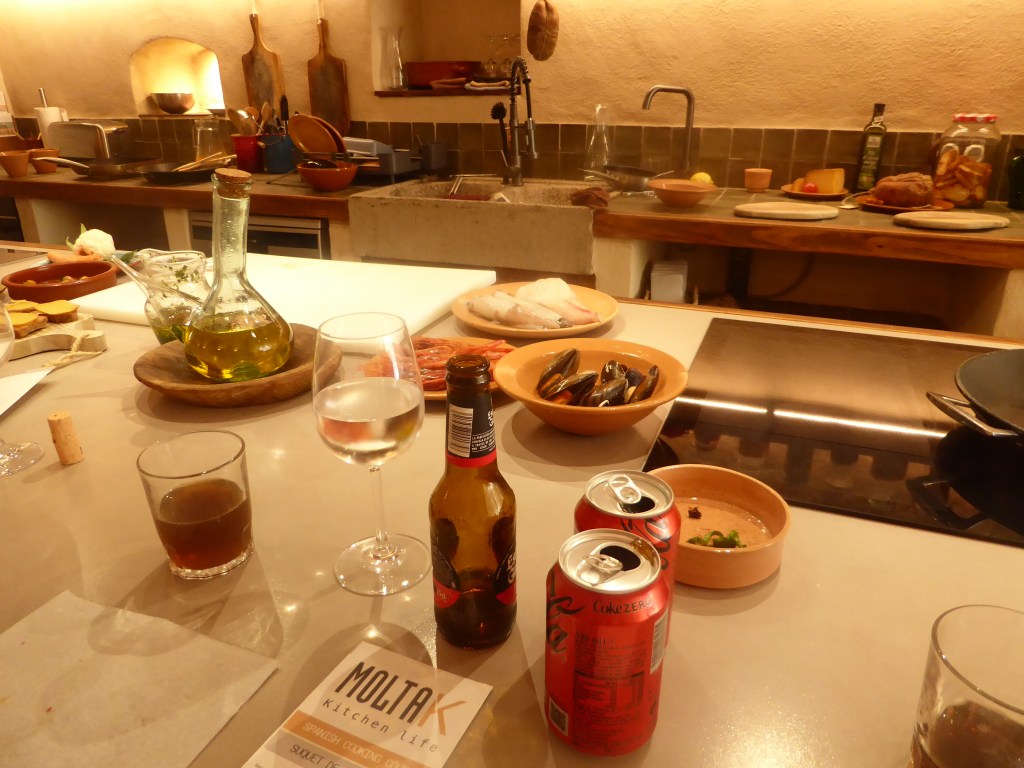
It cost about £80, and it was well worth it. I expected we’d be the only ones there, but the course was fully booked! Our group of 10 to 12 shared one room, while another group of 12 was in a separate room. They ran the course twice a day, so around 40 people were learning authentic Mallorcan, Catalan, and Spanish cuisine daily. The expert chef leading the course had trained in London and was excellent.

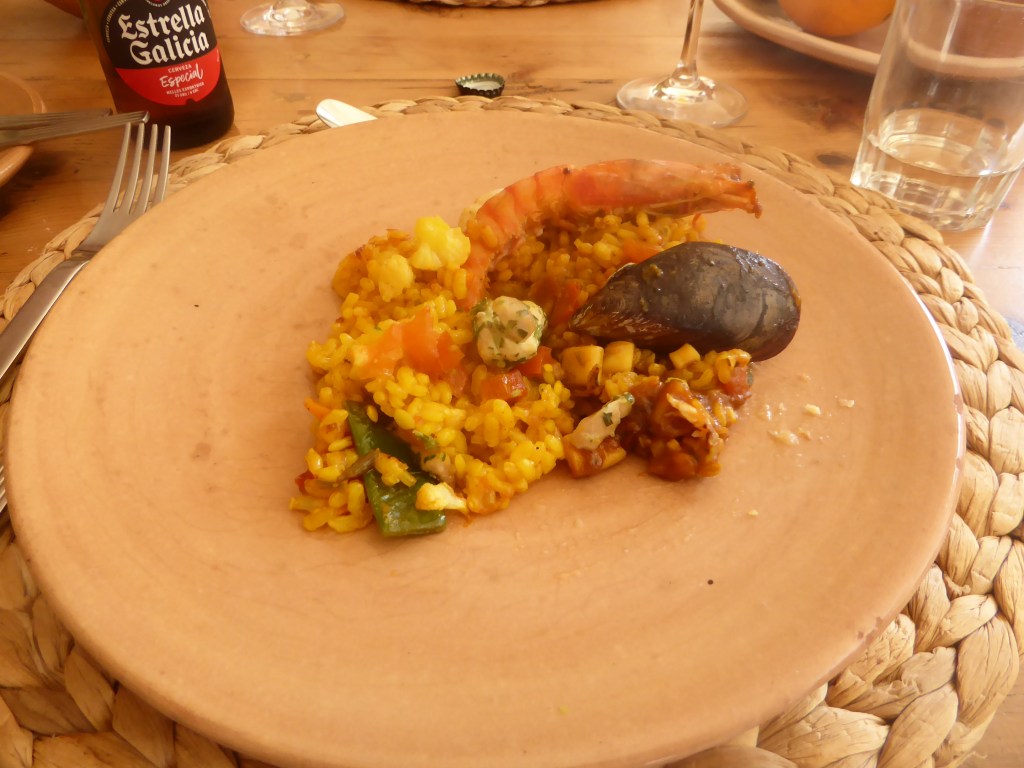
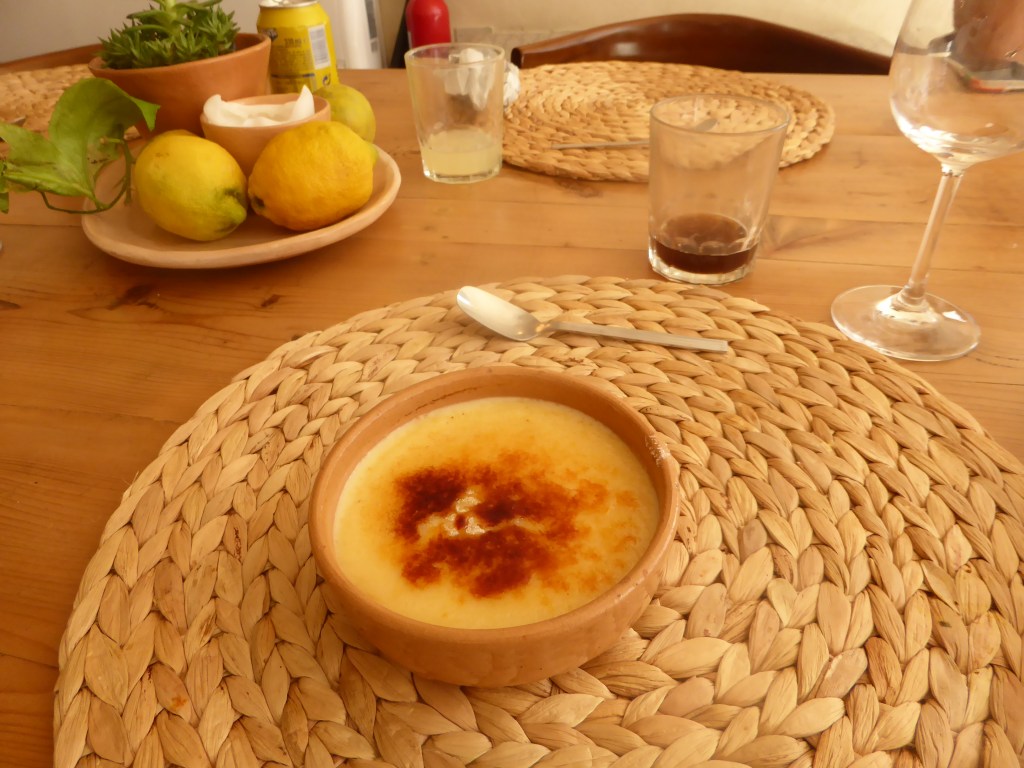
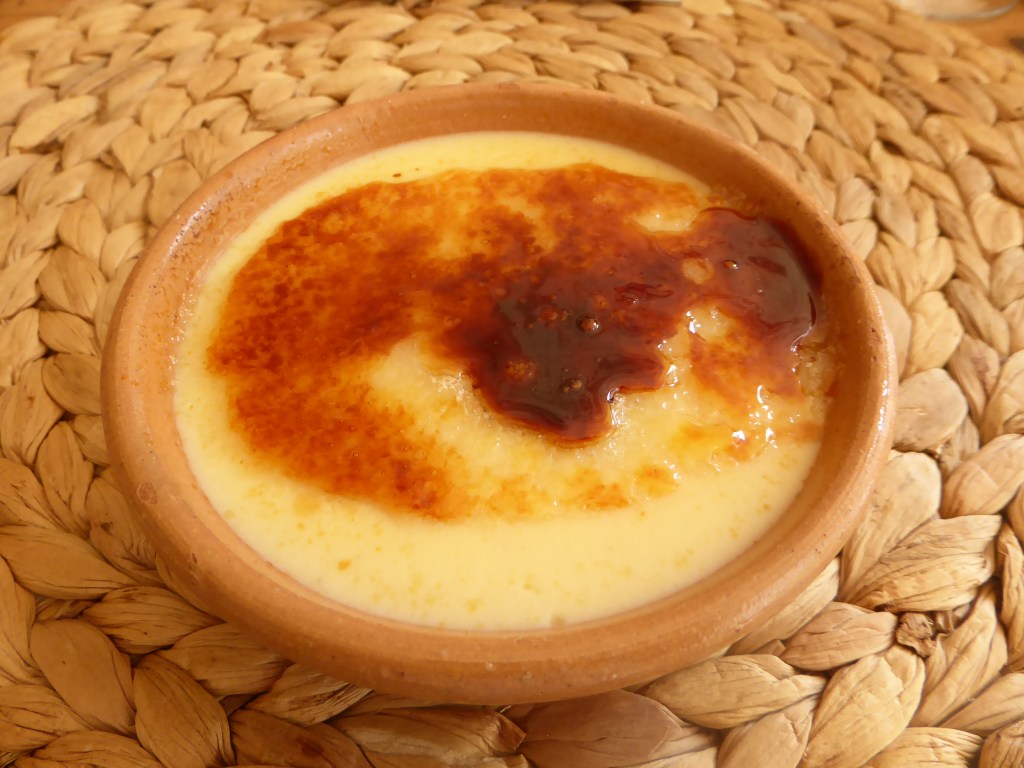
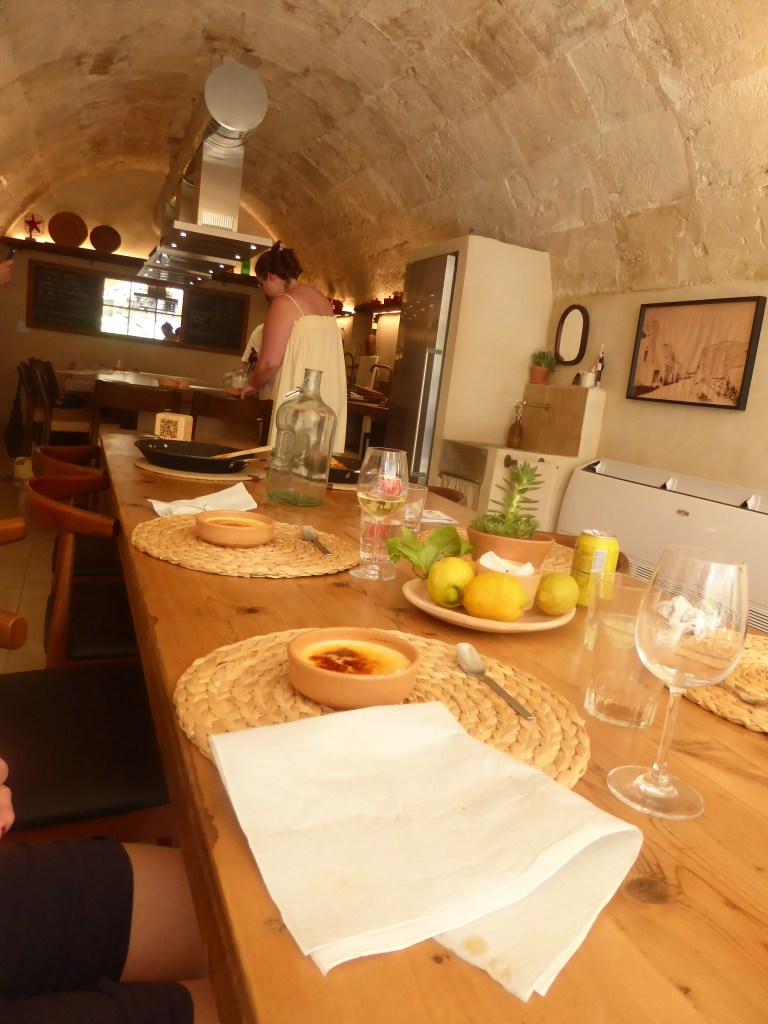
There was even a “free bar” with wine, beer, and soft drinks—though I stuck to a beer and a couple of Diet Cokes. We prepared a five-course meal, including paella (with expert tips), Crema Catalana (similar to Crème Brûlée), a stock, and padrón peppers (the mild green ones, lightly salted and pan-fried). The ingredients were fresh, and the process felt surprisingly simple, though it clearly required skill.

The experience was engaging and hands-on, making it a highlight of the trip. We shared the course with a diverse group—Americans, Germans, and plenty of Brits. It was such a rewarding experience that I’d love to do it again, whether in Spain or another destination. Active tourism (or whatever it’s called), like this cooking course, seems to offer a unique way to connect with a place and its culture.

CB

Mallorca 2025- Part 2 – Let’s watch some ATP Tennis –

ATP Mallorca 250 – Top 10 Player

What ever you think about sports in general, I still find it exhilarating to watch them live. Even sports that I may not care a huge amount about, for example football, baseball, rugby, etc.

In this case, it’s professional tennis which I am actually a big fan of. The ATP tournament in Mallorca, Spain has been around only a few years, but is one of those smaller tournaments on the ATP (Association of Tennis Professionals) tour. In this case it’s a 250 (points)* event.

So it’s small, but this can yield many advantages besides the price; it’s normally easier to find tickets, easier to find somewhere to stay and in my opinion, it’s friendlier.

    This year was no different, and as the last grass court warmup before Wimbledon, it’s always so interesting to see just who shows up. Only in 2021, Novak Djokovic himself was here to play the doubles, as the Russian Daniil Medvedev was the winner. Equally last year and this, the young and highly rated American, Ben Shelton, was here. He later made the Wimbledon quarter-finals, losing to eventual champion Jannik Sinner.

      The point being, is there are some “stars” here, but that would miss the point. The tournament still has world class tennis, nice food and at 20 Euros a ticket for the entire day, is far cheaper than Wimbledon!

      What a view (above)

      Conceivably, it could be cheaper to come here to watch the grass court tennis, than going to London, to watch the tennis at Wimbledon, particularly if you take into account travel, hotels and food in London.

      I’ll be back.

      CB

      * Tournaments in the ATP (Association of Tennis Professionals) range from 250 points, to 500 points; with the Master tournaments being worth 1,000 points. The major tournaments (Wimbledon, etc) are worth 2,000 points to the winners.

      Off to Mallorca again . . . Part 1

      Palma, Mallorca – Harbour

      Once again, we’re off to Mallorca. This vlog will likely be split into three parts. The first part covers the general activities we enjoyed—cafés, restaurants, hikes, and running.

      The second part focuses on why we actually went: to attend a tennis tournament, part of the ATP Tour. It’s a small ATP 250 event, the final grass-court tournament before Wimbledon.

      The third part is about what I believe is called Active Tourism. We took part in a cooking course focused on Mallorcan and Spanish cuisine, which was fascinating.
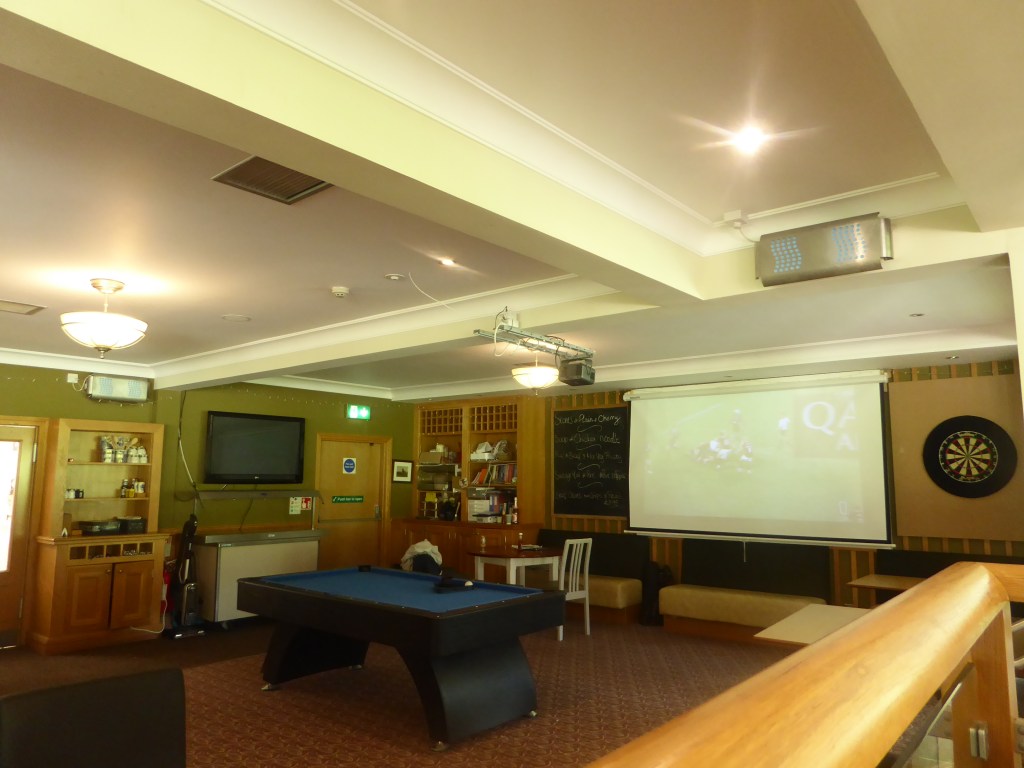
      As usual, we did the typical things: visited restaurants and cafés, strolled around, and ate plenty of ice cream. Temperatures reached 37°C, but with humidity often at just 20–25%, it wasn’t too unbearable. Santa Ponsa is lovely—very calm and welcoming – and has a plethora of German and Spanish tourists.

      Some areas are predominantly German-speaking, with fewer British tourists, which is nice. You can get by with Spanish, German, or English. Most locals are trilingual or even quadrilingual, as many also speak Catalan.

      One day, for some reason, we decided to jog 25 minutes to the neighbouring village, Port Adriano. It’s not a huge port, but it feels fairly new, with massive yachts docked there. However, it’s still too small for the truly mammoth yachts—you can practically smell the wealth! Interestingly, breakfast there cost about €11, while in Santa Ponsa, it was €12–15.

      Without an influx of tourists, prices felt like standard Spanish rates, which was refreshing. We didn’t rent a car this time and relied entirely on public transport. We took a bus from the airport to Palma, then another to Santa Ponsa—a direct 65-minute ride that’s both convenient and affordable.
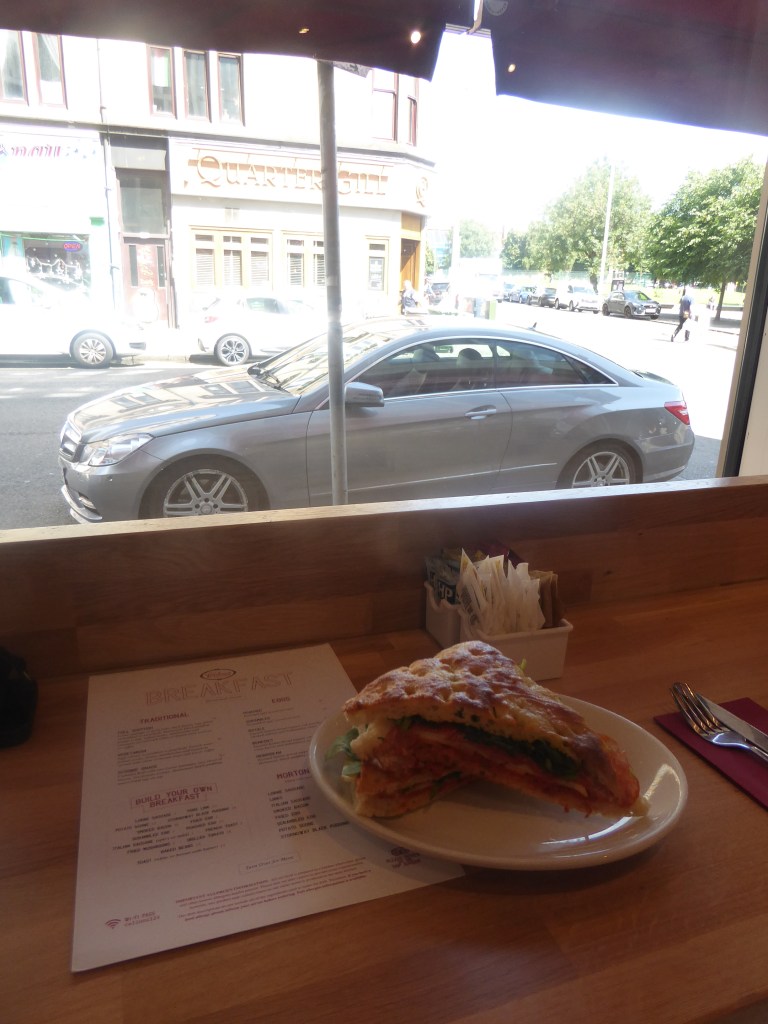
      Speaking about tourists and Mallorca, please see here. Where it seems that another problem that Mallorcans face, has little to do with tourism. Once again, it’s a problem that many urban areas face, when far wealthier foreigners, put the local housing stock out of reach for the local, historical population. It’s also something that I’ve noticed, in the last 3 years, since I’ve been visiting this island regularly.

      One day, we took a bus to the nearby village of Peguera to visit its Tuesday market. It’s massive, stretching about a mile, with all the usual touristy offerings you’d expect in Spain—beach, shops, and so on. Peguera is nicknamed “Little Germany” because many locals and visitors speak German, which made communication easy.

      Besides that, we did plenty of walking. Santa Ponsa, as always, was peaceful and felt to have more Spanish than tourists. There’s even a Scottish pub called The Jagged Thistle, which felt very unthreatening and added to the charm.
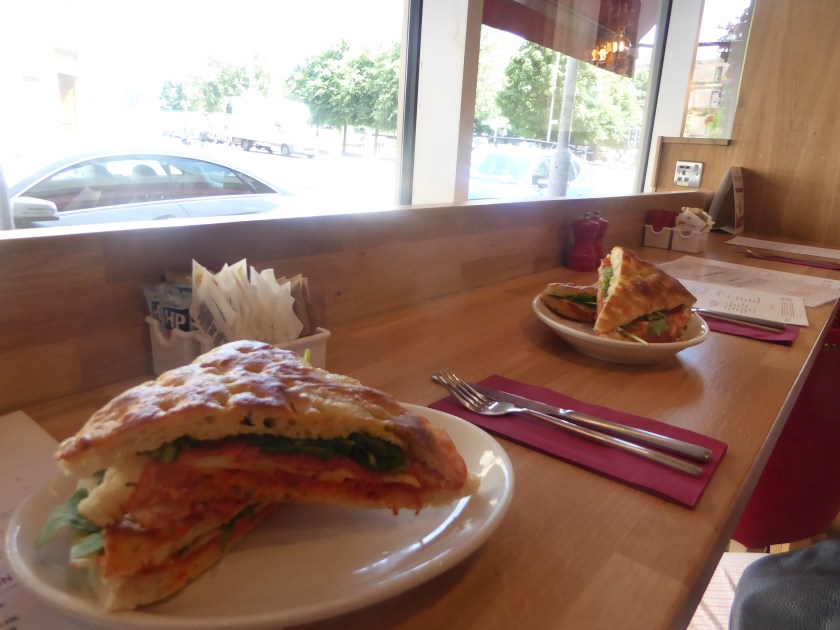
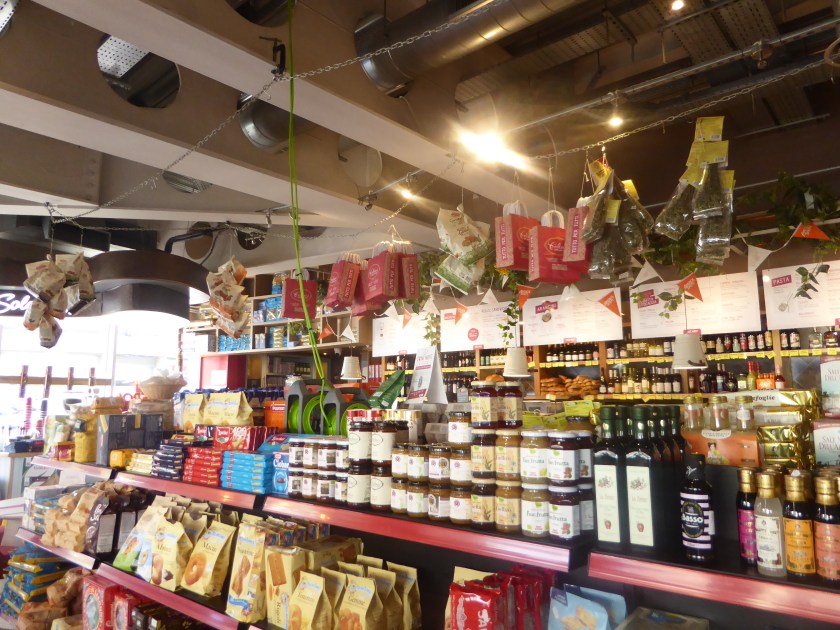

      CB