What ever you think about sports in general, I still find it exhilarating to watch them live. Even sports that I may not care a huge amount about, for example football, baseball, rugby, etc.
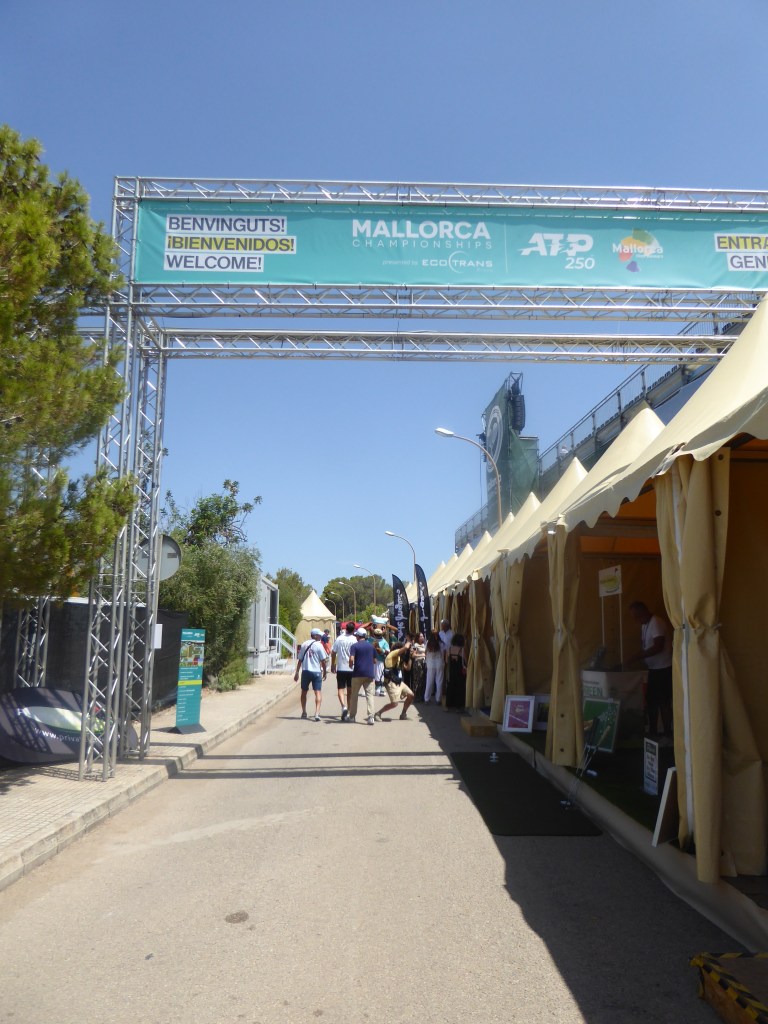
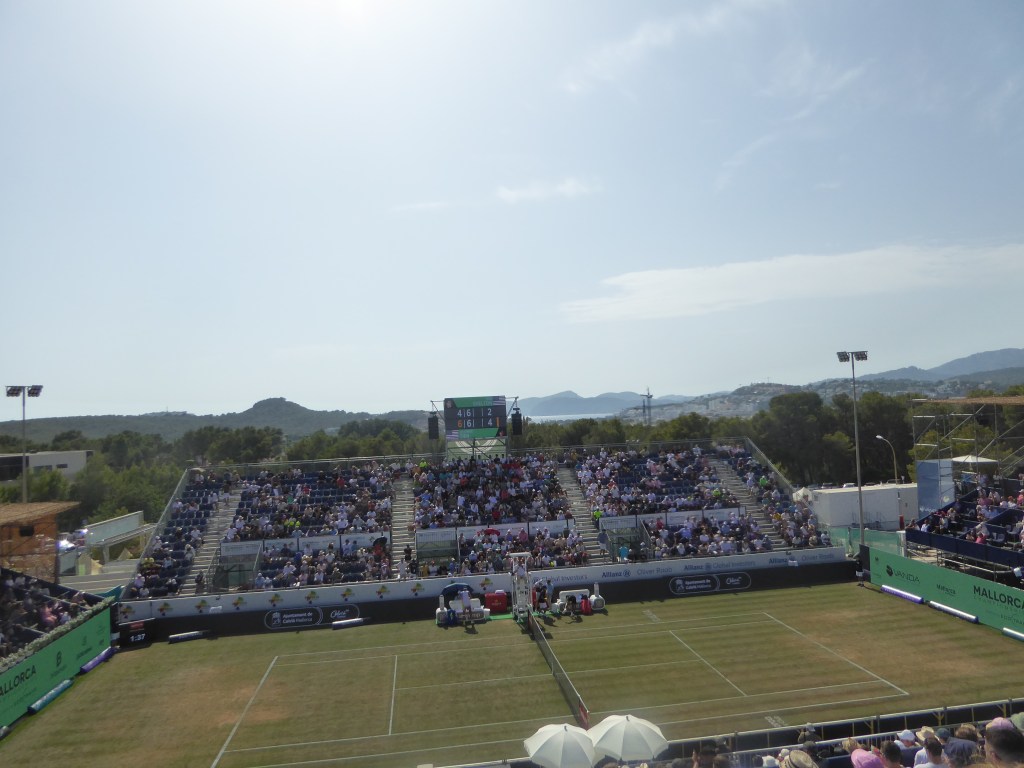
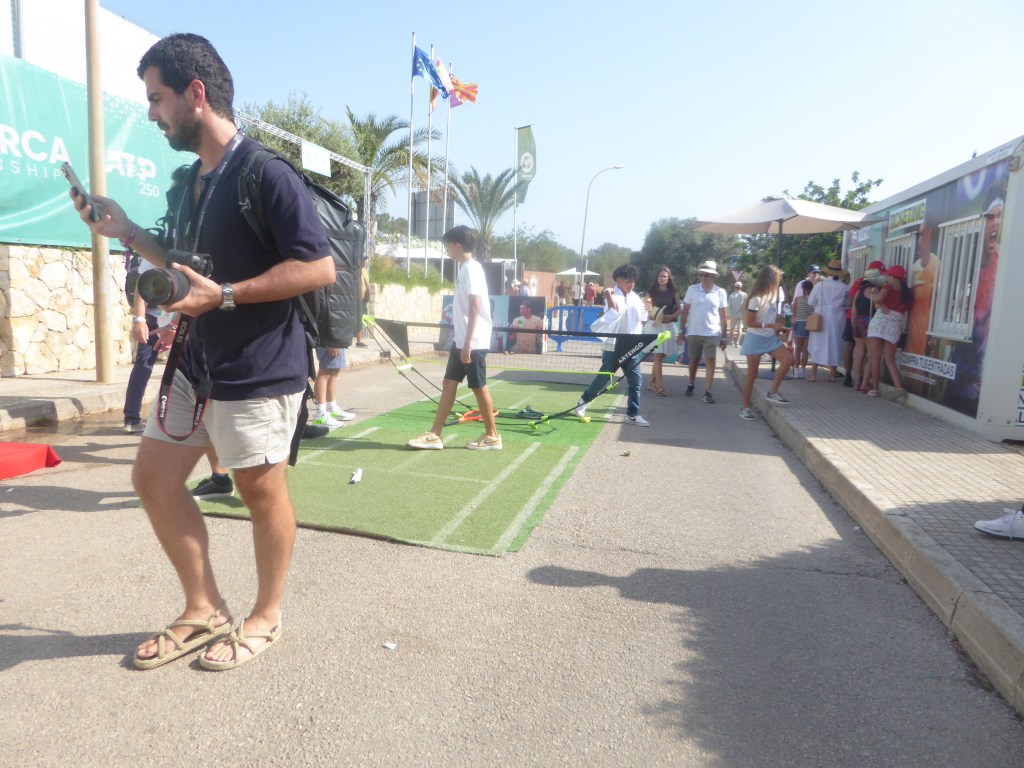
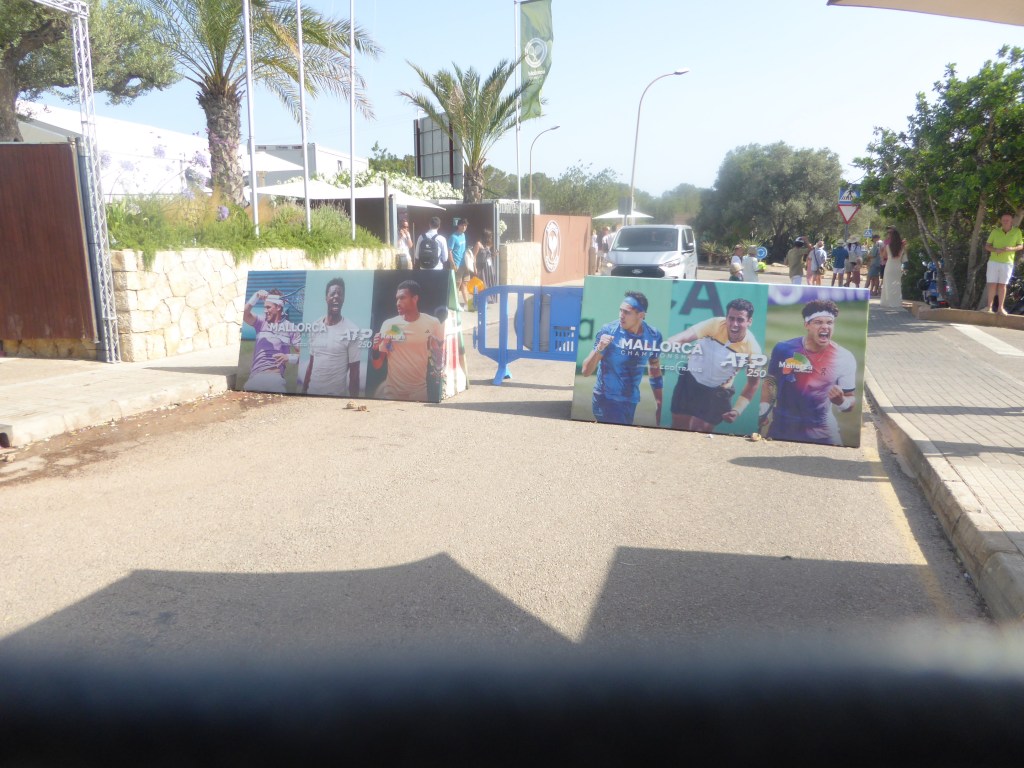
In this case, it’s professional tennis which I am actually a big fan of. The ATP tournament in Mallorca, Spain has been around only a few years, but is one of those smaller tournaments on the ATP (Association of Tennis Professionals) tour. In this case it’s a 250 (points)* event.
So it’s small, but this can yield many advantages besides the price; it’s normally easier to find tickets, easier to find somewhere to stay and in my opinion, it’s friendlier.
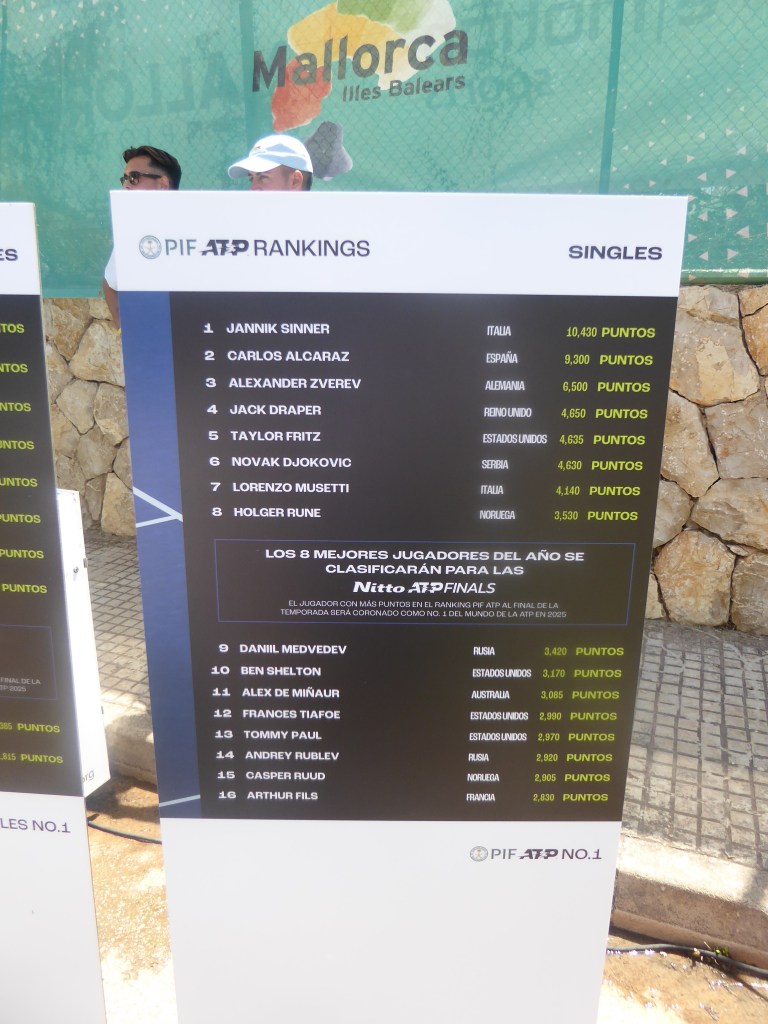
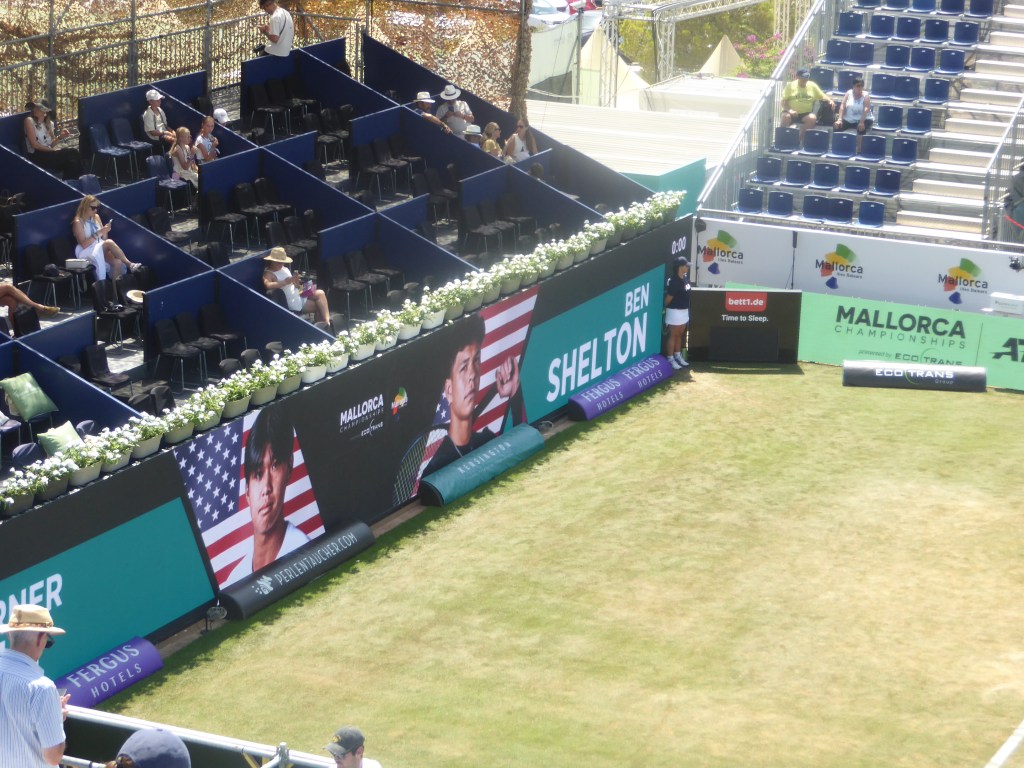
This year was no different, and as the last grass court warmup before Wimbledon, it’s always so interesting to see just who shows up. Only in 2021, Novak Djokovic himself was here to play the doubles, as the Russian Daniil Medvedev was the winner. Equally last year and this, the young and highly rated American, Ben Shelton, was here. He later made the Wimbledon quarter-finals, losing to eventual champion Jannik Sinner.
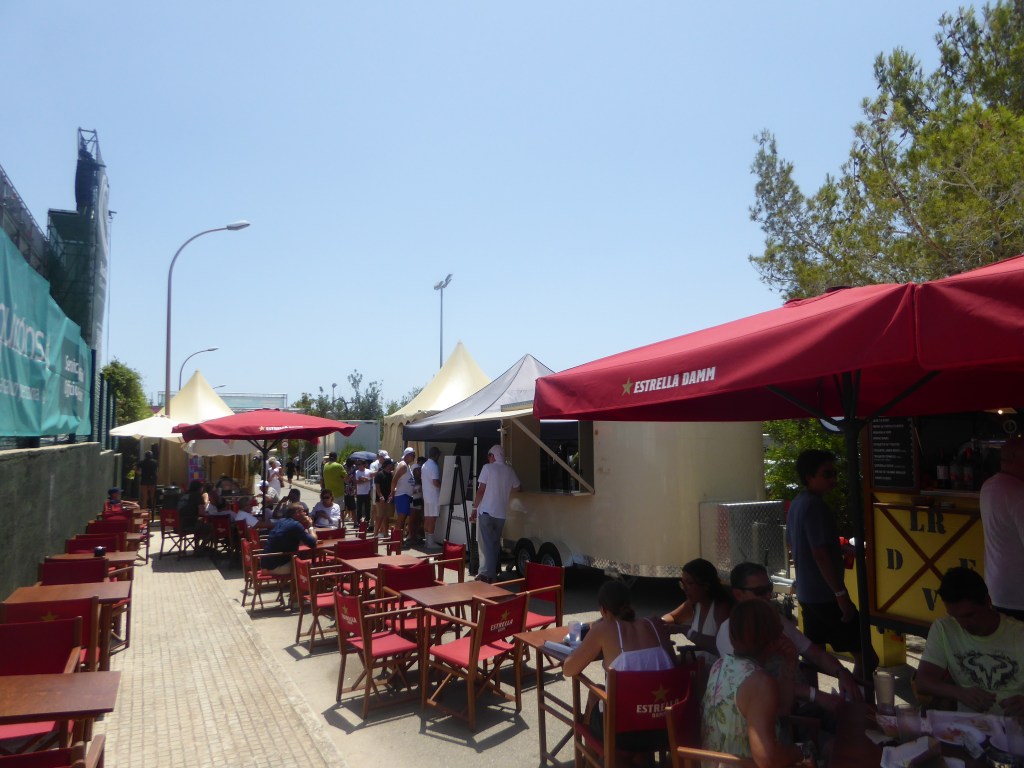
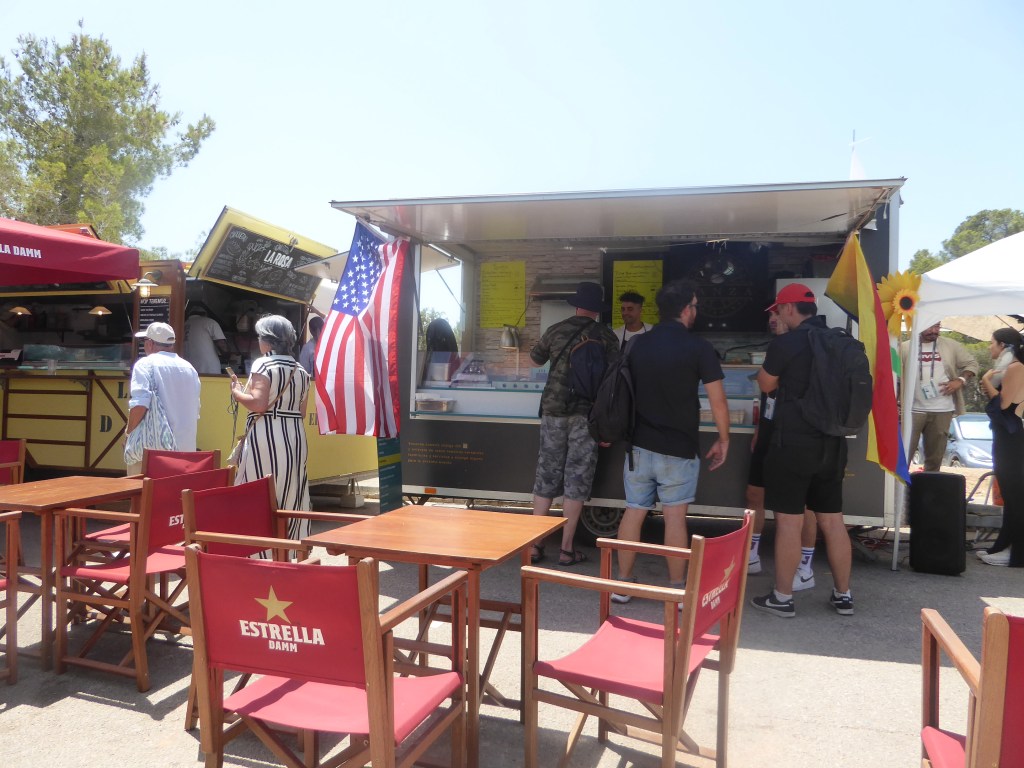
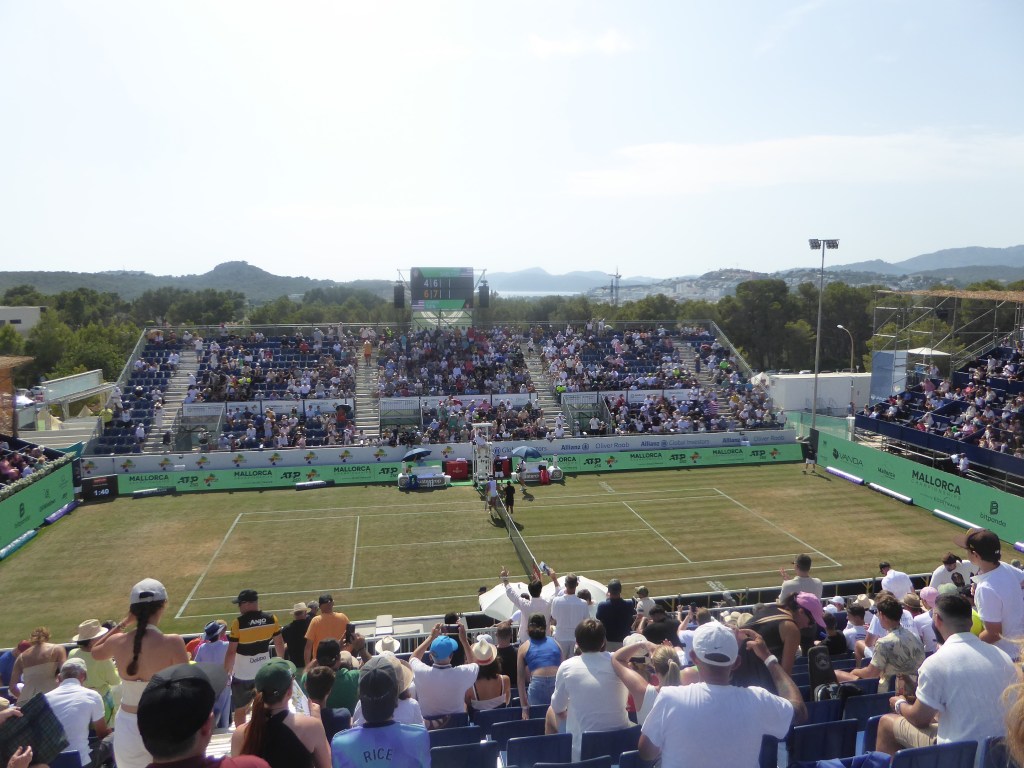
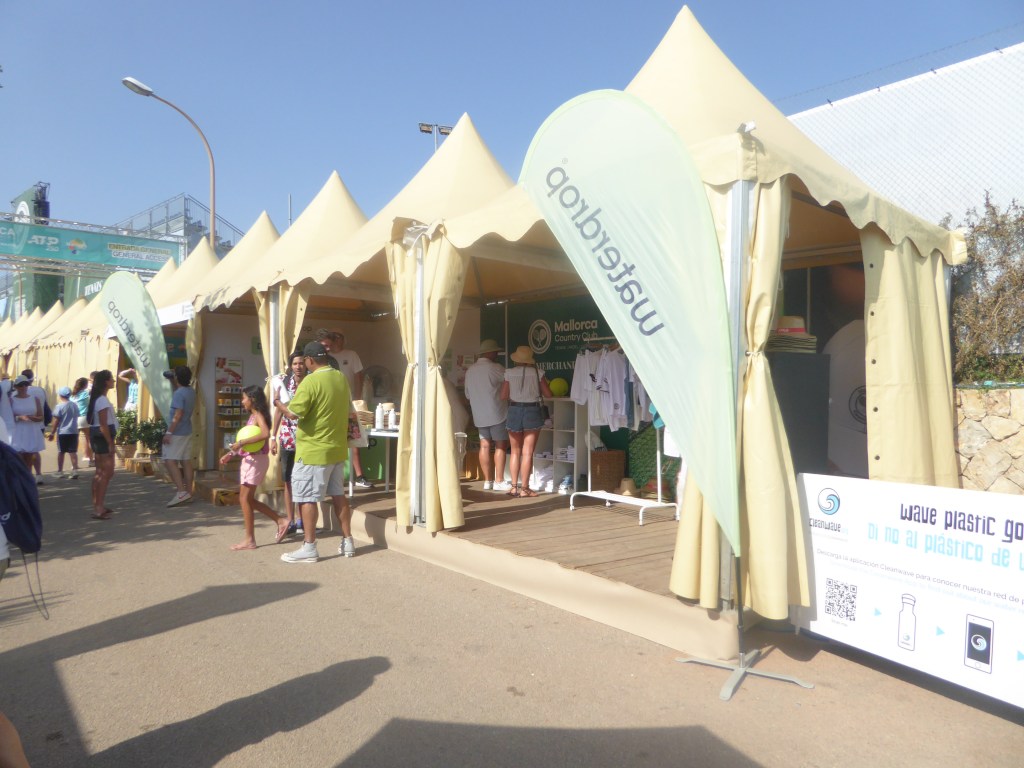
The point being, is there are some “stars” here, but that would miss the point. The tournament still has world class tennis, nice food and at 20 Euros a ticket for the entire day, is far cheaper than Wimbledon!
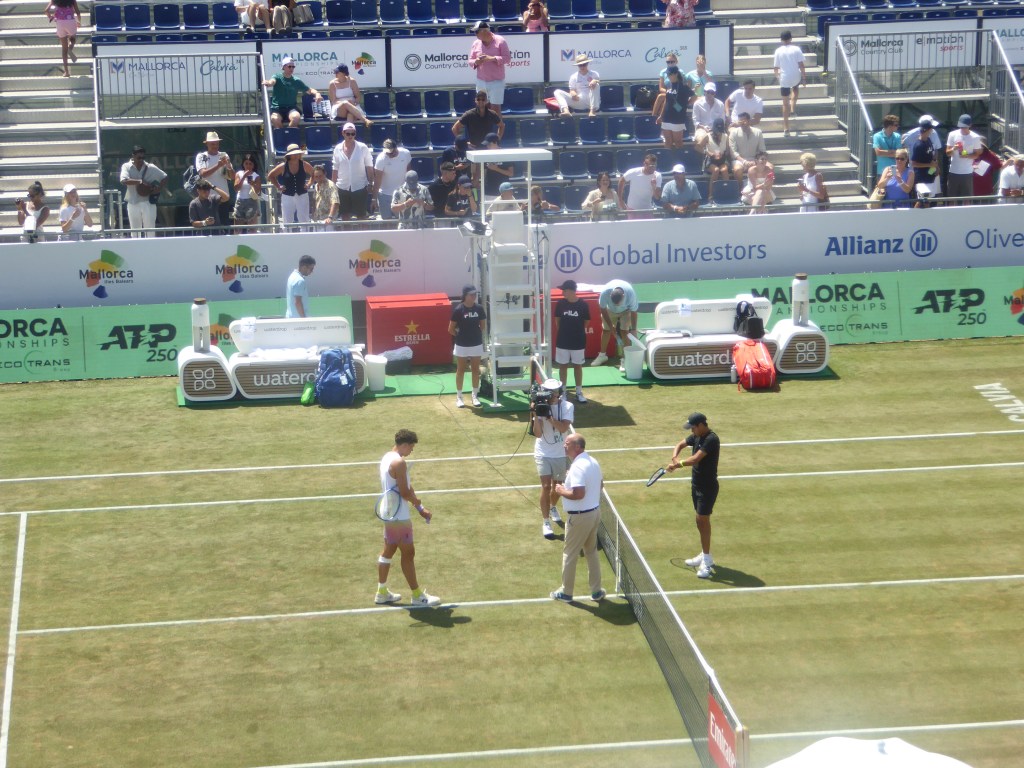
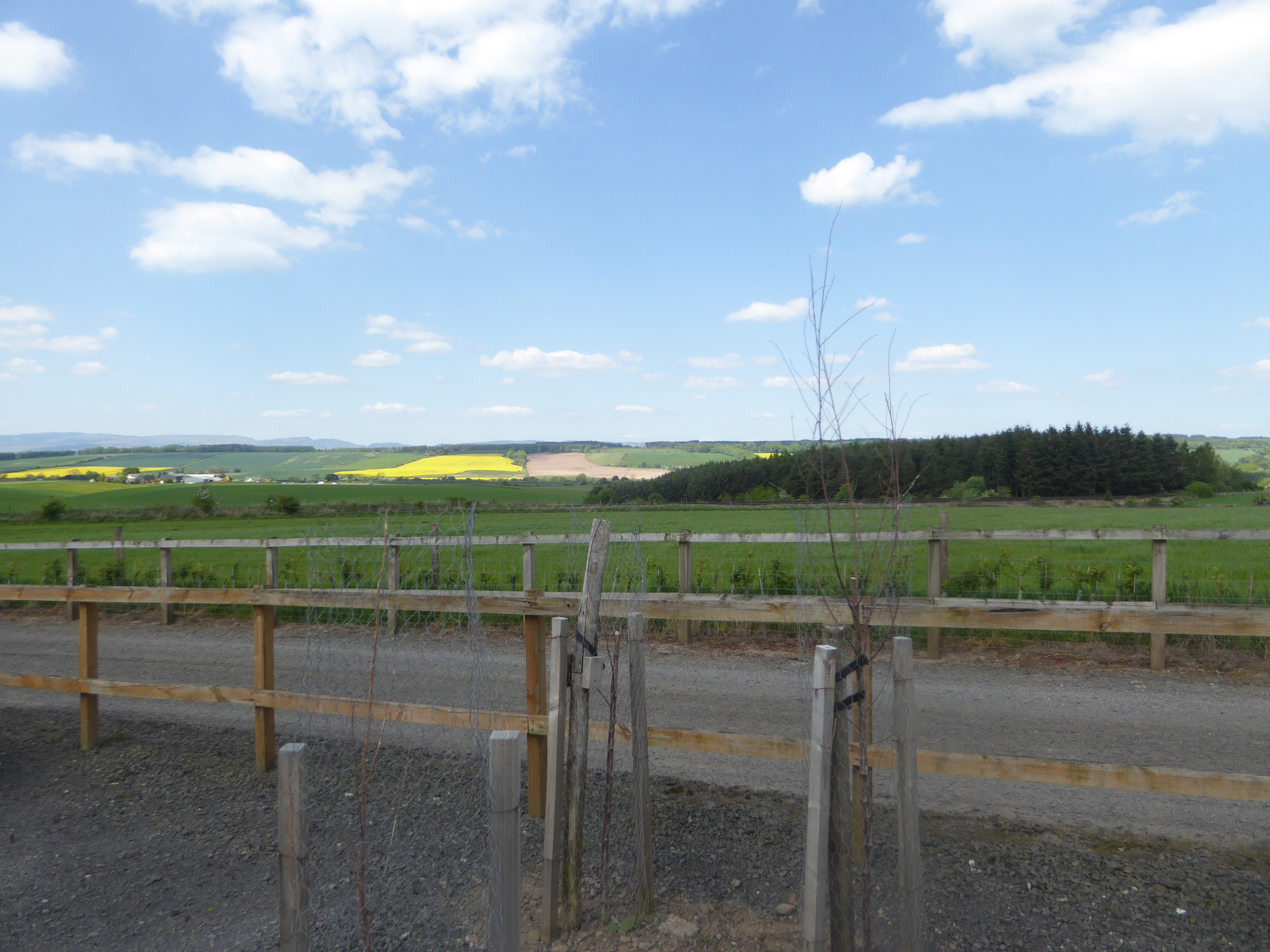
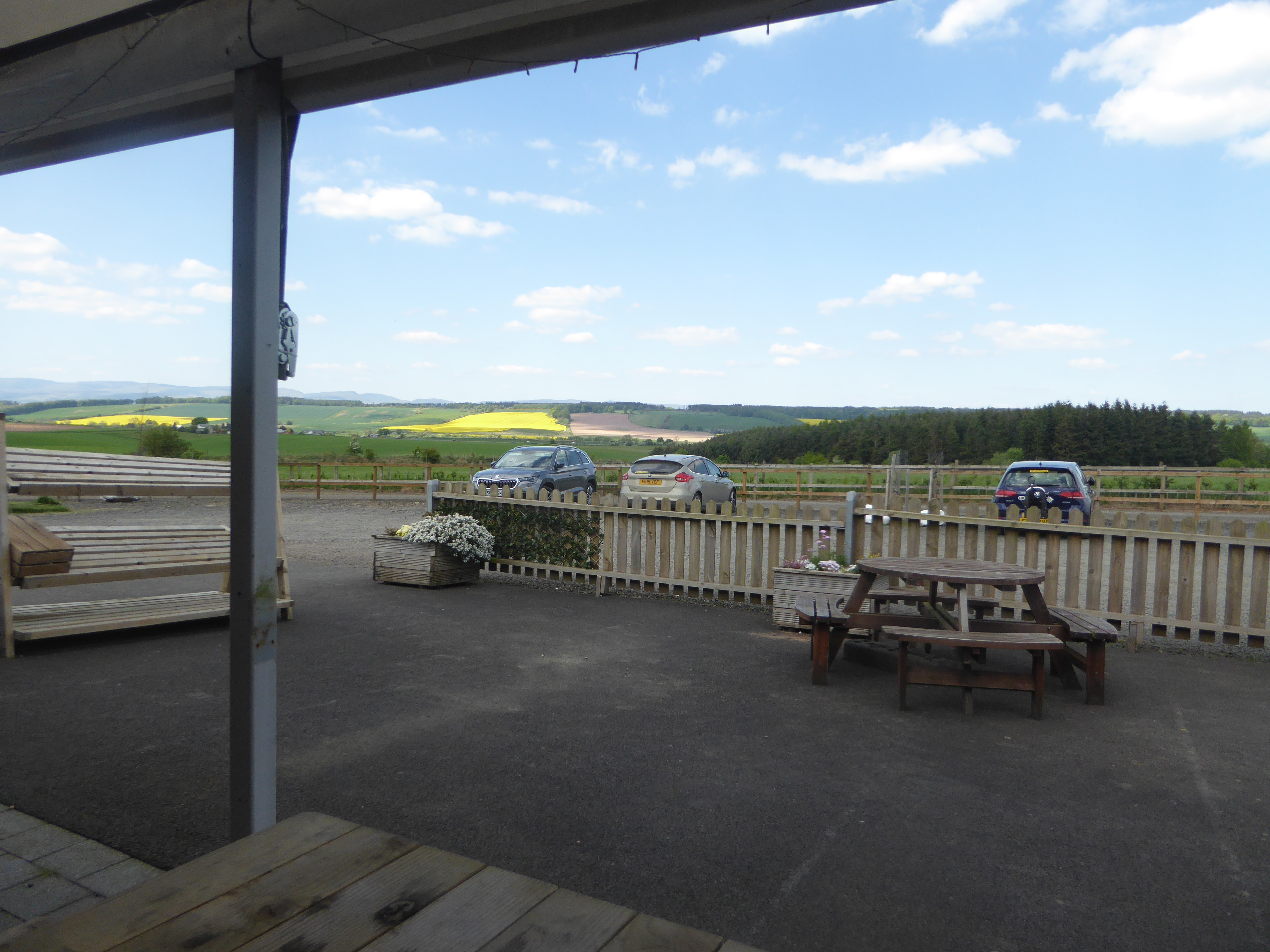
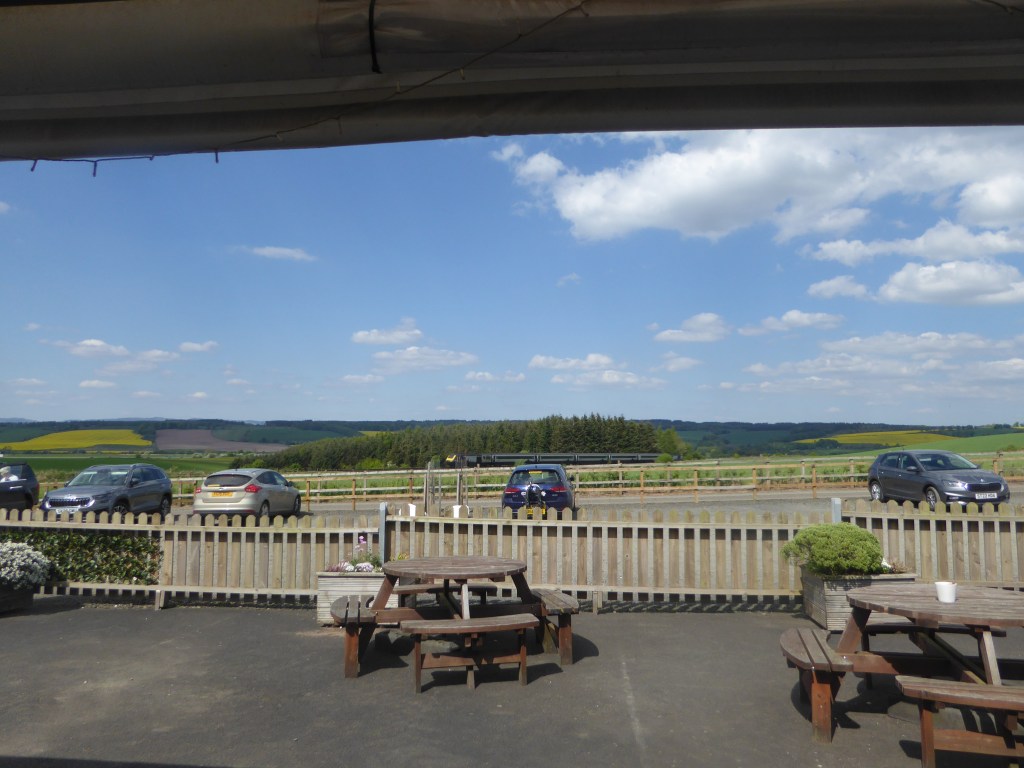
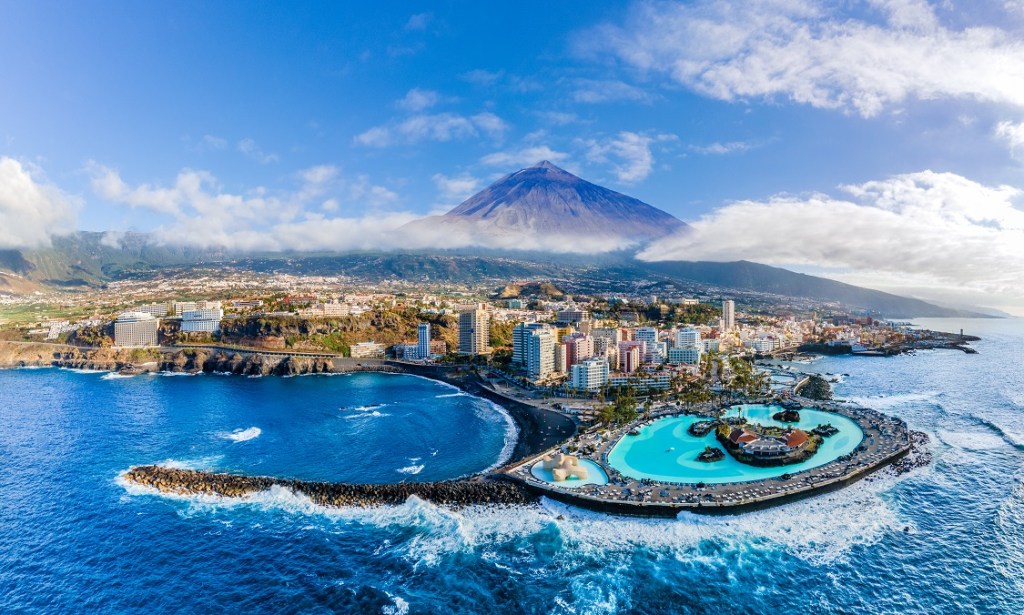
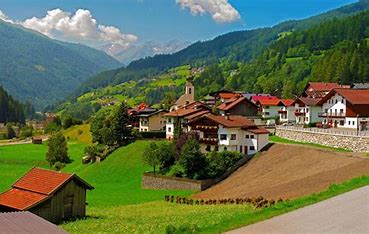
What a view (above)
Conceivably, it could be cheaper to come here to watch the grass court tennis, than going to London, to watch the tennis at Wimbledon, particularly if you take into account travel, hotels and food in London.
I’ll be back.
CB
*Tournaments in the ATP (Association of Tennis Professionals) range from 250 points, to 500 points; with the Master tournaments being worth 1,000 points. The major tournaments (Wimbledon, etc) are worth 2,000 points to the winners.
It’s interesting nowadays all the rage about farmhouses, farmhouse cafes, pick your own fruit places, etc. No doubt this has been a good win for the rural economy or even for the village economy. I have my favourite, I think I’ve said before, it’s the Tebay farm shop in the northwest England; that’s even had its own documentary shown on tv a few years ago.
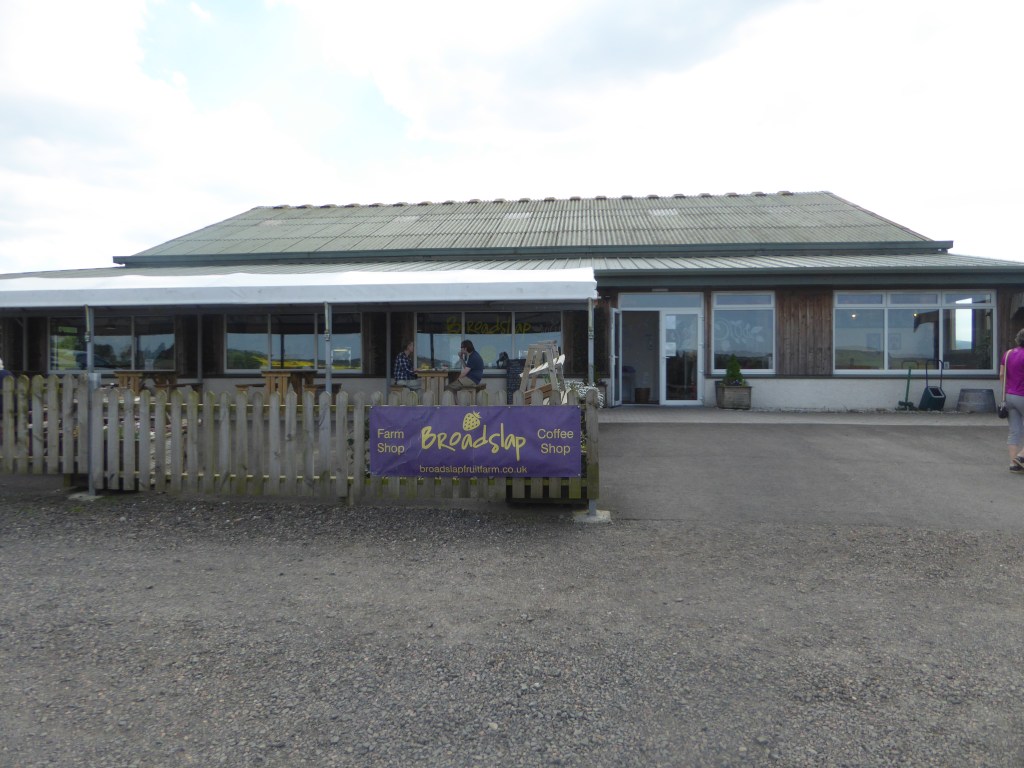
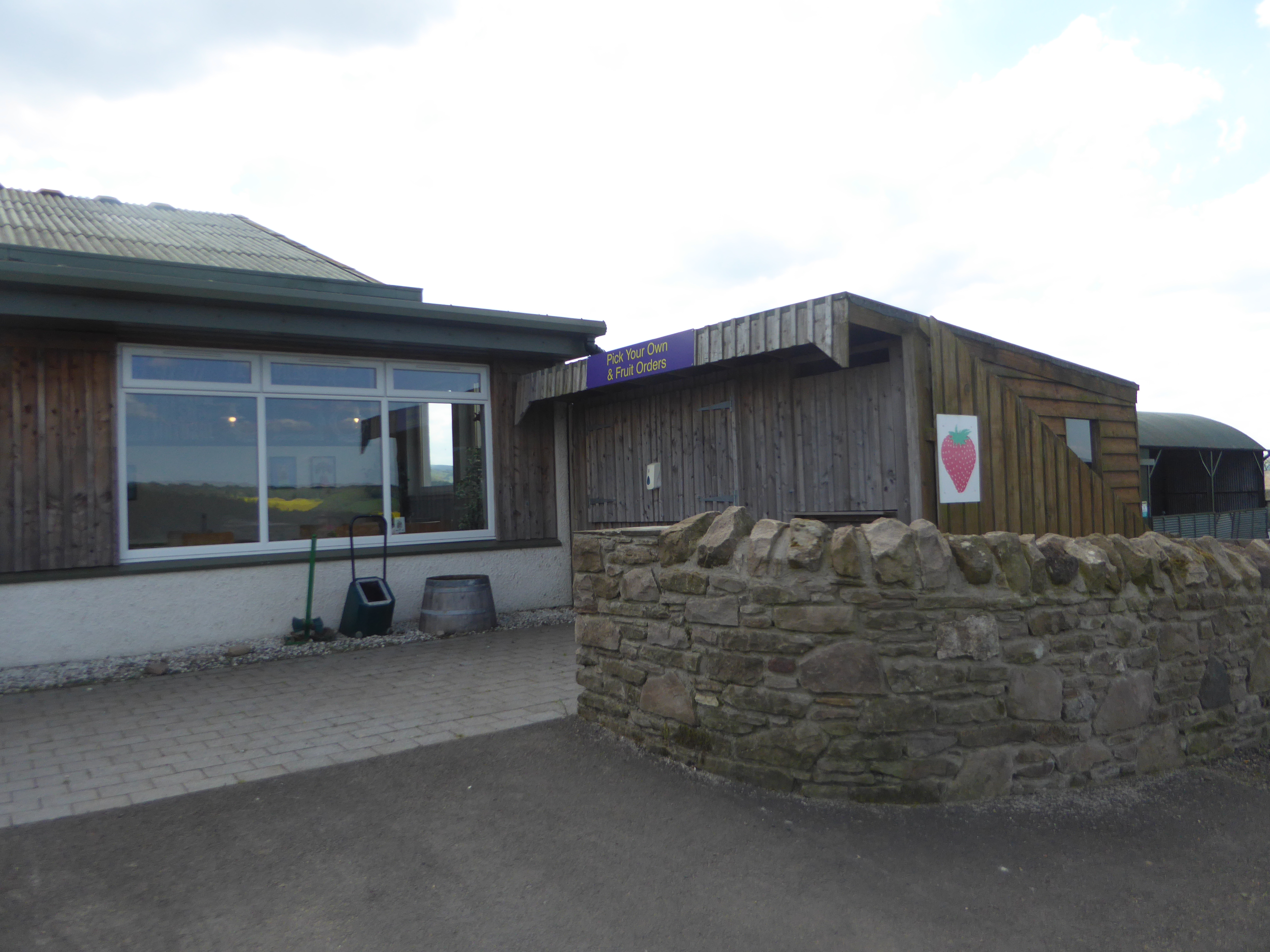
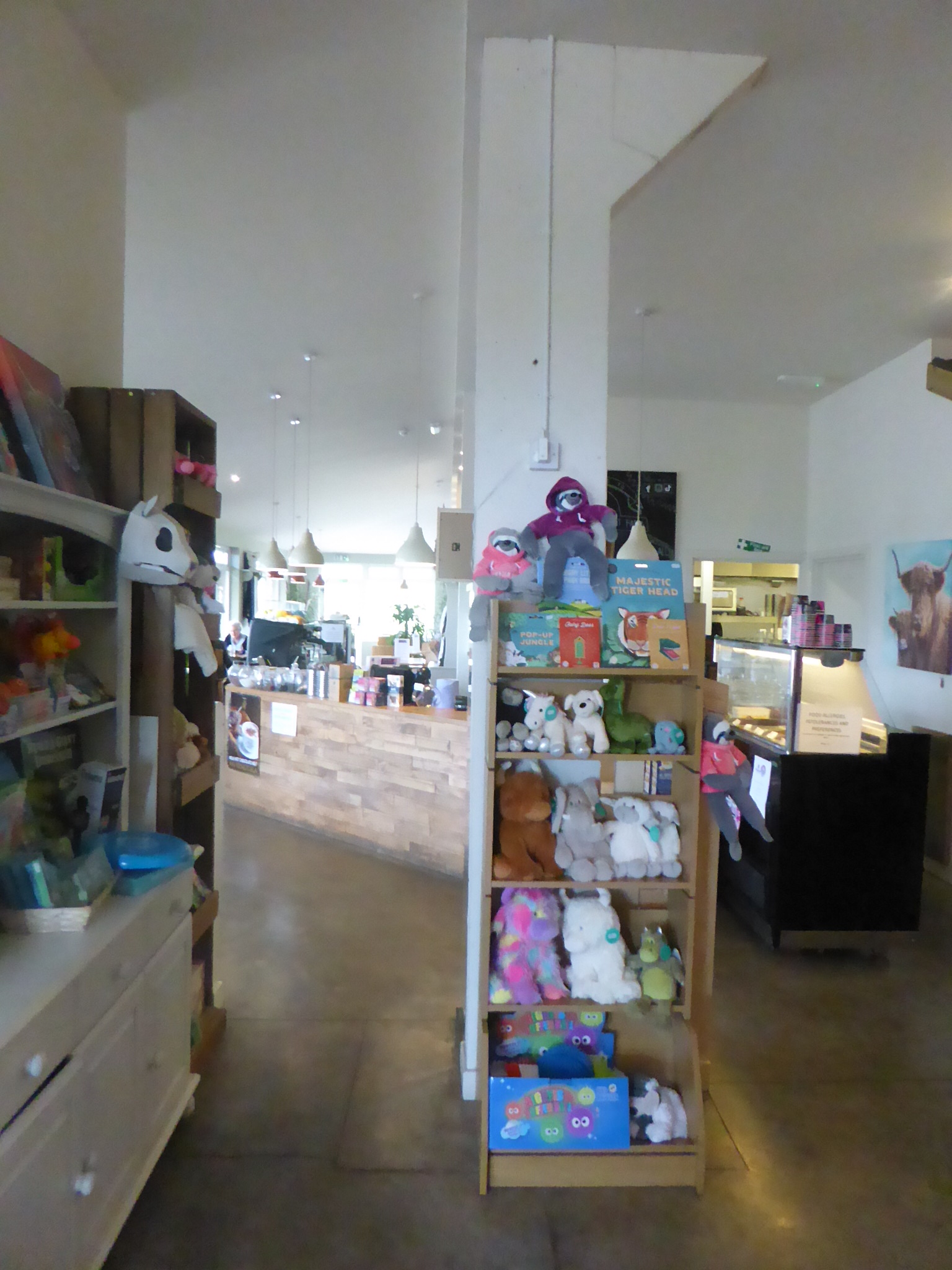
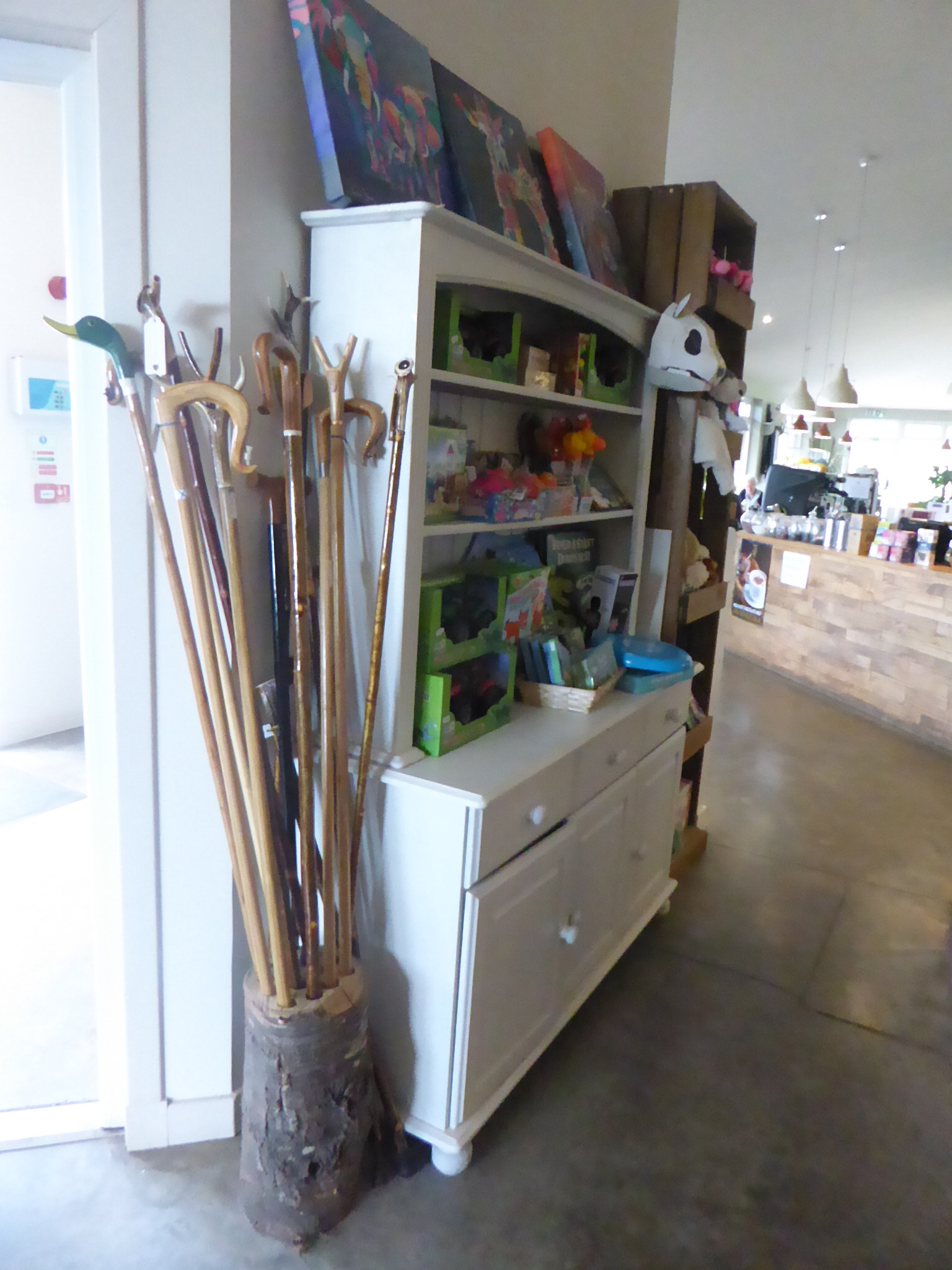
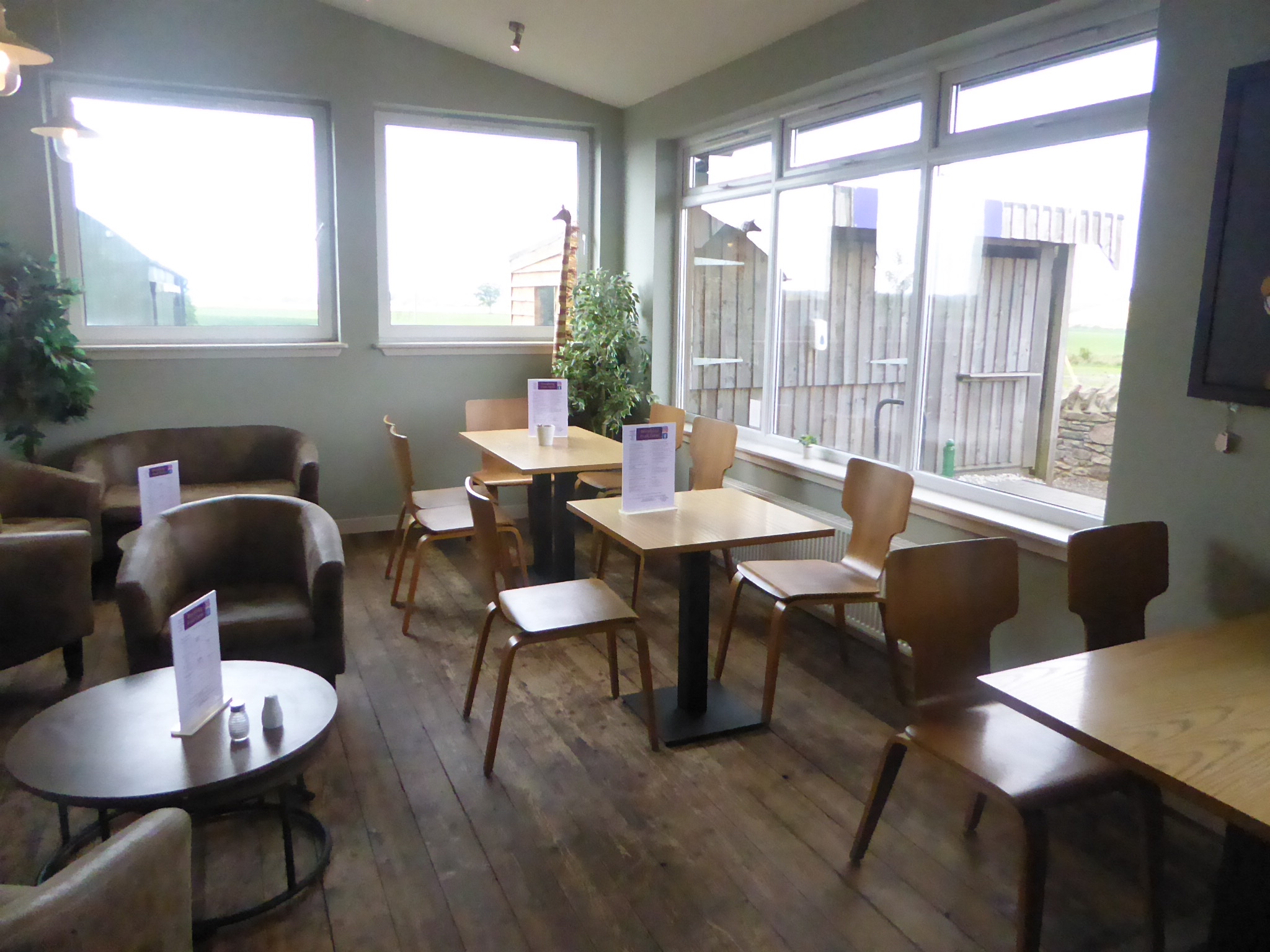
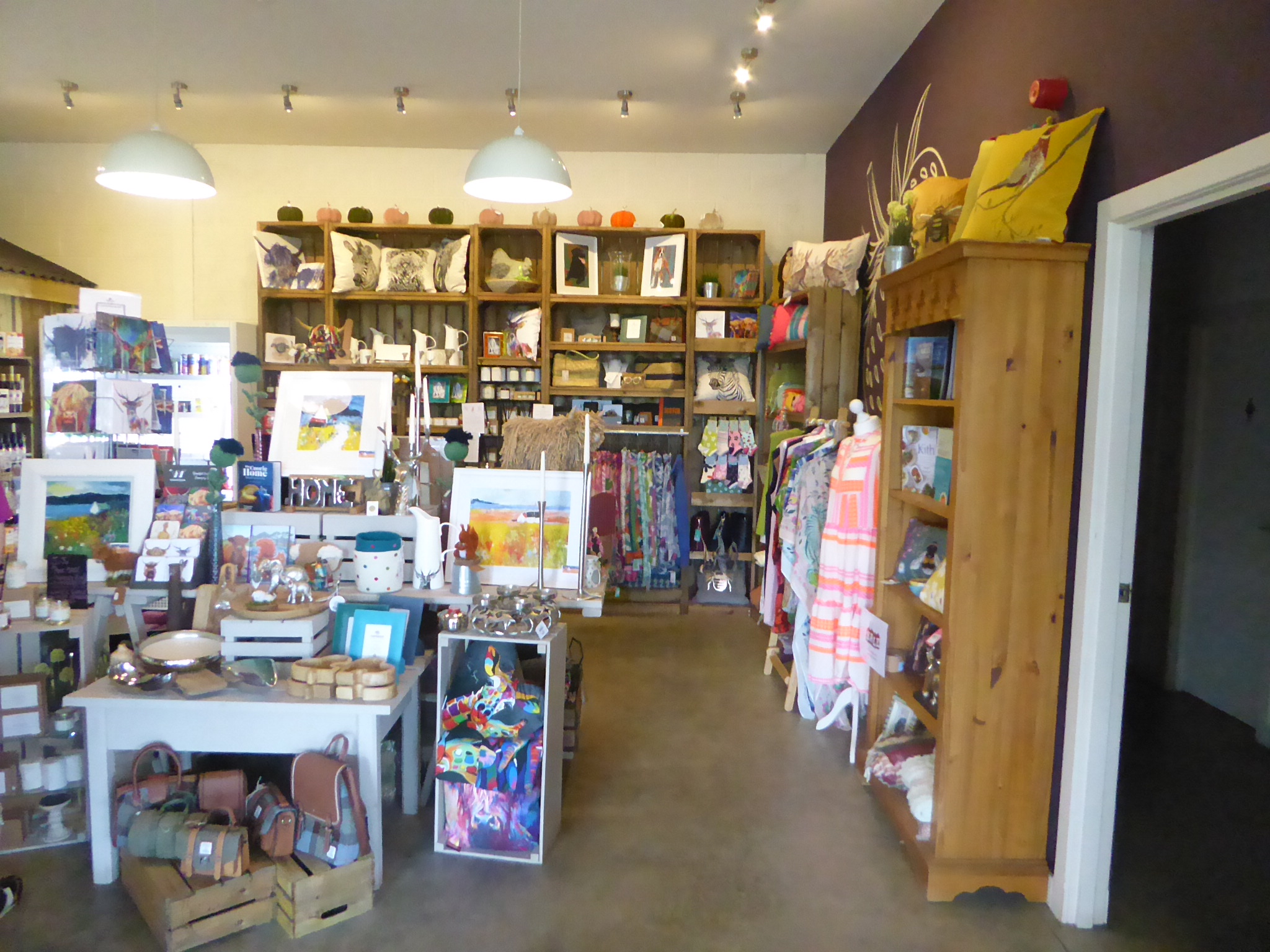
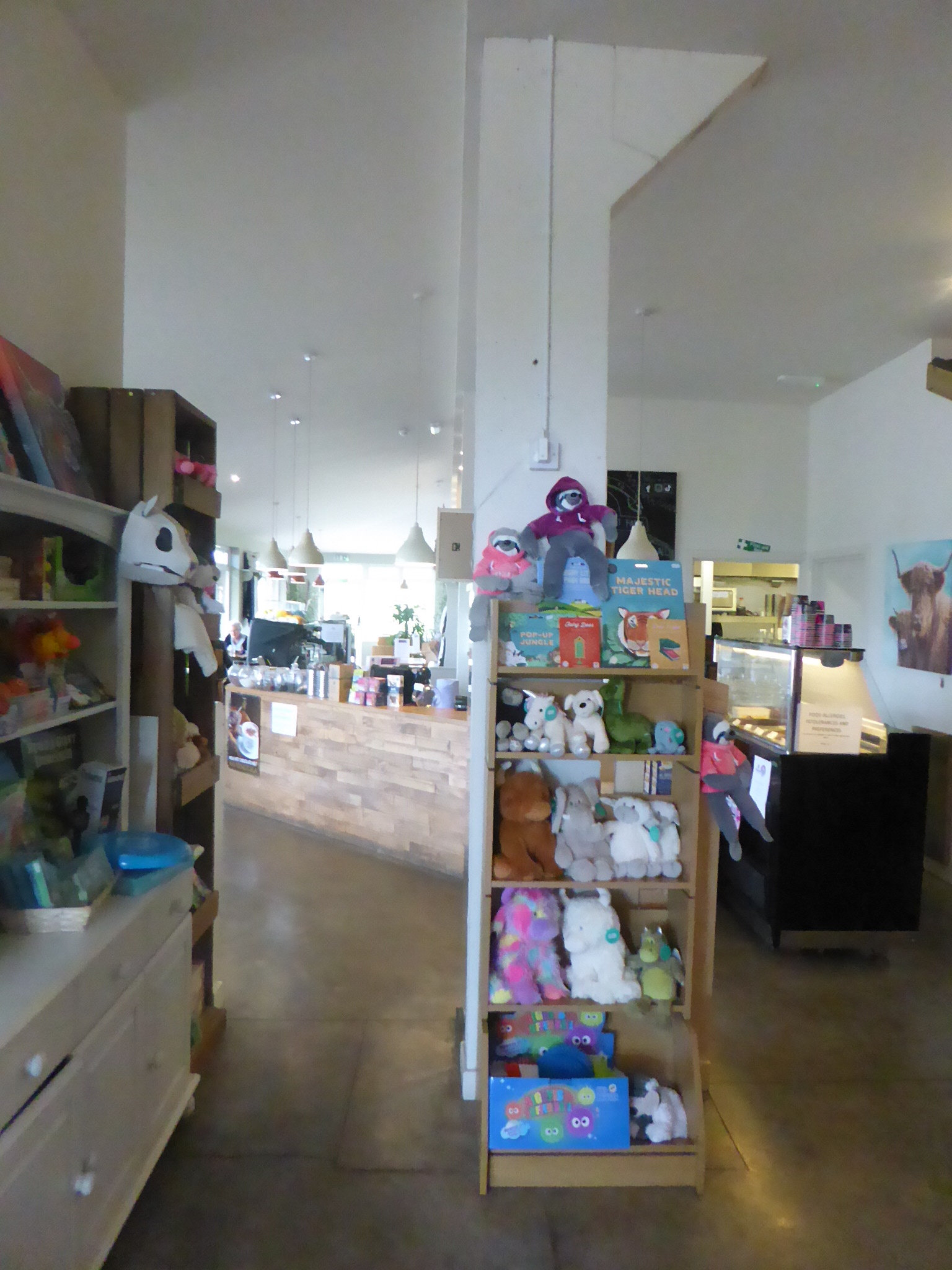
There’s also this one, Broadslap Farm, in Perthshire that I’ve been going to the past year. I think it’s been three or four times. It’s an interesting example as it’s possible to pick your own fruit, pick your own flowers, shop and even has a café; all rolled into one.
In March and April you can pick your own tulips and other flowers and then from June, can pick your own strawberries. Somebody told me that since it’s been quite warm in Scotland the last month, that it was now already possible to do so. For this farm, that was not correct. Perhaps the weather has been a bit colder in south Perthshire this year.
They say they’ll have to wait until early June before you’re allowed to pick your own strawberries this year. But alternatively, there’s still a very nice but small farm shop and café.
I decided to have a traditional ploughman’s lunch which was only 10 quid, so probably a few pounds cheaper than other places, with inflation raging at present.
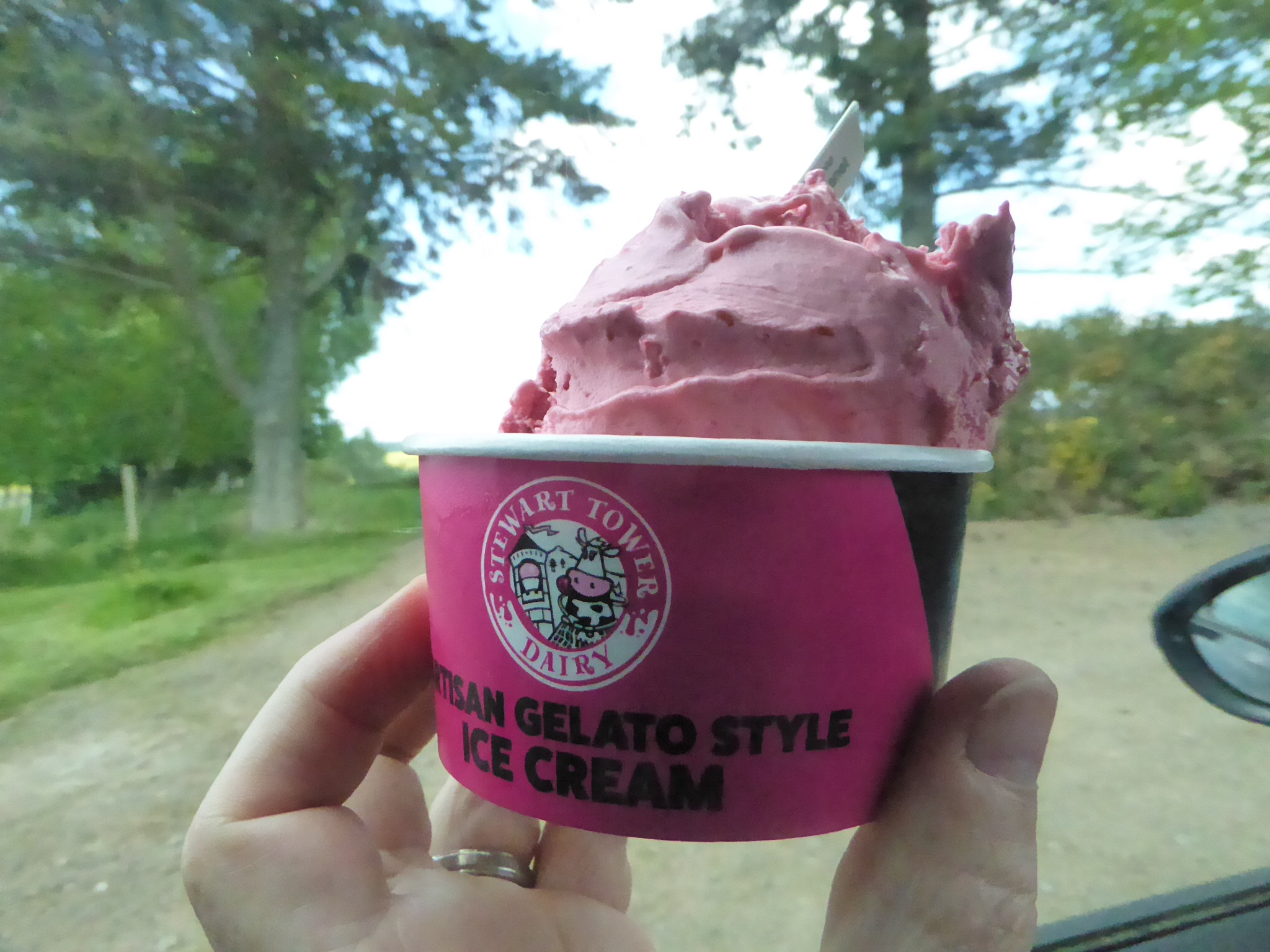
The other half had a very nice mushroom type of soup. I have to say that you have to look at the photos to realise just how big this meal was. I could not finish the salad. Though I found the space to have one of their handmade ice creams.
Over the past decade, there seems to be a growing trend—though not entirely new—of farm cafes, pick-your-own operations, and farm shops emerging to bolster rural economies. These ventures, often located in remote areas, add value and generate additional income for farmers and rural communities. For example, some of these establishments are just off major motorways, yet still a mile or two into the countryside, where it’s easy to get lost. It’s fascinating to explore how significantly this sector has expanded over the last five to ten years and the economic impact it has had.
These initiatives undoubtedly help sustain rural economies. However, operating in such isolated locations often requires a mobile workforce, as local labour may be scarce. Many of these businesses are likely better suited to family-run operations due to their remote settings, where access typically requires a car. Intrigued by this trend, I decided to investigate further, naturally with the assistance of AI.
The facts were (via Grok):
Key Statistics (UK, 2015–2025)
Diversification Trends: 37% of farmers optimistic about diversification profitability; 33% of farms made business changes by 2022, with 44% planning changes in 3–5 years.
Farm Shops: 1,581 farm retailers in 2022, with one-third opened since 2012; sector worth £1.4 billion, employing 2,300–2,400 in 302 FARMA shops (2013/14).
Cafes: UK cafes market at £6.6 billion in 2025, with farm cafes thriving in agritourism.
PYO Flowers: Growing floriculture sector driven by demand for local, sustainable produce; viable on small land areas.
Economic Contribution: Agriculture contributed £13.7 billion (0.56% GVA) in 2023; diversification like farm shops and cafes supports rural jobs (462,100 employed).
Sources:
Harper Adams/FRA Study (2022): Farm shop growth and £1.4 billion market value.
As a follow up to my post of February 1 of this year, it is now quite well known that Venice has indeed brought in a tourist fee for a day trip to the beloved city.
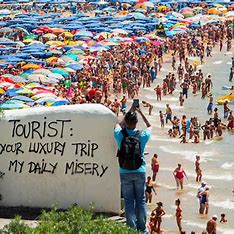
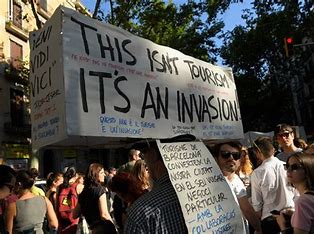
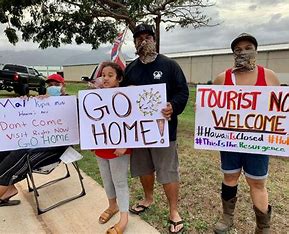
But, what the press has been quite low key about, is a variety of other regions and cities are essentially doing the same thing.
These are presently ranging from Spain to Hawaii, and various places in between.
As always, there is a decision taken (this case Venice) and then, there are the followers.
It’s happening all over Spain at present. I mention Spain, because of the sheer numbers who do go there from the UK. In fact, I’ll be going to Mallorca in June, in order to watch the Mallorca Open grass court tennis tournament.
As someone who travels quite a lot, with my next trip to Porto or Northern Ireland to see a brother(s) of mine, next week, I can well understand both the concerns of the tourist, as well as the people who live in these tourist areas.
At present I’ve a holiday home in a picturesque area of Scotland, that as of last week, has started to become inundated with tourists. Though many in the local community, as the town is small, rely on them for certain portions of the year for their income (or at least a part of it).
I put up with them, and they are really not that bad! OTOH, at times the traffic is outrageous. This makes me furious, as I’ve always wondered why people who want to “get away from it all“, are at the same time driving through the village as if it’s a friggin motorway!
In addition, as this is not our main residence, as of this year we’ve now been hit with a double council tax from the local Council.
Is this really a solution? I’m still not sure, as we will not only pay it, but at the same time will have no intention of all of a sudden, selling it to a “local”. I say local, as we’re there for about 7 – 10 days a month, and consider ourselves to be “locals”. And besides, just what does the local Council do with this new found money? I seriously doubt that they’ve set up a special trust fund with it, in order to assist locals in find accommodation!
Alternatively, I can certainly understand when certain local people can not find a flat either for sell, or to rent for the long term.
An obvious solution comes from countries who have already experienced something like this. Germany is one that comes to mind, and one where I have first-hand experience of.
There, it has always been the case for many of the states to have a cap / limit, on the number of Ferienwohnungen (holiday houses) that a specific area is allowed to have.
This seems like common sense, and it also does not punish someone like myself, who has bought a second property, and then later, is expected to be taxed double for it.











 Curious Bystander