
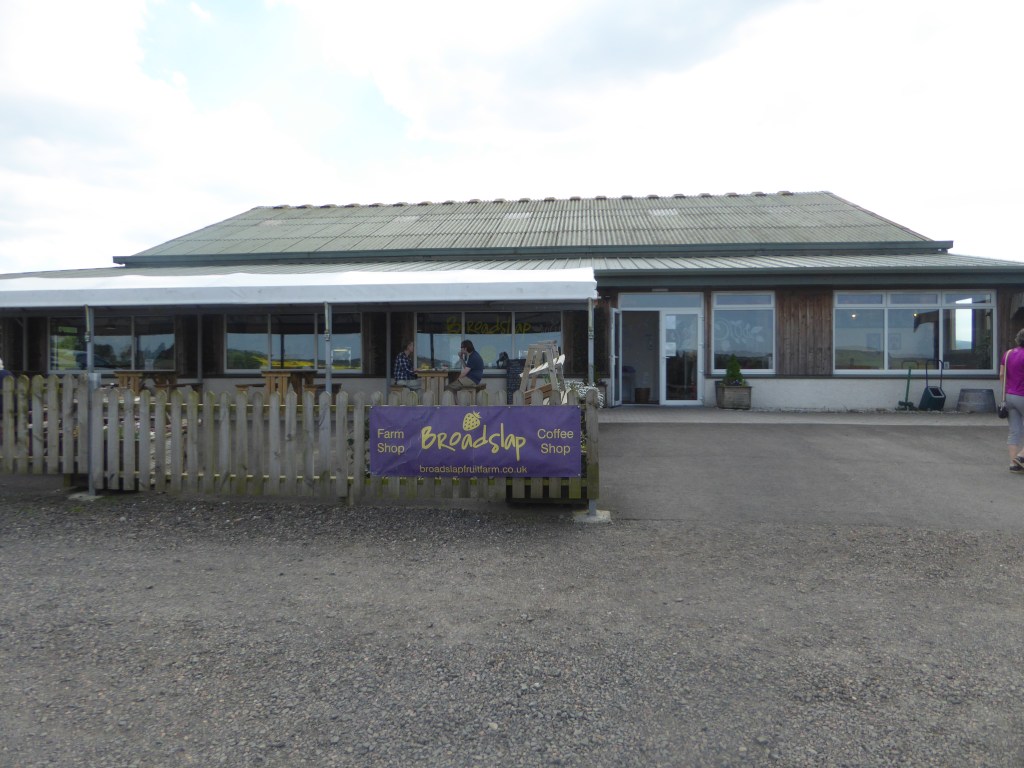
It’s interesting nowadays all the rage about farmhouses, farmhouse cafes, pick your own fruit places, etc. No doubt this has been a good win for the rural economy or even for the village economy. I have my favourite, I think I’ve said before, it’s the Tebay farm shop in the northwest England; that’s even had its own documentary shown on tv a few years ago.
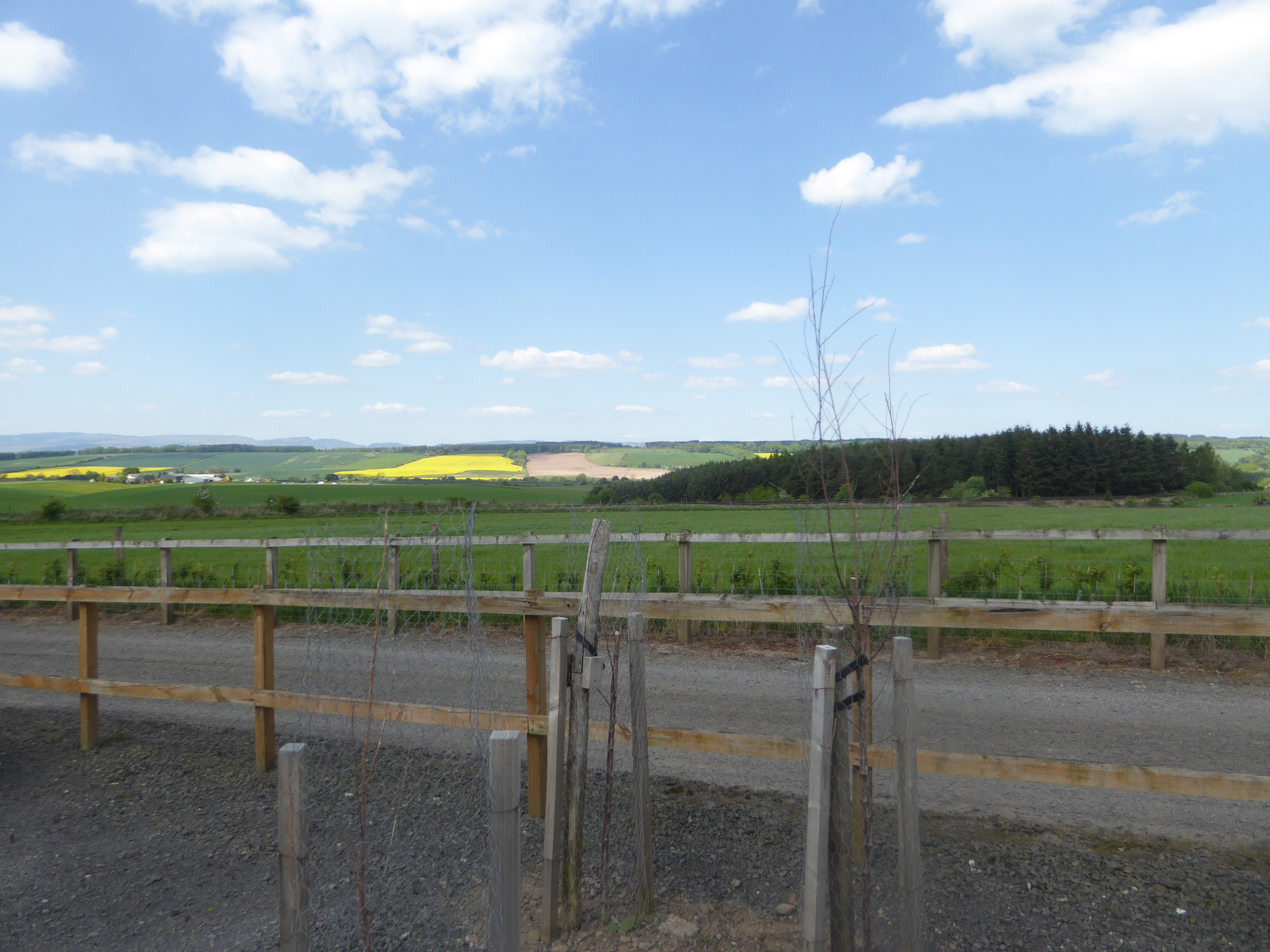
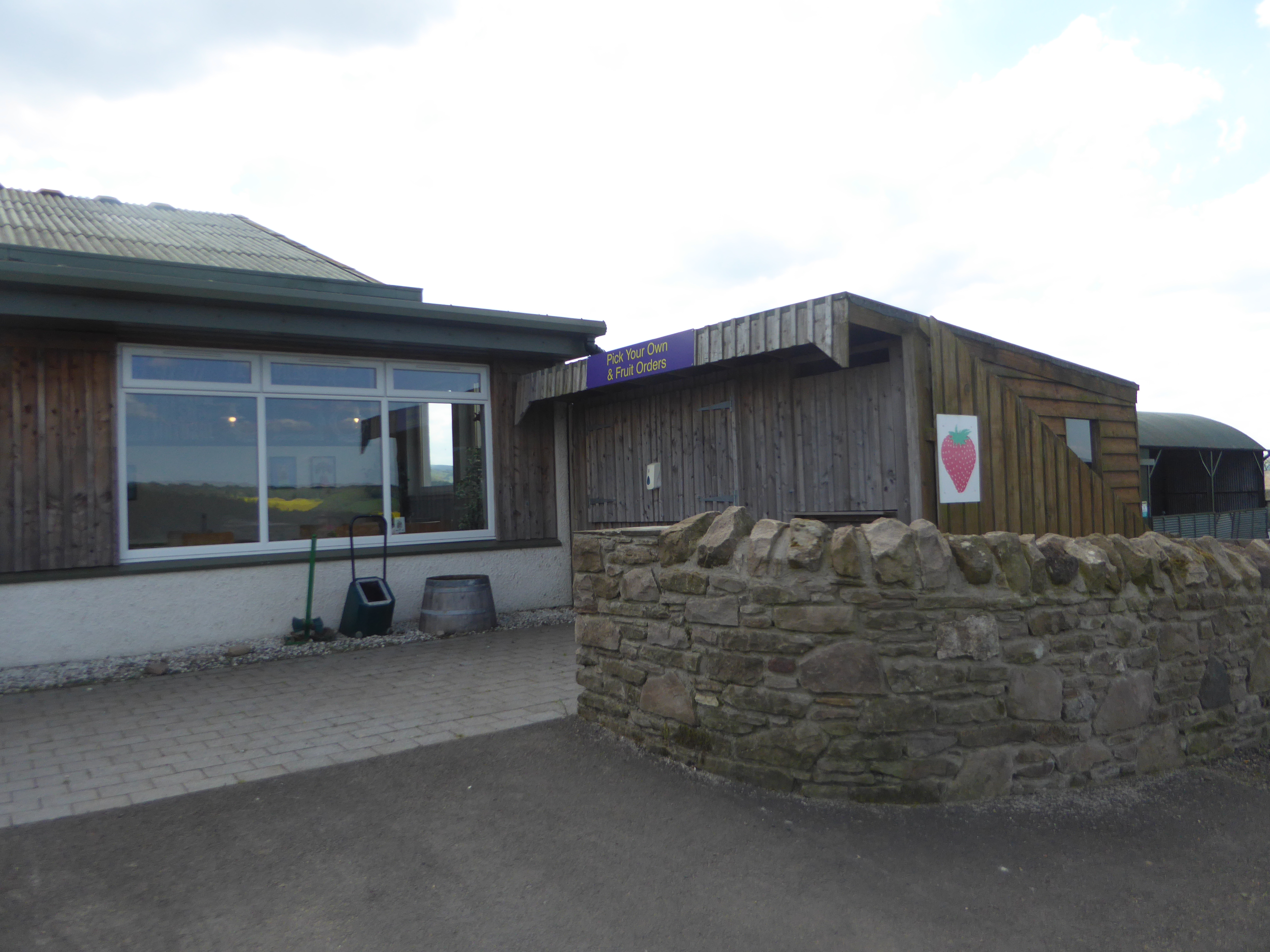
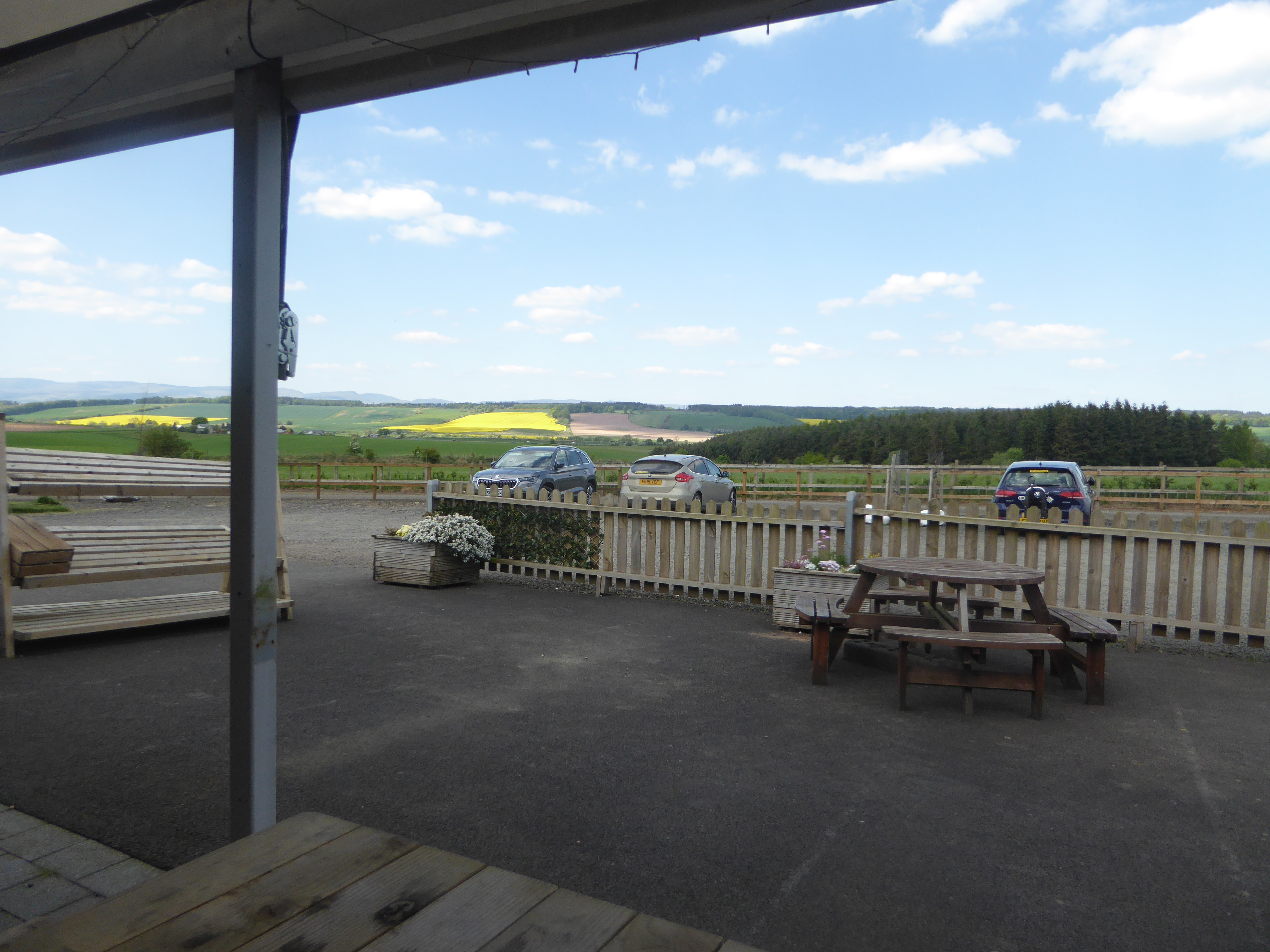
There’s also this one, Broadslap Farm, in Perthshire that I’ve been going to the past year. I think it’s been three or four times. It’s an interesting example as it’s possible to pick your own fruit, pick your own flowers, shop and even has a café; all rolled into one.
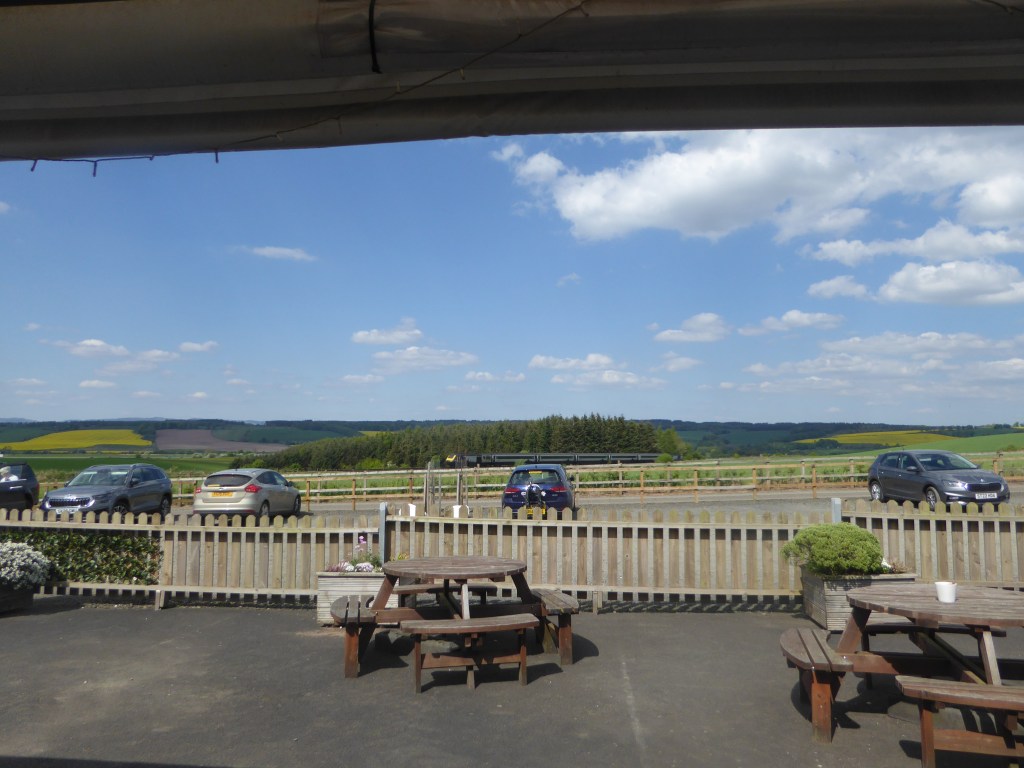
In March and April you can pick your own tulips and other flowers and then from June, can pick your own strawberries. Somebody told me that since it’s been quite warm in Scotland the last month, that it was now already possible to do so. For this farm, that was not correct. Perhaps the weather has been a bit colder in south Perthshire this year.
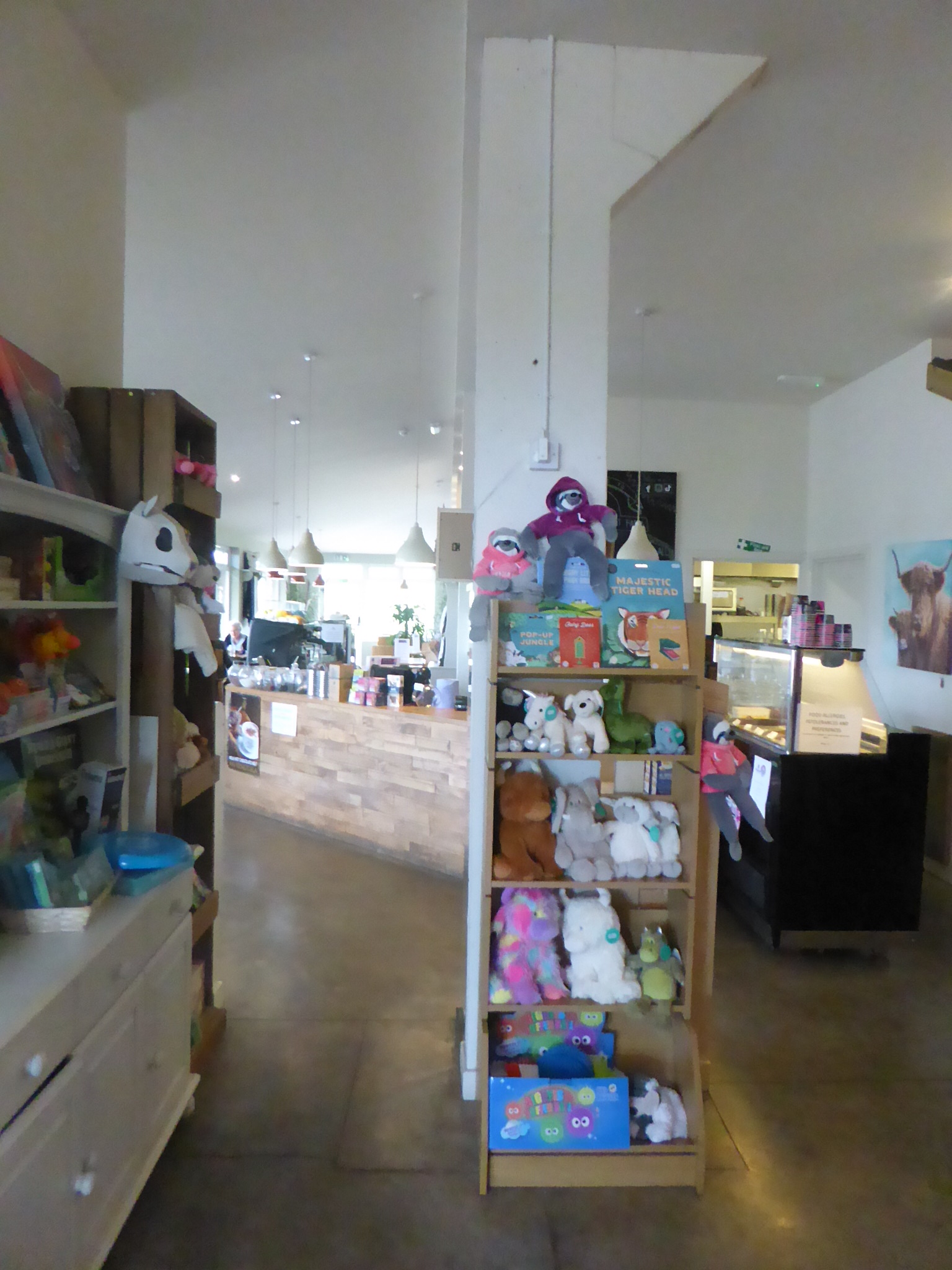
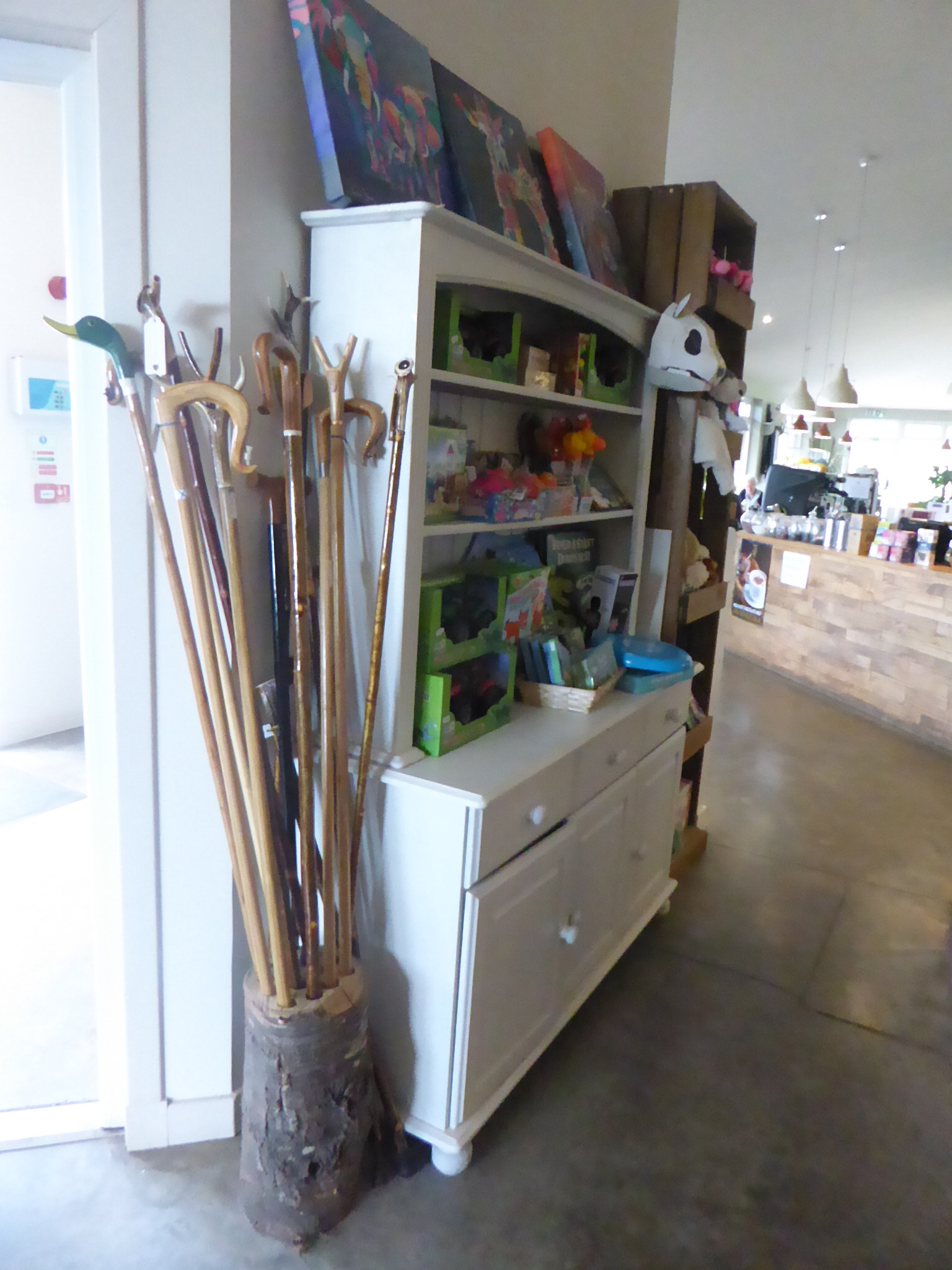
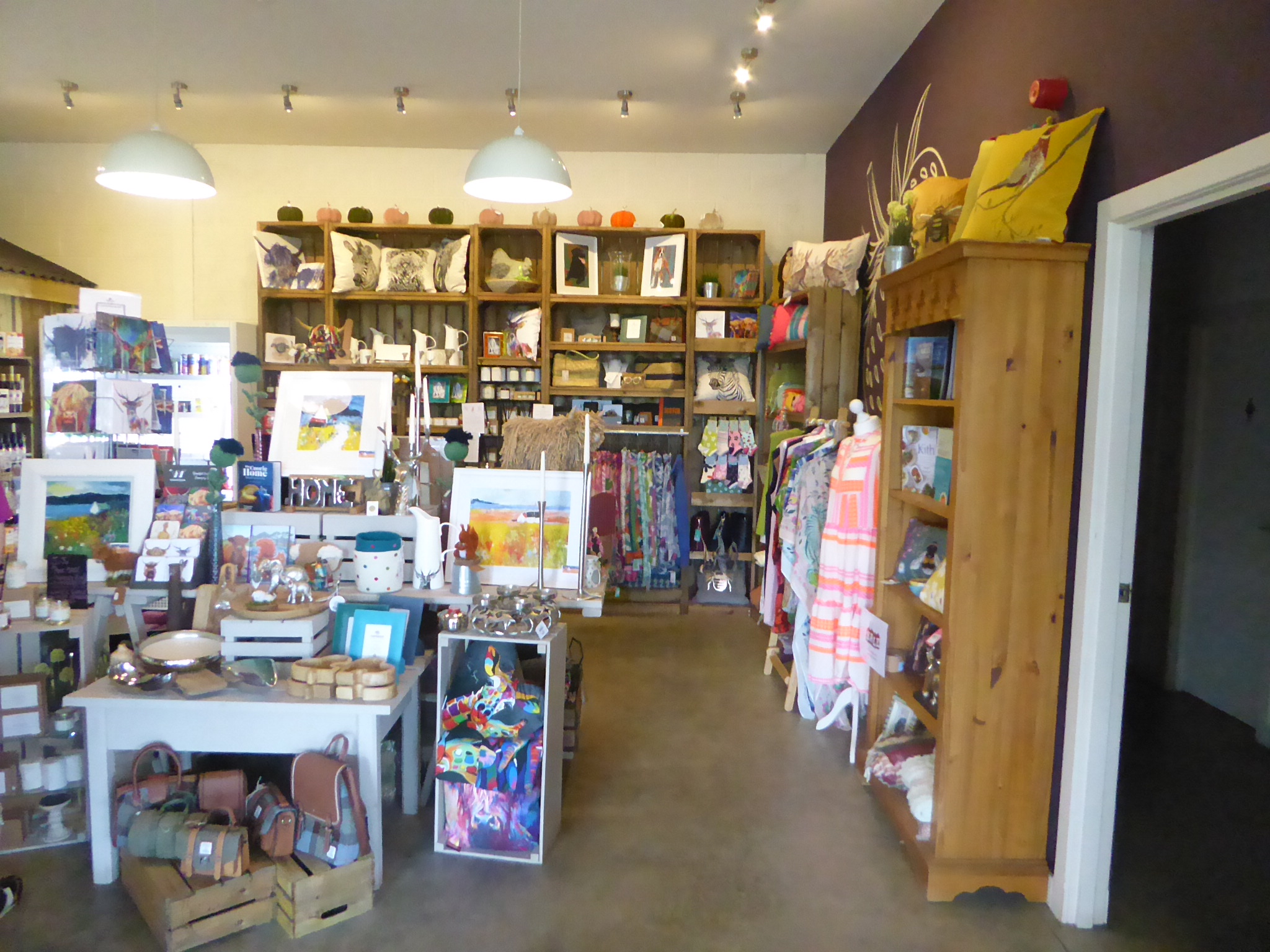
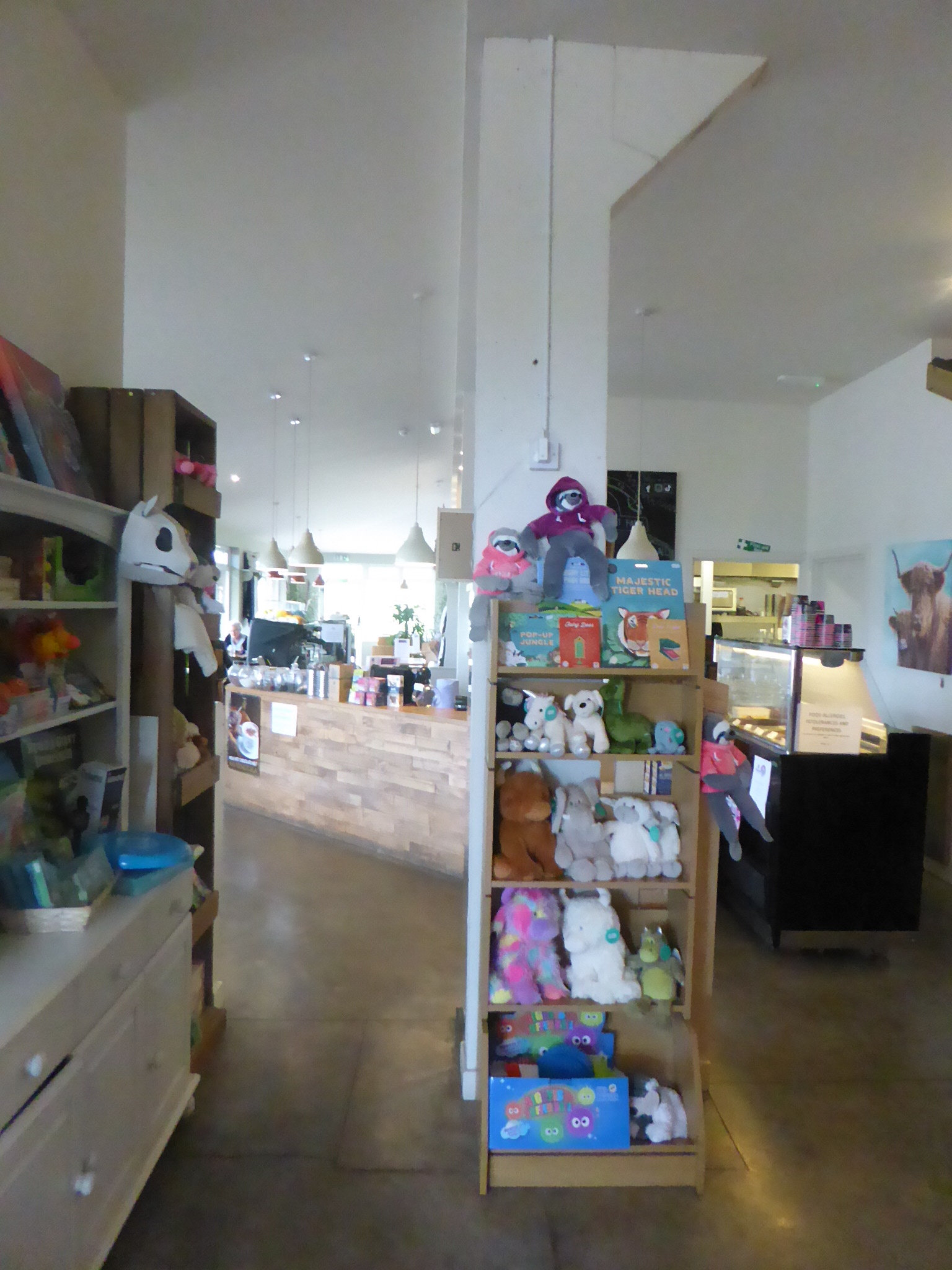
They say they’ll have to wait until early June before you’re allowed to pick your own strawberries this year. But alternatively, there’s still a very nice but small farm shop and café.
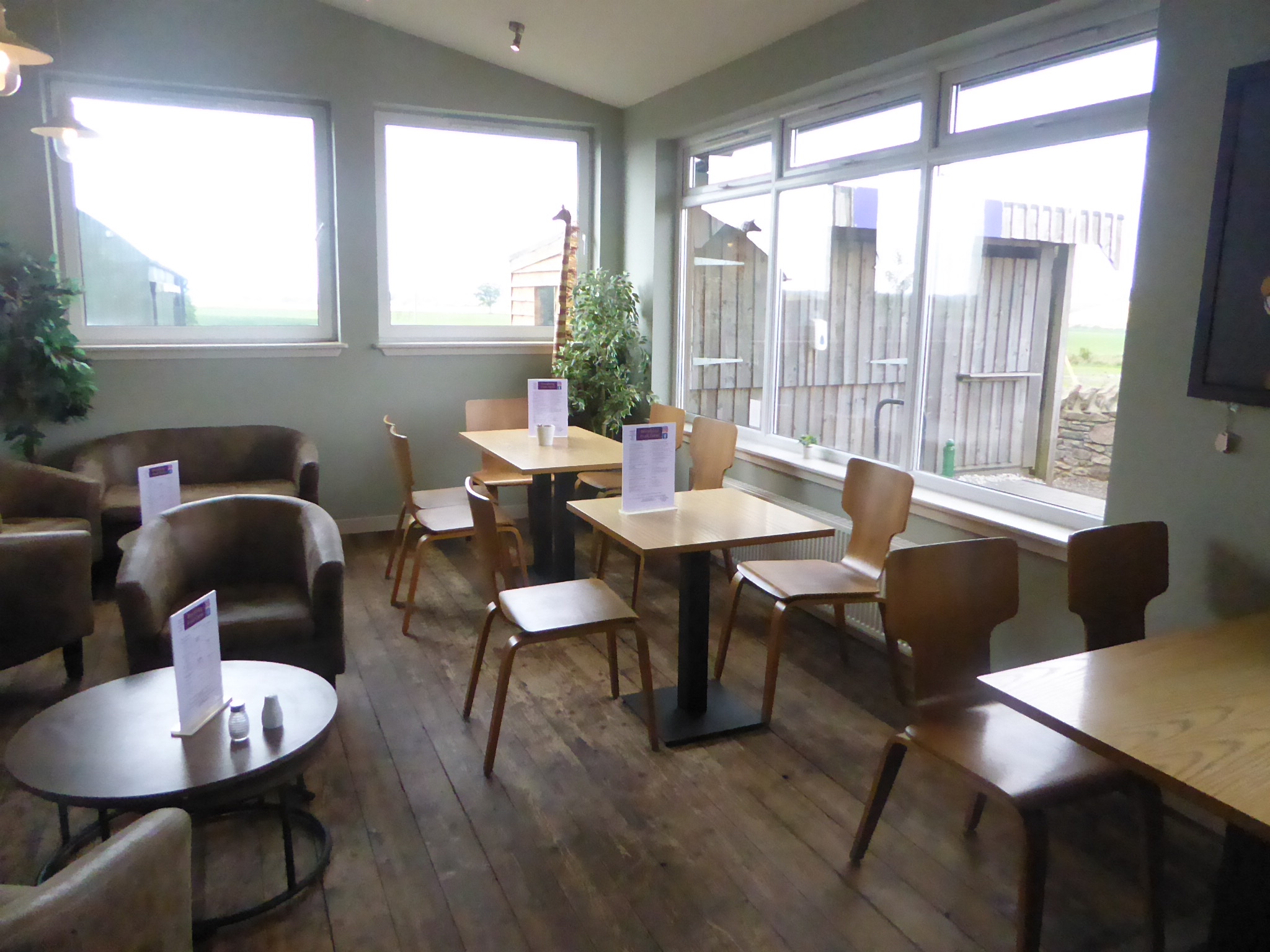
I decided to have a traditional ploughman’s lunch which was only 10 quid, so probably a few pounds cheaper than other places, with inflation raging at present.


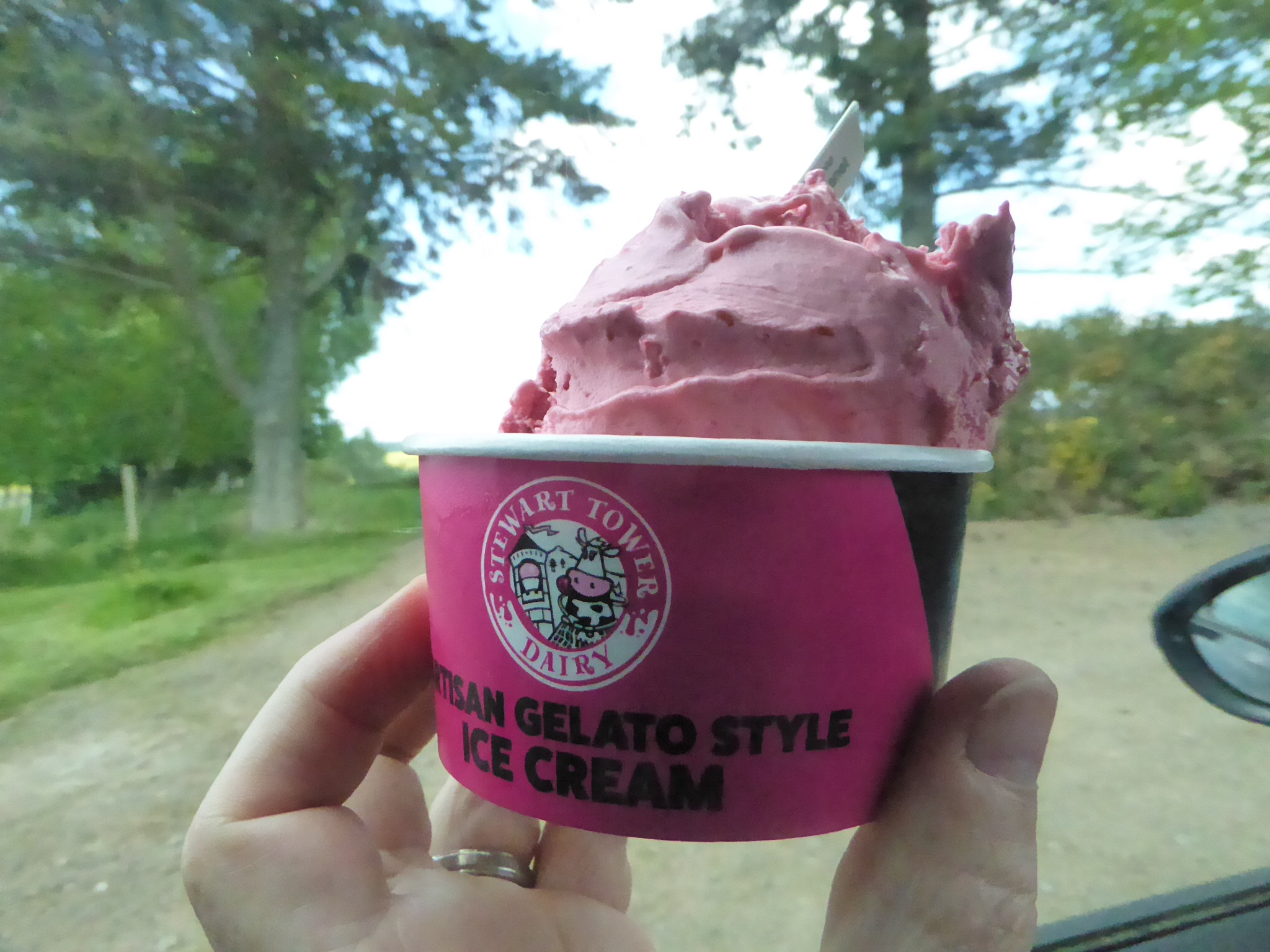
The other half had a very nice mushroom type of soup. I have to say that you have to look at the photos to realise just how big this meal was. I could not finish the salad. Though I found the space to have one of their handmade ice creams.
Over the past decade, there seems to be a growing trend—though not entirely new—of farm cafes, pick-your-own operations, and farm shops emerging to bolster rural economies. These ventures, often located in remote areas, add value and generate additional income for farmers and rural communities. For example, some of these establishments are just off major motorways, yet still a mile or two into the countryside, where it’s easy to get lost. It’s fascinating to explore how significantly this sector has expanded over the last five to ten years and the economic impact it has had.
These initiatives undoubtedly help sustain rural economies. However, operating in such isolated locations often requires a mobile workforce, as local labour may be scarce. Many of these businesses are likely better suited to family-run operations due to their remote settings, where access typically requires a car. Intrigued by this trend, I decided to investigate further, naturally with the assistance of AI.
The facts were (via Grok):
Key Statistics (UK, 2015–2025)
Diversification Trends: 37% of farmers optimistic about diversification profitability; 33% of farms made business changes by 2022, with 44% planning changes in 3–5 years.
Farm Shops: 1,581 farm retailers in 2022, with one-third opened since 2012; sector worth £1.4 billion, employing 2,300–2,400 in 302 FARMA shops (2013/14).
Cafes: UK cafes market at £6.6 billion in 2025, with farm cafes thriving in agritourism.
PYO Flowers: Growing floriculture sector driven by demand for local, sustainable produce; viable on small land areas.
Economic Contribution: Agriculture contributed £13.7 billion (0.56% GVA) in 2023; diversification like farm shops and cafes supports rural jobs (462,100 employed).
Sources:
Harper Adams/FRA Study (2022): Farm shop growth and £1.4 billion market value.
Farm Shop Evolution (The Write Taste): Details economic benefits and local sourcing.
GOV.UK Farm Business Income (2024): Diversification income trends.
Mintel UK Cut Flowers Report (2025): PYO flower market trends.
Country Life (2013): Farm shops’ local economic impact.
CB

 Curious Bystander